1970s TV: Sitcoms, Crime, Cartoons & Prime-Time Classics

SLGX 1970s TV — Clean Copy
ON AIR CHANNEL 70s TV GUIDE SITCOMS • CRIME • FAMILY • CARTOONS • 1970–1979
Smells Like Gen X • The Three-Network Rewind
SPECIAL DECADE ISSUE1970–1979PRIME TIME • SATURDAY MORNING • RERUN FOREVER

1970s TV: Sitcoms, Crime, Cartoons & Prime-Time Classics

Before streaming split television into a thousand private queues, the 1970s dial was a shared room: groundbreaking sitcoms, cops and private eyes, changing families, giant network hits, unforgettable theme songs and Saturday mornings that could keep a kid planted on the carpet until lunch.

The Sitcom RevolutionCrime Owns Prime TimeThe Family ChangesSaturday Morning Forever
Programming Desk • The Short Version

What Defined 1970s Television?

1970s television was defined by sharper sitcoms, a boom in police and detective shows, new kinds of family stories, and a huge Saturday-morning cartoon culture. All in the Family, M*A*S*H, The Mary Tyler Moore Show, Columbo, The Rockford Files, The Waltons, Little House on the Prairie, Scooby-Doo and Super Friends became part of a three-network viewing culture where the same shows could be discussed in millions of living rooms the next day.

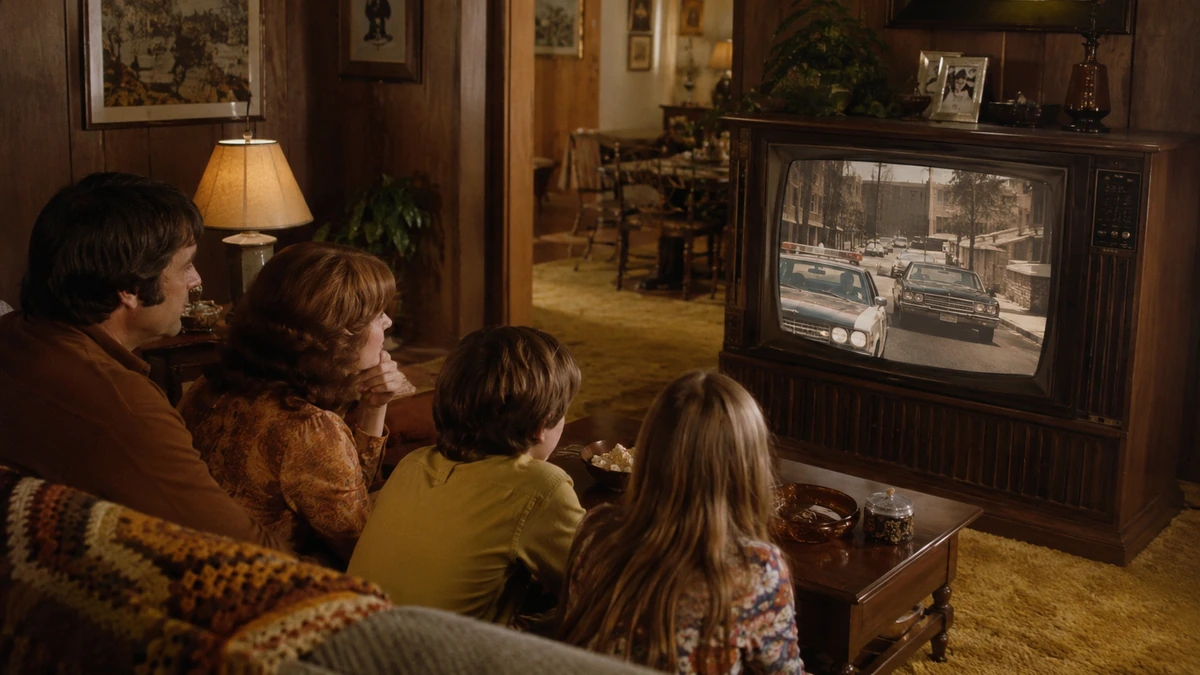
Family watching television in a warm wood-paneled 1970s living room
The whole decade is on.ABC, CBS and NBC turn one family television into a national meeting place.
The Decade at a Glance

What Was on Television in the 1970s?

The short answer is: almost everything. The decade carried old formats forward while inventing the television language that would dominate the next generation.

Comedy

1970s Sitcoms Got Louder, Smarter and More Real

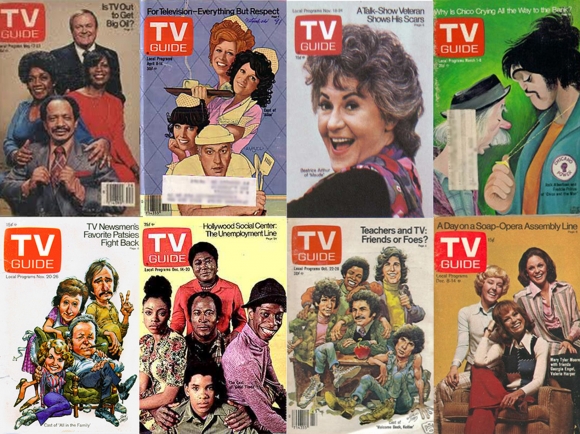
The old rule that a sitcom family had to solve its problems neatly before the credits stopped holding. All in the Family turned arguments over race, politics and generations into prime-time comedy. The Mary Tyler Moore Show made the workplace feel like family, while M*A*S*H, Maude, Good Times, The Jeffersons, Taxi and WKRP proved a half-hour could be funny without being weightless. If that is the part of the decade you remember most, revisit how 1970s sitcoms started talking about real life, then head back to the office, newsroom, garage, precinct and cab company with the 20 best workplace sitcoms of the 1970s.

See all 50 sitcoms →
Crime

Detectives, Private Eyes and Police Shows Took Over Prime Time

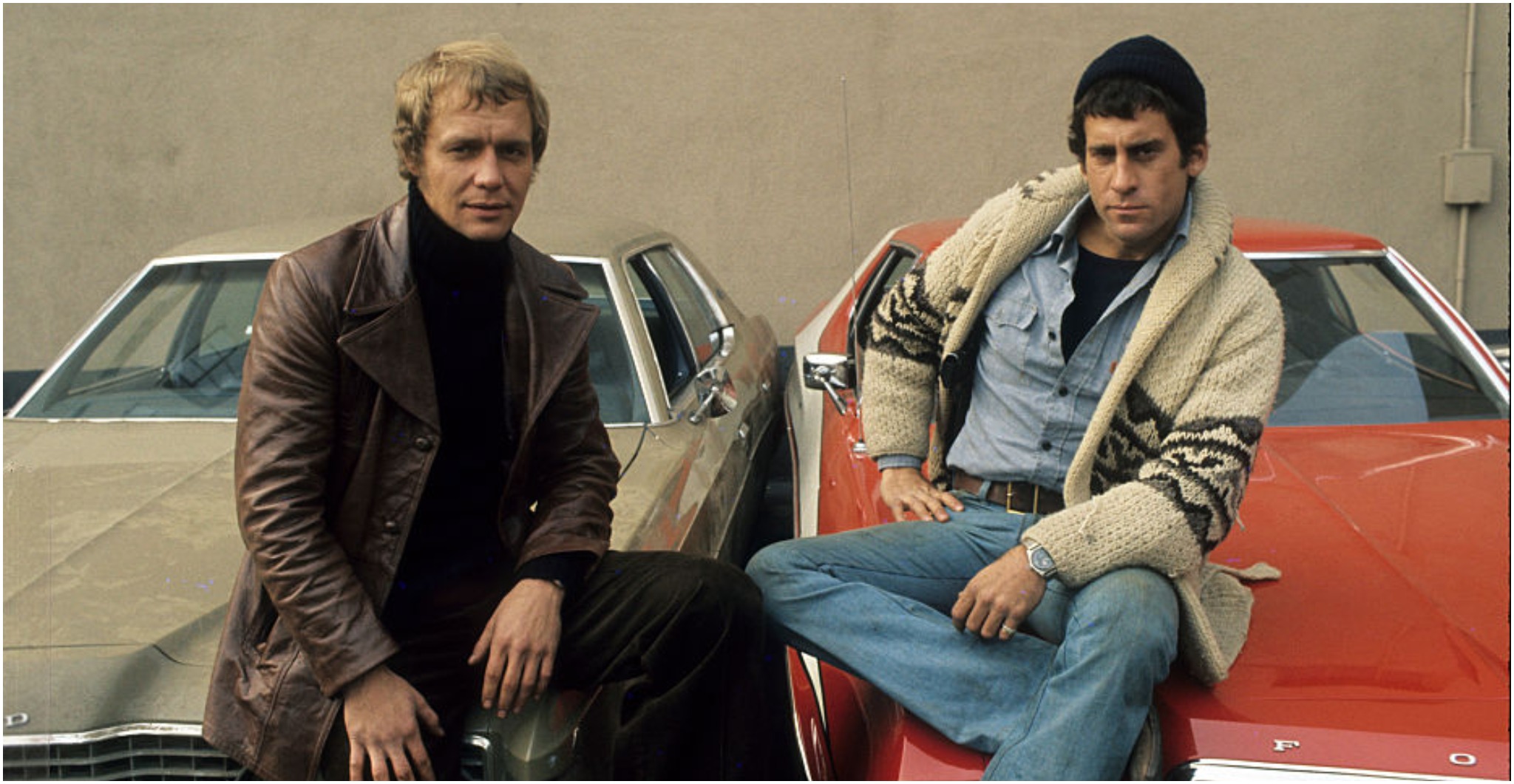
You could barely turn the dial without finding a badge, a private investigator or somebody leaning against a car while the city glowed behind them. Columbo won with patience and one more question; The Rockford Files made being broke and reluctant look heroic. Kojak, Starsky and Hutch, Police Woman and The Streets of San Francisco gave the decade entirely different versions of television justice. Split the badge from the guys working on their own with our rankings of the 20 best police procedural shows of the 1970s and the 20 best private-eye shows of the 1970s.

See all 40 crime shows →
Family

One Approved TV Family Became Many Different Families

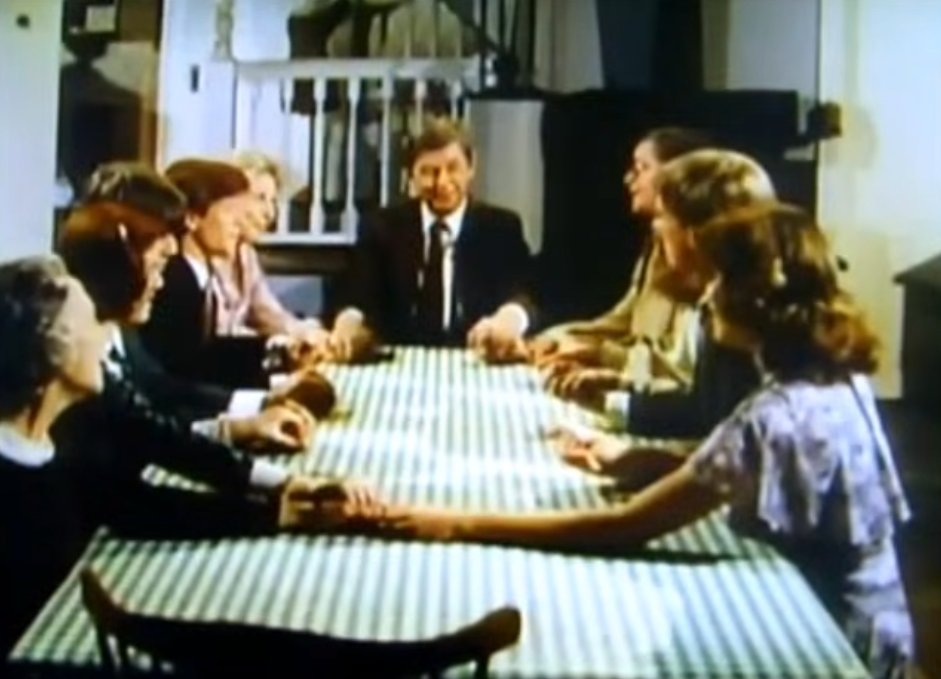
The decade still gave us the warmth of The Waltons and Little House on the Prairie, but family television was changing fast. The Brady Bunch made a blended family ordinary, One Day at a Time centered a divorced mother, Good Times and The Jeffersons put Black family life at the center of network comedy, and Eight Is Enough turned the sheer chaos of a huge household into the story.

See all 40 family shows →
Saturday Morning

Saturday Morning Was Its Own Television Universe

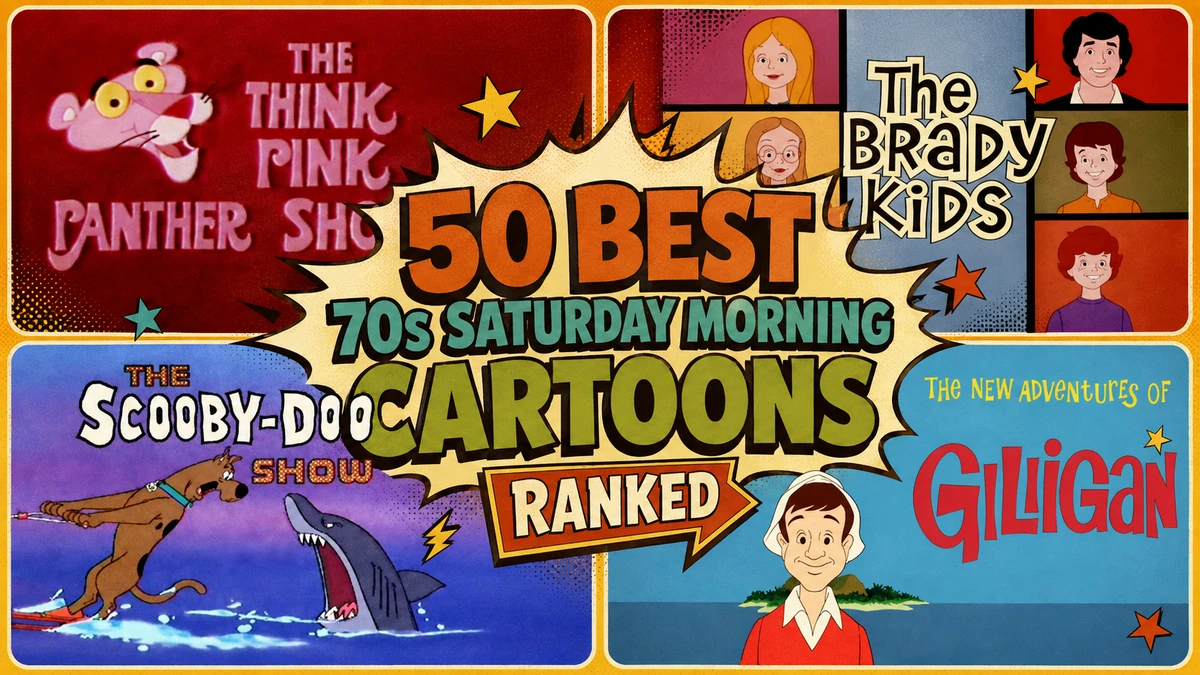
If you were a kid, Saturday morning did not feel like a programming block. It felt like ownership. Scooby-Doo mysteries, Super Friends trouble alerts, Schoolhouse Rock lessons, Filmation heroes, Hanna-Barbera talking animals and cereal commercials all arrived in one long run before the adults reclaimed the set. The schedule itself was part of the memory because missing a show meant waiting another week.

Go back to 1970s Saturday mornings →
The Sound

TV Theme Songs Became Part of the Memory

There was no skip-intro button. The opening music announced that everybody needed to get back into the room. Some themes explained the entire show; others only needed a few notes. From The Jeffersons and Welcome Back, Kotter to Barney Miller, The Rockford Files and WKRP, the soundtrack is one reason so much 1970s television can still be recalled before a single line of dialogue.

Revisit the great 70s TV theme songs →
The Shared Dial

Three Networks Could Still Create One Enormous Audience

ABC, CBS and NBC did not own every television signal in America, but they dominated the national prime-time conversation. That concentration gave hit shows a scale that is hard to reproduce now. Families watched together because there were fewer choices, local stations kept reruns alive, and a program that caught fire could quickly become something almost everybody recognized—even people who swore they never watched it.

Watch the decade change year by year →
THE PART THE RATINGS NEVER CAUGHT

Why 1970s Television Still Feels Like a Shared Memory

The shows matter, but the way we watched them matters too. For a lot of Gen X childhoods, television was not a private queue. It was a piece of furniture in a room everybody used. You watched what was on, negotiated with siblings, heard an opening theme from the kitchen and knew exactly how fast you needed to get back.

Then the reruns took over. A series could finish its network run and still be waiting after school for years. That is why 1970s television belongs to more than one generation of viewers: original broadcasts, daytime syndication, local stations and cable kept the decade glowing long after the calendar moved on.

The real superpower of 70s TV wasn’t choice. It was shared recognition.
01THE FAMILY SETFor many homes, the television was still a shared destination instead of a personal screen.
02THE THREE-NETWORK DIALABC, CBS and NBC concentrated enormous audiences around the same nightly choices.
03THE RERUN AFTERLIFESyndication let shows become childhood memories years after their first episodes aired.
04THE THEME-SONG SIGNALA few opening notes could announce that everybody needed to get back in the room.
The Nielsen Rewind • Ten Seasons

1970s Television by Year

Move through 1970–1979 one year at a time and watch the schedule change: rural holdovers give way to sharper comedy, crime booms, family television shifts and late-decade gloss starts pointing toward the 1980s.

CH01 Prime-time rewind Top TV Shows of 1970 Rural holdovers, variety television and the first hints of a sharper decade. View the Nielsen-era rewind → CH02 Prime-time rewind Top TV Shows of 1971 The television revolution stops warming up and starts rearranging the living room. View the Nielsen-era rewind → CH03 Prime-time rewind Top TV Shows of 1972 Sitcoms get bolder while detective television settles into its street-level groove. View the Nielsen-era rewind → CH04 Prime-time rewind Top TV Shows of 1973 Prime-time comedy and family drama begin looking much less polite. View the Nielsen-era rewind → CH05 Prime-time rewind Top TV Shows of 1974 The decade’s television identity feels fully formed and impossible to confuse with anything else. View the Nielsen-era rewind → CH06 Prime-time rewind Top TV Shows of 1975 Big ensemble shows, family comfort and cops everywhere you turn the dial. View the Nielsen-era rewind → CH07 Prime-time rewind Top TV Shows of 1976 Network television at full cultural power, with landmark series across every night. View the Nielsen-era rewind → CH08 Prime-time rewind Top TV Shows of 1977 A visible handoff into the glossier, faster and louder late-70s television mood. View the Nielsen-era rewind → CH09 Prime-time rewind Top TV Shows of 1978 The three-network machine is enormous, confident and starting to feel restless. View the Nielsen-era rewind → CH10 Prime-time rewind Top TV Shows of 1979 The decade closes with giant hits, familiar faces and the 1980s waiting just offscreen. View the Nielsen-era rewind →
Behind the Schedule • Four Stories That Explain the Decade

How the 1970s Changed Television

The ratings tell us what people watched. These stories explain why the schedule changed: who pushed comedy forward, why crime exploded, how television families evolved and how Saturday morning became an industry of its own.

FEATURE01 Behind the decade
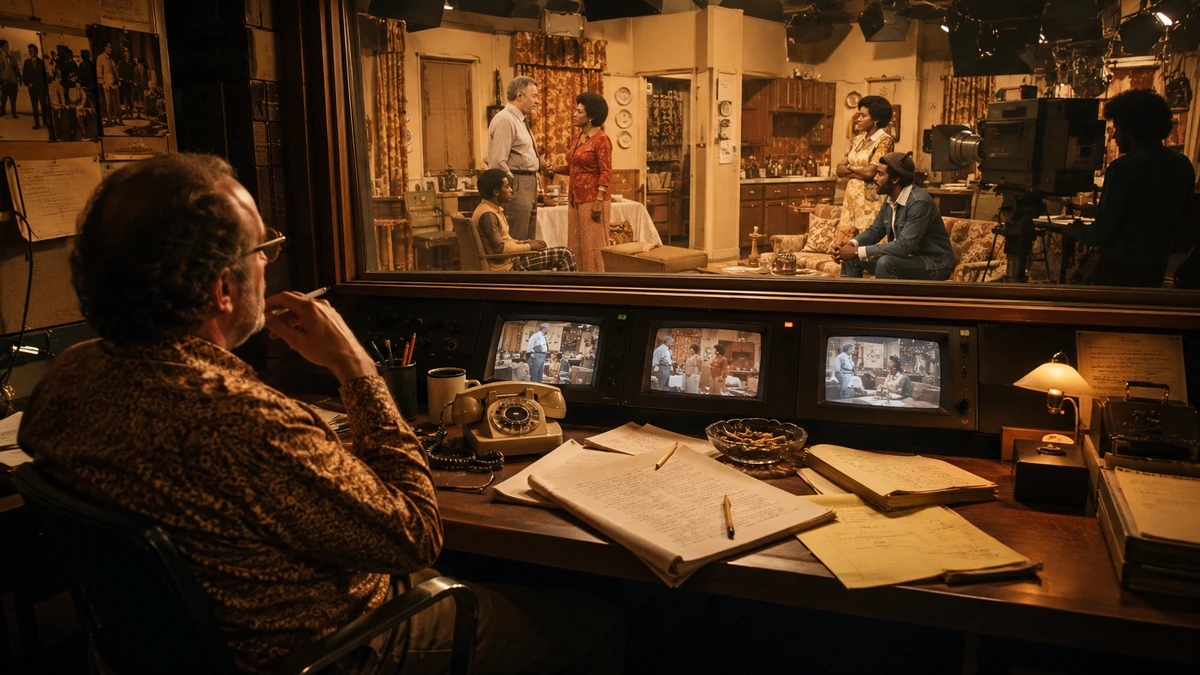
1970s television producer watching a socially charged family sitcom from a studio control room
Behind the schedule • Feature 1

How Norman Lear Changed Television

The producer who made network comedy stop pretending class, race, politics and family conflict could be kept outside the living room.

Why it matters Lear’s shows widened what a sitcom could talk about and created a family tree that runs through All in the Family, Maude, Good Times and The Jeffersons.
Read how Norman Lear changed television →
FEATURE02 Prime-time power
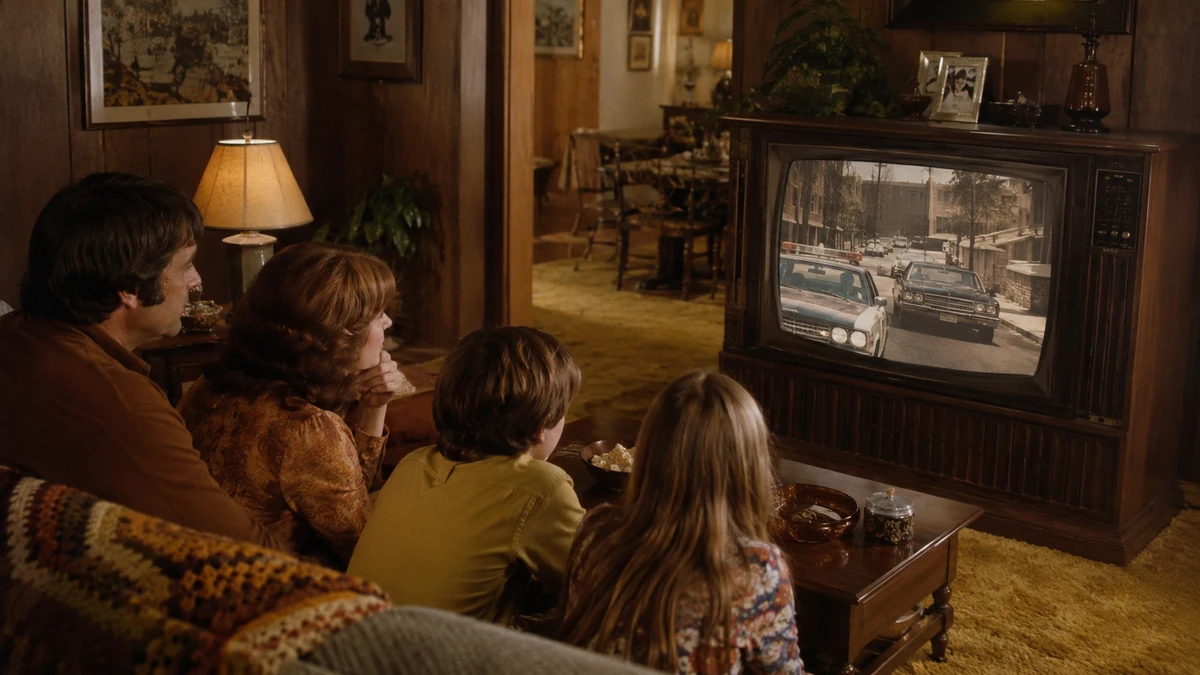
Family gathered around a woodgrain television watching a police chase in a 1970s living room
Behind the schedule • Feature 2

Why Cop Shows Ruled 1970s Television

Sirens, stakeouts, private eyes, precincts and city streets became one of the decade’s most reliable prime-time formulas.

Why it matters Crime television could deliver location spectacle, a distinctive hero and some kind of weekly order at a moment when American cities looked complicated on the evening news.
See why crime shows took over the dial →
FEATURE03 Changing homes
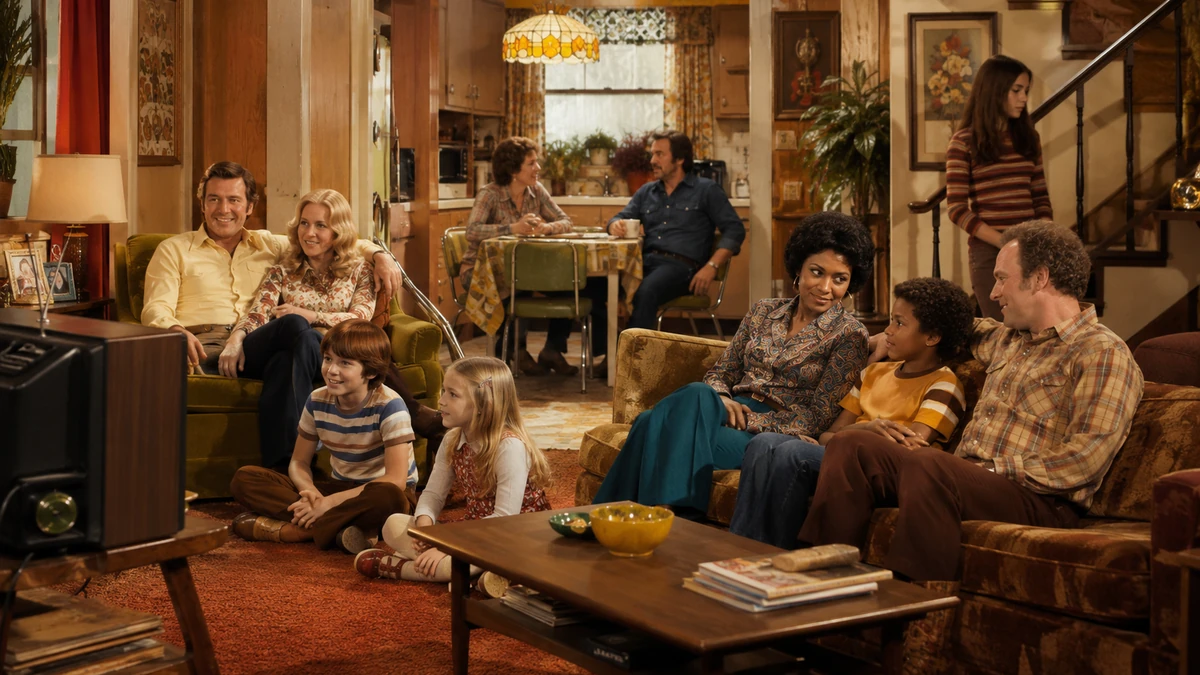
Multiple 1970s households sharing one warm living room scene that reflects changing family life
Behind the schedule • Feature 3

How the Television Family Changed During the 1970s

Television families became working-class, Black, blended, divorced, adoptive, rural, musical and far less tidy than the old model.

Why it matters The decade did not abandon family television; it expanded the definition of who could be at the center of it.
See how the TV family changed →
FEATURE04 Saturday ritual
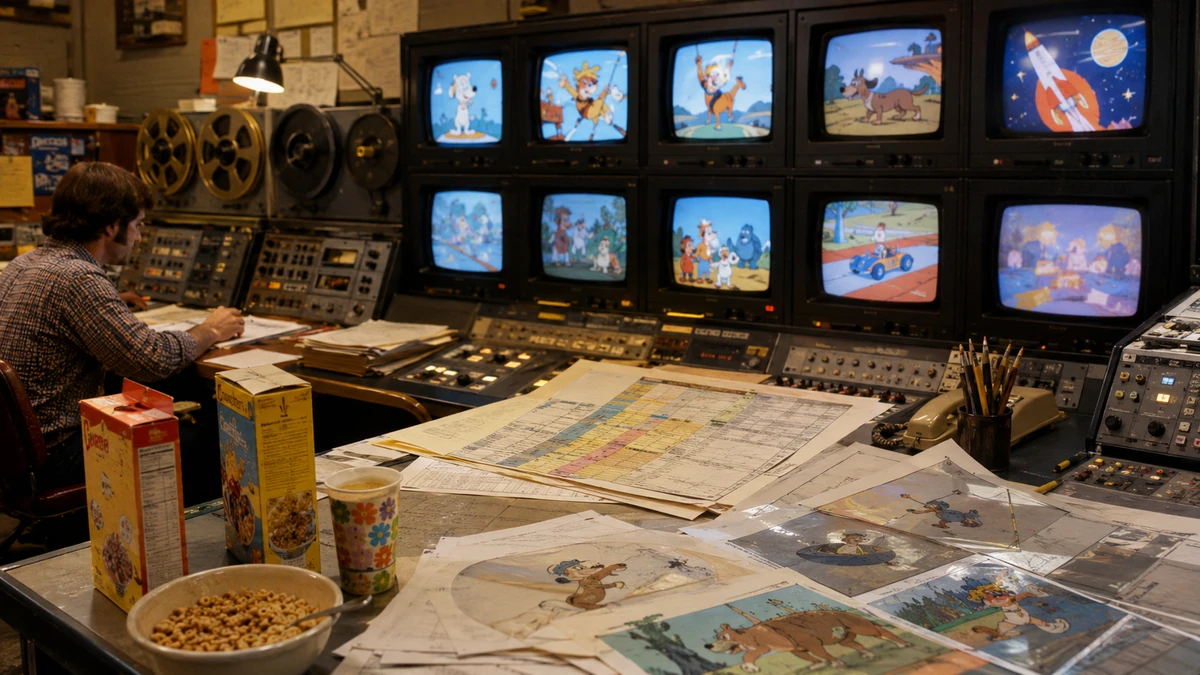
Vintage television control room producing colorful children’s animation in the 1970s
Behind the schedule • Feature 4

The Complete History of Saturday Morning Cartoons in the 1970s

Networks, animation studios, advertisers and regulators all helped shape the hours kids remember as their private corner of television.

Why it matters Saturday morning was a complete ecosystem: schedules, studios, superhero booms, educational pressure, cereal commercials and toy wish lists.
Read the complete Saturday morning history →
The Ones We Kept Watching

The Shows That Never Left the Room

Some shows lasted for years. Others became even bigger in syndication. These are the names that kept turning up after school, in local reruns, on cable and eventually in the part of the brain that still remembers the theme song.

CH 01 CLASSIC SHOW
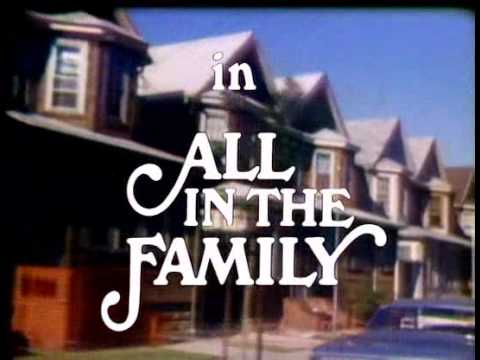
All in the Family 1970s television publicity image
SHOW FILE

All in the Family

The Queens living room that dragged America’s arguments into prime time.

Read why All in the Family changed television →
CH 02 CLASSIC SHOW
The Mary Tyler Moore Show 1970s television publicity image
SHOW FILE

The Mary Tyler Moore Show

A newsroom, an apartment and a new model of adulthood on television.

Read how Mary Tyler Moore changed television →
CH 03 CLASSIC SHOW
M*A*S*H 1970s television publicity image
SHOW FILE

M*A*S*H

Comedy, exhaustion and heartbreak inside a mobile surgical hospital.

Revisit M*A*S*H and its 1970s television legacy →
CH 04 CLASSIC SHOW
Happy Days 1970s television publicity image
SHOW FILE

Happy Days

How 1950s nostalgia became one of the biggest television sensations of the 1970s.

See how Happy Days became a 70s phenomenon →
CH 05 CLASSIC SHOW
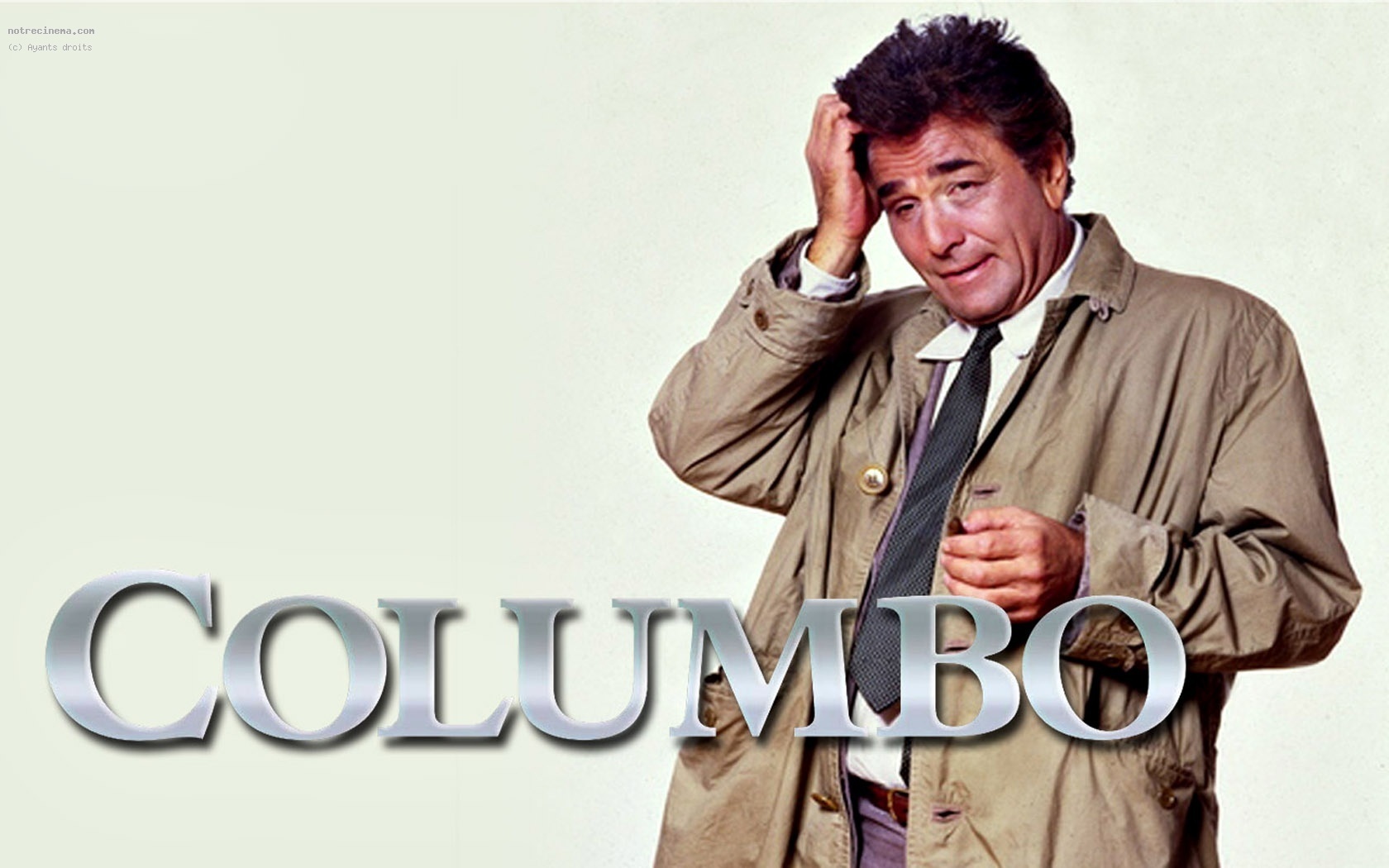
Peter Falk as Lieutenant Columbo in the 1970s detective series
SHOW FILE

Columbo

A wrinkled coat, a terrible car and the one question the killer could not escape.

See why Columbo was unlike every other TV detective →
CH 06 CLASSIC SHOW
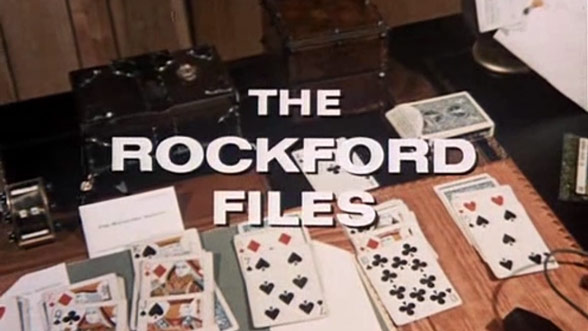
James Garner as Jim Rockford in The Rockford Files
SHOW FILE

The Rockford Files

Television’s coolest broke private eye, working from a trailer beside the beach.

Revisit television’s reluctant private eye →
CH 07 CLASSIC SHOW
The original Charlie’s Angels cast
SHOW FILE

Charlie’s Angels

Three investigators, Los Angeles glamour and a full-volume pop-culture phenomenon.

See how Charlie’s Angels became a phenomenon →
CH 08 CLASSIC SHOW
The Waltons in an original-series episode still
SHOW FILE

The Waltons

Hardship, family warmth and the safest good night on television.

Go back to Walton’s Mountain →
CH 09 CLASSIC SHOW
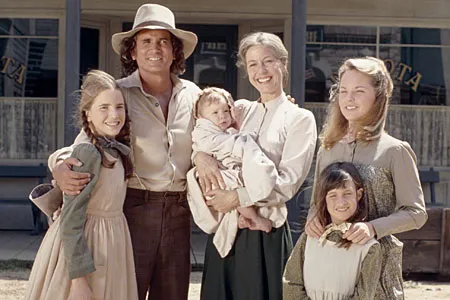
Little House on the Prairie cast photo
SHOW FILE

Little House on the Prairie

Frontier family television with real hardship behind the golden fields.

Revisit Little House on the Prairie →
CH 10 CLASSIC SHOW
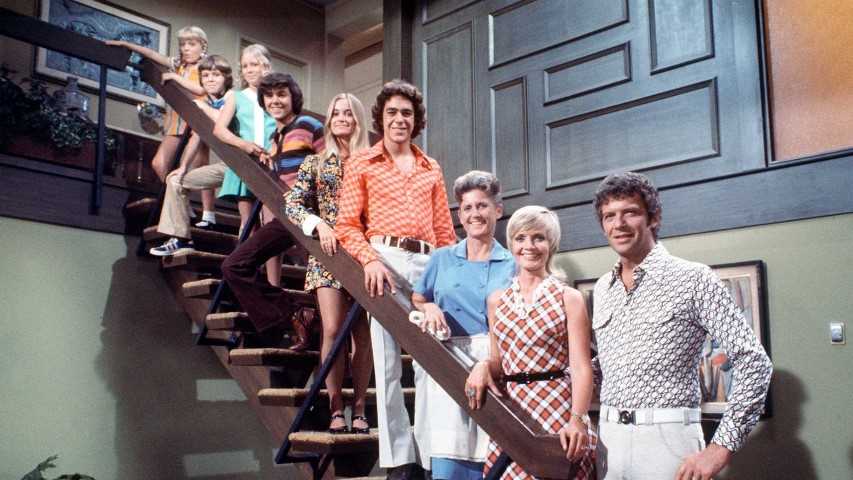
The Brady Bunch cast in a series publicity photo
SHOW FILE

The Brady Bunch

The blended family that became larger in reruns than it ever was in the ratings.

See why The Brady Bunch got bigger in reruns →
CH 11 CLASSIC SHOW
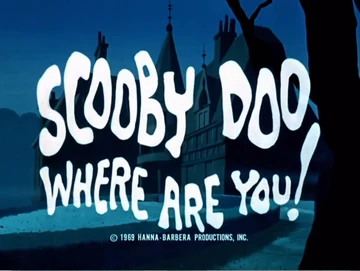
Scooby-Doo, Where Are You! and the 1970s Scooby shows
SHOW FILE

Scooby-Doo

Teen mystery solvers, a nervous dog and a formula Saturday morning never outgrew.

See how Scooby-Doo took over Saturday morning →
CH 12 CLASSIC SHOW
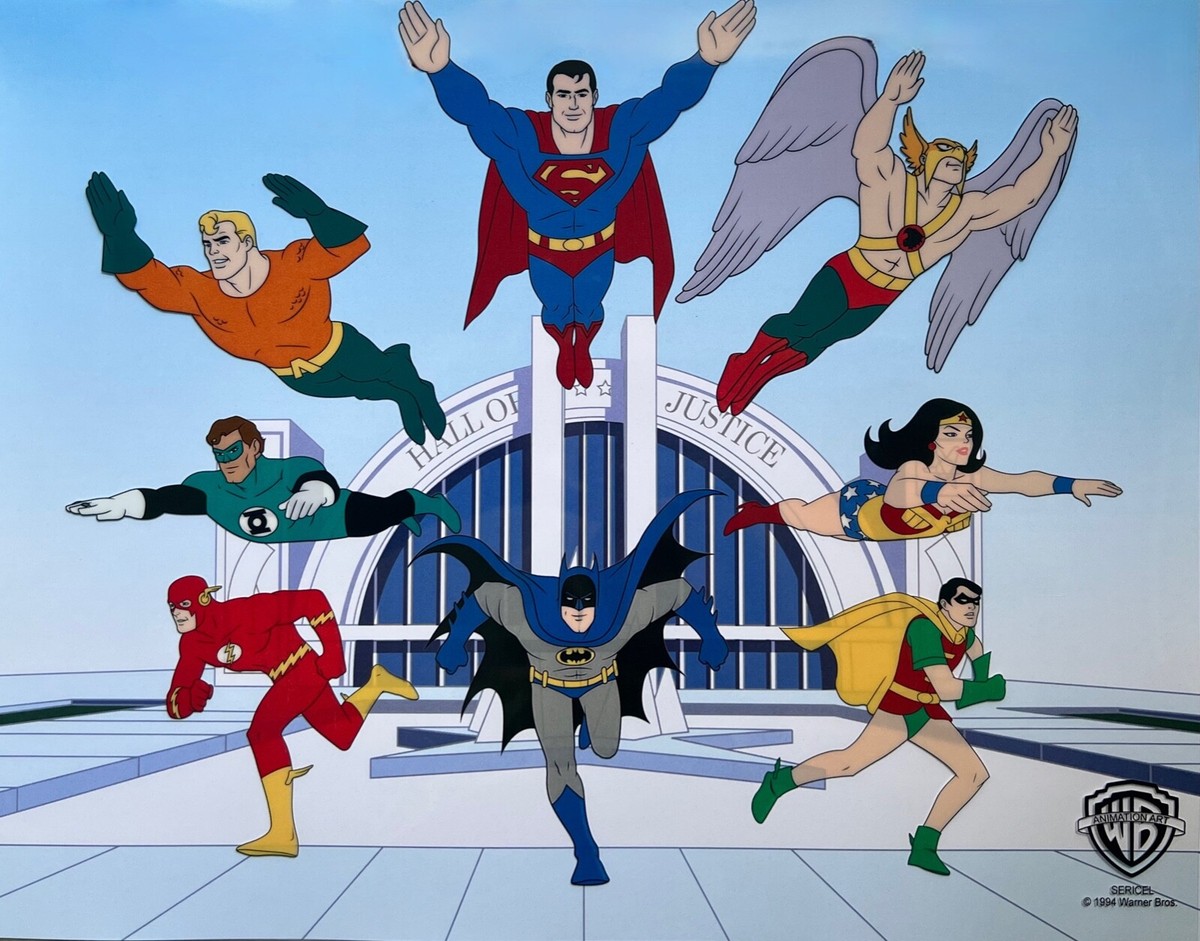
Super Friends at the Hall of Justice
SHOW FILE

Super Friends

The superhero team, trouble alert and futuristic headquarters that defined the boom.

Revisit the Saturday morning superhero boom →
The Decade in Four Acts

How 1970s Television Moved

The television revolution did not arrive all at once. The early decade broke from the 1960s, the middle years found a distinct voice, mass-audience network TV peaked, and the late 1970s started pointing toward a glossier 1980s style.

The Rewind Verdict

The decade’s real achievement was range—and the confidence to put wildly different kinds of television beside each other. Serious social comedy could share a schedule with rural comfort, stylish action, investigative drama, news magazines and brightly colored cartoons.

That variety mattered because the audience was still concentrated around a few channels. A show did not need to reach every person in exactly the same way. It only needed to become part of the same shared schedule.

Four Programming Eras

1
1970–1972 The old order cracks Rural holdovers and variety television remain powerful, but sharper comedy and urban storytelling begin changing the schedule.
2
1973–1975 The decade finds its voice Social sitcoms, ensemble shows, family drama and detective television feel fully at home in prime time.
3
1976–1977 The monoculture peaks Network television produces giant shared hits while new forms of action, glamour and nostalgia crowd the dial.
4
1978–1979 The 1980s wait backstage The shows grow glossier, the formulas grow faster and the late-decade schedule begins pointing toward the next television era.
Viewer Mail • Frequently Asked

1970s TV Questions

The basic questions behind the decade’s genres, ratings, networks, cartoons and long Gen X afterlife.

What were the most popular kinds of TV shows in the 1970s?

Sitcoms, cop and detective dramas, family series, variety shows, medical dramas, game shows and Saturday morning cartoons all had large audiences. For us, the easiest places to start are sitcoms, crime shows, family television and cartoons. Then the year-by-year rewind shows how the mix changed from 1970 through 1979.

What are some must-watch 1970s TV shows?

A strong starter list includes All in the Family, M*A*S*H, The Mary Tyler Moore Show, Columbo, The Rockford Files, Happy Days, The Waltons, Little House on the Prairie, The Brady Bunch, Scooby-Doo and Super Friends. From there, the decade branches quickly into deeper comedy, crime, family and Saturday-morning favorites.

Why did 1970s television feel different from earlier TV?

Network television became more willing to show class conflict, divorce, racism, changing gender roles, political disagreement and imperfect families. At the same time, crime dramas leaned harder into city locations and distinctive anti-glamour heroes, while children’s television became a tightly scheduled Saturday-morning culture of its own.

Where should I start if I want to explore 1970s TV?

If you want the hits first, choose sitcoms, cop and detective shows, family TV or Saturday morning cartoons. If you want to remember what the whole dial felt like at a particular moment, jump to a year from 1970 through 1979.

Why were Saturday morning cartoons such a big deal in the 1970s?

Kids had a limited weekly viewing window, the major networks scheduled long cartoon blocks, and cereal and toy advertisers treated those hours as a direct pipeline into the household. Because the shows aired on a schedule instead of on demand, the ritual—getting up, claiming the TV and watching in order—became part of the memory.

Why do Gen X viewers remember so many 1970s shows?

Gen X caught many of these programs during original runs, family viewing, daytime syndication or years of after-school and local-station reruns. A show could stay in circulation long after its finale, so 1970s television often remained part of childhood well into the 1980s.

Keep the dial moving

More From Smells Like Gen X

Television was only one part of the decade. Keep going into the music, toys and everything else that made the 1970s feel like the 1970s.