CBS
The network now owns both tradition and change.Mary Tyler Moore, Here’s Lucy, Funny Face, Mannix, Gunsmoke and All in the Family gave CBS workplace comedy, legacy stardom, detective drama, western authority and the new cultural center.
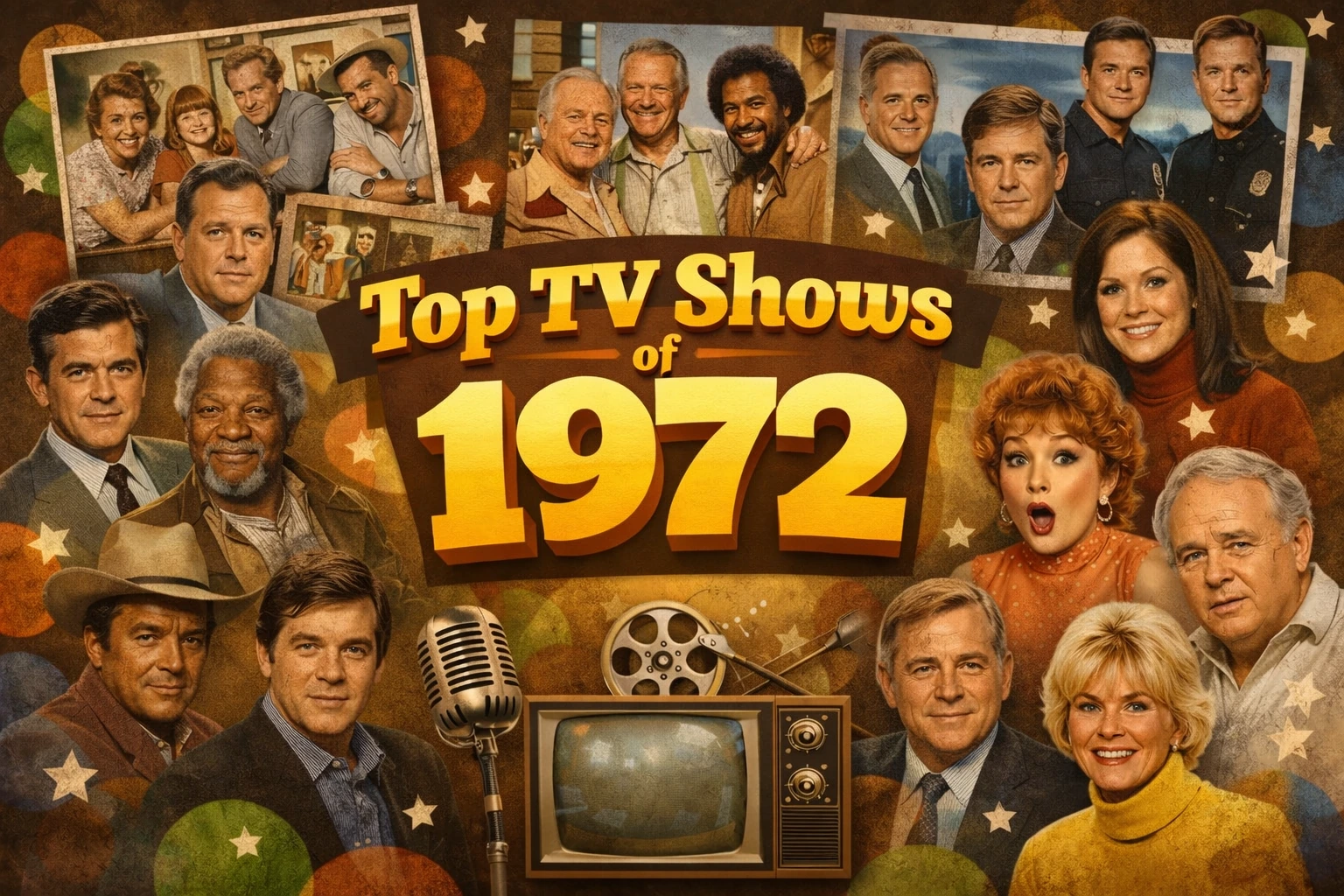
The top TV shows of 1972 are where the decade stops hinting and starts announcing itself. Westerns and legacy stars remain powerful, but sharper family conflict, urban comedy, workplace storytelling, police realism and event programming now share the center of the living room.
This countdown uses the 1971–72 Nielsen season, the site’s season-ending-year method for the 1972 rankings. Because there were ties at #8 and #10, eleven programs appear across the official top ten—from Mary Tyler Moore and Lucy to Sanford and Son, Gunsmoke, Flip Wilson and the new #1, All in the Family.
All in the Family ranked #1 in the 1971–72 Nielsen season. The Flip Wilson Show finished #2 and Marcus Welby, M.D. ranked #3. CBS placed six programs in the top tier, NBC had three and ABC had two. The list contains eleven shows because Nielsen reported ties at #8 and #10. Jump to the complete ranking or begin the full show-by-show countdown.
The ranking moves from tied sitcom entries through police realism, event movies and western endurance to the social comedy that turned prime time into an argument.
CBS placed six programs and owned the #1 show. NBC carried Flip Wilson, Sanford and Son and Adam-12, while ABC held two top-five positions through Marcus Welby and its weekly movie event.
Mary Tyler Moore, Here’s Lucy, Funny Face, Mannix, Gunsmoke and All in the Family gave CBS workplace comedy, legacy stardom, detective drama, western authority and the new cultural center.
The Flip Wilson Show, Sanford and Son and Adam-12 connected contemporary variety, sharper urban comedy and patrol-level realism.
Marcus Welby, M.D. ranked #3 and ABC Movie of the Week reached #5, proving medical reassurance and event programming still had enormous national pull.
Eleven programs fill ten official positions, and the countdown catches the exact moment the decade takes over: Mary Tyler Moore and Lucy share #10, Adam-12 and Funny Face share #8, and All in the Family finishes the climb at #1.
The Mary Tyler Moore Show landing in the 1972 top tier is one of the clearest signs that television is getting smarter, more urban, and more adult in tone. This is not old small-town comfort TV and it is not a legacy star vehicle coasting on affection. It is a contemporary sitcom built around work life, friendship, self-definition, and the comedy that comes from adults trying to function in a world that does not automatically organize itself for them.
What makes the show feel so important in this rankings lineup is its confidence. It does not have to shout to feel modern. It simply assumes that audiences are ready for a woman-centered comedy that treats independence, ambition, and everyday workplace life as rich comedic material. That turns out to be a huge shift. It widens what prime-time comedy can look like without sacrificing warmth.
In the bigger story of 1972 television, The Mary Tyler Moore Show matters because it makes sophistication look accessible. It is funny without being broad, humane without being mushy, and contemporary without trying too hard to prove it. That combination helped define the era’s workplace sitcoms and would become one of the decade’s strongest comic lanes.
Here’s Lucy tying for #10 in 1972 is a reminder that even as the decade changes, television royalty does not vanish overnight. Lucille Ball is still a force, and that matters because the rest of the chart is moving toward newer, more contemporary comic and dramatic energies. Lucy’s continued presence shows just how much raw star power still counted.
But the ranking is revealing in another way too. By 1972, Here’s Lucy is no longer sitting near the very top as proof that the old machine still runs the room. Now it reads more like a holdover giant still strong enough to survive the transition. That is a different kind of achievement. It means Lucy remains compelling even when the culture is beginning to prefer sharper and more modern comic textures.
In the context of the 1972 list, the show almost acts like a bridge. It connects the polished star-sitcom world of earlier television to a prime-time environment that is getting messier, louder, and more recognizably 70s.
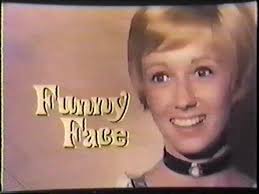
Funny Face is one of the most surprising entries in the 1972 top ranks, and that makes it fascinating. It does not carry the long-running institutional weight of the westerns, the prestige aura of the medical dramas, or the deep cultural footprint of the year’s biggest comedy revolutions. Instead, it feels like a snapshot of television’s ability to crown something briefly and decisively when the timing, promotion, and audience appeal line up just right.
That matters because the early 70s are not only about giant history-making shows. They are also about a schedule in motion — networks testing new performers, new energies, and new audience instincts. Funny Face fits that moment perfectly. It has the brightness of a star-making vehicle, but it lands in a landscape already filling with much heavier hitters. That tension is part of what makes its ranking interesting.
In the bigger picture, the show represents how broad the 1972 chart really is. This is not a monotone season. It includes cutting social sitcoms, procedural authority, star comedy, western endurance, and also lighter showcases that briefly connect in a big way.
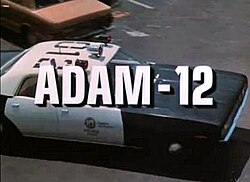
Adam-12 tying for #8 shows how deeply procedural realism had worked its way into the television bloodstream. This was not glamorous detective fiction built around eccentricity or private-eye swagger. It was disciplined, radio-driven, patrol-level urban order. That difference matters, because it gave the show a grounded authority that felt modern in a different way than a variety show or family sitcom.
What made Adam-12 so effective was its plainspoken competence. It understood that structure itself could be compelling. The daily flow of incidents, the routine professionalism, and the sense that public order had to be maintained one call at a time gave the series a dependable rhythm viewers clearly trusted.
In 1972, that kind of realism fits perfectly on the chart. Television is moving away from fantasy versions of American life and toward formats that feel more embedded in actual institutions and city life. Adam-12 is one of the cleanest examples of why 1970s police procedural shows became such a durable part of prime time.
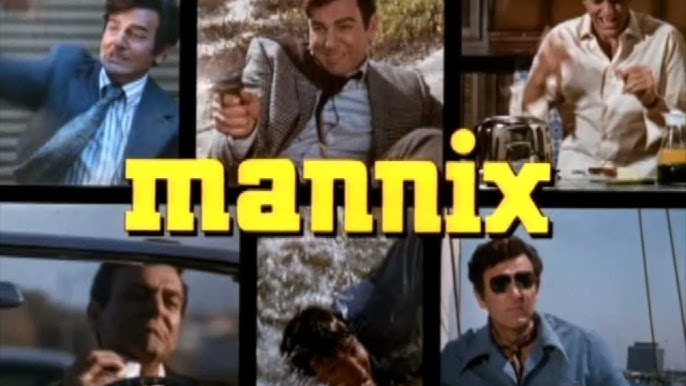
Mannix at #7 keeps the detective lane firmly in the center of prime time. What separates it from more rigid procedural shows is its personality. This is not only about case structure. It is also about style, physicality, and the kind of lead-character appeal that makes a series feel more kinetic than its premise alone might suggest.
That energy matters in 1972, because one of the big stories of the season is that television is getting faster and more adult without becoming inaccessible. Mannix fits that sweet spot beautifully. It is recognizable network entertainment, but it also feels like it belongs to a world with more edge, more motion, and more urban confidence than a lot of earlier TV.
On a chart this transitional, the show functions almost like a glue piece. It ties together old-school lead-driven television with the decade’s growing appetite for sleek modern crime storytelling—the same lane that made 1970s private-eye shows such a fixture on the dial.
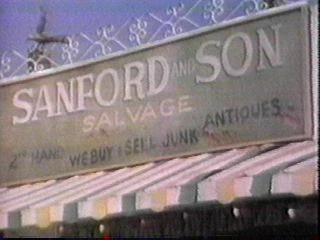
Sanford and Son crashing into the top 10 is one of the biggest signals on the entire 1972 chart. The show does not feel like a polite continuation of earlier television. It feels louder, rougher, more streetwise, and more willing to let friction be the engine of the comedy. That alone makes it a major marker of the decade’s new mood.
What gives the series its punch is that it never depends on sweetness as its first language. It can be warm, but the comedy lives in irritation, rhythm, ego, hustle, and the constant collision of personalities. That is a very different energy from the polished family sitcom tradition that had dominated so much earlier television. And audiences clearly wanted it.
In 1972, Sanford and Son matters because it proves the sitcom is changing just as dramatically as the drama side of the schedule. The new decade is willing to be messier, funnier, and more abrasive—the same broader shift that made 1970s sitcoms start talking about real life much more openly—and that turns out to be a huge ratings advantage.
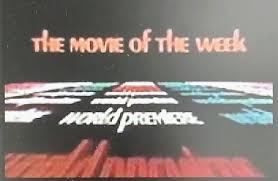
ABC Movie of the Week holding a top-five spot proves that event programming was no fluke. Networks had figured out that they could sell anticipation itself. Viewers did not need a recurring sitcom family or a standing dramatic institution every single time. They would also show up for a branded promise that tonight’s programming would feel like a special occasion.
That strategy looks especially modern in a 1972 context. Television is diversifying how it earns appointment viewing. Some shows win through long-term familiarity. Others win through topicality, personality, or cultural friction. The movie wheel wins through event value. That makes the schedule feel broader and more flexible than it had just a few years earlier.
In the bigger story of the decade, ABC Movie of the Week represents television learning how to package urgency and novelty as a weekly habit. That is a powerful combination.
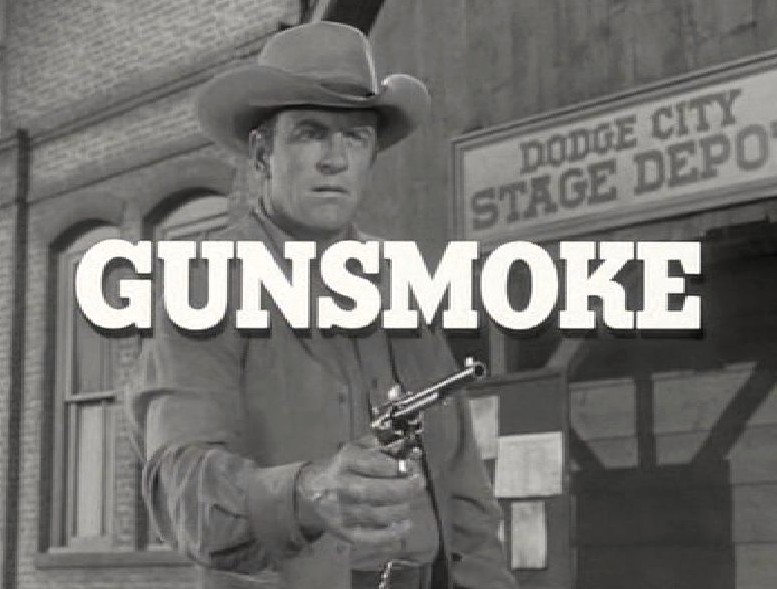
Gunsmoke at #4 is one more reminder that the western is not gone yet. In fact, it is still one of the biggest things on television. That said, the context around the ranking has changed. A few years earlier, a placement this high might have looked like proof that the old dramatic order still ran the medium. In 1972, it looks more like evidence of extraordinary durability.
What keeps the show so powerful is its stability. The world makes sense. Authority feels real. Moral conflict is serious but legible. That has enormous value in a schedule increasingly filled with newer and more abrasive forms of comedy and drama. Gunsmoke gives viewers a world they know how to enter.
Its continued strength also sharpens the contrast that makes 1972 so interesting. The old giants are still formidable, but they are now competing against forms of television that feel much more identifiably of the moment.
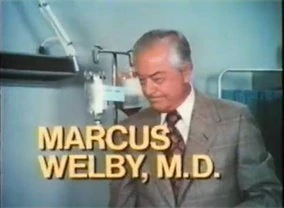
Marcus Welby, M.D. remaining in the top three confirms that medical drama was not a passing trend. It had become one of the defining prime-time forms of the early 70s. The reason is easy to see: hospitals provide weekly emotional stakes, moral questions, institutional authority, and an almost endless supply of stories that feel serious without becoming alienating.
What made this series especially potent was its human warmth. It did not win by being coldly procedural. It won by giving viewers a version of professional competence that still felt compassionate. That is a huge part of why it could stay so high even as the rest of the chart became more aggressive and culturally disruptive.
In the larger 1972 picture, Marcus Welby, M.D. represents one of the decade’s most successful compromises: adult drama that feels contemporary and important, but still comforting enough for broad mainstream appeal.
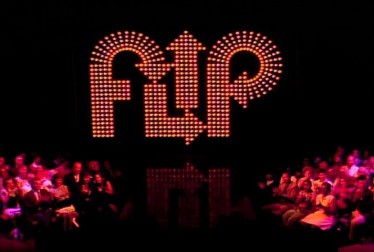
The Flip Wilson Show finishing second proves that variety television still had major cultural muscle — but now it had to feel current. That is what separates it from older generations of variety success. This is not just the format surviving on tradition. It is the format staying alive because the central performer has enough charisma and comic ease to make it feel vibrant in a rapidly changing TV environment.
That matters a lot in 1972. Variety is now competing with some of the most important sitcom reinventions on the chart, and it still holds near the very top. The reason is simple: Flip Wilson is the event. The structure helps, the guests help, the rhythm helps, but the real attraction is the host’s ability to make the whole machine feel personal and alive.
In the bigger story of the season, the show acts like a bridge between old mainstream entertainment traditions and the newer comic energy taking over the decade. It is broad-audience television, but it does not feel stale.
All in the Family taking the #1 spot is the single clearest sign that television had changed. This is not a quiet transition. It is a takeover. The biggest show in America is now a sitcom built around argument, generational collision, social discomfort, and the kind of openly contentious material earlier prime time usually tried to smooth over or dodge.
That does not mean the series succeeds only because it is provocative. It succeeds because it is structured brilliantly. The comedy comes from conflict, but the conflict works because the characters feel rooted enough to keep the machine from flying apart. Audiences are not just tuning in to be shocked. They are tuning in to watch a family model of America trying and failing to stay simple.
In the story of 1972 television, All in the Family is the turning point written in giant letters. The decade now has its flagship show, and that flagship tells you everything: prime time is willing to be louder, sharper, more topical, and much less interested in pretending everyone in the room already agrees.
The chart no longer looks like old television gradually changing. It looks like multiple eras colliding while a sharper, louder and more recognizably 70s prime time takes control.
The top TV shows of 1972 are where the 70s stop feeling transitional and start feeling fully present. All in the Family sits at #1. Sanford and Son hits hard. The Mary Tyler Moore Show signals a smarter urban sitcom future. Meanwhile, older powers like Gunsmoke , Here’s Lucy , and The Flip Wilson Show prove the old order still has plenty of life in it.
That mix is what makes this year so great. It is not simply “old TV versus new TV.” It is a season where multiple eras are colliding on the same chart. The result is one of the most revealing lineups of the decade: western endurance, medical reassurance, event movies, procedural realism, legacy stars, and outright social-comic revolution all packed into one top tier.
For a lot of us who came to these shows through first runs, reruns or both, 1972 is where prime time starts looking a lot more like the television DNA that would shape the rest of the decade.
Move from the prime-time dial to the toy box, radio and movie theater, then compare the television season before and after it.
Follow the ratings from the western-heavy opening of the decade through socially sharper sitcoms, workplace ensembles, police dramas, family hits and event television. For the entire decade beyond the rankings, explore the complete 70s TV guide.
Quick answers about the #1 show, the ties, westerns, changing sitcoms, the Nielsen-season method and why 1972 matters.
According to the 1971–72 Nielsen season, All in the Family was the #1 TV show tied to 1972.
Yes. There was a tie at #8 between Funny Face and Adam-12 , and another tie at #10 between The Mary Tyler Moore Show and Here’s Lucy .
Yes. Gunsmoke still ranked #4, proving the western remained a major ratings force even as television was changing around it.
Because it is the year the decade’s identity really locks in. The top of the chart now belongs to sharper sitcoms, modern urban settings, and much more openly topical television.
Because television popularity was measured by season rather than calendar year. For year-based nostalgia rankings, the season ending in that year is the standard reference point.
All in the Family is the clearest answer, but Sanford and Son and The Mary Tyler Moore Show also show how quickly prime-time comedy was evolving.
Using the 1971–72 Nielsen season, the top three were All in the Family at #1, The Flip Wilson Show at #2 and Marcus Welby, M.D. at #3.
The 1971–72 Nielsen results contained two ties. Funny Face and Adam-12 shared #8, while The Mary Tyler Moore Show and Here’s Lucy shared #10. That creates eleven programs across the ten official ranking positions.
New television countdowns, decade guides, videos and exactly the kind of woodgrain-fueled memory damage you came here for.