A Real Teaching Mission
The program needed a stated purpose such as literacy, math, science, health, current events, emotional growth, bilingual learning or cultural understanding.
We did not call it “educational media.” We called it the show with the pinball numbers, the one with the trolley, the one where kids mailed in jokes, or the three-minute cartoon that somehow made conjunctions permanent. The best educational TV shows and cartoons of the 1970s taught Gen X through songs, puppets, sketches, news breaks, field trips and some wonderfully strange low-budget television.
This ranking stays inside a clear lane: programs with an explicit educational mission or instructional format. It does not try to cover every good cartoon from the decade—that larger Saturday-morning universe belongs in our ranking of the best 1970s Saturday morning cartoons and complete history of the format.
Sesame Street ranks first, followed by Schoolhouse Rock!, Mister Rogers’ Neighborhood, The Electric Company and ZOOM. The top ten also includes Fat Albert, Captain Kangaroo, Big Blue Marble, Villa Alegre and Make a Wish. Every program in this guide had an explicit teaching mission—literacy, math, science, health, current events, culture or social and emotional learning.
These are the programs that define 1970s educational television before the deep cuts begin: public-TV landmarks, Saturday-morning lessons and the shows teachers were happiest to see on the schedule.
The 1970s gave almost every cartoon a moral once in a while. That alone is not enough. These programs were created to teach, inform or develop a specific skill—and the lesson shaped the format from the beginning.
The program needed a stated purpose such as literacy, math, science, health, current events, emotional growth, bilingual learning or cultural understanding.
We favored programs where education determined the songs, stories, characters or segments—not cartoons that tacked a moral onto the last thirty seconds.
A show could begin before 1970 if it remained a major part of childhood viewing during the decade. That is why Sesame Street, Mister Rogers and Captain Kangaroo qualify.
This is also a Gen X ranking. Reach, effectiveness and historical importance count, but so does the strange miracle of a lesson still rattling around in our heads decades later.
Some were national institutions. Others appeared when a teacher rolled in a television, when a local PBS station filled an afternoon slot or when a network slipped three useful minutes between cartoons.
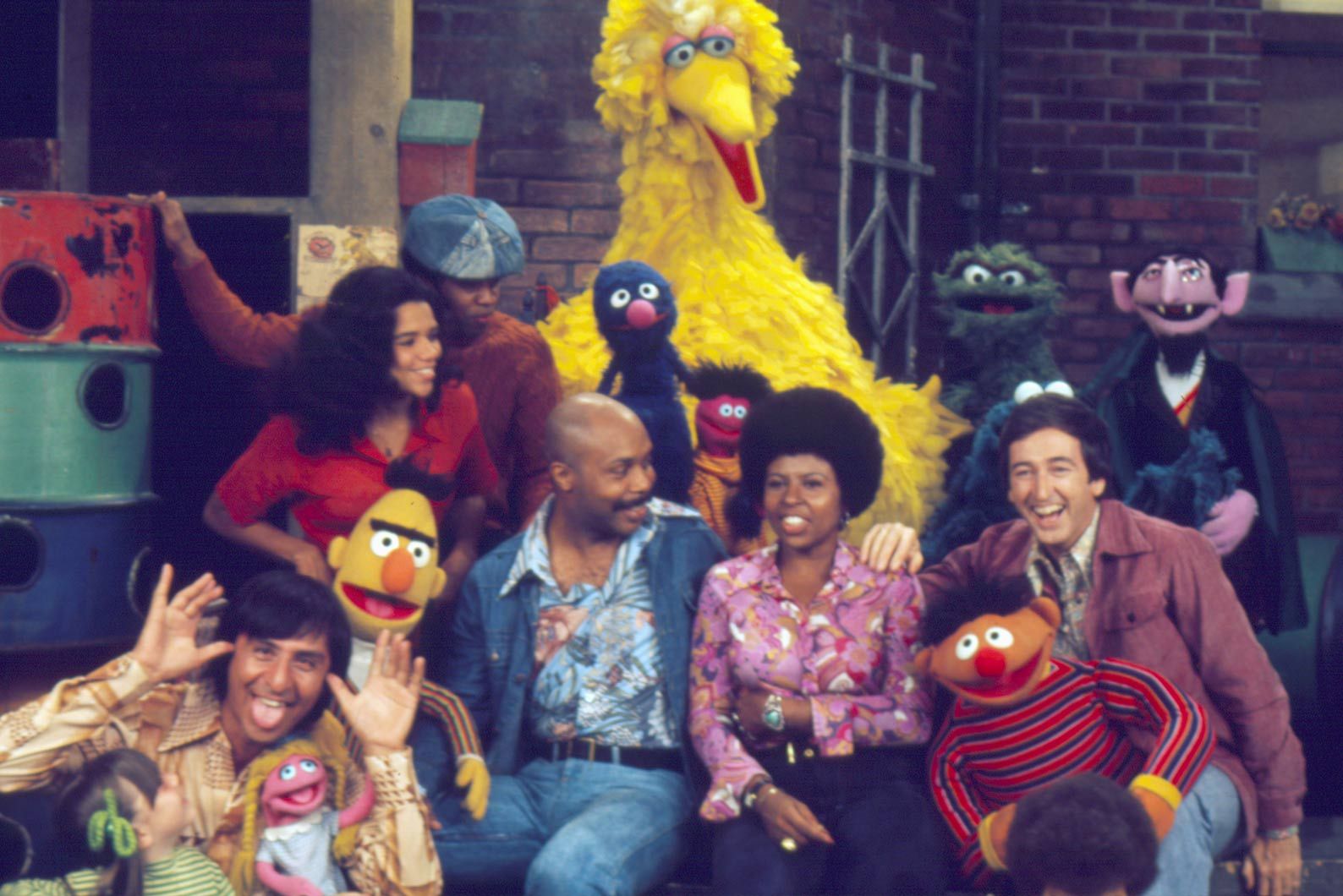
No other program changed the argument about children and television as completely as Sesame Street. It did not simply place lessons between the entertainment. The letters, numbers, songs, Muppets, neighborhood stories and quick-cut comedy were the entertainment. For Gen X kids, that meant learning arrived in the same package as Grover losing control of a situation, Cookie Monster negotiating badly with a plate of cookies and Big Bird trying to understand a world that did not always make sense.
What keeps it at the top is the size of the mission. The show worked on school readiness, language, counting, problem-solving, feelings, cooperation and respect for differences without turning the screen into a chalkboard. It also understood something a lot of adult television did not: children could follow fast jokes, recognize recurring characters and absorb serious ideas if the program trusted them. The 1970s version was colorful, urban, musically fearless and built for repeat viewing. We may have thought we were waiting for the next Muppet bit, but the lesson had usually landed before we noticed.
Why it stayed with us: The part that is hard to explain to anyone who met Sesame Street later is how alive the 1970s version felt. The brick walls looked worn, the adults seemed like people who might really live down the block and the music moved from jazz to soul to goofy novelty songs without asking permission. We learned because we wanted to stay in that neighborhood. Even now, the old clips do not feel like a lecture preserved in amber. They feel like a place Gen X once knew how to find by turning the dial.
If the test was whether a lesson could survive in your head for fifty years, Schoolhouse Rock! may be the most effective educational television ever made. Three-minute cartoons turned multiplication, grammar, American history and civics into compact pop songs that could slip between Saturday morning shows and still become the thing you remembered best. Gen X did not need a worksheet to recall a conjunction, a bill waiting on Capitol Hill or the strange power of the number three. We had melody.
The genius was not merely that the songs were catchy. The best segments matched musical style, visual rhythm and subject so tightly that the idea became difficult to separate from the tune. That is why the series deserves its own deeper history in Schoolhouse Rock and the Songs That Taught a Generation. Here, it ranks just behind Sesame Street because its lessons were narrower—but inside those three-minute bursts, almost nothing was wasted. It was educational television with the timing of a perfect commercial and the soul of a great record.
Why it stayed with us: Its secret weapon was placement. Schoolhouse Rock! did not ask us to choose an educational program instead of cartoons; it arrived inside Saturday morning, right between the shows we were already watching. That made the lesson feel almost smuggled in. The debut belongs to the television world of 1973, but the songs outlived the schedule because they worked like the best 1970s TV themes: a few notes could unlock an entire memory before you had time to think.
Full Schoolhouse Rock story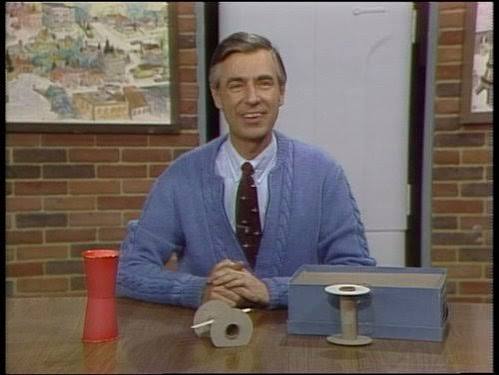
Fred Rogers taught the subjects that rarely appeared on a spelling test: fear, jealousy, anger, patience, divorce, death, friendship and the unsettling discovery that adults did not always have easy answers. His pace was the opposite of almost everything else on television. He changed his shoes, fed the fish, looked directly into the camera and spoke as though the child on the other side was worth his full attention. That calm felt almost radical in a decade full of noise, sales pitches and frantic cartoons.
The Neighborhood of Make-Believe gave difficult feelings enough distance to be examined safely, while factory visits and everyday demonstrations made the real world feel understandable. Gen X remembers the trolley, the sweaters and the piano, but the deeper memory is of being addressed without being talked down to. Mister Rogers’ Neighborhood ranks this high because it expanded the definition of education. It argued that knowing how to name a feeling, handle disappointment and recognize another person’s humanity mattered just as much as knowing the alphabet.
Why it stayed with us: What stayed with us was the absence of performance in his kindness. Fred Rogers never acted as if patience were a gimmick or children were a demographic he needed to conquer. In a Gen X childhood that often expected kids to entertain themselves and shake things off, he gave us a rare half hour where uncertainty could be admitted out loud. The trolley took us into fantasy, but the real education was the steady assurance that feelings could be handled, questions could be asked and quiet did not have to mean boring.
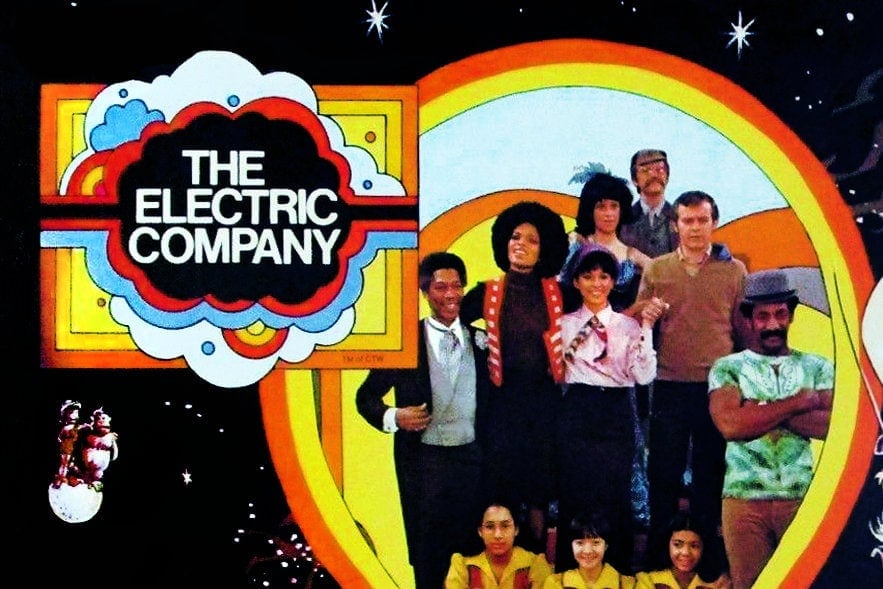
The Electric Company was what happened when the kids who had graduated from Sesame Street still needed help turning letters into reading. It attacked phonics, word patterns, punctuation and vocabulary with sketch comedy, animation, music, recurring characters and enough visual electricity to keep second- through fourth-graders from feeling they had been assigned another lesson. The opening alone sounded like literacy had joined a funk band.
The show respected the speed and pop-culture awareness of older children. Words stretched, split, collided and rebuilt themselves on screen. Silent letters became jokes. Sounds were treated as physical objects. Comic-book sequences and performers such as Rita Moreno and Morgan Freeman gave it an energy that classroom filmstrips rarely managed. Many schools folded the program and its magazine into reading instruction, but at home it still felt like television. That ability to serve both rooms—the classroom and the living room—is why it remains one of the decade’s essential educational programs.
Why it stayed with us: The show also knew its audience had grown past preschool television but still needed help cracking the code of print. That in-between position gave it swagger. When The Electric Company joined the wider 1971 television lineup, reading practice suddenly came with comic-book panels, funk, jokes that moved fast and performers who never treated school-age kids like oversized toddlers. We remember the sound effects and costumes, but the real trick was making the mechanics of language look kinetic.
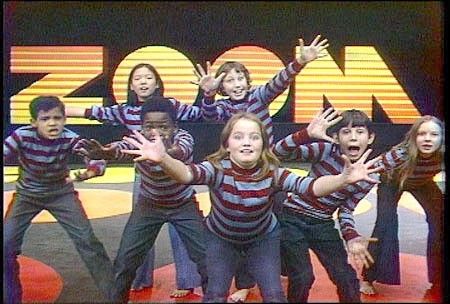
ZOOM looked like the kids had taken over the station after the adults went home, which was exactly the point. The cast wore ordinary clothes, spoke like actual children and performed jokes, plays, recipes, games, crafts and ideas sent in by viewers. Nothing about it felt polished in the corporate Saturday-morning sense. It felt handmade, local and possible. A kid watching at home could reasonably believe that a poem, a game or a weird little invention might make it onto television.
That participation was educational in a way that went beyond a fixed curriculum. ZOOM taught children to make things, explain ideas, listen to one another and see themselves as contributors rather than consumers. The show’s famous language game, Ubbi Dubbi, was silly enough to become playground currency, while its recycling projects and do-it-yourself segments fit the decade’s growing environmental awareness. It ranks above more formal instructional programs because it made learning feel like joining a community—and because an entire generation can still hear that zip code being sung.
Why it stayed with us: The original ZOOM cast felt reachable in a way polished child stars did not. They looked like kids who might be in the next classroom, and the material sent in by viewers made the whole country feel like one enormous after-school club. Its 1972 arrival caught the decade at exactly the right moment: public television was experimenting, children were being invited to participate and homemade creativity still mattered more than looking professionally branded. That is why the show remains a warm memory instead of merely an educational artifact.
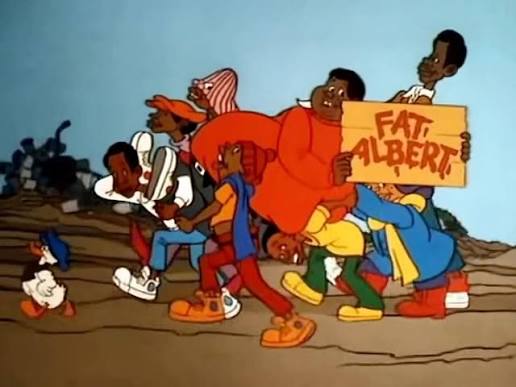
Fat Albert and the Cosby Kids was unmistakably built to teach. The Junkyard Gang’s stories dealt with lying, bullying, prejudice, health, school, family problems and the consequences of bad decisions, usually ending with the lesson stated plainly. That could be heavy-handed, but the show also gave its neighborhood real texture. The homemade instruments, the schoolyard humor and the sense of kids solving problems among themselves made the message feel connected to a recognizable world.
The program’s later cultural baggage cannot be ignored, but its place in the history of educational cartoons is still real. It treated Saturday morning as a place where social issues could sit beside jokes and music. Our full show history belongs in Fat Albert and the Cartoon That Tried to Teach Something; this ranking keeps the focus narrower. As educational television, it mattered because it did not hide its purpose. Every episode wanted children to walk away with a better way to handle something they might face on Monday.
Why it stayed with us: On most Saturday mornings, a moral was something pasted onto the last minute. Fat Albert built the whole episode around the problem, which made the lesson impossible to miss but also gave it room to develop. The gang argued, made mistakes and usually had to live with consequences before anyone summed up the point. That larger history belongs in Fat Albert and the Cartoon That Tried to Teach Something; here, what matters is that the series treated children’s real social problems as worthy of a full story.
Full Fat Albert story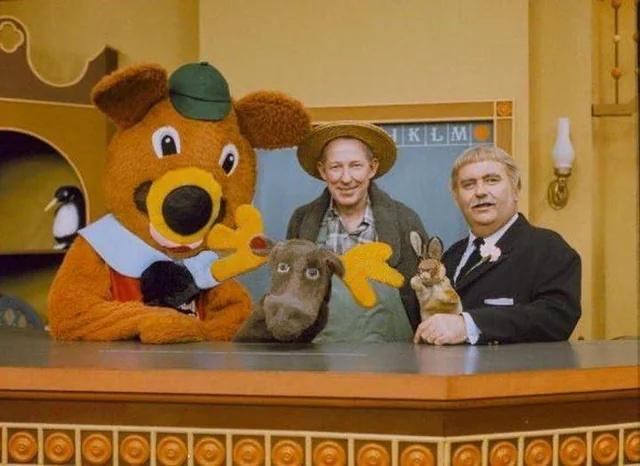
By the 1970s, Captain Kangaroo already felt less like a program than a piece of household furniture. Bob Keeshan’s Captain moved through stories, songs, puppets, cartoons, nature segments and quiet conversations with the confidence of an adult who did not need to shout to hold a child’s attention. Mr. Green Jeans, Bunny Rabbit and Grandfather Clock belonged to the morning routine in the same way cereal bowls and school shoes did.
The show was not organized around a single curriculum, but education ran through its entire format: books were read, animals introduced, manners modeled and curiosity rewarded. It also served as a home for short educational films and animated pieces that might otherwise have vanished. Captain Kangaroo ranks here because it created one of the decade’s most dependable learning environments. It understood that young children learn from repetition, tone and trust—and that a gentle adult could be more compelling than a room full of flashing lights.
Why it stayed with us: There was comfort in knowing the Captain would not spring anything frantic on you. The Treasure House had surprises, but the adult at the center remained steady, amused and interested. For a lot of us, Captain Kangaroo was early-morning television before the day became complicated: a story, an animal, a puppet bit and maybe a book we would later recognize at school. It did not announce every lesson. It simply made curiosity, kindness and reading look like normal parts of a good morning.
Long before the internet made the world feel instantly reachable, Big Blue Marble introduced American kids to children living in other countries, regions and cultures. The stories were not presented as exotic travel postcards. They emphasized ordinary lives—school, family, work, play, local problems and hopes. The famous pen-pal element made the idea of another child across the world feel personal rather than abstract.
For Gen X viewers, especially those who saw it when the teacher rolled a television into the classroom, the show carried the excitement of a field trip without leaving the building. Its lesson was simple and ambitious: the planet was one shared place, and children elsewhere were not characters in a geography book. The series’ commitment to international understanding earned major recognition, but its real power was emotional. It made the globe look smaller, friendlier and more connected before most homes had any way to communicate beyond a long-distance telephone call and an airmail envelope.
Why it stayed with us: The show’s timing mattered. When Big Blue Marble entered the 1974 television landscape, most of us had no practical way to see how children lived beyond whatever appeared in a textbook or a short news report. The series made distance personal. A kid in another country could have chores, jokes, worries and favorite games—not just a costume in an international-day parade. That gentle recognition may have been the program’s most lasting lesson.

Villa Alegre deserves to be remembered as more than “the bilingual show.” Its village setting used stories, music, puppetry, fantasy and recurring characters to teach English to Spanish-speaking children and Spanish to English-speaking children. That mission was unusually direct for national television in the 1970s, when Latino children and bilingual homes were still badly underrepresented on the screen.
The program taught language by embedding it in a lively community rather than treating vocabulary as a stack of flash cards. Songs, conversations and visual context helped meaning arrive naturally. It also gave children a television world where Spanish was not a problem to be corrected but part of everyday life. That matters in this ranking because educational television is not only about adding information. Sometimes it is about telling a child that the language spoken at home belongs on the public airwaves, too.
Why it stayed with us: What made Villa Alegre work was the feeling that the language belonged to the life of the village. Spanish and English moved through jokes, songs, family conversations and ordinary problems instead of being isolated into vocabulary drills. Even children who understood only part of a scene could follow tone, action and repetition. For Gen X viewers in bilingual homes, the program offered recognition. For everyone else, it made another language sound less like a school requirement and more like something people actually used to laugh, work and belong together.
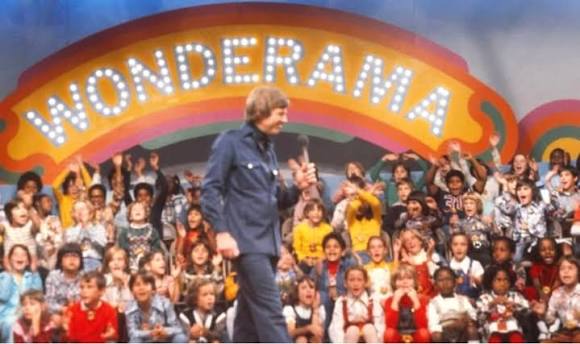
Tom Chapin hosted Make a Wish like the cool teacher who could turn one strange question into a half hour of film clips, animation, wordplay and music. Each episode wandered through a subject by association rather than marching through a lesson plan. One idea led to another, a song tied the pieces together, and curiosity itself became the subject.
That loose construction was the show’s strength. It modeled how a mind explores: notice something, ask a question, follow the connection and see where it leads. The program respected young viewers enough to be playful without becoming empty. Its 1971 Peabody recognition praised that intelligence and imagination. Gen X memories of the show are often hazy—fragments of Chapin, guitar, pictures and a theme song—but that dreamlike quality fits a series built around the act of wondering.
Why it stayed with us: There was something gloriously unhurried about the way Tom Chapin followed an idea. A word could lead to an image, the image to a song and the song to a completely different question that somehow circled back. That structure trusted children to enjoy connections instead of demanding one clean answer every few minutes. We may not remember the topic of a particular episode, but many of us remember the sensation: television opening a cabinet full of odd facts and letting us rummage around without being told exactly what to take.
Vegetable Soup used a magazine format of live action, animation, music, puppets and documentary pieces to challenge racial and cultural stereotypes. Produced by the New York State Education Department, it had an explicit mission: help children understand difference without turning people into cardboard examples. That was serious work for a children’s show, and the program approached it through stories about families, careers, traditions and everyday life.
The title suggested a mixture, and that was the idea. Different ingredients did not need to disappear into sameness to belong together. The show could be uneven and very much of its era, but it tried to give children language for respect, identity and fairness. It also crossed the usual boundary between public and commercial television through distribution on both PBS stations and NBC. That reach earns it a high place among the decade’s educational programs, especially because its subject was not a school chapter. It was the country children were already living in.
Why it stayed with us: The show rarely turns up in the first wave of nostalgia lists, which is exactly why it matters. Vegetable Soup belongs beside the decade’s forgotten Saturday-morning and children’s programs because its mixture of animation, documentary, music and puppetry does not fit one easy category. Its 1975-era message was not that differences should be ignored. It was that a community could be made from them. That was an ambitious lesson for children’s television, and the handmade strangeness helped it stick.
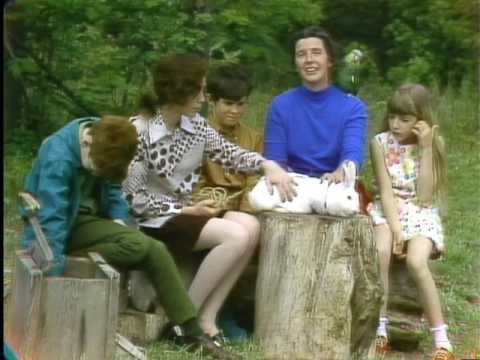
Hodgepodge Lodge made nature study feel like stopping by a friendly place where something interesting had just been brought in from the woods. Host Jean Worthley—Miss Jean to viewers—introduced animals, plants, habitats, gardening and seasonal changes with a direct, practical warmth. The show did not need dramatic wildlife footage or a booming narrator. A llama, an acorn, a garden project or an animal without a backbone could carry the whole visit.
This was educational television in its most tactile form. It invited children to go outside, observe closely and try something themselves. In a decade when environmental awareness was moving into classrooms and family conversations, Hodgepodge Lodge made the natural world local and reachable. It ranks above flashier programs because its lessons were easy to continue after the credits. You could turn off the set, walk into the yard and keep learning.
Why it stayed with us: Miss Jean did not make nature feel like a distant wilderness reserved for experts. She made it feel as close as the nearest creek, garden, leaf pile or jar with holes punched in the lid. That was perfect for Gen X kids, who were still expected to disappear outdoors for hours and come back when the streetlights came on. Hodgepodge Lodge gave names and explanations to things we were already turning over with sticks. It taught observation first, which is where almost every real science lesson begins.
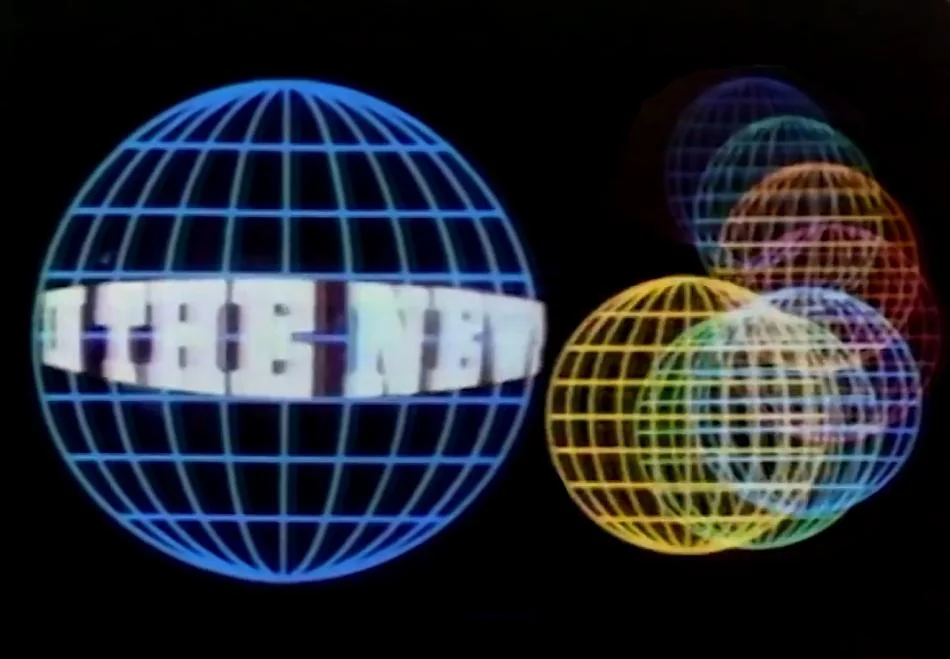
CBS slipped In the News between Saturday morning cartoons, which meant a kid waiting for the next animated adventure might suddenly get a concise explanation of politics, science, world events or public policy. The segments did not pretend children were uninterested in the news. They assumed the problem was that adult newscasts rarely explained context in a way young viewers could enter.
That short format was ideal. It respected attention span without confusing brevity with shallowness, and it let serious information coexist with the weekend lineup rather than requiring a special educational hour. Gen X viewers may remember the visual cue and tone more clearly than any one report, but the habit mattered: the world outside cartoons was worth understanding. In the News belongs here because it treated civic awareness as part of growing up.
Why it stayed with us: The interruption was the lesson. One minute we were watching a cartoon character run into a wall; the next, a calm voice was explaining an election, a scientific discovery or an international crisis. In the News suggested that current events were not an adults-only channel we had to wait years to understand. Because the reports were short and placed inside Saturday morning, they lowered the door handle just enough for kids to enter the larger world without pretending that world was simple.
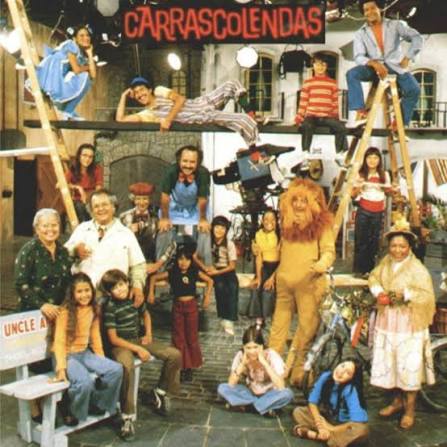
Produced in Austin, Texas, Carrascolendas was one of the pioneering bilingual children’s programs of the public-television era. English and Spanish shared the screen through songs, stories, comedy and recurring characters. Like Villa Alegre, it did more than teach vocabulary. It centered children and families who were often missing from national children’s television.
The show’s regional roots were part of its value. Public television in the 1970s allowed local stations to build programs around the communities they actually served, then share those ideas more widely. Carrascolendas brought language learning, cultural pride and school-readiness goals together without flattening them into a generic national product. It ranks here because it widened both who educational television was for and what an American children’s show could sound like.
Why it stayed with us: For viewers who encountered it through Texas public television, Carrascolendas felt proudly local and unexpectedly expansive at the same time. The sets, characters and language came from a recognizable community, yet the educational purpose reached far beyond one region. The show’s best contribution was not a single word or song. It was the sight and sound of Mexican American children and families occupying the center of an educational program instead of appearing as a special topic for one week.
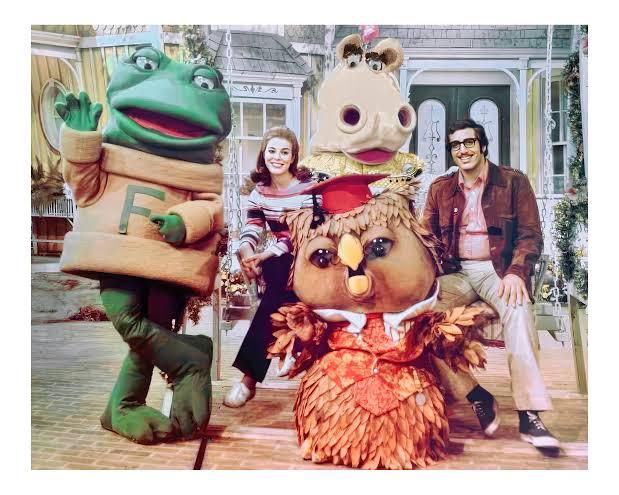
Freddie the Frog, Henrietta Hippo and Charlie the Owl looked like they had wandered out of a community-theater costume closet, and that was part of the charm. The New Zoo Revue used songs, dances and short stories to teach cooperation, honesty, responsibility, self-respect and consideration for others. Doug and Emmy Jo served as the human anchors in a world where every small conflict could become a musical lesson.
The show was bright, corny and impossible to mistake for anything else. Its educational goals were obvious, but the melodies and character personalities made the messages easier to accept. For many Gen X kids, it was part of the before-school or early-morning television haze—a show you did not realize had planted itself in memory until somebody mentioned the theme song decades later. It earns this spot because social learning was the whole structure, not a last-minute moral pasted onto an unrelated cartoon.
Why it stayed with us: Yes, the costumes were enormous, the songs were relentlessly cheerful and subtlety was not invited to the New Zoo. That was also why it worked. Freddie, Henrietta and Charlie turned small social problems into something a preschooler could see, name and remember. Gen X morning television was full of programs we watched half-awake with a cereal spoon in hand, and The New Zoo Revue understood that a repeated chorus and a giant frog might carry a lesson farther than a perfectly reasoned speech.
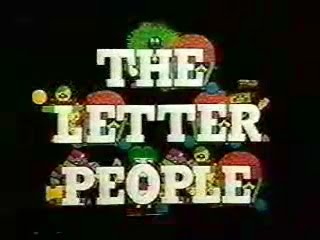
The premise was wonderfully literal: every letter had a personality, a sound and a visual hook designed to help beginning readers remember it. The Letter People turned phonics into a cast of characters, giving abstract symbols the kind of identity usually reserved for cartoon heroes. For children encountering the program in school, on public television or both, letters became less like marks on a page and more like a strange neighborhood you could learn your way around.
The production could feel low-budget and occasionally surreal, but memory devices do not have to be elegant to work. They have to stick. The character traits, repeated sounds and simple word-building exercises gave teachers and parents a shared vocabulary for early reading. It ranks here because it was unapologetically instructional while still understanding that a child is more likely to remember a letter with a ridiculous personality than a letter printed alone on a worksheet.
Why it stayed with us: The Letter People were mnemonic devices with the confidence of a repertory company. Every costume, personality trait and repeated sound existed to give a child one more hook for remembering a letter. The approach could be goofy enough to make adults roll their eyes, but children did not need elegance; we needed the sound to stay put long enough to use it. For many Gen X students, these characters lived somewhere between television, classroom kits and school assemblies, which made phonics feel like a shared universe rather than a page of isolated drills.

NBC’s Hot Dog answered the kinds of questions kids ask when adults are busy: How is this made? Why does that work? What happens behind the door marked employees only? The series mixed documentary footage with jokes and a quick magazine style, turning factories, processes and ordinary objects into small mysteries worth solving.
Its run was brief, but its influence can be felt in later children’s programs that made real-world processes entertaining. The show understood that “how” is one of childhood’s great educational engines. You do not need a formal lesson when the subject is something already sitting on the breakfast table or moving down the street. Hot Dog ranks here because it made information feel like access—television opening a door adults usually kept closed.
Why it stayed with us: The series anticipated the pleasure of later “how it’s made” television: the thrill of seeing the hidden process behind an ordinary object. A hot dog, a newspaper, a building or a traffic system became more interesting once the camera went where children normally could not. The comedy kept the machinery from feeling like a factory lecture. For a generation raised before endless behind-the-scenes videos, that access was a genuine event. Television was not just showing us the finished world; it was letting us peek at the gears.
Aimed at older children and young teens, Studio See traveled beyond the preschool set to document hobbies, communities, skills and young people doing unusual things. Produced by South Carolina ETV, it also involved children in aspects of television production. That gave the show a valuable double lesson: the world contains interesting stories, and young people can help tell them.
The magazine format suited Gen X viewers who were aging out of puppets but were not ready for adult public-affairs television. It treated kids as observers, participants and potential media makers. That is why it belongs among the best educational programs of the decade. It did not only deliver facts; it encouraged the habit of looking closely at another person’s life and asking how the story was put together.
Why it stayed with us: Older kids were often stranded between preschool programs and adult documentaries, and Studio See gave them a place of their own. Its late-1970s television setting mattered because portable production and regional public broadcasting were opening new ways to tell stories. Seeing young people as reporters, subjects and makers suggested that television was not a sealed machine controlled entirely by distant adults. You could learn from the world and, with a camera and a point of view, help explain it.
Once Upon a Classic brought novels and literary stories to public television in serialized, child-accessible form. The program’s adaptations gave young viewers a doorway into books that might have looked intimidating on a classroom shelf. Adventure, mystery and period drama came first; literary familiarity arrived almost by accident.
That is an underrated educational strategy. A child who already knows the characters and basic story is more willing to attempt the book later, and even viewers who never picked up the original gained a sense of narrative structure, historical setting and language. The show ranks here because it treated classic literature as living entertainment rather than cultural medicine. It let the story earn a child’s attention before asking for respect.
Why it stayed with us: The series understood that adaptation could be an invitation rather than a substitute. Seeing a mystery, adventure or period drama unfold on television gave young viewers enough confidence to recognize the book later. When Once Upon a Classic joined the 1976 television landscape, it offered a bridge between the reading list and the stories we already loved on screen. The costumes and serialized suspense did not water literature down; they gave us a handhold.
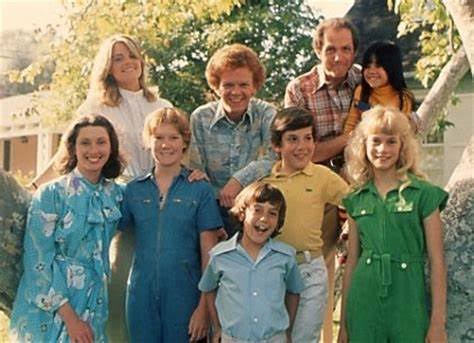
For a certain slice of Gen X, Mulligan Stew is not a normal television memory. It is a classroom memory: a television or projector, a teacher dimming the lights and a group of kids teaching the “4-4-3-2” approach to a balanced diet. Developed through the USDA Extension Service and 4-H, the six-part series wrapped nutrition instruction in a youth rock-group adventure.
The fashion, music and official food guidance are unmistakably of their moment, but the production understood that health information needed characters and a hook. It also came with supporting materials, making it a true bridge between broadcast television and school instruction. Mulligan Stew ranks this high because it may be the purest example on the list of educational television invading the classroom and becoming part of the school-day ritual.
Why it stayed with us: The strongest memory may be the ritual surrounding it. The teacher wheeled something to the front, the blinds closed and the class understood that normal school had temporarily been suspended. Then the songs and nutrition lessons began. Mulligan Stew was created to be used, not merely watched, which is why it came with printed materials and classroom follow-through. Its dietary framework belongs to its era, but the multimedia strategy feels surprisingly modern: television supplied the hook, and the lesson continued after the screen went dark.
These short animated and live-action pieces dealt with the everyday subjects that loom large in childhood: confidence, fairness, responsibility, emotions, family and getting along with other people. The title itself delivered the central message—that the child watching had value. The films were simple, direct and built to fit between larger programs or into classroom schedules.
Like Schoolhouse Rock!, the format recognized that a few focused minutes could be enough. Unlike it, the emphasis was usually personal rather than academic. The shorts could feel earnest, but their government-supported educational mission was clear, and the recurring children gave the lessons continuity. They rank here because they represent a major 1970s idea: television could help shape not only what children knew, but how they saw themselves.
Why it stayed with us: These shorts carried the earnestness of an era that believed television could help children build an inner voice. The animation was simple because the message had to be direct: you mattered, other people mattered and everyday choices helped shape the person you were becoming. That can sound sentimental now, but childhood television was often louder and more commercial than caring. The Most Important Person offered small pauses where self-respect and responsibility were treated as skills that could be practiced, not personality traits some kids simply had.
Turning Archie, Betty, Veronica, Jughead and the Riverdale gang into guides through American history sounds like something dreamed up five minutes before a network meeting. Yet The U.S. of Archie was an explicit attempt to make historical subjects more approachable by placing familiar comic-book characters inside them.
The educational agenda sometimes overwhelmed the comedy and music that made earlier Archie cartoons popular, which is one reason the series had a short run. Still, it belongs here precisely because the experiment was so pure. Saturday-morning characters were being asked to carry classroom material. The result was not always graceful, but it showed networks searching for ways to satisfy growing demands for substance in children’s television without abandoning recognizable entertainment brands.
Why it stayed with us: The oddness of the premise is part of its charm. Riverdale characters had already survived musical groups, mysteries and superhero identities, so why not American history? The U.S. of Archie shows how eager 1970s networks were to turn familiar cartoon brands toward instruction. It also illustrates the boundary of this ranking: the series belongs here because teaching history shaped the entire format, while the wider Archie universe belongs in the larger story of Saturday-morning cartoons in the 1970s.
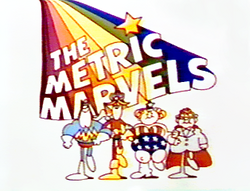
For a brief moment, American children were told the future would be measured in meters, liters, grams and Celsius. The Metric Marvels responded with animated superhero-style characters and songs designed to explain the system. Meter Man, Liter Leader, Wonder Gram and Super Celsius sound like they were assembled from a lost toy line, but their actual mission was national measurement education.
The country never completed the conversion imagined at the time, which gives the shorts an accidental layer of comedy now. But as educational animation, they are a perfect late-1970s artifact: colorful, musical, civic-minded and convinced a few memorable characters could solve a complicated teaching problem. They rank here because even the failure of the larger national project cannot erase the fact that many Gen X students first encountered metric measurements through this sort of television.
Why it stayed with us: Today, The Metric Marvels plays like a transmission from the alternate future where America completed the metric conversion. That makes the shorts funny in retrospect, but the teaching idea was sharp: turn abstract units into characters with powers and personalities. The superhero packaging also places the series beside the decade’s 1970s superhero cartoons, only here the mission was measurement instead of crime fighting. Even a national plan that stalled could leave behind a surprisingly memorable educational cartoon.
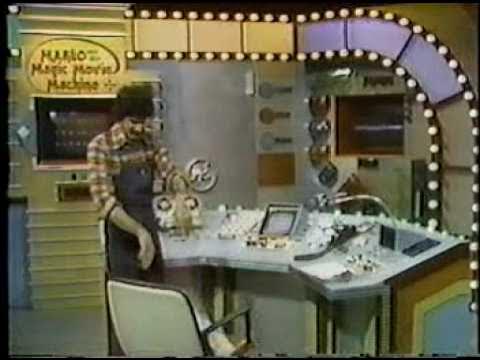
Marlo had a talking machine that could produce film clips, facts, riddles and historical material, making the show feel like a local television host had discovered a primitive search engine behind a bookcase. The format gathered educational short films and wrapped them in a personality-driven studio setup that was strange enough to hold attention.
The program is a classic example of regional or syndicated children’s television surviving as a half-memory. Viewers remember the machine, the hair, the secret room or the theme more clearly than any individual lesson. That does not make the education less real. It shows how format can become the retrieval key for information. Marlo and the Magic Movie Machine ranks here because it turned a library of instructional films into a show with a world of its own.
Why it stayed with us: The production had the handmade, locally produced flavor that made so much 1970s educational television feel personal. Marlo’s machine gave the program permission to show almost anything: a historical film, a science demonstration, a riddle, a song or a piece of trivia. The setup was eccentric enough to become the memory peg. Years later, viewers may not recall the fact they learned, but they remember the room and the machine—and that strange framework is exactly what helps old information come rushing back.
The Bod Squad used short animated segments to explain food, exercise, health and the way bodies work. These were not full half-hour adventures; they were compact teaching pieces designed to live inside commercial children’s schedules. That makes them easy to forget as a title even when individual images or messages remain familiar.
The series closes the ranking because its scale was smaller than the programs above it, not because the educational intent was weaker. Health shorts such as these were part of the decade’s growing belief that the spaces between shows could teach as effectively as the shows themselves. Gen X television was full of these little interruptions—some annoying, some unforgettable, and some quietly doing more work than we realized.
Why it stayed with us: These health shorts represent the smallest building blocks of the educational-TV movement. They did not need a half-hour plot or a beloved host. A few animated minutes could explain exercise, food or a body process and then return the schedule to regular programming. Gen X watched countless interstitials like this without knowing the word for them. Some disappeared completely; others left one image or phrase lodged in memory. The Bod Squad earns the last seat because even the spaces between shows were being asked to teach us something.
The decade’s best educational programs did not all chase the same goal. Some prepared preschoolers for reading; others used songs, news, nature, health, history or feelings to make the world easier to understand.
Sesame Street, The Electric Company and The Letter People built literacy from letters, sounds and word patterns. Villa Alegre and Carrascolendas widened that mission through bilingual storytelling, showing that language learning worked best when it sounded like life.
Schoolhouse Rock! turned multiplication into music, while Hodgepodge Lodge, Hot Dog, The Metric Marvels and The Bod Squad used animals, factories, superheroes and short animation to explain how the physical world worked.
Mister Rogers’ Neighborhood, Fat Albert, The New Zoo Revue, Vegetable Soup and The Most Important Person dealt with emotions, fairness, identity, cooperation and the difficult business of living around other people.
Big Blue Marble, In the News, The U.S. of Archie, Once Upon a Classic and Studio See connected kids to current events, other cultures, books and places far beyond the neighborhood antenna.
The decade did not settle on one teaching formula. It tried almost everything—fast edits, slow conversations, jazz, folk songs, puppets, animation, field reports, kid hosts and television short enough to fit between commercials.
Schoolhouse Rock!, Sesame Street, The Electric Company and The New Zoo Revue understood that melody can carry information long after a spoken explanation disappears. The best 1970s television theme songs worked the same way: repetition turned sound into instant recall. Educational television simply aimed that power at multiplication, grammar, language and behavior.
The magazine format broke a big lesson into sketches, cartoons, songs and recurring bits. That structure reflected careful thinking about how children watched television, but it also matched the rhythm of the decade. A lesson could arrive in three minutes, do its job and get out before a kid reached for the channel knob.
ZOOM asked viewers to send material. Big Blue Marble encouraged pen-pal connections. Classroom programs came with magazines, comic books and teacher guides. The screen was not always the end of the activity. Often it was the invitation to make, write, read, ask or try something after the set went dark.
PBS and local educational stations created space for slower, regional, bilingual and experimental children’s programs that commercial networks rarely supported. That expanding public-TV world sits inside the larger history of 1970s television, when one shared set could carry a neighborhood, a classroom and the wider world into the same living room.
Public-broadcast archives preserve much of this history. The American Archive of Public Broadcasting’s ZOOM exhibit documents the explosion of educational children’s television, including The Electric Company, Hodgepodge Lodge, Carrascolendas, Studio See and Vegetable Soup. PBS explains the original school-readiness mission behind Sesame Street, while the Library of Congress traces the musical idea behind Schoolhouse Rock!.
Individual records also show how broad the movement became: the Peabody Awards archive recognizes Big Blue Marble and Make a Wish; the American Archive preserves Villa Alegre and Hodgepodge Lodge; and the National Agricultural Library catalogs the 1972 Mulligan Stew educational materials.
The television lesson came with a little freedom. There was no raised hand, no paper due at the end and no red mark waiting if you missed the point the first time.
Anybody who went to school in the 1970s or early 1980s remembers the change in atmosphere when a television or projector appeared. Desks relaxed. The lights went down. Even a nutrition film felt like an event because the normal schedule had been interrupted.
We saw the same segments again because programming choices were limited, and repetition is a powerful teacher. The song, joke or animated character became familiar before the underlying concept did. By the time a teacher reached the subject, television had already left a trail.
These programs belonged to the same set that carried cartoons, sitcoms, news and sports. They were part of the broader world of family television in the 1970s, when children and adults often watched in the same room and a program could become a household reference instead of a private screen habit.
Public television offered a break from the sales pressure surrounding commercial children’s programming, while network educational shorts had to survive inside it. That contrast becomes even clearer beside the decade’s 1970s toy culture and the way Saturday-morning commercials sold toys to 1970s kids: one side of the screen was trying to teach us, while the other was making a determined run at our allowance.
Educational programs did not exist in a separate universe. These year guides show the sitcoms, dramas, variety shows, cartoons and cultural shifts competing for the same family television set.
The decade’s educational television crossed public broadcasting, commercial networks, classroom distribution and short-form cartoons, so the boundaries can get wonderfully fuzzy.
Sesame Street was the decade’s most important educational children’s program because it joined research, school-readiness goals, entertainment, music, puppetry and a diverse neighborhood into one format with enormous reach. It changed what broadcasters, parents and educators believed television could do.
Schoolhouse Rock! was a series of short animated musical segments rather than a conventional half-hour show. Beginning in 1973, the pieces aired between ABC Saturday-morning programs and taught subjects such as multiplication, grammar, American history, science and civics.
The Electric Company was created specifically to strengthen reading and literacy skills for elementary-age children. The Letter People focused on phonics and beginning reading, while Sesame Street introduced preschool literacy and letter recognition.
Schools used programs and materials connected with The Electric Company, Big Blue Marble, Mulligan Stew, The Letter People and other instructional series. What a child saw depended heavily on the district, local public-television station and whatever film or tape library the school could access.
Both programs were central to childhood television throughout the 1970s and helped define the decade’s public-television culture. This ranking requires a strong 1970s presence, not necessarily a premiere date inside the decade.
The article follows a stricter rule: the educational goal must shape the program or segment. A cartoon that occasionally ended with a lesson belongs in a broader cartoon ranking; an instructional cartoon built to teach grammar, history, health or social skills belongs here.
Sesame Street, Mister Rogers’ Neighborhood, The Electric Company and ZOOM are the best-known public-television programs from the decade. Other remembered PBS and educational-station shows include Villa Alegre, Carrascolendas, Hodgepodge Lodge, Studio See and Vegetable Soup.
Schoolhouse Rock! used short animated songs to teach multiplication, grammar, science, American history and civics. The cartoons began airing on ABC in 1973 and became some of the most memorable educational segments in Saturday-morning television.
The educational shows make more sense when they are placed back inside the Saturday-morning schedules, family rooms, theme songs and studio systems that surrounded them.