The Rockford Files and Television’s Reluctant Private Eye

The Rockford Files and Television’s Reluctant Private Eye
PRIVATE EYECHANNEL 70s ROCKFORD FILENBC • LOS ANGELES • NO GUNS • NO GLORY
Smells Like Gen X • Two hundred a day plus expenses

The Rockford Filesand Television’s Reluctant Private Eye

Jim Rockford lived in a trailer, worried about getting paid and understood that punches hurt. Instead of weakening the detective fantasy, those limits made him one of television’s most believable heroes.

James Garner turned irritation, charm and ordinary physical caution into an investigative style built around bluffing, social insight and the occasional urgent need to point the Firebird in the opposite direction.

Quick Answer • Paradise Cove Desk

Why was Jim Rockford so different from other television private eyes?

Rockford was financially insecure, physically vulnerable and tied to people who could complicate his life after the case ended. He preferred conversation, cover identities and escape to violence, but his decency kept him working when the client, fee and sensible exit had already disappeared.

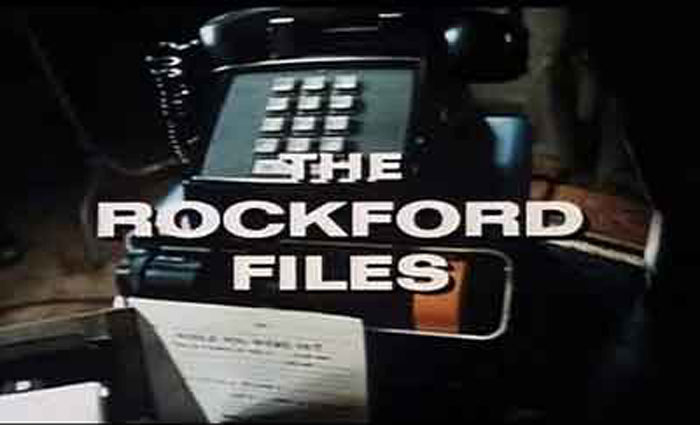
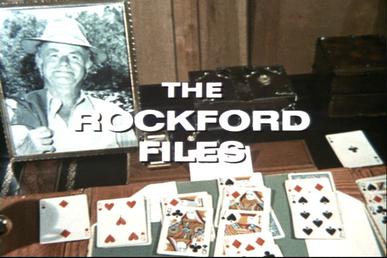
The Rockford Files original television title screen
This is Jim Rockford.At the tone, leave your name and message. He may be avoiding a creditor, a client or Angel Martin.
The Detective Who Counted the Cost

Rockford felt modern because he never pretended danger was free

The series rebuilt the private eye around bills, family, bruises and the moral pressure created by people Jim could not simply leave behind.

The reluctance made every decent choice more meaningful

Classic detectives often live in romantic isolation. Jim has a father who worries, a lawyer who knows every evasion, a police friend whose career can be damaged by favors and an old prison acquaintance who can destroy the week before breakfast.

He knows violence is not choreography. It produces pain, medical bills and the possibility that a client still will not pay. When Jim keeps going, the audience understands what he is risking because the show has allowed him to complain accurately about it.

That is why the heroism works. Rockford does not want a reputation for bravery. He wants the facts, the fee and perhaps an afternoon to fish. Decency keeps interrupting the plan.

From Maverick to Paradise Cove

Roy Huggins and Stephen J. Cannell rebuilt the hard-boiled private eye around James Garner

The creative team carried the survival instinct of Bret Maverick into a modern Los Angeles filled with scams, paperwork and respectable corruption.

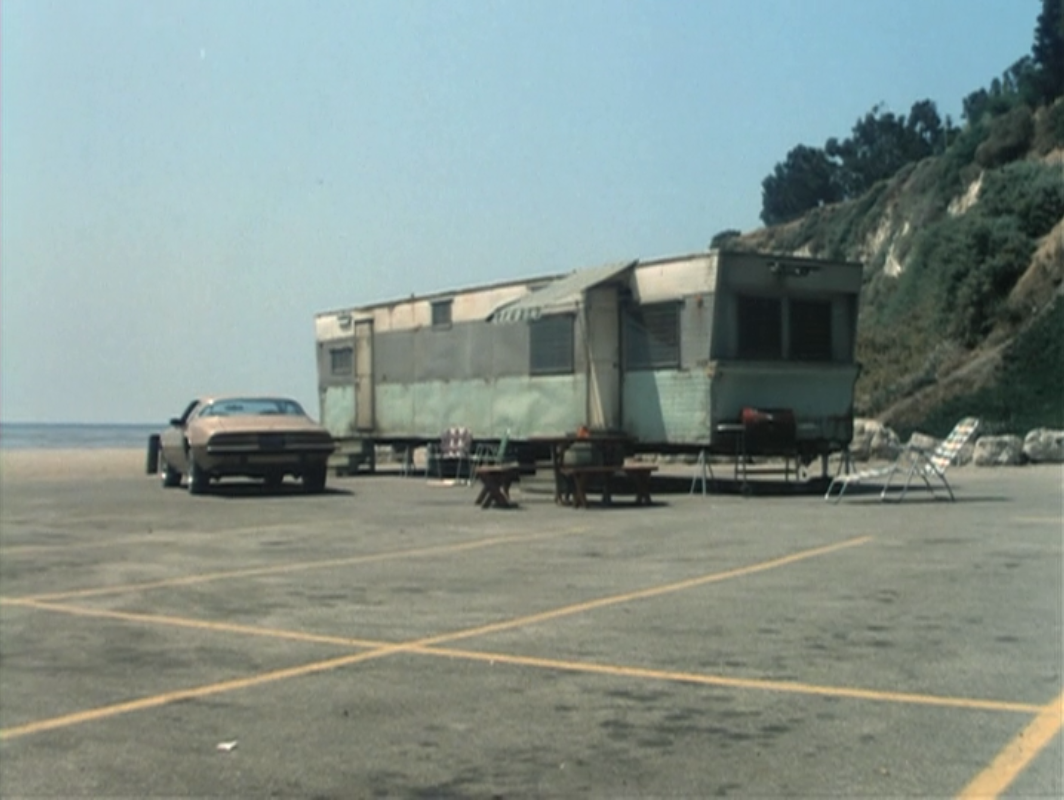
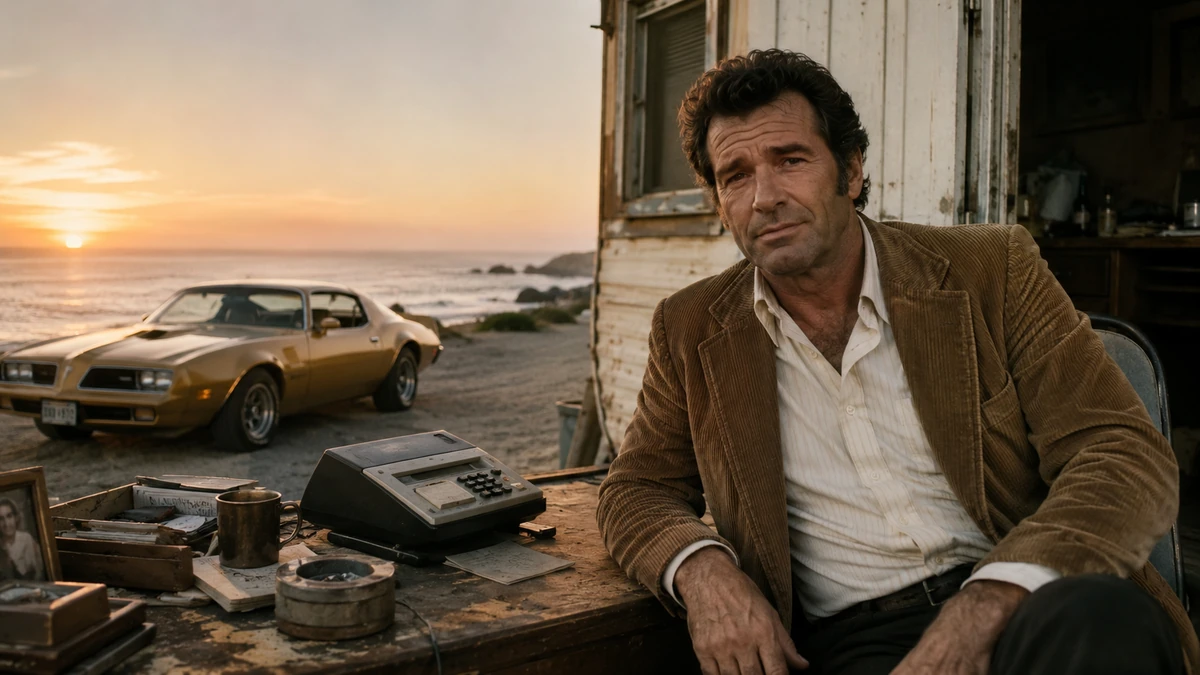
Jim Rockford’s beachside trailer and gold Firebird at Paradise Cove
The battered trailer and Firebird established Jim’s working life before a client could explain the case.
The backstory

An unjust prison sentence made official systems personal

Jim served time at San Quentin for a crime he did not commit before receiving a pardon. He distrusts institutions because one already took years of his life, but he does not reduce every police officer to the institution’s failure.

The tone

Garner made charm, annoyance and caution parts of one performance

He can move from a friendly sales pitch to disbelief to real danger without changing shows. The naturalism prevents the comedy from weakening the stakes.

The cases

Scams and institutions mattered more than endless gunfire

Land deals, corporations, legal machinery, data collection and social manipulation give Jim problems that cannot be solved merely by identifying one obvious criminal.

The setting

Sunlit Los Angeles became a new kind of noir

Corruption hides beside beaches, offices and developments rather than in permanent darkness. The dream remains visible while somebody quietly changes the contract.
From the Pilot to the Reunion Movies

The Rockford timeline follows one man, one car and a changing television era

The series grew from a clever anti-action premise into an award-winning character drama whose institutional concerns became more relevant with time.

1974

The pilot and weekly series establish a different kind of private eye

Backlash of the Hunter introduces Jim Rockford before the regular series begins that fall. The answering machine, trailer, Firebird and practical dislike of violence quickly become part of the show’s identity.

1975

The supporting world becomes as important as the weekly case

Rocky, Beth, Becker and Angel deepen Jim’s private life. Cases increasingly turn on scams, corporate pressure and the obligations created by friendship rather than on simple whodunits.

1976

The show reaches one of its sharpest creative stretches

Episodes such as The Oracle Wore a Cashmere Suit and So Help Me God use psychic fraud, grand-jury power and institutional intimidation to test Rockford’s skepticism.

1977

James Garner wins the lead-actor Emmy

The award recognizes a performance built from listening, irritation, humor and physical vulnerability rather than traditional action-hero posture.

1978

Outstanding Drama Series and the surveillance warning

The series wins television’s top drama award. The House on Willis Avenue turns personal-data collection into a remarkably forward-looking threat.

1979

The later run keeps finding new scams in California optimism

Land development, respectable corporations and white-collar schemes remain perfect Rockford territory because every promise contains paperwork somebody hopes Jim will not read.

1980

The original run ends under real physical strain

Garner’s injuries and demanding production schedule contribute to an ending that feels more interrupted than concluded. The character remains too alive to disappear permanently.

1994–99

Television movies bring Jim and his world back

Eight reunion movies return to Rockford’s relationships, older body and unchanged instinct for recognizing a con. The revivals work because the original series always made aging and consequence part of the character.

Paradise Cove and Everybody Who Calls

Jim’s relationships made the private-eye world feel lived rather than reset

Every recurring character brings history, obligation and the possibility that solving the case will not solve the relationship.

The reluctant detective

Jim Rockford

James Garner makes Jim observant, funny, stubborn and visibly mortal. He can invent a cover identity in seconds, but his greatest skill is recognizing what another person wants badly enough to believe. The reluctance is not cowardice; it is an accurate estimate of the cost.

The father

Joseph “Rocky” Rockford

Noah Beery Jr. gives Rocky warmth, pride and a permanent suspicion that private investigation is not a respectable way for his son to earn a living. Their arguments make Jim a grown man who can still sound twelve when his father disapproves.

The lawyer

Beth Davenport

Gretchen Corbett plays Beth as a legal professional, former romantic partner and genuine equal. She understands Jim’s tricks, protects him from the system when she can and refuses to confuse affection with approval.

The police connection

Dennis Becker

Joe Santos makes Becker a capable detective caught between friendship and department politics. Every favor to Jim can damage his standing, which gives their banter consequences and prevents the police contact from becoming a convenient plot machine.

The walking emergency

Evelyn “Angel” Martin

Stuart Margolin creates an unforgettable unreliable friend. Angel lies before facts require it, panics with professional efficiency and can endanger Jim while sincerely believing the friendship remains healthy. He is comic relief with real moral risk attached.

The recurring office

The trailer, answering machine and Firebird

The objects define a working life rather than a fantasy headquarters. The trailer offers a beach view without financial security. The machine proves trouble can arrive while Jim is gone. The Firebird is transportation, office, escape route and repair bill.

The voice of the city

Los Angeles and Paradise Cove

The series treats Southern California as both promise and paperwork. Beaches, stucco offices, industrial streets and developments create a bright noir where corruption rarely needs darkness to hide.

The creator behind the scams

Stephen J. Cannell and the writing room

Cannell and the series’ writers build cases from personality, social engineering and institutions that look legitimate. The scripts understand that the best con is often the story a target already wants to hear.

Courage Without the Pose

Rockford understood what television heroics actually cost

His fear, frustration and preference for escape do not undercut bravery. They define the sacrifice accurately.

He avoided violence because his body lived in the same world as ours

When a fight happens, Garner sells the consequences. Jim is winded, injured and angry. He survives by using space, timing and an exit rather than revealing secret mastery of hand-to-hand combat.

The Firebird’s reverse 180-degree move expresses the same philosophy. A traditional action hero accelerates toward danger to prove something. Rockford gets the car pointed away before danger can finish the sentence.

Yet he returns when somebody still needs help. Courage becomes the irritated decision to continue after fear, money and common sense have made excellent arguments.

The Alias Was the Action

The best cases were social puzzles disguised as crime stories

Rockford’s cons work because the target supplies the greed, vanity or fear required to make the invented identity believable.

The observation

Jim reads the appetite before choosing the lie

A greedy operator wants an investment, a vain professional wants recognition and a corrupt executive wants proof that everyone else can be bought. Rockford offers each target the story already forming in the room.

The performance

Voice and posture do more work than elaborate disguise

Garner changes rhythm, confidence and vocabulary without turning the alias into sketch comedy. The cover identity remains Jim’s practical tool rather than a chance for the actor to leave the series.

The paperwork

Bureaucracy is often the villain’s best costume

Corporate structures, legal procedure and official records can make wrongdoing look respectable. Jim’s informal methods expose the human story hidden beneath correct forms.

The reversal

The target discovers the con after helping complete it

The most satisfying endings do not depend on Jim overpowering anyone. The opponent’s own assumptions become the final piece of evidence.

The Weekly File

The six beats that turned bills, favors and bad clients into a Rockford case

The formula stays recognizable while leaving enough space for character comedy, institutional criticism and the occasional urgent reverse turn.

01

The message arrives first

A creditor, client, friend or wrong number leaves a small comedy on the answering machine. Before the case begins, viewers know Jim’s life is already busy, underfunded and connected to people who expect something from him.

02

The client withholds the useful truth

Rockford rarely receives a clean assignment. The person paying him minimizes a motive, omits a relationship or assumes the private eye can be discarded once the dangerous part begins.

03

Jim builds a cover identity

A new voice, posture and business card open a door that force would close. The alias works because Rockford studies the target’s vanity, greed or fear before choosing the story.

04

The institution pushes back

Police procedure, corporate law, wealth or bureaucracy protects the real problem. The show turns respectable structures into obstacles without claiming every person inside them is corrupt.

05

Violence proves less glamorous than promised

When Jim is hit, he hurts. When a gun appears, the stakes change. The physical action supports the character’s preference for escape, leverage and the famous reverse turn.

06

Decency outlasts the fee

The business arrangement usually collapses before the case is solved. Jim keeps going because an innocent person still needs help, then complains accurately about the expense all the way to the finish.

Two Perfect Opening Moves

The answering machine and Firebird explained Jim before the case did

One delivered social and financial trouble in miniature. The other gave him the fastest possible way to reconsider a dangerous direction.

The Rockford Files opening image featuring Jim Rockford’s answering machine
The answering machine delivered a complete miniature comedy before Jim ever appeared on screen.
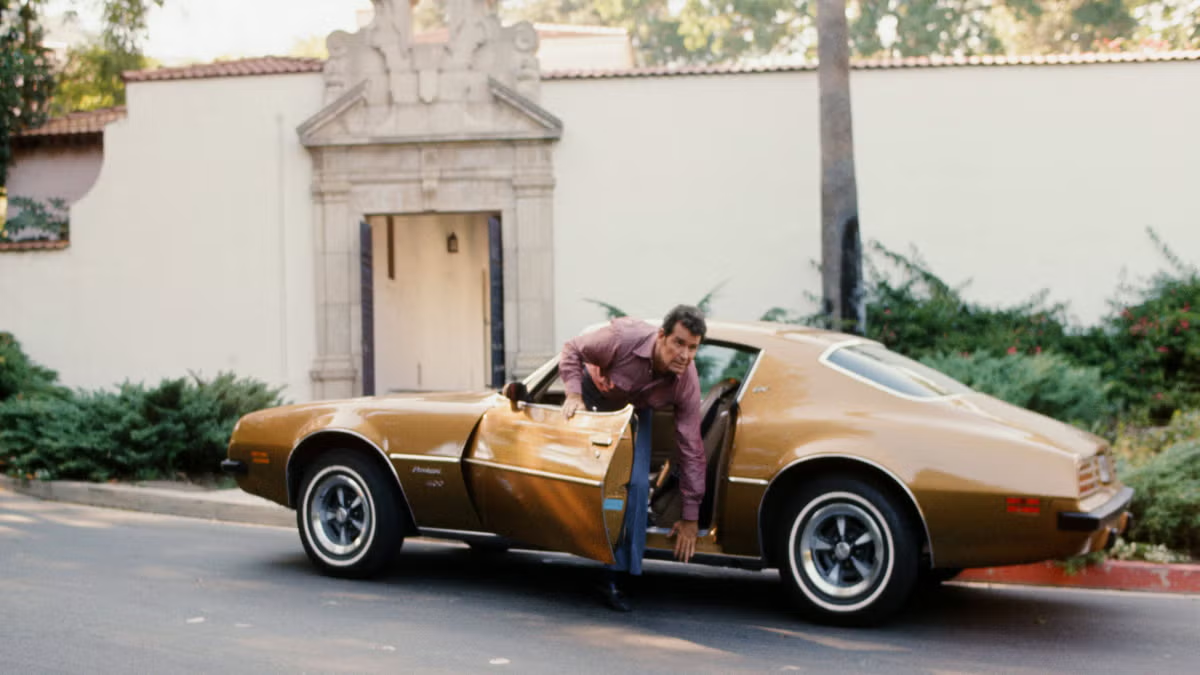
James Garner as Jim Rockford getting out of his gold Pontiac Firebird
The gold Firebird was part transportation, part office and frequently the fastest available exit.

The machine made the future feel ordinary and inconvenient

Answering machines were still novel to many viewers, yet Jim’s device is not displayed as technology. It is where creditors, clients, friends and wrong numbers leave proof that his social world has no respect for office hours.

Then the Mike Post and Pete Carpenter theme takes over, with synthesizer, guitar and Los Angeles movement creating a promise of wit before Garner appears.

The Firebird completes the introduction. It is stylish enough to become iconic and practical enough to get dirty, damaged and used as a real workplace.

First-Watch Case Files

10 essential episodes of The Rockford Files

These ten episodes follow the pilot, Jim’s relationships, the confidence games and the institutional stories that make the series feel unusually current.

EPISODE01
The pilot establishes the working conditions

Backlash of the Hunter

Jim investigates the death of a young woman’s father and immediately encounters clients who withhold information, police resistance and the possibility of getting hurt without getting paid. The movie is more conventionally plotted than the best later episodes, but Garner’s weary humor is already fully visible.

Watch the way Jim resists the role of heroic rescuer even while accepting the moral obligation behind it. The pilot makes the show’s central bargain clear: Rockford can dislike danger, money problems and manipulation while still refusing to leave an innocent person alone with them.

EPISODE02
The weekly series begins with suspicion intact

The Kirkoff Case

A man acquitted of murdering his parents hires Jim to identify the real killer. Legal innocence does not erase social suspicion, and the wealthy client’s resources do not make his motives easy to trust.

The premiere demonstrates how the series uses class and reputation. Rockford works outside the official conclusion because human behavior remains unsettled after the verdict. He is neither a crusader nor a cynic; he is a professional who knows that paperwork can close a case without answering it.

EPISODE03
Beth enters as a genuine professional equal

The Dark and Bloody Ground

Beth Davenport asks Jim to investigate a murder case involving one of her clients. Their personal history gives every exchange extra weight, but the episode never reduces Beth to an old flame waiting to admire the detective.

Gretchen Corbett’s presence expands the world immediately. Beth can challenge Jim’s methods, use the law with more precision than he can and still recognize when official procedure is protecting the wrong person. The relationship feels lived-in because neither character needs to explain all of it.

EPISODE04
Glamour meets the working detective

The Countess

A troubled woman becomes entangled in blackmail and murder, pulling Jim toward a world that looks more elegant than his beach trailer but is no less desperate. The guest-star glamour never turns Rockford into a tuxedoed fantasy hero.

The episode is useful because Garner keeps the class contrast visible. Jim can enter expensive rooms and read the people in them, but he never seems to belong to their security. He remains worried about danger, money and whether the person asking for help is telling him enough to survive.

EPISODE05
Corporate power becomes the villain

Profit and Loss

This two-part story enlarges the series’ scale without abandoning its personal vulnerability. Rockford confronts a corporate conspiracy able to hide coercion beneath respectable management language and institutional reach.

The story shows why the series’ distrust of white-collar power remains relevant. Jim’s quick aliases and street-level instincts are useful, but the enemy can control records, jobs and public credibility. The case becomes a fight over which version of reality the institution can make official.

EPISODE06
The confidence game becomes the action sequence

The Farnsworth Stratagem

Jim and his allies construct an elaborate con around a corrupt company. The pleasure comes from timing, performance and the gradual realization that the target is helping build the trap by believing exactly what greed wants to believe.

This is Rockford Files action in its purest form. The danger is real, but the decisive moves happen through social reading rather than firepower. Garner shifts voices and posture without breaking the character; Jim is acting for survival, not showing off for the audience.

EPISODE07
A professional manipulator sells certainty

The Oracle Wore a Cashmere Suit

A psychic’s supposed visions become connected to murder, forcing Jim into a world where grief and belief can be monetized. His skepticism is practical rather than smug because he understands how badly people may want an answer.

The episode recognizes that exposing fraud does not erase the need that made the fraud possible. Rockford watches language, money and emotional leverage instead of treating the case as a simple contest between smart and foolish people. That human attention keeps the mystery from becoming a lecture.

EPISODE08
Procedure becomes punishment

So Help Me God

Jim is jailed for contempt after refusing to cooperate with a grand jury. The episode turns legal process into a machine capable of crushing someone without proving the crime that supposedly justifies the pressure.

Garner’s frustration gives the institutional critique its force. Jim is not framed as a revolutionary hero; he is a citizen discovering how little leverage one person has once the system decides compliance matters more than fairness. The case feels modern because the abuse wears formal clothing.

EPISODE09
A television warning about personal data

The House on Willis Avenue

Jim and Richie Brockelman uncover a company built around collecting and selling personal information. The two-part story treats surveillance, databases and privacy as an emerging business model rather than distant science fiction.

The episode now plays like an early warning from a world before search engines and social platforms. Its insight is not merely that technology can be abused, but that ordinary records become power when gathered, linked and controlled by people the subject never sees.

EPISODE10
California development becomes another con

The Great Blue Lake Land and Development Company

Jim is drawn into a land-development scam whose operators rely on optimism, pressure and the assumption that a private eye can be frightened away. The story combines economic desperation with the pleasures of a carefully arranged counter-con.

The episode captures the show’s sunlit noir. The dream is not hidden in an alley; it is printed in a brochure. Rockford survives because he recognizes the emotional sales pitch before he can dismantle the legal and financial machinery supporting it.

Sunlit Noir

Los Angeles looked beautiful enough to make every bad deal believable

The show places scams beside beaches, parking lots, stucco offices and developments where the California dream has already been converted into a sales presentation.

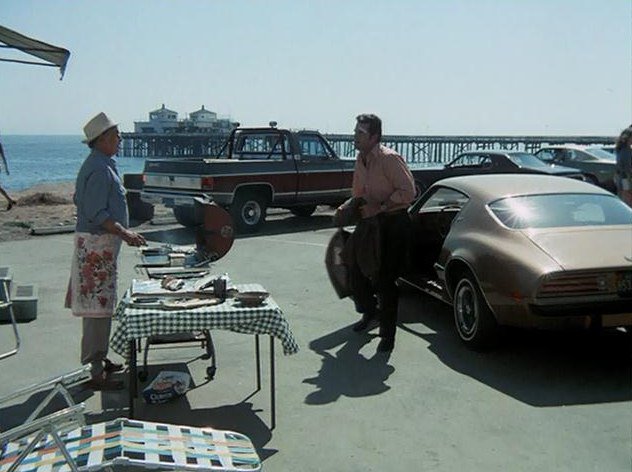
Jim Rockford beside his gold Firebird at a Southern California beach location
Southern California supplied the sunshine, working waterfronts and polished promises behind the show’s bright version of noir.
The beach

Paradise Cove gives Jim the view without the security

He lives beside one of America’s most desirable landscapes and remains one unpaid invoice from trouble. Beauty and insecurity occupy the same address.

The development

Land turns optimism into paperwork

Promoters sell a future before roads, water or honest accounting exist. The series understands that the dream becomes dangerous when the brochure arrives before reality.

The office

Respectability can hide the deepest corruption

Corporate suites, legal documents and public credibility protect schemes that would look criminal immediately in an alley.

The road

Location work keeps labor close to glamour

Industrial zones, courthouses, restaurants and coastlines let cases move through the city’s economic layers rather than remaining inside generic sets.

114 Episodes, Five Emmys and a Very Tired Leading Man

The production proved a bruised detective could carry prestige and popularity

The series’ awards recognized not only Garner but a supporting world strong enough to carry comedy, danger and moral consequence.

The show’s naturalism required demanding physical work

Garner performed a character who looked casual while the production maintained long hours, location work and recurring action. Injuries accumulated, and the original run ended amid health and production pressure rather than a carefully engineered finale.

The Television Academy history cited in the original article records 114 episodes, 18 nominations and five wins, including Outstanding Drama Series in 1978 and Garner’s lead-actor award in 1977.

Stuart Margolin’s two supporting-actor wins confirm how essential Angel Martin was to the show’s comic and moral texture. Guest performances also mattered because the series treated one-time characters as people rather than disposable case mechanics.

The Adult Rewatch

What aged beautifully, what belongs to the era and why Jim still feels modern

The pace, relationships and institutional skepticism have become stronger with time even when some period portrayals require context.

Still excellent

Garner listens instead of performing heroism at the room

Annoyance builds naturally, humor arrives from character and danger changes his body language. The performance remains remarkably contemporary.

More relevant

The suspicion of data, corporations and legal machinery

The House on Willis Avenue now feels less like an imaginative warning than an early description of the economy that eventually arrived.

Needs context

Some gender and ethnic characterizations remain period-specific

Beth is a substantial recurring professional and women receive strong guest roles, but the private-eye world still centers male experience and occasionally uses broad comic types.

Worth preserving

The patient pace lets legwork and social detail matter

Interviews, driving, waiting and cons replace the demand for a twist every few minutes. The city and relationships have time to become part of the case.

The Rerun Memory

For Gen X, the answering machine meant the case had already started

The message, theme and gold car formed a sequence as dependable as a station identification.

Someone wanted money, had canceled or was pretending the disaster was not their fault

Before voicemail became ordinary, Rockford’s machine felt futuristic and completely mundane at the same time. Then the synthesizer line kicked in, the Firebird appeared and the channel stayed where it was.

Garner also offered a recognizable version of adulthood: capable without security, independent while still answerable to his father, skeptical without becoming too cynical to help.

The Detective Became a Person First

The Rockford Files changed what television investigators were allowed to carry

Bills, family, unreliable friends, institutional pressure and a body that reacts realistically to violence became part of the genre’s permanent toolkit.

Jim is not a modern antihero because decency is never the mystery

Later television investigators inherited his complications: family obligations, damaged institutions, financial pressure and methods built around personality rather than force.

Stephen J. Cannell carried parts of the approach into later work, while David Chase’s experience on the series preceded even more complicated television about work, crime and family.

Rockford remains distinctive because the audience never has to wonder whether he possesses a moral center. The question is how much that center will cost after the client lies and Angel swears the latest plan is safe.

The Gen X verdict

Jim Rockford wanted to collect his fee, keep the Firebird running and maybe go fishing. He kept helping anyway. The reluctance did not weaken the hero—it made him believable.

Messages From Paradise Cove

Frequently asked questions about The Rockford Files

The essential facts about the original run, creators, car, awards and the episodes that best introduce Jim Rockford.

When did The Rockford Files originally air?

The NBC series premiered in September 1974 and continued through 1980. Eight reunion television movies followed between 1994 and 1999.

How many episodes of The Rockford Files were made?

The programming history cited in the source article lists 114 episodes in the original series.

Who created The Rockford Files?

Roy Huggins and Stephen J. Cannell created the series. Huggins received credit under the pseudonym John Thomas James because of contractual circumstances.

Why was Jim Rockford different from other television detectives?

Jim avoided unnecessary fights, worried about money, lived in a trailer and relied on conversation, cover identities and social insight instead of invulnerability.

What kind of car did Jim Rockford drive?

Rockford drove gold Pontiac Firebirds. Model details varied across the run, but the car and his reverse 180-degree turn became signatures of the series.

How many Emmy Awards did The Rockford Files win?

The source article cites 18 nominations and five wins, including Outstanding Drama Series in 1978 and a lead-actor win for James Garner in 1977.

Why did the original series end?

The demanding schedule and accumulated physical injuries placed serious strain on James Garner. The original run ended amid health and production pressures rather than with a conventional planned finale.

What Rockford Files episodes should a new viewer watch first?

Begin with The Kirkoff Case, The Dark and Bloody Ground, Profit and Loss, The Farnsworth Stratagem, So Help Me God and The House on Willis Avenue.

Sources

Documented television history, interpreted through a Gen X rewind

These references cover the series’ production history, awards and James Garner’s defining performance as Jim Rockford.

First-watch guide: These ten episodes introduce Jim’s cases, confidence games, friendships and battles with people who have better offices and worse intentions.

Get the Weekly Gen X Drop

New videos, rewinds, and savage nostalgia — first.

SUBSCRIBE WATCH VIDEOS

MORE REWINDS