Alex Rieger
The weary realist at the center of the ensemble, a cabbie who stopped calling the job temporary and became everybody’s reluctant counselor.
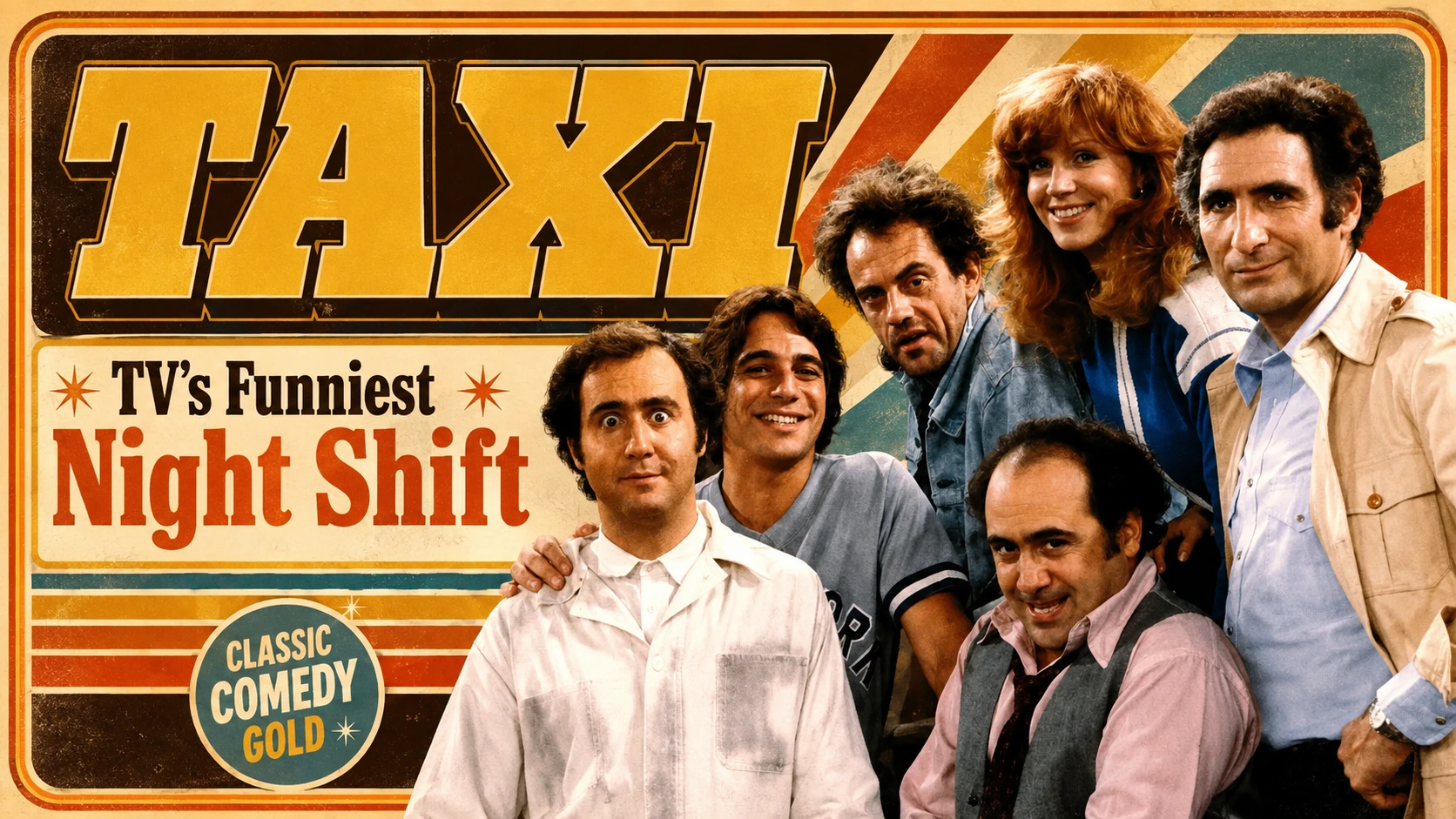
There was something almost cruel about the Sunshine Cab garage. Everybody came through the door with a second identity. Bobby was an actor. Tony was a boxer. Elaine worked at an art gallery. Latka was a mechanic with a whole private country in his head. Jim had apparently lived six different lives before breakfast. Even Alex—the guy who admitted he was actually a cab driver—carried the look of a man who had once expected the road to go somewhere else.
For Gen X viewers who found Taxi in reruns, the show felt older and smarter than the sitcoms surrounding it. The jokes could be huge—Reverend Jim taking a driver’s test, Louie De Palma turning basic decency into a hostage negotiation—but the garage always carried a little midnight sadness. These people loved each other, made each other miserable and kept punching the clock while their real lives waited just beyond the dispatch window. That is why the laughs still land. We knew people like this. Some of us became people like this.
Taxi became one of the defining American sitcoms of the late 1970s and early 1980s because it treated failure as a condition of adulthood rather than a punch line that had to be fixed before the credits. Set around New York’s fictional Sunshine Cab Company, the series followed Alex Rieger, Elaine Nardo, Tony Banta, Bobby Wheeler, Latka Gravas, Reverend Jim, Louie De Palma and the rest of an ensemble full of people whose day jobs were supposed to be temporary. The show premiered on ABC in 1978, moved to NBC for its final season, won three straight Emmys for Outstanding Comedy Series and turned a grimy garage into one of television’s warmest rooms.
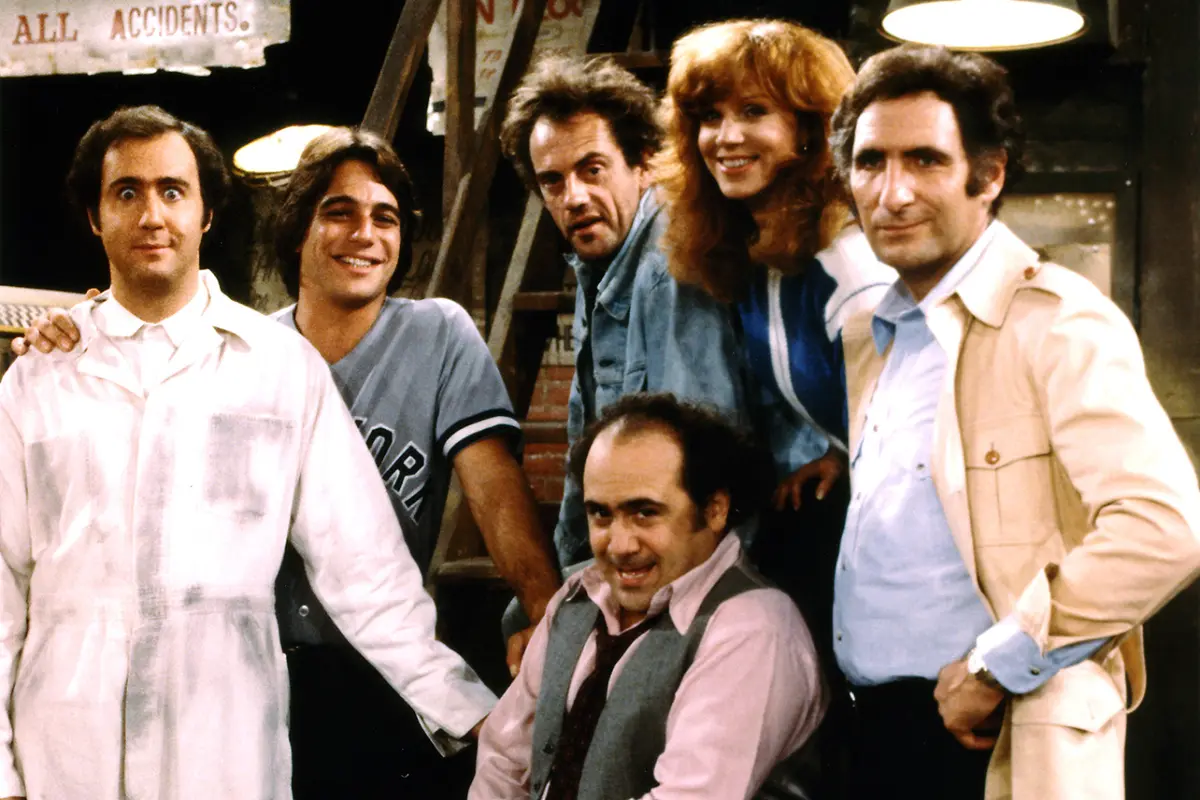
A New York cab garage full of people who were sure the job was temporary—except the one guy honest enough to admit it wasn’t.
Taxi was a workplace sitcom set at New York’s fictional Sunshine Cab Company, following cabbies, a mechanic and a dispatcher whose night jobs were supposed to be temporary. Alex Rieger had accepted the job. Bobby Wheeler still called himself an actor. Tony Banta still called himself a boxer. Elaine Nardo had another career in mind. The garage was where all of those plans kept running into the rent.
Alex Rieger drove because he had stopped pretending he was headed toward something more glamorous. Bobby Wheeler drove while trying to become an actor. Tony Banta drove while trying to become a boxer. Elaine Nardo drove to support herself and her children while working toward a life in the art world. The job paid enough to keep moving and not quite enough to make anybody comfortable.
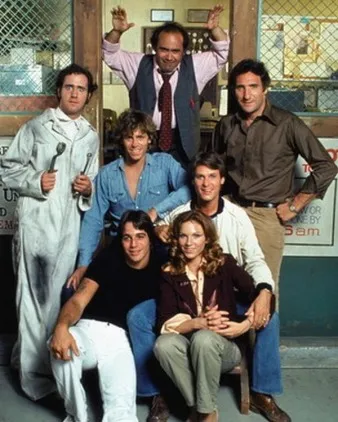
Then there were the people who made the garage feel like a separate universe. Latka Gravas, the sweet foreign mechanic played by Andy Kaufman, seemed to operate on customs no map could explain. Christopher Lloyd’s Reverend Jim Ignatowski drifted in from the remains of the 1960s and somehow became one of the most emotionally lucid people in the room. Above them all sat Louie De Palma in the dispatch cage, a small dictator with a microphone and the soul of a parking ticket.
The show was funny because the characters were funny. It endured because the writers took their disappointments seriously. Nobody got a weekly reset to success. Bobby could get a break and lose it. Tony could win a fight and still be a cabbie. Elaine could meet somebody impressive and still come back to the garage. The dreams were not fake. They were simply hard.
That melancholy separates Taxi from a lot of workplace comedy. The broader ranking belongs on our guide to the best workplace sitcoms of the 1970s. Taxi itself was about what happens when work is not your identity but still consumes most of your week.
The people who helped define sophisticated 1970s comedy left a safe ship and built a garage full of losers.
Taxi came from writers and producers who already knew how elegant ensemble comedy could work. James L. Brooks, Stan Daniels, David Davis and Ed. Weinberger had been part of the MTM orbit, the creative culture behind The Mary Tyler Moore Show and some of the most respected television comedy of the decade.
In 1978 they stepped away and formed the John Charles Walters Company. The Television Academy’s program history traces the premise to an idea Brooks and Davis had considered earlier: build a comedy around the daily life of a New York taxi company. That setting gave them something MTM’s offices and apartments did not—a workplace full of people who did not necessarily want to be there.
The creative family tree matters. The Mary Tyler Moore Show had shown how a workplace could become a chosen family. Taxi kept the chosen family and removed the career satisfaction. Nobody at Sunshine Cab was proud of the company logo.
James Burrows came in as the principal director and gave the show a visual rhythm that let scenes breathe without losing the energy of live comedy. Glen and Les Charles joined the writing and producing team. A few years later, those same creative currents would flow directly into Cheers.
The result was a show that felt like the missing link between two generations of ensemble sitcoms. It had the emotional intelligence of MTM, the grubby physical world of a New York workplace and a cast loose enough to let Andy Kaufman and Christopher Lloyd wander into very strange territory without breaking the show.
It also arrived at exactly the right moment. When Taxi premiered on September 12, 1978, ABC already had Three’s Company pulling a huge Tuesday-night audience. The new comedy followed it, finished its first season ninth in the ratings and immediately began collecting awards.
Alex was the center because he understood the trap and stayed anyway.
Alex Rieger was not the loudest character on Taxi, which was probably the only reason the garage survived. Judd Hirsch played him as the adult in a room filled with people who believed emotion was a substitute for planning.
Alex’s defining trait was acceptance. He drove a cab. Not until the acting job came through. Not until the next fight. Not until he married rich. He was a cab driver, and admitting that made him look almost radical beside people whose identities were built from future tense.
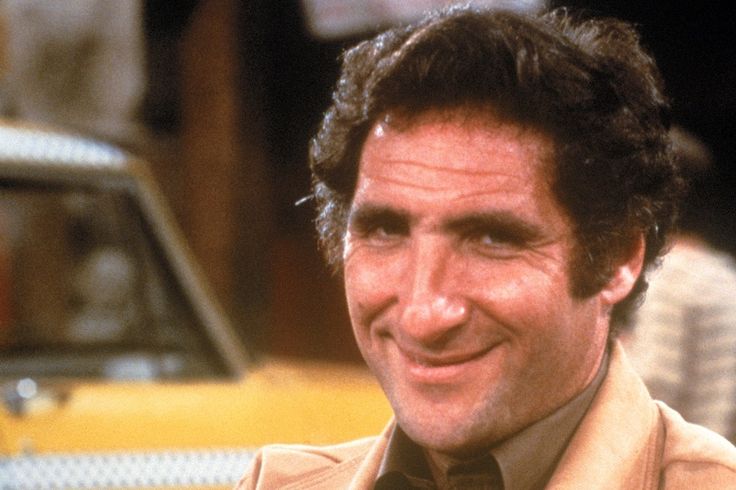
That did not mean he lacked regret. The pilot, “Like Father, Like Daughter,” immediately gave Alex an estranged daughter and a past he had not cleaned up. From the beginning, Taxi let its most stable character carry a private history of failure.
Hirsch’s timing kept Alex from turning into a lecture machine. He could listen to Jim explain something impossible, watch Louie commit an offense against basic civilization and respond with a look that said the universe had once again failed a very simple test.
Alex was also generous. He lent money, advice and emotional labor while regularly pretending he wanted no part of anybody else’s problem. The garage treated him like a reluctant father because he was the only one who could tell the difference between a crisis and Tony having another idea.
In another show, Alex’s arc might have been escape. Here, his strength was learning how to live without needing escape to prove his life mattered.
Louie could make a dispatch microphone sound like an instrument of war.
Louie De Palma was what happened when management authority met absolutely no moral supervision. Danny DeVito played Sunshine Cab’s dispatcher from inside a raised cage, which made the visual joke immediate: this man had been placed behind bars for everybody’s protection and somehow was still in charge.
Louie was cheap, horny, vindictive, petty and proud of all four. He could withhold a good cab assignment because somebody embarrassed him, insult Elaine and then complain that nobody appreciated his romantic sensitivity.
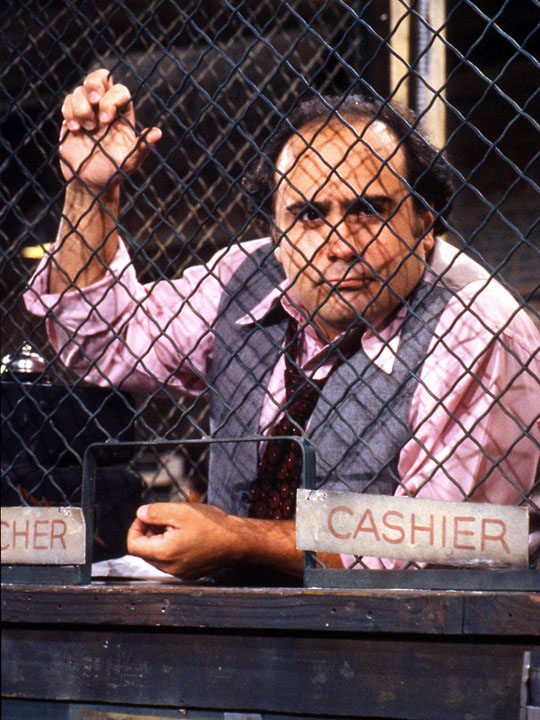
DeVito understood that pure ugliness would become boring. Louie occasionally revealed loyalty to his mother, fear of being alone or the faintest possibility of shame. Those glimpses did not redeem him. They made the next insult funnier because we had proof a human being was hiding in there and choosing this.
The cage became one of television’s great comic spaces. Louie could loom over the drivers, disappear below the window, slam the microphone and treat the garage floor as enemy territory. DeVito later described how strongly he identified the physical space with the character.
Louie was also useful to the show’s class story. The drivers were broke, but Louie had the small power that comes from controlling schedules, cabs and access. He was not the owner. He was middle management with a kingdom the size of a booth. Anyone who has ever worked for a supervisor who confused authority with destiny understands the character immediately.
Elaine needed the garage, but she never let the garage decide what she was worth.
Elaine Nardo was one of the clearest statements of what Taxi wanted to do differently. She was a divorced mother, a cab driver and an art-gallery employee whose interests and intelligence existed whether the men around her noticed them or not.
Marilu Henner played Elaine with speed and warmth, but also with boundaries. Louie’s harassment was treated as harassment. His behavior could generate comedy because Elaine was never asked to pretend it was flattering.
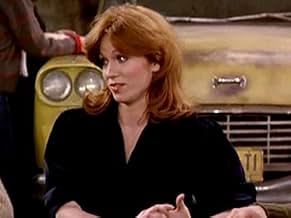
Elaine’s ambition was quieter than Bobby’s acting or Tony’s boxing, which made it feel more adult. She wanted meaningful work, financial stability and a life large enough to include culture, romance and her children. She did not believe fame would solve everything.
Her friendship with Alex gave the show one of its most durable relationships. They could flirt, fight and understand one another without the series deciding that chemistry automatically had to become a permanent romance.
Henner has spoken about having input into Elaine’s stories, and that collaborative attention shows. Elaine is rarely just “the woman in the garage.” Her dates, career frustrations and family responsibilities are allowed to be plots rather than accessories to somebody else’s plot.
She belongs in the same decade-long conversation as the working women of The Mary Tyler Moore Show, but Taxi gave the idea a more precarious economic edge. Elaine’s independence came with fares to pick up.
One garage, eight completely different definitions of what a normal adult was supposed to look like.
The weary realist at the center of the ensemble, a cabbie who stopped calling the job temporary and became everybody’s reluctant counselor.
Sunshine Cab’s dispatcher, tyrant and walking labor complaint, ruling the garage from a cage with a microphone.
A divorced mother balancing cab shifts, gallery work, children and the stubborn belief that her real life was bigger than the garage.
A sweet-natured boxer whose optimism survived a career record that suggested optimism had not reviewed the paperwork.
An actor who treated every cab shift as an interruption before the audition that would finally change everything.
The garage mechanic from an unnamed country whose innocence, language and changing personalities let the show bend reality without breaking.
A burned-out former Harvard student who seemed permanently lost until a moment of unexpected wisdom made everybody else look confused.
Latka’s exuberant partner and eventual wife, bringing her own language, customs and comic intensity into his already unusual world.
The ensemble was the point. Television Academy histories often describe Taxi as less star-centered than the MTM comedies that came before it. Alex provided gravity, but entire episodes could belong to Louie, Jim, Latka, Elaine or Tony without making the show feel like it had wandered away from its premise.
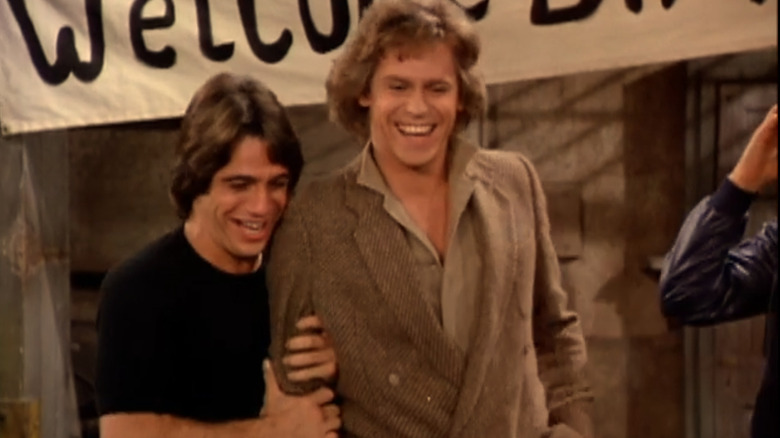
Tony Danza had little acting experience when he landed the role of Tony Banta. That rawness became useful because Tony the character was open, literal and almost aggressively sincere. Jeff Conaway gave Bobby Wheeler a sharper edge; Bobby wanted success badly enough to make every audition feel personal.
Andy Kaufman’s Latka brought a kind of controlled unpredictability. Christopher Lloyd’s Jim, added as a regular after an earlier appearance, brought something even stranger: a character who could be absurd for five minutes and heartbreaking in the sixth.
Carol Kane’s Simka eventually gave Latka a relationship that matched him in imagination and comic commitment. The show did not ask her to translate him back into normal sitcom behavior. It gave him somebody who spoke the same emotional language.
The cab was the job. The waiting was the story.
Most workplace sitcoms are about people who, at some level, belong in the workplace. Taxi built its emotional engine from the opposite idea. The Sunshine garage was full of people who believed they belonged somewhere else.
Bobby’s identity lived in auditions. Tony’s lived in boxing gyms. Elaine’s lived partly in the art world. The garage paid for those lives while constantly threatening to become the only life anybody had time to live.
That is where the title Taxi and the Dreamers Stuck Behind the Wheel earns its weight. The drivers were literally moving through New York all day, yet emotionally they could remain in the same place for years.
The series did not mock ambition. It mocked the stories adults tell themselves to survive ambition that has not worked yet. “This is temporary” can be courage in year one, denial in year five and a personality by year ten.
The garage was also a chosen family built by economic necessity. They might never have met at a dinner party. They knew each other because the same dispatcher abused them, the same busted cabs came back through the doors and the same coffee had probably been on the burner since Carter was president.
Compared with WKRP in Cincinnati, where the employees could still take pride in making radio, Sunshine Cab offered almost no professional identity. That made the friendship more important. The people were the benefit package.
That working-class tension also runs through Laverne & Shirley, but the difference is revealing. Laverne and Shirley fought the job with noise, friendship and physical chaos. The Sunshine crew mostly fought it by insisting the job was not who they really were.
He looked like the least reliable man in New York and could suddenly say the one thing everybody needed to hear.
Reverend Jim Ignatowski entered the series as a character who could have been one joke: a burned-out relic of the 1960s, brain cells drifting away like balloons after a parade.
Christopher Lloyd refused to play him that flat. Jim’s delays, stares and sideways logic created enormous laughs, but the character had gentleness underneath the fog. He was not cruel. He was rarely selfish. He was simply operating on a broadcast frequency the rest of the garage received intermittently.
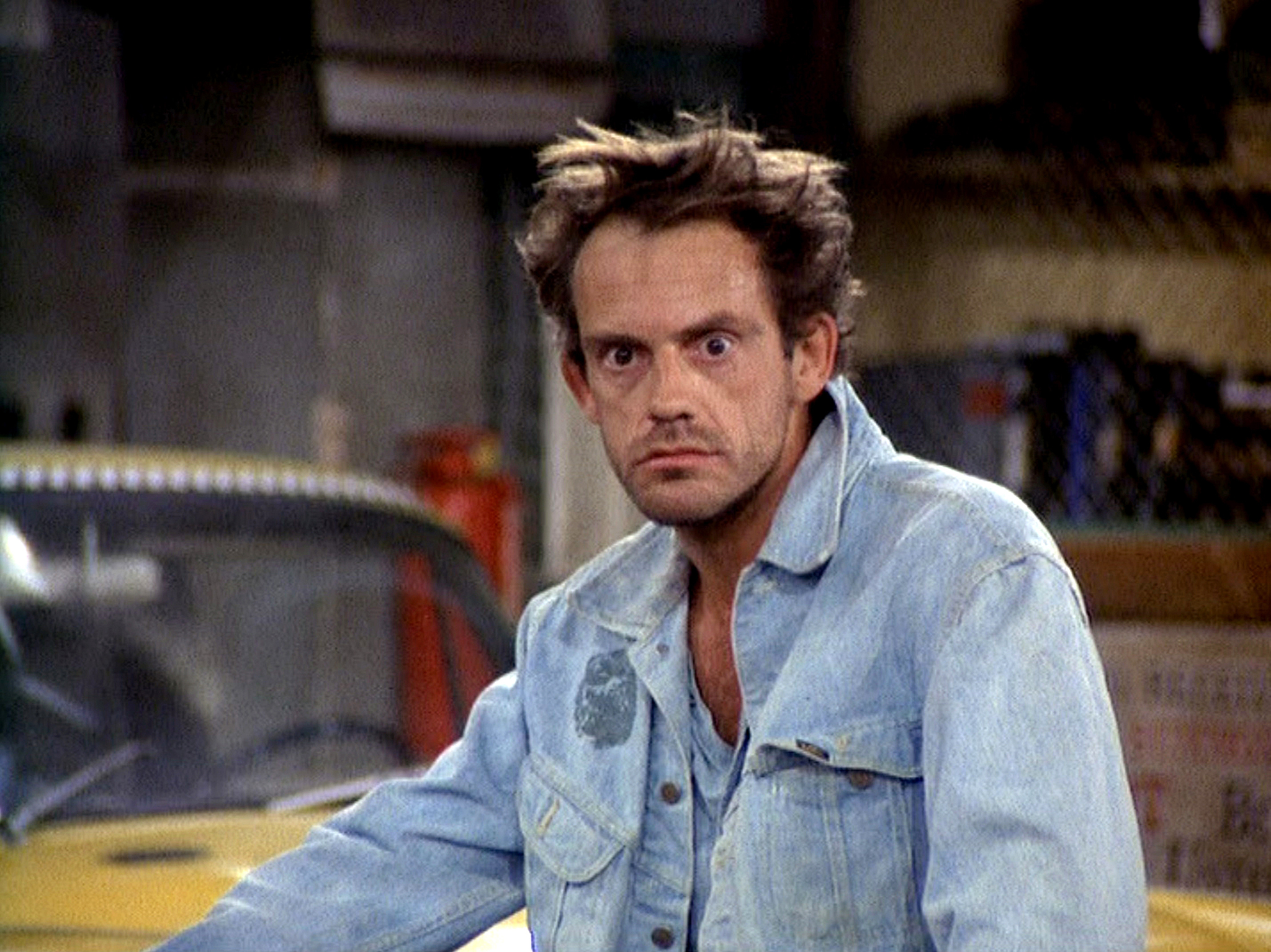
“Reverend Jim: A Space Odyssey” brought him into the Sunshine family as a driver and gave the series one of its most famous scenes: Jim taking the written driver’s test and asking what a yellow light means. The joke stretches because everybody knows the answer and Jim somehow makes certainty impossible.
That scene became a Gen X rerun ritual. You could know exactly what was coming and still wait for Lloyd’s face to reset before the next beat. Timing that slow should die on television. He made it lethal.
The deeper Jim stories revealed a former Harvard student, family estrangement and flashes of musical ability. “Elegant Iggy” worked because the audience already knew not to trust the surface. Put Jim at a piano in a sophisticated room and suddenly everybody else looked underdressed emotionally.
Lloyd won Emmys for the role, but the greater achievement was turning a character designed for chaos into someone viewers wanted protected.
Taxi was grounded enough to let Andy Kaufman be weird without turning the whole show into a stunt.
Andy Kaufman did not fit ordinary television very well, which was part of the appeal. His comedy often depended on refusing to tell the audience where the performance stopped. Taxi gave him a container sturdy enough to hold that uncertainty.
Latka Gravas was the Sunshine Cab mechanic, a sweet immigrant from an unnamed country whose language and customs could change according to the needs of the story. Kaufman played innocence without making Latka stupid. He frequently understood people better than they understood him.
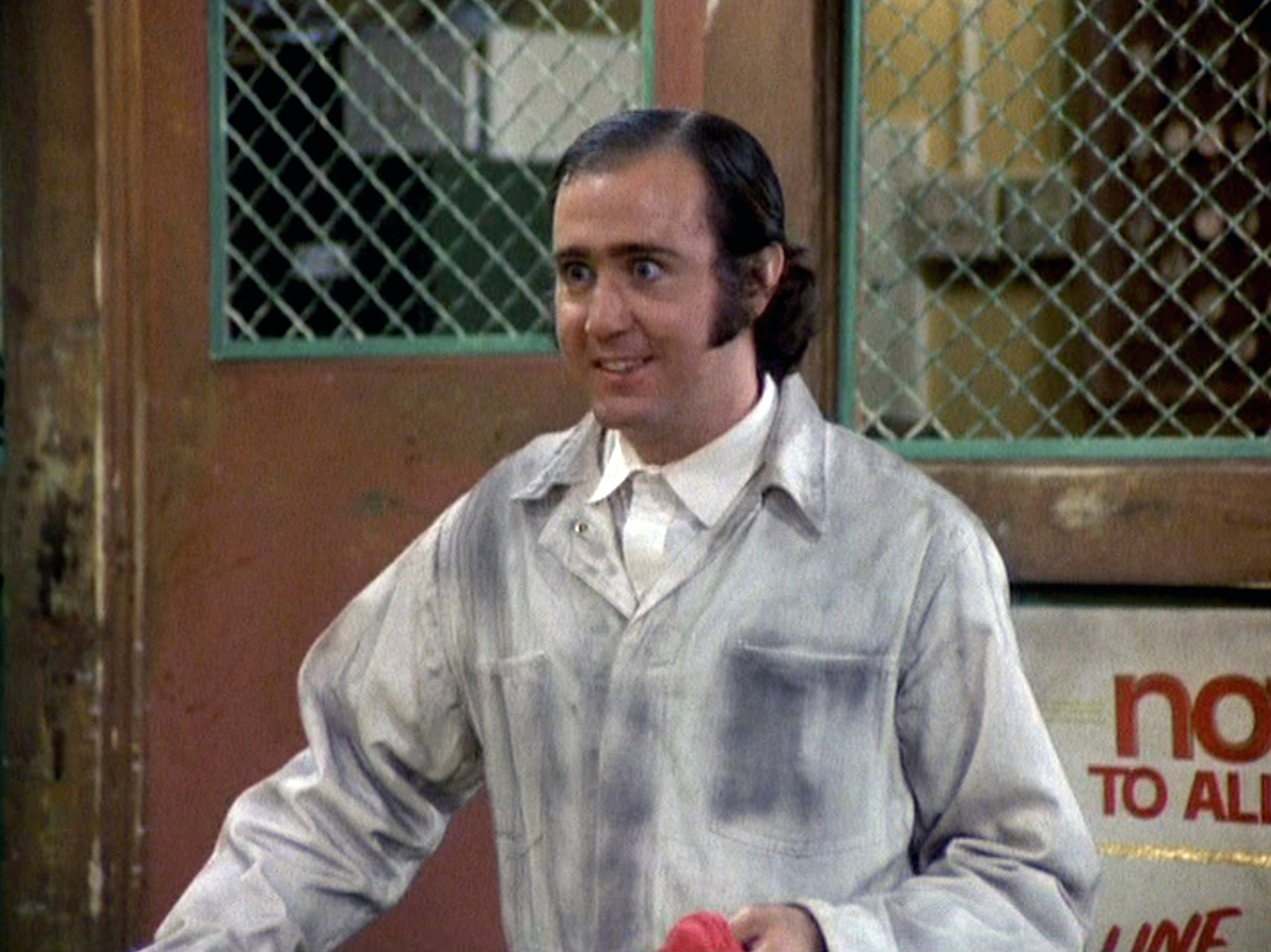
The producers also had to deal with Kaufman’s separate comic persona Tony Clifton, a lounge singer whose hostility toward show-business normalcy was the opposite of Latka’s sweetness. Television Academy interviews with producers, directors and cast members repeatedly return to the peculiar arrangements surrounding Kaufman and Clifton.
Later stories pushed Latka into multiple personalities, including the slick Vic Ferrari. Those episodes are broader and stranger than the original garage realism, but they show how much creative freedom the ensemble had earned.
Carol Kane’s Simka gave Latka an emotional home. Their marriage stories could be built around invented customs and nonsense words, yet the relationship underneath was sincere. The show never asked us to laugh because they loved differently.
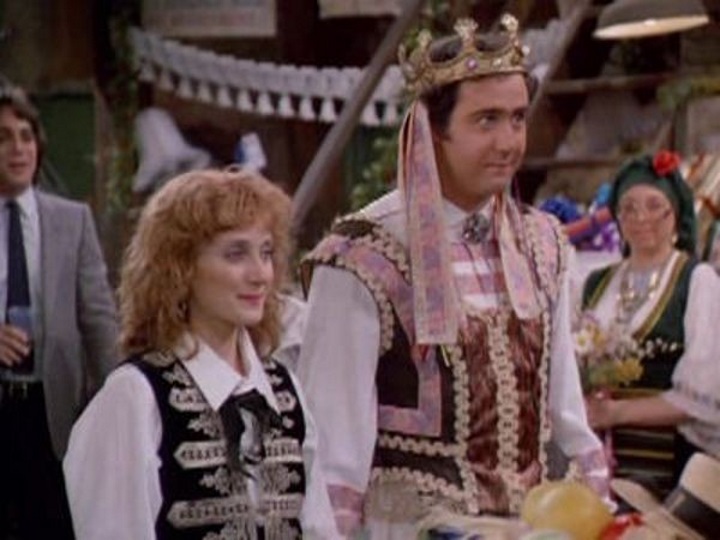
Kaufman’s death in 1984 froze Latka permanently in that era, but the performance still feels difficult to imitate. A conventional sitcom character can be recast in another decade. Latka belonged to one performer.
The skyline was beautiful. The people working underneath it were exhausted.
Taxi did not use New York as a postcard. The city in the series was work: traffic, night shifts, bad apartments, rich passengers, strange neighborhoods and the constant possibility that somebody’s entire life would happen in the back seat.
The opening credits captured that perfectly. A cab moves through the city at night while Bob James’s theme plays with none of the usual sitcom insistence that we are about to have fun. The music is beautiful and a little lonely.

The Sunshine garage itself was industrial rather than cozy. Cabs moved through it. Tools, lockers and dispatch equipment filled the space. The characters had places to sit, but nobody had designed the room to encourage emotional growth.
That made every intimate scene stronger. When Alex listened to somebody’s problem or Elaine admitted fear, the setting reminded us that adulthood rarely provides the right room for a serious conversation. Sometimes you get a bench beside a grease stain.
New York also reinforced the show’s irony. Millions of people came to the city to become something. Bobby wanted acting, Elaine wanted a richer cultural life, Tony wanted boxing glory. Every shift put them behind a windshield moving through the city where those dreams supposedly happened.
Bob James’s “Angela” sounded like the part of adulthood the laugh track could not explain.
The Taxi theme song is “Angela,” composed and performed by jazz keyboardist Bob James. The music became inseparable from the show’s nighttime New York opening because it sounded exactly like Taxi felt: warm, tired, funny and just a little lonely.
Television Academy material adds one of those details that makes the theme even better: the music was originally connected to the first-season episode “Blind Date,” built around the character Angela Matusa. The melancholy piece fit the whole show so well that it became the opening sound.
Most sitcom themes from the era wanted to welcome you inside. “Angela” feels like you are already driving home at 1:15 in the morning thinking about a conversation you should have handled differently.
That mood was exactly right. Taxi could be wildly funny, but it never wanted the audience to forget the space between the characters’ lives and their plans.
The title sequence belongs beside the best 1970s television theme songs because it does not explain the premise with lyrics. It gives you the emotional temperature.
Start with Alex’s daughter, Angela, Reverend Jim’s driver’s test, a garage shutdown and the road not taken.
The pilot introduces Alex through the daughter he has not seen in years, establishing immediately that this comedy is willing to let regret sit beside the jokes.
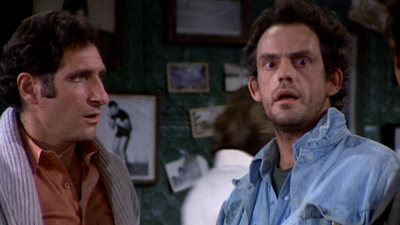
Alex reluctantly goes on a date with Angela Matusa. The episode matters for its tenderness and because the music that became the series theme grew from this story.
Jim joins the garage as a driver and turns a simple licensing test into one of the most famous slow-burn scenes in sitcom history.
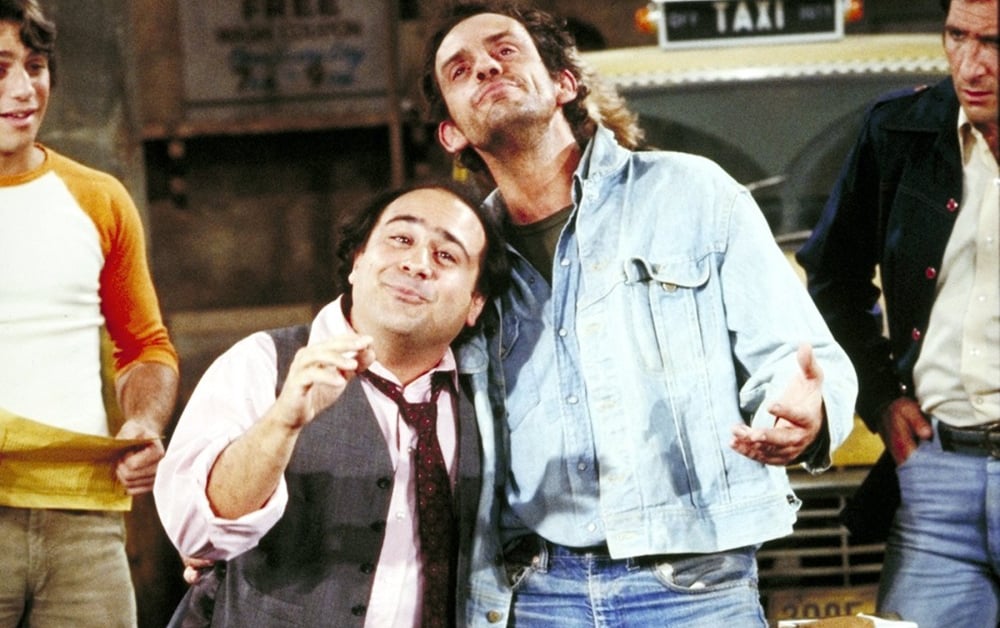
A garage shutdown and the Louie-Elaine power struggle show how well the series could build farce from workplace resentment.
Jim returns to his family world, giving Christopher Lloyd room to reveal the sadness underneath the character’s drifting comedy.
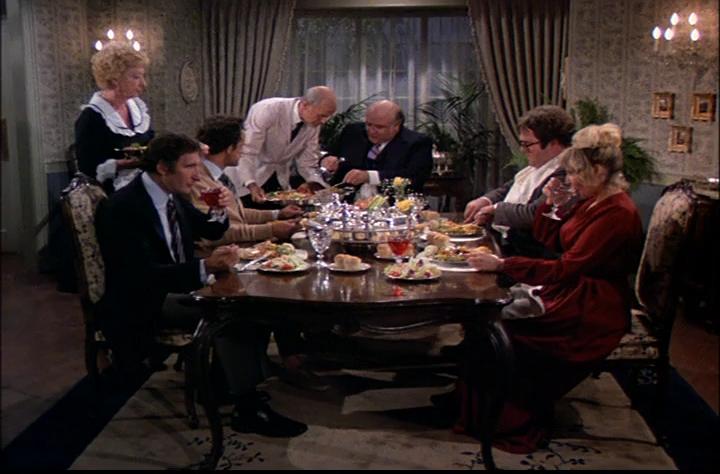
Jim applies his peculiar focus to driving, pushing the show’s central question: what if the person everybody pities is the only one enjoying the job?
Elaine brings Jim into an art-world setting and discovers that the burned-out cabbie can suddenly become the most cultured person in the room.
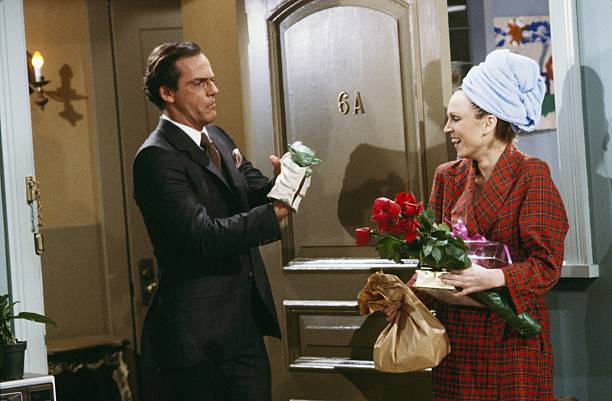
The drivers imagine alternate lives and confront the distance between who they are and who they once expected to become.
This is a starting route, not a claim that eight episodes can explain five seasons. Taxi was too ensemble-driven for that. A Louie episode, a Latka episode and an Alex episode can feel like three different comedies held together by the same garage door.
The list leans toward episodes that reveal the show’s real subject: disappointment, dignity and the strange intimacy of coworkers who have spent too many nights waiting for cabs to come back.
The show looked casual because the writing room and camera blocking underneath it were not.
Brooks’s interviews about Taxi keep returning to character. The premise gave the writers a workplace, but the best stories came from what each person feared about his or her own life.
You can feel the inheritance from The Mary Tyler Moore Show: a workplace turning into family, except now everybody came to work with a private escape plan tucked under the seat.
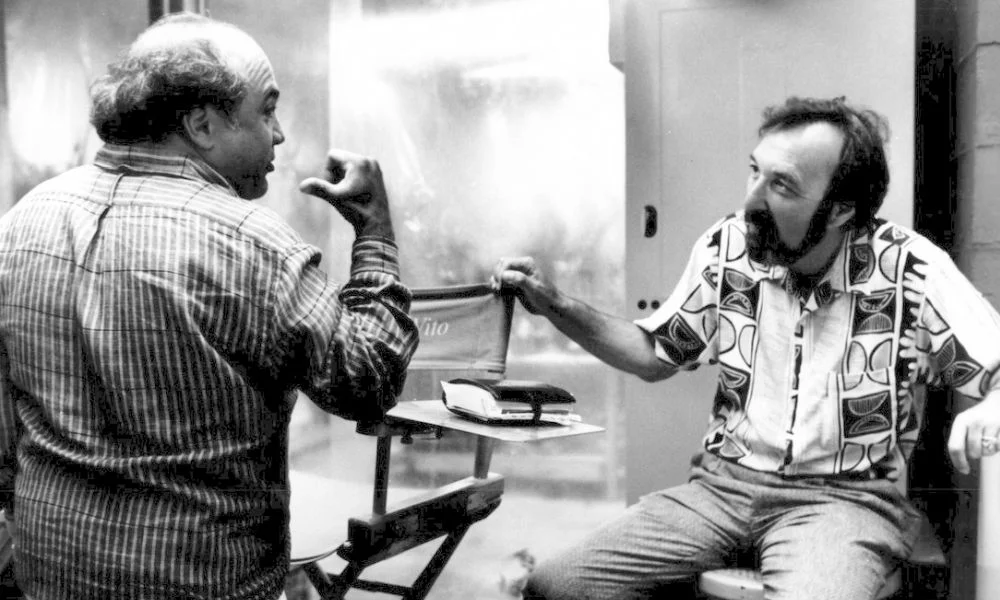
The creative team knew how to build jokes without sacrificing emotional continuity. A character could behave badly for a laugh, but the next scene still remembered who that person was.
The Charles brothers wrote and produced during the series before helping create Cheers. You can feel the connection: location-centered comedy, bruised adults and a workplace that becomes home because going home is sometimes worse.
Burrows used a four-camera setup and became essential to the show’s rhythm. He could keep multiple characters alive in a scene without making the dialogue feel like everybody was waiting for a turn.
Marilu Henner and Tony Danza have both described input into their characters. Barry Kemp has talked about actors participating in the writing process. That collaboration helped the ensemble feel specific instead of mechanically balanced.
This may be the biggest craft difference when you watch it now. A reaction can hang. Jim can stare. Alex can decide not to answer. Louie can realize he has gone too far and stay quiet for half a beat. Modern comedy often races through those spaces. Taxi knew some laughs need room to become sad first.
It started as a top-ten hit, won three straight Comedy Series Emmys, then watched its ratings collapse.
Taxi debuted behind Three’s Company on ABC’s Tuesday schedule and finished its first season ninth in the ratings. That was not a cult start. It was a hit.
The awards came even faster. Taxi won Outstanding Comedy Series at the 1979, 1980 and 1981 Emmy Awards—three consecutive victories. The current Television Academy database credits the series with 34 nominations and 18 Emmy wins overall.
Individual performers were rewarded too. Judd Hirsch, Danny DeVito, Christopher Lloyd, Carol Kane and guest performer Ruth Gordon were among the actors recognized by the Academy during the run.
Then ABC moved the show. The Television Academy’s program history says the third-season schedule change from its protected Tuesday slot helped send ratings down sharply, with the show finishing much lower over the next two years.
That contradiction became part of the Taxi story: critics and Emmy voters kept treating it like one of the best comedies on television while fewer people were watching.
For the year it arrived, see the larger landscape in the top TV shows of 1978. Taxi entered late in the decade, but creatively it pointed straight into the 1980s.
One little archival wrinkle is worth knowing before somebody wins a bar bet with a DVD box in hand: most complete episode guides count 114 episodes, while an older Television Academy program history lists 111. The five-season run is not in dispute; the bookkeeping is.
The weird part is not that Taxi was cancelled. The weird part is that another network rescued it.
ABC canceled Taxi in 1982 after the ratings had fallen badly despite strong reviews, awards and three straight Emmys for Outstanding Comedy Series. NBC rescued the show for the 1982–83 season, but the audience never came back in enough numbers to earn another year.
The cancellation immediately became part of the show’s identity. Danny DeVito even used a Saturday Night Live appearance to address it. Cast members have remembered the sense that a respected series had been dismissed while it was still creatively alive.
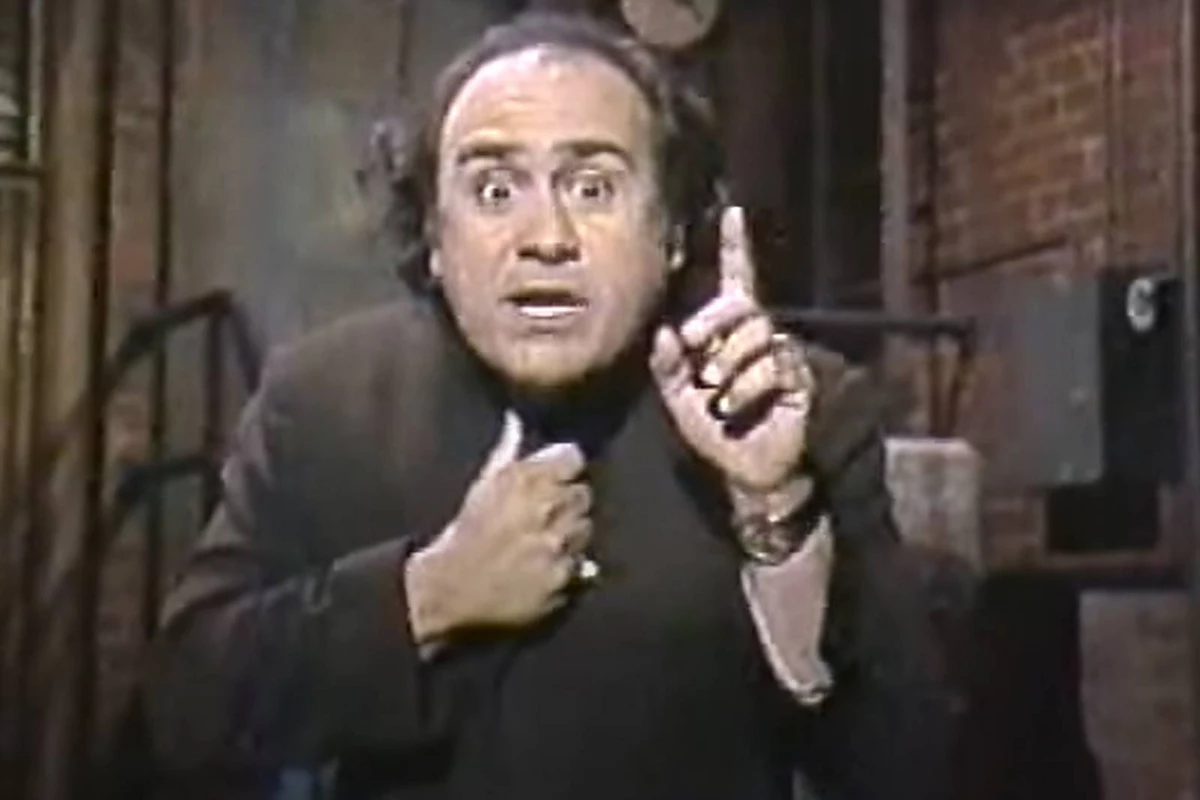
NBC then picked it up for the 1982–83 season. That rescue put Taxi on the same network where former MTM executive Grant Tinker was now in charge, and for a time it was paired with a brand-new comedy created by Taxi veterans: Cheers.
The historical irony is almost too perfect. Taxi was a bridge from MTM-style ensemble comedy to Cheers, and then spent its final season literally sharing a network with the show that would carry that tradition forward.
NBC could not save the audience. The ratings remained poor, and the network ended the series after one rescued season. Cheers, also struggling in its first year, was given more time and eventually became a giant.
That makes Taxi one of television’s great alternate-history questions. A few more years and the Sunshine garage might have ridden the same NBC comedy wave. Instead, the meter stopped just before the neighborhood got busy.
Taxi ended like a show that did not know television would later demand a two-hour goodbye.
The final episode of Taxi to air was “Simka’s Monthlies,” broadcast June 15, 1983. It was not written as a giant farewell, which makes the ending feel almost perfectly appropriate: the Sunshine Cab shift simply stopped appearing on the schedule.
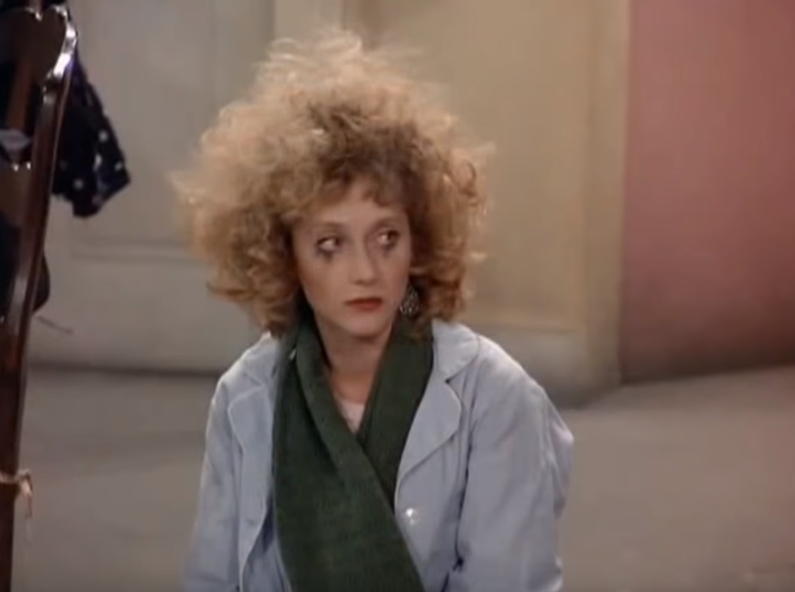
That feels strange now because modern television has trained us to expect closure. In 1983, many sitcoms simply stopped. Taxi had already survived one cancellation, changed networks and bounced through schedule slots. The ending arrived more like another shift being taken off the board.
Marilu Henner has discussed shooting the final episode and the ending of the series in her Television Academy interview. The cast knew the ride had become precarious, but the broadcast itself does not wrap every dream.
Maybe that is accidentally perfect. Bobby’s acting career, Tony’s boxing, Elaine’s future and Alex’s private regrets were never problems designed for a finale to solve. The show’s entire philosophy was that adulthood continues while the big plan remains unfinished.
Sunshine Cab does not get transformed. Louie does not become good. Jim does not suddenly become conventional. The people are still themselves. Somewhere in the logic of the show, another cab needs a driver.
A top-ten debut, three straight Comedy Series Emmys, one cancellation, one rescue and one final fare.
“Like Father, Like Daughter” airs September 12. The show enters ABC’s strong Tuesday lineup and quickly becomes a top-ten hit.
Taxi wins Outstanding Comedy Series and introduces Reverend Jim as a regular part of the Sunshine family.
The show repeats as Outstanding Comedy Series while its ensemble and writing become increasingly adventurous.
Taxi wins Outstanding Comedy Series for a third consecutive year even as schedule changes hurt the ratings.
After four ABC seasons, the network drops the series. NBC picks it up for one more season.
Taxi finishes its NBC run in June after five seasons, leaving behind one of television’s most decorated comedy ensembles.
Because most adults eventually learn the job and the dream are not always the same thing.
The easiest way to explain Taxi now is to call it a workplace sitcom. That is accurate and somehow misses the point. The garage mattered because the characters did not want the workplace to define them.
That idea has aged beautifully. Modern work culture is full of side hustles, second careers, people retraining at forty and adults wondering whether the thing paying the bills is also supposed to provide meaning. Taxi understood that problem before anybody turned it into a motivational podcast.
It also understood that failure does not make a person ridiculous. Bobby can be an actor who has not made it. Tony can be a boxer with more heart than victories. Elaine can be cultured while driving a cab. The lack of conventional success does not cancel the identity.
The ensemble model traveled forward. The Television Academy’s history describes Taxi as a bridge between The Mary Tyler Moore Show and Cheers. You can also see its DNA in later workplace comedies where the setting becomes home because the employees spend more emotional time with each other than with anybody outside it.
Within the 1970s sitcom family, it sits naturally beside Barney Miller, The Bob Newhart Show and WKRP in Cincinnati: comedies that trusted grown-ups to be tired, compromised and still worth watching.
In our ranking of the best 1970s sitcoms, Taxi belongs near the top because it found a way to make disappointment warm. The garage was not where these people wanted to end up. It was where they found one another while they were waiting.
The decade had louder comedies—Maude could turn an argument into artillery—but Taxi proved grown-up television could hit just as hard with a shrug, an unfinished dream and one more fare before quitting time.
Taxi could turn a driver’s test into immortal comedy and a failed audition into something that hurt. That range was the show. Alex accepted the road. Bobby kept looking for an exit. Elaine built another life around the shift. Tony kept swinging. Louie abused the microphone. Jim floated in and somehow saw everything. The dreams did not all come true, which is exactly why the show still feels like adulthood.
Cast, episode count, Reverend Jim, Louie, the theme, cancellation and the final episode.
Taxi followed drivers, a mechanic and a dispatcher at New York’s fictional Sunshine Cab Company. Most of the drivers considered cab work temporary while pursuing acting, boxing, art and other ambitions.
Taxi premiered September 12, 1978. It aired four seasons on ABC and one final season on NBC, with its last episode broadcast June 15, 1983.
Taxi ran for five seasons.
Common complete-series episode guides count 114 episodes. The Television Academy Interviews programming history lists 111, so archival sources differ on the total.
The principal ensemble included Judd Hirsch, Danny DeVito, Marilu Henner, Tony Danza, Andy Kaufman, Jeff Conaway, Christopher Lloyd and later Carol Kane.
Christopher Lloyd played Reverend Jim Ignatowski, the burned-out former student whose driver’s-test scene became one of the show’s most famous moments.
Danny DeVito played Sunshine Cab dispatcher Louie De Palma and won an Emmy for the role.
The instrumental theme is “Angela,” composed and performed by Bob James. The music was originally associated with the first-season episode “Blind Date.”
ABC cancelled Taxi after ratings fell despite strong reviews and awards. NBC rescued it for the 1982–83 season, but the ratings remained weak and NBC ended the series after that season.
The final broadcast episode was “Simka’s Monthlies,” which aired June 15, 1983.
Television Academy records and oral histories, Bob James’s official biography and complete episode chronology.
From Sunshine Cab into the decade’s best sitcoms, workplaces and fellow adult comedies.