Lionel enters the Bunker world
Lionel Jefferson appears on All in the Family and gives Archie a younger neighbor who can answer his assumptions without raising his voice.
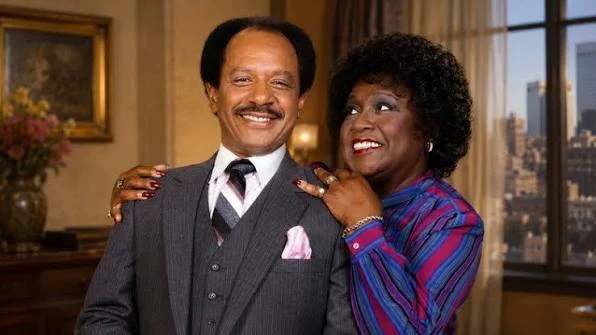
George and Louise reached the deluxe apartment, but success did not end the arguments. It gave them a new elevator, new neighbors and eleven seasons of sharper questions.
For Gen X, that theme could pull us from another room before George had time to start the first fight.
The Jeffersons mattered because it placed a prosperous Black family at the center of prime time and refused to pretend money erased race, class tension, marriage conflict or insecurity. Sherman Hemsley and Isabel Sanford made George and Louise one of television’s great long-term couples, while Florence, the Willises, Bentley and the extended family made the apartment a complete comic world.
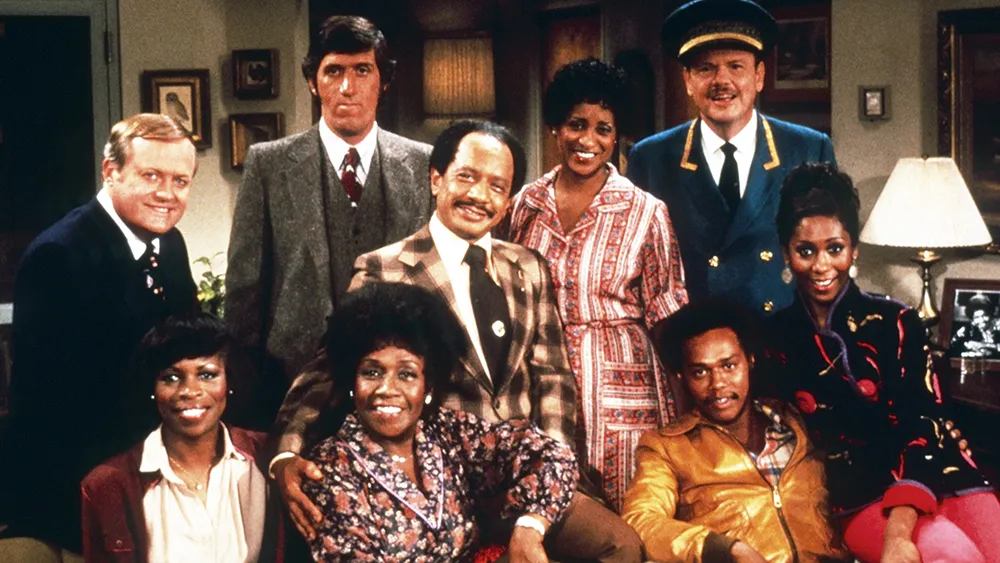
For a lot of Gen X viewers, The Jeffersons in the 1970s did not begin with Archie Bunker or the old Queens neighborhood. It began with the moving van, the gospel lift in “Movin’ on Up” and George Jefferson walking into that apartment like Manhattan had been waiting for him.
The room looked different from the working-class sitcom homes we knew. There was space, a view, an elevator and furniture that told us the family had truly changed its address.
The show never pretended that reaching the deluxe apartment made everybody easier to live with. George still carried every old insult into the new building. Louise still knew exactly how far his pride could take him before somebody had to pull him back.
That was the hook underneath the theme song. Success changed the problems. It did not end the arguments.
Florence could walk in and puncture George before he finished the boast. The Willises could step off the elevator and expose another contradiction. Bentley could arrive with no idea that George had already decided to be suspicious.
The apartment felt expensive. The people inside it still felt like family.
The Jefferson family entered All in the Family as the Bunkers’ Black neighbors, first through Lionel and later through George and Louise.
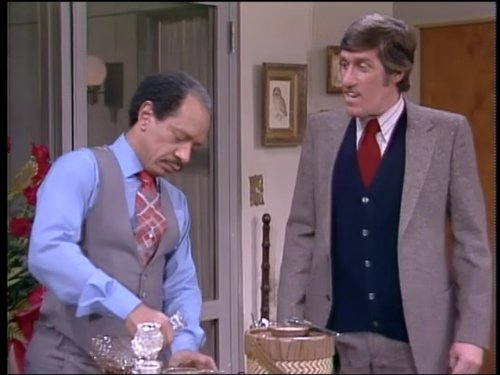
Lionel could answer Archie with a calmness that made the older man’s assumptions look even smaller. When Sherman Hemsley finally arrived as George, the character felt like an event.
The spin-off premise had been building for years. George’s dry-cleaning business expanded, the family’s economic position changed and the old neighborhood could no longer contain the possibilities.
Moving the Jeffersons to Manhattan let the new series explore Black upward mobility without asking the family to forget where it came from.
The connection remains essential to How All in the Family Changed Television, but the apartment quickly developed a comic rhythm of its own.
The move was not just a new set. It changed what a Black television family could look like in prime time.
The larger family tree runs through How Norman Lear Changed Television, but The Jeffersons never felt like a leftover branch. Once those elevator doors opened, the show had its own rhythm.
George created motion, but Louise created stability.
Isabel Sanford played her with a calm that could become steel the second George crossed a line. She knew the man before the money, so the apartment and business could not impress her into silence.
Their fights worked because the affection was never really in doubt. George could strut through the front door, Louise could close her eyes and both actors made us feel the years of marriage sitting behind the exchange.
Louise also had a life beyond reacting to George. She carried friendships, family concerns and moral decisions that did not begin with his latest performance.
Long-running sitcom marriages often freeze into one rhythm. George and Louise stayed alive because the performers understood the history underneath every argument.
The deluxe apartment was new. The marriage had already survived much harder rooms.
George and Louise also belong inside How the Television Family Changed During the 1970s. They had history, money, arguments and affection without needing the marriage polished into a perfect example.
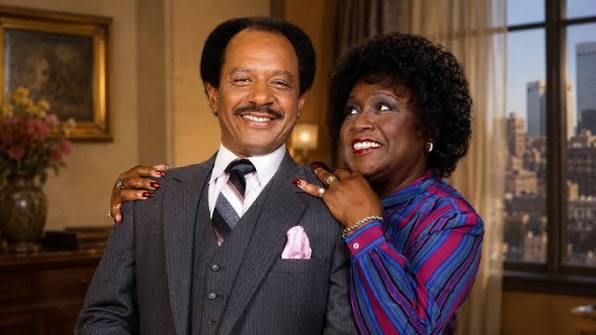
Louise’s calm was never weakness. Sanford could let George fill the room, wait until he finally ran out of air and then answer with the one line that mattered.
That rhythm made the marriage feel older than the episode. Louise did not need a speech explaining why she stayed or why she challenged him. The history was already there in the way she looked at him.
George’s affection was just as real as the bluster. He could turn possessive, jealous or ridiculous because Louise was the one person whose opinion could still get underneath all the bragging.
The apartment may have been the new status symbol, but the marriage was the reason viewers kept returning.
Sherman Hemsley did not need a long speech to tell us George had entered the room ready to win.
The walk, shoulders, quick turn and sudden change in pitch made the whole body part of the joke. George could cross the apartment like he owned the building and then stop cold when Louise or Florence said the one thing he could not answer.
Hemsley understood that George’s pride was both power and protection. The faster the character moved, the more likely he was trying to stay ahead of an old insecurity.
That is why the biggest reactions rarely felt random. George had built a life that proved people wrong, and he treated every disagreement like another person trying to take the victory away.
The performance could be broad without becoming empty. A raised voice or exaggerated turn still pointed back to the same need: George wanted respect, and he wanted everybody in the room to admit he had earned it.
Gen X reruns made the movement even more familiar. We knew the walk before we understood the business history, the Bunker connection or the years of disrespect George was carrying.
Once you watch Hemsley’s physical timing closely, the show stops looking like a loud man surrounded by calmer people. It becomes a perfectly built machine where every person knows exactly when to let George spin and when to stop him.
Jefferson Cleaners was not background decoration. George Jefferson had built a chain of dry-cleaning stores, and he carried that achievement into every conversation.
The business explained the apartment, but it also explained how quickly George reacted to disrespect.
He remembered being dismissed. Status became proof that nobody could dismiss him again.
That made the character combustible. A comment about race, class or money could hit an old nerve underneath the new suit.
George’s confidence was real, but he still wanted witnesses. He needed neighbors, employees and family to recognize what he had accomplished.
The comedy came from watching a man who had gained power discover that power could not guarantee emotional security.
The stores also gave George something sitcom fathers were not always allowed to possess: a success he had built himself and could point to whenever anybody questioned his place.
That did not make him generous or enlightened. Sometimes becoming the boss simply gave George a new place to repeat the same habits he hated in other people.
Florence understood that contradiction immediately. He could talk like the king of Manhattan and still need somebody else to find what he had misplaced.
The business made the pride believable. The apartment made the insecurity visible.

The series made Black success visible without presenting money as a final answer.
George could afford the apartment and still encounter racism. He could employ people and still feel judged by wealthier white neighbors.
Tom and Helen Willis created another recurring pressure point. George had been harmed by prejudice and could still reproduce it himself.
The scripts were sometimes broad and dated, but the Willises were not a one-episode lesson. They were neighbors, in-laws, friends and regular parts of the building.
Class differences also shaped the comedy inside the Black community. Florence worked for the Jeffersons and still refused to treat employment as surrender.
The apartment held more than one Black viewpoint, which is part of why the series belongs inside The Best Black Sitcoms of the 1970s.
Marla Gibbs turned Florence Johnston on The Jeffersons from a recurring maid into one of the show’s defining characters.
Florence was not impressed by George’s money, authority or volume. She treated the job as a practical arrangement, not a surrender of dignity.
Her insults worked because Gibbs played her as observant rather than simply sarcastic.
George needed movement and noise. Florence could stand still, wait for him to finish and drop one dry line that made the whole performance collapse.
The character became popular enough to lead the spin-off Checking In, then returned when that series ended.
The best Florence episodes also reminded us that her life did not begin at the Jeffersons’ door.
The battles with George worked because neither performer rushed them. Hemsley could wind up; Gibbs could let him finish and then take the scene with half the effort.
Florence also refused to confuse proximity to wealth with personal success. She worked in the deluxe apartment, but she never acted grateful for the privilege of hearing George brag.
When the show gave Florence stories about her own worries, relationships or faith, the character became more than the apartment’s punch-line delivery system.
That fuller life is why Gibbs remained essential even after the insult pattern was completely familiar.
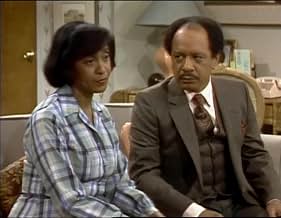
The Willises’ interracial marriage was historically important, but the show worked best when Tom and Helen were also allowed to be ordinary neighbors.
They had habits, loyalties, disagreements and a family connection to the Jeffersons through Lionel and Jenny.
George’s hostility toward Tom exposed his contradictions every time the elevator doors opened.
Helen could answer George instead of simply absorbing the insult. Tom’s friendly manner often made George’s aggression look even more childish.
Lionel and Jenny carried a younger generation less willing to inherit every prejudice from the parents.
The relationship could be unevenly written, but making the Willises regular people instead of a one-time issue gave the series much more room.
Roxie Roker and Franklin Cover also had to carry the weight of being discussed as a television first while still making Tom and Helen feel like people who lived down the hall.
The ordinary scenes mattered most. A dinner, family disagreement or elevator encounter did more to normalize the marriage than a one-time speech could have done.
George’s behavior could be ugly, but the Willises were usually given enough room to answer him and continue living their own lives after the argument.
That weekly presence made the building feel like a neighborhood instead of a lesson plan.
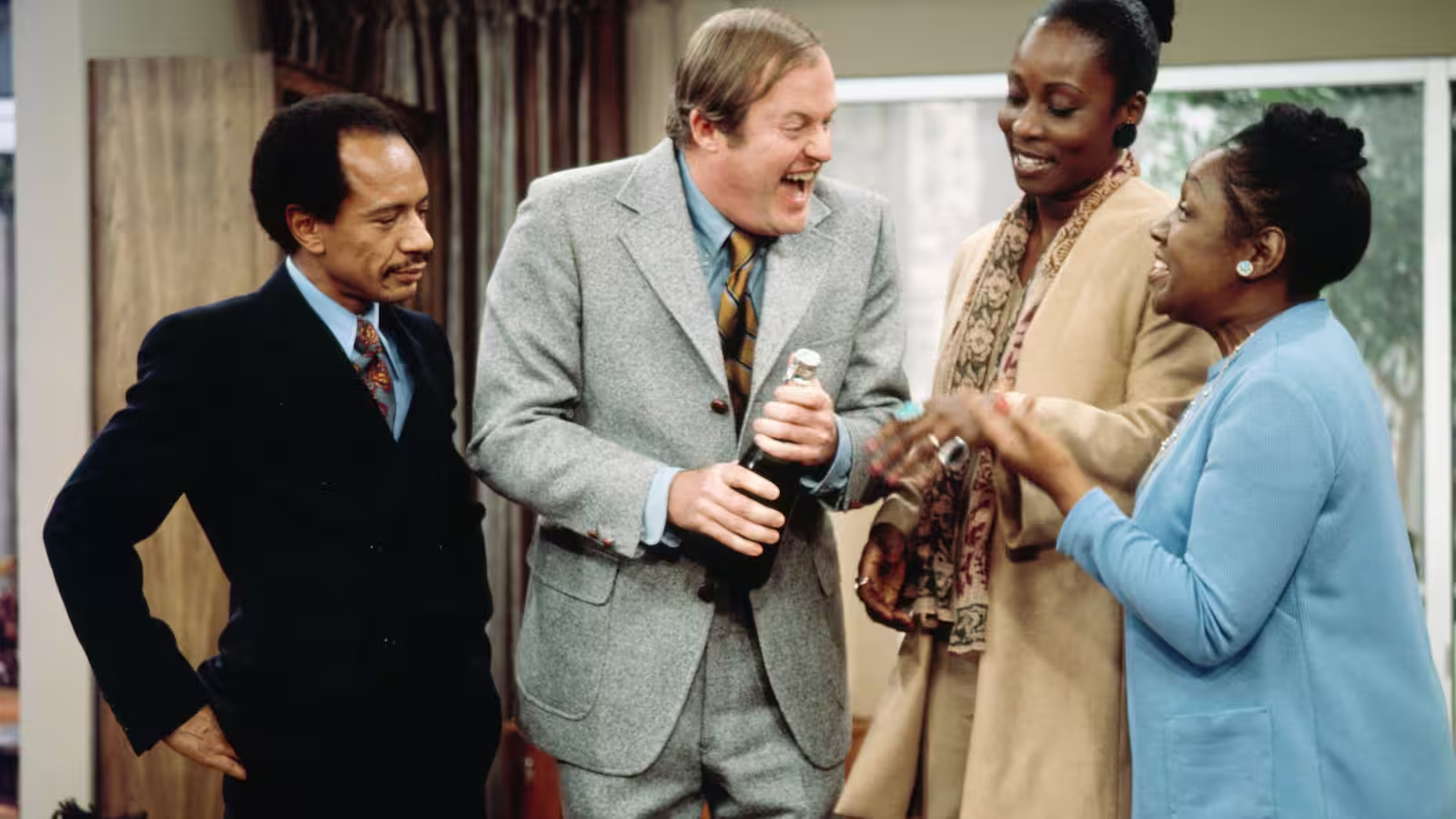
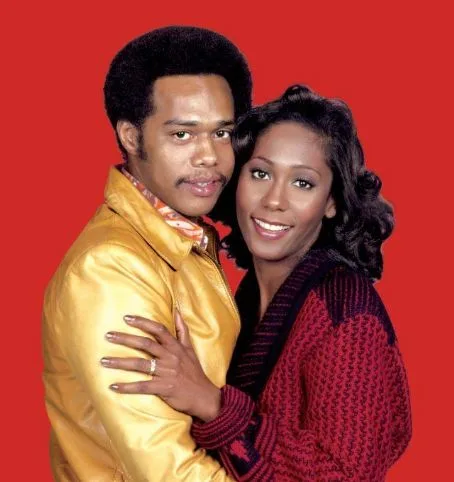
George was the spark, but the show lasted because everybody around him could change the scene.
Louise knew the history. Florence knew the weakness. The Willises knew the contradiction. Bentley often wandered in without realizing George had already decided to be suspicious.
Mother Jefferson attacked Louise from another direction and gave the marriage another family pressure point.
Lionel and Jenny carried the younger generation, while the apartment’s steady flow of visitors kept the set from feeling sealed off.
That flexibility allowed the show to handle marriage stories, business farce, social conflict and neighbor comedy without changing its address.
The apartment remained the stage. The ensemble made sure George never owned the whole performance.
The elevator was almost another cast member. The doors opened, somebody stepped out and George had about three seconds to decide whether the visitor was a threat, an audience or both.
That entrance system gave the apartment an easy rhythm. Stories could arrive from the family, the business, the hallway or the old neighborhood without the show needing a new world every week.
It also gave Louise the perfect vantage point. She could watch George create the problem, decide how long to let him continue and step in only when the room truly needed her.
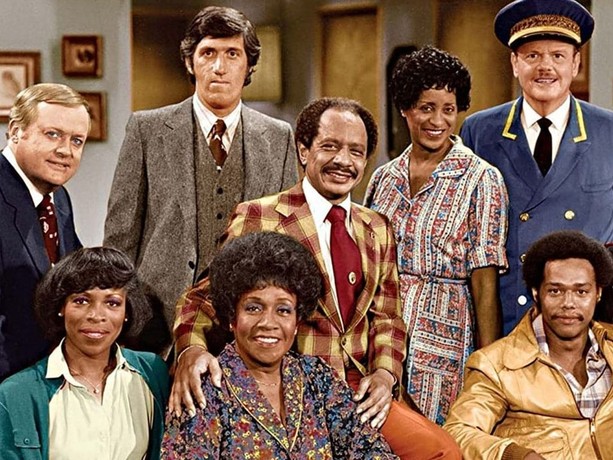
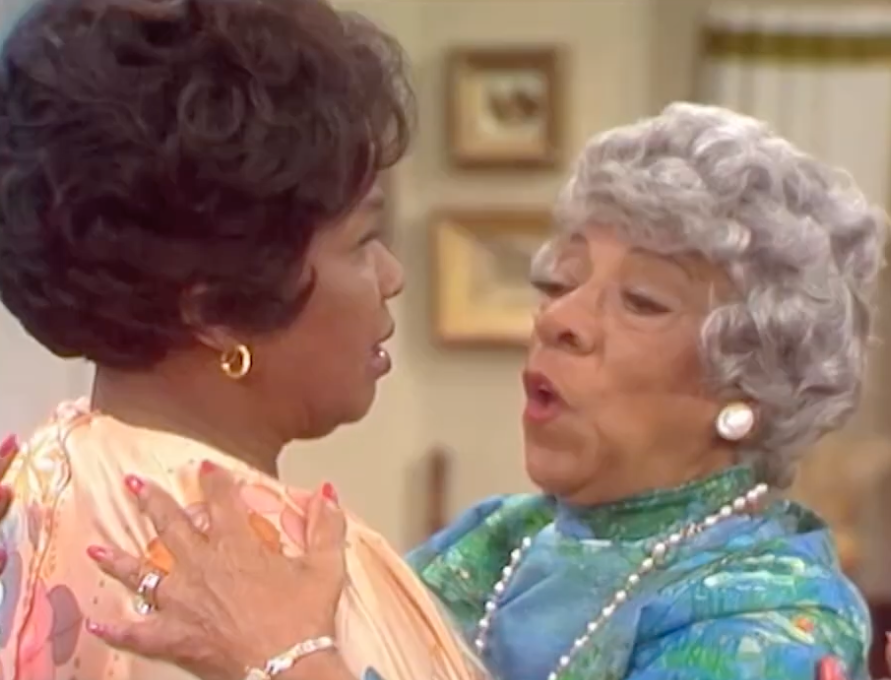
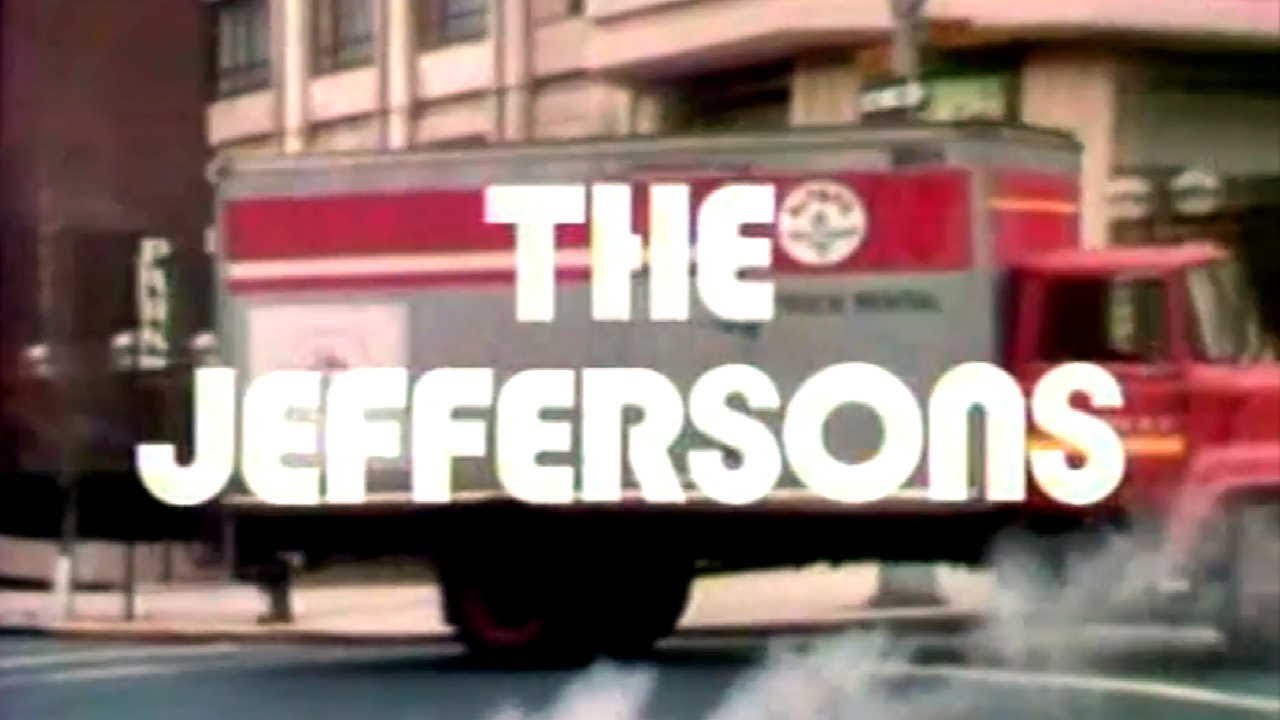
The opening theme tells the family history, announces success and gives the audience an emotional lift before the first scene.
The moving van heads toward Manhattan, the gospel energy rises and the whole achievement becomes audible.
For Gen X rerun viewers, the theme erased chronology. Whether the episode came from the first season or the tenth, the family moved up again at the beginning.
That repetition made the achievement permanent.
Then the episode spent the next half-hour proving that moving up did not make George, Louise or anybody else easier to live with.
The promise and the argument belonged together.
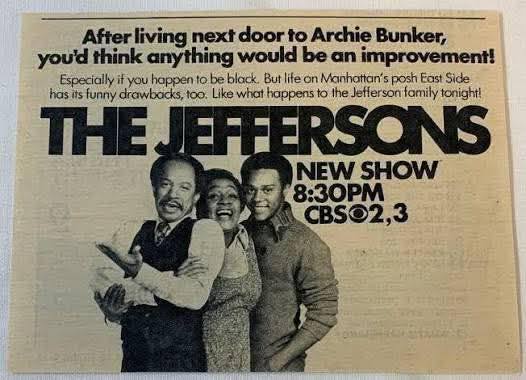
The move happened in 1975, but the characters had already been building toward it for years.
The timeline puts the apartment, Florence’s rise and the long run back in order.
Lionel Jefferson appears on All in the Family and gives Archie a younger neighbor who can answer his assumptions without raising his voice.
Sherman Hemsley brings George fully into the neighborhood with a walk, voice and sense of pride that instantly make the character feel larger than the room.
The Jeffersons premieres on CBS and moves George and Louise into the East Side apartment.
Tom and Helen Willis place an interracial marriage inside the weekly ensemble instead of treating it as a one-time television lesson.
Marla Gibbs grows from recurring presence into the apartment’s most reliable truth teller.
Sanford receives the Emmy for Outstanding Lead Actress in a Comedy Series, a landmark recognition for her performance as Louise.
After eleven seasons, the series leaves the air without the kind of formal farewell viewers might have expected.
The Jeffersons cast worked because every major character brought a different kind of resistance, affection or confusion into the apartment.
That balance is what kept one loud lead from becoming the whole show.
Sherman Hemsley made George’s body part of the dialogue: the walk, the turn and the sudden rise in pitch when pride took over.
Isabel Sanford gave Louise warmth, authority and a memory longer than George’s excuses.
Marla Gibbs turned the household employee into the one person who could cut through George before he finished the boast.
The neighbors and in-laws whose interracial marriage made them friends, foils and recurring targets of George’s contradictions.
The younger couple connected the families and carried a generation less willing to inherit every prejudice of the parents.
Paul Benedict’s eccentric British neighbor brought a completely different comic frequency into the apartment.
The best episodes of The Jeffersons show the marriage, the business, Florence and the neighbors all pushing against George from a different direction.
The list is a doorway into eleven seasons, not a ranking of every episode.
The move is complete, the apartment is established and the household begins learning how much the new address will—and will not—change.
George’s reaction to family history exposes the pride and insecurity that usually travel together in the character.
The younger generation pushes George and Louise to face assumptions they would rather leave alone.
The marriage takes the center and reminds us why the show survives beyond the topic of the week.
George’s rise as a businessman becomes personal memory rather than just a lyric in the opening theme.
Florence receives emotional weight and a life that does not begin or end at the Jeffersons’ door.
The show puts prejudice, class and public behavior into the same crowded comic room.
A useful look at how much history the family and the series had accumulated by the end of the run.
The history matters, but the reason we kept watching was the balance: George winding up, Louise waiting him out and Florence deciding when to drop the hammer.
These six things are worth watching once the theme song ends and the elevator doors open.
Ask what George is trying to prove, what Louise already knows and what history sits underneath the argument.
Every entrance gives George a new audience and Louise another reason to decide whether she needs to step in.
George has the business and apartment, but many stories reveal how unsure he remains about how the world sees him.
Her best episodes reveal work, faith, relationships and vulnerability beyond her battles with George.
The interracial marriage matters historically, but the show is strongest when Tom and Helen also get everyday comic life.
The early spin-off energy, middle-period ensemble confidence and later familiarity do not feel identical—and that is part of the story.
The Jeffersons premiered in January 1975 and continued for eleven seasons, long after the novelty of the move had disappeared.
That longevity required more than a breakthrough premise. The writers had to keep the marriage, business, friendships and family stories active.
The early seasons carried the energy of a new spin-off. The middle years leaned on the ensemble with confidence. Later episodes often depended more heavily on familiarity and farce.
Those phases do not feel identical, but George and Louise kept the address stable enough to hold the changes together.
The theme, elevator and apartment could become so familiar that the craftsmanship disappeared. Hemsley’s movement, Sanford’s stillness and Gibbs’s timing kept the basic scene mechanics alive.
The show survived repetition because the performances offered pleasure even after viewers knew the punch line.
Eleven seasons also meant viewers could watch the characters settle into themselves. Some edges softened, some jokes repeated and the apartment became less of a new achievement than the place where everybody already knew the rules.
That familiarity can make later episodes feel broader, but it also lets the actors play smaller details. Louise does not need to explain the look. Florence does not need to finish the insult. George knows he has lost before the audience stops laughing.
The long run is worth watching in phases instead of pretending all eleven seasons feel the same.
The first years still carry the excitement of arrival. The middle years know exactly how to use the cast. The later run leans on a household the audience already considers family.
That staying power is why the show belongs high in 50 Best Sitcoms of the 1970s, Ranked. The premise opened the door, but eleven seasons of George, Louise, Florence and the elevator kept it open.
After eleven seasons, the series ended without the formal farewell modern viewers might expect.
There was no grand closing of the apartment door, no final moving van and no speech wrapping up everything the family had become.
The abruptness feels strange because the address had become so permanent.
In a way, syndication supplied the ending by refusing to end. The episodes kept circulating, and the apartment reopened every afternoon.
A younger Lionel could appear after a later episode. Florence’s role could expand or contract. Hairstyles and tone could shift overnight.
George and Louise made the changes feel like family history rather than a programming error.
The absence of a farewell also fits the way many of us actually knew the show. Local stations were not presenting a beginning, middle and end. They were reopening the apartment whenever the schedule needed it.
One afternoon George was still proving himself in an early episode. The next day everybody had years of history behind the same front door.
A formal finale might have closed the story. Syndication kept it permanently mid-argument.
A lot of us did not meet the series on its original Sunday-night schedule. We found it after school, in weekend blocks or wherever the local station had room.
We knew the theme, the elevator, the apartment and the sound Florence used when George had finally gone too far.
Once the plot became familiar, attention moved to the performance details: Hemsley’s walk, Sanford’s pause and Gibbs refusing to hurry the response.
The show stayed in circulation because the apartment could reopen at any point in the eleven-year run and still feel like the same place.
That daily afterlife is part of the larger 1970s TV memory—one shared screen, one unmistakable theme and a family that could stop the room before the opening credits ended.
The Jeffersons 70s sitcom may be the search phrase, but most of us remember a moving van, a deluxe apartment and George entering like the argument had been waiting for him.
We also inherited the whole run without much explanation. Cast changes, hairstyles and shifts in tone could happen between two afternoons.
The continuity came from the things that did not move: the theme, elevator, apartment and marriage.
That is why the reruns felt less like old episodes than visits to a household that happened to be available every day.
The breakthrough was important, but the memory is personal. We remember where we were when that theme came through the wall and how quickly everybody in the room knew what show had started.
The series continued well into the 1980s, but these guides restore its original 1970s seasons to the wider television schedule.
Each year page places George, Louise and the apartment beside the rest of that season’s comedies, dramas and variety shows.
Put George, Louise and the apartment back beside the rest of that television year.
Put George, Louise and the apartment back beside the rest of that television year.
Put George, Louise and the apartment back beside the rest of that television year.
Put George, Louise and the apartment back beside the rest of that television year.
Put George, Louise and the apartment back beside the rest of that television year.
The quick answers cover the spin-off, eleven-season run, George’s business, Florence and where a first-time viewer should begin.
Yes. George, Louise and Lionel Jefferson were introduced as neighbors of the Bunkers before the family moved to Manhattan for the spin-off.
The series aired on CBS from 1975 to 1985 for eleven seasons.
George built a successful chain of dry-cleaning stores, which financed the family’s move to Manhattan.
It centered a prosperous Black family, featured a long-running Black marriage and included an interracial married couple as recurring neighbors.
Marla Gibbs played Florence Johnston and became one of the series’ defining performers.
Sherman Hemsley played George, and Isabel Sanford played Louise.
The long-running series ended without the kind of formal farewell episode many modern viewers expect.
Start with the premiere, a strong George-and-Louise episode, a Florence story and one episode built around the Willises.
These interviews preserve the memories of the people who made the show and kept that apartment alive.