THE BRADY BUNCHHERE’S THE STORYMARCIA MARCIA MARCIATHE TIKIALICE & SAMAFTER-SCHOOL RERUNSTHE BRADY BUNCHHERE’S THE STORYMARCIA MARCIA MARCIATHE TIKIALICE & SAMAFTER-SCHOOL RERUNS
FAMILY HOURCHANNEL 70s FAMILY GUIDESIX KIDS • ONE STAIRCASE • 117 EPISODES
Smells Like Gen X • Here’s the story
The Brady Bunchand the Family That Never Left Television
The Brady Bunch TV show was not the biggest ratings hit of its original era. It became something stranger and more durable: a canceled Friday-night sitcom that moved into afternoon syndication and stayed there until the theme song, house and family grid felt like shared memory.
For Gen X, Brady Bunch reruns did not belong to 1969. They belonged to the hour after school, the stretch before dinner and every summer afternoon when a local station ran the same football, tiki and broken vase one more time.
Quick Answer • Brady Family Desk
How Did The Brady Bunch Become a Television Classic?
Syndication turned The Brady Bunch into daily childhood routine. Its 117 self-contained episodes, unforgettable opening credits, clear family roles and kid-sized problems made the show easy to enter in any order—and almost impossible to forget once the local station started running it every afternoon.
Here’s the story… again.The Friday-night sitcom became an after-school institution, one perfectly repeatable family problem at a time.
The family that would not leave
Why The Brady Bunch Became More Famous After Cancellation
The original run ended in 1974. The daily rerun life that created Brady mythology was only beginning.
Original run1969–1974Five seasons on ABCEpisodes117A compact rerun libraryCreatorSherwood SchwartzA premise simple enough to singNetwork homeABC FridaysFamily television before the weekendThe breakthroughSyndicationRepetition replaced first-run ratingsThe memoryAfter SchoolWhere Gen X learned every room
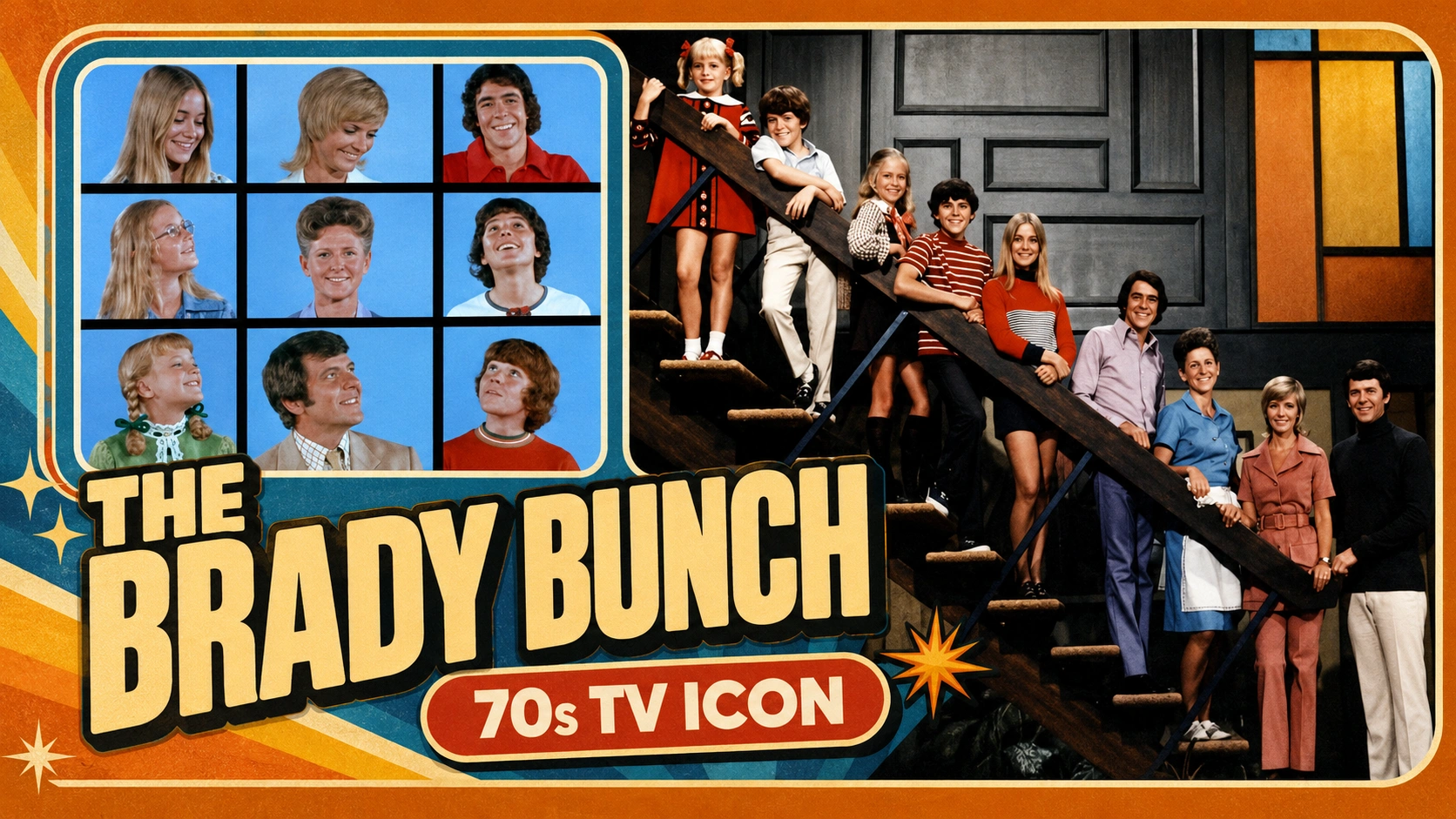
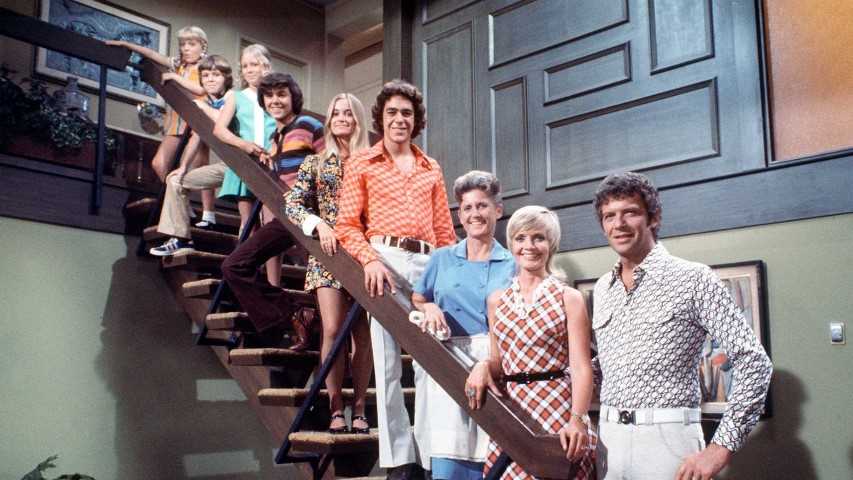
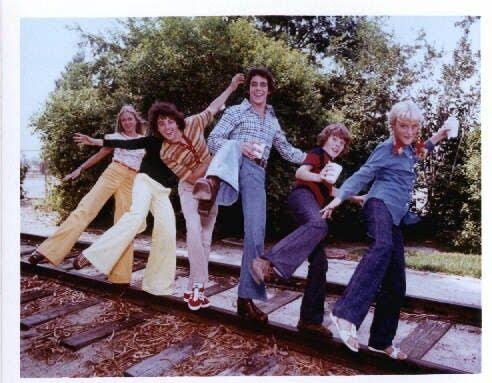
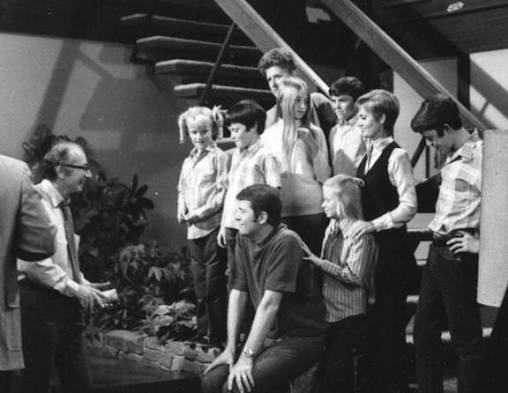
The cast was arranged so clearly that one publicity photograph could explain the entire household before the theme song finished the job.
The show was built for instant recognition
The theme song explains the marriage before the first scene. The title grid introduces the cast. The staircase maps the house. The children occupy clear positions by age, gender and personality. A viewer can enter almost any episode without background knowledge and understand who is competing, who is worried and which adult will eventually slow the panic.
That clarity is a bigger reason for the show’s survival than any single catchphrase. A local station could drop an episode into an afternoon schedule and a child seeing the Bradys for the first time would be oriented within minutes. The stories reset, the house remained familiar and the family ended the half-hour intact.
Reruns changed the definition of success
First-run television measures a show against whatever aired on the other networks that night. Syndication removes the competition and asks a different question: will people welcome this program into the room every day? The Brady Bunch was almost perfectly suited to that test. The episodes were short, colorful, self-contained and safe enough to run in family hours without feeling made only for toddlers.
That daily return created the fame the original ratings never supplied. The football hit Marcia’s nose once in prime time and hundreds of times in childhood memory. Jan complained about Marcia in one episode, but repetition turned the line into a permanent description of sibling jealousy. The tiki, the vase, the pay phone and the staircase became objects we could identify faster than many things in our own houses.
The Bradys gave young viewers a room of their own
The adults were important, but the children carried the emotional scale. A school election, new glasses, a crush, a lie or a comparison with an older sibling could occupy the whole story. That was not small to the audience watching from the carpet. It was exactly the size of life before bills and jobs took over.
We did not check the season number. We knew the episode by the object: football, tiki, vase, wig, goat, braces, pay phone. The opening grid appeared and the room was already familiar.
That is the Brady Bunch television legacy in its simplest form. The show stopped being an appointment and became a place.
From Friday nights to forever
The Brady Bunch TV Show History and Blended-Family Story
A blended-family premise became a sitcom, a rerun institution and a franchise that television kept rebuilding.
A modern family idea wrapped in perfect symmetry
The Brady Bunch history begins with a blended-family idea that network television could explain in one song but was still learning how to show honestly.
The original setup was simple enough to remember after hearing it once: a man with three sons marries a woman with three daughters. That symmetry gave the series an immediate visual and comic structure. Boys and girls could compete, older children could guide or irritate younger ones, and nearly every family problem could be split into sides before being brought back together.
The blended household was modern for mainstream television, even though the show softened nearly every difficult part of it. Previous spouses and grief were largely erased. Legal details rarely mattered. The series preferred the fantasy that attention, patience and one sensible talk could make the new household feel complete. The wider history of stepfamilies, divorce and changing homes belongs in How the Television Family Changed During the 1970s.
The network show and the syndicated show became two different things
During its ABC run, The Brady Bunch was one program on a crowded Friday schedule. After cancellation, it became a daily object. That difference matters. The network version had seasons, competition and the possibility of cancellation. The syndicated version had no present tense. Greg could be graduating one afternoon and worrying about his first car the next. The family did not age in order; it simply remained available.
Gen X inherited the second version. We often knew the fifth-season episodes before the pilot and the Hawaii story before the family had finished learning to share a house. The broken chronology made the home feel even more permanent. Time changed the hairstyles and clothes, but the staircase never moved.
1969
The original series begins
The wedding episode assembles Mike, Carol, six children and Alice, then sends the new family into a five-season Friday-night run on ABC.
1971
Jan’s shadow becomes permanent language
“Her Sister’s Shadow” turns sibling comparison into one of the most remembered lines in television history, even though the phrase began inside one specific family argument.
1972
The Brady Kids enter Saturday morning
Animation, music and adventure move the children beyond the suburban set and into the colorful world of 1970s Saturday morning television.
1974
The original run ends after 117 episodes
First-run production stops, but the compact, self-contained library is ready for local stations and viewers who will meet the episodes in no particular order.
1976–77
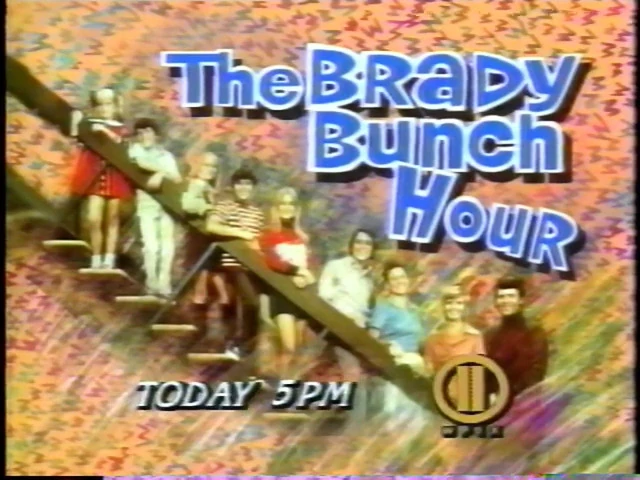
The Brady Bunch Hour embraces variety television
Songs, sketches, guest stars and the famous pool set turn the family into one of the strangest variety experiments of the decade.
1981
The Brady Brides continue the family
Marcia and Jan move into married life, proving that the franchise can age the children while still depending on the recognition of the original household.
1988–90
The reunions become adult family drama
A Very Brady Christmas and The Bradys bring the family back with grown-up jobs, marriages and problems, even when the tone no longer resembles the original half-hour.
1995 onward
Parody, restoration and endless return
Feature films exaggerate the family’s innocence, advertising borrows the grid and renovation television rebuilds the house because viewers still recognize every angle.
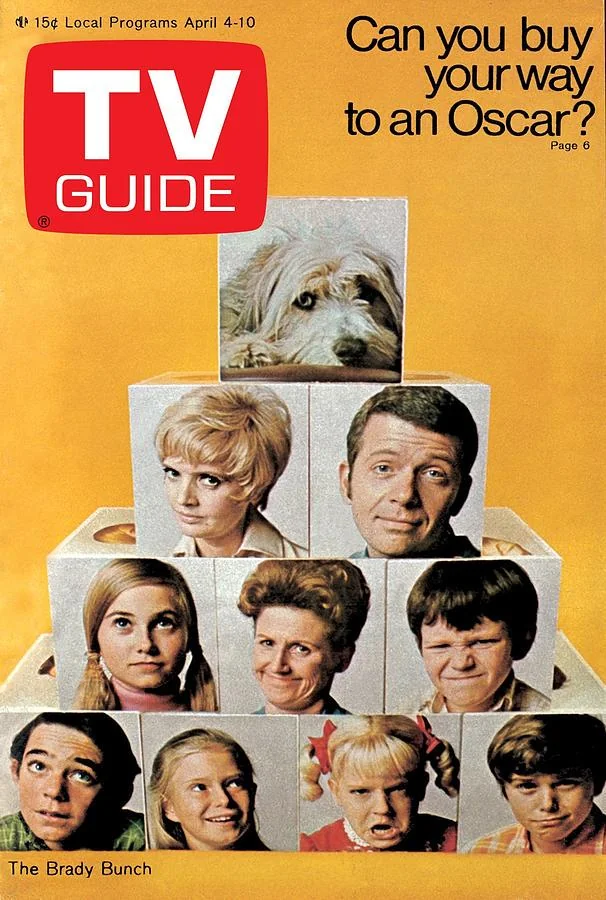
A period TV Guide cover placed the Bradys inside the weekly ritual that existed before reruns turned them into an everyday habit.
The quiet ending before the loud afterlife
Why Was The Brady Bunch Canceled After Five Seasons?
There was no giant farewell, no scandal that blew up the house and no single episode that killed the series.
The contracts reached the expensive part
The original agreements had carried the cast through five seasons. Continuing meant renegotiating with the adults and six young performers at the same time. Sherwood Schwartz later explained that the new contracts would have cost more, while ABC no longer believed the show was performing strongly enough to justify the increase.
That is a much less dramatic answer than television folklore prefers, but it fits the way the series ended. The network simply did not order another season. The cast did not film a grand goodbye because the final episode was not produced as a finale.
The ratings story depends on who remembered it
Schwartz remembered a program that was doing reasonably well but had slipped from its earlier strength. Barry Williams remembered the ratings as solid and felt there were more stories for Greg as he grew older. Those memories do not have to cancel one another. A show can retain a loyal audience while a network decides the next contract is no longer worth the price.
The Brady Bunch cancellation was therefore ordinary by network standards and almost comic in hindsight. ABC ended a five-season family sitcom. Local stations then spent decades proving how much life was still inside those 117 episodes.
No, Cousin Oliver did not cancel The Brady Bunch
Cousin Oliver arrived late in the fifth season and became shorthand for the desperate cute-child addition, but he did not personally bring down the show. The renewal decision involved contracts, cost and network confidence. Blaming one small blond visitor is funnier, which is why the myth lasted.
The lack of a finale helped the reruns feel timeless
The final original episode, “The Harebrained Scheme,” ends with Greg’s hair accidentally turned orange by Bobby’s tonic. There is no farewell speech, empty staircase or final family portrait. The Bradys simply stop—and then begin again whenever the next rerun starts.
That unfinished feeling turned out to be useful. The show did not close the door on the house. Syndication could keep opening it without asking viewers to pretend the story had already ended.
The Bradys offered comfort while other sitcom families argued
The cancellation also came during a decade when family comedy was changing quickly. All in the Family turned the living room into a national argument, while Norman Lear’s television revolution made race, class, politics and generational conflict part of weekly comedy.
The Bradys did something different. The outside world stayed mostly outside, and the family concentrated on identity, fairness, school, dating and sibling trouble. That contrast is part of the broader story in How 1970s Sitcoms Started Talking About Real Life. One kind of show pushed the argument into the room. The other promised that the room could keep the argument small enough to solve.
The network cancellation was the ending. Syndication was the second premiere.
For the generation that met the Bradys after school, the show did not look canceled. It looked permanently scheduled.
The people inside the grid
The Brady Bunch Cast, Characters and Family Roles We Never Forgot
The roles were broad enough for instant recognition and specific enough for viewers to know exactly which Brady they understood.
The staircase could hold the entire family at once, making the household feel complete even before anybody spoke.
The oldest boy
Greg Brady
Barry Williams makes Greg confident enough to lead and insecure enough to keep getting into trouble. Music, cars, girls, athletics and independence turn him into the bridge between family sitcom and early-1970s teen culture.
Greg is the child most likely to imagine the next version of himself before the current one is finished. Rock star, football player, driver and future adult all seem close enough to try on. His stories work because the confidence is genuine, but so is the need for the family to notice the transformation.
The oldest girl
Marcia Brady
Maureen McCormick gives Marcia the poise of the seemingly perfect sister and enough vanity to make that perfection unstable. Her popularity creates opportunities, pressure and some of the show’s most durable humiliations.
Marcia is remembered as the golden child, yet many of her best episodes are about how quickly status can collapse. The football, the braces, the bad date and the school rivalries keep puncturing the image. She is funniest when the certainty disappears and the teenager underneath has to recover.
The middle son
Peter Brady
Christopher Knight specializes in uncertainty. Peter worries about personality, competence and whether he is becoming the right kind of older boy, making him one of the family’s most relatable experiments in identity.
Peter’s gift is that he can look fully committed to an idea and unconvinced by it at the same time. The detective kit, the changing voice, the attempts at maturity and the famous imitation all begin with the same worry: the room knows Greg and Bobby, but what exactly does it know about Peter?
The middle daughter
Jan Brady
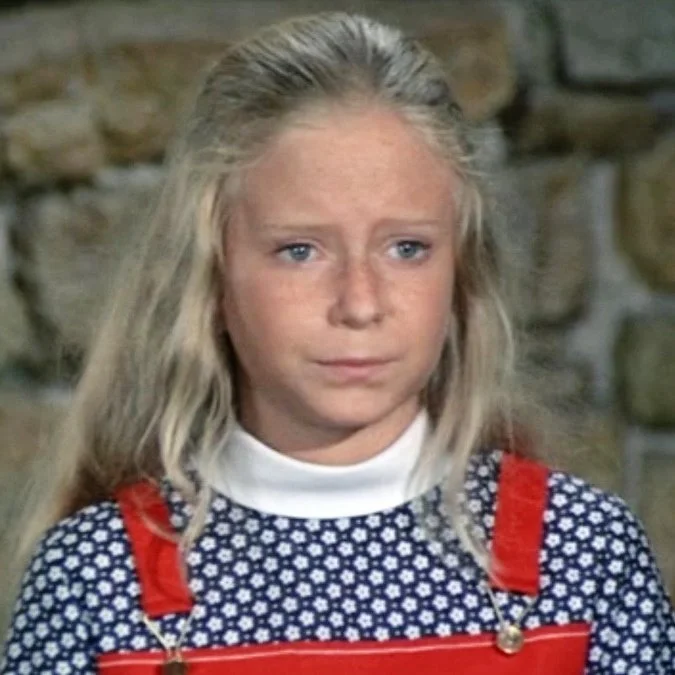
Eve Plumb carries the franchise’s deepest sibling-comparison anxiety. Jan wants visibility, distinction and relief from the feeling that every room already belongs to Marcia.
Jan’s stories gave the show its sharpest understanding of what it feels like to be compared before you have decided who you are. The wig, the glasses, the imaginary boyfriend and the Marcia outburst are funny because the frustration is real. Gen X did not need to be a middle child to recognize it.
The youngest son
Bobby Brady
Mike Lookinland gives Bobby ambition larger than his size. Heroes, height, sports and respect become recurring concerns as he tries to prove the youngest boy can matter.
Bobby’s certainty often arrives before the evidence. He can become a safety monitor, pool shark, salesman or would-be hero in one afternoon. The plans are funny, but the need behind them is consistent: he wants the older boys to stop seeing him as the kid who has to catch up.
The youngest daughter
Cindy Brady
Susan Olsen begins with curls and a lisp, then grows into stories about secrets, jealousy, responsibility and the frustration of being treated as the permanent baby.
Cindy’s early innocence could become a weapon without her realizing it. She tattles, misunderstands and turns adult language into something wonderfully strange. As the series goes on, the stories let her feel the cost of being underestimated as well as the temporary advantages.
The parents
Mike and Carol Brady
Robert Reed gives Mike thoughtful authority, while Florence Henderson gives Carol warmth, polish and a household presence that never feels accidental. Their calm makes the children’s problems seem containable.
The marriage is deliberately stable. Mike and Carol may debate a decision, but the children rarely fear that the new family will split apart. That security is part of the fantasy. It also explains why the smallest crisis can occupy an episode: the foundation is strong enough for the story to focus on one embarrassed child.
The essential witness
Alice Nelson
Ann B. Davis connects every level of the house. Alice can advise the children, puncture Mike’s seriousness and deliver the joke that keeps a family lesson from floating away.
Alice is also the person who sees the whole family at working distance. She knows who is hiding something, who needs encouragement and when the parents are being a little too pleased with their own wisdom. Her relationship with Sam gives the household a life beyond the family grid.
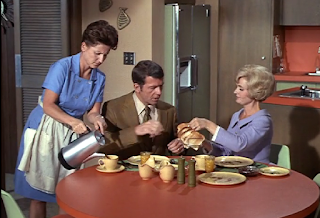
Mike, Carol and Alice supplied the adult stability, listening and comic relief that kept six children’s problems from overwhelming the house.
The family worked because nobody carried the whole show
Episodes could rotate naturally from one child to another without abandoning the basic promise. A Marcia story had a different temperature from a Bobby story. Jan’s anxieties did not sound like Peter’s, even when both were searching for an identity. Mike and Carol held the floor steady, while Alice could move between the adults and children without feeling like a visitor.
That balance is why the family grid became more than a clever title sequence. The nine squares represented nine dependable reactions. We knew who would brag, who would worry, who would see through the lie and who would deliver the final look after the lesson had landed.
The recognition machine
The Brady Bunch House, Opening Grid and Theme Song
The show turned architecture, music and graphic design into an identity strong enough to survive without a plot summary.
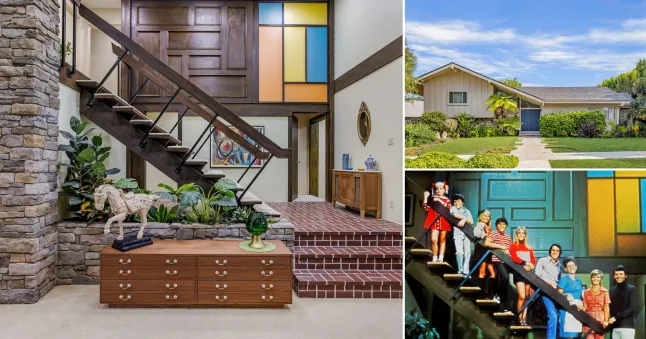
The real exterior, the studio interior and the staircase in our heads never matched perfectly—and somehow became one house anyway.
The house was designed for family traffic
The staircase let children enter from above while adults held the living room below. The kitchen could gather nearly everybody around orange counters. Bedrooms created predictable alliances, and the shared bathroom made the boys-versus-girls structure literal.
The exterior did not match the interior dimensions, and the famous bathroom lacked a visible toilet. None of that weakened the memory. The set worked emotionally, which mattered more than whether an architect could have built it.
A horse statue, a stone wall or one section of railing can still identify the series. The house became an emotional logo because the camera returned to the same angles until viewers knew where every conversation belonged.
The restored interior demonstrates how thoroughly viewers had memorized a house that never existed as one complete real-world floor plan.
The theme song was part of the family structure
Most theme songs create a mood. This one supplies the family history, the cast arrangement and the promise of the series. It is exposition that children could sing. Once the Brady children eventually took over the vocals, the opening felt even more like the household introducing itself.
The title belongs beside the other unforgettable openings in 70s TV Theme Songs, but few themes did more practical work. We did not need a recap, and we did not need to remember where the previous episode ended. “Here’s the story” was enough to reopen the house.
The opening that did all the explaining
Watch The Brady Bunch TV Intro and Opening Credits
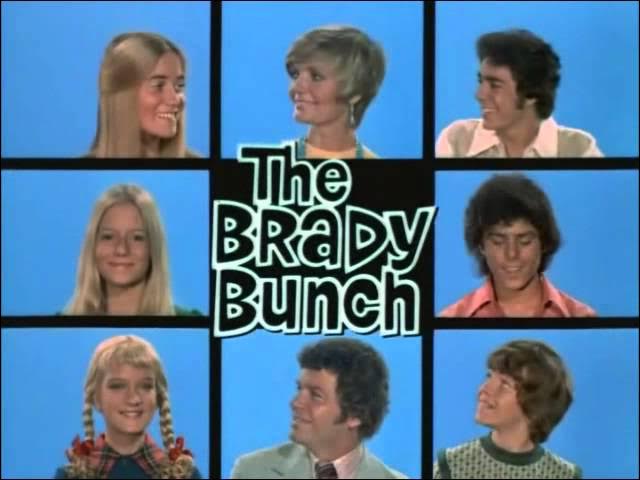
The first few notes still do what they did when we were running back from the kitchen: stop the room. The Brady Bunch theme song introduces the marriage, lines up the family and gets the entire premise out of the way before the first scene.
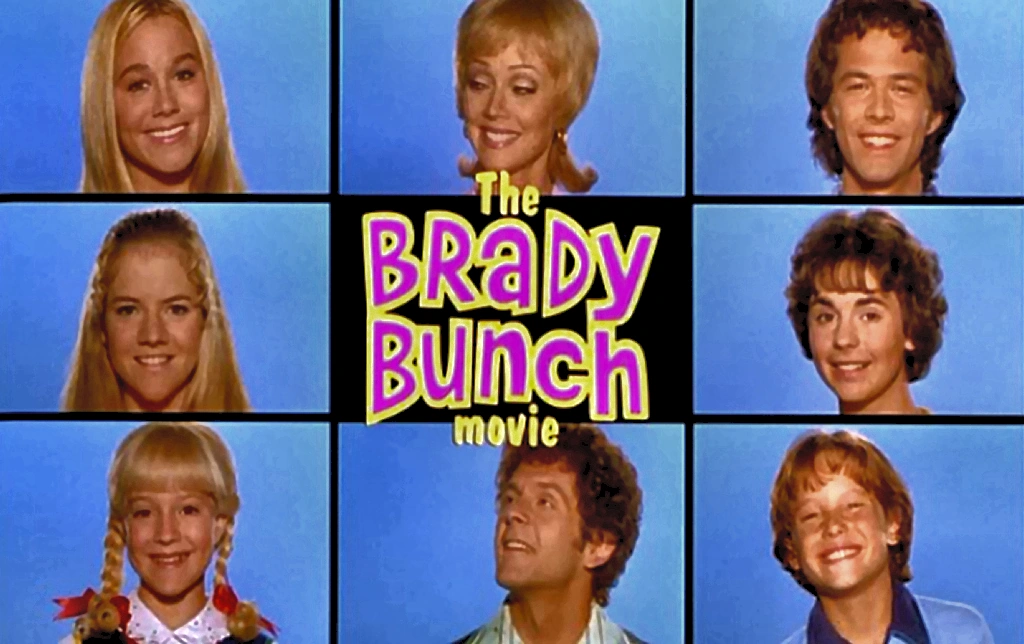
That nine-box Brady Bunch opening was more than a clever title sequence. It became a visual shortcut for family, television and the strange comfort of knowing exactly who would appear in every square.
The arrangement has been copied, parodied and adapted for commercials, comedy sketches, remote meetings and cast reunions because it communicates family and recognition instantly. Even when the faces are different, the composition says Brady before the viewer has time to think about why.
That is a rare kind of visual ownership. The show does not need a logo placed over the image. The image is the logo.
The real Brady house became a Los Angeles landmark
The exterior house was always doing two jobs at once: standing in for the family home and becoming a real-world destination for viewers who knew the front roofline from a thousand reruns. The interior scenes were filmed on a soundstage, but the California exterior became the address fans carried in their heads.
In March 2026, Los Angeles designated the house a historic-cultural monument. That recognition arrived more than half a century after the original series ended and confirmed something Gen X already knew: a television exterior can become part of a city’s memory when enough living rooms have visited it together.
Twenty-two-minute emergencies
Why The Brady Bunch Worked So Well for Kids
The series understood that embarrassment, comparison and broken trust can occupy a child’s entire emotional universe.
The six Brady kids carried the school problems, sibling rivalries and after-school appeal that kept young viewers returning.
1
A problem a child recognizes
A crush, election, lie, broken object, new glasses, height worry or sibling comparison begins the trouble.
2
A bad decision makes it public
Boasting, hiding evidence or pretending to be someone else turns private anxiety into a family crisis.
3
Siblings multiply the damage
Competition, teasing or overconfident help creates the second problem the episode needs.
4
The adults slow the panic
Mike, Carol or Alice listens long enough to move the family toward honesty, fairness or repair.
5
One object locks it into memory
A football, tiki, vase, wig, pay phone or pair of glasses gives the story a visual identity.
6
The house resets
The problem ends, the family remains and the next afternoon can begin without unfinished business.
The show took embarrassment seriously without making childhood frightening
A swollen nose before a date may look small to an adult, but the episode treats Marcia’s humiliation as the whole world until it passes. Jan’s glasses, Peter’s missing personality and Bobby’s height all work the same way. The stories do not mock the fear from outside. They enter it, let it become ridiculous and then provide a safe exit.
That structure was comforting because the child remained part of the family even after lying, boasting or making a spectacular mistake. The lesson could be obvious, but belonging was never in doubt. For a young viewer, that promise mattered more than realism.
The older kids and younger kids gave everybody an entrance
Greg and Marcia carried dating, driving, jobs and popularity. Bobby and Cindy carried heroes, pets, tattling and the frustration of being treated as little. Peter and Jan lived in the difficult middle, where identity felt less certain. A family with six children could keep widening the stories as the cast grew without losing the original arrangement.
The episode usually ended before the feeling did.
That was part of the comfort. We could keep worrying about school, siblings or being noticed, but the Brady version had already shown that the family would still be there after the mistake.
The real Brady boom
How Brady Bunch Syndication and Reruns Created a Gen X Institution
Local stations removed the series from its original ratings context and placed it inside daily childhood routine.
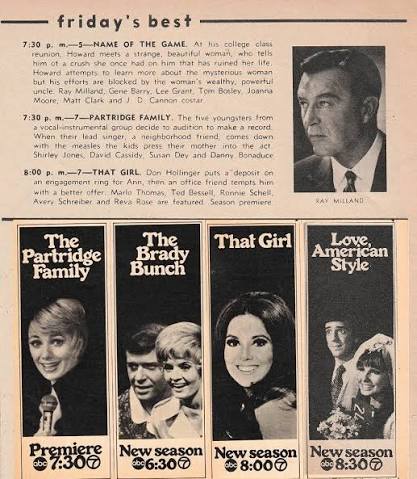
A period television listing puts The Brady Bunch back where many viewers first found it: inside the daily schedule, waiting for the after-school hour.
Brady Bunch syndication success changed the show’s place in television history. The original network run created the episodes; daily Brady Bunch reruns created the institution.
Daily television created intimacy weekly television could not
A weekly series asks the audience to remember where it belongs in the schedule. A daily rerun becomes part of the schedule of the house. The Brady Bunch could appear after school, before dinner or beside older sitcoms that originally came from a different decade. The station created a new neighborhood, and the Bradys fit almost anywhere.
The episodes did not require chronological order. A viewer could meet Cousin Oliver, return to the wedding the next day and watch the children become younger again without confusion. The family structure was stronger than the timeline.
Syndication removed the show from Friday-night competition and placed it inside the daily routine of a new generation.
Repetition turned scenes into cultural property
The lines and objects became famous because they kept returning. We did not merely remember that Marcia hurt her nose; we knew the angle, the cry and the way the swollen face affected the date. Jan’s complaint about Marcia became a ready-made phrase for anybody living in someone else’s shadow. Peter’s imitation could be summoned with three words about dinner.
This is where The Brady Bunch syndication success becomes different from simple nostalgia. The audience did not only miss the show after it ended. New children kept encountering it as if it had never ended.
The safe hour gave the show a practical advantage
The conflicts were mild enough for family scheduling but not so young that older children felt talked down to. Parents knew the household would reset. Stations knew the episodes could sit beside other comedies without creating programming trouble. The very qualities that made the original series seem lightweight helped make the reruns durable.
Gen X learned the family through fragments
We often saw the episodes out of sequence, missed the opening minutes and entered while Alice was already suspicious. That did not matter. The house, voices and family roles supplied orientation. The rerun audience became skilled at recognizing a story from one prop or costume.
The larger sitcom story appears in 50 Best Sitcoms of the 1970s, Ranked, where The Brady Bunch earns its place less through original ratings than through the after-school permanence few shows ever achieved.
Start the rerun marathon here
15 Best Brady Bunch Episodes to Watch First
A first-watch route through the blended-family premise, Jan anxiety, celebrity culture, music, Hawaii and the famous football.
Mike and Carol’s wedding introduces the new household through pets, tears, formal clothes and escalating comic disorder. The pilot does not pretend that six children will instantly behave like siblings; it lets the ceremony itself become the first test of whether the adults can absorb chaos without losing their sense of humor.
It belongs first because the episode shows the original premise before syndication turned the Bradys into a permanent unit. The family is still being assembled, Alice is deciding where she fits and the children are discovering that the word “ours” will require practice.
EPISODE02
The first household border dispute
A Clubhouse Is Not a Home
The boys build a clubhouse and exclude the girls, who answer with a competing structure. What begins as a familiar battle of the sexes becomes a compact lesson in pride, cooperation and the way children use physical space to declare who belongs.
The episode is pure early Brady engineering: one visible problem, a symmetrical conflict and a solution that restores the group without pretending nobody enjoyed the argument. It also establishes that the backyard can become a second stage whenever the house feels too orderly.
EPISODE03
Cindy faces divided loyalty
Eenie, Meenie, Mommy, Daddy
Cindy is told that the school auditorium is too small for both parents to attend her play, forcing her to choose between Carol and Mike. The problem is child-sized, but it touches the blended-family premise more directly than most later episodes would.
Cindy’s worry is not really about tickets. She fears that choosing one parent will reveal that the new family is less secure than everyone says. The resolution is gentle, but the episode earns its place by acknowledging that love inside a stepfamily can feel like a loyalty test to a young child.
EPISODE04
A holiday comfort episode
The Voice of Christmas
Carol develops laryngitis just before she is scheduled to sing at the family’s Christmas service, and Cindy asks a department-store Santa for a miracle. The story is sentimental, musical and completely sincere about the fear that a holiday ritual may disappear.
This is the Bradys at their most reassuring. The plot depends less on surprise than on watching every family member protect Carol’s place in the celebration. Repeated December broadcasts turned the episode into seasonal comfort long after its original 1969 airing.
EPISODE05
Jan steps out of the shadow
Her Sister’s Shadow
Jan’s frustration with living in Marcia’s shadow became the defining middle-child moment of the series.
Jan reaches the breaking point after teachers keep comparing her with Marcia. The famous outburst works because Eve Plumb gives the jealousy a real emotional base: Jan is not merely annoyed with her sister; she is frightened that everyone has already decided who she is.
The episode became a quotation machine, but it also captures the show’s strongest recurring subject—identity inside a crowded household. Jan’s struggle is specific enough to be funny and broad enough for any middle child, younger sibling or overlooked student to recognize immediately.
EPISODE06
Celebrity culture enters the living room
Getting Davy Jones
Davy Jones steps out of teen-idol fantasy and into the Brady world, making Marcia’s school promise suddenly possible.
Marcia boasts that she can bring Davy Jones to the school dance and then discovers that confidence cannot get past managers, studios or adult gatekeepers. The guest appearance preserves an exact early-1970s moment when a television idol could dominate bedrooms, magazines and school conversations at once.
The episode works because Marcia’s impossible promise grows from a believable teenage impulse: wanting to be the person who can make the extraordinary happen. Davy Jones eventually enters the Brady universe, but not before the story lets Marcia learn how quickly popularity can turn into public pressure.
EPISODE07
Jan finally sees the problem
The Not-So-Rose-Colored Glasses
Jan’s schoolwork declines and a bicycle mix-up reveals that she needs glasses. Her embarrassment is less about vision than about the fear that one visible change will redefine how classmates and siblings see her.
The episode is a useful companion to Jan’s Marcia anxiety because it focuses on self-image rather than comparison. It also demonstrates the show’s skill at turning an ordinary childhood adjustment—glasses, braces, height or a new haircut—into a crisis that feels enormous for exactly 22 minutes.
EPISODE08
The vacation trilogy becomes mythology
Hawaii Bound / Pass the Tabu / The Tiki Caves
The Hawaii trilogy gave the show its most memorable vacation, an ominous tiki and enough danger to stretch across three episodes.
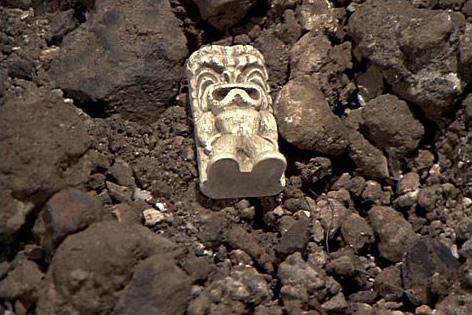
The Bradys travel to Hawaii, where Bobby finds a tiki idol followed by bad luck, surfing danger and an increasingly elaborate cave adventure. Location filming makes the family fantasy larger, while the curse gives the series a rare thread of suspense across three episodes.
The trilogy is also a period artifact that needs context. Its imagery leans on broad cultural stereotypes, yet the tiki, the music and the tropical setting became some of the franchise’s most durable visual memories. Logic leaves the island early; iconography stays forever.
EPISODE09
The football, the date and the famous nose
The Subject Was Noses
The football, the swollen nose and the ruined date became one of the fastest visual shortcuts in 1970s television memory.
Marcia accepts a date with Charlie, drops him when the more popular Doug asks her out and then gets hit in the face during Greg and Peter’s football game. Her swollen nose exposes Doug’s shallow interest and turns adolescent social panic into one of television’s most recognizable images.
This is the episode many people remember even when they cannot name it. The football moment works because the story has already made appearance and status the stakes. Marcia’s humiliation is comic, but it also forces her to confront the way she treated Charlie before Doug treats her the same way.
EPISODE10
The family becomes a portable attraction
The Cincinnati Kids
Mike takes the family to Kings Island to deliver architectural plans, only for a mix-up to send the blueprints through the amusement park. The episode combines location spectacle, corporate promotion and the dependable Brady formula of every child chasing a different part of the same problem.
It is an ideal final selection because it shows how completely the family had become a brand. By the fifth season, the Bradys could enter a real attraction and make it feel like an extension of their house. The setting changes; the rhythm of cooperation remains instantly recognizable.
EPISODE11
Peter goes looking for a personality
The Personality Kid
Peter tries on a new personality and accidentally gives the franchise one of its most repeatable lines.
Peter decides he is too ordinary after feeling invisible at a party, so he starts borrowing voices, poses and mannerisms in search of a personality people will notice. The episode turns the middle-child worry into performance, and Christopher Knight gets one of the show’s most physically memorable showcases.
This is the home of the famous “pork chops and applesauce” routine, but the episode lasts because the joke sits on top of a familiar fear: everybody else seems to know who they are. Peter’s borrowed identities fail until the family reminds him that being recognizable is not the same as being real.
EPISODE12
Marcia meets the language of women’s liberation
The Liberation of Marcia Brady
A television interview about women’s liberation sends Marcia into a competition with Greg over whether girls can do anything boys can do. The story is very much of its moment, complete with period assumptions and a lesson packaged neatly for network television.
It belongs here because it shows the series brushing against the larger cultural argument outside the Brady house. The episode does not solve that argument, but it lets Marcia test the household’s rules instead of simply accepting them.
EPISODE13
The family becomes the Silver Platters
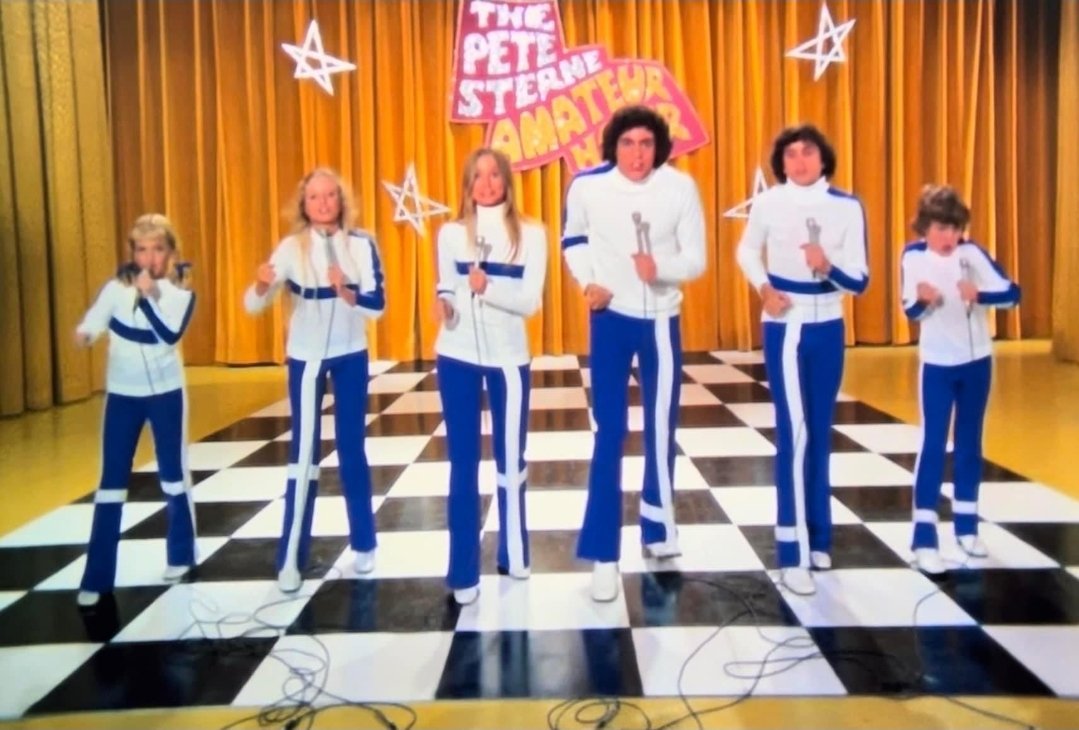
Amateur Nite
The Brady children become the Silver Platters and turn an anniversary-gift problem into a family musical performance.
The children discover that Mike and Carol’s anniversary gift costs more than expected, so they enter a television talent contest as the Silver Platters. The plot joins family loyalty, pop music and the familiar Brady belief that a group performance can repair almost anything.
The episode captures the period when the cast’s musical identity was spilling beyond the sitcom. Matching outfits, harmonies and a family problem solved onstage make it one of the clearest examples of the Bradys becoming a pop product as well as a television family.
EPISODE14
Greg gets packaged as a pop star
Adios, Johnny Bravo
Greg discovers that the record company is selling the look of Johnny Bravo more than the voice inside the suit.
A record producer notices Greg and attempts to rebuild him as Johnny Bravo, a solo star with a new name, new wardrobe and a carefully managed image. Greg enjoys the attention until he realizes the opportunity has less to do with his voice than with how neatly he fits the suit.
The episode is funny about teen fame and unusually clear about manufactured celebrity. It also gives the older Brady kids a story that feels connected to the actual music business surrounding young television performers in the early 1970s.
EPISODE15
The last original episode leaves Greg orange
The Harebrained Scheme
Bobby sells hair tonic to raise money and Greg buys a bottle before graduation to help him. The gesture ends with Greg’s hair turning orange, which gives the original series a final crisis built from sibling loyalty, vanity and a product that should never have entered the bathroom.
It is not the grand emotional finale modern television would stage. That modesty makes it a fitting end to the original run: one child needs help, another helps, the plan backfires and the family absorbs the embarrassment before the credits.
Behind the orange kitchen
Sherwood Schwartz and the Making of The Brady Bunch
The show looked effortless because the premise, casting, opening and family geometry had already done so much work.
Sherwood Schwartz built the series around a family arrangement simple enough to sing and flexible enough to sustain 117 episodes.
The premise came before the mythology
Sherwood Schwartz built the series around the changing structure of American families, then gave that change the cleanest possible sitcom shape. Three boys, three girls, two parents and Alice created a household large enough for constant stories but organized enough that nobody needed an explanation every week.
The previous marriages were mostly removed from view, which simplified the emotional reality. That choice is one reason the show could move so quickly into ordinary kid problems. The family did not spend five seasons becoming blended. The series treated the blend as the starting point and asked what daily life looked like afterward.
Robert Reed gave the fantasy weight
Mike Brady could have been only the final speech at the end of the episode. Robert Reed made him more grounded than that. Even when the plot involved a ridiculous product, a celebrity coincidence or a child acting like a detective, Reed played the family problem as something worth thinking through.
That seriousness created a floor for the comedy. The children could go broad because Mike reacted as though the household mattered. The tension between Reed’s dramatic instincts and the show’s lighter machinery is visible, but the performance gave the family authority.
Florence Henderson made Carol more than the lovely lady in the song
Carol is warm and polished, but Henderson also lets her become amused, competitive, frustrated and occasionally delighted by the absurdity around her. The role is limited by the period’s expectations—Carol’s life is centered heavily on home—but the performance keeps her from disappearing behind Mike’s profession or the children’s stories.
Ann B. Davis understood the value of the pause
Alice often had the line that released the scene. She could listen to a child’s complicated plan, let the confidence hang in the air and answer with exactly enough skepticism. The character also solved a practical storytelling problem: she could be present with the children when the parents were not and could speak honestly to Mike and Carol without threatening the family structure.
The child actors grew without losing the original pattern
The cast changed physically across five seasons, and the stories adjusted from dolls and school plays to driving, dating and jobs. The title grid preserved the original order even as the children aged. That continuity helped the series absorb growth without appearing to become a different show.
The theme
The premise sings itself
The opening turns exposition into something a child can remember after one viewing.
The grid
Nine squares become a logo
The visual arrangement remains recognizable even when advertisements and parodies replace the faces.
The house
Every problem has a room
The kitchen, bedrooms, staircase and living room give stories predictable places to unfold.
The reset
The family survives the mistake
Each episode restores belonging, which makes the next rerun feel safe without making every feeling trivial.
Records, guest stars and schoolyard language
The Brady Bunch Music and 1970s Pop Culture
The family escaped the sitcom through songs, celebrity guests, catchphrases and objects children could repeat the next morning.
The show understood the power of the teen idol
Davy Jones does not simply guest star; he enters Marcia’s world as proof that television could bring a bedroom-wall celebrity into the family living room. Don Drysdale, Joe Namath and other guests worked the same way for sports. The show placed real fame beside a child’s ordinary obsession and let the collision become the story.
The Brady kids became a musical act
Family singing existed inside episodes and outside them. The Silver Platters, Greg’s Johnny Bravo experience and the cast’s recordings made the boundary between sitcom character and young performer unusually thin. A child could watch the family solve a problem through music, then encounter the same voices on a record.
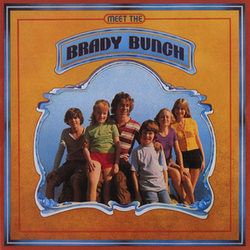
The Meet The Brady Bunch album extended the family beyond television, turning the six Brady children into a recording act for fans who wanted the voices from the show on the stereo too.
Catchphrases survived even when the show avoided designing them
“Marcia, Marcia, Marcia,” “Oh, my nose” and Peter’s pork-chop imitation became cultural shorthand because syndication kept placing them in front of new viewers. The lines were attached to precise situations, but repetition made them usable outside the episode.
The props did as much memory work as the dialogue
Kitty Karry-All, the tiki idol, the broken vase, the pay phone and the football are not merely objects in plots. They are episode labels stored in the viewer’s head. Say “Brady tiki” and an entire vacation trilogy appears. Say “the vase” and the confession problem is already underway.
The Bradys became portable. A song, grid, staircase, object or three-word complaint could carry the whole show into another room.
Watching with affection and open eyes
What Aged Well in The Brady Bunch—and What Did Not
The show’s strongest qualities and clearest limitations often come from the same decision: protect the household from anything that cannot be repaired before the credits.
What still lands
The siblings are allowed to be jealous, vain, competitive and embarrassed without losing their place in the family. The adults listen. Alice sees through everybody. The stories move quickly and leave behind memorable visual hooks.
The blended-family premise also remains significant. However simplified, the series placed stepparents and stepsiblings at the center of a mainstream family comedy and insisted that a new household could become real through daily life.
The performances keep the lessons from becoming pure instruction. Jan’s pain, Peter’s insecurity and Marcia’s humiliation feel specific enough that the episode can survive even when the solution is too neat.
Nostalgia does not require pretending every joke still works
The better way to revisit the show is to keep both reactions. The orange kitchen can feel like home while a gender joke feels dated. The family’s patience can remain appealing while the absence of the previous spouses feels emotionally convenient. Affection becomes more durable when it can survive context.
The fantasy was always the point
The Brady house was a place where attention was available, mistakes were reparable and no child could become permanently lost in the crowd. That was not documentary realism. It was the promise of the show. The limitation is that the promise sometimes removes the harder realities of blended families. The strength is that generations of children understood exactly what safety the fantasy offered.
That mix of comfort and limitation also explains why the show belongs beside the changing television families of the 1970s: the Brady blended family looked new in structure even when the weekly problems were carefully contained.
Beyond the original five seasons
The Brady Kids, Brady Bunch Hour, Reunions and Movie Afterlife
The family survived animation, variety television, reunion movies, adult drama, parody and a rebuilt version of the impossible house.
Animation
The Brady Kids
The children enter Saturday morning adventure and music, where the family identity survives even after the suburban set disappears. The series belongs beside the decade’s larger cartoon world in 50 Best Saturday Morning Cartoons of the 1970s, Ranked.
Variety
The Brady Bunch Hour
Songs, sketches, guest stars and the famous pool set create one of television’s strangest family extensions. It is awkward, fascinating and impossible to remove from the mythology.
Reunion
The family grows older
Television movies and sequel series bring marriages, careers and adult problems into a franchise still built around recognition of the original household.
Parody
The 1990s movies understand the reruns
The feature films place the Bradys’ bright innocence against a more cynical present, treating the family as people who never left their original television decade.
Advertising
The grid becomes reusable language
Commercials can borrow the boxes, house or family roles and expect the audience to understand the reference instantly.
Restoration
The house becomes physical memory
Renovation television reconstructs the interior because viewers know the fictional floor plan more intimately than the actual exterior house.
Reunions
The cast remains the address
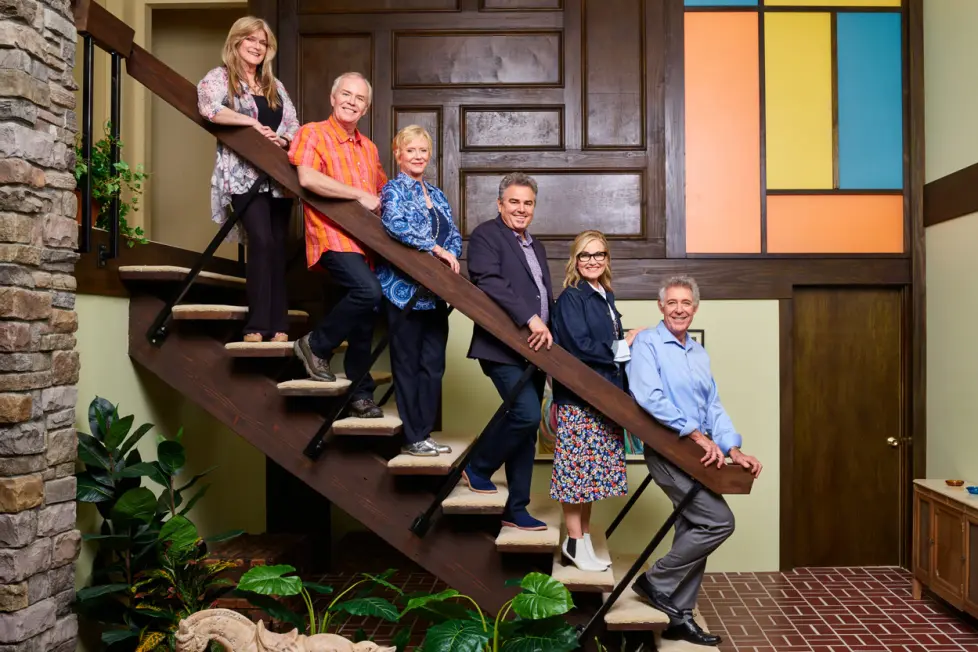
Every gathering carries the emotional weight of seeing the family grid open again, even when the people have long outgrown the roles.
Reruns
The original remains the center
Every extension depends on the same 117 episodes. The franchise grows, but the staircase and afternoon reruns remain the real home.
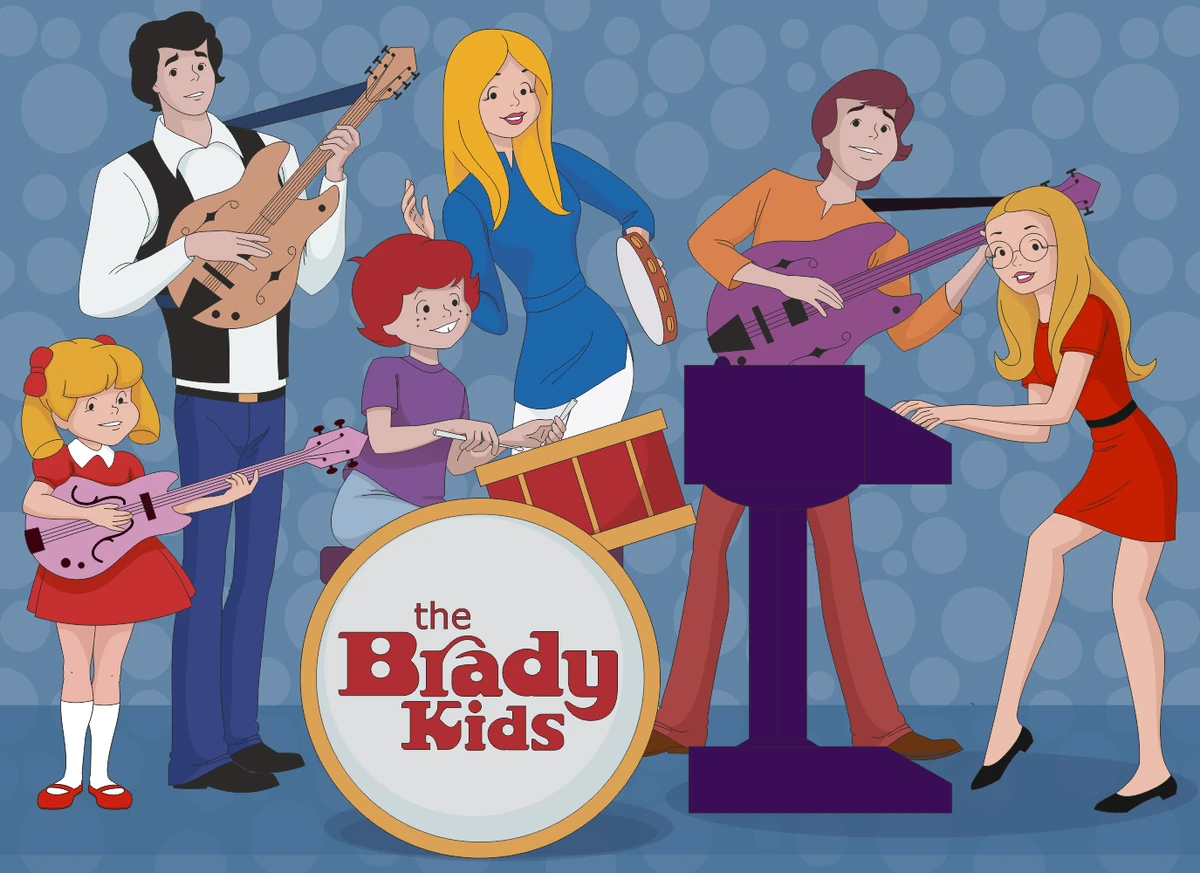
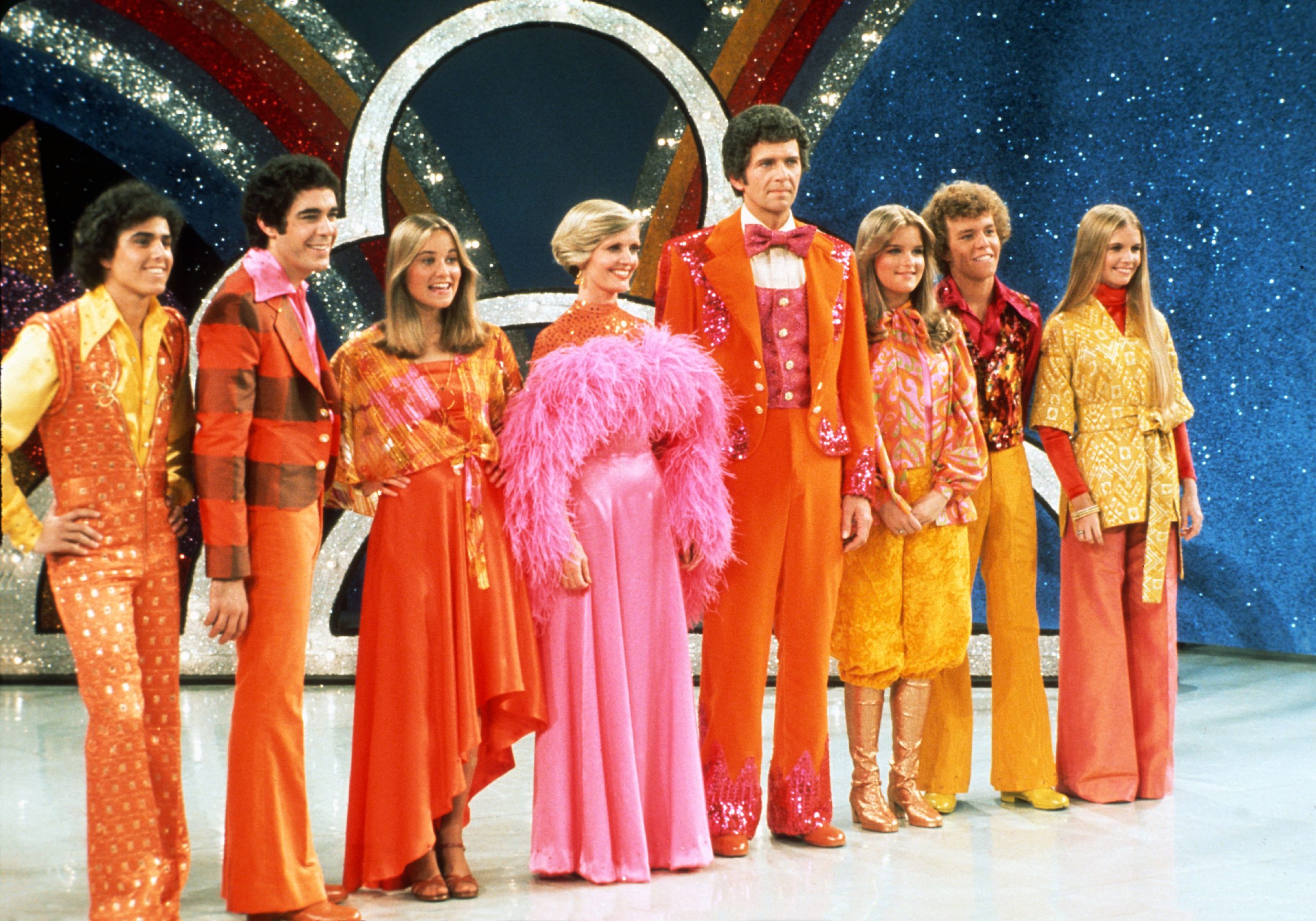
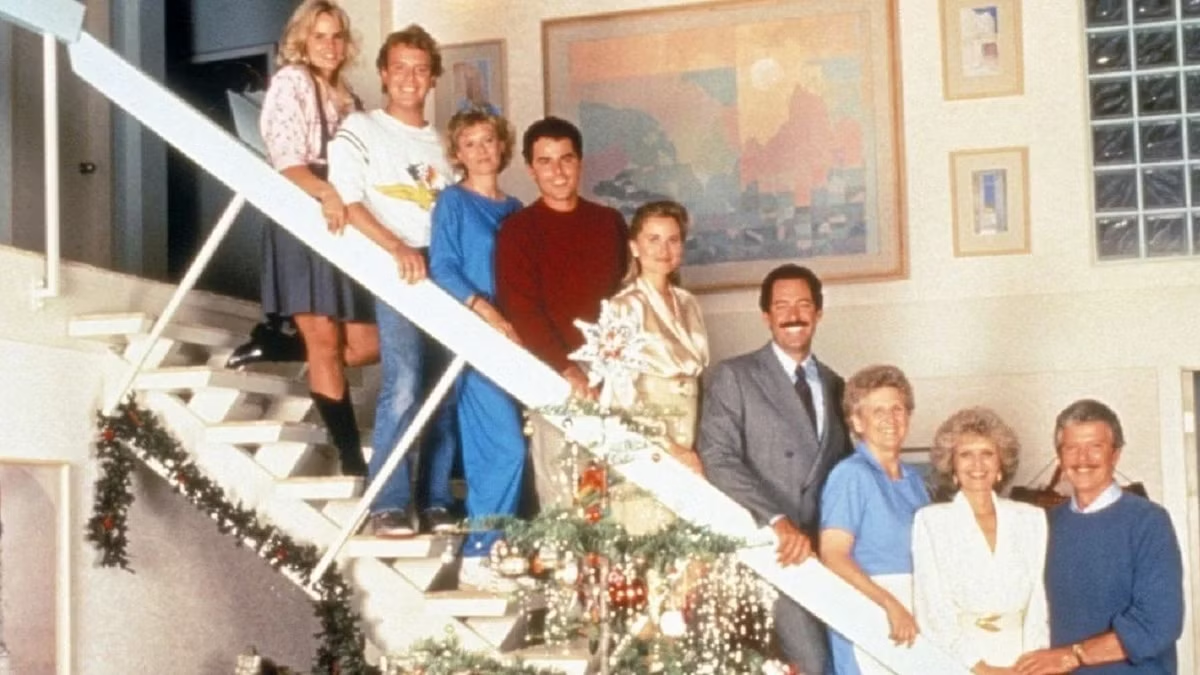
The Brady Kids moved the siblings into Saturday morning animation, music and adventures far beyond the suburban house.The Brady Bunch Hour pushed the family into songs, sketches and one of television’s most unusual variety-show experiments.A Very Brady Christmas brought the family back as adults and proved the original relationships still supplied the emotional center.The 1995 movie turned the family’s frozen-in-time innocence into the joke without losing affection for the original.
The franchise kept testing how much recognition could survive
The answer was almost everything. The format could change from sitcom to cartoon, variety show, drama or parody because the audience carried the original map. Six children, two parents, Alice, the house, the grid and the song were enough to rebuild the family in another genre.
Not every experiment worked. That is part of the fascination. The franchise afterlife shows the difference between loving a premise and understanding what made the original version comfortable. The closer an extension stayed to the family relationships, the easier the recognition became. The farther it moved into spectacle, the stranger the result.
The permanent household
The Brady Bunch Television Legacy and Why It Still Matters
The legacy is bigger than the original ratings because the family became a visual language, a rerun ritual and a shared memory across generations.
It made family structure instantly visible
The cast, house, song and graphic grid can be separated and recombined without losing recognition. Few shows own that many pieces of their identity. The influence is not proof that the household was realistic. It comes from how completely the fantasy was designed.
It showed that syndication could rewrite television history
The original run matters, but the reruns created the scale of the memory. The Brady Bunch is one of the clearest examples of a show becoming more culturally important after cancellation. The after-school audience did not care where the series had placed in the ratings. We cared that it was there again.
It placed a blended family at the center of mainstream comedy
The treatment was simplified, but the household itself was not hidden or treated as temporary. Mike, Carol and the children were a family because the show kept returning to the work of being one. That idea looks ordinary now partly because television repeated it until the arrangement stopped feeling unusual.
It remains different from the decade’s other family comforts
The Waltons found comfort in memory, work and endurance. Little House on the Prairie used family love against harsher consequences. The Bradys offered bright suburban containment: the crisis might feel enormous to one child, but the house could hold it.
The Gen X verdict
The Brady Bunch never left because it was available when memory was still being built. The episodes arrived without ceremony. We watched because they were on, then watched again because we knew them, then discovered years later that the furniture, voices and mistakes had become part of the way we remembered childhood television.
The show is not great because every lesson was profound or every joke aged perfectly. It is great at being The Brady Bunch: instantly understandable, visually complete, affectionate toward childhood panic and almost impossible to erase after the theme starts. The rest of that shared schedule is waiting in 1970s TV: Shows, Sitcoms, Cartoons & Prime-Time Classics.
The house is still on
A football crosses the yard. Jan hears Marcia’s name one time too many. Alice pauses in the kitchen because she already knows the plan is terrible.
We know the rest because the local station taught it to us until the Bradys stopped feeling like a program and started feeling like people who lived down the hall from childhood.
Put the show back on the schedule
1970s Television Year by Year
These annual guides place the original run and growing syndicated afterlife beside the other programs competing for the family television.
The quick facts behind the original run, cast, blended-family premise, famous house, best episodes and syndicated afterlife.
When did The Brady Bunch originally air?
The ABC sitcom premiered September 26, 1969, and its original five-season run ended March 8, 1974.
How many episodes of The Brady Bunch were made?
The original series produced 117 half-hour episodes.
Why did The Brady Bunch become more popular in syndication?
Its stories were self-contained, visually distinctive and understandable in almost any order. Local stations could schedule the episodes daily, allowing children born after the premiere to know the family through repetition.
Was The Brady Bunch a major ratings hit during its original run?
It was recognizable and lasted five seasons, but it did not dominate the ratings the way its later cultural fame might suggest. The enormous afterlife came through reruns, reunions and parody.
Was The Brady Bunch really about a blended family?
Yes. Mike’s three sons and Carol’s three daughters form one household after the marriage. The show places a stepfamily at the center, although it rarely explores the previous spouses, grief or legal complications in depth.
Who created The Brady Bunch?
Sherwood Schwartz created the series and developed a premise simple enough to explain through the theme song and flexible enough to support 117 episodes.
What are the best Brady Bunch episodes for a new viewer?
Begin with “The Honeymoon,” “Her Sister’s Shadow,” “The Personality Kid,” “Getting Davy Jones,” “The Not-So-Rose-Colored Glasses,” the Hawaii trilogy, “The Subject Was Noses” and “The Cincinnati Kids.”
Why is the Brady Bunch house so famous?
The staircase, stone entry, orange kitchen and recognizable rooms created a visual map viewers could memorize. The mismatch between the real exterior and studio interior only added to the mythology.
Did the Brady house really have one bathroom?
The boys’ and girls’ bedrooms shared a central bathroom on the set. The absence of a visible toilet became one of the best-known details of the show’s impossible floor plan.
What came after the original Brady Bunch series?
The franchise continued through The Brady Kids, The Brady Bunch Hour, reunion movies, The Brady Brides, A Very Brady Christmas, The Bradys, feature-film parodies and later house-renovation television.
Why does The Brady Bunch still matter?
Its theme song, title grid, house, family roles and endlessly repeated episodes became a common television language. The show also placed a blended family at the center of a mainstream sitcom, even if the reality was simplified.
Why was The Brady Bunch canceled?
The original five-year contracts had reached the point where the cast would need new deals, and ABC did not believe another season justified the increased cost. The show ended without a planned grand finale.
Did Cousin Oliver cause The Brady Bunch to be canceled?
No. Cousin Oliver arrived late enough to become an easy symbol of a show trying something new, but the cancellation came down to contracts, cost and the network’s renewal decision.
What happened to Carol Brady’s first husband?
The original series never clearly explains it. Mike is identified as a widower, while Carol’s previous marriage remains deliberately vague and her former husband never appears.
Where was The Brady Bunch house filmed?
The familiar exterior was a real house in the Los Angeles area, while the living room, staircase, bedrooms and kitchen were studio sets. That is why the outside and inside never fit together like one real floor plan.
Keep the family set warm
More 1970s Family Television and Sitcom History
Move from the Bradys into the family shows, sitcoms, theme songs and television worlds that shared the decade.