WKRP in Cincinnati and the Last Great Sitcom of the 1970s

WKRP in Cincinnati and the Last Great Sitcom of the 1970s
WKRP CincinnatiAM 1530Format Change in Progress More MusicLess NessmanSeptember 18, 1978 WKRP CincinnatiAM 1530Format Change in Progress More MusicLess NessmanSeptember 18, 1978
CBS
Monday Night
WKRP Broadcast Desk
One format change, two disc jockeys, a sales department and several turkeys are standing by.
A 1970s television deep dive from Gizmo

WKRP in Cincinnati and the Last Great Sitcom of the 1970s

Before every workplace comedy learned to love its damaged little family, one struggling radio station put the weirdest people in Cincinnati on the same frequency.

We came for Johnny Fever, Venus Flytrap and the turkey disaster. Years later, we realized WKRP in Cincinnati understood radio, office politics, ambition and the strange loyalty that grows among people who might never choose one another anywhere else. It belongs inside the larger 1970s television story, but no other sitcom sounded quite like this station.

The quick answer

Why Is WKRP in Cincinnati Considered One of the Last Great 1970s Sitcoms?

WKRP in Cincinnati arrived in September 1978, late enough to absorb everything the decade had learned about ensemble comedy, workplace families, social issues and character-driven writing. It added something television had rarely captured this well: the daily rhythm of a radio station, where music, advertising, news, management and personality all fought for the same signal. The result was a funny, humane series that could deliver “Turkeys Away” and then face race, censorship, illiteracy and the real Cincinnati concert tragedy without losing its voice. As a late-1970s sitcom, WKRP in Cincinnati brought those ideas together without feeling like a copy of any show that came before it.

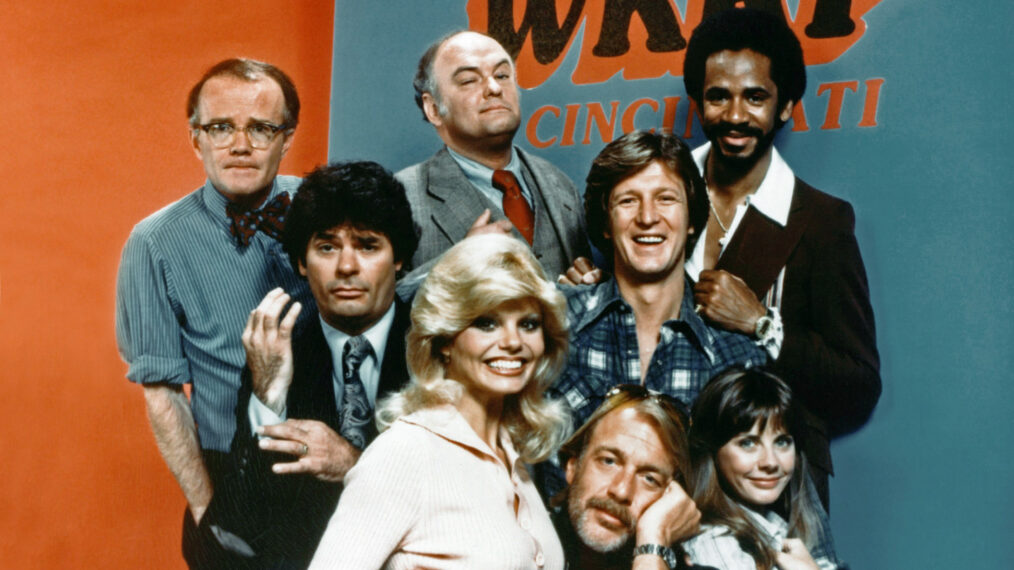
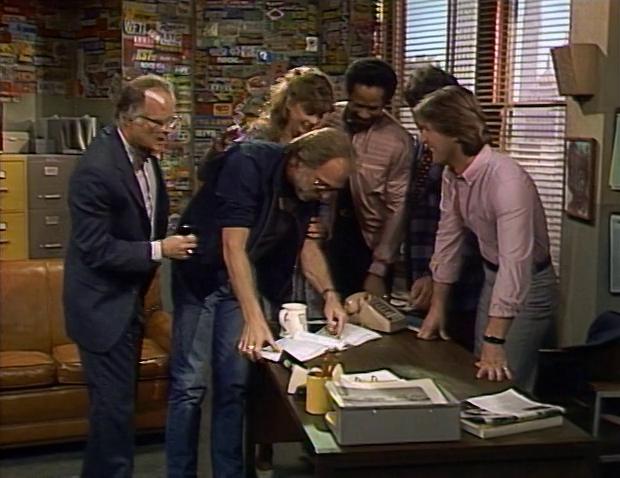
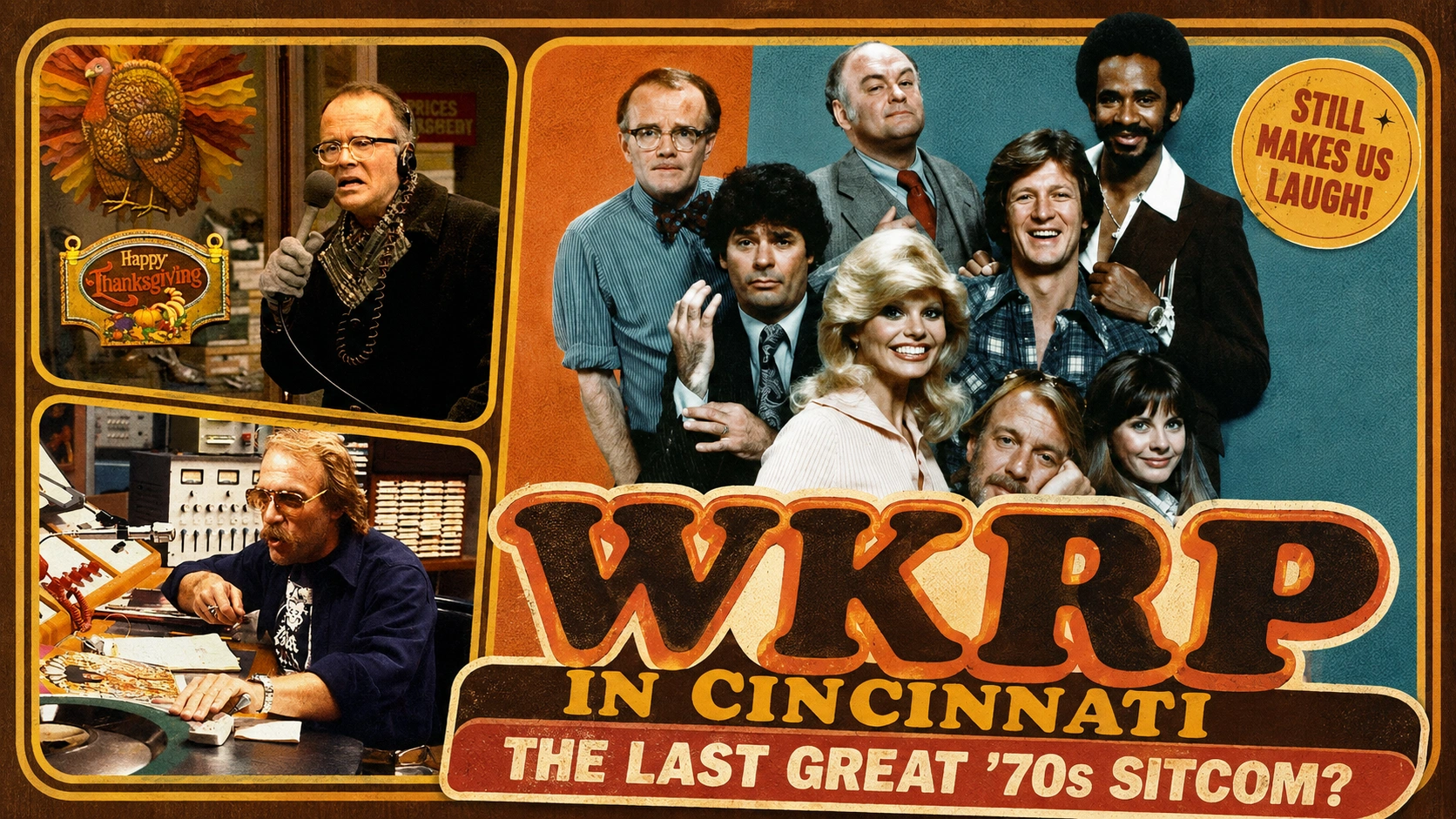
Full WKRP in Cincinnati cast with Andy, Johnny, Venus, Jennifer, Bailey, Les, Herb and Mr. Carlson
Tonight at the station Johnny is suspicious, Herb has a client, Les has a bulletin and Mr. Carlson has another idea.
Station file 01 • The format flip

What Was WKRP in Cincinnati About?

A failing easy-listening station hires a program director who changes the music. The ratings problem is simple. The people problem lasts four seasons.

Original run 1978–1982 Four seasons on CBS.
Original episodes 88 Two hour-long shows became 90 half-hours in syndication.
Setting Cincinnati radio A fictional AM station changing from easy listening to rock.
Emmy record 10 nominations One win and three Outstanding Comedy Series nominations.

The premise was the kind television could explain before the first commercial. WKRP was a tired Cincinnati AM station with bad ratings, old habits and a manager whose authority mostly existed on the office door. Andy Travis arrived to change the format from sleepy background music to rock. The records changed immediately. The workplace did not.

That was the series. Every department had a different definition of success. Andy wanted ratings. Johnny wanted freedom. Venus wanted to protect the identity he had built. Herb wanted sales. Les wanted dignity, walls and perhaps a network-news desk. Bailey wanted a real chance. Jennifer already knew exactly what she was worth. Mr. Carlson wanted to prove he was not merely keeping his mother’s chair warm.

Unlike a broad office comedy where everyone performed roughly the same job, WKRP was built from competing functions. Programming could improve the sound and still anger sales. News could create credibility and still ruin the clock. A promotion could attract attention and also rain poultry on a shopping center. The station was one machine operated by people who rarely agreed on which direction the machine should move.

The music was the product, but the people between the records were the show.

That structure places WKRP beside the best workplace sitcoms of the 1970s, but the comparison should not swallow what made this exact series different. Radio gave the comedy a pulse. A door could open during a live break. A record could end before an argument was finished. A microphone could turn private panic into something the entire city heard.

The show entered the schedule during the 1978 television lineup, after the decade had already produced The Mary Tyler Moore Show, M*A*S*H and Barney Miller. WKRP felt like the late-shift descendant of all three: a work family, a serious comedy and an ensemble that trusted reaction more than noise.

Station file 02 • The man with the format

Andy Travis: The Competent Boss Who Held WKRP Together

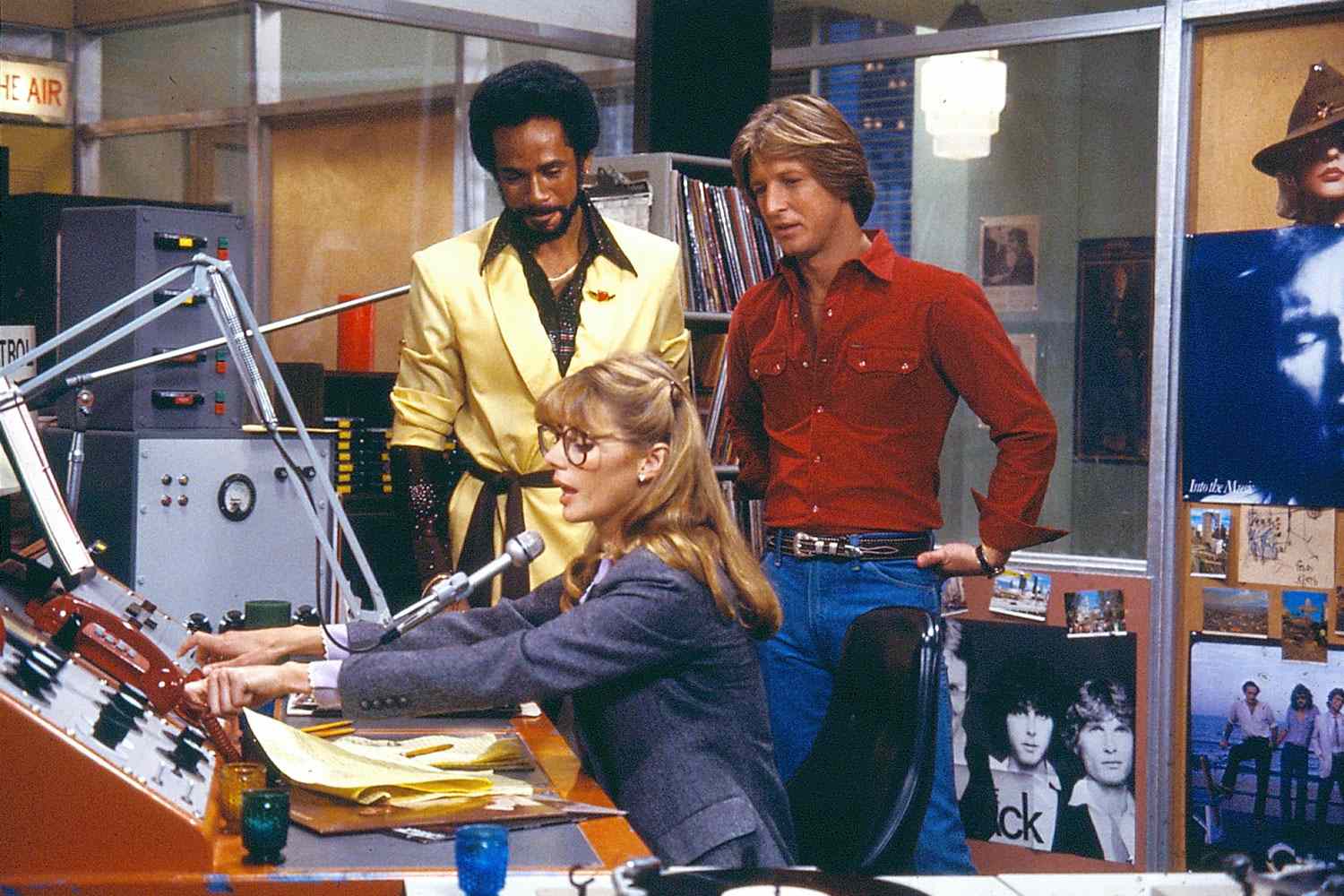
Gary Sandy played the rare sitcom boss who could make a good decision and still spend the rest of the episode dealing with what everybody else did to it.

Andy’s job was more difficult than it looked. If he became another fool, the station had no center. If he became a scold, the audience would resent him for interrupting Johnny, Venus and the rest. Gary Sandy found the middle. Andy believed in ratings, structure and a coherent sound, but he also understood that the station’s value came from personalities who could not be reduced to memos.

He was the new guy in the pilot, which made him our guide through the building. We learned that Les had taped walls on the floor because Andy learned it. We understood Jennifer’s real authority because Andy recognized it. We watched Johnny awaken from the easy-listening fog because Andy gave him rock records and permission to sound like himself again.

Gary Sandy as program director Andy Travis inside WKRP
Gary Sandy’s Andy Travis had to change the station without flattening the people who made it worth saving.

The role also carried the show’s unspoken argument about leadership. Andy rarely won by humiliating somebody. He negotiated, redirected and occasionally waited for a terrible idea to collapse under its own weight. The station needed a program director, but it needed one who could hear the difference between disorder and talent.

What Andy changed

The Sound of the Station

Rock records were only the visible part. Andy gave WKRP a target audience, a reason to promote itself and a shared project. Everybody could fight about the method because, for the first time, the station was trying to become something.

What Andy could not change

The People on the Payroll

Johnny remained suspicious, Herb remained Herb, Les kept reporting hog futures and Mr. Carlson kept discovering new ways to misunderstand promotion. Andy improved the station by learning where control ended.

Station file 03 • Eight people, one unstable frequency

WKRP in Cincinnati Cast and Character Guide

The WKRP in Cincinnati cast worked because every character had a job, an insecurity and a completely different idea of what the station was supposed to be.

Andy Travis • Gary Sandy

The Program Director

Andy arrived with a plan, good hair and the confidence of a man who had already rescued other stations. He could have been written as the square who came to control the crazies. Instead, Gary Sandy made him the show’s traffic cop: ambitious enough to demand change, loose enough to recognize talent and smart enough to understand that Johnny Fever could not be managed like office equipment. Andy’s calm was different from Barney Miller’s. Barney absorbed chaos; Andy tried to format it.

Dr. Johnny Fever • Howard Hesseman

The Morning Drive Survivor

Johnny Fever looked like the seventies had already happened to him twice. He had been fired, renamed, shuffled between towns and left with the suspicion that every boss eventually becomes a censor. Howard Hesseman gave him the speed of a real disc jockey: half performance, half defense mechanism. Johnny could sound gloriously alive with the microphone open and completely exhausted ten seconds after the record started. For kids watching at home, he was what we imagined rock radio looked like after midnight, even when he was stuck on morning drive.

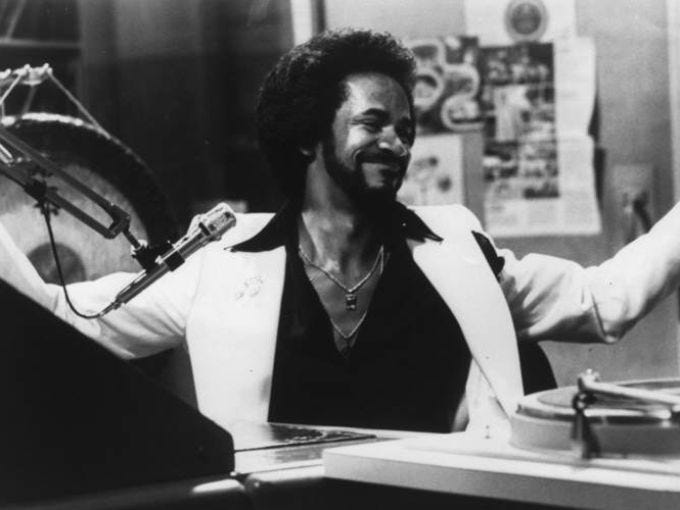
Venus Flytrap • Tim Reid

The Midnight Voice

Venus had style, control and the kind of voice that could make a station identification sound expensive. Tim Reid never let the wardrobe or the on-air persona swallow Gordon Sims, the man underneath it. Episodes about his past, race and responsibility gave the show emotional weight without turning him into a lesson plan. Venus and Johnny were not interchangeable “crazy DJs.” They represented different traditions, audiences and ways of surviving a business that wanted personalities but still expected them to fit inside a clock.

Jennifer Marlowe • Loni Anderson

The Person Actually Running the Front Office

Jennifer was introduced with every visual signal television knew how to use, then the writing quietly removed the joke from her appearance. She was the most competent person at the station, negotiated her own value and refused to perform helplessness for men who underestimated her. Loni Anderson played the glamour straight and the intelligence even straighter. Jennifer did not need WKRP to validate her. WKRP needed Jennifer to keep the phones, visitors and fragile male egos from colliding in the lobby.

Bailey Quarters • Jan Smithers

The Quiet Ambition

Bailey began closer to the way many of us actually entered a workplace: capable, observant and waiting for someone to notice we could do more. Jan Smithers gave the character an understated confidence that grew without becoming a makeover story. Bailey wanted reporting, responsibility and a real place in the station’s future. Her rise mattered because it was gradual. She did not wake up transformed. She kept doing the work until the room had to see her.

Les Nessman • Richard Sanders

News, Weather, Sports, Farm and Tape on the Floor

Les had an invisible office, a hog-reporting award and absolute faith that the world needed his authority. Richard Sanders built the character from ceremony: the bandage, the bow tie, the precise delivery and the walls marked out in tape because Les deserved a newsroom whether the building agreed or not. He could be ridiculous and unexpectedly tender in the same episode. “Turkeys Away” works because Les treats catastrophe with the full dignity of a network correspondent. He believes the microphone makes the moment historic, and somehow it does.

Herb Tarlek • Frank Bonner

Sales in a Loud Plaid Suit

Herb sold airtime, himself and the idea that confidence could cover every visible crack. The suits were only the first warning. Frank Bonner played him as a man who had learned the language of success without ever feeling secure inside it. Herb could be selfish, desperate, loyal and painfully aware that Jennifer saw straight through him. The show never polished him into a lovable rogue. It let the neediness stay visible, which made the occasional flashes of decency land harder.

Arthur Carlson • Gordon Jump

The Big Guy

Mr. Carlson was technically the general manager and emotionally the son of a terrifying owner. Gordon Jump made him more than a fool in a fishing vest. The Big Guy wanted to be respected, wanted his mother to stop treating him like a child and wanted one grand gesture to prove he belonged in the office. That combination produced the turkey promotion, but it also made him the station’s accidental heart. Carlson failed in public, recovered slowly and kept coming back to work.

Station file 04 • Inside the control room

Why WKRP in Cincinnati Felt Like a Real Radio Station

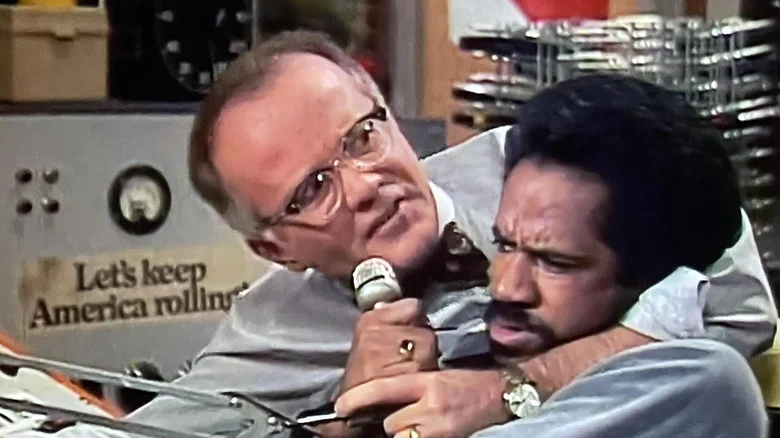
Creator Hugh Wilson had worked in broadcasting. The series knew that radio was equal parts performance, clock watching, sales pressure, technical panic and people talking through glass.

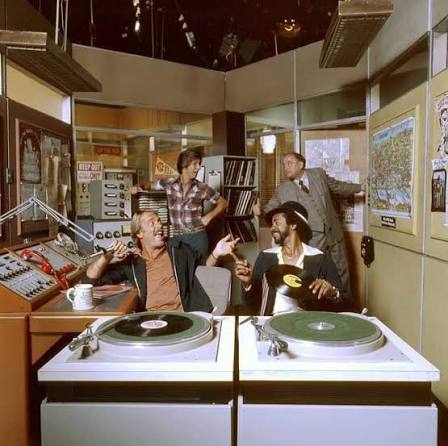
Anyone who worked in radio recognized details that viewers could feel even when they could not name them. The station had a physical rhythm: lobby, bullpen, offices, control booth, records, carts, copy and a microphone that changed the temperature whenever its light came on. The staff did not merely happen to work near radio equipment. The equipment controlled how scenes moved.

A disc jockey has to sound present while doing several things at once. A salesperson has to promise attention the programming department may not want to give. News has to interrupt the music but also justify its existence. Management sees ratings and expenses; listeners hear only the final sound. WKRP built comedy from those pressures instead of decorating a generic office with microphones.

Authentic WKRP in Cincinnati radio control-room and station-set production still
The microphones, turntables, record library and glass between the booth and office gave WKRP the rhythm of an actual radio station.

Hugh Wilson drew on his time around WQXI in Atlanta and stories from the radio business. That background is why “Turkeys Away” feels absurd and operationally plausible at the same time. The promotion is not random sitcom madness. It is the kind of event that can happen when a manager, a budget, a helicopter and nobody willing to ask the final practical question occupy the same meeting.

STATION LOG: Programming wants identity. Sales wants inventory. News wants importance. Management wants ratings. The audience wants the song to start.

This is where WKRP earns its place beside the decade’s great workplace comedies. The work is not an excuse to gather the cast. It produces the conflict. The station’s departments have to cooperate, even when their incentives point in opposite directions.

Station file 05 • The voices after the jingle

Johnny Fever and Venus Flytrap Made Radio Look Like Freedom

One sounded like he had slept in the control room. The other sounded like midnight had hired its own spokesman. Both understood that a radio name could become armor.

Johnny Fever and Venus Flytrap were the station’s two clearest fantasies. Johnny was the outlaw survivor, carrying old firings and old formats from town to town. Venus was control, elegance and the power to create an atmosphere with a voice. For Gen X viewers who had not yet seen the inside of a real station, they made radio seem like a place where adults could invent themselves.

The series was smart enough to show the cost of that invention. Johnny’s cynicism protected him from another boss deciding his personality was inconvenient. Venus’s persona created distance from Gordon Sims, whose history could not stay hidden forever. The microphone made both men bigger, smoother and safer than they felt when the record was playing and the studio door closed.

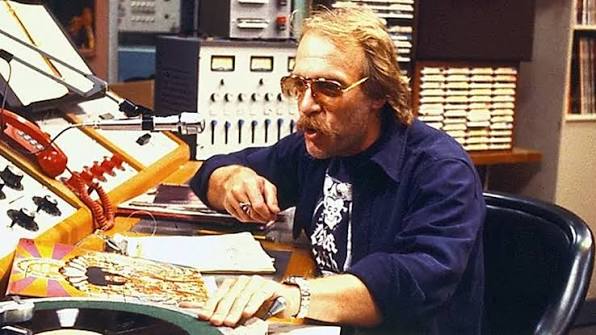
Howard Hesseman as Dr. Johnny Fever at the WKRP microphone
Howard Hesseman made Johnny Fever sound completely alive with the microphone open—and exhausted the second the record began.
Tim Reid as Venus Flytrap on the air at WKRP
Tim Reid gave Venus Flytrap midnight-radio control while always keeping Gordon Sims visible underneath the voice.

Tim Reid has discussed the show’s relationship with real music and the importance of Venus as a Black radio personality who was not trapped inside one narrow television type. The character could be cool without being empty, political without becoming a speech and frightened without losing dignity. Howard Hesseman gave Johnny similar depth beneath the sunglasses and reflexive rebellion.

Together, they represented the part of radio we loved most: the belief that one person, awake in a booth somewhere, was choosing the next song specifically because the night needed it.

Station file 06 • Jennifer and Bailey

Jennifer Marlowe and Bailey Quarters Made WKRP’s Women Essential

Jennifer knew her power from the pilot. Bailey had to claim hers over time. The show did not require either woman to become the other.

Television knew how to introduce Loni Anderson as a visual event. WKRP used that expectation and then made Jennifer Marlowe the person least likely to lose control of the station. She handled calls, protected Carlson, dismissed Herb’s advances and negotiated her compensation with the confidence of someone who understood that “receptionist” did not describe the full value of the work.

Bailey Quarters offered a different path. She was not a clumsy before-picture waiting for glamour. She was a talented employee whose ambition initially exceeded the opportunities people gave her. Jan Smithers played the hesitations without making Bailey weak. Her growth into news and reporting felt earned because it happened through work rather than one triumphant episode followed by a reset.

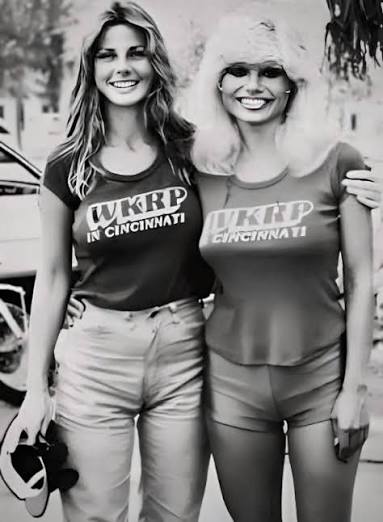
Loni Anderson as Jennifer Marlowe with Jan Smithers as Bailey Quarters
Jennifer Marlowe knew her value from the beginning. Bailey Quarters kept doing the work until the station had to recognize hers.

Together, Jennifer and Bailey made the station more believable. Women in workplaces are not one experience. One can enter the room fully aware of the terms; another can still be discovering how to insist on them. WKRP gave both women intelligence and allowed their friendship to exist outside the competition television often tried to manufacture between them.

That places the show in the line that runs through The Mary Tyler Moore Show and the broader evolution of workplace television. WKRP did not copy Mary Richards. It showed what the next generation of women in the office looked like after television had already opened the door.

Station file 07 • Baby, if you’ve ever wondered

The WKRP in Cincinnati Theme Song—and the Music That Made the Station Real

The opening theme sounded like a lonely radio man heading toward another town. The closing theme sounded like the band in the next studio had ignored the memo.

Who Sang the WKRP in Cincinnati Theme Song?

Steve Carlisle sang the WKRP in Cincinnati theme song. Tom Wells composed the melody, and series creator Hugh Wilson wrote the lyrics. Together they gave Andy Travis a life before the pilot: packing, unpacking and moving up and down the dial through a profession built on temporary rooms and voices that might disappear before listeners knew where they went.

It belongs among the most durable 70s TV theme songs because it sounds like a complete record rather than a premise summary. The melancholy matters. WKRP was funny, but the series knew that radio careers could be unstable and that the person talking to a city might be alone after the microphone clicked off.

Why the Closing Theme Sounded So Different

Then came the closing theme: distorted guitars, shouted syllables and a burst of energy that seemed to have escaped from the rock format itself. The words were less important than the feeling. The show opened with the wandering professional and closed with the station rattling the speakers.

How Music Rights Changed WKRP Reruns

Real records were essential inside the episodes. Johnny, Venus and the station could not feel authentic if the music sounded like generic television rock. That choice later created a licensing nightmare. Songs were replaced in some syndicated and home-video versions because the original agreements did not cover every future use. Fans noticed immediately because on WKRP the music was never wallpaper. It was character, time period and story.

The opening theme carried the lonely life of a radio traveler; the closing theme sounded as if the rock format had broken through the studio wall.
Station file 08 • Eight essential broadcasts

8 Best WKRP in Cincinnati Episodes—and Why They Still Matter

The best WKRP in Cincinnati episodes include the famous turkey disaster, but the show’s legacy also rests on stories about grief, race, education, censorship and one deeply uncomfortable family camera crew.

Season 1 • The Promotion That Became Television Folklore

Turkeys Away

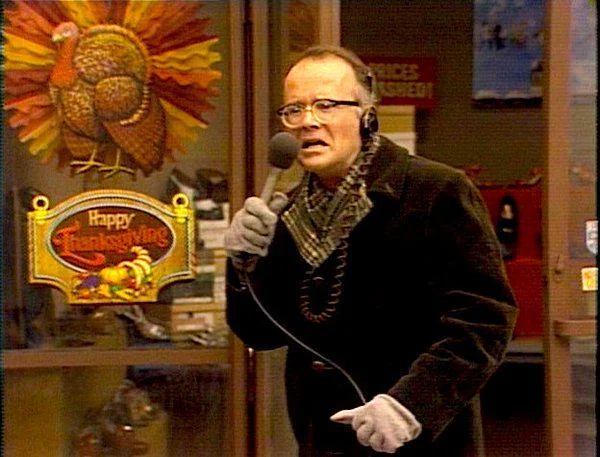
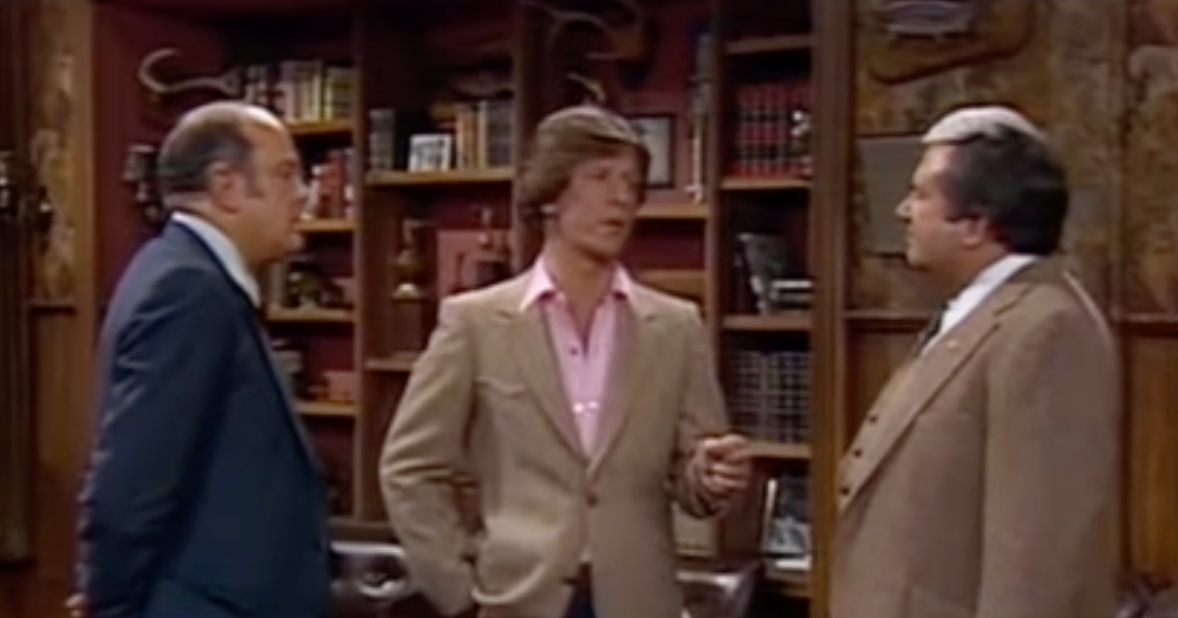
A Thanksgiving giveaway begins off camera and ends in Les Nessman’s increasingly horrified live report. The decision not to show the falling turkeys is the whole miracle. We see the staff listening; we hear Les reach for the language of disaster broadcasting; and our imaginations do more than any effects department could have done. Hugh Wilson said the premise grew from a real radio promotion story. The episode became immortal because every workplace has seen a boss emerge from seclusion with one terrible idea and complete confidence.

Richard Sanders as Les Nessman during the WKRP in Cincinnati episode Turkeys Away
Les Nessman reported the turkey drop with the gravity of a national disaster correspondent—and made television history without the camera showing the catastrophe.
Season 1 • Venus Could Not Stay a Persona Forever

Who Is Gordon Sims?

Venus’s on-air identity collides with his past when the truth about Gordon Sims and the military surfaces. The story lets Tim Reid strip away the silk voice and reveal the fear underneath it. What could have been a reset-button plot becomes a serious question about responsibility, conscience and the distance between the person we were and the person we perform for the world.

Tim Reid as Gordon Sims in the WKRP in Cincinnati episode Who Is Gordon Sims
“Who Is Gordon Sims?” forced Venus to face the history behind the voice and the name he had built.
Season 2 • The Night the Sitcom Stopped and Cincinnati Mourned

In Concert

After eleven people died outside The Who’s December 1979 concert in Cincinnati, the series addressed the tragedy while it was still painfully close. The staff has promoted the show and must process grief, guilt and anger without the protection of a conventional punchline ending. Tim Reid later discussed how seriously the cast treated the episode. It remains one of the clearest examples of a sitcom using its fictional workplace to acknowledge what had happened in the real city outside the studio.

WKRP staff in the serious episode In Concert
“In Concert” let the fictional station acknowledge the real grief Cincinnati was carrying after the December 1979 tragedy.
Season 2 • Race Entered the Room Without Asking Permission

A Family Affair

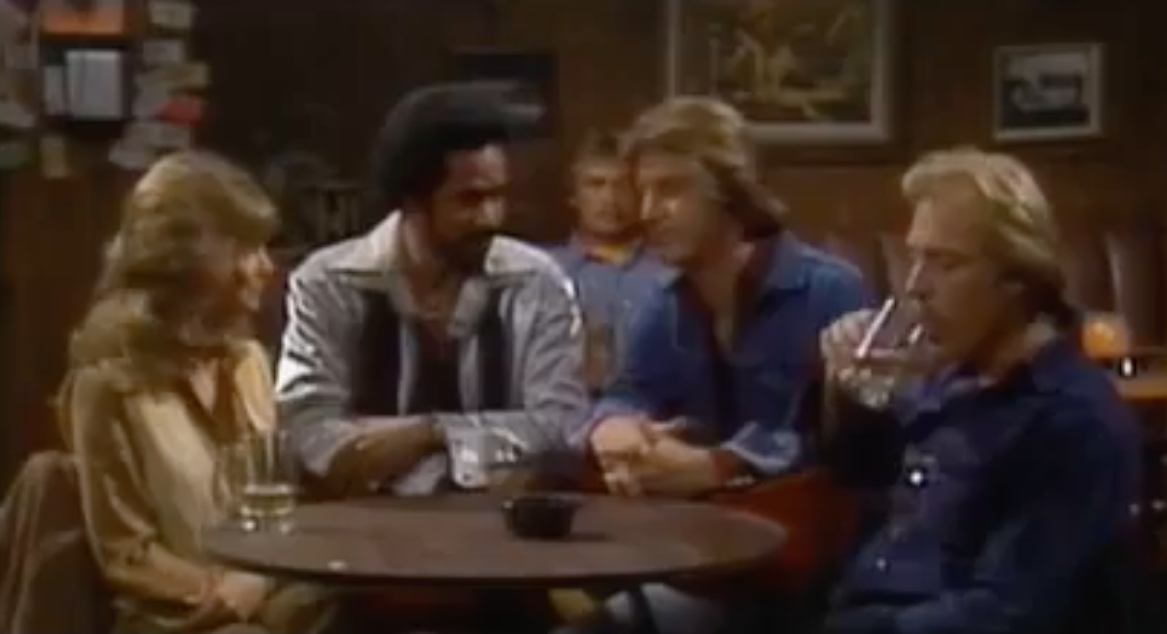
Tim Reid helped write this story, which examines the discomfort that follows when Venus dates Andy’s sister. The episode belongs to its time, but its best moments come from allowing the characters’ assumptions to expose themselves. WKRP did not become a different show for the evening. It let the same familiar people reveal where their limits were.

WKRP in Cincinnati episode still from A Family Affair
“A Family Affair” let the station’s familiar work-family dynamics expose assumptions nobody could laugh away.
Season 3 • Reality Television Arrived Early and Herb Let It In

Real Families

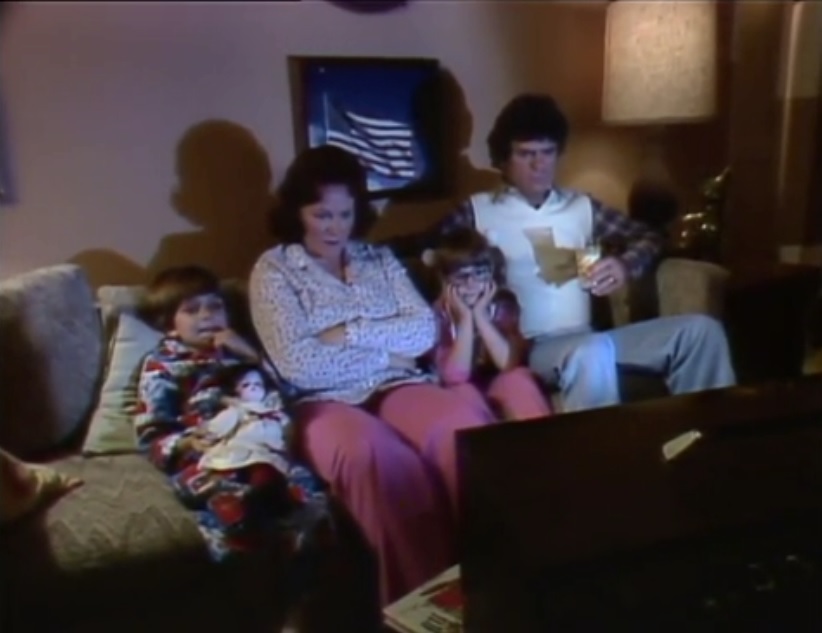
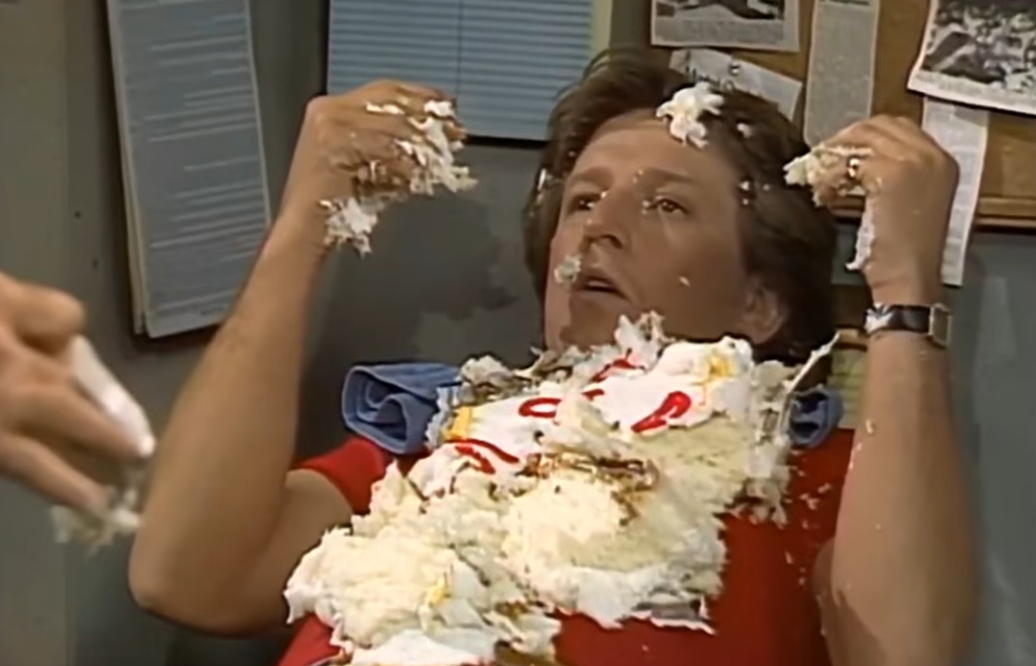
Years before unscripted family humiliation became a television industry, Herb invites cameras into his home. The episode is funny because Herb imagines exposure will make him look successful. Instead, the camera finds everything he has been trying to sell past. “Real Families” now feels almost prophetic: privacy traded for attention, producers steering discomfort and ordinary life repackaged as entertainment.

WKRP in Cincinnati episode still from Real Families
“Real Families” saw reality television coming long before the rest of television decided humiliation was a format.
Season 3 • The Atom Lesson Nobody Forgot

Venus and the Man

Venus tries to reach a teenager who cannot read well enough to keep up in school. The famous atom lesson works because Venus does not lecture from above. He translates the material into a language that respects the student’s intelligence. The scene became a classroom memory for viewers who could not have explained why a late-night DJ was suddenly teaching chemistry. We just knew he had made the impossible understandable.

Tim Reid as Venus Flytrap in the WKRP in Cincinnati episode Venus and the Man
“Venus and the Man” became unforgettable because Venus translated the atom without talking down to the student.
Season 3 • The Station Fought a Moral Panic With the Microphones On

Clean Up Radio Everywhere

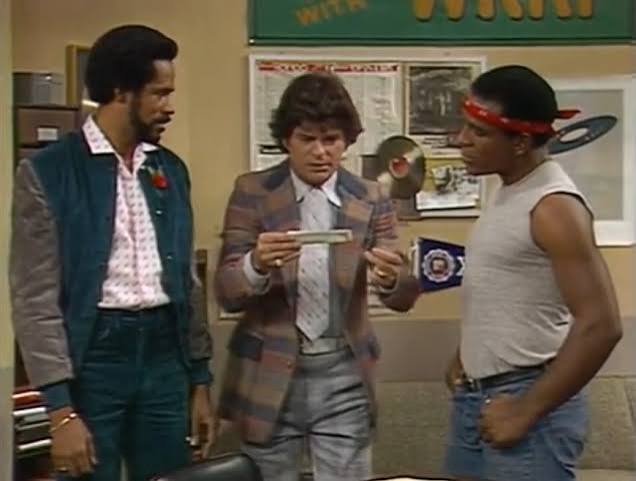
A pressure group arrives to challenge the station’s music and the meanings it believes are hidden inside it. The episode lets censorship, fear and public performance collide in the WKRP offices. It is not a broad defense of every programming decision. It is a defense of adults doing the hard work of judgment instead of handing culture to whoever sounds most certain at the meeting.

WKRP in Cincinnati episode still from Clean Up Radio Everywhere
“Clean Up Radio Everywhere” turned a censorship fight into a station problem instead of a lecture.
Season 4 • The Finale Left the Station Fighting for Its Life

Up and Down the Dial

The final episode does not give everyone a parade or announce that the station has permanently won. WKRP faces another format threat and must prove it has become valuable. That is a fitting ending for a show about radio: ratings move, owners panic, formats change and the people behind the voices are always one memo away from starting over. The staff stays together, but the uncertainty remains honest.

WKRP in Cincinnati episode still from Up and Down the Dial
The final episode left WKRP where it belonged: still fighting to protect the format and the people behind it.
Station file 09 • When the laugh track had to wait

WKRP Could Turn Serious Without Becoming a Different Show

The series earned its heavier episodes by building people we trusted first. When something hurt them, the room still felt like the same station.

Seventies sitcoms had already learned to confront real subjects, and WKRP inherited that freedom. What it added was a media workplace where social questions could arrive through a broadcast, a promotion, a listener, a news event or the history of somebody on staff. The issues did not have to knock on the apartment door. They came through the station’s normal business.

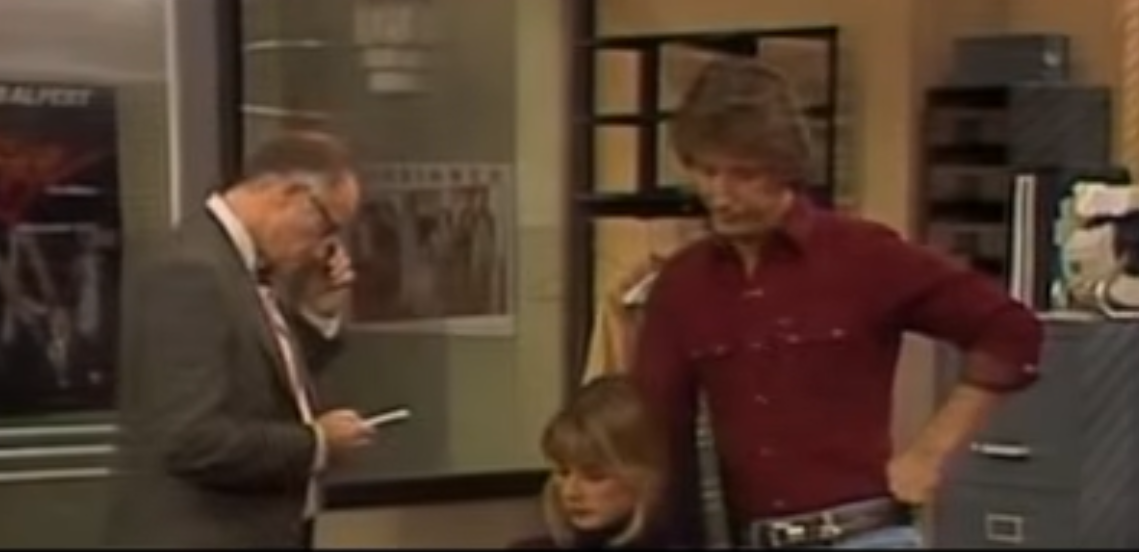
“In Concert” remains the clearest example. The December 1979 deaths outside The Who concert were not distant history when the episode aired in February 1980. Cincinnati was still living with the loss. The series avoided spectacle and focused on people at a station that had promoted the event, trying to understand responsibility when no single conversation could make the grief manageable.

“Venus and the Man” works on a smaller scale but with the same respect. Venus does not rescue a teenager by delivering a magical lecture. He finds a way into the material, turning the atom into street language without talking down to the student. The scene lasts because it recognizes that teaching begins with translation and trust.

“Clean Up Radio Everywhere” lets the station confront censorship as part of its actual job. “Who Is Gordon Sims?” forces Venus to face the past behind his persona. “A Family Affair” exposes assumptions inside the supposed work family. The series could address all of them because the characters remained characters, not cardboard positions assigned to opposite sides of an argument.

That is one reason WKRP belongs with the best sitcoms of the 1970s. It was not fearless because it talked about difficult things. It was fearless because it trusted a comedy audience to stay when the joke was no longer the most important sound in the room.

Station file 10 • Hugh Wilson and the MTM machine

How Hugh Wilson Created WKRP in Cincinnati

The show came from radio experience, an unusually balanced ensemble and the MTM tradition of letting workplace characters become funnier as viewers learned them.

Hugh Wilson Built the Show From Real Radio

Hugh Wilson created WKRP after working in advertising and around broadcasting. His radio knowledge gave the series its operational truth, but the show’s deeper craft came from character construction. Running jokes were rarely random. Les’s taped office, Herb’s clothes, Johnny’s suspicions and Carlson’s fear of his mother all became richer because the audience carried memory from episode to episode.

The MTM Workplace-Comedy Blueprint

MTM Enterprises had already established a model for sophisticated ensemble comedy through The Mary Tyler Moore Show and The Bob Newhart Show. WKRP inherited the respect for workplace geography, supporting characters and jokes that grow from who somebody is rather than whatever the plot needs that week.

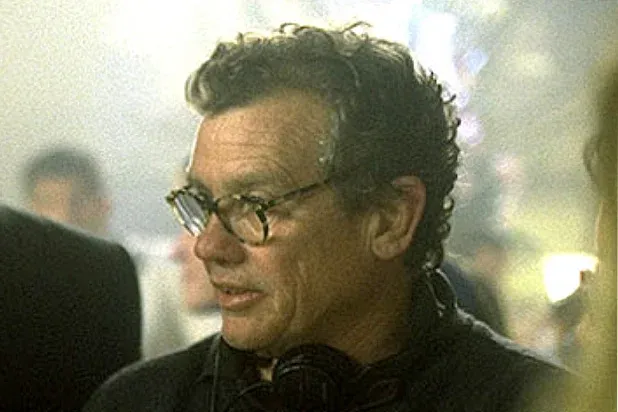
WKRP in Cincinnati creator Hugh Wilson
Creator Hugh Wilson drew on real broadcasting experience, which is why the station’s wildest disasters still feel operationally possible.

A Cast Built for Long-Term Chemistry

Casting completed the design. Howard Hesseman brought real counterculture history to Johnny. Tim Reid understood broadcasting and later helped shape stories involving Venus. Loni Anderson turned a role that could have been one joke into the station’s most self-possessed employee. Richard Sanders found the exact level of Les Nessman conviction. Gordon Jump made Carlson lovable without disguising his failures.

Awards Confirmed the Craft

The series earned ten Emmy nominations and one win, for Andy Ackerman’s videotape editing in 1981. It was nominated for Outstanding Comedy Series three times. Howard Hesseman and Loni Anderson both received acting nominations. The recognition confirms what reruns later made obvious: the series was not merely a cult object built around one Thanksgiving episode.

Production also had to balance current music, network standards and the practical demands of a multicamera comedy. Wilson has discussed network notes, music rights and the pressure surrounding the show’s schedule. The finished episodes feel easy because the writing had already done the hard work of deciding exactly how each person would react before the punchline arrived.

Station file 11 • Up and down the schedule

Why Was WKRP in Cincinnati Canceled After Four Seasons?

CBS kept moving a show about finding an audience, then wondered why its audience had trouble finding it.

CBS Schedule Changes Made WKRP Hard to Find

WKRP in Cincinnati was canceled after four seasons because repeated CBS schedule changes made the show difficult for viewers to find, weakening ratings even as the series continued receiving strong reviews and Emmy recognition.

That matters because viewers once had to locate a series in real time. There was no episode waiting on a home screen. A new night or time could break a habit immediately, especially for a show whose appeal depended on familiarity with the ensemble. WKRP rewarded viewers who knew why tape on the floor was funny. Scheduling instability kept forcing the station to introduce itself again.

Critical Acclaim Could Not Fix the Ratings

The cancellation looks stranger beside the acclaim. WKRP received Outstanding Comedy Series nominations in 1980, 1981 and 1982. Its final nomination arrived as the show was ending. Quality had not collapsed. The relationship between the series, the network and the audience had.

The WKRP Finale Kept the Station Fighting

The ending episode, “Up and Down the Dial,” gives the station another ratings threat instead of a tidy victory lap. That was almost too appropriate. WKRP spent four seasons proving that good radio could still be one bad ownership decision away from disappearing.

WKRP in Cincinnati cast in the finale Up and Down the Dial
“Up and Down the Dial” left WKRP doing what it had always done: fighting to keep the format, the audience and the staff together.

The show’s beginning belongs to the 1978 television lineup, while much of its early growth happened across 1979 television season. It arrived at the end of one decade and was canceled early in the next, which is part of why it feels like a bridge between eras.

Station file 12 • The second life

How Syndication and Music Rights Changed WKRP in Cincinnati

The network schedule lost the audience. Local reruns gave viewers another chance to walk into the station.

Why WKRP Worked Better in Reruns

WKRP in Cincinnati found a larger audience in syndication, where local reruns let viewers build familiarity with the ensemble. The second life came with a problem: music rights forced some later versions to replace songs that had helped define Johnny, Venus and the station itself.

Syndication was where many Gen X viewers truly found it. The show fit after school, late afternoon, early evening and late night. Episodes could be watched out of order because the relationships were stable, yet repeated viewing made the station funnier. We learned where Les’s walls were before the camera reminded us. We knew Herb’s plan was failing while he was still adjusting the cuffs.

The Music-Rights Problem Changed the Show

Music became the complication. Original broadcasts used recognizable records, often under licenses that did not cover every later platform. Replacement songs could preserve the dialogue while changing the emotional temperature of a scene. WKRP fans understood that authenticity was not only seeing a turntable. It was hearing the record Johnny or Venus would actually choose.

Later restoration efforts recovered much of the original soundtrack, allowing the series to sound closer to the version remembered from broadcast. The long fight over music rights became part of the show’s legacy and a warning for every television series that built its identity from commercial recordings.

Station file 13 • Four seasons on the log

WKRP in Cincinnati Timeline: 1978–1982

The station changed format in the pilot, found its full emotional range in the middle seasons and left the air with the staff still fighting for the frequency.

1978

Andy Changes the Format

The series premiered September 18, 1978, with WKRP trapped in an easy-listening identity and losing money. Andy Travis arrives, turns the station toward rock and immediately discovers that changing the music is easier than changing the people. The first season establishes the entire ensemble and delivers “Turkeys Away” before viewers have finished learning where the tape walls are.

1979–80

The Station Finds Its Emotional Range

The second season deepens Bailey, Venus and the station’s connection to Cincinnati. “A Family Affair” explores race inside the work family, while “In Concert” responds to the real Who concert tragedy. WKRP proves it can stop being funny without becoming unrecognizable.

1980–81

The Ensemble Hits Full Power

The third season includes “Real Families,” “Venus and the Man” and “Clean Up Radio Everywhere.” The characters are now so clearly defined that a glance across the lobby can carry the joke. The series earns another Outstanding Comedy Series nomination, while Howard Hesseman and Loni Anderson receive acting nominations.

1981–82

Great Reviews, Bad Scheduling and One Last Broadcast

CBS moves the series repeatedly, making a loyal audience harder to find. The fourth season still produces sharp work, including “Fire” and the finale “Up and Down the Dial.” WKRP earns a third Outstanding Comedy Series nomination after cancellation, then begins the syndication life that turns it into a bigger cultural fixture than its prime-time ratings ever suggested.

Station file 14 • The last great seventies arrival?

Why WKRP Still Feels Like the Last Great Sitcom of the 1970s

Not the final comedy to premiere before 1980—the stronger claim is that WKRP was the last one to gather the decade’s best ideas and send them out on one frequency.

“Last great” is an argument, not a certificate. The late seventies still produced other excellent television, including Taxi, which premiered six days before WKRP. What makes WKRP a fitting final statement is how completely it carries the decade inside it.

It has the work-family architecture refined by MTM. It has the willingness to engage serious subjects associated with the decade’s socially aware sitcoms. It has characters whose eccentricities become more human instead of more mechanical. It has rock radio, changing gender expectations, race, corporate pressure, advertising, local news and the fading belief that one station could belong to a city.

It also looks forward. Bailey’s professional growth, Jennifer’s control of her image, Venus’s refusal to be reduced, the satire of “Real Families” and the fight over music and censorship all point toward conversations television would continue into the eighties and beyond.

The ensemble’s influence can be felt in later workplace comedies where the institution is both a trap and a home. WKRP sits comfortably beside Barney Miller because both shows understood that a work family is not sentimental. It is built from repetition, frustration, private language and the moment you realize these impossible people are now your people.

In May 2026, fiction completed a strange circle when real stations serving Cincinnati and the region adopted the WKRP call letters. Nearly half a century after the sitcom premiered, listeners could finally hear an actual station identify itself with the name television had made famous. Somewhere, Les Nessman was surely preparing the farm report.

WKRP lasted four seasons. The station has been living in our heads ever since.

That is the lasting signal. We remember the turkey line, but we return for the room: Johnny behind the glass, Venus lowering his voice, Jennifer ending a conversation, Bailey asking for more, Herb selling too hard, Carlson trying to become the Big Guy and Les standing inside walls only he can see. The station was fictional. The workplace was real.
End of broadcast day

Maybe You and Me Were Never Meant to Be—But We Never Changed the Station

For Gen X, WKRP is more than a title and a perfect theme song. It is the memory of adults trying to do a job while the equipment, owners, clients and one another kept making the job impossible. That may be why the station still sounds so clear.

Stay
Tuned
Station file 15 • The listener mailbag

WKRP in Cincinnati FAQ

Air dates, episode count, cast, radio inspiration, theme song, cancellation, finale and the music-rights problem.

When did WKRP in Cincinnati originally air?

WKRP in Cincinnati premiered on CBS on September 18, 1978, and its final original episode aired April 21, 1982. It ran for four seasons.

How many episodes of WKRP in Cincinnati were made?

The Television Academy’s interview archive describes 88 original episodes. Two hour-long broadcasts were later divided, creating 90 half-hour installments for syndication and many episode guides.

Was WKRP in Cincinnati based on a real radio station?

The station was fictional, but creator Hugh Wilson drew heavily on his experience in radio, particularly WQXI in Atlanta. Characters and incidents were shaped by stories from the broadcasting business.

Was Turkeys Away based on a true story?

Hugh Wilson said the episode grew from a real radio-station promotion story involving a turkey being thrown from a helicopter. The series expanded the event into the disastrous WKRP Thanksgiving giveaway.

Who sang the WKRP in Cincinnati theme song?

Steve Carlisle performed the opening theme. Tom Wells composed it, and series creator Hugh Wilson wrote the lyrics.

Why was WKRP in Cincinnati canceled?

The show received strong reviews but was repeatedly moved around the CBS schedule, especially in its later seasons. The instability hurt ratings and contributed to cancellation after four seasons.

Why did reruns and early DVD releases change the music?

The series used real contemporary records whose original licenses did not automatically cover every later form of distribution. Syndication and home-video versions sometimes replaced songs or altered scenes until later restoration efforts recovered much of the original music.

Why is WKRP considered a great workplace sitcom?

The station feels like a complete workplace rather than a collection of joke machines. Programming, sales, news, management and reception all want different things, and the comedy grows from those jobs colliding every day.

Who was in the WKRP in Cincinnati cast?

The principal cast included Gary Sandy as Andy Travis, Howard Hesseman as Dr. Johnny Fever, Tim Reid as Venus Flytrap, Loni Anderson as Jennifer Marlowe, Jan Smithers as Bailey Quarters, Richard Sanders as Les Nessman, Frank Bonner as Herb Tarlek and Gordon Jump as Arthur Carlson.

What was the final episode of WKRP in Cincinnati?

The final original episode was “Up and Down the Dial,” which aired on April 21, 1982. Instead of giving the station a tidy victory, the story left the staff fighting another threat to the format and the future of WKRP.

Station file 16 • Broadcast records

Sources Used for This WKRP History

Television archives, creator and cast interviews, awards records, episode guides and reporting on the show’s music and continuing radio legacy.

Station file 17 • Keep the dial moving

More 1970s Sitcoms and Television History

Continue through the decade’s workplace comedies, ensemble classics, theme songs and complete television hub.

GIZMO
About the author

Gizmo

Gizmo is a Gen X writer and longtime media professional whose career included radio, television, newspapers and magazines. He watched WKRP, worked behind real microphones and still believes every station has at least one Herb Tarlek and one person quietly doing Bailey Quarters-level work.

Smells Like Gen X • 1970s Television • Filed under radio, workplace families and promotions nobody questioned soon enough

Get the Weekly Gen X Drop

New videos, rewinds, and savage nostalgia — first.

SUBSCRIBE WATCH VIDEOS

MORE REWINDS