CBS
The network owns nearly every major mid-70s format.All in the Family, The Jeffersons, M*A*S*H, Rhoda, Good Times, The Waltons, Maude and Hawaii Five-O gave CBS social comedy, spinoff power, dramedy, family drama and crime.
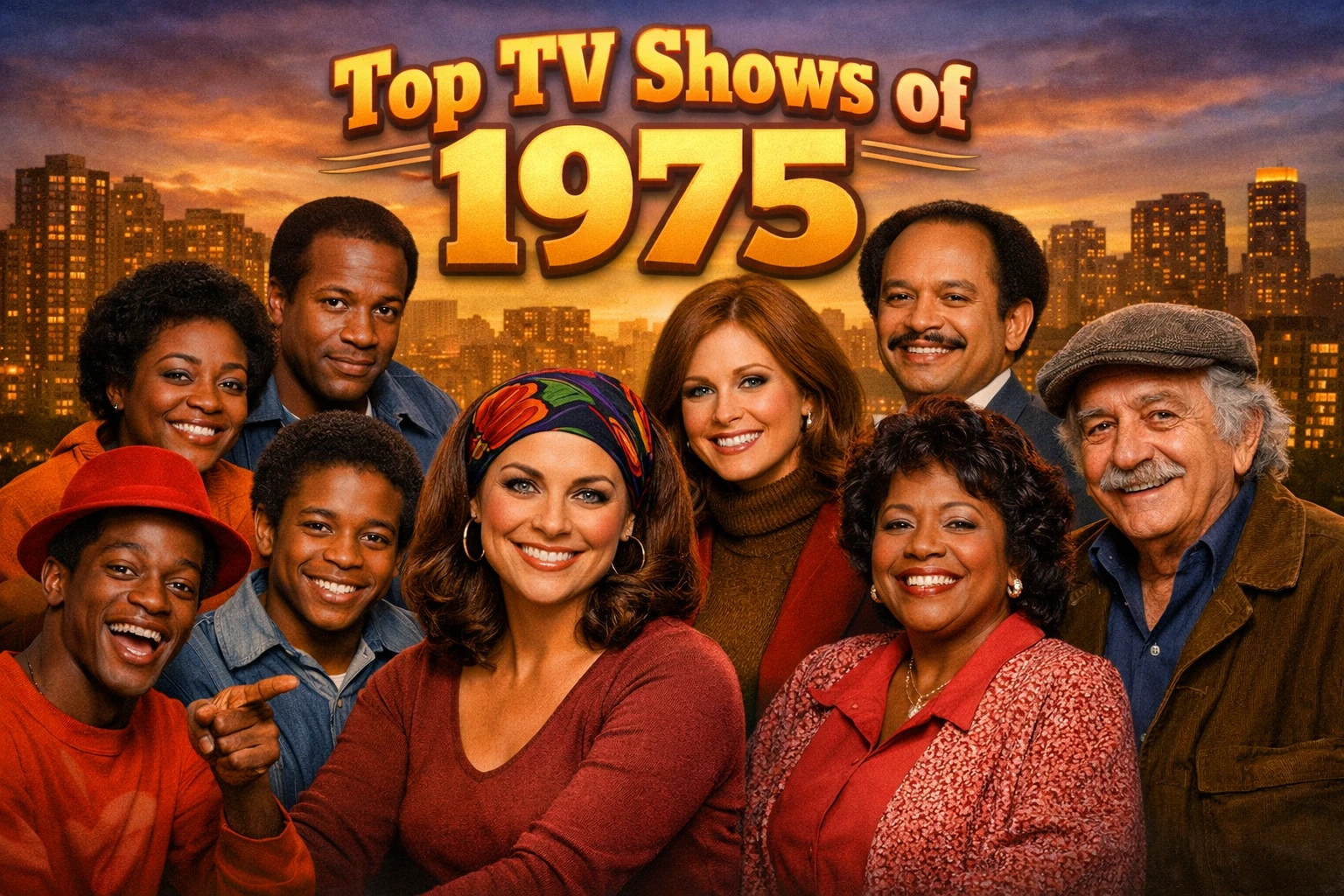
The top TV shows of 1975 feel like the mid-decade television machine operating at full strength. Prime time now runs on sharper sitcoms, more urban energy, richer ensembles and family stories that feel less like fantasy comfort and more like deliberate emotional strategy.
This countdown uses the 1974–75 Nielsen season, the site’s season-ending-year method for the 1975 rankings. CBS held eight of the ten positions, while NBC broke through with Sanford and Son and Chico and the Man. The top seven alone contain six sitcoms, showing how completely comedy controlled the year.
All in the Family ranked #1 in the 1974–75 Nielsen season. Sanford and Son finished #2 and Chico and the Man ranked #3. CBS placed eight programs in the top 10, NBC placed two and ABC had none. Jump to the complete ranking or begin the full show-by-show countdown.
The ranking moves from sleek crime drama and family warmth through social comedy, spinoff hits and ensemble storytelling to the three comedies ruling the top of the country.
CBS placed eight programs across sitcoms, dramedy, family drama and crime. NBC held only two spots, but they were #2 and #3. ABC was absent from the top 10.
All in the Family, The Jeffersons, M*A*S*H, Rhoda, Good Times, The Waltons, Maude and Hawaii Five-O gave CBS social comedy, spinoff power, dramedy, family drama and crime.
Sanford and Son ranked #2 and Chico and the Man reached #3, giving NBC two of the strongest character-collision comedies on television.
ABC did not place a program in the 1974–75 top 10, as the chart remained concentrated around CBS and two major NBC comedies.
From Hawaii Five-O at #10 to All in the Family at #1, the countdown shows the sitcom boom at full strength: six comedies fill the top seven, while family drama, layered ensemble storytelling and one sleek crime hit keep the schedule from becoming one-note.

Hawaii Five-O rounding out the 1975 top 10 shows how durable stylish crime television had become by the middle of the decade. The show still delivered procedural order, but that was never its only draw. It also had atmosphere, command presence, and enough visual identity to feel bigger than routine weeknight TV.
That mattered in a season dominated by sitcoms. The fact that Hawaii Five-O still held a top-10 position says a lot about what viewers wanted from drama: something modern, efficient, and clearly its own world. It did not need frontier myth or rural nostalgia. It had pace, authority, and location-powered personality.
In the larger picture of 1975 television, the show represents the polished crime-drama side of the decade—dependable enough for mass audiences, but contemporary enough to help explain why cop shows ruled so much of 1970s television.
Maude still sitting in the top 10 in 1975 confirms that socially sharper comedy was not a fad. By this point, audiences were not just tolerating outspoken sitcoms. They were rewarding them. The decade’s sense of humor had changed, and Maude was one of the clearest beneficiaries of that shift.
The show worked because it understood that personality could be the whole engine. It did not need to soften its point of view into something blandly universal. It trusted strong character, open disagreement, and topical tension to carry the laughs. That confidence felt very 70s.
In the wider 1975 chart, Maude helps show why CBS was so dominant. The network was not merely leaning on legacy hits. It was also winning with sitcoms that embodied the newer television mood.
The Waltons slipping to #8 does not mean its emotional power disappeared. It means the competition around it had become fiercer and much more comedy-heavy. Even so, the show remained a major ratings force, which proves that viewers still made room for warmth, family scale, and sincerity amid all the sharper, more urban programming rising around it.
What made the series so resilient was its emotional clarity. It offered hardship, closeness, memory, and decency in a way that felt purposeful rather than flimsy. In a season where many of the biggest shows thrived on friction, The Waltons thrived on connection.
In the full story of 1975 television, the show represents one of the key truths of the decade: even as TV got more abrasive and topical, there was still enormous room for the kind of heartfelt storytelling that made 1970s family television such a powerful part of the schedule.
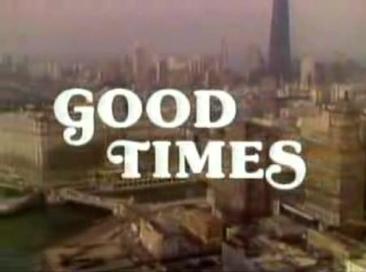
Good Times at #7 is one of the strongest signals on the 1975 chart. The sitcom was not just succeeding as representation or novelty. It was one of the biggest programs in America. That matters because it shows how much prime time had changed in only a few years.
What gave the show its staying power was the way it balanced humor with pressure, family loyalty with frustration, and warmth with the lived tensions of everyday struggle. That combination made it feel more grounded than a lot of older sitcom formulas and part of the broader moment when 1970s sitcoms started talking about real life without sanding away the pressure.
In the bigger 1975 picture, Good Times helps define the decade’s sitcom revolution alongside All in the Family , Maude , and The Jeffersons . Comedy was no longer required to pretend life was tidy.
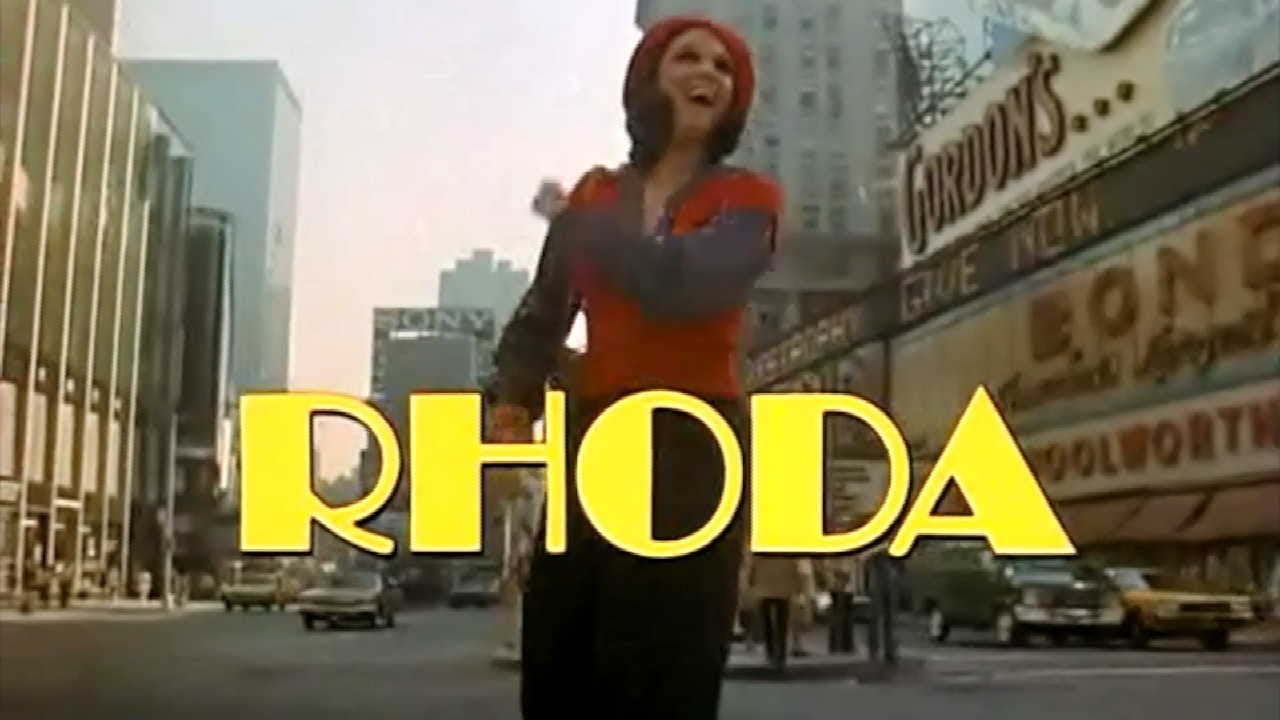
Rhoda reaching #6 shows how strong the Mary Tyler Moore universe had become as a comedy ecosystem. This was not just a successful spinoff. It was a top-tier hit in its own right. That says a lot about audience appetite for character-driven comedy centered on adult life, relationships, and urban energy.
What made the show especially effective was that it carried some of the wit and grown-up perspective of its parent series while developing a more direct, romantic, and personality-forward rhythm of its own. That made it feel connected to a proven comedy tradition without seeming like a carbon copy.
In the broader story of 1975 television, Rhoda represents the expansion of the smart sitcom lane into something bigger and more commercially dominant than earlier TV might have allowed.
M*A*S*H holding the #5 spot confirms that television audiences were fully on board with a more layered kind of storytelling. This was no simple joke machine and no conventional drama either. It lived in the space between, pulling off humor, melancholy, character friction, and emotional weight in the same half hour.
That flexibility is what made it such a defining 70s hit. The show trusted viewers to keep up with tonal shifts rather than flattening everything into one register. That was a big evolution from earlier prime time, and by 1975 it had clearly become a strength rather than a risk.
On a chart dominated by sitcoms, M*A*S*H stands out as one of the decade’s most important proof points: audiences were ready for comedy that could also carry sorrow, exhaustion and human complexity, helping make the workplace sitcom far more flexible than the old office-comedy formula.
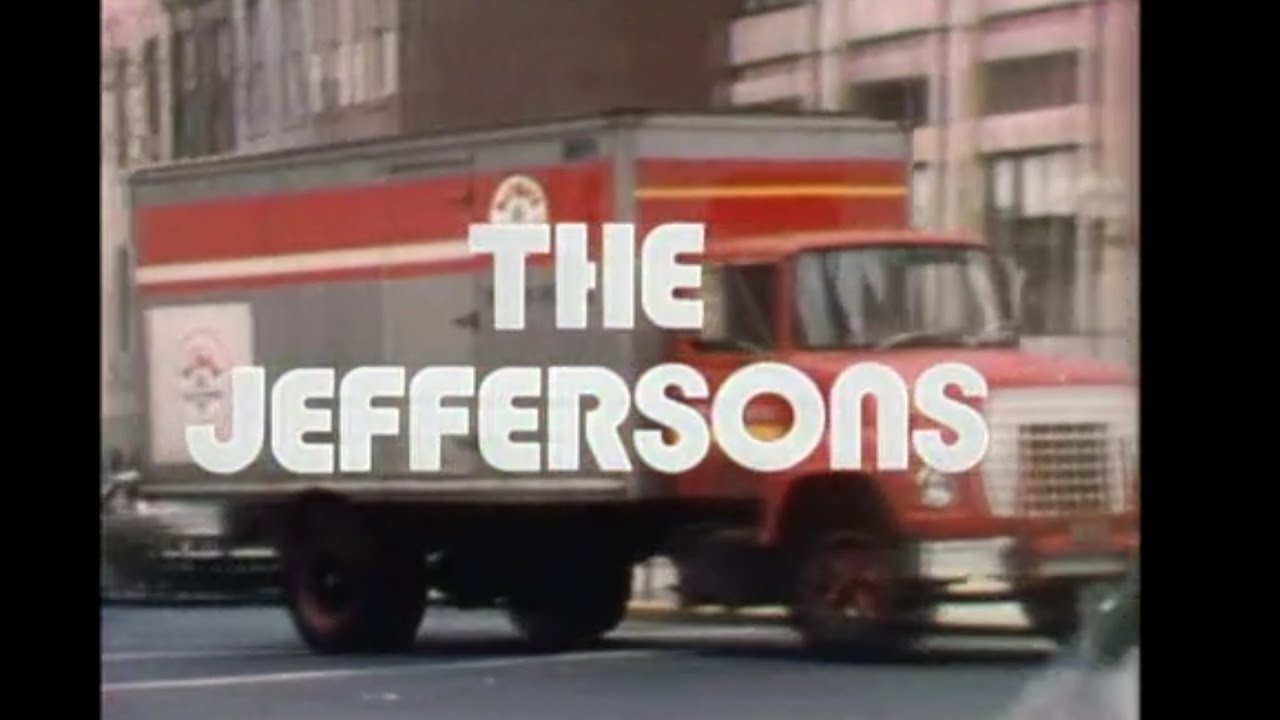
The Jeffersons arriving in the top 10 at #4 is one of the biggest moments on the 1975 chart. It was a first-season hit and an immediate statement that the sitcom revolution sparked by Norman Lear’s TV world still had plenty of new directions to take.
What gave the show such momentum was its confidence. It built comedy around class mobility, attitude, urban life, and character contrast without sanding any of that down into something generic. That made it feel not just successful, but current.
In the broader 1975 story, the show helps explain why the decade’s sitcom dominance was so powerful. The most successful comedies were not all clones of one another. They shared edge, but each found its own rhythm, point of view, and social angle. The Jeffersons did that immediately.
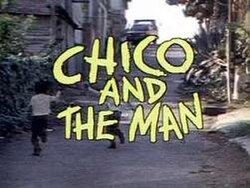
Chico and the Man taking #3 shows NBC was not just surviving in this CBS-heavy season. It had a genuine breakout. And the reason it broke through is very 1975: the comedy felt rooted in character contrast, generation clash, and a more specific social setting than older sitcom formulas usually allowed.
That kind of specificity mattered. Mid-70s audiences were responding to sitcoms that felt like they belonged to the real world rather than to a friction-free network showroom. Chico and the Man carried enough tension and enough personality to feel contemporary without losing broad audience pull.
In the larger chart, its success helps prove that the mid-70s sitcom boom was not owned by one network alone. CBS dominated overall, but NBC could still score big when it found the right voice.
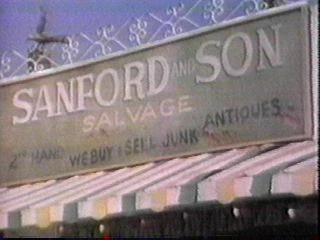
Sanford and Son at #2 is proof that the show was not just a hit—it was one of the defining comedy forces of the era. By 1975, its rhythm of ego, argument, irritation and nonstop character collision had become one of the most electric engines on television.
What made it so potent was its refusal to smooth things out. It did not chase the gentleness of older sitcom traditions. It let the friction drive the laughs, and that made the show feel alive in a way that matched the decade’s broader TV mood.
In a season where CBS dominated almost everything, Sanford and Son standing at #2 makes an even stronger impression. It was NBC’s proof that one truly explosive comic voice could still cut through a ratings landscape otherwise controlled by a rival.
All in the Family holding the #1 spot again says everything you need to know about where television was by 1975. The decade’s great prime-time revolution was no longer a disruption. It had become the establishment. The biggest show in America still ran on argument, discomfort, class tension, generational clash, and a refusal to treat family life as something easy to package.
What made the show so durable was that it did not survive on controversy alone. It survived because the structure was brilliant and the characters were strong enough to make the conflict feel funny, watchable, and rooted in something recognizably real. Audiences were not only showing up for provocation. They were showing up because the show felt truer than the old tidy-TV formulas.
In the full story of 1975 television, All in the Family remains the clearest marker of what the medium had become. The 70s voice was not emerging anymore. It was running the schedule.
The ranking shows the mid-70s formula at peak confidence: sharper sitcoms, Black-led hits, successful spinoffs, emotionally layered ensemble comedy and one polished crime drama still holding the line.
The top TV shows of 1975 are a perfect snapshot of mid-70s prime time at peak confidence. All in the Family still rules. Sanford and Son and Chico and the Man prove NBC can still land major comedy punches. The Jeffersons , Rhoda , and Good Times show how wide the sitcom boom had become. And M*A*S*H keeps proving television can be funny and emotionally complicated at the same time.
What makes this year especially strong is not just the lineup itself, but the sense of consolidation. The new television order has already won. The question is no longer whether the 70s style of sitcom and drama will dominate. The question is which variations of that style will define the decade most clearly.
For a lot of us who knew these shows from first runs, reruns or both, 1975 is one of the clearest years where the mid-70s TV personality feels complete: urban, sharp, funny, emotionally richer and much less interested in pretending life is tidy.
Move from the prime-time dial to the toy box, radio and movie theater, then compare the television season before and after it.
Follow the ratings from the western-heavy opening of the decade through topical sitcoms, successful spinoffs, urban comedy, family drama, crime shows and event television. For the whole decade beyond the rankings, explore the complete 70s TV guide.
Quick answers about the #1 show, CBS dominance, The Jeffersons, the Nielsen-season method and why 1975 matters.
According to the 1974–75 Nielsen season, All in the Family was the #1 TV show tied to 1975.
Sanford and Son ranked #2.
The Jeffersons debuted in the 1974–75 season and finished at #4 .
CBS dominated the top 10 with eight shows, while NBC had two and ABC had none.
Because television popularity was measured by season rather than calendar year. For year-based nostalgia rankings, the season ending in that year is the standard reference point.
It shows the mid-70s TV formula fully consolidated: sharper sitcoms, Black-led hits near the top, ensemble comedy, family drama, and modern crime shows all coexisting in one dominant prime-time landscape.
Using the 1974–75 Nielsen season, the top three were All in the Family at #1, Sanford and Son at #2 and Chico and the Man at #3.
CBS placed eight programs in the 1974–75 top 10. NBC had two shows—Sanford and Son and Chico and the Man—while ABC did not place a program in the top 10.
New television countdowns, decade guides, videos and exactly the kind of woodgrain-fueled memory damage you came here for.