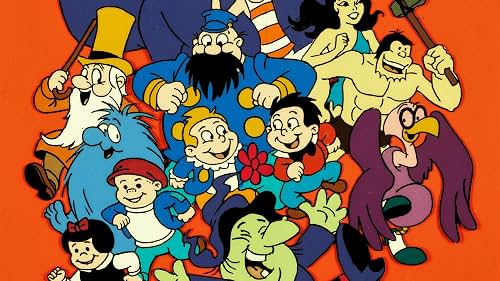
Forgotten Saturday Morning Cartoons of the 1970s

MEMORY TEST CHANNEL 70s TV GUIDE 35 cartoons • short runs • memories unlocked
Smells Like Gen X • Shows the rerun machine left behind

Forgotten Saturday Morning Cartoons of the 1970s

Some cartoons became permanent: Scooby-Doo kept finding new vans, the Super Friends kept returning to the Hall of Justice and Bugs Bunny never really left. But the 1970s schedule was much larger—and much stranger—than the handful of shows that won the rerun lottery. Every fall brought new teams, celebrity makeovers, talking vehicles, mystery dogs and heroes who vanished before we had learned everybody’s name.

These are the forgotten Saturday morning cartoons of the 1970s: obscure, short-lived, rarely syndicated or overshadowed programs that were left outside the best-known lineup in our ranking of the best Saturday morning cartoons of the 1970s. We watched many of them once, remembered one image for fifty years and spent adulthood wondering whether the show had been real.

Quick Answer • Yes, That Cartoon Really Existed

Which Forgotten Saturday Morning Cartoons of the 1970s Are Worth Remembering?

Mission: Magic! leads this ranking, followed by The Houndcats, The Amazing Chan and the Chan Clan, The Roman Holidays and Butch Cassidy and the Sundance Kids. The list includes 35 cartoons that had a real network Saturday-morning presence but were later buried by short runs, weak syndication, package-show confusion or more famous competing series.

Retro 1970s television title card reading Remember This?
The title sounds familiar. The picture is almost there. Then somebody mentions the robot dog, the magic blackboard or the motorcycle gang—and the whole morning comes back.
The Memory-Unlock Lineup

10 Obscure 1970s Cartoons Most Likely to Unlock a Memory

These are the shows most likely to produce the classic Gen X response: a long pause, a narrowed stare and then, “I thought I imagined that.”

The way we remember them: We did not keep episode guides. We kept fragments: a voice, a vehicle, a transformation rhyme, the color of a title card. That is why one still image can bring back the room, the cereal and the exact feeling that the weekend had barely started.
The Eligibility Rule

What Makes a 1970s Saturday Morning Cartoon “Forgotten”?

“Forgotten” does not mean nobody watched it or the show had no value. It means the program lost the long afterlife that turned a few cartoons into permanent culture.

Short Network Life

One Season, Then the Schedule Moved On

Many entries ran for a single production season, were shifted within months or disappeared during a midyear network purge. Saturday morning created new inventory constantly, and yesterday’s major launch could become next spring’s rerun replacement.

Weak Rerun Exposure

The Syndication Lottery Was Never Fair

A show could be widely seen in 1973 and nearly unavailable afterward. The cartoons that filled weekday afternoons for years became “classics.” Programs that stayed in a vault became private memories, even when their original ratings were perfectly respectable.

Overshadowed

A Bigger Dog, Hero or Family Took the Spotlight

Mystery teams disappeared behind Scooby-Doo, prehistoric families disappeared behind the Flintstones and lesser superhero teams vanished beside the Super Friends. This list favors the cousins that lived next door to the famous shows but never inherited their reruns.

Package-Show Amnesia

We Remember the Segment but Not the Hour

By the late 1970s, networks bundled cartoons into giant blocks. Segments were moved, retitled and repackaged, leaving viewers with a character or theme song but no reliable memory of which show actually contained it.
Who is not on this list: Scooby-Doo, Super Friends, Fat Albert, Schoolhouse Rock, Hong Kong Phooey, Speed Buggy, Jabberjaw and the other shows that never really left us. They already have a home in our ranking of the best Saturday morning cartoons of the 1970s. This page is for the cartoons underneath them—the ones that made us say, “Hold on, I remember that.” For the whole network story, see the history of Saturday morning cartoons in the 1970s.
The Half-Remembered Detail

Trying to Remember a 1970s Cartoon? Start With the One Thing That Stuck

That is how these shows usually come back—not as complete episodes, but as one impossible detail we carried for decades. A blackboard opened. A car honked instead of talking. A familiar superhero was suddenly a teenager. Once the detail has a name, the whole Saturday morning starts filling itself in.

“The Cartoon With the Magic Blackboard”

A Classroom Opened Into Another World

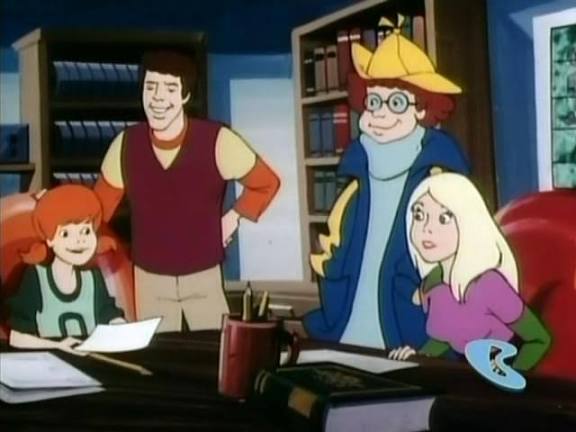
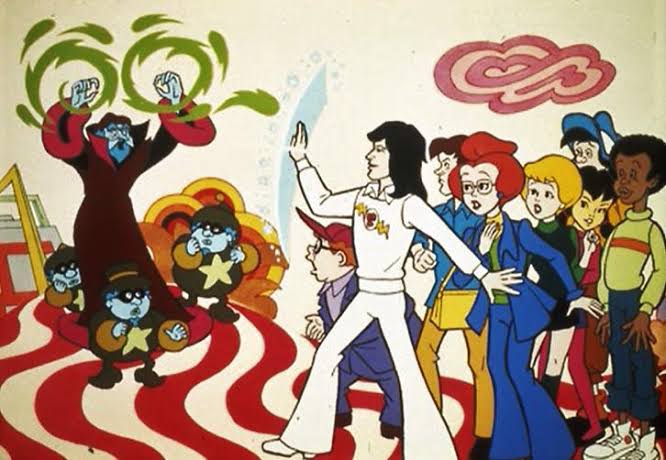
That was Mission: Magic!, where Miss Tickle drew a doorway and led her students into fantasy adventures with an animated Rick Springfield. It is also the show most likely to sound made up until the opening music starts.

“The Cartoon With Cats and Dogs as Spies”

The Team Had Disguises, Gadgets and a Bearcat

You are probably remembering The Houndcats. The mixed animal team accepted secret missions, used spy gear and traveled in a Stutz Bearcat—an entire premise built from one glorious 1970s pun.

“The Cartoon With the Motorcycle Gang”

The Motorcycles Were the Villains

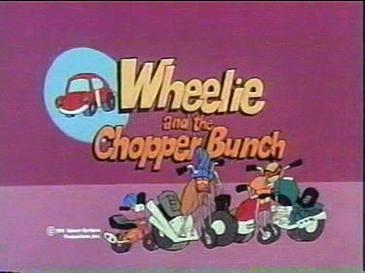
That was Wheelie and the Chopper Bunch. Wheelie communicated with horn sounds while a gang of riderless choppers tried to wreck his races, dates and general happiness.

“The Cartoon With the Rings and the Thing”

Benjy Grimm Turned Into a Superhero

You did not dream it. In The Thing, a teenage Benjy Grimm touched two rings together, shouted a rhyme and transformed. It was one of several strange superhero reinventions hiding in the 1970s superhero-cartoon schedule.
The Full Lost Schedule

35 Forgotten Saturday Morning Cartoons of the 1970s, Ranked

The order weighs memory-unlocking power, originality, how completely the show disappeared and how well it captures the magnificent oddness of the decade.

1
Mission: Magic! animated cast and title artwork from 1973
1973 ABC Filmation Musical fantasy

#1 — Mission: Magic!

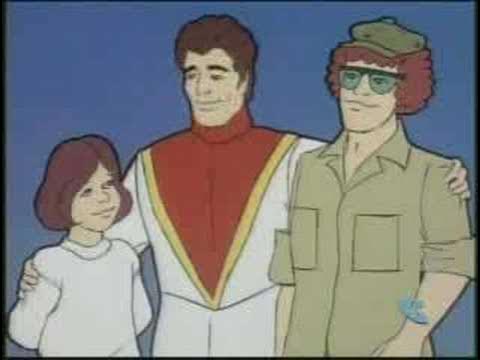
A teacher named Miss Tickle, a magic blackboard, a talking cat and an animated Rick Springfield should have made Mission: Magic! impossible to forget. Every episode sent the Adventurers Club through a doorway drawn in chalk, where a new problem waited in a fantasy world. Springfield appeared as himself, sang an original song and helped the kids work through the week’s lesson. It was part after-school club, part psychedelic travelogue and part record promotion—the sort of combination only 1973 could have assembled with a straight face.

Why it disappeared: What pushed it off the collective shelf was not a lack of personality. It was the opposite: the show was so specifically tied to one moment that later programmers had no obvious place to put it. It was neither a famous superhero property nor a dependable talking-animal comedy, and the Rick Springfield connection became stranger as his public image changed. Without a long syndication life, the title slipped into the category of shows people remember in flashes: the blackboard door, the owl, the song and the nagging suspicion that the whole thing really happened.

Why it still belongs in the memory bank: For Gen X viewers, that is exactly why it deserves the top spot. Mission: Magic! captures the reckless imagination of the decade before every children’s property had to fit a permanent franchise. It also sits at the crossroads of the decade’s educational television, fantasy cartoons and music-driven programming. Nothing about it was subtle, but Saturday morning was not built for subtlety. It was built for the moment when a classroom wall could open and the lesson became the adventure.

Where it sat on the dial: The whole setup belongs unmistakably to the 1973 television season, when a network cartoon could mix a school club, fantasy travel and a current pop singer without explaining the combination.

The Mission: Magic! opening—the sound of one of Saturday morning’s strangest classrooms coming back to life.
2
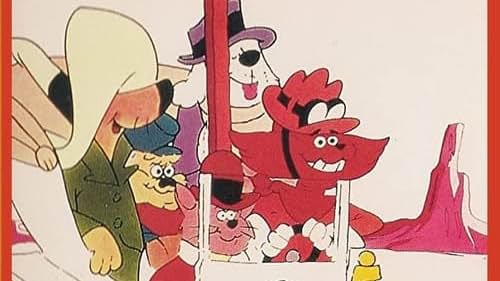
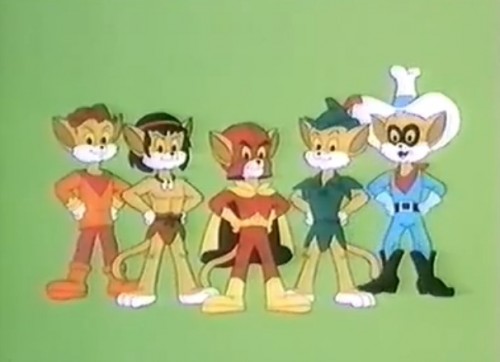
The Houndcats animated secret-agent team
1972 NBC DePatie–Freleng Animal secret agents

#2 — The Houndcats

The Houndcats took the team structure of a spy series and replaced the operatives with a mixed crew of cats and dogs. Stutz was the master of disguise, Rhubarb handled the gadgets, Dingdog charged into danger and Muscle Mutt supplied the strength. Their vehicle was a Stutz Bearcat, because 1970s cartoons never passed up a pun that could also be painted on the side of a toy. The missions moved quickly, the villains were broad and the whole thing carried a low-rent Mission: Impossible rhythm.

Why it disappeared: It vanished because it arrived in one of the most crowded, disposable seasons in Saturday-morning history. NBC launched several new cartoons in 1972, then shuffled or dropped most of them after short runs. The Houndcats never received the kind of endless weekday reruns that turned lesser Hanna-Barbera shows into permanent memory. No major comic-book license, no revival movie and no famous mascot came along to rescue it. The series simply became one of those titles printed in old TV Guide grids that makes you stop and ask, “Wait—why do I know that name?”

Why it still belongs in the memory bank: The memory trigger is usually the premise. Once somebody says “cats and dogs as secret agents,” the whole dusty corner of the brain lights up. The series belongs beside the decade’s larger Saturday-morning cartoon history because it shows how quickly networks chased a format, filled a half hour and moved on. That churn created a lot of forgettable television—but it also produced wonderfully specific oddities like this one.

Where it sat on the dial: It arrived in the crowded 1972 television lineup, where networks launched new cartoons fast and dropped them just as quickly.

3
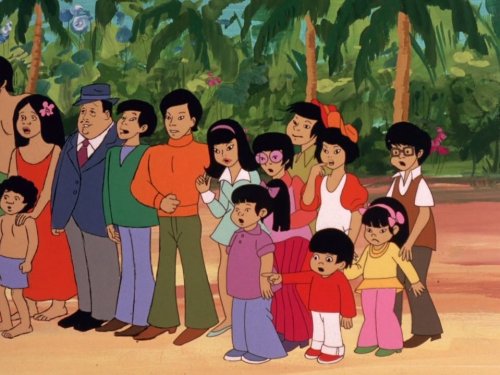
The Amazing Chan and the Chan Clan animated cast
1972 CBS Hanna-Barbera Family mystery

#3 — The Amazing Chan and the Chan Clan

Long before animated mystery teams became a punch line, Charlie Chan and his ten children toured the world solving cases as a family. The kids traveled in a transforming van, played in a band and brought an enormous range of personalities to every mystery. The formula was familiar—clues, disguises, suspicious adults and a final explanation—but the scale of the Chan family gave the show a different kind of energy. It felt like a mystery series where the entire neighborhood had somehow climbed into the van.

Why it disappeared: The series became overshadowed by the mystery giant that shared its network: Scooby-Doo. Once the talking dog and meddling-kids formula became the permanent face of Saturday-morning sleuthing, similar shows were remembered as variations rather than destinations. The Amazing Chan and the Chan Clan also carried a title and cultural baggage that made it less likely to be revived casually. The result was an innovative, visible 1972 series that later generations mostly encountered through trivia lists and scattered clips.

Why it still belongs in the memory bank: What Gen X remembers is motion: the crowded family, the band, the Chan Van changing shape and the sense that the next mystery might happen anywhere. It is a useful companion to the wider ranking of the best Saturday morning cartoons of the 1970s, but it belongs here because rerun culture did not give it the same oxygen. It was not invisible when it aired. It became forgotten afterward.

4
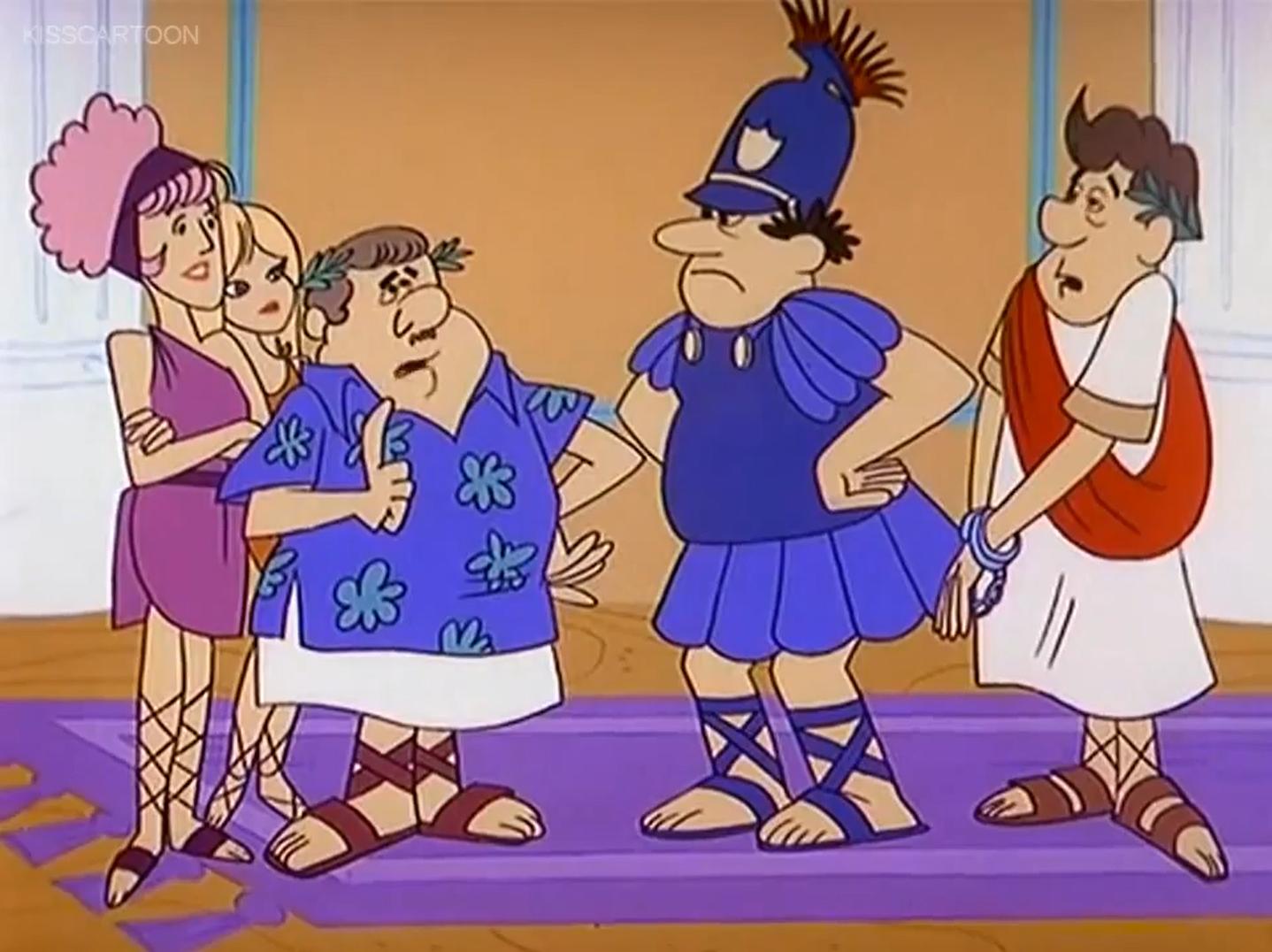
The Roman Holidays animated family from 1972
1972 NBC Hanna-Barbera Ancient-family sitcom

#4 — The Roman Holidays

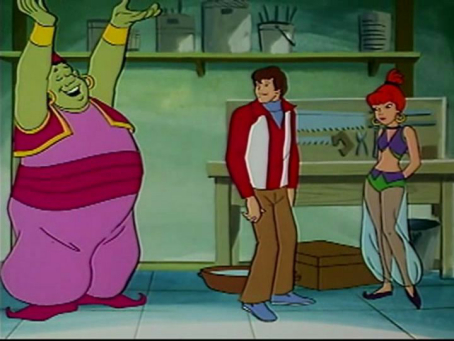
Hanna-Barbera took the suburban family cartoon, moved it to ancient Rome and hoped lightning would strike somewhere between The Flintstones and The Jetsons. Augustus “Gus” Holiday worked for the construction company run by Mr. Tycoonius, lived with his family in the Venus de Milo Arms and dealt with Roman versions of apartment trouble, office trouble and family trouble. The puns arrived in formation. Every modern inconvenience had a stone, slave, animal or imperial equivalent waiting for it.

Why it disappeared: The show’s problem was visible from the first commercial break: it felt familiar before anyone had time to become attached. The Flintstones comparison was unavoidable, and one short season did not give the Holidays enough time to become characters rather than a concept. When the series left NBC, there was no strong syndication push to keep it alive. It became a footnote from the period when networks believed any successful prime-time or cartoon formula could be moved to another era and sold again.

Why it still belongs in the memory bank: Still, The Roman Holidays is a perfect forgotten-cartoon artifact. The title alone can unlock an image of apartment balconies, tunics and a family pet that did not belong in anybody’s history book. It also shows the factory side of Hanna-Barbera’s 1970s output: an idea could be broad, marketable and on the air before anyone asked whether kids needed another animated dad arguing with his boss.

5
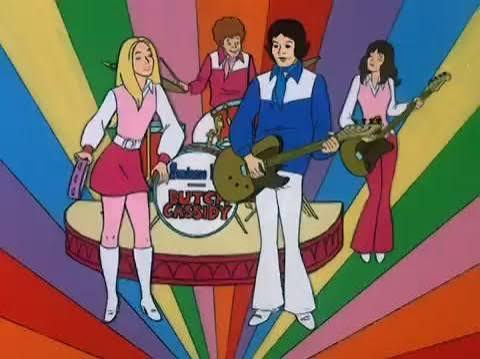
Butch Cassidy and the Sundance Kids animated band and spy team
1973 NBC Hanna-Barbera Teen band spies

#5 — Butch Cassidy and the Sundance Kids

Despite the title, this had nothing to do with the famous outlaws. Butch Cassidy led a teenage rock group called the Sundance Kids, and between performances the band accepted secret assignments from a computer named Mr. Socrates. Their dog, Elvis, usually got involved. It was a concentrated Saturday-morning formula: music, espionage, costumes, travel and a pet with reaction shots. The heroes could finish a gig, receive a mission and stop an international villain before most kids had finished the second bowl of cereal.

Why it disappeared: The show disappeared under the weight of its ingredients. Teen-band cartoons were everywhere, spy cartoons had already peaked and Hanna-Barbera was producing enough similar adventure teams to blur together. The name may have helped in 1973, but it did not create a durable identity. Once the songs stopped being new and the schedule moved on, the series had no single character iconic enough to carry it into decades of reruns.

Why it still belongs in the memory bank: What remains is the pure audacity of the setup. We accepted that a touring band reported to a computer, traveled with a dog and saved the world because Saturday morning had trained us not to question efficient storytelling. The series fits neatly between the decade’s memorable TV music and its endless appetite for youth teams. It is not the best band cartoon of the era, but it may be the one that most perfectly explains how the era thought.

6
The Secret Lives of Waldo Kitty animated fantasy scene
1975 NBC Filmation Live-action fantasy hybrid

#6 — The Secret Lives of Waldo Kitty

Waldo was a real cat whose ordinary life kept turning into animated fantasies. In his head, he became Catman, Catzan, Robin Cat and other heroic versions of himself while dealing with the neighborhood bulldog Tyrone. The live-action framing gave the show a strange texture even by Filmation standards. One moment you were watching an actual cat stare across a yard; the next you were inside a broad adventure parody built around whatever Waldo imagined he could be.

Why it disappeared: Hybrid shows are hard to preserve because they do not slide easily into standard cartoon packages, and Waldo’s fantasies were built around recognizable literary and pop-culture templates. The series also arrived when networks were turning toward live-action fantasy and bigger branded cartoons. It did not become a long-running Filmation anchor, and the real-cat footage made it feel more like a specific 1975 experiment than a timeless animated property.

Why it still belongs in the memory bank: For the kids who saw it, the memory is unusually tactile: the backyard, the cat’s face and the sudden jump into limited animation. It belongs in the conversation about Filmation cartoons of the 1970s because it shows the studio trying something structurally different. The animation may have been economical, but the idea was wonderfully extravagant: every house cat contained an entire heroic television schedule.

7
Bailey’s Comets roller-skating cartoon team
1973 CBS DePatie–Freleng Roller-derby world race

#7 — Bailey’s Comets

A roller-skating team raced around the world against rival teams in pursuit of clues and a million-dollar prize. That was the clean part. The rest was a collision of roller derby, Wacky Races, travel adventure and a parade of teams designed to be remembered by costume and gimmick. Bailey’s Comets were the heroes, but the pleasure came from the international chaos: bad sportsmanship, sabotaged clues and races staged anywhere the writers could draw a landmark.

Why it disappeared: The series arrived after the novelty of giant ensemble races had already been claimed by better-known cartoons. It also had the bad luck to build itself around roller derby without creating a breakout villain or mascot. Once CBS removed it, the show did not enjoy the kind of syndicated afterlife that kept other race cartoons visible. The title lingered among viewers who remembered wheels, uniforms and a globe-trotting competition but could not reconstruct the rules.

Why it still belongs in the memory bank: That half-memory is the reason it ranks this high. Bailey’s Comets feels like an artifact from the point when roller skates, team jackets and international scavenger hunts could be combined into one unquestioned premise. It is energetic, noisy and visually busy in the exact way Saturday morning felt when three networks were throwing every possible idea at the same children.

8
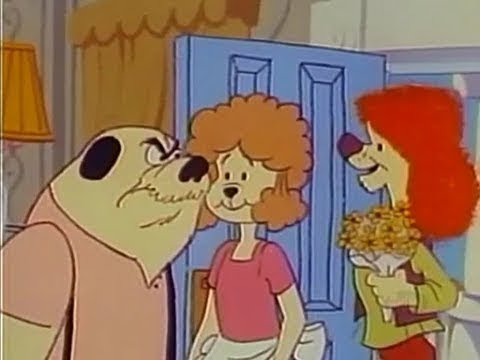
The Barkleys animated dog family
1972 NBC DePatie–Freleng Talking-dog family sitcom

#8 — The Barkleys

The Barkleys were a suburban dog family whose father, Arnie, argued with changing social values while his wife and children pushed back. It was an animated family sitcom aimed at kids but built from the rhythm of adult domestic comedy. The character design softened the edges, yet the writing clearly wanted viewers to recognize the generational tension of the early 1970s. That made it a peculiar resident of Saturday morning: a cartoon about a dad who often sounded like he belonged in prime time.

Why it disappeared: The concept was more topical than durable. A family comedy built around contemporary arguments can feel dated faster than a mystery van or a superhero team, and the Barkleys never developed a visual hook strong enough to outlive those arguments. The show also shared NBC’s unstable 1972 lineup with several other short-lived experiments. When that schedule was rearranged, the family did not receive a second life through merchandising or major rerun packages.

Why it still belongs in the memory bank: What makes it fascinating now is the attempt to bring adult sitcom friction into children’s animation without hiding it behind prehistoric rocks or outer-space gadgets. It is a strange cousin to the era’s family television shows, only everyone has paws. The result is less cuddly than the title suggests and much more revealing about what 1972 television thought children were hearing from the next room.

9
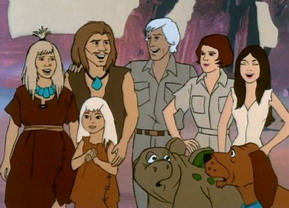
Valley of the Dinosaurs animated family adventure
1974 CBS Hanna-Barbera Lost-world adventure

#9 — Valley of the Dinosaurs

The Butler family went rafting, entered a whirlpool and emerged in a prehistoric valley where humans and dinosaurs lived side by side. The family joined a cave-dwelling clan, used modern knowledge to solve weekly problems and tried to survive a world where every rock could hide something enormous. The premise gave Hanna-Barbera a family-adventure version of the lost-world story, with enough dinosaurs to keep the screen moving even when the animation did not.

Why it disappeared: It was squeezed between larger prehistoric and fantasy properties. Land of the Lost offered live-action danger and Sleestaks; The Flintstones owned comedy dinosaurs; later cartoons would use bigger action and brighter toy lines. Valley of the Dinosaurs ran, repeated and then faded without a signature monster or character to keep it alive. It became the show people confuse with two or three other prehistoric programs until they see the family in animal-skin clothing.

Why it still belongs in the memory bank: The appeal to Gen X was simple: a regular family was stranded in the kind of world we drew in notebook margins. Adults might talk about survival skills and cooperation, but kids were waiting for the next dinosaur. The show deserves another look because it delivered that fantasy without irony. It did not wink at the premise. It opened the whirlpool and expected us to follow.

Where it sat on the dial: Its prehistoric family adventure joined the 1974 television season, the same year live-action fantasy was becoming serious competition for animated dinosaurs.

10
Jeannie animated television series from 1973
1973 CBS Hanna-Barbera Animated sitcom spin-off

#10 — Jeannie

The animated Jeannie reworked the prime-time sitcom into a teenage adventure. Jeannie became younger, her master Corey was a high-school surfer and Babu supplied additional magical trouble. Instead of domestic misunderstandings with an astronaut, the cartoon used school, sports, dating and supernatural mishaps. Jeannie’s ponytail became part of the magic, which is exactly the kind of visual simplification Saturday morning loved.

Why it disappeared: The problem was identity. It carried the name of a familiar adult sitcom without the original stars or the original relationship, while younger viewers did not necessarily care where the character came from. CBS kept it around long enough to be seen, but it never became the definitive version of anything. In later years, the live-action show dominated reruns, leaving the animated adaptation as a colorful alternate universe.

Why it still belongs in the memory bank: For viewers who caught it, the cartoon can feel like a secret sequel nobody else remembers. The character designs, Babu’s catchphrases and the teenage setting are just different enough to make old clips seem newly discovered. It belongs among the decade’s many attempts to turn familiar prime-time names into Saturday-morning insurance—and proves that recognition alone did not guarantee permanence.

11
Devlin animated motorcycle stunt family
1974 ABC Hanna-Barbera Motorcycle stunt drama

#11 — Devlin

Devlin followed Ernie Devlin, a motorcycle stunt performer who traveled with his siblings Tod and Sandy. Rather than solving mysteries with a comic animal, the trio worked through family responsibilities, danger and the practical problems of life on the road. The motorcycle action gave the show its hook, but the tone could be surprisingly grounded. Ernie’s stunts mattered because the family depended on him, not because a villain had stolen a weather machine.

Why it disappeared: That restraint may be part of why it disappeared. The show did not fit the dominant memory categories of 1970s cartoons: no supernatural mascot, no giant team, no famous comic-book name and no laugh track built around a cowardly pet. It also competed with live-action adventure shows that could offer more convincing danger. After its network run, it became one of Hanna-Barbera’s least circulated dramatic series.

Why it still belongs in the memory bank: Today, Devlin feels like an intriguing side road in Hanna-Barbera’s 1970s history. It tried to give children a working family, a risky profession and consequences that lasted beyond a chase scene. Gen X kids may remember the motorcycle more clearly than the plots, but the seriousness underneath the stunt ramp is what makes it worth recovering.

12
The New Adventures of Gilligan animated castaways
1974 ABC Filmation Animated sitcom continuation

#12 — The New Adventures of Gilligan

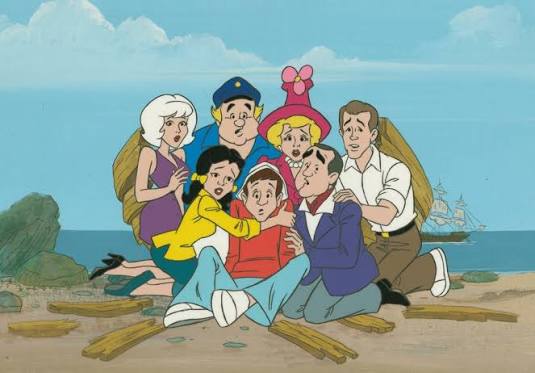
The castaways returned in animated form, still stranded, still building impossible conveniences from island materials and still watching Gilligan undo every escape plan. Several original actors supplied voices, which gave the cartoon more continuity than many prime-time adaptations. Filmation added Stubby, a monkey designed to widen the comedy and give Gilligan another partner in disaster. The plots could go farther than the live-action budget ever allowed, even if the animation itself did not.

Why it disappeared: The live-action series never stopped rerunning, and that success ultimately buried the cartoon. When viewers could see the familiar cast every afternoon, the animated version felt optional. It also arrived during a flood of cartoon remakes of older television properties. The show returned later in a science-fiction variation, but the first animated island series remained stuck between beloved original and novelty sequel.

Why it still belongs in the memory bank: For Gen X, Gilligan was already part of the household furniture. Seeing him animated was not shocking; it was simply another way the island appeared on television. That casual familiarity is why the cartoon is forgotten now. It was watched, accepted and then absorbed into the much larger Gilligan memory until only the monkey and the Filmation designs marked it as something separate.

13
The Oddball Couple animated cat and dog
1975 ABC DePatie–Freleng Animal sitcom remake

#13 — The Oddball Couple

A neat cat named Spiffy shared a home with a sloppy dog named Fleabag. That was the animated translation of The Odd Couple, stripped to its most basic comic engine and rebuilt for children. Spiffy valued order; Fleabag generated chaos; every room became a battlefield over habits. The animal casting was obvious, but the simplicity worked. You could understand the entire relationship before the opening credits finished.

Why it disappeared: The series had no reason to exist once the joke had been understood, and Saturday morning did not give it much time to grow beyond that joke. It also lacked the adventure element that helped other talking-animal shows survive in reruns. There were no mysteries, transformations or fantasy worlds—just domestic irritation. When ABC reshuffled its lineup, the Oddball house closed without leaving much merchandise or mythology behind.

Why it still belongs in the memory bank: That makes it a pure memory of television as routine. Some Gen X kids watched because it was on between shows they cared about more, and the cat-and-dog contrast slowly became familiar. Decades later, a single image can bring back the entire living room: cereal bowl, channel knob and the feeling that Saturday morning still had hours left.

14
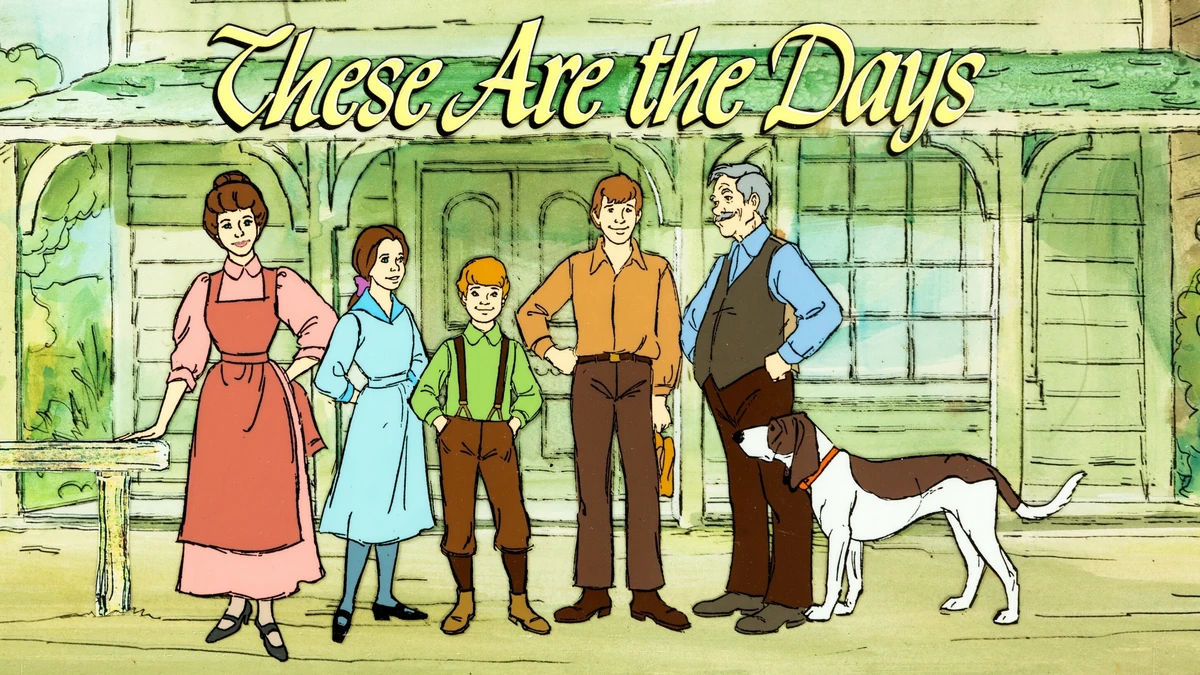
These Are the Days animated family drama
1974 ABC Hanna-Barbera Period family drama

#14 — These Are the Days

Set in the early twentieth century, These Are the Days followed the Day family through work, school, community trouble and moral decisions. It was closer to a gentle period drama than a standard cartoon comedy. Grandpa Day often provided perspective, and the stories emphasized consequences rather than villain captures. The rural setting, family structure and slower pace made it feel like an animated relative of the decade’s nostalgic live-action dramas.

Why it disappeared: That same quality made it easy to lose. It did not produce the loud images that kept cartoons alive in clip shows, toy aisles or lunch-box memory. No monster, superhero or talking vehicle announced the premise. When ABC’s schedule changed, the show left behind a handful of quiet family stories that were rarely packaged with more commercial cartoons.

Why it still belongs in the memory bank: It deserves attention because it connects Saturday morning to the broader world of 1970s family television. The series trusted kids to watch people solve ordinary problems in another era. For Gen X viewers who remember it, the feeling is less like recalling a cartoon and more like remembering a storybook somebody once read on television.

15
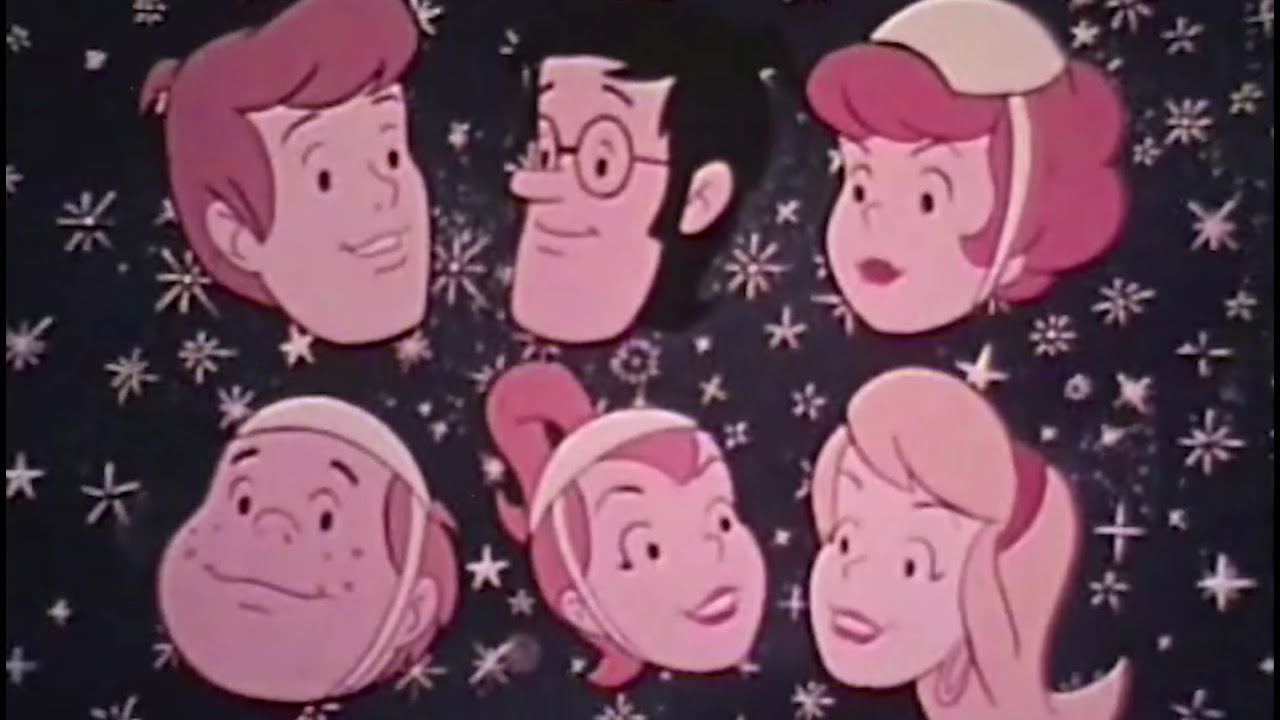
Partridge Family 2200 A.D. animated future family
1974 CBS Hanna-Barbera Future musical sitcom

#15 — Partridge Family 2200 A.D.

The Partridge Family was moved more than two centuries into the future, where the family still performed music while dealing with robots, space-age gadgets and futuristic misunderstandings. Several actors from the live-action show returned for voices, but the premise abandoned any concern for why this particular family now lived in 2200. The answer was Saturday morning logic: the Jetsons had proved that family comedy looked good with flying vehicles, and the Partridges already had songs.

Why it disappeared: The show was overshadowed by both properties it resembled. The live-action Partridge Family remained the version people loved, and the Jetsons owned the future-family visual language. The cartoon could not compete with either memory. It also tied itself to a pop group whose cultural moment was already changing, which made a far-future setting feel dated almost immediately.

Why it still belongs in the memory bank: Still, the combination is wonderfully revealing. Television executives once looked at a family singing in a colorful bus and decided the missing ingredient was space. Gen X viewers did not need an explanation. We had already learned that any sitcom, comic strip or celebrity could be reassembled as a cartoon if the opening sequence was catchy enough.

16
Around the World in 80 Days animated adventure
1972 NBC Air Programs International Literary adventure

#16 — Around the World in 80 Days

This animated adaptation sent Phileas Fogg around the globe with Passepartout and a monkey companion while the villainous Mr. Fix tried to stop the journey. The series turned Jules Verne’s wager into a weekly chase, using exotic locations, mechanical trouble and cliff-hanger energy. For children who had not read the book, it functioned as a travel adventure first and a literary adaptation second.

Why it disappeared: The production came from outside the familiar Hanna-Barbera and Filmation factories, which may have made it harder to keep in American rerun circulation. It also lacked a franchise character networks could revive easily. Once the trip was completed, the format had nowhere obvious to go. The series became one of several international-looking cartoons that briefly occupied network schedules and then slipped out of the standard nostalgia rotation.

Why it still belongs in the memory bank: What remains is the scale. Saturday morning could leave the neighborhood, cross an ocean and land in a place most of us had only seen on a classroom map. The animation was modest, but the promise was enormous: stay near the television and the whole world might pass through before lunch.

17
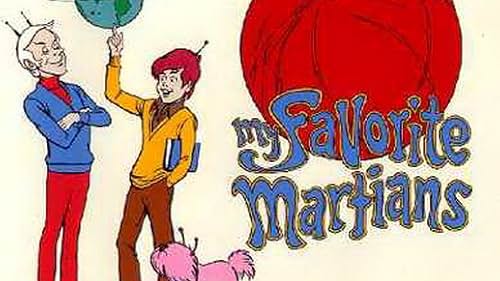
My Favorite Martians animated television series
1973 CBS Filmation Animated sitcom spin-off

#17 — My Favorite Martians

Filmation revived the 1960s sitcom with Uncle Martin, Tim O’Hara and several new younger characters, including Martin’s nephew Andy and a Martian pet. The cartoon leaned into the gadgets and powers that had always made the original premise attractive to kids. Antennas appeared, objects floated and ordinary suburban problems became complicated by visitors from another planet.

Why it disappeared: Like animated Jeannie, it was trapped behind a stronger live-action memory. The original sitcom remained the recognizable property, while the cartoon used different voices and additions that made it feel unofficial even when it was not. A short network run and limited later exposure pushed it into the Filmation attic.

Why it still belongs in the memory bank: That attic is exactly where forgotten-cartoon fans like to look. The show offers an alternate version of a familiar television household and helps explain why Filmation spent the 1970s adapting everything from sitcoms to superheroes. The studio understood that a known name could get children to the screen. Keeping them there was the harder part.

18
Wheelie and the Chopper Bunch animated vehicles
1974 NBC Hanna-Barbera Talking-car comedy

#18 — Wheelie and the Chopper Bunch

Wheelie was a cheerful little car who communicated through horn sounds, while the Chopper Bunch was a motorcycle gang determined to ruin his races, dates and public appearances. The gang had the posture of outlaw bikers without any riders, which created one of the decade’s strangest visual jokes. Wheelie’s girlfriend Rota Ree could talk, making his silent-horn personality feel even more deliberate.

Why it disappeared: The series arrived close enough to Speed Buggy to seem like another pass through the same garage. It had a vivid villain team but no mystery format or human cast to deepen the stories. After a brief run, it did not receive the repeated channel-hopping syndication that kept other Hanna-Barbera vehicles moving. Wheelie rolled into storage while Speed Buggy remained parked in the public memory.

Why it still belongs in the memory bank: Mention the Chopper Bunch to the right Gen Xer and the response is often immediate: “That was real?” Yes, it was. The series belongs in this ranking because it survives as a visual fragment—a small red car, a pack of hostile motorcycles and a theme song revving somewhere in the distance.

19
Clue Club teenage detectives and talking dogs
1976 CBS Hanna-Barbera Teen mystery team

#19 — Clue Club

Four teenage detectives—Larry, Pepper, D.D. and Dotty—solved crimes with help from two talking dogs, Woofer and Wimper. The human characters handled the mystery while the dogs supplied a second comic track, often misunderstanding clues and each other. The structure was unmistakably part of the Scooby family, but Clue Club tried to play the investigations a little straighter.

Why it disappeared: That family resemblance became its biggest problem. By 1976, the market was crowded with mystery teams, cowardly animals and vans full of teenagers. CBS could air the original Scooby formula, while ABC was expanding new Scooby and Dynomutt hours. Clue Club became the competent cousin nobody invited to the reunion. It had a full season and recognizable craftsmanship, yet almost no later cultural footprint.

Why it still belongs in the memory bank: The show is a perfect example of why the broad best-known cartoon lineup and a forgotten-cartoons list must be separate. It was not necessarily worse than every show that survived. It was simply too close to a giant. Gen X watched a lot of perfectly serviceable television that lost the rerun lottery.

Where it sat on the dial: By the 1976 television season, Saturday morning had so many mystery teams that even a solid one could disappear behind a more famous dog.

20
The Mumbly Cartoon Show dog detective
1976 ABC Hanna-Barbera Muttering dog detective

#20 — The Mumbly Cartoon Show

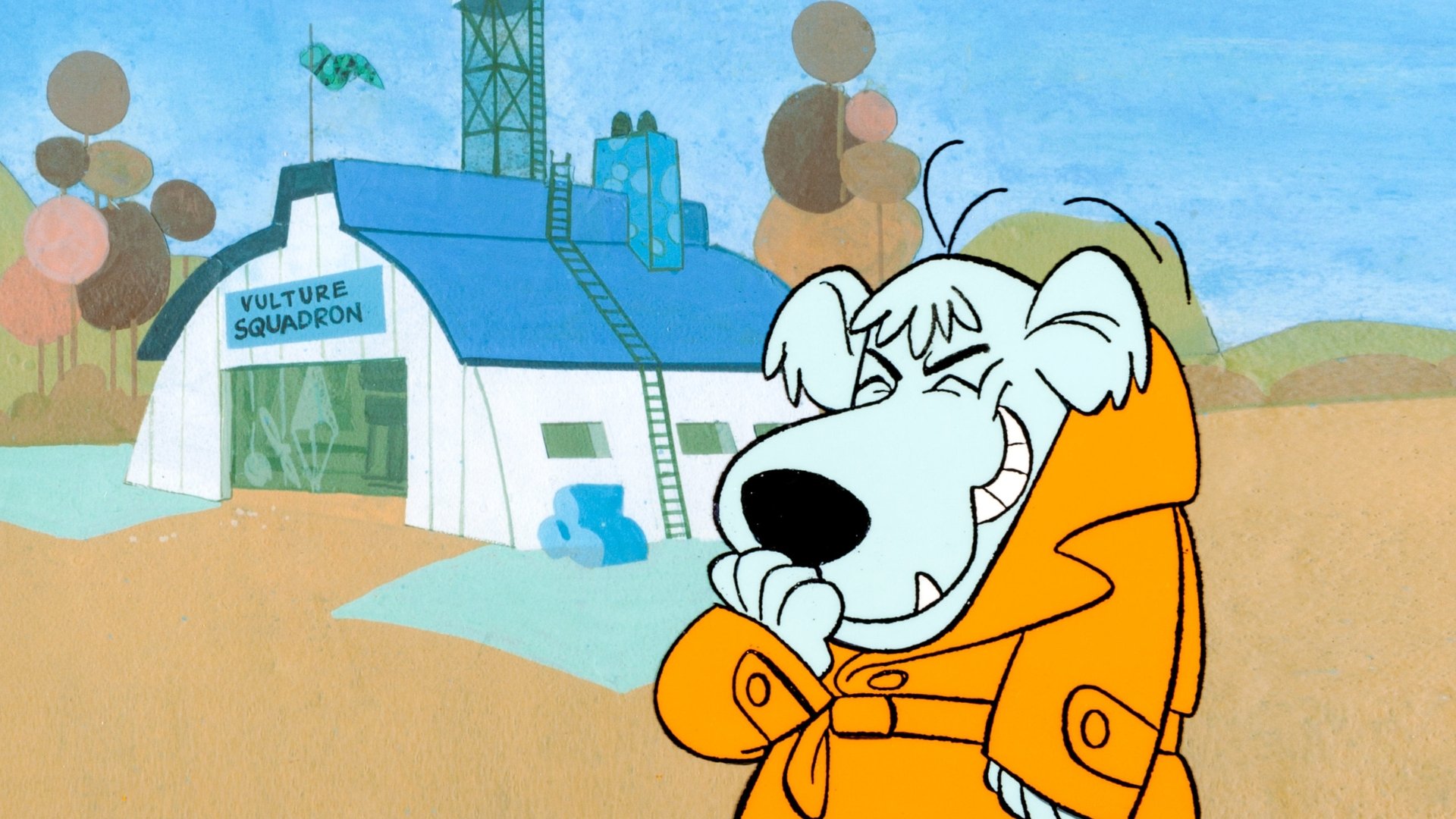
Mumbly was a trench-coated dog detective whose wheezing, under-the-breath laugh echoed an earlier Hanna-Barbera villain. He worked with Chief Shnooker, investigated broad crimes and usually solved the case while appearing half asleep. The character looked like he had wandered out of one cartoon universe and been handed a badge in another.

Why it disappeared: The series was folded into changing package shows almost as quickly as it appeared. Mumbly shared schedule space with Tom and Jerry and the Great Grape Ape, then returned in other combinations. That packaging made the character visible but the title unstable. Viewers remembered the laugh and the coat without remembering which half hour contained them.

Why it still belongs in the memory bank: That is classic Saturday-morning amnesia. The character survived more clearly than the program, which is why seeing the exact title can feel like finding the label from a toy you owned. Mumbly was never entirely gone; he was scattered across schedule revisions until the memory no longer had a single home.

21
CB Bears animated mystery team
1977 NBC Hanna-Barbera CB-radio mystery package

#21 — CB Bears

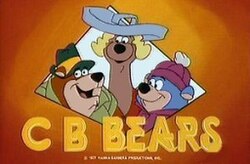
Three bears—Hustle, Bump and Boogie—received assignments over a citizens-band radio and traveled in a garbage truck solving mysteries. The series was built around the brief national obsession with CB culture, complete with handles, chatter and the idea that every highway contained a secret network. The title characters also introduced additional cartoon segments, turning the show into one of Hanna-Barbera’s expanding package blocks.

Why it disappeared: By the time the cartoon aired, the CB craze was already cooling. That made the concept feel dated almost on arrival, and the short run did not allow the bears to become independent stars. Package shows also scatter memory: one viewer remembers the bears, another remembers a supporting segment and neither can name the hour that contained both.

Why it still belongs in the memory bank: The show belongs beside the decade’s toy and fad culture because it demonstrates how quickly Saturday morning converted adult trends into kid-friendly teams. The bears are not remembered like Scooby-Doo because they were never built for permanence. They were built for the exact minute when a CB radio seemed like the future.

Where it sat on the dial: The bears belong completely to the 1977 television season, when CB handles still sounded like a direct line into a secret highway world.

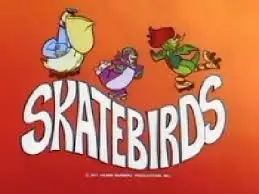
22
The Skatebirds costumed Saturday morning hosts
1977 CBS Hanna-Barbera Costumed-host variety block

#22 — The Skatebirds

The Skatebirds were oversized costumed bird characters who introduced a mixture of animated and live-action segments. The format borrowed the anything-goes variety energy of earlier Saturday-morning packages: hosts, music, slapstick and separate cartoons with almost no need for tonal consistency. The bird trio skated, bickered and served as the connective tissue for a block that included some of the decade’s strangest supporting ideas.

Why it disappeared: Package shows are remembered in pieces, and The Skatebirds may be the clearest example. The hosts disappeared, segments were repackaged and later reruns separated the ingredients from the original hour. Viewers who remember the Robonic Stooges often do not remember the birds that introduced them. The title became a container nobody kept.

Why it still belongs in the memory bank: Yet the container tells us something important. Saturday morning was not always a neat row of half-hour brands. It was also giant blocks assembled from whatever costumes, shorts and celebrity concepts a studio could sell. The Skatebirds were the strange ushers at that theater, rolling past before the next act began.

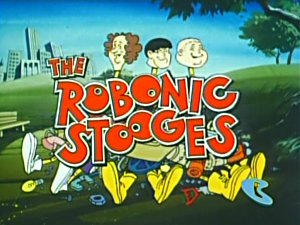
23
The Robonic Stooges animated robot comedy team
1977 CBS Hanna-Barbera Robot slapstick

#23 — The Robonic Stooges

The Three Stooges became robotic superheroes working for Agent 000. Moe, Larry and Curly could extend mechanical limbs, deploy built-in gadgets and still find time to hit one another. The concept took familiar slapstick and added the bionic craze, producing a title that sounds like a parody somebody invented years later. It was originally part of The Skatebirds before receiving separate exposure.

Why it disappeared: The cartoon was trapped between audiences. Children did not necessarily know the Stooges well enough to care about the adaptation, while older fans had no reason to seek out a robotic Saturday-morning version. The package-show origin also made the series easy to detach and forget. Without the original performers and with limited rerun circulation, the novelty became the entire memory.

Why it still belongs in the memory bank: But what a novelty. Gen X television trained us to accept that any established act could be rebuilt as cyborgs if the network had thirty minutes to fill. The Robonic Stooges are not merely forgotten; they are evidence from a time when the phrase “robot Three Stooges” could make it through every meeting and onto the air.

24
Space Sentinels animated superhero team
1977 NBC Filmation Mythic space superheroes

#24 — Space Sentinels

Three young heroes—Hercules, Mercury and Astrea—used powers inspired by mythology while working from a hidden base inside a volcano. A robot companion and the mysterious Sentinel One guided the missions. The show blended superhero teams, Greek names and Filmation science fiction into a compact action series that looked ready to become a much larger universe.

Why it disappeared: It never had enough time. The series began as Young Sentinels, changed titles and completed a short run while competing against better-known superhero properties. The name change alone weakened the memory trail. Later viewers could encounter the same characters under different labels, and the show never gained the merchandising or syndication needed to make the team permanent.

Why it still belongs in the memory bank: For fans of 1970s superhero cartoons, this is the kind of discovery that explains how much action television existed outside the major comic-book brands. The animation is unmistakably Filmation, but the volcano base and mythic identities give it a flavor of its own. It feels like the pilot for a franchise the decade forgot to build.

25
Baggy Pants and the Nitwits animated comedy
1977 NBC DePatie–Freleng Split-format comedy

#25 — Baggy Pants and the Nitwits

The program paired Baggy Pants, a silent-cat variation on Charlie Chaplin, with the Nitwits, animated versions of Arte Johnson and Ruth Buzzi’s old-man and spinster characters. One half relied on pantomime; the other turned familiar television performers into unlikely crime fighters. The combination felt less like one show than two concepts sharing rent.

Why it disappeared: That split identity made it difficult to preserve. Neither segment produced a breakout character, and the adult source material behind the Nitwits meant less to children every year. NBC replaced the series during the season, and later packages had little incentive to keep the mismatched halves together.

Why it still belongs in the memory bank: The show remains interesting because it reveals how Saturday morning recycled entertainment history. Silent-film comedy, variety-show characters and animation were stacked into a single half hour as if kids would naturally understand the lineage. We usually did not. We just knew there was a Chaplin-looking cat and two elderly superheroes, which was enough.

26
Fabulous Funnies animated comic-strip anthology
1978 NBC Filmation Newspaper-comic anthology

#26 — Fabulous Funnies

Fabulous Funnies gathered newspaper comic-strip characters into an animated anthology. Broom-Hilda, Alley Oop, Nancy, the Katzenjammer Kids and others appeared in separate segments, giving Sunday-comics names a Saturday-morning home. The concept was almost curatorial: open the funny pages, choose a few recognizable strips and animate them for a generation of children who still saw newspapers on the kitchen table.

Why it disappeared: Anthologies built from unrelated properties are vulnerable once the package leaves the schedule. Rights, audience familiarity and uneven segment appeal make them harder to rerun than a single clean franchise. As newspaper reading declined and the strips aged at different rates, the title lost its central promise. It became a show remembered more by collectors of the individual comics than by general cartoon audiences.

Why it still belongs in the memory bank: For Gen X, it captures a lost media loop. We could see a character in the newspaper at breakfast and then encounter an animated version before lunch. The show belongs to a time when print and television still shared the same family room, and a network believed the comics page was a ready-made cartoon universe.

Where it sat on the dial: The anthology arrived in the 1978 television season, when newspapers still sat beside the cereal bowl and comic-strip characters remained household names.

27
The New Fantastic Four animated superhero team
1978 NBC DePatie–Freleng Marvel superhero adaptation

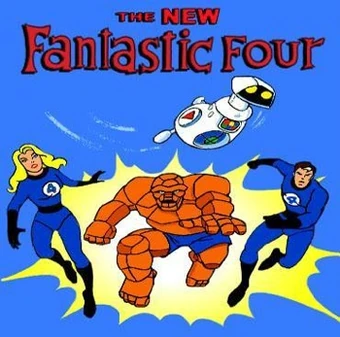
#27 — The New Fantastic Four

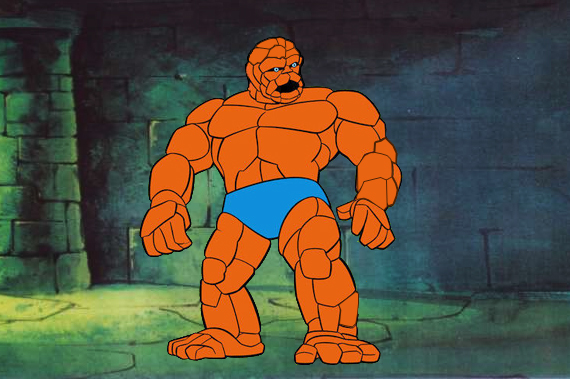
This Fantastic Four featured Mister Fantastic, the Invisible Girl, the Thing and H.E.R.B.I.E. the robot instead of the Human Torch. The lineup change became the show’s defining trivia, but the series delivered straightforward cosmic adventures with familiar Marvel villains and a heavy 1970s television look. For kids without access to many comics, it was a legitimate weekly doorway into the team.

Why it disappeared: The adaptation was later overshadowed by other Marvel cartoons and by the curiosity surrounding the missing Torch. It also lacked the long rerun exposure of earlier superhero animation. The visual style and robot replacement locked it to one specific production era, making it feel like an alternate version rather than the version new fans were told to seek.

Why it still belongs in the memory bank: That is precisely why it belongs in a forgotten ranking rather than the main best-known 1970s superhero lineup. The show is remembered in fragments—H.E.R.B.I.E., the Thing’s voice, the opening—but not always as a full Saturday-morning series. It represents the years when comic-book television could change a founding team member and trust children to catch up.

28
Yogi’s Space Race animated racers
1978 NBC Hanna-Barbera Cosmic racing package

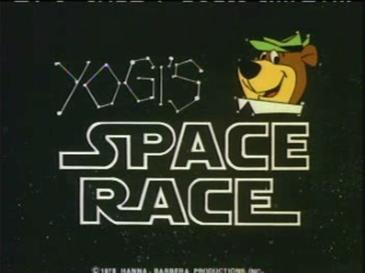
#28 — Yogi’s Space Race

Yogi Bear, Huckleberry Hound, Jabberjaw and new characters raced through space in customized vehicles while villains tried to cheat their way to victory. The concept revived the ensemble-race format on a galactic scale and then expanded into a large NBC package containing related segments. Every planet offered another track, another gimmick and another reason for a character to announce trouble.

Why it disappeared: The show should have been unforgettable, but the size of the package diluted the identity. Segments were moved, shortened and separated as NBC adjusted the schedule. Yogi and Huckleberry already had stronger classic versions, while Jabberjaw belonged to another franchise memory. The race became a temporary arrangement rather than a defining home for anyone.

Why it still belongs in the memory bank: It is a useful reminder that even famous characters can star in forgotten shows. The names survived; the exact combination did not. In the larger story of Hanna-Barbera’s 1970s cartoons, Yogi’s Space Race marks the point where package programming became almost architectural—one big structure designed to hold as many recognizable pieces as possible.

29
Galaxy Goof-Ups animated space patrol
1978 NBC Hanna-Barbera Disco space patrol

#29 — Galaxy Goof-Ups

Yogi Bear, Huckleberry Hound, Scare Bear and Quack-Up served as an intergalactic police team under Captain Snerdley. Between missions, the characters found reasons to visit a disco and dance. It was the late 1970s condensed into one sentence: established cartoon stars, outer space, law enforcement and disco music.

Why it disappeared: The series began inside the larger Yogi’s Space Race package and later aired separately, which again fractured the memory. Disco dated the concept quickly, while Yogi and Huckleberry returned to more familiar settings in future projects. The Goof-Ups became a detour rather than a destination.

Why it still belongs in the memory bank: That detour is irresistible now. The show proves that television once believed every property could benefit from a disco sequence, including an interstellar patrol led by Yogi Bear. Gen X did not need to understand the strategy. We only needed a theme song, flashing lights and enough time before an adult told us to turn the set off.

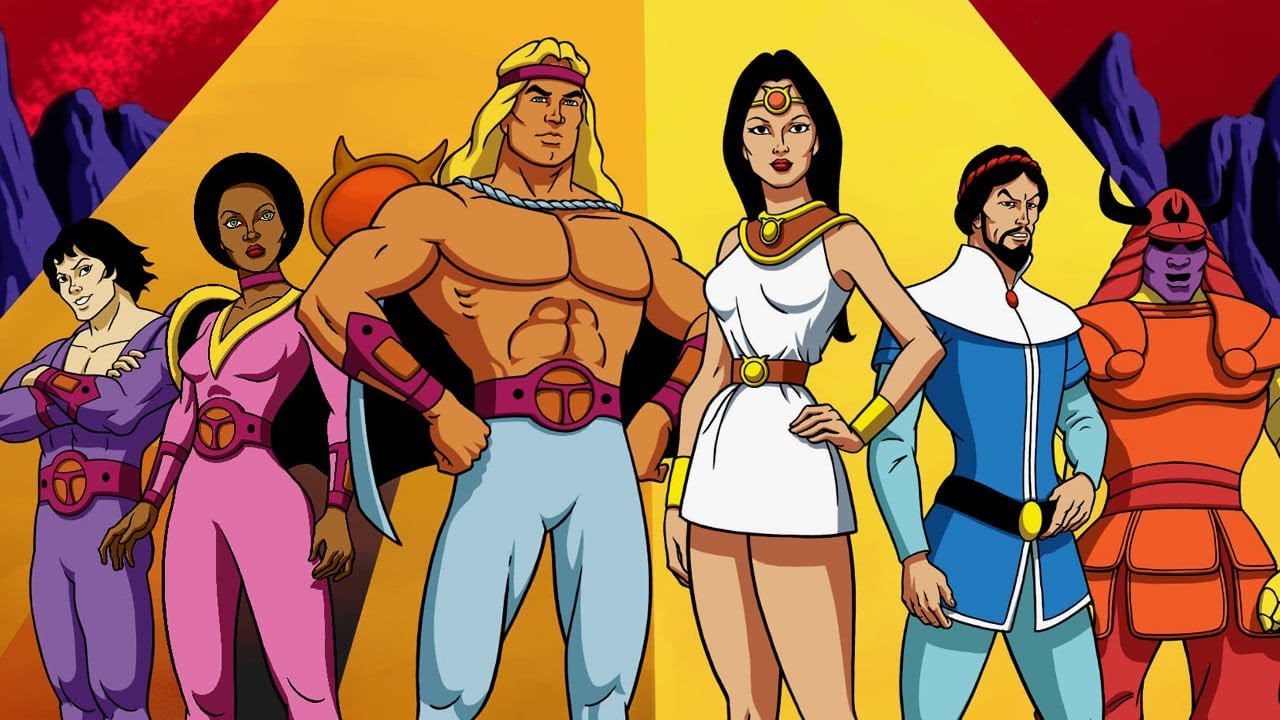
30
The Freedom Force animated superhero team
1978 CBS Filmation Mythic superhero segment

#30 — The Freedom Force

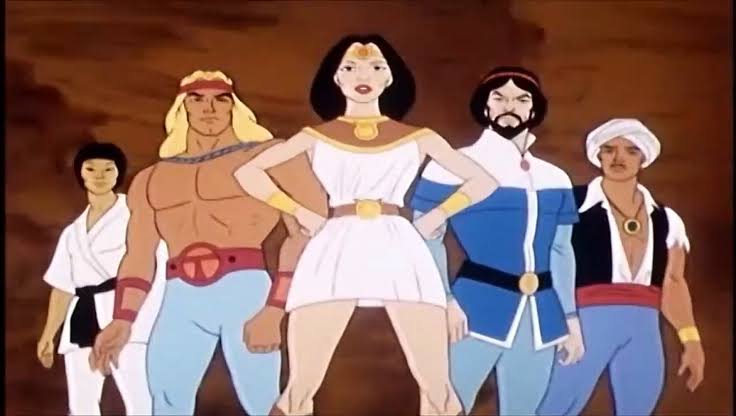
Isis led a team made up of Hercules, Merlin, Sinbad and Super-Samurai. The combination treated mythology and legend like a shared superhero universe, with each member bringing a different power set and visual style. The team appeared as part of the enormous Tarzan and the Super 7 block, where action segments arrived one after another.

Why it disappeared: The anthology gave the show exposure but stole its name recognition. Kids often remembered the larger Tarzan package or one individual hero without remembering the Freedom Force label. The team also competed against established comic-book groups with deeper libraries and merchandise. A handful of adventures was not enough to make the lineup feel permanent.

Why it still belongs in the memory bank: Still, the premise was ahead of its memory. Modern audiences are comfortable with giant crossover teams built from folklore, but Filmation was doing it in a short Saturday-morning segment in 1978. The Force belongs in the superhero conversation, yet its near-disappearance makes it one of the most rewarding rediscoveries on this list.

31
Web Woman animated superhero
1978 CBS Filmation Original superhero segment

#31 — Web Woman

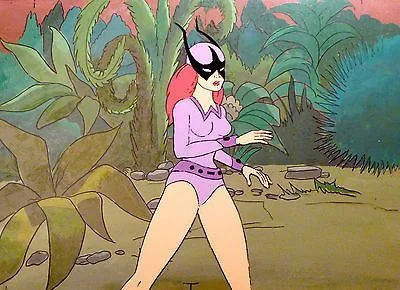
Kelly Webster received spider-like powers from an alien being and became Web Woman, assisted by a small creature named Spinner. She could produce web-based effects, communicate with insects and confront science-fiction threats. The character was created for Filmation’s action anthology rather than adapted from a major comic publisher, giving the studio room to build its own heroine.

Why it disappeared: That independence also left her without a publishing universe to keep the name alive. The segment ran inside Tarzan and the Super 7, was seen briefly and then became entangled in the general confusion of anthology titles and superhero similarities. Without comics, toys or later series, Web Woman almost vanished.

Why it still belongs in the memory bank: For Gen X girls who caught the show, the memory can be especially strong because original female action leads were not overflowing from the schedule. Web Woman had powers, a mission and no need to wait for a better-known hero to arrive. She deserves more than a footnote, even if a footnote is where television history left her.

32
Superstretch and Microwoman animated superhero duo
1978 CBS Filmation Married superhero duo

#32 — Superstretch and Microwoman

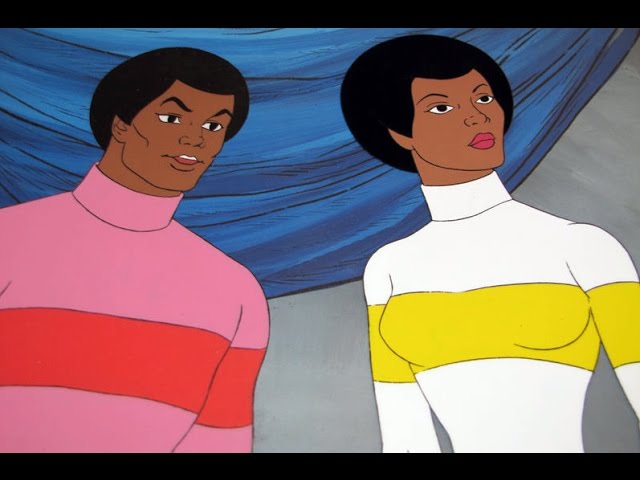
Chris and Christy Cross were a married superhero team. He could stretch his body into almost any shape; she could shrink to microscopic size. Their dog Trouble joined the adventures, because even married superheroes apparently needed a pet to complicate the mission. The domestic partnership distinguished them from the usual teen teams and secret identities.

Why it disappeared: Like the other Super 7 segments, the duo suffered from packaging. Their names were descriptive but not distinctive enough to survive without repeated exposure, and the powers naturally reminded viewers of better-known comic characters. Once the anthology disappeared, there was no larger universe waiting to preserve them.

Why it still belongs in the memory bank: The show now feels like a glimpse of a superhero sitcom that never received enough episodes. A married couple with complementary powers could have supported stories about teamwork, ego and ordinary life. Instead, Gen X received brief missions and a memory that sounds invented when described aloud.

33
The Thing animated television series from 1979
1979 NBC Hanna-Barbera Teen superhero transformation

#33 — The Thing

This was not the familiar Ben Grimm origin. A teenager named Benjy Grimm used two rings, touched them together and transformed into the Thing while shouting a rhyme. He attended Centerville High, spent time with friends and fought villains in a version that turned a gruff adult superhero into a kid-friendly transformation fantasy. The character shared a program title with Fred and Barney, though the segments did not cross over.

Why it disappeared: The reinvention was so radical that later Fantastic Four fans often treated it as a bizarre side note. The split show title created additional confusion, and the teenage setting did not become part of the character’s continuing identity. Once more faithful Marvel adaptations appeared, this version looked like a curiosity from a different licensing universe.

Why it still belongs in the memory bank: For forgotten-TV purposes, it is gold. The rings, the rhyme and the high-school setting are exactly the kind of details that convince a viewer they dreamed the show. They did not. Saturday morning really turned the Thing into a transforming teenager and paired his name with the Flintstones.

Where it sat on the dial: This teenage transformation version is pure 1979 television: familiar superhero branding, a magic-change gimmick and a schedule pairing no later decade would have attempted.

34
Casper and the Angels animated future police series
1979 NBC Hanna-Barbera Future police comedy

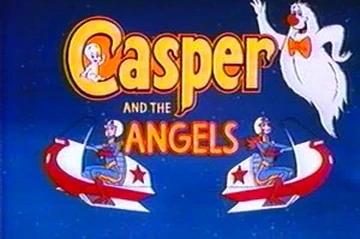
#34 — Casper and the Angels

Casper the Friendly Ghost was transported into the future and teamed with two female motorcycle police officers, Mini and Maxi. Hairy Scary supplied louder ghost comedy while the group handled futuristic criminals and misunderstandings. The premise took a gentle theatrical character and dropped him into a science-fiction police series because 1979 television had stopped recognizing the word “too much.”

Why it disappeared: Casper’s classic identity was stronger than this temporary setting. Later reruns returned him to haunted houses and familiar ghost stories, leaving the space-age officers behind. The show also premiered amid a crowded NBC lineup of revived characters, superhero variants and package titles. Its specific future world had almost no chance to become the default Casper memory.

Why it still belongs in the memory bank: That makes the series a perfect late-decade artifact. It combines a character from an earlier generation with motorcycles, futuristic technology and an action-team structure built for Gen X. The result is not the Casper most people remember, but it may be the most unmistakably 1979 version possible.

35
The New Shmoo animated mystery series
1979 NBC Hanna-Barbera Comic-strip mystery mascot

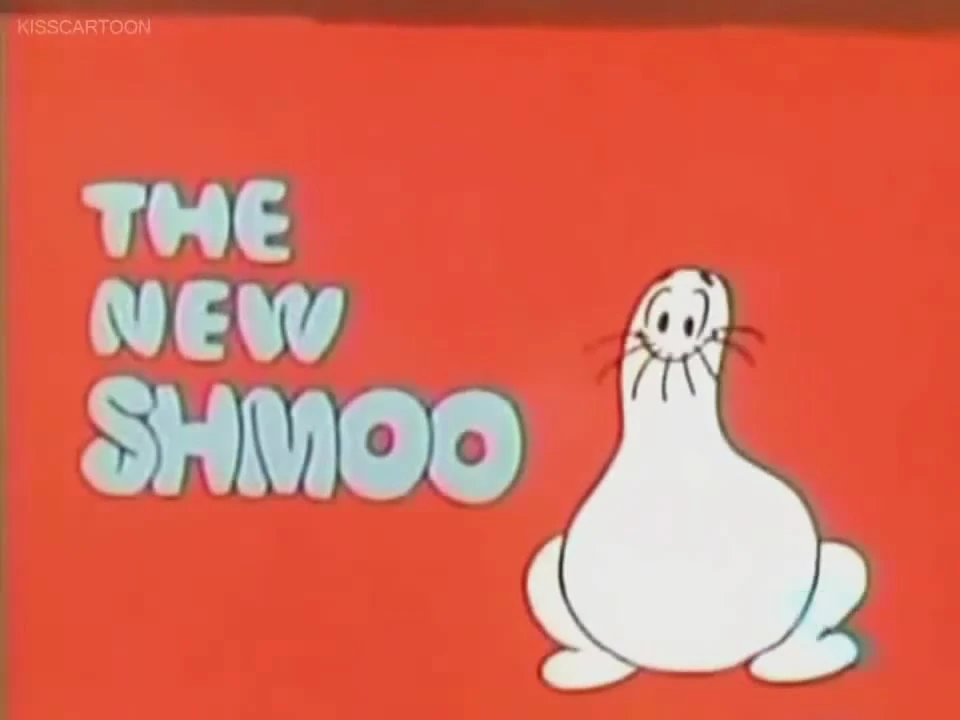
#35 — The New Shmoo

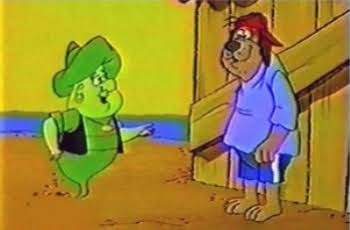
The Shmoo, a friendly shape-shifting creature from Al Capp’s comic-strip world, joined a group of teenagers who solved mysteries. Shmoo could transform into useful objects, allowing the team to escape danger or create exactly the gadget a scene required. The series merged a character created for adult newspaper satire with the dependable teen-detective formula.

Why it disappeared: By 1979, few children knew the Shmoo’s original context, and the mystery-team structure was already exhausted. The character’s unusual appearance was memorable, but the title did not receive the decades of reruns that might have turned that appearance into an icon. When NBC reorganized its schedule, the Shmoo returned to the margins of comic history.

Why it still belongs in the memory bank: The final entry earns its place because it represents the entire forgotten-cartoon process. A once-famous character was repackaged for a new generation, briefly visible, then separated from both its original audience and the kids who watched the revival. What survives is a white blob, a mystery van feeling and the certainty that Saturday morning used to be much stranger.

Where Did They Go?

Why So Many 1970s Saturday Morning Cartoons Vanished

The shows did not vanish for one reason. They were victims of a television system designed to replace itself every fall.

Schedule Churn

Networks Treated Saturday Morning Like a New-Car Lot

ABC, CBS and NBC promoted fresh lineups with preview specials, then moved shows as soon as one time slot weakened. A cartoon could debut with a full advertising push in September and be replaced by reruns before winter. That constant churn is why old TV Guide grids contain so many titles with no later cultural life.

Package Programming

The Hour Got Bigger While the Individual Shows Got Smaller

By the late 1970s, a title like Tarzan and the Super 7 could hold multiple animated series plus live action. NBC and CBS repeatedly expanded, split and reassembled blocks. The approach filled schedules efficiently but left memory in pieces.

Licenses and Trends

Every Fad Received a Cartoon—and an Expiration Date

CB radios, disco, roller derby, bionic heroes and prime-time sitcoms all became cartoon ingredients. The connection helped sell a show quickly, but it also tied the program to a moment. That same television-to-playroom pipeline shaped the decade’s most memorable toys and the Saturday-morning commercials between the cartoons.

The Commercial Machine

The Shows That Sold Best Were Easier to Keep Alive

Cartoons lived beside cereal spots, action figures and toy vehicles. Programs with recognizable merchandise gained another route into memory, while one-season curiosities disappeared with the commercial break. That pipeline belongs in the companion story of how Saturday-morning commercials sold toys to 1970s kids.

The Factories Behind the Flashbacks

Forgotten Hanna-Barbera, Filmation and DePatie–Freleng Cartoons

The same studios that created the decade’s giants also produced its one-season mysteries, experimental hybrids and package-show fragments.

Hanna-Barbera

The Schedule-Filling Empire

Hanna-Barbera could build a family sitcom, mystery team, talking-vehicle comedy or giant anthology at network speed. That volume created lasting icons and a deep bench of shows that were simply crowded out. Explore the larger studio story in Hanna-Barbera cartoons of the 1970s.

Filmation

Big Concepts on an Economical Screen

Filmation stretched limited animation with strong silhouettes, repeated movement and concepts kids could explain in one sentence. A magic classroom, a cat’s fantasy life and a superhero team inside a giant anthology all fit the system. See the broader pattern in Filmation cartoons of the 1970s.

DePatie–Freleng

The Studio of Stylish Oddities

Beyond the Pink Panther, DePatie–Freleng supplied secret-agent animals, roller-skating racers, talking-dog families and split-format comedies. Its forgotten shows often carried a slightly different visual rhythm from the Hanna-Barbera assembly line.

The Sound of the Shows

A Theme Song Could Outlive the Entire Series

Even when the title disappeared, a sung character list or shouted transformation phrase stayed lodged in memory. That is why a few seconds of audio can restore a whole morning. Revisit the larger soundtrack in our guide to 1970s TV theme songs.

Questions From the Back of the TV Guide

Questions About Obscure and Forgotten 1970s Cartoons

The answers usually begin with “yes, that was a real show” and end with another title nobody has thought about in decades.

What Is the Most Forgotten Saturday Morning Cartoon of the 1970s?

Mission: Magic! is the strongest combination of vivid premise and limited modern recognition: a magic teacher, a chalkboard portal and animated Rick Springfield songs. The Houndcats, Bailey’s Comets and The Roman Holidays are close behind.

Why Do I Remember a Cartoon but Not Its Name?

Many cartoons ran briefly, moved time slots or appeared as segments inside larger package shows. A character, vehicle or transformation phrase could survive in memory even after the exact title and network disappeared.

Were These Cartoons Actually Popular When They Aired?

Some were highly promoted network launches and reached a national audience. “Forgotten” describes their weak afterlife, not necessarily their original visibility. Shows with little syndication can disappear from cultural memory even when millions of children saw them once.

Why Did So Many 1970s Cartoons Last Only One Season?

The networks refreshed Saturday-morning schedules aggressively. Competition was intense, production orders were often limited and a show that missed its target could be replaced by reruns within months. The constant turnover created far more titles than later nostalgia could preserve.

What Were the Giant Saturday Morning Package Shows?

Package shows combined several animated segments—and sometimes live action—under one umbrella title. The Skatebirds, Yogi’s Space Race and Tarzan and the Super 7 are examples. Networks frequently split or rearranged their components, which made individual series harder to remember.

Which Forgotten Cartoons Were Based on Prime-Time TV Shows?

Jeannie, My Favorite Martians, The New Adventures of Gilligan and Partridge Family 2200 A.D. all adapted familiar live-action properties. The original shows usually dominated reruns, leaving the animated versions in their shadow.

Where Are Scooby-Doo, Super Friends and Hong Kong Phooey?

They are intentionally excluded because they remain among the best-known 1970s cartoons. This page is designed to recover obscure, rarely syndicated and overshadowed titles rather than repeat the biggest names from the main ranked cartoon guide.

What Other 1970s Children’s TV Should I Revisit?
Keep Turning the Dial

More 1970s Cartoons, TV History and Saturday-Morning Memories

The forgotten shows make more sense when you put them back beside the hits, the studios, the songs and the toy commercials.

Schedule Sources and Further Reading

Network schedules were checked against period-TV-guide collections and season reconstructions, including Saturday Morning TV Schedules of the Seventies, NBC’s 1972 lineup advertisement, TVParty’s season pages for 1972, 1974, 1975, 1976 and 1977, plus reconstructed schedules for 1978 and 1979.

Additional program references include TV Guide’s Mission: Magic! overview and the Big Cartoon DataBase guide to Tarzan and the Super 7.

Get the Weekly Gen X Drop

New videos, rewinds, and savage nostalgia — first.

SUBSCRIBE WATCH VIDEOS

MORE REWINDS