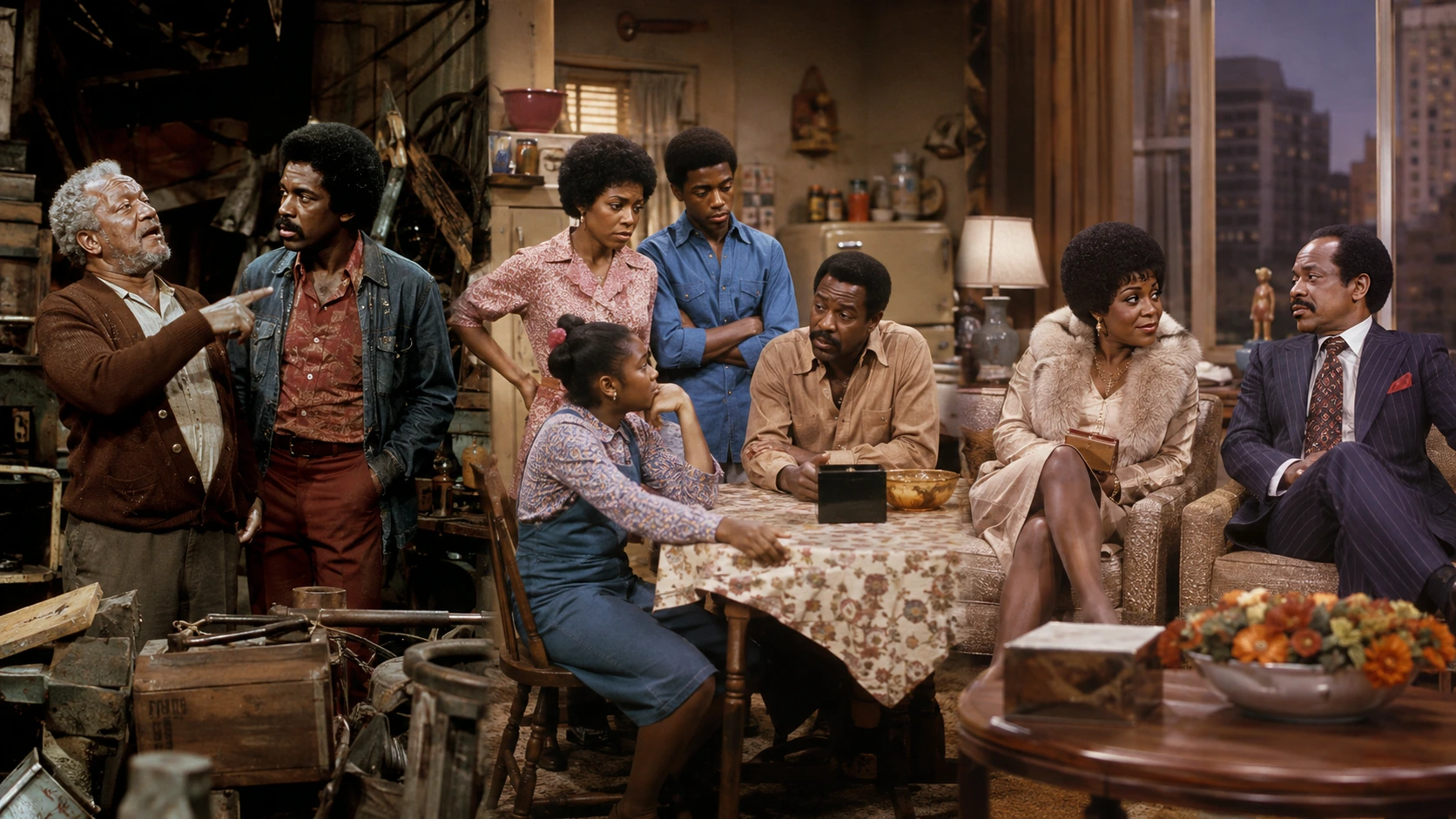
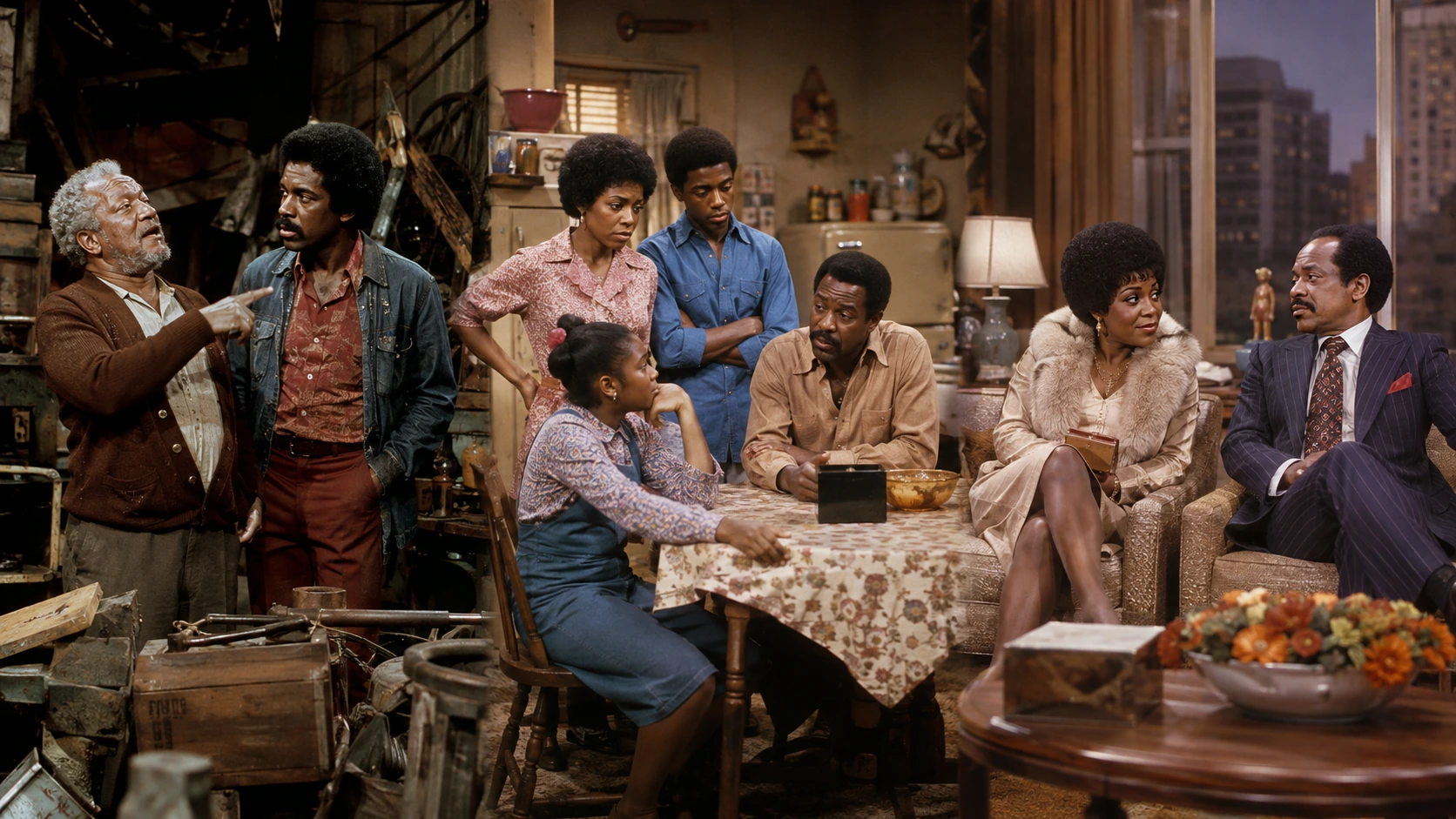
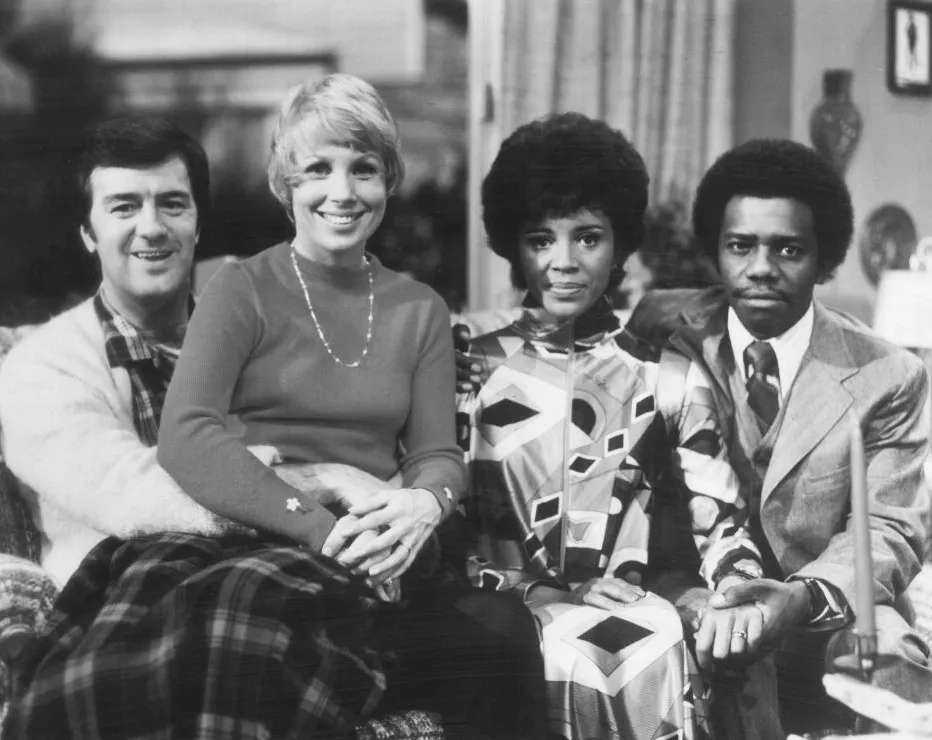
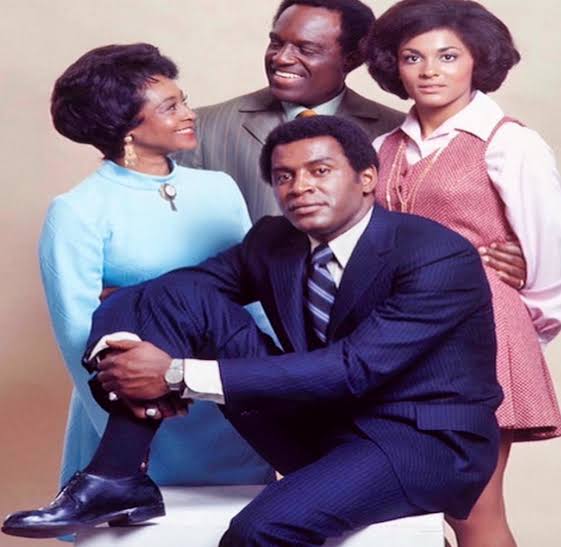
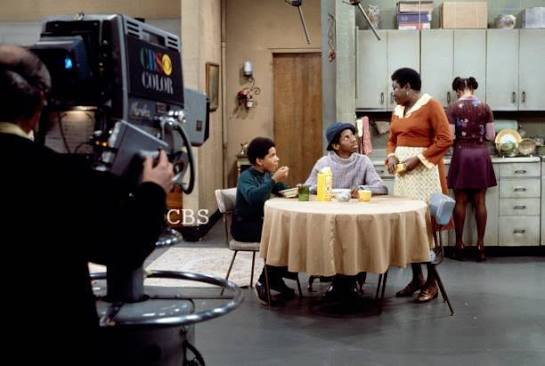
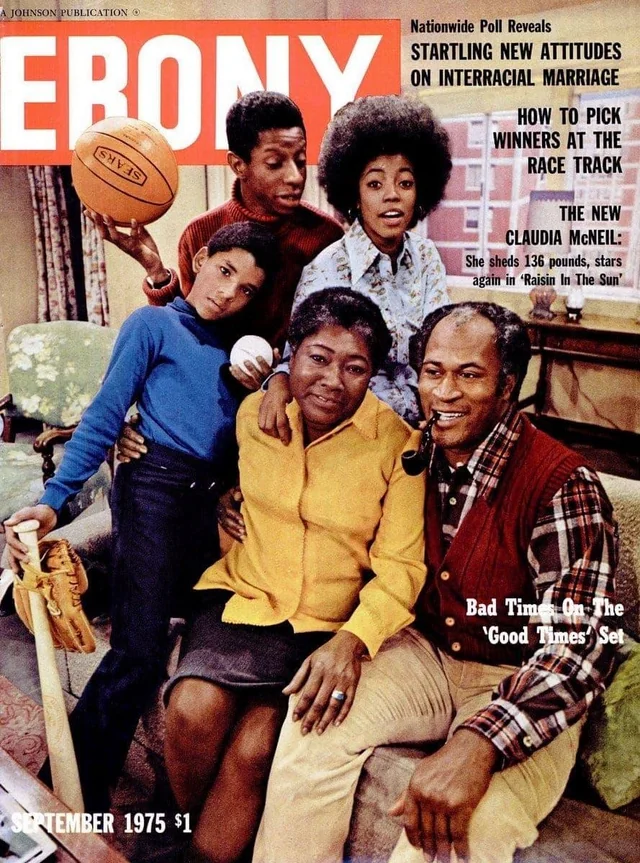
The best Black sitcoms of the 1970s did not give us one version of Black life. Their staying power comes from the differences.
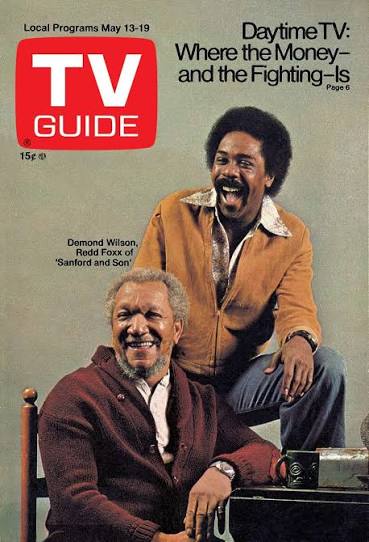
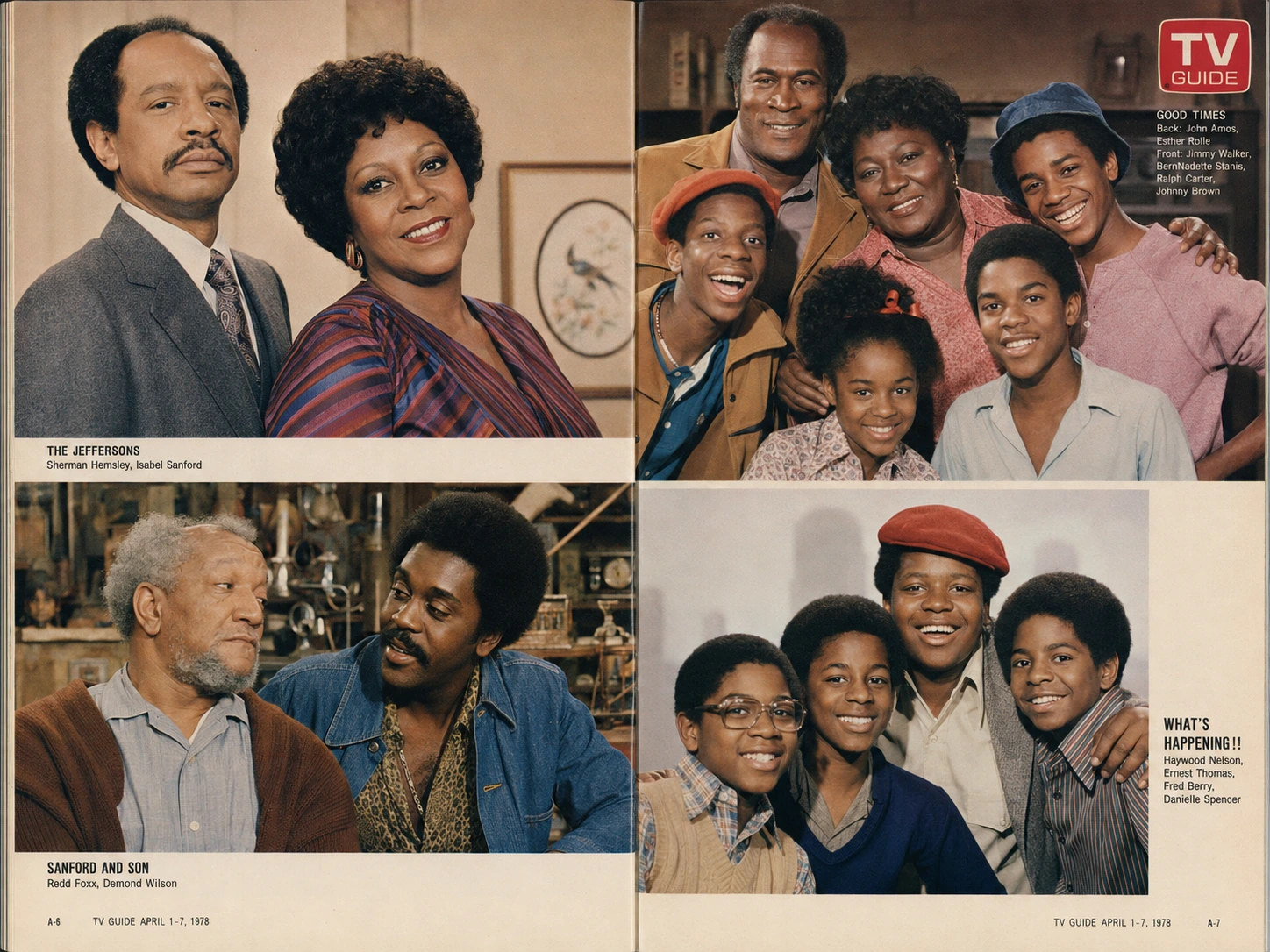
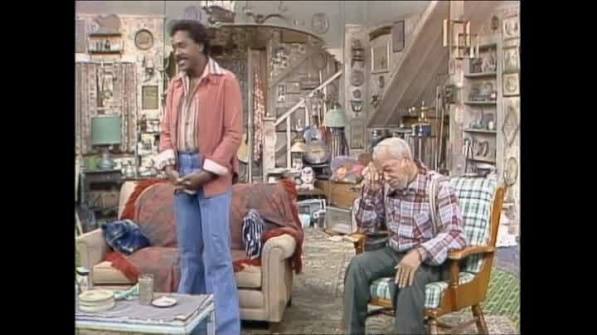
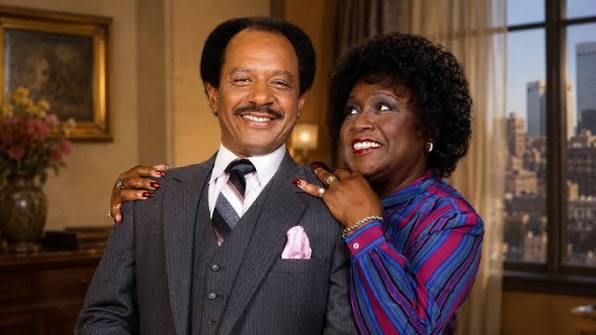
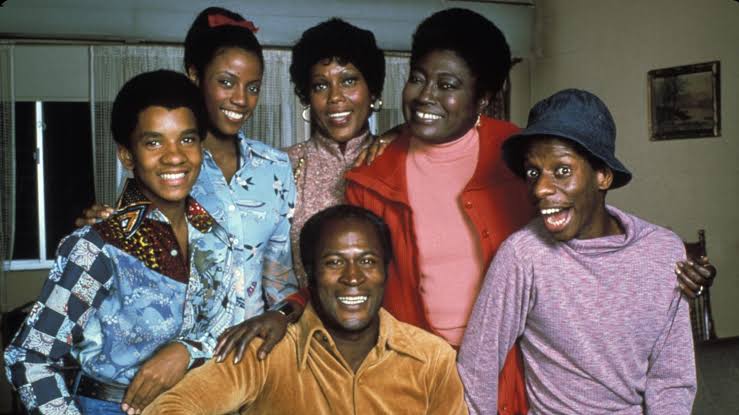
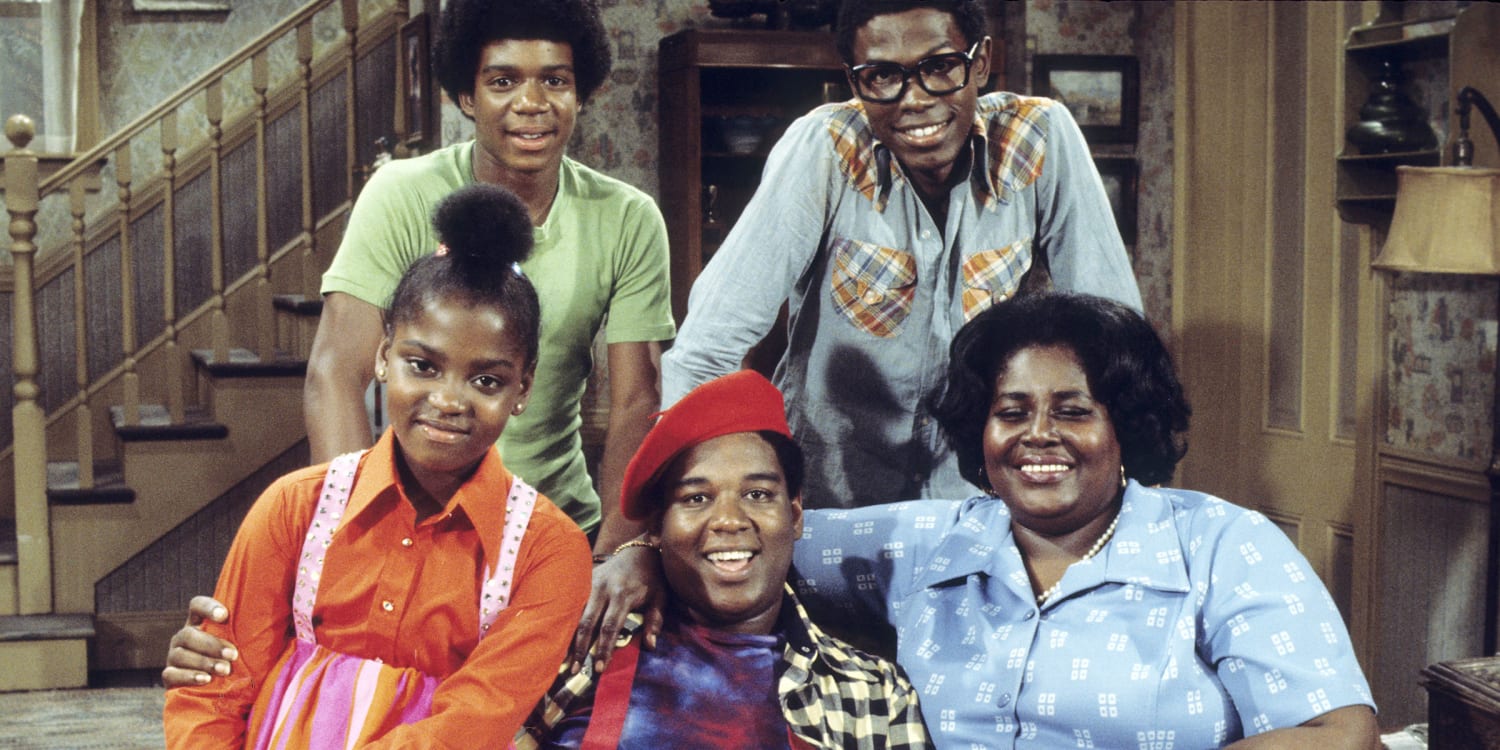
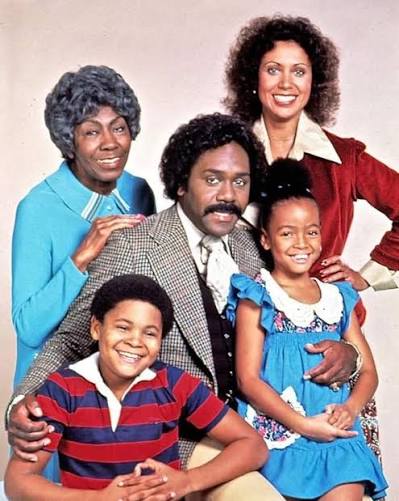
Fred Sanford could run a junk business, fake another heart attack and still reveal how much he needed Lamont. Florida and James Evans could protect dignity inside a home where the money never stretched far enough. George and Louise Jefferson could reach the deluxe apartment and discover that success created a new kind of pressure instead of ending the old one. Raj, Rerun and Dwayne could spend an episode chasing a bad idea because teenagers deserved ordinary foolishness too.
That range looks obvious only after the door has been opened. At the time, every one of those rooms had to fight against the assumption that one household was enough.
Gen X did not always receive the shows in order. We received them in blocks, after school, on independent stations and on channels that cared more about filling the schedule than explaining television history.
That accident helped create a fuller memory. The junkyard, the Evans apartment, the East Side apartment and Rob’s Place sat close enough together that comparison happened naturally.
We noticed that money changed the argument. We noticed that the women often knew the truth before the men finished performing. We noticed that a theme song could tell us whether the next half-hour would be about hustle, survival, prosperity or friendship.
We also noticed, even before we had the language for it, that some characters were allowed to be complicated while others were pushed toward the easiest laugh.
Loving the shows now means keeping both things in view: the joy of the performances and the pressure surrounding them.
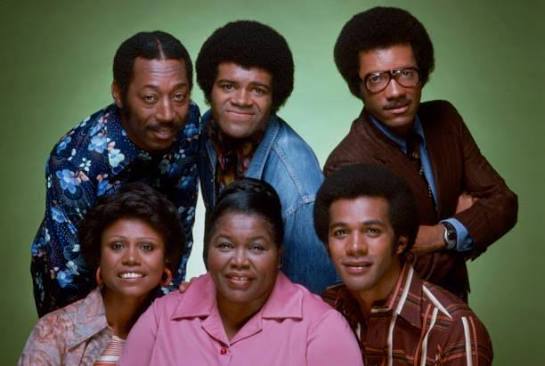
Redd Foxx was funny enough to bend the rhythm of network television around himself. Esther Rolle and John Amos made the Evans family feel like a real household before the catchphrase threatened to become the whole room. Isabel Sanford gave Louise Jefferson authority without needing to outshout George. Marla Gibbs proved that stillness could beat bluster. Mabel King, Danielle Spencer, Haywood Nelson, Ernest Thomas and Fred Berry helped create a teenage world that felt lived in rather than borrowed.
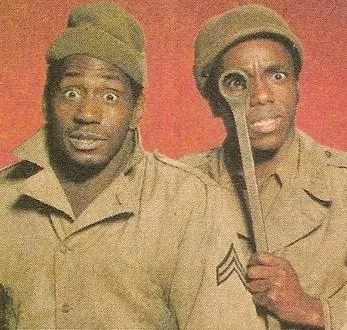
The shorter-run shows matter because they show the paths television tried and then abandoned too quickly: young marriage, military comedy, neighborhood business, returning-family farce and professional life without a weekly crisis attached.
Not all of them became classics. They still belong in the picture because the decade was not built only by the shows that lasted.
The list ends at ten because there were only ten that truly fit. That number should still bother us a little.
But the laughter remains. Fred reaches for his chest. George charges through the door. Florence waits him out. Florida gives the look. Dee lands the final line. Rerun starts moving before the music has decided what to do with him.
That is the part Gen X remembers first—and probably always will.
The breakthrough was real, but the memory is personal: one television, one shared room and a lineup of families who made the screen feel bigger than it had before.