Music, superheroes and educational interstitials
ABC became closely associated with Schoolhouse Rock!, superhero programming and bright branded blocks that could turn the spaces between shows into part of the morning.
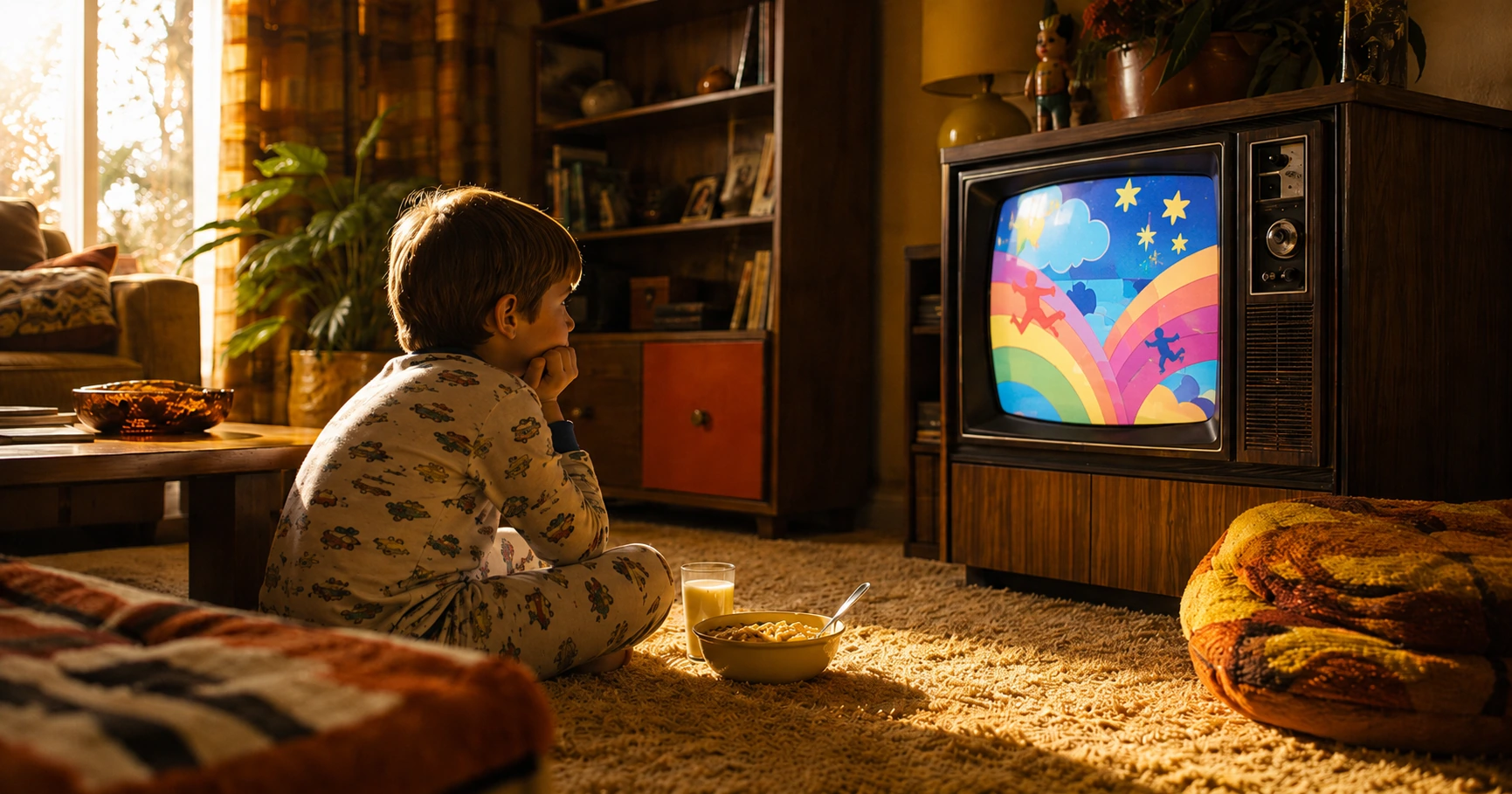
Saturday morning began when the television warmed into focus and the cereal hit the bowl. Three networks built a weekly kingdom from mystery vans, superheroes, talking animals, educational jingles and commercials that could create a household emergency in thirty seconds.
The block was childhood freedom and a carefully engineered marketplace at the same time. That contradiction is the real history.
Saturday morning cartoons became a 1970s ritual because ABC, CBS and NBC concentrated children’s programming into long weekend blocks, animation studios could deliver repeatable shows at manageable cost, and advertisers valued a large young audience watching at the same time. Hanna-Barbera, Filmation, educational shorts, live-action fantasy, advocacy over violence and commercialization, and the scarcity of three-network television all shaped the format.
Saturday morning did not begin when the sun came up. It began when the television warmed into focus, the cereal hit the bowl and the volume stayed low enough that nobody could accuse you of waking the house. There were no profiles, queues or recommendations. There were three major networks, a printed schedule and the knowledge that missing a show meant waiting until somebody decided to air it again.
The 1970s did not invent children’s television or Saturday cartoons, but the decade turned the morning block into a highly engineered ritual. Hanna-Barbera, Filmation, DePatie-Freleng and other studios supplied superheroes, mystery-solving teenagers, talking animals, pop groups, monsters and educational shorts. Networks stretched successful characters into longer umbrella programs designed to hold children from one segment to the next.
The same block was also an argument. Parents and advocacy groups questioned violence, stereotypes, advertising and whether broadcasters were serving children or simply delivering them to cereal and toy companies. The result was a decade where commercial pressure, regulation, education and pure goofy entertainment all fought inside the same few hours.
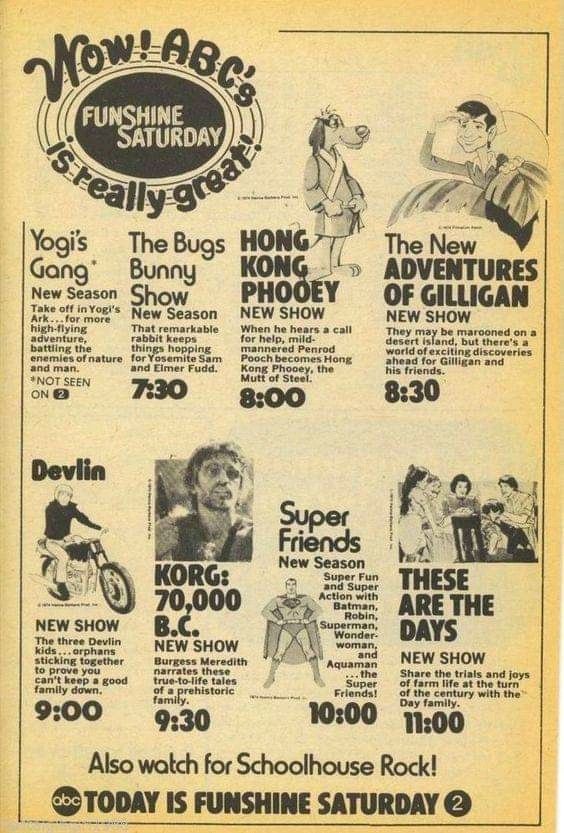
Before searchable menus, the schedule lived on paper—and a child who wanted the right cartoon had to understand the map.
A TV Guide spread showed competing networks, start times and the point when cartoons surrendered the television to sports or adult programming. Newspaper grids offered the same information in smaller type.
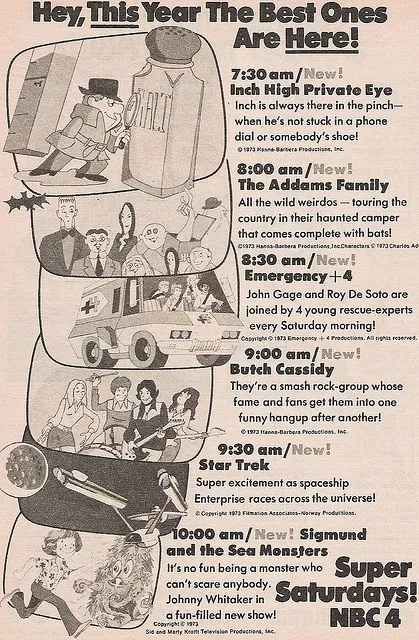
The block felt independent because children controlled the schedule without controlling the household.
The first rule was silence. Wake too loudly, and the same adults whose sleep made the morning possible might appear and change the terms. The volume remained low, cabinet doors closed carefully and the cereal bowl became a piece of evidence that had to be removed before somebody noticed.
The second rule was possession. The family television usually served adult priorities: news, sports, prime time, weather and whatever program had been declared appropriate for everybody. Saturday morning reversed that hierarchy. For several hours, children were not guests in somebody else’s schedule.
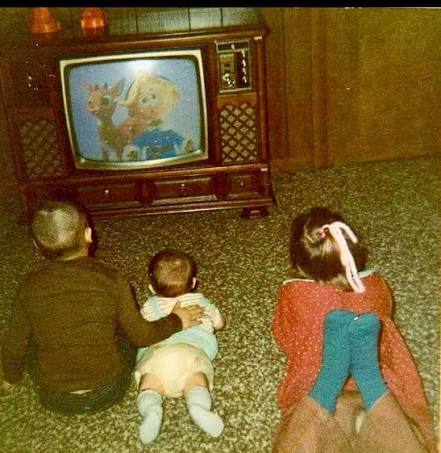
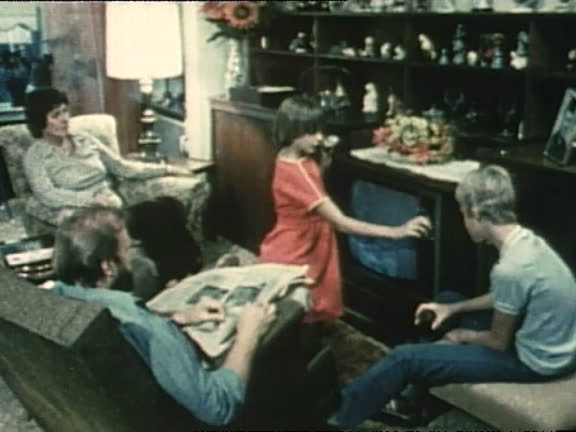
That control was never complete. A parent could demand breakfast at the table, announce errands or decide the television had been on long enough. Older siblings could claim a show was for babies. A broken set, bad reception or local preemption could erase the morning without appeal.
The scarcity made children attentive. We learned to read the clock, remember the next channel and estimate how long a commercial break would last. We knew which shows could be abandoned temporarily and which opening could not be missed.
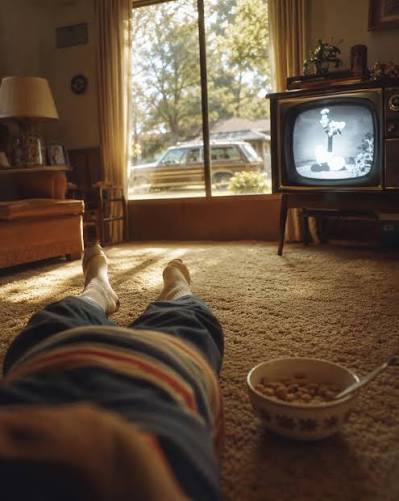
The room itself became part of the memory. Carpet close to the screen, a sofa behind us, sunlight moving across the curtains and the television cabinet warming the air around it. The physical world and the cartoon block fused into one setting.
Streaming offers far more choice and far less negotiation. A child can watch a favorite show at any hour and on a personal screen. The convenience is real. What disappeared is the temporary transfer of power—the knowledge that the entire network schedule had turned toward kids at the same time.
Children had watched cartoons on television since the medium’s early years, often through theatrical shorts repackaged for local stations. By the 1960s, networks increasingly recognized Saturday morning as a reliable place to gather young viewers while adults slept, worked around the house or attempted to enjoy coffee in peace.
The block created a different kind of appointment viewing from prime time. Children were available for several consecutive hours, and programs could be scheduled to move them from comedy to adventure to superheroes without leaving the network. A strong lineup became a chain: one show delivered its audience to the next.
Animation was especially useful. Characters did not age, the same voice performers could cover multiple roles, and episodes could be repeated. The trade-off was limited animation, reused movement, repeated backgrounds and enough running cycles to make every hallway feel longer than it was.
None of that mattered much when the theme song started. The budget could be visible and the magic could still work. Saturday morning depended less on visual luxury than on instantly readable characters, a powerful premise and the promise that the world would be reset before lunch.
The networks did not invent children watching cartoons in the morning. They organized habits that local stations, movie libraries and sponsored kids’ shows had already created.
Long before Saturday morning became a national block, television stations filled children’s hours with theatrical cartoons originally made for movie theaters. Warner Bros., MGM, Paramount and other studios had produced short films for audiences of all ages. On television, those same shorts were repackaged as children’s entertainment, often presented by a local host who introduced cartoons, performed comedy and spoke directly to viewers at home.
The local host mattered because early television was intensely regional. A child in one city might watch a cowboy, sea captain, clown or space commander between cartoons while children elsewhere knew an entirely different personality. Those hosts created loyalty that belonged to the station rather than the program library.
The theatrical shorts also established expectations that later television animation could not always meet. They moved faster, contained denser visual jokes and had been created with budgets and production schedules designed for cinema. When made-for-television cartoons arrived, children accepted fewer drawings because the new programs offered something older shorts could not: continuing characters, weekly worlds and stories designed specifically for the television schedule.
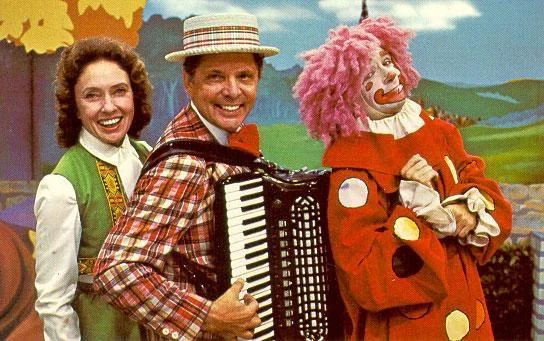
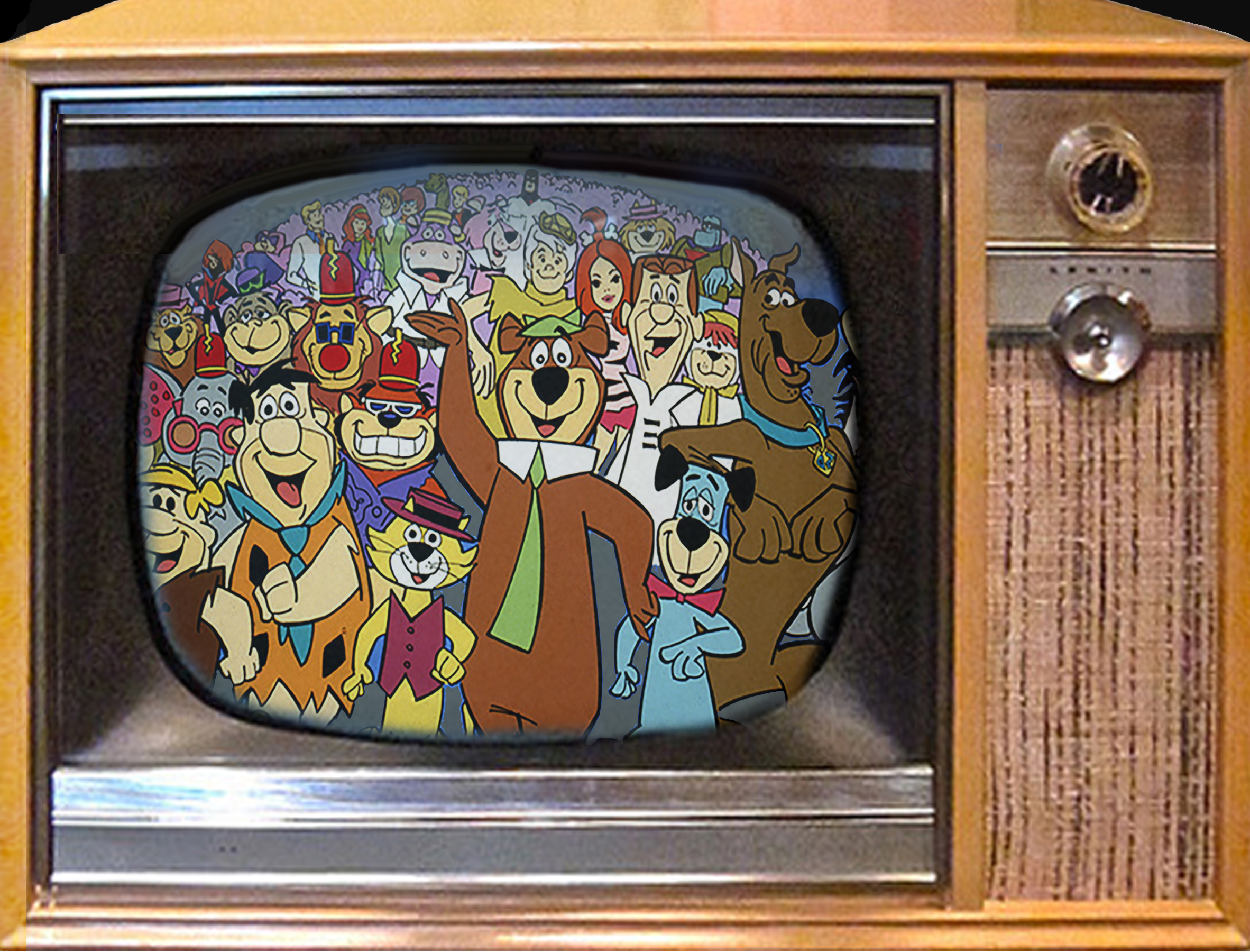
Early network children’s programming mixed puppets, live hosts, game segments, educational material and cartoons. The categories were not yet clean. A morning could move from a live performer to an old animated short to a sponsored message without pretending those parts belonged to separate industries.
Saturday became useful because it solved several scheduling problems at once. Schools were closed, many adults had not yet claimed the television and advertisers could reach children in a predictable window. As national networks strengthened their schedules, they turned that loose collection of habits into a repeatable block.
The shift from local presentation to national branding changed childhood memory. Local hosts remained important, but network promos increasingly told children that the real event belonged to ABC, CBS or NBC. The morning became both national and local: the same superhero or mystery team could appear across the country, surrounded by station IDs, regional commercials and different start times.
That history explains why the phrase “Saturday morning cartoons” feels larger than animation. The ritual inherited theatrical shorts, local personalities, sponsor-driven children’s shows and the idea that weekend television should speak directly to kids.
Saturday morning became powerful because children were gathered, counted and sold as a distinct audience with their own habits.
Prime-time television was usually designed around the broad household. Children might watch, but adults controlled the schedule and advertisers primarily valued adult purchasing power. Saturday morning created a different arrangement. The youngest viewers became the center rather than the tolerated edge.
Audience measurement made that attention visible. Ratings could show networks which programs held children, when viewers changed channels and how one hit affected the next half hour. Programming decisions that looked like creative trends were also responses to measurable behavior.
Children did not have salaries, but advertisers understood influence. A child could request a cereal, repeat a toy name, recognize a mascot and turn a family shopping trip into a negotiation. That made the audience commercially valuable even when the money belonged to adults.
The concentrated schedule increased the value. Instead of buying scattered time across the week, a cereal or toy company could reach millions of young viewers inside a few predictable hours. The same viewers could encounter the product repeatedly as they moved through the lineup.
Networks therefore needed shows that were immediately readable. A child joining five minutes late should understand the hero, villain, mascot or mission. Complex character development was less useful than a premise that survived interruption, reruns and divided attention around the breakfast table.
The child audience was not a single group. Early slots could appeal to younger viewers, while later action and live-action programs aimed older. Networks adjusted tone, speed and subject as the morning advanced, trying to keep children from aging out of the block before noon.
Gender assumptions shaped those decisions. Executives and advertisers often divided programs and products into crude ideas about what boys or girls would watch. Some shows crossed those lines easily, but the marketing language around adventure, dolls, vehicles and domestic play often reinforced narrow expectations.
The audience model also produced the central ethical problem. Children were being treated as viewers and consumers at the same time, even though younger children could not always separate the entertainment from the sales pitch. Advocacy groups would spend the decade forcing broadcasters and regulators to confront that difference.
A successful show did more than earn its own audience. It handed children to the next half hour before anyone could reach the channel dial.
Saturday morning schedules were designed around flow. Networks wanted children to arrive early, remain through multiple programs and recognize that the entire block belonged to them. Promos, bumpers and recurring hosts made separate series feel like one continuous event.
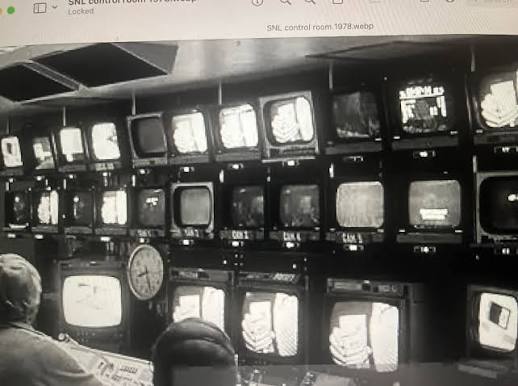
The sequence mattered. Younger-skewing comedy and familiar characters could occupy the earliest slots. Adventure, superheroes and older-kid material often appeared later, when more of the household was awake and competition for the television increased.
Every commercial break threatened escape. A rival network was only one dial click away, and local stations could offer theatrical shorts, reruns or hosted children’s programs. The network therefore sold not only individual shows but the promise that something equally exciting was coming next.
Printed listings turned the lineup into a map. Children who could barely organize a school morning learned to calculate start times, channel numbers and the consequences of a delayed breakfast. The schedule became one of the first pieces of adult information many kids used entirely for themselves.
The three-network system intensified the ritual. Choice existed, but not in abundance. A child could switch between ABC, CBS and NBC, yet the entire national menu remained small enough for classmates to compare on Monday.
Children did not study corporate programming strategy, but they learned the difference between lineups through characters, pacing, promos and habit.
ABC became closely associated with Schoolhouse Rock!, superhero programming and bright branded blocks that could turn the spaces between shows into part of the morning.
CBS leaned heavily on major animation suppliers, celebrity variations and character libraries capable of expanding into longer formats.
NBC lineups often mixed animation with Filmation, Krofft-style live action and science-fiction concepts that gave the late morning a different texture.
These identities were never absolute. Shows moved, strategies changed and every network borrowed from whatever had recently worked. But children experienced the competition as a set of instincts: which dial position felt safest, which one owned the current obsession and which network was worth checking during commercials.
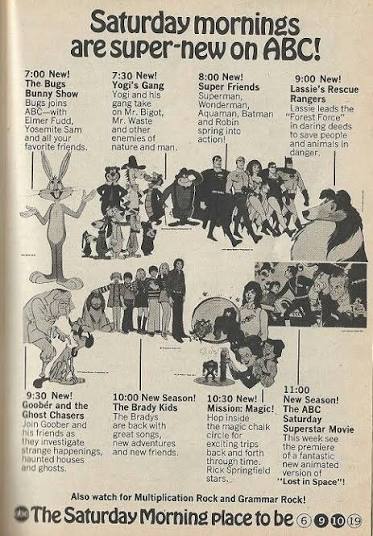
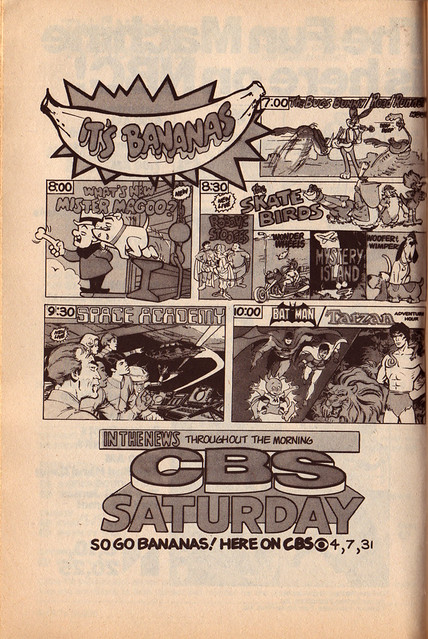
The network contest also encouraged duplication. When one mystery team, superhero group or celebrity cartoon found an audience, competitors did not need years to discover a remarkably similar answer.
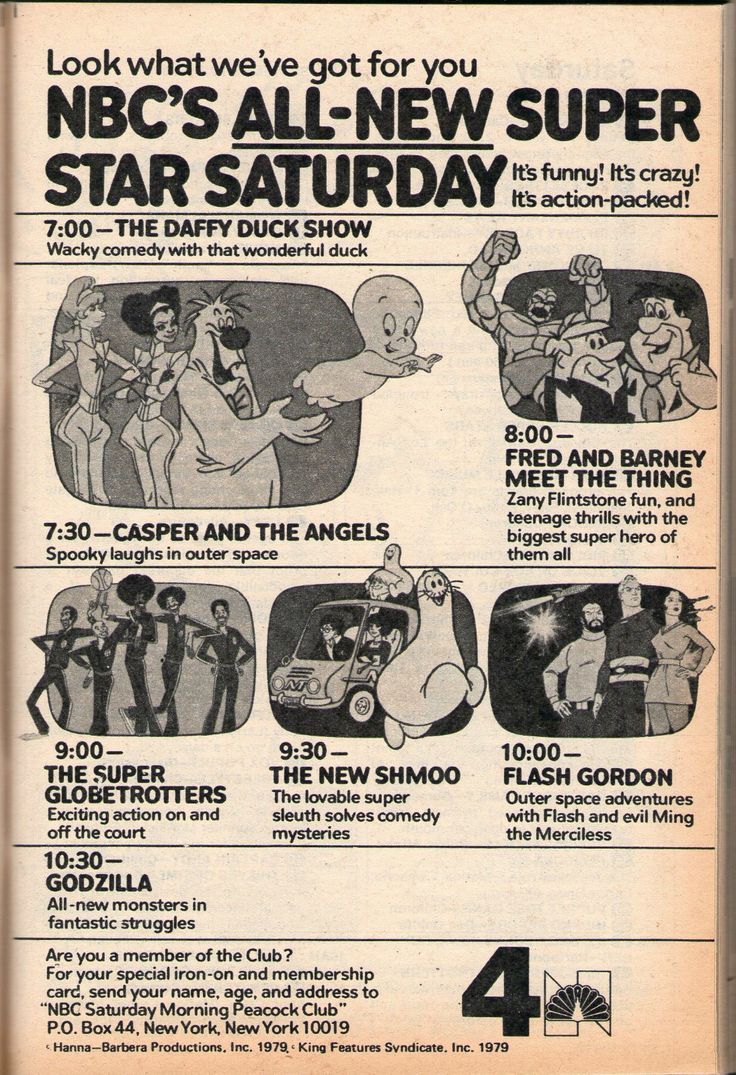
This 1978 ABC preview shows how announcers, clips, logos and promises of new characters turned the upcoming lineup into an event before the first new Saturday arrived.
Networks did not wait for children to discover new shows one at a time. They introduced the morning as a package worth planning around.
The fall television season gave Saturday morning its own version of opening day. New characters, returning favorites and redesigned umbrella blocks were promoted through animated spots, announcer copy and preview programs built to make the schedule feel larger than any single half hour.
A preview could show quick scenes from several programs, often with hosts, celebrities or familiar characters connecting the clips. The goal was practical: children needed to know which network to choose before competing openings began at the same time.
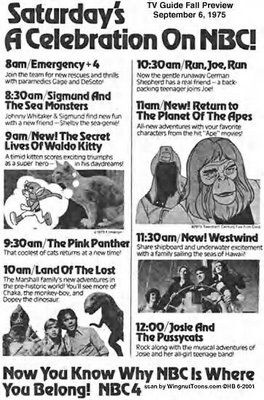
Promos emphasized novelty even when the formula was familiar. A new mascot, vehicle, celebrity voice or superhero lineup could be presented as the event that would change the morning. The language promised “all new” adventures even when the production relied heavily on reused designs and established structures.
The network logo became part of the excitement. ABC, CBS and NBC sold themselves as destinations with a complete personality. A child might prefer one show on another channel but remain loyal to the lineup that felt like home.
Scheduling announcements mattered because information was scarce. There was no searchable guide, social feed or instant trailer library. Children learned from commercials, newspaper listings, TV Guide, friends and the rare preview special. A missed promo could mean discovering a series only after someone mentioned it at school.
The campaigns also created anticipation through repetition. A theme song heard in a ten-second promo could become familiar before the full opening aired. A single image of a new monster or hero could carry a week of speculation.
For parents, the season launch probably looked like louder advertising. For children, it felt like the announcement of a new map. The block would soon contain different roads, characters and obligations, and the first Saturday was the only proper time to begin learning them.
Superheroes, educational music, animated science fiction, familiar comedy and network competition all converged in the same season.
The 1973–74 period stands out because several different directions in children’s television became visible at once. Super Friends translated DC heroes into a softer team format. Star Trek: The Animated Series extended a respected live-action universe. Schoolhouse Rock! made educational interstitials memorable enough to become part of popular culture.
That combination shows why the block cannot be reduced to cheap cartoons. The same morning could contain mass-market superhero simplification, unusually ambitious science-fiction writing and three-minute songs about multiplication or grammar.
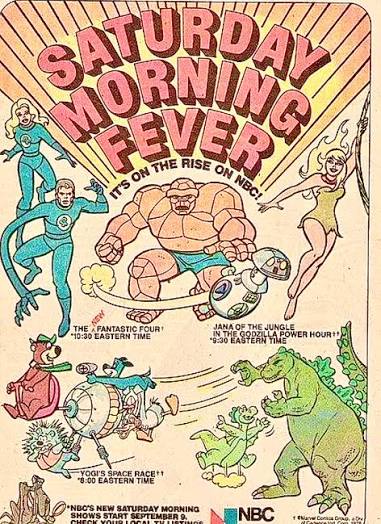
The season also demonstrates how networks used recognizable properties to reduce risk. Comic-book heroes and Star Trek arrived with existing audiences. Educational shorts were placed between shows rather than asked to carry an entire half hour. Familiarity supported experimentation.
At the same time, production economics remained visible. Even ambitious programs worked within limited-animation systems, repeated backgrounds and compressed schedules. Prestige did not remove the business model; it asked that model to carry more demanding material.
For viewers, the distinctions were less important than the sequence. A child could move from comedy to capes to space adventure, learn a multiplication fact during the break and still encounter the same cereal mascot before lunch.
The 1973 season also arrived while pressure over violence, advertising and educational responsibility was growing. That made it a bridge year: the block still carried the exuberance of the established system while showing how networks were adapting to public criticism.
Looking back, the season feels like a condensed explanation of the decade. Saturday morning could be repetitive and inventive, commercial and educational, cautious and weird—all before noon.
The exact lineup changed by season and city, but the emotional architecture was remarkably consistent.
Local reruns, theatrical shorts or early network material reward the child who wakes before the official kingdom opens.
Talking animals, mystery teams and broad comedy make the first bowl of cereal feel like the beginning of a major event.
Major brands, superheroes and heavily promoted shows occupy the hours when the largest child audience is awake.
Science fiction, Krofft worlds and moral-adventure programs push the morning toward lunch.
Sports, news, movies or adult programming return. Somebody notices the cereal bowl and remembers you were assigned chores.
Hanna-Barbera entered the decade with an enormous library, production experience and a gift for creating concepts that could be understood before the first commercial. Mystery-solving teens, funny animals, superhero teams and celebrity variations rolled through the schedule with remarkable efficiency.
Scooby-Doo, Where Are You! had premiered in 1969, but its influence exploded through the 1970s. The formula—teenagers, a mascot, a mystery, a seemingly supernatural threat and a human explanation—was flexible enough to inspire direct continuations and a parade of spiritual cousins. Give the group a vehicle, a theme song and one unusual animal, and the van could roll again.
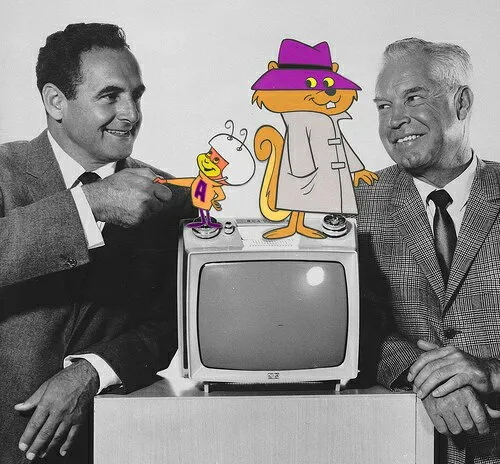
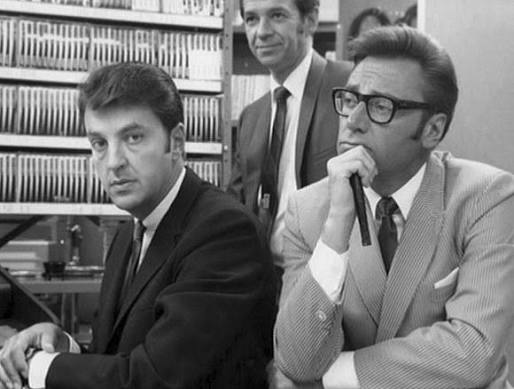
Filmation developed a different identity, particularly through action and superhero programming. Its work included Fat Albert and the Cosby Kids, Star Trek: The Animated Series, Shazam!, Tarzan, Lord of the Jungle and The New Adventures of Batman. Filmation often paired adventure with explicit moral instruction, sometimes closing with characters explaining what the episode wanted children to remember.
The studios’ visual shortcuts are easy to spot now: repeated poses, limited mouth movement and long pans across still art. Yet those limitations encouraged strong silhouettes, bold colors and music that carried energy the animation could not always provide.
Mystery teams, comedy animals, superhero ensembles and a talent for stretching recognizable characters across the morning.
Superheroes, adventure and moral instruction delivered with bold designs and unmistakable dramatic music.
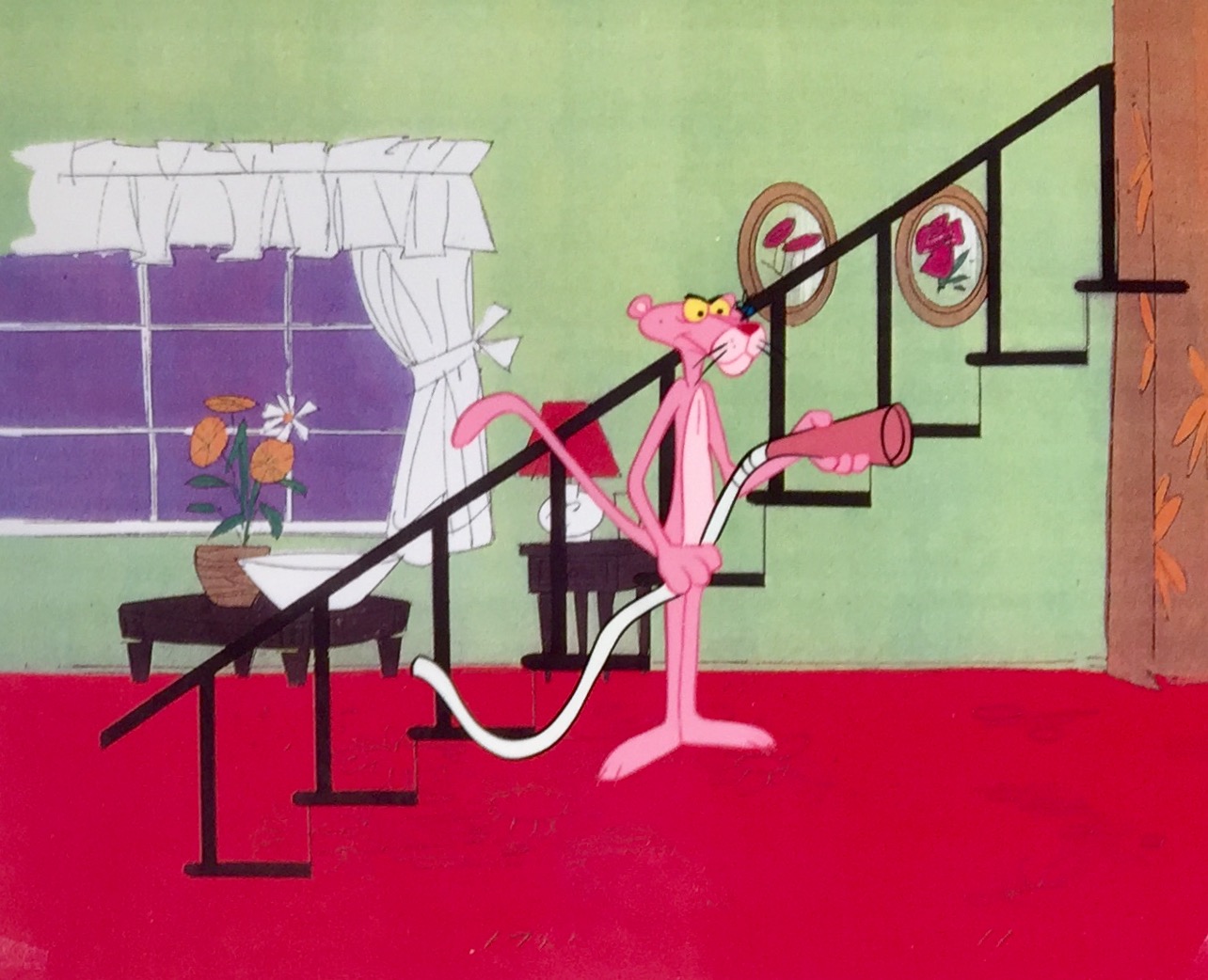
Stylish comedy built around characters such as the Pink Panther and other theatrical-animation personalities adapted for television.
For a deeper look at the two studios that defined so much of the morning, visit Hanna-Barbera Cartoons of the 1970s and Filmation Cartoons of the 1970s. Together, those histories show how two very different production cultures filled the same weekend hours.
Television needed more minutes than theatrical animation methods could afford, so studios designed characters and scenes around reuse.
A fully animated theatrical short could involve thousands of drawings and months of specialized work. Weekly television demanded a cheaper system. Characters were divided into reusable parts, mouth movements were isolated, backgrounds repeated and camera movement created energy across largely still artwork.
The familiar running cycle was not laziness in the simple sense. It was a production solution. A studio could store a walk, reaction or turn and use it whenever a new script needed the same movement.
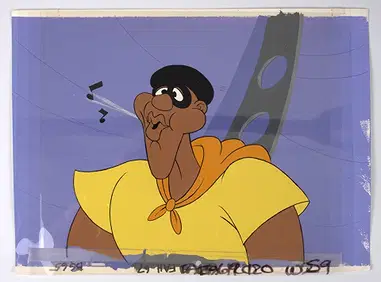
Strong silhouettes became essential because the character had to remain readable with less motion. Fred’s ascot, Shaggy’s posture, Batman’s cape, Hong Kong Phooey’s outfit and the Super Friends’ symbols did enormous visual work before anyone moved.
Music carried energy the drawings could not. Dramatic horns, chase cues, percussion and unforgettable theme songs made repeated backgrounds feel faster. Sound effects supplied impact where standards, budgets or both reduced visible action.
Modern viewers notice the economy immediately, especially on large high-definition screens. On a nineteen-inch set across the room, the emotional information was often enough. The monster entered, the hero understood the danger and the chase began.
The limitation also created a shared visual memory. Even children who could not name a studio learned the rhythm of a Hanna-Barbera hallway, a Filmation close-up or a painted background that seemed far more detailed than the character walking across it.
The finished half hour looked simple because dozens of specialized decisions had already been compressed into a system.
The process began with a premise that could survive repetition. Networks and studios wanted a concept explainable in a sentence: teenagers solve mysteries with a talking dog, superheroes protect the world as a team, a celebrity band encounters weekly adventures or a family explores a lost prehistoric world.
Writers then built stories around recurring designs and familiar settings. The characters, vehicle, headquarters and recurring villains already existed, so scripts were designed to use them efficiently. A story that demanded too many new locations or unusual movements could become expensive before anyone drew a frame.
Storyboards translated the script into shots. This stage determined where movement was necessary, where a held pose could work and how long the camera might remain on a painted background. In limited animation, timing and composition carried responsibility that fuller movement would have handled elsewhere.
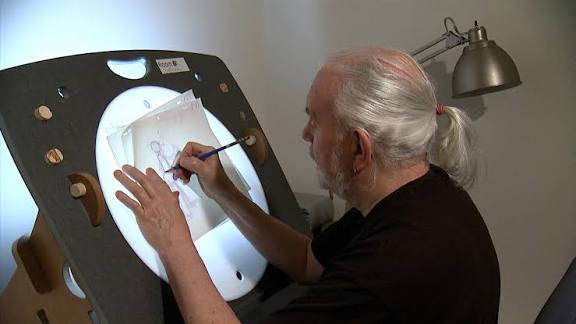
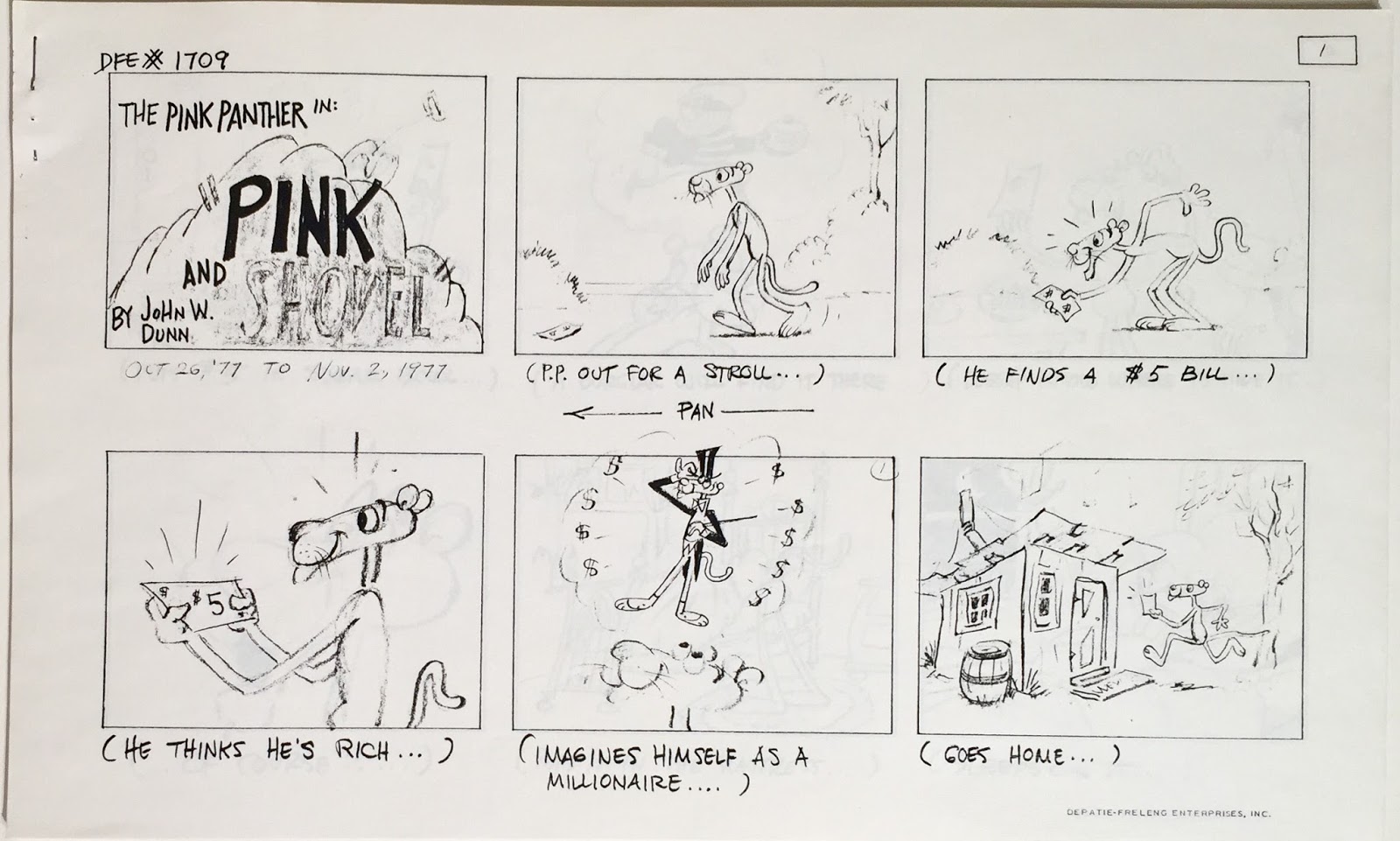
Voice recording often happened before final animation. Performers created rhythm, personality and emotional energy that artists then supported with mouth positions, reactions and camera movement. A strong vocal performance could make a mostly still character feel alive.
Model sheets kept characters consistent across artists and episodes. They defined proportions, expressions, standard poses and important details. Consistency mattered because work could be divided among teams and sometimes sent to outside studios.
Background painters created the most visually detailed part of many shows. A haunted mansion, futuristic city or jungle landscape might remain still while characters moved across it, so color and atmosphere had to establish the world immediately.
Animation cels or photographed artwork were assembled, edited and combined with music and effects. Reusable cycles, stock reactions and repeated transitions reduced cost, while editing disguised how often those pieces returned.
Network standards reviewed the result for violence, language, frightening imagery, advertising concerns and educational expectations. Notes could alter a scene after the creative decisions had already been made, producing some of the odd compromises viewers recognize today.
The system was industrial, but industrial does not mean effortless. Artists, writers, performers, editors and musicians learned how to create personality inside constraint. The entire Saturday morning block depended on people finding new uses for familiar parts.
When the drawing held still, the soundtrack kept the world alive.
Saturday morning voice performers often played several characters in the same series and moved between productions with remarkable speed. A change in pitch, rhythm or attitude could create an entirely different personality without changing the face behind the microphone.
The best voices gave characters physical behavior. Shaggy’s panic, Scooby’s speech patterns, a superhero’s authority or a villain’s theatrical menace could suggest movement before the animation responded.
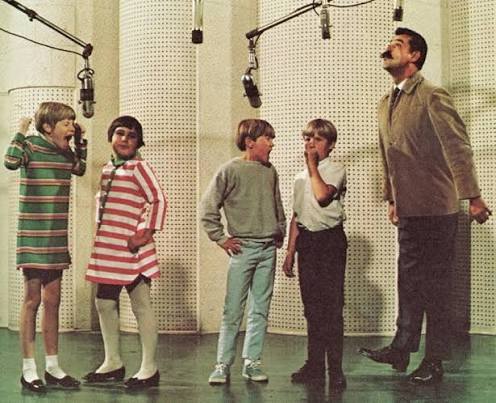
Ensemble recording created timing that individual tracks could not always reproduce. Performers heard one another, interrupted, reacted and shaped the scene like live comedy. Even when voices were recorded separately, editors worked to preserve the rhythm of conversation.
Music did structural work. Opening themes explained the premise, recurring cues identified danger and chase music supplied speed. A familiar brass phrase could tell viewers that the heroes had regained control before the picture showed it.
Studios developed libraries of effects and cues that traveled between shows. The same skid, collision, sparkle, laser or frightened reaction might appear in several unrelated worlds. Repetition turned those sounds into a shared vocabulary of television animation.
Limited movement made audio transitions especially important. A dramatic sting could turn a still close-up into a revelation. Rapid percussion could make a reused running cycle feel urgent. An echo could enlarge a cave that existed as one painted background.
Theme songs were also marketing tools. A title repeated inside a chorus helped children remember what to request, discuss and find in the schedule. The music could sell the show before the story began and continue selling it in the viewer’s head afterward.
For Gen X memory, the sound often survived better than the plot. We may forget the exact villain or lesson, but the opening chord can still reconstruct the room, the bowl and the hour.
Hanna-Barbera and Filmation dominated the conversation, but the decade’s schedules were assembled from several production cultures.
DePatie-Freleng brought a cleaner graphic style and the theatrical prestige of the Pink Panther world into television. Its work could feel sleeker and more design-conscious than the crowded ensemble formulas surrounding it.
Rankin/Bass, already associated with holiday specials, moved between stop motion, traditional animation and adventure properties. Programs such as ThunderCats belonged to a later decade, but the company’s 1970s fantasy and literary adaptations helped establish the appetite for stylized adventure.

Ruby-Spears formed late in the decade after Joe Ruby and Ken Spears had already helped create Scooby-Doo. The new studio’s emergence signaled that the production talent behind the established formulas could become a competitor.
Independent producers, international animation and imported material also entered the schedule. Battle of the Planets, adapted from the Japanese series Science Ninja Team Gatchaman, suggested how much larger the world of television animation could become.
The result was a block that could look repetitive from a distance and surprisingly varied up close. Graphic comedy, superhero action, educational shorts, literary fantasy and imported science fiction all occupied neighboring half hours.
When a performer, band or athlete already had an audience, animation could build the adventure around the name.
The celebrity-cartoon trend made business sense. A network did not need to introduce the central personality from nothing. Viewers recognized the face, voice, music or public image, and the title arrived with free publicity built in.
Musical groups were especially adaptable. A band already traveled, performed and possessed distinct personalities, making weekly adventures easy to imagine. Animation could send the group into mysteries, fantasy settings or comic danger without the cost of live location work.
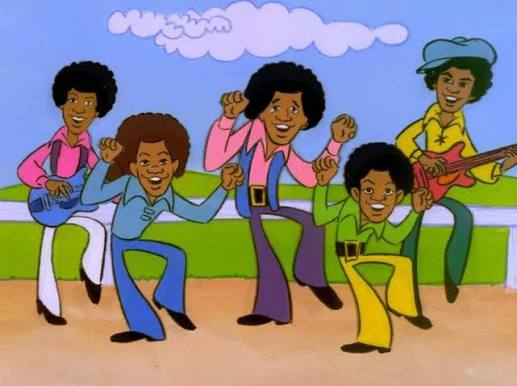
Celebrity shows also blurred the line between performer and fictional character. The animated version might borrow a catchphrase, hairstyle or stage identity while living in stories unrelated to the person’s real career.
Some celebrities voiced themselves; others were represented by sound-alikes. Children were not always concerned with the distinction. The title and visual identity carried more weight than the exact recording arrangement.
A successful celebrity cartoon could support records, appearances, magazines and merchandise. The show became one part of a larger entertainment package rather than an isolated program.
The format had creative limits. A celebrity image had to remain recognizable and broadly appealing, which could make stories flatter than programs built around fictional characters with more freedom to fail or change.
Yet the trend reveals the block’s flexibility. Saturday morning could absorb pop music, sports fame, television comedy and public personalities, then convert all of them into the same weekly grammar of vehicles, sidekicks and trouble before the first commercial.
A child’s lineup mixed brand-new episodes, recent repeats and cartoons created decades earlier.
Networks and local stations relied on libraries because children’s television needed volume. The morning lasted several hours, seasons were finite and a successful character could continue attracting viewers long after original production stopped.
Theatrical shorts from earlier decades gained a second cultural life on television. Children encountered Bugs Bunny, Tom and Jerry, Popeye and other characters outside the moviegoing context for which they had been created.
Those shorts often moved faster and contained references aimed at adult theater audiences. On Saturday morning, the same material was reclassified by scheduling. Children accepted wartime jokes, celebrity caricatures and slapstick without necessarily understanding the original context.
Recent television cartoons also returned in new packages. A series could be combined with related segments, retitled, expanded into an umbrella block or moved to syndication. The same episodes therefore appeared to belong to several different programs over time.
Reruns gave children familiarity and gave networks inexpensive stability. A known show could anchor a weak part of the schedule, support a new title or fill weeks when new episodes were unavailable.
The repetition strengthened memory. Children learned openings, chase patterns and entire scenes through exposure rather than deliberate collection. There was no complete-season menu, but the same episode might appear often enough to become permanent.
Library programming also explains why personal memories do not always match original air dates. Gen X viewers often discovered late-1960s cartoons during the 1970s or 1970s shows during 1980s syndication. The cultural decade of a program could be longer than its production calendar.
The Scooby formula worked because it gave children several pleasures at once. There was comedy, mild fear, a puzzle, friendship, a vehicle and the dependable satisfaction of seeing the monster unmasked. The supernatural could be thrilling without remaining dangerous.
Networks loved the structure because it was repeatable. Similar programs could change the setting, animal, occupation or musical angle while preserving the basic movement. Josie and the Pussycats, The Funky Phantom, Speed Buggy, Goober and the Ghost Chasers, Jabberjaw and others carried pieces of the same DNA.
Scooby himself also kept expanding. The New Scooby-Doo Movies used hour-long stories and guest stars, creating encounters with celebrities and other fictional characters. Later umbrella formats placed Scooby inside broader blocks, helping networks keep children from wandering to another channel.
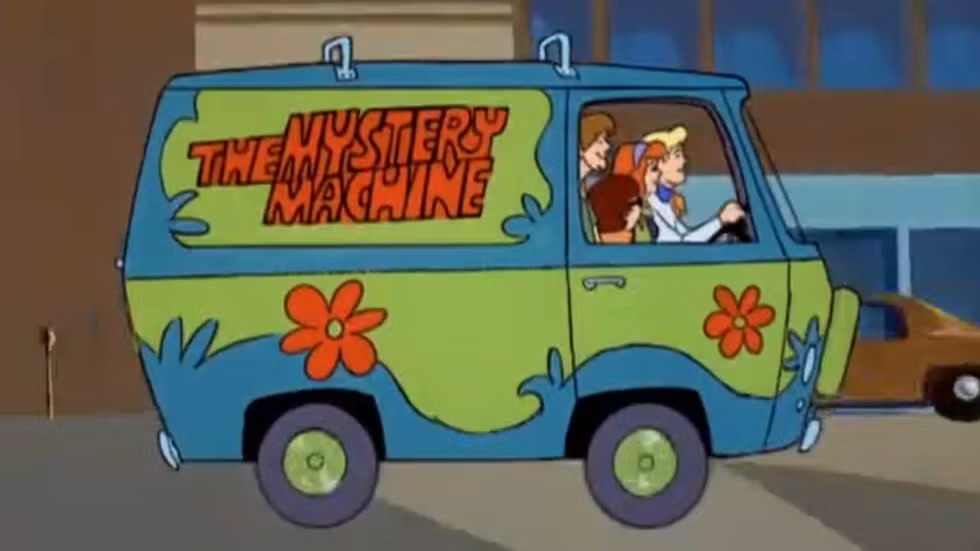
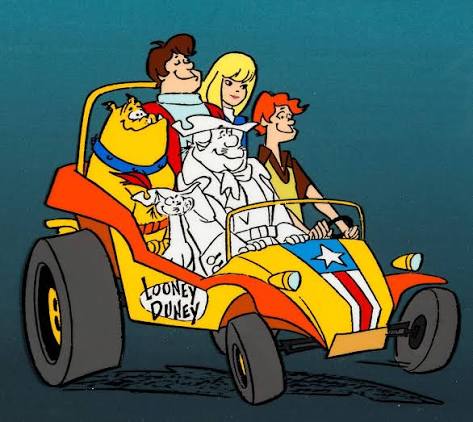
Adults can see the repetition. Kids felt the ritual. The hallway chase, the improvised trap and the unmasking were not signs that the show had run out of ideas. They were the reason you showed up.
Scooby’s rise from one mystery series to a Saturday morning institution is explored in How Scooby-Doo Took Over Saturday Morning Television. The celebrity-crossover years continue in The New Scooby-Doo Movies and the Ultimate Celebrity Crossover.
The formula’s copycat phase is not simply proof that networks lacked imagination. It shows how programming departments managed risk. A new title could feel fresh enough for promotion while remaining familiar enough that children understood the promise immediately.
The mascot solved tone. A frightened animal or unusual creature could make a monster funny without removing the suspense. The vehicle solved movement. The young team solved identification. The unmasking solved standards by returning the world to a rational explanation.
The Funky Phantom pushed the imitation close enough to become part of the story itself. The Funky Phantom and the Scooby-Doo Copycat Boom follows that strange wave of ghostly mascots, mystery teams and suspiciously familiar vans.
Superhero television entered the 1970s under scrutiny over cartoon violence. Networks and studios softened conflict, emphasized teamwork and reduced the harder edges of comic-book action. The heroes still saved the world, but the world was often protected with fewer visible punches than the premise logically required.
Super Friends, which premiered in 1973, became the defining superhero program of the decade. The Justice League characters were simplified for a broad young audience, joined by teenage helpers and placed inside stories that often favored problem-solving and cooperation.
Filmation kept Batman, Tarzan and other adventure heroes active. Star Trek: The Animated Series proved animation could extend a live-action universe with many original performers returning to voice their roles. Late in the decade, Godzilla, Spider-Woman, The New Fantastic Four and Battle of the Planets reflected renewed appetite for science fiction and action.
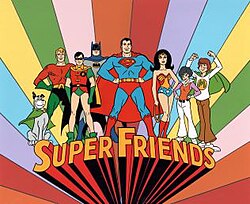
The restrictions occasionally produced strange television logic, but they also forced shows to define heroism through rescue, intelligence and teamwork. Nobody tuned in hoping Superman would settle a zoning disagreement, yet the softer approach became part of the decade’s Saturday-morning identity.
The wider cape-and-mask lineup appears in Best 1970s Superhero Cartoons, while Super Friends and the Saturday Morning Superhero Boom tracks how the Justice League became a weekly children’s television ritual.
The superhero did not leave Saturday morning. The action was redesigned around rescue, restraint and problems that could be solved without a visible brawl.
By the beginning of the 1970s, children’s television violence had become a public controversy. Networks were sensitive to criticism that repeated fantasy combat could influence behavior, especially when young viewers watched for several consecutive hours.
Standards changed the grammar of action. A villain might trap a city, control a machine, threaten the environment or create a disaster that required coordination. The heroes remained powerful, but the story emphasized preventing harm rather than delivering punishment.
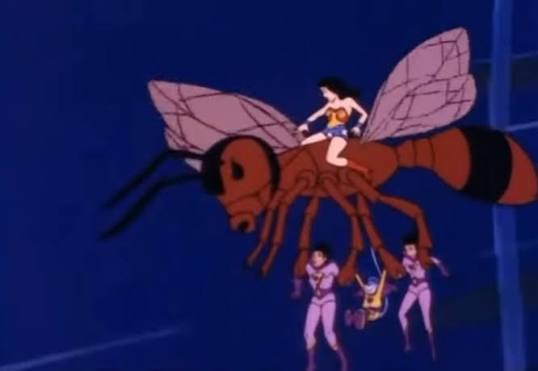
This could produce strange logic. Characters capable of moving planets spent surprising amounts of time redirecting vehicles, repairing infrastructure or speaking patiently to a misunderstood scientist. The softened action sometimes felt less like the comics and more like emergency management with capes.
The restrictions also created strengths. Teamwork became visible. Rescue received narrative weight. Intelligence, negotiation and technical problem-solving could be treated as heroic rather than as pauses before the fight.
Filmation frequently added explicit moral summaries, while Hanna-Barbera’s superhero teams favored group solutions and clear civic lessons. The result was a version of heroism specific to network children’s television.
The debate never reached a final answer. Parents could object to violence while children recognized that the stories still depended on danger. Networks reduced the impact without surrendering the premise that heroes existed because something had gone wrong.
The block could introduce diverse characters and still trap them inside narrow roles created by the same industry.
Television animation depends on instant recognition, and the industry often confused recognition with stereotype. Accents, clothing, body shapes and behavior were exaggerated so a character could be understood immediately. That efficiency carried harmful assumptions into children’s programming.
Some racial and ethnic characters were reduced to jokes, sidekicks or visual shorthand. Older theatrical shorts could contain even more explicit caricature, and local or network packages sometimes aired them with little context.
The 1970s also brought more visible Black characters and programs centered on Black experience. Fat Albert and the Cosby Kids placed a neighborhood group at the center rather than at the edge, and characters such as Valerie in Josie and the Pussycats became important examples of representation inside mainstream animation.
Progress was uneven. A character could be significant simply by existing and still receive less development than white teammates. The industry frequently congratulated itself for inclusion without changing the assumptions behind the story.
Gender roles were similarly narrow. Boys were often positioned as leaders, inventors or action heroes, while girls were assigned empathy, caution or appearance-based traits. Programs with female heroes existed, but marketing frequently treated them as exceptions or aimed them toward a separate audience.
Characters such as Wonder Woman, Isis and Electra Woman offered alternatives, yet standards and writing could soften their authority or surround them with male explanations. The contradiction reflects the decade: women’s roles were changing across television while children’s programming remained cautious about how much change it allowed.
Disability, body size and intelligence were also used as comic shorthand. A character might be defined by clumsiness, speech, fear or appearance in ways that taught children who was expected to be laughed at.
A responsible rewatch does not require pretending every program carried the same harm. It requires noticing how visual economy, commercial targeting and inherited assumptions shaped who was allowed to be heroic, funny, desirable or normal.
Schoolhouse Rock! began airing on ABC in January 1973 as a series of short musical interstitials between programs. The original idea grew from the observation that children who struggled to memorize multiplication tables could remember popular songs with no difficulty at all.
Composer Bob Dorough’s “Three Is a Magic Number” helped establish the formula: compact animation, sophisticated music and information delivered without sounding like a classroom film wheeled in before a substitute teacher. Later segments covered grammar, American history, science and money.
The shorts were effective because they respected the hook. A child might not have requested a lesson on conjunctions or the legislative process, but a strong melody could lodge the information in memory for decades. Plenty of adults still cannot hear the word “conjunction” without an internal train appearing.
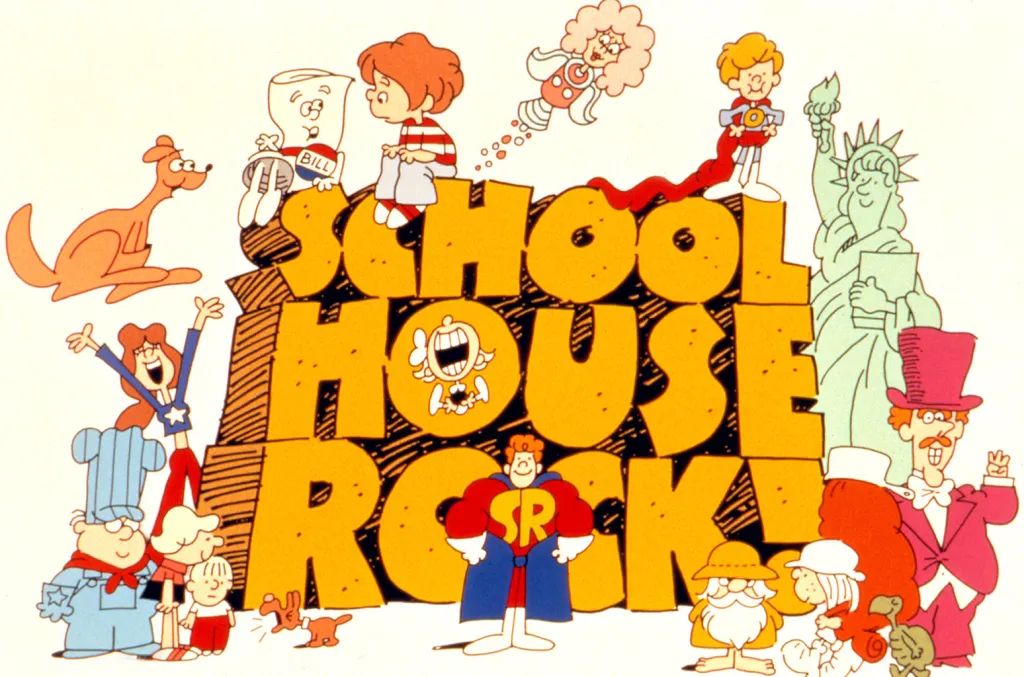
Fat Albert and the Cosby Kids also placed lessons inside entertainment, using neighborhood stories to address behavior and social problems. CBS’s In the News brought short news explanations into the Saturday schedule. Education did not replace adventure, but it became a more visible part of the block.
The genius of Schoolhouse Rock was not hiding education. It was making the educational part catchy enough to survive long after the test.
The decade’s larger educational lineup is collected in Best Educational TV Shows and Cartoons of the 1970s. Here, the important change is how educational shorts and lessons became part of the Saturday morning rhythm.
Networks discovered that public-service obligations and memorable entertainment could sometimes occupy the same three minutes.
Schoolhouse Rock! began on ABC in January 1973 as a series of short musical interstitials placed between children’s programs. The original multiplication concept grew from a simple observation: children who struggled with tables could remember every word of a popular song.
Bob Dorough’s music refused to sound like punishment. Jazz harmony, strong hooks and performers with recognizable voices gave the lessons a personality separate from school. “Three Is a Magic Number,” “Conjunction Junction” and “I’m Just a Bill” became songs first and study aids almost by accident.
CBS used In the News to explain current events in short segments designed for young viewers. The tone assumed children could understand real-world subjects if adults organized the information without talking down to them.
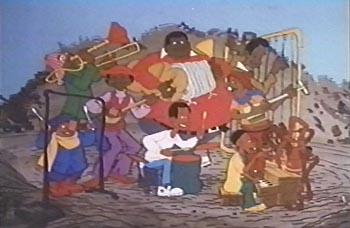
Fat Albert and the Cosby Kids integrated explicit lessons into neighborhood stories. The moral could be more visible than in other cartoons, but the format reflected the decade’s pressure to prove children’s television could do more than hold attention between commercials.
Filmation frequently ended adventures with a direct explanation of the lesson. Those closing messages can feel heavy-handed now, yet children often remembered them because the trusted character stepped outside the plot and spoke plainly.
The educational movement did not replace commercial entertainment. It existed beside it, sometimes sincerely and sometimes as evidence that a network had fulfilled an obligation. The most successful examples worked because the lesson had craftsmanship equal to the show.
Short-form news programming brought elections, science, war and public life into the same morning that sold cereal and superheroes.
CBS’s In the News became the best-known example of a network trying to explain current events to young viewers. The segments were brief, carefully written and placed inside a block where attention had already been gathered for entertainment.
The tone mattered. Children were not addressed as miniature adults, but neither were they treated as incapable of understanding serious subjects. Complex events were reduced to essential facts without turning every explanation into a moral cartoon.
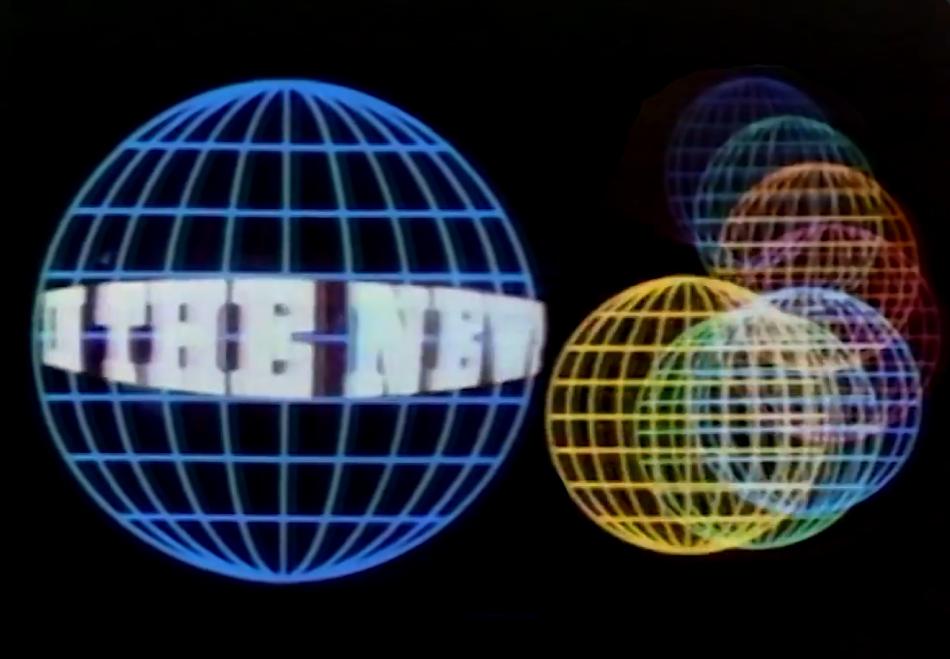

The segments also changed the emotional rhythm of the morning. A child could move from a chase or joke into a report about politics, space exploration or international conflict, then return to animation after the break.
That contrast may seem strange, but it reflected the broader television environment. The same household set carried cartoons, nightly news, presidential speeches and war footage. Saturday morning briefly reorganized the audience, not the technology.
Public-service announcements performed a related function. Safety, health, civic behavior and social concerns appeared through short messages designed to be memorable enough to survive the surrounding entertainment.
Networks could point to this material as evidence of service, and critics could reasonably question whether a few minutes balanced hours of advertising. Both readings are true. The segments were part of a regulatory and reputational strategy, and some were genuinely thoughtful pieces of children’s communication.
For viewers, the effect was subtle but important. The block occasionally acknowledged that children lived in the real world and deserved help understanding it before adults decided they were ready.
Themes, bumpers and announcer voices connected separate half hours into one continuous childhood destination—and a few seconds of that sound can still rebuild the entire room.
Watch on YouTubeA Saturday morning block needed more than programs. It needed signals telling children the kingdom was still open.
Theme songs carried an impossible amount of information. In less than a minute, a strong opening could identify the hero, team, vehicle, danger, tone and exact emotional temperature expected for the next half hour.
The best themes were instructions disguised as music. They told viewers when to run toward the television, when to shout a name and when the commercial break had finally released the story.
Network bumpers performed the same function at a larger scale. A short animation, logo or announcer could connect unrelated shows and remind viewers that leaving the channel meant abandoning the whole morning.
Promos also created anticipation for programs that might not air for another hour. A glimpse of Wonder Woman, the Mystery Machine or a Krofft creature turned waiting into part of the event.
More unforgettable openings appear in 70s TV Theme Songs. On Saturday morning, music and bumpers did something larger: they made a sequence of separate half hours feel like one continuous place.
The morning block’s success drew growing criticism. Action for Children’s Television, founded in 1968, pushed for better programming and less commercial exploitation. In 1970, the organization petitioned the Federal Communications Commission, helping trigger a larger examination of broadcasters’ responsibilities to children.
The FCC’s 1974 Children’s Television Report and Policy Statement said broadcasters had a public-interest responsibility to provide varied programming for children, including educational and informational material. It also addressed commercialization, urging separation between programs and ads, an end to host selling and voluntary limits on commercial time.
For weekend children’s programming, the voluntary guideline cited by the FCC was no more than 9.5 minutes of advertising per hour. The agency also argued that children’s programming should not be confined entirely to Saturday morning, although the block remained the dominant cultural symbol.
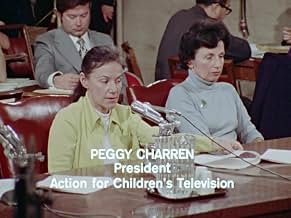
The changes affected how programs looked and sounded. Bumpers separated the story from the commercial. Educational segments became more common. Violence was softened. Networks promoted public-service content while continuing to depend on advertising revenue from the same concentrated child audience.
The result was not a clean victory for either side. Saturday morning remained commercial, formula-driven and full of programs built around marketable ideas. It also became more conscious of education, clearer separation and the unusual responsibility involved in selling to viewers who could not yet spell “disposable income.”
The 1974 FCC policy did not suddenly turn Saturday morning into public television. It established expectations and encouraged industry self-regulation, including separation between programs and commercials, elimination of host selling and voluntary limits of 9.5 commercial minutes per hour on weekend children’s programming.
The distinction mattered because young children did not always recognize where a program ended and a sales message began. When a familiar host or character promoted the product, the commercial could feel like part of the story rather than a separate persuasion attempt.
The rules were not only about violence. Fear, imitation, language, authority and commercial influence all affected what reached the screen.
Standards departments reviewed scripts, storyboards and finished programs for material that might be considered dangerous or inappropriate. The process could begin before animation, because changing a scene after production was expensive.
Imitable behavior was a major concern. A fantasy laser might be safer than a realistic household object because children could not reproduce it. A hero could survive a fall that the program would hesitate to show an ordinary child attempting.
Fire, weapons, dangerous stunts and frightening imagery could trigger notes. The result was sometimes inconsistent: enormous global threats were acceptable while a specific punch, fall or object was removed because it seemed too easy to copy.
Authority figures were generally protected. Police, teachers and parents could be mistaken or comic, but programs were cautious about presenting rule-breaking without consequence. Moral summaries often restored order after a story had spent twenty minutes making rebellion look exciting.
Commercial concerns overlapped with story standards. A character connected to a sponsor or product could not always behave negatively. Networks also tried to separate the program from the advertisement clearly enough that younger viewers understood the change.
Fear was managed through reassurance. Monsters were frequently robots, disguises or misunderstood creatures. The episode could provide suspense while promising that the world would become safe again before the closing credits.
Writers and artists learned to work around the rules. Humor, implication and off-screen action could preserve energy. A chase might replace a fight; a trap might replace a weapon; a lecture might satisfy the network after the adventure had already delivered the fun.
The standards could protect children and flatten stories at the same time. They reveal how many adult anxieties were projected onto a block remembered as child-owned freedom.
The commercials were not interruptions around the Saturday morning experience. They were part of the architecture. Cereal mascots shouted from animated worlds only slightly more polished than the shows around them. Toy demonstrations showed children having the exact amount of fun the product would somehow fail to reproduce on the living-room floor.
Advertisers valued the block because the audience was concentrated and attentive. Children might not control the family budget, but they could repeat a product name through breakfast, lunch, dinner and the eventual collapse of parental resistance.
The toy-commercial relationship became even more direct in the 1980s, but the 1970s established the emotional pattern. A show created attachment to characters and worlds. The commercial offered an object that promised to carry the world off the screen. Sometimes that object was excellent. Sometimes the advertisement had used editing, lighting and a child actor with suspiciously advanced motor skills.
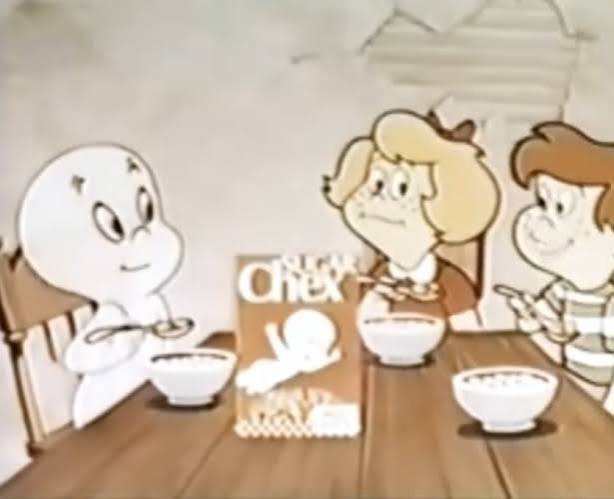

Food advertising was equally powerful. The morning became associated with brightly colored cereal, premiums in the box and the belief that marshmallows were a breakfast category. The ads were selling products, but they also helped define the sensory memory of Saturday: jingles, crunching sounds, plastic toys and a cartoon character yelling directly into the kitchen.
The child in the advertisement was never merely eating cereal or holding a toy. That child had entered a better version of Saturday.
Cereal spots promised color, speed, mascots and participation. The bowl was not breakfast; it was membership in the world currently occupying the television.
Toy commercials used low camera angles, dramatic lighting and editing to make plastic objects appear larger, faster and more responsive than they would be on the carpet. Tiny disclaimers could not compete with the sight of a vehicle leaping across a miniature canyon.
Board games were shown with children reaching a level of excitement rarely seen outside a game-show jackpot. Craft kits produced professional results in seconds. Battery-powered toys moved with a confidence that fresh batteries and a level floor could not always reproduce.
The ads also taught children how to ask. Brand names were repeated, jingles simplified the pitch and every product arrived with one memorable feature that could be explained to an exhausted adult.
FTC research comparing children’s advertising exposure in 1977 with later decades confirms how central televised advertising was to the environment. The commercial break was not separate from the childhood memory because it helped define the morning’s sound, pace and desire.
We remember the disappointment too: the cardboard scenery not included, the toy moving only because a hand was just outside the frame and the cereal premium smaller than the picture on the box.
The products changed, but the sequence of desire was carefully practiced.
A cereal commercial often opened with speed. A mascot interrupted breakfast, a chase began or a villain attempted to steal the product. The bowl became the object around which an entire miniature adventure revolved.
The advertisement emphasized texture and sound: milk poured in slow motion, pieces landed with exaggerated crunch and marshmallows appeared brighter than anything found in an actual kitchen. Nutrition language might be present, but excitement carried the message.
Toy spots shifted the fantasy from eating to ownership. Vehicles traveled across elaborate landscapes, action figures interacted inside complete worlds and games caused children to celebrate as though the winner had changed history.
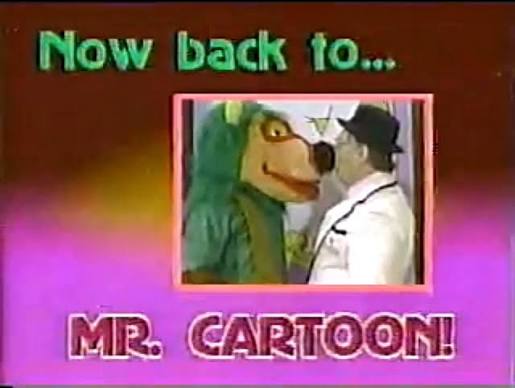
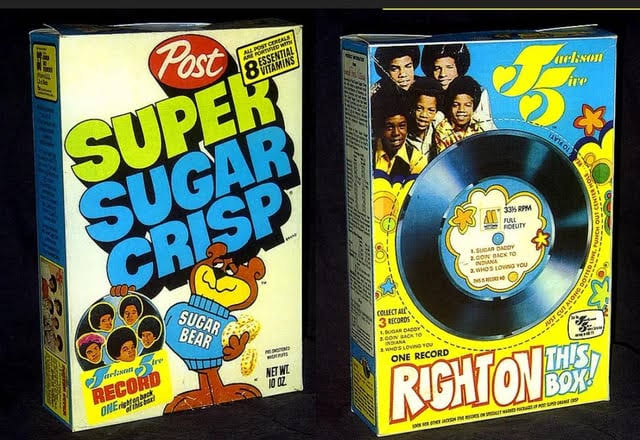
Premiums created another layer. A prize inside the box, mail-away offer or collectible set turned ordinary consumption into progress toward a larger goal. Children learned that the product was not complete until every piece had been obtained.
Movie trailers, records, magazines and local amusement ads widened the break beyond breakfast and toys. The commercial block became a catalog of everything childhood might become if the household budget cooperated.
Public-service messages and network promos then interrupted the sales sequence, creating a strange moral rhythm. Children could be warned about safety, told to respect others and immediately shown a product designed to become emotionally necessary.
Program-commercial separators tried to clarify the boundary. A character, bumper or announcement signaled that the show would return. The need for those separators revealed the basic problem: the advertisement had become visually and narratively similar to the entertainment.
The best commercials are remembered almost as vividly as the programs because they were built with the same tools—animation, music, characters and repeatable stories. They belonged to the morning even when the product did not survive the decade.
The bowl, spoon, box and television formed a small domestic machine that advertisers understood perfectly.
Cold cereal fit the morning because children could prepare it with limited adult help. The food was fast, portable and quiet enough to preserve the fragile agreement that nobody needed to wake the house.
The box provided entertainment before the screen did. Mazes, character art, contests, cutout games and premium offers turned packaging into reading material at the table or on the carpet.
Sugar and bright color aligned with the energy of the block. Mascots behaved like cartoon stars, and cartoon stars appeared on cereal boxes. The commercial and kitchen versions of childhood reinforced one another.
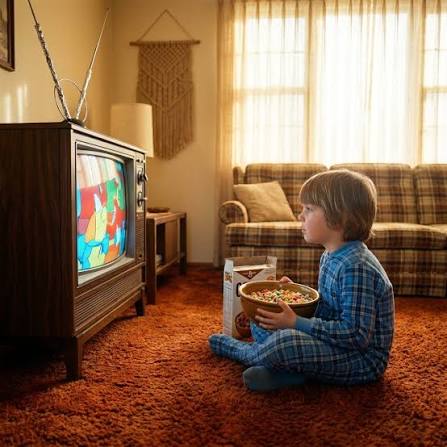
The cereal could also fail the schedule. Pour too early and the final half became soft before the best show began. Leave the bowl too long and an adult eventually noticed. Saturday morning required strategic timing.
Toast, pastries, juice and whatever could be reached without assistance filled the same role in different homes. The central point was independence: food that did not require the household to reorganize around the child.
Advertising made the breakfast seem universal even when families ate differently. Not every household purchased the promoted brands, and not every child had uninterrupted access to the television. The idealized bowl represented a commercial version of the ritual rather than the only authentic one.
Still, the sensory connection remains unusually strong. The sound of cereal hitting a bowl, the cold milk and the cardboard box beside the screen can unlock the morning as quickly as a theme song.
By the middle and late 1970s, networks increasingly used sixty- and ninety-minute umbrella shows. The Television Academy Foundation describes the decade as a “video mosaic,” where programs such as The New Super Friends Hour and Scooby’s All-Star Laff-a-Lympics gathered multiple segments under one title.
The strategy improved audience flow. Instead of asking children to choose again every thirty minutes, a successful brand could hold them through several adventures. The longer title also made the morning feel like an event, even when individual segments were variations on familiar material.
Laff-a-Lympics turned Hanna-Barbera’s character library into a giant team competition. The All-New Super Friends Hour mixed short adventures, safety segments and longer stories. These formats anticipated the programming blocks and branded universes that would become standard later.
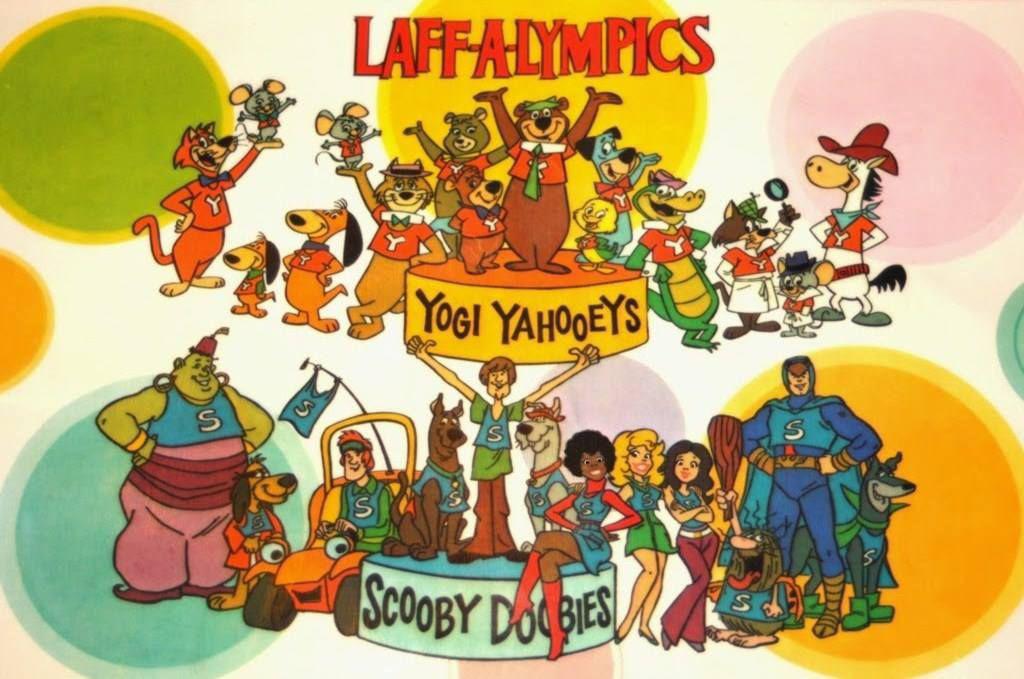
They also produced some of the most chaotic opening credits ever broadcast. If a child wandered into the room halfway through, there was a fair chance that every cartoon character he recognized was already on screen.
The block felt national, but the exact experience depended on where the antenna, station and household were located.
Network schedules provided the basic map, yet local affiliates controlled how that map reached viewers. A station could delay, preempt or replace a program, especially when local sports, public-affairs obligations or other priorities competed for airtime.
Time zones altered the clock. A show promoted nationally for one hour could arrive earlier or later in another region. Children learned the local version through experience, newspaper listings and the authority of whoever had most recently checked TV Guide.
Reception created another layer of geography. An antenna might pull in one network clearly and another through snow, rolling lines or a picture that required somebody to stand near the set. The strongest lineup in the country meant little if the channel barely reached the house.
Independent stations and local hosts offered alternatives. Theatrical shorts, older serials, live presenters and syndicated programs competed with the networks, especially before or after the main block.
Regional commercials changed the sensory memory. National cereal and toy campaigns appeared everywhere, but local furniture stores, amusement parks, fast-food restaurants and public-service announcements made the break belong to a specific city.
Preemptions could feel personal. A parade, sports event or breaking-news report erased a scheduled cartoon with no replay. Children had no language for affiliate discretion; they only knew that adults had replaced the morning with something less important.
Those differences help explain conflicting memories. Two people of the same age may remember a program at different times, on different networks or as part of different packages. The shared culture was real, but it was never perfectly uniform.
The ritual did not come from one studio or one hit. It emerged from a system whose parts reinforced one another.
A limited menu concentrated attention and gave children a common set of references.
Networks treated the morning as a continuous destination rather than a collection of unrelated shows.
Reusable movement and bold designs made enough weekly material financially possible.
Hanna-Barbera, Filmation and competitors supplied concepts that could be understood instantly.
A team, mascot, vehicle, monster and unmasking became one of television’s most reusable formulas.
Pressure over violence shifted stories toward rescue, teamwork and problem-solving.
Short songs and news segments turned the space between shows into part of the public-service mission.
Cereal and toy companies valued an attentive young audience gathered in one predictable place.
Krofft worlds, science-fiction sets and costumed heroes expanded the morning beyond animation.
No pause, replay or on-demand library made every broadcast feel temporary and therefore important.
The titles changed, but the block relied on a small set of durable structures that networks could mix across the morning.
A team enters a strange location, encounters a supernatural threat, separates at the worst moment and discovers a human scheme. The formula supplied fear without lasting danger and a reset reliable enough for reruns.
Famous heroes or simplified new characters combine abilities, rescue civilians and restore order. Pressure over violence pushed many stories toward teamwork, environmental danger and elaborate problems rather than extended fighting.
Musicians, athletes and television personalities could be given vehicles, adventures and supporting animals. Recognition reduced the amount of explanation a new show needed before the first commercial.
A performing group creates a natural reason to visit new locations, meet guest characters and include songs. The band format also made soundtracks and character merchandise feel like extensions of the program.
A strong voice, visual silhouette and repeatable conflict could carry episodes with minimal setup. These programs were ideal for earlier slots and younger viewers entering the morning.
The format allowed bigger stakes, recurring technology and more serialized mythology. By the late 1970s, science fiction helped the block move toward the franchise intensity of the next decade.
Interstitials could satisfy public-service goals without replacing entertainment. The best examples treated melody, design and humor as seriously as the information.
Krofft worlds, superheroes and science-fiction serials gave the lineup texture. The handmade effects made fantasy feel as though it occupied a studio somewhere viewers might actually visit.
Longer titles reduced channel-changing decisions and let studios rotate characters, lengths and tones while the network continued promoting one event.
Warner Bros., MGM and other film libraries brought animation created for movie audiences into children’s television. The humor often felt faster and sharper because the shorts came from a different production tradition.
These categories overlapped constantly. A celebrity cartoon could become a mystery team; a superhero show could add educational messages; an umbrella title could contain comedy, action and safety segments in the same hour. Recombination was the system.
For every Scooby-Doo or Super Friends, the schedule contained short-lived programs remembered by one opening, one toy or one person insisting the show really existed.
Networks ordered new concepts every season because the block depended on novelty. A title could receive heavy promotion, arrive with a recognizable studio and disappear after a small number of episodes.
Failure did not always mean nobody watched. A show could lose its slot because the competing network performed better, the merchandise failed, the premise proved difficult to repeat or the schedule changed around it.
Some programs were too similar to the current hit. They made sense in the development meeting because the formula seemed proven, then struggled because children already had a preferred version.
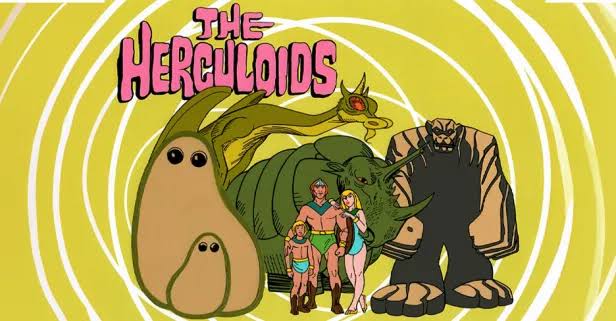
Others were too strange to explain quickly. Saturday morning rewarded immediate comprehension, and a concept requiring several episodes of mythology could lose viewers before loyalty formed.
Limited episode orders created unusual afterlives. A short-lived series might be rerun enough times to feel much larger than its original production. Children who saw the same sixteen episodes repeatedly could mistake repetition for longevity.
Merchandise sometimes outlasted the show. A lunch box or board game remained in stores and homes after the program vanished, preserving a title more successfully than the network did.
These forgotten shows matter because they reveal the system testing itself. Every odd mascot, celebrity vehicle and imitation mystery team was an attempt to predict what children would choose at a particular hour against two competing networks.
Many of those one-season experiments survive in Forgotten Saturday Morning Cartoons of the 1970s. Their constant arrival and disappearance kept the block alive, because every fall brought another brightly promoted attempt to become the next institution.
The phrase “Saturday morning cartoons” became shorthand, but live-action programs were an important part of the decade. Sid and Marty Krofft supplied surreal, brightly colored worlds through shows such as H.R. Pufnstuf, Land of the Lost, Sigmund and the Sea Monsters and Electra Woman and Dyna Girl.
Filmation’s Shazam! placed a live-action superhero inside stories with explicit moral lessons. Ark II, Space Academy and other science-fiction programs gave the morning a low-budget futuristic edge that could be completely convincing when viewed from six feet away on a nineteen-inch screen.
These shows competed with animation while sharing many of its constraints: reusable sets, bold premises, cliffhangers and the need to communicate quickly. Their handmade effects and strange costumes are part of the period’s charm because they reveal the people building the illusion.
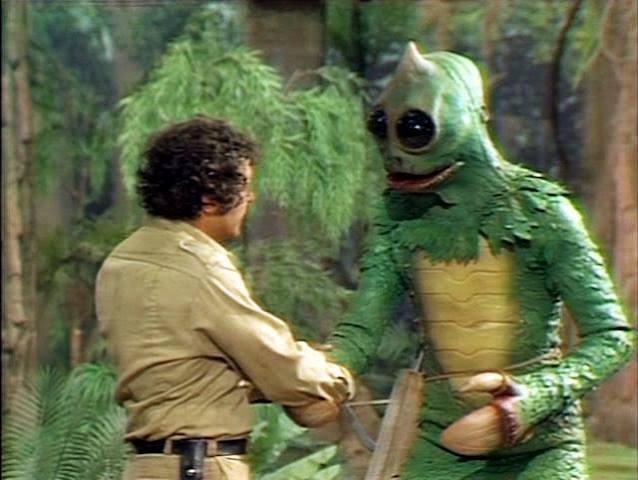
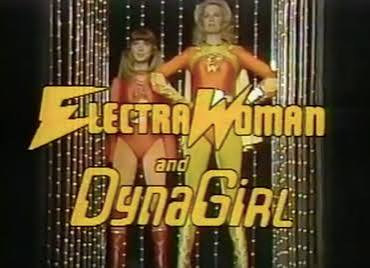
For young viewers, the boundary barely mattered. Animated heroes and live-action explorers occupied the same Saturday universe, interrupted by the same cereal and returning after the same spinning network bumper.
The Krofft programs looked handmade because they were—and that visible construction became part of their power.
H.R. Pufnstuf, Sigmund and the Sea Monsters, Land of the Lost and Electra Woman and Dyna Girl offered worlds built from large costumes, compact sets, chroma-key effects and performers acting as though every creature was completely real.
The limitations could be obvious. A wall shook, a miniature betrayed its scale or a costume revealed the engineering required to keep the eyes moving. Children rarely needed perfection. They needed a premise strong enough to cross the distance between the couch and the screen.
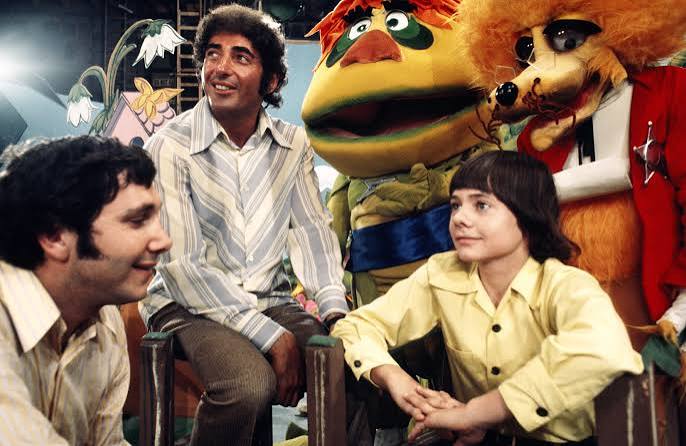
Land of the Lost aimed unusually high. Dinosaur adventure, family survival and science-fiction mythology were built inside a Saturday budget, with writers connected to serious genre television helping shape the world.
The Krofft shows also demonstrated that Saturday morning could support serial memory. Places, creatures and rules returned, giving children reasons to remember more than a reset button.
Live action made the morning tactile. Animation could do anything, but a person standing beside a Sleestak or walking through a foam forest suggested that the impossible world had been physically built somewhere—and might still exist after the cameras stopped.
Spacecraft, alternate worlds and recurring mythology allowed some programs to escape the complete weekly reset.
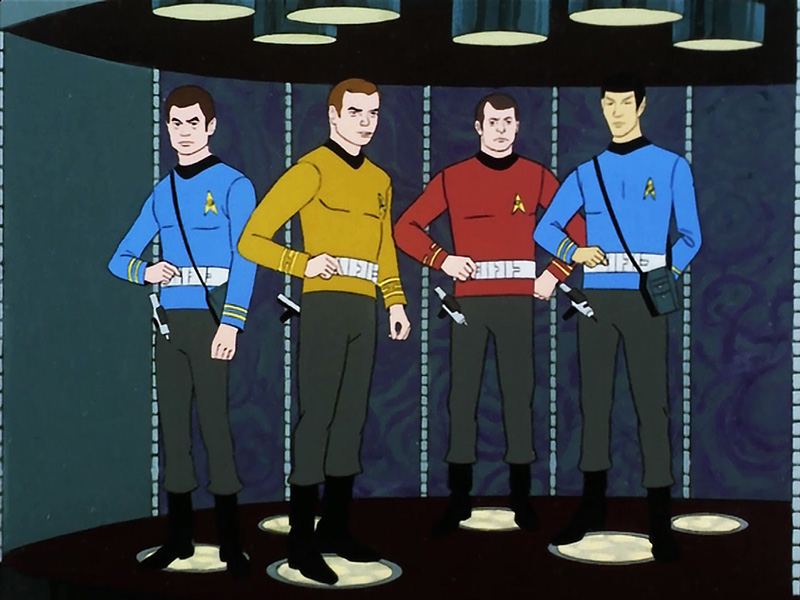
Star Trek: The Animated Series demonstrated that animation could continue a live-action universe rather than merely imitate it. Original performers returned to voice many roles, and writers could create alien environments that would have strained a live-action television budget.
The show also challenged assumptions about children’s animation by carrying ideas, terminology and ethical questions associated with the original series. It still operated inside Saturday morning standards, but it did not treat the audience as incapable of following science fiction.
Land of the Lost created a different kind of continuity. The Marshall family’s survival, the geography of the world and the mystery surrounding its technology encouraged viewers to remember details from earlier episodes.
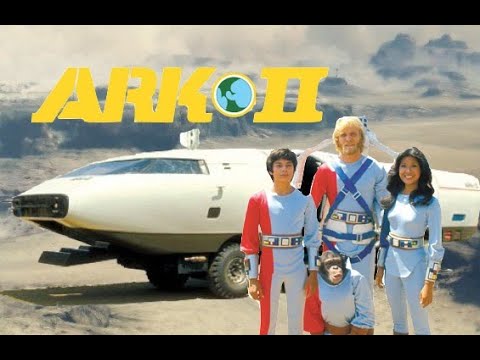
Programs such as Ark II and Space Academy combined futuristic settings with explicit lessons. The vehicles and uniforms promised adventure, while the story often returned to cooperation, responsibility or the consequences of selfish behavior.
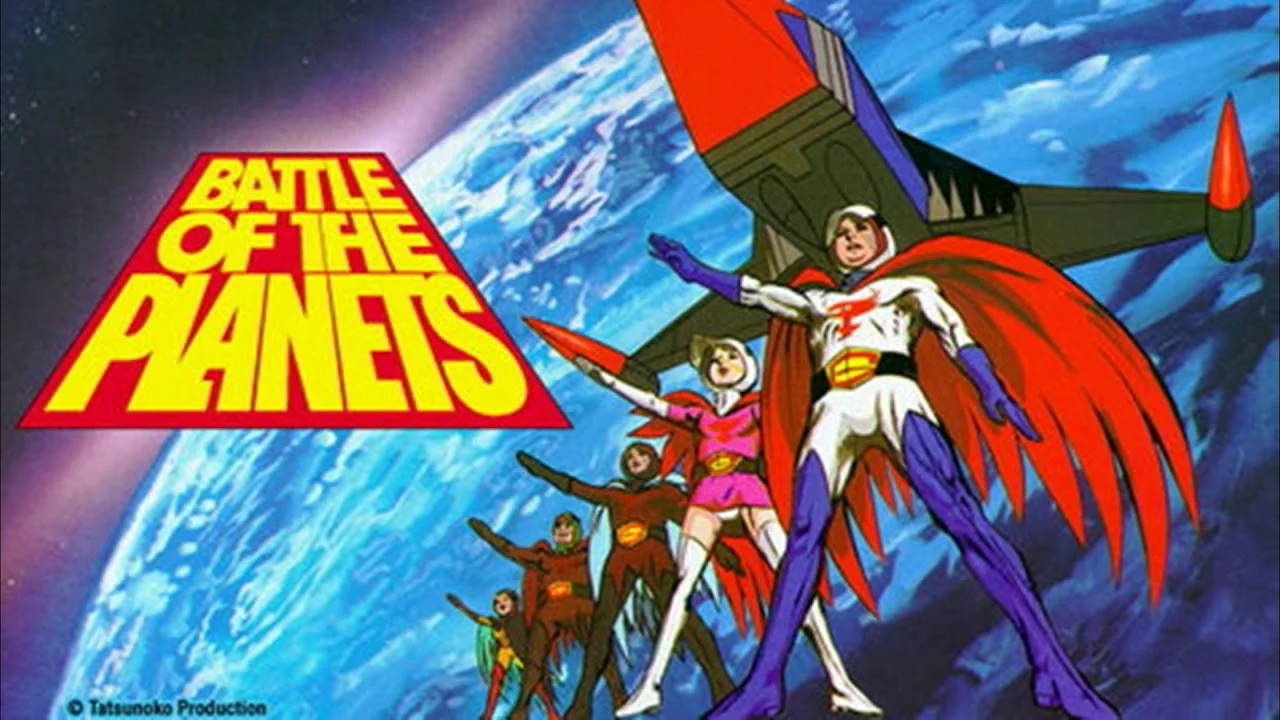
Late-decade imports and adaptations added a faster visual energy. Battle of the Planets introduced many American children to a style of action animation that felt different from domestic limited-animation comedy, even after editing and rewriting altered the original material.
Science fiction also encouraged merchandising logic. Vehicles, teams, symbols and specialized equipment translated naturally into toys, models and printed material.
The genre helped move the block toward the 1980s, when continuing mythology and product-ready worlds would become more central. Yet the 1970s versions retained the decade’s educational impulse: even the spaceship often arrived with a lesson attached.
The block began the decade as an established habit, then absorbed advocacy, education, umbrella formats, live-action fantasy and renewed science-fiction energy.
Saturday morning is already established territory. Hanna-Barbera and Filmation are positioned to supply the volume networks require, while concerns about violence and commercial pressure are becoming harder to ignore.
Action for Children’s Television and other critics push broadcasters and regulators to consider quality, advertising and what networks owe young viewers.
Fat Albert and the Cosby Kids demonstrates how a Saturday series can combine entertainment with an explicit social lesson.
The year captures the format’s range: softened superhero teamwork, unforgettable educational songs and a respected science-fiction universe extended through Filmation animation.
Broadcasters face clearer expectations around educational service, commercial separation, host selling and voluntary advertising limits.
Successful properties are stretched into new combinations, sequels and longer presentations while network competition rewards familiar names.
One title increasingly contains several segments, reducing the number of moments when children might reconsider the channel.
Hanna-Barbera places familiar characters into a giant competition while Super Friends expands into a longer branded hour.
Battle of the Planets, Godzilla and other action-heavy concepts bring sharper franchise energy to the lineup.
Character merchandising, science-fiction adventure and recognizable brands become increasingly central, setting the stage for a decade where program and product would grow even closer.
Character libraries, longer branded hours, superhero teams and competition formats turned the lineup into a television event about television abundance.
By 1977, networks and studios had spent years learning how to hold children across more than one half hour. The solution was not always a stronger individual story. It was a larger container.
Scooby’s All-Star Laff-a-Lympics gathered familiar Hanna-Barbera personalities into a giant competition. The attraction was recognition itself: characters from separate programs now occupied one branded event.
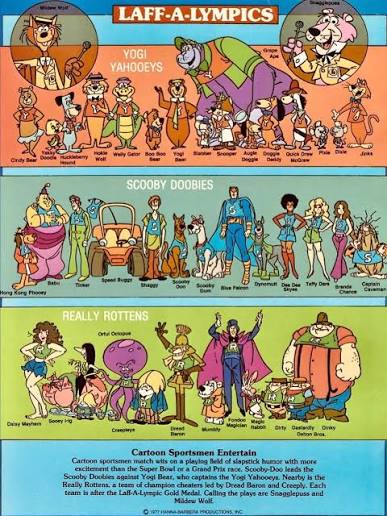
The All-New Super Friends Hour used several segment lengths, safety messages and superhero adventures to fill a broader block. The program could change tone without asking the audience to leave the brand.
The super-block reflected confidence in studio libraries. Hanna-Barbera no longer needed to introduce every personality. The audience arrived with years of recognition, allowing a crowded opening to function as celebration rather than confusion.
The format also reflected commercial logic. More characters meant more visual variety, more promotion and more opportunities for products, even when the episode itself remained simple.
For children, the abundance felt generous. A single title seemed capable of containing the whole morning. For networks, the same structure reduced the risky transition when viewers might change channels.
The 1977 lineup also reveals the decade approaching saturation. Longer titles, larger casts and familiar formulas could make the block feel enormous while depending heavily on material viewers already knew.
That tension—abundance created through recombination—would become central to franchise television. The super-block was not merely longer programming. It was an early demonstration that a library of characters could be sold as an event in its own right.
The 1970s block did not end abruptly. Its most successful habits became the foundation for a louder commercial system.
Late-decade science-fiction and superhero programs showed renewed appetite for continuing universes, specialized vehicles and characters whose identities could travel easily onto packaging.
The relationship between television and merchandise had existed throughout the decade. Flintstones vitamins, character cereals, lunch boxes, dolls, model kits and board games all demonstrated that a successful television personality could leave the screen.
What changed was the growing precision of the connection. A concept could be designed from the beginning with teams, vehicles, transformations and collectible characters that made sense as products.
The 1980s would intensify that system through deregulation, cable competition and programs closely tied to toy lines. The 1970s supplied the laboratory: long child-focused blocks, recognizable studios, repeatable premises and advertisers trained to understand the value of the audience.
The visual energy also changed. Imported animation, space adventure and comic-book revival pointed away from some of the softer mystery-comedy look toward faster action and larger mythology.
Yet the old ritual remained recognizable. The cereal, schedule and shared living room survived even as the business behind them became more sophisticated.
A successful show became more powerful when children could take its symbols to school, the bedroom and the living-room floor.
The lunch box was one of the clearest badges of allegiance. A child carried the character image through the school day, turning a television preference into a public identity visible to classmates.
Records extended the sound of the block. Theme songs, story albums and character recordings allowed the television world to continue without the picture. A child could replay the voice or music even when the network schedule had moved on.
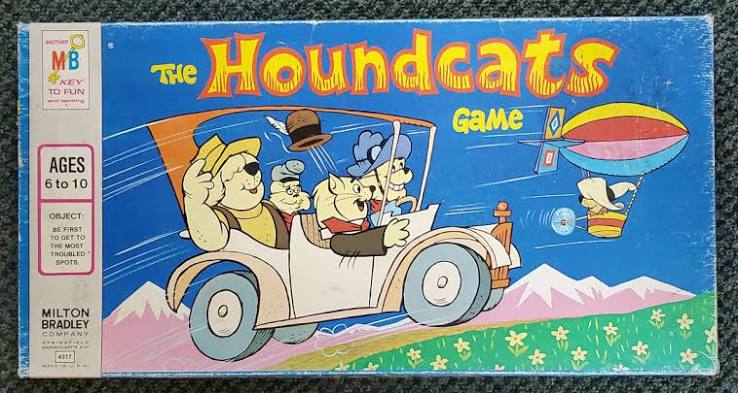
Board games translated a program into rules. The connection was sometimes thin—a familiar race or spinner design covered with character art—but the box promised that the family could enter the show together.
Coloring books, View-Master reels, comic books and activity sets gave children another way to control the world. Television moved at the network’s pace; printed material could be studied, copied and revisited.
Toys varied from carefully designed representations to objects whose strongest feature was the picture on the package. Vehicles, figures and playsets succeeded when they recreated the show’s core action. Others relied on the character license to make a generic product feel necessary.
Merchandise also preserved programs after cancellation. A lunch box, puzzle or record could remain in the house for years, long after the show disappeared from the lineup. The object became evidence that the morning had once existed.
The toys themselves continue through the Smells Like Gen X 1970s Toys hub. Saturday morning supplied the emotional bridge: watch the character, recognize the box in the store and begin the household campaign.
That bridge would become even more direct in the 1980s, but the 1970s had already established the household pattern: watch the character, recognize the product, begin the campaign.
More access weakened the old block even while giving children far more programming than three networks could provide.
The Saturday morning institution survived beyond the 1970s, but the conditions that created its power were already beginning to change. The block depended on scarcity, shared schedules and the idea that children’s television belonged mainly to one weekly window.
Syndicated weekday cartoons expanded access. A child who could watch animation after school no longer needed Saturday to carry the entire burden of the week.
Cable would accelerate the change by creating channels and blocks aimed directly at children. More choices reduced the national concentration that had made one lineup a shared event.
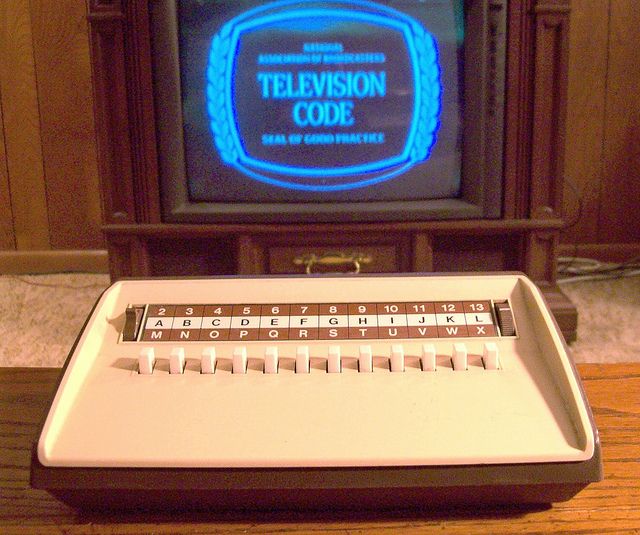
Home video introduced control. Families could replay programs without waiting for a network, even though early collections were limited and expensive compared with later media libraries.
Educational requirements and advertising regulations changed what broadcasters needed to provide and how they could commercialize the audience. Networks reassessed the value of maintaining long animation blocks when other programming could earn more or satisfy different obligations.
Sports and news expanded into weekend hours. The television morning became more contested as networks found adult audiences worth pursuing.
Children’s habits changed with the household. More homes gained additional television sets, reducing the importance of one shared screen. Later devices would complete that fragmentation by giving each viewer a private schedule.
The decline therefore contained a trade. Children gained abundance, convenience and greater control. They lost the temporary national gathering in which millions of kids watched different parts of the same small menu before adults woke up.
The ritual survives so strongly in memory because it ended gradually enough to be missed and completely enough to become a world.
The ritual depended on scarcity. A program aired when the network scheduled it. If you missed the opening, there was no restart. If adults changed the channel, history had been altered without your consent. Limited access made the morning feel like territory that had to be defended.
The block also belonged to children in a way prime time did not. Adults might watch along, but the programs, promos and commercials spoke directly to the youngest people in the room. For a few hours, the schedule assumed kids were the main audience rather than tolerated guests.
Cable, home video and later streaming would eventually dissolve the old boundaries. Children gained access to programming throughout the week, which was convenient and probably healthier for household diplomacy. But constant availability could not reproduce the feeling of an entire country’s kids waking into the same temporary world.
That is why a cheap sound effect, a network bumper or the first bars of a theme song can still unlock the whole morning: carpet under your knees, cereal going soft, sunlight reaching the curtains and an adult voice announcing that you had watched enough television—as if such a measurement had ever been possible.
The scarcity also created memory through repetition. Networks reran episodes, studios reused formulas and children watched the same openings enough times to memorize every visual beat. What looks limited in a catalog could feel enormous when it was the only portal available that morning.
The shows that best defined the ritual are ranked in 50 Best Saturday Morning Cartoons of the 1970s. The history here explains how schedules, studios, advertising, regulation and childhood freedom created the world around them.
Most children did not preserve broadcast logs or production notes. They kept whatever the morning left in the house.
A marked TV Guide page can reconstruct a weekend more precisely than memory. The listings reveal which shows competed, how early the block began and how quickly the schedule moved into sports or adult programming.
Newspaper television grids served the same purpose, though their tiny type demanded commitment. Children learned to scan titles, abbreviations and channel columns long before they cared about the rest of the paper.
Cereal premiums survive as small pieces of commercial history. Plastic figures, decals, records and mail-away items document which characters advertisers believed could move boxes.
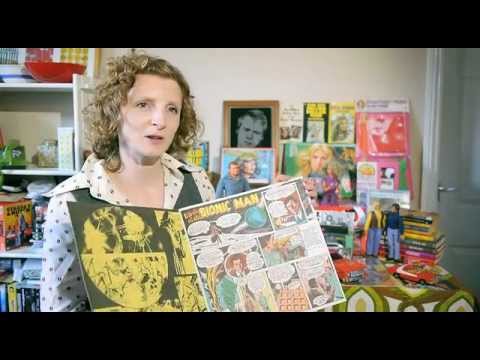
Lunch boxes preserve the public side of fandom. Scratches, dents and faded thermos art show that the object was not displayed as a collectible. It traveled through school and absorbed the ordinary wear of childhood.
Records and story albums preserve voices and music that sometimes survive poorly in later television prints. Board games reveal how manufacturers translated a program into a race, spinner or path around cardboard.
Network promotional material, preview ads and station schedules document a system that treated the entire morning as one product. They show how much effort went into persuading children to begin with one network and remain there.
The most powerful artifacts may be less official: a photograph of the family television, an old cereal bowl, a handwritten schedule or the carpet pattern visible behind a birthday toy.
These objects matter because broadcast television was temporary. The program passed through the room and disappeared. The physical remnants became proof that the ritual had occupied real space.
The imagination, music and communal schedule remain powerful. The stereotypes, commercial pressure and production shortcuts require a less innocent look.
A strong opening can establish a complete world before a modern streaming menu would finish loading.
Bold silhouettes, painted backgrounds and sound create energy even when the animation budget is visible.
Millions of children watched within the same narrow window and carried the references into school and adulthood.
Some racial, ethnic, gender and disability portrayals reflect assumptions that should not be softened by nostalgia.
The morning could feel child-owned while being organized around adults competing for children’s attention and household influence.
For a few hours, the schedule spoke directly to the youngest people in the room and treated their excitement as the main event.
A thoughtful rewatch can hold both truths. The block was commercially engineered, repetitive and sometimes careless. It was also a remarkable shared cultural space built from music, drawing, performance and the intense attention children bring to worlds adults dismiss as temporary.
A cost-saving production approach using fewer new drawings, reusable movement, held poses and camera motion across still artwork.
A short segment placed between programs or around commercial breaks, such as Schoolhouse Rock or In the News.
A commercial practice in which a program host or familiar character promotes a product, making the boundary between entertainment and advertising harder for children to recognize.
A longer program title containing several separate cartoon segments under one branded block.
A sequence of children’s programs scheduled for several consecutive weekend hours and promoted as a connected destination.
A bumper or announcement marking the transition between the show and the advertisement.
No single cartoon, studio, advertiser or regulation created the morning. The institution emerged because scheduling, economics, music, childhood freedom and commercial pressure all pointed toward the same few hours.
The networks supplied scarcity. Three national competitors built long blocks and trained children to think of Saturday morning as territory with a beginning, middle and end.
The studios supplied volume. Hanna-Barbera, Filmation and their competitors designed characters, premises and production methods capable of filling that territory week after week.
Limited animation supplied the economics. Reusable movement, held poses, painted backgrounds and powerful soundtracks allowed television to produce enough material without theatrical budgets.
The formulas supplied instant understanding. A mystery van, superhero team, celebrity band, funny animal or live-action fantasy world could explain itself before the first commercial.
Music supplied memory. Theme songs, bumpers, announcers and educational jingles turned separate programs into a continuous audio environment that still survives in adult recall.
Advertisers supplied much of the money and many of the ethical problems. Cereal, toys and premiums made children commercially valuable while advocacy groups forced broadcasters to confront how differently young viewers understood persuasion.
Education and public affairs supplied legitimacy and, at their best, genuine craft. Schoolhouse Rock!, In the News and other segments proved that useful information could become part of the same morning without destroying the fun.
Live action supplied texture. Krofft creatures, superheroes, lost worlds and low-budget spacecraft made the block feel physically larger than animation alone.
The household supplied emotion. The block mattered because children experienced it as temporary independence inside a television culture usually controlled by adults.
Scarcity supplied intensity. There was no pause, restart, searchable catalog or guaranteed replay. Missing a show gave the broadcast weight that permanent availability cannot reproduce.
The complete history therefore has two truths at its center. Saturday morning was a carefully organized marketplace built to capture children’s attention. It was also a shared imaginative space that gave millions of kids several hours in which the television acknowledged them as the main audience.
The business model explains how the ritual was constructed. It does not erase what the ritual felt like.
The essential answers about scheduling, studios, limited animation, Schoolhouse Rock, advertising, FCC policy, live action and why the ritual faded.
Networks could gather a large child audience during a time when children were home and many adults were sleeping, working around the house or preparing for the day. Long blocks also passed viewers from one show to the next and created a valuable advertising market.
Children’s programs had appeared earlier, but by the late 1950s and 1960s the once-a-week Saturday morning format had become established. The 1970s inherited that system and expanded it into a highly branded ritual.
Hanna-Barbera and Filmation were the two dominant suppliers, while DePatie-Freleng, Rankin/Bass, Ruby-Spears and other producers contributed comedy, adventure and imported or adapted material.
Weekly television required far more minutes than theatrical animation budgets could support. Studios reused movement, held poses, separated mouths from faces and moved cameras across still backgrounds to produce shows economically.
The formula combined a young team, mascot, vehicle, mystery, comic fear and a reassuring unmasking. Its success encouraged networks and studios to reuse the structure with different animals, bands, ghosts and settings.
Schoolhouse Rock began airing on ABC in January 1973 as short musical interstitials between children’s programs. The first group focused on multiplication, followed by grammar, American history and science.
The FCC’s 1974 policy statement emphasized broadcasters’ responsibility to serve children and addressed commercial practices. It encouraged educational programming, separation between programs and ads, elimination of host selling and voluntary weekend advertising limits.
The 1974 FCC policy referenced an industry voluntary guideline of no more than 9.5 minutes of advertising per hour during weekend children’s programming.
No. Live-action programs such as Land of the Lost, Shazam!, Ark II, Sigmund and the Sea Monsters and Electra Woman and Dyna Girl were important parts of the block.
Networks responded to pressure over violence in children’s television by emphasizing rescue, teamwork, problem-solving and softened conflict. The heroes remained powerful, but many stories avoided extended visible combat.
Umbrella shows were longer branded programs containing several separate segments. They helped networks hold viewers for an hour or more without giving children as many opportunities to reconsider the channel.
The decline happened gradually as cable networks, home video, weekday children’s blocks, changing advertising rules, educational requirements and later streaming reduced the need for one concentrated network morning. Children gained more access while the shared weekly ritual weakened.
There is no single uncontested first because theatrical shorts, local children’s shows and early made-for-television animation overlapped. By the late 1950s and 1960s, networks had established recognizable Saturday morning cartoon blocks that the 1970s inherited.
Not exactly. Network lineups created a national framework, but local affiliates could delay, preempt or replace programs. Time zones, reception, independent stations and local hosts also changed the experience.
The ads used the same tools as the programs: animation, characters, music, repetition and miniature stories. Cereal and toy commercials were woven into the pace of the morning, so they became part of the memory rather than separate interruptions.
These connected guides follow the studios, superhero teams, educational programs, forgotten shows and individual series that made the Saturday morning block feel endless.
These archives document children’s television scheduling, limited animation, Hanna-Barbera, Scooby-Doo, Schoolhouse Rock, FCC policy, advertising and live-action fantasy.