Maude Findlay
Maude wanted justice, recognition and the final word—preferably in that order. Her blind spots kept the politics human, while Arthur’s timing kept the speeches funny.
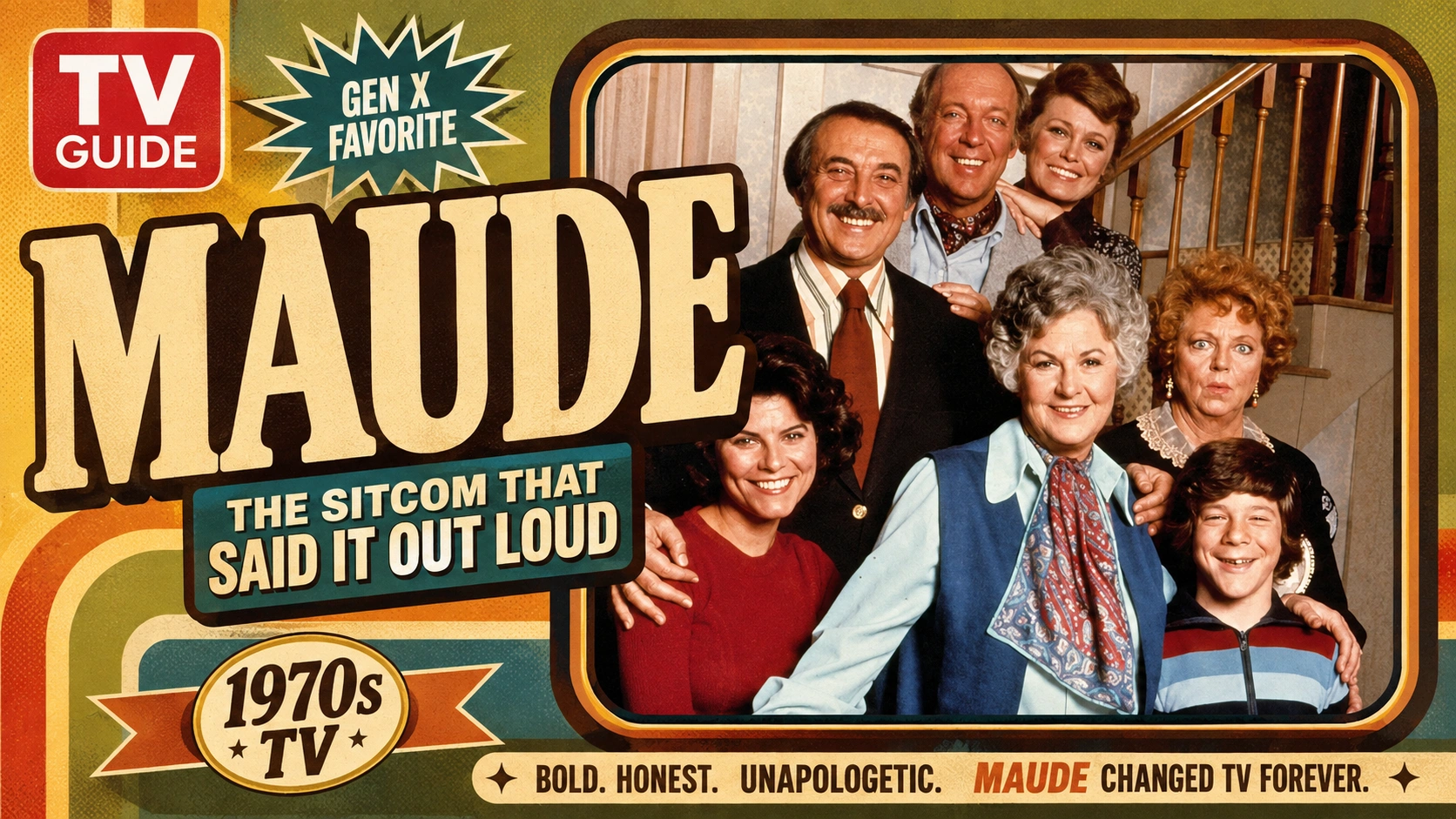
We did not remember Maude Findlay entering a room so much as taking possession of it. The voice arrived first, then the stare, then the hand on the hip that told Walter, Arthur, Carol, Vivian and anybody else within range that the debate had officially begun.
For Gen X viewers who met the show in reruns, Maude could look at first like a loud period piece from the era of avocado kitchens and political arguments after dinner. Keep watching and the surprise becomes obvious: the noise was the point. This was a sitcom built around a middle-aged woman who was allowed to be smart, vain, generous, selfish, brave, frightened, progressive, condescending and gloriously wrong—sometimes before the first commercial.
Maude mattered because it made an opinionated, middle-aged woman the unquestioned center of a network comedy and refused to soften her for approval. Bea Arthur turned Maude Findlay into more than a liberal counterweight to Archie Bunker. Across six seasons, the show used her marriage, family, friendships and blind spots to talk about abortion, alcoholism, race, aging, work, sexuality, politics and the limits of good intentions. It could preach, it could overreach and it could become very dated—but it never mistook silence for good manners.
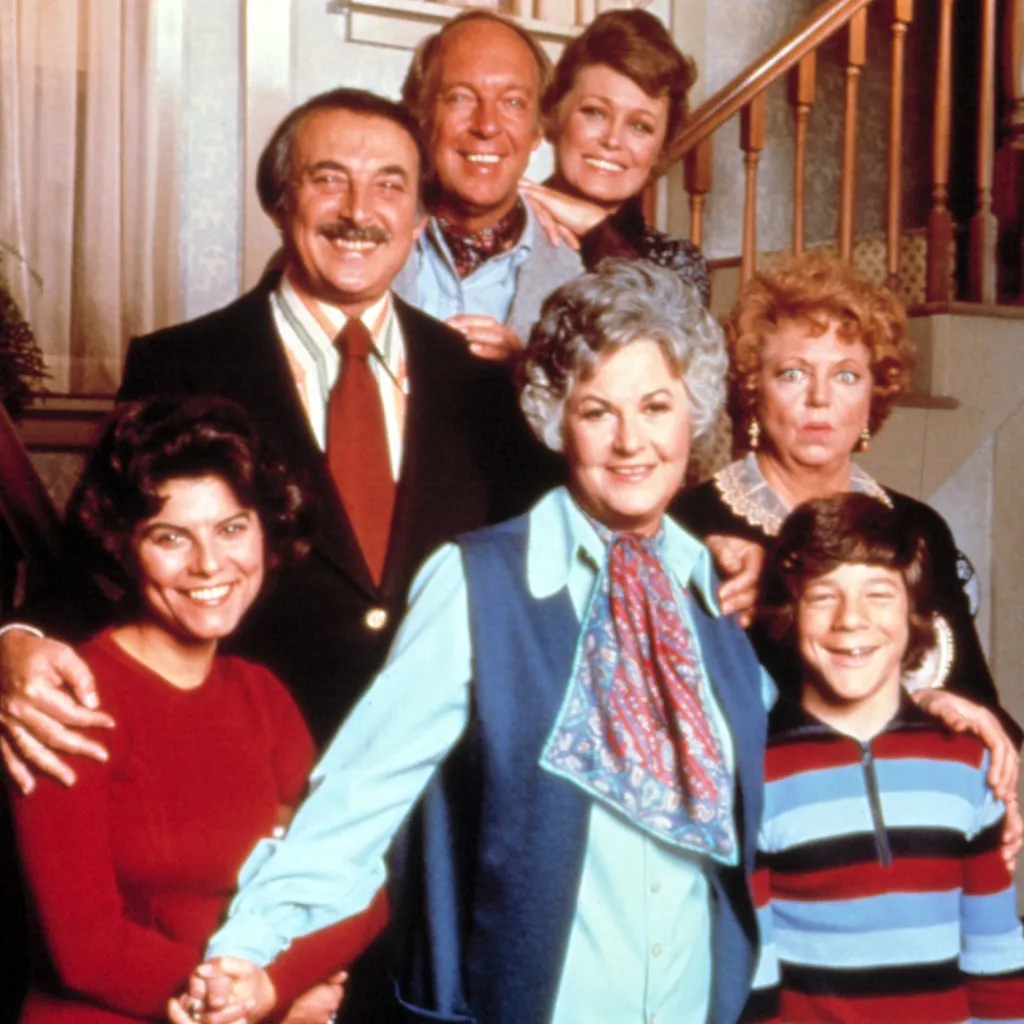
The Findlay house looked comfortable. The conversations rarely were.
The basic premise of Maude was almost aggressively ordinary. Maude Findlay lived in suburban Tuckahoe with her fourth husband, Walter; her divorced daughter, Carol; and Carol’s son, Phillip. Their neighbors Arthur and Vivian came through the door often enough to qualify as additional family. A succession of housekeepers saw Maude at her most generous, most controlling and most certain that she had already solved whatever problem had just entered the kitchen.
That house gave the show its pressure chamber. Maude did not need a newsroom, police station or army camp to bring the decade inside. The national argument arrived with breakfast. Women’s liberation could surface in a disagreement over a convention name tag. Race could enter through Maude’s insistence that she was incapable of condescension. Economic anxiety could begin at Walter’s appliance store and end with a marriage staring into a frightening silence.
The show’s smartest decision was also its riskiest: Maude was not presented as the answer. She was a person who desperately wanted to be on the right side of history and frequently discovered that wanting was not the same as understanding. That distinction kept the series from becoming nothing but a weekly sermon. The jokes did not merely punish conservatives such as Arthur Harmon. They also punctured Maude’s ego, exposed her theatrical self-image and reminded us that a progressive slogan could become another way to avoid listening.
In the broader story of 1970s television, the Findlay living room belongs beside the Bunker house and the WJM newsroom as a place where network comedy learned that ordinary rooms could contain the whole country.
One guest appearance made it obvious that Bea Arthur could carry a series.
Maude began as the force Archie Bunker could not bully into retreat. Bea Arthur first played Edith’s outspoken cousin in the December 1971 All in the Family episode “Cousin Maude’s Visit.” Archie was sick, the household was miserable and Maude arrived with years of family history plus no fear whatsoever of his volume. The clash worked because she did not simply reverse Archie’s politics. She matched his certainty, his appetite for combat and his ability to make every disagreement personal.
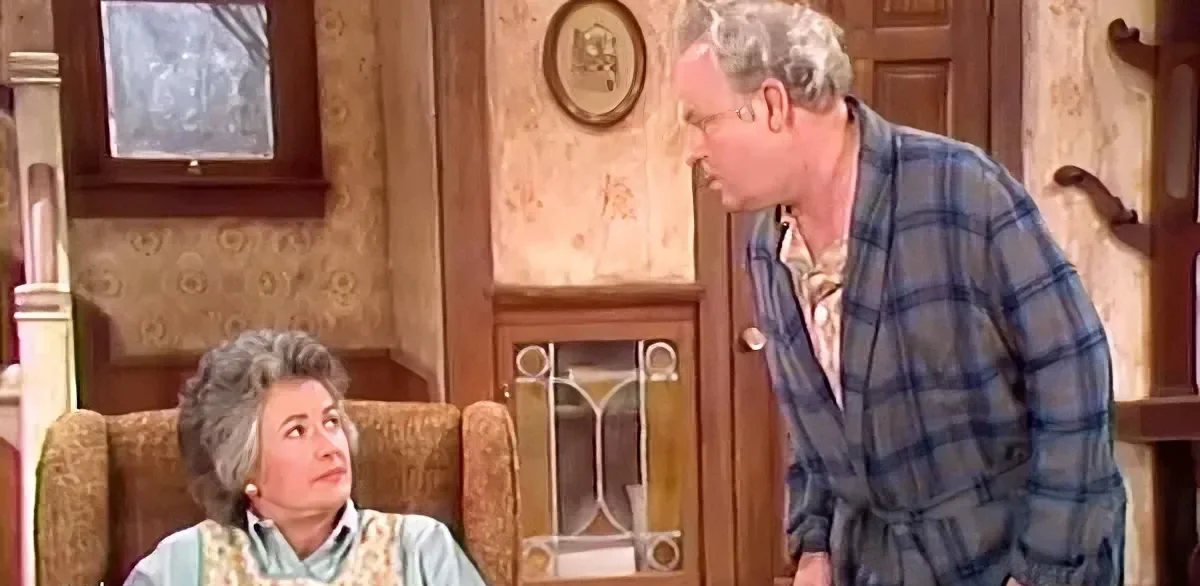
CBS programming executive Fred Silverman recognized the possibilities immediately, and Norman Lear built a backdoor pilot around Maude’s household for the March 1972 All in the Family episode titled “Maude.” By September, she had her own Tuesday-night series, joining a 1972 television lineup that was already learning how much noise one living room could hold. It was a rapid ascent even by spinoff standards, but Arthur had already done the hard part: she made Maude feel as if she had lived before the camera found her.
That history mattered. Maude entered her own series with marriages behind her, a grown daughter, a grandson, political scars, social confidence and enough accumulated resentment to fill a second house. She was not a young woman beginning adult life. She was already in the middle of it, which gave the show permission to treat age as experience rather than a punch line.
The connection to All in the Family remained part of the show’s DNA, but Maude quickly became more than Archie’s liberal opposite. Archie feared that the culture was changing without his permission. Maude feared that it was not changing fast enough—and that she might not be as advanced as she believed.
That is also why her page should not collapse into a general biography of Norman Lear’s television revolution. Lear created the arena. Bea Arthur made the arena hers.
The performance was loud when it needed to be—and much more controlled than it looked.
Bea Arthur as Maude Findlay could turn a doorway into a stage entrance, but Bea Arthur’s performance was never just volume. Watch the pauses. Watch the slight tilt of the head before Maude decides whether to be wounded or furious. Watch the way Arthur could let a laugh build around her, then cut it off with one dry sentence that changed the temperature of the room.
Arthur brought Broadway authority to a form that often asked women to stay appealing, agreeable or safely eccentric. Maude was none of those things on command. She was tall, mature, politically opinionated and emotionally expansive. She wore sweeping clothes, moved like the room had been blocked for her and used that unmistakable low voice as both weapon and shield.
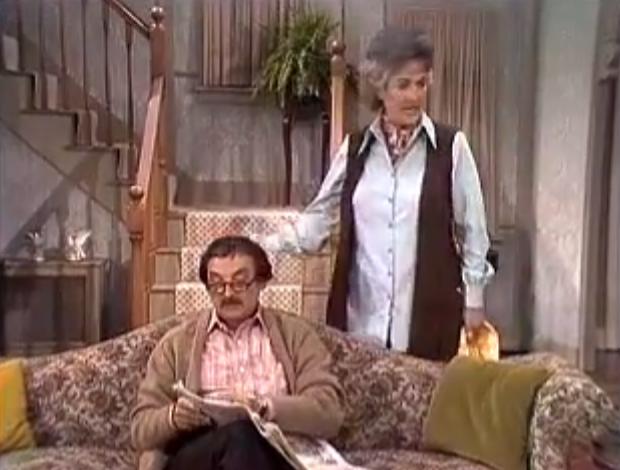
The character’s famous declaration—“God’ll get you for that”—worked because it combined outrage, affection and theatrical punishment. Maude did not merely disagree with people. She staged the consequences. Walter might be standing three feet away, but she could address him as though she were delivering a closing argument to a jury and the nation.
Yet the series lasted because Arthur let us see the insecurity beneath the certainty. Maude could be terrified of aging, desperate for approval, jealous of Vivian, threatened by Carol’s independence and genuinely wounded when Walter stopped treating their conflict like an argument they would eventually survive. She wanted to be seen as fearless. The comedy came from how often fear was directing the speech.
Arthur later described Maude as loving her family deeply, and that is the key to the whole performance. The character’s politics mattered, but the emotional stakes were usually local: Will Walter still choose me? Does Carol respect me? Have I embarrassed Florida? Am I the woman I keep announcing that I am?
She could dominate an ensemble, but she could also carry near-solo material. “Maude Bares Her Soul” put Arthur opposite a mostly silent psychiatrist and trusted her with long stretches of confession, deflection, performance and recognition. The episode exposed what the entire series understood: Maude’s biggest audience was often Maude.
Bill Macy gave the series resistance, vulnerability and a marriage worth protecting.
A weaker version of Maude would have turned Walter Findlay into a weekly target: the conventional husband whose only job was to stand there while his liberated wife corrected him. Bill Macy made that impossible. Walter could be insecure, stubborn, old-fashioned and petty, but he was not a cardboard obstacle. He had his own pride, appetites, loyalties and breaking points.
The Findlays’ marriage was combative because both partners believed argument was a form of intimacy. They interrupted, escalated and reached for the most damaging example from the last twenty years, yet the series usually kept a current of affection under the noise. Walter knew Maude’s speeches by rhythm. Maude knew exactly when his sarcasm was hiding fear.
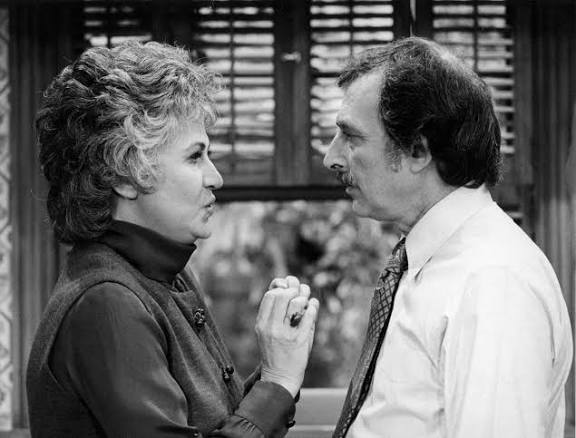
Macy’s great gift was the delayed reaction. Arthur could unleash a paragraph, and Walter’s face would pass through exhaustion, disbelief and wounded dignity before he answered. He was not trying to win every exchange. Sometimes he was simply trying to identify which version of the argument had arrived.
That balance made the serious stories possible. In “Walter’s Problem,” the show confronted his alcoholism without pretending that Maude’s force of personality could fix it. When his business and confidence collapsed, the series allowed Walter’s depression to become frightening. Those stories worked because viewers had already seen his humor, vanity and tenderness.
Their relationship also prevented Maude’s politics from floating above ordinary compromise. It is easy to announce liberation in a speech. It is harder when a spouse feels left behind, threatened or publicly diminished. The show did not always handle that tension gracefully, but it understood that social change arrives in marriages as conversations about money, work, sex, status and whose dream gets to become the family plan.
Bea Arthur called “The Convention,” an episode built largely around Maude and Walter in a hotel room, a favorite. That choice makes sense. Remove the crowded house and the headline issue, and the series still had two gifted actors playing a marriage that could be exhausting, funny and recognizably alive.
The Maude cast worked because every character had a relationship with her, a reason to resist her and a different definition of what being right looked like.
Maude wanted justice, recognition and the final word—preferably in that order. Her blind spots kept the politics human, while Arthur’s timing kept the speeches funny.
Walter was an appliance-store owner, Army veteran and husband who could absorb only so much righteous certainty before returning fire. Macy made him a partner, not a prop.
Carol was a divorced mother building an adult identity under the same roof as a mother who considered boundaries a conservative plot. Their arguments gave feminism a generational edge.
Phillip made the household visibly multigenerational. He also reminded everyone that children hear adult certainties long before adults decide what they actually believe.
Florida met Maude’s liberal condescension with dignity, precision and better timing. The character became strong enough to help launch Good Times.
Arthur was Walter’s conservative friend, Maude’s reliable opponent and proof that the series could generate a national argument from one neighbor walking through the door.
Vivian’s warmth, insecurity and occasional flightiness gave Maude a best friend she could love, compete with, patronize and need. McClanahan never let sweetness erase the joke.
The later housekeepers changed the rhythm after Florida left. Mrs. Naugatuck brought grand British combat; Victoria brought a different race-and-class dynamic in the final season.
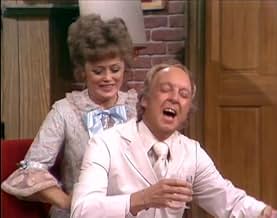
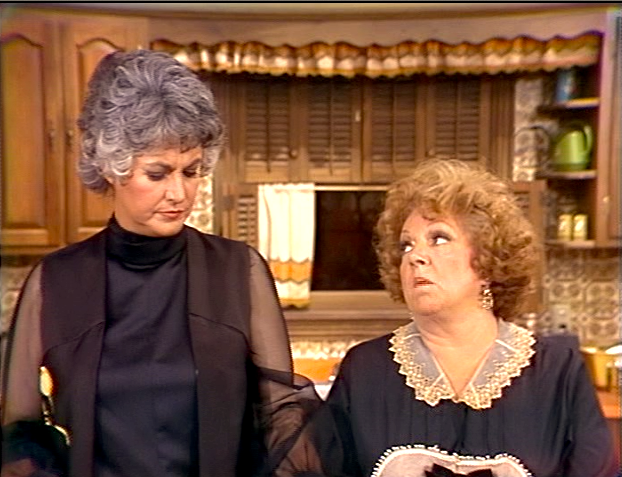
The cast structure was one reason the show could handle subjects that might otherwise have sounded like position papers. Every character challenged Maude from a different angle. Walter challenged her as an equal partner. Carol challenged her as a daughter who had absorbed feminist language but did not necessarily want her mother directing the application. Florida challenged the distance between liberal intention and lived experience. Arthur challenged nearly every political assumption she carried into the room.
Vivian was especially important because friendship is where Maude’s self-image became most vulnerable. She could support Vivian, rescue Vivian and speak for Vivian—sometimes before checking whether Vivian wanted any of it. Rue McClanahan’s comic openness made those scenes feel affectionate even when the relationship was competitive.
The household changed over six seasons, but the essential pattern remained: Maude made a declaration, somebody complicated it, and the evening became much longer than planned.
Television had seen wives and mothers. It had rarely given one this much authority, appetite or contradiction.
The revolutionary thing about Maude was not simply that she called herself a feminist. It was that network television organized an entire sitcom around a woman in her late forties who had already lived several lives. She was not waiting to marry, begin a career or become interesting. She arrived with history.
That distinction separated her from many earlier television women. Maude’s age was not hidden, but it was also not treated as the end of desire or ambition. She worried about her appearance, considered cosmetic surgery, faced menopause and remained sexually, politically and emotionally engaged. The show sometimes used those subjects with the bluntness of its era, but it refused to make middle age invisible.
Carol created the second half of that argument. She was younger, divorced and raising Phillip while trying to build a life that did not repeat her mother’s compromises. Maude wanted credit for creating a more liberated daughter. Carol wanted room to define liberation without daily supervision from the woman claiming authorship.
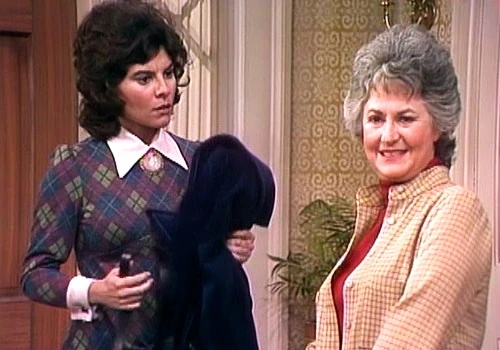
That tension kept the show from offering a single approved version of womanhood. Maude’s generation had fought to name the problem. Carol’s generation expected the naming to produce practical freedom. Vivian wanted security, affection and a life that could include glamour. Florida wanted respect without becoming a supporting example in somebody else’s moral education.
The series belongs in conversation with The Mary Tyler Moore Show, but the women occupied very different terrain. Mary Richards represented the possibility of a single professional woman constructing a life. Maude Findlay represented a married, middle-aged woman discovering that the life already built might still require reconstruction.
The famous abortion story mattered, but the show’s real habit was turning public certainty into private conflict.
Any summary of Maude eventually reaches the list: abortion, alcoholism, menopause, birth control, depression, racism, gay rights, cosmetic surgery, women’s employment and electoral politics. The list is accurate, but it can make the show sound like a curriculum with a laugh track. At its best, Maude did something messier. It placed an issue inside a relationship and let the characters discover that their public certainty did not eliminate private fear.
The two-part “Maude’s Dilemma” aired in November 1972, before the Supreme Court’s Roe v. Wade decision. At 47, Maude learns she is pregnant and eventually decides with Walter to have an abortion. The episode did not turn the decision into a stunt ending. It focused on age, marriage, fear, parenthood and the difficulty of hearing what Walter actually wanted beneath his repeated promise to support whatever she chose.
Susan Harris wrote the story after Norman Lear asked her to tackle the subject. The initial broadcast produced less turmoil than the later repeat, when organized opposition pressured affiliates. That history matters, but the episode remains powerful because Arthur and Macy played the decision as something happening to a marriage, not to a debate team.
“Walter’s Problem” refused to let Maude’s forcefulness become treatment. Walter’s drinking threatened his health, dignity and marriage, and the story forced Maude to confront a problem she could not out-argue. The episode was not subtle by modern standards, but it understood that love and control are not the same thing.
Race stories often centered on Maude’s need to prove herself enlightened. Florida’s presence exposed the paternalism that could hide inside that need. “Maude’s New Friend” used a gay character to reveal how quickly Maude could turn tolerance into performance. Stories about work and politics showed that believing in equality did not automatically prepare Walter—or sometimes Maude—for equality’s consequences inside their own home.
The broader decade-wide history belongs on how 1970s sitcoms started talking about real life. What belongs here is the specific Maude mechanism: let the heroine make the right argument, then reveal the wrong assumption hiding underneath it.
Esther Rolle gave the series its sharpest test of liberal self-congratulation.
Florida Evans entered the Findlay household in “Maude Meets Florida,” and the premise immediately exposed Maude’s favorite trap. She wanted Florida to be treated as an equal so badly that she became overbearing, sentimental and unmistakably patronizing. Florida did not reject equality. She rejected Maude’s need to turn equality into a performance starring Maude.
Esther Rolle played Florida with composure that changed the balance of every scene. She did not need to match Arthur’s volume. A pause, glance or carefully placed sentence could bring Maude’s momentum to a halt. The character had a husband, children, pride and a life that continued after she left the Findlay kitchen. That sense of an offscreen world helped Florida become more than a housekeeper role.
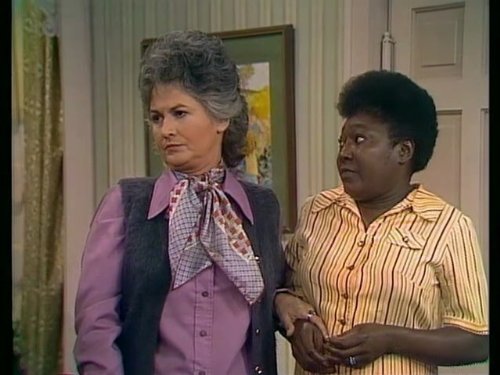
Her family eventually led to Good Times, extending the Lear television universe again. The relationship between the two series is historically complicated, but within Maude, Florida’s importance is clear: she was the person least impressed by Maude’s description of herself.
A complete account of the Evans family belongs in Good Times and the complicated legacy of J.J. Evans, while the broader context belongs in the best Black sitcoms of the 1970s. On this page, Florida’s function is more intimate. She showed that Maude’s politics were strongest when she listened—and funniest when she forgot.
The entrances, pauses and verbal reversals came from performers who knew how to hold a room.
The production style was traditional multicamera television: recognizable rooms, a studio audience and dialogue built to land in waves. What made it feel different was the theatrical scale. Bea Arthur did not shrink herself to fit the box. The show let the box become a stage.
Director Hal Cooper handled most of the series—126 episodes according to the Television Academy—and that continuity mattered. The camera generally knew when to stay out of the way. A Maude speech needed space. A Walter reaction needed time. A Florida silence needed the confidence not to cut away before the audience understood who had actually won.
The scripts were built around reversals. Maude began with moral certainty. Somebody introduced an inconvenient fact. She changed the terms of the argument, raised the volume or discovered that the position she had announced five minutes earlier now required an exception. The comedy did not depend on her being foolish. It depended on her being intelligent enough to construct a more elaborate defense.
Physical business helped keep the speeches from becoming static. Doors opened at exactly the wrong moment. Walter retreated toward the bar. Vivian arrived carrying emotional weather of her own. Maude crossed the room as if movement could settle the issue before anyone else completed a sentence.
The live-audience rhythm could be broad, and some episodes now feel over-signaled. But the form also created pressure. Actors had to ride laughter without losing the argument. Arthur’s timing was so exact that she could begin the next emotional beat while the room was still reacting to the last joke.
Donny Hathaway’s performance made the opening feel less like an introduction than an arrival.
Donny Hathaway sang the Maude theme song, “And Then There’s Maude.” Marilyn and Alan Bergman wrote the lyrics, and Dave Grusin composed the music. The opening placed Maude in a comic line of formidable women from history and legend before the episode had even begun.
That was more than a catchy setup. The sequence told the audience how to read her scale. Maude was not entering television apologetically. She belonged in a procession. The song celebrated her force before the script spent the next half hour exposing the complications.
Hathaway’s vocal gave the theme warmth and lift, preventing the joke from becoming merely bombastic. The arrangement had the confidence of early-70s network television, when a sitcom theme could establish character, point of view and cultural attitude in under a minute.
It belongs among the unmistakable 70s TV theme songs that could summon an entire show before the first line of dialogue. For viewers who encountered the series in syndication, the opening was often the first reminder that the following half hour was not planning to behave quietly.
The best Maude episodes include the headline-making stories, the marriage crises and the Bea Arthur showcases that explain why the series lasted.
The second episode established the show’s sharpest corrective relationship. Maude’s frantic effort to prove she sees Florida as an equal becomes its own form of condescension, and Esther Rolle quietly takes control of the room.
The famous two-parter works because the political headline never erases the marriage. Maude’s pregnancy at 47 forces her and Walter to separate public principle from the private future they actually want.
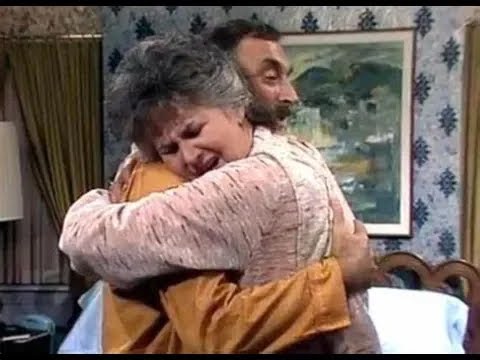
Walter’s alcoholism is treated as more than another reason for Maude to be right. Bill Macy gets frightening, vulnerable material, while Maude faces the limits of love expressed as control.
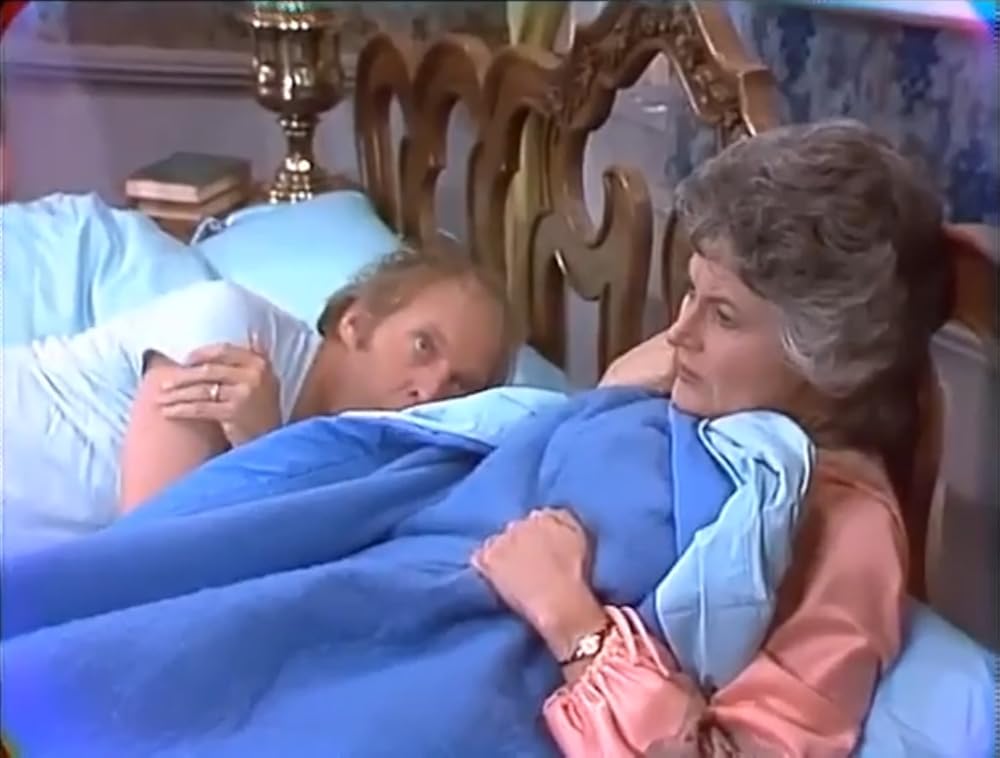
Vivian’s new appearance sends Maude into jealousy, panic and cosmetic surgery. The two-parter is broad, but its anxiety about women, aging and visibility remains recognizably uncomfortable.
With much of the usual ensemble removed, Arthur and Macy turn a hotel-room argument about women’s status into a compact demonstration of why the Findlay marriage carried the series. Bea Arthur later identified it as a favorite.
Maude spends the episode with a psychiatrist and gradually performs her way toward honesty. It is close to a one-woman stage piece and one of the clearest showcases for Arthur’s control.
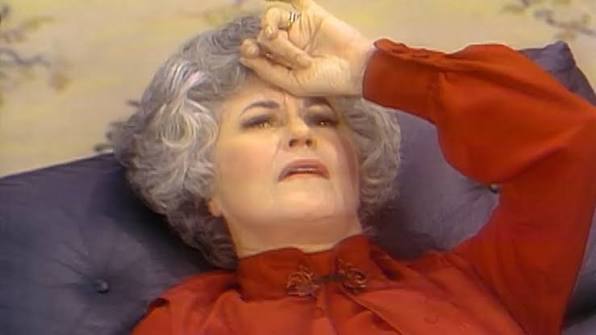
Maude proudly announces her acceptance of a gay friend and then discovers how much performance, jealousy and assumption are mixed into that acceptance. The episode puts her self-image on trial.
The closing arc moves Maude and Walter toward Washington after she becomes a congresswoman. It is an unusually literal ending: the woman who had argued politics in her living room finally carries the argument into public office.
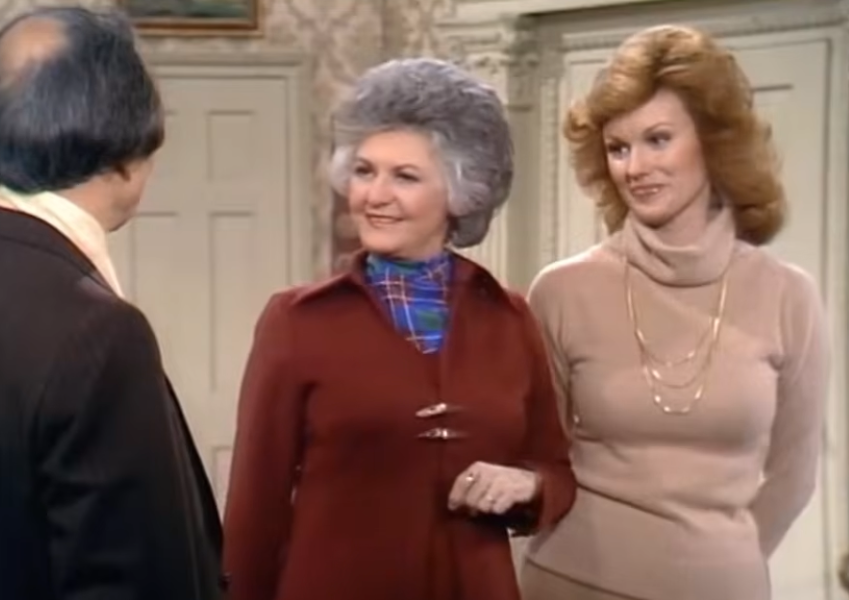
This is not a ranking of every episode. It is a viewing path through the show’s central strengths: Maude’s blind spots, the marriage, the supporting cast, the social nerve and Bea Arthur’s ability to hold a scene long after a conventional sitcom would have cut away.
The episode selection also keeps this exact-show history distinct from the broader best sitcoms of the 1970s ranking. Maude deserves more than one capsule entry and one famous controversy.
Lear supplied the nerve; the long-running production team turned it into weekly television.
Lear understood that Maude could not be written as a flawless spokesperson. The connection to Archie Bunker made conflict inevitable, but her own series required opponents who knew her too well to be impressed by the speech. The household format allowed political and social ideas to arrive through family pressure rather than guest lectures.
Producer and writer Rod Parker became one of the show’s central creative figures. The series used a large writing staff across six seasons, including Bob Schiller, Bob Weiskopf, Susan Harris and others who understood that a serious subject still needed a comic mechanism.
Cooper’s enormous directing footprint created visual and rhythmic consistency. He knew that the camera did not need to compete with Arthur. The blocking, reaction shots and audience timing supported the actors rather than decorating them.
Harris’s work on “Maude’s Dilemma” connected the show to a writer who would later create Soap and The Golden Girls. Her recollection that the abortion story was originally intended for Vivian before Lear moved it to Maude reveals a crucial editorial instinct: the subject belonged at the center of the series, not safely beside it.
Rita Riggs’s wardrobe design helped create Maude’s silhouette—flowing layers, long lines and clothing large enough to move with Arthur’s theatrical presence. The look communicated taste, class, confidence and a refusal to disappear into a conventional sitcom-mother uniform.
The headlines can obscure how popular the show was during its strongest years.
Maude was a major network hit, not a niche experiment tolerated because it was important. The Television Academy Interviews history notes that the series placed in the top ten Nielsen ratings during each of its first four seasons, even while CBS shifted it among different time slots.
That popularity matters because millions of viewers were not watching a sanitized symbol. They were watching a woman argue with her husband, embarrass her daughter, misread her friends and keep coming back next week. The controversy generated press, but the ensemble and comedy generated habit.
The Television Academy lists 12 Emmy nominations for the series. It received nominations for Outstanding New Series and Outstanding Comedy Series in 1973, and Bea Arthur earned multiple lead-actress nominations before winning Outstanding Lead Actress in a Comedy Series in 1977. Hal Cooper and the writing and art-direction teams were also recognized.
Arthur’s win arrived late in the run, which feels appropriate. Maude was the kind of performance that could be mistaken for effortless personality because the instrument was so distinctive. The award acknowledged the craft underneath the voice.
The show also became a generator inside the Lear universe. Florida’s family led toward Good Times, and the cast connections extended far beyond the six seasons. Rue McClanahan and Bea Arthur would later reunite in The Golden Girls, where viewers could recognize the old timing even though Dorothy and Blanche were very different women.
Falling ratings and Bea Arthur’s departure ended the series; Washington gave Maude one final room to take over.
Maude ended after six seasons because ratings had fallen, CBS kept moving the series and Bea Arthur decided to leave. By the 1978 television season, the show had been moved to Saturday night, and removing Arthur would have meant removing the one element the series could not replace.
The closing “Maude’s Big Move” arc did not shrink the character into a sentimental retirement. Maude becomes a congresswoman and moves with Walter to Washington. The premise carried her public ambition to its logical extreme: after six years of treating the living room like a legislative chamber, she finally entered government.
It is not the neatest ending. Several departures arrive quickly, and the transition toward Washington can feel like the setup for another series. Yet the direction is right. Maude does not finish by learning to lower her voice. She finishes with a larger room.
Arthur’s departure also protected the character from becoming an imitation of herself. A show built on urgency cannot continue forever without the urgency becoming routine. Six seasons were enough to establish the argument.
The series moved quickly because the character arrived fully armed.
Bea Arthur debuts as Edith Bunker’s formidable cousin on All in the Family.
Maude premieres on CBS and quickly establishes the Findlay household as its own arena.
The two-part abortion story places the series at the center of a national television controversy.
“Walter’s Problem” opens the second season with a two-part story about alcoholism.
Esther Rolle’s character leaves the household as the Evans family becomes central to Good Times.
“Maude Bares Her Soul” turns the sitcom into a near-solo performance showcase.
Arthur receives Outstanding Lead Actress in a Comedy Series.
The final arc makes Maude a congresswoman and ends the series after six seasons.
The show widened the kind of woman television could place at the center of a comedy.
Maude still matters because it gave network comedy a middle-aged woman who did not organize herself around being pleasant. “Maude’s Dilemma” remains the episode cited most often in television-history summaries, but reducing the series to abortion misses the more durable achievement.
She could be exhausting. That was part of the permission. Male sitcom leads had long been allowed vanity, temper, certainty and contradiction. Maude received the same room, and the show trusted viewers to keep watching when she was wrong.
The series also helped normalize the idea that domestic comedy could carry political weight without changing genre. A marriage argument remained a marriage argument even when it contained a national debate. The jokes did not pause so the “important” material could begin. The important material was already inside the joke.
Some language, character types and issue framing have aged poorly. The series occasionally congratulates itself too quickly, and its broad studio style can feel remote from modern single-camera comedy. Those limitations are not reasons to dismiss it. They are part of the historical record the show was brave enough to leave in public.
The most modern thing about Maude may be her imperfection. She wanted to be better than the world around her and regularly discovered that she had brought part of that world into the room. She could recognize the mistake, defend it, cry about it, make another speech and try again.
That is why Maude still belongs near the top of any serious discussion of the defining sitcoms of the 1970s. It did not whisper because the culture was not listening quietly.
The series could be blunt, theatrical and convinced of its own importance. So could Maude. That is precisely why the match worked. Bea Arthur gave television a woman with enough authority to own the room and enough insecurity to keep the room funny. The show’s legacy is not that it settled the arguments. It proved a sitcom could survive by beginning them.
Cast, episodes, the spinoff, the theme song, the controversy and the Washington ending.
Maude followed outspoken liberal Maude Findlay, her husband Walter, daughter Carol, grandson Phillip and their extended household in suburban Tuckahoe, New York. Family conflicts regularly opened into arguments about politics, gender, race, work, aging and marriage.
Yes. Bea Arthur introduced Maude Findlay on All in the Family. A second appearance functioned as a backdoor pilot, and Maude premiered as its own CBS series in September 1972.
Maude ran for six seasons from 1972 through 1978. The Television Academy Interviews archive lists 142 episodes.
Bea Arthur played Maude Findlay. She received several Emmy nominations for the role and won Outstanding Lead Actress in a Comedy Series in 1977.
The principal cast included Bea Arthur, Bill Macy, Adrienne Barbeau, Conrad Bain, Rue McClanahan and Esther Rolle. Hermione Baddeley and Marlene Warfield played later Findlay housekeepers.
The two-part first-season story “Maude’s Dilemma” followed 47-year-old Maude discovering she was pregnant and deciding with Walter to have an abortion. It originally aired in November 1972.
Good Times developed from Florida Evans and her family after Esther Rolle played Florida as the Findlays’ housekeeper on Maude. The relationship between the productions evolved, but Florida’s Maude appearances were the starting point.
Donny Hathaway performed “And Then There’s Maude.” Marilyn and Alan Bergman wrote the lyrics, and Dave Grusin composed the music.
Ratings declined after the fourth season, CBS moved the show through several time slots and Bea Arthur decided to leave. The series ended in 1978 after six seasons.
The final “Maude’s Big Move” arc made Maude a congresswoman and sent her and Walter to Washington, D.C., giving her political ambition a literal destination.
Official studio pages, Television Academy archives and Paley Center records.
Maude belongs inside a much larger network-era story.