The 90s were when a song arrived with a complete world.
It had a video, clothes, choreography, album artwork,
magazine covers, soundtrack placement and enough visual
identity to make three minutes of music feel like a place.
MTV mattered because it made sound visible. Radio mattered
because different formats created different tribes.
Compact discs mattered because people bought entire
albums, stared at the booklets and learned deep cuts while
searching for the one song they originally wanted.
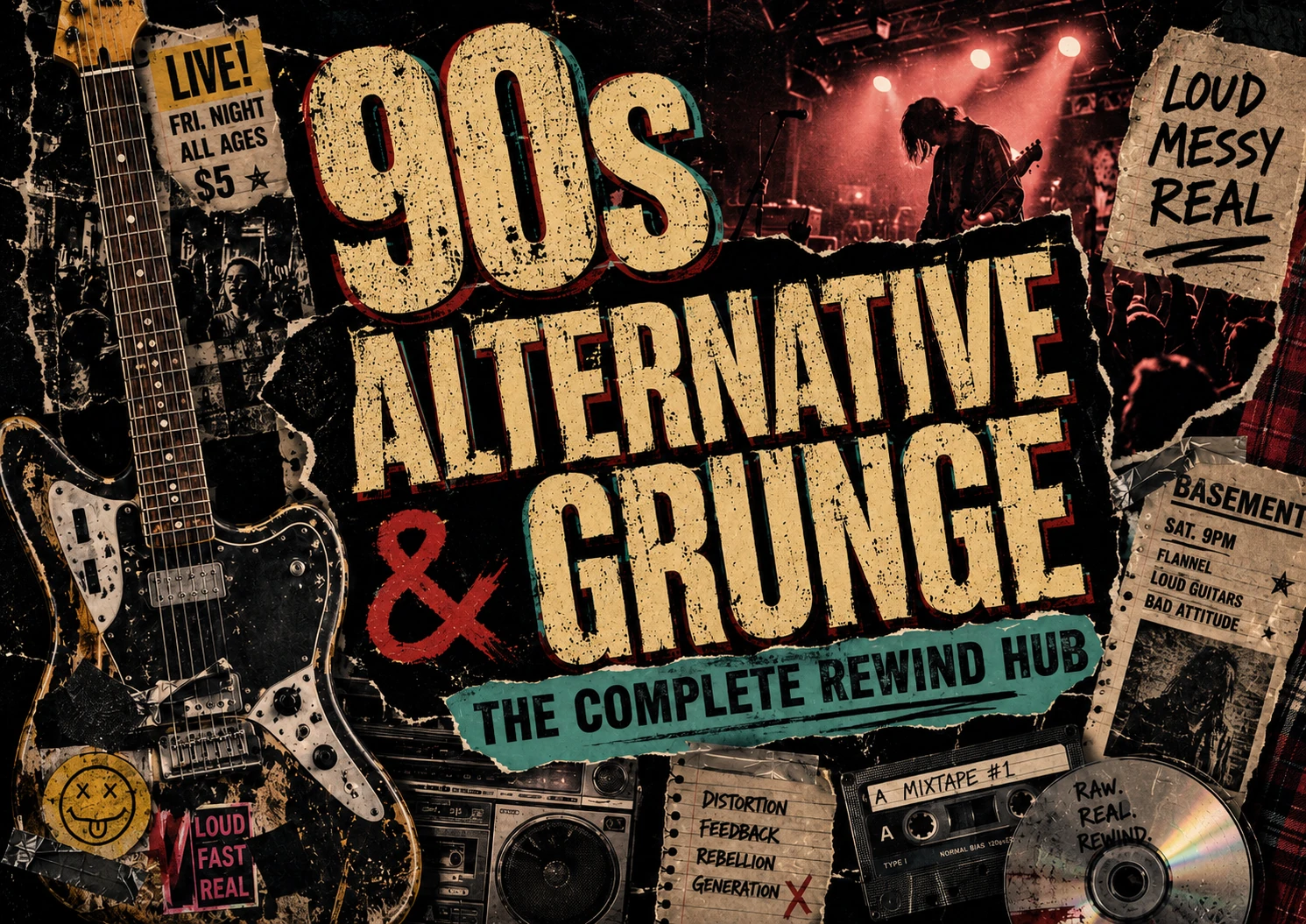
Alternative and grunge
made underground discomfort commercially enormous.
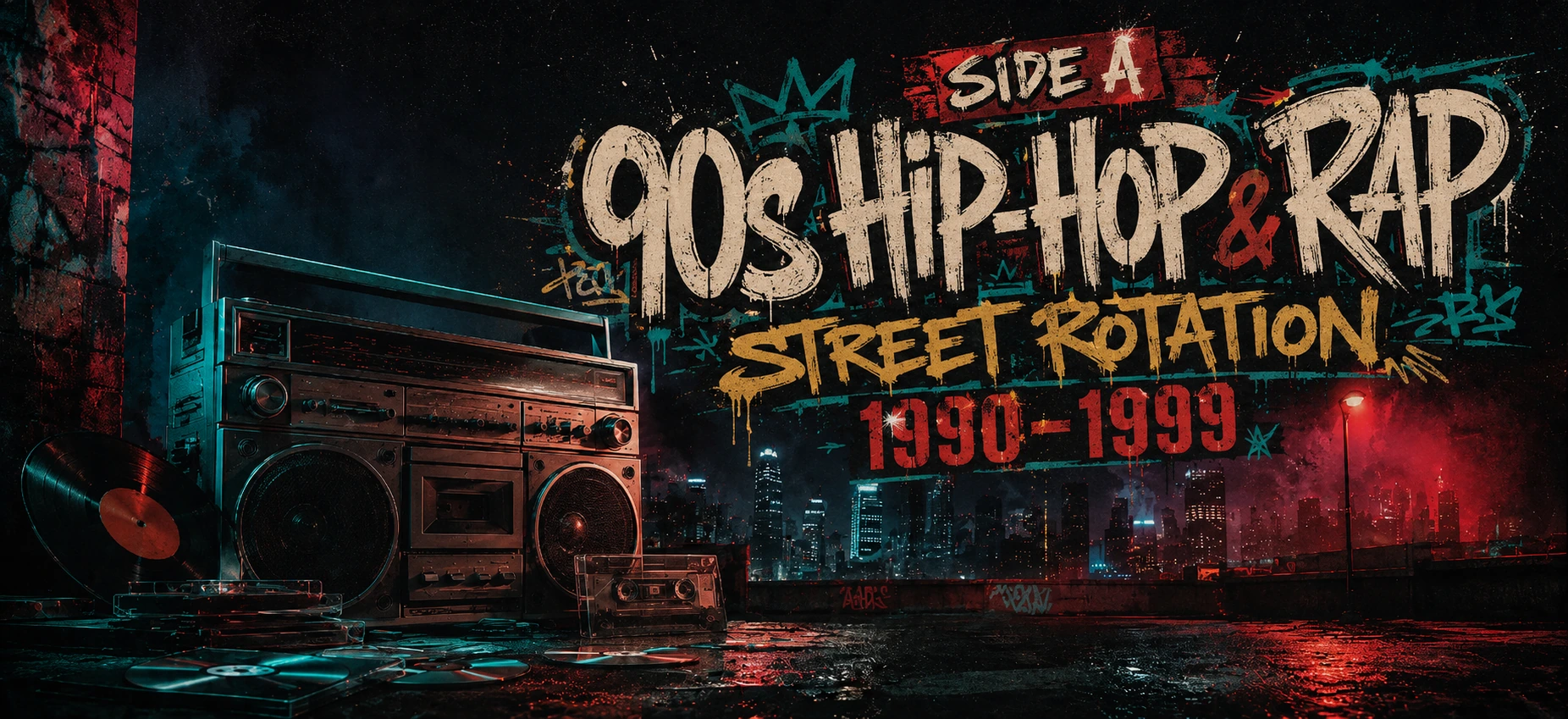
Hip-hop became the
decade’s most important cultural engine.
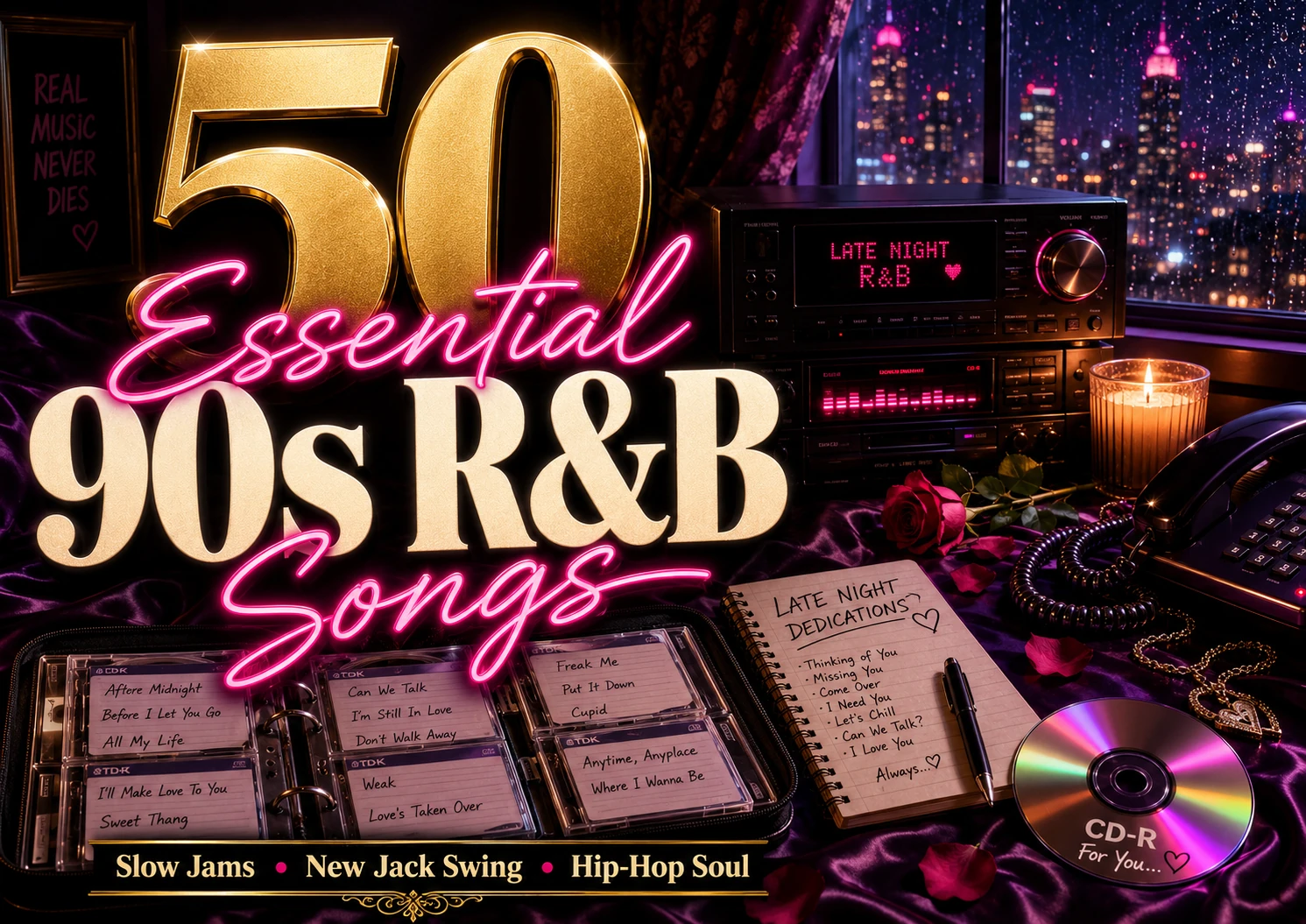
R&B blended
vocal tradition with modern production, while
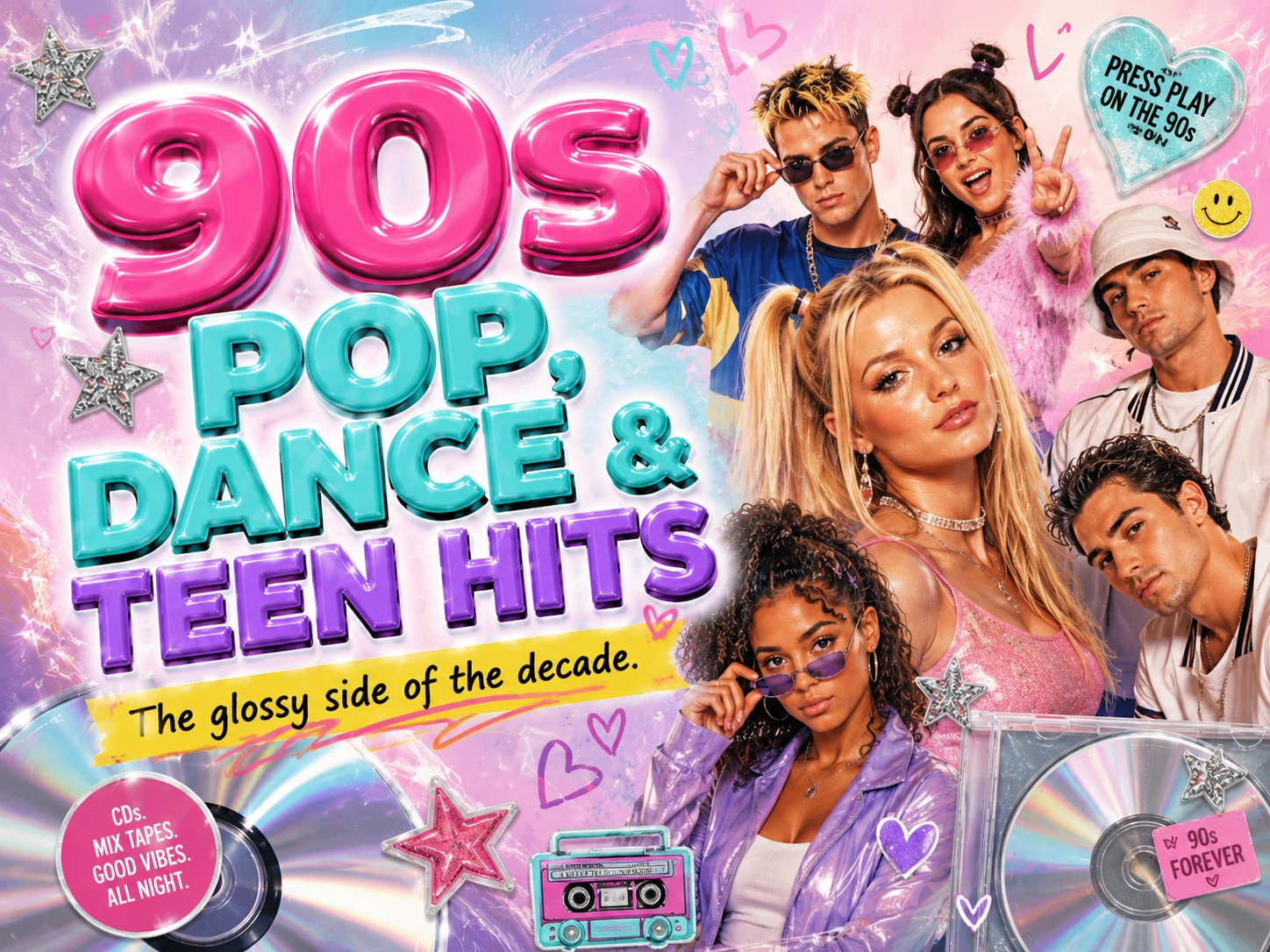
pop and dance music
kept the decade bright, physical and impossible to ignore.
For Gen X, the music lived everywhere: after-school MTV,
cassette singles, Top 40 radio, boom boxes, school dances,
skating rinks, movie soundtracks, mall speakers, Discmans
and older siblings explaining why your taste was wrong.
They were usually very confident and only occasionally
correct.