How Charlie’s Angels Became a Pop-Culture Phenomenon

How Charlie’s Angels Became a Pop-Culture Phenomenon
CRIME DESK CHANNEL 70s ANGEL GUIDE ABC • ACTION • GLAMOUR • HELLO, ANGELS
Smells Like Gen X • The Angels took the case

How Charlie’s AngelsBecame a Pop-Culture Phenomenon

Charlie’s Angels turned three women detectives, one unseen boss and a new undercover world every week into an instantly recognizable piece of 1970s television. The hair, cars and clothes powered the publicity, but the cases still depended on the women making the plan work.

The series existed inside a genuine contradiction: it sold glamour through the male gaze while giving millions of viewers a weekly image of women driving the cars, entering danger and solving the case themselves.

Quick Answer • Townsend Agency Desk

Why did Charlie’s Angels become such a huge television phenomenon?

The show combined an easy-to-understand action format with three charismatic female leads and one of the strongest promotional identities of the decade. Each episode offered reinvention, friendship and competence, while Farrah Fawcett’s celebrity explosion pushed the series beyond the schedule and into everyday pop culture.

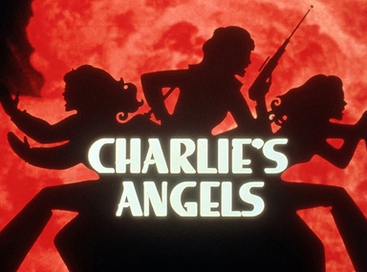
Charlie’s Angels television opening featuring the original trio
Hello, Angels.One speakerphone briefing could send the team from a racetrack to a prison to a high-society party.
When a Hit Escapes the Schedule

Why the Angels became part of the decade instead of merely another show

The series turned a clear action premise into a visual language that could live on posters, magazine covers and playground teams.

The show was television, fashion and celebrity news at the same time

Some hits remain attached to their original time slot. Charlie’s Angels moved into bedrooms, salons, lunch boxes, Halloween costumes and every conversation about whether Farrah Fawcett’s swimsuit poster counted as interior design.

The public understood the arrangement instantly: three women, one case, an unseen Charlie and a series of worlds that underestimated the investigators. The back-to-back silhouette made the ensemble recognizable even when viewers could not remember the week’s criminal.

For Gen X, the show often arrived through fragments—reruns, posters, speakerphone jokes and hairstyles—but the fragments carried the whole idea. The Angels were not waiting beside the detective. They were the team.

ABC’s Bright New Crime Machine

A simple premise arrived at exactly the right network moment

Aaron Spelling, Leonard Goldberg and ABC had a title, silhouette and weekly structure that could be promoted in one breath.

The setup

Police-academy graduates finally received work worthy of their training

Sabrina, Jill and Kelly had been assigned routine police duties before Charles Townsend recruited them as private investigators. The premise transformed professional frustration into weekly freedom.

The ritual

The unseen boss made every briefing instantly recognizable

Charlie’s speakerphone voice delivered the problem while Bosley managed the office. The boss remained mysterious, and the visual center stayed with the women preparing to act.

The chemistry

The original trio offered three different kinds of authority

Jackson supplied strategic intelligence, Fawcett athletic ease and Smith emotional steadiness. The series worked because the women felt complementary rather than interchangeable.

The flexibility

Undercover work opened a new world every week

Fashion, racing, hotels, prisons, cruise ships and nightclubs could all become temporary Angel territory. The format sold reinvention as part of the investigation.
From the Original Trio to a Permanent Franchise

How Charlie’s Angels changed lineups without losing the silhouette

The series survived departures, new Angels, films and reboots because the central ensemble fantasy remained legible.

1976

The television movie and weekly series establish the original trio

Kate Jackson, Farrah Fawcett and Jaclyn Smith turn a simple private-eye premise into an instantly marketable silhouette. The weekly series premieres on ABC in September.

1977

Farrah becomes a national phenomenon—and leaves regular duty

The hairstyle, poster and magazine coverage make Fawcett one of the decade’s defining stars. Cheryl Ladd joins as Kris Munroe for season two and proves the show can continue.

1978

The franchise remains a major prime-time attraction

The Angels move through larger settings and event-style episodes while cast publicity becomes nearly as important as the weekly cases.

1979

Kate Jackson exits and Shelley Hack joins

Sabrina’s departure changes the group’s strategic chemistry. Tiffany Welles enters during a period when the public is evaluating the lineup as intensely as the stories.

1980

Tanya Roberts becomes Julie Rogers

The fifth-season lineup tries a more streetwise energy while the series faces changing tastes, tougher competition and the natural fatigue of a highly visible formula.

1981

The original series ends after five seasons

The final episodes leave behind a complete television identity: the voice, the briefing, the disguises, the friendship and the back-to-back image.

2000

The first feature film reinvents the agency

Cameron Diaz, Drew Barrymore and Lucy Liu bring the premise into a more openly comic action era while preserving the ensemble fantasy.

2003

Full Throttle expands the movie version

The sequel pushes spectacle, self-awareness and franchise mythology even further from the original procedural tone.

2011

ABC attempts a new television version

The reboot is short-lived, demonstrating that the title and silhouette remain recognizable while the chemistry is far harder to reproduce.

2019

A new film connects another generation of Angels

The franchise is reframed as a larger international network, confirming that the central idea remains adaptable even when the tone and structure change.

The Townsend Agency Roster

The women and voices that kept the assignment moving

The lineups changed, but the show always depended on distinct personalities learning to operate as one professional team.

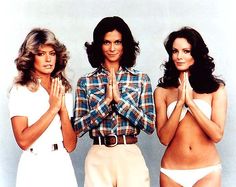
Original Charlie’s Angels cast posed together for a promotional photograph
The original lineup turned three distinct personalities into one of television’s most recognizable teams.
The strategist

Sabrina Duncan

Kate Jackson plays Sabrina as the Angel most likely to recognize the trap before the briefing is finished. Her dry humor, skepticism and command give the original trio a strong center. She does not need to announce leadership because the others already trust her judgment.

The phenomenon

Jill Munroe

Farrah Fawcett gives Jill athletic confidence, warmth and a physical ease that made even thin plots move. The celebrity explosion around Fawcett sometimes obscured how naturally she sold action, comedy and danger without making Jill seem impressed by herself.

The constant

Kelly Garrett

Jaclyn Smith remained through every season, making Kelly the emotional continuity of the Townsend Agency. She is observant, composed and especially strong when a case becomes personal. Kelly’s steadiness never feels passive; it is a form of control.

The new chemistry

Kris Munroe

Cheryl Ladd entered under impossible comparison and made the smart choice not to imitate Jill. Kris brought mischief, warmth and an openly comic rhythm that refreshed the group. Her success proved the format could survive the departure of its biggest instant celebrity.

The fourth-season experiment

Tiffany Welles

Shelley Hack’s Tiffany arrived with a more reserved, polished background and a different energy from the earlier lineup. The character never had enough time to become fully defined, but her season reveals how difficult it was to introduce a new Angel after the brand had become fixed in public memory.

The final original-series Angel

Julie Rogers

Tanya Roberts brought streetwise energy and a more openly physical style to the fifth season. Julie’s arrival reflected the franchise’s attempt to update itself while keeping the same essential promise: another underestimated woman could walk into the agency and become part of the team.

The office anchor

John Bosley

David Doyle makes Bosley comic, fussy, brave and genuinely protective without turning him into the real boss. He delivers Charlie’s instructions, works undercover and absorbs jokes, but the show consistently leaves professional authority with the Angels.

The unseen voice

Charles Townsend

John Forsythe’s calm speakerphone voice gives each episode ritual and a small touch of mystery. Charlie’s absence keeps the visual authority with the women. He may assign the case, but the Angels own the investigation, the danger and the final image.

The Weekly Breakthrough

Female action competence became visible in millions of living rooms

The show did not invent women investigators, but it made a female detective team one of network television’s most aggressively promoted attractions.

Underestimation became an investigative advantage

Suspects saw glamour, friendliness or a convincing disguise and failed to recognize the professional gathering evidence. The Angels entered male-dominated spaces and used the assumptions already waiting there.

That structure gave young viewers more than one woman to identify with. Sabrina could be the strategist, Jill the athlete and Kelly the quiet observer. Later lineups changed the personalities without ending the idea that women could own the action center of a network hour.

The breakthrough was imperfect because the camera sometimes reproduced the same underestimation the characters defeated. Yet the closing image still belonged to the women who understood the room and solved the case.

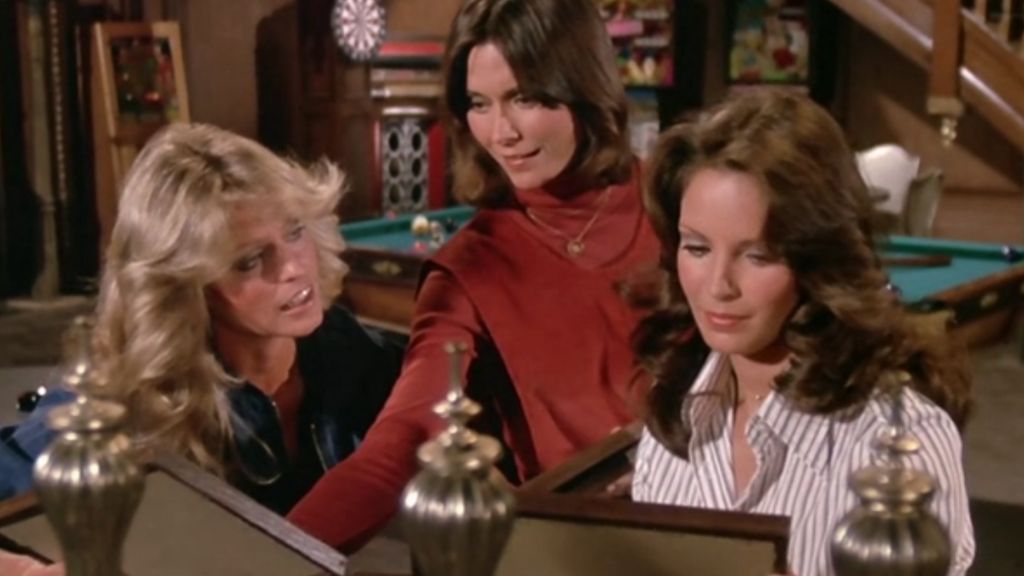
The Charlie’s Angels team working together during an investigation
The cases changed every week, but the team’s trust and shared control of the investigation remained the real continuing story.
Farrah Mania

One season created the kind of national celebrity television rarely produces now

Fawcett’s hair, poster and publicity became inseparable from the show, even as the series learned to continue without her.

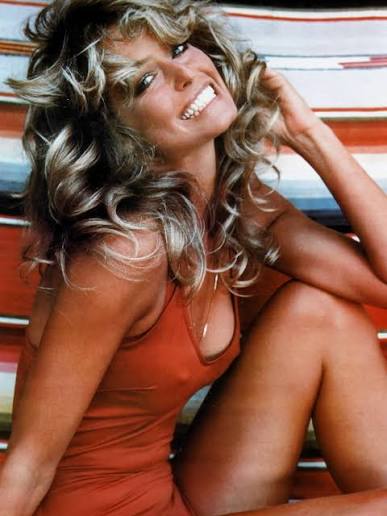
Farrah Fawcett during her Charlie’s Angels era
Farrah Fawcett’s first-season visibility quickly expanded beyond Jill Munroe and became one of the defining celebrity images of the 1970s.
The image

The poster became a separate cultural event

The red swimsuit photograph moved far beyond television promotion and turned Fawcett into one of the decade’s most reproduced faces.

The performance

Jill was more than the celebrity surrounding her

Fawcett’s athletic ease, timing and lack of self-importance made Jill convincing in action and comedy even when publicity reduced her to hair and a smile.

The departure

Leaving revealed the pressure of instant ownership

Fawcett pursued film opportunities after the first season, and contract conflict followed. Her career had become public property almost overnight.

The proof

Cheryl Ladd showed the concept could outlive the first phenomenon

Kris did not replace Jill by imitation. A new chemistry allowed the agency to continue while Farrah remained part of the mythology.

The Wednesday-Night Case File

The six beats that made almost any world an Angel assignment

The formula was flexible enough to move from glamour to danger while preserving the same friendship at the center.

01

Charlie calls the meeting

The speakerphone turns exposition into ritual. Charlie introduces the client, the crime and just enough danger to make Bosley look concerned before the theme music has fully left the room.

02

The Angels choose identities

The team divides the case by skill and access. One Angel may become an employee, another a customer and another the person willing to ask the question everybody in the setting wants to avoid.

03

The setting becomes the weekly fantasy

Racetracks, resorts, prisons, cruise ships, fashion houses and nightclubs give each episode a new visual world. The show sells travel and reinvention along with the mystery.

04

Underestimation creates access

Suspects frequently see only glamour, friendliness or a convincing disguise. The Angels use those assumptions as evidence-gathering tools until the people dismissing them realize the investigation is already complete.

05

The case becomes physical

A tail, break-in, fight or car chase moves the episode from performance to danger. The action remains bright and television-safe, but the women are expected to finish the job rather than wait for rescue.

06

The team returns intact

Charlie offers congratulations, Bosley supplies a joke and the Angels leave the case behind without losing the relationship that made it work. Friendship is the continuing story inside the weekly reset.

Style, Sales Pitch and the Jiggle-TV Argument

Fashion powered the fantasy—and complicated the breakthrough

The show’s strongest image and most persistent criticism came from the same promotional machinery.

The wardrobe was part of the plot engine

Evening wear, uniforms, athletic clothes, denim, boots and wide collars were not simply decoration. Costume changes allowed the Angels to enter new social spaces and showed the pleasure of professional reinvention.

The so-called “jiggle TV” criticism identified a real sales strategy. ABC and the camera often emphasized bodies in ways male detectives never had to endure. Treating that history honestly does not require pretending the visibility was meaningless.

The show was both a product of the male gaze and a breakthrough in female action television. Its influence survives because audiences could recognize competence inside an image designed to sell something else.

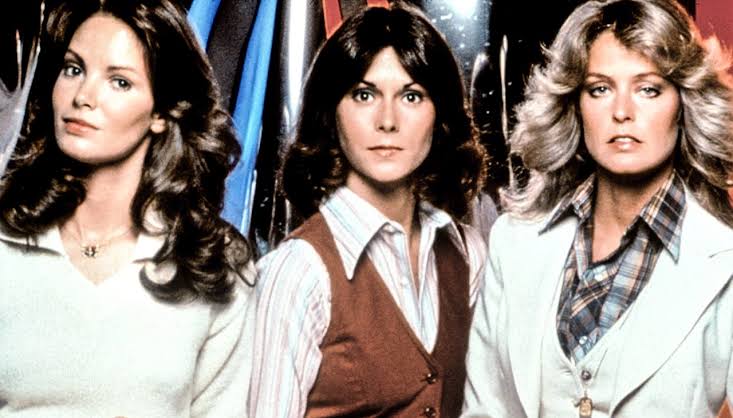
Charlie’s Angels cast modeling the fashion and glamour associated with the original series
The wardrobe was part of the weekly reinvention, helping the Angels move convincingly through workplaces, resorts, nightclubs and high-society assignments.
First-Watch Assignment

10 essential Charlie’s Angels episodes

These ten episodes follow the original trio, the cast transition, the show’s contradictions and the cases that best reveal its lasting chemistry.

EPISODE01
The regular series hits the track

Hellride

The Angels investigate the death of a female race-car driver and immediately demonstrate the weekly machinery: a specialized world, several undercover identities, physical danger and a team able to divide the assignment without dividing its loyalty.

The episode matters because it shows that glamour was never the only engine. Jill’s athletic ease makes the racing environment believable, Sabrina keeps the investigation organized and Kelly reads the people around the case. The series arrives already knowing that the women’s different strengths are the real hook.

EPISODE02
Season-one noir with Kelly at the center

The Killing Kind

A murder at an exclusive resort pulls the agency into a moodier story of suspicion, money and dangerous intimacy. The luxurious setting gives the show its expected polish, but the case depends on Kelly staying alert while other characters mistake elegance for safety.

Jaclyn Smith is especially effective when Kelly’s empathy becomes investigative access rather than weakness. The episode shows how the series could use romance and vulnerability without surrendering the final authority to a guest-star man. Kelly remains the person who understands what the danger actually means.

EPISODE03
The procedural side of the original trio

Night of the Strangler

A serial-murder investigation pushes the show closer to police procedure and gives the original Angels a case that cannot be solved by a single costume change. Interviews, patterns and coordinated fieldwork reveal the team operating like three parts of one investigative mind.

Sabrina’s command is particularly important here. Kate Jackson gives the episode a dry intelligence that steadies its darker material, while Jill and Kelly bring nerve and emotional perception. The result is a useful answer to the idea that the series could function only as glossy escapism.

EPISODE04
The notorious prison assignment

Angels in Chains

The Angels enter a corrupt women’s prison and the undercover premise moves directly into exploitation territory. The episode is tense, lurid, historically revealing and impossible to summarize honestly with either pure celebration or pure dismissal.

Its significance lies in the contradiction. The camera and promotional machinery sell danger through the women’s bodies, yet the plot also depends on their courage, planning and refusal to abandon one another. The episode captures the exact argument that followed the series throughout its original run.

EPISODE05
A personal Kelly story

To Kill an Angel

A friendship draws Kelly into a case that becomes emotionally personal, giving Jaclyn Smith room to play fear and vulnerability without making Kelly less capable. The danger works because the audience understands that the Townsend Agency is also a chosen family.

The episode helps explain why Kelly became the one Angel present through all five seasons. Smith could provide continuity without flattening the character into the responsible one. Kelly feels deeply, notices quietly and still acts when the case demands it.

EPISODE06
The agency becomes the target

Target: Angels

Instead of entering somebody else’s dangerous world, the Angels discover that their own identities and relationships are under attack. The reversal turns the familiar briefing-and-disguise structure inward and makes the team’s trust the central evidence.

By this point the audience already believes the women will risk themselves for one another, so the episode can build suspense from separation and pursuit. The case is less important than the confirmation that Townsend Investigations functions because friendship is stronger than the weekly assignment.

EPISODE07
Peak event-television spectacle

Angels on Ice

A skating-show investigation delivers exactly the kind of large, highly promotable setting that made Charlie’s Angels feel bigger than an ordinary procedural. Costumes, rehearsals, backstage rivalries and danger turn the rink into another complete temporary universe.

The episode is useful precisely because it is unabashed entertainment. The series could move from prisons to racetracks to ice shows without apologizing for the leap. Wednesday night did not promise realism; it promised that the Angels would understand the room faster than the criminals did.

EPISODE08
Bosley comedy inside a real case

The Jade Trap

A cat burglar and murder investigation give David Doyle a larger comic role while the Angels work through deception, class performance and physical risk. The lighter tone never removes the need for careful observation.

Bosley is funniest when the script remembers that he is competent enough to work beside the Angels and human enough to complicate their plan. The episode preserves that balance. He contributes without replacing the women as the people who ultimately control the investigation.

EPISODE09
Friendship refuses the easy rivalry plot

One Love… Two Angels

Kelly and Kris become connected to the same romantic complication while a case develops around them. A lesser series would treat the women as automatic enemies. Charlie’s Angels keeps returning to the idea that their relationship with one another is the more durable bond.

The story is melodramatic, but the choice matters. Kelly and Kris can experience hurt, attraction and confusion without allowing a man to erase their professional trust. The episode quietly reinforces one of the show’s best-aging qualities: the Angels do not need to sabotage one another to remain interesting.

EPISODE10
The original finale looks backward

Let Our Angel Live

Kelly is placed in serious danger, and the episode uses memories from earlier cases to turn the finale into a reflection on five seasons of changing partners, impossible assignments and friendships maintained through every lineup shift.

A flashback structure can feel economical, but here it suits the series’ history. Jaclyn Smith’s Kelly is the surviving thread connecting Sabrina, Jill, Kris, Tiffany and Julie to one agency. The sentiment works because the show’s real continuity was never Charlie’s voice; it was the women remembering one another.

How Television Manufactured a Phenomenon

The weekly series and the celebrity machine became one continuing story

Network concentration, magazines and merchandising turned casting, hair and contract disputes into national events.

The show arrived when mass television attention could still synchronize a country

Three networks concentrated viewers, weekly magazines repeated the same photographs and local stations later kept the images circulating through syndication. A performer could move from working actor to national symbol in the time between a fall premiere and the next summer.

The celebrity system assigned roles beyond the scripts. Jackson became the serious strategist, Smith the elegant constant, Fawcett the phenomenon and Ladd the impossible replacement who succeeded. Later Angels entered a public conversation that often evaluated the lineup before watching the episode.

Publicity also obscured labor. The cast performed long production weeks, action scenes, location work and constant costume changes while interviews returned to hair, romance and beauty. Women could carry a network hit and still be discussed like decoration around it.

Merchandise expanded the relationship beyond viewing. Posters, dolls, cards and licensed products let the Angels occupy bedrooms and stores even when the television was off. The franchise became an image system as much as a story system.

That concentration is harder to reproduce in streaming culture, where audiences discover shows on different schedules. Charlie’s Angels belongs to an era when millions watched the same lineup, saw the same magazine cover and arrived at school ready to discuss the same departure.

The Adult Rewatch

What aged well, what did not and what still deserves argument

The friendship remains strong; several camera choices and undercover premises now require more context than nostalgia usually provides.

Aged well

The Angels trust one another professionally

The women exchange information, jokes and protection without being forced into constant rivalry for male attention. Friendship is the durable relationship.

Needs context

Some episodes confuse exposure with empowerment

Camera choices, cultural costumes and exploitative settings reveal a period when female visibility was still routinely packaged for male approval.

Still refreshing

The action is bright rather than relentlessly brutal

A case, chase and wardrobe change can finish without another damaged antihero carrying trauma into a ten-episode arc.

Still undeniable

The original cast charisma survives the promotional noise

Jackson’s intelligence, Smith’s steadiness, Fawcett’s ease and Ladd’s wit remain visible after the posters and labels fade.

The Gen X Memory File

The show survived in signals long before we knew the full episodes

A speakerphone, screeching tires, feathered hair and three silhouettes were enough to reactivate the whole agency.

The rerun, poster and playground team were part of one experience

For Gen X, the Angels often arrived through syndicated fragments. Bosley smiled, Charlie’s voice filled the room and a Ford took a corner as if Los Angeles traffic had signed a waiver. Somebody’s older brother had the Farrah poster. Somebody’s older sister had attempted the haircut.

The series made adult work resemble the best possible after-school game: disguises, walkie-talkies, fast cars and friends who never needed an explanation before backing your move. Plenty of playground groups had one Sabrina, one Kelly and a very serious argument over who got to be Jill.

The Case Never Fully Closed

The legacy reaches beyond the original agency lineup

The show changed expectations for female-led action while leaving a franchise image flexible enough for films, reboots and parody.

Three women standing together looked like a new normal

One woman action hero can be treated as an exception. The Angels created an ensemble image that was harder to dismiss. Later programs could become tougher, more realistic or more explicitly feminist because network audiences had already accepted women at the center of danger.

The franchise remained adaptable because its arrangement was simple: underestimated professionals, an assignment, a chosen-family team and the pleasure of watching the room change once the women understood it. Films and reboots altered the tone while keeping that promise visible.

The original show did not resolve the contradictions of representation. It made those contradictions impossible to ignore, and the women’s popularity gave later television something concrete to build on.

The Gen X verdict: The hair was huge, the plots could be gloriously preposterous and the Angels mattered. They made competence look cool before television learned to stop acting surprised by it.
Questions From the Townsend Agency

Frequently asked questions about Charlie’s Angels

The quick facts behind the original lineup, cast changes, unseen boss, cultural impact and best first-watch episodes.

When did Charlie’s Angels originally air?

The original ABC series premiered September 22, 1976, and ran for five seasons through June 1981.

Who were the original Charlie’s Angels?

The original trio was Sabrina Duncan, played by Kate Jackson; Jill Munroe, played by Farrah Fawcett; and Kelly Garrett, played by Jaclyn Smith.

Why did Farrah Fawcett leave Charlie’s Angels?

Fawcett left regular series duty after the first season while pursuing film opportunities. A contract dispute followed, and she later returned for guest appearances.

Who replaced Farrah Fawcett on the series?

Cheryl Ladd joined in season two as Kris Munroe, Jill’s younger sister, and became a major part of the show’s continuing success.

Was Charlie ever shown during the original series?

Charlie Townsend remained unseen. John Forsythe provided the voice heard through the Townsend Agency speakerphone.

Why was Charlie’s Angels controversial?

Critics argued that the series used attractive women and revealing wardrobe as a ratings strategy. Supporters also saw a rare prime-time action show in which women controlled the investigation. Both readings are part of its history.

How many actresses played regular Angels in the original series?

Six actresses played regular Angels: Kate Jackson, Farrah Fawcett, Jaclyn Smith, Cheryl Ladd, Shelley Hack and Tanya Roberts.

What are good Charlie’s Angels episodes for a first-time viewer?

Start with Hellride, The Killing Kind, Night of the Strangler, Angels in Chains, To Kill an Angel, Target: Angels and Angels on Ice.

Sources

Where the series and production history comes from

These references cover the series’ production history, awards and rise as a 1970s television phenomenon.

First-watch guide: These ten episodes introduce the original team, the changing lineup and the undercover formula that made the series famous.

Get the Weekly Gen X Drop

New videos, rewinds, and savage nostalgia — first.

SUBSCRIBE WATCH VIDEOS

MORE REWINDS