Barney Miller and the Quiet Genius of the 12th Precinct

Barney Miller and the Quiet Genius of the 12th Precinct
12th PrecinctGreenwich VillageOpen 24 HoursPaperwork Never EndsCoffee Remains QuestionableJanuary 23, 1975 12th PrecinctGreenwich VillageOpen 24 HoursPaperwork Never EndsCoffee Remains QuestionableJanuary 23, 1975
ABC
Thursday Night
Channel 12 Precinct Desk
No car chase scheduled. Two strange complaints, one city form and a bassline are standing by.
A 1970s television deep dive from Gizmo

Barney Miller and the Quiet Genius of the 12th Precinct

Barney Miller was the police show somebody had forgotten to move outside—and for those of us who first caught it from the carpet, from the kitchen doorway or years later in reruns, that was part of the mystery. While the rest of 1970s television could give us screaming tires, rooftop chases and detectives kicking in doors, the old One-Two gave us desks, forms, bad coffee, ringing phones and human beings whose problems would not fit neatly on a police report.

That was the trick. Barney Miller was a 1970s sitcom disguised as a cop show, and it turned the decade’s obsession with police work into a comedy about patience. Captain Miller’s people stayed in the 12th Precinct and listened. Somehow, that shabby room felt closer to real work than all the sirens on the other channels.

For Gen X kids, it was one of those grown-up shows that slowly changed shape as we grew into it. At first, we remembered the bassline, Fish’s face, Yemana’s coffee and the brownies in “Hash.” Later, we realized the show was teaching us how adults survive jobs that are impossible, underfunded and full of people nobody prepared them to handle.

The quick answer

Why Is Barney Miller Still Considered One of the Best 1970s Sitcoms?

Barney Miller still belongs among the best sitcoms of the 1970s because it trusted character, conversation and reaction instead of noise. Hal Linden gave the show a calm center; the ensemble brought radically different personalities into the same battered squad room; and Danny Arnold’s writing found comedy in paperwork, exhaustion, prejudice, aging and ambition. It was a humane police series and one of the decade’s defining workplace sitcoms at the same time.

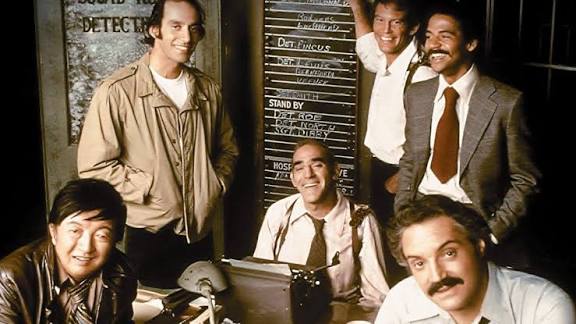
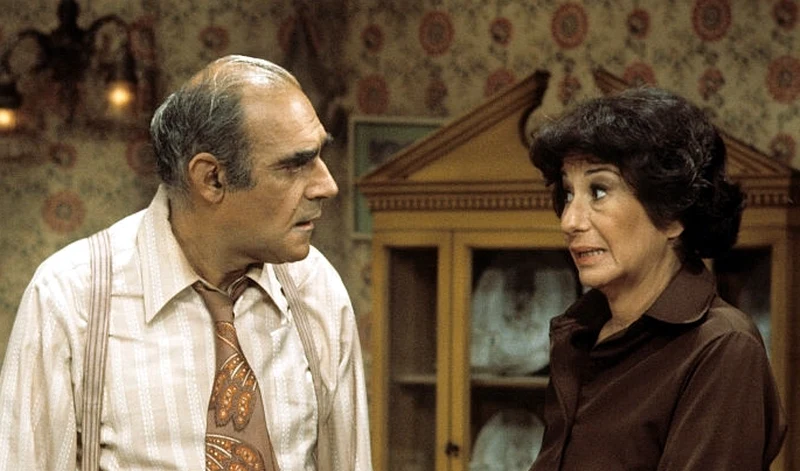
Authentic production still of the Barney Miller 12th Precinct squad-room set
Tonight at the old One-Two A normal shift, assuming your definition of normal includes a werewolf, a writer, an exhausted detective and three forms in triplicate.
Case file 01 • The setup

What Was Barney Miller About? A Police Show That Refused to Behave Like One

The action came to the precinct. The comedy came from watching professionals absorb the impact without losing their minds—or at least without losing them before the next commercial.

Original run1975–1982Eight seasons on ABC, beginning as a midseason series.
Episodes169The Museum of Broadcast Communications lists 169 episodes.
Setting12th PrecinctA fictional NYPD station house in Greenwich Village.
Emmy record32 nominationsThree wins, including Outstanding Comedy Series in 1982.

The original 1974 pilot was not yet the show most people remember. Titled The Life and Times of Captain Barney Miller, it split the story between Barney’s police work and his home life. The Museum of Broadcast Communications notes that when the series premiered on January 23, 1975, it moved decisively toward the workplace. Barney’s wife remained around the edges for a while, but the precinct became home base and the detectives became the family.

That decision was everything. The 12th Precinct was not a glamorous command center. It looked tired because it was tired. The paint had given up. The desks had survived multiple city budgets. The phones rang with the confidence of appliances that knew somebody else had to answer. A lesser show would have treated that room like a limitation. Barney Miller made it the engine.

The crime usually happened somewhere else

Most police series build toward the arrest. Barney Miller often began after it. The suspect, witness, victim or citizen had already been brought downstairs, and now the detectives had to figure out what happened, what the law required, what the person needed and which piece of paperwork would eventually be lost by another department.

That meant the show could use the structure of a 1970s workplace sitcom without giving up the moral pressure of a police story. The precinct was an office, but the customers arrived frightened, furious, confused, lonely, intoxicated, delusional or occasionally convinced they were a werewolf. Human resources was not coming.

That also separated Barney Miller from the flashier programs in the decade’s lineup of cop and detective shows. The series arrived during the boom explored in why cop shows ruled 1970s television, but it watched the machinery after the siren stopped. That made it less spectacular and much more observant.

Case file 02 • The captain

Hal Linden Made Calm Look Like a High-Risk Profession

Barney was not the loudest person in his own show. That was the point. He was the adult trying to keep the room human while everybody else tested the building code.

Captain Barney Miller is easy to underestimate because Hal Linden never played him like a star entrance. Barney did not announce authority. He carried it. He listened, measured the temperature and tried to find the one sentence that could keep Wojo from charging ahead, Harris from drifting into his own brilliance, Fish from retiring during the conversation and Luger from turning nostalgia into departmental policy.

The Sony Pictures Museum describes Barney as the patient, wise catalyst among a volatile mixture of detectives, offenders and neighborhood oddballs. “Catalyst” is exactly right. He was rarely the funniest person in the scene, yet the scene could not work without his reactions. A raised eyebrow from Linden could replace three punchlines and save enough time for another complaint at the front desk.

He led with patience instead of mythology

Television cops in the 1970s were often built around certainty. They knew the criminal, the method and the correct speed for taking a corner in a full-size American sedan. Barney knew something more useful: people are messy, institutions are clumsy and authority without judgment is just a uniform making noise.

He was not perfect. Barney could be vain about promotion, irritated by the bureaucracy and too confident that he could smooth over every collision. The Television Academy’s interview archive includes Hal Linden discussing the character’s weaknesses as well as his steadiness. That mattered. The captain was decent, but not saintly. He was simply better at recognizing that every person in the room—including the detective making his afternoon worse—was still a person.

Linden received seven consecutive Emmy nominations for lead actor, one for every awards year from 1976 through 1982. He never won for the role, which feels appropriately Barney Miller: consistently excellent, widely respected and somehow still filling out the form while louder things carried off the trophy.

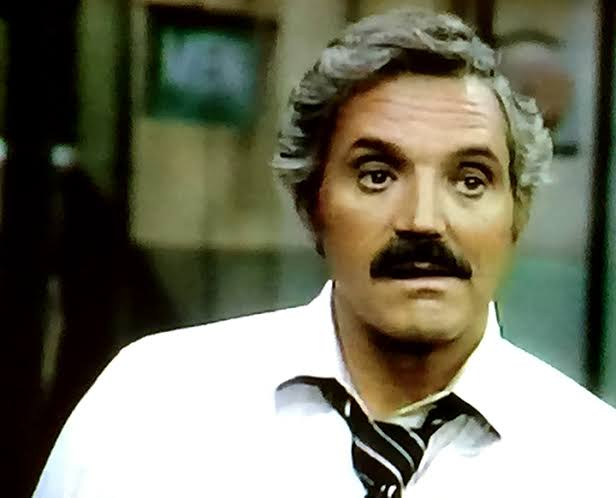
Hal Linden as Captain Barney Miller
Hal Linden gave Barney authority without turning him into a speechmaker. The captain could control the room with one look and let everybody else do the shouting.
What Barney did best

He Let Other Characters Be Funny

Linden understood that the captain’s job was often to receive the joke. He did not scramble to steal scenes from Ron Glass, Jack Soo, Abe Vigoda or Steve Landesberg. He gave them space, then landed the reaction that told us Barney had heard every ridiculous word.

What made him human

He Wanted the Promotion, Too

Barney’s patience did not mean he had stopped wanting more. His stalled advancement gave the show a quiet workplace ache. He could manage an impossible precinct, but the city still found ways to leave him waiting.

Case file 03 • Personnel records

Barney Miller Cast and Characters: The 12th Precinct Ensemble

The detectives were not types arranged around a star. They were co-workers with histories, habits, blind spots and grudges—exactly the people you would know too well after sharing one room for years.

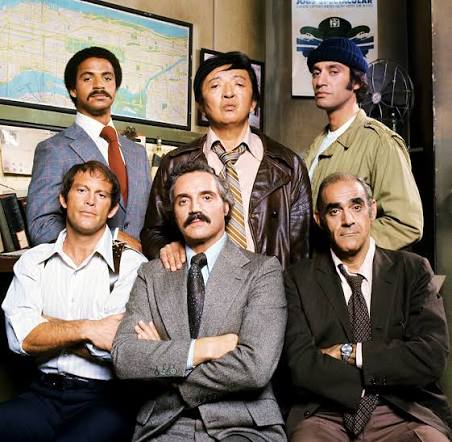
Barney Miller ensemble cast including Barney, Harris, Wojo, Yemana and Fish
The old One-Two worked because nobody in this lineup played the same note. Barney held the center while Harris, Wojo, Yemana and Fish kept pulling the room in different directions.
Hal Linden • Captain Barney Miller

The Calm Center

Barney listened first, managed second and reacted third. His authority came from judgment rather than volume. He knew which rule mattered, which rule could bend and when the person across the desk needed help more than a lecture.

Abe Vigoda • Detective Phil Fish

The Exhausted Prophet

Fish looked as if the city had been slowly draining his battery since the LaGuardia administration. His health complaints, marriage to Bernice and permanent nearness to retirement became running jokes, but Vigoda kept the character dry, wounded and strangely tender.

Max Gail • Detective Stan Wojciehowicz

The Heart Before the Brain

Wojo was earnest, impulsive and often the first detective to discover that good intentions do not automatically produce good judgment. His gradual education gave the series one of its strongest long-term arcs. He could be maddening because he cared before he understood.

Ron Glass • Detective Ron Harris

The Precinct’s Best-Dressed Ambition

Harris wanted to be a detective, novelist, sophisticate and man about town—preferably all before lunch. His book Blood on the Badge made the precinct both his workplace and source material. Glass gave the confidence enough intelligence to be earned and enough vanity to stay funny.

Jack Soo • Detective Nick Yemana

Deadpan Perfection, Terrible Coffee

Yemana could flatten a room with one line delivered as if he had merely read the weather. The gambling, the coffee and the dry observations were funny, but Soo’s precision was the real weapon. He never leaned toward the joke. He let it walk into us.

Steve Landesberg • Detective Arthur Dietrich

The Man Who Knew Something About Everything

Dietrich arrived as a droll intellectual who could explain psychology, history, science or whatever else the script placed in front of him. The fun was not that he knew things. It was that he seemed faintly disappointed the rest of the room had not already read the same obscure book.

James Gregory • Inspector Frank Luger

The Old Department Walking Through the Door

Luger carried the past like a ceremonial weapon. His stories about Foster, Kleiner and Brown were affectionate, repetitive and usually evidence that the old days had been much stranger than he remembered. Gregory made him sentimental without removing the damage of his blind spots.

Ron Carey • Officer Carl Levitt

Promotion by Relentless Proximity

Levitt wanted plainclothes duty with the concentrated force of a man who could turn every visit into a performance review. He hovered, hinted, volunteered and waited for Barney to notice what Barney had noticed several hundred times already.

Gregory Sierra • Detective Chano Amenguale

The Early Fire

Chano brought intensity to the first season and gave the show one of its earliest demonstrations that serious consequences would not be laughed away. His departure changed the ensemble, but his presence helped establish that the squad room could hold grief as well as comedy.

Linda Lavin • Detective Janice Wentworth

The Woman the Precinct Needed More Of

Wentworth was outspoken, capable and far too briefly used. Her early presence showed the possibilities of widening the workplace beyond the men, even as her departure exposed one of the series’ clearest limitations: the central squad remained overwhelmingly male.

Case file 04 • The writing room

Danny Arnold Built Comedy Out of Reactions, Not Punchline Traffic

The show could be very funny while acting almost embarrassed by the idea of “doing jokes.” That understatement took brutal precision behind the scenes.

Danny Arnold and Theodore J. Flicker created the series, but Arnold became the force most associated with its tone. The scripts often braided two or three stories through the same room. A citizen at one desk might be funny, a detective at another might be quietly unraveling and Barney had to hold both frequencies at once.

The Museum of Broadcast Communications compares the structure to a one-act play. That is a better description than “cop sitcom.” Entrances mattered. Pauses mattered. The position of a character at a desk mattered. Because the show rarely escaped to a chase or street scene, the writing had nowhere to hide. Every conversation had to alter the room.

The lines were rewritten until morning

Arnold’s perfectionism became legendary. The museum’s history quotes Hal Linden saying Arnold wanted every moment as close to perfect as possible, and that work could continue until six in the morning. The Television Academy interviews also preserve stories about constant rewriting, the decision not to shoot before a live audience and the unusual effort put into lighting a taped multi-camera show so the precinct had a distinctive look.

That process was probably miserable at two in the morning. It was also visible in the finished rhythm. Barney Miller rarely pushed for the obvious laugh when a look, pause or smaller line would do. Hal Linden later described the humor as relationship-based, with punchlines often removed because the reaction was funnier. That is why the show feels less like a stack of setups and more like time spent among people who know exactly which co-worker is about to make the situation worse.

The room made continuity possible

Because the location stayed stable, the character growth became easier to notice. Wojo could change slowly. Harris’s book could evolve from fantasy to publication trouble. Fish could inch toward retirement while still appearing surprised his body had continued to age. Barney’s promotion could remain a low hum across years.

The best 1970s sitcoms often built families out of places: Archie Bunker’s living room, WJM’s newsroom, the 4077th, the Jefferson apartment. The 12th Precinct belonged in that company. It was uglier than most of them, which only made the attachment stronger.

Case file 05 • Police work without the mythology

Why Real Police Officers Thought Barney Miller Felt Right

Not because every plot was ordinary. The visitors could be gloriously strange. The truth was in the work around them: talking, waiting, documenting, de-escalating and trying to get through the shift.

The show’s reputation among police officers has become part of its legacy. The Television Academy’s Barney Miller archive notes that former Chicago police officer and actor Dennis Farina called it the most realistic police show he had seen. Hal Linden also recalled working officers addressing him as “Captain” years later.

That praise makes sense when you look at what the series considered important. The detectives listened to stories, interviewed people who contradicted themselves, argued over procedure and dealt with paperwork, supervisors and city rules. It shared the institutional world of the decade’s police procedurals, but cared less about making the department look efficient than showing how much judgment the job required.

Most of the decade’s crime television sold the fantasy of control. Barney Miller understood the exhausting middle. The arrest did not solve the social problem. Catching one person did not repair poverty, prejudice, addiction, loneliness or the city’s ability to produce another bizarre call before dinner. The officers could do the job well and still end the episode with the world largely unfixed.

Compassion was treated as professional skill

The detectives were not equally enlightened. Wojo could rush to judgment. Luger dragged old prejudices behind him. Harris could be self-absorbed. But the show kept returning to the idea that listening was part of police work, not a soft extra added after the “real” action.

That gave Barney Miller a distinct place beside the tougher, faster programs explored in why cop shows ruled 1970s television. It did not reject the genre so much as turn the camera around. The arresting officer brought someone in; the 12th Precinct had to decide what justice looked like once everybody sat down.

The fantasy

Television Policing

Find the suspect. Chase the car. Kick the door. Deliver certainty before the credits. The structure is satisfying because the world becomes manageable in forty-eight minutes.

The 12th Precinct

Work, Judgment and Paper

Hear the complaint. Separate the stories. Calm the room. Find the form. Accept that the human problem will remain larger than the charge written on the line.

Case file 06 • New York through one doorway

The 12th Precinct Let the Whole City Walk Into the Squad Room

The show rarely needed an exterior because the neighborhood arrived carrying the story. Greenwich Village became a parade of accents, classes, identities, grievances and very specific explanations.

Barney Miller premiered during the 1975 television season, when New York could be portrayed as dangerous, exhausted, glamorous, broke and funny— sometimes in the same scene. The series used that urban anxiety without turning the city into one endless mugging montage.

The people brought into the precinct were often comic, but the best guest characters were never merely the weird thing they had done. A man convinced of an impossible story still had a reason to believe it. A petty offender might be desperate. A nuisance might be lonely. The detectives’ job was partly legal and partly interpretive: what happened, what matters and what can actually be done before the next person comes through the door?

Diversity was part of the room, not a special-event episode

The central ensemble included Black, Japanese American, Puerto Rican, Polish American and Jewish characters at a time when many sitcom workplaces still looked suspiciously like the same casting office had sent over one family pack. The Museum of Broadcast Communications calls the show’s ethnic and racial diversity unusual for television of the period.

That does not mean every portrayal escaped stereotype. Yemana’s gambling and ethnic jokes could lean on familiar shortcuts. Early gay recurring characters Marty and Darryl began with mannerisms that now feel broad. Women never became permanent equals in the core squad after Wentworth’s departure. Loving the show does not require pretending 1975 arrived with 2026 settings already installed.

What stands out is that the series usually let characters return, deepen and push back. The precinct was not presented as a room where difference caused the trouble. Difference was simply the normal condition of a city. The trouble came when institutions or individuals failed to see the person clearly—a quieter version of the real-life conversations that reshaped 1970s sitcoms dealing with social issues.

Case file 07 • Six episodes that show the range

The Best Barney Miller Episodes Were Funny, Painful and Usually Both

No single episode contains the whole show. These six reveal the balance: absurdity, trauma, race, grief, character comedy and a farewell that refused to pretend the workplace family could stay frozen forever.

Season 1 • “The Hero”

Chano Faces the Cost of a Shooting

After killing two bank robbers, Chano struggles with the psychological aftermath. The episode summary is simple; Gregory Sierra’s performance is not. It announced early that the series would not treat gunfire as a clean punctuation mark.

Season 3 • “Hash”

The Precinct Eats the Evidence

Hashish-laced brownies work their way through the squad, leaving Barney to supervise a room that has become much happier and much less useful. It is one of the show’s most famous comic episodes because every character becomes a slightly altered version of himself.

Season 4 • “Atomic Bomb”

The Impossible Complaint Becomes Real

A college student inadvertently constructs a functional atomic device, forcing the precinct to handle Cold War terror with its usual mixture of procedure and disbelief. The episode guide captures the premise; the comedy comes from the old One-Two treating catastrophe like another item on the blotter.

Season 5 • “The Harris Incident”

Harris Is Mistaken for the Criminal

Uniformed officers mistake Harris for a holdup man and shoot at him. The episode description sounds blunt because the episode is blunt. It confronts racism inside policing without turning Harris into a lecture delivery system.

Season 5 • “Jack Soo, a Retrospective”

The Cast Says Goodbye to Nick Yemana

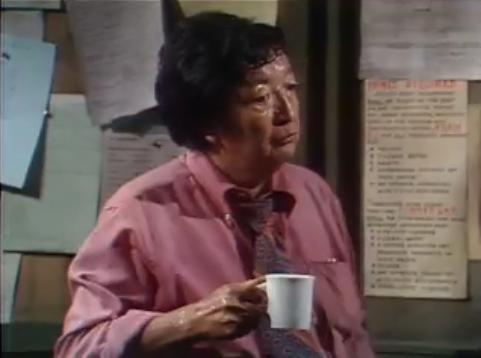
After Jack Soo’s death, the series stepped outside its normal format. The cast shared memories and clips, then raised coffee cups in salute. The tribute aired in May 1979, and its directness still feels startlingly personal.

Season 8 • “Landmark”

The Precinct Family Breaks Apart

The final three-part story discovers the old station house has historic importance, forcing the unit to vacate. Barney earns promotion, Levitt finally becomes a sergeant and the detectives are reassigned. The finale lets change arrive the way it does at work: congratulations, boxes and no guarantee the same people will ever share a room again.

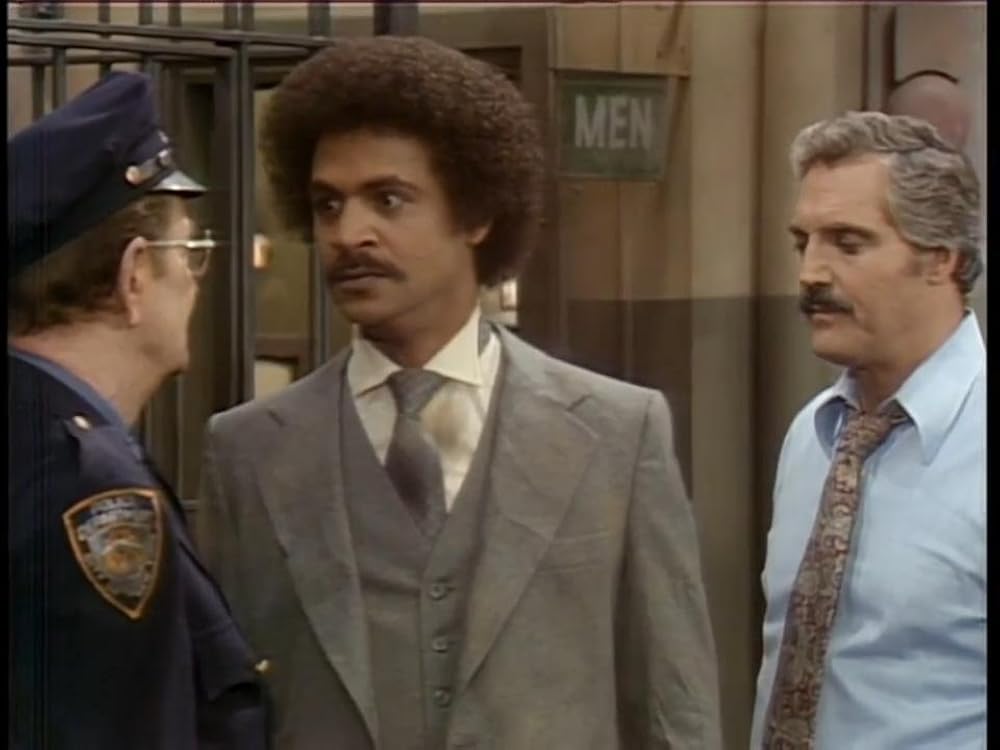
Ron Glass as Detective Ron Harris in the Barney Miller episode The Harris Incident
“The Harris Incident” let Ron Glass carry one of the show’s hardest stories without turning Harris into a speech or the precinct into an easy answer.

Why “Hash” is remembered—and why “The Hero” matters more

Gen X memory has excellent storage for the brownies. We remember Yemana singing, Harris feeling magnificent and Barney realizing the evidence is disappearing one bite at a time. It is perfect ensemble comedy because intoxication does not replace the characters; it exaggerates them.

But “The Hero” reveals the show’s nerve. Police television often treats the shooting as the exciting part. Barney Miller watched what happened afterward, when the uniform came off and the person had to live with it. The series could do both episodes because it did not confuse a consistent tone with a narrow emotional range.

Case file 08 • The sound of the city

Why the Barney Miller Theme Song Still Stops Gen X Cold

The opening theme had enough movement for the entire episode. It crossed the city, climbed the stairs and handed the show to a squad room that preferred to sit down.

The Barney Miller theme is one of television’s great bait-and-switches. The music is sleek, funky and mobile. It sounds as if something cool is already happening downtown. Then the show arrives at a battered precinct where the excitement is a ringing phone and somebody asking who made the coffee.

That contrast made the opening unforgettable. The theme gave the show urban confidence without forcing the detectives to act cool. Harris could manage cool on his own. Everybody else had work.

Among the decade’s most memorable 1970s TV theme songs, it stands out because it does not explain the premise or sing the characters at us. The groove tells us everything: New York, night, movement, wit and a little weariness around the edges.

A Gen X memory before we understood the show

Plenty of us knew the bassline before we knew why Fish was tired, why Harris cared about his book or why the adults laughed at Dietrich’s driest lines. The music was the entry point. Years later, reruns supplied the rest of the education.

Before we understood the paperwork, the politics or why Fish was always tired, that bassline told us the old One-Two was open for business.
Case file 09 • Behind the desk

How Barney Miller Was Made: Rewrites, Retakes and an Irreplaceable Cast

A fixed set and low-key performances can look simple. In practice, the show demanded unusual control over writing, timing, lighting and the movement of a large ensemble through one room.

The series was taped with multiple cameras, but the crew worked to give it a moodier, more dimensional appearance than the brightest studio comedies. The Television Academy interview collection includes cinematographer George Spiro Dibie discussing how he lit Barney Miller to resemble a single-camera show. That dingy room did not look accidental. It was designed grime.

The choice not to perform before a live audience also separated the production from many sitcoms of the period. Without a crowd dictating the rhythm, Arnold could refine the small pauses and underplayed reactions that made the humor work. The price was time. Rewriting and retaping could stretch deep into the night.

Cast changes became part of the show’s evolution

Gregory Sierra and Linda Lavin left after the early period. Abe Vigoda’s Fish moved toward the spinoff Fish. Steve Landesberg’s Dietrich became central. Ron Carey’s Levitt grew from recurring irritation into part of the family. The ensemble changed without making the precinct feel like a different program every season.

The hardest loss was Jack Soo, who died in January 1979. Instead of replacing Yemana and pretending the empty desk had no emotional weight, the show created a tribute episode during the 1979 television season. The final coffee-cup salute could only belong to this series, where affection had always hidden inside complaints about the coffee.

The Fish experiment

A Beloved Character Leaves the Room

Fish ran during the 1977 television season and shifted Abe Vigoda’s character into a home-centered story with Bernice and foster children. The spinoff showed the character’s appeal, but it also proved how much of Fish’s magic came from bouncing off the precinct ensemble.

Abe Vigoda as Fish with Florence Stanley as Bernice
Abe Vigoda and Florence Stanley carried Fish and Bernice beyond the precinct, even if part of Fish always seemed to belong behind that battered desk.
The irreplaceable absence

Yemana Was Not Rebuilt From Spare Parts

Later additions brought new energy, but the show did not manufacture another Nick Yemana. Jack Soo’s stillness, timing and warmth were too specific. The missing chair became part of the series’ later texture.

Jack Soo as Detective Nick Yemana at his desk in Barney Miller
Jack Soo made Nick Yemana impossible to replace. The stillness, the timing and even the coffee belonged to him.
Case file 10 • The eight-season shift report

Barney Miller Seasons and Timeline: From Midseason Gamble to Emmy Winner

The show never became a giant top-ten ratings machine. It did something more durable: improved, endured, changed personnel and finished with the industry finally handing it the comedy-series Emmy.

1974

The pilot tests home and precinct

The Life and Times of Captain Barney Miller divides attention between Barney’s family and police work. The final series will discover the better family is already waiting at the station.

1975

The 12th Precinct opens for business

The series premieres January 23 as a midseason replacement. Early episodes establish Chano, Wentworth, Fish, Wojo, Harris and Yemana around Linden’s captain.

1976

Dietrich and Levitt reshape the ensemble

Personnel changes move the show toward its best-known lineup. Steve Landesberg’s Dietrich adds intellectual dryness; Ron Carey’s Levitt turns ambition into hallway weather.

1977

Fish gets a spinoff

Abe Vigoda’s character moves into Fish. The precinct loses one of its great faces but proves the ensemble can survive a major departure.

1978

The show’s range becomes undeniable

Episodes such as “The Harris Incident” show how naturally the series can move from dry comedy into race, danger and institutional failure without changing into a different program.

1979

The cast salutes Jack Soo

The retrospective tribute turns shared memory into television. It remains one of the most honest goodbyes a sitcom ever gave a cast member.

1980

The writing wins an Emmy

The series receives the Emmy for comedy writing, recognition for the precision that had been hiding underneath every apparently casual conversation.

1982

The precinct closes as a champion

Barney Miller ends after eight seasons and 169 episodes. The Television Academy awarded it Outstanding Comedy Series for its final season.

Case file 11 • Closing the old One-Two

How Barney Miller Ended: The Landmark Finale Got the Goodbye Right

The precinct became a landmark, the detectives were reassigned and everybody got just enough good news to make the separation hurt more.

The final three-part “Landmark” story discovers that the station house has historical significance connected to Theodore Roosevelt’s time in New York policing. Preserving the building means breaking apart the unit that gave it life.

Barney is promoted to deputy inspector. Levitt finally earns sergeant. Those are victories the series had spent years delaying. But the reward does not freeze the family in place. The detectives receive different assignments, the desks empty and the old room becomes a location where something used to happen.

That ending belongs beside the great workplace farewells because it respects the strange intimacy of employment. You may spend more waking hours with co-workers than with friends, know every bad habit they possess, complain about the building every day—and still feel genuinely lost when the office closes.

The Television Academy named Barney Miller Outstanding Comedy Series in 1982. It was a fitting final piece of paperwork. The show left just as the industry formally acknowledged what the precinct had quietly been doing for years.

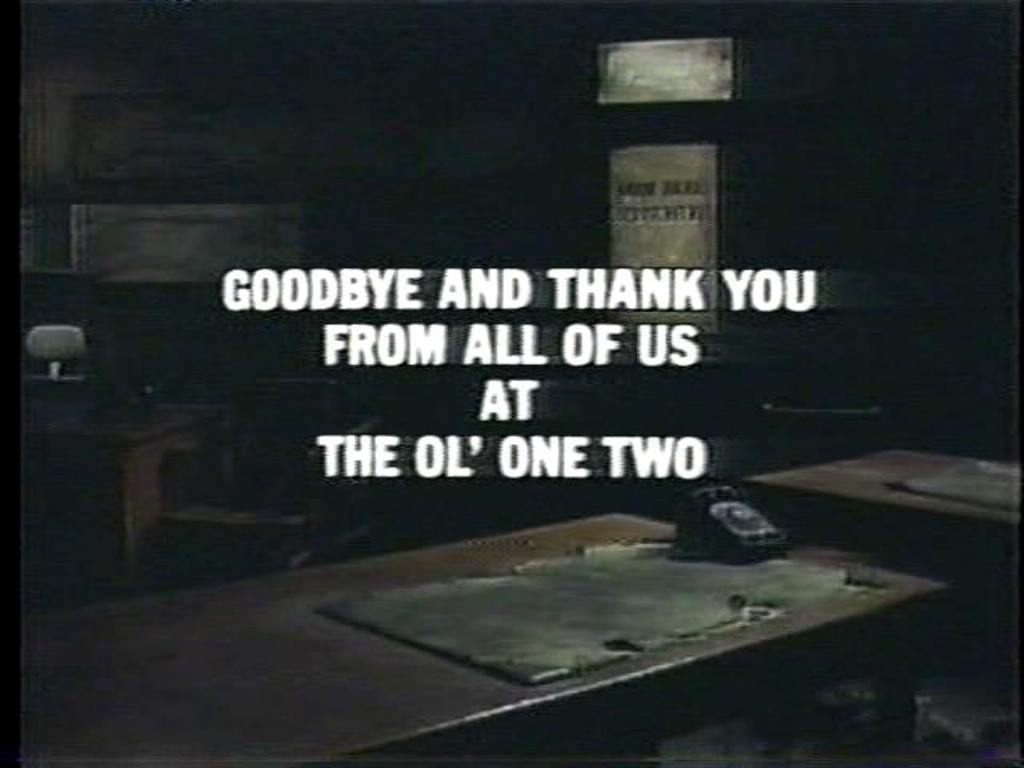
Barney Miller cast in the landmark series finale
“Landmark” gave the old One-Two a farewell that felt exactly right: promotions, reassignment, an emptying room and one last look at the place that had become home.
Case file 12 • What the show left behind

Why Barney Miller Still Matters to Workplace Comedies and Cop Shows

Its influence is less about imitation than permission: permission to slow down, trust an ensemble and admit that institutions are mostly rooms full of people trying to manage one another.

Barney Miller sits at the intersection of two major 1970s television traditions. Like The Mary Tyler Moore Show and M*A*S*H, it found family inside a workplace. Like the decade’s detective series, it used a public institution to talk about the city, authority and social change. It simply turned the volume down until we could hear the people.

The Television Academy archive includes former network executive Warren Littlefield recalling that Hill Street Blues began conceptually as an “hour-long Barney Miller.” That does not make the later drama a copy. It shows how powerful the model was: a precinct as ensemble ecosystem, multiple stories sharing space and police work understood as institutional life instead of one hero’s weekly victory.

It made intelligence look casual

Modern viewers sometimes use “smart comedy” to mean a show that advertises how smart it is. Barney Miller did the opposite. Dietrich might know everything, but the series itself never stood in the doorway waiting for applause. It let ideas emerge from conflict, conversation and the practical question of what to do with the person currently sitting at the desk.

That humility is one reason it has aged better than louder contemporaries. The show is not flawless, and some jokes carry the expiration date of their era. But the central ethic—listen carefully, distrust easy certainty, let people be complicated—has not expired.

Why Gen X keeps coming back

We first encountered the show in living rooms where the adults understood more than we did. The bassline got us. Fish’s face got us. The pot brownies definitely got us. Then syndication kept the precinct open long enough for the rest to arrive.

As adults, we recognize the workplace. Every office has a Wojo moving before the meeting is finished, a Harris writing a better life in his head, a Dietrich who somehow knows the obscure regulation, a Luger romanticizing the old system and a Barney trying to keep the day from becoming a reportable incident.

That is why Barney Miller remains more than another entry in the best sitcoms of the 1970s. It is one of the most accurate comedies ever made about what a job becomes after years: a room, a language, a set of people you did not choose and a thousand tiny acts of patience nobody puts on the performance review.
The rewind verdict

The Quietest Cop Show Had the Most to Say

Barney Miller never needed the precinct to explode. It only needed the door to open. A new person arrived, the squad shifted in their chairs and the show asked what decency, competence and humor looked like inside a system that made all three difficult. The bassline was cool. The coffee was criminal. The television was brilliant.

Case
Closed
Case file 13 • Questions from the desk

Barney Miller FAQ: Cast, Precinct, Episodes and Emmy Wins

The quick facts, from the fictional precinct and real run dates to the reason police officers still praise the show’s realism.

What was Barney Miller about?
The sitcom followed Captain Barney Miller and the detectives of a fictional NYPD 12th Precinct in Greenwich Village. Most stories took place inside the squad room as the officers processed suspects, heard complaints, handled paperwork and dealt with one another.
When did Barney Miller originally air?
Barney Miller premiered on ABC on January 23, 1975, and ended on May 20, 1982. It ran for eight seasons.
Was the 12th Precinct a real New York police precinct?
No. The show’s 12th Precinct was fictional, though it was presented as a Greenwich Village station house and drew its atmosphere from New York policing and neighborhood life.
Why do police officers call Barney Miller realistic?
The show emphasized interviews, paperwork, waiting, odd calls, workplace relationships and the need to talk people down rather than relying on constant car chases and shootings. Former Chicago police officer and actor Dennis Farina called it the most realistic police show he had seen.
Who created Barney Miller?
Danny Arnold and Theodore J. Flicker created the series. Arnold became the key creative force behind its low-key dialogue, ensemble structure and exacting production process.
How many episodes of Barney Miller were made?
The Museum of Broadcast Communications lists 169 episodes across the show’s eight seasons.
Did Barney Miller win an Emmy for best comedy series?
Yes. After years of nominations, Barney Miller won the Emmy for Outstanding Comedy Series in 1982, its final season. The series received 32 Emmy nominations and three wins overall.
Why did Abe Vigoda leave Barney Miller?
Abe Vigoda’s Detective Fish was moved into the spinoff Fish, which aired during 1977 and 1978. Fish continued to appear around the transition, but the new series shifted the character into home and foster-family stories.
Case file 14 • Research desk

Sources Used for This Barney Miller History

Production history, awards, cast details and episode information were checked against museum, studio, academy and established television-reference sources.

  1. Museum of Broadcast Communications: Barney Miller — series development, cast, production, run history, episode count and legacy.
  2. Television Academy: Barney Miller awards and nominations — 32 nominations and three Emmy wins.
  3. Television Academy Interviews: Barney Miller — production memories, cast interviews, police realism and influence.
  4. Television Academy interview with Hal Linden — character, production process, cast and legacy.
  5. Sony Pictures Museum: Barney Miller — official studio collection summary and principal cast.
  6. Television Academy: 1982 Outstanding Comedy Series — final-season Emmy win.
  7. TV Guide: Barney Miller season-five episodes — “The Harris Incident” and Jack Soo tribute summaries.
  8. Rotten Tomatoes: “The Harris Incident” — episode premise and air information.
  9. IMDb: “The Hero” — episode air date and Chano storyline.
  10. TVmaze episode guide — episode titles and story summaries, including “Atomic Bomb.”
Keep the set tuned

More 1970s Sitcoms, Police Shows and Television History

The 12th Precinct lived between two major television worlds. Follow both directions: into the decade’s workplace comedies and into the cop-show boom Barney Miller quietly challenged.

GIZMO
About the author

Gizmo

Gizmo is a Gen X writer and longtime media professional whose career included radio, television, newspapers and magazines. He watched these shows, lived through the reruns and still believes Nick Yemana’s coffee should have been entered into evidence.

Smells Like Gen X • 1970s Television • Filed under sitcoms, precincts and coffee nobody should drink

Get the Weekly Gen X Drop

New videos, rewinds, and savage nostalgia — first.

SUBSCRIBE WATCH VIDEOS

MORE REWINDS