1990s TV Shows, Sitcoms, Dramas & Prime-Time Classics
the couch, the remote, and the decade.





90s TV by Year
See what actually ruled the Nielsen ratings from 1990 through 1999.
TUNE IN ▶
90s Sitcoms
Families, friends, apartments, coffee shops and the comedies we still quote.
TUNE IN ▶
90s Teen TV
High school, TGIF, after-school favorites and shows that finally felt like ours.
TUNE IN ▶
90s Kids TV
Saturday morning cartoons, Nickelodeon, Cartoon Network and the after-school shift.
TUNE IN ▶
90s TV Dramas
ER, NYPD Blue and the network dramas that got faster, rougher and bigger.
TUNE IN ▶
90s Prime Time
Must See TV, ratings giants and the nights nobody wanted to miss.
TUNE IN ▶

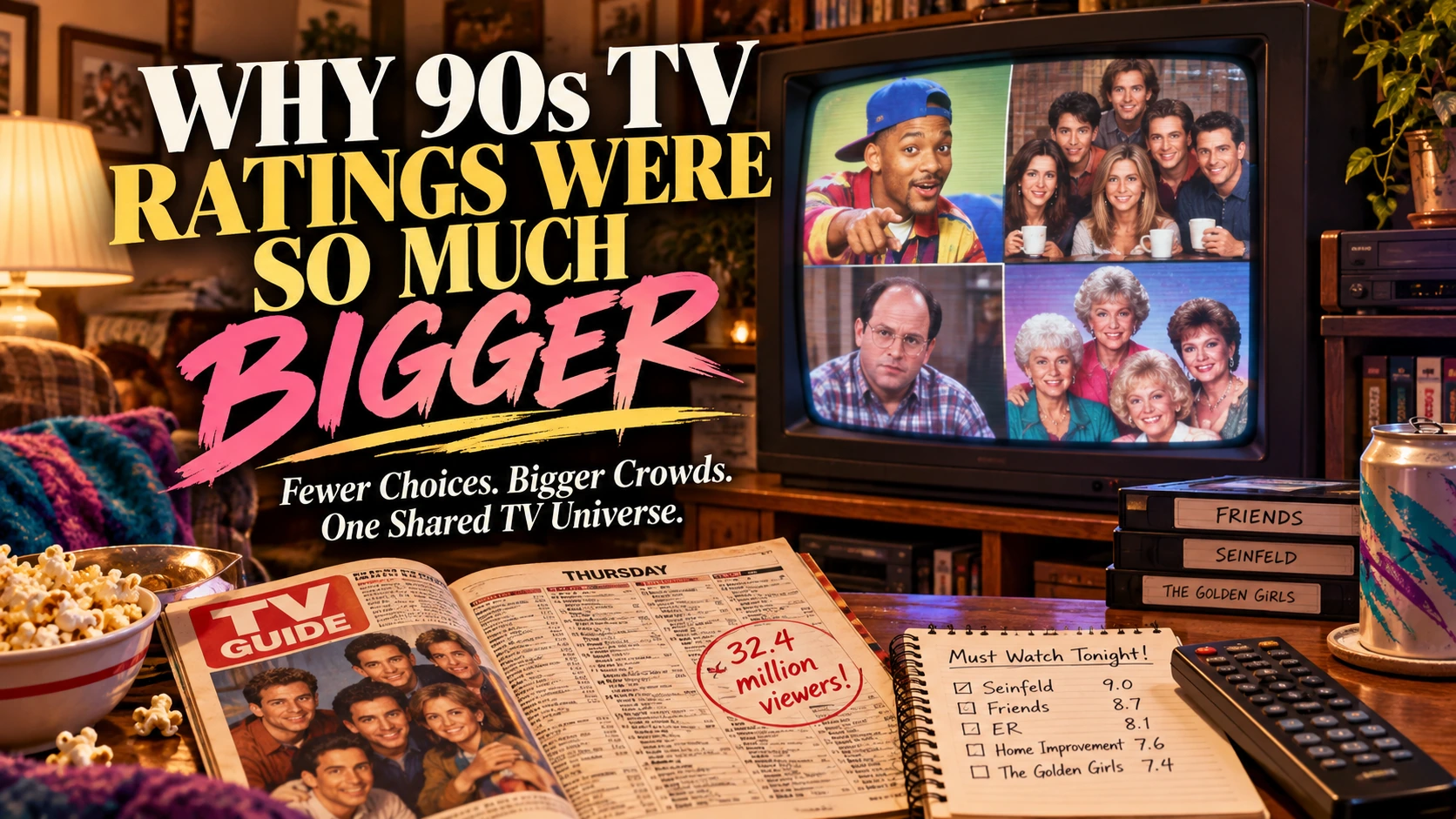
Why 90s TV Ratings Were So Much Bigger
Rating, share, live viewing and fewer choices explain why those old Nielsen numbers look almost impossible now.
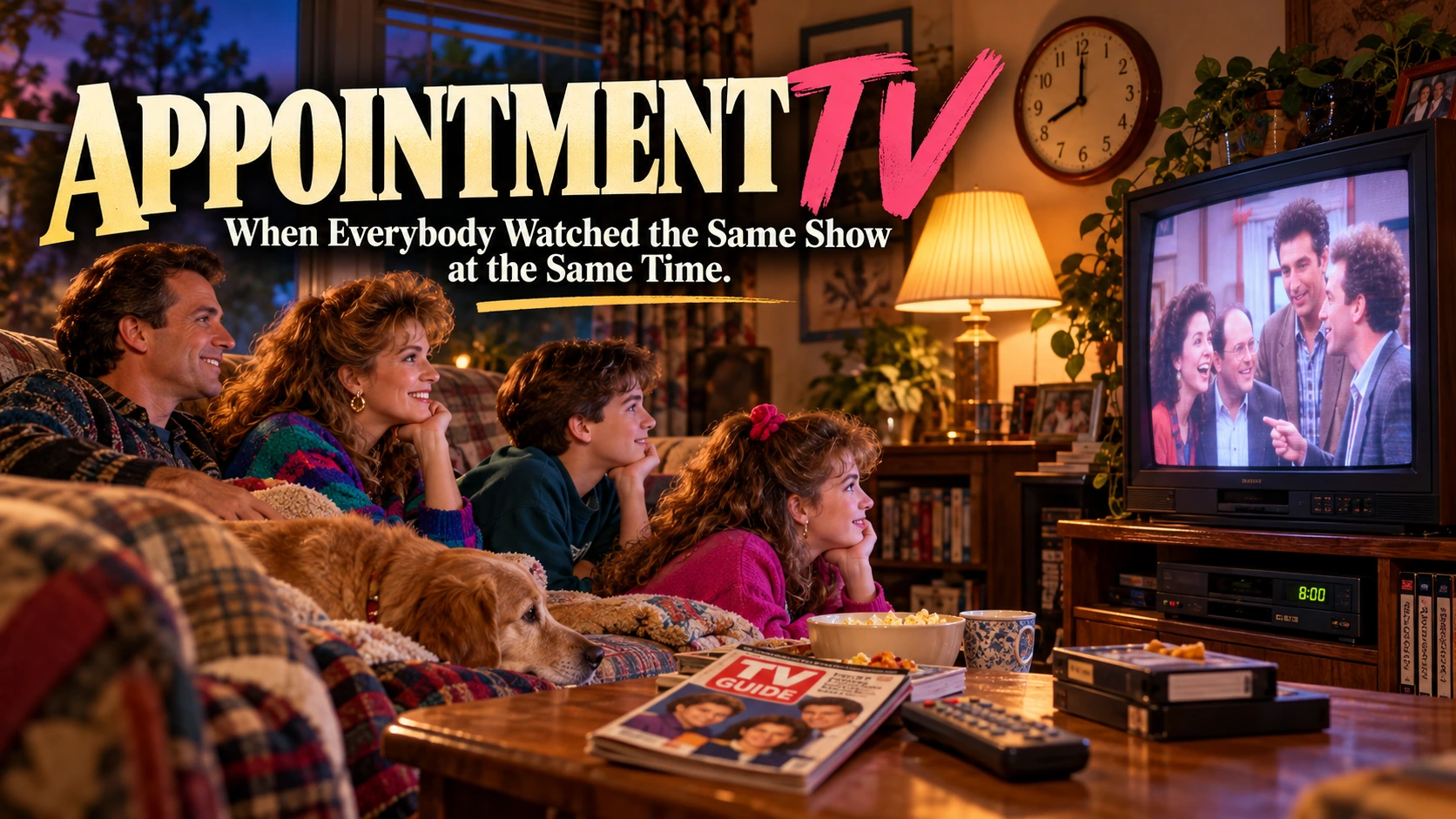
Appointment TV in the 90s
When the clock mattered, the VCR was Plan B and everybody seemed to watch the same thing at the same time.
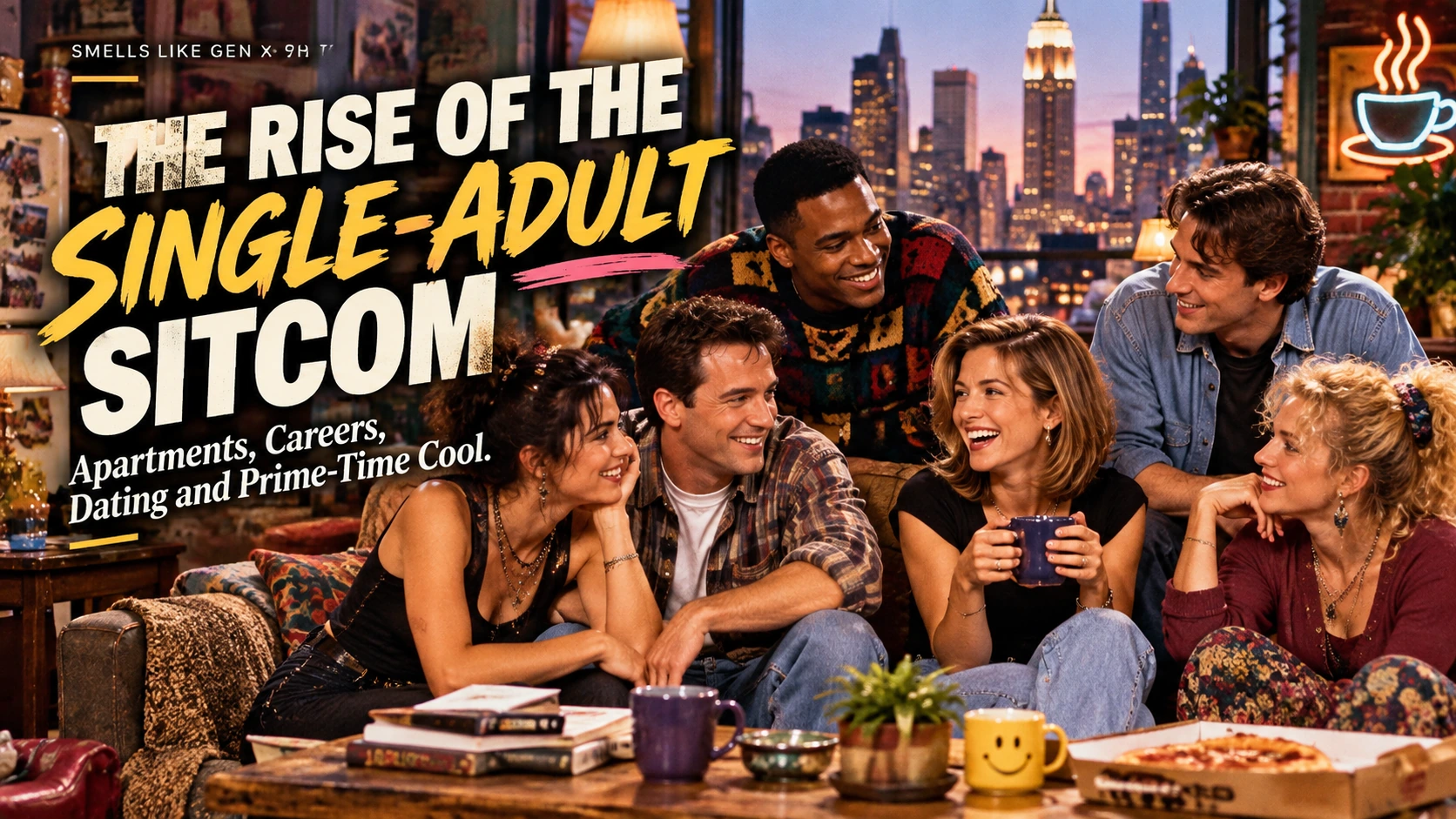
The Rise of the Single-Adult Sitcom
Apartments, careers, dating and city life became a repeatable prime-time machine.
When Sitcoms Became About Friends
How chosen family moved toward the center of network comedy from Seinfeld to Friends and beyond.
Why 90s TVHit Different
90s TV shows lived in a very different world: four big broadcast networks still pulled enormous shared audiences, cable was multiplying, the VCR was our only real escape hatch from the schedule, and a Thursday-night lineup could become part of the weekly routine. Sitcoms like Seinfeld, Friends, Roseanne and Frasier shared the decade with dramas like ER and NYPD Blue, teen shows, cartoons, reruns and the last giant years of appointment television.
Press play.90s sitcoms and dramas gave us characters we still quote without thinking.
If it aired Thursday at 9, you watched it Thursday at 9—or prayed the VCR worked.
TV shaped the slang, clothes, haircuts and conversations waiting for us the next morning.
The remote, the VCR, the commercial breaks, the reruns—and somebody yelling not to tape over that.
Top 90s TV Shows by Year: 1990–1999
Want to know what people were actually watching instead of what nostalgia tells us they were watching? These ten 90s TV year guides follow the Nielsen season ending in each year, from 1990 through 1999. Together they show the decade changing in real time—from the last glow of late-80s television comfort to NBC’s mid-90s ratings machine and the final huge years of network TV before audiences started scattering across cable and everything that came next.
If the audience totals in these guides look absurd next to modern television, they are not typos. Our 90s TV ratings explainer breaks down rating versus share, live viewing and the much smaller menu of choices. And by the end of the decade, the great network-TV monoculture was finally starting to crack.

More 90s TV Shows Still Living on the Dial
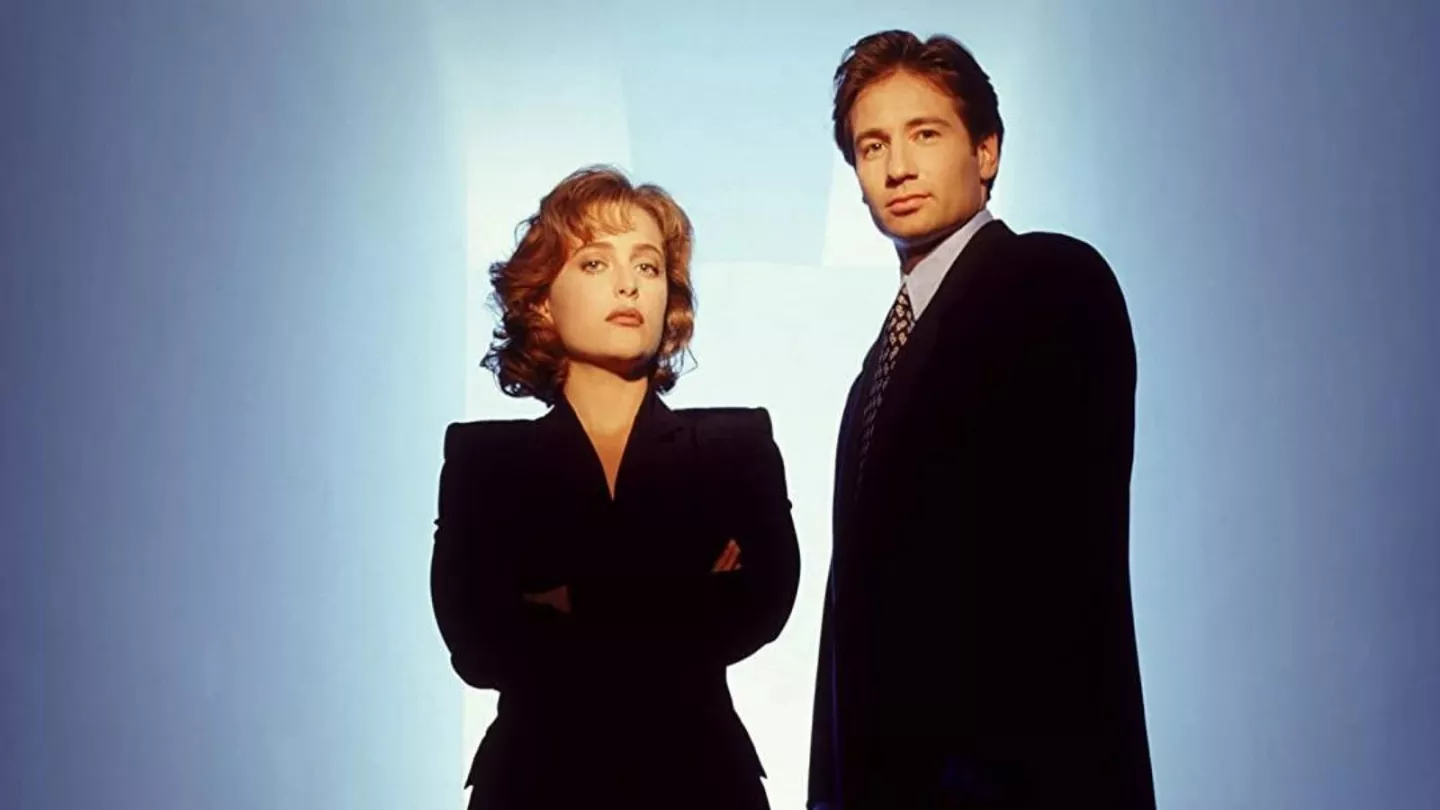
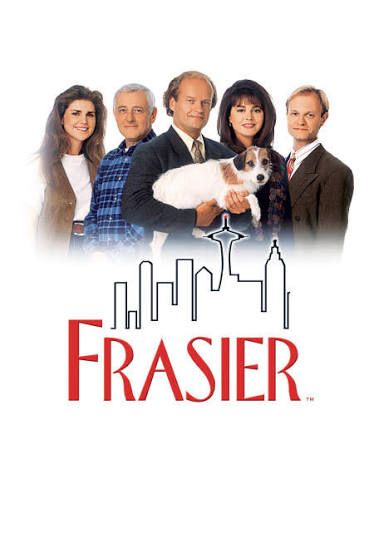
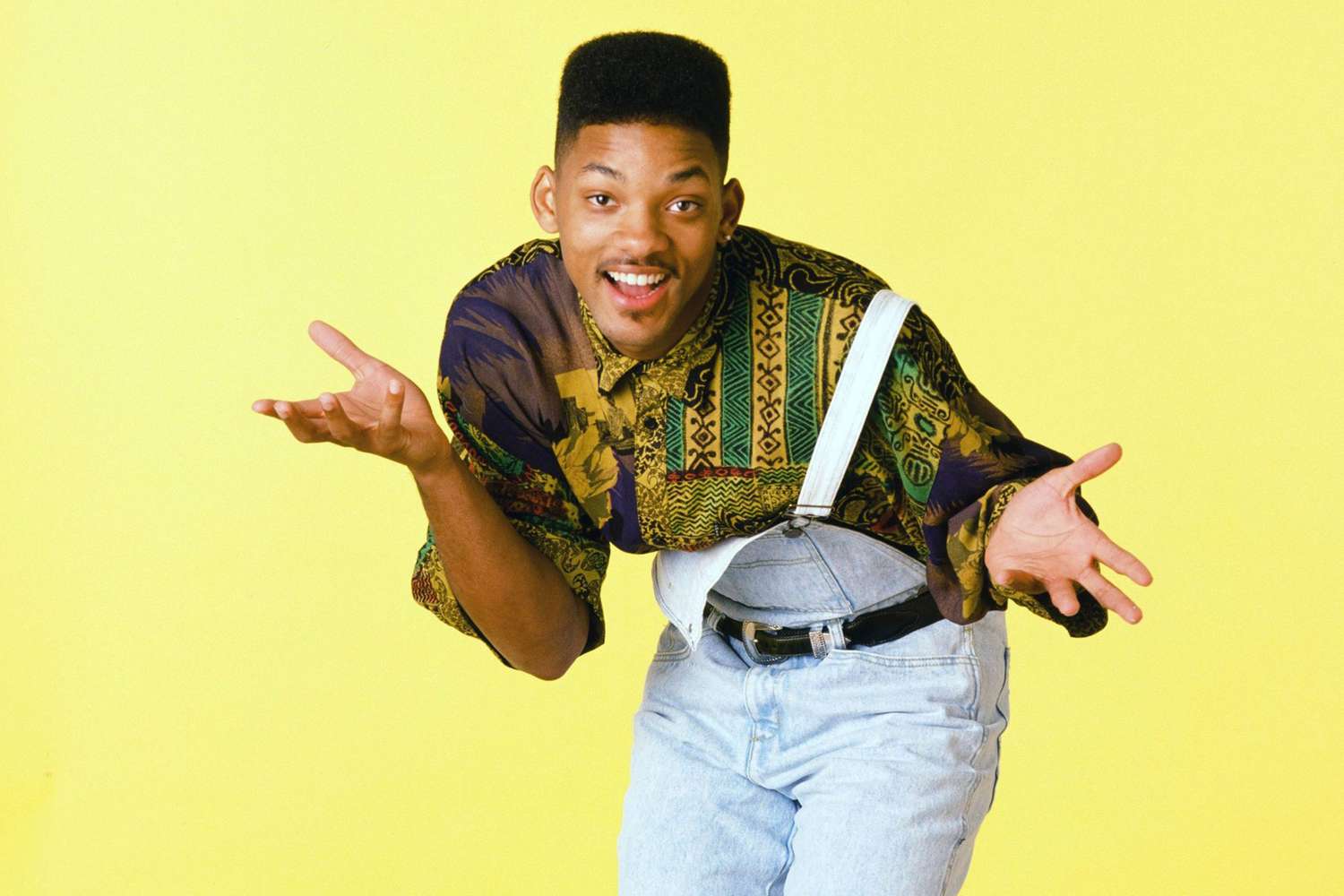
The decade was much bigger than the handful of shows everybody names first. Flip through the dial and you run into The X-Files, Frasier, The Fresh Prince of Bel-Air, Buffy, Saved by the Bell, Cops, NYPD Blue, The Simpsons, Home Improvement and plenty more. That mix—network giants, cable favorites, cult shows and rerun immortals—is what 90s television actually felt like.


How 90s Sitcoms Moved Beyond the Family Room
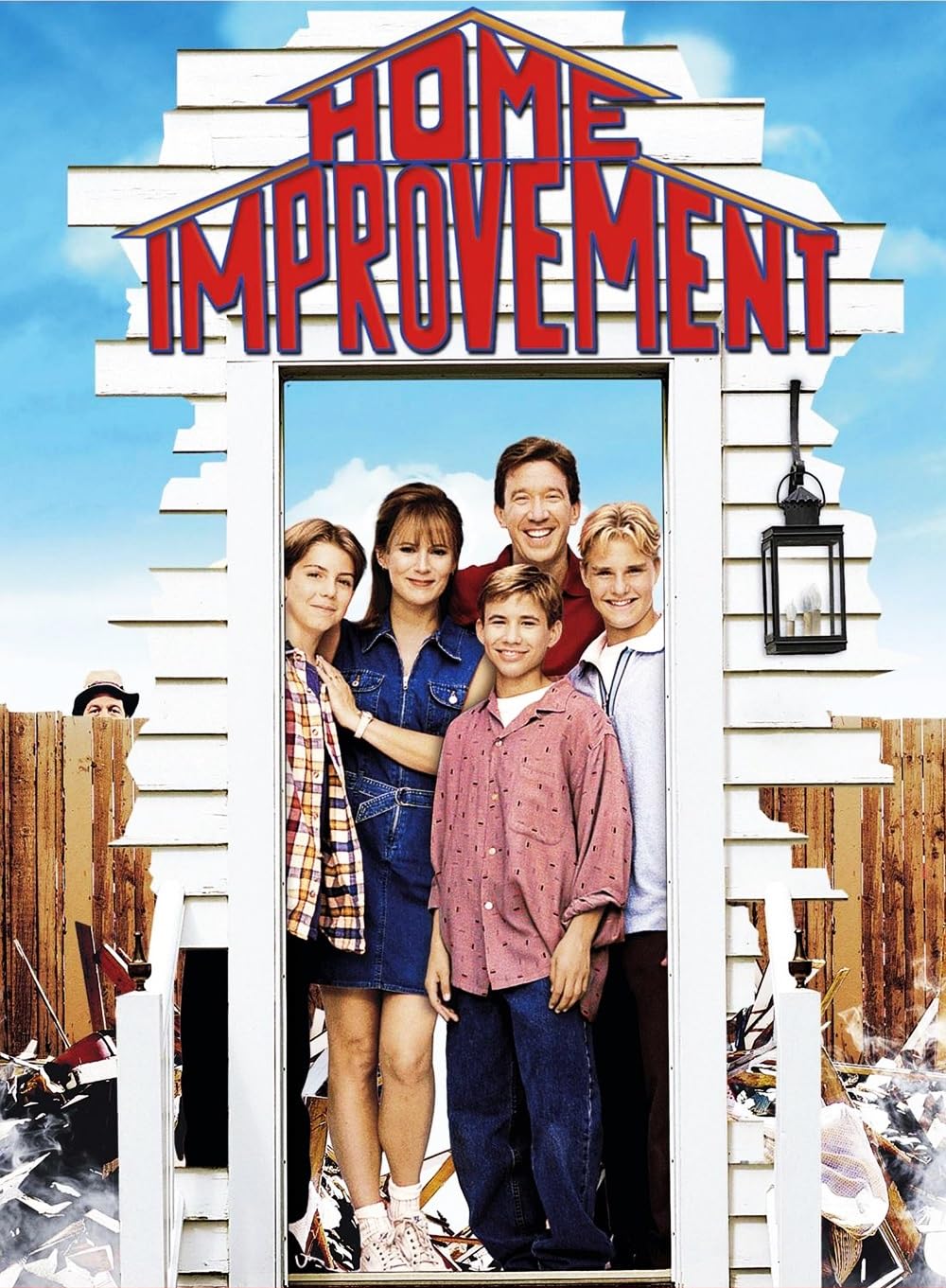
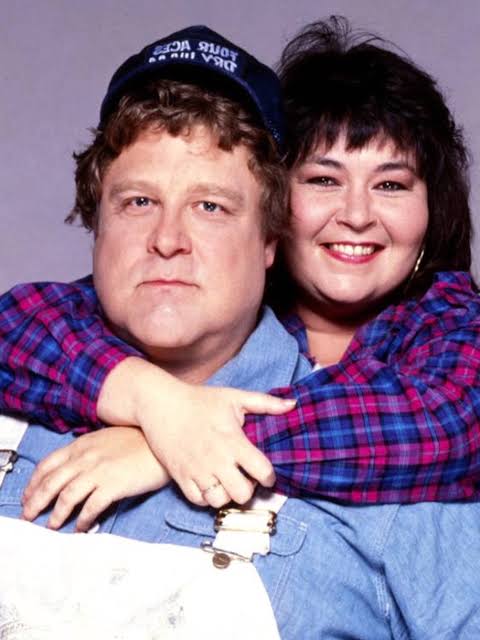
Early-90s comedy still had one foot in the family room, but prime time was already much wider than that. Roseanne made family comedy feel less polished and more financially, emotionally and physically lived-in, while Home Improvement proved a broad suburban sitcom could still pull a massive audience. The Fresh Prince of Bel-Air brought a younger, music-aware energy to family comedy without losing the Banks family at the center of it. At the same time, Designing Women, The Golden Girls, A Different World, Murphy Brown and Cheers showed how many different kinds of adult comedy could still live near the center of network television.
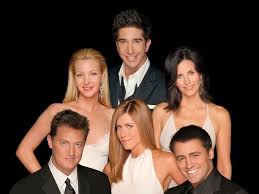
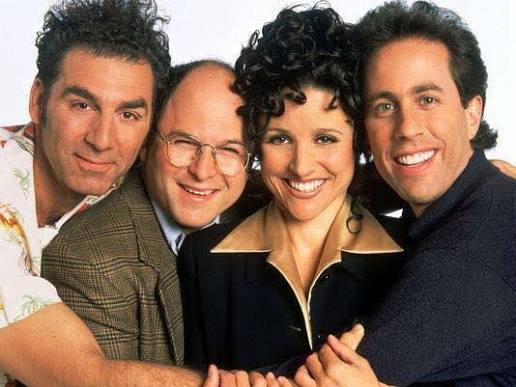
By the middle of the decade, the center shifted hard toward apartments, jobs, coworkers, dating and friends. Seinfeld turned irritation into a worldview. Friends made chosen family and coffee-shop adulthood look like the center of the universe. Frasier proved a smarter, more adult comedy could still be completely mainstream. That change is the backbone of both the friend-group sitcom boom and the rise of the single-adult sitcom.
The decade did not replace one kind of sitcom with another overnight. The early-90s prime-time shift was already underway before NBC turned Thursday into a machine, and Must See TV later made that urban-adult comedy world feel unavoidable.
90s Teen TV Became Its Own World
The decade gave younger viewers television that increasingly felt like it belonged to us. High-school settings, dating, friendship, identity, music and cable networks with their own voice created a TV culture that could feel completely separate from whatever the adults had on in the family room.
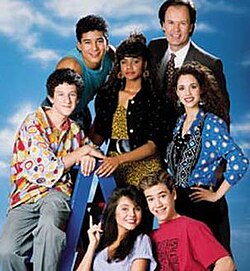
If you came home from school, dropped the backpack and turned on the TV before doing anything remotely responsible, you remember how wide this lane became. Saved by the Bell, TGIF, Beverly Hills, 90210, Dawson’s Creek, Buffy the Vampire Slayer and youth-driven cable made 90s teen TV feel less like a side dish and more like its own world.
90s Kids TV Changed Just as Fast
Saturday morning cartoons were still alive, but 90s kids TV was no longer waiting around for one weekly block. Nickelodeon, Cartoon Network and other dedicated kids destinations pushed animation, game shows and after-school programming across the whole week. You could practically watch the old Saturday-morning ritual break apart in real time.
That shift matters because it mirrors what was happening everywhere else on television: more channels, more specific audiences and fewer reasons for every viewer in the house to land on the same network.
90s TV Dramas Got Faster, Grittier and Bigger
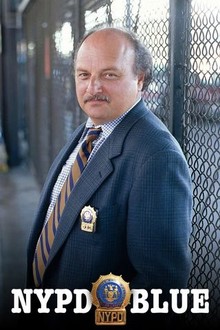
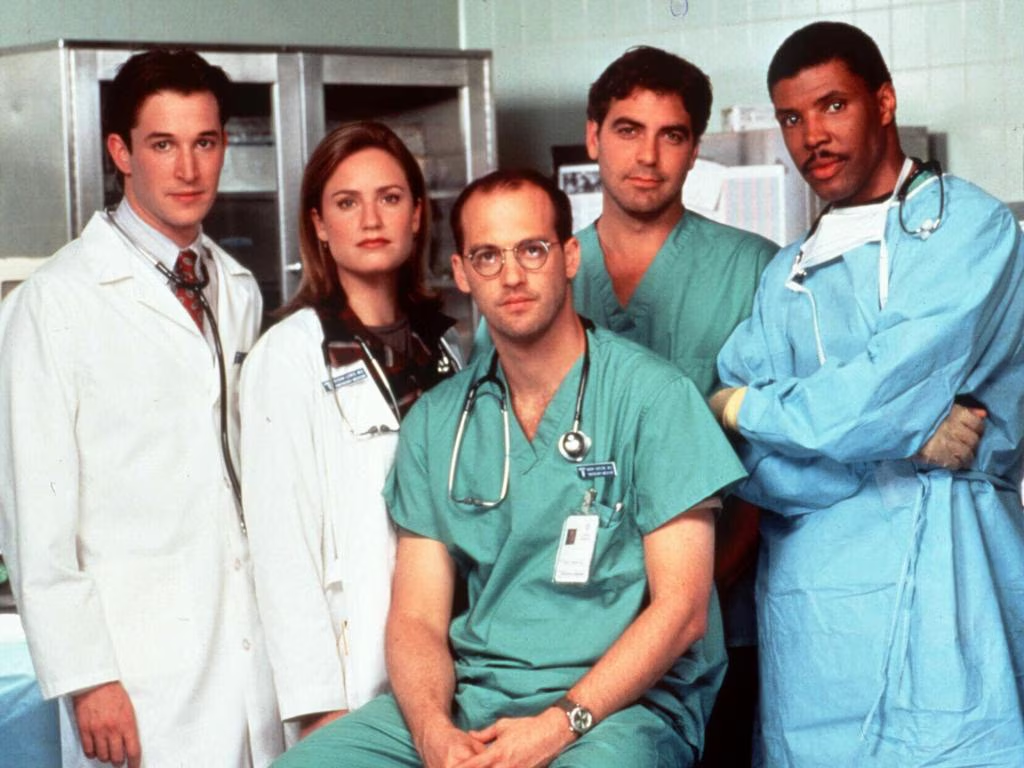
The best 90s TV dramas did not all move the same way. NYPD Blue helped prove that mainstream network television could feel rougher, morally messier and more adult without disappearing into a niche. Then ER turned pace itself into a selling point. The camera moved. Dialogue overlapped. Bodies filled the frame. Characters carried several crises at once while another patient came through the doors.
ER’s domination of 1996, 1997 and 1999 is one of the clearest facts in the entire decade. It was not merely a successful medical show. It was proof that high-velocity ensemble drama could become the biggest thing on television.
The full comparison continues in How ER and NYPD Blue Changed Network Drama in the 1990s.
NBC Must See TV Was a Machine, Not Just a Slogan
There were hit shows, and then there were nights that trained you not to touch the remote. NBC’s Must See TV in the mid-to-late 90s was the clearest example. Seinfeld, Friends and ER were genuine giants, but the real trick was how one hit fed the next until viewers stopped thinking about individual time slots and started thinking, “Thursday night is NBC.” If you lived through it, that slogan was not marketing fluff. It was basically the schedule on the refrigerator.
The 1996 ranking shows the machine at work. ER finished #1, Seinfeld #2 and Friends #3, while Caroline in the City, The Single Guy and Boston Common also landed in the top ten.
A year later it gets even stranger. In the 1996–97 season, NBC placed seven programs in the top ten: ER, Seinfeld, Suddenly Susan, Friends, The Naked Truth, Fired Up and The Single Guy. The 1997 ranking shows the board; the full NBC-in-1997 story shows how one network pulled that off.
That network machine gets its own full story in Must See TV: How NBC Owned Thursday Nights in the 1990s. And the shows that rode the machine to huge ratings without becoming permanent 90s shorthand live on in The Forgotten Must See TV Sitcoms That Were Actually Huge.
Forgotten 90s TV Shows That Were Actually Huge
Memory is terrible at ratings. We remember the shows that became permanent cultural objects—the ones with endless reruns, famous finales and casts that never really left the public eye. That can make the actual 90s rankings look almost wrong when you see them again.
Suddenly Susan finished #3 in the 1996–97 season. The Naked Truth, Fired Up and The Single Guy also landed in that season’s top ten. By 1998–99, Veronica’s Closet and Jesse were still pulling enormous NBC audiences; their exact ordering changes depending on whether you are looking at viewer totals or household-rating tables.
Those numbers reveal how much scheduling, lead-ins and network habit mattered. That is why Suddenly Susan is worth another look, why The Forgotten Must See TV Sitcoms That Were Actually Huge is such a fun trip back through the ratings, and why Veronica’s Closet and Jesse make such a revealing 1999 case study. Sometimes the old Nielsen charts remember the decade differently than we do.
How NBC, ABC, CBS and Fox Defined 90s Network TV
One thing that gets flattened when we remember 90s TV only through individual shows is how different the networks felt from one another. NBC, ABC, CBS and Fox each had a personality. Even before the opening credits, the night itself told you something about what kind of television you were about to get—and most of us could feel the difference without ever using the word “branding.”
NBC increasingly owned the polished urban-adult lane. It had the swagger of Must See TV, the social neurosis of Seinfeld, the aspirational friendship world of Friends, the precision of Frasier and the pressure-cooker drama of ER. By the middle of the decade, NBC did not simply have hits. It had a coherent idea of what a desirable prime-time audience looked like, and in 1997 it placed seven shows in the top ten.
ABC still had enormous strength in broad family entertainment and event television. Home Improvement remained one of the decade’s giant sitcoms, Monday Night Football remained a weekly national ritual, and America’s Funniest Home Videos turned the home camcorder into network entertainment before online video existed.
CBS often looked older and steadier next to NBC’s youth-and-buzz machine, but that could be a strength. 60 Minutes kept drawing enormous audiences. Touched by an Angel became a late-90s ratings force. And CBS Sunday night could still feel like a destination built around habit, trust and shows people watched with parents or grandparents rather than the roommate crowd around Friends.
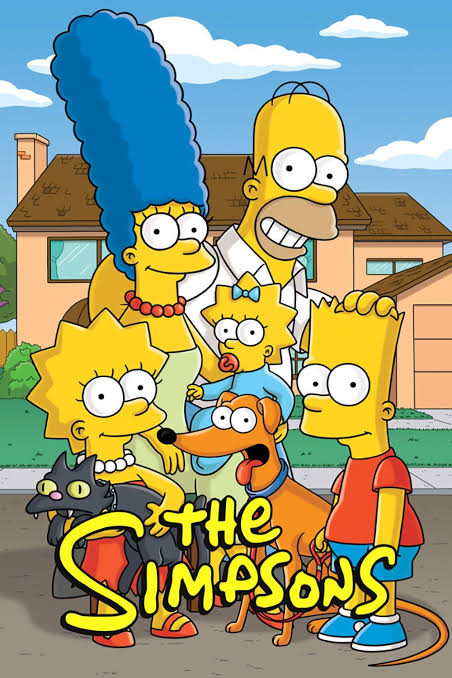
And then there was Fox, the network that had already helped prove the old three-network order was not permanent. The Simpsons became part of the decade’s cultural wallpaper, Cops helped normalize the raw on-location language that reality television would later run with, and The X-Files showed that a strange, paranoid genre series could become mainstream appointment television. Even when the specific shows at the top of the Nielsen lists came from the longer-established networks, Fox had changed the competitive landscape. The existence of another major broadcast player mattered because the old television universe was already becoming less stable before streaming, before DVRs and before broadband.
How 90s Television Changed from 1990 to 1999
1990s television did not flip from one era to another overnight. It changed in stages. The ratings from 1990 through 1999 show family sitcoms giving ground to friend-group comedy, medical drama accelerating, NBC dominating whole nights, cable splintering the audience and the old network-TV center still hanging on much longer than memory sometimes suggests.
1991 still looks partly like the television world that came before it. Cheers is #1. 60 Minutes is #2. The Golden Girls and Designing Women are still in the top ten. But Roseanne is #3, A Different World is #4 and Murphy Brown is #6. That is the old network center widening in real time, which is why the early-90s sitcom shift deserves its own story.
By 1996, the center looks different. ER is #1, Seinfeld #2 and Friends #3. The biggest shows now include fast medical drama, socially petty comedy and a sitcom built around six adults whose real family is the group itself. Home Improvement is still huge, but family comedy no longer owns the emotional center by itself.
1997 is the year the NBC machine looks almost ridiculous. Seven of the top ten programs belong to one network. The chart says as much about scheduling and network habit as it does about individual shows, and NBC’s seven-top-ten performance shows exactly how concentrated that power had become.
Then 1999 closes the decade with the old system still powerful enough to produce gigantic hits. ER is #1, Friends #2, Frasier #3 and Monday Night Football #4. But the system no longer feels immortal. Cable is bigger, the internet is in the house and the number of choices keeps growing.
That final transition gets its own story in 1999 and the End of the Great Network TV Monoculture.
How Cable TV Changed the 90s Before Streaming
Cable TV changed the 90s long before streaming finished breaking the audience into smaller pieces. Nickelodeon, MTV, ESPN, CNN, TBS, USA, Cartoon Network and a growing stack of specialty channels meant there was always somewhere else to go. The old broadcast networks were still enormous, but the remote suddenly had a lot more territory to cover.
MTV was not simply showing music videos; it was shaping youth culture. Nickelodeon was building an identity strong enough that kids could recognize the network’s attitude as clearly as any individual show. ESPN made sports an all-day environment rather than something that appeared only in scheduled blocks. CNN made 24-hour news feel normal. Specialty channels kept giving viewers reasons to leave the old broadcast center.
That matters because the Nielsen giants did not exist in a vacuum. ER, Seinfeld, Friends, Roseanne and Home Improvement were becoming massive while the number of alternatives kept growing. Their scale is more impressive when you remember that the audience was already learning how to fragment.
The contradiction is what makes late-90s television so interesting. The broadcast networks were still capable of creating enormous national moments, but they were doing it in an environment that was becoming less obedient every year. The remote had more places to go. Younger viewers had more channels speaking directly to them. Sports, news, comedy, music and kids programming were becoming destinations in their own right. That tension is the backdrop to the end-of-decade network monoculture story.
Before Streaming, 90s TV Was Appointment Television
One of the biggest differences between 90s TV and television now is not the writing, picture quality or size of the screens. It is the feeling of time.
You watched a show when it aired, or you did something about it. You set the VCR. You asked somebody else to tape it. You caught the rerun. You hoped the network did not move it. You tried to remember whether the new episode was at 8:30 or 9:00. The schedule created scarcity, and scarcity created ritual.
That ritual explains why programming blocks mattered so much. It explains how Monday Night Football could remain one of the decade’s biggest weekly television events. It explains why 60 Minutes could keep landing near the top of the charts. It explains why a new sitcom placed behind a monster hit could inherit an audience size that would look unbelievable now.
It also explains the next-day part of the experience. A finale, wedding, cliffhanger, guest star or controversial episode could move through school, work and radio the following morning because people had actually watched it at the same time. Television was not only content. It was a clock everybody could hear.
We unpack that habit further in Appointment TV: When Everybody Watched the Same Show at the Same Time.
Why the 90s TV Shows We Remember Aren’t Always the Highest-Rated
Ratings tell us what happened in the moment. Reruns tell us what survived. Those are not the same contest.
Some shows had a second life so large that it eventually overshadowed their original run. A sitcom that played constantly in syndication could become part of somebody’s childhood even if that person had been too young to watch the early seasons when they first aired. Cable reruns, local stations and later home-video releases kept certain characters in circulation for years.
Other programs were huge in the exact moment they aired but did not have the same afterlife. Maybe the format did not repeat as easily. Maybe the show was tied closely to a particular schedule. Maybe it had less quotable chemistry, fewer iconic episodes or simply less luck in syndication. Whatever the reason, the result is that an old season ranking can look like an alternate reality.
That is why it helps to keep both memories in view. The year-by-year rankings tell us what was huge in the moment, while the ratings explainer shows what those giant Nielsen numbers actually meant. The show stories tell us what lasted. And the forgotten hits live in the strange space between them—the programs millions watched that somehow slipped out of the decade’s greatest-hits reel.
Suddenly Susan’s #3 finish in the 1996–97 Nielsen season belongs in the record whether or not it has the same cultural footprint today as Friends. The same tension powers the Veronica’s Closet and Jesse 1999 story: huge contemporary audiences did not guarantee the same long afterlife.
VCRs, Remotes and the Hardware of 90s TV
90s television nostalgia is not only about what was on the screen. It is also about the machinery around it—the remote that disappeared into the couch, the VCR clock that blinked 12:00 for three straight years, the tape somebody swore they had not recorded over and the physical act of making room for a show in your evening.
Recording something felt like a tiny act of engineering. You checked the tape length. You chose SP or SLP if you knew what you were doing. You hoped the clock was right. You wrote a title on the sticker and then six months later discovered three unrelated programs underneath it because nobody in the house respected labels.
That friction is part of why television felt valuable. Episodes were easier to miss. Special broadcasts felt more special because you could not assume they would simply sit in an app forever. When a network promoted a finale or a “very special episode,” the entire system was built to make you believe you had one shot to be there.
The technology was clumsy compared with streaming, but the clumsiness created memories. “Did you tape it?” was a useful sentence. “Don’t record over that” was practically a household commandment. And “be kind, rewind” somehow became part of the visual language of the whole decade even when the tape in question had nothing to do with broadcast TV.
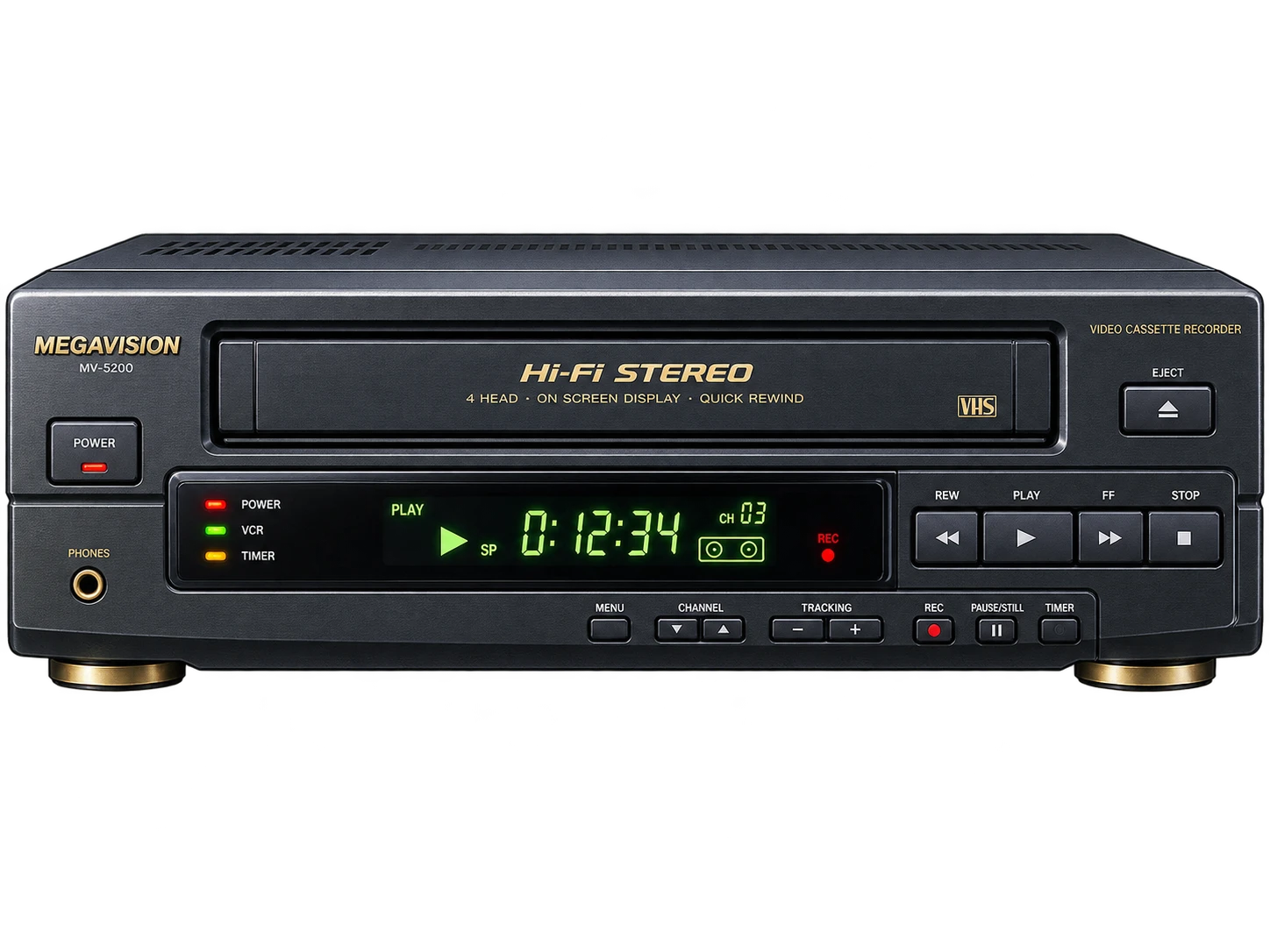
The VCR was the first little crack in the schedule’s authority. It gave you a way to fight back against time—but only if you remembered the tape, the timer and which input the television was supposed to be on.
 Ready. Set. Rec.
 90s TV Classics
 Good Times. Great Shows.
Why Commercial Breaks Were Part of 90s TV

It is almost impossible to separate a memory of 90s television from the commercials around it. The interruptions were annoying when you were actually sitting there, but years later they are part of the texture. The cereal jingles, movie trailers, toy ads, phone-company spots, soda campaigns, local-car-dealer shouting and network promos all helped make a night of television feel like one continuous cultural feed.
Commercials also controlled the rhythm of the room. A break was when somebody ran to the kitchen, grabbed a drink, used the bathroom, argued about what else was on or tried to flip channels without missing the return from black. There was no pause button waiting politely. You learned the timing of a show almost subconsciously. A long scene ended, the music hit, and half the room moved at once.
Network promos mattered even more because they sold the schedule while you were already inside it. “Tonight after…” and “Thursday at 9…” were not background noise. They trained viewers to think in blocks. A network could use the audience from one giant show to introduce the next one before the first program had even ended. That is one reason the Must See TV machine became so effective: the promotion, scheduling and branding were all happening inside the viewing experience itself.
The result was a kind of television literacy that is hard to recreate now. Viewers knew network nights, opening-theme lengths, commercial timing and whether a show had been moved to a dangerous new time slot. We knew enough to recognize when the network was trying to save something, launch something or bury something. You did not need trade-press language for any of it. You could feel when a show was suddenly being pushed hard because every other commercial break told you to watch it.
That is why remembering 90s TV takes more than rattling off a list of famous shows. It was the show, the time slot, the network voice, the commercials, the reruns, the VCR, the remote and the conversation the next morning. Strip away too many of those pieces and you remember the title but lose the feeling—and the feeling is the whole reason we still miss channel surfing.
90s TV Shows FAQ
What were the biggest TV shows of the 1990s?
The answer changes by season, so the year-by-year Nielsen guides cover every season ending from 1990 through 1999. Across the decade, shows such as Roseanne, Cheers, Seinfeld, Friends, ER, Home Improvement and Frasier all spent time near the top, while 60 Minutes and Monday Night Football remained major ratings forces.
What TV shows best define the 90s?
For the larger cultural story, Roseanne represents the early-decade move toward rougher working-class realism; Seinfeld represents irony and observational social comedy; Friends represents chosen-family adulthood; ER represents the acceleration of network drama; and Frasier represents polished adult comedy remaining fully mainstream.
Why was NBC so dominant in the 1990s?
NBC combined giant individual hits with exceptionally effective scheduling, especially around Thursday-night Must See TV. In the 1996–97 season, NBC placed seven programs in the Nielsen top ten; the 1997 breakdown shows how extreme that run became.
Was Friends the biggest TV show of the 90s?
Friends was one of the decade’s defining hits, but it was not automatically the #1 show every season. In the year pages used here, Friends ranks #3 in 1996, #4 in 1997 and #2 in 1999. ER finished #1 in all three seasons.
Why was ER so popular in the 90s?
ER combined a large ensemble, urgent medical stories, emotional character arcs and a fast visual and conversational style that made weekly network drama feel unusually kinetic. Its repeated #1 finishes show that the approach was mass-audience television, not merely critical prestige.
Why do some forgotten 90s sitcoms have such high Nielsen rankings?
Scheduling mattered enormously. A strong network night and a massive lead-in could put a new sitcom in front of an audience that would be difficult to reproduce today. That helps explain unexpectedly high placements for shows such as Suddenly Susan, The Naked Truth, Fired Up, Veronica’s Closet and Jesse. Our Forgotten Must See TV story follows that strange part of the decade in more detail.
Why were TV ratings so much higher in the 90s?
Broadcast television still concentrated enormous audiences into a relatively small number of networks and time slots. Streaming did not exist, DVR use was not yet widespread, and live viewing remained the default. Cable was growing, but the audience had not fragmented into today’s near-infinite menu of services and on-demand choices. The full explanation is in Why 90s TV Ratings Were So Much Bigger Than TV Ratings Today.
How are the year-by-year TV pages organized?
Each annual guide uses the Nielsen television season ending in that year. The 1997 page, for example, covers the 1996–97 season. That keeps the method consistent across the decade.

Explore More 90s TV Shows and Guides
Start with the 90s TV shows by year when you want to know what actually topped the Nielsen ratings. Then follow the subject that grabbed you: the giant ratings, the sitcom shift, network drama, Must See TV, appointment viewing or the strange hits that everybody watched and almost nobody talks about now.
When you are ready to leave the living room, head back to 90s nostalgia for the music, movies, toys and other stuff that made the decade ours.
This is not about turning the decade into a museum display. It is about getting back the feeling of channel surfing through it: the obvious classics, the surprise ratings monsters, the shows that vanished, the nights everybody knew, and the little pieces of hardware and habit that made television feel less like an endless library and more like somewhere you had to be. If you grew up with it, you know the difference immediately.