Seinfeld: How a Show About Nothing Changed 90s Comedy
Seinfeld How a Show About Nothing Changed 90s Comedy
As a 90s sitcom, Seinfeld made the smallest parts of adult life feel enormous: bad dates, cheap envelopes, parking spaces, soup lines, answering machines and every petty social rule imaginable.
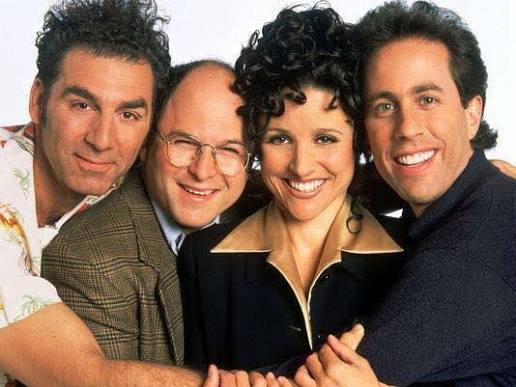
Why Seinfeld Changed 90s Comedy
Seinfeld changed 90s comedy by making the tiny irritations of everyday life feel big enough to build an episode around. Jerry Seinfeld and Larry David created a sitcom where characters could be selfish, petty, obsessive and weird without being marched toward a lesson at the end. Its legacy comes from turning social friction into plot, making irony mainstream and proving that millions of viewers would follow comedy built around behavior instead of heartwarming transformation.
Seinfeld was never really about nothing. It was about everything we were already arguing about.
Ask somebody who remembers Seinfeld in the 90s what the show was about and sooner or later you get the famous answer: nothing. That is catchy. It is also not quite right.
Among the shows that defined 1990s television, Seinfeld was unusual because its biggest stakes were often microscopic. The show was about waiting for a table. It was about whether you can take back a gift. It was about how long you are supposed to stand around at a party before leaving without looking rude. It was about somebody talking too close to your face, somebody taking too long at the ATM, somebody eating food from your refrigerator, somebody refusing to follow a line and somebody using a parking space you had already mentally claimed.
That is not nothing. That is civilization at its most fragile.
The phrase “show about nothing” became attached to Seinfeld because the series itself eventually used that idea in its fourth-season story about Jerry and George developing a sitcom for NBC. But the real-life origin was different. The Television Academy’s history of the show traces the idea back to Jerry Seinfeld and Larry David talking about where comedians get material: daily conversations, irritations and observations that could become stand-up.
That distinction matters because it explains why the show felt so fresh. Traditional sitcoms usually needed a premise you could pitch in one breath: a family, a workplace, a fish out of water, a blended household, a mismatched couple. Seinfeld had an apartment, a diner and a stand-up comedian, but the real premise was behavior.
What do people do when nobody is being noble? What rules do we invent because nobody wants to admit what they really think? How much of adult life is pretending not to be annoyed?
Jerry Seinfeld and Larry David built the show out of stand-up logic
The roots of Seinfeld were not in a family living room. They were in conversations between two comics who could spend an unreasonable amount of time dissecting something everybody else had already forgotten.
Jerry Seinfeld was 34 when a meeting at NBC in late 1988 helped start the process. The Television Academy’s history of the series describes Seinfeld and Larry David batting around an idea about showing where comedians get their material. Jerry could move through his day, have the kind of ridiculous little conversations comedians remember, and then turn those observations into stand-up.
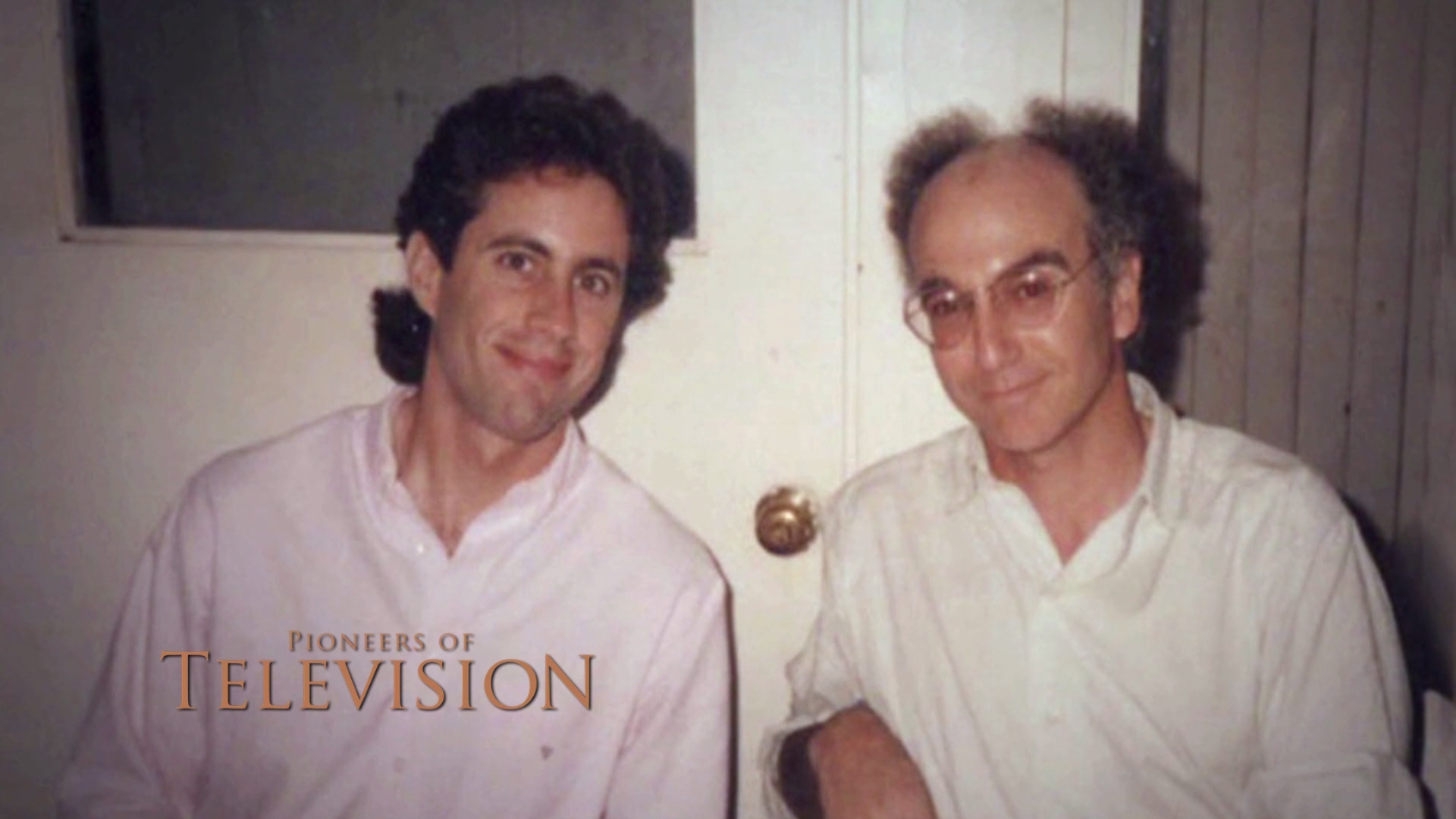
They first imagined something closer to a special. Once they wrote it, they realized they had a sitcom. The original pilot, The Seinfeld Chronicles, aired in 1989. It was not a giant breakthrough. The show had to grow into itself. Elaine was not even part of the original pilot. Kramer was still forming. George had the DNA of Larry David but had not yet become the magnificent human panic attack we came to know.
That slow start is almost impossible to square with the way Seinfeld now sits in television history. We are used to streaming shows being judged by the first weekend. Seinfeld needed time. It needed the network to keep giving a strange little comedy room to discover what it actually was.
By the third season, the shape was clearer. The Television Academy notes that season three ranked only 42nd in the Nielsen standings. That sounds modest until you remember what happened next. The show did not suddenly become broader in the usual sense. It became more specifically itself.
The plots got more intricate. Larry David’s structural instincts got bolder. The characters became less apologetic. The show learned that a story about being stuck in a Chinese restaurant or wandering a parking garage could create more tension than a sitcom wedding if the audience recognized the frustration.
Jerry Seinfeld’s NBC conversations lead toward an idea about where a comedian gets material.
The Seinfeld Chronicles airs. The series is still finding the version of itself we remember.
Season three moves the show toward its mature form, even while it remains far from television’s biggest hit.
Seinfeld wins the Emmy for Outstanding Comedy Series.
The strange little observational sitcom becomes one of the defining ratings and cultural powers of 90s television.
Jerry, George, Elaine and Kramer made selfishness weirdly comfortable
The miracle of Seinfeld is not that its four central characters are flawed. Sitcom characters had been flawed forever. The miracle is how rarely the show asked us to forgive them by turning those flaws into lessons.
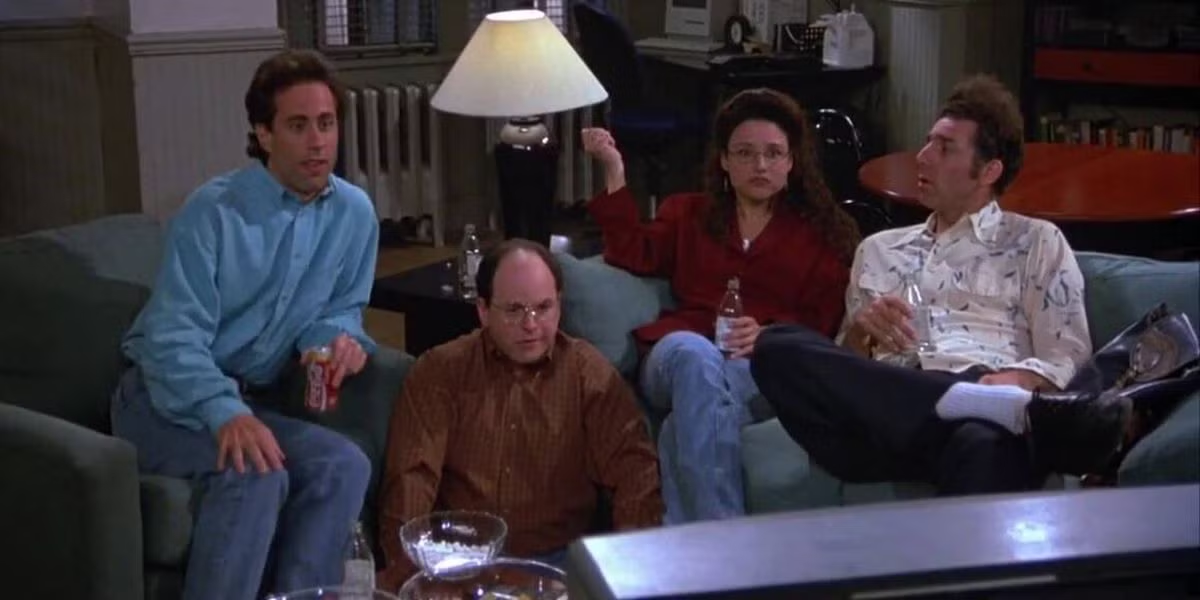
The chemistry comes from the fact that each character believes they understand the rules better than everybody else. Jerry thinks his standards are rational. George thinks every disaster has a loophole. Elaine believes intensity can overcome consequences. Kramer acts like society is a loose suggestion somebody wrote on a napkin.
Most sitcom ensembles are designed so the characters can become a substitute family. Seinfeld never completely rejects that—the four clearly need each other—but it strips the idea of sentimentality. Their friendship often looks less like emotional support and more like a standing committee on complaints.
That is why the series belongs in the larger story of how 90s sitcoms shifted from families toward friends. Friends would make chosen family warm, romantic and aspirational. Seinfeld made it an endless conversation about who was wrong at lunch.
And somehow both versions felt true.
Seinfeld turned unwritten rules into the biggest stakes in the room
One of the show’s greatest tricks was treating etiquette like criminal law.
Can you double-dip a chip? Is re-gifting acceptable? How long do you have to wait before calling somebody after a date? Can you claim a parking space if you are backing into it? Does the person who buys the big salad deserve credit if somebody else physically hands it over? At what point does talking too close become an offense?
These questions are ridiculous. They are also exactly the kind of questions people will argue about for twenty minutes because nobody wants to admit that the real issue is pride.
Personal space becomes a character trait and suddenly everybody knows exactly what the phrase means.
A snack-table move is prosecuted like a violation of the social contract.
A practical act becomes morally suspicious because gifts carry invisible paperwork.
Anybody can take one. The problem is whether the business understands what comes after taking it.
Credit for a favor matters more than the favor itself because George is involved.
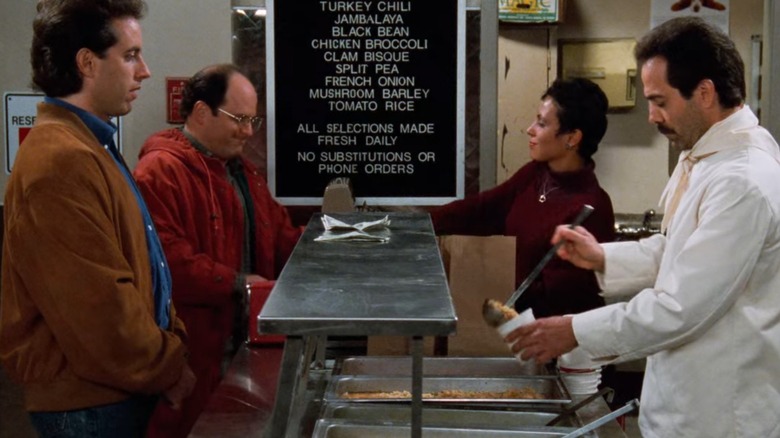
Ordering lunch turns into authoritarian procedure—and somehow we all understand why the line keeps moving.
This is where the show’s observational comedy and Larry David’s worldview fused. Jerry’s stand-up notices the strange thing. George experiences that strange thing as persecution. Elaine gets angry at it. Kramer ignores the premise and invents a fifth option nobody asked for.
The result was a comedy that could make an entire nation discuss tiny points of etiquette the next morning. It gave names to behaviors. Once something had a Seinfeld label, you could use the label in real life and skip three paragraphs of explanation.
Larry David made embarrassment feel like plot architecture
Jerry Seinfeld gave the show its observational surface. Larry David gave it the part of the brain that refuses to let a grievance die.
George Costanza is the most obvious connection. Jason Alexander has talked for years about realizing that George was essentially Larry’s emotional logic walking around in Jason Alexander’s body. Once he stopped trying to play George as a Woody Allen type and understood the source, the character locked into place.
But Larry David’s influence is bigger than George. It is in the structure. A normal sitcom might run an A story and a B story that touch each other near the end. Seinfeld increasingly treated separate plots like wires being pulled through the same wall. Jerry’s problem, Elaine’s problem, George’s lie and Kramer’s business idea could seem unrelated until the last act revealed that every bad choice had been moving toward the same intersection.
That became one of the show’s signatures: the ending that does not merely wrap up four stories but makes them collide.
David also helped protect the show from the emotional machinery of conventional sitcoms. The philosophy is often summarized by the famous four-word rule, “no hugging, no learning.” It is funny because it exaggerates, but it captures something real. The characters could face consequences without being improved by them.
George might learn that a lie caused disaster. His next thought was not, “I should be more honest.” His next thought was usually that he needed a better lie.
That refusal created freedom. The show did not need to preserve likability in the usual way. It only needed the characters to remain compelling and recognizable. We did not have to approve of George. We had to understand exactly why he was furious that somebody else got credit for buying a salad.
Larry David left the regular writing staff after season seven. The show continued for two more seasons, often pushing further into surrealism and broader comic premises. David returned to write the finale, bringing the series back around to the moral question it had avoided for years: what if all these people actually had to answer for themselves?
Elaine was not the sensible woman trapped in a boys’ sitcom
A lot of 90s comedies would have used Elaine as the audience’s moral representative: the one normal person explaining why the men were ridiculous. Thank God Seinfeld had no interest in that.

Julia Louis-Dreyfus got to play Elaine as every bit as selfish, competitive, judgmental and strange as the men around her. She could be more socially functional than George or Kramer, but that is a low bar. Elaine had awful dates, petty vendettas, career disasters, aggressive dancing, complicated birth-control standards and the ability to turn a bakery line into a constitutional crisis.
That made her funnier because she was allowed to cause problems instead of only reacting to them.
Elaine’s work life also widened the show. Mr. Pitt, J. Peterman, Pendant Publishing and the parade of bosses and co-workers let the series satirize office behavior without ever becoming a workplace sitcom. Elaine could be competent and still make a terrible professional decision because somebody had irritated her.
Her romantic life was equally unsentimental. The show did not frame every relationship around whether Elaine would finally find “the one.” Dating was a source of information: What tiny habit is going to make this person impossible? What standard will Elaine invent? What humiliating thing will happen before anybody can end the evening normally?
That put her in direct contrast with the more romanticized young-adult sitcoms that followed. If Friends often asked whether two people belonged together, Seinfeld was more likely to ask whether one of them ate peas one at a time.
For those of us watching in the 90s, Elaine did not feel like “the female character.” She was Elaine. That sounds obvious now. It was part of the show’s achievement.
Kramer made an entrance into a complete comic language
You could hear the apartment door and know what kind of energy was about to hit the room.

Michael Richards turned Kramer’s entrance into physical punctuation. The slide, the hair, the sudden stop, the body that seemed to arrive one second after the idea—none of it needed dialogue to get a laugh.
But Kramer survived as more than physical comedy because his worldview was so complete. He lived close enough to normal society to use it and far enough away to ignore most of its expectations. Employment was optional. Boundaries were negotiable. Jerry’s refrigerator was community property. A business idea did not need market research if Kramer could explain it with enough confidence.
He could install things nobody wanted, adopt identities, join causes, wander into jobs and treat random acquaintances like members of a secret network. Bob Sacamano barely needed to appear because Kramer’s stories had already turned him into mythology.
And yet Kramer was often the one character with a sincere code. His code might be insane, but it existed. Jerry, George and Elaine were usually rationalizing what benefited them. Kramer could commit to a principle with frightening enthusiasm.
That made him useful to the show’s structure. When the other three were trapped in normal social conventions, Kramer could blow a hole through the wall. His story was often the wild card that made the final collision possible.
The physicality also gave Seinfeld range. The show is remembered for verbal precision and social observation, but Richards could turn putting on jeans, carrying a box or entering a room into a set piece. In another actor’s hands, Kramer might have been exhausting. Richards made the exhaustion part of the rhythm.
George Costanza turned failure into one of the decade’s greatest comic engines
George is what happens when insecurity becomes a project manager.
He is cheap, defensive, vain, chronically dissatisfied and capable of turning one harmless decision into a chain reaction involving unemployment, a fake identity, a dead fiancée, a Yankees executive or all four.

Jason Alexander’s performance works because George believes every emotion at full volume. He does not know he is the joke. If somebody gets a better parking space, George does not experience mild irritation. He experiences evidence that the universe has chosen a side.
The character also gave Seinfeld a way to explore work without celebrating it. George wants jobs mostly for the benefits of having a job: status, money, an office, somewhere to nap. His stint with the Yankees becomes funny precisely because he somehow stumbles into a position that should demand competence and then develops elaborate methods for looking busy.
George’s greatest weapon is rationalization. He can explain why almost any action is reasonable if you give him thirty seconds and do not interrupt. That quality makes him the perfect Larry David character because grievance becomes philosophy.
His parents explain a lot. Frank and Estelle Costanza arrive like the source code. Suddenly George’s volume, fear and instinct for conflict make more sense. Frank can invent a holiday out of anger at commercialism. Estelle can make a phone call sound like a building evacuation. George did not come from nowhere.
What is remarkable is that the show never softened him into a sad clown who secretly has a heart of gold. George can be vulnerable. He can be lonely. He can even be sympathetic. But sympathy does not erase the fact that five minutes later he may be planning a scheme because somebody failed to thank him correctly.
That is the Seinfeld promise: understanding is not redemption.
Yada yada yada: Seinfeld gave the 90s an entire vocabulary
A television show really owns a culture when people start using its language without needing to explain where the language came from. Seinfeld did that over and over until normal conversation started sounding a little like Monk’s.
“Yada yada yada” is probably the cleanest example. The expression existed long before Seinfeld—Merriam-Webster traces its first known use to 1967—but the 1997 episode “The Yada Yada” turned it into a giant pop-culture reference. The brilliance was not inventing the words. It was recognizing the comic potential in what people choose to skip when they tell a story.
That was the show’s specialty. Take something people already did, give it a name, and suddenly everybody sees it.
What made these expressions different from normal catchphrases was that most were not just things characters said. They were tools for describing behavior. “Close talker” gave you a category. “Re-gifter” gave you an accusation. “Double dip” gave you a crime scene. “Spongeworthy” turned Elaine’s dating standards into economic triage.
That is why the phrases traveled so well. They were portable.
The Los Angeles Times was already writing about the show’s “national catch-phrases” just before the finale in 1998. By then the vocabulary had become part of the farewell story. The country was not only losing four characters; it was losing the weekly factory that kept supplying phrases for Friday morning.
For me, this is one of the clearest memories of watching the show while it was current. Somebody would use a phrase at work or in a group of friends and there would be that half-second of recognition. No explanation. You knew the episode. You knew the behavior. Conversation continued.
The show also changed how people framed social complaints. Instead of saying, “That person stands too close when speaking,” you had a character type. Instead of describing someone who talks so quietly you cannot hear them, you had a label. The joke became a classification system.
Jerry and the others are constantly sorting people: the close talker, low talker, high talker, bad breaker-upper, mimbo, sidler. It is funny because we all do a less organized version of the same thing. Other people get reduced to one irritating habit while our own irritating habits require a 20-minute explanation and several witnesses.
And then there is Festivus, maybe the ultimate example of a one-episode joke refusing to stay inside the episode. Frank Costanza invents an alternative December holiday built around an aluminum pole, grievances and feats of strength, and decades later people still throw Festivus parties. That is not merely a catchphrase surviving. That is fictional nonsense becoming an actual seasonal custom.
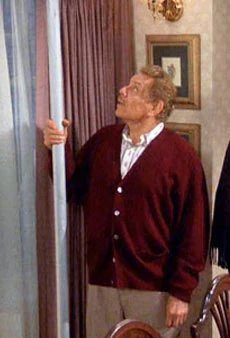
Very few sitcoms have altered everyday language at that scale. Seinfeld did it because the language came from recognizable behavior first. The phrase was the souvenir.
Seinfeld made sitcom structure feel like a magic trick
By the middle of its run, the show could start four stories so far apart that you wondered whether they were even in the same episode—and then somehow make the last five minutes feel inevitable.
This is one of the reasons Seinfeld rewards rewatching. The first time through, you follow the jokes. The second time, you see the wires.
An object introduced casually in Jerry’s story becomes the thing that ruins Elaine’s plan. Kramer’s ridiculous side business provides the location for George’s lie to collapse. A line that sounded disposable ten minutes earlier turns out to be the setup for the final image.
The best episodes feel almost mechanical in their precision, but they never feel cold because the machinery is built from character. George does not make the choice because the plot needs a complication. He makes it because George would absolutely choose the most complicated possible solution to avoid five seconds of embarrassment.
That was a major evolution in mainstream sitcom storytelling. Sitcoms had woven plots together before, of course, but Seinfeld made the collision itself a signature pleasure. You began expecting the stories to crash into one another and enjoyed not knowing how.
It also allowed the show to move fast without needing a giant premise. If each character has a small problem, the combination becomes large enough to power the episode.
A missing marble rye. A jacket. A movie theater. A phone number. A pez dispenser. A golf ball. None of these should be epic objects. Inside Seinfeld, they can carry the whole final act.
Essential Seinfeld episodes that explain why the comedy worked
This is not a ranking. These are episodes that show different pieces of the Seinfeld machine at full strength.
“The Chinese Restaurant”
Almost nothing “happens.” Jerry, George and Elaine wait for a table, get increasingly desperate and leave at exactly the wrong moment. The episode proves waiting itself can be a plot if the frustration is recognizable enough.
“The Parking Garage”
The group wanders through a parking structure trying to find the car. The joke is not a twist; the joke is that we have all felt how a simple errand can become a personal attack.
“The Contest”
A famously delicate subject gets turned into a network-TV masterpiece through implication, character behavior and one of the show’s best examples of saying almost everything without saying the obvious thing.
“The Marine Biologist”
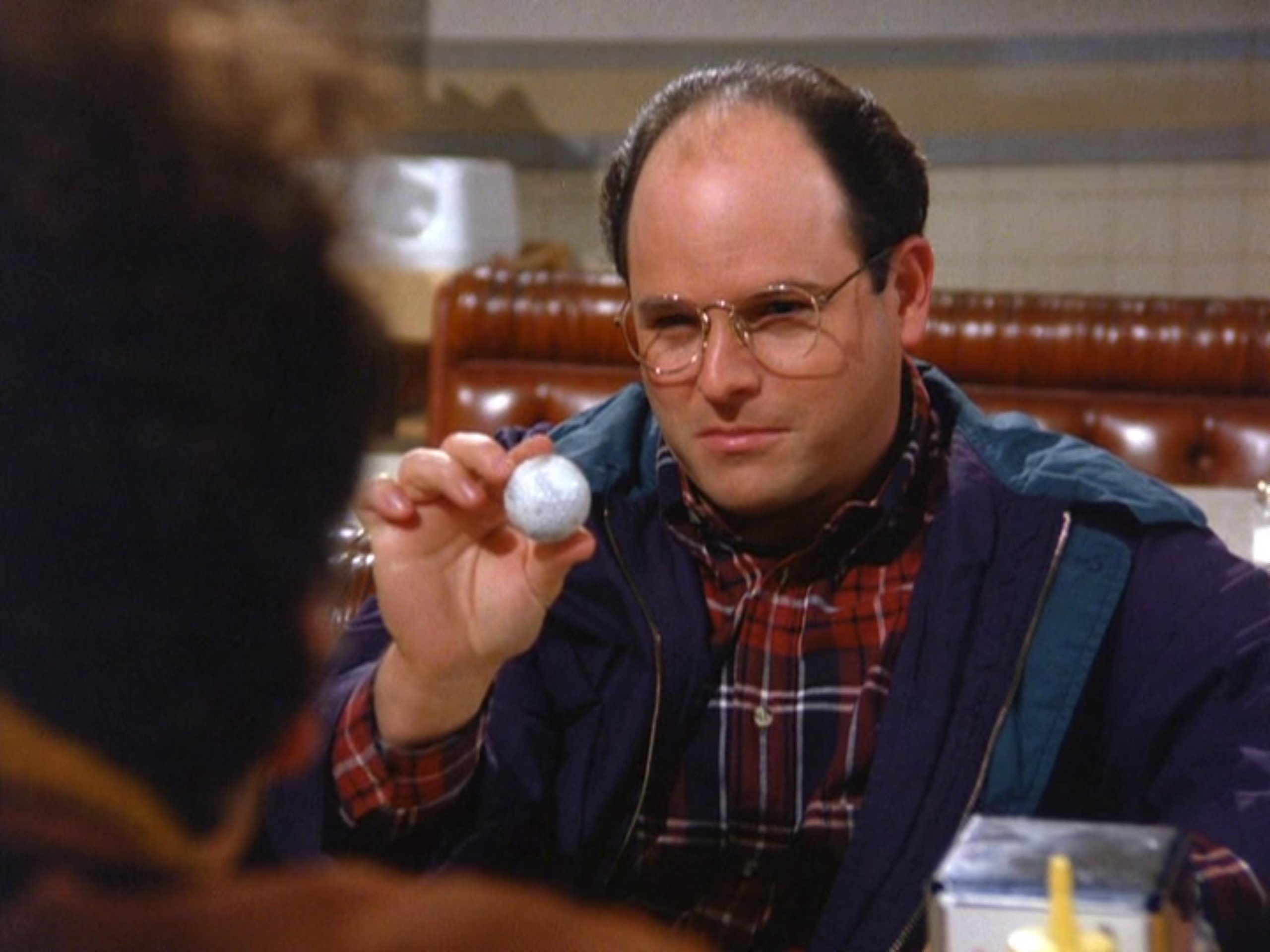
George’s lie about being a marine biologist and Kramer’s golf-ball problem eventually collide in one of the most satisfying setup-and-payoff sequences the series ever built.
“The Soup Nazi”
Lunch becomes a dictatorship, Elaine becomes a resistance movement and a side character turns into a permanent cultural reference in under half an hour.
“The Bizarro Jerry”
The show takes its own character chemistry apart and rebuilds it with an alternate friend group, proving how specific the original four had become.
Season four turned Seinfeld into a joke about itself
The season-four NBC pilot story is where the series got unusually bold about its own existence.
Jerry and George develop a sitcom called Jerry for NBC, and suddenly the real show is dramatizing the process that created the real show while also making fun of network executives, notes, casting, development meetings and the weird problem of explaining what the series is “about.”
This is where the “show about nothing” phrase becomes central. George insists that nothing should be the point. Jerry is less convinced. NBC is confused. The whole thing works because the real Seinfeld has already demonstrated that tiny behavior can carry television.
The arc also lets the show turn its own origin story into fiction without treating itself like a sacred object. George is not portrayed as a brilliant creative visionary. He is George Costanza with access to a network meeting, which is much funnier.
For viewers, this was a new kind of intimacy. We were watching characters who resembled the people creating the show argue about how to create a show that resembled the show we were watching.
Television had done self-reference before. Seinfeld made it feel like part of the mainstream comedy engine rather than a special episode winking at the audience.
That self-awareness would become standard later. 90s television was increasingly comfortable admitting that viewers understood television conventions. Seinfeld could joke about those conventions because the audience was in on the mechanics.
Seinfeld made New York feel like an endless argument waiting to happen
The show was produced in Los Angeles, but its comic imagination belonged to New York.
Not postcard New York. Not skyline New York. Seinfeld cared about apartment hallways, coffee shops, cabs, sidewalks, movie theaters, dry cleaners, bakeries and the kind of tiny spaces where strangers are forced close enough to irritate each other.
Jerry’s apartment is the base camp because it is controlled space. Jerry likes order. Kramer treats the door as a suggestion. George uses the apartment as an emergency consultation room. Elaine comes in already carrying whatever disaster happened outside.
Monk’s—or the diner exterior we all recognize as Monk’s—provides the neutral ground. It is where theories are announced, people are classified and plans are developed over coffee. The booth is basically a committee room for unnecessary grievances.
New York gives those grievances pressure. Space is scarce. Parking is scarce. Privacy is scarce. Everybody is near somebody else. A small breach of etiquette becomes more important because you cannot escape the public.
That is why the city feels essential even when an episode barely shows it. The comedy assumes dense urban contact. Neighbors appear. People overhear. Exes re-enter your life. Somebody you insulted three episodes ago can be standing in line behind you.
The version of New York is heightened, obviously, but it gave the show a rhythm that matched its characters: fast, compressed, judgmental and always one inconvenience away from an argument.
Why Seinfeld became one of the biggest sitcoms of the 1990s
By the middle of the decade, Thursday night on NBC felt less like a schedule and more like a national appointment.
Seinfeld was not alone. Friends became a phenomenon of its own. ER closed the night with enormous dramatic numbers. NBC could use the strength of Thursday to launch comedies around them. But Seinfeld became the sharpest comedy weapon in that lineup.
The 1995–96 numbers show the scale. According to Nielsen figures published by the Los Angeles Times, ER finished first for the season and Seinfeld second. Friends was third. That is a ridiculous concentration of audience power on one network night.
A year later, ER averaged about 30.79 million viewers for the 1996–97 season and Seinfeld was right behind it at about 30.56 million. NBC had seven of the top ten series. If you want the full board, our guides to the top TV shows of 1996 and top TV shows of 1997 put the show back in the ratings world it was dominating.
And this matters to the comedy story. Seinfeld did not change television from the margins. Its oddness became mass culture.
Why was Seinfeld so popular?
Part of the answer is timing. NBC gave the show a powerful Thursday-night home, but a great time slot alone cannot explain why viewers stayed. Seinfeld was unusually easy to recognize yourself in without needing to admire the characters. Everybody had waited too long for a table, obsessed over a date, dealt with a difficult neighbor or privately argued about some tiny rule nobody else seemed to understand.
The show also rewarded repeat viewing. A first watch delivered the lines. A second watch exposed the structure—the small detail planted early, the lie that would eventually collide with Kramer’s side story, the object that looked meaningless until the final scene. That combination of instant recognition and intricate construction helped turn a peculiar sitcom into a mass-audience hit.
A comedy about masturbation euphemisms, soup-line etiquette and a man pretending to be an architect was pulling audiences around 30 million viewers. The network system put the show in front of a gigantic mainstream audience, but the show did not have to turn conventional to hold them.
That is the heart of NBC’s Must See TV story in the 1990s: the network created a night where distinct shows could reinforce one another until Thursday itself became a brand.
Seinfeld ratings: how a strange little sitcom reached #1
The ratings arc is almost as funny as the show because nothing about the beginning screams “future national institution.”
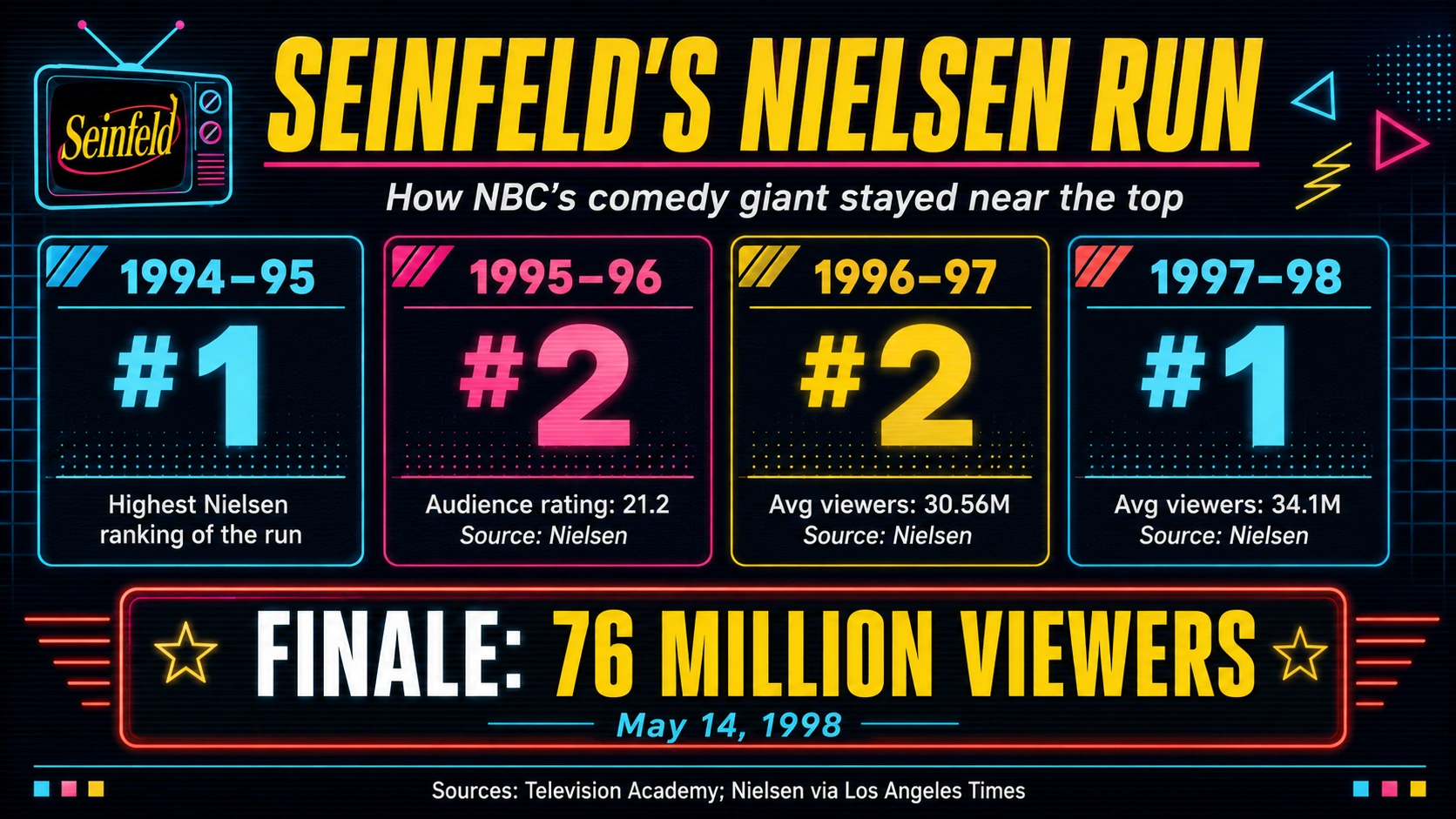
The Television Academy also notes that the show’s highest Nielsen ranking was number one in both 1994–95 and 1997–98. In other words, the series reached the top once, stayed elite, and then climbed back to number one for its final season. The 1996–97 season was also part of a larger NBC ratings pileup; our look at how NBC put seven shows in the 1997 Nielsen Top 10 shows just how concentrated that network power had become.
Those are difficult numbers to process now. If you need the translation, our explainer on why 90s TV ratings were so much bigger breaks down the network concentration, live viewing and Nielsen scale behind numbers like these.
But the cultural point is simpler: Seinfeld was not merely influential among comedy writers. Your parents knew Kramer. Your co-workers knew “yada yada.” People who never watched every week still knew what the Soup Nazi was.
Once a show reaches that level, it stops being only a television program. It becomes shorthand.
Seinfeld and Friends showed two very different versions of 90s adulthood
It is hard to talk about 90s comedy without eventually putting Seinfeld and Friends in the same room.
They shared NBC, Thursday nights, New York settings and groups of single adults whose friendships mattered more than traditional family structures. From far away, they look like part of the same shift.
Up close, they are almost opposites.
Friends says your friends can become your family. Seinfeld says your friends can become the people who help you justify a terrible decision.
Friends is comfortable with romance, growth and emotional payoff. Seinfeld treats growth like a suspicious sales pitch. Friends gives you apartments you want to live in with people you want beside you. Seinfeld gives you Jerry’s apartment and makes you wonder why Kramer is eating your food again.
Both versions resonated because 90s adulthood was changing on television. Single people, urban apartments, careers, dating and friend groups moved toward the center of prime time. The larger pattern is exactly what our 90s friend-group sitcoms story is built around, while the rise of the single-adult sitcom looks more closely at how that format spread across the decade.
For Gen X viewers, the contrast was part of the fun. You could want the emotional safety of Central Perk and still recognize the petty honesty of Monk’s.
Seinfeld treated dating as forensic investigation
Most romantic comedy asks whether two people have chemistry. Seinfeld asks what tiny behavior will make chemistry irrelevant.
Jerry dates constantly, but the relationship question is rarely “Could this become serious?” The question is, “What is wrong with this person?” And the joke is that Jerry is asking while being a deeply difficult person himself.
A laugh, a voice, a name, eating habits, hands, a wardrobe choice, a toothbrush incident—anything can become disqualifying once Jerry notices it. George wants romance and fears it simultaneously. Elaine has standards that can become a points system. Kramer occasionally appears to be living in a separate romantic universe where normal rules do not apply.
That made the show perfect for the 90s dating culture it was watching. There were answering machines, landlines, chance encounters and actual uncertainty about whether somebody would call. You could not check a person’s social history from the couch. A date produced information in real time, and the characters treated every piece of information like evidence.
The comedy is ruthless because it exposes the way people search for reasons. Sometimes a relationship is wrong. Sometimes the character just needs a flaw because commitment is scarier than irritation.
The show never presents this as healthy. It presents it as recognizable.
That distinction is why the dating stories still work even though the technology is ancient. Replace an answering machine with a text thread and the behavior is still there: overanalysis, waiting, reading signals, deciding one small thing reveals the entire person.
Seinfeld understood work as another place where adults perform normality
The show rarely treated careers as identity. Work was mostly another environment where people had to pretend they understood the rules.
George is the king of this idea. His instinct is not to become better at work. It is to become better at looking like somebody who is working. The desk, the briefcase, the annoyed expression—those are tools.
Elaine is more ambitious, but her workplaces become absurd systems of their own. Mr. Pitt has eccentric demands. J. Peterman speaks like every catalog description is a lost passage from an adventure novel. Pendant Publishing has office politics. Elaine’s competence keeps getting challenged by the fact that she is Elaine.
Jerry’s career is almost the control group. He works as a stand-up comedian, and the early seasons connect his daily experiences to the stage. That gives him flexibility the others lack. His job is literally to notice everybody else’s behavior.
Kramer barely recognizes the concept. He launches ideas, becomes associated with businesses, participates in schemes and somehow maintains an apartment across the hall. The economics are best left unexplored.
Again, the show avoids the usual workplace lesson. Nobody discovers that professional fulfillment was inside them all along. Work provides hierarchy, embarrassment, money and new people to annoy.
That perspective felt especially Gen X. Jobs mattered, but the show had zero interest in treating the office as a sacred path to self-actualization.
Elaine’s hair, Jerry’s sneakers and the unmistakable 90s Seinfeld look
You can date some early Seinfeld episodes before anybody says a word. Just look at Elaine’s hair.
That enormous early Elaine updo—the high, curly, puffed front with all that volume—has become almost as recognizable as the apartment. It still carries some late-80s DNA into the first half of the 90s, which is exactly what real fashion does. Decades do not change wardrobes at midnight on January 1.
The show itself even jokes about Elaine’s hair. And behind the scenes, hairstylist Judy Crown told the Television Academy that when she joined Seinfeld in 1993, Julia Louis-Dreyfus was wearing a hairstyle Crown thought should change. They changed it, and Elaine’s look gradually became softer and less towering as the decade moved on.
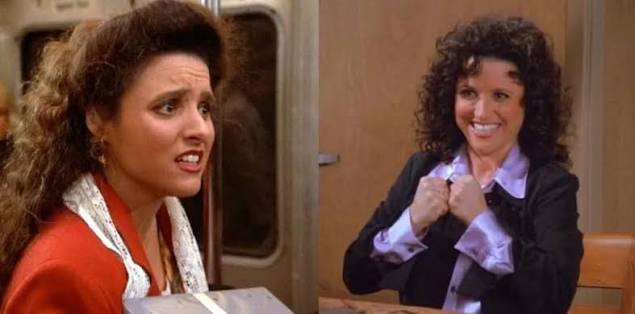
That evolution is one of those accidental time machines television gives us. Early Elaine looks like the very beginning of the 90s because the beginning of the 90s still looked partly like the 80s. Later Elaine looks like the middle and end of the decade because fashion had moved.
Elaine’s giant early hair
High, curly, unapologetically large. It became such a visual part of Elaine that later straightened styles can make a rewatch feel like somebody quietly changed the set.
Jerry’s white sneakers
Clean sneakers, tucked shirts, roomy jeans and bright athletic shoes became part of Jerry’s visual identity. His wardrobe can look more 90s now than many of the jokes do.
George and the hair question
George’s thinning hair is not hidden from the comedy. Toupees, miracle cures and baldness anxiety become exactly the kind of personal insecurity the show loves to put under fluorescent lighting.
Kramer dresses from another decade
Vintage shirts, high-waisted pants and jackets make Kramer look like he found a closet outside normal time. Somehow that only makes him age better visually.
And then there are the clothes we forget were completely ordinary because they now scream “1994.” Oversized shirts. Floral dresses. Chunky shoes. High-waisted pants. Big jackets. Jerry’s endless sneakers. George dressing like a man whose wardrobe strategy is “nothing anyone can blame me for.”
The show occasionally turns clothes directly into plot. “The Puffy Shirt” is the obvious example: one ridiculous shirt, one low talker, one failure to hear what was agreed to, and suddenly Jerry is appearing on television dressed like he should be loading cargo onto a pirate ship.
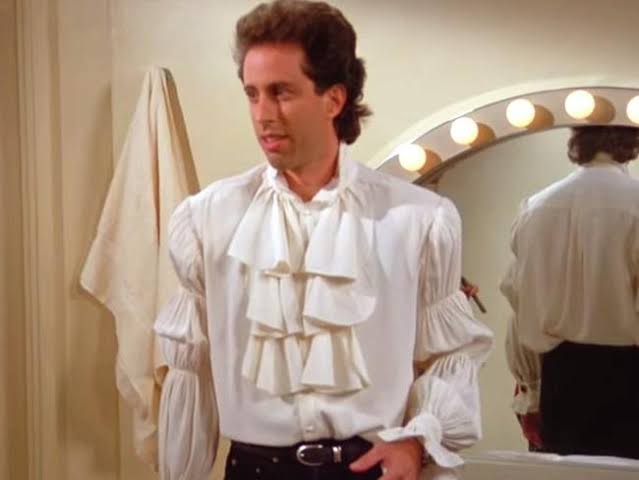
George gets his own fashion disasters and fantasies. He wants to drape himself in velvet. He tries a toupee. He briefly becomes a hand model. His clothing is usually conservative because George desperately wants to project normality even when nothing happening inside him is normal.
Kramer is the opposite. His wardrobe fits his personality because he seems to have acquired it through a network of people Jerry has never met. The vintage look, wild hair and physical movement make him visually different from everybody else before he opens his mouth.
That visual contrast matters more than it seems. The four characters have silhouettes. You can identify them from across the room.
For a nostalgia site, this is part of why Seinfeld is so satisfying to revisit. The show is not stylized as “the 90s.” It simply is the 90s. The computers get newer. The hair comes down. The clothes shift. The apartments stay familiar. Nobody announces that culture is changing because nobody living through a decade ever does.
Years later, those little changes may be more evocative than the big cultural markers. Elaine’s hair can put me back in the early 90s faster than a date stamped on the screen.
The parents expanded the Seinfeld universe without turning it into a family sitcom
One of the smartest things the series did was introduce parents who explained the characters without excusing them.
Frank and Estelle Costanza are not subtle people. Their home runs on grievance, volume and accumulated evidence. Once you meet them, George’s nervous system suddenly feels hereditary.
Frank in particular became a show inside the show. Jerry Stiller could turn a pause into danger. Festivus, the airing of grievances, feats of strength, “serenity now”—Frank’s world is built from failed attempts to impose order on anger.
Jerry’s parents, Morty and Helen, work differently. Their Florida life widens the show’s social map and gives Jerry a version of family obligation he cannot simply classify away. The condo politics, retirement-community rivalries and Morty’s various disputes feel like Seinfeld logic aged thirty years.
The parents also demonstrate how the show could deepen characters without sentimental backstory. We learn where George came from because we watch dinner become a crisis. No sad music required.
And the generational contrast gave the series another source of rules. Parents have rules. Adult children have rules. Condo boards have rules. Del Boca Vista apparently has enough rules to require international diplomacy.
The comedy remains behavioral. Family is not automatically warm or healing. Family is the group of people who know exactly which button to push because they installed it.
The supporting characters made Seinfeld feel like an entire city of weirdos
Jerry, George, Elaine and Kramer are the engine, but the show becomes a universe because New York keeps sending new people through the apartment door.
What separates Seinfeld from a lot of sitcoms with colorful guest characters is memory. These people came back. They had histories with the group. They had grudges. They had businesses, parents, jobs, girlfriends, apartments and completely unreasonable opinions of their own.
By the late 90s, hearing a name could get a laugh before the character even appeared.

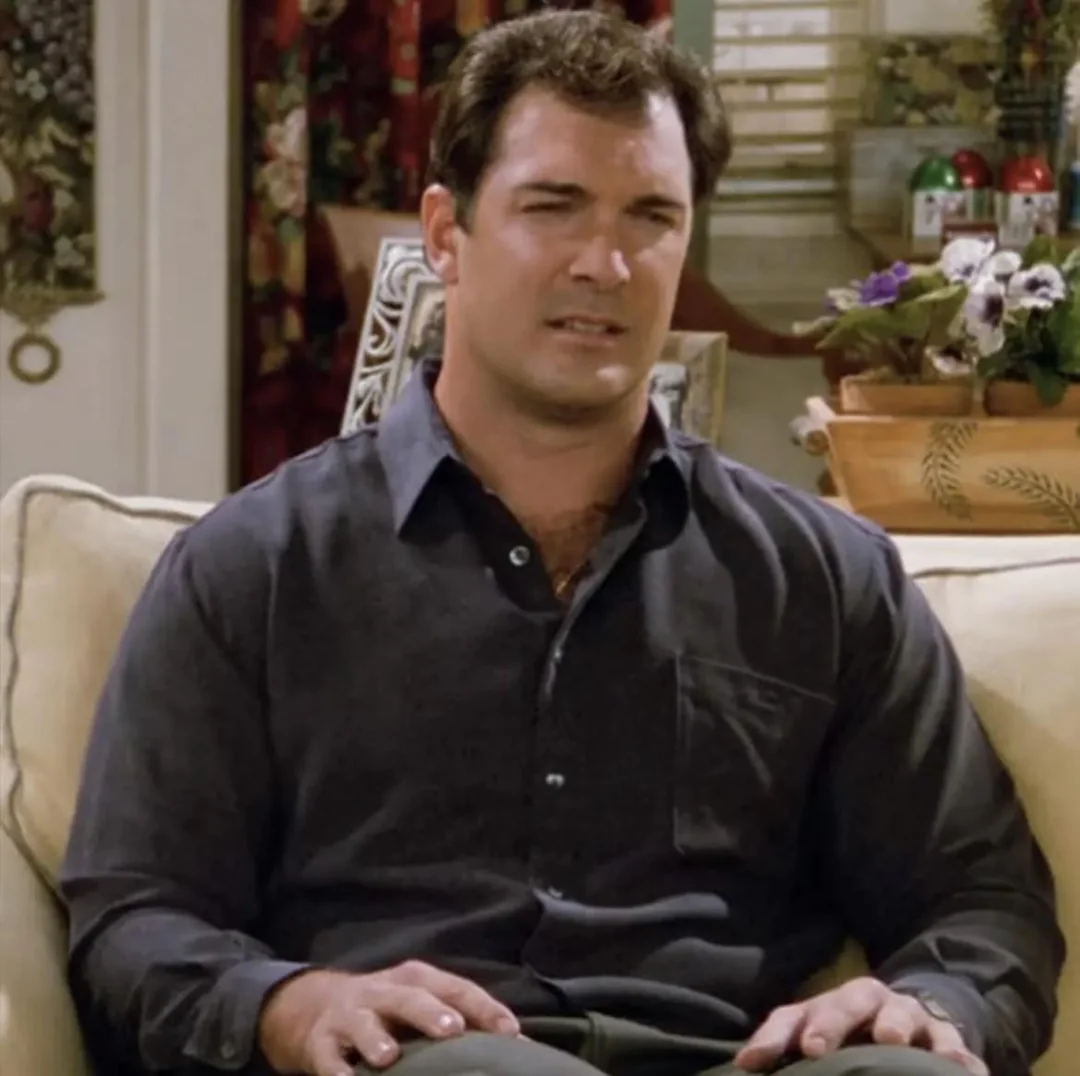
Newman was more than Jerry’s enemy
Newman works because the rivalry is absurdly disproportionate to the actual stakes. He is a mailman who lives in the building. Jerry reacts to him like a supervillain has entered the apartment.
Wayne Knight understood that Newman could not just be a loser. He needed dignity. Newman has appetites, schemes, confidence and occasionally information Jerry needs. His friendship with Kramer means Jerry can never completely exile him from the ecosystem.
The relationship also gives Jerry something the central four rarely have with one another: open contempt. Jerry and George may insult each other, but they are friends. Jerry sees Newman and his entire posture changes.
Puddy might be the perfect Elaine boyfriend because he refuses to match her energy
Elaine can argue with almost anybody. Puddy’s genius is that he does not always appear to notice there is an argument.
He stares straight ahead. He says what he thinks. He paints his face for a hockey game. He sits on an airplane without needing to fill the silence. Elaine can be vibrating with frustration and Puddy seems perfectly comfortable waiting for the universe to make the next move.
That contrast gives Julia Louis-Dreyfus some of her best late-series material. Elaine does not become calmer around Puddy. His calmness makes her seem even more Elaine.
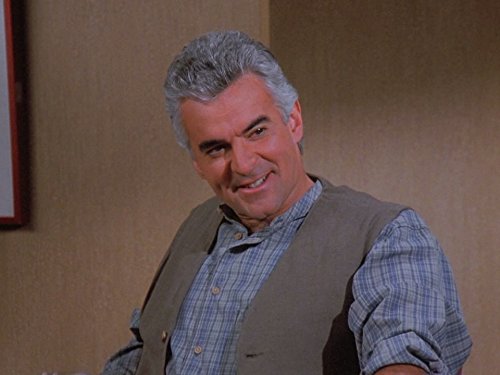
Peterman lets the show make fun of the way adults sell stories about themselves
Elaine’s J. Peterman years work because O’Hurley plays the character with total conviction. Peterman never sounds like he is joking. If a shirt has a story, that story has probably crossed an ocean, escaped a military coup and learned something important about cardamom.
He also gives Elaine a boss she cannot defeat by simply being sharper than he is. Peterman is operating on a frequency where normal evidence has limited power.
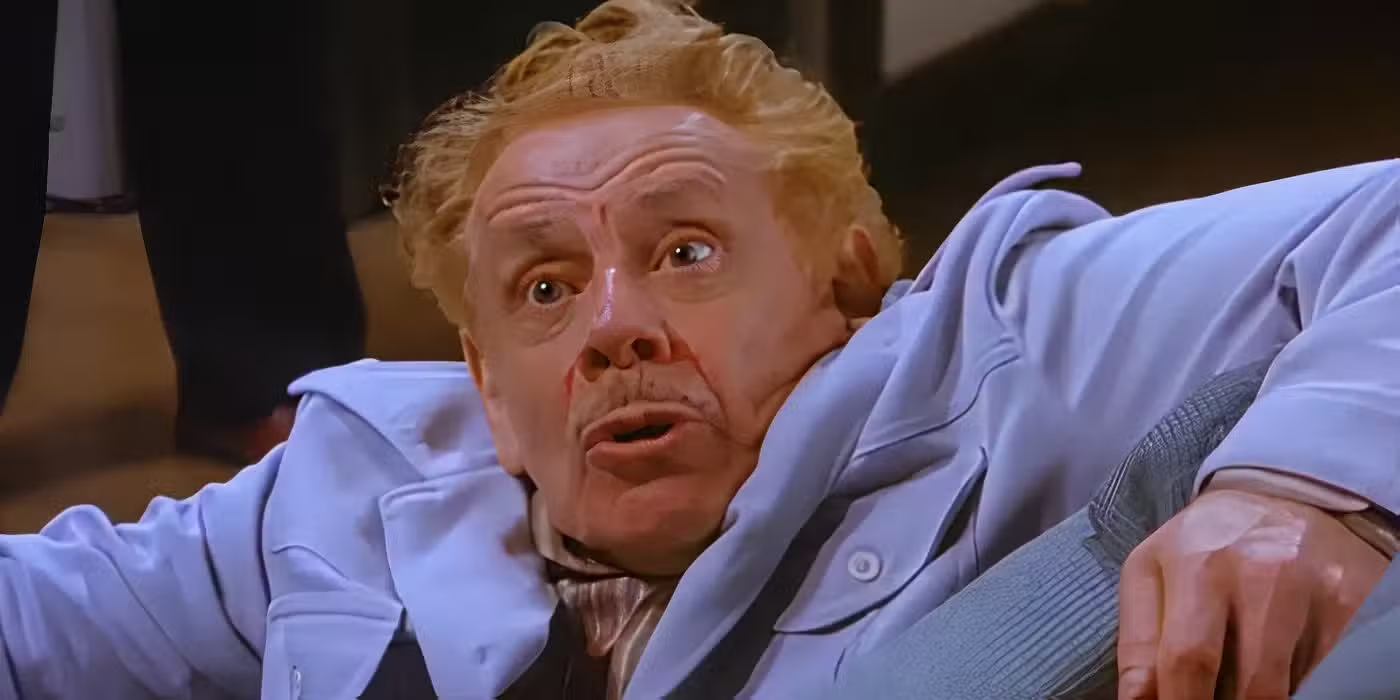
The Costanzas explain George without ever excusing him
Frank and Estelle are among the greatest parent additions in sitcom history because the second they appear, George’s nervous system stops being mysterious.
He grew up in this.
Frank has rules, grudges, inventions and unfinished arguments. Estelle can discover something emotionally catastrophic in information nobody else would have noticed. Their conversations make George’s habit of anticipating disaster feel less like paranoia and more like childhood training.
The show never turns that into therapy. It just lets us observe the evidence.
The recurring characters made the world keep receipts
This may be the deeper reason the supporting cast matters so much. Seinfeld did not reset completely at the end of every episode.
People returned. Exes returned. Employers returned. Parents returned. Somebody Jerry dismissed as an annoyance could appear seasons later carrying a completely different complication. George’s Yankees job created an entire second workplace universe. Elaine moved through publishers and bosses but accumulated history.
The central four rarely learn, but the world remembers.
That is a much funnier punishment system.
Seinfeld could turn an ordinary object into the entire episode
A marble rye. A golf ball. A Pez dispenser. A Junior Mint. None of these should carry emotional weight. Then Seinfeld gets hold of them.
One reason the show remains so easy to remember is that so many episodes attach themselves to physical objects. The object becomes a trigger. You see it years later and the episode comes back.
The marble rye becomes a covert operation because George’s parents and Susan’s parents cannot complete a dinner without turning bread into diplomacy.
The Junior Mint becomes funny because the object is so ridiculous against the seriousness of surgery. The episode keeps escalating until candy and medicine exist in the same sentence without the show blinking.
The Pez dispenser is even simpler. Jerry puts it on Elaine’s leg during a piano recital. Elaine laughs. That one tiny act creates a social disaster because laughing at the wrong time is exactly the sort of offense Seinfeld understands.
And the golf ball in “The Marine Biologist” is one of the all-time examples of why the show’s structure was so good. Kramer hitting golf balls into the ocean seems like a separate piece of silliness until George’s fake marine-biologist life arrives at a beached whale. Suddenly the object that looked disposable becomes the final punchline.
This is comedy memory built through props.
The apartments and recurring locations work the same way. Jerry’s cereal boxes. Kramer’s door. Monk’s booth. George’s Yankees office. Elaine walking into Jerry’s apartment already furious. The show creates repetition, then uses the repetition as setup.
By the later seasons, the audience does not need a lot of explanation. Show us Newman at the door, Frank Costanza taking a breath, Puddy staring forward or Kramer holding an unfamiliar object and we already know trouble has started.
That familiarity is part of what made Thursday night feel communal. We knew the rooms. We knew the people. We knew the rules.
We just did not know which rule was about to be violated.
Seinfeld made unsentimental comedy feel mainstream
The show did not hate emotion. It distrusted the idea that a sitcom had to stop being funny in order to prove it had a heart.
That distinction matters. Jerry, George, Elaine and Kramer care about each other. They show up. They listen—sometimes. They spend an extraordinary amount of time together. But the series almost never converts that bond into a speech about what friendship means.
For Gen X viewers raised on a lot of television that ended with a lesson, this felt liberating. You could have a half-hour where the characters behaved badly, experienced consequences and still did not stand in a kitchen telling each other what they learned.
The absence of sentimentality also sharpened the rare moments of genuine feeling. Susan’s death, for example, is treated with such uncomfortable emotional distance that it becomes one of the most debated choices the show ever made. The point is not that the series had no emotion. The point is that it refused the expected emotional cues.
That tone influenced what came later. More television comedies became comfortable with protagonists who were selfish, socially awkward or morally questionable. Not every later antihero comedy comes from Seinfeld, but the show demonstrated at enormous scale that likability could be replaced by specificity.
You did not need to want George Costanza as a roommate. You needed to know exactly why he would be upset about the roommate arrangement.
The Seinfeld finale turned a sitcom ending into a national television event
By 1998, ending Seinfeld was not simply ending a comedy. It was shutting down one of the engines of NBC Thursday night.
The final episode drew roughly 76 million viewers. The Television Academy lists 76 million; contemporary Nielsen reporting in the Los Angeles Times put the figure at 76.3 million. Either way, the scale is almost impossible to imagine in today’s fragmented television world.
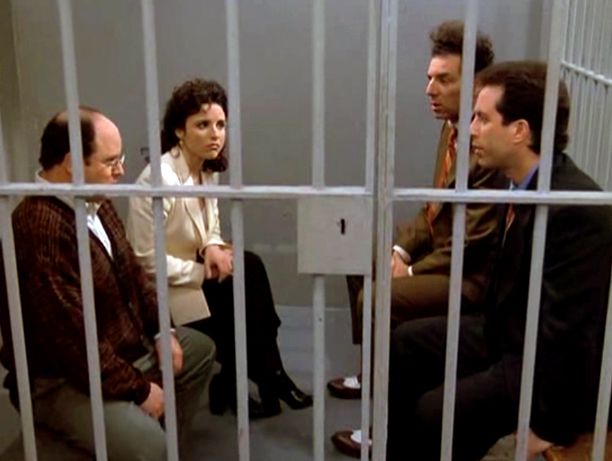
The finale itself remains controversial, which almost feels appropriate. Larry David returned to write it and put Jerry, George, Elaine and Kramer on trial after they fail to help a carjacking victim. Characters from the past appear as witnesses. The entire series becomes evidence.
For viewers hoping for warmth, romance or a grand nostalgic farewell, it was deliberately abrasive. The show had spent years refusing to improve these people. The finale refuses to pretend otherwise.
That does not mean everybody loved it. A huge portion of the audience clearly did not. But the logic is pure Seinfeld: if the series has been about four people endlessly judging everyone else’s behavior, the last joke is putting their behavior on the stand.
The final scene circles back to a conversation about a shirt button—the same kind of microscopic observation that had been there at the beginning. Nine seasons, national fame, massive ratings, and we are still arguing about a button.
That is either stubborn consistency or one of the best mission statements in sitcom history.
Watching Seinfeld in the 1990s meant carrying the jokes into real life the next morning
What I remember most is how fast the show escaped the television.
Somebody at work was going to mention the episode. Somebody at school was going to try the line. A behavior that did not have a name on Wednesday suddenly had a name on Friday.
This was before social media turned every episode into an instant global commentary feed. We did the commentary ourselves. In offices. On the phone. At lunch. At the bar. Seinfeld gave us phrases that worked like passwords.
And because the stories were built from ordinary irritations, the references kept getting refreshed by real life. Somebody talked too close and there it was. Somebody double-dipped and there it was. Somebody gave you something suspiciously familiar for your birthday and suddenly re-gifting was a legal case.
The show also fit Gen X skepticism. It did not sell us a life plan. These were adults with jobs, apartments and relationships who were still petty, confused and occasionally ridiculous. Adulthood had not transformed them into wise television parents.
That felt right.
There was also something comforting about the repetition. Jerry’s apartment. The diner. Kramer’s entrance. George arriving already angry. Elaine telling a story with escalating disbelief. You knew the rooms, but you never knew which tiny irritation was about to destroy the week.
That is why the show can still trigger such specific memory. It is not only nostalgia for episodes. It is nostalgia for the era when half the country could hear one joke on Thursday and spend Friday repeating it.
The show changed what sitcom characters were allowed to be
Once Seinfeld became a giant hit, television had proof that a comedy did not need conventional sweetness to reach a mass audience.
Characters could be difficult. They could be vain. They could fail to learn. A plot could start with etiquette instead of a family crisis. An episode could spend twenty minutes waiting for something and still feel propulsive.
That opens doors. You can see pieces of the legacy in later comedies built around awkwardness, self-interest, social rules, deeply flawed friend groups and protagonists who are not trying to become better people by the closing credits.
The influence is also structural. The dense collision of storylines, the willingness to let secondary characters recur across years, the confidence that audiences remember old behavior—all of that became more common.
Then there is the Larry David continuation. Curb Your Enthusiasm takes the social-rule obsession and removes many of the constraints of network sitcom production. It feels related because the grievance engine is related.
But Seinfeld remains unique because it did all of this inside the biggest broadcast system in America. It was weird at scale.
That is the piece I would not lose when talking about its legacy. Plenty of daring comedy exists on the edges. Seinfeld made tiny, neurotic, unsentimental comedy the center of Thursday-night mainstream television.
Seinfeld’s legacy: how the 90s sitcom changed comedy for good
The catchphrases are fun because they survived. The deeper legacy is the way the show taught viewers to notice behavior.
After Seinfeld, the smallest social discomfort looked like material. Waiting, ordering, dating, parking, office politics, gift etiquette, neighbors, parents, restaurants—anything could become comedy if the point of view was sharp enough.
The Television Academy counts nine seasons, 180 episodes, 68 Emmy nominations and 10 wins, including Outstanding Comedy Series in 1993. It also notes that the series reached number one in the Nielsen rankings twice and that the finale became its most-watched episode.
Those statistics explain scale. They do not explain why the show still feels usable.
A lot of old comedy depends on knowing the era. Seinfeld certainly has pagers, answering machines, landlines and a version of New York that belongs to its time. But the social instincts underneath are current. People still want credit. People still lie to avoid embarrassment. People still construct elaborate theories about dating. People still take one annoying habit and decide it reveals a person’s soul.
The technology changes. George remains George.
That is why Seinfeld belongs near the center of any serious look at 90s TV. It was not simply one of the decade’s biggest sitcoms. It changed the mainstream expectation of what a sitcom could consider important.
A show about nothing? Not really.
A show about all the tiny things we pretend do not bother us?
Absolutely.
Seinfeld FAQ: the 90s run, ratings, cast and legacy
When did Seinfeld first air?
The original pilot, The Seinfeld Chronicles, aired on NBC in 1989. The series then developed through its early seasons before becoming one of the defining comedies of the 1990s.
Who created Seinfeld?
Jerry Seinfeld and Larry David created the series. Seinfeld supplied the stand-up perspective and on-screen center; David was central to the show’s writing, structure and grievance-driven comic worldview.
Was Seinfeld really a show about nothing?
Not literally. The phrase became famous through the show’s season-four story about Jerry and George pitching a sitcom to NBC. The real series was built around everyday behavior, social rules and observational comedy.
How many seasons and episodes did Seinfeld have?
The Television Academy lists nine seasons and 180 episodes.
Was Seinfeld ever the number-one show on television?
Yes. The Television Academy notes that it reached number one in the Nielsen rankings in 1994–95 and again in its final 1997–98 season.
How many people watched the Seinfeld finale?
About 76 million people watched the May 14, 1998 finale. Contemporary Nielsen reporting put the audience at roughly 76.3 million.
How many Emmys did Seinfeld win?
The Television Academy lists 68 Emmy nominations and 10 wins for the series, including Outstanding Comedy Series in 1993.
Why was Seinfeld so influential?
It made small social irritations, selfish characters, intricate plot collisions and unsentimental comedy work at enormous mainstream scale. It helped change what network sitcoms were allowed to be about.
Seinfeld history, ratings and awards sources
- Television Academy — “Master of His Domain”, for the show’s origin, Jerry Seinfeld and Larry David’s early concept, NBC development history and late-run context.
- Television Academy — “Seinfeld By the Numbers”, for seasons, episodes, Emmy totals, Nielsen peaks and finale audience.
- Television Academy — Jerry Seinfeld biography, for creator and series history.
- Television Academy — Judy Crown interview, for the Seinfeld hairstylist’s account of changing Elaine’s hairstyle during the run.
- Merriam-Webster — “yada yada”, for the phrase’s pre-Seinfeld history and usage.
- Los Angeles Times — “Their Best Lines”, for contemporary coverage of Seinfeld expressions becoming national catchphrases.
- Los Angeles Times — 1995–96 Nielsen season rankings, for Seinfeld’s #2 finish behind ER.
- Los Angeles Times — 1996–97 season rankings, for the 30.56 million-viewer average and #2 finish.
- Los Angeles Times — 1997–98 Nielsen season rankings, for the #1 final season and 34.1 million average viewers.
- Los Angeles Times — Seinfeld finale ratings, for the 76.3 million Nielsen audience estimate.