How 60 Minutes Kept Beating Sitcoms and Dramas in the 1990s
How 60 MinutesKept Beating Sitcoms and Dramas in the 1990s
60 Minutes was one of the strangest ratings giants of the 1990s. No laugh track. No cliffhanger romance. No fictional hospital. Just a ticking stopwatch, reporting, interviews and a Sunday-night habit strong enough to keep the show near the top of television year after year.
How popular was 60 Minutes in the 1990s?
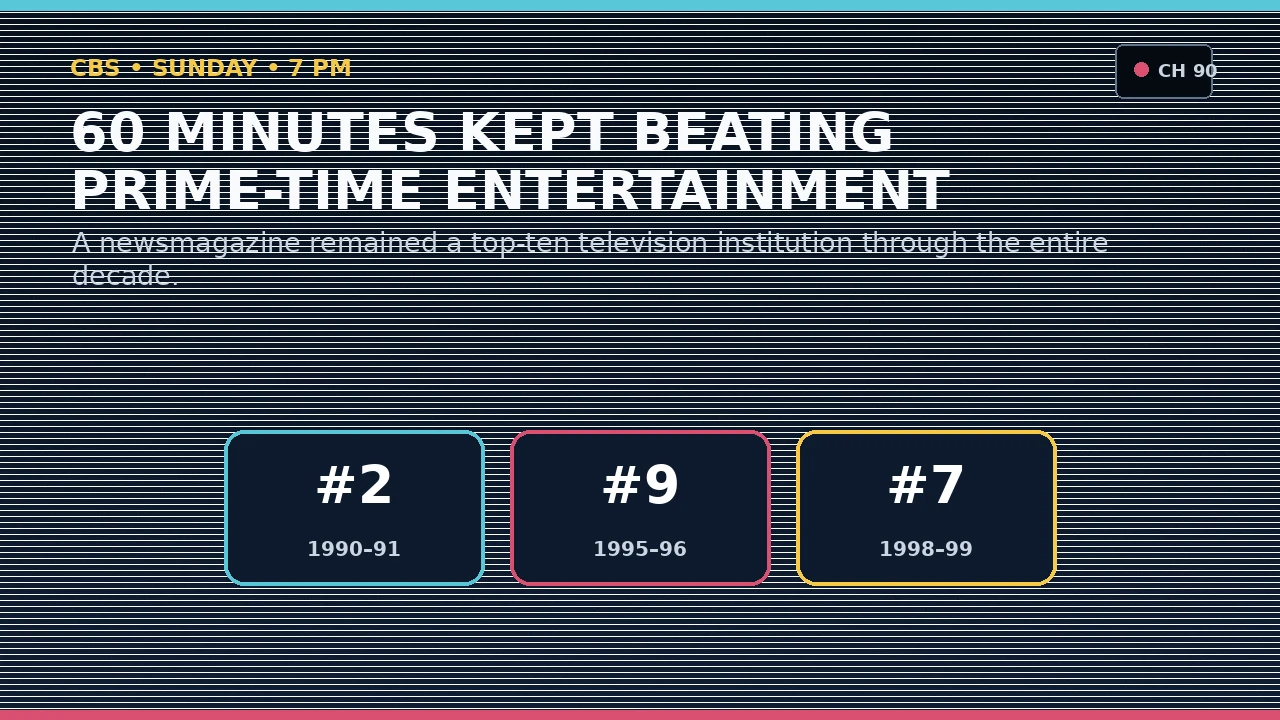
It remained one of television’s biggest programs. 60 Minutes finished #2 in 1990–91, #9 in 1995–96 and #7 in 1998–99. CBS said the broadcast ultimately spent 23 consecutive seasons in Nielsen’s top ten from 1977–78 through 1999–2000.
60 Minutes in the 90s Was a Ratings Institution, Not a Niche News Show
The most surprising thing about old Nielsen charts is how often a serious newsmagazine is sitting above the sitcoms, dramas and movies we remember as the center of the decade.
60 Minutes had been on the air since 1968 and in its permanent Sunday 7 p.m. home since the mid-1970s. By the time the 1990s started, it was not merely successful. It was embedded in the weekly rhythm of American television.
CBS’s own historical timeline says the program had already broken the record for consecutive top-ten seasons by 1988. It would extend that streak through the entire 1990s, eventually reaching 23 straight seasons from 1977–78 through 1999–2000.
That makes the show essential to the larger 1990s television story. The decade is often remembered through sitcom apartments, medical dramas and network comedy blocks. Yet one of the most durable mass audiences belonged to a news program built around long interviews, investigations, profiles and the sound of a stopwatch.
The format did not chase the 90s. The 90s kept showing up for the format.
60 Minutes Finished #2 in the 1990–91 Season
At the start of the decade, only Cheers ranked higher.
The 1990–91 season ranking placed 60 Minutes at #2 with a 20.6 household rating, ahead of Roseanne, A Different World, The Cosby Show, Murphy Brown and every other scripted series except Cheers.
That is almost hard to process from the streaming era. A newsmagazine asking viewers to sit through three substantial reported segments was not surviving on the margins. It was one of the central entertainment choices of the week.
Contemporary weekly ratings could be even more dramatic. During the Christmas week at the start of 1991, the Los Angeles Times reported 60 Minutes at #1 with a 23.3 rating and an enormous lead over the rest of the field.
The audience was not there because the show suddenly became lighter. It was there because decades of consistency had turned Sunday at seven into an appointment.

The 60 Minutes Format Was Almost Perfect for Habit Television
Don Hewitt’s central idea was deceptively simple: an hour could hold several strong stories instead of one long documentary.
The result created variety inside a rigid structure. An investigation could sit beside a celebrity profile. A foreign report could be followed by a consumer story. An adversarial interview could give way to something funny or reflective. Viewers did not need to care about every subject because another segment was always coming.
That design helped the show behave differently from a scripted series. There was no season-long plot to enter halfway through. Missing one Sunday did not create homework. A casual viewer could return at any time and immediately understand the format.
The ticking stopwatch, the correspondent introductions and the closing commentary supplied enough repetition to make the hour feel familiar. The stories supplied the weekly novelty.
That combination—familiar container, constantly changing content—is one reason the show could age without feeling as dependent on one era’s fashion as a sitcom set or a prime-time soap.

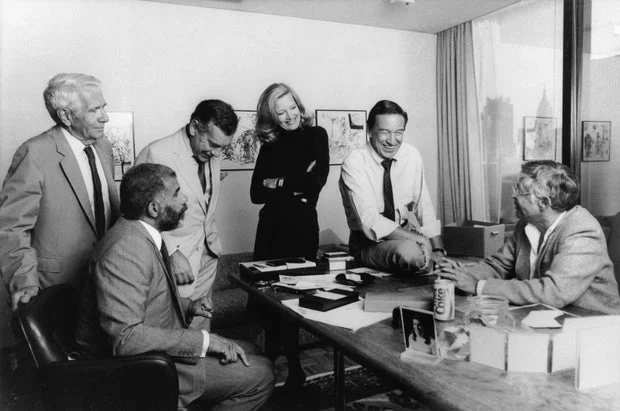
Mike Wallace, Morley Safer, Ed Bradley and Lesley Stahl Made Journalism Feel Like Character Television
A newsmagazine does not have fictional characters, but it absolutely has personalities.
Mike Wallace was identified with the hard interview, the moment when a subject had nowhere comfortable to go. Morley Safer brought a writerly, observational style. Ed Bradley could move from hard news to music and culture without losing authority. Lesley Stahl joined the core team in 1991 after Harry Reasoner’s departure and gave the decade another immediately recognizable correspondent.
Steve Kroft had arrived in 1989 and became increasingly important through the 90s. Andy Rooney’s closing commentaries gave the broadcast a cranky, idiosyncratic coda that viewers could imitate even when they disagreed with him.
The Television Academy archive lists the correspondents almost like a long-running ensemble cast, and that comparison is useful. Viewers developed expectations about how each person approached a story. Familiarity made the show easier to enter because the personalities functioned as guides.
The audience did not tune in for “episode 14.” It tuned in because it trusted the institution and knew the people delivering it.
Sunday at 7 Was Part of the 60 Minutes Brand
Some television shows survive time-slot changes. 60 Minutes turned one time slot into cultural infrastructure.
CBS had settled the program into Sunday at 7 p.m. by the mid-1970s. That placement eventually became inseparable from the show itself. The weekend was ending. Dinner was happening or just finished. School and work were waiting in the morning. The stopwatch arrived like a weekly marker that Sunday night had officially begun.
The broader CBS Sunday night story belongs to its own companion article because the network eventually built a strong late-90s ecosystem around 60 Minutes, Touched by an Angel and the Sunday movie.
For 60 Minutes, the slot mattered because it created repetition. A viewer did not need to remember a changing night or search a guide. Sunday at seven was automatic.
That kind of schedule loyalty is one reason the future appointment TV article needs to include news alongside entertainment. Shared viewing was not limited to finales and sitcom blocks.
60 Minutes Finished #9 in 1995–96
The mid-90s ratings environment should have been hostile to a long-running newsmagazine.
NBC Thursday was at full power. ER, Seinfeld, Friends, Caroline in the City, The Single Guy and Boston Common all made the top ten. Monday Night Football and Home Improvement were massive. The schedule was filled with aggressively promoted entertainment franchises.
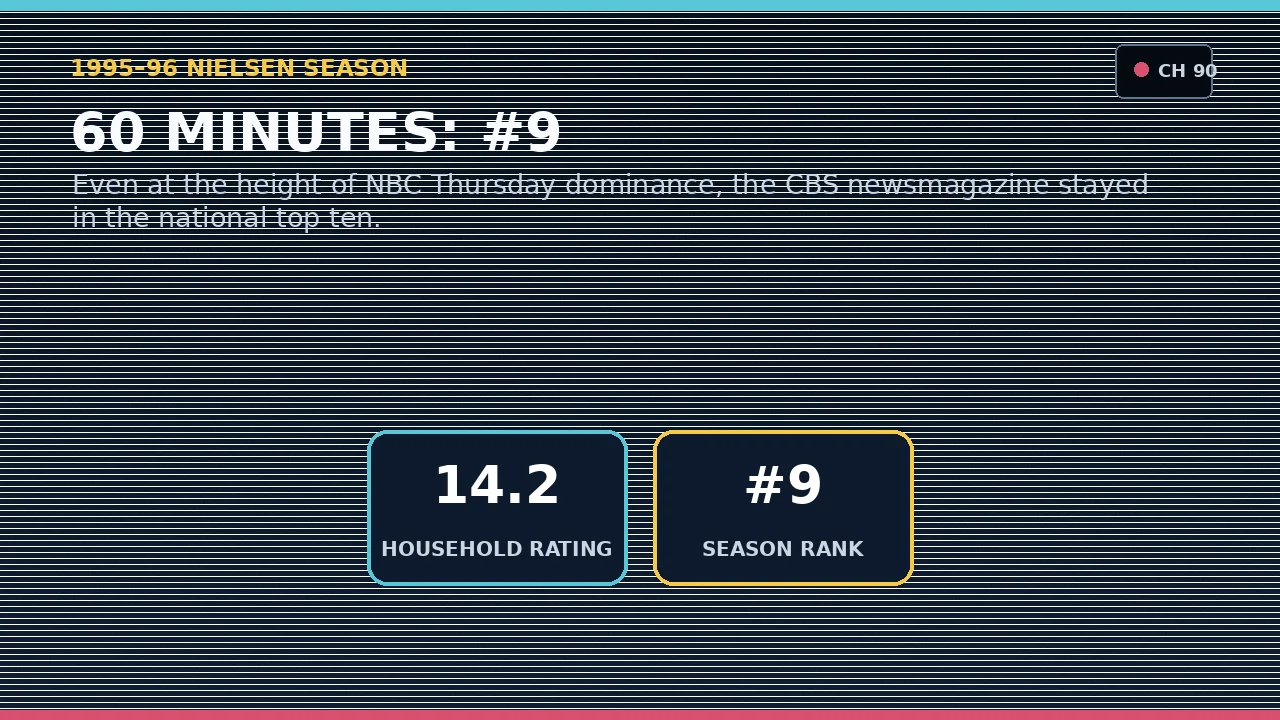
And 60 Minutes finished #9 with a 14.2 household rating.
The 1995–96 ranking shows how unusual that was. The program did not need a Thursday lead-in, a young cast or a breakout gimmick. It needed Sunday night, strong stories and the expectation that CBS would deliver something worth watching.
By then the household rating was lower than at the start of the decade, but that decline has to be read against a television universe with more cable competition and more total choices. The separate 90s ratings explainer owns that measurement issue.
60 Minutes Still Had the Power to Move a Story Beyond Television
Ratings alone do not explain why the show maintained its status. The reporting itself repeatedly became part of the week’s larger news conversation.
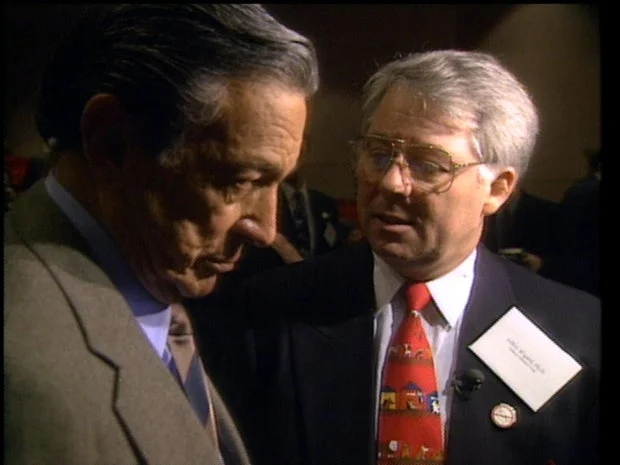
In 1992, Bill and Hillary Clinton appeared in a post-Super Bowl edition during the presidential campaign. In 1996, Mike Wallace’s interview with tobacco whistleblower Jeffrey Wigand aired after a delay caused by legal concerns. In 1998, the program broadcast video of Jack Kevorkian administering a lethal injection, generating intense public debate and legal consequences.
Those examples are not identical in journalistic purpose or controversy, but they show the scale of the platform. A 60 Minutes segment could be more than content inside the schedule. It could become the thing other news programs, newspapers and workplaces discussed afterward.
CBS’s historical timeline also shows how many major figures and issues passed through the hour during the decade. The show remained relevant because it was attached to current events rather than to a fixed premise that could age out.
That relevance fed the ratings, and the ratings fed the program’s ability to land major interviews. Success reinforced access.
60 Minutes Finished #7 in 1998–99
The end of the decade is where the show’s durability becomes almost absurd.
By 1998–99, cable was taking a much larger share of viewing and the broadcast networks were losing collective audience. Yet 60 Minutes finished #7 with a 13.2 household rating.
The 1998–99 ranking put ER, Friends, Frasier, Monday Night Football, Veronica’s Closet and Jesse ahead of it. The fact that a 1968 newsmagazine was still sitting directly behind those franchises is remarkable.
CBS’s 1999 milestones page said the program had been in the Nielsen top ten for 23 consecutive seasons and had finished #1 five different times, including three separate decades.
That kind of run is difficult to imagine now because the audience environment no longer supports the same level of concentration. 60 Minutes was not merely surviving change. It was demonstrating how strong a television habit could become before the era of fragmentation.

CBS Sunday Football Was a Powerful Lead-In—Until CBS Lost the NFL
One of the obvious explanations for Sunday ratings is football, and football absolutely mattered.
An NFL game could deliver a large audience directly into Sunday evening. CBS’s Don Hewitt history notes that the move to Sundays and the football relationship helped the show catch fire in the first place.
But the 1990s provided a natural experiment. CBS lost NFC football rights to Fox beginning with the 1994 season. If 60 Minutes had been little more than a football beneficiary, the ratings should have cratered.
Instead, CBS notes that the program still finished #6 for 1994–95. The audience habit was strong enough to survive the loss of the lead-in.
That is important because it separates help from dependence. Football could boost the Sunday flow, but viewers had learned to seek out 60 Minutes on its own.
The 90s Were Full of 60 Minutes Imitators—and 60 Minutes Still Led Them
Success always produces copies, and the 1990s became a boom period for prime-time newsmagazines.
20/20, Dateline NBC, Primetime Live, 48 Hours and other formats filled schedules because they could be timely, flexible and often cheaper than scripted entertainment. Don Hewitt joked that behind every newsmagazine was a failed sitcom.
The proliferation could have diluted the original. Instead, it often reinforced what made 60 Minutes distinct: the Sunday slot, the correspondent identities, the stopwatch, the long institutional memory and a reputation built over decades.
The other shows could win nights and produce major stories. 60 Minutes had something they could not manufacture quickly: habit.
That is why it kept beating scripted shows even after its format was no longer unique.
What 60 Minutes Felt Like in a Gen X House
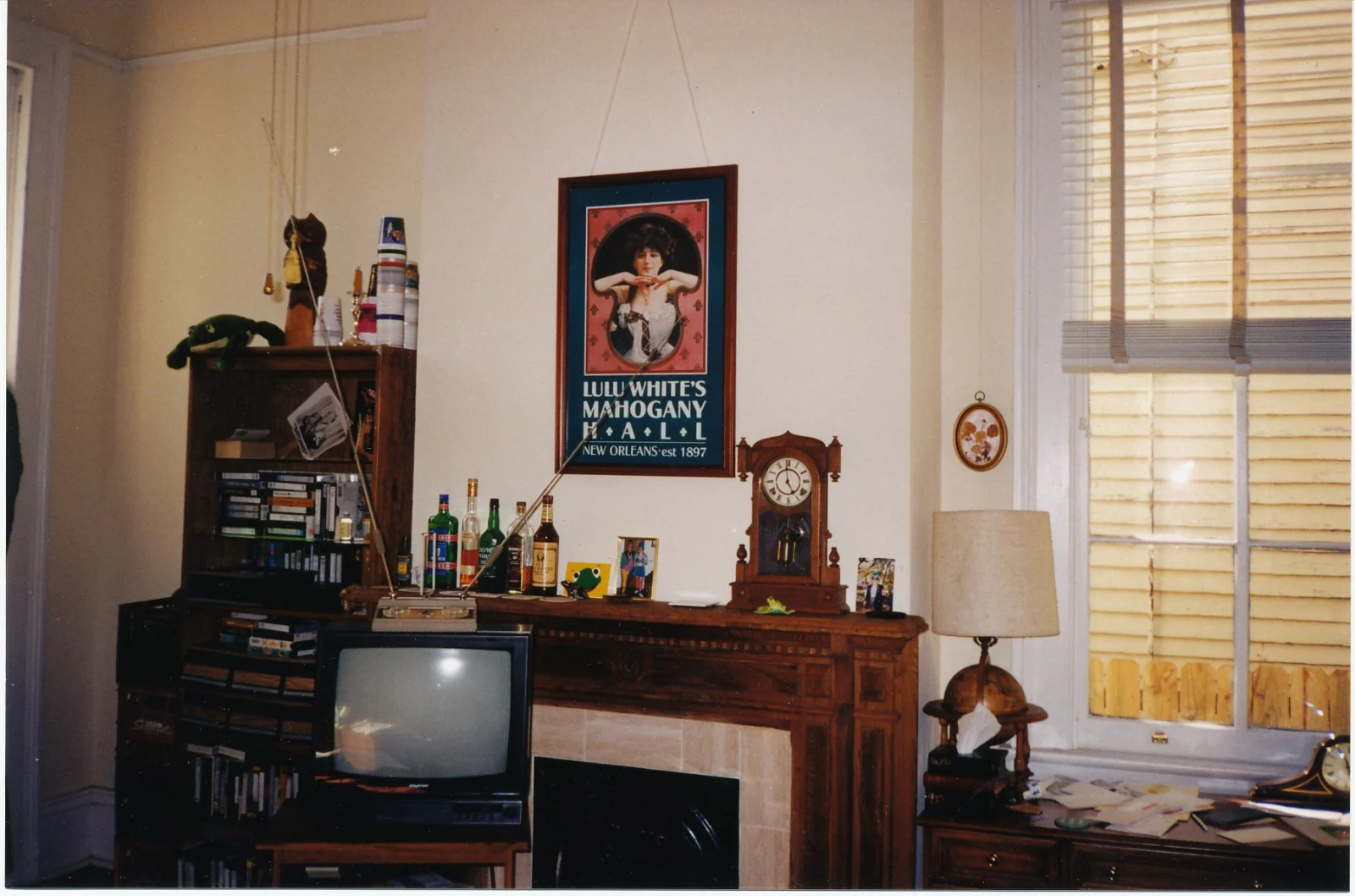
For a lot of Gen X kids, 60 Minutes was not something you chose. It was something that appeared in the house.
The adults watched it. Dinner might be happening. Homework still needed to be finished. The ticking stopwatch was practically an audio reminder that Monday morning was getting closer.
Even if you were not following a story about foreign policy or corporate misconduct, the show became part of the room. You knew Mike Wallace’s voice. You knew Andy Rooney’s eyebrows. You knew the ticking.
That kind of ambient familiarity matters. Television used to create common culture partly because people absorbed programs they did not actively select. A household with one main television made everybody adjacent to the same schedule.
60 Minutes may be the purest example of a serious program becoming pop culture simply by being unavoidable for long enough.
60 Minutes Stayed Huge Because It Turned Consistency Into a Competitive Advantage
A 23-season top-ten streak is not just a collection of good years. It is a television habit surviving multiple generations of competition.
60 Minutes entered the 1990s already established, then outlasted new sitcom cycles, drama trends, network ownership changes, the rise of Fox, cable growth and the first signs of digital fragmentation.
It could do that because the show renewed its subject matter every week while preserving everything viewers used to recognize it. The stopwatch stayed. Sunday stayed. The correspondents evolved slowly. The reporting moved with the news.
In an era obsessed with youth and novelty, one of the biggest shows on television was built on trust, repetition and the promise that somebody would ask a difficult question for more than ninety seconds.
That is why the 90s ratings still matter. They show a serious news program competing as mass entertainment—and winning.
60 Minutes Could Age Because the Product Was Authority and Curiosity
Most prime-time shows fear looking old. 60 Minutes turned age into evidence.
The correspondents were not sold as youth culture. The set was not redesigned every season to chase fashion. The stopwatch did not need a new logo package every time MTV changed graphics. The show’s value came from the idea that experienced journalists had access, time and institutional backing to pursue stories other programs could not.
That made continuity a competitive advantage. A viewer who had watched Morley Safer or Mike Wallace for years brought accumulated expectations into the next report. CBS did not need to reteach the audience what the program was every fall.
The show could still evolve. New correspondents arrived. Production technology changed. Stories shifted with the world. But the recognizable structure made those changes feel like additions to an institution rather than reinventions designed to rescue a fading format.
In the 1990s, when networks were constantly chasing younger demographics with new comedies, 60 Minutes proved there was still enormous commercial value in a mature audience that showed up reliably.
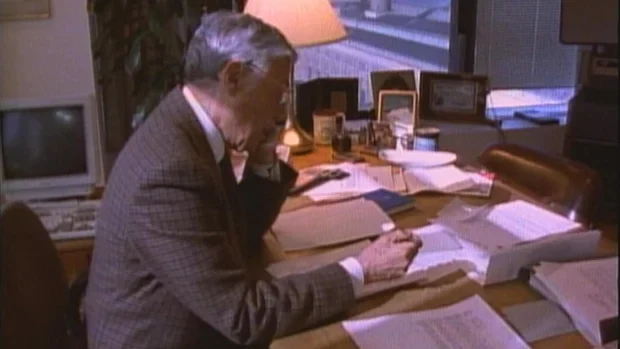
60 Minutes II Showed How Powerful the Brand Had Become by 1999
A network does not create a second edition of a format unless it believes the original name carries unusual weight.
CBS announced 60 Minutes II in 1998 and launched it in 1999, extending the reporting style to another night with a separate team and original stories. The move was partly a response to the 90s newsmagazine boom, but it also demonstrated how strong the 60 Minutes identity had become.
The original did not need a sequel to survive. CBS wanted more of the product because audiences and advertisers had shown that long-form reported television could still compete in prime time.
The second edition also highlights a paradox of the decade. Viewers were fragmenting across more channels, yet networks were adding more newsmagazines because the format was flexible and economically attractive. More competition did not immediately weaken the original; it made the original’s reputation more valuable.
By the time 60 Minutes II arrived, the first hour had become less a program title than a seal of television journalism.
Awards and Reputation Made 60 Minutes Easier to Trust Before the Story Even Began
A ratings habit becomes harder to break when it is backed by a reputation for serious work.
By the 1990s, 60 Minutes had accumulated decades of Emmys, Peabodys and other journalism awards. CBS’s 1999 milestones page noted 78 Emmy Awards by that point and a long list of major journalism honors.
Awards do not automatically create viewers, but they strengthen the institutional promise. The audience could reasonably expect that an hour carrying the 60 Minutes name would have resources, access and editorial seriousness behind it.
That expectation mattered in a decade when networks filled prime time with more newsmagazines. Competitors could copy the format. They could not instantly copy the accumulated credibility of the original.
Reputation reduced the cost of deciding whether to watch. On Sunday night, the title itself was the recommendation.
The Biggest News Program Could Get the Interviews Other Programs Wanted
A top-rated news show gains a competitive advantage that a sitcom cannot: important people want to use its audience.
Politicians, celebrities, whistleblowers, business leaders and public figures knew that a 60 Minutes appearance could reach an enormous national audience and then echo through the rest of the media. That made the program a destination for interviews that themselves helped preserve the show’s importance.
The cycle was self-reinforcing. Large audience created access. Access produced exclusive stories. Exclusive stories reinforced the audience habit.
That is one reason the program could remain powerful even when the broader newsmagazine format became crowded. The most valuable commodity was not simply the three-segment structure. It was the institution’s ability to put consequential people in front of a camera and make the encounter feel worth an hour of Sunday night.
60 Minutes Reminds Us How Broad the Old Definition of a Hit Could Be
The 90s top ten was not limited to sitcoms, dramas and sports.
A serious newsmagazine could compete in the same ratings neighborhood because the mass network audience was broad enough to support very different kinds of programming at enormous scale. That diversity is easy to overlook when nostalgia reduces the decade to comedy catchphrases and famous finales.
60 Minutes complicates the memory in a useful way. Millions of viewers were willing to spend Sunday evening with investigative reporting, foreign stories, long interviews and profiles because the program had made that behavior habitual.
The show’s success is one of the clearest reminders that “prime-time entertainment” once described a much wider shared television culture than the phrase suggests today.
That breadth also gave families a rare program multiple generations could recognize even when they cared about different segments. One person might wait for a political interview, another for a celebrity profile and another for Rooney at the end. The hour was broad without being generic.
That is an extraordinary definition of mass appeal.
60 Minutes Turned Consistency Into One of Television’s Strongest Habits
The stopwatch, the Sunday slot and the correspondent-driven format made the program instantly legible before the first story began.
That consistency did not mean the journalism stood still. The subjects changed every week, sometimes dramatically. What stayed stable was the promise: three substantial stories, recognizable correspondents and a pace that assumed viewers would give the program their attention. In the noisier television environment of the late 90s, that familiarity became an asset rather than a liability.
Frequently asked questions
How high did 60 Minutes rank in 1991?
It finished #2 in the 1990–91 season with a 20.6 household rating, behind only Cheers.
How long was 60 Minutes in Nielsen’s top ten?
CBS says it spent 23 consecutive seasons in the top ten from 1977–78 through 1999–2000.
Where did 60 Minutes rank in 1996?
It finished #9 in the 1995–96 season with a 14.2 household rating.
Where did 60 Minutes rank in 1999?
It finished #7 in the 1998–99 season with a 13.2 household rating.
Did NFL football cause the show’s ratings?
Football was an important Sunday lead-in, but 60 Minutes remained a major hit after CBS lost its NFC package to Fox in 1994.
Who were the major 60 Minutes correspondents in the 1990s?
The decade included Mike Wallace, Morley Safer, Ed Bradley, Steve Kroft, Lesley Stahl and Andy Rooney, among others.