The Golden Girls in the 90s: Why the Girls Still Had the Audience
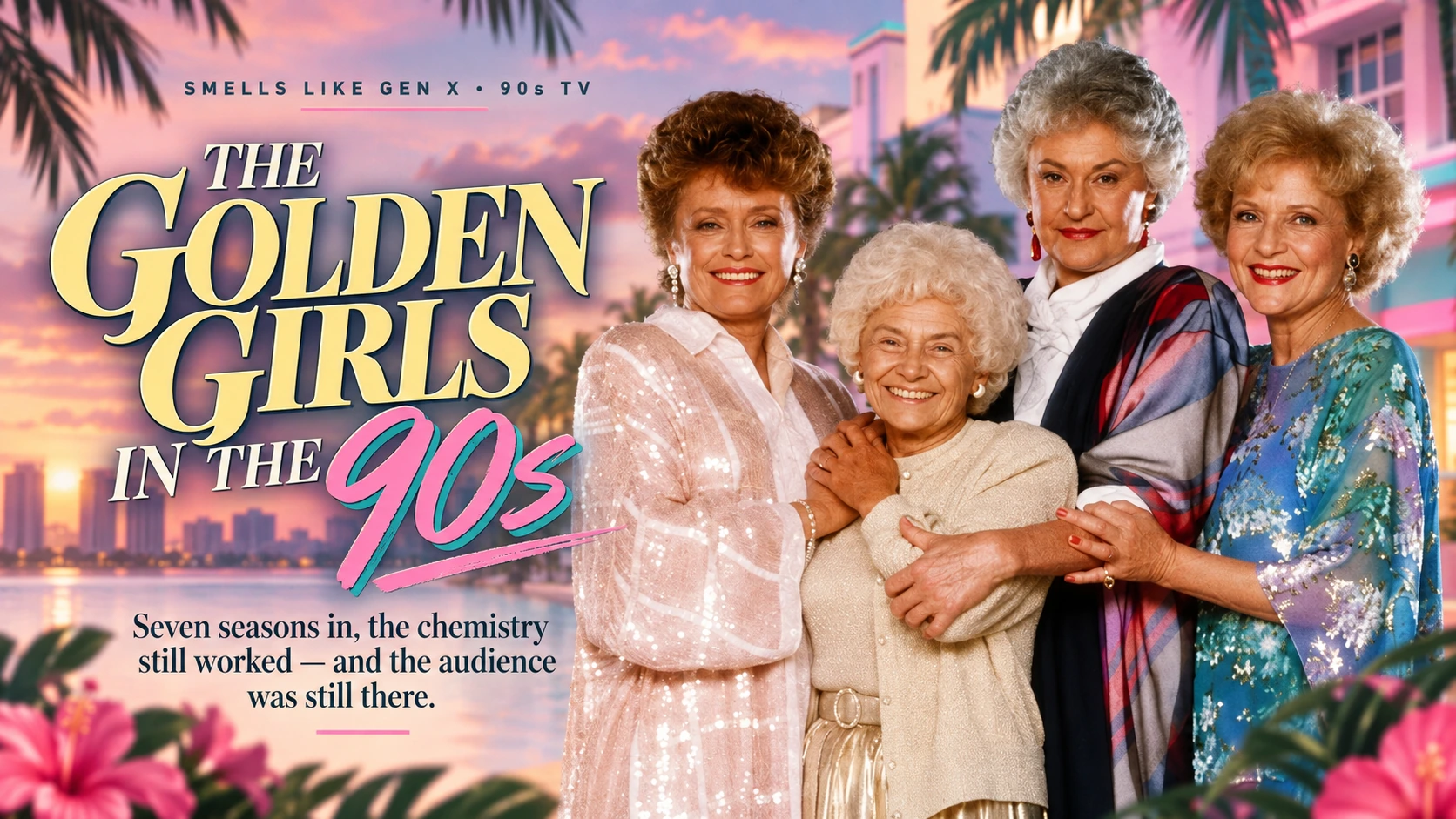
The Golden Girls in the 90s: Why the Girls Still Had the Audience
The Golden Girls entered the 90s as a veteran sitcom and still remained part of the national conversation. Here’s why the late-run ensemble kept working.
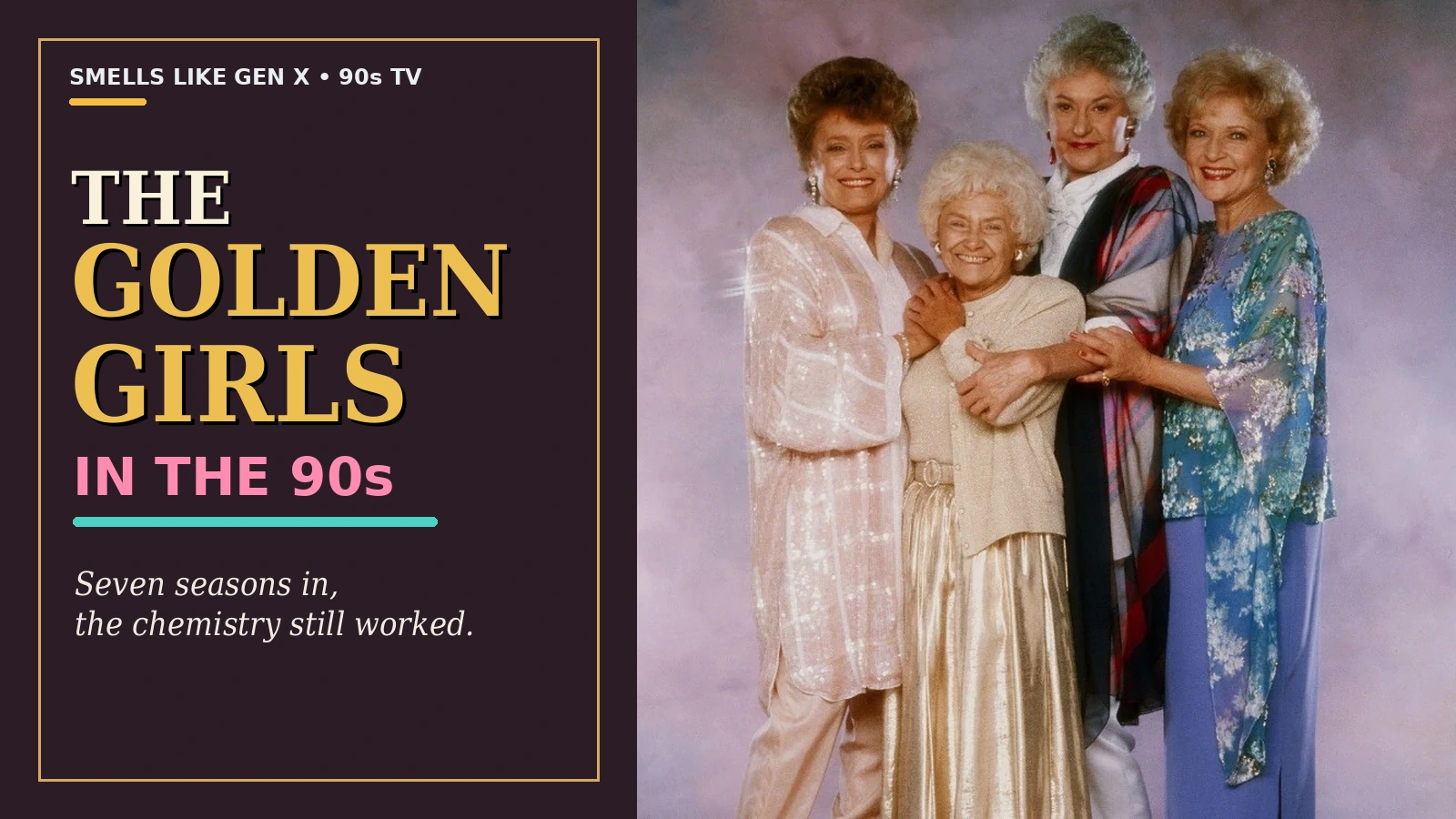
Why was The Golden Girls still a major show in the early 1990s?
Because the series had become a habit without becoming stale. Dorothy, Rose, Blanche and Sophia had years of accumulated chemistry, NBC still treated the show as a major comedy, and the 1990–91 season brought another Outstanding Comedy Series nomination. Its audience knew exactly what the show was and still wanted that room every week.
The Golden Girls Entered the 90s With Nothing Left to Prove
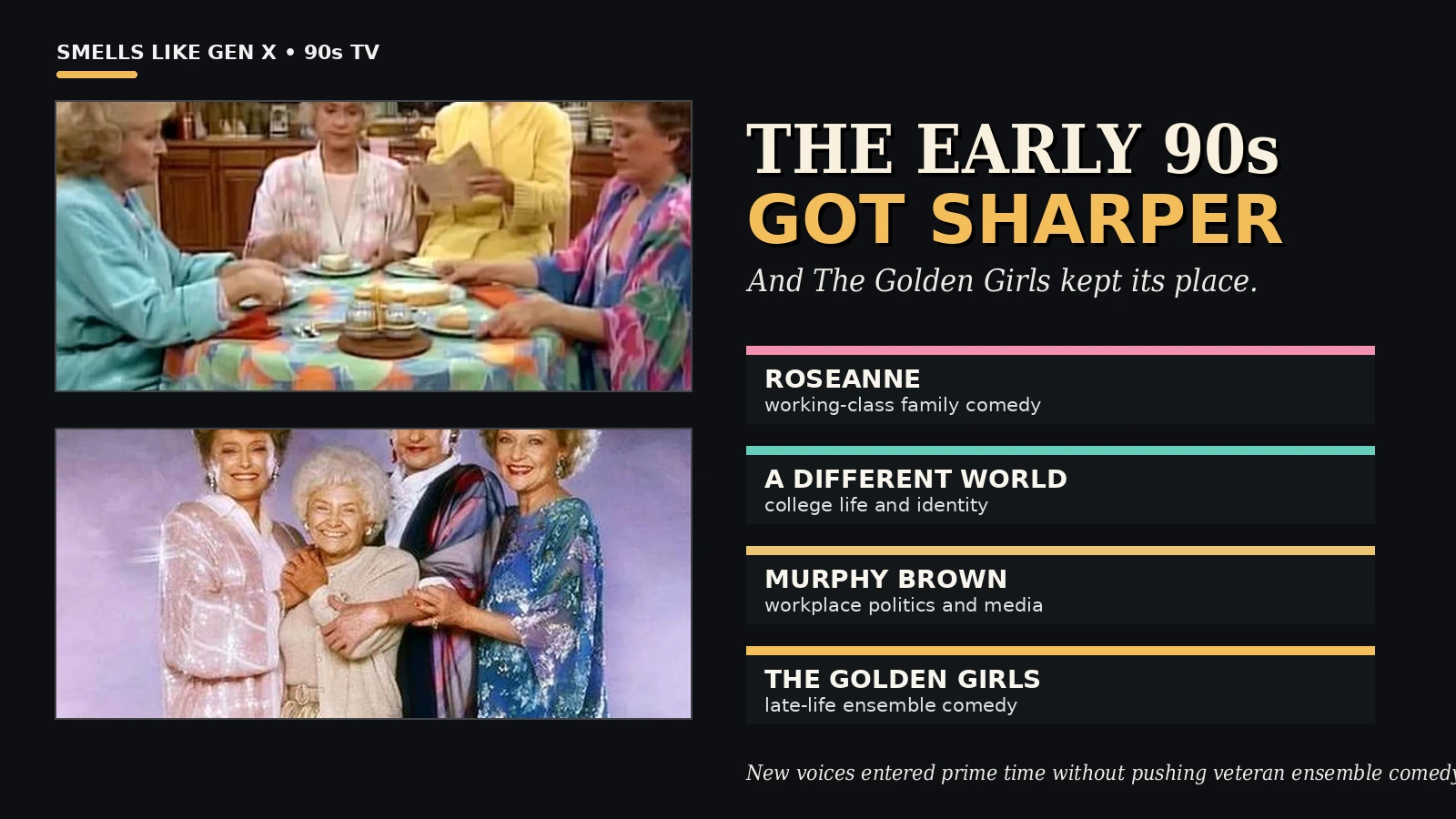
By 1990, The Golden Girls was already an institution. That is usually the point where television history starts speaking in the past tense: beloved show, iconic cast, classic episodes, end credits. But viewers at the time were not watching a museum piece. They were watching a current NBC comedy with an ensemble that still had speed, bite and an almost unfair amount of chemistry.
That late-run strength is the reason this page belongs inside our 1990s TV coverage rather than being treated as an 80s footnote. The show crossed the decade line with its identity intact. It did not suddenly become young, trendy or self-consciously modern. It simply kept being very good at a kind of television that millions of people had built into their week.
That matters because television ages differently when you experienced it live. In 1991, the girls were not retro. They were just on Saturday night. The Miami house, the kitchen table and the quartet’s rhythms were current fixtures in the same media landscape as newer shows that now feel more obviously “90s.”
The Jokes Landed Because the Relationships Were Already Loaded
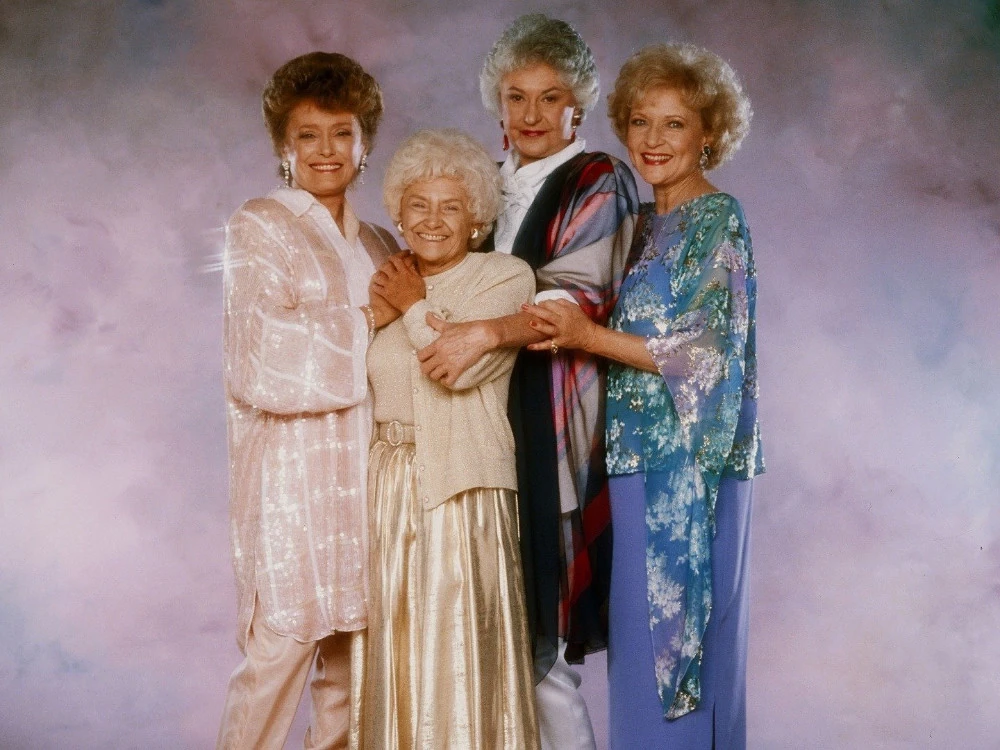
A late-run ensemble has an advantage a new show cannot fake: history. Dorothy could look at Rose for half a second and the audience supplied years of context. Sophia could walk into the kitchen and the room already knew the danger level. Blanche’s romantic confidence, Rose’s St. Olaf stories and Dorothy’s exasperation were not merely character traits. They were recurring instruments the performers had learned to play together.
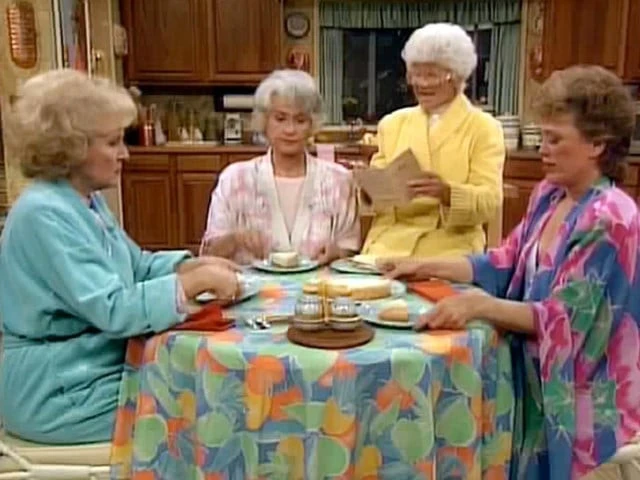
That familiarity is sometimes dismissed as formula, but formula is only a problem when the audience can see the machinery. The Golden Girls kept finding new emotional combinations inside an established structure. The cheesecake table was predictable in the same way a favorite bar or diner is predictable: the pleasure came from knowing who would be there and not knowing exactly what they would say.
The speed of the ensemble also gave the show permission to move. It did not need to explain who was offended by what or why one particular insult landed. The audience brought the backstory. That efficiency let a veteran sitcom feel sharper than younger shows still teaching viewers how their characters worked.
Four Older Women Were Allowed to Be the Whole Show
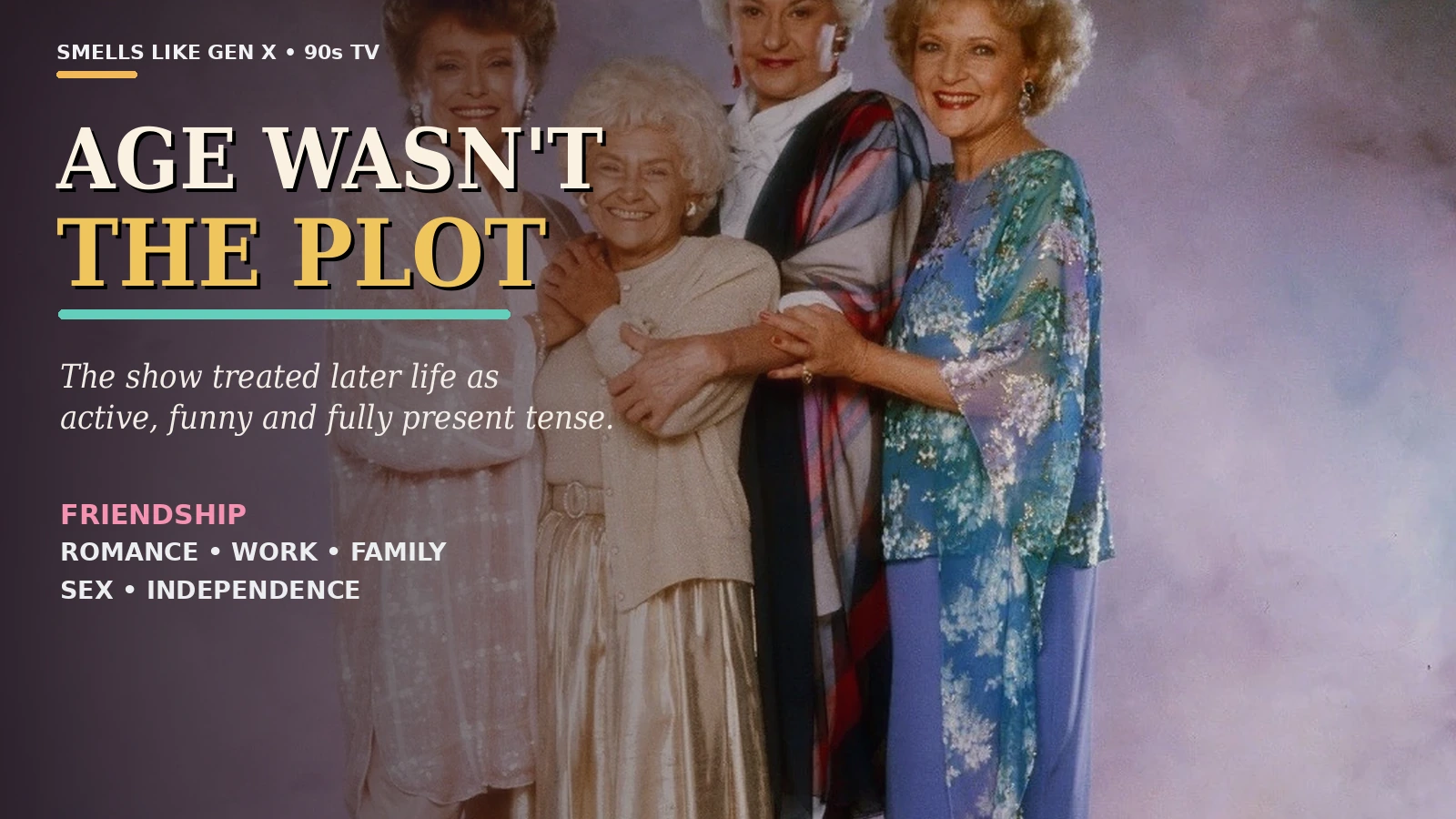
One of the strange side effects of the show’s popularity is that its premise can now feel less radical than it was. The series centered women in later adulthood and treated romance, sex, friendship, work, health, family conflict and independence as active present-tense stories. The women were not supporting mothers or grandmothers orbiting younger leads. They were the leads.
That mattered even more as the 90s television market began chasing younger demographics with increasing intensity. The Golden Girls did not win by pretending its characters were younger. It won by making age one fact among many. Sophia’s age mattered; so did her cruelty. Blanche’s age mattered; so did her appetite. Dorothy’s age mattered; so did her intelligence and insecurity. The show refused the idea that later life was a single personality type.
That refusal is one reason younger viewers could connect with the show too. The characters had specific ages, but the comic problems—jealousy, loneliness, pride, bad dates, family pressure—were not locked to one generation. The series was older-adult television without becoming age-segregated television.
The Show Was Still Competing With the Best Comedies on Television
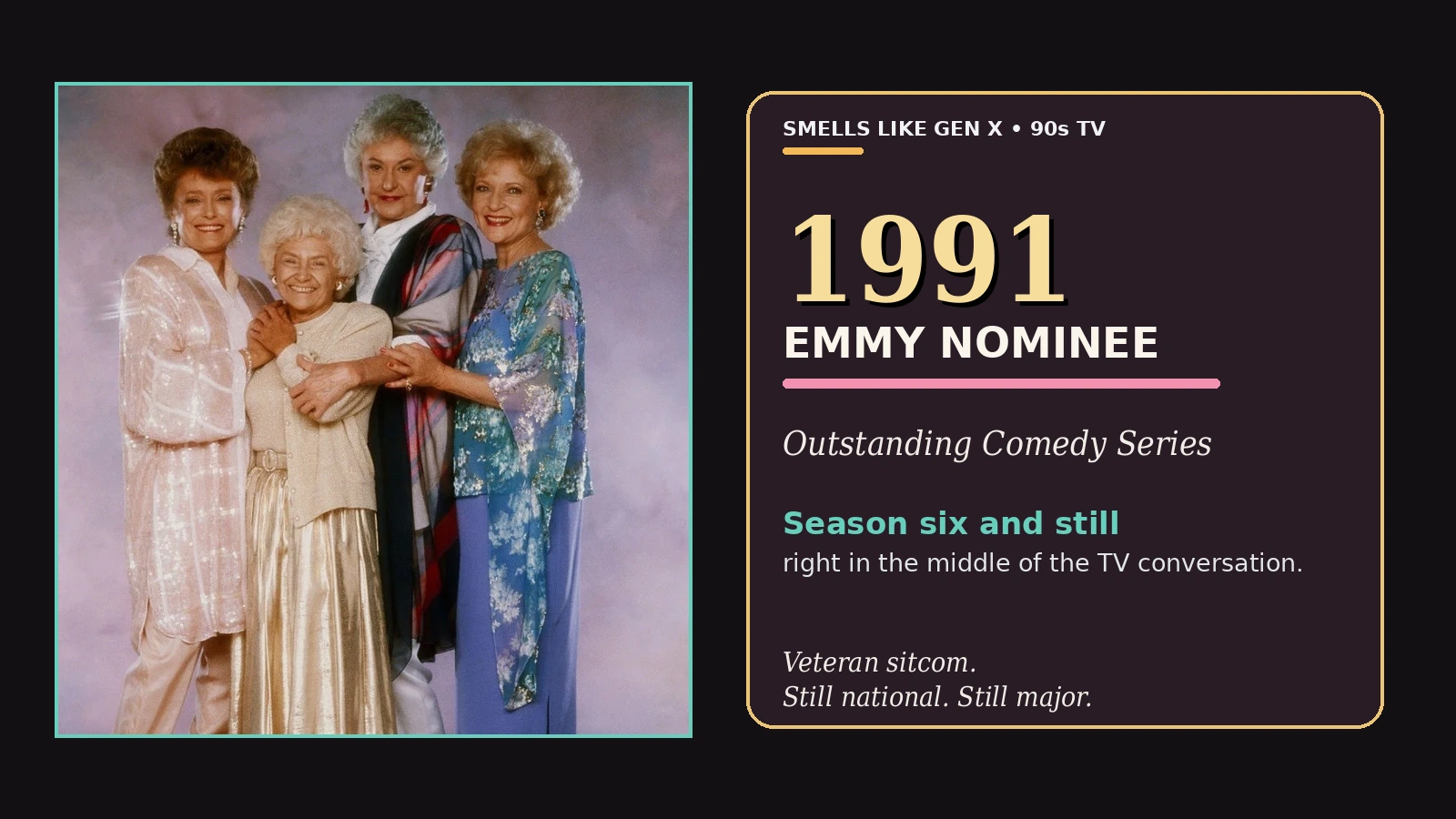
The 1991 Emmy nominees for Outstanding Comedy Series included Cheers, Designing Women, Murphy Brown, The Golden Girls and The Wonder Years. That list is useful because it restores the show to its contemporary status. This was not legacy recognition for a program everyone had moved past. It was still part of the active top tier.
The ratings context does the same thing. Our 1991 Nielsen page captures a moment when long-running comedies, news institutions, family sitcoms and newer voices all shared the same mass-audience chart. The Golden Girls was aging in public, but it was doing so inside the mainstream rather than outside it.
The point is not that every week landed at the same rank. Weekly tables moved around constantly. The larger evidence is the combination of national visibility, Emmy recognition and a stable NBC presence deep into the run. By any reasonable contemporary measure, the series still mattered.
NBC Had Trained Viewers to Know Where the Girls Lived
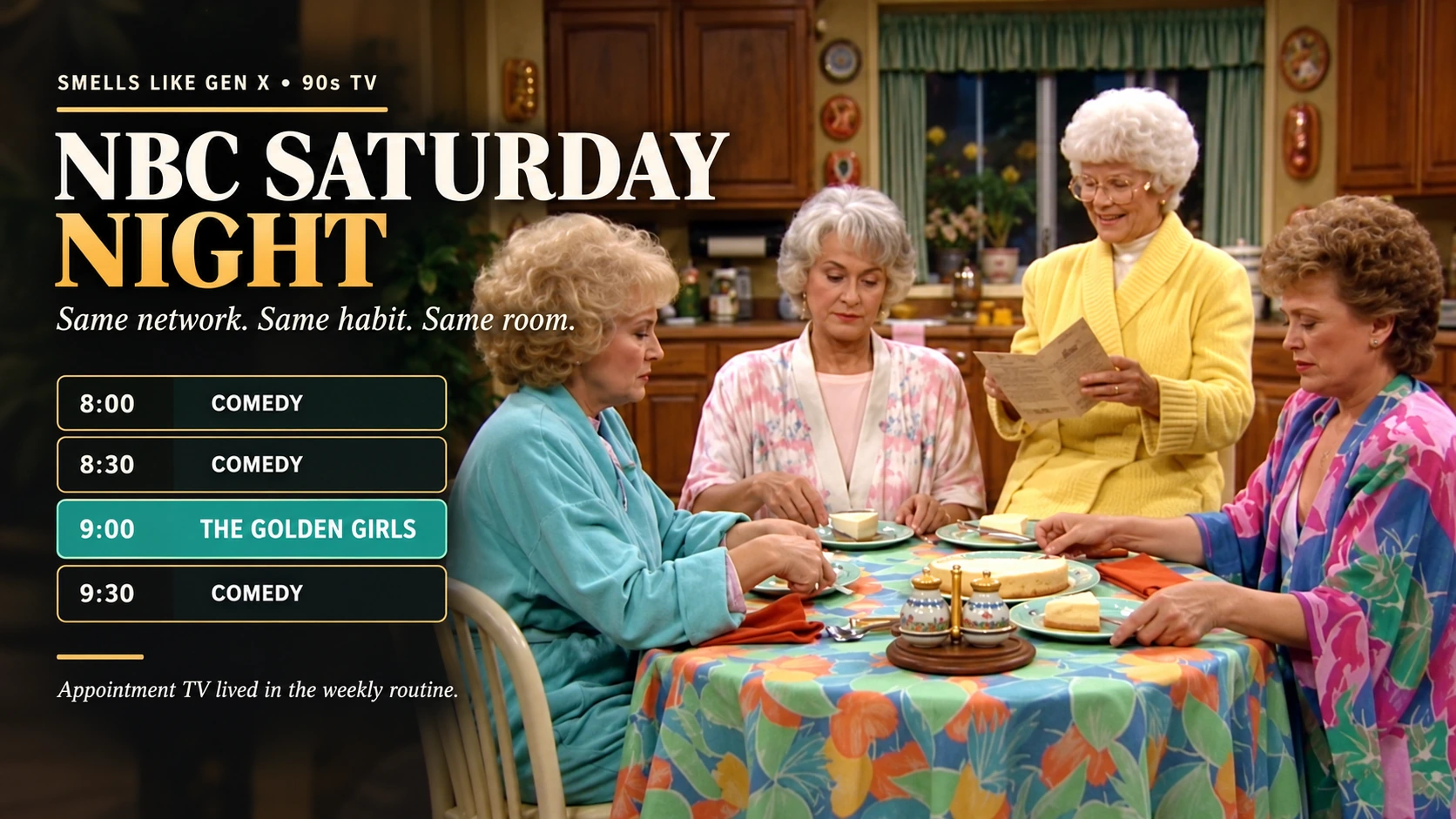
Saturday television had a different rhythm than Thursday. The audience was not always the advertiser’s dream demographic, and younger viewers had a habit of leaving the house. NBC nevertheless built a durable Saturday comedy identity, and The Golden Girls became one of its anchors. That consistency helped turn the series into habit.
The habit side is why this story links naturally to the broader culture of appointment television. You did not need a notification to remind you the show existed. The schedule itself was memory. A household that had watched the girls for years already knew the day, the network and the room where the television would be on.
There was comfort in that predictability. Not every appointment show needed to feel like an event. Some earned power by becoming part of the architecture of a weekend. The Golden Girls could be appointment television because the appointment itself was familiar.
Its Emotional Range Kept the Formula From Going Flat
Part of the series’ durability came from tonal confidence. It could spend most of an episode on a ridiculous misunderstanding and then move into grief, illness, loneliness or fear without sounding like an entirely different show. The characters were funny because they were alive, not because the world around them had no stakes.
That range is easier to appreciate after decades of dramedy, but network sitcoms of the era still had strong format expectations. The Golden Girls could bend them because the audience trusted the characters. A serious beat did not feel like the comedy had stopped. It felt like the same women had reached the part of the conversation where nobody was joking for a minute.
The tonal flexibility also protected the show from becoming a catchphrase machine. Rose could tell a St. Olaf story and still carry grief. Sophia could be brutal and vulnerable. Blanche could be outrageous and insecure. That depth kept the familiar rhythms from becoming flat.
The Golden Girls Survived Because the Core Relationship Was Stronger Than the Trend Cycle
The early 90s were widening toward working-class realism, Black college life, sharper workplace comedy and younger friend-group worlds. Our story on the changing early-90s sitcom center is about that movement. The Golden Girls is the useful counterpoint: a veteran format could still thrive if the characters were specific enough.
That tells us something important about television change. New formats rarely erase old ones overnight. They compete. In 1991, viewers could embrace Roseanne, A Different World, Murphy Brown and The Golden Girls at the same time. The era was not replacing one audience with another; it was adding more ways to hold a large one.
The Golden Girls therefore belongs in the transition story not because it suddenly became a 90s show, but because its continued strength proved the new decade had not invalidated the old skills. Character, timing and habit still mattered.
A Final Season Is Different From a Show That Has Simply Run Out of Gas
The series ended in 1992 after seven seasons, but the cultural memory never behaved like a failed show being cleared from the schedule. By then the ensemble had become one of television’s most recognizable groups. Bea Arthur’s decision to leave effectively closed the original series, and the finale gave the audience a real goodbye.
That matters because longevity can distort memory. We remember The Golden Girls as permanently available—reruns, cable marathons, streaming, clips—but the original audience experienced an ending. The early 90s were the last stretch when these women were still arriving once a week with a new story. That is the period that matters here, and it is why the 1991 ratings context feels more alive than a generic “best episodes” retrospective.
The final run also proves a simple point about television institutions: they can still be culturally current right up to the moment they stop. The Golden Girls did not need a reboot to become relevant again. It was relevant when it left.
Familiarity Became an Advantage Instead of a Liability
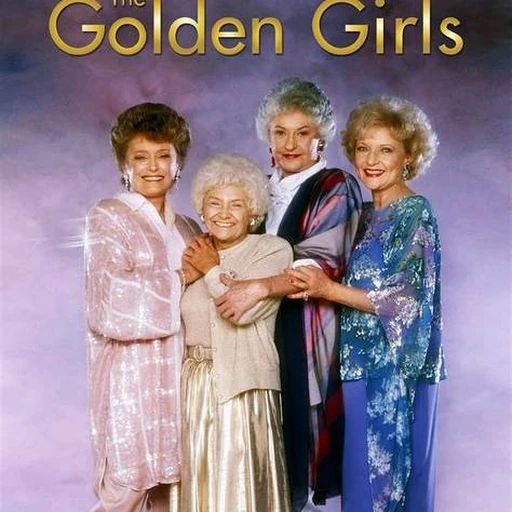
Long-running sitcoms often face a strange problem: the very traits that made them successful can become predictable. The Golden Girls turned that risk into an asset because the audience was not merely waiting for new information. We were waiting for familiar people to react. Rose telling a story from St. Olaf was predictable in premise but unpredictable in detail. Dorothy’s deadpan response was expected but still funny because Bea Arthur could change the temperature of a scene with a look. Sophia’s entrance could be anticipated and still land. Repetition became rhythm, and rhythm is one of the deepest pleasures of a weekly ensemble comedy.
The show also benefited from refusing to turn its characters into saints as they aged. They could be selfish, vain, jealous, petty and wrong. That mattered because older characters on television were often granted dignity at the cost of messiness, as though age should make them morally tidy. The Golden Girls understood that adulthood does not work that way. Blanche could be wildly confident and privately insecure. Dorothy could be the smartest person in the room and still make bad emotional choices. Rose could be naïve and unexpectedly resilient. Sophia could be hilarious and cruel in the same breath.
By the early 90s, the series had also become an example of how a television institution can coexist with change around it. Newer comedies were becoming more topical, younger, rougher or more culturally specific, yet viewers still made room for the Miami house. That does not mean the show was somehow outside its era. It means the era was broad enough to contain multiple models of adulthood at once. Network television could sell youth on Thursday and still draw a huge audience to older women on Saturday. The audience was more varied than the stereotype of 90s programming sometimes suggests.
For Gen X viewers, that late run has another dimension: many of us were young enough that the women seemed genuinely old while still finding the show funny. That is a remarkable cross-generational achievement. The series did not ask younger viewers to identify with age; it asked them to identify with friendship, embarrassment, family, grief, desire and the need to have somebody in the kitchen when life went sideways. Those themes traveled across age better than any demographic strategy. That is why the final seasons still feel like part of the show’s life rather than an extended goodbye.
The continued audience also says something about the myth that television viewers only chase novelty. By 1991, nobody needed to discover The Golden Girls. The pleasure was return. Viewers knew the house, knew the voices and knew the shape of an argument before it finished forming. That kind of loyalty is difficult to measure with a single weekly ranking because it is cumulative. The show had spent years teaching the audience how to watch it, and the audience kept showing up because familiarity had become part of the entertainment rather than a reason to move on.
Another advantage of the late run was that the show had learned exactly how far each character could bend without breaking. Rose could be smarter than expected without losing her innocence, Blanche could be frightened without losing her swagger, Dorothy could be vulnerable without losing her edge, and Sophia could reveal pain without becoming sentimental. That elasticity let the writers find new stories inside characters the audience already understood. Longevity did not erase surprise; it changed the kind of surprise the show needed.
Frequently asked questions
Was The Golden Girls still popular in 1991?
Yes. It remained a major NBC comedy and was nominated for Outstanding Comedy Series at the 1991 Emmys.
When did The Golden Girls end?
The original NBC series ended in 1992 after seven seasons.
Who created The Golden Girls?
Susan Harris created the series.
Why did the show work with older lead characters?
Because age was never their only trait. The series built four distinct adults with active friendships, romances, jobs, family conflicts and personal flaws.
Was The Golden Girls appointment TV?
Yes. Its stable NBC Saturday-night presence helped turn it into a weekly habit for a large audience.
Is this a full history of The Golden Girls?
No. This story focuses on the show’s early-90s late-run strength and its 1991 context.