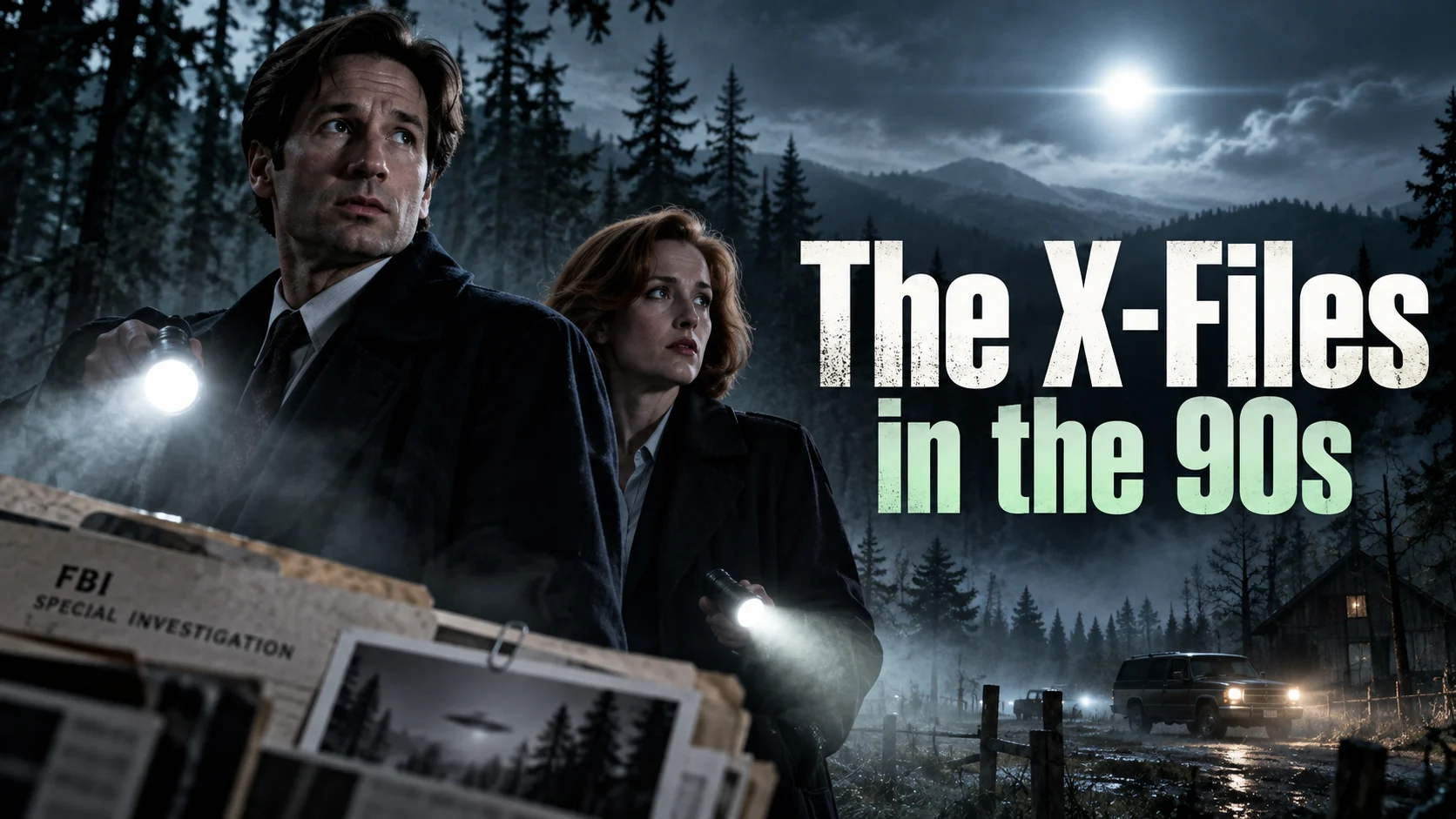
THE X-FILESHow Mulder, Scully and Fox Made Weird TV Mainstream
Friday-night paranoia, flashlight beams, monsters, conspiracy and one of television’s great partnerships. The X-Files made strange television feel essential.
Quick Answer
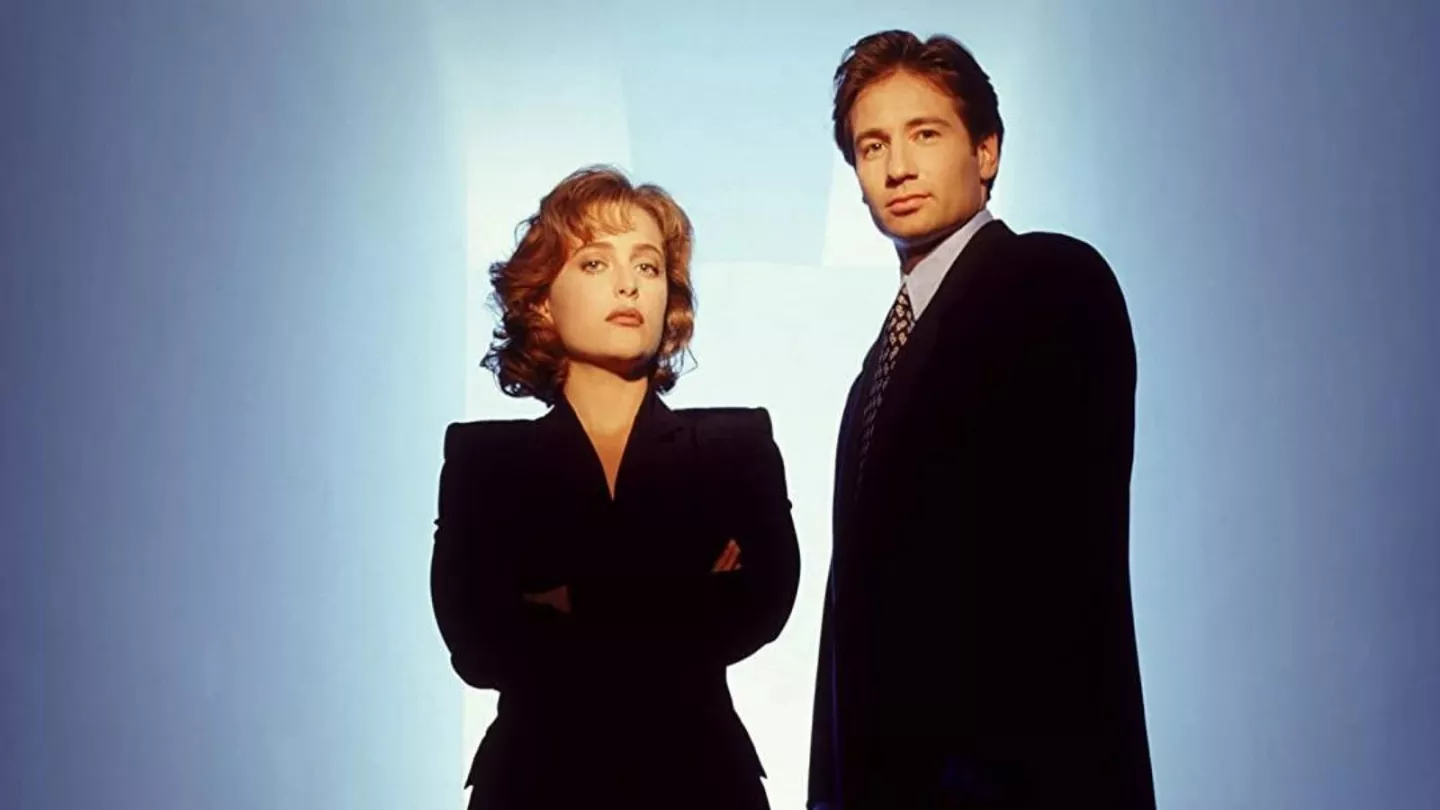
The X-Files became one of the defining shows of 1990s television by combining horror, science fiction, conspiracy thrillers and procedural storytelling with the believer-versus-skeptic chemistry of Fox Mulder and Dana Scully. Premiering on Fox on September 10, 1993, it helped prove that genre television could become mainstream, culturally influential and deeply serialized without giving up the weekly monster story.
The Friday Night Show That Did Not Feel Like Anything Else
There was a particular feeling to finding The X-Files on Fox in the middle of the 1990s. The screen seemed colder than everything around it. Hallways were dim. Forests were wet. Flashlights cut narrow tunnels through the dark. Government buildings looked like places where nobody ever opened the blinds. Even before you understood the mythology, the show told you that the world was stranger than the adults in charge were willing to admit.
That mood mattered because The X-Files arrived on a network that was still proving it belonged at the grown-ups’ table. Fox had broken through with shows such as Married… with Children, Beverly Hills, 90210 and The Simpsons, but it was still the younger broadcast network, the place more willing to look rough around the edges. The X-Files fit that identity perfectly. It premiered on September 10, 1993, and immediately felt like television that had slipped in through a side door.
The setup was clean enough to explain in one sentence: FBI agents Fox Mulder and Dana Scully investigate unexplained cases, with Mulder inclined to believe in the paranormal and Scully demanding evidence. That believer-versus-skeptic structure could have become a gimmick. Instead, it became the show’s central philosophy. The story did not ask viewers to pick a side once and stay there. It asked us to live inside the disagreement.
For Gen X viewers, the timing was almost too perfect. We had grown up around Cold War secrecy, Watergate aftershocks, tabloid television, UFO specials, cable news, talk-radio suspicion and a general sense that institutions did not always tell the whole story. The X-Files took that ambient mistrust and gave it a basement office, a filing cabinet and an FBI badge.
Mulder and Scully Were the Real Special Effect
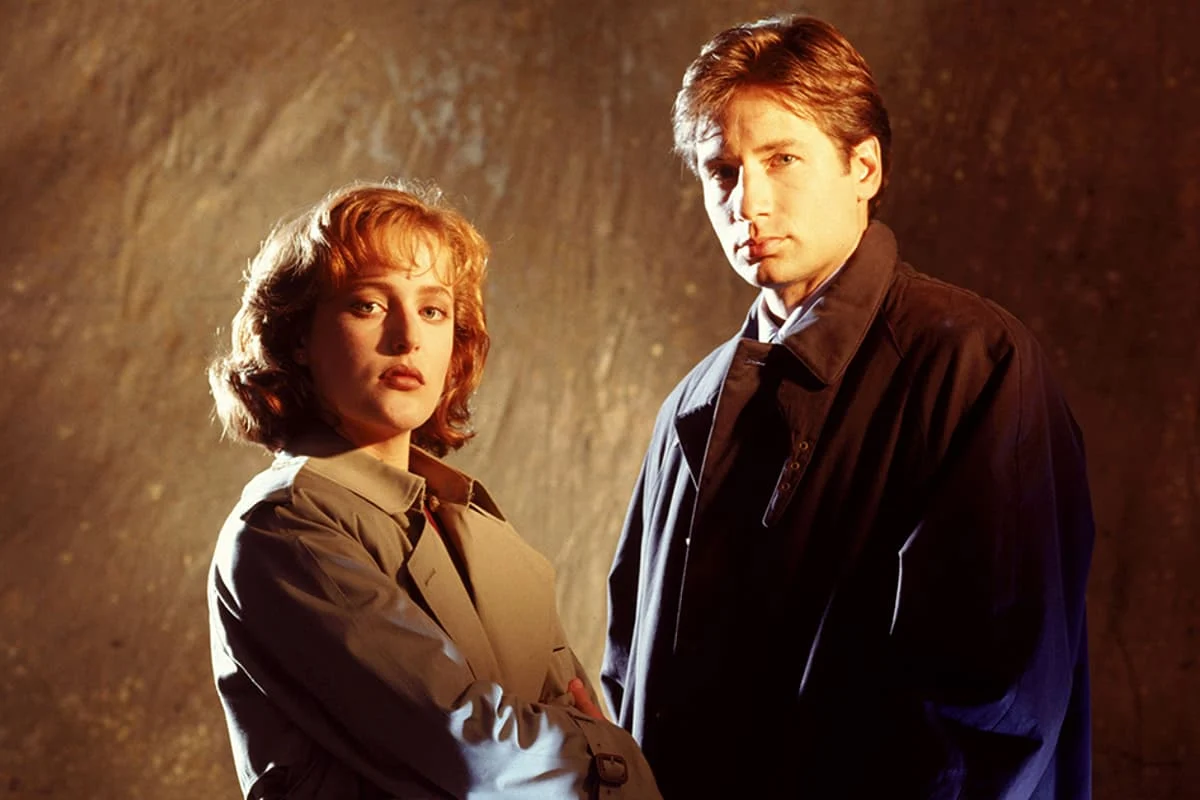
The monsters mattered. The conspiracies mattered. The atmosphere mattered. But the reason The X-Files became more than a clever genre show was Mulder and Scully.
David Duchovny’s Mulder was obsessive without being humorless. His belief in the paranormal was tied to the childhood disappearance of his sister, which meant his theories were never only intellectual exercises. He wanted the universe to contain an explanation for the wound he had been carrying since childhood. That made his leaps toward the impossible emotionally understandable even when they were professionally reckless.
Gillian Anderson’s Scully had an even more difficult job. She had to be the skeptic on a television series where impossible things happened constantly. If Scully had simply denied everything in front of her, the character would have looked foolish. Instead, the writing and Anderson’s performance made skepticism a discipline. She asked what could be proven, what could be replicated and what could survive scrutiny. Her resistance to Mulder’s conclusions was not a refusal to see. It was a refusal to surrender standards.
That distinction changed everything. Mulder needed Scully because belief without a challenge can become fantasy. Scully needed Mulder because skepticism without curiosity can become blindness. Their partnership turned two opposing methods into a working relationship.
The romantic tension eventually became one of the most discussed parts of the series, but the deeper bond was trust. They repeatedly became the one person each could rely on when institutions failed, superiors lied, evidence disappeared or the world stopped making sense. By the time viewers began arguing about whether they should become a couple, the more important relationship was already there: they had become each other’s witness.
The Pilot Already Knew the Assignment
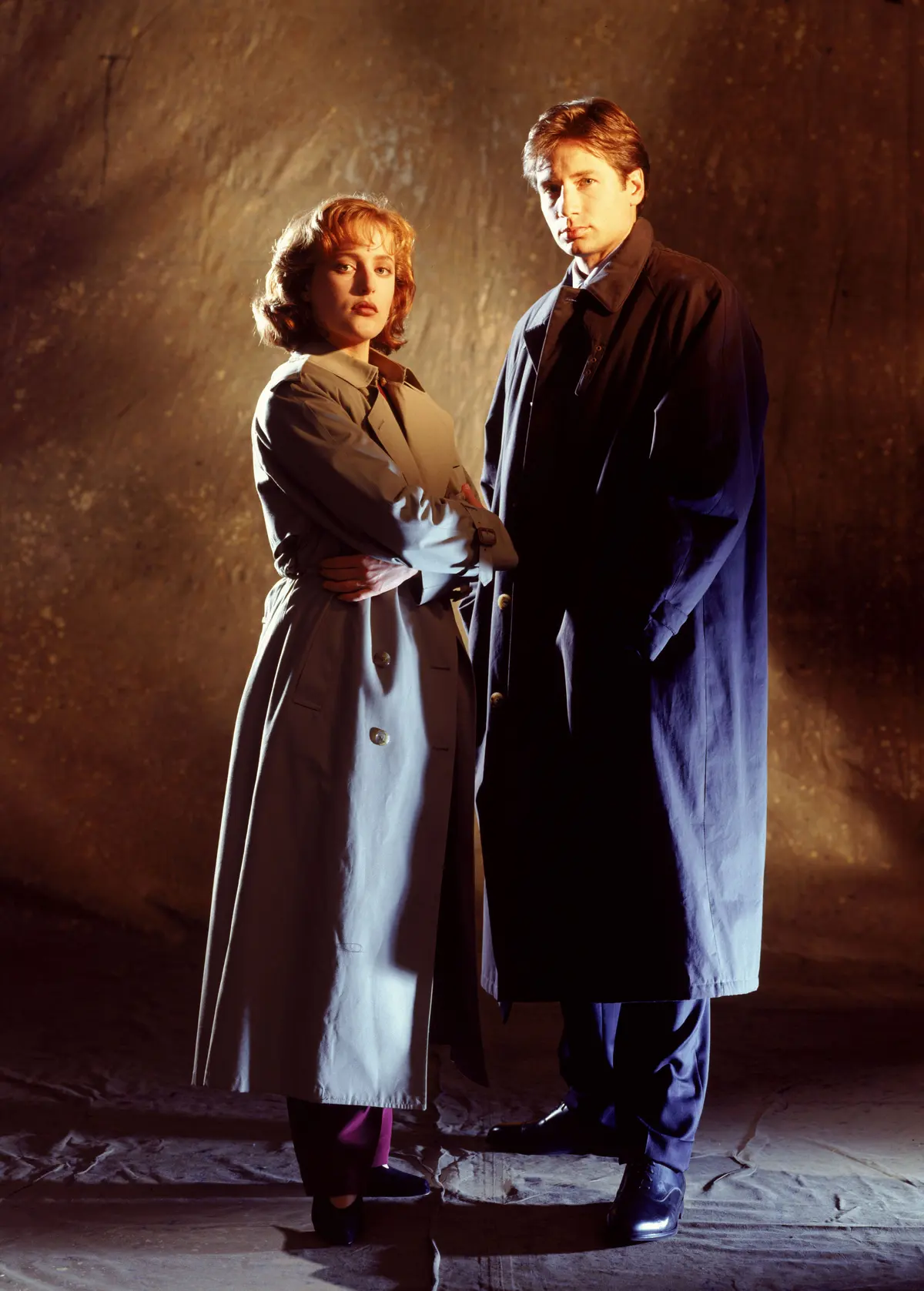
The pilot established an unusually large amount of the show’s identity at once: unexplained deaths, strange markings, missing time, government pressure, Mulder’s basement office, Scully’s scientific posture and the suggestion that someone was already trying to control what these agents could know.
Chris Carter has described pitching the series to Fox and building Mulder and Scully around opposing approaches to unexplained phenomena. The core survived because it was broad enough to support many kinds of stories. The show could investigate aliens one week, folklore the next and a human monster after that without violating the premise.
The pilot also established the most important storytelling promise: not every mystery would be neatly solved. That was risky network television. Procedurals usually reward viewers with closure. The X-Files often gave viewers a partial answer, missing evidence, an ambiguous encounter or a final image that created a new question.
That uncertainty became part of the pleasure. The episode could end, but the case might not feel finished. In a pre-streaming world, that meant you carried the unease into the week.
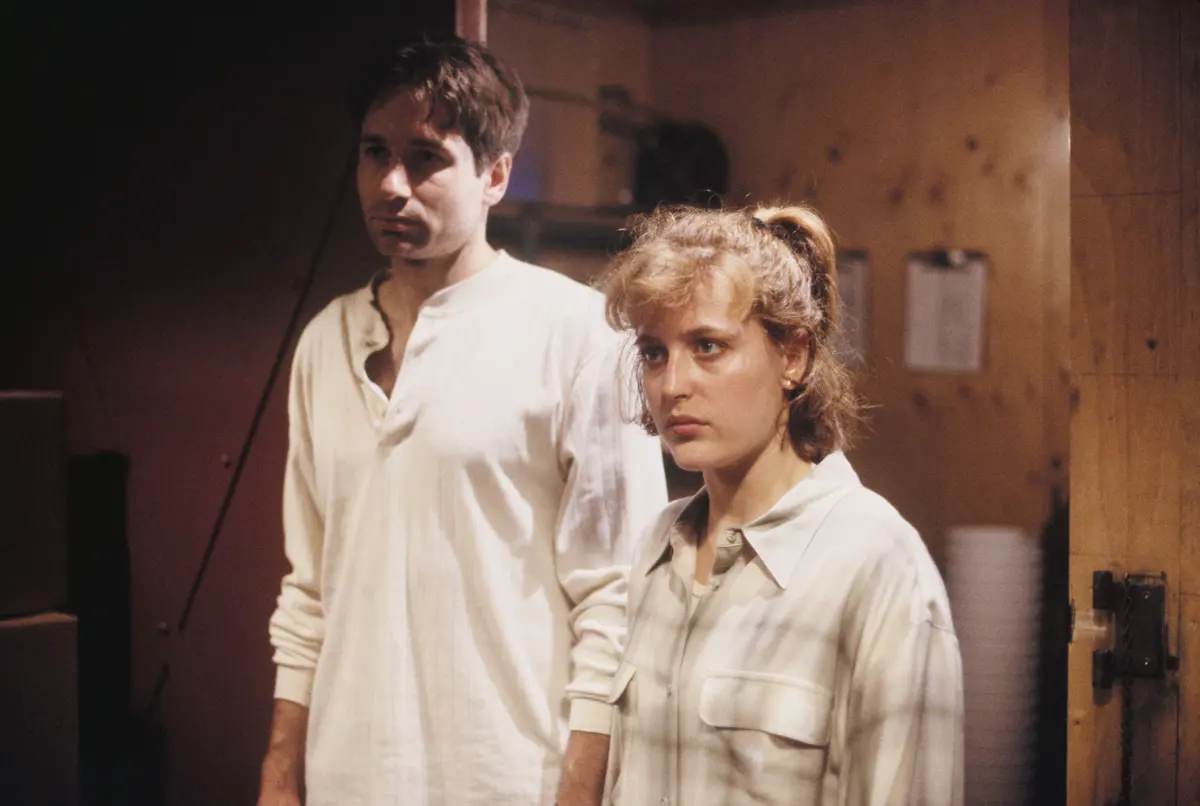
Monster of the Week Was Never Filler
The phrase “monster of the week” sounds disposable, as though those episodes were the material between the mythology chapters. In practice, many of the show’s most beloved hours came from exactly those stand-alone stories.
The weekly format gave the writers enormous freedom. An episode could be grotesque, tragic, comic, folkloric, intimate or nearly experimental without requiring the entire alien conspiracy to move forward. The show could enter a small town, a sewer, a circus, a hospital, a suburban neighborhood or an isolated forest and invent a temporary universe.
That flexibility is why characters such as Eugene Victor Tooms, the Flukeman and Clyde Bruckman became memorable without belonging to the larger conspiracy. The stories could operate like short genre films. Some were horror. Some were mysteries. Some were black comedy. A few were unexpectedly moving.
Peter Boyle’s performance as Clyde Bruckman is a good example of how far the series could travel inside one hour. The episode used a man who could foresee death to tell a story about loneliness, fatalism and the burden of knowledge. Boyle won an Emmy for the guest performance in 1996. That is a long way from treating the stand-alone episodes as filler.
The self-contained format also made the show welcoming. A casual viewer could miss three weeks of mythology and still watch a monster episode. A devoted viewer could appreciate recurring themes, visual echoes and character development underneath the case. The series could be both accessible and obsessive at the same time.
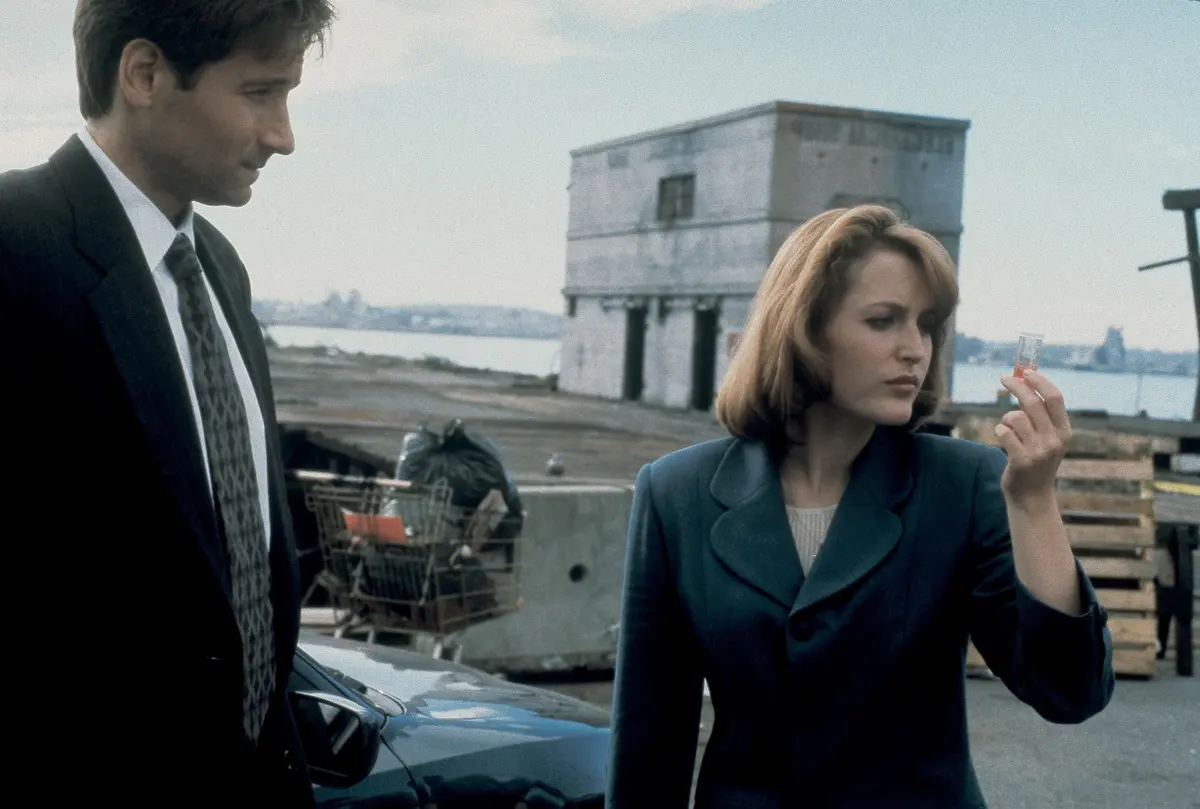
The Mythology Taught Network Viewers to Keep Notes
The alien conspiracy gave The X-Files its larger sense of scale. Abductions, government programs, shadowy informants, black oil, secret experiments, colonization plans and the Cigarette Smoking Man accumulated into a mythology that rewarded memory.
In the 1990s, that kind of serialization required commitment. There was no episode recap waiting on demand, no streaming queue and no official wiki to consult from the couch. Viewers taped episodes, discussed clues, rewatched scenes and tried to remember what an informant had said months earlier.
The mythology could be frustrating because answers often produced more questions. That was part of the design. Carter has described the tension between monster-of-the-week episodes and the alien mythology as a central part of the series. The show was always deciding how much to reveal without collapsing the mystery.
That decision sometimes worked better than others. By the later seasons, the conspiracy became complicated enough that even devoted viewers could disagree about what exactly had been established. But the larger television lesson was already learned: an audience would remember details if the show convinced them the details mattered.
That helped prepare viewers for the serialized dramas that became increasingly important in the years that followed. The X-Files did not invent serialized television, but it helped make dense ongoing mythology feel natural inside a mainstream network series.
Friday Night Became an Appointment
For its first three seasons, The X-Files aired Friday nights at 9. Friday has often been treated as a difficult television night, but the slot became part of the show’s identity. The mood fit. It was late enough to feel slightly adult and isolated enough to feel like the people watching had found something.
That audience behaved differently from the passive stereotype of network viewers. Fans discussed the show in detail, swapped theories and followed production news. Chris Carter has specifically described The X-Files as one of the early television series to be discussed extensively online, when internet fandom was still unusual enough to feel like a separate culture rather than an extension of normal viewing.
The experience was still fundamentally appointment television. You watched when Fox aired it, set the VCR or hoped to catch a rerun. Missing a mythology episode could leave you behind. Missing a great stand-alone hour meant arriving at school or work after somebody else had already told you how weird it was.
The schedule created scarcity, and scarcity intensified fandom. When a show only existed at a particular hour, watching it became an event rather than a background option.
The Move to Sunday Night Changed the Scale
The move from Friday to Sunday for season four was more than a scheduling adjustment. It signaled that Fox believed the series could function as a major prime-time asset.
The ratings supported that confidence. The Los Angeles Times’ season-end Nielsen summary for 1996–97 placed The X-Files at number 13 for the season with an average audience of about 17.87 million viewers. That put an alien-conspiracy drama on Fox in the same national conversation as much more conventional network hits.
Those numbers need the context of the era. Our guide to why 90s television ratings were so much bigger than television ratings today explains the structural difference: fewer viewing choices, far more live viewing and network schedules that concentrated enormous audiences.
Still, The X-Files was not simply being carried by the era. It was performing strongly within that environment despite being a genre show on the youngest major network. That is what made the achievement notable.
The Sunday move also changed the vibe. Friday-night X-Files felt like a cult discovery. Sunday-night X-Files felt like an institution.
Fox Needed the Show—and the Show Needed Fox
The Television Academy has described The X-Files as one of the programs that defined the possibilities of 1990s science-fiction television, and the relationship with Fox was a major part of that story.
The young network needed shows that could not be mistaken for safer ABC, CBS or NBC programming. The X-Files gave Fox an identity that was intelligent, dark, adult and unusual. It could sit beside The Simpsons, Married… with Children and Beverly Hills, 90210 without resembling any of them.
The show benefited from that network posture too. A more conservative environment might have pushed the series toward cleaner explanations, more conventional procedural structure or a less atmospheric visual style. Fox had incentive to protect the strangeness because strangeness differentiated the network.
That relationship illustrates one of the most important shifts in 1990s television. A network did not need to beat the Big Three by copying them. It could build a recognizable identity and attract viewers who wanted something the existing networks did not provide.
The X-Files became one of the strongest pieces of evidence that Fox had graduated from upstart to real competitor.
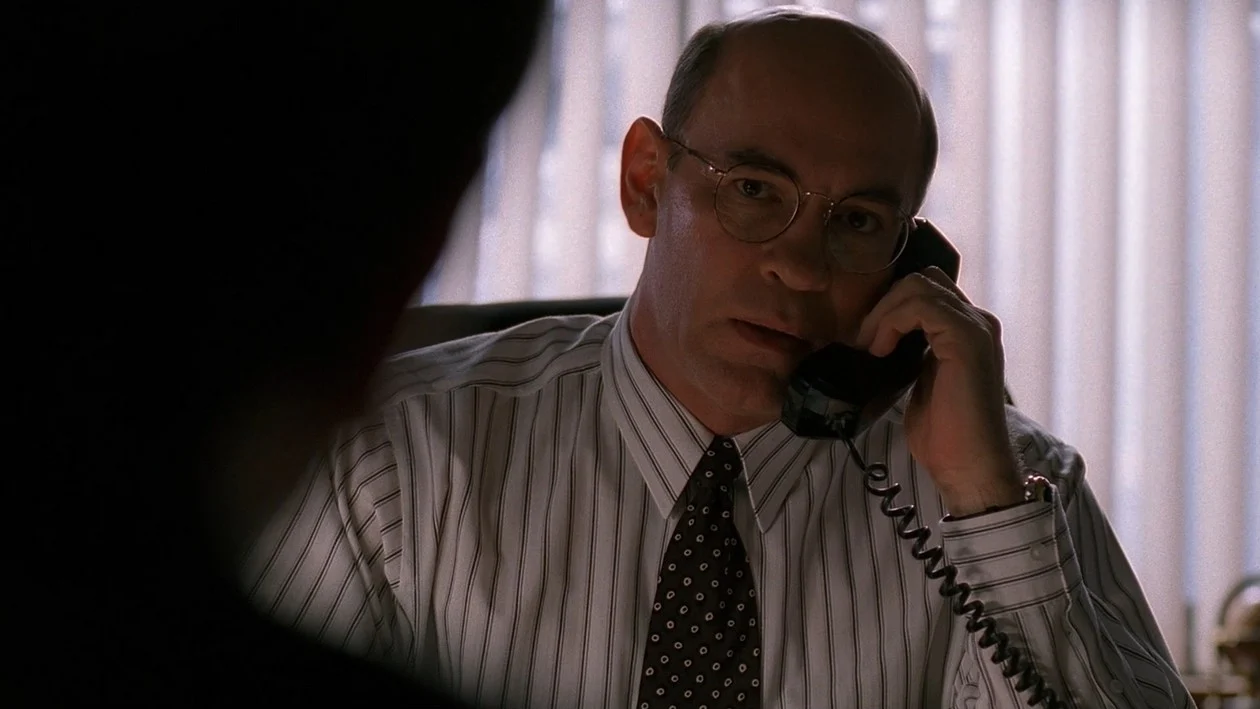
Vancouver Rain Became Part of the DNA
The early seasons have a physical texture that is nearly impossible to separate from the series. Much of the show was produced in and around Vancouver through season five. The gray skies, wet streets, dense forests and cool light gave the series a natural atmosphere that no dialogue needed to explain.
Cinematographers and directors leaned into darkness. The frame often contained more shadow than information. Flashlights did not simply illuminate; they emphasized how much remained unseen. Government spaces felt fluorescent and cold. Outdoor scenes felt damp and remote.
The look became so central that the move to Los Angeles beginning with season six was immediately noticeable. Carter has discussed the decision to relocate production, and longtime viewers still debate what changed afterward.
Los Angeles did not suddenly make the series bad. It changed the palette. Brighter skies and drier locations created different possibilities, and season six often responded by becoming more playful, stranger and more self-aware.
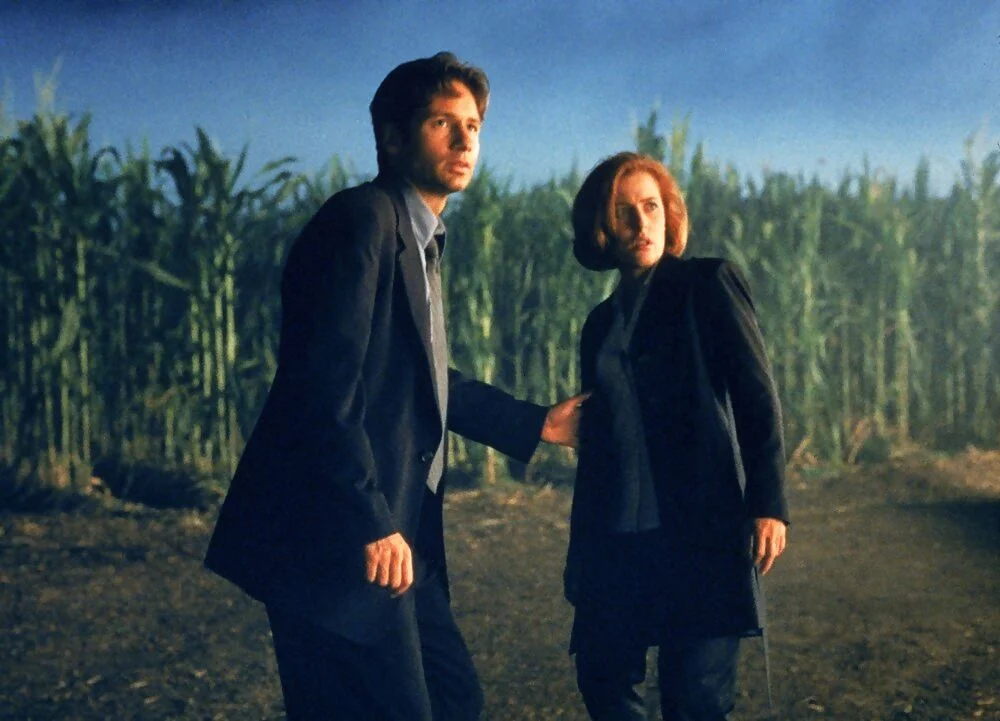
But the Vancouver years established the visual memory. Ask a longtime viewer to picture The X-Files and there is a good chance the first image is not an alien. It is Mulder and Scully standing in the rain with flashlights.
Scully Changed What the Skeptic Could Be
Dana Scully’s influence extends beyond the believer-versus-skeptic setup. She was a physician, scientist and federal agent whose intelligence was not decorative. Autopsies, pathology, forensic observation and clinical reasoning were part of the actual storytelling.
That mattered in genre television. Scully could be frightened without losing authority. She could be emotionally devastated without the show treating her as intellectually compromised. She could experience things she could not immediately explain and still insist that an explanation required evidence.
The character also resisted the lazy version of skepticism. She was not there to be wrong every week so Mulder could look brilliant. The best stories made Mulder overreach, misread evidence or become blinded by personal desire. Scully’s questions often saved him from certainty.
Gillian Anderson’s performance gained increasing recognition as the decade progressed. She won the Emmy for Outstanding Lead Actress in a Drama Series in 1997 and was nominated again in 1998 and 1999. That industry recognition reflected what viewers already knew: Scully was not simply Mulder’s partner. She was one of the central dramatic performances on network television.
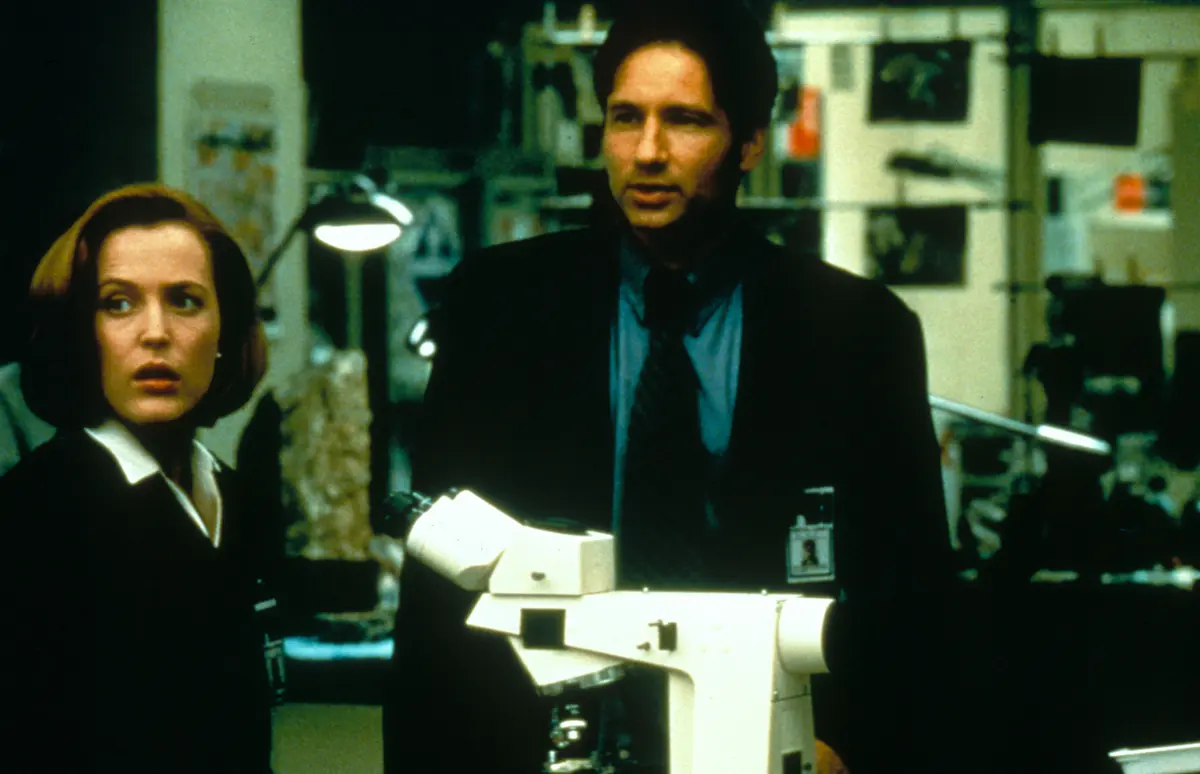
Mulder Made Obsession Look Like a Job Description
Mulder’s appeal came from the opposite direction. He was willing to entertain explanations that would get another agent laughed out of a meeting. That made him exciting, but the series was careful to show the cost.
His fixation on his sister’s disappearance gave emotional weight to the alien mythology, but it also made him vulnerable to manipulation. The closer a case came to his personal history, the more likely he was to ignore risk.
David Duchovny kept the character from becoming unbearably intense by playing the humor dry. Mulder could deliver an outrageous theory with a straight face and then make a joke before Scully finished objecting. That tone became essential.
The performance also gave the show elasticity. A character who genuinely believes in extraordinary possibilities can carry horror, science fiction and comedy without changing personalities every week. Mulder’s worldview made all of those genres plausible inside the same series.
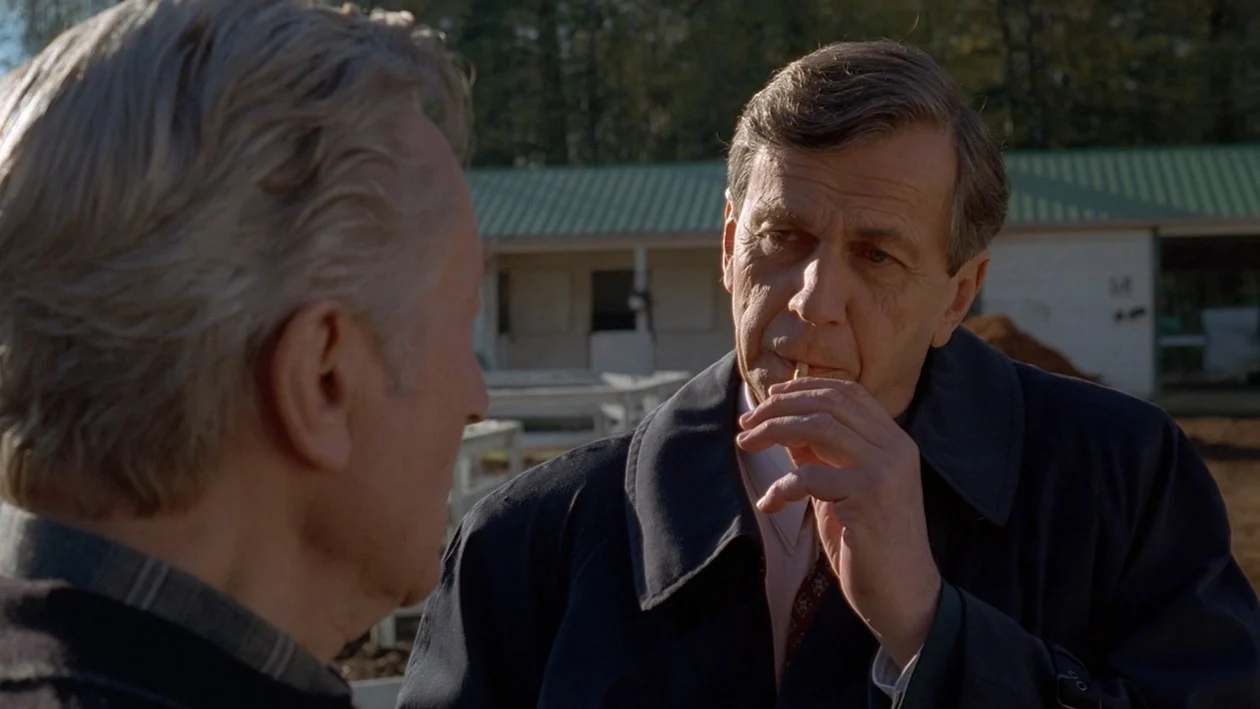
The Cigarette Smoking Man Was Perfect 90s Paranoia
The Cigarette Smoking Man became one of the show’s defining images because he embodied power without transparency. He appeared near authority without needing to explain his title. He knew more than the people asking questions. He controlled information rather than delivering speeches about ideology.
That ambiguity made him more effective than a conventional villain. Viewers could project an entire government architecture onto a man standing silently in a hallway.
The series repeatedly returned to the idea that the truth was not merely hidden by distance or mystery. It was actively managed. Files disappeared. witnesses were pressured. Information was compartmentalized. Even when Mulder and Scully reached the truth, proving it to anyone else could be impossible.
That was pure 1990s paranoia: the suspicion that systems had become too large for ordinary people to see clearly and that official explanations were designed as much to contain uncertainty as to resolve it.
The Show Knew When to Laugh at Itself
A series this gloomy could have suffocated under its own seriousness. One of the smartest things The X-Files learned was how to become funny without breaking the universe.
Episodes such as “Humbug,” “Clyde Bruckman’s Final Repose,” “Jose Chung’s From Outer Space” and later comedic experiments used the show’s formulas as material. Mulder’s intensity could become ridiculous. Scully’s restraint could become comic timing. Witness testimony could contradict itself. The series could question whether any story was being told reliably.
That freedom came partly from writers such as Darin Morgan and Vince Gilligan, who understood that humor did not weaken the mythology. It strengthened the characters by giving them more dimensions.
Carter has discussed deliberately putting humor into the series, and the decision became one of the reasons the show avoided feeling mechanically grim. A disturbing conspiracy episode could hit harder after an hour that let the audience breathe.
It also made fandom richer. Viewers could debate not just mythology but favorite funny episodes, favorite monsters, favorite Mulder lines and favorite Scully reactions.
Vince Gilligan Learned Television Here
The X-Files also became an important writing incubator. Vince Gilligan has described discovering the show in 1993, meeting Chris Carter and eventually joining the writing staff after first contributing “Soft Light.”
Gilligan later called The X-Files one of the greatest professional learning experiences of his career. That matters retrospectively because his later work on Breaking Bad and Better Call Saul would become central to another era of television.
But even without hindsight, his X-Files episodes demonstrate what the writers’ room could support: high-concept genre stories, moral ambiguity, humor and sympathy for strange characters.
The series gave writers permission to treat a weekly network hour as a laboratory. That creative culture became part of its legacy every bit as much as the mythology.
The Internet Changed the Relationship With the Audience
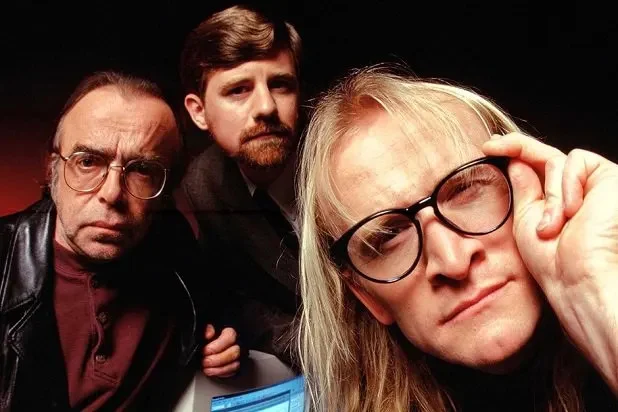
The X-Files arrived just as internet use was beginning to move from specialist spaces into broader public life. Fans gathered in online discussion groups, dissected episodes and created terminology that the production itself noticed.
That changed the relationship between viewers and creators. Television fandom had always existed, but online conversation made the audience visible to itself in real time. A fan in Florida could argue about the mythology with someone across the country minutes after an episode ended.
Carter has spoken about the series’ online following and the impact of new media. The X-Files became an early example of creators knowing that some viewers were cataloging details with extraordinary intensity.
That created opportunity and pressure. A continuity clue could be celebrated. A contradiction could be identified. A relationship moment could be analyzed frame by frame.
Modern television assumes an online afterlife. The X-Files was helping invent that expectation while many households were still listening to dial-up modems connect.
The Scully Effect Became Bigger Than the Show
Over time, people began using the phrase “Scully effect” to describe the idea that Dana Scully inspired women and girls to imagine themselves in science, medicine and technical careers.
The exact size of that effect is difficult to measure from a television series alone, but the cultural observation is revealing. Viewers did not merely admire Scully as a fictional agent. They recognized the visibility of a woman whose authority came partly from scientific expertise.
That legacy fits the character’s design. Scully rarely had to announce that she was competent. The show repeatedly demonstrated competence through action: examining bodies, challenging claims, identifying evidence and working through uncertainty.
Representation works differently when the profession is not a special episode. It is simply who the character is.
Awards Recognition Changed How Genre TV Was Treated
Genre television had often been treated as something slightly outside the serious awards conversation. The X-Files helped erode that boundary.
The Television Academy nominated the series repeatedly for Outstanding Drama Series during the 1990s. Gillian Anderson won for Lead Actress in 1997. The series also earned recognition in cinematography, sound, editing, art direction and other craft categories, while guest performances such as Peter Boyle’s were honored.
That mattered because the show’s genre elements were inseparable from the craft being recognized. The darkness, sound design, creature work, editing and atmosphere were not decoration around a conventional drama. They were the drama.
The awards did not make the show culturally important, but they signaled that science fiction and horror could be evaluated as serious prime-time craft rather than niche entertainment.
The 1998 Movie Was a Television Flex
By 1998, The X-Files had grown large enough to make a theatrical feature film while the television series was still running. That was an unusual level of confidence in a network property.
The film, commonly called Fight the Future, arrived between seasons five and six and connected to the larger mythology without replacing the series. For fans, it made the universe feel bigger than the television schedule. The conspiracy was no longer contained by the size of a weekly episode.
The movie also revealed how committed the audience had become. Viewers were being asked to leave the living room, buy a ticket and continue following a story that would return to Fox afterward.
That kind of franchise logic feels normal now. In 1998, it was still unusual enough to feel like a major statement: this television show believed its audience would follow it into a movie theater and back.
Season Six Proved the Show Could Change Its Own Temperature
The move to Los Angeles changed more than scenery. Season six often leaned harder into comedy, bright settings and formal experimentation. Some longtime fans missed the Vancouver gloom, while others appreciated the series discovering a new tone.
That debate is useful because it proves how specific the show’s identity had become. Fans were not only attached to characters and mythology. They were attached to weather, lighting, pacing and texture.
A television series that runs long enough eventually has to decide whether to preserve its exact original formula or evolve. The X-Files did both at different moments.
The Los Angeles years did not erase the original atmosphere. They made the contrast visible, and that contrast became another chapter in the fandom’s argument about what the show was supposed to be.
The Ratings Tell Only Part of the Story
The X-Files was successful by conventional network measures, but its influence grew beyond the raw audience totals.
The 1996–97 Nielsen season is a useful snapshot. The Los Angeles Times reported the show at number 13 with about 17.87 million average viewers. That is enormous by current standards, yet it still sat below the giant NBC sitcoms and ER.
What separated The X-Files was intensity. Fans bought merchandise, attended conventions, debated mythology, recorded episodes and carried the language of the show into everyday culture. “The truth is out there” and “I want to believe” became references recognizable even to people who did not watch every week.
That is why rankings cannot explain the whole decade. Some shows dominated by audience size. Others dominated by cultural afterlife. The X-Files managed to do a lot of both.

It Changed the Visual Grammar of Network Drama
Television Academy retrospectives have emphasized the distinctive style and gritty tone The X-Files established. That visual influence may be one of the show’s most lasting contributions.
The series trusted darkness. It trusted negative space. It trusted viewers to stare into parts of the frame where almost nothing was visible. It allowed a television drama to look cinematic without needing every image to feel glossy.
Later genre dramas, conspiracy thrillers and supernatural series borrowed pieces of that grammar. Flashlights, desaturated color, eerie wide shots, anonymous hallways and ordinary locations turned uncanny became familiar television language.
The show did not invent any single technique, but it assembled them into a recognizable identity and proved that identity could survive on network television for years.
The X-Files Made Weird Television Mainstream
The most important legacy of The X-Files is not that later shows included aliens or paranormal investigators. Its deeper achievement was proving that mainstream television audiences would follow a series that demanded multiple ways of watching at once.
You could watch for the weekly case. You could watch for the mythology. You could watch for Mulder and Scully. You could watch for horror, comedy, romance, conspiracy or craft. The same series supported all of those audiences without becoming completely different programs.
It also demonstrated that a network drama could build a devoted online fandom, sustain long-form mythology, move into theaters, earn major awards recognition and still deliver a strange creature story on an ordinary Sunday night.
On the larger 1990s TV landscape, The X-Files occupies a perfect position. It was cult television that became mainstream without becoming normal. It was a procedural that refused to close every file. It was romantic without becoming a romance. It was skeptical without being cynical.
By the end of the decade, the television universe itself was beginning to fragment, a shift explored in our look at the end of the 90s network monoculture. The X-Files was ready for that future because it had already shown how powerful a fiercely engaged audience could be.
The truth may have been out there. The real breakthrough was convincing millions of people that looking for it every week was worth the trouble.
The X-Files FAQ
When did The X-Files premiere?
The X-Files premiered on Fox on September 10, 1993.
Who created The X-Files?
Chris Carter created the series and developed the believer-versus-skeptic partnership of Fox Mulder and Dana Scully.
Why did The X-Files move from Friday to Sunday?
Fox moved the series to Sunday beginning with season four as the show grew into a larger prime-time asset. The Sunday run coincided with some of its strongest national ratings.
Was The X-Files filmed in Vancouver?
The series was produced primarily in Vancouver through season five. Production moved to Los Angeles beginning with season six.
What is a monster-of-the-week episode?
It is a largely self-contained story centered on a specific paranormal creature, phenomenon or case rather than the ongoing alien-conspiracy mythology.
Did Gillian Anderson win an Emmy for playing Scully?
Yes. Anderson won the Emmy for Outstanding Lead Actress in a Drama Series in 1997 and received additional nominations during the decade.
How big were The X-Files ratings in the 1990s?
For the 1996–97 season, the Los Angeles Times reported an average audience of about 17.87 million viewers, ranking the series number 13 for the season.
Why is The X-Files important to television history?
It helped make genre television mainstream, strengthened Fox as a broadcast network, popularized dense serialized mythology, influenced television cinematography and became an early example of large-scale internet fandom.
Sources & Further Reading
- Television Academy Interviews — The X-Files
- Television Academy Interviews — Chris Carter
- Television Academy — The X-Files Emmy Awards and Nominations
- Television Academy — You Can Thank Star Trek for One of Sci-Fi TV's Biggest Years
- Television Academy — Vince Gilligan on His First X-Files Episode
- Los Angeles Times — 1996–97 Season Ratings
Keep the dial moving: Explore more 1990s TV shows, sitcoms, dramas, ratings and prime-time classics.