Must See TV: How NBC Owned Thursday Nights in the 1990s
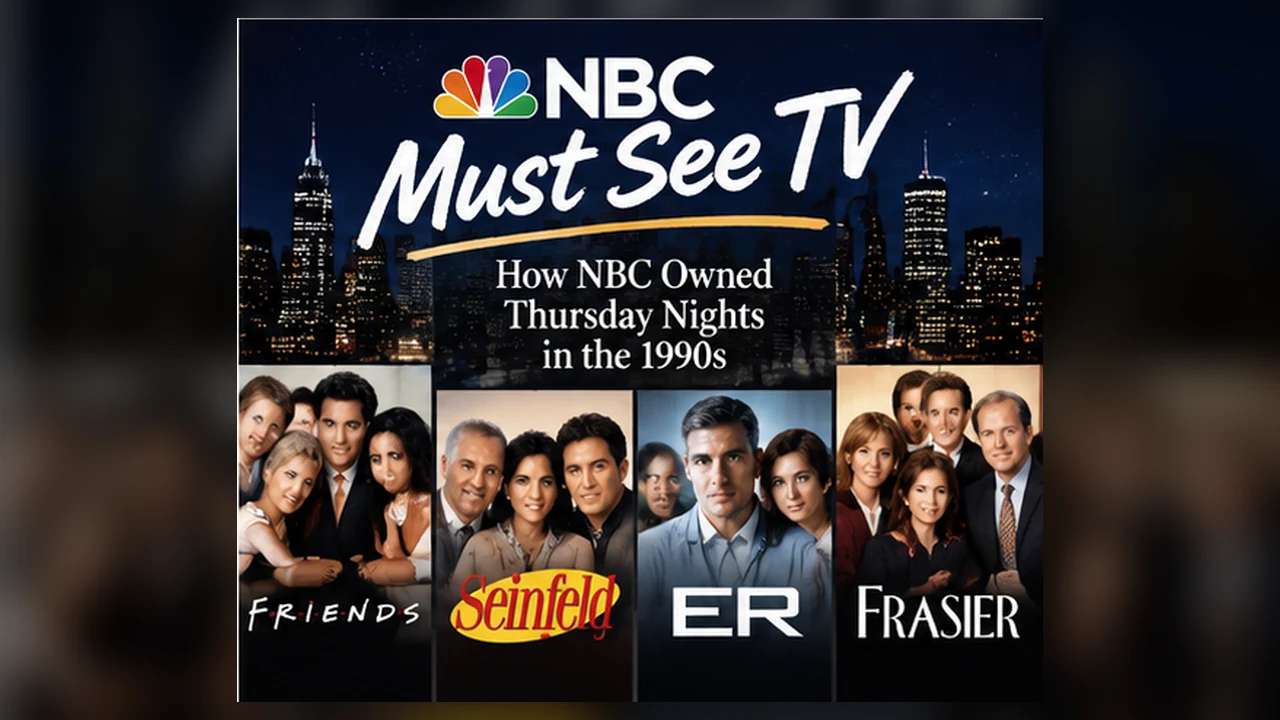
MUST SEE TVHow NBC Owned Thursday Nights in the 1990s
Must See TV was not just a slogan. NBC turned Thursday into a three-hour ratings machine by stacking giant hits, using those hits to launch new shows and training viewers to treat one night as a destination.
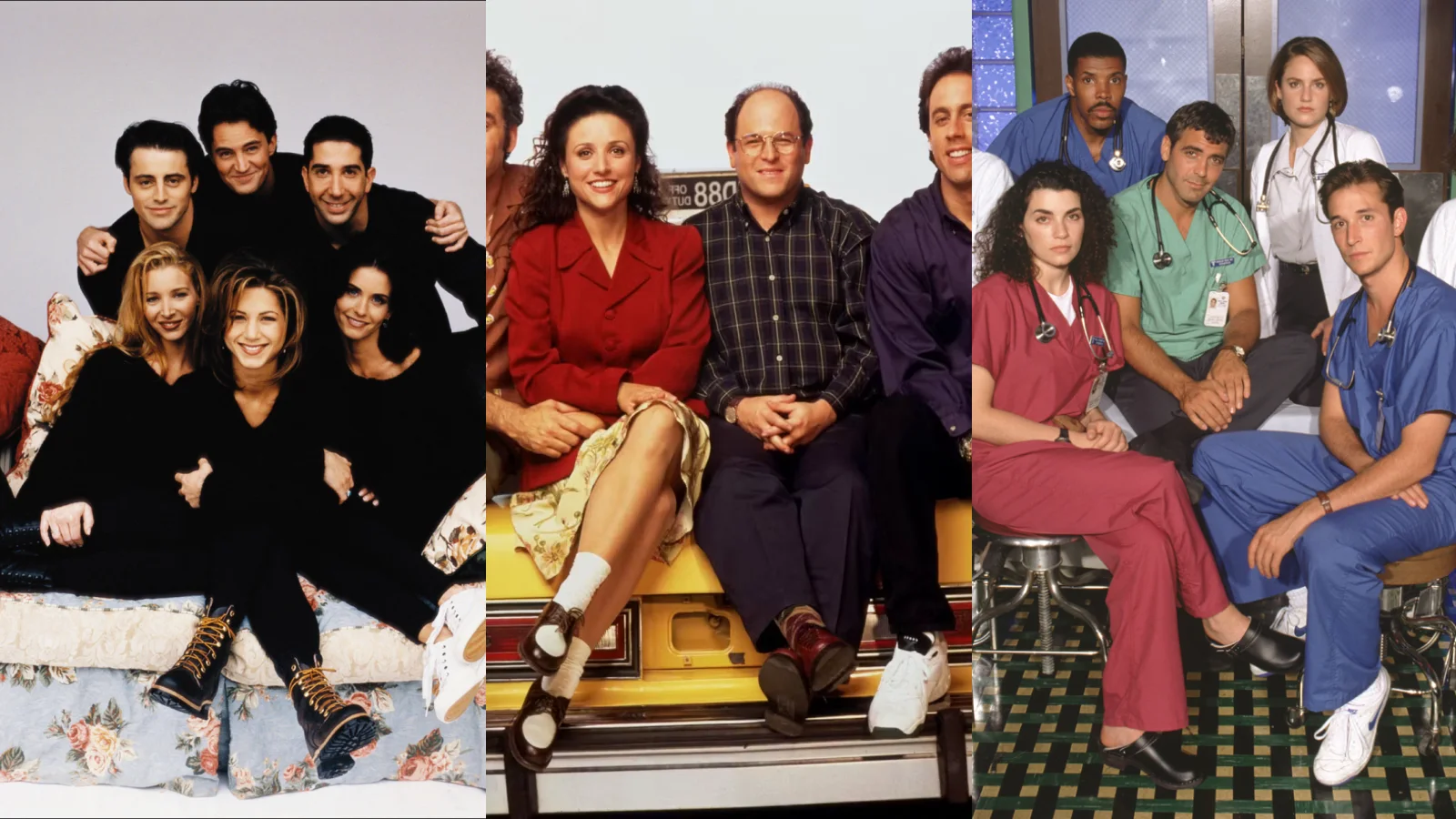
How did NBC dominate Thursday nights in the 1990s?
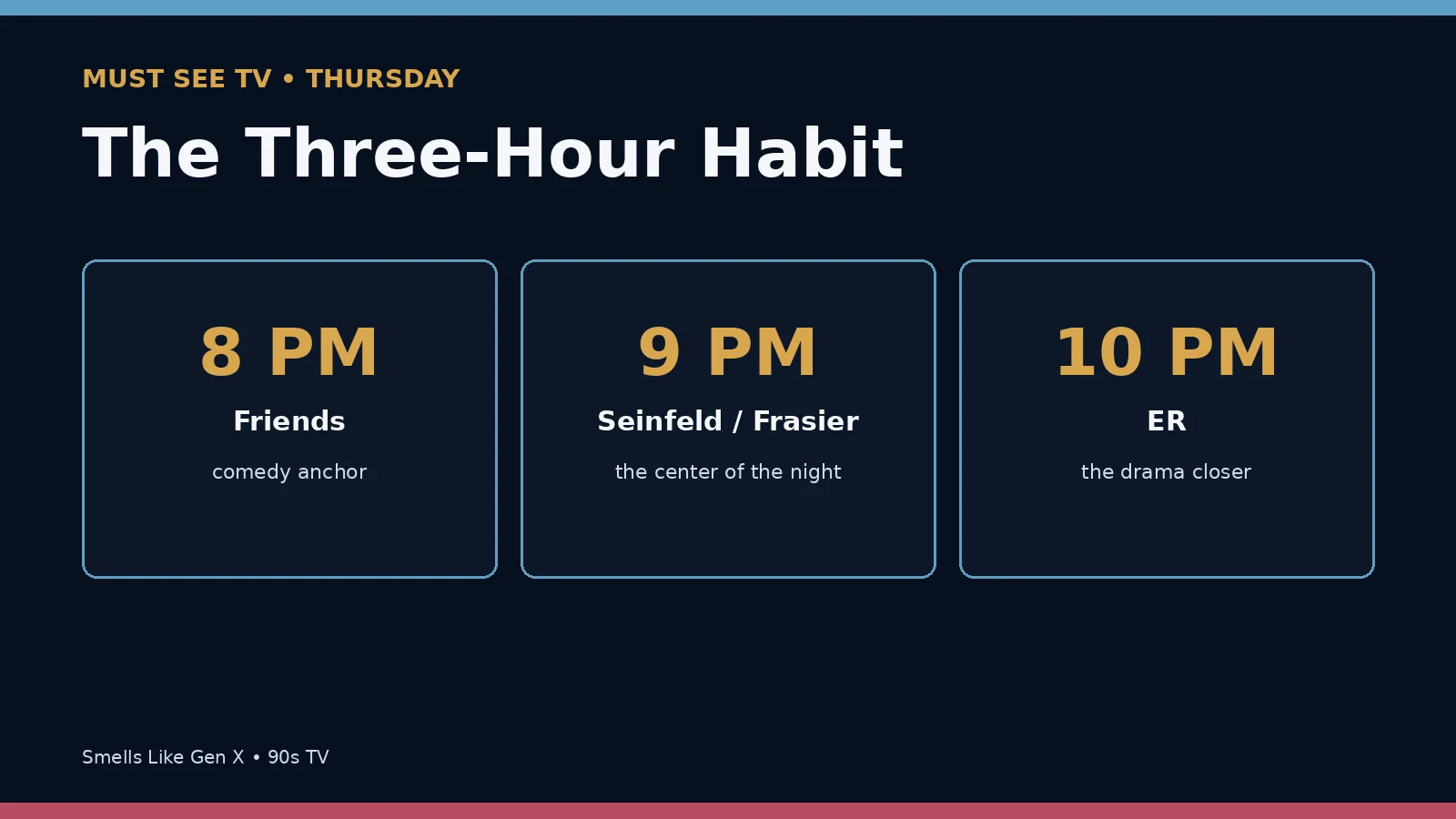
NBC combined elite shows with strategic scheduling. Friends opened the night, Seinfeld anchored the middle, ER closed at 10, and strong lead-ins helped new comedies launch with audiences other networks could not easily manufacture.
NBC Must See TV in the 90s: How Thursday Became the Center of Prime Time
By the middle of the 1990s, NBC Thursday had become less like a normal television lineup and more like a ratings conveyor belt.
Friends could open the night. A new sitcom could sit behind it and instantly inherit one of television’s largest audiences. Seinfeld owned the 9 p.m. hour. Another comedy could follow. Then ER closed the night with numbers large enough to lead the entire season. NBC did not merely have several hits. It arranged those hits so they strengthened one another.
That is the real story behind Must See TV. The phrase became branding, but the underlying advantage was scheduling. NBC trained viewers to think of Thursday as a destination. If you liked one show, the easiest thing in the world was to leave the television exactly where it was and let the next one begin.
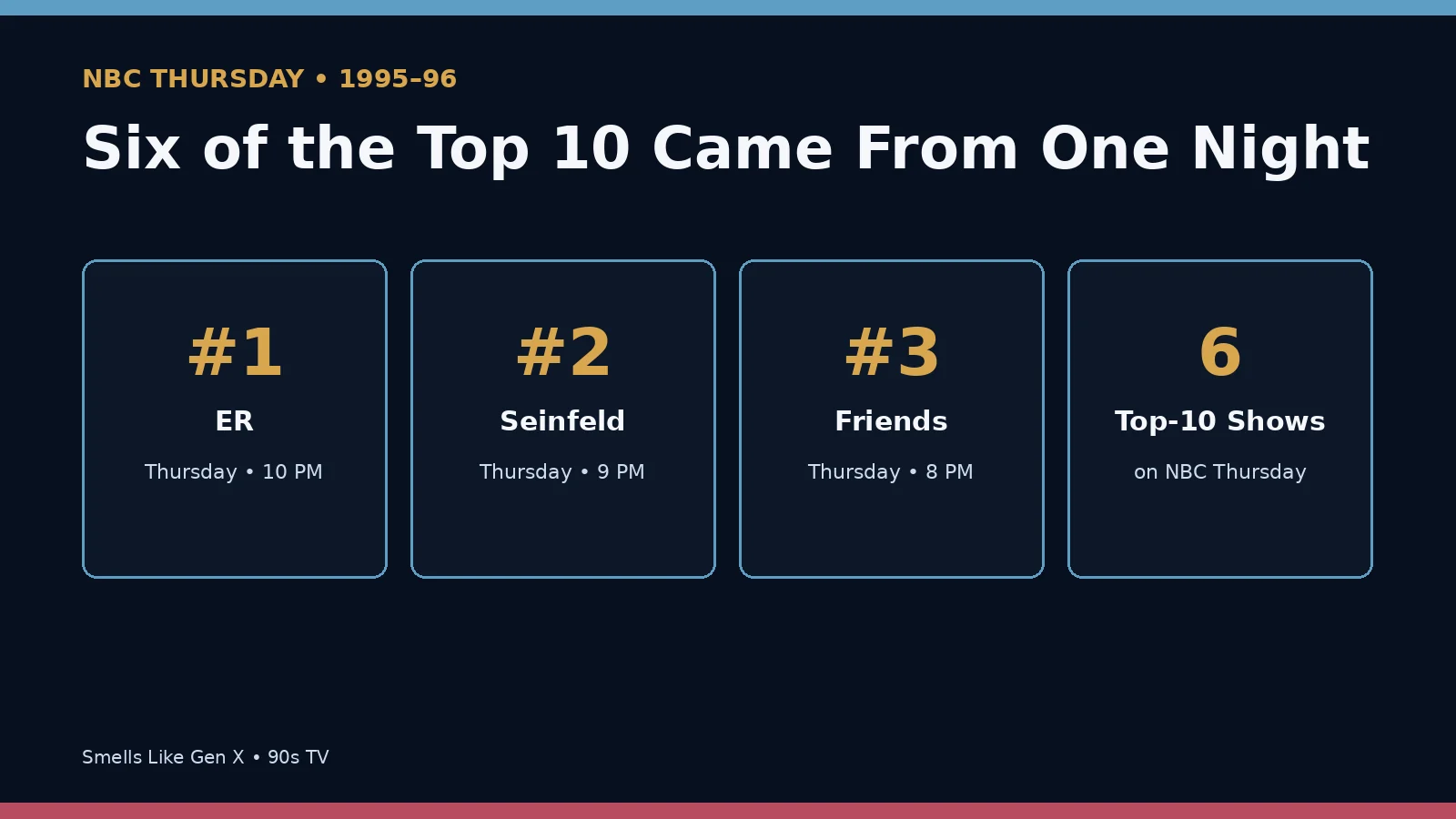
The results were extraordinary. In 1995–96, NBC placed ER, Seinfeld, Friends, Caroline in the City, The Single Guy and Boston Common in the season’s top ten. Six of the ten biggest series in America aired on the same network on the same night.
The broader 1990s TV landscape included enormous hits on ABC and CBS, but no other network concentrated so much cultural and commercial power into one evening.
Thursday Night Dominance Did Not Start With Friends and Seinfeld
NBC’s belief in Thursday as a prestige destination went back to the 1980s.
Former NBC executive Warren Littlefield has described the earlier Thursday lineup built around The Cosby Show, Family Ties, Cheers, Night Court and L.A. Law as a night where the network concentrated its best programming. That history mattered because NBC entered the 1990s already understanding the power of putting premium shows together instead of scattering them across the week.
The lineup changed, the audience changed and the branding evolved, but the strategic idea survived: Thursday should be the night viewers associated with NBC’s strongest television.
What the 1990s added was a new generation of comedies and the breakout power of ER. The result was a night that advertisers valued heavily, particularly movie studios trying to reach viewers one day before major Friday theatrical openings.
Must See TV was therefore both cultural and commercial. The audience remembered the shows. NBC remembered what the shows were worth when they were stacked together.
Friends Became the Perfect Opening Act for NBC Thursday
Friends was valuable not only because it became a huge hit. It was valuable because it began the night.
An 8 p.m. anchor shapes everything behind it. A viewer already settled into Monica’s apartment at eight was one remote-control decision away from whatever NBC scheduled at 8:30. That gave the network a launchpad for new comedies that competitors could not easily recreate.
The Friends story belongs to that show’s characters, chosen-family appeal and picture of young-adult life. Here, the important point is scheduling power. NBC could use Friends as an audience delivery system.
That helped explain why shows with much weaker cultural afterlives could post enormous early numbers. A Thursday launch did not guarantee long-term greatness, but it guaranteed exposure. Millions of people were already sitting there.
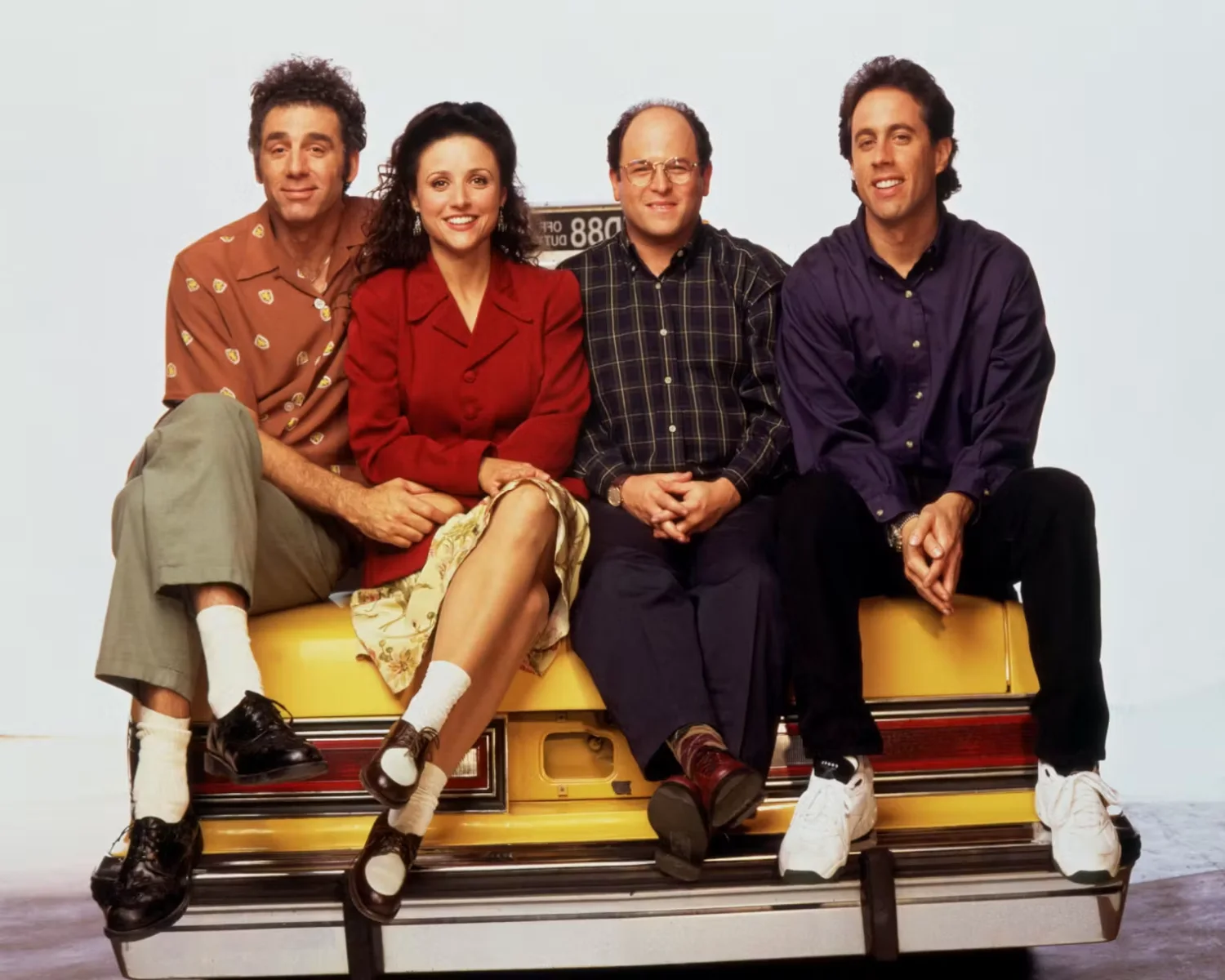
Seinfeld Made NBC’s Middle Hour Almost Impossible to Attack
By the middle of the decade, Seinfeld had become one of television’s defining comedies and one of NBC’s strongest ratings weapons.
In 1995–96 it finished #2 for the season behind only ER. It remained near the top through the following season, then left television as the #1 series in 1997–98. That gave NBC a second giant anchor inside the same night.
The larger Seinfeld legacy is about comedy language, social friction and the refusal of sentimentality. The scheduling story is simpler: when a show that powerful sits at nine, everything around it becomes more valuable.
Advertisers wanted the audience. New comedies wanted the lead-in or lead-out. NBC could promote the next week’s Thursday slate to people already watching the current one. The schedule became self-reinforcing.
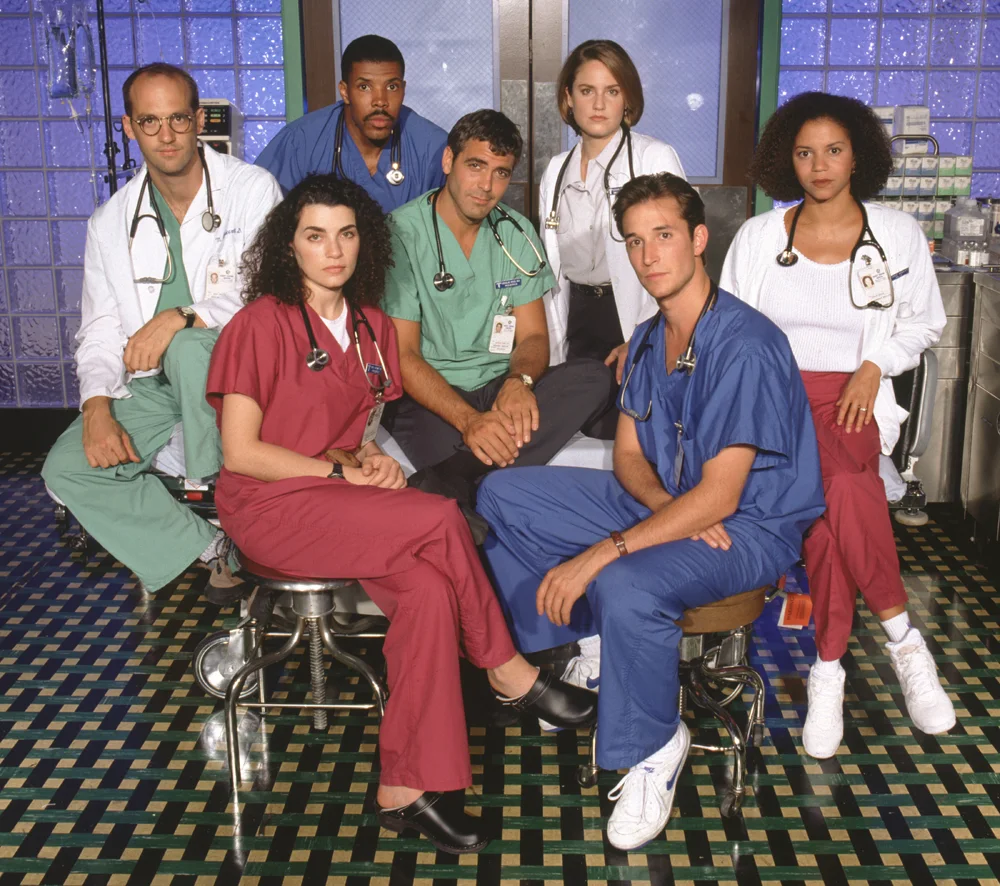
ER Turned the End of Thursday Into the Biggest Drama Hour on Television
NBC could have had a great comedy block and still lacked a complete night. ER made the strategy brutal.
The medical drama finished #1 in 1995–96, #1 again in 1996–97 and #1 in 1998–99. Its speed and emotional urgency made the 10 p.m. hour feel completely different from the sitcoms before it, but the audience transition worked.
That show-level transformation belongs in our deep dive on how ER redefined 90s medical drama. For Must See TV, the key is what ER did to the night as a whole: NBC could keep viewers from eight until eleven without asking them to leave the network.
Three hours of concentrated attention meant three hours of premium advertising inventory and three hours of promotion for the rest of NBC’s schedule. The network was not just selling programs. It was selling the expectation that Thursday was worth staying home for.
1996 Shows How Dominant Must See TV Had Become
The 1995–96 season is the cleanest snapshot of the machine operating at full power.
The 1996 Nielsen top ten had ER at #1, Seinfeld at #2, Friends at #3, Caroline in the City at #4, The Single Guy at #6 and Boston Common at #8. Every one of those shows aired on NBC Thursday.
Only Monday Night Football, Home Improvement, 60 Minutes and NYPD Blue broke the monopoly. One night from one network supplied sixty percent of the season’s top-ten programs.
That concentration is hard to imagine now because distribution no longer depends on one finite prime-time grid. In 1996, schedule architecture could become a competitive moat. A hit helped the next show, and that next show made the whole night more valuable.
Caroline, The Single Guy and Boston Common Show the Power of the NBC Bench
Must See TV was not just the immortal shows.
Caroline in the City finished #4 in 1995–96. The Single Guy finished #6. Boston Common finished #8. Those rankings sound bizarre now because the shows do not have the same cultural afterlife as Friends or Seinfeld.
That gap between ratings success and long-term memory is exactly what makes the forgotten Must See TV sitcoms worth examining separately. Here, they demonstrate the machine’s depth. NBC could place a competent new comedy inside Thursday and immediately expose it to an audience other networks spent years trying to build.
That did not guarantee lasting greatness. It did guarantee sampling, press attention, promotional support and an unusually forgiving launch environment.
It also created a weird historical effect: shows that were genuinely among the biggest on television can now feel obscure because their original success was partly tied to a schedule that no longer exists.
Must See TV Used Its Strongest Hits to Manufacture Sampling for New Sitcoms
The most revealing positions on NBC Thursday were often not the famous hours. They were the half-hours next to them.
A network with Friends at eight and Seinfeld at nine possessed two enormous pools of viewers separated by one thirty-minute opening. Put a new comedy at 8:30 and the show could inherit people who had already turned on NBC and were waiting for the next anchor. Put another at 9:30 and it could benefit from viewers reluctant to leave before ER.
That is why the 1995–96 ratings can look almost impossible now. Caroline in the City, The Single Guy and Boston Common were not merely three unrelated sitcoms that happened to become top-ten hits. They were placed inside a circulation system built by stronger programs around them.
The arrangement created an unusually efficient way to test new shows. NBC could expose millions of viewers to a premiere without first asking them to seek it out. If the comedy connected, the network had a new asset. If it did not, another program could take the slot while the Thursday brand remained intact.
This is also why raw ratings alone do not tell the whole story of a Must See TV sitcom. A huge first season could reflect genuine appeal, extraordinary scheduling conditions or both. The network understood that distinction even when viewers did not think about it consciously.
Must See TV was strongest when the anchors and the bench worked together: one group created the habit, and the other group converted that habit into more programming value.
In 1997 NBC Put Seven Shows in the Nielsen Top 10
The following season made NBC’s broader network dominance even more obvious.
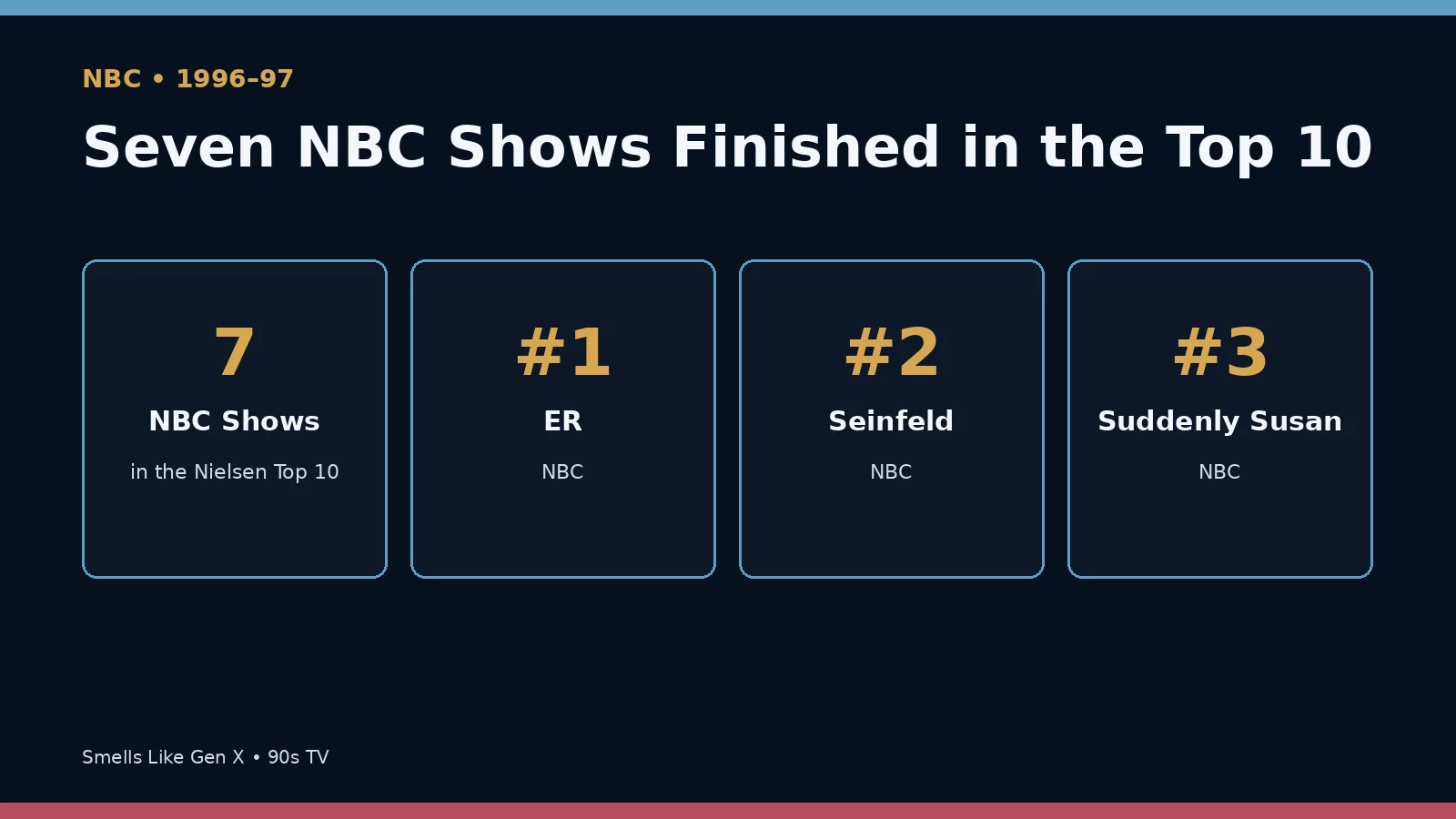
Seven NBC programs finished in the 1996–97 top ten: ER, Seinfeld, Friends, Suddenly Susan, The Naked Truth, Fired Up and The Single Guy. Not all occupied the same Thursday positions for the entire season, but the concentration showed how successfully NBC was converting scheduling, promotion and hit-making infrastructure into ratings.
The full 1997 Nielsen ranking owns the season list. The data story behind NBC’s seven-of-ten achievement belongs in our analysis of how NBC put seven shows in the 1997 top ten. From the Must See TV perspective, the lesson is that Thursday was the center of a larger network ecosystem.
Shows could move nights. Talent could move between projects. Promotional weight could shift. NBC had enough successful pieces that the prestige of Thursday radiated through the rest of the schedule.
Suddenly Susan Became the Clearest Example of Must See TV Exposure
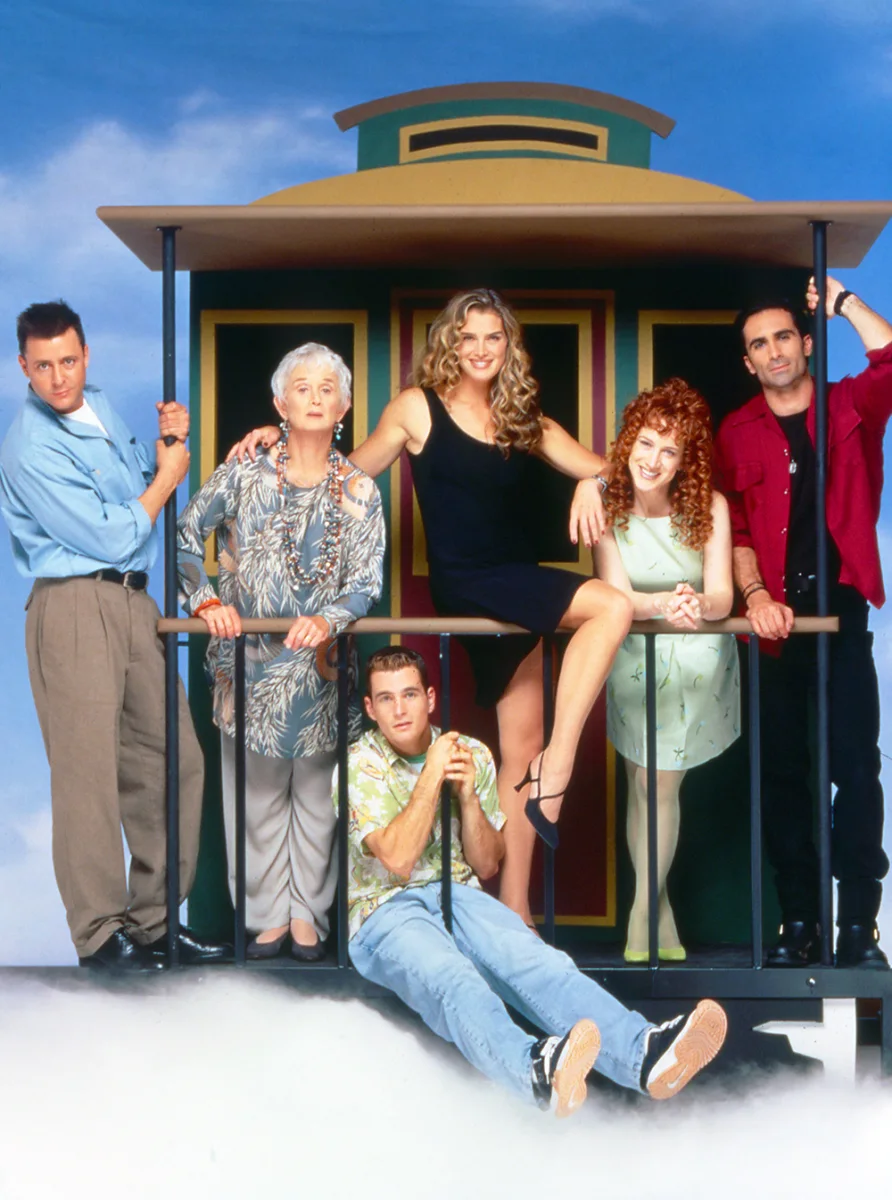
Suddenly Susan is one of the best examples of how a time slot can become part of a show’s ratings story.
The Brooke Shields sitcom premiered on Thursday in fall 1996 and immediately posted huge numbers. Early season data placed it among television’s most-watched new shows, and it eventually finished #4 in the 1996–97 season.
That does not mean the audience was fake. Viewers still had to remain in the room. But the launch conditions were extraordinary: one of the most promoted nights in television, surrounded by established hits, with NBC using the entire Thursday machine to create awareness.
That is why Must See TV needs its own article rather than being reduced to a list of shows. The network strategy altered the starting conditions for individual programs.
When Seinfeld Ended, NBC Moved Frasier Into the Thursday 9 PM Slot
The end of Seinfeld in 1998 was the kind of event that exposes whether a programming strategy is built around one show or an entire system.
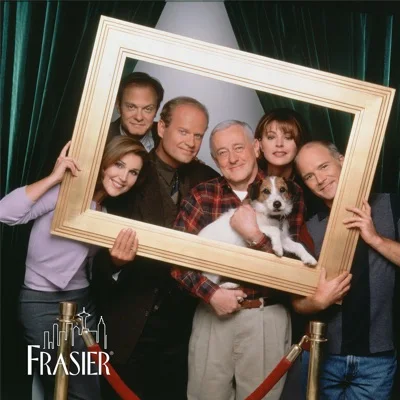
NBC chose Frasier to inherit the Thursday 9 p.m. slot. Warren Littlefield publicly framed the move as part of the effort to retain NBC’s dominance, and the decision worked extremely well for Frasier itself.
The Frasier 90s story shows the result: the series jumped from #13 with 16.8 million viewers in 1997–98 to #3 with 22.5 million in 1998–99, a 34% increase after changing nights.
NBC could not replace Seinfeld culturally. It did not need to. It needed to preserve the expectation that Thursday at nine still belonged to a major comedy. Frasier gave the network continuity while remaining completely different in tone.
1999 Proved Must See TV Still Had Power After Seinfeld
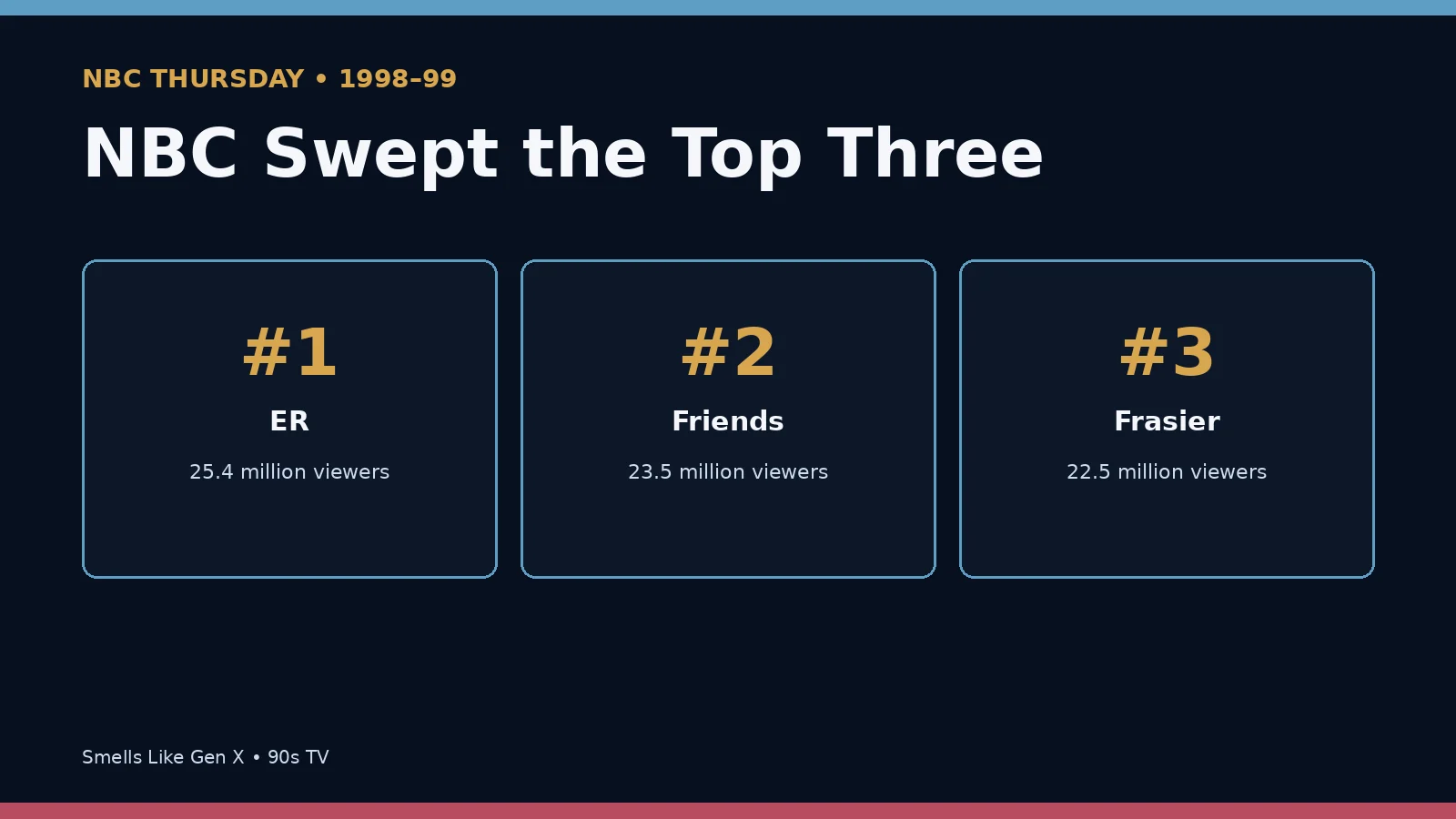
The 1998–99 season did not look exactly like the mid-decade peak, but NBC still owned the top three shows in America.
ER finished #1 with 25.4 million viewers. Friends was #2 with 23.5 million. Frasier was #3 with 22.5 million. The 1999 season ranking shows that Thursday remained central even while the network business around it was starting to weaken.
That is what makes the late-90s version of Must See TV so interesting. It was simultaneously a triumph and a last great expression of the old broadcast order. The biggest shows were still gigantic, but audiences were fragmenting across cable and new forms of attention.
NBC could still own Thursday. What it could not do was stop the television universe from getting larger.
Must See TV Became One of the Most Valuable Advertising Nights in Television
A huge audience on Thursday had special commercial value.
Movie studios opened major releases on Friday. Reaching tens of millions of viewers on Thursday night meant promoting those films immediately before opening weekend. Television Academy coverage of NBC’s history quotes network veterans describing the night as an extraordinary revenue machine.
The audience also included demographics advertisers prized. That gave NBC leverage to charge premiums and made the schedule more than a prestige project. Must See TV was a business system.
This is why NBC worked so hard to protect the night after individual shows ended. A hit on Thursday was not only a hit. It strengthened the value of the entire block and made the surrounding schedule easier to sell.
NBC’s Real Product Was the Thursday Viewing Habit
The most powerful part of Must See TV was behavioral.
NBC wanted viewers to stop making a new decision every half-hour. If Thursday already meant NBC, then a new show did not start from zero. It arrived inside a habit.
That is why lead-ins mattered so much. The network could reduce friction. A viewer who turned on Friends did not need to consciously choose the next sitcom in the same way someone browsing hundreds of streaming thumbnails does now.
The system was built for an era when television had fewer channels, fixed schedules and enormous live audiences. Its logic is part of the reason the phrase “Must See TV” still evokes more than individual shows. It evokes a night.
Must See TV Marketing Made the Lineup Feel Bigger Than Individual Shows
A schedule becomes a brand only when viewers understand the connection between its pieces.
NBC promoted Thursday as an event, not just a set of unrelated programs. The network could use commercial breaks in one hit to sell the next hit. Casts appeared in network promotions. New shows were introduced as members of an already successful club.
That created a halo effect. A mediocre new comedy could feel more important simply because it lived between famous neighbors. A strong new comedy could grow faster because the audience knew where to find it.
The branding also made Thursday resilient. Individual shows came and went, but the promise remained: NBC was going to put important television here.
Why Competing Against NBC Thursday Was So Difficult
A rival network did not need one successful show to break Thursday. It needed a reason for viewers to leave a lineup they already trusted.
That is a much harder problem. A competitor could win one half-hour and still lose the night because NBC’s audience returned for Seinfeld or ER. A movie could spike. A special could draw attention. But the Thursday habit gave NBC recovery points throughout the evening.
ABC and CBS still had powerful franchises. Home Improvement, 60 Minutes, Touched by an Angel and other shows routinely posted huge audiences on their own nights. What NBC built was different because the strength was concentrated.
In scheduling terms, Thursday behaved like a fortified block rather than a series of isolated battles.
Must See TV Could Make a Show Huge Without Making It Last
One of the most useful things about looking back at the NBC Thursday machine is seeing the difference between audience size and cultural durability.
Some shows turned the opportunity into decades of memory. Friends, Seinfeld, Frasier and ER kept enormous afterlives through syndication, home video, streaming and constant cultural reference. Other shows posted top-five or top-ten ratings and then faded from everyday conversation.
That does not make the original ratings meaningless. Millions of people really watched Caroline in the City, The Single Guy, Boston Common, Suddenly Susan, Veronica’s Closet and other NBC comedies. What changed is the memory filter. Reruns, streaming availability, iconic characters and later generations decide which hits remain visible.
The schedule could solve one problem: getting people to sample a show. It could not solve every problem after that. A series still needed characters viewers wanted to revisit, episodes that held up outside the original time slot and enough identity to survive after the network stopped surrounding it with stronger neighbors.
That is why Must See TV is so interesting as a system. It could amplify success, but it could also temporarily make ordinary success look extraordinary. The difference became clearer only years later, after the Thursday machine was gone.
Watching Must See TV in the 90s
There was a period when Thursday night television did not feel like browsing. It felt like knowing where you were going.
You knew Friends was there. You knew Seinfeld was there. You knew ER was waiting at ten. Even if you did not love every show between them, the network had already made the night easy.
That is the part streaming cannot quite reproduce. A service can recommend the next episode. It can autoplay. But Must See TV was synchronized. Millions of other people were hitting the same jokes and the same cliffhangers at roughly the same moment.
Friday morning conversations were part of the product even though NBC did not control them. The schedule created common reference points, and one network supplied a ridiculous number of them.
Must See TV Faded as the Network Era Itself Began to Fragment
There was no single night when America stopped treating NBC Thursday as a destination.
The erosion happened the way media changes usually happen: one habit at a time. Seinfeld ended. Other replacement comedies arrived and left. Cable continued expanding. Fox became more competitive. The WB and UPN carved out younger audiences. Home video, the internet and eventually digital television gave viewers more places to spend the same hours.
NBC still had major Thursday hits after the 1990s, and the phrase Must See TV survived in different forms. But the structural advantage became harder to sustain because the audience was no longer concentrated enough for one network block to define the evening in the same way.
The late-90s numbers show the transition clearly. NBC could still place ER, Friends and Frasier in the top three for 1998–99, yet overall network audiences were already declining. The machine was still working while the environment that powered it was changing underneath.
That is why the 90s version feels so complete in hindsight. It was not merely a collection of famous shows. It was one of the final demonstrations of what a broadcast network could do when tens of millions of viewers shared the same schedule.
Why Must See TV Could Not Work the Same Way Today
The idea of putting your best shows together still makes sense. The amount of control a network had over audience flow does not.
Viewers now choose among streaming services, on-demand libraries, social video, games, podcasts and countless other forms of entertainment. A lead-in no longer guarantees that the next program even exists inside the same interface, much less that people will remain for it.
What survives is the lesson about concentration. Brands still benefit from creating destinations. Platforms still want franchises that reinforce one another. Sports still use lead-ins and event scheduling. But the old three-hour broadcast block had a power created by scarcity.
Must See TV was brilliant strategy inside the environment that made it possible.
Must See TV Legacy: NBC Turned Scheduling Into Culture
The lasting lesson of NBC Must See TV in the 90s is that programming strength can multiply when the schedule itself becomes part of the audience habit.
NBC did not merely acquire hit shows. It arranged them, promoted them together, used anchors to introduce new series, moved proven shows when holes opened and protected Thursday even as Cheers, Seinfeld and other cornerstones ended.
The individual series deserve their own legacies. Must See TV deserves recognition for what happened between them: the network strategy that made one night feel bigger than the sum of its shows.
By 1996, six Thursday series sat in the Nielsen top ten. By 1999, ER, Friends and Frasier occupied the top three spots. That is what owning a night looked like in the network era.
The numbers alone explain the scale, but the habit explains the memory. NBC did not simply win individual half-hours; for millions of viewers it made Thursday feel preselected, which may be the most valuable thing a television network could own in the pre-streaming era.
NBC Must See TV FAQ: Thursday Nights, Ratings and the 90s Lineup
What was Must See TV?
Must See TV was NBC’s branding for its high-profile prime-time programming, especially the Thursday night lineup that became home to shows such as Friends, Seinfeld, Frasier and ER.
Why was Thursday so important to NBC?
Thursday concentrated premium comedies and dramas into a continuous viewing block, letting strong lead-ins help new shows while creating a valuable audience for advertisers.
How dominant was NBC Thursday in 1995–96?
Six Thursday shows finished in the season’s top ten: ER, Seinfeld, Friends, Caroline in the City, The Single Guy and Boston Common.
What show closed Must See TV at 10 p.m.?
ER became the defining 10 p.m. drama of the 1990s Thursday lineup and repeatedly finished #1 for the season.
What happened after Seinfeld ended?
NBC moved Frasier into Seinfeld’s Thursday 9 p.m. slot for 1998–99. Frasier’s average audience rose to 22.5 million and the show finished #3.
Was Must See TV only Friends and Seinfeld?
No. The strategy also depended on ER, Frasier and a large bench of sitcoms such as Caroline in the City, The Single Guy, Boston Common, Suddenly Susan and others.
Why did Must See TV matter to advertisers?
The Thursday audience was huge and commercially attractive, and movie studios especially valued reaching viewers immediately before Friday theatrical openings.
Why is Must See TV hard to recreate now?
Streaming, on-demand viewing and fragmented attention have reduced the power of a single network schedule to keep a mass audience on one channel for three consecutive hours.