
FRESH PRINCEHow Will Smith Made Bel-Air Feel Like Home
The clothes were loud, the theme was unforgettable and the jokes moved fast. Underneath all of it, Fresh Prince was a family sitcom with much more range than nostalgia sometimes remembers.
Quick Answer
The Fresh Prince of Bel-Air became a defining 1990s sitcom because it built a classic family-comedy structure around Will Smith’s hip-hop charisma while making room for class conflict, race, identity, fatherhood and emotional drama. The series premiered on NBC on September 10, 1990, ran for six seasons through May 1996 and turned the Banks household into one of the decade’s most recognizable television families.
The Theme Song Did Half the Setup Before the Episode Even Started
The Fresh Prince of Bel-Air had one of those television openings that did not merely introduce the show. It taught you the premise, the tone and the main character before the first scene began. Will Smith rapped the story of a teenager from West Philadelphia sent across the country to live with wealthy relatives in Bel-Air, and by the time the taxi pulled up to the mansion, the audience already understood the collision.
That efficiency mattered. Sitcom pilots usually spend precious minutes explaining who is related to whom and why everybody is in the same house. Fresh Prince could skip a lot of that because the opening had already done the heavy lifting. The theme became so familiar that viewers who could not name a specific episode could still recite huge sections of it years later.
It also announced that this was not going to be a generic family sitcom with a young Black lead dropped into an existing formula. Hip-hop was built into the identity from the opening seconds. Will Smith did not leave the Fresh Prince persona at the studio door. The series used it as the point of entry.
The show premiered on NBC on September 10, 1990, and the Los Angeles Times reported that the debut finished 17th in that week’s Nielsen rankings. That was a strong enough opening to establish the series immediately as more than a novelty experiment. The network had a recognizable new star, a clear premise and a theme song that practically functioned as advertising every time it played.
The Origin Story Was Almost as Unlikely as the Sitcom
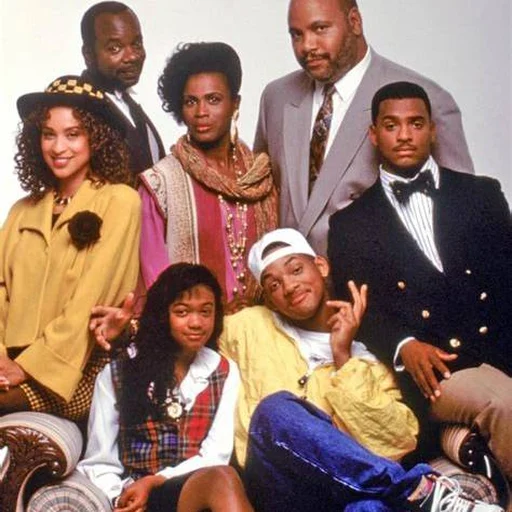
The series grew from a combination of Benny Medina’s experiences, Quincy Jones’s producing instincts and Will Smith arriving at exactly the right moment. Television Academy material on producer Jeffrey Pollack notes that the show was inspired by Medina’s experience moving between different social worlds while attending Beverly Hills High School.
Smith’s own story has become part of Hollywood folklore. In his memoir, he recalled being brought to a party at Quincy Jones’s home, meeting NBC executives and being pushed into an impromptu audition on the spot. The scene sounds exaggerated because it is almost too perfect: the rapper who would become the star, the legendary producer, network executives in the room and a decision that changed Smith’s career before he had time to overthink it.
Quincy Jones later discussed serving as an executive producer on the series in his Television Academy interview. His presence mattered because Fresh Prince was never simply a television vehicle assembled around a popular musician. The show had people behind it who understood music, entertainment, Black culture and mainstream television as overlapping businesses rather than separate lanes.
That combination is part of why the series felt confident so quickly. It did not spend years apologizing for being young, Black, musical or different from the older family sitcoms surrounding it. It arrived knowing exactly what it wanted the audience to notice first.
Will Smith Was Learning How to Act in Front of Everybody
Watch the earliest episodes now and you can sometimes see Will Smith learning the machinery of sitcom acting in real time. He had charisma, timing and performance confidence from music, but multi-camera television has its own rhythm. Blocking matters. Reaction timing matters. Listening matters. Holding a scene without performing every second matters.
The early version of Will is big because Smith himself was big. He grins, moves, reacts and pushes energy toward the audience. That works because the character is supposed to disrupt the Banks household. Will arrives as a force. His clothes are louder, his body language is looser and his assumptions are different.
The impressive part is how quickly Smith gained control. By the middle seasons, he could still explode into physical comedy but also pull back and let a scene breathe. He learned how to land a joke with less movement and how to let another performer carry emotional weight.
That development is easy to miss because later movie-star Will Smith can make the television years look inevitable. They were not. Fresh Prince is the record of a young performer turning charisma into craft while millions of people watched.
Uncle Phil Was the Weight That Kept the Show From Floating Away
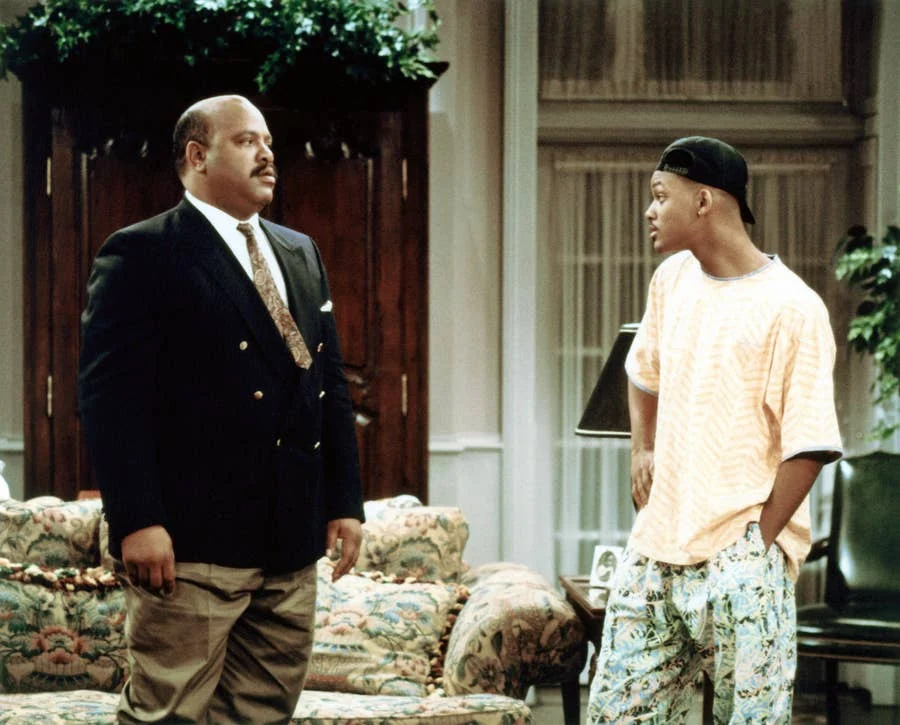
Fresh Prince could have become a very thin show if Philip Banks had been only the rich uncle who shouted at Will. James Avery made him much more than that. He played Phil as a man with history, pride, anger, humor and standards.
The character represented achievement, but not in an abstract way. Phil had earned professional authority. He knew institutions from the inside and understood the compromises required to move through them. That made his conflicts with Will more interesting than simple old-versus-young arguments.
Avery could also make silence feel heavier than dialogue. When Phil was disappointed, the room changed. When he defended the family, the comedy could stop completely. The Television Academy’s biography of Avery notes that he appeared in more than 140 episodes, a reminder of how thoroughly his presence defined the show.
Fresh Prince worked because Uncle Phil was credible as both authority figure and emotional safety net. Will could fight him precisely because viewers believed the relationship would still be there after the fight.
The Banks Family Could Not Be Reduced to One Kind of Black Experience
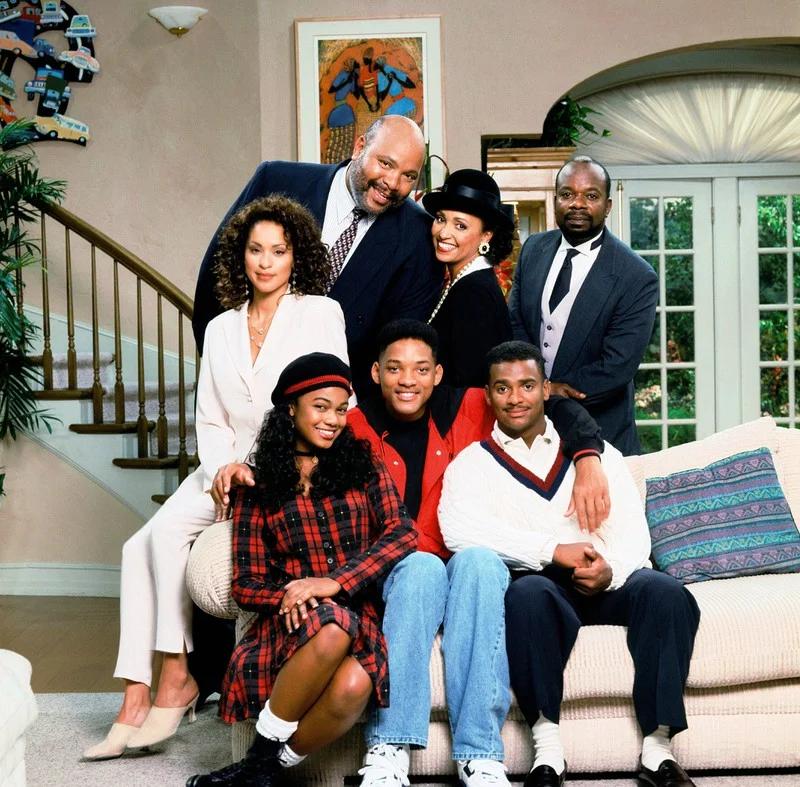
One of the show’s most important decisions was making the Banks family affluent without treating their success as a joke or a fantasy requiring constant explanation. Philip was a lawyer and later a judge. Vivian was highly educated and professionally accomplished. The family lived in Bel-Air, hired Geoffrey and expected their children to succeed.
That frame allowed the writers to explore differences inside Black life rather than reducing every episode to a simple Black-versus-white conflict. Will and Carlton could disagree because they came from different class experiences. Philip could understand racism and still believe in institutions. Vivian could challenge assumptions about respectability, education and history.
The Television Academy’s retrospective on Bel-Air describes the original Fresh Prince as loosely based on Benny Medina’s story and notes that the sitcom repeatedly addressed the Black experience, including class divisions and racial profiling. That is exactly why the wealthy setting mattered. The money did not remove race from the story. It gave the show another way to examine how race and class interact.
For viewers, that also meant the Banks family could simply exist as a family. The mansion was part of the premise, but it was not the entire point. The comedy still came from parents, children, siblings, expectations and embarrassment.
Carlton Was Much Smarter Than the Joke People Remember
Carlton Banks is often reduced in memory to the dance. Alfonso Ribeiro created such a strong comic physical identity that the image became almost impossible to separate from the character.
But Carlton mattered because he represented a real ideological contrast with Will. He believed in achievement, rules, presentation and institutional legitimacy. He was comfortable in elite spaces that Will viewed with suspicion. He could be pompous and sheltered, but the show did not always treat his worldview as fake.
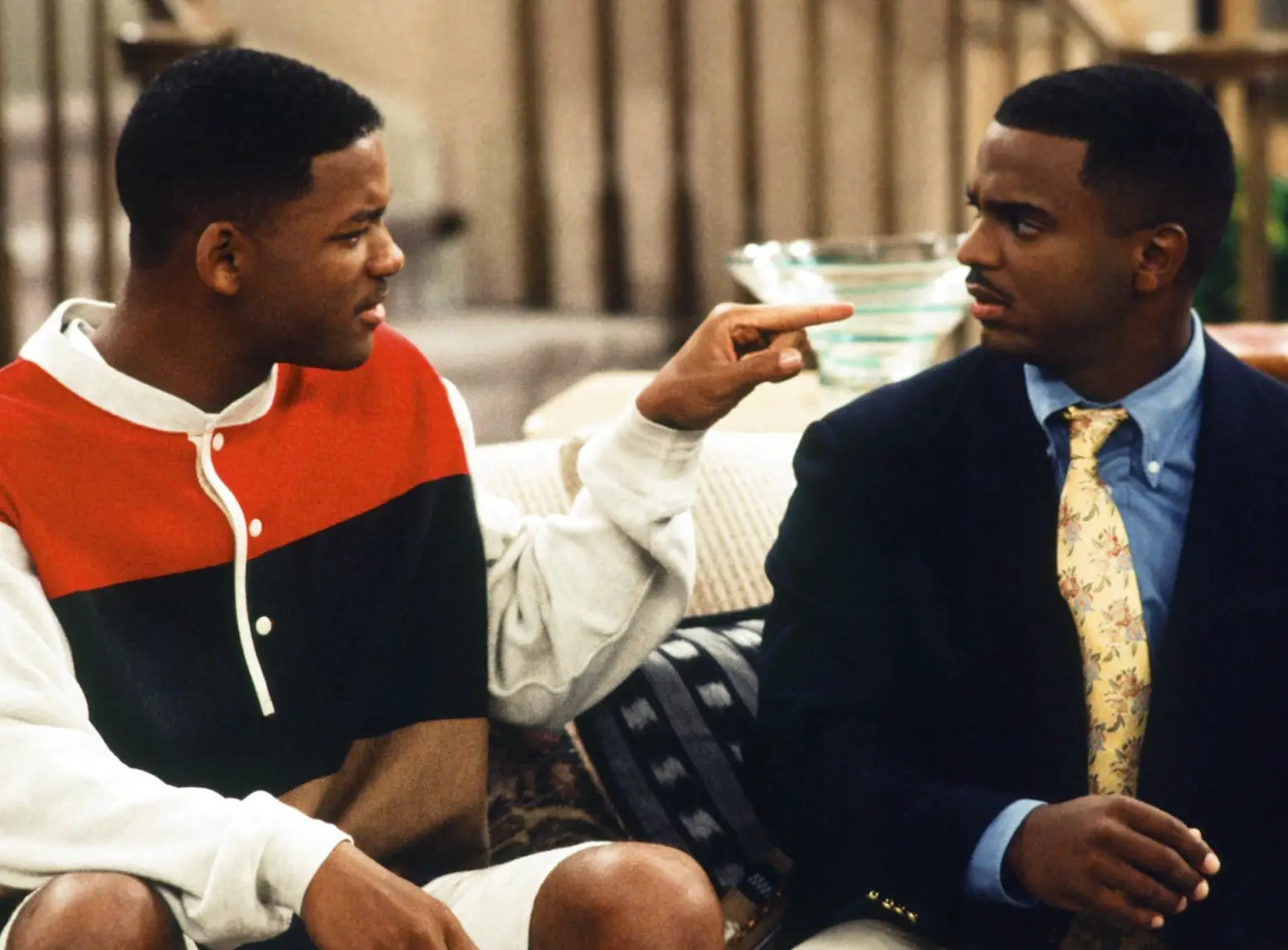
That is what made episodes such as “Mistaken Identity” so effective. Carlton initially believes that the police who stop him and Will are simply doing their jobs. Will understands the racial dimension immediately. Uncle Phil’s response complicates Carlton’s belief that class status and proper behavior can always protect him.
The episode aired early in the first season, which is striking. Fresh Prince was willing almost immediately to use the Will-Carlton contrast for something more serious than clothes and dating.
Carlton’s value to the show came from being both ridiculous and sincere. The character could be hilariously out of touch and still force Will to confront his own assumptions.
Mistaken Identity Told Viewers the Show Had Another Gear
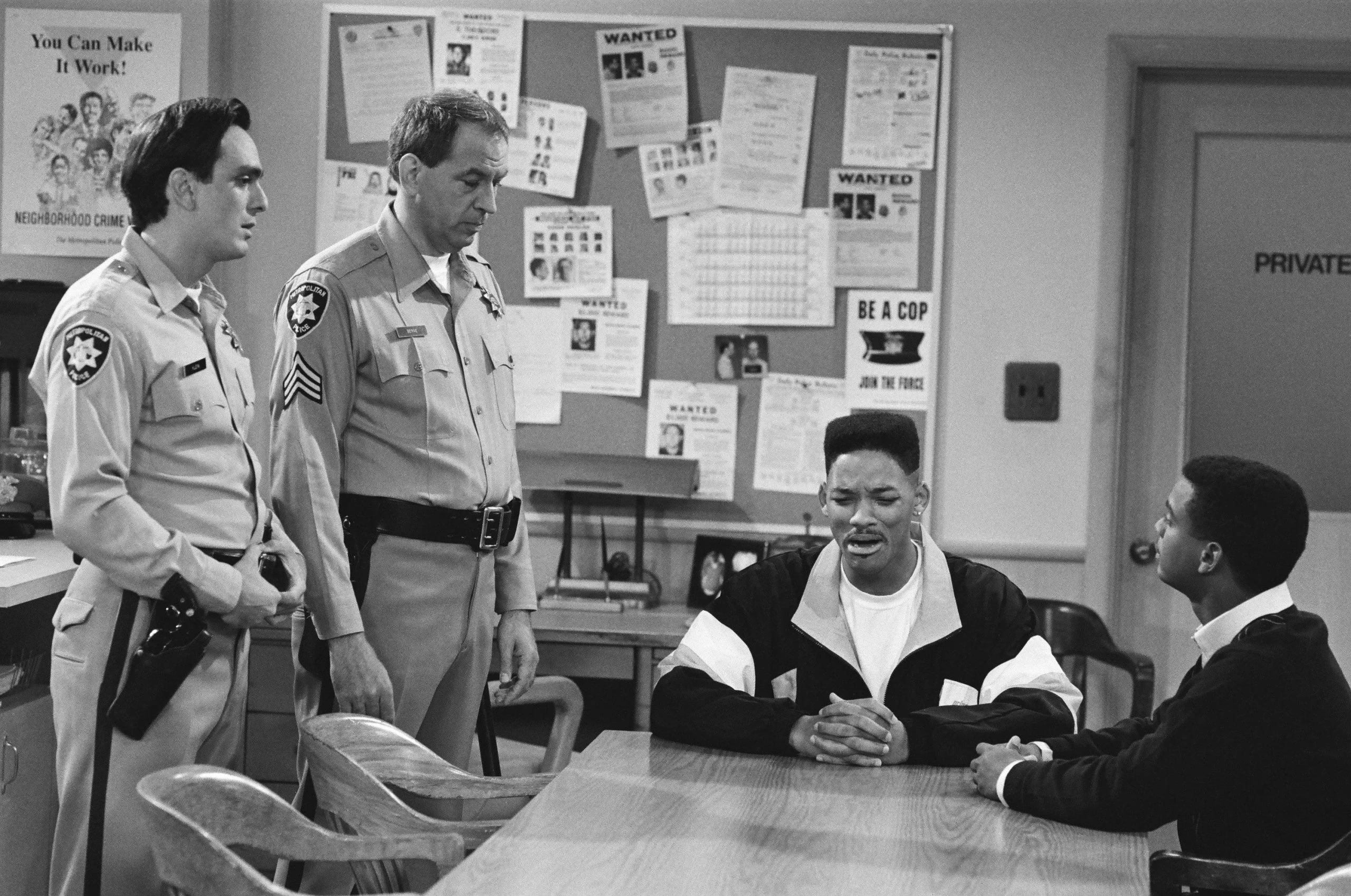
The sixth episode, “Mistaken Identity,” is one of the clearest signs that Fresh Prince understood its potential early. Will and Carlton are stopped while driving a luxury car and treated as suspects. The situation exposes the gap between Will’s expectations and Carlton’s faith in the system.
The episode does not stop being a sitcom, but the final conversation refuses to reduce the issue to a tidy joke. Carlton wants to believe status, education and proper behavior should matter. Will knows the police saw two young Black men in an expensive car before they saw anything else.
Then Uncle Phil adds the line that changes the scene: he has asked himself the same question because he has been stopped too. That connection between generations matters. Philip’s success did not erase the experience.
For a mainstream NBC sitcom in 1990, that was not background texture. It was a direct argument about racial profiling inside a family comedy.
The show returned to race many times after that, but this early episode established a rule: Fresh Prince could make the audience laugh for twenty minutes and still ask it to sit with something uncomfortable before the credits.
Aunt Viv Was Never Just the Mom in the Background
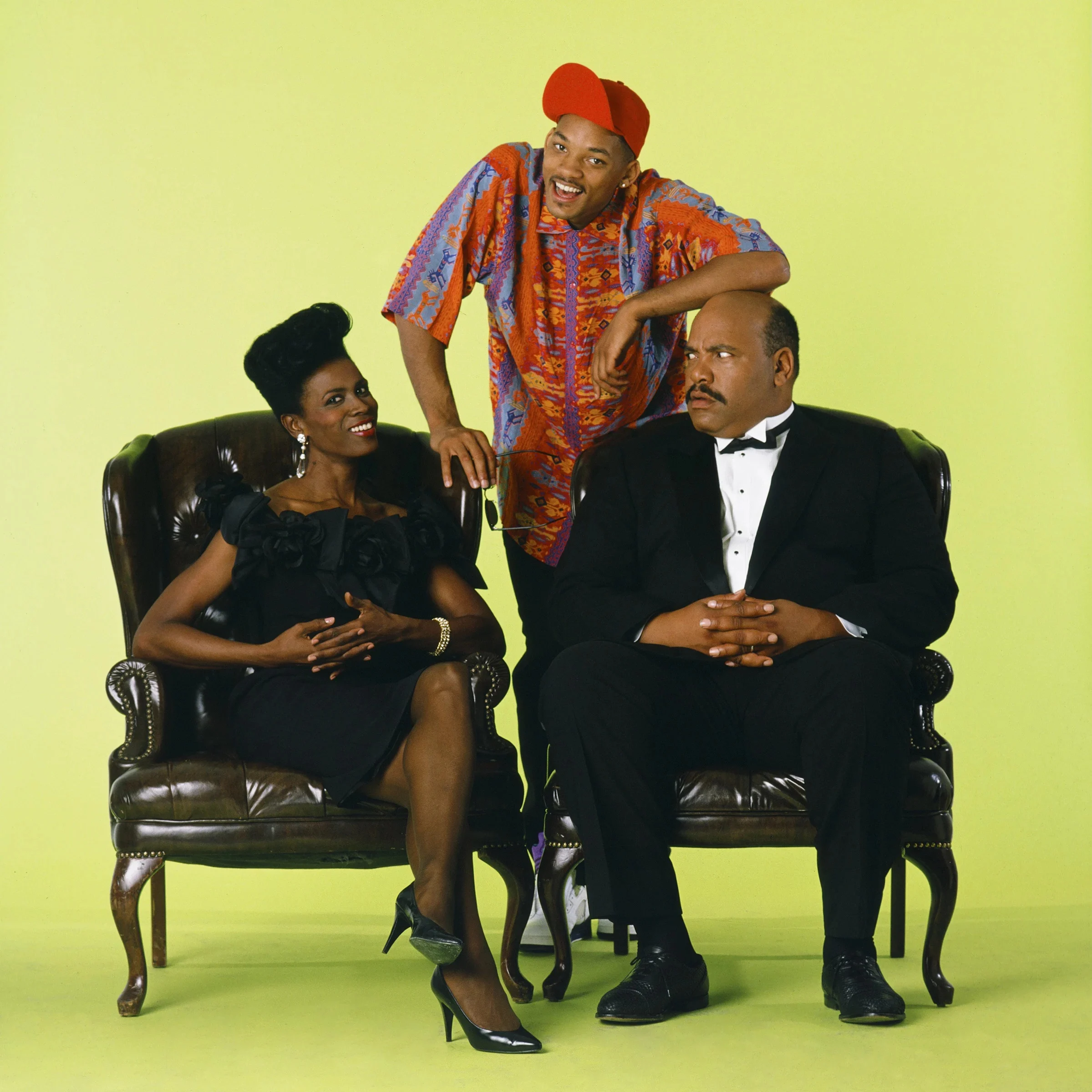
Vivian Banks mattered because the character carried intellectual and emotional authority of her own. Janet Hubert’s original portrayal gave Vivian sharpness, warmth and physical confidence. She could challenge Philip, discipline the kids and enter professional spaces without the show treating her intelligence as decoration.
Some of the best remembered early moments come from episodes where Vivian’s competence becomes the point. Her role as a professor and her willingness to challenge the children’s assumptions made the household feel like it was led by two formidable adults rather than one father and a supporting mother.
The later casting change remains one of the most discussed production stories in the series. Hubert left after the third season and Daphne Maxwell Reid took over the role. For years the public narrative hardened into a feud between Hubert and Smith.
The 2020 reunion complicated that story. The Los Angeles Times and Washington Post both documented their reconciliation and Hubert’s account of what the departure cost her professionally and personally. Smith acknowledged his own role in the conflict.
That later conversation matters because nostalgia often smooths away production pain. The show remains beloved, and Hubert’s contribution to its early identity deserves to remain part of that memory.
Hilary, Ashley and Geoffrey Made the Mansion Feel Lived In
The Banks household worked because the supporting characters had clear identities beyond serving Will’s story.
Hilary’s materialism and social ambition could have made her unbearable, but Karyn Parsons gave the character enough innocence and comic specificity to keep her likable. Hilary often had no idea how absurd she sounded, which made the joke land without turning the character cruel.
Ashley grew up during the series, giving the show a younger perspective that changed over time. Tatyana Ali’s character moved from little sister to teenager, allowing the writers to revisit questions of independence, dating, music and parental control from another angle.
Geoffrey was the household’s dry observer. Joseph Marcell could puncture a scene with one line because Geoffrey was allowed to see the Banks family from both inside and outside. He knew everybody’s secrets and had no need to pretend the household was less ridiculous than it was.
Together they made the mansion feel populated rather than staged. Will entered a functioning ecosystem, not an empty set waiting for him.
Jazz Turned a Recurring Gag Into Television Memory
DJ Jazzy Jeff’s Jazz could appear, irritate Uncle Phil and get thrown out of the house with almost ritual predictability. That gag should have worn out quickly. Instead, it became part of the show’s language.
The reason is rhythm. Jazz represented Will’s connection to the world outside Bel-Air. He brought in a different energy from Carlton or Hilary and reminded viewers that Will had a life and identity before the Banks family.
The repeated ejection gag worked because the audience anticipated it. Sitcoms thrive on ritual when the ritual becomes communal. You know what is coming and enjoy the exact variation.
Fresh Prince had several of those repeatable pieces: Carlton’s dance, Geoffrey’s deadpan reactions, Will’s insults, Hilary’s oblivious comments and the theme song itself. Repeatability helped the show survive syndication because the pleasure did not depend entirely on surprise.
The Clothes Were Doing Character Work
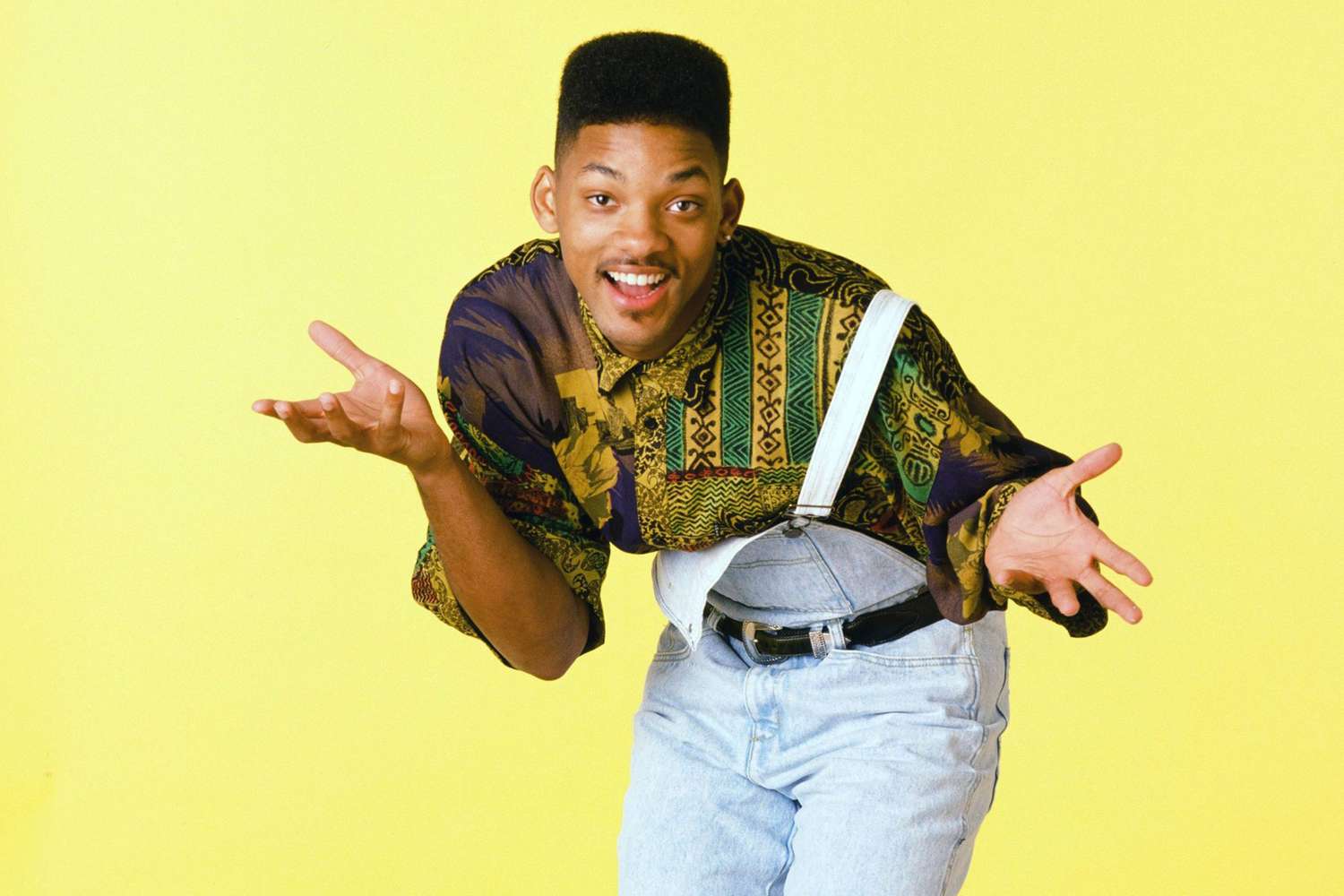
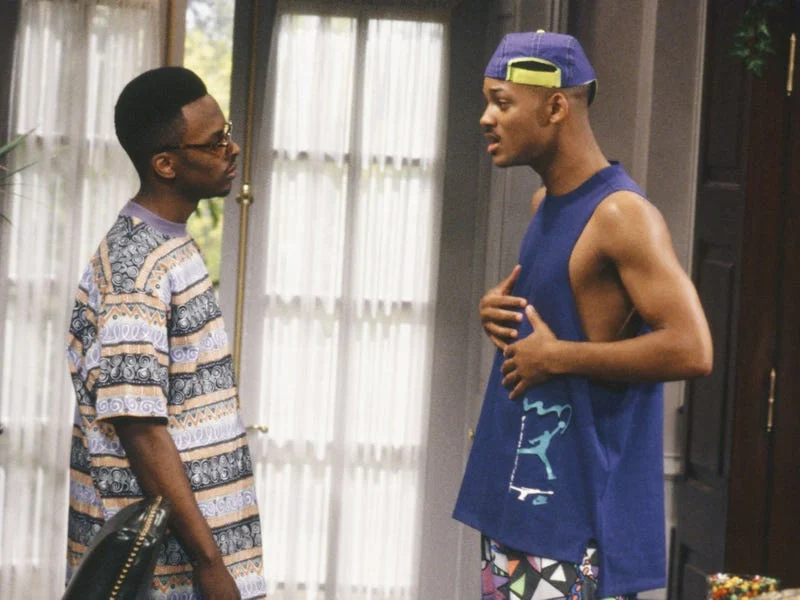
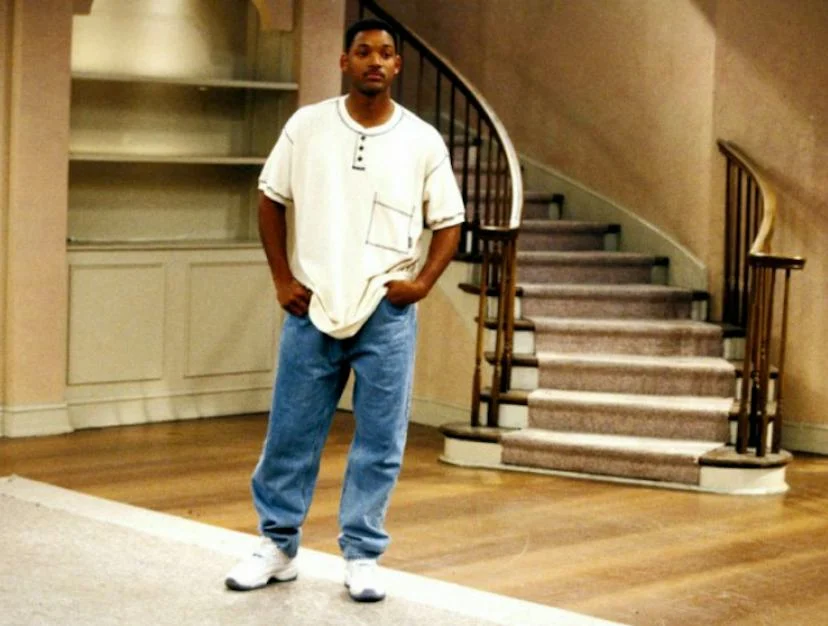
Will’s wardrobe is one of the fastest visual shortcuts into early-90s culture. Bright color, oversized shapes, bold prints, caps and sneakers turned the character into a moving snapshot of youth style.
The contrast with Carlton was just as important. Carlton’s preppy clothes told the audience who he was before he opened his mouth. Philip’s suits communicated authority. Hilary’s fashion signaled a completely different relationship to status and presentation.
Wardrobe therefore carried narrative information. Will did not need to announce that he felt out of place in Bel-Air. He could walk into the room wearing Philadelphia confidence against a background of polished wealth and the contrast was visible.
That is one reason still photos from the show remain instantly recognizable. The series did not merely happen in the 1990s. It looked aggressively like the 1990s.
The Show Sat Right in the Middle of the Early-90s Sitcom Shift
Fresh Prince belongs inside the larger story of how early-90s sitcoms changed prime time. The family sitcom was still powerful, but the tone was changing.
Shows such as Roseanne, Murphy Brown and A Different World were already pushing television away from the polished family-comedy assumptions of the previous decade. Fresh Prince added another angle: a family show whose central character brought hip-hop identity, class friction and teenage perspective into a wealthy household.
That made the series a bridge. It still had parents, siblings, a house and family problems. But Will’s friends, dating life, music and sense of identity mattered as much as the household structure.
Later in the decade, network comedy would move even more aggressively toward apartments, workplaces and chosen families. Fresh Prince did not abandon the family sitcom. It modernized the energy inside it.
A Different World Was the Neighboring Conversation
The Fresh Prince of Bel-Air and A Different World occupied related territory without being the same kind of show.
A Different World centered a historically Black college environment and could explore Black adulthood, education and community through an ensemble. Fresh Prince remained a family sitcom centered on a teenager moving between class worlds.
Together, they widened what mainstream network television could show about Black life. Neither series needed one character to represent everybody. That was the point.
For viewers moving through the early 1990s, the presence of multiple Black-centered network comedies created contrast rather than competition. Hillman and Bel-Air were different spaces with different cultural questions.
The Serious Episodes Worked Because the Comedy Had Earned Trust
Fresh Prince is remembered for episodes about racial profiling, guns, abandonment and responsibility, but the serious moments worked because the show did not spend every week demanding emotional importance.
Most episodes were funny. Will schemed. Carlton overreacted. Hilary misunderstood something. Geoffrey delivered a line from the edge of the room. The household reset.
That routine built trust. When the series suddenly removed the jokes, the audience noticed.
The tonal shift could be abrupt, but sitcoms have always used familiarity to make difficult subjects feel personal. Fresh Prince understood that the same character who made you laugh for months could hurt you more effectively when the mask dropped.
Papa's Got a Brand New Excuse Became the Emotional Benchmark
The season-four episode “Papa’s Got a Brand New Excuse” remains the moment most people cite when explaining that Will Smith became a real actor on this show.
Will’s absent father Lou returns, charms him and promises a cross-country trip before abandoning him again. The episode ends with Will trying to perform indifference until the anger collapses.
The Washington Post later reconstructed how the scene came together. Smith has credited James Avery with helping him find the performance, recalling Avery telling him to stop trying to manufacture the moment and simply act with him.
The Los Angeles Times wrote about the episode when it aired in 1994, with Smith describing it as a new level of acting depth for him and emphasizing that Uncle Phil had effectively become Will’s father.
That is why the scene lasts. The story is not really about Lou. It is about the moment Will understands who has actually been raising him.
Avery’s hug at the end completes the argument without turning it into a speech.
Black Fatherhood Was One of the Show's Quiet Through-Lines
Uncle Phil’s relationship with Will became part of a larger pattern in Fresh Prince: fatherhood was measured more by presence than biology.
Philip could be demanding, angry and traditional, but he consistently showed up. That contrast became especially powerful in stories involving Will’s biological father.
The series also allowed Philip to be vulnerable. He was not simply a symbol of perfect fatherhood. He worried about his children, misjudged situations and occasionally reacted from pride. What made him dependable was not perfection but commitment.
That representation mattered in a media environment where Black fatherhood was often discussed through stereotypes. Fresh Prince offered a successful Black father who was professionally powerful, emotionally available and still capable of being funny.
The character’s cultural afterlife owes a lot to that combination. Uncle Phil became the kind of television father viewers remembered as if he had been supervising their own living room.
The Ratings Were Solid Even Before Nostalgia Made the Show Feel Huge
Fresh Prince was never the highest-rated comedy on television, but it was a durable NBC performer.
In April 1991, the Los Angeles Times reported that NBC had renewed the series with Fresh Prince ranked number 38 in the Nielsen standings, carrying a 13.2 rating and 21 share. That is a useful reminder of how different the television scale was. A mid-ranking network comedy could still be reaching an audience that would look enormous now.
The show also had particular strength with younger viewers. In October 1991, the Los Angeles Times reported that Nielsen estimated about 3.5 million viewers ages 12 to 17 were watching Fresh Prince weekly during the first month of the fall season, making it the second-favorite show among teens behind Beverly Hills, 90210.
That demographic fit mattered enormously. Fresh Prince was culturally young in a way many network sitcoms were not.
Our broader explainer on why 90s TV ratings were so much bigger than television ratings today puts those numbers in context. The show’s long-term cultural footprint became even larger through reruns, but it was already a meaningful broadcast success during the original run.
Monday at 8 Became Part of the Habit
One of the more remarkable facts about Fresh Prince is how stable its schedule remained. When the series ended in 1996, the Los Angeles Times noted that it had never been moved from its original Monday 8 p.m. slot during its six-year run.
That kind of scheduling stability is easy to underestimate now. In network television, time slots are strategic territory. Shows move because ratings weaken, lead-ins change or networks try to rescue other programs.
Fresh Prince became dependable enough that NBC could leave it where viewers expected to find it.
That stability helped turn the show into habit. Monday night, opening theme, Bel-Air. In the appointment-TV era, consistency was a real asset because audiences organized viewing around schedules rather than menus.
Fresh Prince Was Not Must See TV—and That Was Fine
NBC’s mid-90s identity is often reduced to Thursday nights: Friends, Seinfeld, Frasier and ER. Fresh Prince lived outside that machine.
That difference is useful. The series proves NBC’s 1990s strength was broader than one programming block. Monday night could support a youth-skewing family sitcom while Thursday targeted a different audience profile.
Fresh Prince also felt less polished than the later Must See TV comedies. The jokes were broader. Physical comedy was bigger. Sentiment could arrive without irony.
That gave it its own lane. The show did not need to become Seinfeld with teenagers or Friends inside a mansion. Its identity came from family, music, class contrast and Will Smith’s personality.
The Show Understood That Class Could Be Funny and Uncomfortable at the Same Time
A large percentage of Fresh Prince plots begin with Will not understanding or not respecting a rule of Bel-Air life. That difference creates comedy, but the show repeatedly made the class divide more complicated than “rich people are fake.”
The Banks family had money, but Philip and Vivian understood work. Carlton’s privilege could make him sheltered, but it could also give him confidence and access. Will’s outsider perspective could reveal hypocrisy, but his assumptions could be wrong too.
That back-and-forth kept the premise alive beyond the pilot.
If Bel-Air had been presented simply as a corrupt rich world, Will would have no reason to grow attached to it. If Philadelphia had been treated only as a place he needed to escape, the character would lose his roots. The show needed both worlds to matter.
The Aunt Viv Change Altered the Chemistry
Janet Hubert’s departure after season three and Daphne Maxwell Reid’s arrival in season four changed the family chemistry in ways viewers still debate.
Reid played Vivian with a softer comic energy, while Hubert’s version often had more visible edge. Neither interpretation erases the other. They represent two distinct eras of the series.
What makes the change historically interesting is how strongly viewers noticed it. Sitcom casting changes sometimes fade quickly if the role is peripheral. Vivian was not peripheral.
The 2020 reunion finally allowed Hubert and Smith to discuss the fallout directly. The Los Angeles Times documented Hubert describing the professional consequences she experienced, while Smith acknowledged that he had helped shape a damaging public narrative about her.
That reconciliation does not rewrite the past. It gives the audience a fuller picture of what happened behind a show remembered for warmth.
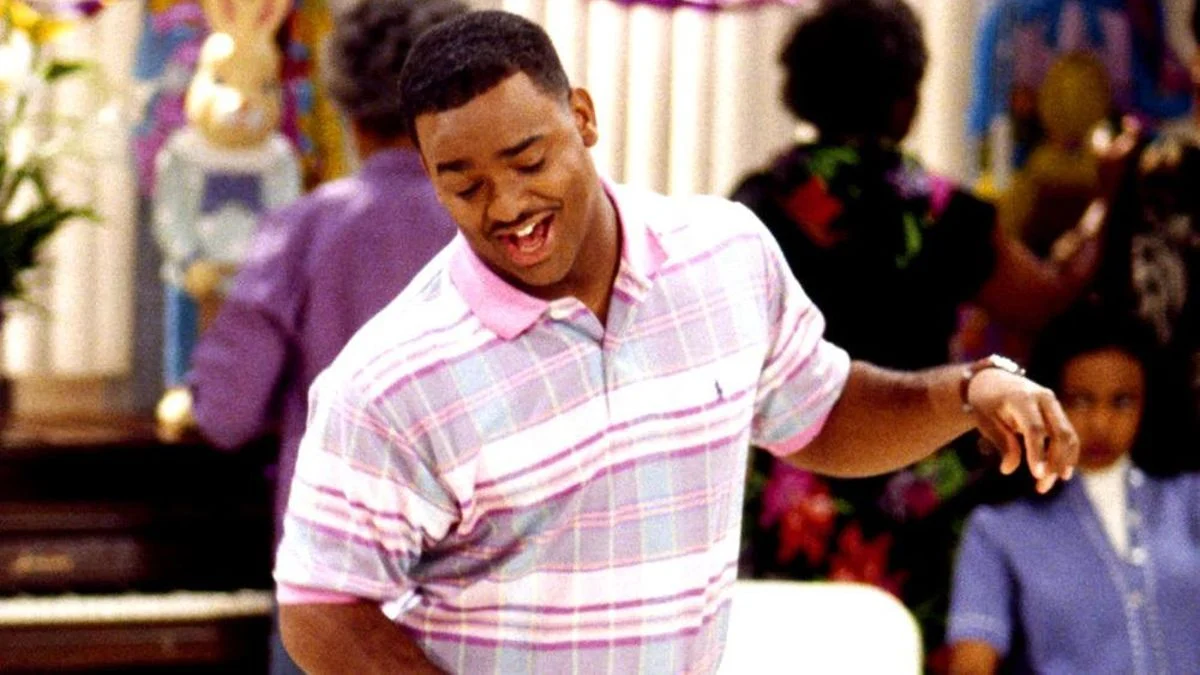
Carlton's Dance Became Bigger Than the Episode It Came From
The Carlton dance is one of those television gestures that escaped the show and became cultural shorthand.
The brilliance is that Carlton performs it without embarrassment. That complete commitment turns the joke from cruelty into affection. The audience laughs, but Carlton is having a better time than everybody else.
The dance also represents something Fresh Prince did extremely well: create repeatable visual moments. You did not need an entire episode to understand the reference. A few seconds could carry the character.
By the time the series ended, Carlton’s dance had become one of those bits of television language people could imitate in a living room without explaining the source.
The Theme Song, Reruns and Syndication Made the Show Practically Immortal
Original ratings explain only one layer of Fresh Prince’s reach. Syndication changed the scale of the memory.
The show’s episodes were easy to enter. Most stories reset enough that a viewer could land halfway through and understand the conflict. The cast was instantly recognizable. The theme song provided orientation.
That made Fresh Prince ideal rerun television. Kids who were too young for the original 1990 premiere could discover the show years later and still feel as though it belonged to their own childhood.
This is one reason nostalgia rankings often make the show feel bigger than its original Nielsen position. Cultural memory rewards repeatability, not just first-run audience size.
The series became part of the after-school and cable ecosystem in a way many higher-rated contemporaries did not.
Fresh Prince Helped Turn Will Smith Into a Movie Star Without Destroying the Show
By the final seasons, it was increasingly obvious that Will Smith’s career was moving beyond television. Bad Boys arrived in 1995. Independence Day was approaching in 1996.
That could have created resentment or destabilized the series. Instead, Fresh Prince reached a natural ending.
When the finale aired in May 1996, the Los Angeles Times reported that Smith had decided the sixth season should be the last because it was time for the cast to move on. The article also emphasized how unusual the show’s stability had been during NBC’s changing fortunes.
The transition looks almost impossibly smooth in hindsight: rapper to sitcom star to movie star.
Fresh Prince was the bridge that made that evolution believable. The television audience had watched Smith learn how to carry comedy, emotion and ensemble scenes. The movies did not appear from nowhere.
Why Fresh Prince Still Feels Warmer Than a Lot of 90s Sitcoms
Fresh Prince was not always subtle. The music cues could tell you exactly how to feel. Serious episodes sometimes turned hard into the lesson. Some jokes were broad enough to see coming from the driveway.
Yet warmth is one of the show’s great strengths.
The Banks home feels emotionally secure even when everybody is fighting. That security gives the series permission to push Will into painful territory because the audience understands he has somewhere to land.
The best family sitcoms create a place viewers want to revisit. Bel-Air did that without pretending the family was perfect.
Will could mock Carlton, argue with Phil, irritate Vivian, tease Ashley and embarrass Hilary, but the show’s fundamental promise was that this family would still be there after the joke.
Fresh Prince and the Shift Toward Chosen Family
Fresh Prince is still a biological-family sitcom, but Will’s experience contains an important chosen-family idea.
He is sent to relatives, yet over time the Banks home becomes more than temporary housing. Uncle Phil becomes a father figure. Carlton becomes something closer to a brother than a cousin. Geoffrey becomes part of the household’s emotional fabric.
That movement anticipates the larger shift explored in our story about how 90s sitcoms increasingly centered chosen family and friendship.
Fresh Prince sits between those models. It keeps the traditional family home but shows family identity being built through presence, loyalty and shared experience rather than biology alone.
The Finale Understood That the House Was a Character
The final episode works because the Banks house itself has accumulated meaning.
By the time the family prepares to move, the set is no longer simply where the jokes happened. It is where Will grew up. It contains six years of arguments, schemes, romances, dances and serious conversations.
The farewell therefore feels bigger than a normal sitcom move. Everybody is leaving the physical center of the series.
For Will, the ending also completes the original premise. He arrived in Bel-Air as a teenager displaced from home. He leaves as someone capable of standing on his own because Bel-Air became home too.
Why the Show Still Matters to 90s TV
On the larger 1990s television landscape, The Fresh Prince of Bel-Air is important because it connected several major changes at once.
It brought hip-hop energy into a mainstream family sitcom without removing the music’s identity. It centered an affluent Black family without asking that family to represent a single version of Black life. It gave NBC a youth-friendly Monday anchor. It helped transform Will Smith from recording artist into actor and eventually movie star.
It also proved comedy and seriousness did not have to live in separate programs. A show could give viewers the Carlton dance, Jazz flying out the door and Geoffrey’s insults, then turn around and talk about racial profiling, abandonment or gun violence.
That range is why the series survives. The clothes are dated in exactly the right way. The music immediately locates the decade. The jokes still have rhythm.
But underneath all of that, the real reason Bel-Air still feels inviting is simple: the family feels like they would let you stay for dinner.
The Fresh Prince of Bel-Air FAQ
When did The Fresh Prince of Bel-Air premiere?
The Fresh Prince of Bel-Air premiered on NBC on September 10, 1990, and ended on May 20, 1996 after six seasons.
Was The Fresh Prince of Bel-Air based on Will Smith’s real life?
Not directly. The premise was inspired in part by producer Benny Medina’s experiences moving between different social worlds, while Will Smith’s existing Fresh Prince persona became the lead character.
How successful was Fresh Prince in the ratings?
It was a durable NBC performer rather than a constant top-ten series. In April 1991, the Los Angeles Times reported it ranked No. 38 with a 13.2 rating and 21 share, and Nielsen data also showed strong teen viewership.
Why was Uncle Phil so important?
James Avery gave Philip Banks authority, humor and emotional weight. His relationship with Will turned the series from a fish-out-of-water comedy into a story about fatherhood, belonging and family.
Why did the actress playing Aunt Viv change?
Janet Hubert left after season three and Daphne Maxwell Reid took over the role. The circumstances were controversial for years, and Hubert and Will Smith publicly reconciled during the 2020 reunion.
What episode deals with racial profiling?
The first-season episode “Mistaken Identity” centers on Will and Carlton being stopped while driving a luxury car and directly addresses racial profiling and class assumptions.
What is the famous episode about Will’s father?
The season-four episode “Papa’s Got a Brand New Excuse” features Will’s absent father returning and then abandoning him again. The final scene between Will and Uncle Phil became one of the series’ most remembered dramatic moments.
Why is The Fresh Prince important to 90s television history?
It blended hip-hop culture, family sitcom structure, Black class identity, broad comedy and serious social themes while helping launch Will Smith into one of the decade’s biggest entertainment careers.
Sources & Further Reading
- Television Academy — The Fresh Prince of Bel-Air Emmy record
- Television Academy — Back to Bel-Air
- Television Academy — Jeffrey Pollack biography and Fresh Prince origins
- Television Academy Interviews — Quincy Jones on Fresh Prince
- Vanity Fair — Will Smith on the audition that launched Fresh Prince
- Los Angeles Times — Fresh Prince renewed, April 1991 Nielsen ranking
- Los Angeles Times — Teen-viewer Nielsen data, October 1991
- Washington Post — The story behind the iconic father scene
- Los Angeles Times — Good Night, Prince, May 1996
- Los Angeles Times — Will Smith and Janet Hubert reconcile
Keep the dial moving: Explore more 1990s TV shows, sitcoms, dramas, ratings and prime-time classics.