Conscious Rap in the 90s
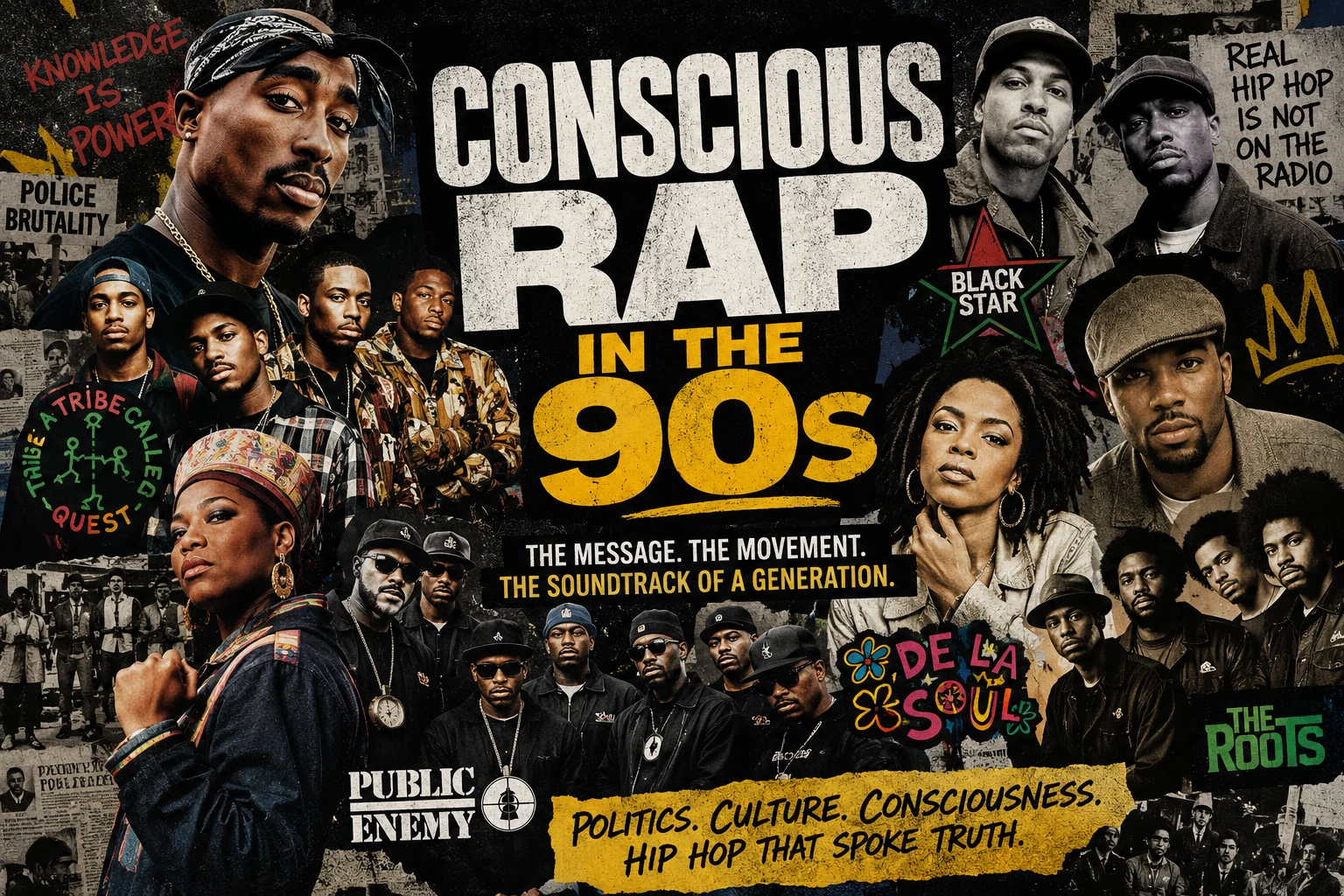
Conscious rap in the 90s was not one sound, one outfit, one backpack, or one guy in a coffee shop explaining oppression over a stand-up bass sample. It was political hip-hop, message rap, Afrocentric style, street reporting, spiritual searching, women talking back, Southern truth-telling, college-radio heat, MTV moments, cassette dubs, CD binder classics, and the songs that made Gen X listen harder while pretending we were just there for the beat.
Conscious rap in the 90s was hip-hop focused on politics, racism, community, self-respect, spirituality, Black identity, poverty, police pressure, media criticism, gender politics, and cultural survival. Important 90s conscious rap artists and groups included Public Enemy, Queen Latifah, A Tribe Called Quest, De La Soul, Arrested Development, 2Pac, Goodie Mob, The Roots, Common, Lauryn Hill, Mos Def, Talib Kweli, and Black Star. It was a major part of 90s hip-hop, not some separate side hallway where people wore hemp and judged your CD collection.
Keep the 90s Hip-Hop Rewind Going
This page connects with the bigger 90s rap map: golden age boom bap, women MCs, classic albums, East Coast grit, Southern soul, MTV visibility, political rap, message records, and the songs that made people argue in record-store aisles like rent was on the line.
What Was Conscious Rap in the 90s?
Conscious rap in the 90s gets misunderstood because people keep trying to make it sound like a separate genre with a dress code. Like if you did not have a backpack, incense, a Malcolm X poster, and at least one friend who said “the industry” too much, you were not allowed in. That is cute, but no.
At its core, 90s conscious rap was hip-hop that paid attention. It asked questions. It talked about racism, poverty, police, schools, self-respect, women’s autonomy, Black history, spiritual confusion, neighborhood damage, industry exploitation, media distortion, and the weird American talent for acting shocked when people describe the conditions they are living in.
It could sound like Public Enemy kicking the door down with sirens and politics. It could sound like Queen Latifah demanding respect with a crown on. It could sound like A Tribe Called Quest making smart rap feel funky and conversational. It could sound like Arrested Development bringing spirituality and Southern roots into pop visibility. It could sound like Goodie Mob describing Southern life with church, paranoia, family, and hunger in the same breath. It could sound like Black Star turning late-90s underground Brooklyn into a reminder that hip-hop still had a conscience.
It also overlapped with everything else. Conscious rap was not the opposite of gangsta rap in the 90s. Sometimes it lived inside it. Ice Cube could be political and brutal. 2Pac could be street, emotional, revolutionary, reckless, tender, and furious before breakfast. Goodie Mob could be Southern, spiritual, street-aware, and socially conscious without needing to wear a sign.
That is why this page belongs inside the larger 90s Hip-Hop and Rap story, not off in a corner with a laminated “important music” label. Conscious rap was part of the decade’s bloodstream. It just happened to be the part that made you rewind a line and think, which was rude because some of us were trying to eat cereal and avoid homework.
Conscious Rap, Political Rap, Message Rap, and Socially Conscious Hip-Hop Were Not Always the Same Thing
These phrases overlap, but they are not identical. The 90s made them all crash into each other, usually over a beat that still sounds better than whatever was playing in the food court.
The big umbrella
Conscious rap usually meant hip-hop that was aware of social conditions, identity, history, race, community, self-worth, and culture. It could be political, spiritual, personal, funny, angry, gentle, or suspicious. It was not one mood. It was hip-hop with its eyes open.
The direct hit
Political rap went straight at systems: racism, police, government, media, nationalism, economic pressure, and power. Public Enemy is the obvious early-90s anchor, but Ice Cube, 2Pac, Goodie Mob, The Coup, and others carried political fire in different forms.
The song with a point
Message rap could be a single record that made listeners stop and listen harder: “U.N.I.T.Y.,” “Keep Ya Head Up,” “Tennessee,” “Cell Therapy,” “I Used to Love H.E.R.,” “Respiration,” “Dear Mama,” and plenty more.
The everyday lens
Socially conscious hip-hop often focused on community, family, poverty, education, survival, mental pressure, misogyny, and the cultural conditions around daily life. It did not always sound revolutionary, but it made real life visible.
The style and history lane
Afrocentric rap brought Black history, African imagery, pride, style, and cultural identity into the music and visuals. It shaped 90s hip-hop fashion, album art, videos, lyrics, and the whole early-90s look of consciousness.
The late-90s basement light
By the late 90s, conscious rap often lived in underground scenes, indie labels, college radio, record stores, and word-of-mouth mixtapes. Black Star, Mos Def, Talib Kweli, The Roots, and Common helped carry that flame forward while the mainstream was getting louder and shinier.
This Is How Gen X Actually Heard Conscious Rap
Conscious rap did not arrive in Gen X life through a tidy playlist with cover art, footnotes, and a streaming app politely suggesting “more like this.” It arrived sideways. A video on MTV. A cousin’s dubbed tape. A college-radio show with a DJ who sounded like he had read every liner note in the tri-state area. A CD borrowed from someone who said, “You gotta really listen to track six.” Great. Now we had homework from a guy wearing a knit cap indoors.
We heard it through hip-hop on MTV, BET, Yo! MTV Raps energy, radio countdowns, late-night video blocks, magazine interviews, cassette dubs, CD binders, and that one friend who made a mixtape with handwriting that looked like a ransom note. Conscious rap lived in the same rooms as party songs, G-funk, gangsta rap, alternative rock, R&B, and movie soundtracks. Gen X did not separate everything into neat little content buckets. We just had piles.
There was a whole lifestyle around it, too. Posters on bedroom walls. African medallions. Cross Colours. Malcolm X hats. Timberlands. Hoodies. College sweatshirts bought by people who had no intention of going there. Incense smoke in dorm rooms. Spiral notebooks full of lyrics. Source magazine debates. Record-store clerks acting like you had failed a moral test if you bought the wrong album. It was beautiful and exhausting.
Conscious hip-hop was also social currency. Knowing the right record meant something. Knowing the deep cut meant more. Knowing the producer meant you were dangerous at a lunch table. If you could explain why The Low End Theory, Fear of a Black Planet, Resurrection, Soul Food, or Black Star mattered, you were not just listening. You were building a personality, which is what we did before everyone outsourced that to a profile bio.
The key is that conscious rap was not always easy listening, but it was still music first. It had drums, hooks, basslines, jokes, soul samples, jazz loops, anger, warmth, and swagger. The message mattered, but nobody wanted a dusty pamphlet with a snare. The best records worked because they hit the body and the brain. Revolutionary concept, apparently.
Public Enemy, Political Rap, and the Early-90s Message Record
Public Enemy came out of the late 80s already sounding like the end of someone’s patience, and they carried that force right into the early 90s. Fear of a Black Planet did not politely invite listeners into a conversation. It threw the conversation through the window and asked why everyone was acting surprised about the glass.
Chuck D’s voice was built for command. He sounded like a news anchor from a better, angrier dimension where the commercials had been replaced with history lessons and sirens. Flavor Flav brought chaos, humor, interruption, and strange balance. The Bomb Squad production made everything feel overloaded: samples, scratches, noise, drums, alarms, speeches, and fragments crashing into each other like the culture itself was arguing in real time.
Public Enemy mattered because they made politics sound massive. Not tasteful. Not quiet. Massive. They addressed race, media, surveillance, history, power, fear, pride, and state violence without turning the music into a classroom handout. The songs moved. They hit. They rattled. They made you feel the argument before you could even summarize it.
For Gen X listeners, Public Enemy was one of the groups that made hip-hop feel bigger than entertainment. If you caught them on TV, saw the logos, heard the sirens, read the interviews, or watched adults react like rap had personally broken into their house, you understood that this was music with consequences.
Public Enemy also set a standard for everything that followed. Even when later conscious rap sounded smoother, jazzier, more soulful, more Southern, or more underground, the idea that rap could challenge power at full volume was already burned into the decade. That early-90s energy ties directly into Golden Age Hip-Hop in the Early 90s and the bigger album conversation in Best 90s Hip-Hop Albums.
Native Tongues Made Conscious Rap Feel Cool Without Turning It Into a Lecture
Smart Rap Still Had to Move, Joke, Groove, and Breathe
Tribe, De La, Monie Love, Jungle Brothers, and that whole creative orbit made intelligence sound loose, funky, and human.
Native Tongues energy was crucial because it gave conscious rap another personality. Public Enemy sounded like a broadcast from the revolution. Native Tongues sounded like a smarter, funkier, weirder lunch table where everybody had records, jokes, inside references, and one friend who would absolutely correct your pronunciation.
A Tribe Called Quest made thoughtful rap feel conversational. The Low End Theory and Midnight Marauders were smart without acting stiff, jazzy without turning into wallpaper, and relaxed without becoming lazy. Q-Tip and Phife Dawg gave listeners chemistry, humor, rhythm, and perspective. The music had basslines and swing. It did not need to shout to be important.
De La Soul brought another kind of intelligence: playful, skeptical, creative, and increasingly frustrated as the decade went on. Stakes Is High is one of the cleanest examples of 90s hip-hop looking at itself and saying, “Are we sure this is where we wanted to go?” That kind of cultural critique was part of conscious rap too. It was not only about outside systems. Sometimes it was about hip-hop checking its own reflection.
Monie Love mattered because women were not decorations in this world. They were part of the creative fabric. Her energy, flow, and presence helped make the early-90s alternative/conscious/jazz-rooted side of hip-hop feel more open and more complete.
Native Tongues also belongs next to 90s Hip-Hop Groups That Changed Everything, because the point was bigger than one group. It was a whole creative orbit: ideas bouncing between crews, producers, MCs, jazz loops, jokes, style, and records that made being smart sound cool instead of exhausting.
Women Made Conscious Rap Talk Back Harder
Respect, Autonomy, Style, and Bars Were All Part of the Message
Queen Latifah, Yo-Yo, MC Lyte, Lauryn Hill, Monie Love, and others made conscious rap bigger by making it more honest.
Conscious rap in the 90s is impossible to talk about without the women who used it to talk back. And not in a polite “thanks for letting me speak” way. More like, “Move, the adults are talking.” Queen Latifah, Yo-Yo, MC Lyte, Lauryn Hill, Monie Love, Bahamadia, and others made the decade sharper because they addressed respect, autonomy, sexism, identity, community, and cultural double standards from inside hip-hop, not from some outside lecture podium.
Queen Latifah’s “U.N.I.T.Y.” was one of the decade’s clearest statements because it made respect sound like a demand, not a request. Yo-Yo brought West Coast feminist backbone into a scene that often treated women like scenery until they refused. MC Lyte’s precision reminded listeners that bars were part of respect too. Lauryn Hill made love, faith, motherhood, heartbreak, and self-worth feel like cultural issues, not just personal ones.
The important thing is that women expanded what “conscious” could mean. It was not only anti-racist politics or institutional critique, although those mattered. It was also how women were talked to, talked about, marketed, judged, desired, dismissed, praised, and punished for having opinions. The 90s had a full-time job policing women’s voices, bodies, clothes, and lyrics, and somehow still claimed it was “just music.” Sure, buddy.
This is why Women of 90s Hip-Hop is one of the key companion reads for this page. The women did not just contribute to conscious rap. They made it more complete by forcing the culture to look at its own contradictions.
And for Gen X, these records were not abstract. They showed up in bedrooms, school dances, headphones, car rides, TV videos, and conversations where somebody finally had language for what had been bothering them the whole time. That is what the best conscious rap did: it gave the feeling a beat and a name.
2Pac, Ice Cube, Nas, and the Politics Inside Street Rap
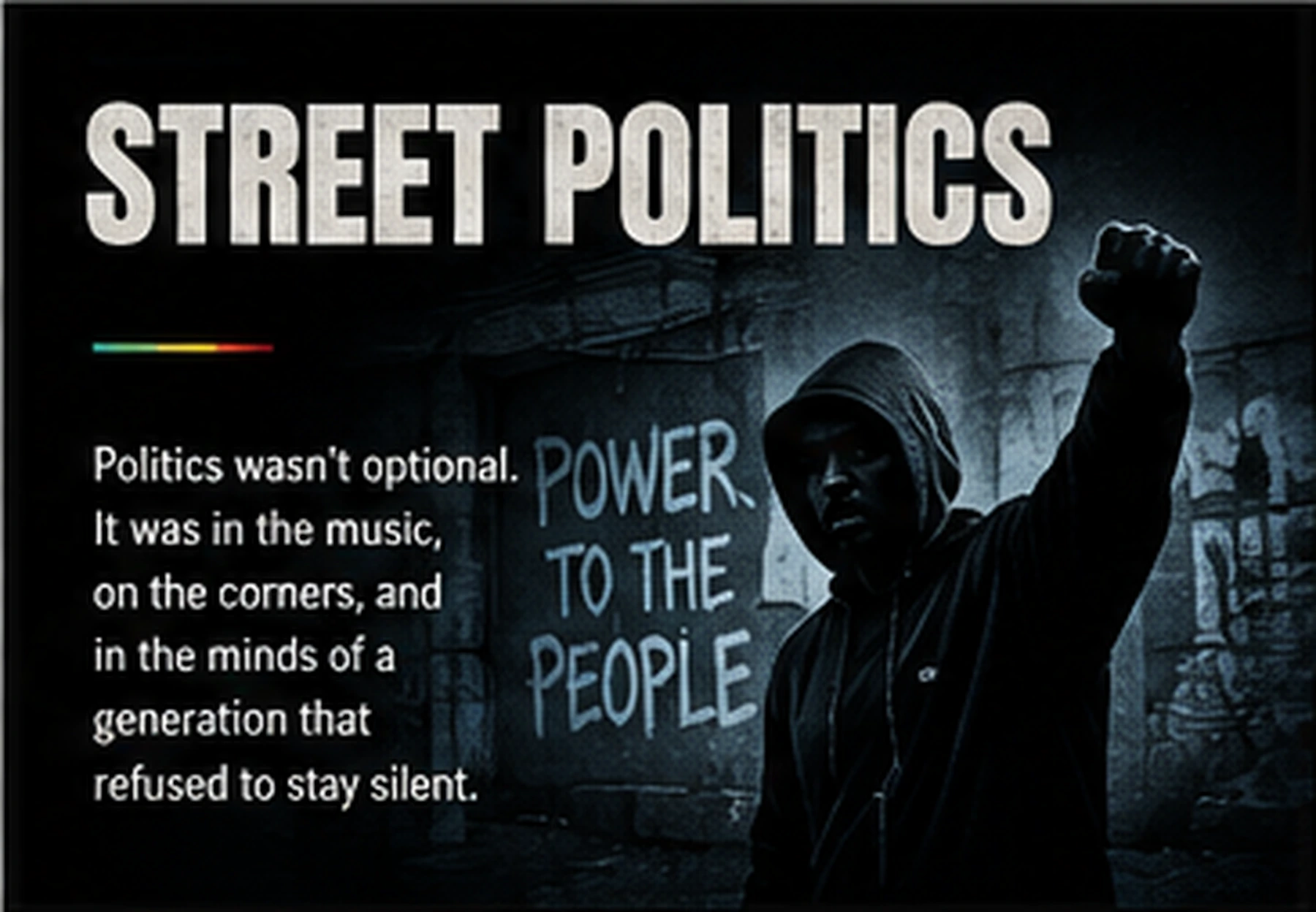
The Message Was Not Always Wrapped in a Peace Sign
Some of the decade’s most conscious records came from artists describing the pressure, contradiction, danger, and grief of the streets.
One of the biggest mistakes people make is treating conscious rap and street rap like opposite teams. In the 90s, those lines were messy. Sometimes the most political rap was also the most uncomfortable. Sometimes the rapper describing street violence was also describing policy failure, neighborhood abandonment, trauma, policing, poverty, and survival. The message was not always wearing a clean outfit.
2Pac is the obvious example because he refused to be one thing. He could be revolutionary, reckless, tender, furious, self-destructive, loving, paranoid, spiritual, and wildly contradictory. That contradiction is not a bug in the system. It is the system. Pac’s political and emotional records belong inside conscious rap because he gave voice to pressure, grief, family, Black life, police brutality, poverty, and survival while also living inside the chaos he described.
Ice Cube’s early-90s solo work also carried political fire, even when it was raw, abrasive, controversial, or uncomfortable. Death Certificate is not a neat album. It is angry, brilliant, messy, funny, brutal, and full of ideas that still require context and argument. That makes it part of the conscious conversation whether people want the room to stay tidy or not.
Nas brought another kind of street consciousness. Illmatic was not a political pamphlet. It was observation, memory, detail, atmosphere, and survival rendered with terrifying precision. That is why Nas, Illmatic, and 90s Rap Storytelling matters so much. Nas made social conditions visible by making the neighborhood impossible to ignore.
This is where conscious rap overlaps with East Coast Hip-Hop in the 90s, West Coast Hip-Hop in the 90s, and Gangsta Rap in the 90s. The decade was not simple. The best records were not simple either.
Goodie Mob Made Southern Conscious Rap Feel Heavy, Human, and Rooted
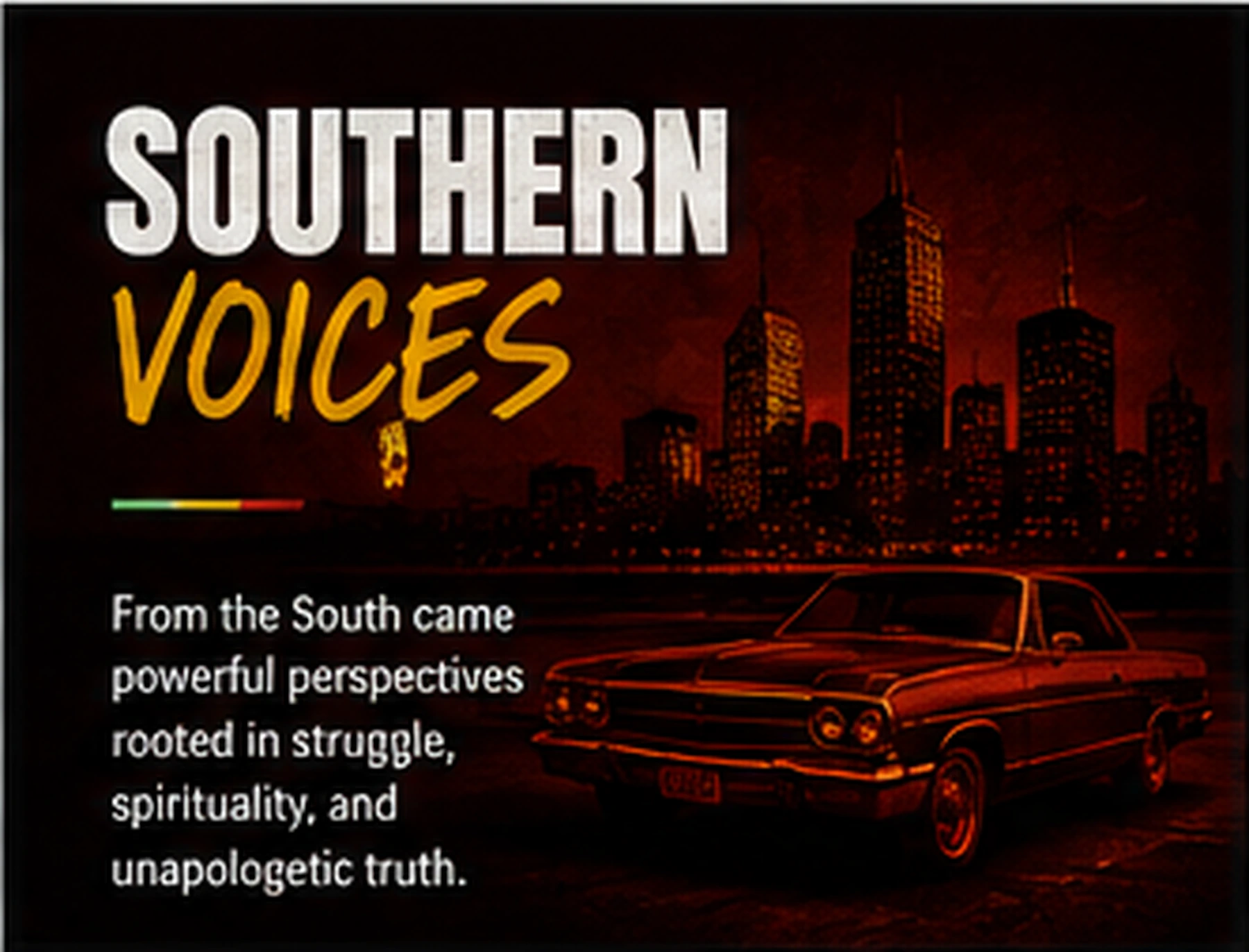
The South Was Not Just Bass and Party Records
Goodie Mob, Outkast, Scarface, UGK, and other Southern voices brought family, faith, poverty, paranoia, food, grief, humor, and survival into the conversation.
If anyone tells you 90s Southern hip-hop was only bass, bounce, and party records, please take their cassette privileges away. The South had plenty of party energy, sure, but it also had some of the decade’s heaviest social commentary. It just did not always arrive in the East Coast package critics were trained to recognize.
Goodie Mob’s Soul Food is one of the most important conscious rap albums of the decade. It sounds like family, church, hunger, fear, politics, neighborhood memory, conspiracy, survival, and Sunday dinner all happening at once. The title was perfect because the album felt nourishing and heavy. Comforting and uncomfortable. Warm and suspicious. Basically, a family gathering with bass.
CeeLo, Big Gipp, Khujo, and T-Mo brought different textures to the group, and Organized Noize gave the record a musical depth that made the message feel lived-in instead of stapled on. This was not “message rap” in the stiff sense. It was Southern life with the message already baked into the meal.
Outkast also belongs near this conversation, especially on ATLiens and Aquemini. Big Boi and André 3000 were not always labeled “conscious rap,” but their music was full of social observation, alienation, Southern identity, spirituality, humor, and questions about the world around them. Labels are useful until they start acting like tiny prisons.
Scarface and UGK brought another Southern layer: moral weight, grief, street detail, economic pressure, and regional reality. The South was not waiting for coastal permission to think deeply. It was already doing it, often with more soul and less self-congratulation.
That is why this section connects directly to Southern Hip-Hop in the 90s, Outkast and the Rise of Southern Hip-Hop, and Best 90s Hip-Hop Albums. The South did not just change rap’s sound. It expanded what rap could say and where it could say it from.
The Roots, Common, Mos Def, Talib Kweli, and Black Star Carried the Flame Into the Late 90s
The Late 90s Still Had Soul, Bars, and Something to Say
While rap got shinier, the underground and indie-minded lane kept pushing lyrics, politics, musicianship, and community.
By the late 90s, rap was huge. Videos were shinier. Budgets were bigger. Suits were brighter. Everyone seemed to have either a fisheye lens, a yacht, or a room full of dancers who deserved better working conditions. None of that erased conscious rap. It just pushed part of it into a different kind of visibility.
The Roots brought live musicianship and lyrical seriousness into the decade without making it feel like homework with drums. Things Fall Apart captured end-of-decade anxiety, relationship tension, cultural pressure, and musical depth in a way that sounded mature but not boring. There is a difference. The 90s sometimes forgot that.
Common’s Resurrection gave the decade one of its most famous hip-hop self-critiques with “I Used to Love H.E.R.” He turned the culture into a relationship metaphor, which sounds like it should have been corny enough to require medical attention, but somehow it worked because the writing was sharp and the feeling was real.
Mos Def and Talib Kweli’s Black Star arrived in 1998 like a reminder that Brooklyn still had community-minded, lyric-focused, soulful, politically aware rap that did not need a giant shiny budget to matter. It was not anti-mainstream just to be annoying. It was a response to what the mainstream was becoming.
Mos Def’s Black on Both Sides closed the decade with humor, politics, musical curiosity, Brooklyn warmth, and cultural intelligence. It felt like an ending and a beginning at the same time. The 90s were closing, but conscious rap was not done. It was getting ready to argue with the 2000s, which honestly deserved it.
This late-90s lane belongs beside The Shiny Suit Era of Late-90s Rap because it provides the counterweight. The decade had gloss, but it also had grit, soul, college radio, underground shops, indie 12-inches, and people who still cared deeply about liner notes.
The Artists Who Defined Conscious Rap in the 90s
These artists did not all sound alike, which is exactly why the page needs them. 90s conscious hip-hop had political detonators, jazz-loop philosophers, women demanding respect, street witnesses, Southern truth-tellers, and late-90s underground voices keeping the lights on when the shiny suits started reflecting too much glare.
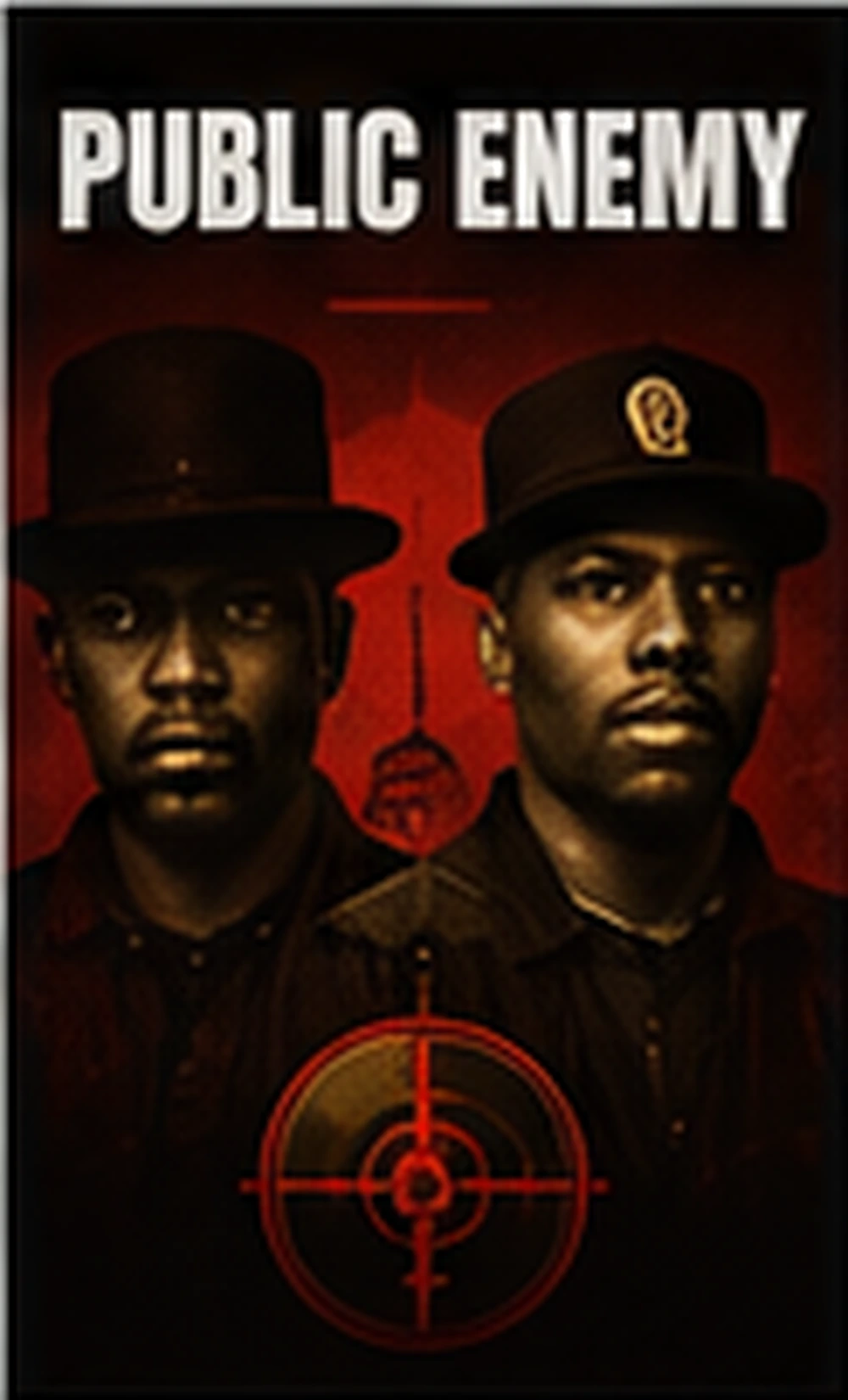
Public Enemy
Public Enemy set the early-90s standard for political rap that did not care whether the room was comfortable. Chuck D sounded like history had found a microphone, put on a black jacket, and decided the evening news was not angry enough. Flavor Flav brought chaos, humor, interruption, and strange balance. The Bomb Squad made production feel like a city collapsing into rhythm.
Their 90s importance starts with the fact that they carried late-80s urgency into a new decade that was already getting louder, more visual, and more commercially complicated. Fear of a Black Planet was not just an album people respected because it was “important.” It was dense, noisy, alive, and built like every sample had been thrown into a blender with a police siren and a history book.
Public Enemy made message rap feel enormous. They addressed racism, media manipulation, Black history, surveillance, fear, pride, and institutional power with the subtlety of a fire alarm. That was the point. Their music was not trying to become background. It was trying to interrupt the background and ask why everyone had gotten so comfortable with it.
For Gen X, Public Enemy hit differently because they made hip-hop feel like something adults were genuinely afraid of. Not fake “kids these days” afraid. Real cable-news, school-board, parent-meeting afraid. And honestly, that made the music feel even more powerful. If a record made boring adults panic, there was at least a decent chance it was telling the truth.
They also created a blueprint for later conscious rap even when later artists sounded nothing like them. The Roots did not sound like Public Enemy. Tribe did not sound like Public Enemy. Goodie Mob did not sound like Public Enemy. But the idea that rap could be political, loud, creative, disruptive, and musically exciting at the same time? Public Enemy made that impossible to ignore.
Their place connects directly to Golden Age Hip-Hop in the Early 90s, Best 90s Hip-Hop Albums, and the whole reason conscious rap mattered: the beat could move your head while the lyrics rearranged the furniture upstairs.
Queen Latifah
Queen Latifah made conscious rap feel regal, grounded, and personal. She did not need to sound like a professor, a preacher, or a slogan machine. She sounded like someone who had already decided what respect was worth and was no longer accepting coupons.
Her presence in 90s conscious hip-hop matters because she expanded the conversation. Conscious rap was often framed around politics, racism, police, poverty, and institutions. Latifah brought those concerns into a broader conversation about womanhood, dignity, self-respect, harassment, and the way hip-hop itself could reproduce the same disrespect it claimed to be fighting elsewhere.
“U.N.I.T.Y.” is one of the clearest 90s message rap records because it does not hide behind metaphor. It talks about misogyny, street harassment, domestic violence, language, and disrespect in a way that is direct without turning stiff. It is a song with a point, but it still moves. That balance is why it lasted.
Latifah also mattered visually. The crown, the Afrocentric style, the jackets, the posture, the calm authority — all of it said she was not asking to be admitted into hip-hop. She was already there, and somebody needed to fix the room. In a decade full of loud personalities, she could command attention without sounding desperate for it.
For Gen X listeners, Latifah was one of those artists who could work in multiple spaces. She could be on MTV, in a CD binder, on the radio, in a politically aware conversation, and in a broader pop-culture space without losing her center. That kind of range is rare, especially when the industry loved telling women they could only be one thing at a time.
Her larger importance is covered in Women of 90s Hip-Hop, but here she matters because she made conscious rap more honest. The message was not only about systems outside the culture. Sometimes the culture itself needed to be told to sit down and listen.
A Tribe Called Quest
A Tribe Called Quest made intelligence sound effortless. They were not always “message rap” in the obvious siren-and-slogan sense, but their music was full of cultural awareness, humor, friendship, Black identity, everyday observation, and a kind of low-key wisdom that made the records age like they knew something everyone else had to learn later.
Tribe’s genius was that they made thoughtful rap feel natural. The Low End Theory did not announce itself like a lecture. It walked in with basslines, jazz samples, jokes, chemistry, and pocket. Q-Tip’s cool abstraction and Phife Dawg’s punchy directness gave the group a balance that still feels ridiculously alive. They were smart without sounding smug, relaxed without getting lazy, and funky enough to keep the room from turning into a seminar.
Midnight Marauders pushed that even further. It sounded like a guided tour through a hip-hop city at night, complete with personality, rhythm, and weird little details that made the album feel lived in. Tribe could talk about industry nonsense, relationships, identity, competition, art, humor, and everyday frustrations without flattening the music into “issues.”
That is why Tribe belongs so strongly in conscious rap, even when people file them under jazz rap, alternative hip-hop, or Native Tongues. Their consciousness was not always a raised fist. Sometimes it was a raised eyebrow. Sometimes it was the refusal to be dumbed down. Sometimes it was making Black creativity feel expansive, funny, stylish, and deeply human.
For Gen X, Tribe was lifestyle music. Dorm rooms, headphones, record stores, late-night drives, college radio, bedroom stereos, and that one person who swore they were “into real hip-hop” but still borrowed your radio-friendly CD singles. Tribe made taste feel like a personality, and honestly a lot of us built entire identities out of that. No regrets. Mostly.
Tribe’s deeper story lives at A Tribe Called Quest and 90s Jazz Rap, but their role here is simple: they proved conscious-minded hip-hop could groove, joke, swing, flirt, argue, and still leave you smarter than it found you.
De La Soul
De La Soul’s 90s work is essential because they kept evolving while hip-hop around them got bigger, harder, glossier, and more commercially complicated. They were playful, sharp, skeptical, creative, and willing to question where the culture was going without sounding like they had lost the ability to enjoy music.
De La had already helped blow open the possibilities of alternative hip-hop, but their 90s run made them harder to pin down. They were funny, but not lightweight. Weird, but not random. Conscious, but not stiff. They understood that hip-hop could criticize itself, make jokes, chase strange ideas, and still be serious about craft.
Buhloone Mindstate showed how deeply musical and restless they could be, but Stakes Is High is the big conscious-rap checkpoint. That record looked at hip-hop’s commercialization, violence, image obsession, and changing values with frustration and love. It was not the sound of outsiders complaining. It was the sound of people inside the culture saying, “Hey, maybe we should not turn this whole thing into a cartoon of itself.”
What made De La’s critique work was the personality behind it. They did not sound like scolds. They sounded disappointed, amused, annoyed, and still invested. That is a very Gen X emotional range: care deeply, make a joke, pretend you do not care, then write an entire song proving you absolutely care.
Their music also mattered because it resisted the idea that conscious hip-hop had to have one tone. De La could be abstract, funky, irritated, warm, silly, bitter, and brilliant within the same album. That kind of complexity kept conscious rap from becoming predictable.
De La belongs beside Golden Age Hip-Hop in the Early 90s and Best 90s Hip-Hop Albums because their records remind you that the decade was not just about dominance. It was also about imagination, critique, and trying to keep the culture weird in the best possible way.
Arrested Development
Arrested Development made conscious rap visible to a broad audience in a way that was inspiring, complicated, and extremely early-90s. “Tennessee,” “People Everyday,” and 3 Years, 5 Months and 2 Days in the Life Of… brought spirituality, Black identity, family memory, Southern roots, and alternative rap energy into mainstream spaces.
They did not sound like boom bap in the usual sense. They did not sound like gangsta rap. They did not sound like Native Tongues exactly, even though they shared some creative DNA with that world. They had folk textures, spiritual searching, live-feeling grooves, and a sense of community that made them stand out immediately in a crowded decade.
“Tennessee” is the key record because it feels like grief, ancestry, confusion, searching, and memory all moving together. It was a conscious rap song that crossed over without needing to dress itself up like a club track. It sounded warm, but it was not shallow. It sounded accessible, but it was not empty. That is a tricky balance, and they pulled it off.
The complicated part is that mainstream visibility can turn an artist into a symbol faster than the artist can control the meaning. Arrested Development got embraced by audiences who may not have fully understood the deeper roots of what they were doing. That does not make the music less important. It makes the moment more interesting.
For Gen X, Arrested Development was one of those groups that could show up on MTV, radio, award shows, and family living rooms without losing the sense that something deeper was happening. They were part of the reason conscious rap did not feel locked away in underground spaces. It could get big. It could be visible. It could make adults nod along without realizing they were being asked to think.
Their story connects to 90s Rap Radio Crossover even if this page is not built around crossover. Arrested Development proved message rap could reach wide audiences, though the industry, naturally, had no idea what to do once it did.
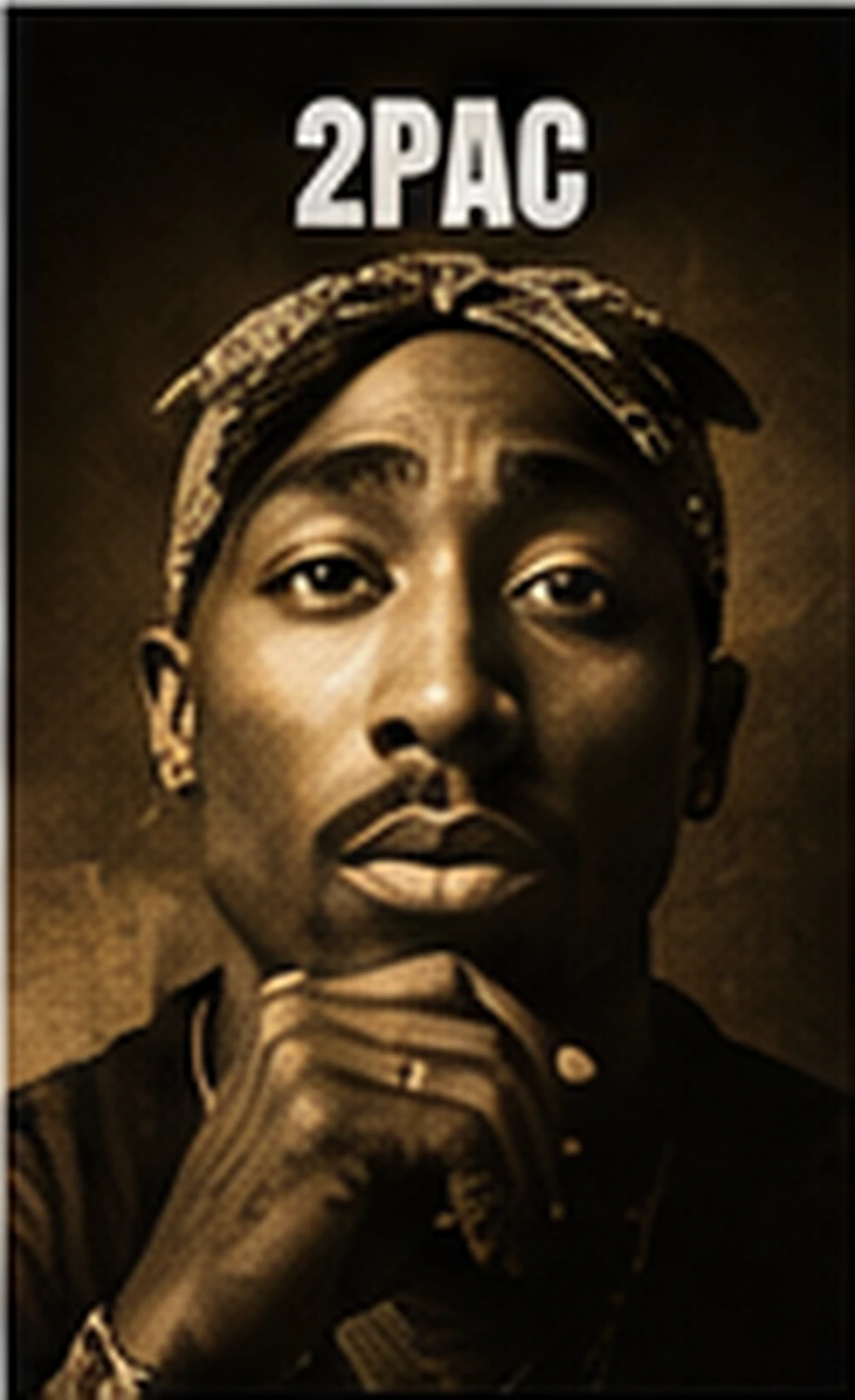
2Pac
2Pac belongs in conscious rap because his political and emotional side was not a side project. It was baked into the same contradictions that made him so powerful and so difficult to flatten into one clean narrative. Pac could be revolutionary, reckless, tender, furious, loving, paranoid, poetic, self-destructive, and painfully clear-eyed, sometimes before the second hook.
That contradiction is why he matters so much. A lot of conscious rap gets remembered as cleanly moral, but Pac was not cleanly anything. He could write with deep empathy for women and also be trapped inside the same culture’s contradictions. He could talk revolution and fame, survival and self-destruction, community and chaos. He was not easy, which is exactly why the music still feels alive.
“Brenda’s Got a Baby” gave early evidence of Pac’s ability to turn social conditions into a story that felt human instead of abstract. “Keep Ya Head Up” became one of the decade’s clearest songs about women, poverty, respect, and endurance. “Dear Mama” turned family pain, gratitude, addiction, survival, and love into something that played like a confession and a public monument at the same time.
Me Against the World is probably the key album for understanding Pac’s conscious side in the 90s. It is emotional, paranoid, reflective, wounded, angry, and deeply aware of mortality. It does not feel like a clean political platform. It feels like a person trying to stay human while the pressure keeps turning up.
For Gen X listeners, Pac was inescapable because he was not just a rapper. He was a news story, a video presence, a magazine cover, a radio voice, a controversy, a poet, a movie actor, a symbol, and eventually a mythology. The conscious side of Pac can get buried under the bigger drama, but it is one of the reasons the mythology stuck.
His larger story belongs in Tupac and the 90s Rap Mythology, but here he matters because he proves conscious rap was not always tidy. Sometimes it was messy, wounded, brilliant, furious, and arguing with itself in public.
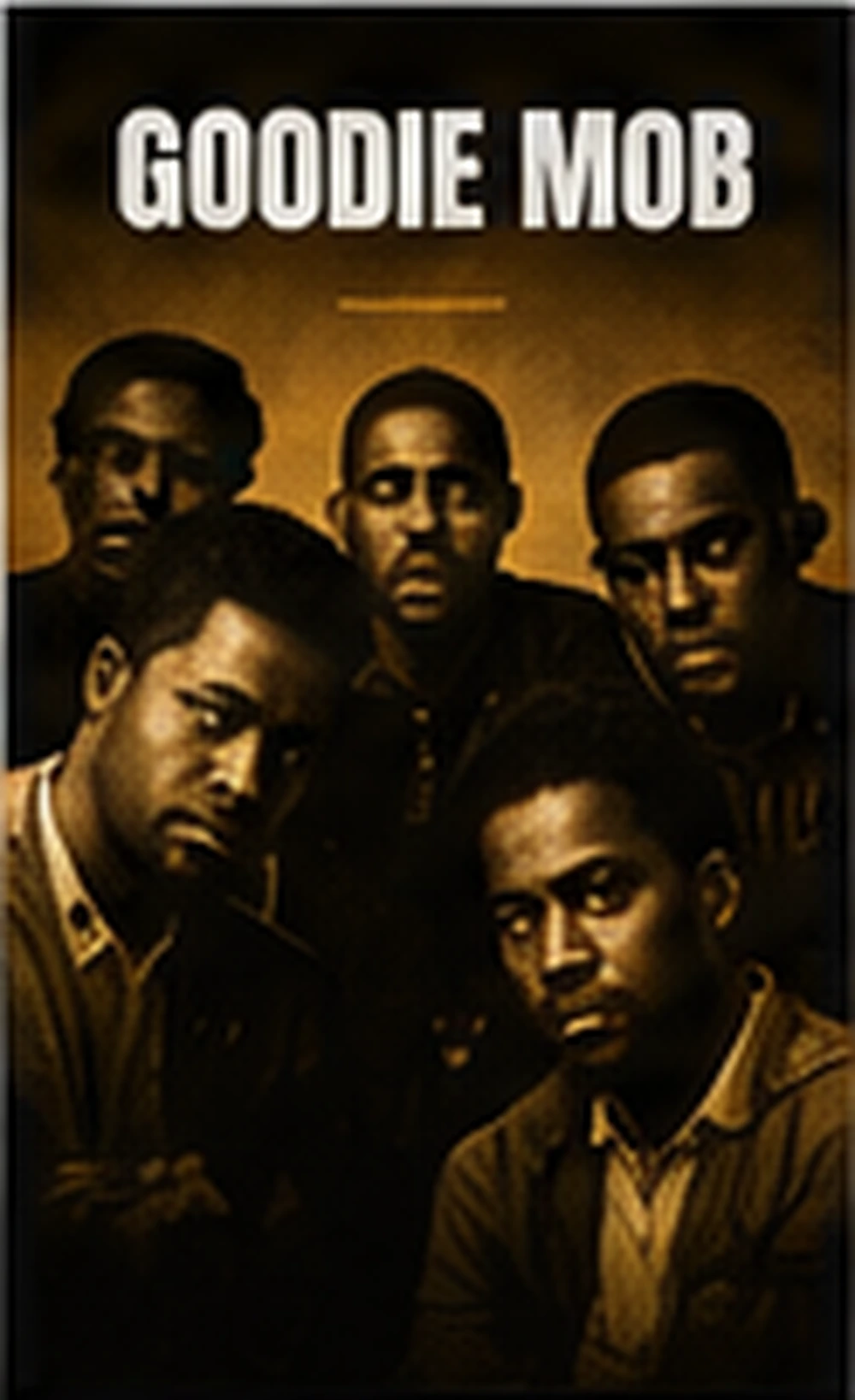
Goodie Mob
Goodie Mob made Southern conscious rap feel rooted, haunted, funny, spiritual, suspicious, and hungry. Soul Food did not sound like a coastal attempt to sound “important.” It sounded like Atlanta life, family pressure, church memory, neighborhood anxiety, survival, and cultural warning all coming from the same kitchen.
That matters because the 90s often misunderstood the South until the South became too big to ignore. Southern rap was frequently reduced to bass, bounce, party records, or regional novelty by people who clearly needed to listen harder. Goodie Mob blew that lazy framing apart. They made music about the South from inside the South, with all the warmth, suspicion, food, faith, poverty, pride, and pressure that came with it.
Soul Food is one of the decade’s most important conscious rap albums because it does not treat consciousness like a costume. The message is not stapled on. It is in the setting, the voices, the slang, the production, the family references, the paranoia, the humor, and the ache. Organized Noize gave the album a musical depth that made everything feel lived-in.
“Cell Therapy” is the signature warning shot: eerie, paranoid, Southern, political, and unforgettable. It does not sound like a generic message record. It sounds like the walls are listening and the neighborhood already knows. That kind of atmosphere is why Goodie Mob’s conscious rap hits differently from East Coast political rap or Native Tongues-style jazziness.
For Gen X listeners outside the South, Goodie Mob was a reminder that hip-hop’s map was bigger than the magazines sometimes acted. For Southern listeners, it was recognition. The South was not waiting to be interpreted by somebody else. It had its own language, and Goodie Mob made sure people heard it.
Goodie Mob belongs in both Southern Hip-Hop in the 90s and this conscious rap story because they made the message feel local, lived-in, and impossible to separate from place. They did not just add the South to conscious rap. They expanded what conscious rap could sound like.
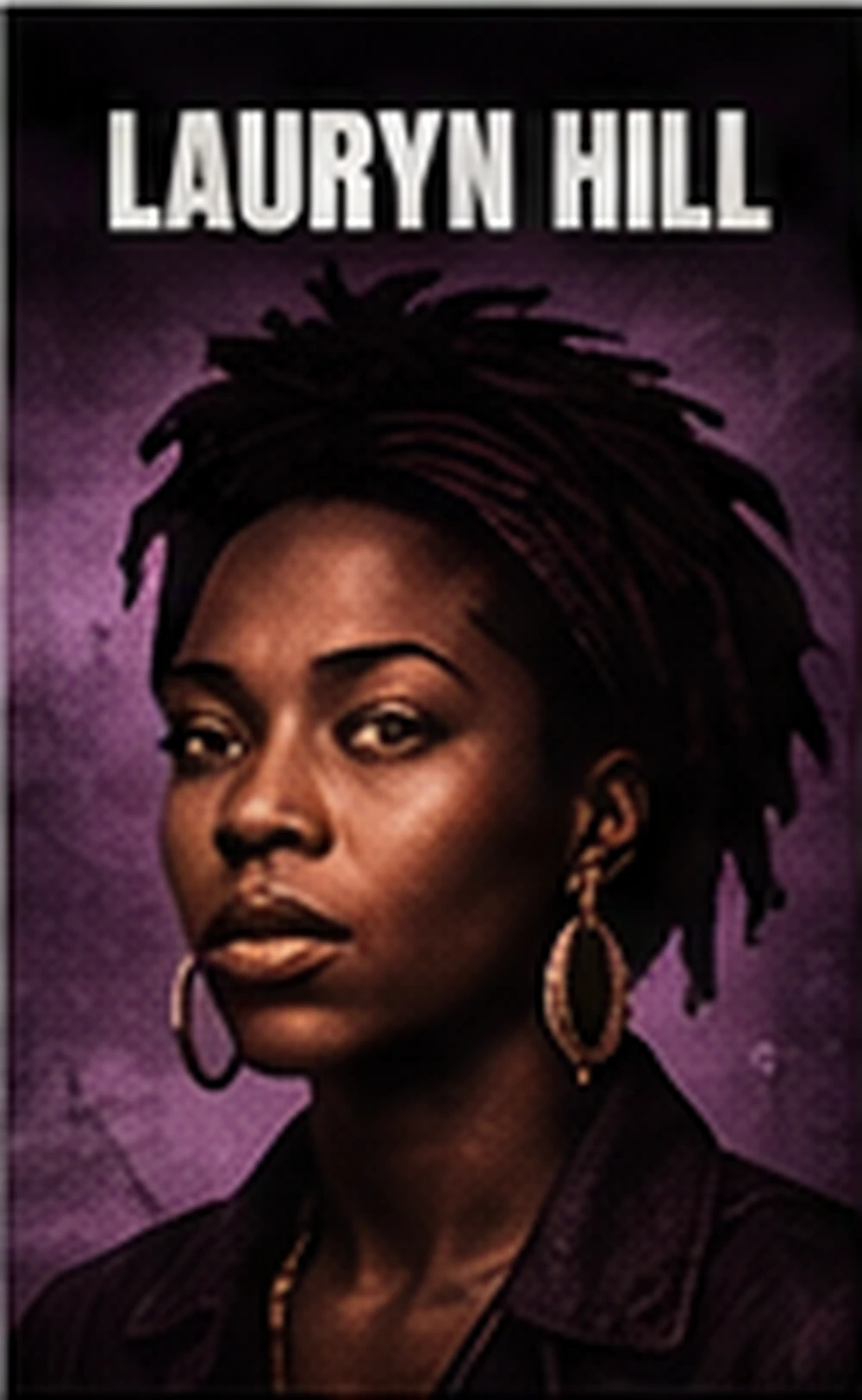
Lauryn Hill
Lauryn Hill expanded conscious rap by making emotion, faith, love, motherhood, heartbreak, self-worth, and spiritual confusion feel like cultural issues. She was not simply “conscious” because she had message songs. She was conscious because she understood that private pain and public life were connected.
With the Fugees, Lauryn already felt like the emotional and lyrical gravity in the room. She could rap with authority, sing with ache, and make a hook feel like it had an entire life behind it. The Score worked for a lot of reasons, but Lauryn’s presence gave it a depth and warmth that made the group bigger than a rap crew with good songs.
Then came The Miseducation of Lauryn Hill, which is one of the decade’s defining albums because it refused to separate hip-hop, soul, gospel, reggae, motherhood, heartbreak, faith, fame, and self-worth into tidy little bins. It felt like a diary, a sermon, a classroom, a breakup album, a warning, and a healing session all at once.
Lauryn’s conscious rap was not always political in the Chuck D sense. It was social, spiritual, emotional, and deeply personal. “Doo Wop (That Thing)” worked as a radio hit, a video moment, and a message record because it spoke to men and women, desire and self-worth, image and insecurity, all while sounding like a classic from the minute it dropped.
For Gen X, Lauryn became part of the emotional memory of the late 90s. Her music played in dorm rooms, car stereos, bedrooms, kitchens, headphones, and anywhere someone was pretending not to be going through it. She made vulnerability feel powerful without sanding off the edge.
The deeper rewind is Lauryn Hill, the Fugees, and Hip-Hop Soul, but her place here is essential because she made the message feel intimate without making it small. She proved conscious hip-hop could be emotionally massive and commercially undeniable at the same time.
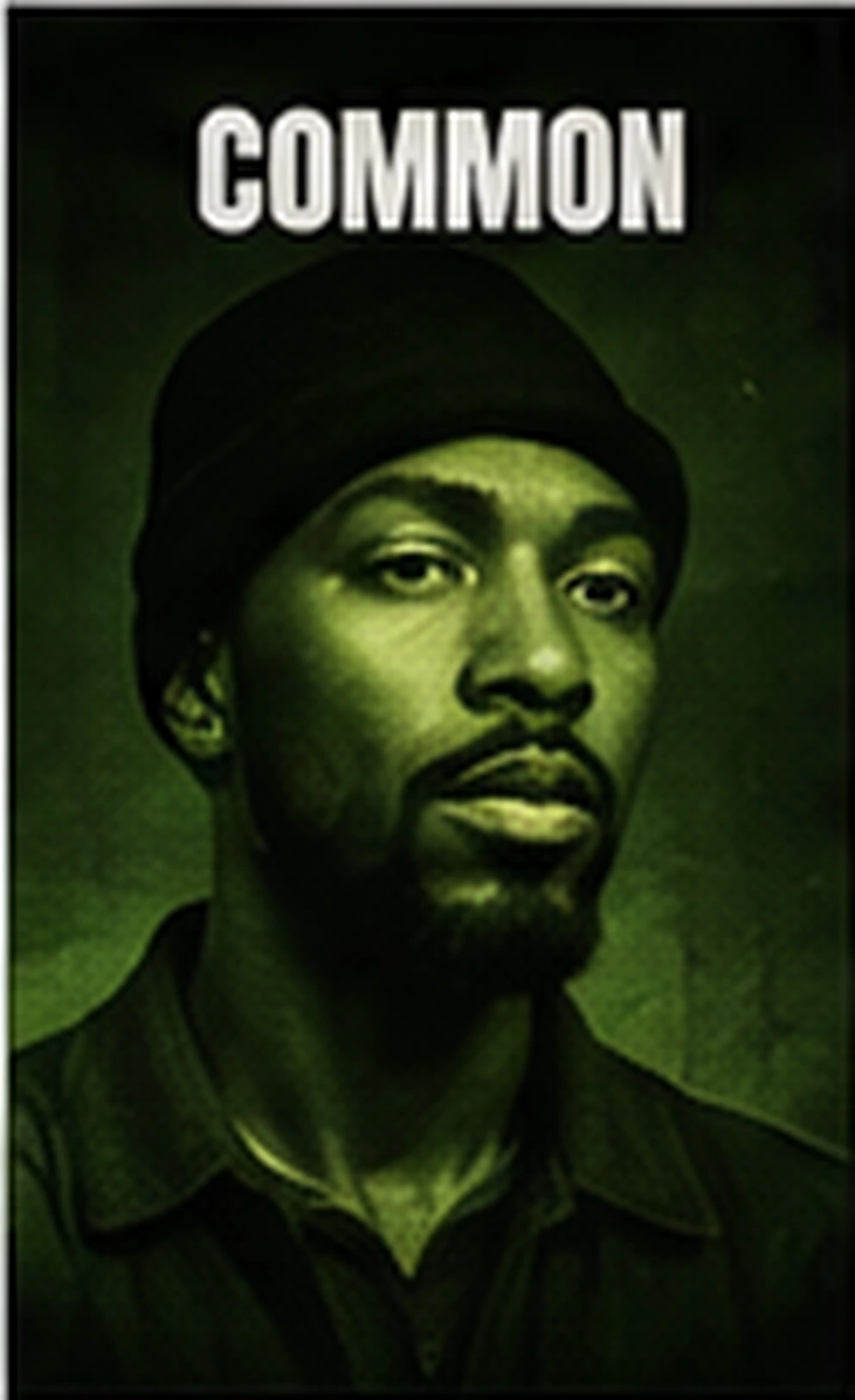
Common
Common, still Common Sense in the early part of the decade, gave 90s conscious rap a reflective Midwest voice. Resurrection was thoughtful, soulful, lyrical, and grounded. It did not sound like New York, L.A., Atlanta, or Houston. It sounded like Chicago thinking out loud over drums.
That regional difference matters. The 90s hip-hop map was often reduced to East Coast versus West Coast because the media loved a simple fight almost as much as it loved misunderstanding rap entirely. Common’s presence reminded listeners that the Midwest had its own rhythm, its own perspective, and its own relationship to hip-hop’s growth.
“I Used to Love H.E.R.” became one of the decade’s defining culture critiques by turning hip-hop into a relationship. On paper, that could have been corny enough to require witness protection, but it worked because the writing was sharp, the feeling was real, and the concern came from love rather than snobbery.
Common’s version of conscious rap was not built on slogans. It was reflective, observational, personal, and sometimes quietly disappointed. He was not only criticizing what hip-hop was becoming; he was mourning what it might lose. That gave his music an emotional intelligence that hit differently from more confrontational political rap.
For Gen X listeners who were deep into CD binders and record-store debates, Common had credibility. He was the kind of artist people recommended when they wanted to prove they had range. His music felt like grown-up thought before most of us were emotionally prepared for grown-up anything.
Common’s role matters because he represented a kind of conscious rap that was personal, cultural, and lyrical without becoming stiff. He gave the decade another voice in the argument about where hip-hop was going and who it was becoming.
The Roots
The Roots brought musicianship, lyrical depth, and live-band identity into 90s hip-hop without turning it into a museum exhibit. They were serious, but not lifeless. Musical, but not soft. Smart, but not trapped inside their own vocabulary. There is a difference, and several late-90s backpack dudes needed that memo laminated.
Their presence mattered because hip-hop was becoming more digital, more glossy, more video-driven, and more commercially massive. The Roots did not reject the decade; they carved out another way through it. Their records felt connected to jazz, soul, live performance, poetry, Black musical history, and rap craft without treating hip-hop like it needed to be “elevated” by outside approval.
Things Fall Apart arrived at the end of the decade with anxiety, soul, relationships, politics, and cultural pressure running through it. Black Thought’s writing was dense but controlled. Questlove’s drumming gave the album a human pulse. The whole thing felt like late-90s consciousness with grown-up tension and no patience for easy answers.
“You Got Me” gave The Roots one of their biggest crossover moments, but even that song carried complicated emotional weight: distance, trust, touring, insecurity, love, and the weird adult realization that feelings do not become easier just because the bassline is excellent. Rude, but accurate.
For Gen X listeners, The Roots felt like a bridge between hip-hop heads, soul fans, college-radio listeners, jazz kids, and people who liked their rap with liner notes they could actually read. They were credible without being inaccessible, serious without being dull, and musical without losing the MC at the center.
The Roots mattered because they proved conscious rap could grow up without becoming boring. Plenty of music ages into beige. The Roots aged into depth. That is why they belong beside the late-90s underground and the bigger Best 90s Hip-Hop Albums conversation.
Mos Def, Talib Kweli, and Black Star
Black Star arrived in 1998 like a reminder that conscious rap was not finished just because the mainstream had discovered shiny rooms, giant budgets, and suits that looked like emergency blankets. Mos Def and Talib Kweli brought Brooklyn underground energy, lyrical focus, soul, humor, politics, and community back into the center of the conversation for people who were still listening beneath the gloss.
The timing mattered. By the late 90s, rap was enormous, which was both great and weird. Budgets were bigger. Videos looked more expensive. Hooks were smoother. Everything was more visible. But that visibility came with pressure: to simplify, to polish, to flex, to make the record fit the format. Black Star sounded like a response to all of that without turning into a joyless complaint.
Mos Def had warmth, charisma, melody, humor, and a way of making intelligence feel natural. He could be political without sounding like he was reading from a clipboard. Talib Kweli brought urgency, density, verbal pressure, and the sense that every bar was trying to outrun the last one. Together, they made Mos Def & Talib Kweli Are Black Star feel like a cipher, a community bulletin board, a record-store argument, and a love letter to hip-hop all at once.
“Definition,” “Respiration,” and “Brown Skin Lady” showed different sides of that world: anti-violence, city atmosphere, love, identity, community, and lyrical craft. This was conscious hip-hop that cared about the culture without sounding like it wanted to confiscate your fun. Important distinction.
Mos Def’s Black on Both Sides closed the decade by making conscious rap feel expansive again. It had politics, humor, spirituality, musical curiosity, Brooklyn warmth, and a sense that hip-hop could still stretch in multiple directions without losing its center.
Their work helped carry conscious rap into the next era, but it belongs firmly to the 90s because it responded to the decade’s end. It was not nostalgia. It was a reset button with better drums.

Late-90s Underground Conscious Rap
The late-90s underground was not just one artist, one scene, or one backpack with too many pins on it. It was college radio, indie 12-inches, basement shows, record-store recommendations, mixtapes, lyric-heavy crews, and people still arguing that hip-hop could be political, funny, soulful, weird, and technically sharp while the mainstream kept getting brighter.
This lane mattered because it kept the conversation alive when commercial rap was expanding fast. The shiny era brought hits, videos, radio dominance, and cultural takeover. It also brought a lot of pressure to simplify. The underground pushed back by caring about lyrics, community, production, local scenes, and records that might not hit the pop chart but absolutely hit the right listener at the right time.
Artists like Mos Def, Talib Kweli, The Roots, Common, Company Flow, Reflection Eternal, and plenty of regional underground voices helped keep conscious hip-hop moving. Not every record was perfect. Some of it got preachy. Some of it took itself extremely seriously. But the best of it had urgency, personality, and a refusal to let rap be reduced to whatever looked expensive on TV that week.
For Gen X, this was the crate-digging, late-night-radio, “you probably have not heard this yet” lane. It was the record-store employee sliding something across the counter like contraband. It was the friend with a mixtape that had no tracklist, just vibes and terrible handwriting. It was the reminder that the decade had more depth than whatever the countdown played before dinner.
This underground lane connects directly to The Shiny Suit Era of Late-90s Rap as the counterweight. The 90s had gloss and grit at the same time, and pretending one erased the other is how you end up with bad nostalgia and worse playlists.
Best 90s Conscious Rap Albums to Start With
Some of these are full-message albums. Some are broader hip-hop classics with conscious DNA running through them. Some crossed into MTV and radio, while others lived in college radio, record stores, dorm rooms, and CD binders with busted plastic sleeves.
Fear of a Black Planet
The early-90s political rap explosion. Dense, loud, confrontational, sample-heavy, and still one of the clearest examples of message rap that never forgot to hit hard.
The Low End Theory
Jazz bass, relaxed intelligence, chemistry, humor, and one of the smoothest examples of conscious-minded hip-hop that never sounded like it was trying too hard.
Midnight Marauders
Warm, funky, smart, and full of personality. Tribe made thoughtful rap feel like a late-night conversation with better drums and cooler friends.
Black Reign
The album that gave the decade “U.N.I.T.Y.” and made respect, womanhood, self-worth, and hip-hop authority feel like part of the same conversation.
Soul Food
Southern conscious rap with church, family, poverty, paranoia, politics, hunger, and Atlanta identity baked into the sound.
Resurrection
Chicago reflection, lyrical craft, and “I Used to Love H.E.R.,” one of the decade’s most famous songs about hip-hop changing in public.
Things Fall Apart
Late-90s anxiety, live-band depth, Black Thought’s writing, Questlove’s pulse, and grown-up conscious hip-hop that never turned beige.
Mos Def & Talib Kweli Are Black Star
Brooklyn underground soul, community, politics, lyrical pressure, and a late-90s reminder that rap still had plenty to say under the gloss.
The Miseducation of Lauryn Hill
Hip-hop soul, faith, love, motherhood, heartbreak, self-worth, and emotional truth wrapped into one of the decade’s biggest cultural events.
These albums belong right beside Best 90s Hip-Hop Albums because the best conscious rap albums were not important because they were “good for you.” They were important because they were good records. Big difference. Nobody wants broccoli with a snare unless the snare is incredible.
Essential 90s Conscious Rap Songs and Message Records
These are the songs that carry the search intent people are actually looking for: best conscious rap songs, 90s message rap, political hip-hop tracks, socially conscious rap songs, and the records that made Gen X rewind the line because the beat was good and the point was sharper than expected.
Public Enemy — “Fight the Power”
The late-80s spark still owned the early-90s conversation. It is political rap as confrontation, soundtrack, protest, and cultural alarm bell.
Queen Latifah — “U.N.I.T.Y.”
One of the most important women-led message rap records of the decade, and still one of the clearest examples of rap confronting misogyny from inside the culture.
Arrested Development — “Tennessee”
Grief, family roots, Southern memory, spirituality, and crossover visibility all wrapped into a record that sounded unlike almost anything else on MTV.
2Pac — “Keep Ya Head Up”
Pac at his most protective and emotionally direct, turning respect, survival, poverty, motherhood, and pain into one of his most enduring message records.
2Pac — “Dear Mama”
Conscious rap does not always sound like a protest chant. Sometimes it sounds like gratitude, apology, grief, memory, and love all trying to fit into one song.
Common — “I Used to Love H.E.R.”
A metaphor for hip-hop’s evolution that became one of the decade’s most quoted, debated, and respected records about the culture changing.
Goodie Mob — “Cell Therapy”
Paranoia, surveillance, Atlanta, family, conspiracy, and Southern social commentary in a song that sounded like the walls were listening.
Lauryn Hill — “Doo Wop (That Thing)”
Message record, radio hit, video moment, and cultural warning shot all at once. Lauryn made advice sound like a classic.
Black Star — “Respiration”
City life, atmosphere, pressure, poetry, and late-90s underground consciousness with Mos Def, Talib Kweli, and Common all locked in.
The Roots feat. Erykah Badu — “You Got Me”
Relationship anxiety, trust, distance, musicianship, and end-of-decade grown-folks tension before anyone involved was ready to admit we were aging.
This is also why the page connects naturally to 50 Essential 90s Hip-Hop Songs. Conscious rap was not separate from the canon. It helped build the canon, then watched later list-makers act like the message records were vegetables next to the party songs. Rude and inaccurate.
Why 90s Conscious Rap Still Hits
The Beats Aged. The Questions Did Not.
The best conscious rap records still work because the conditions they described did not magically vanish when the CD cases cracked.
Conscious rap in the 90s still hits because it was never just about being “positive.” That word gets thrown around too easily, like the decade was full of cheerful little message songs with pamphlets tucked into the hooks. The best conscious rap was not always positive. Sometimes it was angry. Sometimes it was grieving. Sometimes it was suspicious. Sometimes it was funny because the only alternative was screaming into a pillow.
The records still matter because the questions still matter. Who gets heard? Who gets erased? Who profits from the culture? Who gets policed? Who gets mocked for demanding respect? Who gets sold an image and told it is freedom? Who gets told their neighborhood is the problem instead of asking who built the conditions around it?
For Gen X, these songs also carry memory. Not just political memory, but physical memory. Cassette tapes. CD binders. Magazine covers. Video countdowns. College radio. Record stores. Dorm rooms. Car speakers. Bedrooms with posters. Friends who argued like they were defending a dissertation but had not done laundry in nine days.
Conscious rap did not save the 90s from being messy. Nothing could. The decade had too many contradictions and too much bad denim for any one movement to fix everything. But it did something important: it made the soundtrack smarter, deeper, louder, funnier, angrier, and more human.
And that is why conscious rap still belongs at the center of the 90s hip-hop rewind. It was not the boring part. It was the part that made the party look around the room and realize the walls were talking.
Follow Conscious Rap Through the 90s Soundtrack
Conscious rap was part of the wider 90s music ecosystem, sharing space with pop, R&B, alternative, dance, soundtracks, and the rap songs that took over radio one year at a time.
Where to Go Next in the 90s Hip-Hop Rewind
Conscious Rap in the 90s FAQ
What was conscious rap in the 90s?
Conscious rap in the 90s was hip-hop focused on politics, race, community, self-respect, spirituality, social issues, Black identity, culture, and everyday life. It included political rap, message rap, Native Tongues-style smart rap, women talking back, Southern social commentary, street politics, and late-90s underground hip-hop.
Who were the biggest conscious rap artists of the 90s?
Major conscious rap artists and groups of the 90s included Public Enemy, Queen Latifah, A Tribe Called Quest, De La Soul, Arrested Development, 2Pac, Goodie Mob, The Roots, Common, Lauryn Hill, Mos Def, Talib Kweli, and Black Star.
What is the difference between conscious rap and political rap?
Political rap is usually more direct about government, racism, police, power, media, and institutions. Conscious rap is a wider umbrella that can also include spirituality, self-respect, community, gender politics, family, identity, street reporting, and cultural criticism.
Was 2Pac conscious rap?
2Pac was not only a conscious rapper, but many of his most important songs belong in the conscious rap conversation. Tracks like “Brenda’s Got a Baby,” “Keep Ya Head Up,” and “Dear Mama” dealt with poverty, women’s lives, family, survival, police pressure, and emotional pain.
What are essential 90s conscious rap albums?
Essential 90s conscious rap albums include Public Enemy’s Fear of a Black Planet, A Tribe Called Quest’s The Low End Theory and Midnight Marauders, De La Soul’s Stakes Is High, Queen Latifah’s Black Reign, Goodie Mob’s Soul Food, Common’s Resurrection, The Roots’ Things Fall Apart, Black Star’s self-titled album, Mos Def’s Black on Both Sides, and Lauryn Hill’s The Miseducation of Lauryn Hill.
What are some essential 90s conscious rap songs?
Essential 90s conscious rap songs include “Fight the Power,” “U.N.I.T.Y.,” “Tennessee,” “Keep Ya Head Up,” “Dear Mama,” “I Used to Love H.E.R.,” “Cell Therapy,” “Doo Wop (That Thing),” “Respiration,” and “You Got Me.”
Was conscious rap popular in the 90s?
Yes, conscious rap had both mainstream and underground influence in the 90s. Some artists reached MTV, radio, and major album sales, while others built strong followings through college radio, mixtapes, independent records, record stores, and word of mouth.
Where should I go next?
Start with 90s Hip-Hop and Rap, then check out Golden Age Hip-Hop in the Early 90s, Women of 90s Hip-Hop, Best 90s Hip-Hop Albums, and 50 Essential 90s Hip-Hop Songs.