
Best TV Dramas of the 1980s
J.R.’s grin. Jessica’s questions. A precinct that never quieted down. Eighteen 80s dramas worth another evening—and a few arguments about which one deserves it most.
The quick answer
Start with Hill Street Blues, St. Elsewhere, Cagney & Lacey, Miami Vice and L.A. Law. Then make room for Southfork, Cabot Cove and the other places that kept an evening interesting. These eighteen choices favor memorable people, strong stories and shows worth returning to; the biggest audience doesn’t automatically get first place.
What Counts as a Great 1980s TV Drama?
A few notes of Hill Street Blues. The sight of Southfork. Crockett and Tubbs heading into the Miami night. Before anybody said a word, you knew whose world you were entering—and whether the next hour was likely to involve a family betrayal, a bad night on the job, or Jessica Fletcher politely dismantling somebody’s alibi.
The best 1980s TV dramas gave people plenty to argue about. J.R. Ewing could cause trouble in households he didn’t even live in. Cagney & Lacey made a working partnership worth caring about after the case was closed. St. Elsewhere got a laugh in a hospital corridor, then left you wishing it hadn’t let your guard down quite so easily. These dramas were only one part of the 1980s television landscape, but they made the most of their hour.
For younger viewers, some of this was an introduction to a bewildering adult world. Why did these people stay married? Why was the boss making everything worse? And how could somebody own that much property and still be in such a foul mood? Revisit the shows now and the office politics may look considerably less mysterious. The clothes have become period pieces; the difficult colleagues have aged remarkably well. For the wider picture of the music, movies and memories around these shows, visit our 1980s nostalgia guide.
These eighteen choices cover weekly American series that aired during 1980–1989, including shows that started before the decade or continued beyond it. Dallas and Lou Grant belong here. L.A. Law does too, although its later achievements don’t get counted backward. Miniseries and television movies deserve their own evening.
There’s room for the demanding shows, the comforting ones and the prime-time soaps that made waiting a week feel unreasonable. There’s also room to admit when a favorite got carried away. Loving Dallas doesn’t require defending every plot twist. Admiring Hill Street Blues doesn’t mean every viewer owed it an hour after a long day.
The 1980–81 Nielsen rankings and 1984–85 television top ten show who drew the crowds. This list also makes room for the shows people found in reruns, came to appreciate later, or still want somebody else to watch so they can finally talk about that ending. The genuinely obscure detours belong to another shelf of forgotten 80s TV shows.
How 80s Television Drama Changed the Hour

The 1970s were still in the room
Television did not wake up on January 1, 1980, discover complicated people and congratulate itself on the breakthrough. Daytime soaps had been keeping relationships in a state of emergency for years. The 1970s workplace sitcoms already knew the value of a room full of colleagues who could annoy one another without becoming strangers the next week. Our 1970s television guide puts that earlier network landscape in context.
Lou Grant makes the connection especially easy to see. A character from The Mary Tyler Moore Show moved into an hour-long newspaper drama and brought his recognizably difficult personality with him. The series history follows that change from comedy to drama. He didn’t need to become a different man to take a different job. The newsroom simply gave his stubbornness, concern and impatience more serious things to push against.
The 80s kept those familiar pleasures while refusing to tidy every life away at the end of the hour. Furillo still had to face yesterday’s argument after today’s arrest. In Dallas, a truce at breakfast was hardly a reliable guide to dinner. Getting to know the roll-call room, St. Eligius or the offices of L.A. Law meant learning who would help—and who would make a manageable problem much worse.
Continuing stories learned different speeds
Dallas made the wait for an answer part of the entertainment. Cagney & Lacey cleared cases while leaving the two women with something difficult to discuss. Wiseguy let a friendship inside an investigation become harder to betray. The shows offered different reasons to come back, and a successful arrest was only one of them.
For original viewers, the calendar supplied some of the pressure. There was a week to think about an argument and a summer to speculate about a shooting. Missing an episode could mean finding someone willing to explain it, ideally without explaining three unrelated things first. Our account of appointment television in the 1990s follows that shared timetable into the next decade.
It would be a mistake to turn this into a competition in which the most complicated continuing story automatically wins. Jessica Fletcher offered an excellent evening without asking what you remembered from last month. An hour that welcomes an occasional viewer is doing something valuable. So is an hour that trusts a regular one to remember how badly two people left things.
A Gen X audience grew into the schedule
There was no single Gen X television childhood. An older viewer might have been working, dating and choosing what to watch. A younger one might have known a show mainly through the theme drifting from another room. Others discovered the same programs later, when a rerun became an introduction rather than a return visit.
18 of the Best TV Dramas of the 1980s
Hill Street Blues leads these eighteen editorial picks. This is a curated selection rather than a strict ranking; the numbers identify each entry. The original broadcast years are listed below, and the focus stays on what each show did during the 1980s. Picking Jessica over Crockett is permitted. Making them investigate the same evening sounds unnecessarily stressful.
Hill Street Blues
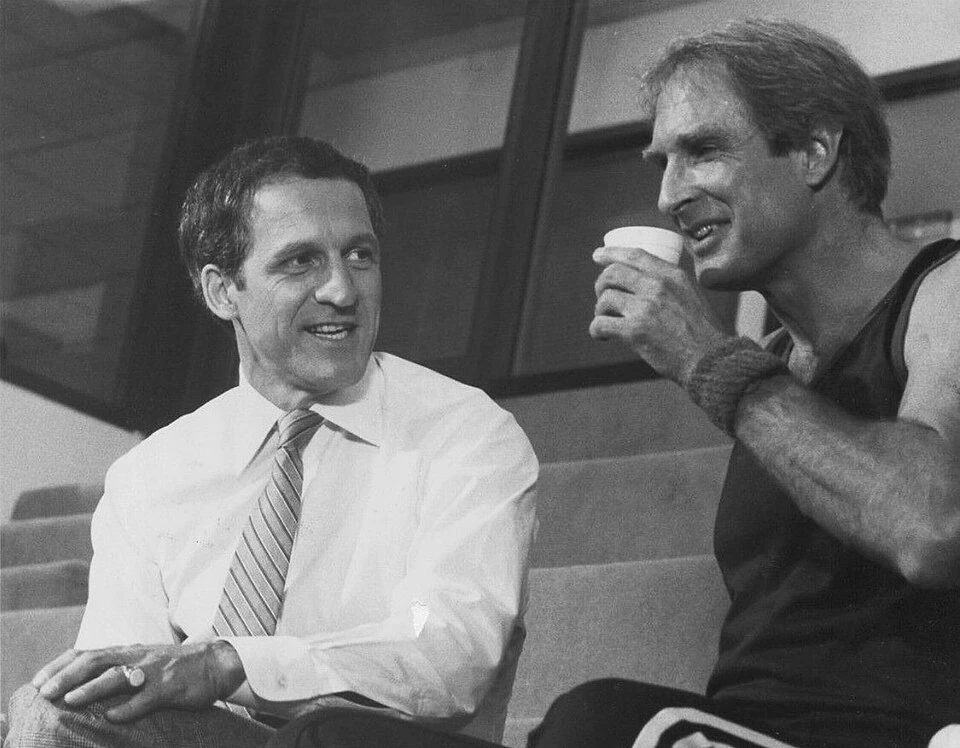

Roll call was supposed to get everybody organized. On Hill Street Blues, it mostly established how much organizing these people were going to need.
There were interruptions, wisecracks, grievances and the unmistakable sense that several conversations had started before the camera arrived. Michael Conrad’s Sergeant Phil Esterhaus presided over the commotion, then sent the officers out with “Let’s be careful out there.” Coming from him, it sounded like somebody actually cared whether they made it back.
That warmth mattered. Steven Bochco and Michael Kozoll’s precinct was often a miserable place to spend a working day. Cases collided with personal disasters; a wisecrack might be followed by something appalling. Bruce Weitz’s disheveled Mick Belker looked capable of frightening a confession out of the furniture. And somewhere in the middle stood Captain Frank Furillo, trying to keep the station functioning without becoming another person shouting across it.
Daniel J. Travanti gave Furillo a wonderful, worn-down authority. Quieting a room was one thing. Straightening out everyone’s life—including his own—was another. The recovering alcoholic, the ex-husband, the commander answering to people he didn’t always respect: those troubles stayed with him after the immediate crisis passed. As an adult, you may find yourself watching his face while someone explains the latest disaster and recognizing the effort it takes to remain civil.
Then there was Veronica Hamel’s Joyce Davenport. At work, the public defender challenged him on the very cases his officers were handling. In private, they had a tenderness neither could afford to carry around the station. Their late-night conversations made the relationship feel worth returning to, even when the city had supplied enough trouble for several episodes.
The gentleness of Mike Post’s theme makes more sense in that company. Under all the noise were people who needed a little kindness and weren’t necessarily good at asking for it.
The show struggled for viewers in its first season. Tom Shales nevertheless recognized the appeal of its imperfect people in his January 1981 premiere review, and it went on to four consecutive Outstanding Drama Series Emmys. Crowded? Frequently. Exhausting? Sometimes. That’s part of why it still feels alive. Compared with many of the tidy precincts in the 1970s cop-show boom, this one seemed unlikely ever to finish its paperwork.
St. Elsewhere
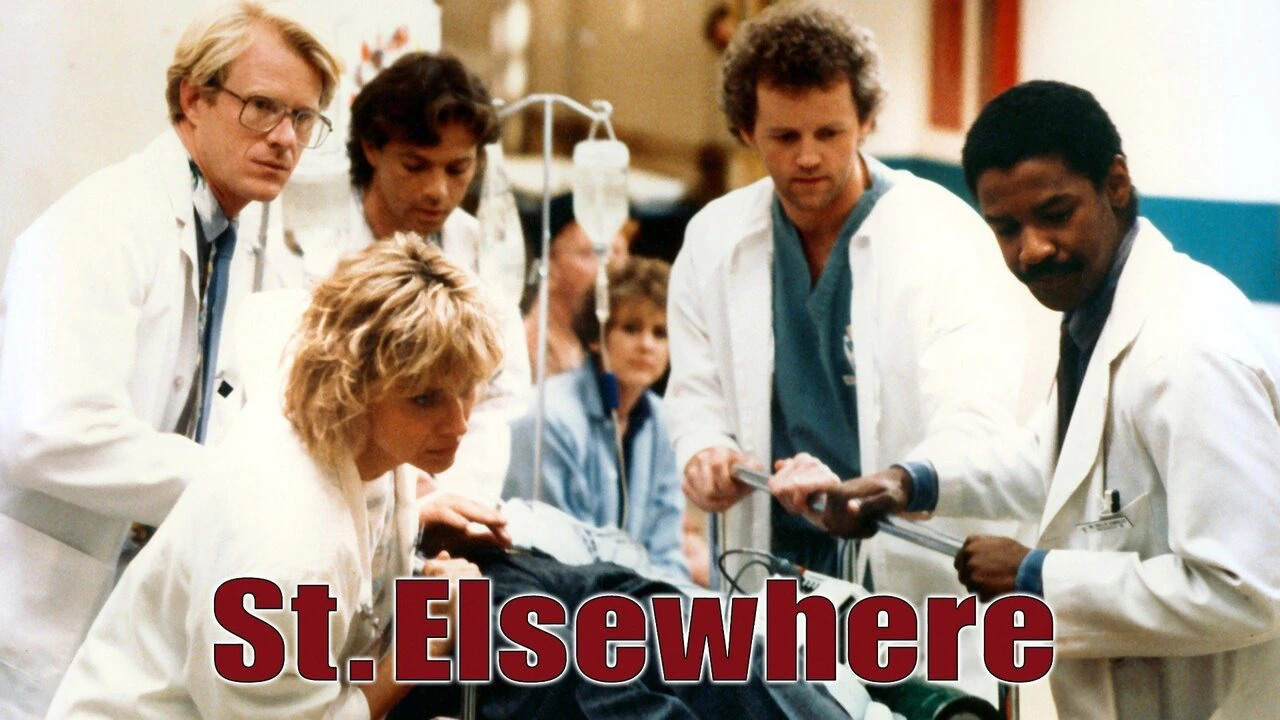
Yes, there is the snow globe. The ending has generated enough discussion to make it seem as though the preceding six seasons were merely waiting to provide a surprise. They weren’t. The prickliness of Craig, the warmth and frustration of Westphall, and the hospital’s mixture of compassion and absurdity are better reasons to revisit it.
William Daniels made a medical opinion sound like a personal insult. As Dr. Mark Craig, he often seemed offended that the rest of St. Eligius hadn’t arrived at his level of competence, preferably before breakfast. Ed Begley Jr.’s eager Dr. Victor Ehrlich gave that impatience somewhere particularly satisfying to land.
Those personalities helped make St. Elsewhere feel like a hospital full of people, rather than a collection of reassuring white coats. Ed Flanders’s Donald Westphall brought concern without the comforting suggestion that concern fixed everything. David Morse gave Jack Morrison a vulnerable earnestness. Denzel Washington’s Philip Chandler had an assurance that makes his later movie stardom look considerably less surprising. Norman Lloyd’s Daniel Auschlander seemed to carry the hospital’s history around with him.
Joshua Brand and John Falsey’s Boston medical drama was difficult company. Patients didn’t always recover. The doctors had professional blind spots, personal disasters and an extraordinary supply of reasons to lose sleep. Working at St. Eligius looked like a calling accompanied by a fairly serious warning label.
Yet the dark humor kept it from becoming a weekly endurance test. Howie Mandel’s Wayne Fiscus belonged to the same hospital as the grave consultations and bad news. The joking often sounded like a way to get through the shift. Sometimes the show pushed into elaborate in-jokes and outright strangeness; its willingness to be peculiar was part of the attraction, even when it strained for effect.
The Television Academy’s hosted history describes a series that survived modest overall ratings because advertisers valued the audience it did reach. NBC kept it for six seasons, from 1982 to 1988. A crowded ward didn’t have to translate into the biggest crowd in the Nielsen tables to be worth keeping open.
Our history of ER in the 1990s follows a later, faster-moving hospital. Give St. Eligius time to establish its own rhythm. Some of its most affecting moments happen when a doctor has run out of useful things to say.
Cagney & Lacey
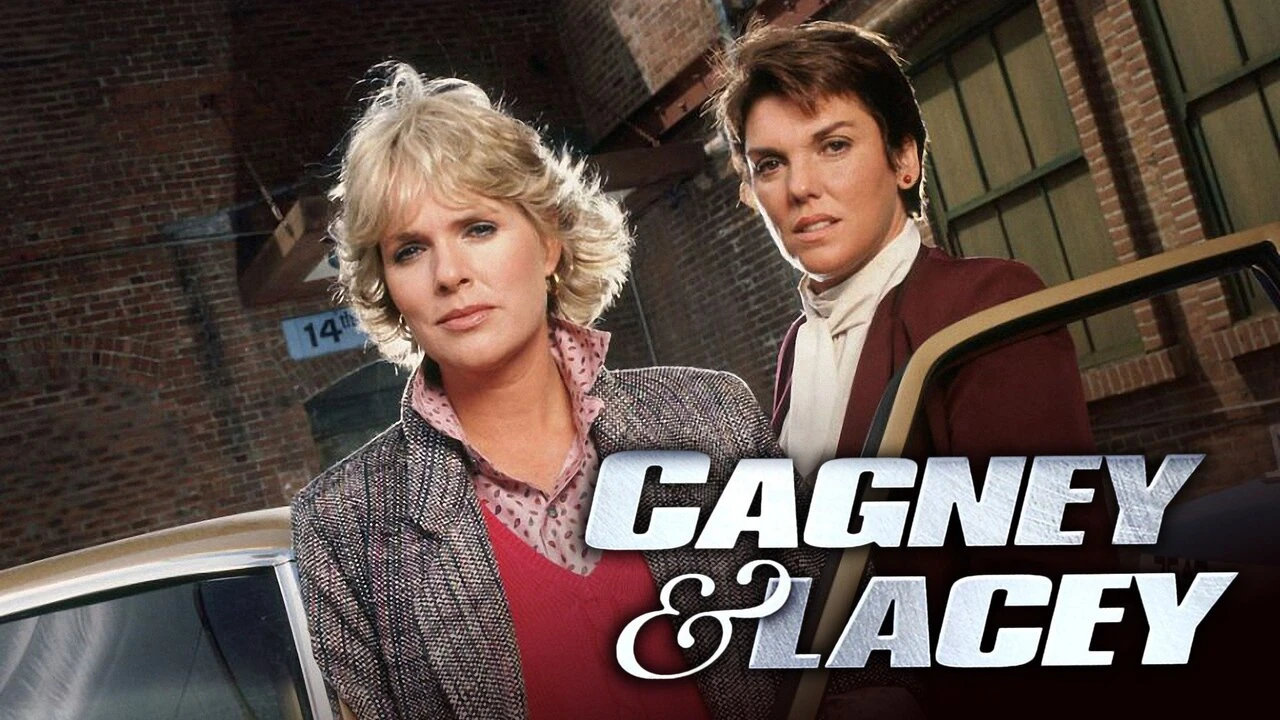
CBS canceled Cagney & Lacey in 1983. Its audience declined to consider the matter closed. Producer Barney Rosenzweig helped organize a letter-writing campaign, and the series returned in March 1984. Viewers had found a partnership they wanted back; apparently the network needed that explained in writing.
Sharon Gless’s Chris was ambitious, single and protective of her independence. Tyne Daly’s Mary Beth had a marriage, children and a household that didn’t stop needing things because the police department had supplied a difficult day. They understood each other, irritated each other and sometimes got the wrong end of a conversation. The affection survived having something to survive.
Watch how the two leads listen. Daly lets Mary Beth’s concern harden into impatience without making her suddenly unkind. Gless puts bravado over a hurt Chris would rather not admit. Neither woman has to be corrected into a matching personality. Their arguments matter because you believe they will still need to speak to each other tomorrow. Friendship isn’t a reward handed out after everybody learns the same lesson.
Barbara Avedon and Barbara Corday had to fight to get that premise made. The concept reached television as a 1981 movie, with Loretta Swit playing Cagney. Meg Foster played the role in the first six weekly episodes before Gless took over in fall 1982. The official first-season guide preserves that early version; Daly was Lacey throughout. Television eventually found the partnership most people remember, after demonstrating an impressive talent for complicating the idea of two women doing a job.
The cases were tough, and the consequences didn’t politely remain at the station. Chris’s struggles with drinking and Mary Beth’s responsibilities at home gave their friendship demands that no arrest could resolve. John Karlen’s Harvey Lacey also helped make home feel like a continuing part of Mary Beth’s life, rather than a place the script briefly visited to prove she had one.
The show was earnest, sometimes insistently so. Its best scenes need very little announcing. One woman notices that the other isn’t all right, and the case of the week suddenly has competition.
The returned series won the drama-series Emmy in 1985 and 1986. Those are substantial achievements, but the reason to keep watching is smaller and more convincing: Gless and Daly make a conversation between colleagues feel like it has years behind it.
Miami Vice
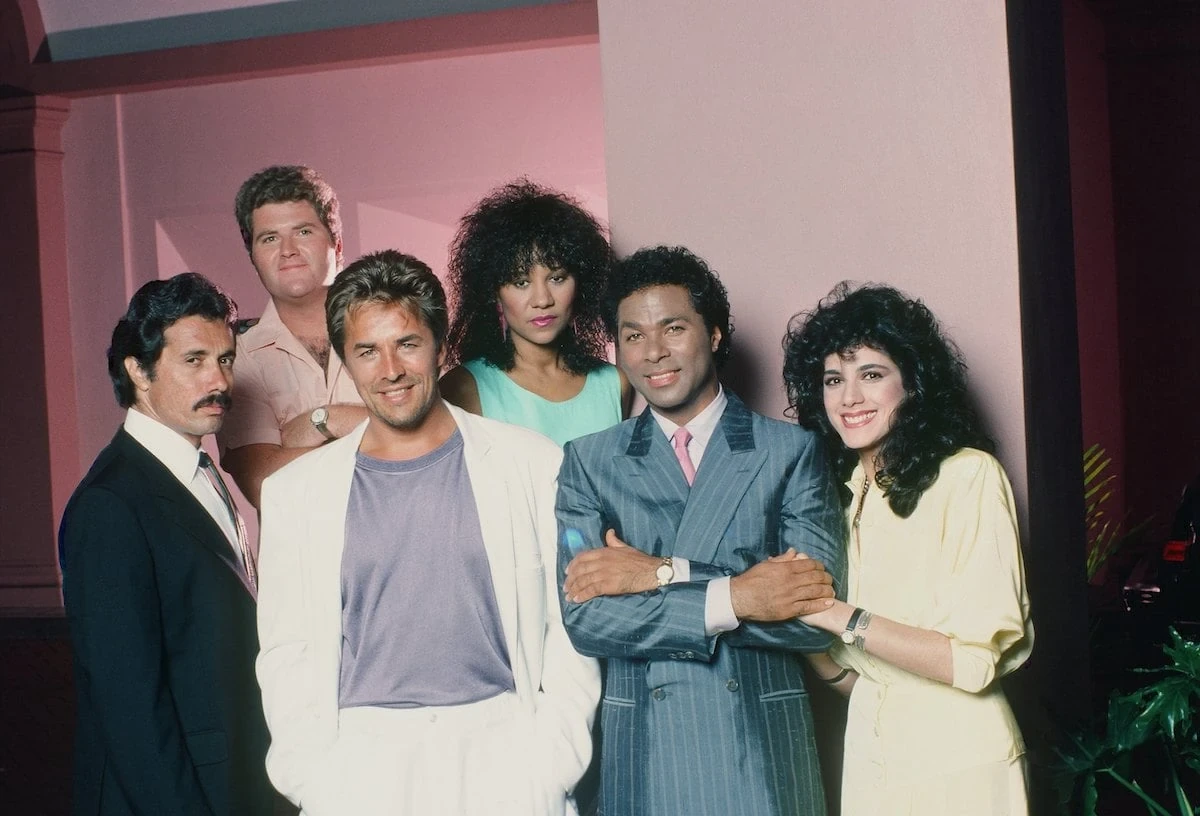
The clothes are easy to remember. The look on Don Johnson’s face during the pilot’s nighttime drive is harder to shake.
With Phil Collins’s “In the Air Tonight” building underneath, Crockett and Tubbs head toward a confrontation through a Miami that looks beautiful and feels deeply unsafe. The sequence gives you time to sit with their faces, the road and the knowledge that something ugly is waiting. Try replacing it with a cheerful explanation of the case. Most of what makes the scene work would disappear.
Yes, Miami Vice made rolled-up sleeves and expensive cars look like reasonable equipment for police work. Sonny Crockett even lived on a boat with an alligator named Elvis. Sensible departmental arrangements were clearly somebody else’s concern. Johnson carried that fantasy without losing sight of how badly the job bruised Crockett. Behind the stubble and the salesmanship was a man who didn’t always seem certain how much of himself he was spending to stay undercover.
Philip Michael Thomas gave Ricardo Tubbs his own elegance and alertness. Tubbs was a partner, not a well-dressed accessory: both men needed charm to get through the door and quick judgment once it closed. When that confidence faltered, the danger became more convincing than another display of expensive hardware.
Edward James Olmos’s Lieutenant Castillo supplied the perfect interruption to all that movement. A pause, a lowered voice, a look across the room: suddenly everybody else seemed to be talking too much. In a series selling an entire city’s worth of distractions, Olmos held the screen by doing very little.
The credits deserve care. Anthony Yerkovich created Miami Vice; Michael Mann’s executive-producing vision helped give it its unmistakable look. In the Television Academy’s cast-and-crew oral history, they describe deliberate choices about music, color, clothes and character. Jan Hammer’s electronic music and the contemporary songs helped make a scene exciting, lonely or ominous before the dialogue caught up.
Tom Shales’s 1984 review noticed visual flair and dramatic weight beneath the violence. By 1987, Mann was pushing back against the emphasis on style in a Los Angeles Times interview. The fashionable surface made it easy to overlook the show’s sour view of the world it photographed so beautifully.
It wasn’t consistently brilliant. Sometimes the visual confidence lent an ordinary story more weight than it deserved. But when the performances, music and story met, the unease lingered after the glamour wore off. If the jackets are what first brought you back, stay long enough to notice how often the people wearing them look tired.
L.A. Law
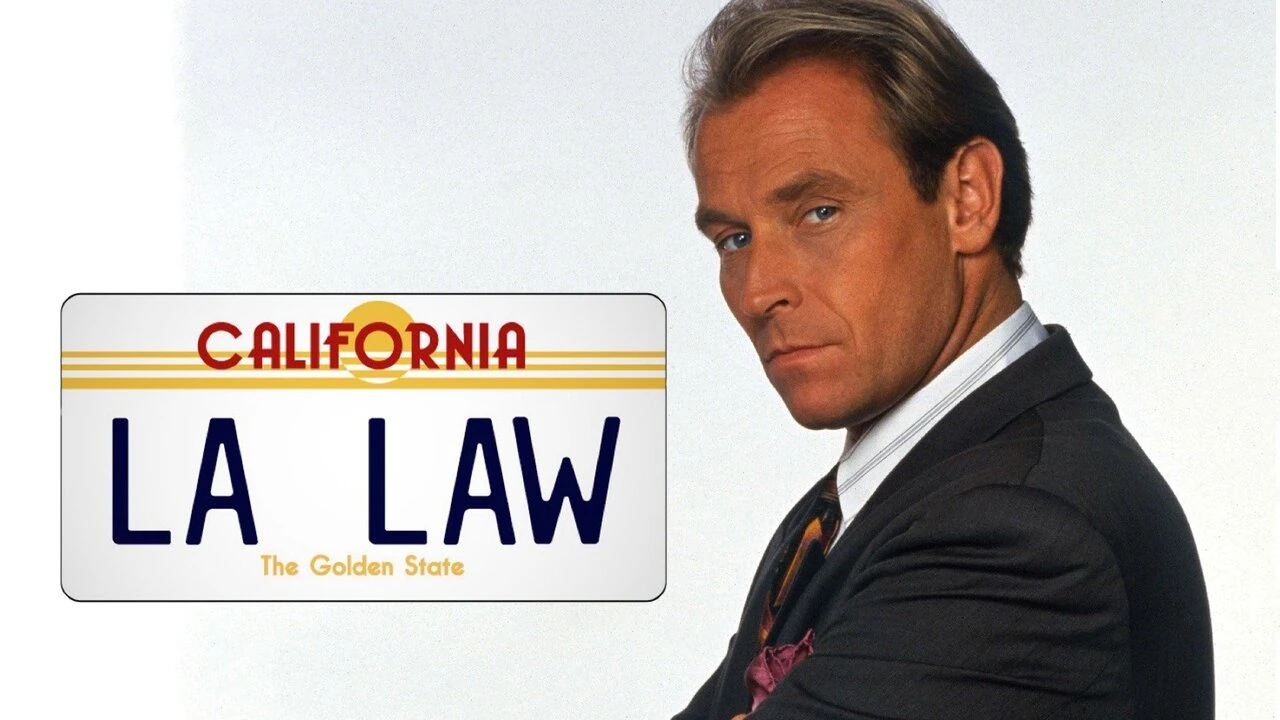
Arnie Becker made the legal profession look glamorous right up until he opened his mouth. Then Corbin Bernsen supplied a useful reminder that an expensive suit does not come with an ethics upgrade.
That mixture of attraction and alarm ran through L.A. Law. The offices looked good. The people looked good. The billing arrangements presumably looked excellent. Somewhere among the careers, romances and arguments, somebody also needed representation in court.
Steven Bochco and former attorney Terry Louise Fisher filled McKenzie, Brackman, Chaney and Kuzak with people whose ambitions didn’t sit comfortably together. Harry Hamlin’s Michael Kuzak had leading-man confidence. Susan Dey’s Grace Van Owen met it with a cooler authority. Jimmy Smits gave Victor Sifuentes a presence that kept the firm’s polished world from feeling quite so self-contained. Blair Underwood’s Jonathan Rollins added another persuasive young attorney to an office already rich in competing opinions.
The pleasure was in the combinations. Jill Eikenberry’s Ann Kelsey and Michael Tucker’s Stuart Markowitz supplied a much sweeter surprise than Arnie’s adventures. In 1986’s “The Venus Butterfly,” Stuart acquired a supposedly extraordinary sexual secret from a client. The show never explained the technique. Evidently the audience’s imagination was a resource the legal profession hadn’t yet found a way to bill. The cast’s later oral history recalls how much mileage the episode got from leaving that secret alone.
That blend of glamour and soap opera was deliberate. David E. Kelley became an important writing voice, and the early seasons moved from a serious legal conflict to a wonderfully foolish display of vanity without changing buildings. The series won Outstanding Drama Series in 1987 and 1989, before its further 1990s wins.
Some of the issue-driven stories announce their importance rather heavily now. Some of the sexual politics invite a raised eyebrow, which may stay raised for the rest of the episode. But the cast makes the firm worth visiting even when a case feels engineered to start a national conversation. The trouble is rarely that these people lack something to say. It is persuading them that the other person has a point.
China Beach

In 1989’s “Vets,” the actors shared an hour with veterans speaking about their own experiences. The March 15 broadcast received a Peabody, whose citation credits John Sacret Young and John Wells. This wasn’t simply a clever departure from the weekly format. The recollections interrupted any comfortable assumption that a fictional nurse, however convincingly played, had told the whole story of caring for people in that war.
Dana Delany’s Colleen McMurphy looked exhausted before the next casualty arrived. China Beach understood what that expression was worth. There was no need to turn every hour into a speech about the cost of war when the person doing the caring already looked as though she had paid part of it.
William Broyles Jr. and John Sacret Young placed the series around a military medical and recreation base during the Vietnam War. The fighting kept delivering consequences to people who then had to find enough steadiness to work. McMurphy was capable and stubborn; neither quality protected her from being emotionally exposed. Delany made the effort visible without making every feeling a performance for the room.
Marg Helgenberger’s K.C. brought a harder, more transactional understanding of survival. The two women didn’t need to become the same sort of person for their scenes together to matter. Around them were military personnel, medical staff and civilians, with performers including Michael Boatman, Robert Picardo and Concetta Tomei giving the base different kinds of authority, humor and strain. The show history makes clear how deliberately the series shifted attention toward women’s experiences of the war.
A familiar song drew the setting close. A face or a story then made that familiarity uncomfortable. That is an important part of revisiting China Beach. The period music and the beach don’t turn the war into a place to escape to. A moment of relief can carry the knowledge of what the next working day will bring.
Delany won her first lead-actress Emmy for the series in 1989. Its later years would take memory and aftermath further, but the late-80s work already earns its place here. The show sometimes reached too hard for an emotional effect. When it trusted a quiet exchange or Delany’s face, it often needed much less. McMurphy’s persistence stays with you because being good at the work never made her immune to it.
Dallas
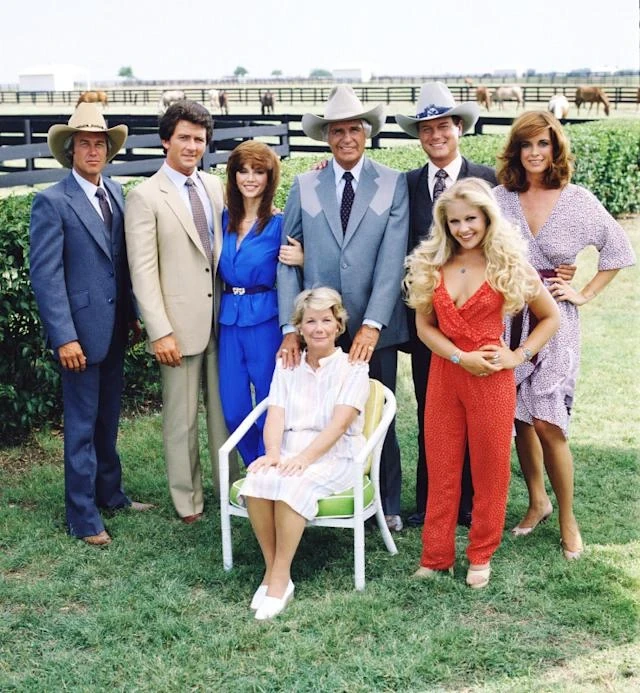
Larry Hagman could make a smile look like something your attorney should examine.
That was a considerable advantage on Dallas. J.R. Ewing might be welcoming somebody to Southfork, discussing an oil deal or pretending to show concern for his brother. Whatever the occasion, Hagman made it worth wondering what the man had already arranged behind everybody’s back. He was funny, charming and capable of making the people closest to him desperately unhappy. The charm made the cruelty worse.
David Jacobs’s series began with Bobby Ewing and Pamela Barnes bringing a marriage into a family feud. Patrick Duffy and Victoria Principal supplied the romance; the relatives supplied reasons it might not survive. Southfork looked magnificent, but imagine having to come downstairs and face that breakfast table after an argument. There was always another Ewing available to take a side.
Linda Gray gave Sue Ellen’s unhappiness a sting the glamorous surroundings couldn’t soften. Her drinking and her destructive marriage to J.R. weren’t simply obstacles between the audience and the next delicious double-cross. Barbara Bel Geddes’s Miss Ellie, meanwhile, made the ranch feel like a family home again—until somebody remembered there was an oil company to fight over.
Then J.R. was shot in the 1980 season finale, and the show found a question big enough to follow people away from the television.
“Who shot J.R.?” was a particularly well-stocked guessing game. The man had been making enemies as though it were a professional qualification. Viewers had months to argue over which one had finally acted. The answer arrived on November 21, 1980, long after a normal summer’s worth of patience had run out. Dallas finished the 1980–81 season at the top of the Nielsen rankings. For once, the enormous audience and the enormous fuss made perfect sense together.
Of course, Dallas could abuse that patience too. Bobby’s return in the shower, followed by the revelation that the previous season had been Pam’s dream, remains an impressive way to make viewers reconsider the value of their Friday evenings. Irresistible and ridiculous were never far apart at Southfork.
But dismissing it as rich people behaving badly misses Hagman’s timing, Gray’s hurt and the pleasure of watching an elaborate scheme meet a family member even more stubborn than its author. Southfork offered beautiful rooms full of people who knew exactly where to hurt one another. The next betrayal was worth waiting for because the last one was still causing trouble.
Knots Landing
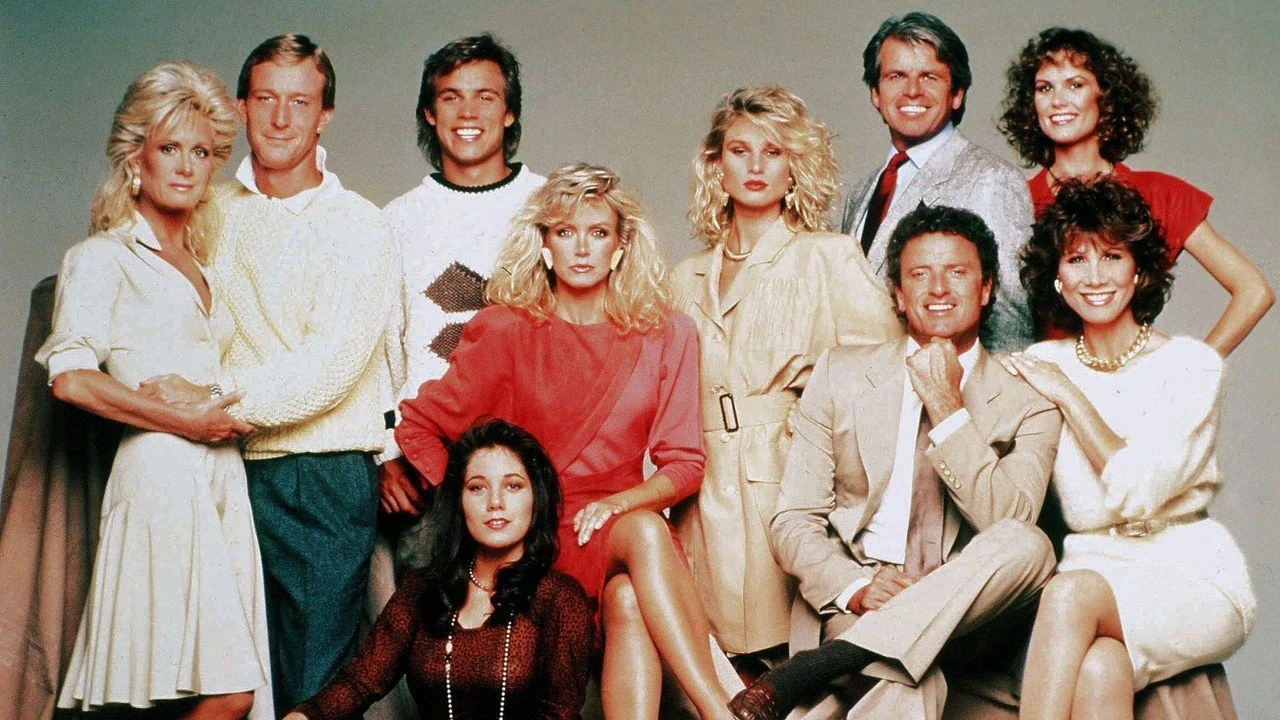
Southfork had an oil dynasty. Knots Landing had neighbors. Given the amount of trouble these neighbors generated, the difference in available resources was apparently no obstacle.
David Jacobs brought Gary and Valene Ewing into a Southern California neighborhood, where Ted Shackelford and Joan Van Ark gave the troubled marriage a life beyond the Dallas family gatherings. Gary’s weaknesses couldn’t be put safely away between visits to Texas. Val had to live with them, and the surrounding households supplied their own complications.
Michele Lee’s Karen gave the show an emotional anchor. Forceful, worried, funny: Karen was thoroughly involved in other people’s lives, whether they had requested the assistance or not. Then Donna Mills’s Abby arrived with a very different understanding of what a neighbor might be useful for. With Mills, a civil exchange became the opening move in a negotiation the other person hadn’t realized was taking place.
The contrast mattered more than any claim that this was the sensible alternative to Dallas. Its plots became gloriously elaborate too. But a driveway, a front door or a room full of people trying to remain polite gave the betrayals a recognizable address. At Southfork, a feud might involve control of an oil company. Here, you still had to see the person responsible while getting on with an ordinary day. Excellent. Exactly what a neighborhood needs.
What still works is the time the actors allow hurt and suspicion to accumulate. Van Ark refused to let Val’s vulnerability disappear underneath plots demanding an ambitious amount of belief. Lee made concern active rather than decorative. Mills used charm as a weapon without having to put a warning on it.
The 1980s cast and episode records capture a crowded world beyond the central triangle: Kevin Dobson’s Mack, Constance McCashin’s Laura, Julie Harris’s Lilimae and the changing households around them. Later in the decade, William Devane’s Greg Sumner gave power a particularly smooth voice. The long acquaintance between characters made an apparently small conversation capable of doing a great deal of damage.
The Television Academy’s archive follows the show’s development through creator and producer accounts. The series ran from 1979 to 1993, but its 80s neighborhood is reason enough to return. You don’t need to believe every turn to understand why these people couldn’t simply stop caring about one another. The hurt lingered after the latest revelation. That was the part the actors made believable.
thirtysomething

If you first encountered thirtysomething while actual thirty-year-olds seemed impossibly grown-up, the uncertainty was baffling. They had houses, careers and people coming over for dinner. What, exactly, were they still trying to work out?
A later viewing may answer that question rather efficiently.
It won the 1988 drama-series Emmy. In his May 1989 New Yorker commentary, Adam Gopnik admired its intelligence while questioning the realism of its ever-available circle of friends. That is a useful reservation to keep alongside the praise. The companionship was part of the fantasy, even when the arguments felt painfully true.
Edward Zwick and Marshall Herskovitz’s Philadelphia drama spent time with the worries that remain after the milestones arrive. Ken Olin’s Michael Steadman and Mel Harris’s Hope had a marriage and a young family. Timothy Busfield’s Elliot Weston and Patricia Wettig’s Nancy had their own problems, which rarely improved because Elliot had found a new way to explain himself. Melanie Mayron’s photographer Melissa, Peter Horton’s teacher Gary and Polly Draper’s career-minded Ellyn gave the friendship circle different relationships with work, commitment and the supposed timetable for adulthood.
These were baby-boomer characters. Gen X viewers weren’t being shown a documentary about their own generation, however familiar the arguments later became. Michael and Elliot’s advertising work kept professional ambition close to domestic insecurity. At home, a small remark acquired the weight of a marital referendum. Sometimes the attention was painfully revealing. Sometimes opening a window and admitting another topic seemed a reasonable alternative.
Wettig and Mayron were especially good at the pause in which someone decides whether to admit what is wrong. The hesitation often revealed more than the speech around it. Still, the friends seemed unusually well supplied with time to discuss their discomfort. Sympathy did not require pretending they represented everybody.
The show’s reputation for whining isn’t entirely unfair. It is also an easy way to avoid looking at what the actors accomplished. Revisit an early episode and watch who wants reassurance, who supplies it, and who has quietly run out. The expensive-looking adulthood that once seemed so distant may turn out to contain some very familiar weather.
Wiseguy
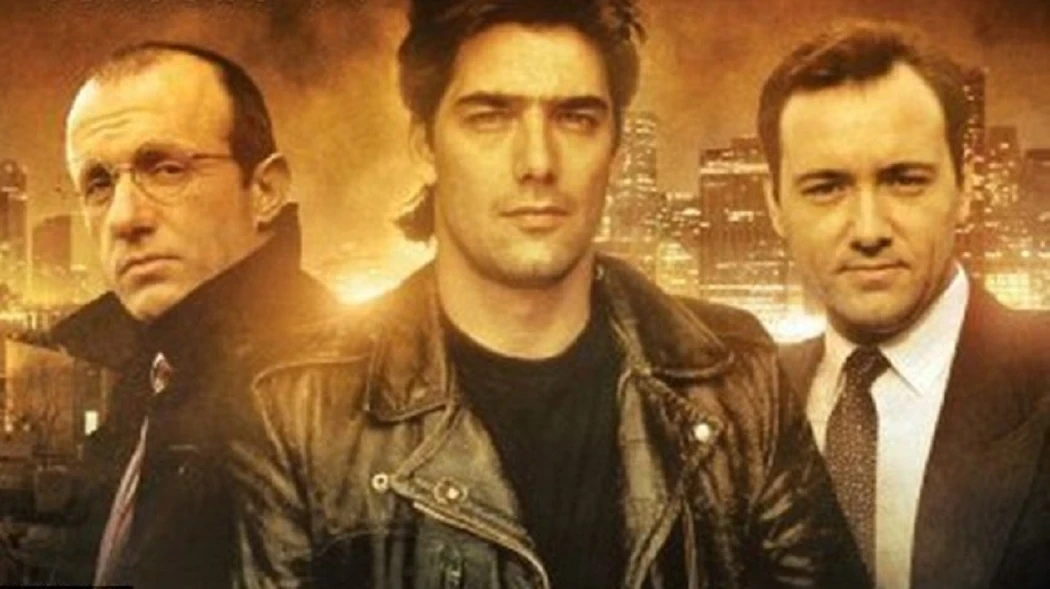
Ray Sharkey made Sonny Steelgrave the sort of criminal an undercover agent really should avoid becoming fond of. Sharkey makes Sonny volatile, funny and disturbingly appealing. The bond with Vinnie gave a successful investigation an emotional bill to pay. By “No One Gets Out of Here Alive,” broadcast on November 12, 1987, knowing which side the agent was on didn’t make the friendship painless to watch.
An undercover agent is supposed to gain the criminal’s trust. Wiseguy made that success feel like a problem getting worse.
Ken Wahl’s Vinnie Terranova talked his way into a dangerous world and became useful enough to stay there. Staying was the catch. Stephen J. Cannell and Frank Lupo’s CBS series allowed assignments to run across several episodes, giving the people Vinnie would eventually betray time to become company rather than a week’s disposable villains.
Jonathan Banks’s Frank McPike offered the less glamorous face of the job. He had to manage an operation while Vinnie was living inside it. Jim Byrnes’s Lifeguard supplied another connection to the world outside the cover identity. These weren’t simply two people available to deliver instructions. Their presence kept reminding the viewer that Vinnie’s apparently separate lives remained tied together, however inconveniently.
The series wasn’t equally convincing in every assignment. A story stretched over several weeks still needs people worth spending those weeks with, and the first strong attachment can become a difficult act to follow. But that unevenness is a more interesting failing than simply forgetting every consequence before the next opening title.
What makes Wiseguy worth recovering is the discomfort underneath Wahl’s confidence. Vinnie might be doing his job properly while becoming someone he would rather not examine too closely. Closing the file did nothing to clean up the preceding friendship. For a late-80s network crime drama, that was bracing company—and a good reason to watch an arc in order.
Magnum, P.I.
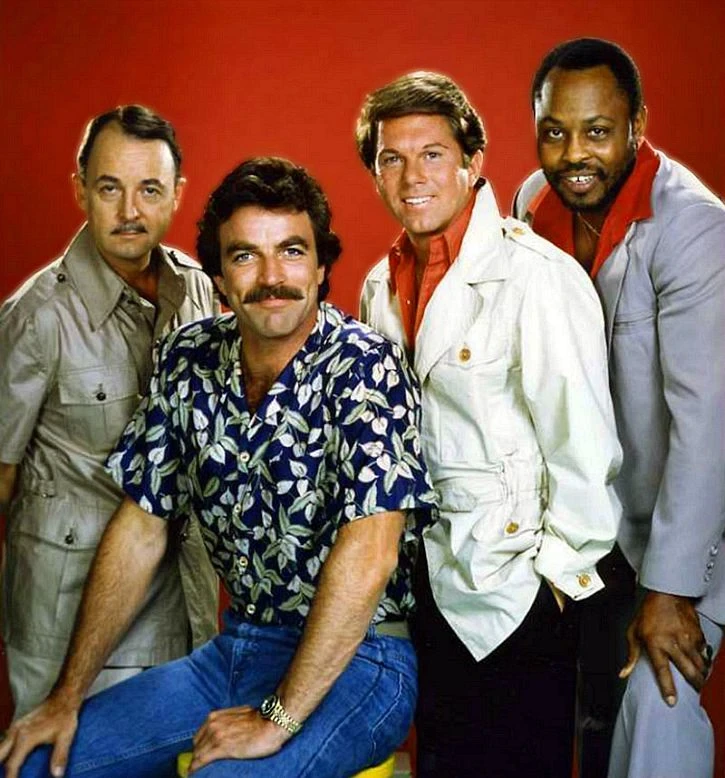
Thomas Magnum had access to a Hawaiian estate and a Ferrari, and still managed to give the impression that life wasn’t being entirely fair to him. Tom Selleck made that complaint considerably more charming than it had any right to be. He was an unusually easygoing entry among the decade’s detective and private-eye shows.
The easy grin, the mustache and the questionable negotiating position with Higgins are the immediate pleasures. John Hillerman’s Jonathan Higgins punctured Magnum’s confidence with a look, then continued with the air of a man disappointed to find the property still contained a private investigator. Their disputes made Robin Masters’ estate feel inhabited, rather than merely available for beautiful establishing shots.
Roger E. Mosley’s T.C. and Larry Manetti’s Rick supplied more than transport and useful contacts. The friends knew Magnum well enough to recognize a request before he had finished pretending it was a social call. Their complaints sounded earned. T.C.’s helicopter business and Rick’s connections were convenient for a detective series; the irritation and loyalty made the convenience enjoyable.
Donald P. Bellisario and Glen A. Larson’s show ran from 1980 to 1988. Its Television Academy history follows the way past experiences accumulated beneath the weekly cases, especially the Vietnam background shared by Magnum and his friends. The tropical setting promised a getaway. The characters brought difficult history along anyway.
That is why “Did You See the Sun Rise?” belongs in any serious conversation about the series. The familiar, personable investigator can take a scene somewhere far colder than the opening titles might have prepared a casual viewer to expect. “Home from the Sea” makes another kind of demand, putting Selleck’s ability to hold attention under pressure beside the show’s more relaxed pleasures. Bellisario discusses both in the creator interview index; they reward watching rather than reducing to a description of their endings.
The light episodes weren’t an unfortunate price paid for the serious ones. They made Magnum someone whose change of mood you could feel. A friend who is funny, irritating and occasionally irresponsible can still carry grief. Television doesn’t improve that grief by removing everything else about him.
For a different balance of charm and trouble, our Rockford Files history offers another investigator worth keeping company with. Magnum had better scenery and a more impressive car. His supply of favors owed was less enviable. The series holds up best when it lets the familiar arguments and the older wounds occupy the same hour.
Moonlighting
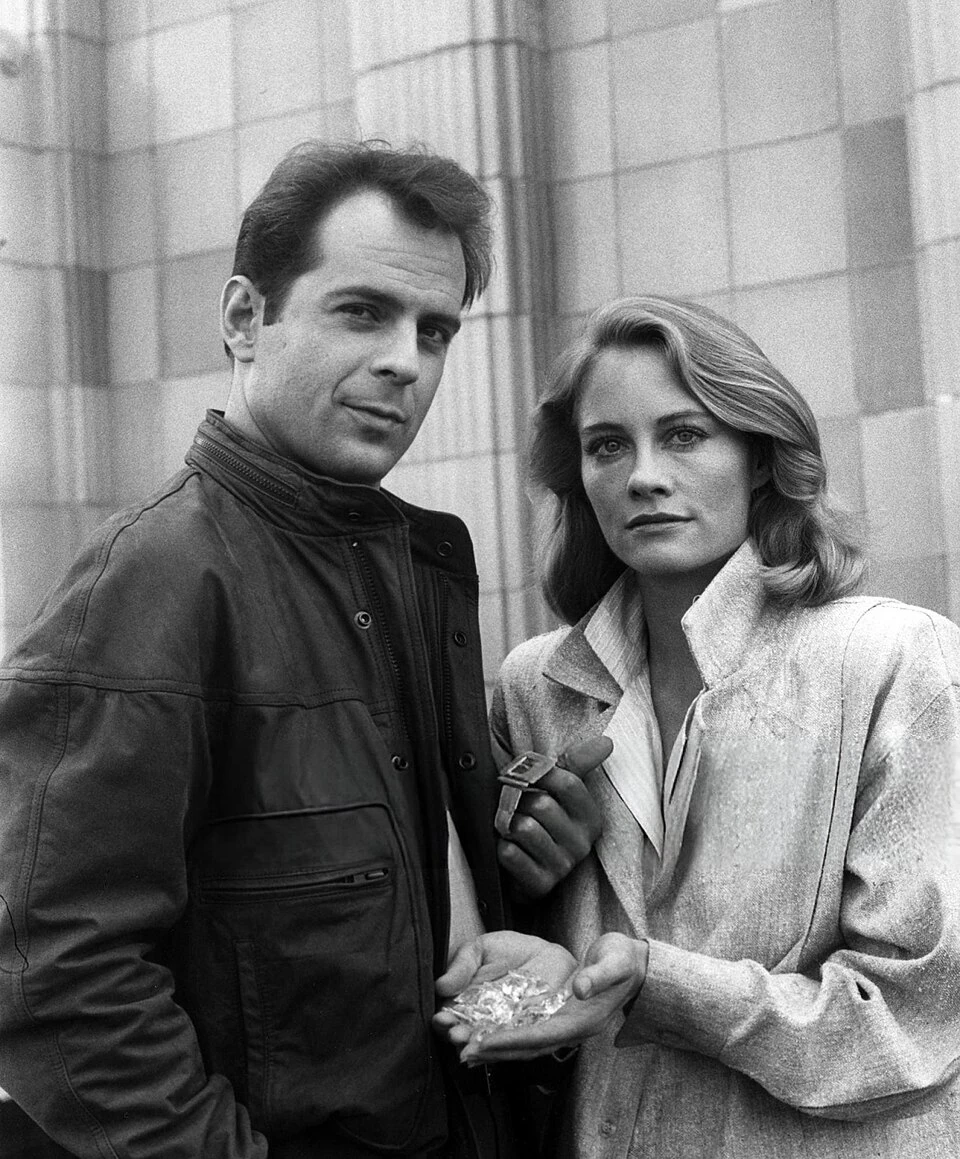

Orson Welles appeared as himself in “The Dream Sequence Always Rings Twice.” That is a fairly grand entrance for a detective show’s trip into black-and-white fantasy. Broadcast on October 15, 1985, the episode was directed by Peter Werner from Debra Frank and Carl Sautter’s script. Its competing fantasies give Shepherd and Willis another way to flirt, fight and imagine themselves as the star of a story the other person isn’t quite telling.
David Addison turned a straightforward question into a conversation Maddie Hayes regretted starting. Bruce Willis made the diversion look effortless. Cybill Shepherd made sure Maddie could stop it with an expression.
That was the case worth following on Moonlighting: how much of the argument was annoyance, how much was attraction, and whether either person was going to admit the difference. The Blue Moon agency investigated crimes, certainly. Some evenings, that seemed almost inconsiderate of it.
Glenn Gordon Caron’s series gave Shepherd a former model whose financial security had collapsed and Willis a detective unusually resistant to conducting business quietly. Allyce Beasley’s Agnes DiPesto brought her own sweet eccentricity to the office, with Curtis Armstrong’s Herbert Viola adding another reason the working day might not proceed efficiently. The actors make the early sparring feel quicker than a synopsis suggests.
The formal adventures were part of the fun. “Atomic Shakespeare” put the verbal combat into a different costume and trusted viewers to follow. The jokes about television itself worked because the series had already persuaded its audience to enjoy being in on a joke with it.
Of course, a series that can do almost anything can also become pleased with its ability to do almost anything. Some departures are delightful; others make returning to the argument at the agency seem like a sound idea. The later complications don’t erase the speed and precision of Shepherd and Willis when an ordinary exchange became a small contest neither intended to lose.
Our 1986–87 season ranking places it among that year’s audience favorites. For a rewatch, begin with the people rather than a greatest-hits collection of experiments. A clever costume change is enjoyable. Knowing why Maddie is looking at David like that is what makes it worth the trouble.
Murder, She Wrote
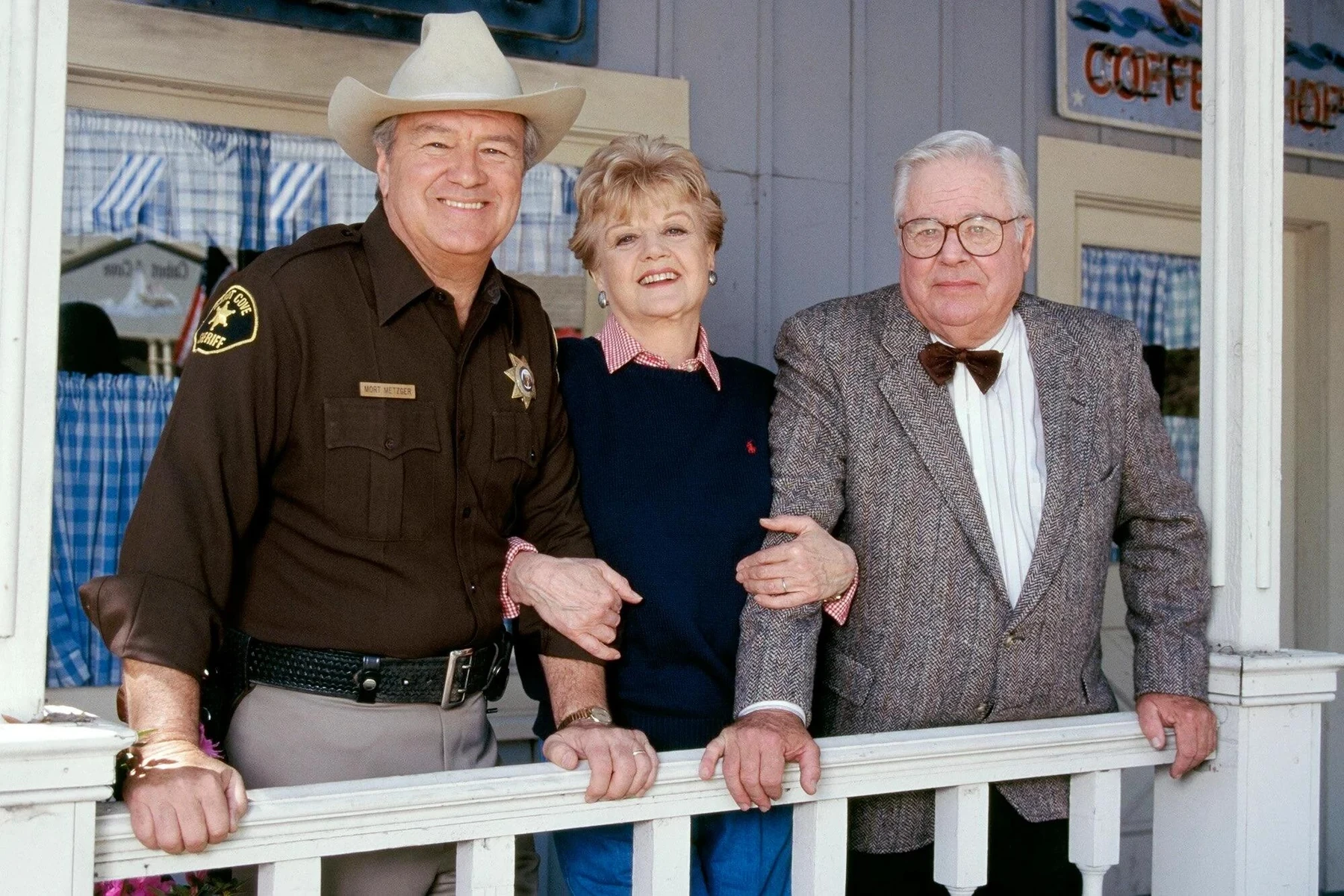
Jessica Fletcher had a way of asking a perfectly civil question that should have made any murderer start packing.
Angela Lansbury rarely needed to announce how clever Jessica was. She let you see her listening. A detail didn’t fit. An explanation came a little too readily. Someone mistook good manners for gullibility, which was generally a poor career move in Jessica’s company.
That made Murder, She Wrote enormously easy to settle into. There was a mystery to solve and a capable, likable person to solve it with. You could enjoy the guest stars, form an opinion about the suspect who was being suspicious far too early, and trust Jessica to keep paying attention when the police became satisfied with the wrong explanation.
Cabot Cove added familiar faces to the pleasure. Tom Bosley’s Sheriff Amos Tupper sounded thoroughly put upon by the complications arriving in his apparently peaceful town. William Windom’s Dr. Seth Hazlitt brought a different sort of grumbling familiarity. Jessica held her own with either man without the show turning every conversation into a demonstration of her superiority. Lansbury made intelligence sociable.
The Sunday-night place after 60 Minutes suited that companionship. After a program built around the real world’s troubles, here was a fictional murder you had a reasonable chance of seeing cleared up before the evening ended. For anyone who met Jessica through a parent’s or grandparent’s viewing habits, a return visit can bring a pleasant correction: she is much sharper company than the cozy reputation suggests. CBS’s 1990s Sunday lineup kept that familiar weekly rhythm, with different company.
Created by Peter S. Fischer, Richard Levinson and William Link, the series still had to make its mysteries work. Some solutions are more persuasive than others, and sometimes recognizing a guest star supplies a little too much encouragement to play detective. But a dependable formula needs a performer who can make the next conversation worth hearing. Across the full twelve-season run, Lansbury received a lead-actress Emmy nomination every year. Even in a flimsy mystery, Lansbury gives you a reason to stay.
For all the bodies turning up around Jessica, the show’s lasting attraction is her interest in people. She notices the overlooked person, lets someone finish a story and remembers what was actually said. Those are modest-looking gifts until a roomful of confident people has got everything wrong. Then it is very satisfying to have her there.
Lou Grant
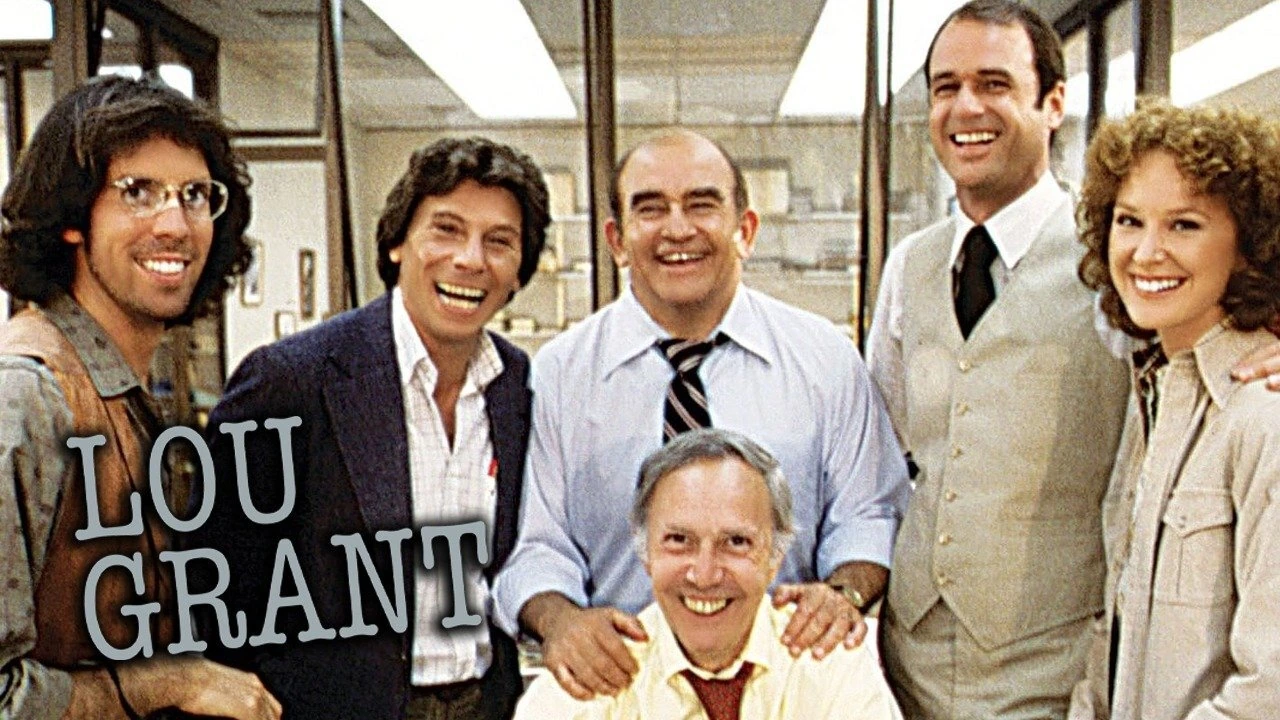
Gene Reynolds, James L. Brooks and Allan Burns developed the drama from the character familiar to viewers of The Mary Tyler Moore Show. Reynolds’s newspaper research fed the stories, as the Television Academy’s hosted history describes. The result retained room for workplace humor while letting a report about a difficult subject have consequences beyond a closing speech.
Lou Grant had moved from a television newsroom to a newspaper, but Ed Asner hadn’t misplaced the impatience. The man’s tolerance for nonsense had not increased. The difference was how much the new show expected him to care about what happened after he stopped grumbling.
At the fictional Los Angeles Tribune, Lou was city editor, answerable to deadlines, colleagues and a publisher who was not likely to be impressed simply because he raised his voice. Nancy Marchand’s Mrs. Pynchon exercised authority without borrowing his volume. Mason Adams’s Charlie Hume helped make the newsroom feel like a place where experienced people still had to negotiate how to do the job.
Robert Walden’s Joe Rossi and Linda Kelsey’s Billie Newman took the reporting out into a world that didn’t necessarily want its story told. The interesting trouble often began when somebody had to decide what could responsibly go into print. A source might have a reason to lie. An accurate story might still hurt someone who didn’t deserve it. A deadline, very helpfully, did not solve either problem.
The series ran from 1977 to 1982 and won Outstanding Drama Series in 1979 and 1980. Its early-80s years belong here even if the fashions and newsroom equipment announce that part of its life began in the previous decade. Television history is under no obligation to change its entire personality every January ending in a zero.
Some of its issue-centered storytelling can feel earnest now. But Asner gives the earnestness a temper, and the supporting cast keeps the newspaper from becoming a podium thoughtfully equipped with telephones. There is pleasure in watching people challenge each other and then get an edition out together. The show’s idea of professional pride includes being annoyed, being corrected and going back to work. That still makes unusually good company.
Tour of Duty
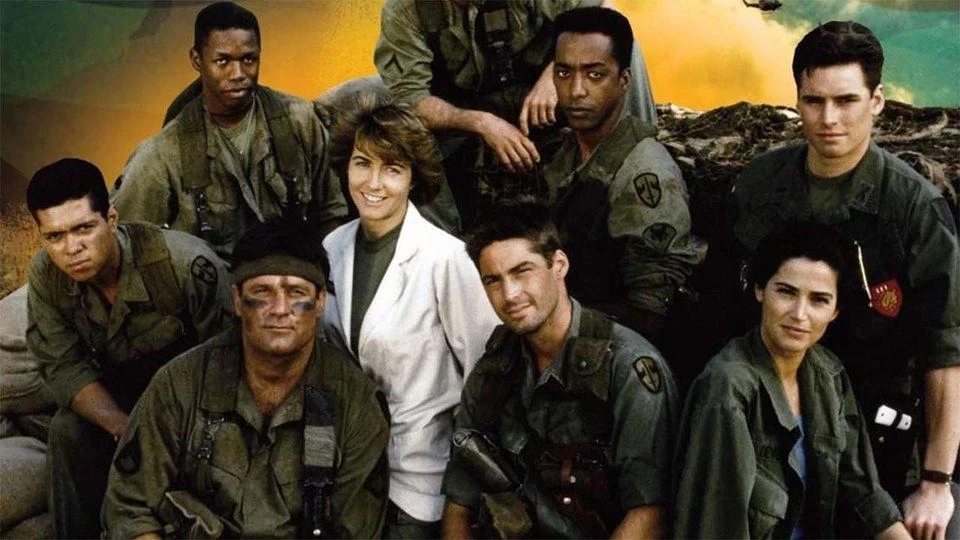
For viewers who caught the original CBS broadcasts, the Rolling Stones’ “Paint It Black” brings Tour of Duty back before a face appears. It was a forceful way to begin an hour about men trying to get through a war, and it has proved rather harder to dislodge from memory than many a carefully explained television premise.
The song’s use belongs specifically to the network version. Composer Joseph Conlan’s interview explains that his own main-title music was used in syndication. If a later version’s opening doesn’t sound like the one you remember, your memory isn’t necessarily the problem. The difference is worth knowing before deciding that the entire television of your youth has been quietly rearranged.
Steve Duncan and L. Travis Clark’s drama followed an American platoon in Vietnam, with Terence Knox’s Sergeant Zeke Anderson and Stephen Caffrey’s Lieutenant Myron Goldman providing different kinds of leadership. Its original CBS run began in September 1987 and continued to 1990. Anderson’s experience and Goldman’s responsibilities gave the group something more useful than a choice between a wise soldier and a useless officer. They had to work together while other people depended on the result.
The ensemble mattered because danger becomes different when the viewer knows who is standing beside whom. Fear surfaced as anger, a joke or an attempt to seem more certain than anyone felt. A man’s performance in one situation didn’t automatically tell you what he would do in the next. The series was strongest when it allowed that uncertainty to remain personal rather than issuing every soldier the same speech about brotherhood. In a 2001 interview, Duncan recalled that the pilot had first been conceived as a two-hour story following the men from home to Vietnam. CBS’s decision to make it an hour removed that journey. The soldiers arrived with lives the audience hadn’t been shown.
There are limits to what a weekly American combat drama can tell about Vietnam. Watching the platoon gives one angle on a much larger war, and emotional investment in the regulars should not be mistaken for knowing everyone whose lives the war changed. China Beach offers a valuable companion because its work, setting and principal characters direct attention elsewhere.
Tour of Duty was sometimes conventional, and the balance of characters changed as the series went on. It is still better remembered through the men’s strained trust and Knox’s steadiness than through a generic image of television soldiers moving through foliage. Let the original theme bring the memory back, then stay with the conversations after the immediate danger has passed. The actors often have more to do there than the broad outline suggests.
Crime Story
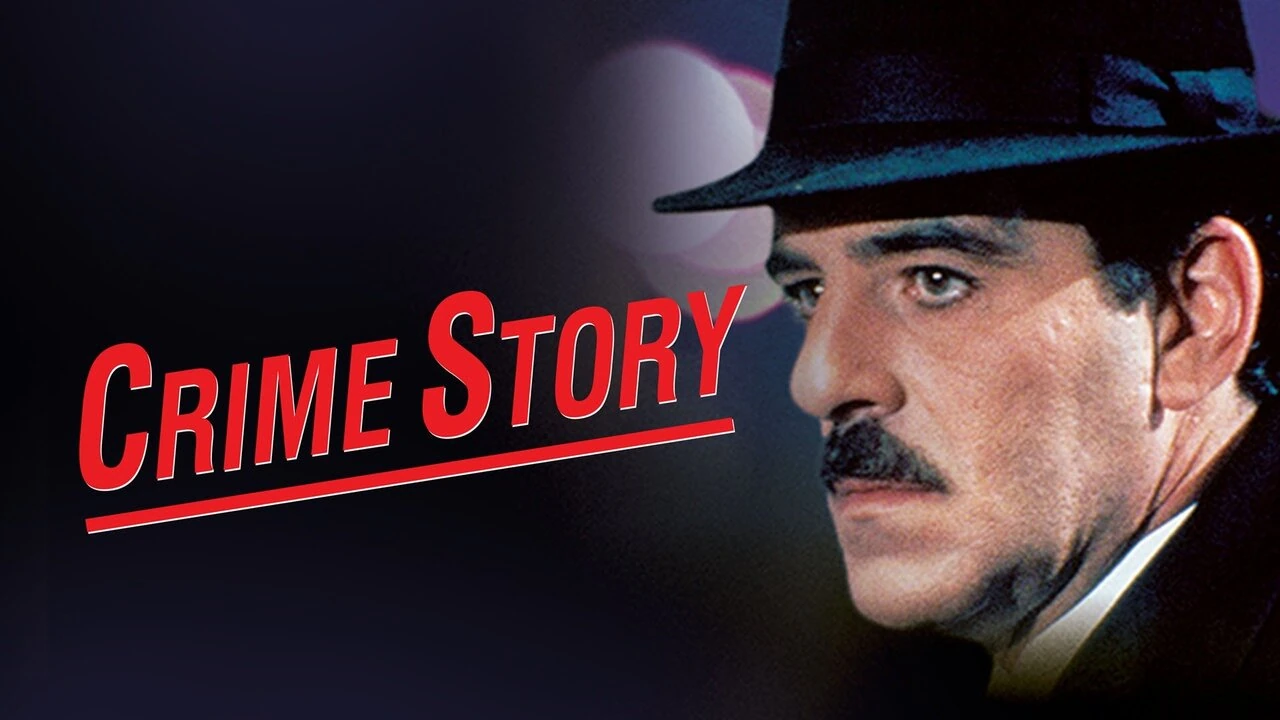
Del Shannon’s “Runaway” opens the door. His theme version gave the old song another life and the series an instantly recognizable opening identity. The recording chronology on Shannon’s official site documents the new recording for the show in June 1986. The sound helped the period world feel seductive before Farina arrived to make spending time there look less advisable.
Dennis Farina looked as though he had brought a separate grievance for every person in the room. As Lieutenant Mike Torello, he gave Crime Story a magnificent impatience: the law might take its time, but that was no reason he had to enjoy it.
Across from him was Anthony Denison’s Ray Luca, whose ambition kept making the problem bigger. Torello kept pursuing him, denied the tidy satisfaction of a new villain neatly filed away at the end of the hour. Denison made Luca’s confidence a particularly effective irritant. It was easy to understand why the detective found it difficult to leave work at work.
Chuck Adamson and Gustave Reininger created the series, with Michael Mann executive-producing. Its early-1960s world began in Chicago and moved into Las Vegas, giving the pursuit a changing landscape of money and power. The suits and cars supplied considerable pleasure, but the point of following Luca was that his gains went well beyond a better wardrobe.
Abel Ferrara directed the substantial pilot, broadcast on NBC at 9 p.m. on September 18, 1986. The Paley premiere record credits Chuck Adamson and Gustave Reininger as creators and writers, with David J. Burke also credited for the script. Mann’s influence matters, but remembering him as the sole author loses the people who built this particular hour.
The series lasted two seasons, from 1986 to 1988. It became overheated at times; a continuing feud risks making obsession look like the only activity available to either man. Howard Rosenberg disliked its violence. But Farina and Denison gave that obsession enough personality to distinguish it from an ordinary pursuit. The momentum came from wondering what another gain for Luca would cost Torello, and whether catching him could possibly justify the amount of life being consumed.
Compared with Miami Vice, the pleasures are heavier, angrier and more openly period-bound. Pairing the shows is interesting precisely because the shared executive producer doesn’t make them interchangeable. One offers a contemporary Miami night; the other feels as though an old grievance has acquired a whole city to move through.
The Equalizer
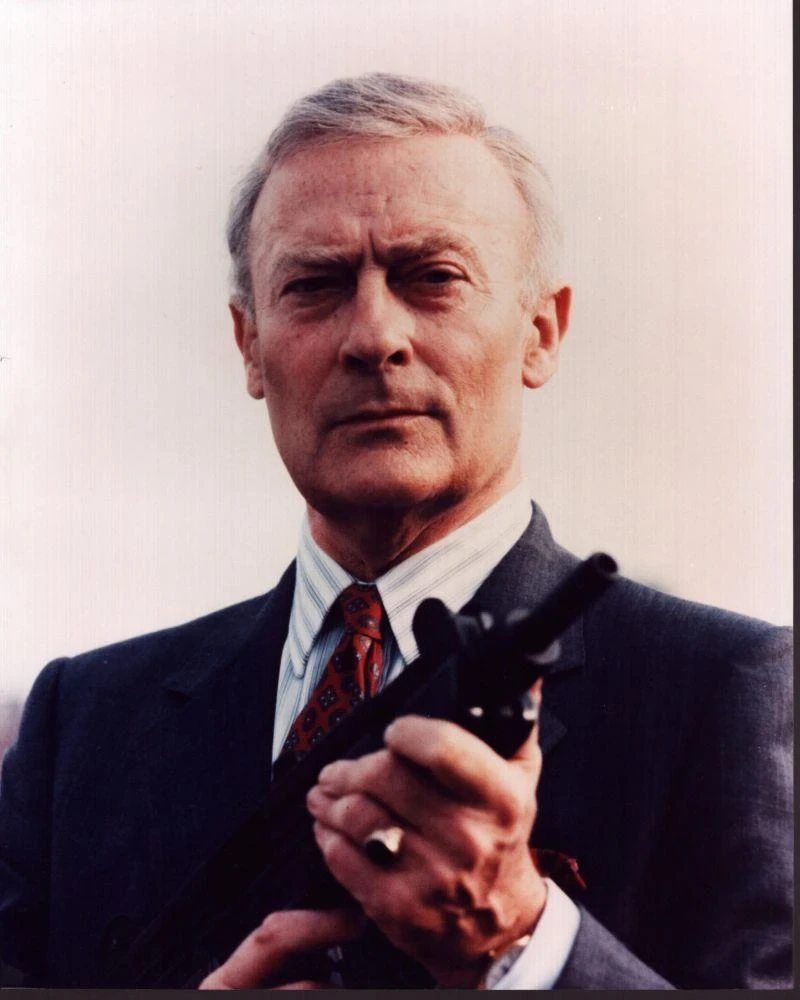
Robert McCall did not look as though he was trying to win a fight before it started. Edward Woodward gave him something more unsettling: the air of a man who had already thought through several ways it might end. The decade had plenty of louder action heroes; McCall’s quiet was a different kind of threat.
That made The Equalizer a welcome change of temperature. The original CBS series, created by Michael Sloan and Richard Lindheim, ran from 1985 to 1989. Woodward’s former intelligence operative offered help to people who had run out of safer, more obvious options. His season-one credits and premise belong to this original version, separately from the later films and television revival.
The moral shortcut is easy to enjoy. Somebody being bullied finds a man who can reverse the advantage, and the bully discovers an unexpected interest in negotiation. The show isn’t always searching about the risks of giving one resourceful individual that much authority. Sometimes it simply wants the reversal to be satisfying, and Woodward is very good at making it so.
McCall’s composure was the attraction. He looked entirely respectable while suggesting that the person threatening his client had misunderstood the situation rather badly. Woodward’s age and manner helped. Shales liked Woodward’s authority. Here was an older man whose usefulness hadn’t expired because television usually preferred its action heroes younger and more conspicuously athletic.
The New York setting gave the offer of protection a particular edge. Being surrounded by New York did not mean having anybody useful to turn to. McCall listened, made preparations and brought skills his client might rather not examine too closely. The reassurance arrived with a shadow: being good at this kind of rescue implied a previous life containing things no polite introduction was going to cover.
Stewart Copeland’s main theme added to that uneasy welcome. It suited a series in which the promise of help didn’t make the surrounding world friendly. The music, Woodward’s stillness and the city’s menace gave the hour an identity quite different from a sunny private-eye adventure.
What gives the series more staying power is the suggestion that McCall understands the damage better than the person causing it. He can be reassuring without seeming innocent. On a schedule full of younger men broadcasting confidence, Woodward’s measured sentence often sounded like the most dangerous thing in the room.
Fame
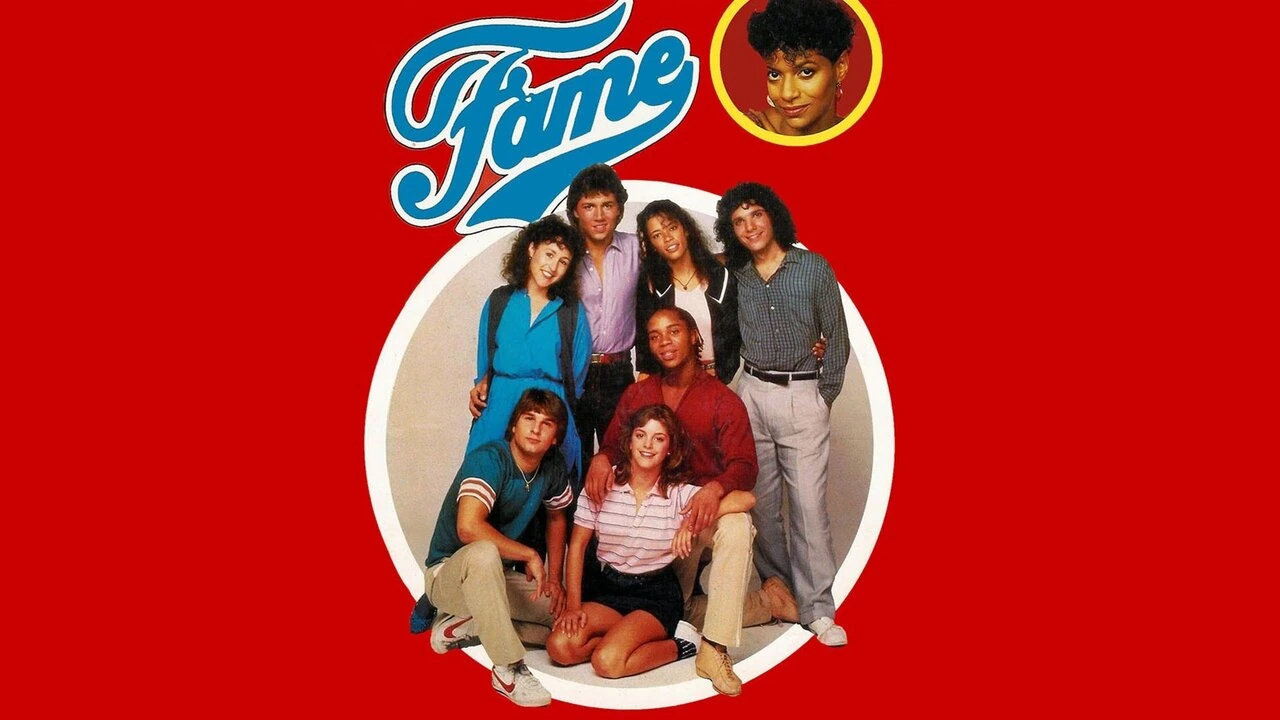
Debbie Allen’s Lydia Grant had very little interest in treating a dream as a qualification. Talent was a beginning. Rehearsal was where she expected the conversation to continue.
That gave Fame a useful edge beneath its exuberance. The students wanted to perform; their teachers wanted them to do the work that might make a performance worth watching. All that ambition was exhilarating, exhausting and occasionally a persuasive advertisement for choosing a quieter profession.
Gene Anthony Ray’s Leroy had a physical confidence that made the dance numbers feel necessary. Lee Curreri’s Bruno brought a different sort of musical intensity, while Erica Gimpel’s Coco and the early ensemble helped fill the school with competing ideas of what a future onstage might look like. The 1982 “Class Act” broadcast record preserves that early mix of students and teachers. Watching the faces around a performance can be as revealing as watching the person getting the attention.
The musical numbers released feelings the characters struggled to explain in the corridors. Jealousy, attraction and disappointment acquired movement and sound. Gloriously improbable? Often. Apparently a performing-arts education included an advanced ability to find room for another musical number. The performers’ commitment generally made disbelief a less enjoyable option than going along.
Underneath was a recognizable worry about being good enough. A talented group can support a young person and make that same person feel replaceable. A teacher’s praise matters differently when everyone else wants it too. Allen made discipline demanding without making the demand itself a form of cruelty.
Adapted from the film, the series began on NBC in 1982 and continued in first-run syndication until 1987. William Blinn’s Television Academy archive follows the television adaptation and its development. The move beyond the network was a substantial part of the show’s life, rather than an afterthought to its first two seasons.
Not every story is equally persuasive, and the fashions have become an entertainment of their own. The lasting appeal is the combination of unruly promise and visible work. The series understood how badly a young performer might want to be seen, then gave that wish something harder to face than applause: the next rehearsal. It earns its place here because those hopes were funny, embarrassing and moving before anybody became famous.
Why Some Shows Finished the Case—and Others Kept You Waiting
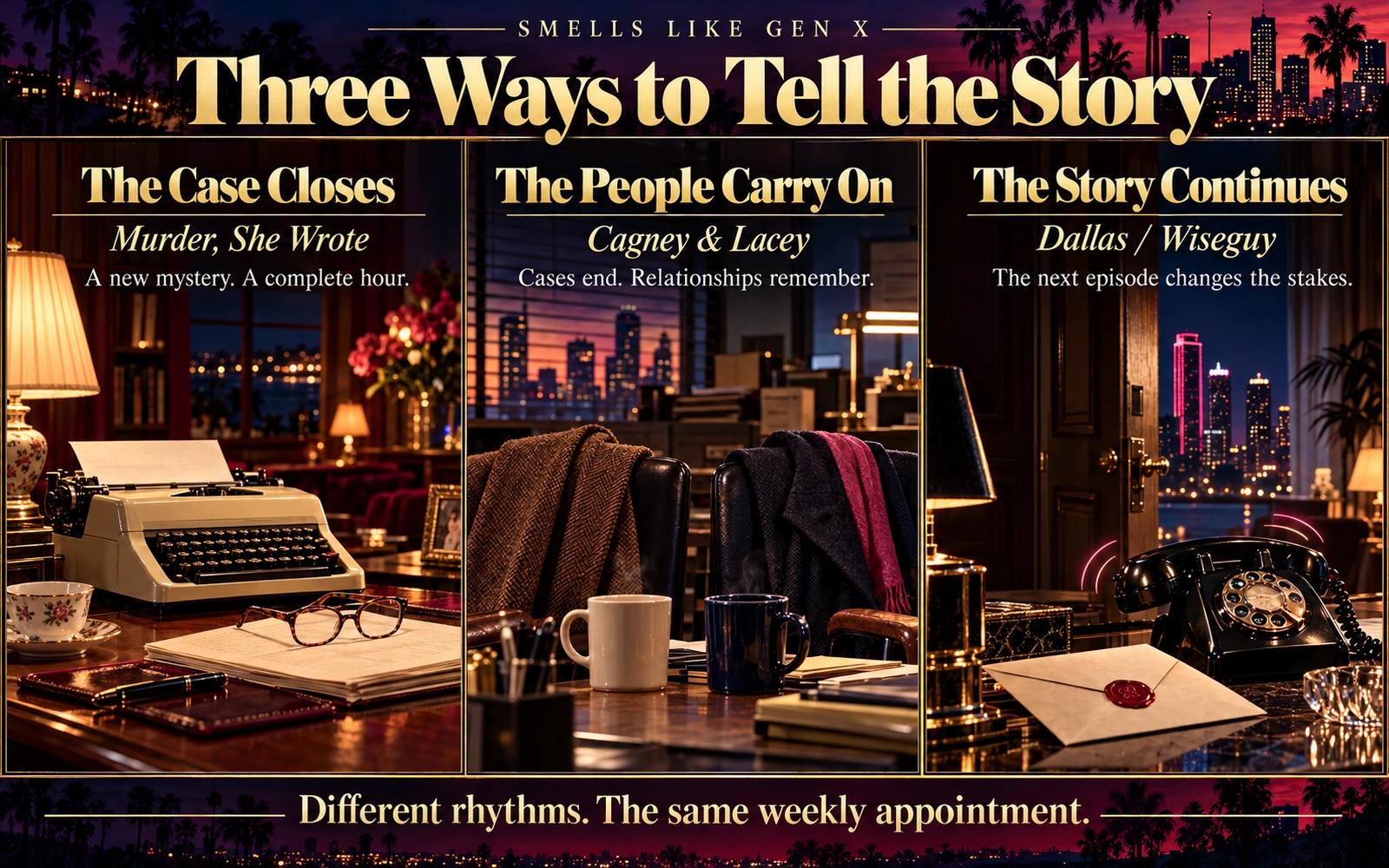
Some nights, an hour with Jessica Fletcher was enough. Other nights, Dallas ended and left everyone with another week to be annoyed at J.R. Both worked beautifully at their best. The important thing was whether the show gave you a satisfying evening while deciding how much unfinished business to leave behind.
The case closes, and the audience can enter anywhere
Murder, She Wrote introduced a new group of suspects, let Jessica notice what the rest of the room missed and sent the viewer away with an answer. Knowing her helped; a complete account of her previous travels was not a condition of admission.
That puts a surprising amount of responsibility on the guests. They have to seem like people with lives before Jessica arrived, while also supplying motives, distractions and clues. Recognizing a favorite actor is a pleasure. Recognizing the murderer because the episode has nothing else to do with its most conspicuous guest is a smaller one. A good mystery makes the explanation feel fair without making the next forty minutes unnecessary.
The case closes, but the people carry on
Cagney & Lacey and Magnum, P.I. occupied a useful middle ground. The case ended; Chris’s difficult conversation or Magnum’s older grief remained. That bargain depends on the writers respecting what has happened. A serious problem cannot be life-changing on Thursday and an administrative oversight by the next episode.
The chapter ends, and the problem remains
At Southfork, solving one problem was an efficient way to expose the next three. Wiseguy kept an operation moving while the friendship inside it became more dangerous. Viewers returned with an investment the next episode didn’t need to build from scratch.
Delay alone is not much of a talent. A story still has to move, and a withheld answer becomes tiresome if nothing around it changes. The strongest continuing dramas gave the audience something new to argue about while refusing to put everything away. Occasionally they overdid it. A summer of speculation is fun; the suspicion that the writers are simply hiding the ball is considerably less charming.
NBC, CBS and ABC: Three Ways to Fill the Evening
A television schedule was either a friend to a good drama or an extremely expensive misunderstanding. The networks needed viewers, advertisers and programs people could recognize amid a crowded evening. Admiration helped, but it did not come with a guarantee of another season.
NBC’s dramatic identity
NBC found reasons to keep the troubled institutions of Hill Street Blues and St. Elsewhere alongside the conspicuous glamour of Miami Vice and L.A. Law. “Quality drama” is an inadequate description of four shows that felt so different after the opening credits. St. Elsewhere’s survival is the useful corrective to an easy ratings story: the advertisers’ interest in its audience helped make modest overall numbers worth tolerating.
L.A. Law’s Thursday-at-ten slot put it at the end of NBC’s established comedy evening. The address mattered: an audience already watching the network had less work to do to find it. That did not mean every viewer stayed. The polished offices and questionable decisions still had to earn the hour. The 1990s Must See TV lineup took that Thursday-night habit much further.
CBS offered more than one kind of return visit
CBS put very different demands on viewers with Dallas and Murder, She Wrote. Southfork rewarded remembering the previous betrayal. Jessica welcomed someone who had missed last Sunday entirely. Her place after 60 Minutes gave the evening a recognizable rhythm without requiring the mystery to continue into next week.
ABC made room for restless company
ABC’s experiments asked for different sorts of patience. Moonlighting invited viewers to follow the leads into a black-and-white fantasy. thirtysomething trusted a domestic argument to fill the evening. China Beach offered the considerably harder company of people living with a war. They were risky invitations for different reasons; no single description of “the 80s drama” does them justice.
The writers behind the weekly appointment
It was easy to take the supply for granted. The title appeared in the schedule; another case, argument or betrayal followed. Behind that familiarity were writers trying to give distinct people something worth saying for a long network season. Even a beautifully cast room cannot improvise its way through every Thursday.
The Writers Guild’s contract history records the 22-week strike in 1988 and gains involving cable residuals and creative rights. The interruption belongs to the same history as the shows. The people supplying the stories were negotiating the conditions under which television expected those stories to keep arriving.
The Biggest Drama Was Not Always the Most Acclaimed
If the biggest audience automatically identified the best drama, this article would be a considerably shorter argument. Television has never been that obliging.
Hill Street Blues struggled early and collected an extraordinary awards record. St. Elsewhere survived with modest overall ratings because the audience it reached mattered to advertisers. NBC did not keep those shows going purely out of admiration for good acting, however pleasant that version of events might sound.
Meanwhile, Dallas and Dynasty were doing something critics could not sensibly dismiss. In the 1984–85 Nielsen ranking, they occupy the first two places. The family feuds were an enormous part of what people were choosing to watch and discuss. Our look back at huge 80s TV hits that faded from the conversation explores the other side of that audience memory. A beautifully made small-audience drama and a huge prime-time soap can both be important without making exactly the same case for themselves.
Household ratings, audience share and individual viewer counts measure different things. Season ranks compare programs; Emmy years identify ceremonies, which may honor earlier broadcasts. Keep those distinctions in mind when comparing a hit’s audience with its awards. A large number is impressive enough without accidentally counting it three different ways.
The 1985–86 season and 1988–89 ranking show the larger company these dramas kept as the decade changed. A comedy might dominate the audience table while a drama supplied the evening’s most interesting hour for another group of viewers.
For this list, consistency counts alongside ambition. A show that tries something remarkable and falls over half the time deserves a different judgment from one that knows its pleasures and delivers them reliably. Both can earn affection. Neither a trophy nor a large number supplies a particularly satisfying answer to the question of whether you want to watch another episode.
The Themes, Performances and Episodes That Stayed With Us
The theme could bring the room back
The gentleness of Hill Street Blues and the pulse of Miami Vice prepared viewers for quite different police stories. One seemed to promise weary humanity underneath the sirens. The other made a night drive exciting before the dread settled in. A category in a listings magazine would have had a much harder time explaining the difference.
Our guide to memorable 80s TV theme songs follows those opening identities across genres. With these dramas, the music became inseparable from a face, a city or the feeling of an evening beginning. The tune may be what memory supplies first. What follows it is worth hearing again too.
The cast made the workplace recognizable
Castillo’s pause and David Addison’s torrent of talk are almost opposite ways to hold the screen. Joyce Davenport gets Furillo’s attention differently again: the captain’s authority counts for little when she knows exactly which question he is avoiding. Watch the listening as well as the lines. These actors rarely need a speech to establish who has control of a conversation.
A strange episode could show the familiar people differently
The TV habit of saving its ambition for a grand episode has a catch. Moonlighting’s “Atomic Shakespeare” is more fun after you know Maddie and David’s ordinary verbal warfare. A costume change is no substitute for two people worth watching. The unusual hour works because the everyday show has already done its job.
What These Dramas Still Left Out
Revisiting a favorite does not require agreeing with everything it takes for granted. Sometimes affection survives a raised eyebrow. Sometimes the eyebrow has a very good case.
A hospital, precinct or law firm can make a city feel richly populated while still letting only certain people keep their stories. A guest character arrives with a crisis, changes the regulars’ understanding and disappears next week. The regular gets another scene to reflect on what happened. The guest gets the closing credits. Even a compassionate episode can leave that imbalance intact.
This is one reason Cagney & Lacey remains valuable. Chris and Mary Beth are not visitors delivering a lesson about women in police work. They are the people whose lives the next episode will continue. China Beach similarly makes caring for the war’s casualties continuing work performed by people with lives of their own. Neither show answers every question about whose perspective is missing. Both give the viewer good reasons to ask it.
The boundaries of this particular list leave other pleasures outside too. Star Trek: The Next Generation put a serious argument about freedom and personhood into a hearing about an android. In “The Measure of a Man”, first broadcast in February 1989, Melinda M. Snodgrass’s script and Robert Scheerer’s direction make Data’s situation worth more than a clever science-fiction premise. It belongs to the decade even if later seasons tend to dominate recollections of the series.
Then there is The Wonder Years, whose 1988 comedy-series Emmy does not prevent a scene about growing up from landing with considerable force. Calling it a half-hour comedy is a description, not a verdict on its understanding of disappointment.
No selection of eighteen weekly American dramas can stand in for everything television offered. The useful response to an omission is sometimes another evening’s viewing. The less useful response is pretending every favorite must fit the same category before anyone is allowed to appreciate it.
How to Revisit 80s Dramas
Choose the kind of visit you want. Jessica Fletcher can give you a complete mystery without a lengthy introduction. Hill Street Blues and St. Elsewhere benefit from a little time to learn the room. With Wiseguy, start at the beginning of an arc. Turning up halfway through and wondering why everyone looks emotionally compromised rather misses what the show has been doing.
A pilot is a good first conversation, not necessarily a promise that every later episode will have the same balance. Try another from the early run before deciding whether the company suits you. The reverse applies to the celebrated episode everybody recommends: it may be extraordinary partly because the series has spent years making an ordinary exchange meaningful.
Keep an eye on the broadcast year. Long-running shows can blur together in memory, and an unforgettable 1991 turn is still not an 80s storyline. Our NYPD Blue history follows a later development in police drama. That next decade has plenty to claim without borrowing the entire history of the previous one. Our 1990s television guide follows where the medium went next.
Let the obvious pleasures do their job. Admire the car. Recognize the opening music. Enjoy an outfit that would now require considerable confidence to wear to the supermarket. Then watch what the actors are doing once recognition has settled down. A familiar show can reveal a different emotional center when you are no longer waiting for adulthood to explain itself.
Some scenes will feel dated. Some will be better than the reputation suggests. You are allowed to find both in the same episode. A worthwhile return does not require declaring that television used to be perfect; these shows generally supplied ample evidence to the contrary. It is enough to find people worth spending another hour with—and something worth talking about when it ends.
1980s TV Drama Questions
What is the best TV drama of the 1980s?
Hill Street Blues takes first place here. The chaotic precinct, the continuing relationships and the mix of humor and hurt still make it feel unusually alive. If your idea of a great evening begins at Southfork, Dallas has an entirely respectable claim on your loyalty. The ranking is a judgment about the shows, not a ruling that everyone enjoyed television in the same way.
Which 80s dramas should a new viewer start with?
Try Cagney & Lacey for the partnership, Miami Vice for music and unease, or Murder, She Wrote for a mystery you can enjoy without homework. L.A. Law is a good choice if an expensive office full of competing egos sounds entertaining rather than a reason to remember your own working day.
Do Dallas and Knots Landing count as dramas?
Absolutely. A feud does not lose its dramatic value because the people involved have attractive houses. Both are prime-time soaps, with continuing stories about family, money and relationships. Leave them out and a substantial part of the decade’s television conversation goes missing.
Were all these shows created in the 1980s?
No. Lou Grant, Dallas and Knots Landing began in the late 1970s. Several other choices continued into the 1990s. The focus here is what viewers could see during 1980–1989, with later achievements kept in their proper decade.
Did 80s drama invent continuing television stories?
No. Daytime soaps and earlier prime-time shows had long expected people to remember what happened. The 80s supplied memorable new combinations: a weekly case could sit beside an unresolved marriage, a workplace feud or a criminal assignment running across several episodes. Television had a memory before anybody thought to call it a revolution.
Why are some famous 80s dramas absent?
This is a selection of eighteen weekly American series, with room to discuss why they are worth watching. Miniseries, television movies, imported programs and many genre favorites need their own comparisons. A missing title is an invitation to another conversation, not evidence that its fans imagined the pleasure.
Sources & Further Reading
Original reviews, television histories, award records and interviews offer more ways to explore these shows.
- Lou Grant: MTM, the newsroom and the comedy-to-drama transition. Television Academy / Museum of Broadcast Communications history.
- Hill Street Blues: creators, ensemble form and early reception. Show history; Premiere anniversary and early awards; Daniel J. Travanti interview index; Television Academy award results; Mike Post and the opening theme.
- St. Elsewhere: creators, cast, audience and narrative form. Show history; Joshua Brand development account.
- Cagney & Lacey: development, characters and awards. Show history; Television Academy awards record; Gless on the three Cagneys; Official six-episode first-season guide; Official history of the cancellation and return.
- Miami Vice: production identity, cast and audiovisual style. Show history; Edward James Olmos biography.
- L.A. Law: creation, cast, workplace form and awards. 2026 cast and crew oral history; 1987 drama-series award; 1989 drama-series award.
- China Beach: late-80s production, cast and recognition. Show history and interview index; Dana Delany awards biography; Peabody citation for Vets.
- Dallas: development, serial structure and continuation. Show history; 1980 cliffhanger resolution.
- Knots Landing: creator and producer interview indexes. Television Academy archive; 1982 cast and broadcast record; 1988 cast record.
- thirtysomething: premise, cast, response and awards. Television Academy show history; ABC News cast retrospective; Something to Behold; 1988 drama-series award record.
- Wiseguy: creators, premise and extended arcs. Show history; Stephen J. Cannell archive overview; Steelgrave arc: original broadcast record.
- Magnum, P.I.: cumulative narrative, characters and Vietnam background. Show history and creator interview index.
- Moonlighting: characters and formal experiments. Show history; Glenn Gordon Caron interview index.
- Murder, She Wrote: premiere, Sunday scheduling and Lansbury. Television Academy anniversary history; Show interview index.
- Lou Grant: 1980 Outstanding Drama Series. Television Academy award record; 1979 drama-series award.
- Tour of Duty: original run, cast, creators and music. Original-series cast and broadcast period; Steve Duncan’s production recollections; Loyola Marymount profile of co-creator Duncan; Composer Joseph Conlan on the broadcast and syndication themes.
- Crime Story: creators, cast, setting and broadcast years. Patricia Field interview index; Paley premiere credits; Del Shannon official discography; Official 1986 recording chronology; 1986 review.
- The Equalizer: original-series creators, performance, dates and theme. Paley original-series credits; Season-one credits; Stewart Copeland’s main theme; Shales’s premiere review.
- Fame: adaptation, creative work and syndication. William Blinn and Debbie Allen interview indexes; 1982 Class Act cast and broadcast record.
- 1988 Writers Guild strike and negotiated gains. Writers Guild contract history.
- Late-decade genre boundaries. Star Trek: The Measure of a Man; The Wonder Years history.
- Contemporary premiere review.
- Contemporary Miami Vice review.
- Contemporary Mann interview.
- Contemporary criticism, May 1, 1989 print issue. Adam Gopnik, Notes and Comment, The New Yorker; the online record is dated April 24.
- Retrospective production testimony, 2024. Jane Wollman Rusoff, Miami Vice at 40: An Oral History, Television Academy.
- Original broadcast and episode credits. Paley Center: “The Dream Sequence Always Rings Twice”.
- Original broadcast and episode credits. Paley Center: Crime Story premiere.
- Original broadcast and episode credits. Paley Center: China Beach, “Vets”.