Dynasty in the 80s: Glamour, Feuds & Prime-Time Excess
Dynasty in the 80s: Glamour, Feuds & Prime-Time Excess
Alexis, Krystle, the clothes, the cliffhangers—and the performances that made the extravagance worth watching.
By Gizmo
GRUDGES.
DYNASTY.
INSIDE THIS ARTICLE17 sections • Jump to your favorite part
Alexis Carrington could walk into a room, say hello, and make it sound like somebody was about to lose the house. She didn’t need to raise her voice. Half the time she didn’t even need a full sentence. Joan Collins would give that tiny smile, look somebody up and down, and you knew the evening was about to become a whole lot more entertaining for everyone who didn’t actually live at the Carrington mansion.
That was the magic of Dynasty. Here were people with oil money, enormous homes, personal assistants and wardrobes that could probably be seen from space. They could buy just about anything except five minutes of family peace. Someone was always getting divorced, getting married, discovering a relative, stealing a company or walking into a room at precisely the wrong time. And somebody else was always dressed for the opera when it happened.
If you grew up during the eighties, you didn’t have to watch every Wednesday night to know who Alexis and Krystle were. You knew the hair. You knew the shoulder pads. You knew that if those two women were in the same room, somebody should move the breakable objects. Dynasty was one of those shows that escaped the television set and wound up in magazines, department stores, Halloween costumes and conversations among people who wouldn’t admit they followed a soap opera.
What made it work wasn’t simply that the Carringtons were wealthy. Television had plenty of rich people. It was that these particular rich people were such spectacularly poor judges of when to stop arguing. At its peak, the show was deliciously outrageous, with performers who understood exactly how far to push a look or a line. And when it went off the rails, well, sometimes the derailment arrived wearing a gown worth more than your first car.
The original ABC series ran from 1981 to 1989. Along the way, it challenged Dallas, briefly became America’s top-rated show, produced one of television’s great cliffhangers and proved that a television rivalry could become a spectator sport. There were also lookalikes, surprise relatives, changes of faces and enough bad decisions to keep several legal firms busy. We’ll get to all of it. Spoilers included; with this family, avoiding the scandals would leave us discussing landscaping.
A mansion, a marriage and a very expensive promise
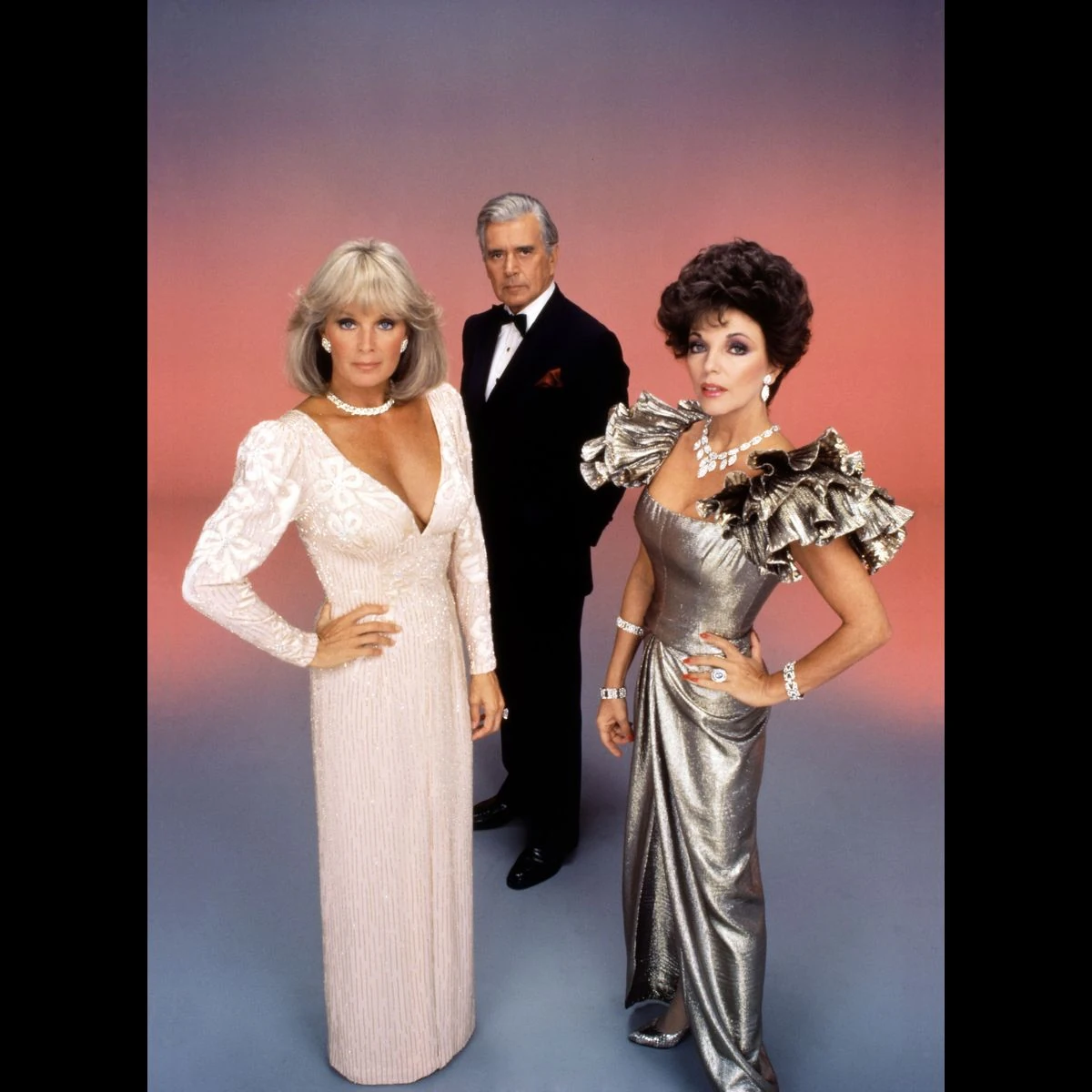
Before the shoulder pads took over television, Dynasty started with a wedding. Blake Carrington, the powerful Denver oilman played by John Forsythe, was marrying Krystle Jennings, his former secretary, played by Linda Evans. It was the familiar fairy-tale setup: wealthy man meets a woman from a different world, falls in love, and offers her a new life surrounded by beautiful things. The catch was that the beautiful things came with Blake’s children, his expectations, an oil empire and a history nobody had bothered to pack away.
The show premiered on ABC on January 12, 1981, in a three-hour event. Richard and Esther Shapiro created it, and Aaron Spelling helped bring the expensive-looking undertaking to the screen. That first version wasn’t quite the Dynasty most of us picture. There was more oil-business drama, a good deal of earnest conversation and a romantic mess involving Matthew Blaisdel, played by Bo Hopkins, and his wife Claudia, played by Pamela Bellwood. The show was still finding out which flavor of trouble audiences liked best.
Blake’s house looked as though it should come with complimentary slippers and a warning not to touch anything. Huge rooms, formal staircases, heavy furniture: everything announced that a man of consequence lived here. But the place wasn’t particularly comfortable. Krystle might have landed in a mansion, yet half the people who walked through it seemed determined to remind her that she didn’t belong. Getting married into the Carrington family was apparently less a honeymoon than an extremely long job interview.
Forsythe was perfect for that world. He didn’t need to chew the scenery. He could stand still, speak calmly, and make a decision sound final. If you remembered him as the unseen voice of Charlie on Charlie’s Angels, it was a funny adjustment seeing the voice attached to a man who could be every bit as controlling as the people his detectives used to chase. Blake could be loving, generous and fiercely loyal. He could also act as though everybody within a five-mile radius was on his payroll.
Krystle, meanwhile, wasn’t just impressed by the furniture. Linda Evans gave her a gentle manner, but there was steel there when the writing allowed it. She wanted Blake; she didn’t necessarily want to become a decorative extension of his estate. You can practically hear the family machinery creak whenever she tries to make a choice that doesn’t begin with asking his permission.
The obvious comparison was Dallas, which had already taught America that oil money and family dysfunction could sustain a whole evening. But the Ewings often fought like people accustomed to making deals across a table. The Carringtons fought as though every disagreement deserved fresh flowers, a new outfit and a soundtrack. It took a little while for Dynasty to discover how thoroughly viewers enjoyed that difference. Then a woman named Alexis showed up and did everybody the favor of speeding things along.
Alexis arrives and the room changes temperature
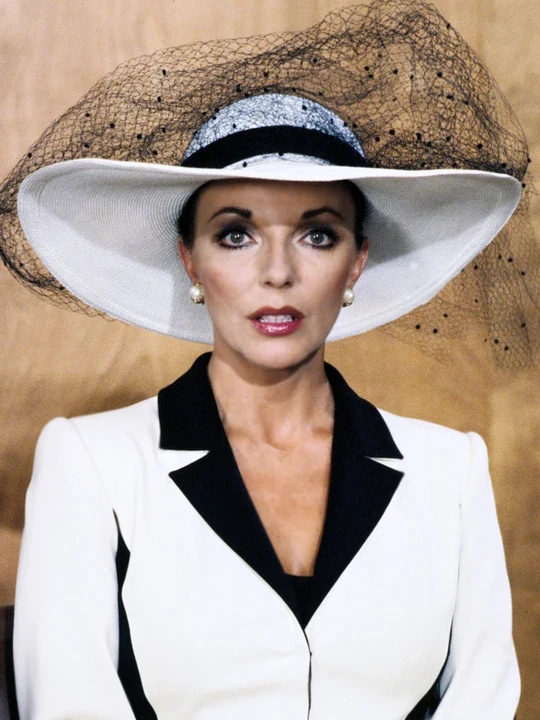
Picture the courtroom at the end of Dynasty‘s first season. People are trying to get through a serious legal matter, and suddenly Blake’s former wife makes her appearance. When Joan Collins takes over the role in the second season, you can almost feel the series sit up straighter. The show had plenty of money before Alexis. Now it had a woman who knew what to do with the spotlight.
There is something wonderfully specific about Alexis. She doesn’t simply dislike Krystle. She dislikes that Krystle is occupying a space Alexis still considers partly hers. She doesn’t simply disagree with Blake. She knows him well enough to find the exact nerve and press it while behaving as though she’s just asking about the weather. And she never sees a family event so peaceful that it couldn’t benefit from one more unpleasant revelation.
Collins made all this look effortless. She had a way of letting the insult arrive a beat after the sentence, so the person on the receiving end needed a moment to work out just how badly the exchange had gone. A glance could send Krystle into defensive mode before Alexis had finished removing her gloves. The best Alexis scenes weren’t necessarily the loudest. Sometimes the entire pleasure was watching her decide whether she wanted to be cruel in public or save it for a more exclusive audience.
Of course, you weren’t meant to approve of her. Alexis could be ruthless, selfish and spectacularly destructive. She tried to control people while complaining about how badly she’d been treated. She behaved as though revenge were an important personal service the world had neglected to provide. But Collins kept her lively enough that you wanted to see the next move, even when you were already rooting for somebody to tell her to leave.
Her connection to the family was the genius of it. An ordinary villain can be arrested, exposed or sent away. Alexis was the mother of Blake’s children, a former wife with history and a woman who knew the mansion’s secrets. She belonged to the trouble. Nobody could simply put her in a taxi and declare the episode over. Besides, she would probably have demanded a limousine and charged it to Blake.
The arrival changed the show’s whole rhythm. An argument between Blake and Krystle might already be tense; put Alexis nearby and suddenly there were three versions of the truth and at least one strategically timed interruption. She became a reason to tune in. In the days before we could watch a scene again whenever we pleased, a good Alexis confrontation was the kind of thing someone might tell you about the next morning if you’d missed it.
It’s worth remembering that Collins didn’t carry the whole production by herself. She needed Evans to fight back, Forsythe to react and writers willing to give all three something to do. But there’s no point pretending she wasn’t the spark. Dynasty went from being another big family drama to being the show where you wondered what Joan Collins would get away with next. Even the hats seemed to know it.
Blake and Krystle: the marriage behind the marble
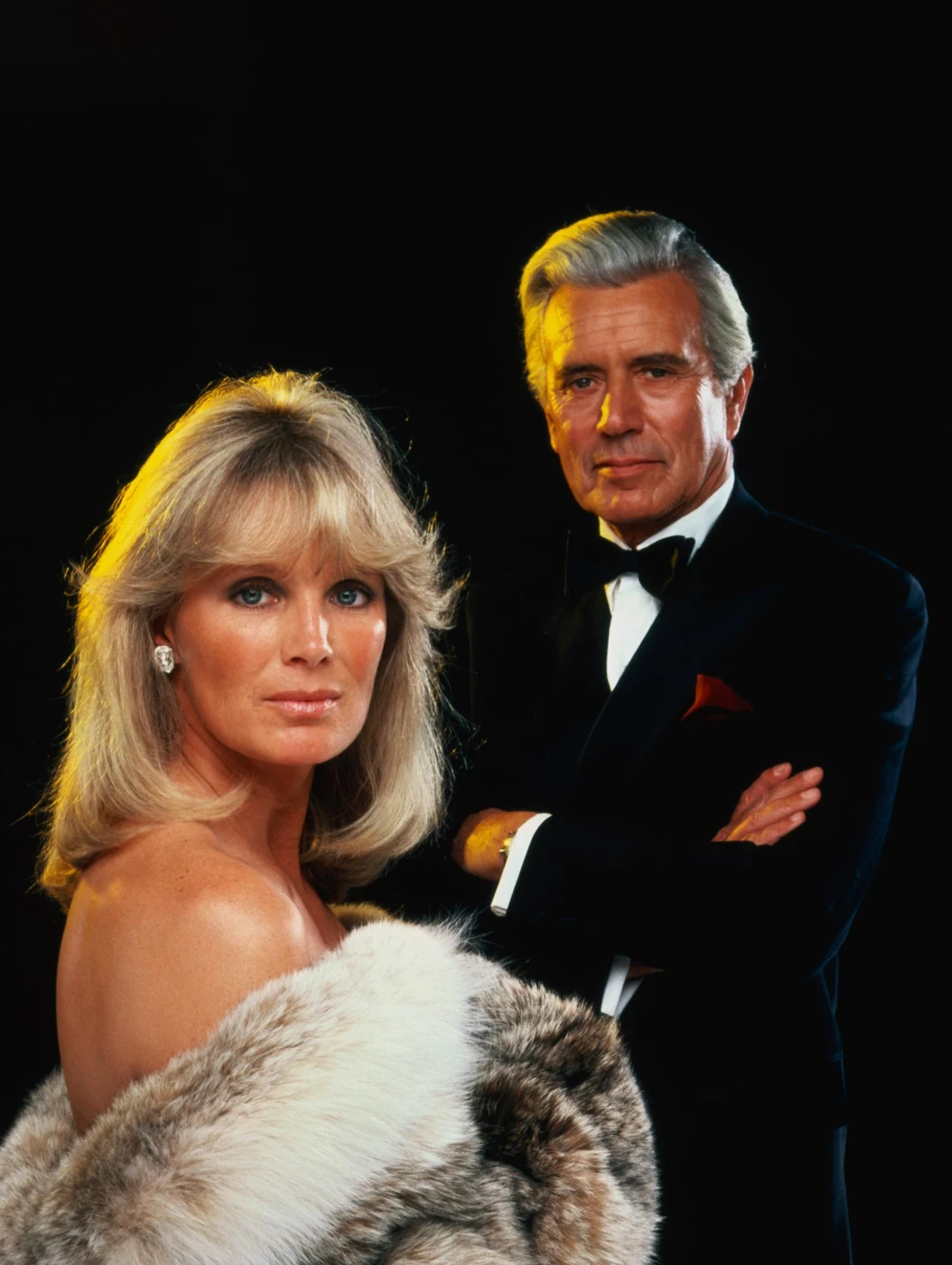
Krystle spent a remarkable amount of time trying to have a normal marriage while standing inside a building where a normal argument had to travel through three rooms to reach its conclusion. Linda Evans was the show’s emotional anchor, and that’s a much harder job than it sounds. Collins got to throw verbal darts while looking fabulous. Evans often had to take the hit, hold the audience’s sympathy and somehow keep Krystle from becoming a permanent victim with very good hair.
At her best, Krystle was more than the nice one. She could be stubborn, angry and determined to stand up for herself. She didn’t have Alexis’s talent for turning every conversation into an attack, which made the clashes more interesting. One woman came into a room already loading the ammunition. The other arrived hoping this time they might behave like grown-ups. Anyone who’d watched the previous week knew how optimistic that was.
Blake presented an even trickier problem. John Forsythe gave him tremendous authority and enough warmth to make you understand why Krystle loved him. But this was also a man who struggled mightily with the idea that his children and wife had independent lives. His treatment of Steven, especially early on, could be ugly. When Blake declared that he was protecting the family, the definition of protection often seemed to include doing exactly what Blake wanted.
That’s something you notice differently when you watch the series now. As a kid, you might think the mansion was the ultimate prize. As an adult, you notice how many strings came attached. You could have the dresses, the jewelry and a beautiful place to live, but apparently an unscheduled opinion of your own was pushing your luck. Blake’s generosity was real. So was his habit of treating disagreement like an administrative error.
There were touching moments between Blake and Krystle, too. That’s why the marriage mattered. When the show slowed down long enough to let them behave like two people instead of the targets of another elaborate scheme, you could see why they kept trying. Evans and Forsythe had an easy warmth together that made a reconciliation worth something. It wasn’t all marble countertops and grand declarations.
Of course, Dynasty wasn’t content to leave a couple happily married for very long. There had to be an accusation, a scheming relative, an unexpected lover, a kidnapping or a woman who looked exactly like Krystle. We’ll get to that last one, because even by this show’s standards it was a lot. The central relationship survived because the performers gave it a pulse between the ridiculous developments. When the writers remembered that, the stakes felt real. When they didn’t, the marriage became a very expensive obstacle course.
The children were never going to behave
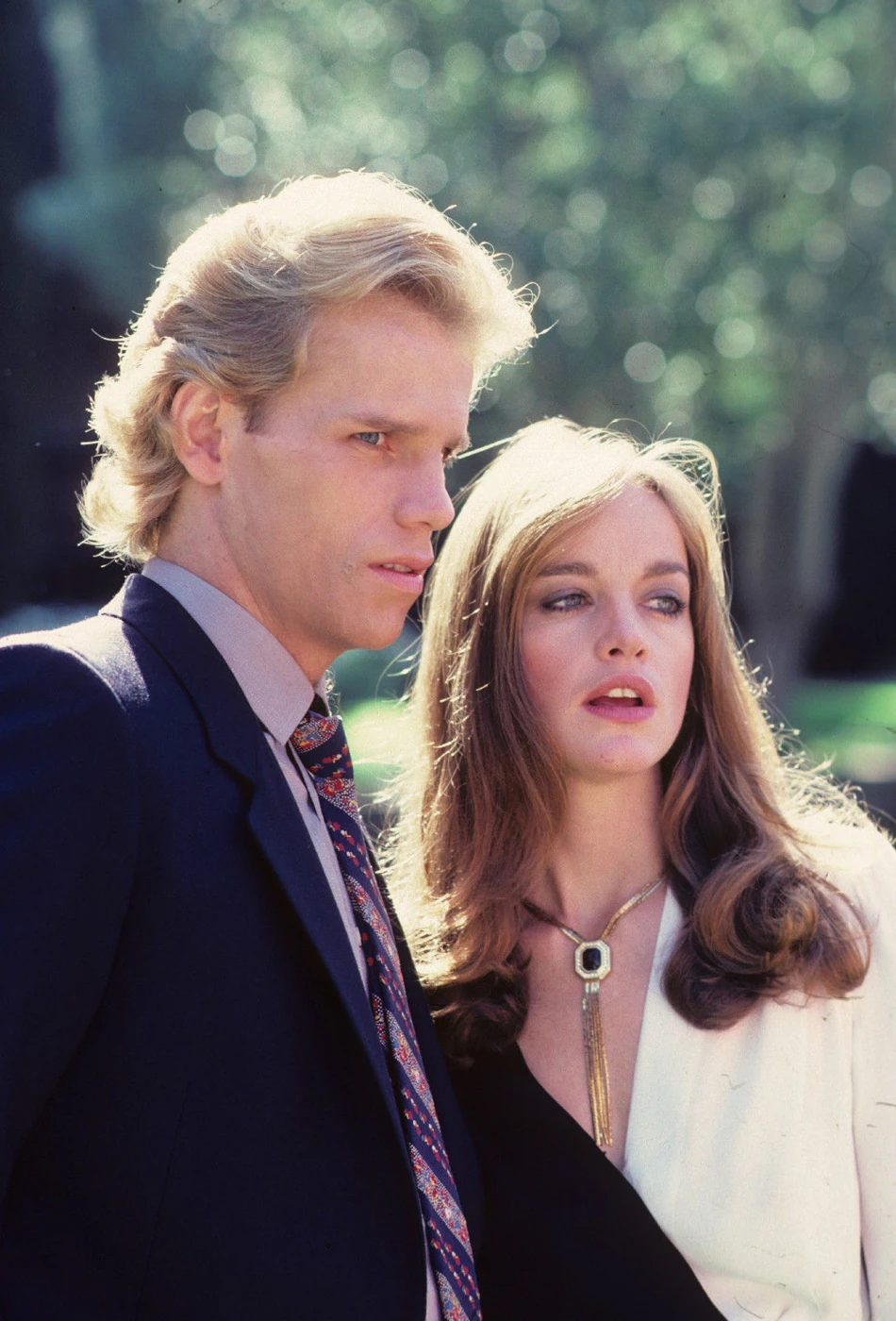
Raising children in the Carrington house wasn’t for the faint of heart. The money was unlimited; the ability to agree about anything was in very short supply. And the kids weren’t exactly lining up to thank Blake for his parenting. If anything, they had inherited the family skill of turning a small disagreement into the opening scene of a major crisis.
Pamela Sue Martin played the original Fallon with a sharp edge and an amused awareness of how absurd the adults could be. She was spoiled, sure, but she also knew how to get under her father’s skin and wasn’t particularly interested in playing the grateful daughter. Martin made Fallon seem like a person who could spot somebody else’s hypocrisy from across the room while remaining conveniently blind to her own. In this family, that counted as a proud tradition.
When Emma Samms later took over the part, the adjustment was noticeable. Long-running soaps have a special ability to send a character away and return them with an entirely new face while expecting everyone to resume the argument where it left off. Samms brought her own qualities, but if you watched Martin in the early years, you knew you weren’t seeing quite the same Fallon. That’s part of the history, not a complaint that the television was broken.
Steven’s story was much more serious. Al Corley first played Blake’s gay son, and Jack Coleman later assumed the role. Steven wanted his father’s love, but Blake’s willingness to give it sometimes seemed dependent on Steven becoming someone other than himself. For a major prime-time series in the early eighties, putting that conflict in the center of a wealthy, powerful family mattered. It was also frustrating watching the scripts repeatedly pull Steven from one romantic arrangement to another as though the writers couldn’t decide how much honesty they could permit the character.
That frustration wasn’t invented by modern viewers. Corley expressed concerns about the limits of the role while the show was running. You can appreciate the visibility of Steven and still think the series mishandled him, especially when relationships with men were treated as problems to be managed. His romance with Luke would later make the Moldavia cliffhanger feel a great deal less like harmless spectacle.
And let’s not forget Heather Locklear’s Sammy Jo. If a young woman could cause family trouble while looking as though she had stepped directly out of an eighties glossy magazine, Sammy Jo was up for the assignment. Locklear played her with a brisk, unapologetic energy. She knew opportunity when she saw it, and she wasn’t about to wait outside the front door until everybody approved of her ambitions. Gordon Thomson’s Adam brought a different sort of headache: another Carrington with claims, secrets and the unnerving ability to make the existing family members seem comparatively well adjusted.
The children helped make Dynasty more than an endless Alexis-versus-Krystle contest. They had their own passions, mistakes and resentments. Whenever the series allowed them to drive the story rather than simply react to another parental scandal, the mansion felt like an actual family home. A family home with better catering, perhaps, but still one where people wanted things, got hurt and found new ways to annoy one another.
Dominique Deveraux deserves more than an entrance
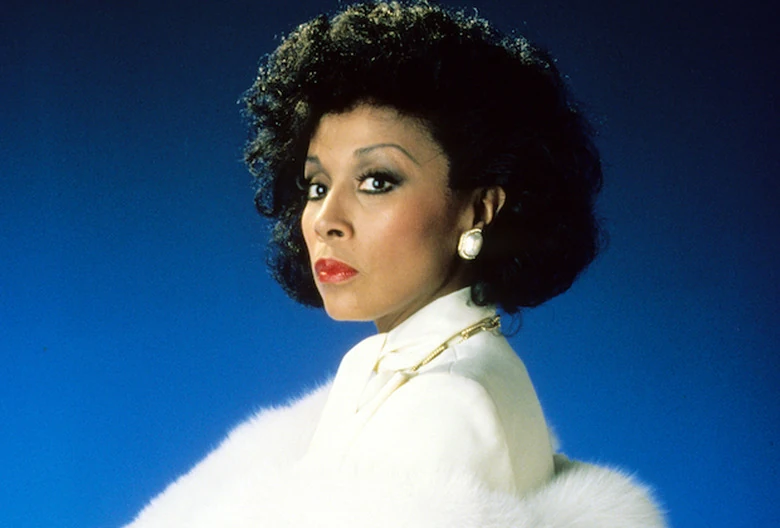
Just when you thought Dynasty had assembled every possible kind of glamorous troublemaker, Diahann Carroll turned up as Dominique Deveraux. She arrived in 1984 with money, talent, beautiful clothes and a manner that suggested she had absolutely no intention of being intimidated by the house. Alexis was used to being the most formidable person in a room. Dominique seemed perfectly happy to let her think that right up until the conversation started.
Carroll wasn’t playing a copy of Alexis, and that was the pleasure. Joan Collins could slice you up with a smile; Carroll had a cooler, more measured authority. You got the sense Dominique knew exactly what she wanted and didn’t feel the need to explain herself to a family whose manners she had already assessed. She could hold a pause long enough to make someone else fill it with a mistake. There wasn’t much use trying to outdress her, either.
Dominique’s life as a singer and wealthy businesswoman gave her an identity before the Carrington clan could begin rearranging it. Then the show revealed that she was Blake’s half-sister, because apparently nobody in this family could come to dinner without eventually producing a surprise branch of the family tree. The revelation gave her a place in the central story but also introduced the danger of reducing a fascinating character to another disputed relationship with Blake.
The arrival of a powerful Black woman into this overwhelmingly white world of television luxury was significant. And Carroll had already spent years earning her stature as a performer. She didn’t need the Carringtons to make her somebody. Part of the excitement was precisely that she came into their space carrying authority of her own, while the family had to decide whether to make room or start another argument about belonging.
What disappointed me about Dominique wasn’t the performance. It was that Dynasty sometimes seemed to regard casting a fantastic woman as equivalent to giving her a fantastic story. Those aren’t the same thing. Carroll could trade looks with Collins, hold her own with Forsythe and make even a routine entrance feel important. She deserved conflicts that built on her own ambitions instead of repeatedly dragging her back into the family’s existing quarrels.
Still, if you’re revisiting these episodes, spend a little time watching Carroll when another character speaks. She could make listening an event. And on a program where several people seemed permanently scheduled to deliver dramatic announcements, an actress capable of letting silence do some damage was a very useful addition. Dominique belonged in that mansion, even if the mansion sometimes struggled to figure out what to do with her.
Nolan Miller made the clothes part of the argument
We need to talk about the clothes. You couldn’t do a proper Dynasty retrospective without them, and frankly, the clothes wouldn’t allow it. Some of those shoulders announced themselves a full three seconds before the person wearing them entered the room. Alexis could be conducting a deeply personal act of revenge, and she’d turn up looking as though she’d been asked to present an award at the Metropolitan Opera.
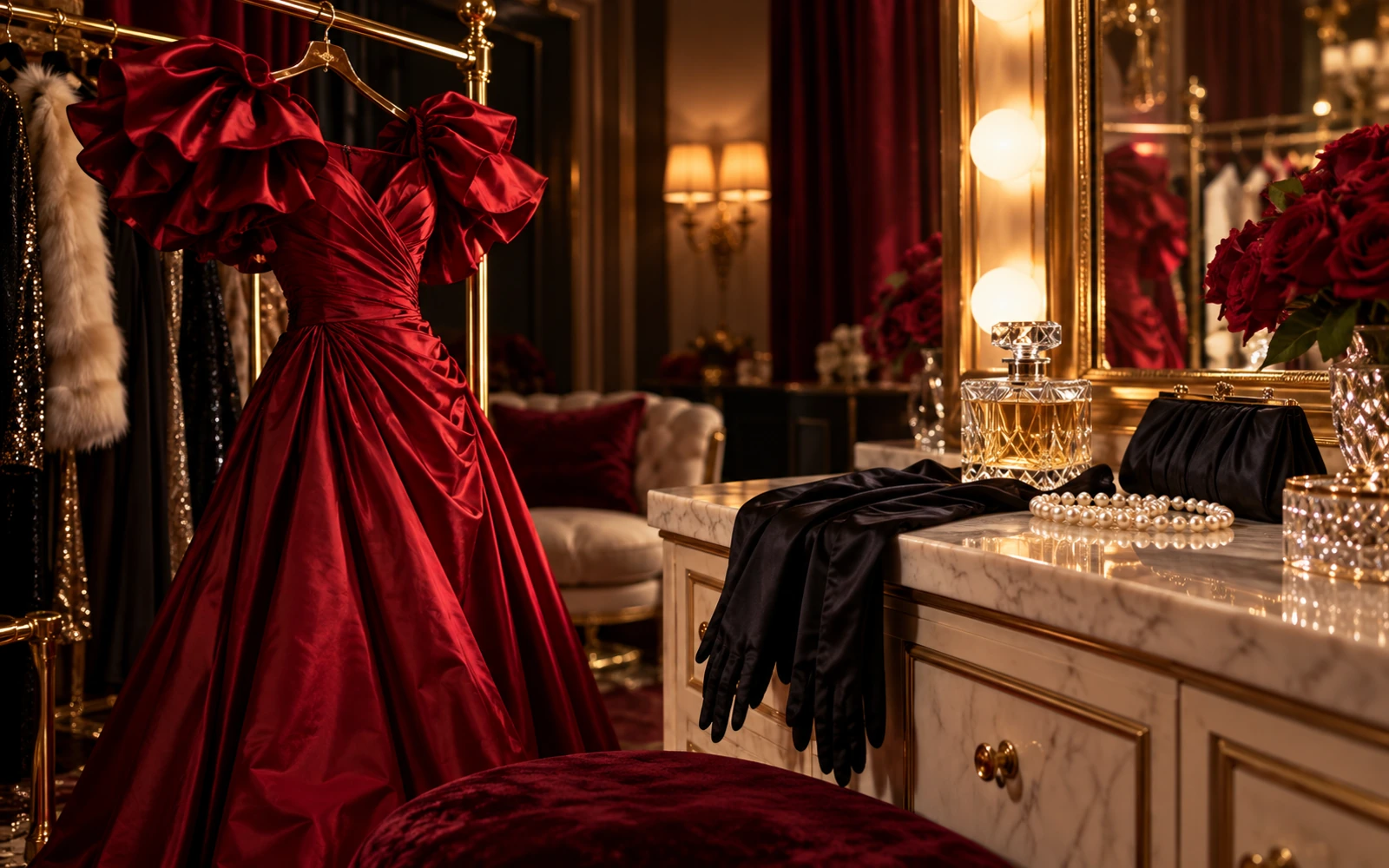
Designer Nolan Miller understood the assignment better than just about anybody. Dynasty wasn’t supposed to look like your neighbor’s living room unless your neighbor owned an oil company and had recently fired the household staff over an improper place setting. The dresses, the hats, the jewelry and the hair were part of how these people showed the world that they mattered. A very expensive outfit could be a welcome, a threat or the opening move in a fight.
Look at how Alexis and Krystle were dressed. Both women looked beautiful, but not in the same way. Alexis used sharp silhouettes and commanding accessories like a personal security system. Krystle tended to be softer and more luminous, even when she was furious. Dominique’s clothes gave Diahann Carroll a regal presence all her own. Miller wasn’t putting the same gown on everyone and changing the name on the hanger. He was giving the actors another tool to work with.
And this was the era when fashion trends didn’t politely remain on television. People watched the shows and then tried versions of the look themselves. Office shoulders expanded. Formal wear became dramatically more formal. Somewhere, a perfectly ordinary woman preparing for a restaurant reservation was deciding whether the occasion required enough fabric to upholster the dining room. Dynasty didn’t invent every eighties fashion excess, but it certainly provided encouragement.
There was a whole merchandise world surrounding the Carrington image, too. That appetite for bigger, brighter everything was practically a symbol of the eighties. Perfume, clothes, the general promise that you could purchase a little of that polished glamour without the exhausting relatives. You didn’t need the actual mansion to understand the appeal. You just needed to like the idea of showing up somewhere looking as though the valet was already expecting you.
Miller’s work earned serious recognition, including a 1984 costume Emmy. That’s worth remembering when people dismiss the outfits as one giant fashion joke. Something can be over the top and brilliantly designed at the same time. In fact, that’s the whole point of Dynasty‘s look. The outrageous clothes were deliberate, carefully made and perfectly suited to a program that wanted every family argument to feel like a major public occasion.
On a rewatch, some ensembles are genuinely gorgeous and others make you wonder whether anyone could sit down without assistance. Enjoy both reactions. The show’s costumes had more personality than a lot of television supporting casts. Besides, if Alexis was going to ruin somebody’s engagement party, she was obviously going to need the right gloves.
The lily pond was not a minor disagreement
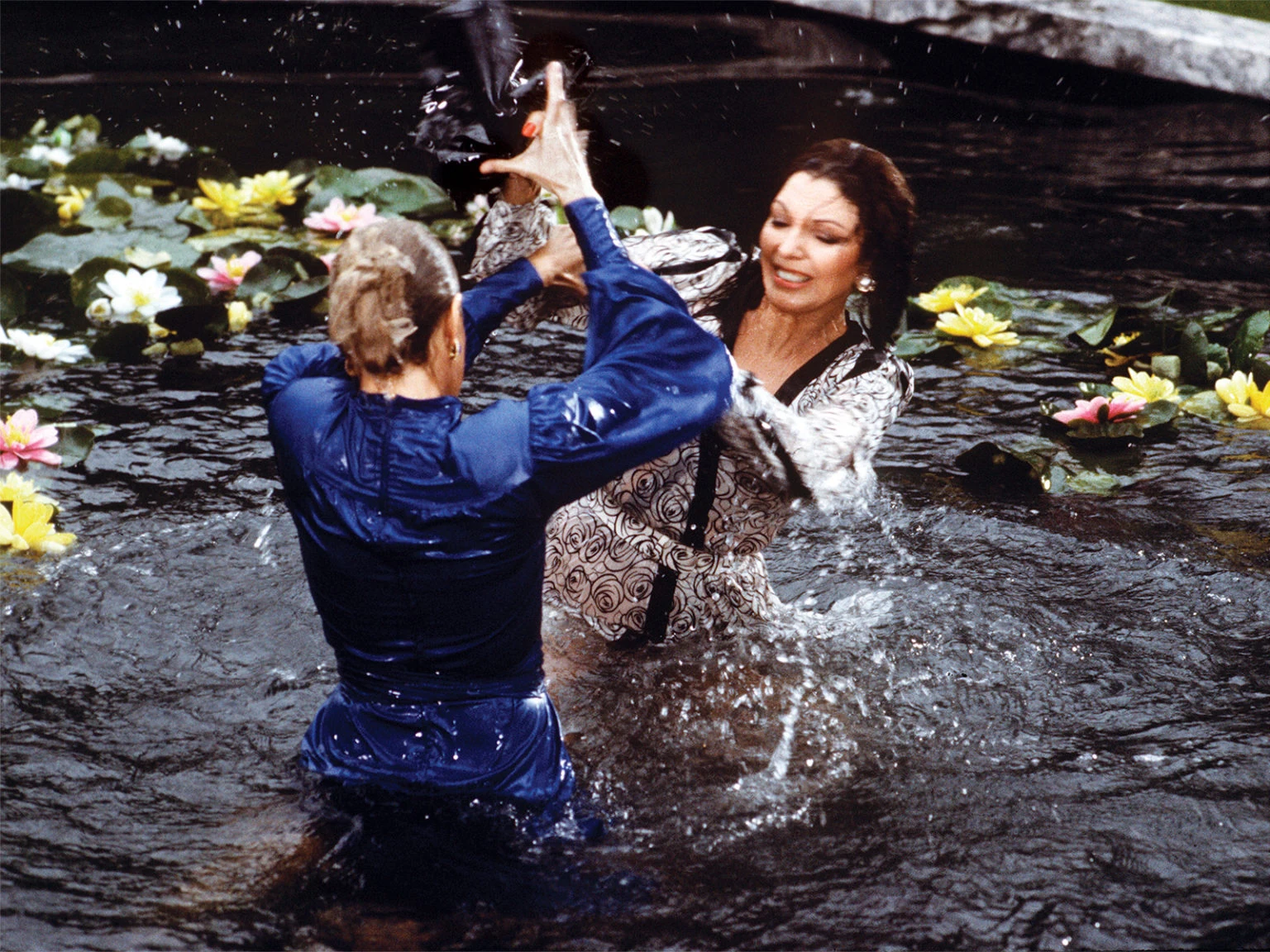
If you need one scene to explain Dynasty to somebody who wasn’t around, show them Alexis and Krystle in the lily pond. There they are, two beautifully dressed women who have spent months making each other’s lives miserable, and suddenly the exchange is no longer confined to insults across a marble table. They’re in the water. The clothes are soaked. Whatever diplomatic solution might have been available five minutes earlier has floated away.
The fight, in 1983, was a wonderful payoff because the audience already knew the rivalry. Collins and Evans didn’t have to establish that these women disliked each other. We had been watching them do it with exquisite verbal control. Putting them in a pond was almost a public service. At least for a few minutes they couldn’t retreat into another luxurious room and continue pretending the argument was civilized.
What makes the scene so funny is that it goes straight at the program’s favorite illusion: composure. Dynasty worked terribly hard to make everybody look immaculate. Hair in place, makeup intact, outfit flawless. Then Alexis and Krystle end up thrashing around in a decorative garden feature like two people who’ve completely forgotten how much the clothes cost. For a show built on image, it was an inspired way to let the image collapse.
Linda Evans also got the chance to show Krystle’s anger without simply absorbing another of Alexis’s expert insults. Joan Collins had made Alexis an Olympic-level provocateur. Watching someone finally lose patience with her was satisfying, especially when the response was too immediate for Alexis to control with another clever line. Neither woman was going to emerge from that situation claiming the evening had gone as planned.
The scene required real production work, including stunt planning. Those elaborate fights didn’t just happen because two actresses got carried away and somebody thought to turn on a camera. But the goal of all that planning was to make the moment look wonderfully out of control. And it succeeded so thoroughly that people still talk about the pond more than forty years later.
Of course, Dynasty would eventually learn a dangerous lesson from the popularity of scenes like this: when in doubt, make it bigger. Another fight. Another extraordinary entrance. Another jaw-dropping event. Sometimes the escalation was delicious. Sometimes you could almost hear a producer asking whether the next wedding might benefit from armed men. The lily pond worked because we cared about the rivalry before anybody got wet. That’s the part no amount of spectacle can replace.
How Dynasty climbed the ratings ladder
For all the jokes about shoulder pads, Dynasty wasn’t just a cult favorite that people remember more fondly than they watched. It became a monster hit. Not immediately, either. The series had to grow into that status, which makes the climb more impressive than the tidy version where Joan Collins arrives and the entire country instantly surrenders its Wednesday nights.
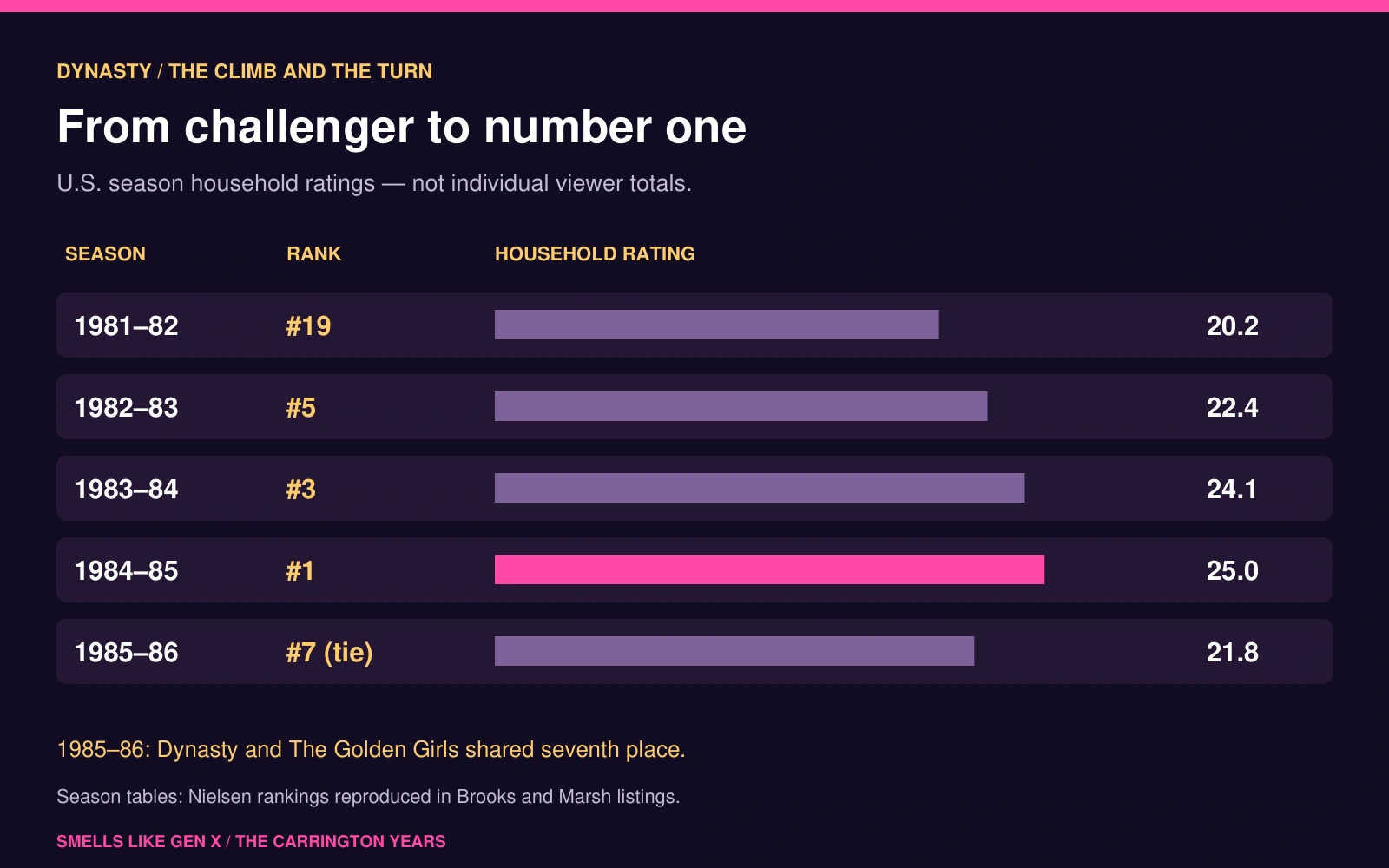
During the 1981–82 season, Dynasty ranked nineteenth in the national household ratings with a 20.2 rating. That’s a respectable position, but it wasn’t yet the biggest thing on the schedule. In 1982–83, a year later, it had climbed to fifth at 22.4. The 1983–84 season brought third place with a 24.1. You could see the audience building as the Carringtons became less of a curiosity and more of a weekly habit.
Then came the big one: in 1984–85, Dynasty finished number one with a 25.0 household rating. Ahead of Dallas. That is not a vague impression based on how many magazine covers Joan Collins appeared on. The numbers show the Carringtons had won a very crowded television season. Somewhere at ABC, people who’d taken a chance on a glamorous Dallas competitor were probably enjoying themselves almost as much as Alexis after a particularly successful insult.
Those ratings represented television households, not individual people sitting in front of a set. And the ranking refers to the season, not the audience for one spectacular cliffhanger. You don’t need to blur those distinctions to make it impressive. The series had gone from a struggling-ish newcomer to the biggest prime-time television program in America within a few years. That is a substantial accomplishment no matter what the characters were wearing.
But number one creates its own problem. If your show has already staged a magnificent feud, dressed everyone like royalty and taken the top spot, what’s the next trick? More money? Bigger hats? A wedding with international consequences? As it turned out, yes, sometimes exactly that. Success encouraged the series to keep topping itself, and the audience wasn’t always going to follow it up the same staircase forever.
In 1985–86, Dynasty fell to a tie for seventh place with The Golden Girls, still an enormous hit but no longer the leader. It eventually slid much further. That’s a more interesting story than pretending the entire run was one uninterrupted ratings victory. The rise was real, the peak was real, and so was the fatigue that set in when another astonishing twist began to feel like the expected Tuesday—or rather, Wednesday—night paperwork.
The numbers also tell you something about network television at the time. The next morning, someone could discuss a show knowing there was a decent chance other people had watched the same hour. You couldn’t simply call up the episode on your phone to catch up before lunch. You watched it, taped it, read about it later or waited for a repeat. Dynasty lived in that shared weekly rhythm, and its best cliffhangers knew exactly how to take advantage of it.
Wednesday nights and the art of the entrance
Wednesday night became Carrington night. In its big mid-eighties stretch, ABC paired Dynasty with Hotel, another Aaron Spelling-associated world in which the accommodations looked lovely and the guests arrived with their own supply of trouble. You could move from a mansion full of family feuds to an elegant hotel full of personal disasters without leaving the network. Apparently ordinary homes and uncomplicated visits were being rationed that evening.
And that opening music! Bill Conti’s theme didn’t stroll into the living room. It swept in with the confidence of somebody who had never considered whether a trumpet section was really necessary for a family argument. The cast appeared, the music climbed, and the show informed you that the next hour would involve important-looking people doing things they would certainly regret. You didn’t need a complicated recap to remember whose evening you had entered.
The entrances were almost a second language on Dynasty. Alexis never merely arrived. Blake could step into a room and suggest that a board meeting was about to begin. Krystle could catch sight of a person at the door and tell us that the carefully arranged afternoon had just gone sideways. The show knew that a doorway, a pause and a reaction shot could accomplish as much as three pages of exposition.
There was a reason cliffhangers worked so well on weekly television. The program could end on a look, an accusation or the sound of something breaking, and then it simply left. No instant next episode. No automatic invitation to keep watching until two in the morning. You had a week to wonder who was lying, who would find out and whether the family would ever consider throwing a normal dinner party.
Not everybody watched it with the same devotion. Some of us knew the characters from full episodes. Others caught pieces because a parent was following the show, saw the magazine covers in the grocery-store checkout line or heard the gossip at school. But Dynasty was recognizable even in fragments. The theme, the clothes and the two central women were practically their own advertising campaign.
One important reason the show felt so large was that it didn’t apologize for being melodrama. It embraced the music, the cutaways, the luxurious backdrops and the serious delivery of absurd announcements. Those choices could seem ridiculous when the writing ran out of good ideas, but at the peak they were part of the fun. It was a prime-time soap with all the dials turned upward, and viewers knew the ride they’d signed up for.
Moldavia: a magnificent cliffhanger and an awkward morning after
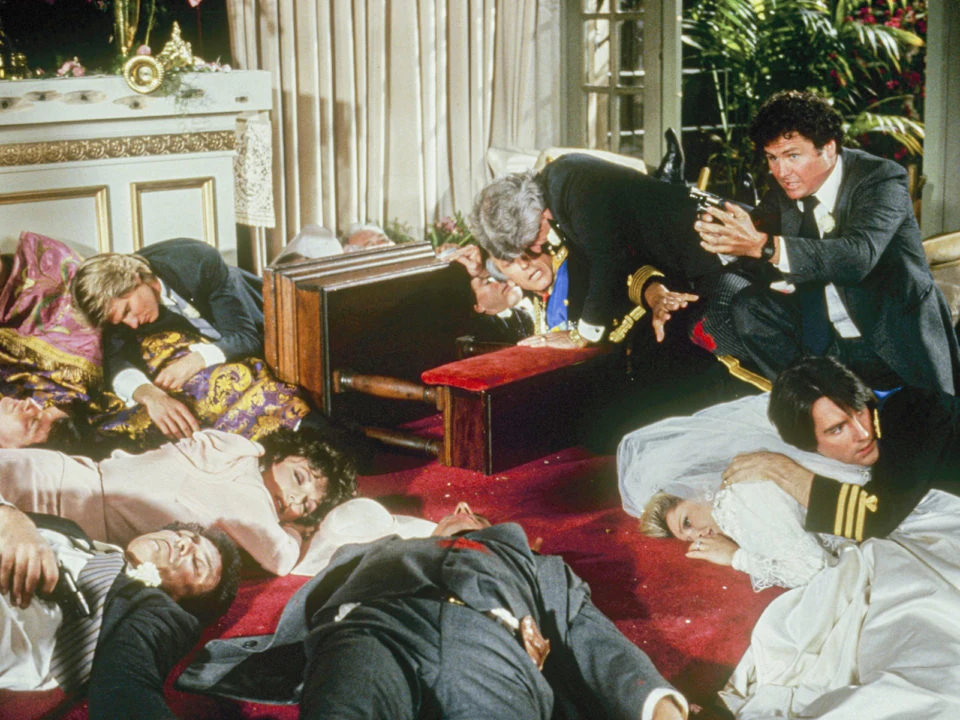
By the spring of 1985, Dynasty had climbed to the top of the ratings, and apparently the only sensible way to celebrate was to arrange a royal wedding and then have gunmen attack it. The fictional country was Moldavia. The happy couple was Amanda Carrington and Prince Michael. The guests were beautifully dressed, the ceremony was lavish, and the whole thing looked as though somebody at ABC had decided that an ordinary wedding would be embarrassingly small for the number-one show in America.
Then the shooting started. On May 15, 1985, the season ended with the wedding party sprawled across the floor, leaving viewers to wonder who had survived. As cliffhanger images go, this one was enormous. For a program that usually threatened marriages, inheritances and social standing, an attack that appeared capable of wiping out half the cast represented quite a leap. You have to admire the nerve. The show didn’t simply leave someone standing in a doorway with a secret. It left practically everybody lying down.
The months between broadcasts were the kind of wait television used to be able to impose without apologizing. You couldn’t click the next episode. You couldn’t search for a neatly organized list of who survived. The fall premiere was months away, and the series had given fans a very large question to carry through the summer. Even people who didn’t watch regularly heard about the so-called Moldavian massacre. It sounded like an event on the evening news rather than a soap-opera wedding gone wrong.
Here’s where the story gets less satisfying. When Dynasty returned, the central stars had survived. Two characters, Luke Fuller and Lady Ashley Mitchell, were killed, so it’s wrong to say there were no deaths. But the image of catastrophic loss had suggested a much bigger change than the show was prepared to make. Most of the familiar pieces were still on the board, ready for more marriages, feuds and business arguments.
Luke’s death was not a minor detail, either. He was Steven’s lover, and his loss fell into a longer pattern of the series struggling to give Steven a stable, fully realized romantic life. An audience relieved to see Alexis and Krystle alive shouldn’t have to pretend that losing Luke meant nothing. The story chose whose lives could be sacrificed to give its spectacle consequences, and that choice deserves to be remembered along with the famous gunfire.
The whole episode is a textbook example of the difference between a great cliffhanger and a great follow-through. That final image was unforgettable; the resolution had considerably less courage. And yet I wouldn’t trade the incident out of Dynasty‘s history. It perfectly captures the point the series had reached. When the usual family warfare no longer seemed big enough, the writers went looking for an international incident. Naturally, everybody wore formal clothes.
In a way, Moldavia is where the show’s gifts and problems shook hands. It was terrific at creating the moment you would talk about tomorrow. It wasn’t always as good at making the next episode live up to yesterday’s promise. At the time, a lot of us were happy to be swept up in the question. Looking back, you can enjoy the audacity and still wonder why they bothered to invite all those guests if almost everyone was going to be back in the mansion by the next round of trouble.
When Krystle met her double, restraint left the building
Just when you thought the writers had exhausted every possible way to interfere with Blake and Krystle’s marriage, they found a woman who looked exactly like Krystle. Not vaguely similar. Not the kind of resemblance that works only if you squint from the far end of a restaurant. An actual double, with Linda Evans playing both Krystle and Rita. The real wife was held captive while the impostor took her place. Because on Dynasty, somebody couldn’t simply misplace their wedding ring like a normal person.
The storyline unfolded during 1985–86, with George Hamilton’s Joel involved in the scheme. It had all the traditional soap-opera ingredients: a secret identity, captivity, romance, deception and an alarming number of opportunities for a husband to notice that something about his wife was off. You could almost hear viewers asking the television, “Blake, how do you not see this?” But Blake had spent several seasons making questionable judgments, so perhaps it wasn’t entirely surprising.
To give Evans credit, the double role let her break out of Krystle’s familiar sweetness. The fun was watching her make Rita different enough for the audience to spot the deception while keeping the other characters conveniently oblivious. That’s a difficult assignment. If the performances were too similar, we wouldn’t know which woman we were seeing. If they were too different, the Carrington family would seem incapable of recognizing someone they lived with.
Still, there’s a point where even an enthusiastic soap fan starts checking the clock. The longer the real Krystle stayed out of her own life, the more the show’s central marriage was being put on hold for a trick. Krystle mattered because of her history with Blake, Alexis and the family. Replacing her with a stranger pretending to be her didn’t really explore those relationships. It mostly gave everyone a fresh collection of misunderstandings.
And then there was the sheer extravagance of it all. This series already had secret children, bitter ex-spouses, hostile takeovers and more romantic complications than a dating service could process. Apparently that wasn’t enough. The solution was to invent another Krystle. If they’d kept going much longer, you might have expected one of the staff to announce a clearance sale on spare family members.
That’s part of the strange affection Dynasty inspires. You can roll your eyes at the Rita storyline and still enjoy seeing Evans do something different. You can think the plot is nonsense while appreciating how fully the performers commit to it. The actors rarely behaved as though the material was beneath them. They treated an absurd predicament with the same seriousness they’d brought to the more believable ones. That professional commitment made an amazing amount of silliness watchable.
The danger came when elaborate surprises started crowding out recognizable people. Dynasty didn’t need to be realistic. Nobody watched it for a documentary about Denver oil companies. But even fantasy needs somebody to care about. A good betrayal hurts because we know the betrayed person. A body double who stays too long can make those people disappear behind the machinery. At its best, the show remembered which was the more valuable attraction.
The Colbys and the temptation to expand the empire
Among the decade’s television spinoffs, few attempts were quite as expensive-looking. If one incredibly wealthy, perpetually unhappy television family can attract millions of viewers, the obvious next step is to create another one. That’s how The Colbys joined the party in 1985. Suddenly the Dynasty world had a new branch, more famous faces, more expensive houses and another collection of people whose inability to settle a family disagreement might require legal action and a helicopter.
John James carried Jeff Colby into the new show, and Fallon connected it to the Carrington story audiences already knew. Those were sensible bridges. You can’t simply hang a different surname over a mansion and assume viewers will feel the same affection, so the producers used familiar characters to introduce the new neighborhood. Unfortunately, recognition isn’t quite the same thing as wanting to spend another hour watching a different family’s problems.
The Colbys had its own stars, including Charlton Heston, Barbara Stanwyck and Stephanie Beacham. That is a lot of screen presence for one household. It also proves a point television producers have learned more than once: assembling impressive names doesn’t automatically manufacture the chemistry that made another show successful. You can buy a spectacular dining room set; you still need the people arguing across it to be interesting.
The spinoff lasted two seasons, ending in 1987. It wasn’t an instant cultural replacement for Dynasty, and the attempt to build another empire revealed how special the Collins-Evans-Forsythe combination had become. Their conflicts were familiar, their timing established. The Colbys had to develop that feeling from scratch while carrying the expectation that they should already be just as entertaining. That’s a tall order, even for people with a lot of money.
The expansion also made it harder to keep the original family’s stories tidy. Jeff and Fallon belonged to an interconnected world, and the audience had to follow where the writers decided to send them. For devoted fans, that was an invitation to spend more time with the characters. For casual viewers, it risked turning a soap opera into homework. In the days when missing a week could already leave you wondering why somebody was suddenly married, adding a second program wasn’t necessarily a public convenience.
But the spinoff left one particularly good gift behind. Stephanie Beacham’s Sable Colby later came into Dynasty and proved that Alexis could still meet a woman with an equally sharp sense of self. Beacham wasn’t simply imitating Joan Collins. She had her own cool, biting delivery, and their confrontations gave the late series fresh electricity. Whatever you think of The Colbys as a separate show, the Carringtons benefited from meeting someone who didn’t automatically surrender the room to Alexis.
That’s the funny thing about Dynasty‘s ambitions. Sometimes more really did mean more: another great performer, another memorable encounter, another surprising connection. Sometimes it simply meant another mansion and another demand on the audience’s time. The difference came down to character, not the size of the chandelier.
The late years were not an empty waiting room
It’s easy to write off the last few seasons of Dynasty as one long march downhill from its number-one peak. The ratings did drop, and some of the plots seemed to be assembled from a checklist marked “things nobody has tried this week.” But there were still performers worth watching, even when the stories surrounding them made you wonder whether the writers had been locked in a room with too much coffee.
Michael Nader’s Dex Dexter was one of the better additions. He could meet Alexis without looking as though he had either surrendered or called for help. His relationship with her had attraction, friction and an entertaining willingness to push back. A lesser partner might have become another man for Collins to order around. Nader made Dex feel like someone who could appreciate Alexis and still know when she was being ridiculous, a rare combination in that household.
Kate O’Mara gave Alexis another headache as her sister Caress. There is something particularly satisfying about watching a person who carefully manages their public image face a relative who remembers the unedited version. Caress knew where some of the bodies were buried—figuratively speaking, although this series eventually made that qualification less reliable. Their conflict had a personal bite that no random corporate rival could quite reproduce.
Then Sable arrived from The Colbys, and Stephanie Beacham brought an energy that could actually make Alexis work. Collins was too good an actress to be reduced to delivering the same insult at another interchangeable adversary. Giving her a foil with genuine confidence created some fresh pleasures late in the run. Their exchanges could still stop a scene, which is something you can’t say for every elaborate mystery the show tried to attach to them.
The final season dug into the Roger Grimes mystery and old Carrington secrets. The past began producing fresh trouble, including a body and a complicated set of discoveries. At least this kind of story grew from the family’s history rather than requiring yet another unknown stranger to appear with a claim to the estate. Whether every twist made sense is a different question. Dynasty was never inclined to let a tidy explanation get in the way of a dramatic one.
The ABC run ended in May 1989 without delivering the kind of neat farewell viewers might have expected after nine seasons. Instead, unresolved dangers remained. A reunion miniseries followed in 1991, but that was a later return to the Carrington world, not the ending the original audience received. If you watched the 1989 finish when it aired, you didn’t know a later production would turn up to straighten out some of the mess.
And the prime-time soap didn’t vanish the minute Dynasty signed off. Dallas and Knots Landing continued. Television was moving toward what would become 1990s TV, audiences had changed and the network landscape was becoming less hospitable to the exact brand of extravagance Dynasty had perfected. But an uneven final season doesn’t erase the middle years when the show could make a single eyebrow lift feel like an event.
In some ways the late decline is part of what makes the series so recognizably eighties. It was created for an era that embraced excess, turned that excess into a national habit and then had to figure out what came after the biggest possible spectacle. The answer wasn’t always good television. But the attempts were rarely boring in the conventional sense. When Dynasty went wrong, it usually went wrong at full volume.
What Dynasty says about money, and what it leaves alone
Here’s the funny thing about the Carringtons: they had the kind of money that ought to make life easy, yet they spent most of their evenings looking absolutely miserable. The houses were enormous. The jewelry was extraordinary. Nobody seemed to be worrying about whether the electric bill would clear. But every family dinner carried the possibility of blackmail, betrayal or a newly discovered relative. Most of us would probably have preferred our smaller houses and fewer emergencies.
That didn’t stop viewers from enjoying the luxury. Of course we liked looking at the mansion, the clothes and the cars. The television was offering a trip into a world we didn’t inhabit. You could admire Alexis’s outfit without wanting her anywhere near your actual family. You could enjoy Blake’s estate without imagining that living under Blake’s rules would be relaxing. That’s one of the pleasures of fiction: you get the spectacular surroundings and somebody else has to deal with the relatives.
If you came to this world from 1970s TV and its smaller family kitchens, the change in scale was almost comic. Some of the show’s conflicts were more ordinary than they looked. An overbearing father who wanted to control the kids. An ex-spouse who couldn’t let go. Brothers and sisters competing for attention. A new wife struggling to fit into an established family. Take away the gowns and oil money and you could find versions of those problems in much smaller homes. Dynasty simply added business empires and a staff to handle the catering while everybody argued.
The show wasn’t exactly an evenhanded portrait of everyone involved in that wealth. Employees and working people often existed on the edge of the picture, appearing when the Carringtons needed help, information or another person to inconvenience. The money had to come from somewhere, and the decisions had consequences, but the series preferred to keep its eye on the people who owned the impressive rooms. That’s fair to notice without insisting the show become something it was never trying to be.
It had a complicated record with its women, too. Alexis, Krystle and Dominique could command an entire hour. Yet the publicity loved reducing their strength to who had insulted or slapped whom most recently. The performers had more range than that. They could play grief, ambition, loyalty and genuine vulnerability. The program was often at its best when it remembered those capacities instead of staging another confrontation merely because audiences expected fireworks.
What I find more interesting now than I did watching the show in the eighties is the gap between the polished lives and the actual happiness on display. You can get used to the jewelry pretty quickly. You can’t miss the fact that almost nobody trusts anybody else. A fabulous house doesn’t cure a bad marriage. A company doesn’t make your kids agree with you. And an outfit requiring an assistant to carry the accessories definitely won’t stop Alexis from holding a grudge.
Maybe that explains why the series is so easy to affectionately mock and still so much fun to revisit. Dynasty let us enjoy the glamorous fantasy while showing its occupants being driven completely around the bend. It didn’t have to decide whether wealth was wonderful or terrible. It showed the expensive surroundings and then let the people inside them demonstrate just how much chaos money could fail to prevent.
Watching the Carringtons again, with adult eyes
If you go back to Dynasty now, my advice is simple: don’t begin by expecting nine seasons of consistently sensible plotting. You won’t get it. Watch for the people. Start with Joan Collins timing a line so perfectly that you can practically hear the person opposite her regret opening their mouth. Watch Linda Evans keep Krystle upright through another impossible situation. Watch John Forsythe look as though the oil market itself has disappointed him. That’s the good stuff.
The first season can feel different from the version you’ve been carrying around in your memory. That’s because it is different. The show hadn’t yet found its most outrageous rhythm. Once Alexis arrives, the relationships sharpen. As the ratings climb, the production grows more confident about the glamour and the feuds. By the middle years, everybody appears to understand what kind of television they’re making, including the viewers who have decided to spend another Wednesday with people they would never invite to dinner.
You may also find yourself changing sides on a few of those family arguments. Blake looked like the commanding father when we were younger. Now he can look like an exhausting man to live with. Krystle’s patience can feel less like an endless supply of kindness and more like a full-time occupation. Steven’s battles with his father land differently when you notice how much it costs a person to ask the people closest to him for acceptance. Age changes what you’re paying attention to.
And while we’re being fair, not every Alexis victory deserves applause. She’s wildly entertaining, but that doesn’t make her a model of civilized behavior. You can love the performance and still think the woman should be banned from family weddings. Especially the ones overseas. Some of the late plots are preposterous. Some are painfully slow. A few may inspire you to ask whether the writers had exhausted the available supply of reasonable problems sometime around the third secret relative.
But when the show clicks, it’s a joy. The music rises. Somebody enters in a magnificent outfit. Krystle looks up and realizes the afternoon is ruined. Blake begins explaining what everybody must do. Alexis gives a tiny smile that suggests she has already arranged for none of it to happen. The scene might contain absolutely no action in the usual sense, yet you want to know what happens next. That is a kind of television craft worth respecting.
Put it beside other eighties soaps and the differences become clearer. Knots Landing could make a neighborhood disagreement feel like a catastrophe. Falcon Crest had its own imperious family characters and a different sort of empire. Dallas made J.R.’s schemes feel like business as usual. Dynasty preferred a beautifully lit room where the argument was going to require an ensemble cast and several changes of clothes. All had their place in the TV landscape; this one was magnificently unwilling to travel light.
For an audience familiar with the decade’s television dramas, the difference is a lot of the fun. And yes, the shoulder pads are still funny. Some of the hats could probably receive satellite signals. The giant hair, the serious conversations about absurd developments, the way somebody always looked prepared for an unexpected magazine cover—it all belongs to the era. But underneath the excess are actors who understood how to make a family feud into appointment television. That’s what survives once the fashion joke has run its course.
So put on an episode. Enjoy the clothes. Let Alexis be awful. Notice how often Krystle manages not to throw something. And remember that for a while, on Wednesday nights, millions of Americans chose to spend an hour with people who owned everything except the good sense to stop fighting about it. That’s Dynasty, a glorious part of 1980s TV. And heaven help whoever was seated next to Alexis at dinner.
Questions about Dynasty in the 80s
When did the original Dynasty air?
The original ABC series premiered January 12, 1981, and ran through May 1989, covering nine seasons. The later 1991 reunion brought the Carringtons back for additional closure. The more recent reboot is a different program. Here we’re talking about Joan Collins, Linda Evans, John Forsythe and the fabulously difficult people who made the original series a hit.
When did Joan Collins join as Alexis?
Collins joined for the second season in 1981. Her Alexis Carrington immediately changed the show, giving Blake’s former wife a dazzling entrance and Krystle a rival who wasn’t going to settle anything with a pleasant chat over tea. The combination of Collins and Evans became one of the series’ biggest attractions.
Was Dynasty ever more popular than Dallas?
Yes. Dynasty ranked number one in the national household ratings for the 1984–85 television season, ahead of Dallas. It wasn’t number one throughout the decade, though. Its climb included nineteenth, fifth and third-place finishes before the peak, followed by a tie for seventh in 1985–86. The run was a genuine ratings phenomenon, not an uninterrupted one.
What was the Moldavian massacre?
It was the famous May 1985 season finale in which gunmen attacked Amanda Carrington and Prince Michael’s wedding in fictional Moldavia. Viewers were left staring at a room full of apparently dead guests. When the show returned, most major characters had survived, but Luke Fuller and Lady Ashley Mitchell had not. The cliffhanger was spectacular; the resolution was much less willing to dismantle the cast.
Why are the clothes still discussed?
Because costume designer Nolan Miller understood exactly what Dynasty needed to look like. The gowns, hats, jewelry and famously oversized shoulders did more than advertise wealth. They helped distinguish the characters and made every entrance an event. Some of the fashions are still beautiful. Some look like they might require structural engineering. Both are part of the fun.
Does the series hold up?
The central performances do. Collins, Evans, Forsythe and the strongest supporting cast members are still worth watching. The writing is more uneven, especially when the series starts inventing doubles and escalating its cliffhangers just to outdo itself. If you can enjoy outrageous television without pretending every plot is brilliant, there’s still a terrific time to be had at the Carrington mansion.
Sources and further reading
- Television Academy: Dynasty archive and interview index.
- Television Academy: Nolan Miller’s career.
- Television Academy: 1984 costume award record.
- HISTORY: the January 1981 premiere.
- Washington Post: Tom Shales’ premiere review.
- TIME: the show’s glamour and merchandise in 1984.
- Al Corley’s 1982 Interview conversation, reproduced by The Troubadour Tribune.
- Episode titles, cast and broadcast sequence.
- TV Guide: sixth-season story summaries.
- 1981–82 season schedule and Nielsen rankings.
- 1982–83 season schedule and Nielsen rankings.
- 1983–84 season schedule and Nielsen rankings.
- 1984–85 season schedule and Nielsen rankings.
- 1985–86 season schedule and Nielsen rankings.
- Television Academy: The Colbys.
- TV Guide: ninth-season story summaries.