Knots Landing in the 80s: The Quiet Soap That Outlasted the Flash
Revisit Knots Landing in the 80s: Karen, Val, Abby, Gary, the missing twins, Ciji, Laura, and the neighbors who made every betrayal feel personal.
The shows, the moments, and the nights we were there for it.
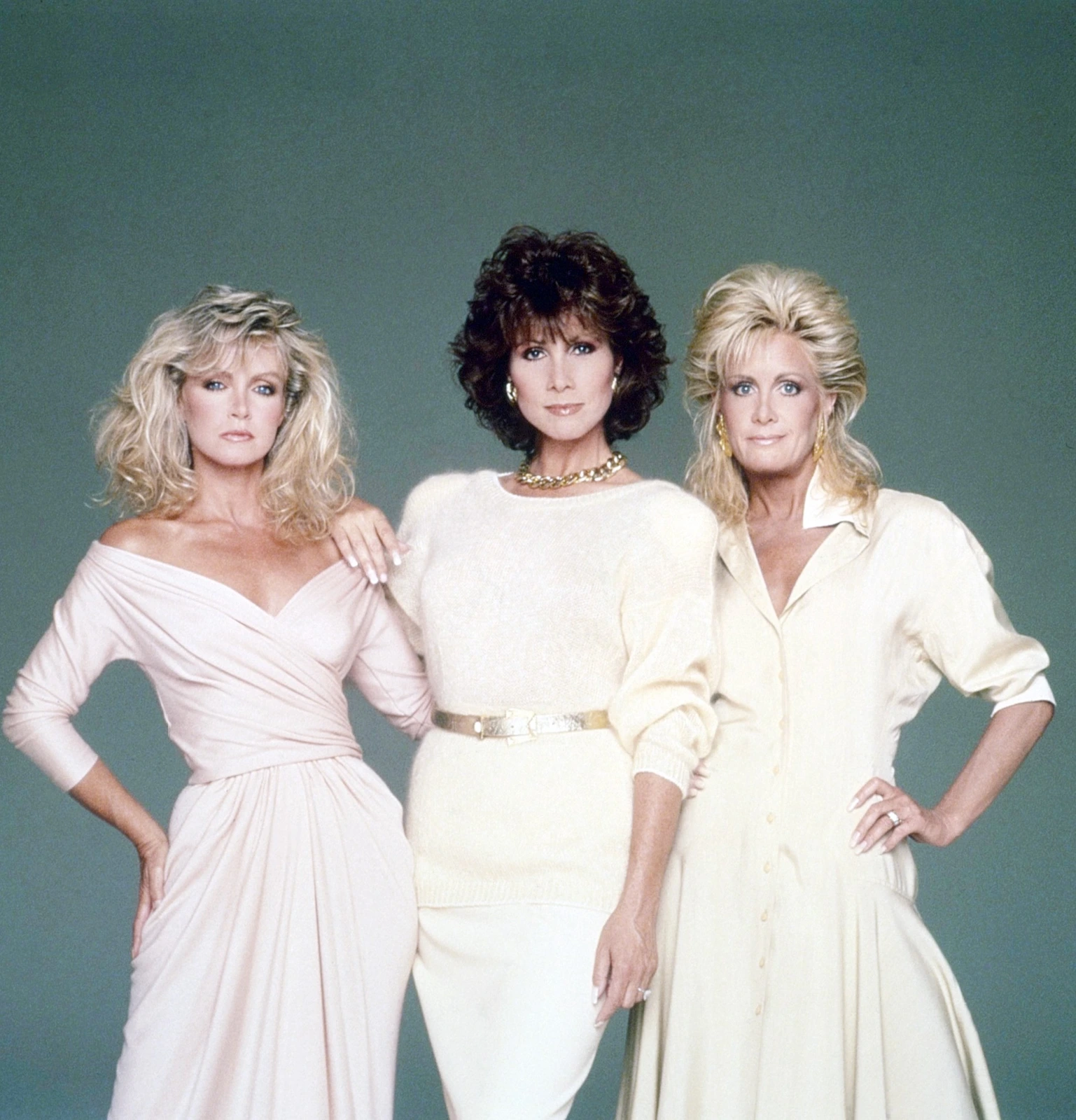
A cul-de-sac is an efficient place to put a soap opera. There is only so far you can drive before you have to turn around and come back past the people who know what happened. Knots Landing understood the possibilities. A marriage could be falling apart in one house, a fresh temptation could be unpacking next door, and somebody would still need to go outside and pretend the neighborhood was perfectly pleasant.
The show had money, murder, kidnappings, and enough romantic rearrangements to make a block party an administrative challenge. Its special talent was making the aftermath stick. People did not stop being neighbors just because a scene had ended. Karen would remember. Val would feel it. Abby might see a business opportunity.
Beginning in December 1979, the CBS series built a long life across the 1980s and continued into 1993. It emerged from the world of Dallas, then developed a community with its own loyalties and its own very persistent problems. At its best, the spectacle was not only the thing that happened. It was watching familiar people try to live together after it.
Inside This Article
- Gary and Val arrived with a past the neighbors could not see
- David Jacobs had wanted to build this neighborhood before Dallas
- Karen and Sid made the neighborhood feel settled—at first
- Valene could be wounded without being simple
- Gary Ewing had to live with the damage after the charm
- Abby arrived in 1980 and improved the neighborhood’s problem supply
- Laura and Richard Avery made the early street much less comfortable
- Kenny and Ginger had their own version of the fresh-start problem
- Sid’s death made the danger feel permanent
- Karen’s determination could help—and could get in her own way
- Mack gave Karen a new marriage without pretending Sid had not existed
- Lilimae could be charming, embarrassing, and impossible to dismiss
- Ciji’s songs made the murder story hurt more
- Cathy was a new person, and Chip was still trouble
- Greg Sumner could make a terrible idea sound almost sensible
- Lotus Point gave the neighbors something else to fight over together
- Val’s babies made disbelief the cruelest part of the story
- Verna Ellers was a life Val could enter when her own became unbearable
- In 1985, this supposedly quieter soap was a Top 10 hit
- The opening made the neighborhood instantly recognizable
- Joshua turned a new family connection into a frightening one
- Olivia gave Abby a problem she could not manage like a deal
- Laura’s death let the neighborhood become quiet in the hardest way
- Paige arrived with another past Mack had not finished living
- Jill’s attack on Val turned a familiar house into a trap
- The Williams family had a reason to want an ordinary street
- Abby’s 1989 exit suited a woman unlikely to leave empty-handed
- Dallas could change its mind; this street kept its history
- The street kept the receipts, even when nobody wanted to discuss them
- Questions about Knots Landing in the 80s
Gary and Val arrived with a past the neighbors could not see
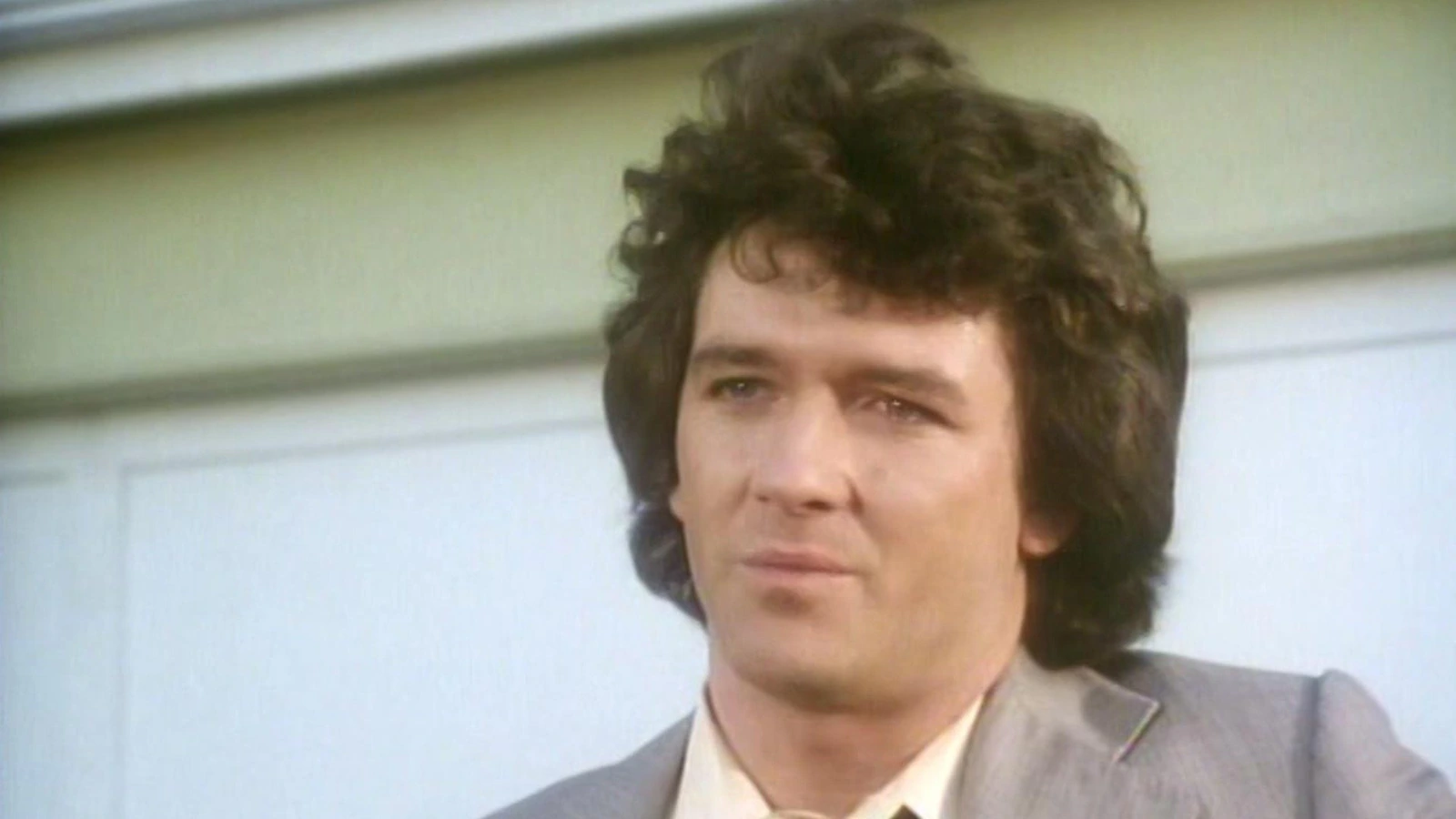
Ted Shackelford’s Gary Ewing and Joan Van Ark’s Valene came to Southern California carrying years of family history. Gary was the Ewing son who had struggled to find a place in the Texas family. Val had her own painful history with him, including their daughter Lucy and the earlier breakdown of their marriage. Starting again did not mean starting with nothing behind them.
Miss Ellie helped provide the house that brought them to the neighborhood. It was a generous beginning, but a house cannot furnish its occupants with a new set of habits. Gary’s alcoholism and susceptibility to temptation remained part of the relationship. Val’s hope for a secure life did not give her the power to make him want stability as consistently as she did.
The pilot premiered on December 27, 1979. That puts its first season across the boundary into 1980, which is the right setting for the television landscape of the 1980 season. The long eighties run began with people arriving late in the previous decade and trying to establish an ordinary home.
That goal gave the series a strong emotional starting point. Gary and Val were not looking for a grand new estate to dominate. They wanted a life they could manage. The people around them had lives that looked more established, but the neighborhood was not a collection of solved marriages waiting to supervise the new couple.
It is an inviting introduction because the Ewing name supplies history without doing all the work. You can understand the attraction of a fresh address even before you know every detail of Southfork. You can also understand the danger in believing a new address has settled a problem that is still sitting beside you in the car.
David Jacobs had wanted to build this neighborhood before Dallas
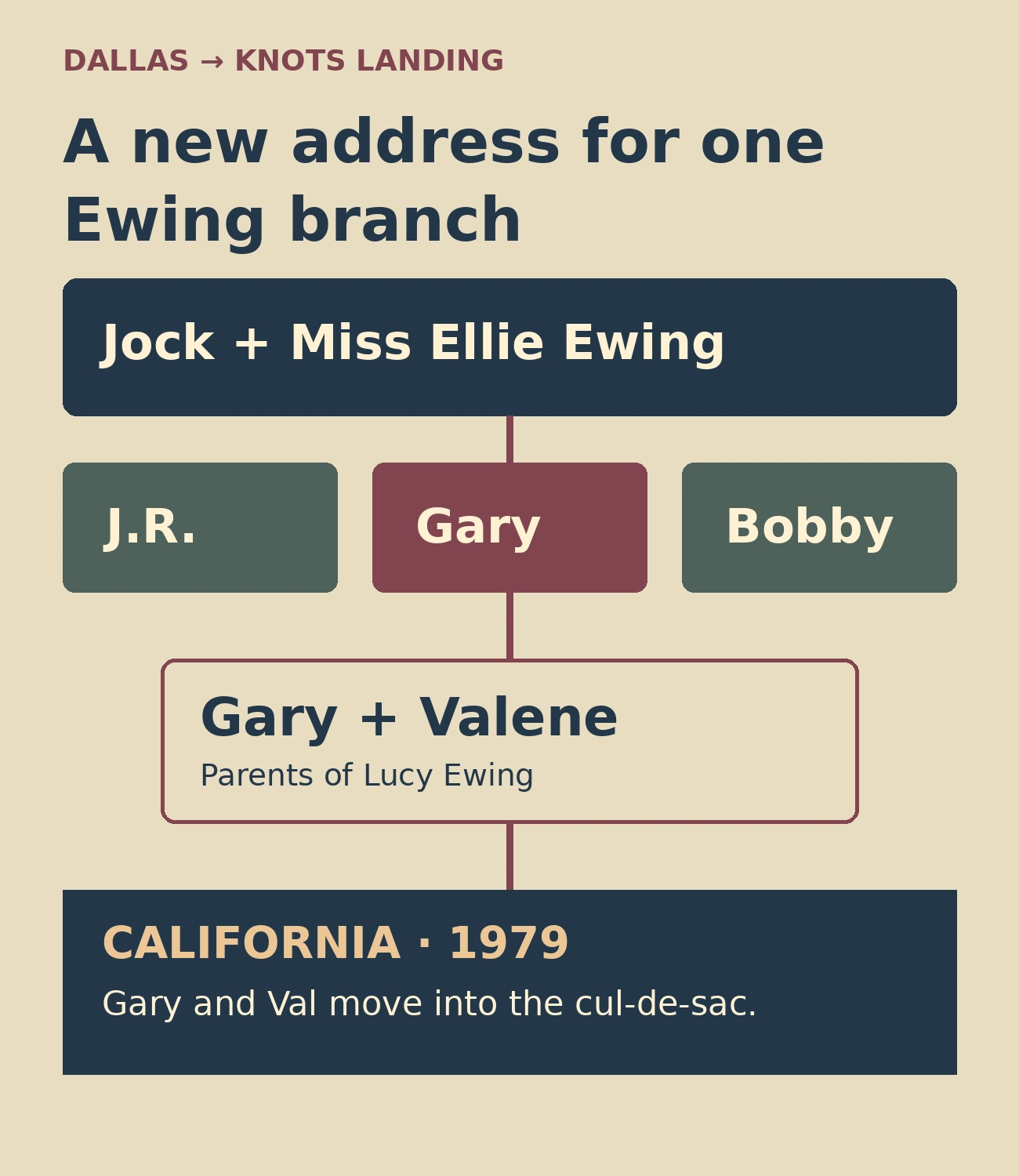
David Jacobs developed the domestic ensemble idea before Dallas became the enormous series that made a spin-off possible. The project he created with Michael Filerman was interested in marriages and neighbors: people who shared a place without necessarily sharing an approach to life. CBS’s appetite for a broader, wealthier family drama led first to Dallas.
When that show succeeded, Gary and Val supplied a way to bring the neighborhood project onto television. Their move connected the programs while leaving the new ensemble room to become something else. The Ewing relationship was a doorway, not a requirement that every California problem wait for a Texas relative to arrive.
Dallas built its power around the Ewing family and the resources concentrated at Southfork. Knots Landing could look across a street instead. The people were tied together by friendship, proximity, work, and the sometimes unhelpful knowledge of what had happened in another household.
That difference affected the sort of scenes the new program could sustain. A dispute did not always need a large financial consequence to deserve attention. A neighbor’s opinion, a spouse’s disappointment, or the awkwardness of returning to a house could carry an episode. Later money and criminal plots grew much larger, but the domestic framework remained useful.
The connection is important to the show’s history without swallowing its identity. A viewer who enjoyed the Ewing world had a reason to visit. Once there, the series offered Karen, Laura, Sid, and the others as people worth knowing in their own right. Staying did not require a weekly reminder of which Dallas character had helped arrange the introduction.
Karen and Sid made the neighborhood feel settled—at first
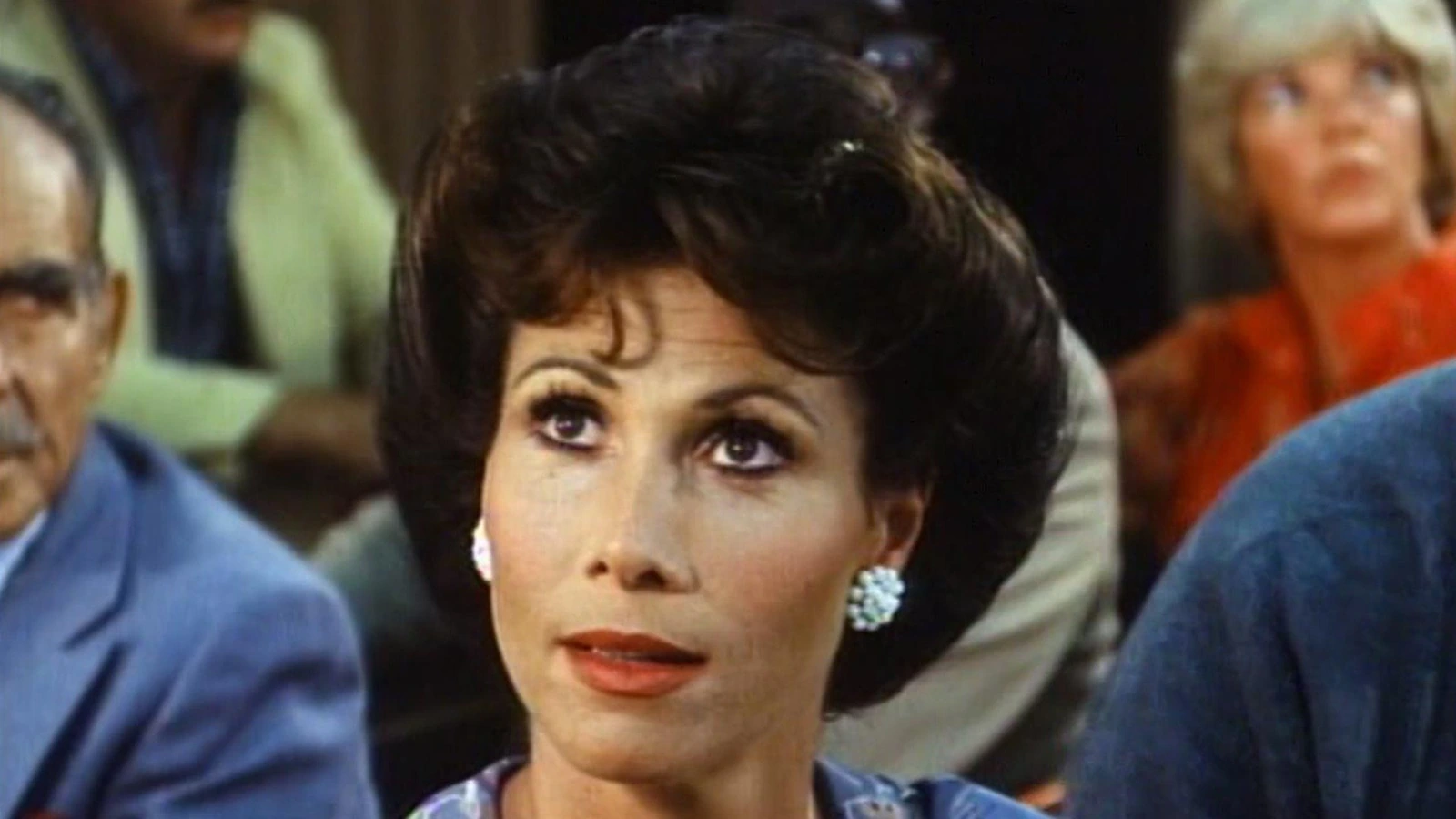
Michele Lee’s Karen Fairgate and Don Murray’s Sid were the couple whose household looked as though it had foundations. Sid ran Knots Landing Motors. Karen had children, opinions, and an interest in the people around her that could be warm, useful, or more extensive than the recipient had requested.
The marriage was not presented as an absence of disagreement. Its appeal came from the sense that these two people had built something capable of containing disagreement. Murray gave Sid an easy decency that did not require constant speeches. Lee made Karen energetic enough to prevent stability from being mistaken for a lack of personality.
Their children helped populate the street as a place where families lived between dramatic events. Diana, Eric, and Michael did not exist merely to make the adults look established. As they grew, their choices created problems Karen could not solve simply by being attentive. Sid’s daughter Annie, played by Karen Allen in the pilot, also brought an earlier family connection into the opening story.
For Gary, a job at the dealership offered more than wages. It put him beside somebody with a practical occupation and a steadier domestic life. That arrangement gave the program a working environment connected to the neighborhood rather than a separate office world to be introduced from scratch.
The Fairgates mattered because the audience had reason to believe in their ordinary life. If every household had begun as an obvious wreck, later threats would have had less to damage. Karen and Sid gave the street something that looked durable, which made what followed much harder to dismiss as another weekly crisis.
Valene could be wounded without being simple
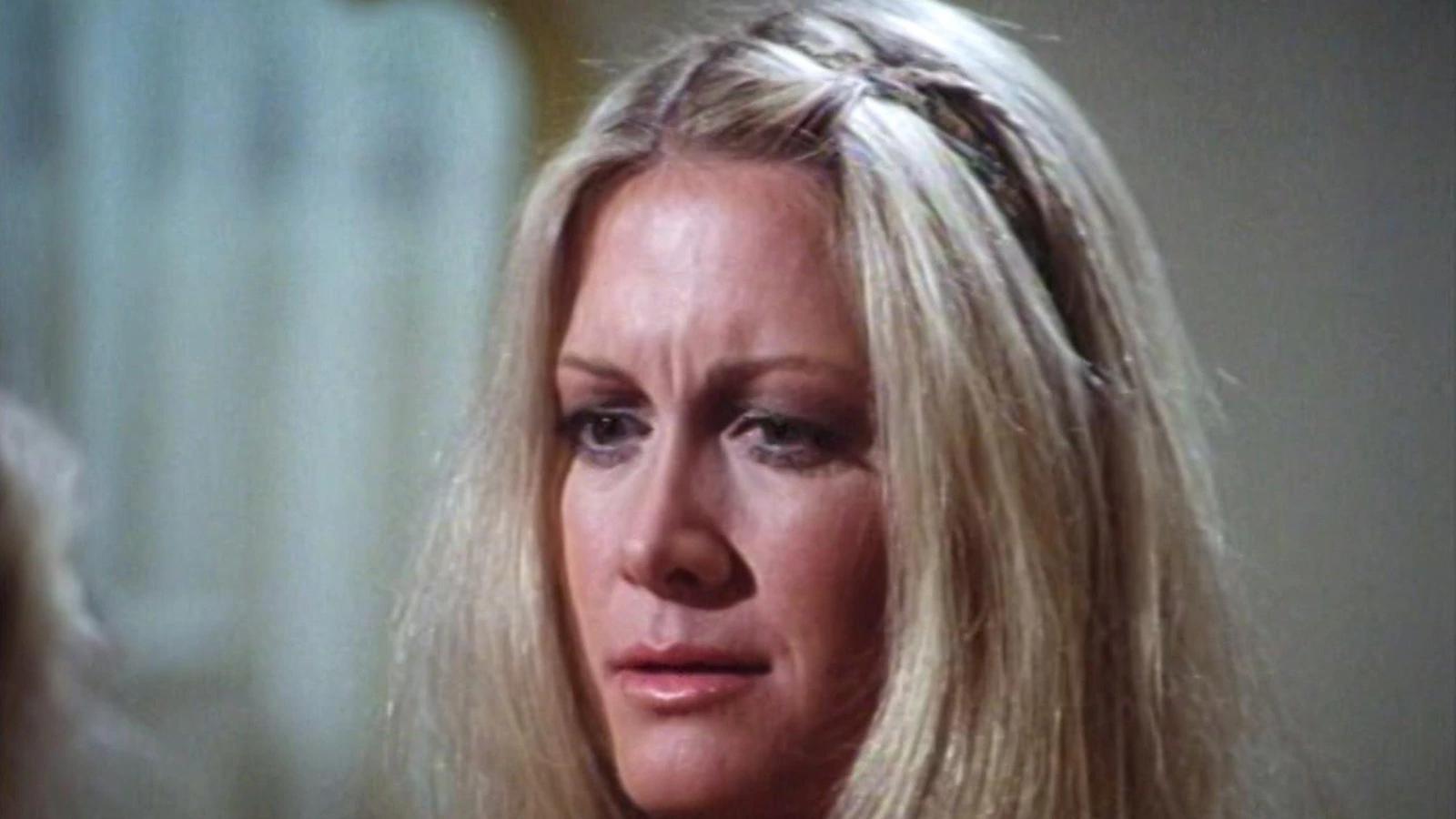
Joan Van Ark gave Val a distinctive mixture of openness, hurt, and stubborn feeling. She could be overwhelmed by a situation without becoming an interchangeable victim. The character had a history of being denied security, and the performance made the desire for a dependable home feel deeply personal.
That sensitivity could make her easier to underestimate. Other people might treat her reaction as the problem, especially when she was responding to behavior they preferred not to examine. Van Ark could let the audience see both the intensity of the emotion and the reason it existed. Val was not always composed, but composure was not the same thing as being right.
Her writing gave her another way to act on her own history. The publication of Capricorn Crude, a novel drawing on the Ewing world, made her more than the person waiting for Gary to make another decision. Turning experience into a book could bring attention and independence, along with fresh complications for people who recognized themselves in the material.
Val’s friendship with Karen was equally important. It gave her a relationship that was not organized entirely around the question of whether Gary would stay. Karen could be supportive and frustrating; Val could need help and still resist the form in which it arrived. Their scenes made female friendship part of the show’s continuing structure rather than a brief pause between romantic emergencies.
The larger stories worked because Van Ark made the smaller emotional changes count. A character can be asked to carry a missing-babies plot only if the audience already cares what it means for her to believe something other people are dismissing. Val had that investment long before the hospital told her the twins were gone.
Gary Ewing had to live with the damage after the charm
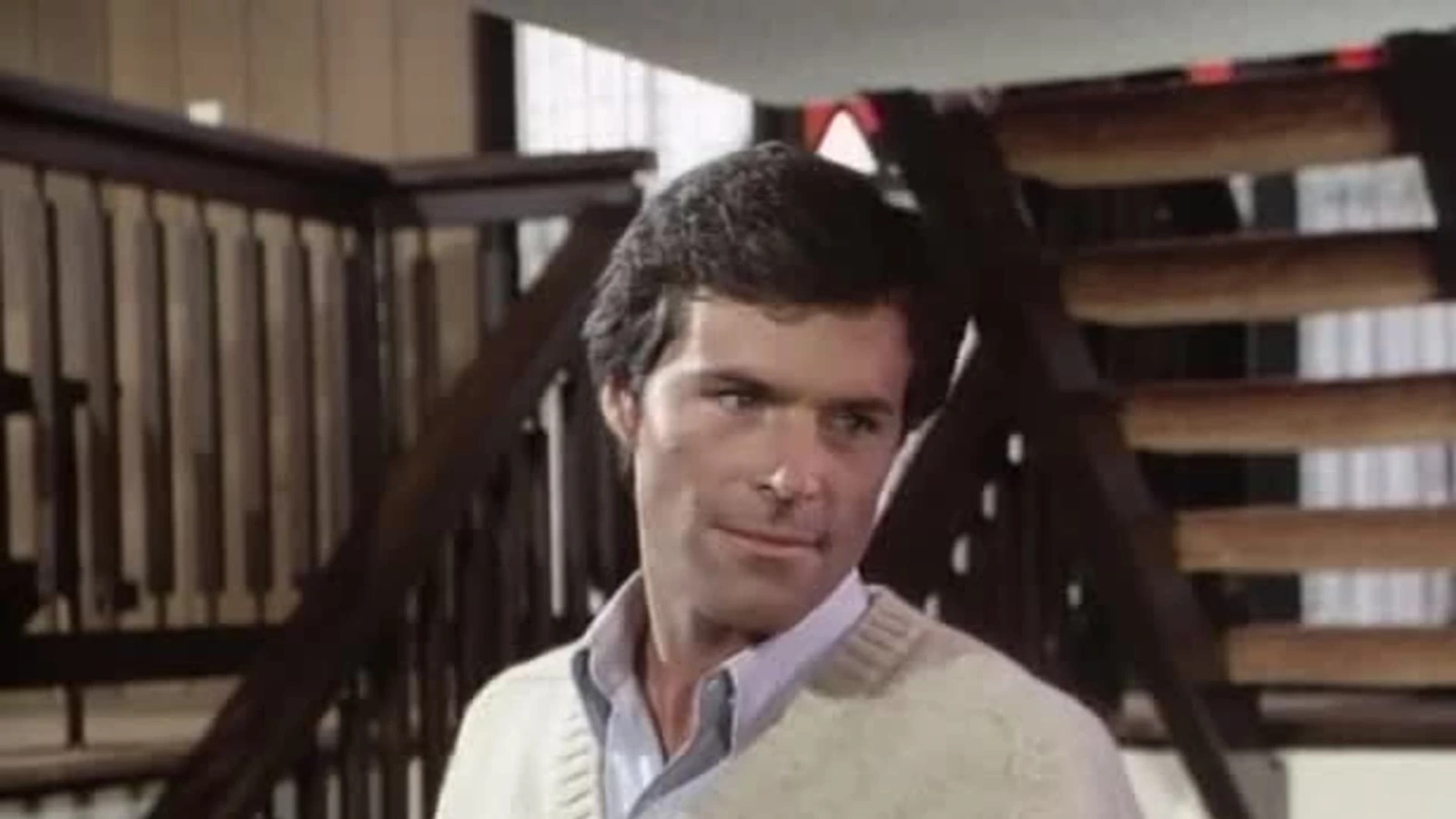
Gary could be sympathetic, attractive, weak, and infuriating, sometimes in a sequence that made the people around him wish he would pick one and stay there. Shackelford gave him enough vulnerability to make the struggle credible, while the writing kept finding ways for his choices to injure people who had already given him another chance.
His alcoholism was part of that history, not a convenient explanation to be removed whenever a new romance arrived. The question of whether he could manage his life remained connected to work, intimacy, and the need to feel less inadequate than he had felt within his family. California offered a different setting for those pressures. It did not make him immune to them.
His relationship with Abby brought a different kind of attraction into view. She could recognize and encourage parts of him that felt constrained or underestimated. The appeal was understandable, which made the consequences for Val more painful. It is possible to see why a character is tempted and still want to shake him when he follows the temptation.
Money changed his possibilities without reliably improving his judgment. The inheritance from Jock Ewing allowed the business stories to expand. Gary could become an investor and a target for people who understood how to make an opportunity sound like a new identity. Being an Ewing in California still came with people interested in what the name might be worth.
The show’s strength was its willingness to let those decisions remain in the room. Gary did not get to be the charming lead in a clean new story every Thursday. Val, Abby, Karen, and the audience all had memories. He could try again, but trying again was never quite the same as beginning without a record.
Abby arrived in 1980 and improved the neighborhood’s problem supply
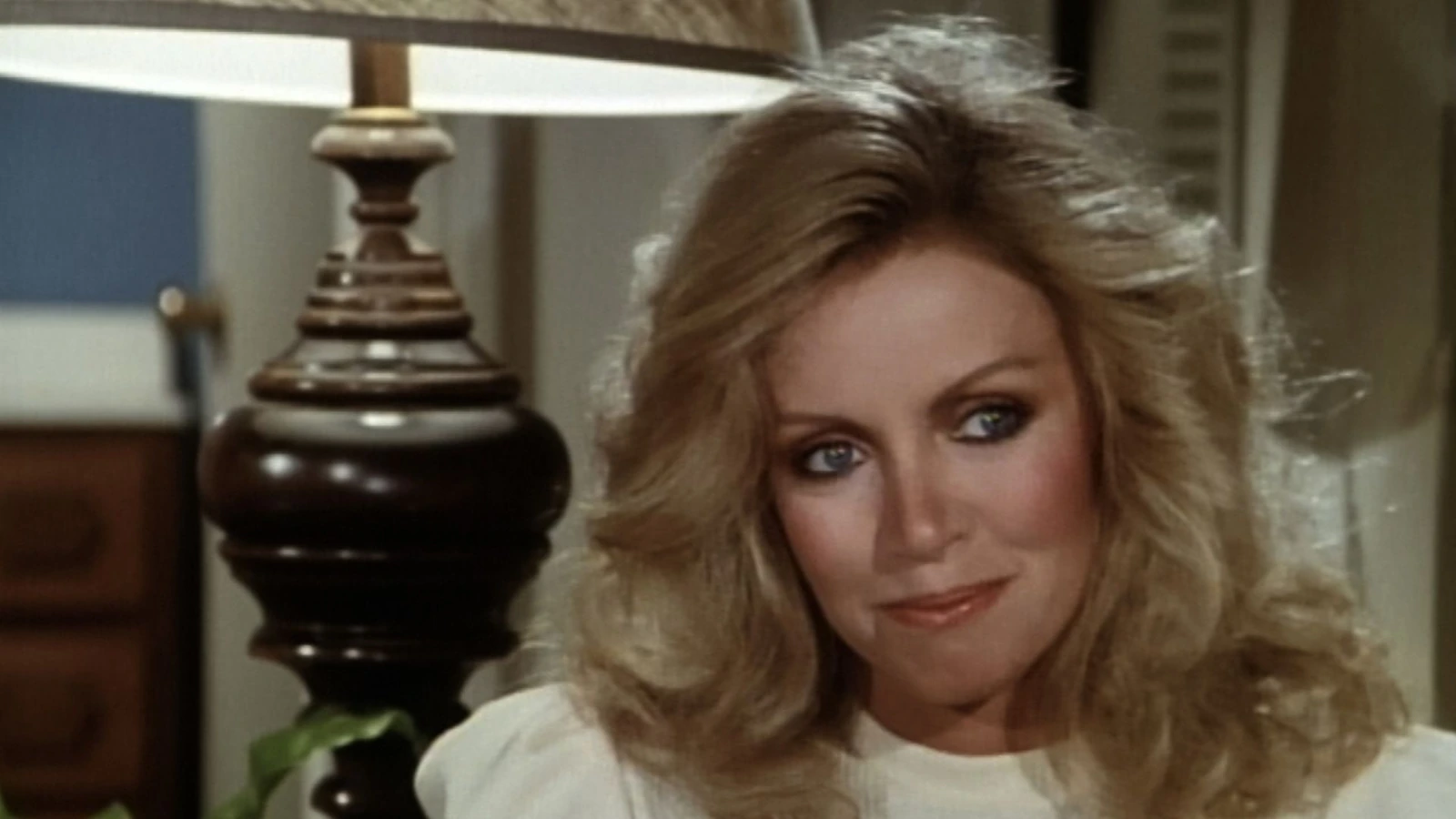
Donna Mills joined in the second season as Abby Cunningham, Sid’s younger sister. Abby came with children, a former marriage, and an interest in the available possibilities. She could look at the same street Karen regarded as a community and see people whose desires might be useful.
Mills made the character much more entertaining than a simple announcement that the villain had moved in. Abby could be warm, amused, impatient, or persuasive. She did not need to look sinister while choosing the most advantageous arrangement. A confident smile could do considerably more damage than an ominous entrance.
Her early connections with Richard Avery and then Gary brought her directly into existing marriages. These were not anonymous obstacles placed in front of a new star. The audience already knew the people who would be hurt, which made Abby’s confidence both enjoyable and uncomfortable. You might admire how quickly she understood a weakness and still dislike what she intended to do with it.
She also had her own vulnerabilities, especially involving Olivia and Brian. Motherhood did not cancel the ambition. It made the ambition belong to a fuller person, somebody capable of feeling genuine fear while continuing to make decisions that caused fear elsewhere.
Abby became one of the defining attractions of 1980s prime-time soaps. The hair and the eyes were unmistakable, but the essential asset was Mills’s control. She could make a calculation look like an entirely reasonable response to a situation, particularly if everybody else had been foolish enough to explain what they wanted.
Laura and Richard Avery made the early street much less comfortable
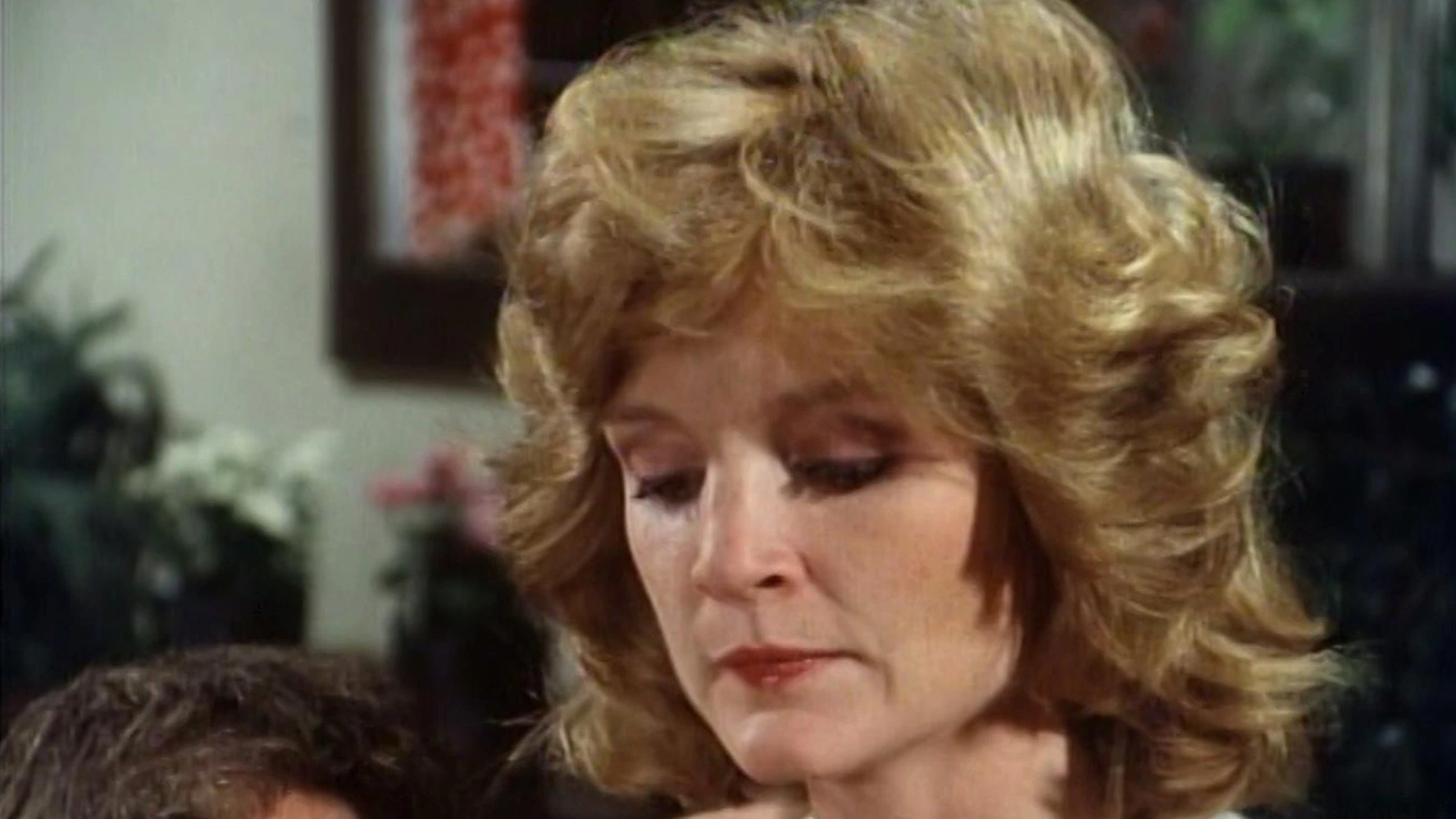
Constance McCashin’s Laura and John Pleshette’s Richard were one of the original households, and their marriage supplied a different set of pressures from Gary and Val’s attempt at reconciliation. Richard’s frustrations about work, status, and the life he thought he deserved could make home a difficult place for somebody else to occupy.
Pleshette could give Richard enough insecurity to make the behavior intelligible without making it harmless. A man disappointed in himself can become very skilled at relocating the disappointment onto a spouse. Laura had to navigate that atmosphere while developing her own working life and a stronger sense of what she was entitled to want.
McCashin’s performance was an important part of the series’ quieter strength. Laura could be observant and funny without insisting that everybody notice. Her eventual growth mattered because the earlier discomfort had been allowed to exist. She did not simply transform from one plot description into another when a more attractive prospect entered the story.
The marriage also took the series into disturbing territory, including Richard’s breakdown and his holding Laura at gunpoint. Those were serious events within relationships viewers had lived with over time. The danger was not arriving from a stranger outside the neighborhood. It could occupy the house everybody had been passing all season.
Richard’s later departure did not erase his place in Laura’s history. When he returned around her death, the series could draw on years that belonged to both characters. That is one advantage of a neighborhood drama willing to remember: a person can leave the street without becoming somebody who never mattered.
Kenny and Ginger had their own version of the fresh-start problem
James Houghton’s Kenny Ward and Kim Lankford’s Ginger were another original couple, younger and caught in a different stage of building a life. Kenny’s music-industry work and Ginger’s ambitions gave the early series a household that did not simply repeat the problems next door.
The marriage had infidelity and uncertainty to deal with almost from the beginning. The promise of being newly established could coexist with the discovery that a partner had not settled into the same idea of married life. A house on the right street is not a guarantee that the people inside it agree on what they have started.
The music connection also became useful as the program evolved. It supplied a natural route toward recording, performance, and characters whose appeal could complicate more than one household. The later Ciji story did not have to arrive in a town that had never shown any interest in a singer before.
Ginger’s development mattered alongside the more heavily remembered Val–Gary–Abby triangle. An ensemble is stronger when the original couples are allowed different needs. Not every woman wanted the same career, and not every man was failing in precisely the same fashion. The early seasons had space to establish those distinctions before larger serial plots became dominant.
Kenny and Ginger left for Nashville after the fourth season, carrying that musical direction out of the neighborhood. Their departure marked a change in the original balance. Newer characters would expand the show’s reach, but the first version had been built around several marriages, including this one. The street’s later fame should not make its original residents disappear from the story.
Sid’s death made the danger feel permanent
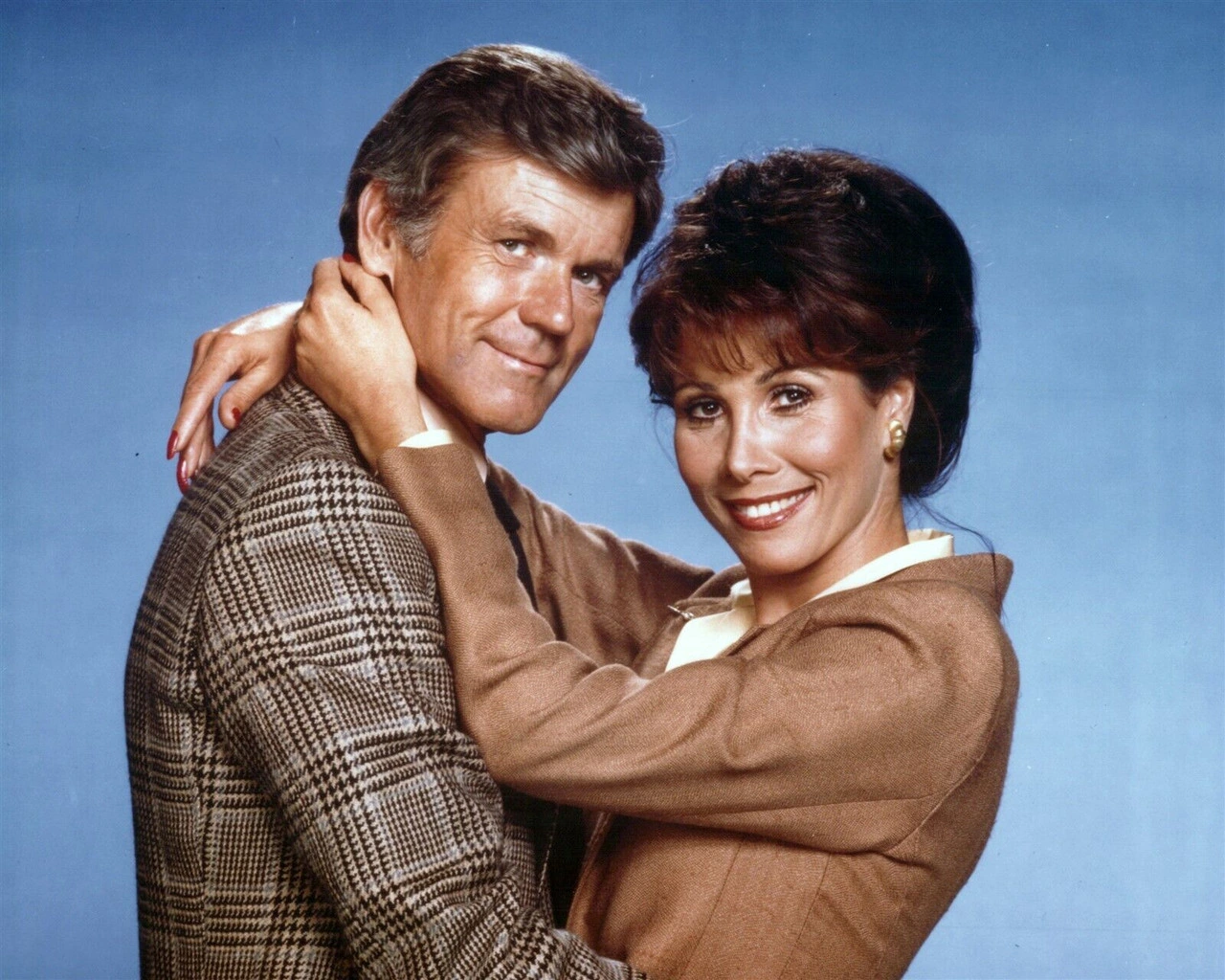
The second season ended with Sid’s car going off a cliff after its brakes had been tampered with. He had become involved in a criminal problem connected to stolen car parts. The danger grew out of the work and relationships the series had already established, then struck one of the people who made the neighborhood feel safest.
The third season followed him into the hospital. “Critical Condition” put the possibility of a dangerous operation before Sid and Karen, and the story did not provide the comforting rescue many viewers might have expected. Sid died in 1981, leaving Karen a widow and the Fairgate children without their father.
That decision changed the show’s emotional terms. A central, decent person could be lost, and the household would have to continue. Karen could not defeat the event by being energetic enough or by finding the right person to question. Lee had to take a character known for motion and determination into the experience of something she could not fix.
The effect also extended beyond the Fairgate house. Gary had worked with Sid. Abby was his sister. The dealership and the neighborhood had been organized partly around his presence. His absence therefore traveled through a network of relationships instead of remaining confined to a single grief story.
It is one of the clearest early examples of what made Knots Landing endure. The dramatic event was important, but the continuing work was living after it. Another season did not deliver a new Sid to restore the old arrangement. The people who loved him had to carry him forward into a different version of their lives.
Karen’s determination could help—and could get in her own way
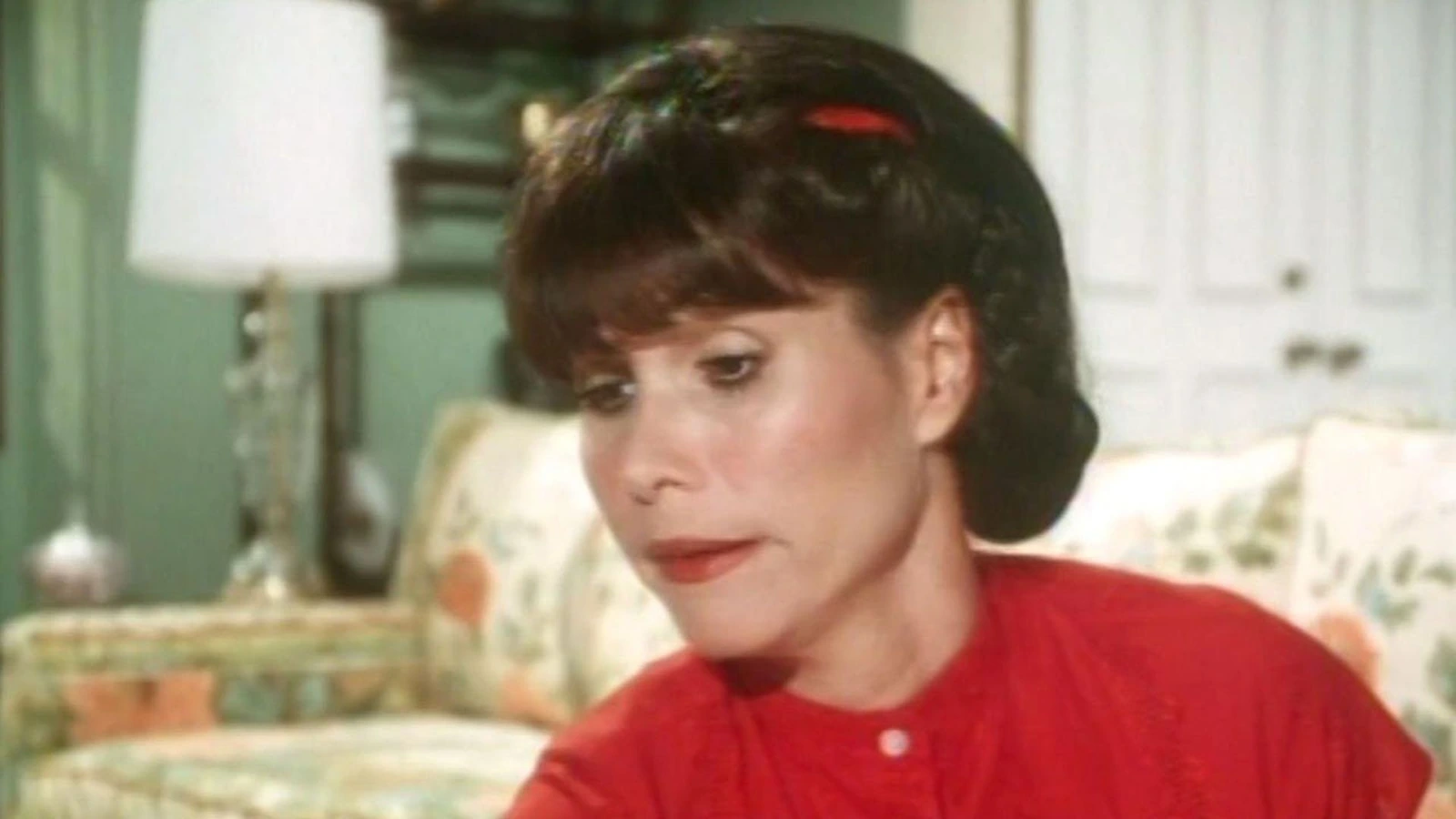
Karen became one of the great centers of the series because Michele Lee let her be more than the sensible neighbor. She could be generous, forceful, funny, convinced, and extraordinarily difficult to stop once she believed she understood the problem. Those qualities could save somebody’s day or make the day much longer.
After Sid’s death, the dealership and the family gave her practical responsibilities as well as grief. She had to make decisions, contend with Abby, and remain a parent to children whose reactions did not always resemble her own. Keeping everything going was a form of courage, but it did not mean she was handling every feeling neatly.
The Diana–Chip story later put her in a different sort of helplessness. Karen could see danger in a relationship her daughter was defending. Knowing she was right did not give her the power to make Diana accept it. The strain helped lead into Karen’s dependence on prescription medication, a serious complication for somebody accustomed to being a source of steadiness.
Lee could make Karen’s certainty appealing without concealing its cost. The character was often trying to do the useful thing, but the people around her were entitled to react to the force with which she did it. That kept the friendship with Val and the marriage with Mack from becoming arrangements in which one person always delivered the correct answer.
Karen made the neighborhood feel connected. She was the person likely to notice, ask, object, or continue asking after somebody had tried to close the subject. In a street with this many concealed problems, that was a necessary service. It was not always a service the neighbors had ordered.
The 1982 episode “Reunion” found another way to challenge her certainty. Jessica Walter played Victoria, a successful fashion designer and old friend whose visit raised uncomfortable questions about career, motherhood, and Diana’s independence. A fashion show could put the women in glamorous clothes while leaving Karen with a much less glamorous parental problem: her daughter liked an opportunity Karen did not approve of. The gowns were the easy part. Accepting that Diana might want a life organized around somebody else’s exciting proposal required considerably more adjustment.
Mack gave Karen a new marriage without pretending Sid had not existed
Kevin Dobson joined as Mack MacKenzie in 1982. His legal work connected him to Karen’s efforts to pursue justice around Sid’s death, giving the relationship a serious beginning before it developed into romance. The character did not arrive as a man whose job was simply to recreate the earlier marriage.
Dobson brought a different energy. Mack could be intense, direct, impatient, and protective. Beside Karen, that created a couple with enough force on both sides to keep a disagreement from turning into one person delivering a lesson while the other listened politely. They could want the same outcome and still have a lively argument about how to get there.
The marriage expanded the family without erasing what had come before. Karen’s children had their own responses to a new adult in the household, and Mack’s past eventually brought other relationships to the door. The home was still a place where earlier lives could interrupt the present arrangement.
His work also gave the series a route into legal and criminal stories that belonged to a regular character. Karen did not have to become an investigator every time the neighborhood needed one. Mack could follow a lead, become too committed, or bring professional danger back into the domestic world.
Their later connection to Laura and Greg’s daughter Meg gave the marriage another emotional responsibility. Raising a child after a friend’s death is a very different proposition from winning an argument at the dealership. Lee and Dobson gave the series a couple capable of facing that change, with enough tenderness to make the home feel like somewhere a child might safely belong.
Lilimae could be charming, embarrassing, and impossible to dismiss
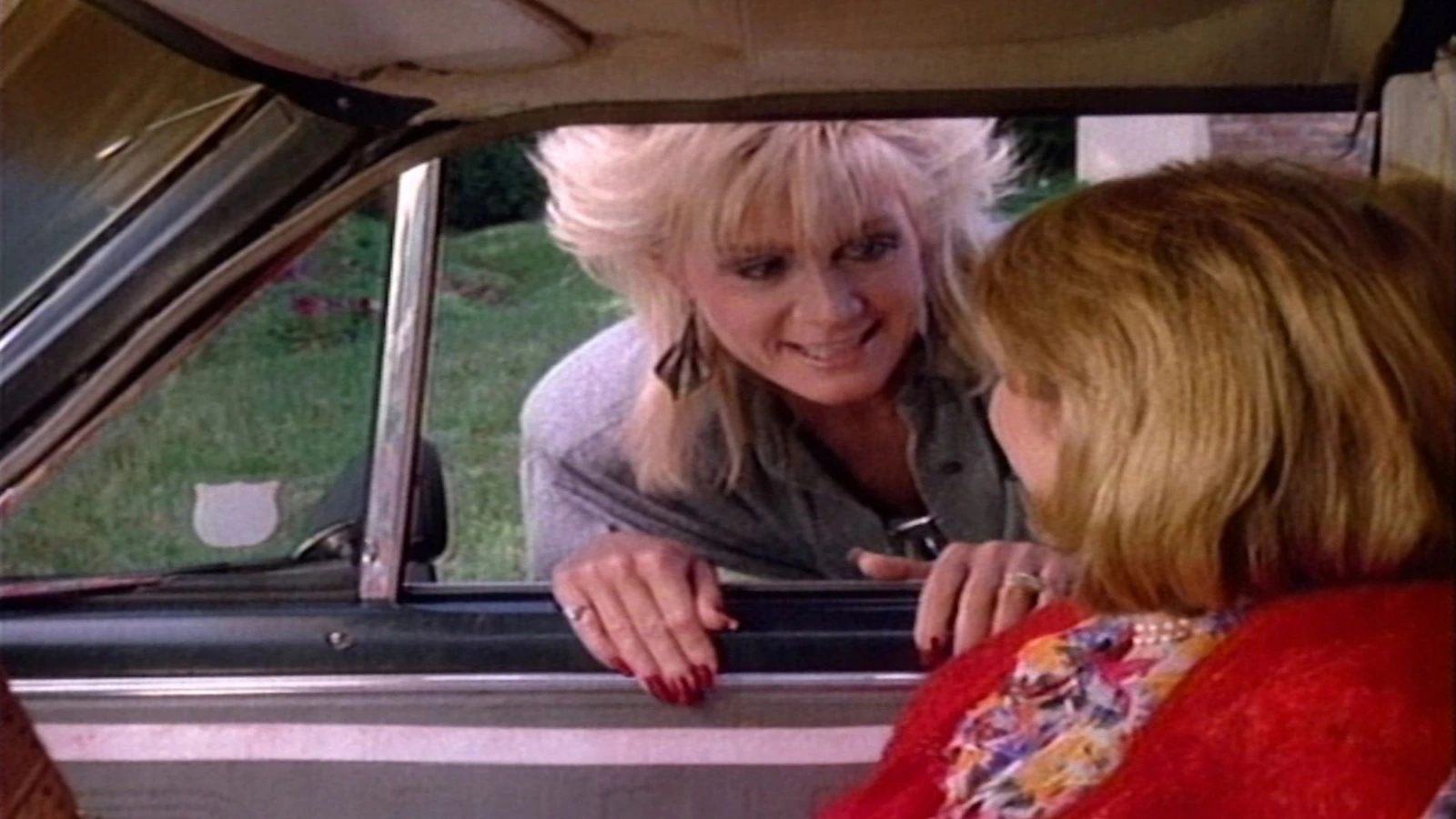
Julie Harris’s Lilimae Clements brought Val’s family past into the neighborhood. The relationship between mother and daughter carried hurt that could not be solved by having a famous, charming performer walk through the door. Harris could make Lilimae appealing while letting the audience understand why Val might not find every appearance reassuring.
The character had musical hopes and an ability to make her own desires feel urgent. That created room for comedy, but also for the less amusing experience of being a daughter asked to accommodate a parent whose earlier choices had already cost her a great deal. Their attempts at a closer relationship were more interesting because neither the affection nor the resentment had to disappear.
Lilimae’s response to Chip made the family connections more volatile. She could attach herself to a person with considerable confidence and then confront the consequences of having misread him. A neighborhood full of secrets did not become safer just because a visitor made a favorable impression on somebody’s mother.
The arrival of Joshua Rush, her son and Val’s half-brother, brought another part of her history into the present. Alec Baldwin’s Joshua did not simply add a handsome young face. He represented a relationship Lilimae had left behind and a set of needs that would become increasingly difficult for everyone around him.
Harris gave the role enough life to make these connections feel like family, with all the mixtures that implies. Lilimae could be loved and resented in the same scene. Val did not have to choose one permanent opinion of her mother for the audience to understand the bond.
Ciji’s songs made the murder story hurt more
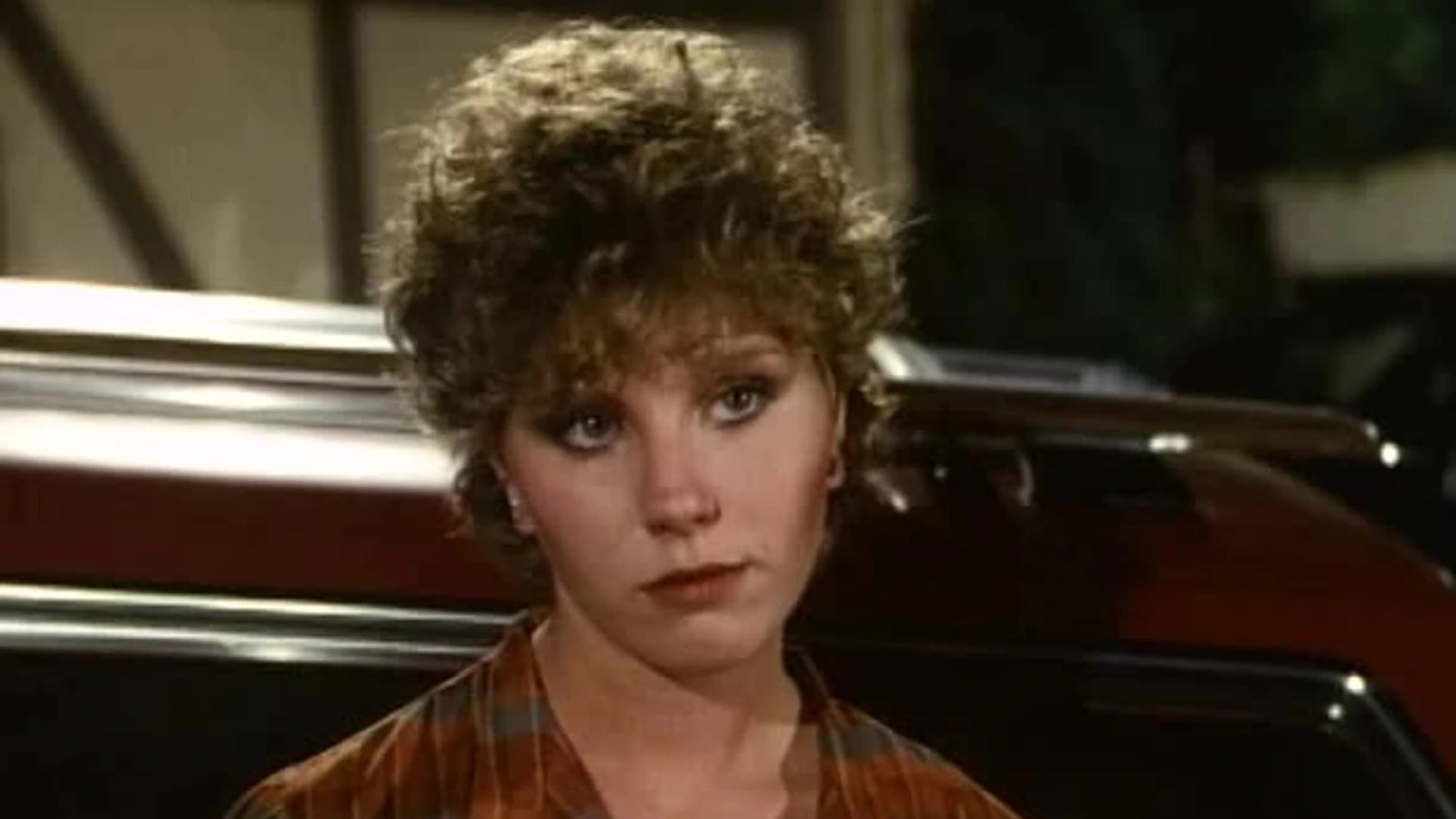
Lisa Hartman’s Ciji Dunne entered the fourth season through the show’s music world. Gary took an interest in her career, while other relationships made the singer important to more than one household. The performances gave viewers a reason to spend time with her before the mystery turned her into its central loss.
That is crucial to the story’s appeal. A murder victim can be introduced as a problem for the detectives. Ciji had been a person in the ensemble: attractive, vulnerable, talented, and capable of changing the atmosphere around her. Her connection with Laura was one of the relationships that made her presence reach beyond Gary’s interest.
Chip Roberts, played by Michael Sabatino, supplied the danger beneath the social surface. He was connected to Val’s publishing world and became involved with Diana as well as Ciji. The conflicting relationships meant that the eventual murder investigation could move through people viewers already knew, rather than a lineup of strangers introduced to look suspicious.
When Ciji’s body was found, Gary became a prominent suspect, and the season’s ending left him facing the consequences. The television season ending in 1983 was the broadcast setting for this turning point, as the series became a more tightly connected serial.
The music was not a detachable extra. It had made Ciji more memorable and helped draw other characters toward her. Losing the singer therefore changed the emotional sound of the show as well as its mystery plot. The audience had heard her occupy a room; now the room had to account for her absence.
Cathy was a new person, and Chip was still trouble
Hartman returned in the fifth season as Cathy Geary, a different woman who resembled Ciji. The distinction is important to the story: Ciji did not turn out to be secretly alive. The show retained a performer viewers had responded to while giving the resemblance a role in the existing drama.
For Chip, the likeness could become a threat because he was carrying the reality of what had happened to Ciji. His relationship with Diana had already damaged her relationship with Karen, and the pursuit of him was drawing the family into increasingly dangerous territory. A charming visitor had become somebody whose real identity and conduct mattered terribly.
The story gave Sabatino more to play than a man wearing an obvious warning sign. Chip had been able to persuade people to trust him. The consequences were worse because the trust had been personal, particularly for Diana and Lilimae. Being told that someone is dangerous feels different when you have already defended him to your family.
Cathy’s later relationship with Joshua created another unsettling pattern. Attraction and a chance at a new life could become control once the person making the promises gained power. Hartman’s presence connected the music-driven years to a new story without requiring the same woman to experience an impossible resurrection.
That flexibility was part of the serial’s craft. An actor could become valuable enough to keep, yet the writers still needed to account for the emotional effect of what they had already done. Bringing back the face did not have to erase the death. The resemblance could remind everyone of a loss while allowing another character to make her own place.
Greg Sumner could make a terrible idea sound almost sensible
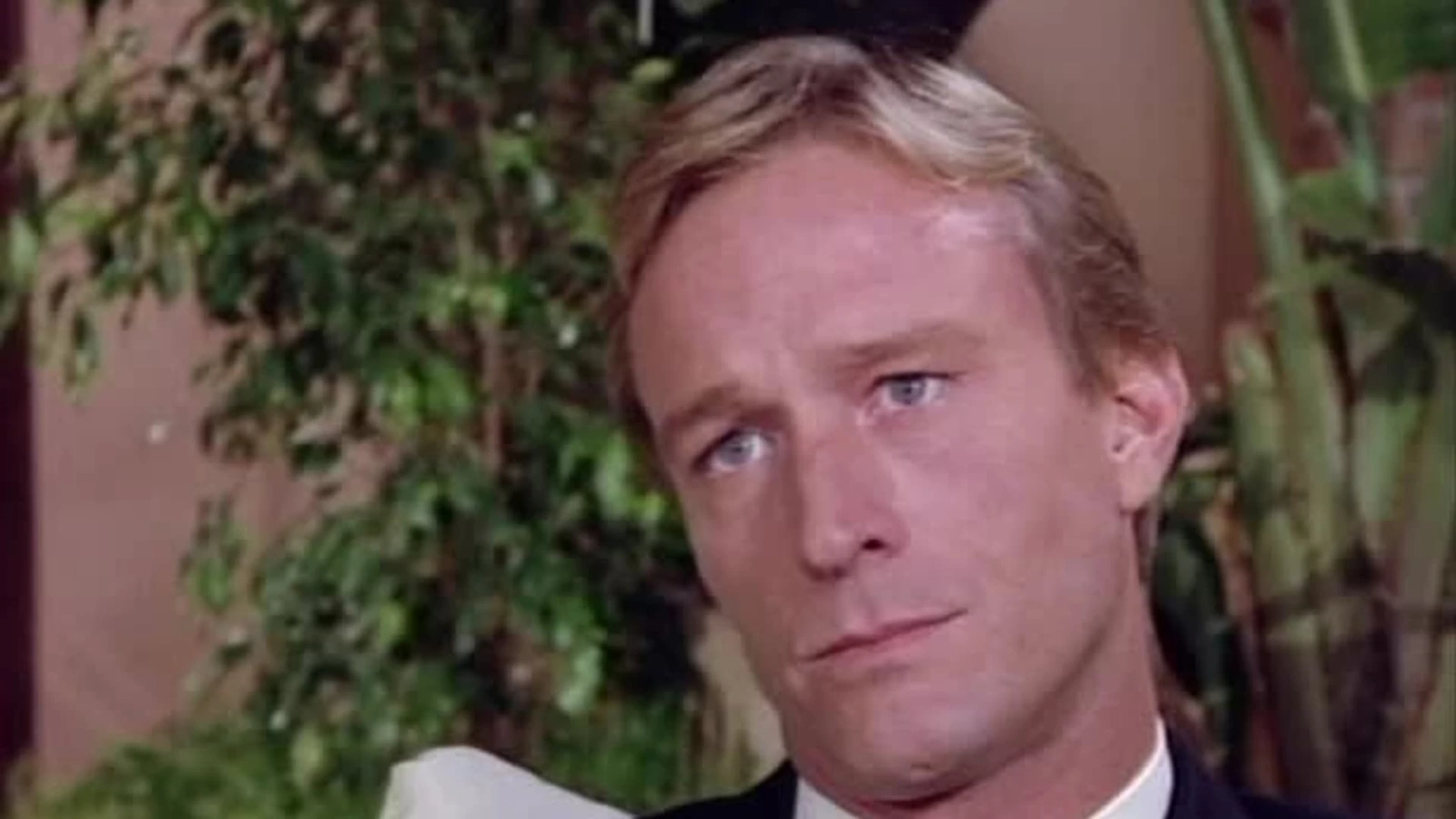
William Devane arrived as Greg Sumner in the fifth season, bringing political ambition and a wonderfully dry manner into the neighborhood’s expanding world. He could sound amused by a problem that had made everybody else frantic. The confidence was attractive, especially if you were not the person who would be paying for his preferred solution.
Greg widened the show’s reach into politics, money, and influence without needing to behave like a visitor from another genre. Devane could make a powerful man seem humanly peculiar: sardonic, guarded, occasionally tender, and fully capable of choosing the advantageous arrangement while recognizing exactly what it was.
His relationship with Laura was one of the best uses of that personality. McCashin did not have to match his style to hold a scene with him. Her quiet intelligence could meet his defenses without turning every exchange into a competition for the sharpest remark. The attraction made sense because the two performers let us see a relationship developing beneath their habits.
The Galveston inheritance and the arrival of his mother Ruth added another family structure to his power. Howard Duff played Paul Galveston, and Ava Gardner’s Ruth brought considerable presence to the role of a mother with her own opinions about Greg’s life. The wealth had a history, and the history did not promise domestic harmony.
Greg became central because he could connect the public and private sides of the show. A business decision could threaten someone in the neighborhood; an attachment could complicate the next political calculation. Devane made it entertaining to watch a man attempt to remain above the mess while repeatedly choosing a place inside it.
Lotus Point gave the neighbors something else to fight over together
The Lotus Point stories expanded the series beyond the original houses. Karen, Gary, and Abby became connected through a business venture that brought land, development, and incompatible ambitions into a shared enterprise. Friendship and marriage were no longer the only arrangements capable of turning a neighbor into a problem.
It was an especially useful combination of people. Karen could approach a question with a strong idea of fairness. Gary could be enthusiastic about the opportunity and vulnerable to whoever seemed to understand it best. Abby could recognize an advantage and see little reason to leave it unused merely because somebody else would find it upsetting.
The property made the characters’ differences operational. A disagreement did not have to remain an opinion expressed over coffee. It could become a concealed company, an unfavorable arrangement, or a decision that affected the other partners’ money. The business plots could therefore grow while still belonging to people whose domestic behavior viewers understood.
Abby’s maneuvers around Lotus Point also showed how consistently she could adapt. The ambition did not require one fixed goal or one permanent ally. If the situation changed, she could reassess who needed what and whether the new arrangement had room for her at the center.
This was the series moving toward larger soap territory without giving up its most useful connections. The land mattered because Karen, Gary, and Abby were attached to it. The audience did not have to become fascinated by development procedure in the abstract. It only had to understand that sharing a business with these neighbors was unlikely to improve the neighborhood’s peace.
Val’s babies made disbelief the cruelest part of the story
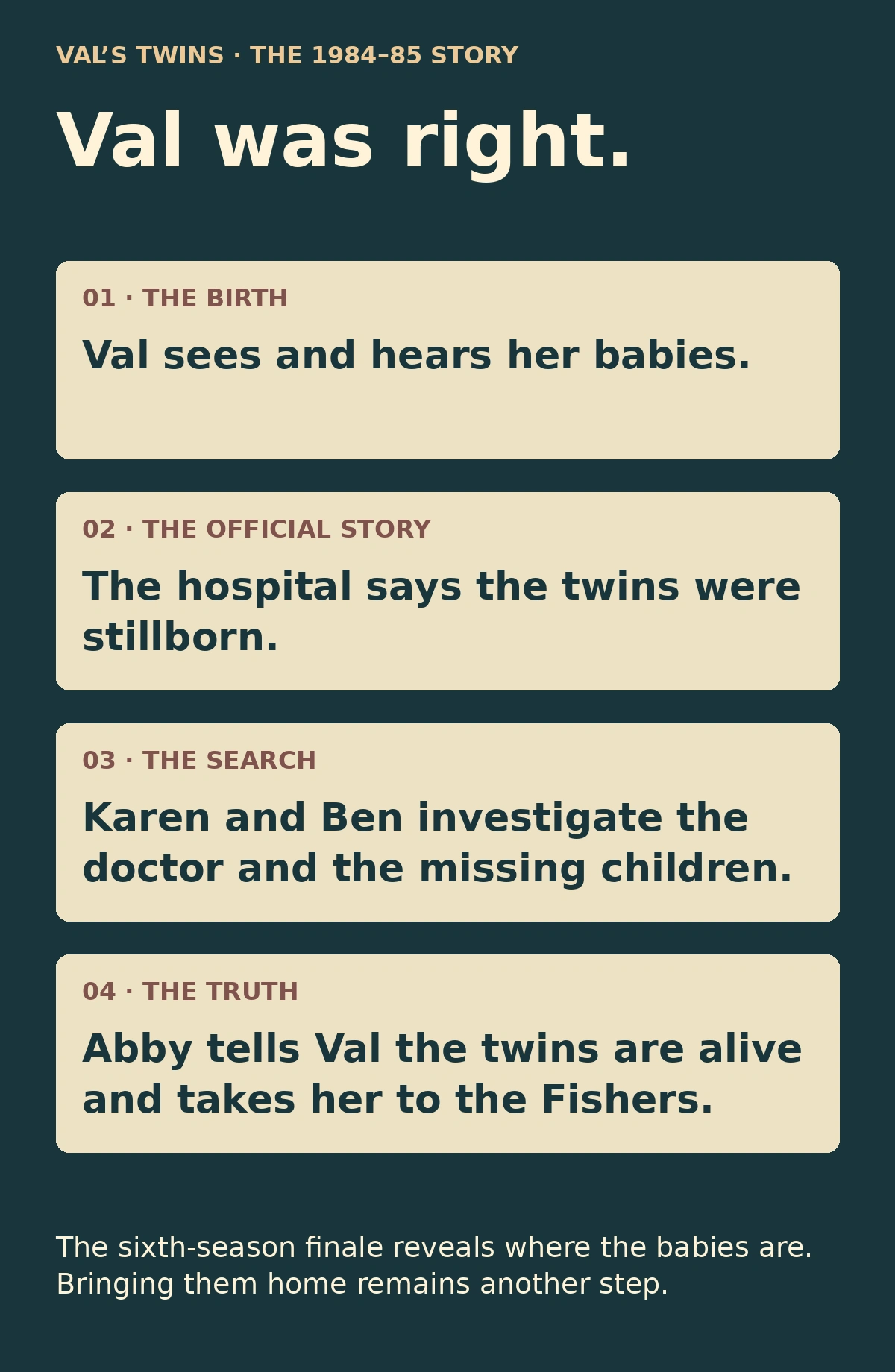
The missing-twins story began in the sixth season, 1984–85, after Val became pregnant with Gary’s children. Ben Gibson, the journalist played by Douglas Sheehan, had become important in her life, while Gary was married to Abby. The emotional arrangement was complicated before anybody at the hospital decided to conceal the truth.
After the birth, Val was told the babies had died. She believed she had seen them alive. That conviction became the center of the story, and Van Ark had to carry both the grief and the experience of being treated as though her insistence itself proved she could not be trusted.
The audience’s investment did not depend only on wanting the crime solved. It depended on wanting Val to be believed. Years of watching her sensitivity and vulnerability gave the story a foundation. People who cared about her could still make the awful mistake of accepting the official explanation over what she was saying.
Abby’s role needs to be described accurately. Scott Easton arranged the kidnapping after learning about the problem the pregnancy posed for her; she had not simply issued an order to steal the children. Her later knowledge, self-protection, and involvement made her morally entangled without turning the storyline into a simpler scheme than it actually was.
The children ended up with Harry and Sheila Fisher. Karen and Ben pursued evidence that something had happened at the hospital, including the doctor’s role and a nurse who had been paid. The search gave the community a concrete task after so much of the story had consisted of deciding what to believe about one woman’s suffering.
By “The Long and Winding Road” in May 1985, Abby told Val the children were alive and took her to the Fishers’ house, but the resolution was still not as simple as arriving at a door. The series could make hope into another suspenseful journey, because recovering the truth was not automatically the same as bringing the children home.
Verna Ellers was a life Val could enter when her own became unbearable
During the twins’ disappearance, Val left the neighborhood and lived in Tennessee under the name Verna Ellers, a character from her writing. The new identity gave the story a striking way to show her dislocation. She was not merely taking a short break from the street. She was trying to inhabit a different account of who she was.
It was a difficult assignment for Van Ark, because the story could easily have treated the altered identity as nothing but a sensational detour. The performance had to keep the hurt connected to the woman viewers knew. Val’s need for another life came from the destruction of something she had expected to be real and secure.
Gary’s search for her brought their continuing bond back into focus without settling all the damage between them. He could find and help her while remaining the man whose choices had helped make her life unstable. Their attachment was powerful; it was not a magic method of removing the consequences of their history.
Ben offered a different relationship, and Sheehan gave him enough steadiness to make that possibility worth considering. Being dependable in Val’s life was not a minor qualification. It also did not guarantee an uncomplicated future when her children, Gary, and the neighborhood’s continuing emergencies remained part of the picture.
The Verna story therefore belongs inside the larger babies story, rather than on a separate list of bizarre soap events. The name and the distance express a rupture viewers had watched happen. Returning home meant facing the same people and the same unresolved question: if the babies had been alive, why had everyone been so willing to accept that they were gone?
In 1985, this supposedly quieter soap was a Top 10 hit
Knots Landing built toward a peak that makes its later reputation look well earned. It finished eleventh for 1983–84 and ninth for 1984–85. The second of those seasons includes the missing-twins storyline, one of the clearest examples of the series turning long-standing emotional investment into a major serial attraction.
The television rankings for the season ending in 1984 show the program just outside the Top 10. That was already a substantial achievement for a show that had begun with marital problems around a small street. The larger mysteries and business stories were finding a growing audience.
The 1985 season rankings place it inside the Top 10. The date matters: a story broadcast across fall 1984 and spring 1985 belongs to the season ending in 1985. It was not a success that happened vaguely at some point in the middle of the decade.
The show regularly occupied CBS’s Thursday late-evening position, with schedule changes at different points in its long run. It was separate from the Friday pairing of Dallas and Falcon Crest, which helped give its audience a different weekly appointment with a different sort of community.
The numbers do not prove that every storyline worked. They do show that its major years were not a secret pleasure known only to a few exceptionally loyal fans. For a time, a large part of the television audience wanted to know what had happened to Val’s children and what the neighbors would do when the truth finally came through the door.
The opening made the neighborhood instantly recognizable
Jerrold Immel’s theme gave Knots Landing a musical identity of its own. It could sound inviting without promising a restful hour. The melody had room for the domestic surface and the suggestion that something underneath it was not quite settled, which was a sensible warning to give before visiting this street.
The changing title sequences reinforced the ensemble. Faces and places shared the introduction; the attraction was a group of people occupying the same world. Over a long run, a familiar opening can become a tiny reunion before the new trouble starts. It tells you who belongs here, even when the coming episode is about to make belonging extremely uncomfortable.
That routine mattered on a series built through accumulation. A character might arrive late, move to the center, and eventually become somebody whose absence you would notice immediately. The opening registered those changes in a compact form. The neighborhood could look recognizable while the particular people making it feel like home kept changing.
Joshua turned a new family connection into a frightening one
Alec Baldwin played Joshua Rush, Lilimae’s son and Val’s half-brother. He arrived as someone the family had not properly known, then became involved with Cathy and gained a public role through television evangelism. The distance between a persuasive public image and the conduct at home became the center of the danger.
Joshua’s relationship with Cathy grew controlling and abusive. The story did not need an anonymous villain to threaten her. It had a man whose place inside the family had already made people want to understand and welcome him. That made the recognition of his behavior more uncomfortable than simply discovering a stranger was dangerous.
Baldwin’s intensity suited the change. The character could draw attention and appear convincing while becoming increasingly unstable. Hartman had to play Cathy as a person caught inside the relationship, not simply the figure waiting to provide a clue for the other regulars.
Lilimae’s part in the story was especially painful because welcoming Joshua had been connected to her own history of loss and abandonment. Harris could not make the family problem disappear through charm. The son represented a chance to recover something, which made the reality of what he was doing harder to absorb.
Joshua’s death ended one form of danger, but it did not make the relationships involved ordinary again. The story had shown how a new connection could draw on existing needs and hopes, then become something the family was poorly prepared to recognize. Knots Landing was often strongest when the reason a person had been trusted became part of the reason the betrayal hurt.
Olivia gave Abby a problem she could not manage like a deal
Tonya Crowe’s Olivia had grown up within Abby’s complicated life. By the later eighties, her drug problems gave the series a way to put pressure on Abby somewhere the usual methods were less useful. A business opponent can be outmaneuvered. A frightened child is not simply a badly positioned negotiator.
Mills’s performance benefited from the change in scale. Abby could still be controlling, defensive, and fiercely determined, but the stakes exposed feeling that could not be explained away as a preference for winning. The audience did not have to forget her earlier conduct to believe she loved her daughter.
That complication made the character more interesting. A villain who cares about nobody is easy to predict. Abby’s genuine attachments could exist beside her willingness to manipulate other people, which meant a story about Olivia did not have to become an official pardon for every decision her mother had made.
The younger characters also kept the neighborhood from remaining frozen in its first-season arrangement. Children grew old enough to carry stories, challenge their parents, and expose the limits of the household’s preferred explanation of itself. Karen’s children and Abby’s children were not obliged to become the people the adults had been planning for.
The street therefore accumulated another generation of consequences. Abby’s confidence could still be entertaining in the office, but it played differently when her own family was frightened. The show was able to turn a familiar trait around and let viewers see what it could not accomplish.
Laura’s death let the neighborhood become quiet in the hardest way
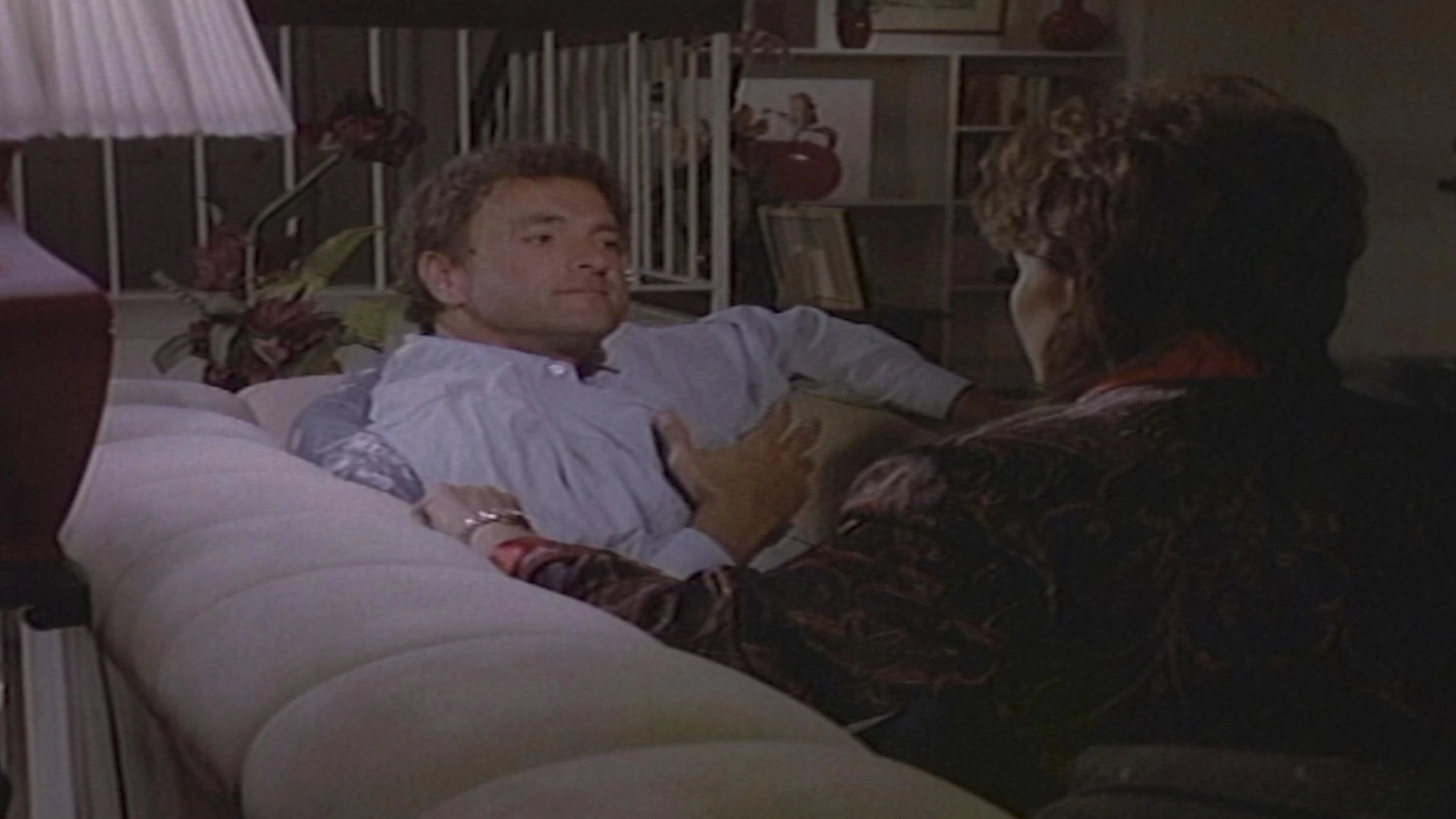
Laura’s relationship with Greg had given her a different life from the marriage viewers first encountered. When the ninth season brought her brain tumor and departure, the series was losing someone whose growth had happened gradually, through years of choices, disappointments, work, and unexpected tenderness.
McCashin had made Laura important without requiring her to dominate every major plot. That is part of why the loss registered. A character who listens, notices, and occasionally delivers the dry observation can become essential to the atmosphere of a show. Her absence changes how everyone else’s noise sounds.
The two-part “Noises Everywhere” in 1987 gathered people around her death and its aftermath, including Richard Avery. The former husband belonged in the history even though Laura had built another marriage. Grief brought old and current relationships into the same space, where nobody could reduce the person who had died to the final arrangement of her life.
Devane’s Greg had to face the loss and the responsibility of their daughter Meg. The guarded man whose humor could keep other people at a distance was confronting something no useful calculation could repair. That made the continuing story of Karen and Mack’s care for Meg more than a fresh domestic complication.
The episodes are a particularly clear answer to the idea that a soap’s value lies only in the next shock. Laura’s death matters because of the life the series had already allowed viewers to know. The event takes her away. The scenes afterward make room for the people who cannot agree on how to bear it.
Paige arrived with another past Mack had not finished living
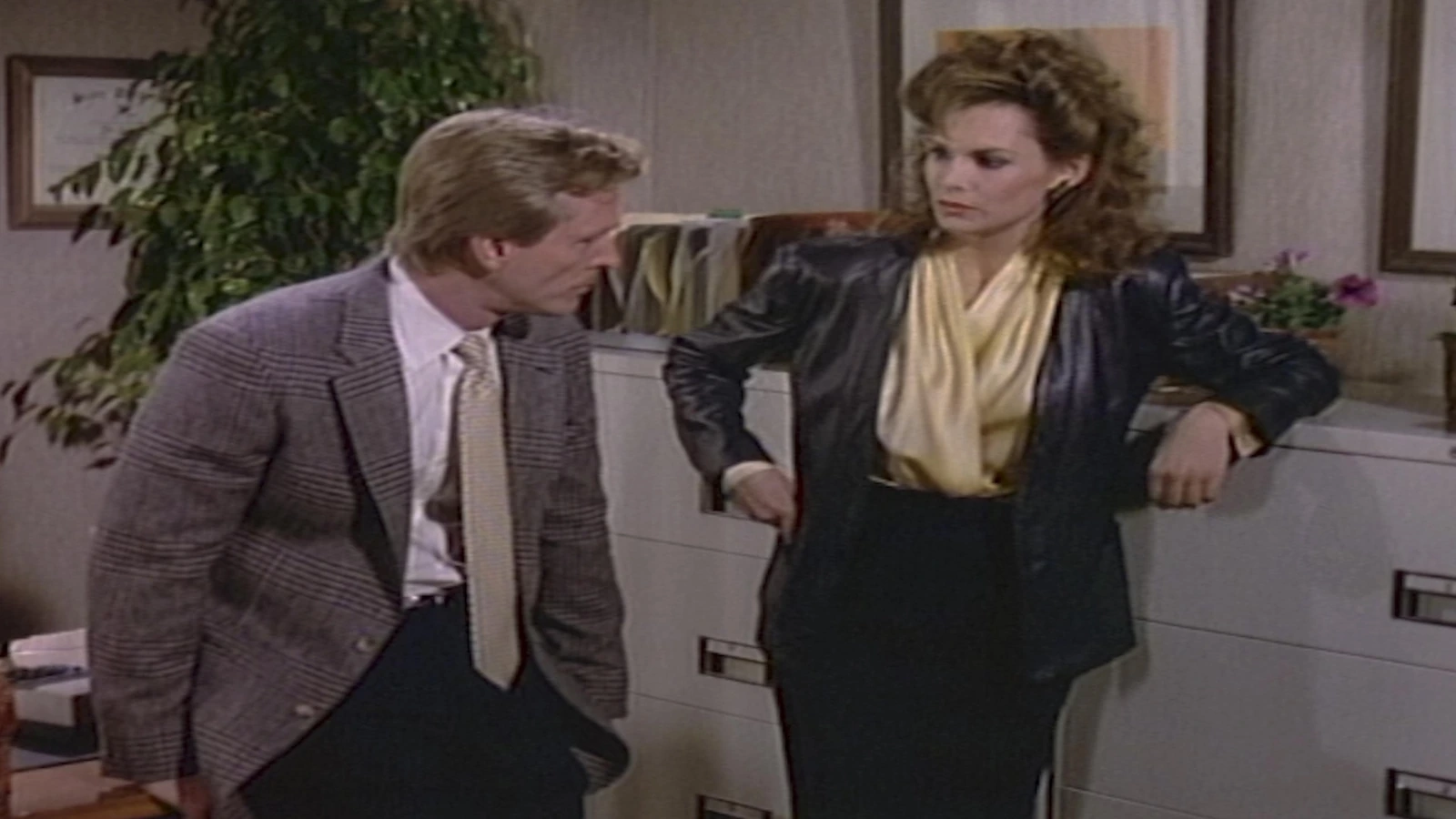
Nicollette Sheridan’s Paige Matheson brought Mack a daughter and the series a new young woman whose position could not be reduced to visiting somebody else’s household. Her arrival connected an earlier relationship to Karen and Mack’s present life, complicating what the marriage had understood about its own boundaries.
Michelle Phillips’s Anne Matheson added another formidable personality to that history. The relationship between Anne and Paige gave the younger character a family connection with its own disappointments and competing needs. It was not necessary for every new woman on the show to become a version of Abby in order to make trouble.
Paige’s working relationship and attraction to Greg put her into the larger business stories. Sheridan and Devane supplied a different sort of energy from Greg and Laura. The age difference, the ambition, and the shifting balance of advantage could all become part of the attraction rather than inconveniences the show pretended not to see.
The later-eighties plots sometimes traveled far beyond the original cul-de-sac, including danger connected to Lotus Point and the Mexico story involving Paige and Michael. The neighborhood series had become a much larger machine. What kept the new stories connected was the fact that Mack and Karen had personal reasons to care about the people in danger.
Paige helped carry that evolving show into its next phase. She was part of the late-eighties version, not a character who had been living next door since Gary and Val unpacked. Keeping that distinction clear makes the growth easier to appreciate: this was a community that could change its center of attention without changing its entire address.
Jill’s attack on Val turned a familiar house into a trap
Teri Austin’s Jill Bennett became one of the later decade’s most dangerous presences. Her relationship with Gary placed her near the continuing attachment between him and Val, an attachment that could remain powerful regardless of the official arrangement at any given moment.
The ninth-season finale in 1988 brought Jill to Val’s home and forced Val to swallow pills at gunpoint. The intention was to make the result look like suicide. It is a frightening premise partly because the setting is so familiar: the place Val had been trying to make secure becomes the place where somebody attempts to destroy both her life and the account of what happened.
Val survived, but the next stage required other people to believe what she said. That echoed one of the series’ strongest recurring concerns without simply repeating the twins’ disappearance. A woman with a history of emotional distress could be placed in danger by an explanation that appeared more convenient than her testimony.
Austin gave Jill’s hostility an unsettling edge, and Van Ark once again had to play the difference between being frightened and being unreliable. The story made the credibility problem part of the danger. Surviving the attack did not guarantee that Val would immediately be believed about who had attacked her.
It was another example of Knots Landing using an outrageous event to reopen familiar relationships. Gary, Val, and their neighbors already had opinions and histories. The next question was not only what Jill would do, but whether those histories would help the people involved recognize what had happened—or make the recognition slower.
The Williams family had a reason to want an ordinary street
Larry Riley’s Frank Williams, Lynne Moody’s Pat, and Kent Masters-King’s Julie moved into the neighborhood in the ninth season. Their arrival introduced a family with its own past to conceal, eventually revealed through the witness-protection story. Wanting privacy was not simply a sign that they disliked the neighbors.
That premise made good use of the community’s established habits. Karen and Mack could be attentive and suspicious, which might look helpful from one side of the street and threatening from the other. The new family’s need to remain safe did not fit neatly with a neighborhood accustomed to asking why something seemed unusual.
Riley and Moody gave the series another adult household with responsibilities beyond joining an existing triangle. Frank and Pat had a daughter to protect and a reason to value the ordinary appearance of daily life. Their desire for a home connected them to the promise that had brought Gary and Val there, even though the dangers behind the move were different.
The story also allowed the show to demonstrate how a new family could become part of the street. Suspicion could change as information emerged. Friendship was not automatic, but neither did the characters have to remain permanently defined by the first misleading impression.
Late-eighties Knots Landing was capable of getting very complicated. The Williamses’ basic desire remained refreshingly clear: stay alive, protect the family, and make a life that looked ordinary enough to last. On this particular street, ordinary was an ambitious goal, but it was still a goal worth understanding.
Abby’s 1989 exit suited a woman unlikely to leave empty-handed
Donna Mills left the regular series in 1989. By then Abby had been involved with Gary, married Greg, pursued Lotus Point opportunities, and demonstrated an impressive ability to find a new angle when the previous arrangement became inconvenient. Her departure closed one major chapter of the eighties version of the show.
The exit involved her maneuvering around Lotus Point and a trade-envoy position in Japan. It was an appropriately strategic destination for a character whose ambition had rarely been confined to the immediate view from her front door. Even leaving could become another contest over who got the opportunity somebody else wanted.
Losing Abby changed the ensemble, because Mills had supplied a particular combination of appeal and danger. She could make a room brighter and less safe at the same time. Another schemer could enter, but another performer would not automatically reproduce that exact balance.
The series nevertheless continued. That is part of the meaning of the frozen title’s claim that it outlasted the flash: Knots Landing remained on television into 1993, beyond the original runs of its great eighties soap neighbors. The nineties continuation has its own developments; it should not be folded backward into a story about the decade that built the show’s identity.
By the end of 1989, the neighborhood had already survived enough change to demonstrate its durability. Original households had broken apart, people had died or moved, children had grown, and new residents had reasons to stay. Abby’s departure was significant precisely because the street had become a place capable of feeling an absence.
Dallas could change its mind; this street kept its history
The most revealing boundary between the programs came after Bobby Ewing’s death on Dallas. Knots Landing had acknowledged the loss as part of Gary’s family story. When Dallas later treated the intervening events as a dream and restored Bobby, the California series did not rebuild its own continuity around that decision.
That was a practical choice with a large effect on the show’s identity. A program that makes the consequences of events its principal attraction cannot easily declare somebody else’s year imaginary and then start checking which of its own scenes need to be put back. Gary’s connection to Texas remained part of his history, but the neighborhood was now operating with its own obligations to the people watching.
It is a useful footnote to the television landscape of 1986, when the parent show was making a much-discussed reset. The important point for Knots Landing is its independence. What happened here had to keep meaning something here. A street that remembers its losses cannot always accept a correction issued from another state’s shower.
The street kept the receipts, even when nobody wanted to discuss them
The lasting attraction of Knots Landing is not that it avoided extravagant plots. It certainly did not. Its advantage was the accumulated knowledge between the characters. A betrayal could arrive in a scene already carrying the memory of a previous kindness, a marriage, a grief, or a promise somebody had made at the worst possible time.
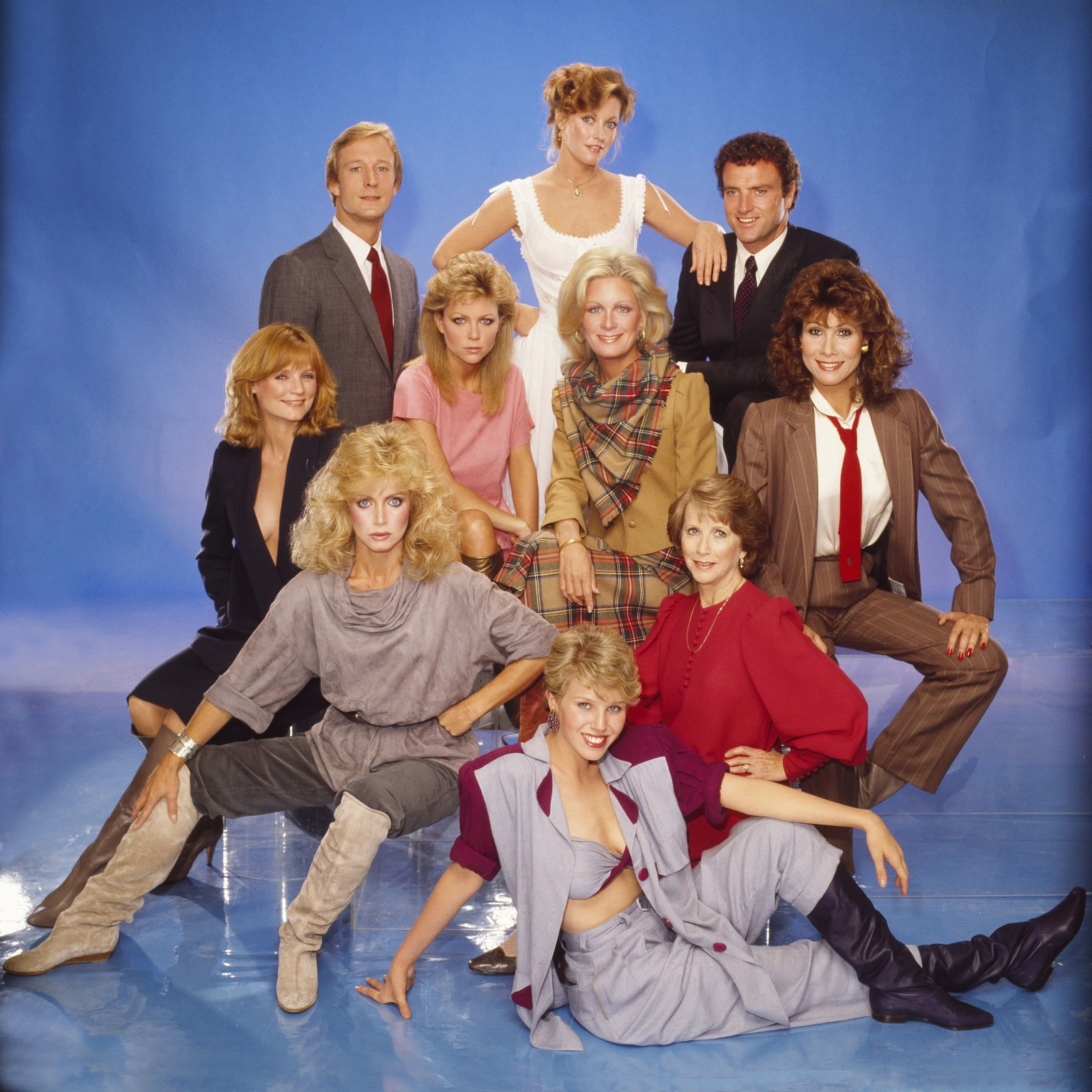
That gave Lee, Van Ark, Mills, McCashin, Dobson, Devane, Harris, Shackelford, and the rest of the ensemble something substantial to work with. They could play the current conversation while letting viewers feel the older ones underneath. A neighbor asking how you are can be a simple courtesy or an unbearably complicated question.
The houses helped preserve that feeling. An enormous estate can turn a character into the owner of a remote empire. A familiar front door makes the same person somebody you might have to see tomorrow. Even as the businesses grew and the crimes became more elaborate, the domestic spaces kept reminding the audience where the consequences would come home.
Beside Dynasty’s grander spectacle and the vineyard wars of Falcon Crest, it had a different emotional temperature. It could let a scene stay with embarrassment, grief, or an argument that did not end neatly. That patience made the next large event matter more, because the people affected had already been allowed to occupy ordinary time.
It remains one of the distinctive pleasures of 1980s television, and a strong part of the decade’s shared viewing history. The next episode might bring a terrible surprise. The reason to return was knowing who would have to answer the door.
Questions about Knots Landing in the 80s
When did Knots Landing start?
It premiered on CBS on December 27, 1979. The first season continued into 1980, and the original series ran for fourteen seasons through May 1993.
How was it connected to Dallas?
Gary Ewing was J.R. and Bobby Ewing’s brother. Gary and Valene’s move to California connected the new series to Dallas, while the neighborhood developed its own ensemble and stories.
When did Donna Mills join?
Mills joined in 1980, during the second season, as Abby Cunningham, Sid Fairgate’s younger sister. She remained a regular through 1989 and became one of the show’s defining performers.
Were Ciji and Cathy the same character?
No. Lisa Hartman played Ciji Dunne and later Cathy Geary, a separate woman who resembled her. Cathy’s arrival did not undo Ciji’s death.
What was its best ratings season?
Knots Landing finished ninth for the 1984–85 season, following an eleventh-place finish in 1983–84. The season ending in 1985 included the missing-twins storyline.