St. Elsewhere in the 80s: The Medical Drama Before ER
Revisit St. Elsewhere in the 80s: Westphall, Craig, Chandler, Fiscus, Ehrlich, the nurses, Time Heals, and the hospital life before the snow-globe finale.
The shows, the moments, and the nights we were there for it.
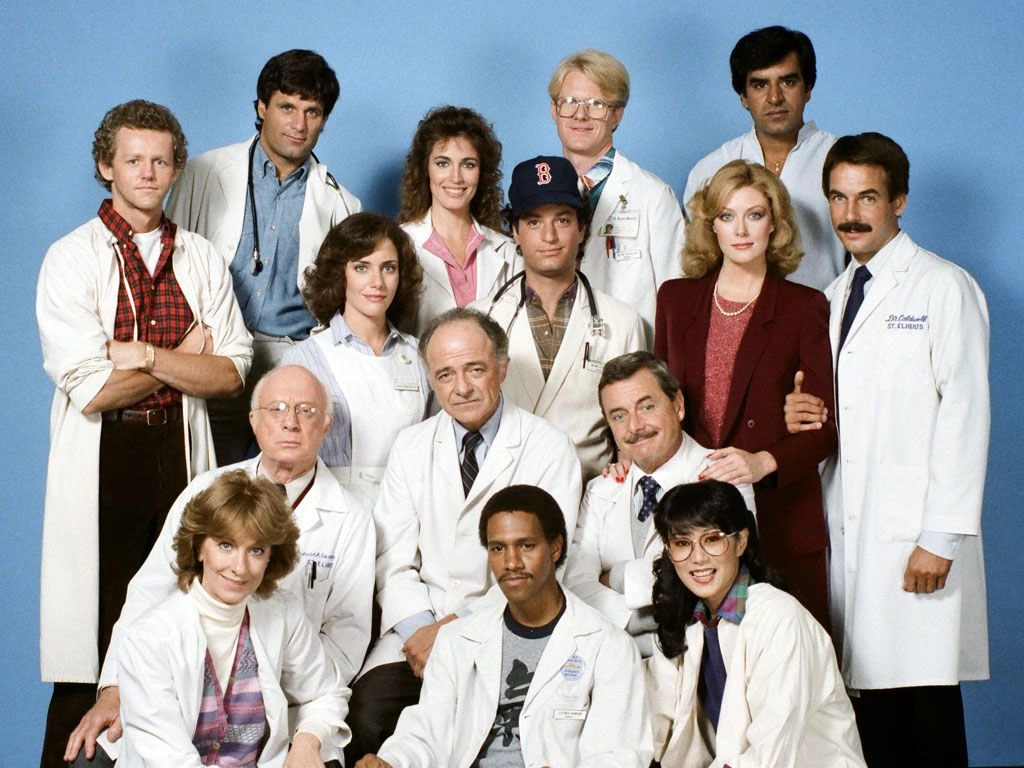
Dr. Mark Craig could make a corridor feel like an oral examination nobody had studied for. He had the reputation, the surgical skill, and the extraordinary ability to sound disappointed before a younger doctor had finished explaining. Victor Ehrlich kept trying anyway. Around them, St. Eligius continued operating with the weary determination of a building that had heard there were better hospitals and had decided to remain open out of spite.
St. Elsewhere premiered on NBC in October 1982. Its Boston teaching hospital was shabby, busy, and full of people whose white coats did not prevent terrible judgment. The doctors could be brilliant, kind, selfish, frightened, funny, and professionally insufferable, sometimes in the same trip to the elevator. The nurses had their own lives and their own opinions about the people who thought rank made them the center of every room.
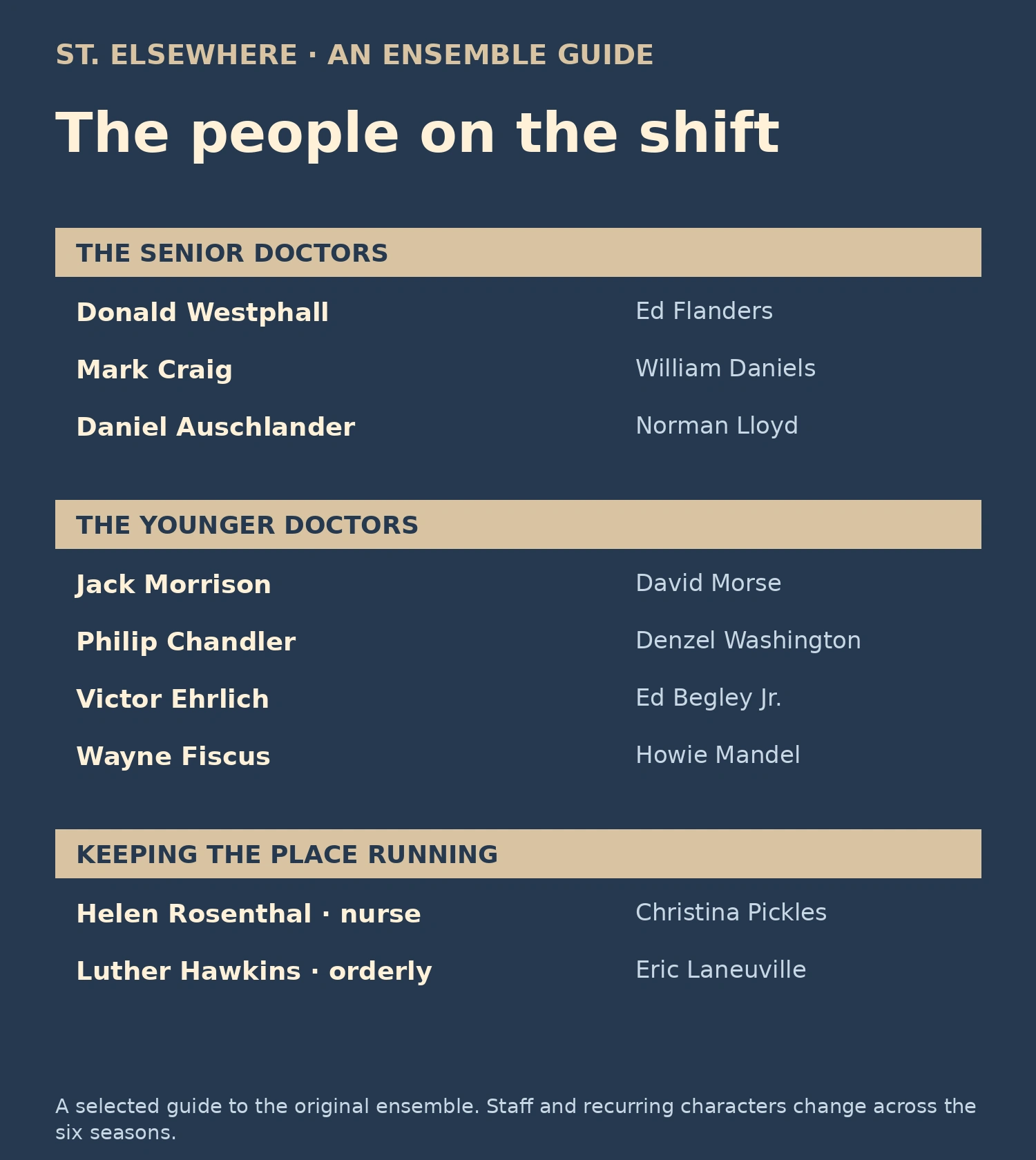
The series ran for six seasons, ending in May 1988 with a snow globe that has received enough attention to qualify for its own retirement plan. Before that final provocation came a remarkable ensemble: Ed Flanders, William Daniels, Norman Lloyd, David Morse, Denzel Washington, Howie Mandel, Ed Begley Jr., Christina Pickles, and many others. The show’s real attraction was the shift before the twist. Among the decade’s memorable television dramas, it made a hospital feel like a place where saving a life and making a complete mess of your own were entirely compatible activities.
Inside This Article
- St. Eligius was nobody’s luxury option
- The pilot begins with a place already in trouble
- Donald Westphall tries to keep the place decent
- Mark Craig has standards, and you are probably missing one
- Daniel Auschlander has seen a great deal and still cares
- Victor Ehrlich wants Craig’s approval very badly
- Wayne Fiscus treats the emergency room like a place with people in it
- Philip Chandler isn’t anybody’s supporting credential
- Jack Morrison means well, which doesn’t make his life easier
- Helen Rosenthal knows how the floor actually works
- Annie Cavanero has more than one kind of pressure
- The people outside the doctors’ lounge keep the story moving
- Ellen Craig knows the surgeon after visiting hours
- Robert Caldwell’s confidence meets a different future
- Cora and Arnie bring the hospital’s purpose into focus
- Legionnaires turns the institution into part of the danger
- Morrison listens to Nina’s heart
- AIDS & Comfort lets fear enter the ward
- Peter White makes familiarity a terrible defense
- The women have their own unfinished shifts
- Mrs. Hufnagel is not a grateful patient
- Three doctors walk into Cheers
- Time Heals remembers the building before these people knew it
- After Life follows Fiscus somewhere medicine can’t chart
- The hospital becomes somebody’s business decision
- Westphall resigns with an unforgettable gesture
- Their Town takes a different kind of walk
- The Last One closes a hospital and opens an argument
- Tommy is a character before he becomes a theory
- Dave Grusin gives the hospital an opening pulse
- The show knew it was television, and enjoyed the knowledge
- Recognition could be large even when the audience wasn’t
- Before ER, there was already a hospital full of unfinished lives
- Remember the shift before the snow globe
- St. Elsewhere questions worth settling
St. Eligius was nobody’s luxury option
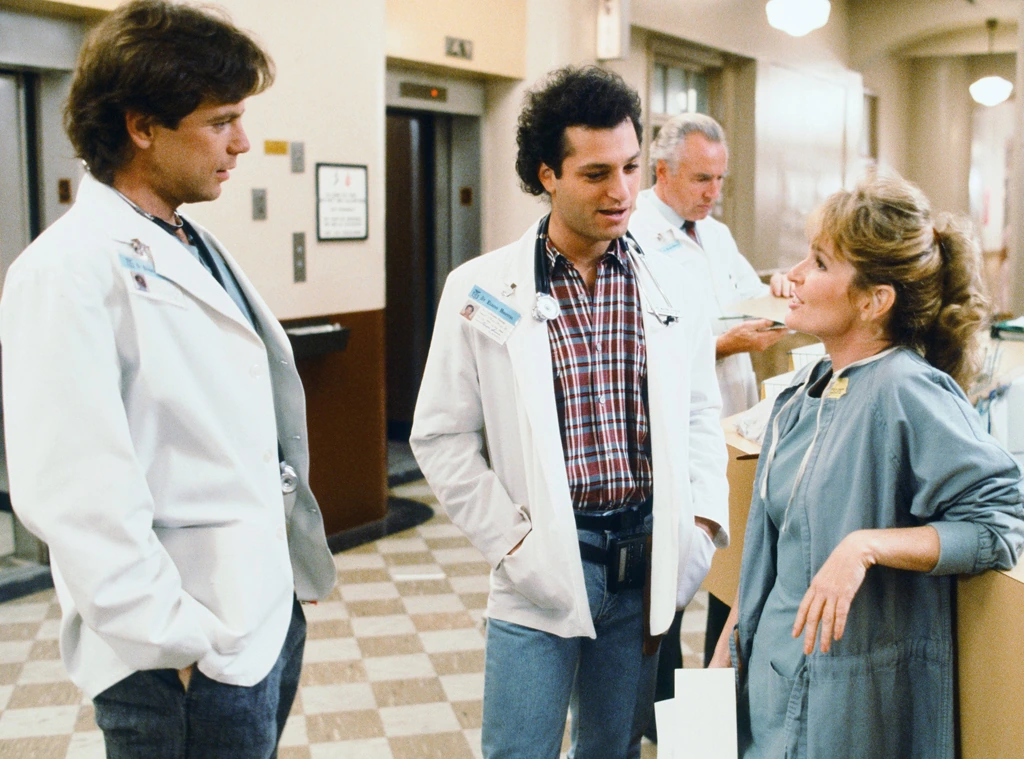
The nickname is a joke at the institution’s expense. St. Eligius isn’t the polished destination someone would choose to demonstrate that everything is going wonderfully. It is a hospital with limited resources, a worn environment, and a population that cannot always go somewhere more comfortable. The unflattering name gives the series a point of view before a doctor has entered.
That setting changes the routine medical story. A patient’s problem doesn’t arrive in isolation from money, family, housing, or the question of whether the system has a place for them. The staff can have knowledge without having every resource they want. An administrator can have a financial problem that will become a doctor’s clinical problem and, finally, a patient’s personal catastrophe.
The teaching function adds another layer of uncertainty. Residents are learning in public, under pressure, with consequences that cannot be put back in a practice drawer. Confidence can exceed ability. Embarrassment can interfere with asking for help. Somebody has to supervise the person who would prefer to look as though supervision were no longer necessary.
The result is a workplace with an immediate dramatic supply. There are senior doctors with standards, young doctors with hopes, nurses trying to keep the floor functioning, and people in beds who have their own priorities. The building may not be glamorous, but it is rich territory for 1980s medical television. You can run out of equipment long before you run out of stories.
The pilot begins with a place already in trouble
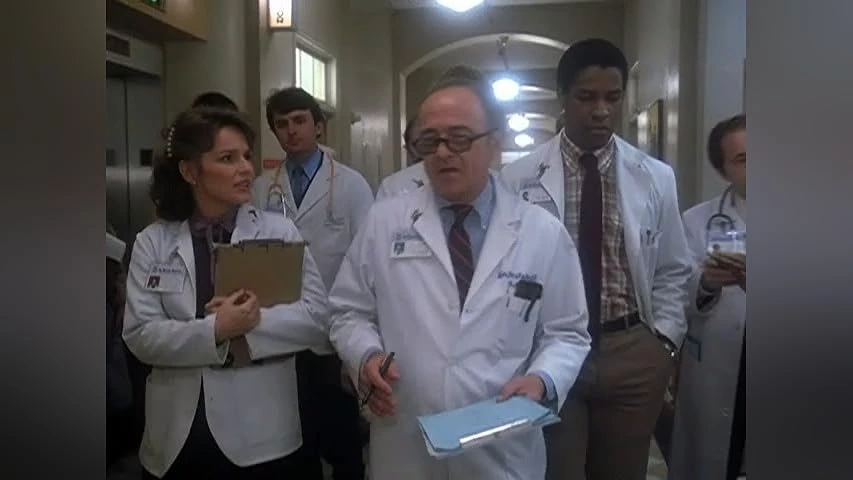
The original premiere aired on October 26, 1982. Joshua Brand and John Falsey created the series, and Thomas Carter directed the pilot. It enters a hospital whose problems are already under way: patients are difficult to locate, treatment decisions provoke disagreement, and the staff has to function inside an organization that doesn’t become efficient merely because the situation is urgent.
Jack Morrison’s concern for a young patient helps establish the tension between the physician’s desire to help and the limits of his authority. Annie Cavanero’s search for a psychiatric patient turns bureaucracy into something more consequential than a lost file. The people who need care can disappear inside the machinery intended to provide it.
That is a strong beginning for an ensemble drama because no single case can explain the whole hospital. The viewer has to meet different kinds of competence and different kinds of pressure. A senior doctor’s certainty, a resident’s worry, and a nurse’s practical knowledge don’t have identical value in every situation. The scene can change depending on whose problem we are following.
The first full television season ends in 1983, which is the appropriate setting for the 1983 television rankings. St. Elsewhere’s critical reputation should not be confused with an instant place among the largest audience hits. Its early appeal was more particular: NBC had opened a hospital where the continuing lives of the people doing the work could be as absorbing as the diagnosis.
Donald Westphall tries to keep the place decent
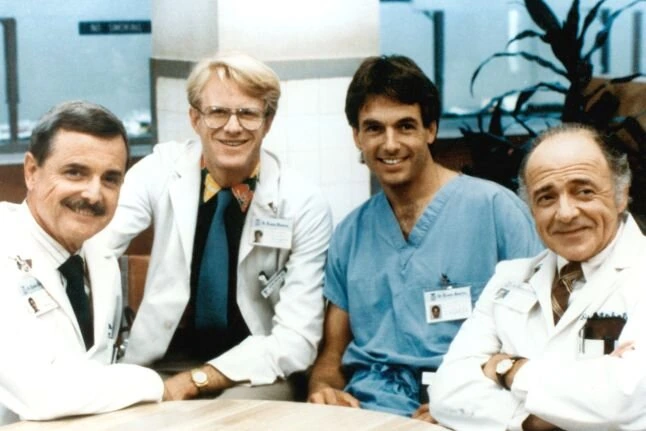
Ed Flanders gives Dr. Donald Westphall a humane gravity without polishing away the fatigue. He can listen in a way that makes a scene slow down. In a hospital full of urgent voices, that attention is a form of authority. He doesn’t have to announce that he is the decent one every time somebody enters his office.
Westphall’s responsibilities extend well beyond a single patient. He has to think about the institution, the staff, and the consequences of decisions that can look different from different floors. The person asking him for an exception may be right. So may the person reminding him that a hospital cannot survive by making an exception for everyone.
Flanders makes that position feel personal. Westphall cares about St. Eligius as a community, not simply a line of responsibility in an employment contract. That care can make him stubborn. It can also make him unable to detach himself when the hospital’s needs consume time and energy his own family requires.
At home, he is a father as well as a physician, with Tommy and Lizzie needing forms of attention that the hospital cannot schedule on their behalf. The series doesn’t present compassion as an inexhaustible fuel. Westphall can be a good man and still be stretched past what a good man can comfortably manage. Flanders’ restraint makes the eventual anger feel earned. A calm person has been taking in a great deal before the calm finally gives way.
Mark Craig has standards, and you are probably missing one
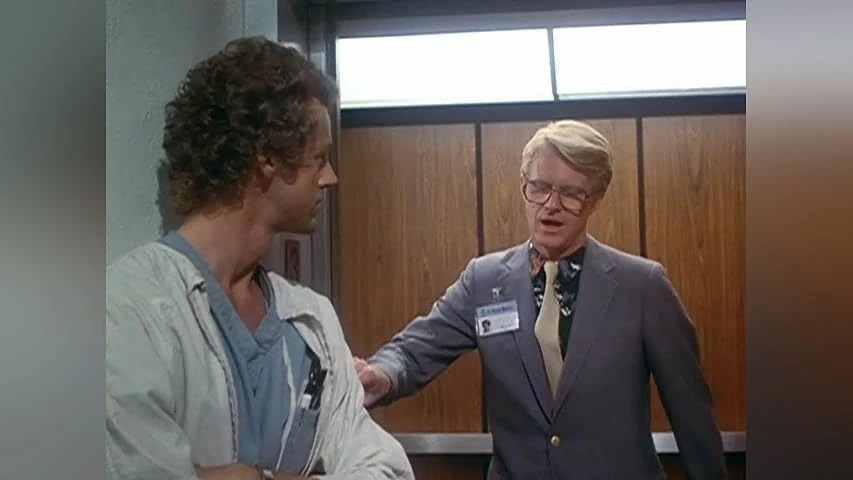
William Daniels’ Dr. Mark Craig is a splendidly difficult colleague. His surgical reputation is real within the story, and so is the trouble caused by his manner. He can make a correction sound like a verdict on someone’s entire upbringing. A younger doctor seeking approval is approaching a counter where the supply appears permanently restricted.
Daniels gives the arrogance precision. Craig doesn’t merely shout because the script wants an irritable surgeon. He has an exacting idea of the work, a great deal invested in his identity, and limited patience for anyone who appears less exacting. The intelligence makes him formidable. The vanity makes him vulnerable to comedy.
His scenes with Ehrlich are especially rich because the younger man keeps hoping to receive warmth from a source better known for heat. Craig can teach effectively and make the lesson miserable. The series lets the contradiction remain visible. Being good at the profession doesn’t make him good at every relationship the profession requires.
There is a delightful overlap with Daniels’ other major job of the era, voicing KITT on Knight Rider. The car and the surgeon have very different duties, but both can make a questionable plan sound even more questionable by answering politely. Craig has the additional advantage of a face capable of demonstrating just how far the explanation has failed to impress him.
Daniel Auschlander has seen a great deal and still cares
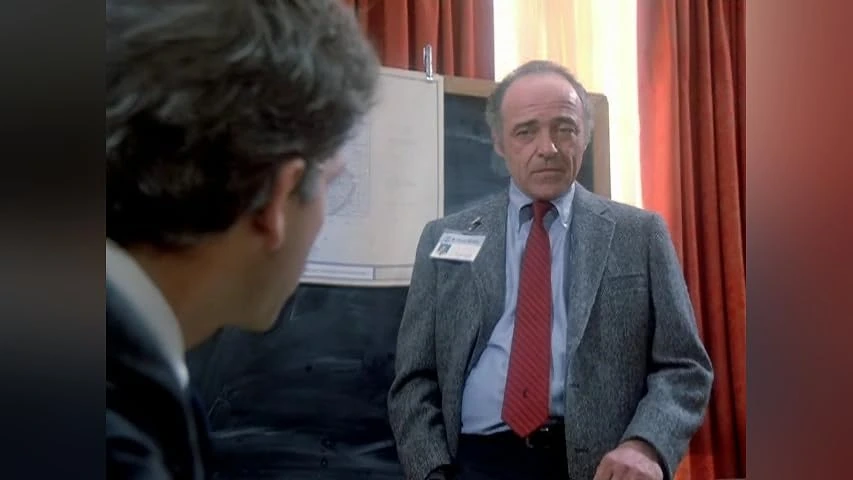
Norman Lloyd’s Dr. Daniel Auschlander brings a longer memory into the hospital. He has history with the place and a different perspective from the residents rushing toward their next qualification. He can see an institution as something built and maintained by people over time, which makes the threat of losing it more than an administrative exercise.
Lloyd’s performance has a sly warmth. Auschlander can be dignified without becoming solemn furniture. He can enjoy a joke, express frustration, and react to the absurdity around him. The presence is reassuring because it contains curiosity, not because the character is free of weakness.
His liver cancer makes the senior physician a patient as well. He knows medicine from a position that knowledge cannot make comfortable. Treatment, uncertainty, and the wish to continue living have to be experienced personally. The man whose professional life has involved interpreting other people’s bodies now has his own body’s unwelcome news to absorb.
The relationship among Auschlander, Westphall, and Craig gives the series three kinds of senior authority. They can agree about the hospital and disagree about a person, a method, or a future. Their age and experience don’t make them interchangeable wise elders. Lloyd, Flanders, and Daniels can turn a quiet conversation into a scene with three distinct currents, none of them requiring a medical emergency to be interesting.
Victor Ehrlich wants Craig’s approval very badly

Ed Begley Jr.’s Victor Ehrlich is eager enough to make a room nervous. He wants to learn, succeed, belong, and be recognized by the people whose recognition matters to him. Unfortunately, wanting those things can make him behave in ways that delay their arrival. He can overstate, misjudge a moment, or mistake proximity to authority for possessing some himself.
Begley makes that hunger comic without making Victor stupid. The character can be capable and still socially clumsy. He can understand a procedure better than he understands how to enter a conversation. The gap gives Craig a continuing supply of material, and the audience a continuing reason to hope that this attempt might go a little better.
The relationship changes as Ehrlich develops. Apprenticeship isn’t a permanent state, even when the teacher has become comfortable with the pupil remaining the pupil. Professional growth brings new responsibilities and opportunities to reproduce the behavior he has endured. The show can ask whether learning the job also means learning which parts of the mentor to leave behind.
Ehrlich’s domestic and romantic complications keep him from being exclusively an operating-room comic figure. He can bring the same mix of ambition and insecurity into shared living arrangements, dating, and marriage. A medical degree doesn’t improve the timing of every personal decision. Watching him try is part of the series’ generosity: embarrassment can be painful, funny, and survivable without being the whole of a person.
Wayne Fiscus treats the emergency room like a place with people in it
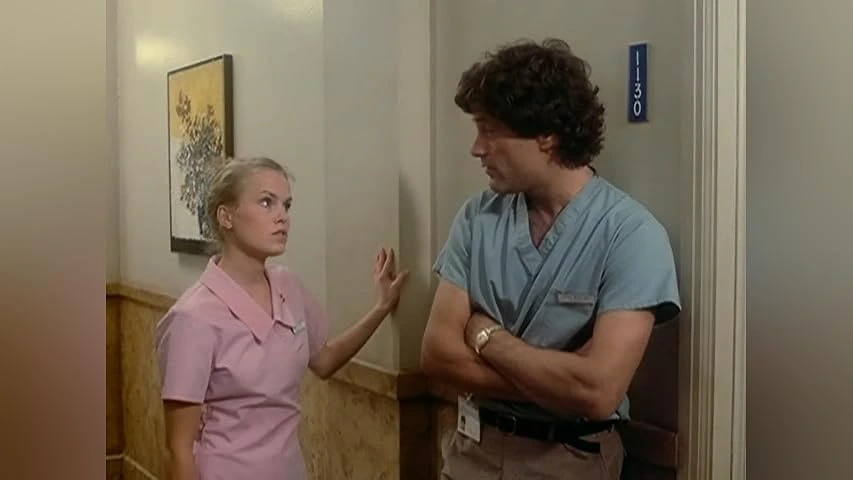
Howie Mandel’s Wayne Fiscus brings an irreverent energy to the emergency department. He can be funny, impulsive, sexually interested, and unwilling to make every conversation sound like rounds. That looseness is an important ingredient in a show whose corridors might otherwise drown in professional seriousness.
Mandel doesn’t simply import a comedian’s act and wait for the hospital to applaud. Fiscus has to do the work, make mistakes, care about patients, and face consequences. His humor can be a way to handle pressure or a way to avoid admitting something difficult. Those aren’t always the same thing, even when they sound similar at first.
The friction with Ehrlich gives both men a comic setting beyond their supervisors. In the first season, roommate trouble and romantic misdirection make the two young doctors look considerably less orderly than their professional clothes might suggest. The series can move from a difficult case to a petty domestic disagreement without implying that the smaller grievance has stopped feeling enormous to the person experiencing it.
Fiscus also helps the emergency room feel like a working culture with its own habits. Jokes, flirtation, irritation, and kindness coexist beside the next arrival. A casual tone isn’t proof that the work is casual. When the series puts him in genuine danger, the familiar levity becomes something his colleagues and the audience can suddenly miss.
Philip Chandler isn’t anybody’s supporting credential
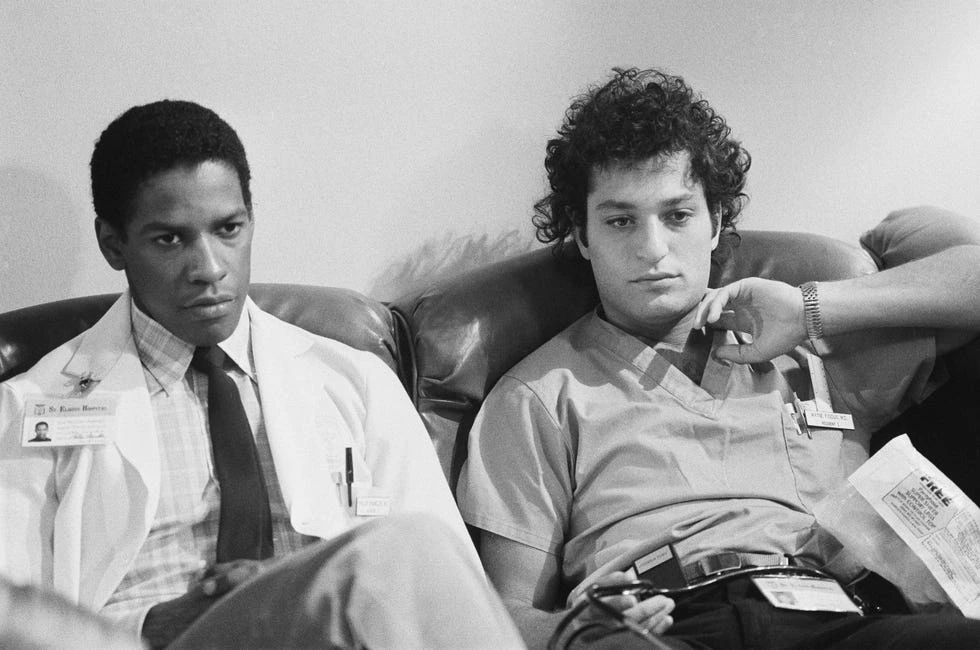
Denzel Washington’s Dr. Philip Chandler is memorable long before a retrospective starts listing the actor’s later films. Chandler has presence, intelligence, and a capacity for impatience with people who assume their own authority should settle the question. He can be confident without becoming the untroubled answer to everyone else’s problem.
The series gives him diagnostic work, personal decisions, disagreements, and the experience of being a Black physician inside a professional hierarchy that doesn’t exist outside the rest of American life. Race can shape an encounter without exhausting the character. Chandler has a temperament, ambitions, and particular people he likes or cannot bear.
Washington is especially good at keeping thought visible. A pause can suggest evaluation rather than passivity. Chandler can decide whether a statement deserves a reply and what kind of reply it has earned. In a series full of forceful performances, that contained attention gives him a distinct place.
The temptation now is to watch every scene as an early clue to a famous career. The work deserves a less impatient look. Chandler belongs to this ensemble, where a disagreement with a colleague or a difficult patient has its own stakes. The pleasure isn’t only seeing someone before he became a movie star. It is seeing a young doctor who already behaves as though he has somewhere to stand and no intention of apologizing for occupying it.
Jack Morrison means well, which doesn’t make his life easier
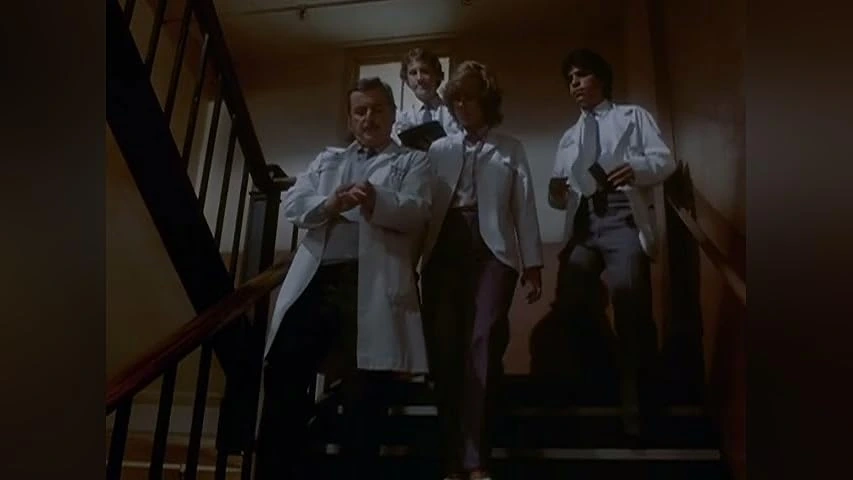
David Morse’s Jack Morrison can look as though he has taken the patient’s problem home before the patient has left the room. He is conscientious, open to other people’s pain, and vulnerable to the belief that enough concern ought to produce a better outcome. St. Eligius provides a steady supply of evidence against that comforting idea.
Morse gives the character a physical gentleness that makes the frustration more affecting. Jack can be tall and capable while seeming emotionally exposed. He wants to help, and the wish doesn’t always come with an accurate understanding of what he can accomplish. Other doctors can become irritated by his approach; patients can depend on it.
The series puts his private life through extraordinary strain, sometimes enough to make a viewer wonder whether the writers had assigned one man the whole hospital’s allotment of misfortune. The strongest stories keep that suffering particular. A loss isn’t simply another mark in a column. It changes how Jack behaves with someone standing in front of him.
His friendship with Peter White is a particularly uncomfortable test of sympathy. Wanting to see the best in someone can become a refusal to recognize the harm that person has done. Jack’s decency isn’t treated as a magic instrument that always points in the right direction. The show lets compassion require judgment, and lets a compassionate man discover that judgment too late.
Helen Rosenthal knows how the floor actually works
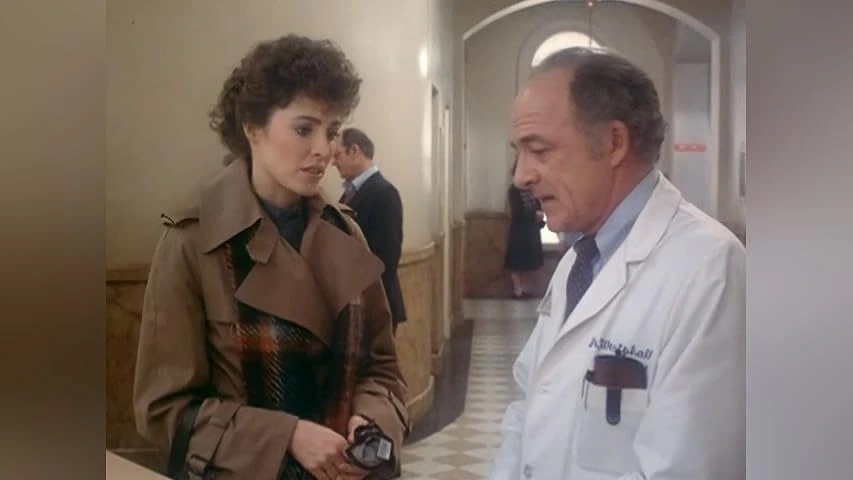
Christina Pickles’ Nurse Helen Rosenthal has the practical authority of someone whose work continues after the impressive explanation is finished. She can recognize a problem, organize a response, and form an opinion about a doctor’s behavior without waiting for permission to have one. The hospital needs that knowledge whether or not its hierarchy always acknowledges it.
Pickles gives Helen a composed surface with plenty moving underneath. Professional capability doesn’t cancel fear, desire, or the effort of managing a private life. The character’s breast-cancer story places her in the position of needing care rather than supplying it. Familiar medical routines look different when the person affected is the colleague who normally helps everyone else through them.
The series also gives her an addiction storyline, another challenge to the idea that competence and vulnerability belong to separate groups of people. A nurse can know the dangers, understand the procedures, and still have trouble that knowledge alone doesn’t solve. The work and the illness have to coexist in the same person.
Helen’s presence is one reason St. Eligius feels like a hospital rather than a club for interesting doctors. Nursing isn’t an atmospheric service arranged around the physicians’ emotional lives. The people doing it have their own authority, relationships, and cost of continuing. Pickles can make a brief reaction at the station feel like a judgment based on an entire shift of evidence.
Annie Cavanero has more than one kind of pressure
Cynthia Sikes plays Annie Cavanero through the early years, giving the hospital another strong professional presence. Annie’s work can bring her into conflict with colleagues, patients, and the expectations attached to being a woman in the job. She has skills to use and a life that doesn’t politely wait until the professional questions have been settled.
Her early cases include the pilot’s missing psychiatric patient and difficult family conversations in Down’s Syndrome. The series can place her at the point where a medical fact becomes a family’s irreversible news. The clinical information is necessary, but the scene also needs a person capable of communicating it to other people.
That doesn’t make Annie a permanently gentle intermediary. She can be impatient, ambitious, and entangled in relationships that complicate her judgment. St. Elsewhere’s women don’t all have to compensate for the men’s bad behavior by being calmer and wiser in every scene. They get to be people with their own difficult days.
The hospital’s later ensemble changes, but the early characters deserve their actual space in the memory of the show. David Birney’s Ben Samuels and G.W. Bailey’s Hugh Beale are also part of that first-season population. A long-running drama can make its later familiar lineup seem inevitable. St. Eligius began with another arrangement, and the early episodes show the institution finding its particular balance of personalities.
The people outside the doctors’ lounge keep the story moving
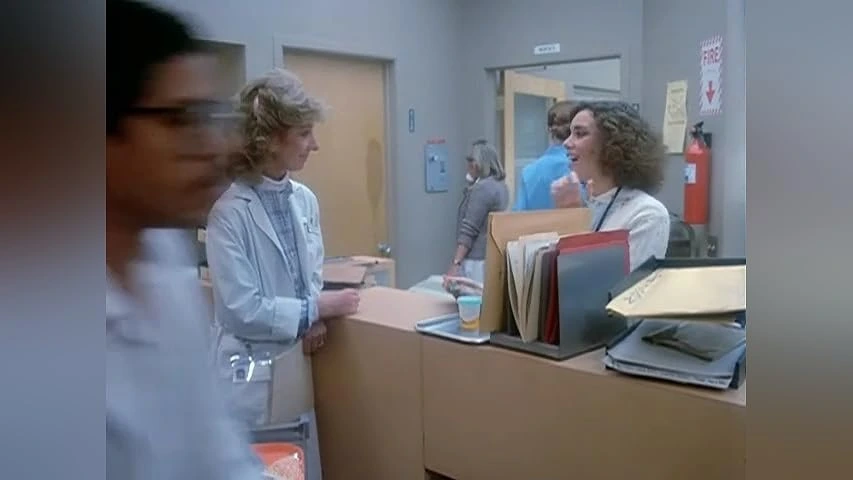
Eric Laneuville’s Luther Hawkins gives the hospital a viewpoint from work that doesn’t carry a physician’s title. Luther knows the building and the people in it. He can participate in the comedy without being reduced to a delivery system for a joke, and his relationships help connect parts of the institution that a senior doctor’s office might never bring together.
Ellen Bry’s Shirley Daniels and Jennifer Savidge’s Lucy Papandrao have different temperaments and different places in the hospital’s continuing personal life. Nurses can date, argue, become frightened, and make decisions with consequences. Their proximity to the doctors doesn’t require them to become an interchangeable set of romantic possibilities.
Warren Coolidge, played by Byron Stewart, adds another recognizable presence to the later staff. The series enjoys the connection to The White Shadow through the character and performer, part of its appetite for television references. The joke is available to a knowledgeable viewer without requiring every hospital scene to stop for a history lesson.
These people widen the everyday geography. A hospital story told only by the most senior doctors would have a very different view of time, status, and practical work. The orderlies and nurses see what happens between formal decisions. St. Elsewhere is stronger when the person with the least authority on paper still has something the others need to hear.
Ellen Craig knows the surgeon after visiting hours
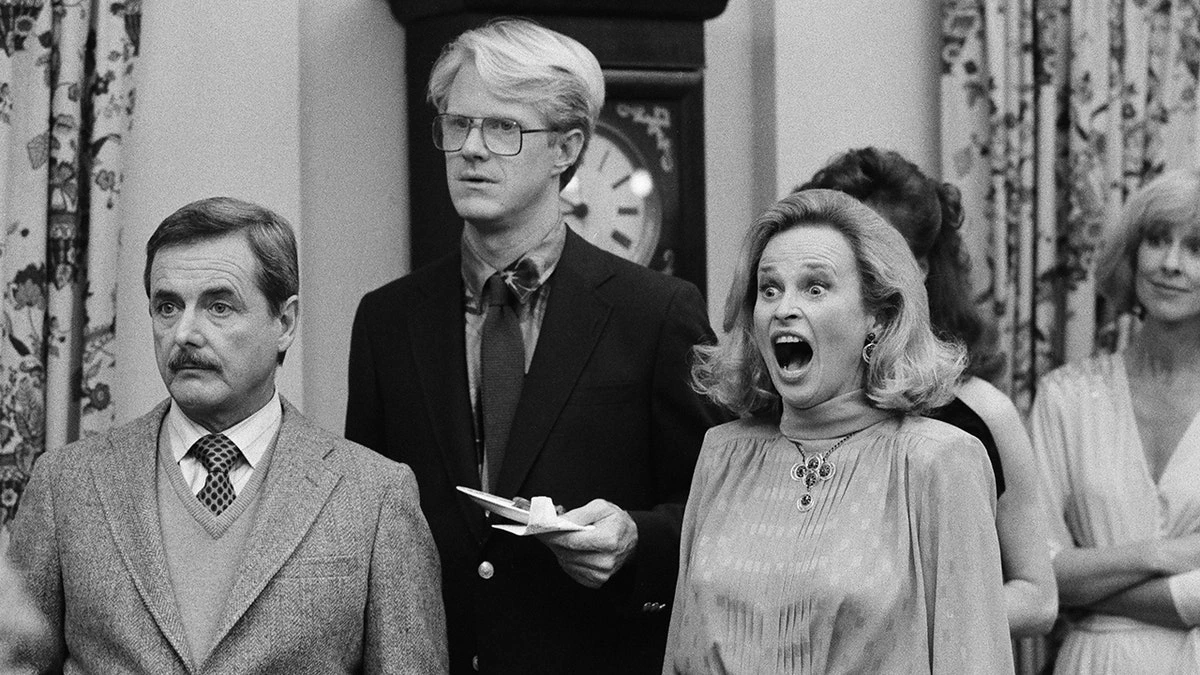
Bonnie Bartlett’s Ellen Craig has the considerable task of being married to Mark. She understands his gifts and has lived close enough to his habits to be unimpressed by the way everybody else rearranges themselves around them. His professional distinction cannot make every domestic complaint unreasonable.
Bartlett and Daniels, married in life as well as playing a married couple, give the relationship a familiarity that can turn quickly from funny to painful. Ellen can puncture Mark’s importance with very little effort. She can also reveal how much emotional work has gone into living beside a man accustomed to having his needs treated as urgent.
The death of their son Stephen places grief inside that marriage. It doesn’t produce identical reactions simply because they have suffered the same loss. Mark’s defenses and Ellen’s needs can pull them apart. The show lets a long relationship contain resentment, tenderness, exhaustion, and the possibility that love has not made the arrangement easy.
Their scenes help prevent Craig’s abrasive genius from becoming a license the drama automatically renews. At work, his success can seem to excuse the price other people pay. At home, someone knows the account in much greater detail. Ellen isn’t there to offer a final explanation that makes everything forgivable. She is there as a person who has to decide how much of this life she can continue to share.
Robert Caldwell’s confidence meets a different future

Mark Harmon’s Dr. Robert Caldwell brings good looks and self-assurance into a hospital that already has enough professional ego to supply several satellite facilities. His personal life, including his relationship with administrator Joan Halloran, gives the series opportunities to test how well that assurance survives disappointment and responsibility.
Caldwell’s later AIDS diagnosis changes the scale of those questions. The attractive young doctor who has seemed secure in his future becomes a person confronting illness, fear, and the responses of people around him. The hospital’s knowledge doesn’t make the social consequences disappear. Familiar colleagues have to recognize a patient inside someone they thought they understood.
The story belongs to the 1980s epidemic and the period’s television language, anxieties, and limitations. It is possible to value the decision to place the illness inside a regular character’s life while noticing the melodramatic choices around it. The diagnosis should not be treated as a moral verdict on his desirability or personal history.
Harmon’s performance matters because Caldwell remains a particular person. A character who could previously look invulnerable has to absorb uncertainty, and the show asks the audience to stay with him as the confidence changes. It is one of St. Elsewhere’s most remembered stories, but its power doesn’t require a sweeping claim that a single program resolved the era’s stigma.
Cora and Arnie bring the hospital’s purpose into focus
Cora and Arnie, broadcast in the first season, gives Doris Roberts and James Coco a story about a homeless couple facing a grave medical decision. The episode doesn’t need a glamorous patient or a spectacular technical novelty. It needs the staff to look carefully at people who are accustomed to being overlooked.
Their relationship makes the decision more than a diagnosis. Treatment can affect dignity, dependence, and the fragile life a couple has managed to construct. A recommendation that seems obvious from one position can look frightening from another. The patient isn’t a blank surface onto which the physician writes the correct answer.
The hour also places concern about the cost of apparently routine tests beside the couple’s situation. Money isn’t an unrelated administrative matter waiting outside the drama. It changes what care feels like to the people receiving it. St. Eligius can be a last resort and still be frighteningly expensive or difficult to navigate.
Roberts and Coco both won Emmys for their performances. The recognition fits an episode that depends on guest characters becoming people worth knowing, not just problems for the regulars to demonstrate their compassion upon. St. Elsewhere could build an hour around the skill of its staff. Here it also gives weight to the lives that exist before the patient arrives and will have to continue after the hospital has made its recommendation.
Legionnaires turns the institution into part of the danger
The first-season Legionnaires two-parter creates a threat that cannot be confined to one patient’s chart. Westphall suspects an outbreak in a ward and has to confront the consequences of closing it. The place intended to provide safety may itself be implicated in making people ill.
That is useful territory for a hospital drama because a responsible response has an immediate institutional cost. Closing space disrupts care and operations. Failing to act can expose people to harm. The uncertainty arrives before a neat explanation, leaving administrators and clinicians to argue while the problem continues.
Flanders is particularly effective in this kind of conflict. Westphall’s concern doesn’t become less urgent because somebody has a reasonable explanation of the practical inconvenience. He still has to decide what the risk demands. The action can take place in a meeting or a corridor and remain suspenseful because the result will be felt in actual beds.
The story also establishes the hospital as something less secure than a permanent backdrop. Its rooms, systems, funding, and people can fail. Later structural and financial crises grow from the same understanding. St. Eligius isn’t a neutral stage on which medicine happens. Maintaining the institution is part of the work, and sometimes the maintenance problem becomes the most important case in the building.
Morrison listens to Nina’s heart
Qui Transtulit Sustinet, broadcast in November 1983, gives Morrison one of the series’ most painful losses. His wife Nina dies after an accident. Their last exchange was an argument, which leaves Jack with the sort of unfinished business no apology can reach. Her heart is donated to another patient.
The final act of listening to that transplanted heart makes an enormous emotional claim through a small medical action. The organ is functioning in another body. Jack can hear it, but the sound doesn’t restore the person he has lost. The same technology that represents hope for one family becomes an unbearable point of contact for another.
Morse’s quietness is essential. The scene doesn’t need a speech explaining the contradiction. Jack’s attention does the work. The hospital has become the place where his professional understanding and private grief are forced into immediate contact, and neither can make the other simpler.
This is the kind of continuing story that gives the show’s workplace structure depth. The doctor doesn’t leave the loss at the end of the episode and return as the same helpful man next week. He has a child, a future to reconstruct, and work that will keep bringing other people’s families into his line of sight. The series can be cruel to Morrison, but here the cruelty is anchored in a specific relationship and an image that doesn’t need decoration.
AIDS & Comfort lets fear enter the ward
AIDS & Comfort aired in December 1983, during the 1983–84 television season, early in the epidemic’s representation on American prime-time television. A young politician’s diagnosis exposes both private concealment and the fear circulating around the illness. The hospital staff doesn’t function as one perfectly informed, emotionally uniform body.
That choice places the anxiety inside the workplace rather than assigning ignorance exclusively to outsiders. People who work near illness can still be frightened, prejudiced, or influenced by what their families fear. Medical identity isn’t proof of humane behavior in every encounter. The patient needs care while those responses are still being negotiated.
The episode is a period drama now in ways it wasn’t intended to be when first broadcast. Its language, assumptions, and choices reflect the moment in which it was made. Watching it closely means acknowledging that history without adopting its fears as present-day medical fact. The story’s significance is in what network television was willing to put in front of an audience in 1983, and in the person asked to live through the reaction.
It also prepares the ground for the later Caldwell story by making AIDS part of the hospital’s continuing world, not an isolated subject that can be packed away after one guest appearance. The series doesn’t become free of stigma simply by addressing it. It creates scenes in which stigma has consequences, including among the people whose job is to help.
Peter White makes familiarity a terrible defense
Terence Knox’s Dr. Peter White becomes one of the series’ darkest continuing figures. His personal instability and professional trouble develop into a story of sexual violence. The fact that he works inside the hospital makes the threat more disturbing. The familiar institution contains a person colleagues have misjudged.
White’s assaults, including his rape of Cathy Martin, expose the weakness of assuming that a colleague’s title or friendly history settles what he can be capable of. Morrison’s reluctance to believe the worst becomes a painful example. Loyalty can turn into protection of the wrong person when it refuses to listen to the people harmed.
Shirley Daniels eventually shoots and kills White, and the series continues dealing with her actions rather than presenting the killing as a clean restoration of order. Trauma, anger, criminal responsibility, and colleagues’ reactions remain tangled. A dangerous man being dead doesn’t erase what has happened to the people around him.
The storyline is difficult television and not every choice in its handling is beyond criticism. Its force comes from violating the comfortable expectation that the hospital family is fundamentally safe because the viewer has spent time with it. St. Elsewhere can make a recurring face familiar and then require the audience to recognize that familiarity was never evidence of innocence.
The women have their own unfinished shifts
St. Eligius has room for women who are ambitious, funny, angry, cautious, or difficult without assigning all of those qualities to one representative character. Alongside Helen, Annie, Shirley, and Lucy are Cathy Martin, Wendy Armstrong, Jacqueline Wade, Roxanne Turner, Paulette Kiem, and others whose experiences change the shape of the hospital.
Barbara Whinnery’s Cathy has a sexual life and professional identity before the assault story changes how people speak about her. Kim Miyori’s Wendy brings her own vulnerability into the pressure on young doctors. Sagan Lewis’ Wade belongs to the continuing clinical world rather than appearing only when a man needs someone to react to him.
Alfre Woodard’s Roxanne Turner adds a particularly strong later presence. France Nuyen’s Paulette Kiem has expertise that can put her in direct tension with Craig’s sense of his own place. The point isn’t that every woman gets equally generous writing. It is that the ensemble can contain different forms of authority and different costs of belonging.
The show is still a product of its era, including story choices that can feel harsh or lopsided in retrospect. The performances often make the people richer than a short plot summary suggests. A diagnosis, a romance, or a departure doesn’t exhaust what an actor has established over a series of scenes. Watching the women at work helps recover that life from the shorthand of remembered storylines.
Mrs. Hufnagel is not a grateful patient
Florence Halop’s Mrs. Hufnagel is one of the show’s great tests of bedside manner. She complains, needles the staff, and refuses to become the sweet older patient a doctor might prefer to find waiting. Her presence can turn an ordinary visit into an endurance exercise.
The humor depends on the staff’s reactions as much as her provocations. People who believe they are patient discover limits. Someone trying to remain professional can be visibly running out of room. The series enjoys the gap between the ideal language of care and the actual irritation of caring for a person who has no interest in making the process pleasant.
Stephen Furst’s Elliot Axelrod is particularly useful in this part of the hospital’s comic life. He can be awkward, anxious, and eager to do well, qualities that an uncooperative patient can exploit with very little effort. Furst gives the embarrassment enough feeling that it doesn’t become only a joke about a man being inadequate.
St. Elsewhere’s black humor can be fierce, and the Hufnagel material is part of that willingness to disturb a comfortable tone. Patients aren’t required to be likable to deserve care. Staff members aren’t required to enjoy every person they treat. The show finds comedy in admitting both things, then lets the admission sit beside its much more serious accounts of what patients need.
Three doctors walk into Cheers
The March 1985 episode Cheers lets Westphall, Auschlander, and Craig visit the other Boston institution down the television dial. The crossover is brief, odd, and thoroughly in character for a show willing to let a hospital drama bump into a sitcom without requesting a change of clothes.
Carla has opinions about St. Eligius. Cliff has an interest in free medical advice. Norm has an unfortunate accounting connection with Auschlander. The doctors haven’t entered a neutral location where familiar sitcom faces will politely congratulate them on their serious work. They have entered a place where other people are quite capable of making them uncomfortable.
The scene is especially good for the three senior performers. Their dignity has to survive a different show’s comic rhythm, while their own worries remain present. Craig’s distress about a former mentor, Auschlander’s concern for his wife, and Westphall’s uncertainty don’t evaporate because the room is associated with laughter.
The visit makes a natural connection to Cheers’ own rise during the decade. Both series began on NBC in 1982 and had difficult early ratings, though their later audience fortunes differed sharply. A crossover doesn’t prove that their fictional worlds fit together without a seam. It gives three tired doctors a place to have a drink and discovers that the bar staff has already formed an opinion.
Time Heals remembers the building before these people knew it
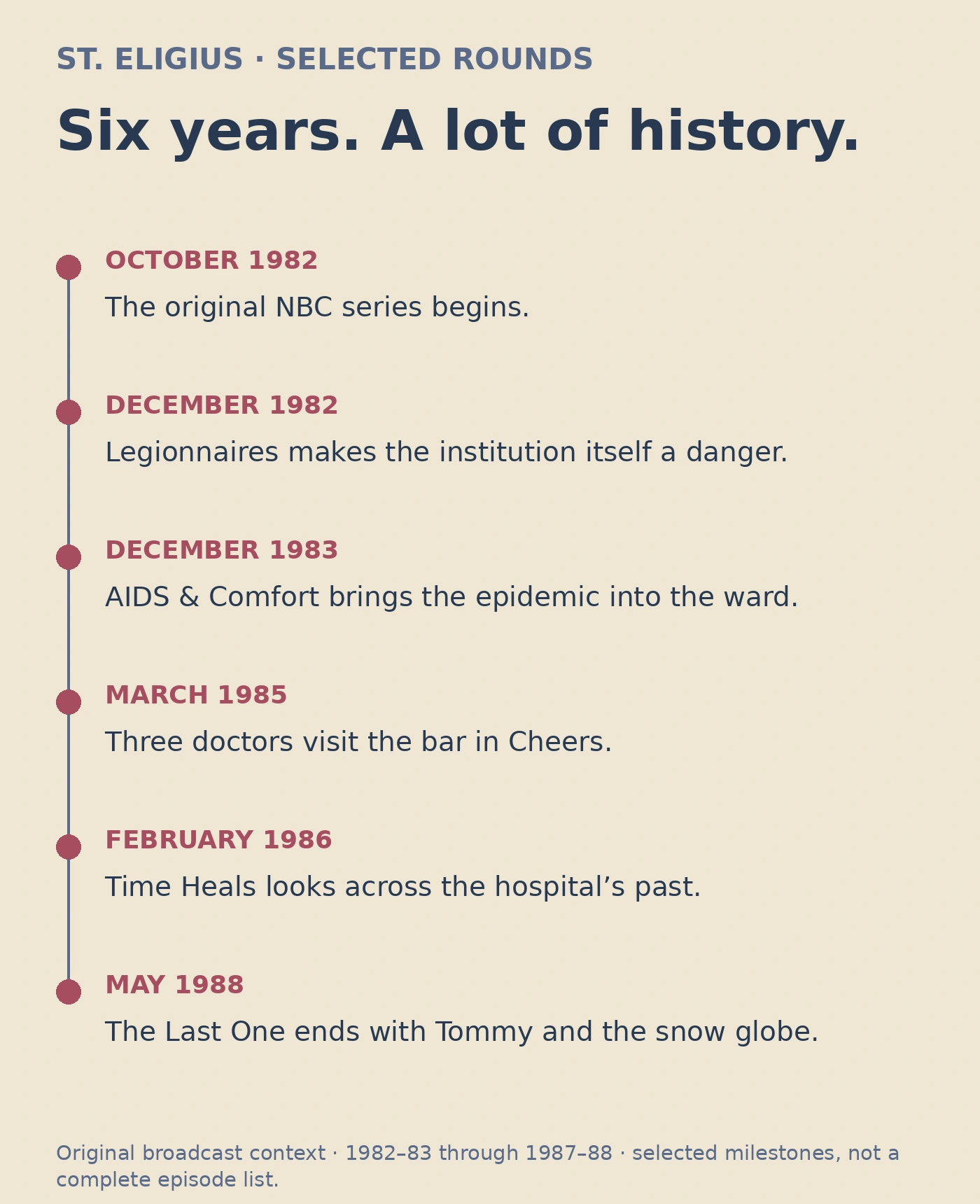
The two-part Time Heals, broadcast in February 1986, expands the hospital’s history across decades. Different visual treatments help distinguish the periods. The familiar institution becomes a place that existed before the current residents arrived to complain about it, with earlier ambitions and disappointments still shaping the present.
Edward Herrmann plays Father McCabe in the hospital’s earlier life. Younger versions of familiar figures and earlier relationships give the senior staff histories beyond the authority they now exercise. Craig once occupied the uncertain side of a teaching relationship. Auschlander arrived rather than always having been there. Westphall’s family losses belong to the hospital’s accumulated memory as well as his own.
The present-day story continues while those memories unfold. Morrison has a difficult patient and a family crisis involving his son. History doesn’t become a museum tour detached from the current work. The series moves between times to show a place repeatedly filled by people who believe their current emergency is the center of everything.
That fourth season ends in 1986, a fitting context for the 1986 television season. St. Elsewhere could use its accumulated years to attempt an unusually ambitious piece of network storytelling. The pleasure isn’t simply recognizing a younger character. It’s seeing the hospital become larger than the current cast while the current cast remains responsible for what happens inside it today.
After Life follows Fiscus somewhere medicine can’t chart
After Life, broadcast in November 1986, begins from a medical emergency: Fiscus has been shot, and the staff is working to save him. His unconscious experience then takes the episode beyond the hospital’s usual account of reality, into imagined encounters with an afterlife and people from his past.
It’s a bold move for a drama praised for realism, and also a perfectly recognizable extension of its comic and emotional habits. Fiscus’ personality doesn’t vanish when the setting becomes impossible. His fears, jokes, and unfinished relationships provide the material. The episode gives the man who often deflects seriousness a journey he cannot control with a casual remark.
The return of dead characters, including Peter White, makes the fantasy more specific than a generic vision of bright lights. The series uses its own history as a source of discomfort and recognition. A viewer who remembers those people brings something to the scene that a new guest figure couldn’t supply.
Meanwhile, the work on Fiscus’ body keeps the stakes in the familiar hospital. The episode can be playful about metaphysics without making the emergency harmless. His colleagues are still trying to preserve a life. The strange journey belongs to one frightened, funny man inside that effort, not to a sudden promise that St. Eligius has opened a department for reliable information about the next world.
The hospital becomes somebody’s business decision
Financial danger grows into one of the later series’ major pressures. St. Eligius can be valued as a community institution by the people inside it and as a property or operating unit by people whose priorities are different. The threat of closure or transformation makes the staff’s attachment expensive in a new way.
The corporate takeover brings Dr. John Gideon, played by Ronny Cox, into conflict with the existing culture. He doesn’t need to hate medicine to make Westphall angry. An approach that treats the institution as something to rationalize can collide with the messy obligations that have made it worth preserving to the people who work there.
The familiar hospital also has genuine flaws. Loving it doesn’t prove every arrangement should remain. That complication gives the conflict more force than a simple contest between warm doctors and a cold ledger. The building needs resources, and resources arrive with conditions. Somebody has to decide which changes are necessary and which destroy the purpose they claim to protect.
The story makes visible a concern that has been present since the pilot. Medicine is practiced inside an organization with money, power, property, and reputation at stake. Those aren’t external subjects the staff can discuss after the patients go home. They determine what the staff can offer the next person through the door.
Westphall resigns with an unforgettable gesture
A Moon for the Misbegotten gives Westphall a departure that nobody could mistake for an ordinary personnel announcement. In his confrontation with Gideon, he drops his trousers and presents an extremely plain opinion. Flanders’ bare backside became a famous late-series image, but the accumulated anger is what gives the scene its satisfaction.
This is a man who has spent years listening, explaining, compromising, and trying to keep a difficult institution humane. His final method is considerably less diplomatic than his usual one. The surprise depends on the composure that came before it. Somebody else might have made the gesture seem like a regular Tuesday.
The scene also belongs to St. Elsewhere’s particular willingness to disturb its own dignity. A serious dispute about the future of a hospital can end in a rude visual joke without the series pretending that the dispute was never serious. The anger remains, even while the image practically guarantees it will become the detail people repeat.
Westphall’s departure changes the ensemble’s balance rather than removing him from all future significance. Later visits and the finale continue his story. The institution has lost a familiar kind of authority, and the people left behind have to work inside the changed arrangement. A memorable exit can be a beginning for the remaining characters as well as a farewell to the departing one.
Their Town takes a different kind of walk
Their Town, broadcast in April 1988, visits Westphall and Tommy away from the hospital in New Hampshire. The episode borrows the address to the audience associated with Thornton Wilder’s Our Town, allowing Westphall to step outside the ordinary conventions of the series and speak with a different kind of awareness.
The change of setting matters. After years of crowded corridors, a smaller community and domestic space let the people be seen at another pace. Colleagues and family arrive carrying their own relationships with Westphall. The hospital’s demands remain part of the history without controlling every minute of the visit.
The formal experiment also fits the show’s late life. St. Elsewhere has never been entirely content to pretend the camera is invisible. It can acknowledge storytelling, play with a familiar dramatic form, and still ask the audience to care about the people inside the device. The risk is that a clever construction will overwhelm the feeling. Here the familiar face gives the construction a human center.
Placed near the end of the run, the episode prepares a different kind of farewell from the standard final hospital shift. It gives Westphall a life the series can visit rather than only a job it can interrupt. The man who tried to hold St. Eligius together is allowed to occupy another place, even as the audience knows the program is nearing its own departure.
The Last One closes a hospital and opens an argument

The Last One aired on May 25, 1988. Its hospital story contains departures, decisions about the institution’s future, and Auschlander’s death. The ensemble’s familiar world is already being rearranged before the famous final scene changes the terms on which we have been watching it.
Then Tommy Westphall is in a domestic room with a snow globe. The faces of Donald Westphall and Daniel Auschlander occupy different family roles from the ones the series has taught us. The globe contains a miniature St. Eligius. The ending invites the interpretation that the hospital stories have unfolded in Tommy’s imagination.
It’s a startling final gesture, especially from a series whose characters have suffered and changed over six years. Some viewers admire the audacity. Others find it a dismissal of the emotional investment the show asked them to make. The disagreement isn’t a failure to understand that fiction is fictional. It concerns what kind of farewell the fiction has earned.
The final season belongs beside the 1988 television rankings, though no audience chart can explain the argument the last image created. St. Elsewhere chose to leave a question where another drama might have placed reassurance. The hospital could be held in a hand. What the viewer had felt about it remained considerably harder to contain.
Tommy is a character before he becomes a theory
Chad Allen’s Tommy Westphall has a life in the series before the snow globe makes him a fixture in television-ending discussions. He is Donald’s autistic son, with family relationships and care needs that affect the doctor’s daily life. Reducing him to the person who supposedly dreamed everything erases that earlier place in the story.
The portrayal belongs to the period in which it was made and can be discussed critically without turning Tommy into a joke. The finale uses his imagined inner life as a dramatic device. That device isn’t a reliable general account of autism, and it doesn’t need to be treated as one to describe what the episode suggests.
The later Tommy Westphall universe idea extends the ending through crossovers and shared characters, building a playful web of television connections. It is an exercise in interpretation and continuity games, not an official production declaration that every connected series has been legally absorbed into one child’s mind.
The more useful return is to the relationship between father and son. Donald can be patient and still struggle to understand Tommy. The final scene gives that uncertainty a radical new shape. Whether a viewer loves or dislikes the trick, the family connection supplies the feeling beneath it. Without that, the globe would be only a clever object placed on a television set.
Dave Grusin gives the hospital an opening pulse
Dave Grusin’s theme provides an inviting entrance to a place the characters are frequently trying to survive. The tune moves with an energy that makes the hospital feel busy before the episode has assembled its next collection of crises. It doesn’t sound like a solemn announcement that medicine is about to become Important Television.
That welcome matters. St. Elsewhere can be grim, and its people can be difficult. The opening gives the viewer a familiar way back into the building, a little confidence that the next hour will contain life as well as damage. The ensemble images and the music make the workplace recognizable without pretending it is comfortable.
The contrast fits the show. Humor can arrive beside fear, and routine can continue while a character’s private world changes completely. The theme doesn’t have to forecast the exact mixture waiting this week. It supplies a pulse, then hands the hour to people who will immediately complicate it.
Like the best television themes, it can bring back a room full of faces before a viewer remembers a particular plot. Craig, Westphall, Ehrlich, Fiscus, and the others belong to that return. The hospital may have terrible news to deliver tonight. For a few moments, there is still the pleasure of recognizing who is on the shift.
The show knew it was television, and enjoyed the knowledge
St. Elsewhere’s jokes about other programs aren’t confined to the Cheers visit. It has an appetite for names, references, returning performers, and little disturbances in the wall between a fictional hospital and the television culture surrounding it. A viewer can miss a reference and still follow the scene, then discover another layer later.
The MTM connection gives some of that play a family resemblance. The company had helped define workplace comedy and was now producing dramas that mixed professional routine with continuing private life. Hill Street Blues provided an especially important neighboring example of how crowded an hour could become without losing its human center.
St. Elsewhere pushes that inheritance toward stranger places. An amnesiac patient can carry television references into the ward. A doctor can address the audience. An afterlife can contain the program’s own dead. The humor doesn’t mean the writers have forgotten the serious work; it is part of the way the series refuses a single respectable register.
Not every gag lands with the same grace, and an inside joke can make a viewer feel left outside. The best ones enrich the room rather than asking everyone to stop and admire the writers’ cleverness. The hospital is already full of people with incompatible habits. A television show with a few incompatible habits of its own fits the place rather well.
Recognition could be large even when the audience wasn’t
St. Elsewhere won thirteen Emmys during its run. Ed Flanders’ performance as Westphall, William Daniels’ work as Craig, Bonnie Bartlett’s Ellen, the guest performances in Cora and Arnie, and the writing and directing all contributed to that recognition. The program’s reputation rested on more than one conspicuous star.
The awards don’t turn the original audience story into a blockbuster. NBC kept a series whose critical value and audience profile mattered even when the total household numbers were comparatively modest. A show could become part of the argument for network drama without becoming the program most households watched that week.
That distinction can be understood without apologizing for the viewers who preferred something else. St. Elsewhere asked for attention, tolerated discomfort, and moved between comedy and suffering with little warning. Its pleasures were strong, but they weren’t designed to be identical to the pleasures of every other hit in the schedule.
The performers make the reputation worth revisiting. A list of nominations can’t reproduce Daniels’ clipped disapproval, Flanders’ listening, Lloyd’s warmth, or the way Begley makes an eager explanation begin to go wrong. The awards provide a historical measure of recognition. The scenes provide the reason the measure still has something alive behind it.
Before ER, there was already a hospital full of unfinished lives
The comparison with ER makes sense, provided it doesn’t erase the differences. ER arrives in the 1990s television era with a faster, more propulsive emergency-room style. St. Elsewhere has a different rhythm, more room for eccentric detours, and an appetite for formal jokes that can make its hospital feel like a very peculiar place to spend six seasons.
What it helps establish is the hospital ensemble as a continuing world. Patients bring the immediate work. Staff members bring relationships, ambitions, grief, and mistakes that don’t finish when a case does. A doctor’s competence can be real while the rest of the doctor’s life remains unstable.
The series also demonstrates how much drama can occur away from the spectacular intervention. A hallway exchange, a family argument, a humiliating teaching moment, or a nurse becoming a patient can carry the hour’s greatest force. Medicine provides urgency, but people provide the reason to return.
Within the wider 1980s story, St. Elsewhere is both a serious achievement and an unruly one. It could ask a hard ethical question and then make an appalling joke. It could give a character terrible news and later let another character behave like an idiot. The mixture is the show, not an obstacle that has to be removed before its importance can be appreciated.
Remember the shift before the snow globe
The ending will always be part of the conversation. It deserves to be. But allowing one object to replace the entire series would be a strange way to remember a show built around so many people. St. Eligius had accumulated a life long before the camera moved toward the miniature version.
There is Craig expecting too much from someone who needs his approval. Ellen knowing him better than his admirers do. Auschlander facing illness with the knowledge that knowledge doesn’t remove fear. Chandler standing his ground. Helen keeping the floor together. Fiscus finding a joke, Ehrlich finding another reason to be embarrassed, and Morrison caring hard enough to make the day more difficult for himself.
Those people could be exhausting company. They could also be excellent company, which is the more surprising achievement. The hospital’s shabbiness didn’t prevent affection from taking hold. Its uncertainty made the small gestures matter: listening, staying, checking again, or finally admitting that someone else was right.
A snow globe can hold a building. It is a much less adequate container for six years of those encounters. However the final image lands, the work before it remains available: a difficult hospital, a remarkable group of actors, and another shift in which somebody will save a life while somebody else makes a fool of himself near the elevator.
St. Elsewhere questions worth settling
When did St. Elsewhere air?
The original NBC series premiered on October 26, 1982, and ended on May 25, 1988. Its six seasons belong to the television years from 1982–83 through 1987–88. The first season aired on Tuesdays; Wednesday became the familiar home of the later run.
What is the hospital’s real name?
The fictional Boston hospital is St. Eligius. St. Elsewhere is its unflattering nickname and the series title. The hospital is a teaching institution with limited resources, which is part of why the workplace feels different from a polished private medical center.
Who plays the three senior doctors?
Ed Flanders plays Donald Westphall, William Daniels plays Mark Craig, and Norman Lloyd plays Daniel Auschlander. Their distinct temperaments are central to the ensemble. Daniels also voiced KITT on Knight Rider while working on St. Elsewhere.
Did the doctors really visit Cheers?
Yes. The March 27, 1985 episode Cheers sends Westphall, Craig, and Auschlander to the bar from the NBC sitcom. Carla, Cliff, and Norm appear. It is an actual crossover scene, with the doctors’ ongoing personal concerns still part of the conversation.
What does the snow-globe ending mean?
The finale shows Tommy Westphall with a globe containing St. Eligius and gives familiar adults different roles, inviting the interpretation that the hospital stories are his imagination. The much larger web of connected shows discussed as the Tommy Westphall universe is a later interpretive game, not a separate official ending.