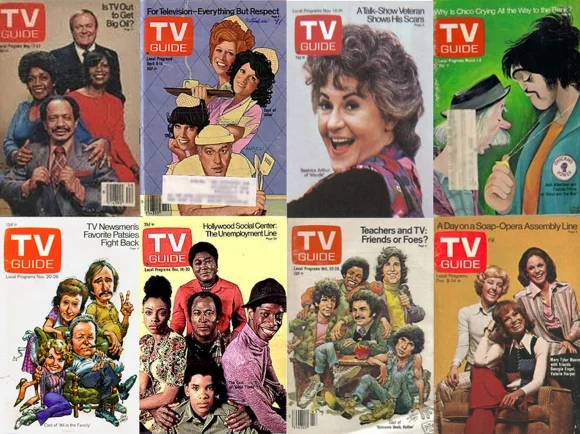
ON AIRCHANNEL 70s TV GUIDEFIFTY HALF-HOURS • ONE FAMILY TELEVISION • NO SECOND SCREEN
Smells Like Gen X • The living rooms, workplaces and reruns that raised us
50 Best Sitcomsof the 1970s, Ranked
Before streaming queues, the decade gave us loud families, tired workers, impossible roommates and half-hours that could change the national conversation.
For Gen X, many of these shows became ours in reruns—after school, during summer afternoons and from a television nobody bothered to turn off.
Quick Answer • The Comedy Dial
Best 70s Sitcoms: The Top Five
All in the Family ranks first. M*A*S*H, The Mary Tyler Moore Show, Taxi and The Jeffersons complete the top five, followed by Sanford and Son, The Bob Newhart Show, Barney Miller, Happy Days and The Odd Couple.
One television. Three networks. Fifty rooms we still remember.The theme started and somebody across the house yelled that the show was on.
The fast answer
What Were the Best Sitcoms of the 1970s?
The best 70s sitcoms begin with All in the Family, M*A*S*H, The Mary Tyler Moore Show, Taxi and The Jeffersons. That top five covers the family argument, antiwar ensemble, adult workplace comedy, bruised dreamers and a family discovering that success does not end conflict.
The decade did not stay in one lane. It argued in Queens, patched soldiers in Korea, worked in Minneapolis, drove cabs through New York, ran a radio station in Cincinnati and sent roommates through the wrong door at exactly the right second.
For Gen X, original air dates tell only half the story. We inherited these classic 70s comedy shows through local stations, summer reruns and televisions left on while somebody made dinner. Archie’s chair, Mary’s newsroom, Hawkeye’s tent and the Sunshine Cab garage became rooms we could recognize before anyone spoke.
This page compares the full sitcom dial. The exact-show links carry the longer histories, while the supporting guides follow Black sitcoms, workplace comedies, changing families, social issues, Norman Lear and the decade’s 1950s revival without forcing all of that history into one ranking.
THE COUNTDOWN50family comedies, workplaces, roommates, spin-offs and glorious odditiesTHE TOP SHOWALL IN THE FAMILYthe Queens living room that changed what a sitcom could sayTHE DIAL3 NETWORKSand enough comedy to make one remote feel like family powerTHE AFTERLIFERERUNSthe daily repetition that turned shows into permanent memory
Before the countdown
How We Ranked the Best 1970s Sitcoms
Six things drive the order: writing, ensemble strength, originality, influence, staying power and the simple urge to watch another episode. Ratings matter as evidence of reach, but popularity is not the same as greatness. Awards matter without becoming a calculator.
Replay value matters because nostalgia can carry a show through the theme song but not through the whole half-hour. The highest ranks still have a point of view, a cast with several ways to make us laugh and scenes that work after the clothes and furniture stop doing the memory work.
A few shows began in 1969 and qualify because they continued into the 1970s and belonged to the schedule viewers actually watched. A short run can also make the list when the premise, performance or influence remains more interesting than the episode count.
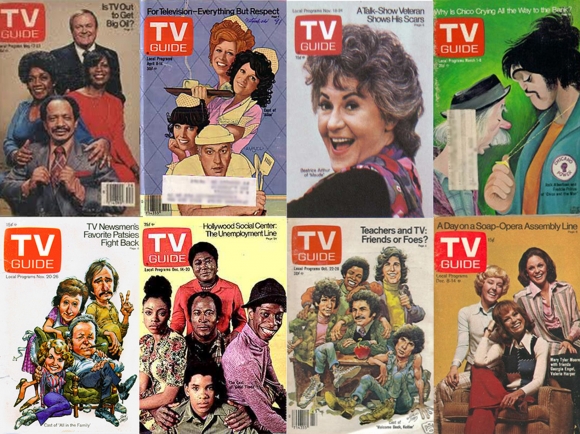
The printed schedule decided which comedies shared the night—and which family member got control of the television.
We did not call it classic television. It was just what was on—sometimes because we chose it, sometimes because the adult with the remote did, and sometimes because there was no remote at all.
The complete comedy dial
All 50 Classic 1970s Sitcoms at a Glance
Jump directly to any show. The top ten receive the largest files; ranks eleven through fifty keep the detail moving without turning one broad list into fifty separate biographies.
These are the shows with the strongest combination of writing, cast chemistry, cultural memory and the ability to make a familiar room feel alive again.
1
Family argument
1971–1979.
All in the Family
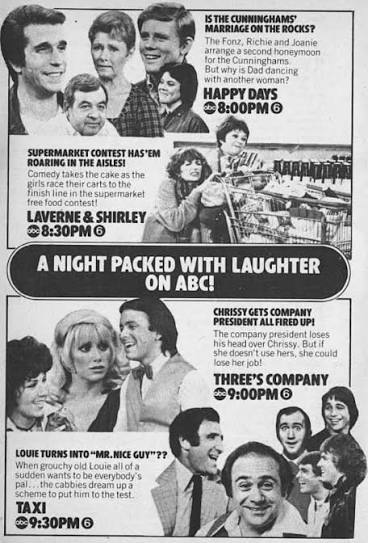
A Queens living room became the decade’s loudest argument. Archie, Edith, Gloria and Mike made politics, prejudice, marriage and generational conflict feel like family business, and the performances kept the show human even when the subject matter was combustible.
The breakthrough was not simply that Archie Bunker said things network television had avoided. The show made every argument personal. Edith’s kindness, Mike’s certainty and Gloria’s frustration prevented the living room from becoming a debate stage with furniture. We laughed because the family knew exactly where to wound one another, then kept sitting down to dinner. That uneasy combination of affection and anger is why the episodes still feel alive instead of preserved behind glass.
Why it still lasts: Its influence is visible every time a sitcom trusts a family argument to carry more than one point of view. The show did not make television safe; it made it harder to pretend the country was not already arguing.
What comes back first: Archie’s chair, Edith’s voice and the moment somebody at the dinner table realizes the argument has gone too far.
Why it ranks here: It did not merely reflect the decade; it changed what a network sitcom was permitted to discuss.
A mobile Army hospital supplied the setting, but the series was really about surviving absurd institutions without surrendering compassion. It could pivot from practical jokes to grief in the same half-hour and make both tones feel earned.
M*A*S*H could make a practical joke and a death notice belong to the same half-hour because the characters were using humor to stay functional. Hawkeye’s wisecracks were not a substitute for feeling; they were a defense against it. The ensemble kept the camp from becoming one-man television, and the changing cast proved the world was bigger than any single performer. Even in reruns, the tonal turn could catch you off guard.
Why it still lasts: The series proved that comedy could hold grief without becoming dishonest about either emotion. Later dramedies often receive credit for a balance M*A*S*H was already practicing in front of a mass audience.
What comes back first: The laugh that dies halfway through a scene when the war suddenly becomes real again.
Why it ranks here: Its blend of ensemble comedy, moral anger and emotional consequence remains almost impossible to duplicate.
Mary Richards built an adult life around work, friends and independence without being written as a problem waiting for marriage to solve. The WJM newsroom became one of television’s most durable comic ensembles.
Mary Richards did not have to become a symbol every week. She went to work, made mistakes, chose friends and gradually built a life that felt complete without a wedding waiting at the finish line. The newsroom gave the show enough friction to keep it funny, while Rhoda and Phyllis made the apartment side just as rich. Gen X viewers met that independence as ordinary rerun television, which may have been its most lasting victory.
Why it still lasts: The newsroom ensemble, adult friendships and ordinary independence became a blueprint. What felt revolutionary in 1970 became part of the language of television because this show made it look natural.
What comes back first: Mary walking into WJM, Lou growling from the office and Ted believing the room is about him.
Why it ranks here: It made character growth, workplace family and a single woman’s ordinary autonomy feel revolutionary without losing the laughs.
The Sunshine Cab garage was full of people who dreamed of being somewhere else, which gave the comedy a melancholy undertow. Alex, Louie, Elaine, Bobby, Tony, Latka and Reverend Jim felt less like types than a collection of bruised hopefuls.
Taxi understood the strange sadness of adults who were competent enough to know their dreams were slipping away. Alex had accepted the garage; Bobby, Tony and Elaine had not. Louie turned petty power into comic menace, while Latka and Reverend Jim could bend an episode into something completely unexpected. The show never mocked failure from a distance. It sat beside people who were still hoping and found the joke without taking the hope away.
Why it still lasts: Taxi’s afterlife rests on affection for people who never became what they planned. That emotional generosity is why the garage still feels occupied long after the final shift.
What comes back first: Reverend Jim’s pause, Louie behind the cage and Alex quietly accepting another night in the garage.
Why it ranks here: Few sitcoms have been funnier about failure or more affectionate toward people whose big break never arrived.
George and Louise moved into a deluxe apartment and carried race, marriage, class and ambition with them. The show understood that success did not end conflict; it changed the rooms where the arguments happened.
Moving up did not make George Jefferson calmer, and that was the point. Success gave him a better apartment and a new set of insecurities. Louise remained the one person who could see through the performance without dismissing the man underneath it. The neighbors, in-laws and business pressures kept the show from becoming a victory lap. It was about arrival, but also about discovering that money changes the argument rather than ending it.
Why it still lasts: The Jeffersons made success itself a sitcom subject. The family’s move changed the scenery without asking the characters to become symbols of perfect arrival.
What comes back first: George entering at full volume, Louise lowering hers and somehow winning the room.
Why it ranks here: It gave prime time a prosperous Black family, a fierce comic lead and one of television’s greatest marriages.
Redd Foxx turned Fred Sanford into a hustler, a complainer, a survivor and a human sound effect. Demond Wilson’s Lamont supplied the resistance, and their junkyard became a stage for insult comedy with real father-son attachment underneath.
Fred Sanford could turn a fake heart attack, a junkyard scheme or one insult into a complete performance. Redd Foxx made the timing look loose even when it was exact. Lamont’s exhaustion kept the comedy from floating away, because somebody had to live with the consequences after Fred finished selling the story. Underneath all the yelling was a father who feared being left behind and a son who never quite managed to leave.
Why it still lasts: Redd Foxx’s timing, insult rhythm and physical confidence can still be felt in family comedies built around a performer strong enough to bend the whole room.
What comes back first: Fred clutching his chest, Lamont refusing to buy it and the junkyard becoming a stage.
Why it ranks here: Foxx’s timing and the show’s working-class texture made it one of the decade’s most influential hits.
Bob Hartley’s Chicago life was built on controlled reactions to people who had no interest in being controlled. Newhart’s pauses, dry replies and quiet panic let the supporting cast grow as strange as it wanted.
Bob Newhart’s great weapon was the pause after somebody else had already gone too far. The show trusted reaction more than punchline volume. Emily gave Bob a marriage between adults rather than a sitcom battlefield, and the office patients created a parade of problems he could not solve by staying calm. That control made the oddballs funnier. The less Bob moved, the more the room seemed to tilt around him.
Why it still lasts: The show remains a master class in controlled reaction. It proved that the calmest person in the scene can be the funniest when everyone else is allowed to lose balance.
What comes back first: Bob’s silent stare after a patient or neighbor has already crossed the line.
Why it ranks here: It proved that restraint could be as explosive as shouting and helped define the sophisticated workplace sitcom.
Most police shows chased criminals through streets; Barney Miller kept everyone inside a worn precinct squad room and let the cases walk through the door. The detectives were tired, funny, decent and recognizably human.
Barney Miller found an entire city without leaving one tired squad room. The cases came through the door, but the detectives carried the real rhythm: Fish’s exhaustion, Harris’s ambition, Wojo’s bluntness and Dietrich’s endless knowledge. The show was funny about bureaucracy because it understood the people trapped inside it. Nothing looked glamorous, which made every small act of patience or decency land harder.
Why it still lasts: Its shabby precinct became the model for workplace comedy that values ensemble rhythm over a glamorous premise. The humor came from people enduring the institution together.
What comes back first: The squad-room phones, Fish’s face and the city arriving one strange complaint at a time.
Why it ranks here: It turned bureaucracy, urban pressure and ensemble rhythm into one of the smartest comedies of the era.
The Cunninghams offered comfort, Fonzie supplied electricity and Arnold’s gave the country a polished memory of the 1950s. The show changed shape over time, but its characters and catchphrases became part of everyday life.
Happy Days began as a gentler family comedy and grew into a national machine. The change is part of its story, not something to pretend never happened. Fonzie became the gravitational center, but the Cunningham home kept the show tied to warmth and routine. For Gen X, the first-run evolution often disappeared in syndication. We met the whole mythology at once: the jacket, the jukebox, Arnold’s and a world where one thumbs-up could fix the room.
Why it still lasts: Happy Days became bigger than its original form and helped turn television nostalgia into a national business. The excess is part of the legacy, not a reason to ignore it.
What comes back first: The jukebox, the jacket and the first few notes that made the room feel instantly safer.
Why it ranks here: It was more than nostalgia: it became a ratings machine, a spin-off factory and a shared cultural language.
Oscar Madison and Felix Unger were built for endless conflict: mess against order, appetite against anxiety, friendship against every reason to move out. Jack Klugman and Tony Randall made the friction musical.
Oscar and Felix were not merely neat versus messy. They were two divorced men who needed one another and hated the evidence. Jack Klugman made Oscar’s disorder feel emotional, while Tony Randall made Felix’s fussiness feel like a complete survival system. Their apartment became a machine that could generate conflict from dinner, poker, cleaning or one badly chosen guest. The reruns worked because the relationship reset without becoming empty.
Why it still lasts: Oscar and Felix became permanent shorthand because the performances found something deeper than opposition. They were two men building a friendship out of habits that should have made friendship impossible.
What comes back first: Felix tightening the apartment while Oscar loosens every rule he can reach.
Why it ranks here: The original ratings were modest, but syndication revealed how perfectly the character comedy had been engineered.
The deep shelf includes radio stations, diners, classrooms, family bands, spin-offs, hotel residents and one-season experiments that reveal how much television was still testing.
11
Workplace ensemble
1978–1979 in the decade.
WKRP in Cincinnati
A struggling radio station became a workplace full of clashing ambitions, bad management and people who were far better at their jobs than they looked. The show understood broadcasting from the sales office to the control room.
WKRP knew that a radio station could be chaotic and still feel like home. The sales staff, disc jockeys, management and news department all wanted different things from the same weak signal. That made the workplace specific instead of generic. The jokes about ratings, promotions and format changes had real industry bones, but the show lasted in memory because the people gradually stopped feeling like coworkers and started feeling like the only family weird enough to understand one another.
What comes back first: The station jingle, Les Nessman’s confidence and one promotion that should never have left the meeting.
Why it ranks here: Its mix of industry detail, ensemble warmth and sudden emotional depth makes it one of the decade’s great late arrivals.
Bea Arthur’s Maude Findlay entered every room already prepared to win the argument. The series gave a middle-aged woman political conviction, vanity, vulnerability and the right to be difficult on her own terms.
Maude entered every conversation already convinced she had the moral high ground, which made her brave and ridiculous at the same time. Bea Arthur could make certainty sound like a marching band and vulnerability arrive in the next breath. Walter, Carol and Florida kept the house from becoming a one-woman lecture. The show’s willingness to argue about adult life mattered, but its survival depended on Maude being a person rather than a position.
What comes back first: Maude entering certain, Walter bracing himself and the argument becoming the whole weather system.
Why it ranks here: It refused to whisper about adulthood, marriage, feminism, addiction, health and choice.
The Evans family loved one another inside constant economic pressure, and that pressure was never decorative. Florida and James gave the home its moral center while J.J.’s comic rise became both the show’s biggest hook and its deepest controversy.
Good Times was at its strongest when the Evans family’s joy did not erase the pressure around them. Florida and James gave the home authority, while Thelma, Michael and J.J. pulled it in different directions. J.J.’s popularity changed the balance, sometimes for the better and sometimes not. The debate over that shift is part of the show’s legacy because viewers were not arguing about a minor character; they were arguing about what the family meant.
What comes back first: Florida’s authority, James’s pride and J.J. discovering exactly how long he can hold the room.
Why it ranks here: Its best episodes balanced joy, frustration, dignity and structural hardship with unusual directness.
The premise depended on misunderstanding, timing and doors opening at exactly the wrong second. John Ritter supplied fearless physical comedy while Joyce DeWitt and Suzanne Somers made the apartment feel like a real comic unit.
Three’s Company treated misunderstanding like engineering. A door opened, a lie had to grow and John Ritter used his whole body to keep the structure from collapsing too early. Joyce DeWitt’s steadiness and Suzanne Somers’s brightness made the original apartment trio feel like friends instead of pieces in a farce. The premise looks simple on paper. The execution required timing so exact that a half-second could decide whether the whole episode worked.
What comes back first: Jack Tripper trying to keep three explanations alive while every door in the apartment betrays him.
Why it ranks here: It turned farce into appointment television and became one of ABC’s defining late-decade hits.
Laverne DeFazio and Shirley Feeney brought working-class friendship, physical comedy and Milwaukee grit into prime time. Their dreams were bigger than their paychecks and usually collided with the furniture.
Laverne and Shirley had dreams that were larger than their paychecks and usually less durable than the furniture. Penny Marshall and Cindy Williams could move from argument to slapstick to genuine loyalty without making the changes feel planned. Milwaukee, the brewery and the apartment gave the show a working-class texture beneath the chaos. The comedy was broad, but the friendship never felt disposable.
What comes back first: The opening chant, the basement apartment and a plan that will end with somebody hitting the floor.
Why it ranks here: The chemistry between Penny Marshall and Cindy Williams made chaos feel affectionate rather than mechanical.
Ann Romano was a divorced mother raising two daughters while rebuilding a life that television rarely allowed women to have. The apartment arguments could be funny, exhausting and emotionally honest.
Ann Romano’s independence was not presented as a clean triumph. It came with bills, exhaustion, daughters testing every boundary and the constant fear that one mistake would undo the life she was rebuilding. Bonnie Franklin gave the arguments speed without losing the affection underneath them. Schneider was the comic intrusion, but the apartment belonged to three women learning how a new kind of family worked in real time.
What comes back first: Ann trying to finish one adult sentence before Julie, Barbara or Schneider turns it into a crisis.
Why it ranks here: It made changing family structure a weekly reality instead of a one-episode lesson.
Rhoda Morgenstern left Minneapolis, returned to New York and proved a supporting character could carry a distinct world. Valerie Harper gave her confidence, insecurity and comic force without sanding away the contradictions.
Rhoda carried the confidence of a beloved supporting character and the uncertainty of somebody starting over. Returning to New York gave her a family history, a city rhythm and a life that did not simply recreate Minneapolis. The wedding became a television event, but the more revealing episodes came afterward, when romance had to survive ordinary disappointment. Valerie Harper made Rhoda funny because the insecurity never canceled the nerve.
What comes back first: Rhoda’s voice, Ida’s entrance and the confidence that disappears the second family gets involved.
Why it ranks here: The wedding became an event, but the show’s greater achievement was letting Rhoda’s adult life keep changing afterward.
Soap opera plotting was pushed through a comedy blender: murder, possession, mistaken identity, affairs and family secrets arrived at full speed. The cast played the absurdity with enough conviction to keep the parody alive.
Soap moved like somebody changing channels inside one story. Murder, infidelity, possession, family secrets and absurd cliffhangers arrived with complete seriousness from actors who knew parody dies when everyone winks. The series could be outrageous and unexpectedly tender in the same stretch. Its biggest contribution was proving a sitcom could demand that viewers remember last week instead of resetting every problem before the credits.
What comes back first: The announcer’s recap, another impossible twist and actors playing madness with complete conviction.
Why it ranks here: It broke rules about serialized comedy and what network television would risk discussing.
Gabe Kotter returned to teach the same kind of underachieving kids he once resembled, and the Sweathogs became a national craze. The jokes were broad, but the classroom loyalty had genuine warmth.
The Sweathogs were broad enough for schoolyard imitation, but the show worked because Kotter remembered what it felt like to sit in those desks. Travolta’s Vinnie became the breakout, while Horshack, Freddie and Epstein each had a rhythm kids could copy the next morning. The classroom did not feel academically convincing, but the loyalty did. That warmth is why the catchphrases stayed attached to people rather than floating away.
What comes back first: Horshack’s hand, Vinnie’s pose and a classroom that felt louder than any school we knew.
Why it ranks here: For a few seasons, Vinnie, Horshack, Freddie and Epstein were everywhere Gen X kids looked.
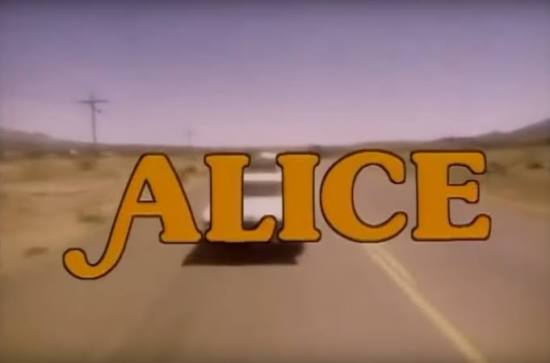
A widowed mother, a roadside diner and a staff full of strong personalities gave Alice a durable working-class engine. Linda Lavin grounded the show while Flo’s one-liners became the early breakout attraction.
Alice had a sturdy engine because the diner joined work, friendship, money and family in one place. Mel could be impossible, Flo could take over a scene with one line and Vera could turn confusion into its own weather. Linda Lavin kept Alice’s larger dream visible without making the current job feel like a punishment. The series understood that starting over often means working the shift while still imagining another life.
What comes back first: Flo’s line from across the diner and Mel realizing too late that he has lost control.
Why it ranks here: It found comedy in jobs, bills, parenting and the stubborn hope of starting again.
21
Family comedy
1970–1974.
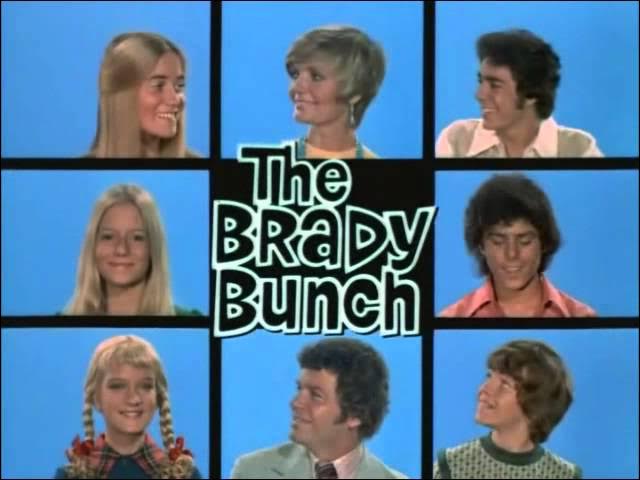
The Brady Bunch
The Bradys were never the decade’s most realistic family, but their house, staircase, vacations and sibling crises became permanently familiar. The bright surface made the series ideal for after-school reruns.
The Brady Bunch became bigger after it ended because daily reruns turned the house into a second address. The staircase, shared bedrooms and backyard problems were easy to enter at any age. The family was idealized, but the episodes gave children small conflicts they could actually understand. Gen X did not need the original ratings to tell us the Bradys mattered. We knew because the same episode could stop us halfway through the room.
What comes back first: The staircase, the theme song and the exact episode you have somehow seen fifteen times.
Why it ranks here: Its real power arrived in syndication, where Gen X viewers knew episodes better than the original ratings ever suggested.
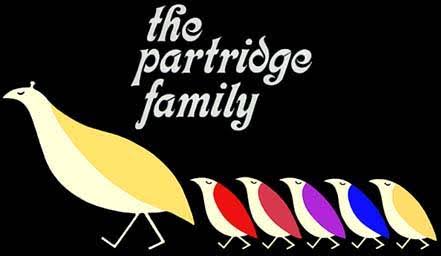
A family band, a psychedelic bus and songs built for radio made the Partridges a perfect television-pop crossover. Shirley Jones gave the household stability while David Cassidy became a genuine teen idol.
The Partridge Family made television, records and teen-idol culture feel like parts of the same machine. The bus was impossible to miss, the songs were built to travel beyond the episode and David Cassidy’s fame escaped the fictional family completely. Shirley Jones kept the household from feeling like a marketing display. The result was both sitcom and pop product, which is exactly why it belongs so securely to the decade.
What comes back first: That painted bus, David Cassidy’s hair and a song escaping the television into the bedroom.
Why it ranks here: It captured the decade’s ability to turn a weekly sitcom into records, posters, lunchboxes and bedroom-wall mythology.
23
Friendship comedy
1976–1979.
What’s Happening!!
Raj, Rerun and Dwayne made friendship the center of the show, with Mabel, Dee and Shirley ensuring the boys never controlled the room for long. The series was loose, warm and enormously quotable.
What’s Happening!! succeeded because hanging out was the point. Raj, Rerun and Dwayne had different kinds of confidence, and Shirley or Dee could puncture all three before they finished the plan. The stories were often simple, but the group chemistry made the neighborhood feel inhabited. For Gen X viewers, Rerun’s dance moves and Dee’s delivery could return faster than an episode title.
What comes back first: Rerun moving, Dee cutting through the room and Shirley refusing to let anybody feel too important.
Why it ranks here: Its appeal rests in the pleasure of hanging out with characters who genuinely seemed to enjoy one another.
Freddie Prinze and Jack Albertson built an uneasy partnership between a young Chicano mechanic and an aging garage owner. The show mixed generational conflict, neighborhood identity and star charisma.
Chico and the Man depended on a difficult balance between conflict and affection. Freddie Prinze brought speed, charm and youth, while Jack Albertson gave Ed stubbornness that could not be solved in one speech. The garage was both workplace and generational border. The show’s history became tragic, but the early episodes still reveal why Prinze felt like a star almost immediately.
What comes back first: Chico’s speed against Ed’s resistance inside a garage that never stayed only a workplace.
Why it ranks here: Its history is inseparable from Prinze’s tragic death, but the early chemistry remains important television.
25
Single-parent family
1969–1972.
The Courtship of Eddie’s Father
Bill Bixby’s widowed father and Brandon Cruz’s matchmaking son made single-parent family life gentle without becoming weightless. Miyoshi Umeki’s Mrs. Livingston brought calm intelligence to the household.
The Courtship of Eddie’s Father used a soft tone without becoming shapeless. Bill Bixby and Brandon Cruz made the father-son relationship playful rather than sentimental, and Mrs. Livingston brought the home a calm center. The theme song does half the memory work before the first scene begins. It is the kind of gentle comedy that could seem small during the decade and enormous when a rerun caught you on a quiet afternoon.
What comes back first: The theme song before the picture and Eddie asking a question that makes the adult life look simple.
Why it ranks here: It is remembered for warmth, an unforgettable theme and a kind of quiet intimacy rare in louder sitcom eras.
26
Fish-out-of-water
1978–1979 in the decade.
Mork & Mindy
Robin Williams arrived like a broadcast from another planet, turning a Happy Days guest character into a weekly display of improvisational velocity. Pam Dawber’s Mindy gave the chaos a human landing place.
Mork & Mindy was less a normal sitcom launch than a weekly attempt to contain Robin Williams. His voices and physical speed could overwhelm the room, so Pam Dawber’s Mindy had to provide more than straight lines. She gave the premise a place to land. The alien misunderstanding was familiar television machinery; Williams made it look as though the machinery might explode before the next commercial.
What comes back first: Mork arriving upside down, Mindy trying to translate and Robin Williams outrunning the script.
Why it ranks here: Few sitcom debuts have felt more like watching a performer become a phenomenon in real time.
27
Workplace and family
1971–1974.
The New Dick Van Dyke Show
Dick Van Dyke played a television talk-show host balancing work and family, first in Arizona and later in Los Angeles. The material shifted, but his physical ease and comic precision remained dependable.
The New Dick Van Dyke Show carried the burden of comparison from the moment the title appeared. The later series never recreated the earlier masterpiece, but Van Dyke still had the balance, timing and physical precision that could rescue an ordinary scene. The changes in setting made the show feel unsettled, yet its best episodes remind us how much pleasure came from watching a performer who understood the camera and the room.
What comes back first: Dick Van Dyke turning an ordinary entrance into physical comedy before anyone says the joke.
Why it ranks here: It never escaped the shadow of his earlier classic, yet it was smarter and more graceful than its reputation suggests.
28
Adult independence
1975–1977.
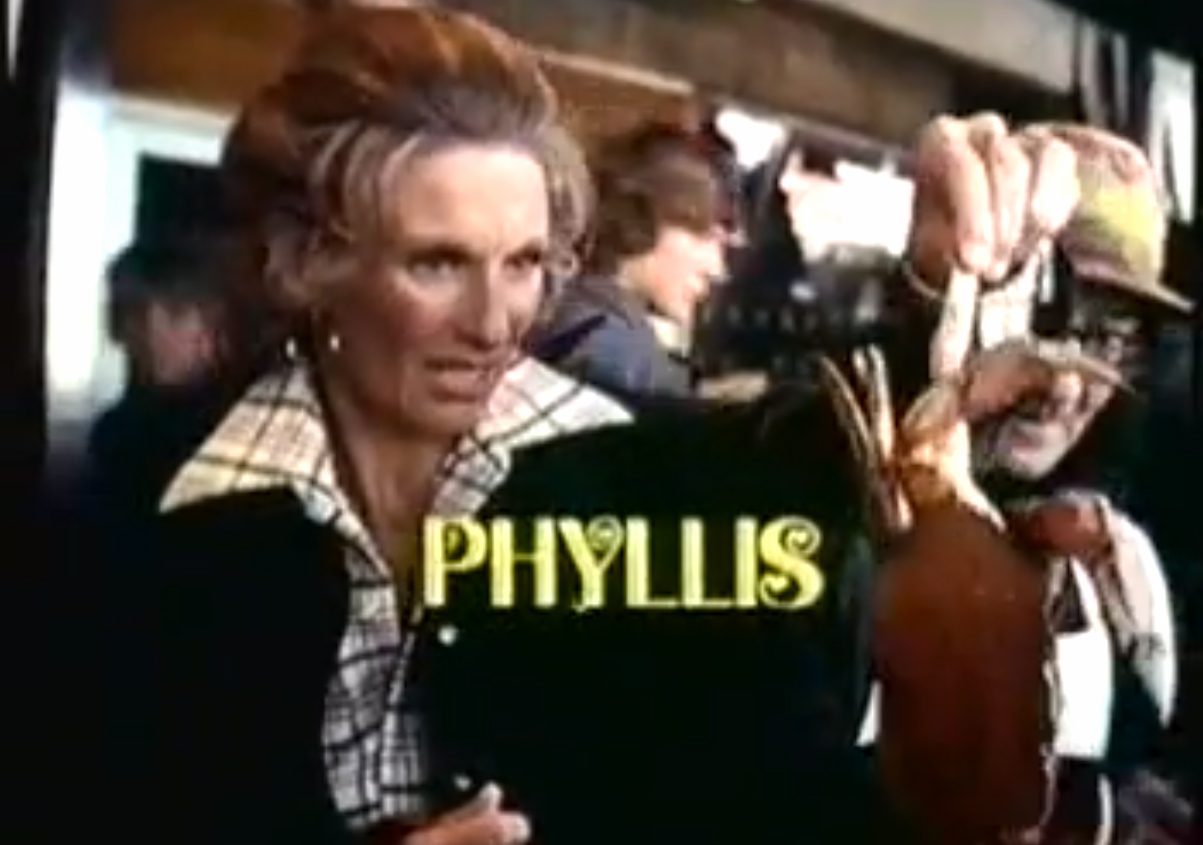
Phyllis
Cloris Leachman carried Phyllis Lindstrom into a new San Francisco life after Rhoda had already shown the spin-off path. The character remained vain and difficult, which was exactly the point.
Phyllis was never required to become nicer just because she became the lead. That refusal gave Cloris Leachman material with real teeth. San Francisco, family obligations and work forced Phyllis to confront herself without producing a permanent cure. The show changed after personal and cast losses, which makes the run uneven. Even so, it remains a rare sitcom built around a woman whose flaws were not softened for approval.
What comes back first: Phyllis making a room about herself and Cloris Leachman letting us see the calculation.
Why it ranks here: Its best moments trusted Leachman to make self-absorption funny without asking viewers to mistake it for innocence.
29
Workplace and family
1976–1978.
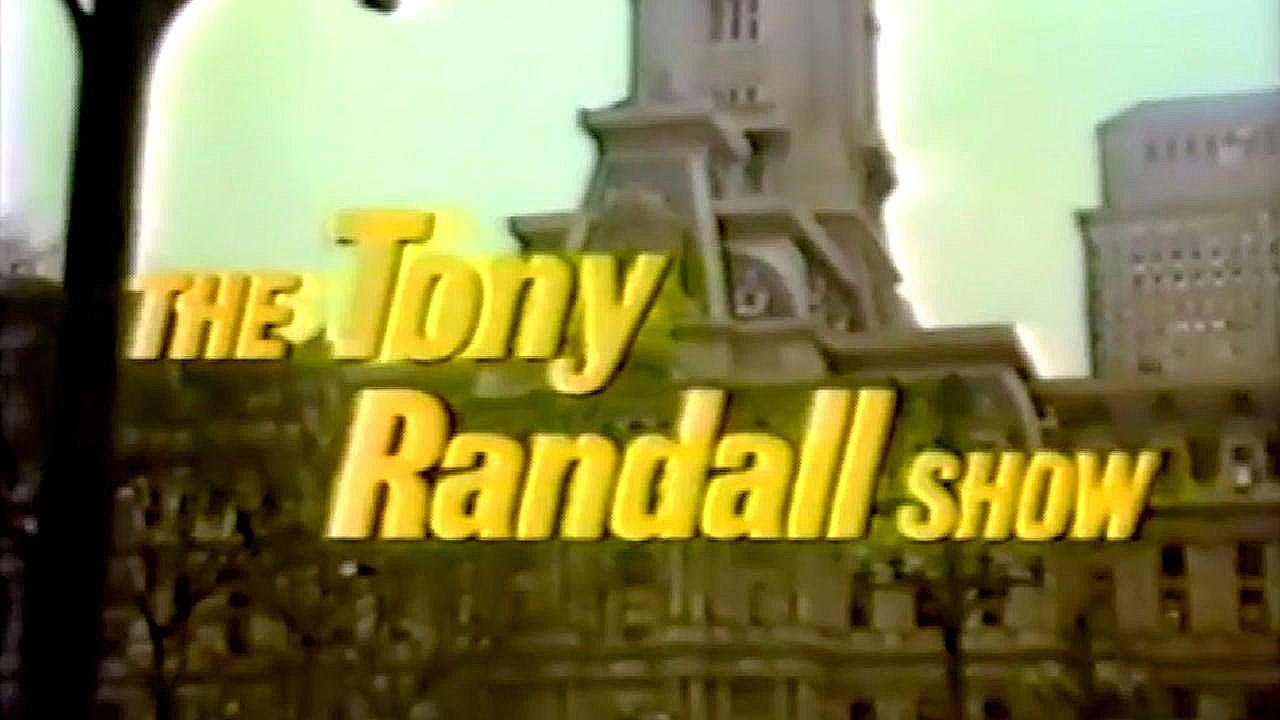
The Tony Randall Show
Randall played a widowed Philadelphia judge surrounded by family and courthouse eccentrics. The series favored literate character comedy over catchphrase machinery.
The Tony Randall Show was polished television made at a moment when polish could be mistaken for being old-fashioned. Randall’s judge moved between courthouse eccentricity and family responsibilities with the same precise exasperation he brought to Felix Unger. The series lacked a giant hook, but that was part of its appeal. It trusted character, language and the small humiliations of professional life.
What comes back first: Tony Randall’s precision while courthouse and family life become equally unreasonable.
Why it ranks here: It is a strong example of the decade’s deep bench: polished, adult and better than its short run implies.
30
Family spin-off
1977–1978.
Fish
Abe Vigoda’s weary detective retired from the 12th Precinct and entered a foster home full of children who required a completely different kind of patience. The concept was warmer and more domestic than Barney Miller.
Fish took the most exhausted detective in Barney Miller and placed him in a home full of children who needed patience he did not believe he possessed. Abe Vigoda could make standing still look like a medical emergency, yet the character’s decency always survived the complaint. The spin-off softened the precinct edge and became more domestic, but it gave Fish a chance to be more than the man waiting for retirement.
What comes back first: Fish looking exhausted before the children have even explained what happened.
Why it ranks here: Vigoda’s exhausted dignity gave the spin-off a personality of its own.
31
Marriage spin-off
1979.
The Ropers
Norman Fell and Audra Lindley moved the landlords out of Three’s Company and into a new neighborhood. Their marriage—his laziness against her social ambition—remained the real comic engine.
The Ropers worked because Stanley and Helen had already built a complete marriage out of disappointment, desire and familiar complaint. Moving them into a new neighborhood gave Helen fresh social ambitions and Stanley new reasons to resist. The missing apartment trio mattered, but Norman Fell and Audra Lindley still knew exactly how to turn one look across the room into the whole history of the relationship.
What comes back first: Helen reaching for a better life while Stanley refuses to get off the couch.
Why it ranks here: The spin-off was brief, but the Ropers were too distinctive to disappear without one last argument.
32
Police-station comedy
1977–1979.
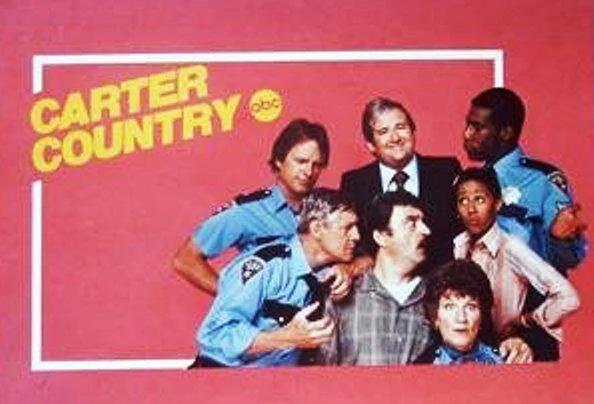
Carter Country
Victor French played a small-town Georgia police chief opposite Kene Holliday’s college-educated officer. The show used their partnership to address race and generational assumptions within a broad sitcom frame.
Carter Country tried to put changing Southern attitudes inside a broad police-station comedy. Kene Holliday’s Curtis and Victor French’s chief approached the town from different generations and assumptions, which gave the show more tension than a simple workplace setup. The jokes could be blunt, but the partnership made the series historically revealing. It looks like a program still figuring out how network comedy could discuss race without surrendering to a speech.
What comes back first: Curtis and the chief discovering that the town has changed faster than either one expected.
Why it ranks here: It is uneven but historically revealing, especially as a network attempt to mix Southern comedy with changing social realities.
33
School comedy
1969–1971.
The Bill Cosby Show
Cosby played Chet Kincaid, a Los Angeles high-school gym teacher whose life did not depend on a wife, a gimmick or a racial lecture every week. The low-key approach was quietly significant.
The Bill Cosby Show was quietly unusual because Chet Kincaid’s life did not require a weekly explanation of why a Black professional belonged at the center. The school setting supplied students, colleagues and ordinary frustrations. Its low-key rhythm can feel almost understated beside the louder Norman Lear era, yet that ordinariness was part of the achievement. The lead was allowed to have a job and a life instead of carrying the entire burden of representation.
What comes back first: A school problem handled with a calm rhythm that made the lead’s ordinary life quietly important.
Why it ranks here: It offered a Black lead living an ordinary professional life at a moment when that alone was still rare on television.
34
Family and neighborhood
1974–1975.
That’s My Mama
Clifton Curtis wanted independence, but his mother Eloise had plans for him and the Washington, D.C., barbershop kept everyone involved. The series leaned on neighborhood personality and generational comedy.
That’s My Mama built its humor from a grown son trying to claim independence while his mother, friends and neighborhood kept voting on the decision. The barbershop gave the show a place for community talk, not just plot setup. It never became one of the decade’s defining hits, but the family and neighborhood rhythms make it more than a footnote in the expansion of Black sitcom life.
What comes back first: The barbershop debate and Mama settling Clifton’s future before he has finished objecting.
Why it ranks here: Its short run still matters as part of the decade’s limited but expanding Black sitcom landscape.
35
Workplace class comedy
1970–1972.
Arnie
Herschel Bernardi played a blue-collar loading-dock worker unexpectedly promoted into management. The class tension was built directly into the premise as Arnie tried to keep his identity while learning executive rituals.
Arnie placed class mobility directly inside the workplace. A promotion should have been good news, yet it threatened the relationships and identity that made Arnie comfortable. The loading dock and management office were different social countries in the same building. Herschel Bernardi gave the character enough weight to make the tension believable even when the scripts leaned broad.
What comes back first: Arnie standing between the loading dock and management office, belonging fully to neither.
Why it ranks here: It is an overlooked early-decade workplace comedy with a premise the era would revisit in many forms.
36
Working-woman comedy
1970–1973 in the decade.
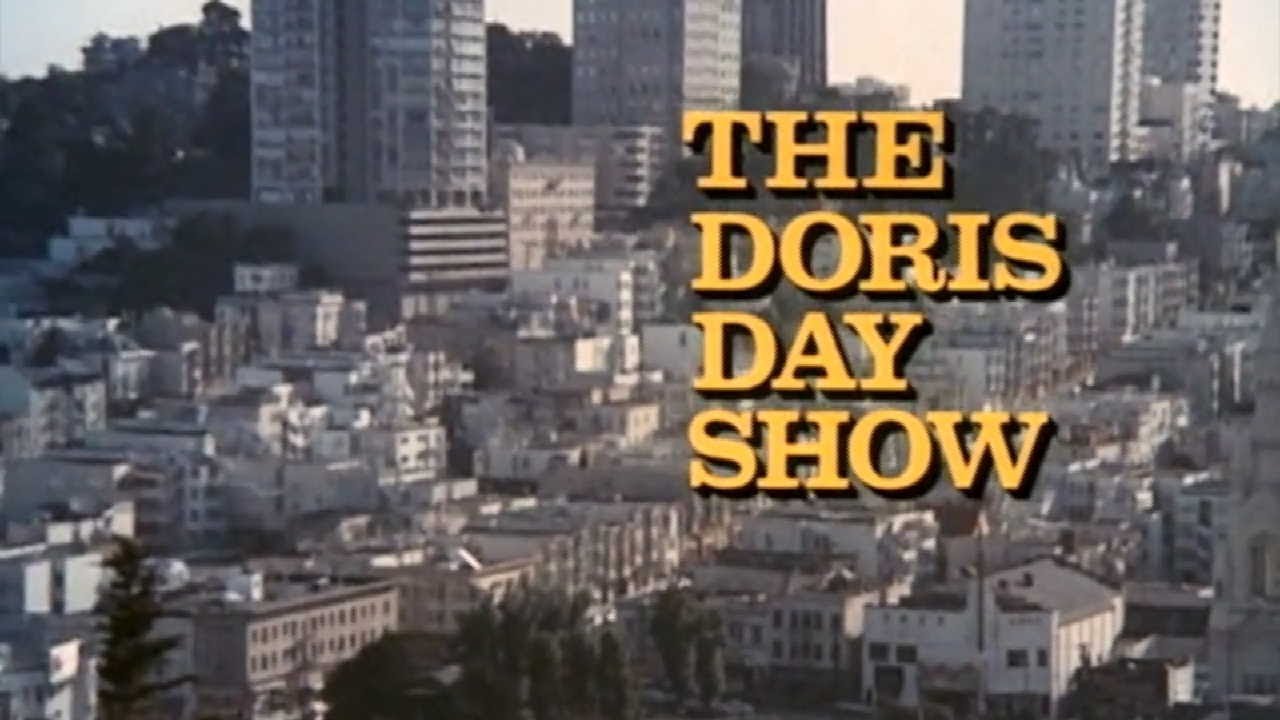
The Doris Day Show
The series reinvented itself repeatedly, eventually placing Doris in San Francisco magazine publishing. That instability could be distracting, but Day’s assurance and warmth carried every version.
The Doris Day Show changed premise so often that the reinvention became part of its identity. By the later seasons, Doris was working in San Francisco and living a more independent professional life than the rural opening suggested. Day’s confidence held the pieces together. The series is valuable partly because its instability mirrors how quickly television was trying to update the image of an adult woman.
What comes back first: Doris changing jobs, homes and entire premises while remaining unmistakably Doris Day.
Why it ranks here: Its later seasons fit the decade’s growing interest in independent working women, even if the path there was unusually complicated.
37
Family comedy
1972–1973.
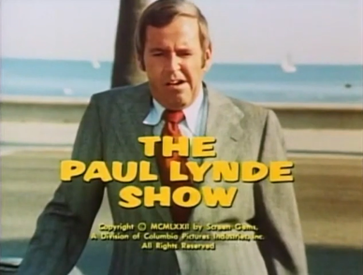
The Paul Lynde Show
Lynde played a lawyer tormented by family life, particularly a son-in-law he could barely tolerate. His acid delivery and theatrical exasperation were the entire weather system.
The Paul Lynde Show existed mainly to give Paul Lynde a room large enough for his irritation. His voice could turn a normal family problem into an accusation against the universe. The premise was conventional, but the delivery never was. The show did not find a long run, yet it preserves the full force of a performer usually asked to steal somebody else’s scene.
What comes back first: Paul Lynde stretching one complaint into a complete accusation against family life.
Why it ranks here: The show did not last, but it preserved a full-strength dose of one of television’s most unmistakable comic voices.
38
Hospital comedy
1972–1974.
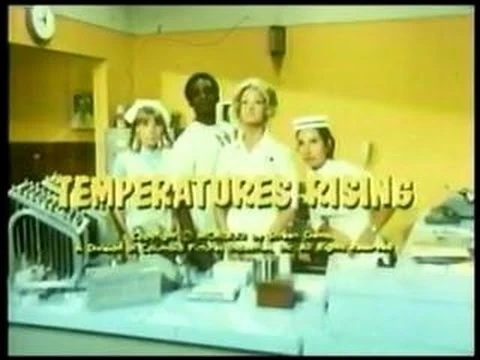
Temperatures Rising
A hospital sitcom that changed casts, tone and even leadership across its run, it remains a fascinating case of network tinkering. Cleavon Little’s early presence gave the first version particular energy.
Temperatures Rising became a lesson in what happens when a network keeps adjusting the treatment. Cast and tone changes prevented the hospital from developing a stable comic identity. The early version, especially with Cleavon Little, had energy and a clearer point of view. The uneven run still earns a place because it shows how eagerly 1970s television searched for the next workplace ensemble.
What comes back first: A hospital full of comic energy that keeps changing its own diagnosis.
Why it ranks here: The instability kept it from greatness, but it belongs in any serious map of 1970s workplace comedy.
39
Workplace and family
1973–1974.
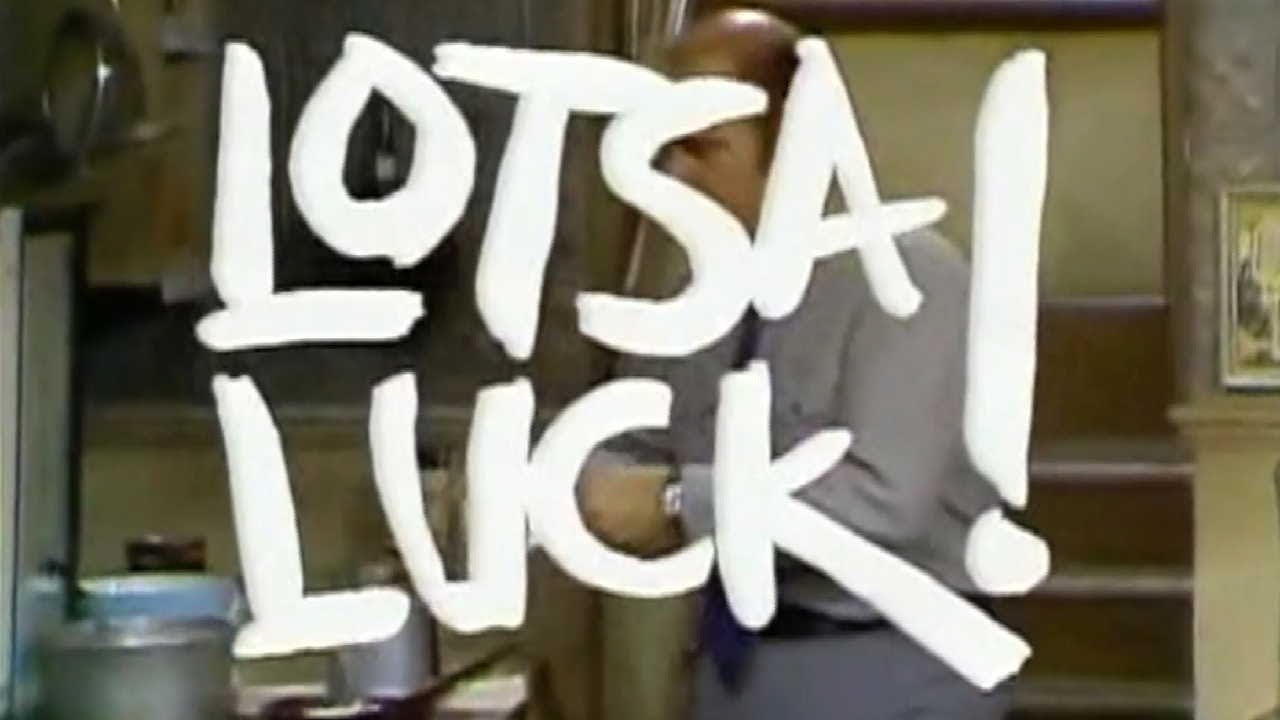
Lotsa Luck!
Dom DeLuise played a bus-company employee trapped between work frustration and a family that treated his patience as a renewable resource. The comedy was broad, noisy and tailored to DeLuise’s physical gifts.
Lotsa Luck! put Dom DeLuise between a frustrating job and a family that could spend his patience faster than his paycheck. The humor was broad and physical, but the working-class pressure underneath it was recognizable. It feels like a bridge between older domestic comedy and the louder family shows that would dominate later. The short run gives it the shape of a vivid local-station memory.
What comes back first: Dom DeLuise absorbing one more family demand until the whole body becomes the punchline.
Why it ranks here: It is a one-season time capsule of working-class network comedy before the style shifted later in the decade.
40
Hotel ensemble
1975.
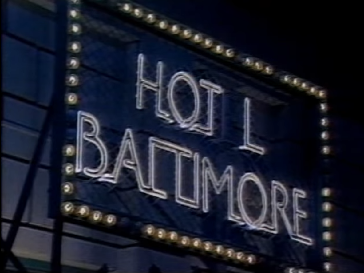
Hot l Baltimore
Norman Lear’s adaptation of Lanford Wilson’s play placed outsiders and long-term residents inside a decaying hotel. Its characters and subject matter pushed past the comfort zone of network comedy.
Hot l Baltimore brought people network comedy usually kept at the edge into the center of a decaying hotel. The setting allowed strangers, outsiders and long-term residents to become a temporary family without pretending they were respectable by television standards. The material was ambitious and difficult to package. Its cancellation does not erase the fact that the show was already testing subjects later television would treat as normal.
What comes back first: The hotel lobby filling with people television usually asked to stay outside.
Why it ranks here: The run was short, but the willingness to center people television usually ignored gives it lasting importance.
41
Prison ensemble
1975–1976.
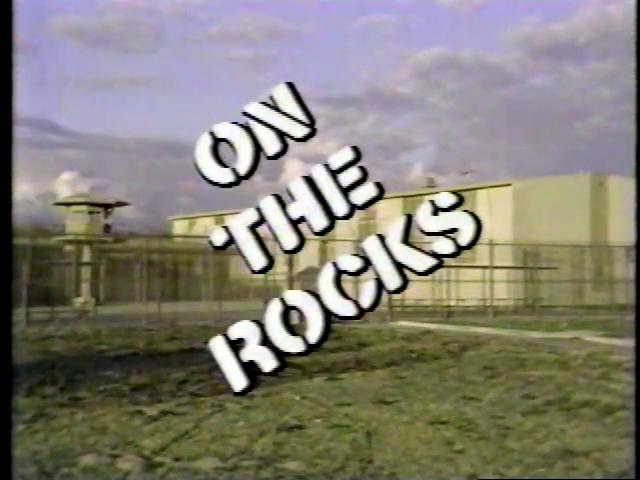
On the Rocks
This American version of Porridge found comedy inside a prison, using inmates and guards as a closed workplace ensemble. The premise was unusual enough to create both sharp moments and obvious limits.
On the Rocks adapted a British prison comedy into an American network environment where the location itself created limits. The inmates and guards formed a closed workplace, but the show had to find humor without making confinement meaningless. It never fully solved that problem. The attempt remains interesting because the decade was willing to try sitcom machinery almost anywhere.
What comes back first: Inmates and guards trying to build sitcom routine inside a place designed to remove it.
Why it ranks here: It represents the decade’s willingness to test sitcom machinery in places earlier television would have avoided.
42
Medical workplace
1976–1977.
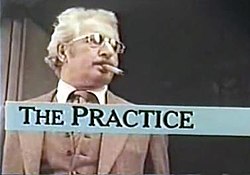
The Practice
Danny Thomas played a crusty New York physician whose office brought patients, staff and family into constant collision. The humor was old-school, but the medical workplace gave it a contemporary frame.
The Practice gave Danny Thomas an old-school comic authority inside a medical office full of interruptions. The patients, staff and family obligations created a dependable flow of irritation. It was not designed to overturn television, and it did not need to. The show represents the deep bench of the decade: professional, well-cast comedy that could fill a night without becoming a cultural argument.
What comes back first: Danny Thomas treating every patient, employee and relative as one more interruption.
Why it ranks here: It is remembered less than the decade’s landmark comedies, yet its craft and cast made it sturdier than a footnote.
43
Adult independence
1975–1976.
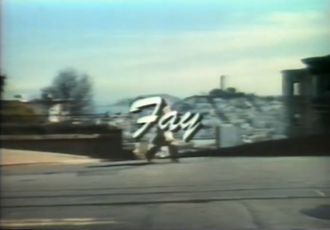
Fay
Lee Grant played a divorced woman entering middle age and rebuilding her personal life. The show treated divorce as a continuing condition rather than a temporary plot obstacle.
Fay centered a divorced woman rebuilding her life at middle age, a premise network television still treated as risky. Lee Grant gave the character intelligence and bite without making the new freedom effortless. The show disappeared quickly, but its viewpoint looks less unusual now because later comedies continued the path. Sometimes a short run matters because it reveals what television was not yet ready to sustain.
What comes back first: Fay stepping into a new life while everyone around her expects the old rules to return.
Why it ranks here: Its cancellation came quickly, but its premise points toward the adult female-centered comedies that followed.
44
Backstage workplace
1977–1978.
The Betty White Show
White played the star of a fictional police series while working with an ex-husband who directed it. The backstage premise let her move between professional confidence and comic irritation.
The Betty White Show let White play a television star working with the ex-husband who directed her fictional police series. That backstage tension gave her room for professional confidence and controlled irritation. The premise was clever enough to feel modern, even if the series never found a large audience. White’s timing makes it worth revisiting between the better-known milestones of her career.
What comes back first: Betty White smiling professionally while the ex-husband behind the camera makes that impossible.
Why it ranks here: It gave Betty White another sharp, self-aware role between two better-known landmarks in her career.
45
Family farce
1977–1978.
Baby, I’m Back
Demond Wilson played a husband who returned after being declared legally dead and discovered that his family had moved forward. The premise mixed domestic farce with questions about responsibility and second chances.
Baby, I’m Back turned legal death into domestic farce. Demond Wilson’s character returned expecting the family to resume, only to discover that absence had consequences. The premise could have become pure gimmick, but the questions about responsibility and second chances gave it more weight. The short run feels like a strange cousin to the changing-family comedies elsewhere on the schedule.
What comes back first: A man declared dead discovering that his family has been very much alive without him.
Why it ranks here: It was brief, but Wilson’s post-Sanford lead role and the family setup make it worth remembering.
46
Military ensemble
1973–1974.
Roll Out
Set among Black soldiers in a World War II transportation unit, Roll Out tried to combine service comedy with a perspective rarely centered on network television. Stu Gilliam and Hilly Hicks led the ensemble.
Roll Out placed Black soldiers inside a World War II service-comedy format usually dominated by white casts. That shift changed the jokes, authority relationships and historical point of view. The series had only a brief chance to establish itself, but the attempt mattered. It is another example of the decade testing whether a familiar television form could hold a story it had previously ignored.
What comes back first: A familiar military-comedy rhythm carrying voices the format had usually left out.
Why it ranks here: Its short life does not erase the significance of who it placed inside a familiar military-sitcom structure.
47
Legal workplace
1979.
The Associates
Young lawyers entered a prestigious firm and discovered that professional life was full of absurd hierarchy. The creative team included future major comedy voices, and the cast had an appealing intelligence.
The Associates arrived with a sharp workplace premise and a cast that made young-lawyer insecurity feel comic rather than glamorous. The prestigious firm was a hierarchy machine, which gave the newcomers plenty to misunderstand and resist. Its brief run has made it a favorite lost-show argument because the creative talent and setup suggested room to grow. Cancellation froze it before the ensemble could fully settle.
What comes back first: Young lawyers discovering that prestige mostly means better furniture for the same humiliation.
Why it ranks here: Its cancellation cut off a promising workplace comedy just as the decade was ending.
48
Emergency workplace
1978.
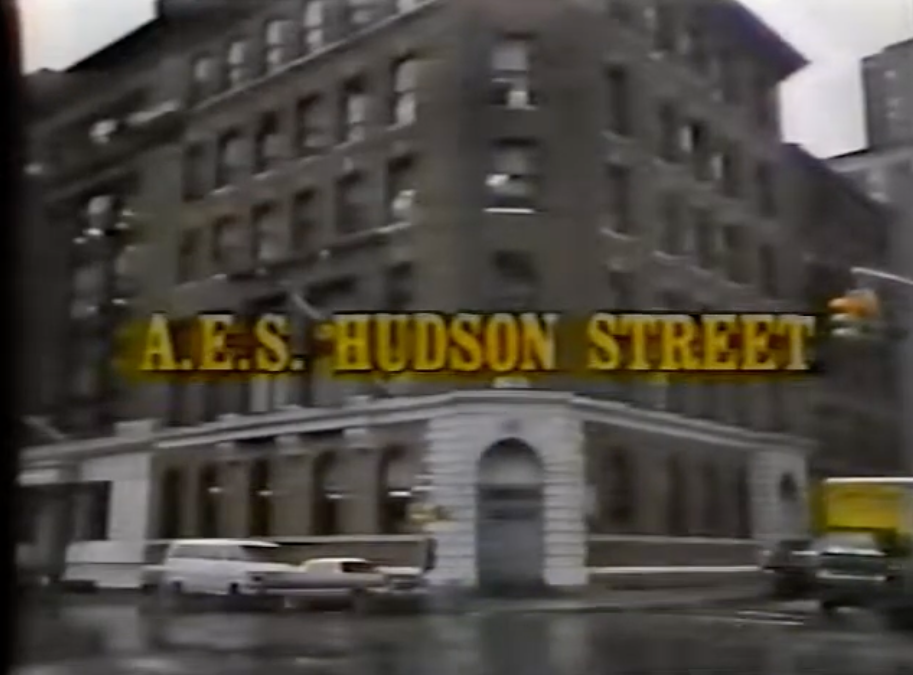
A.E.S. Hudson Street
A chaotic emergency service in New York gave Gregory Sierra a rare sitcom lead. The show aimed for urban workplace energy and a large eccentric ensemble.
A.E.S. Hudson Street tried to capture emergency-room chaos before medical comedies became a dependable subgenre. Gregory Sierra brought authority and exasperation to a setting designed for constant interruption. The cast was large, the pace was busy and the show vanished before the pieces could lock together. It remains a fascinating late-decade experiment rather than a fully formed classic.
What comes back first: Gregory Sierra trying to impose order on an emergency service built to defeat it.
Why it ranks here: It lasted only a handful of episodes, but its cast and setting make it a revealing late-decade experiment.
49
Neighborhood ensemble
1972–1973.
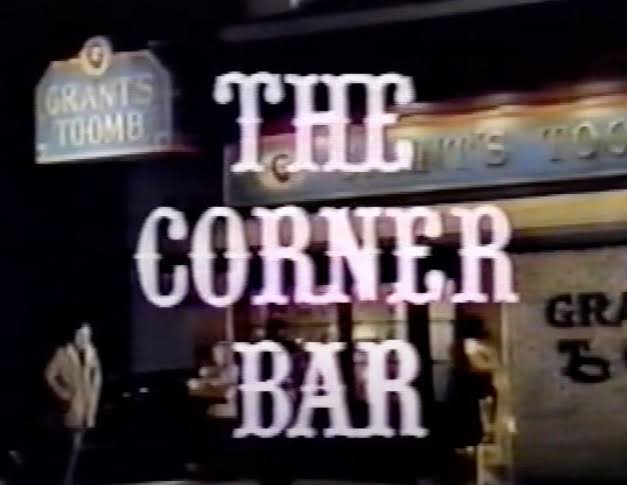
The Corner Bar
A neighborhood tavern provided a home for regulars and one of American television’s earliest recurring gay characters, played by Vincent Schiavelli. The writing could be cautious, but the presence mattered.
The Corner Bar used a neighborhood tavern as a place where regulars could become a loose family. Its historical importance includes one of American television’s earliest recurring gay characters, handled with the caution and contradictions of the period. The show was not a landmark in execution, but it reveals how representation often entered network schedules through side doors before the culture was ready to open the front one.
What comes back first: A tavern regular saying what the more respectable rooms on television still avoided.
Why it ranks here: Its historical importance exceeds its fame, especially in a decade when representation often arrived in small, complicated steps.
50
Political romance
1976–1977.
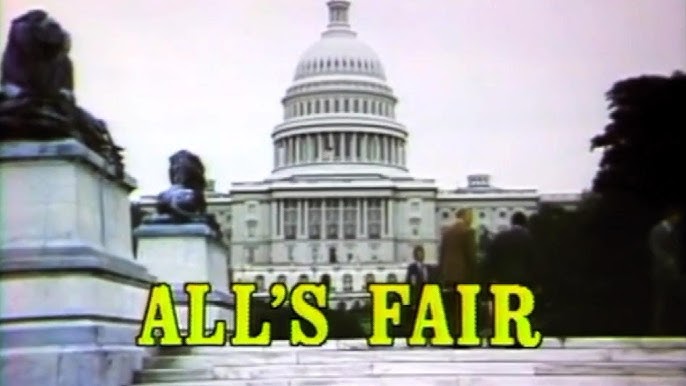
All’s Fair
Richard Crenna and Bernadette Peters played a politically mismatched Washington couple whose romance crossed age and ideology. The scripts used the capital as more than wallpaper.
All’s Fair matched politics, romance, age and ideology in a Washington relationship that could not avoid argument. Richard Crenna and Bernadette Peters gave the mismatch enough warmth to prevent the concept from becoming a weekly position paper. The capital setting mattered because work and public life kept entering the romance. It was topical, sophisticated and gone before the premise had exhausted itself.
What comes back first: Politics entering the romance before either person can pretend the disagreement is charming.
Why it ranks here: It was sophisticated, topical and too short-lived—a common fate for comedies that sat between broad hits and prestige favorites.
The decade’s best sitcoms depended on ensembles strong enough to make a workplace or living room feel permanent.
The evidence in the laugh track
What the Best 1970s Sitcoms Had in Common
The decade did not have one comedy formula. It had a shelf of them, each built around a different reason to return after the commercial.
CASE NOTE 1Character beat the issueThe strongest argument shows survived because Archie, Maude, George and Ann were people first. The wider history belongs in How 1970s Sitcoms Started Talking About Real Life.CASE NOTE 2Work became a second familyNewsrooms, precincts, garages and radio stations gave adults relationships they chose. The full comparison continues in Best Workplace Sitcoms of the 1970s.CASE NOTE 3Black life widened on prime timeSanford, the Evanses, the Jeffersons and Raj’s neighborhood carried different families, classes and comic rhythms. See The Best Black Sitcoms of the 1970s.CASE NOTE 4Spin-offs built a neighborhoodMaude, George and Louise, Rhoda, Laverne and Shirley proved a supporting character could step through another front door and bring the audience along.CASE NOTE 5Reruns rewrote the rankingsThe Brady Bunch and The Odd Couple became daily companions. For Gen X, repetition often mattered more than the original ratings chart.CASE NOTE 6The theme opened the roomSome shows were recognizable in three notes. The larger soundtrack continues in 70s TV Theme Songs.
A weekly sitcom asks you to remember it. A daily rerun becomes part of the furniture—and eventually part of the family history.
The decade behind the countdown
How 1970s TV Comedies Changed Across the Decade
1970–1972: the walls started moving
The decade opened with a good deal of 1960s television still on the schedule. Then All in the Family made the family argument the weekly engine, Mary Tyler Moore made adult independence look ordinary, The Odd Couple turned divorce into a new household and Sanford and Son made a junkyard one of television’s most recognizable stages.
The change was not only subject matter. The rhythm changed. Characters were allowed to stay wrong, jokes could leave an uncomfortable fact on the coffee table and love no longer required agreement. The full creator-level story belongs in How Norman Lear Changed Television.
1973–1975: the ensemble became the real star
M*A*S*H, Bob Newhart, Good Times, The Jeffersons and Barney Miller built worlds rather than premises. Supporting players stopped waiting for the lead to hand them the joke. The newsroom, squad room, apartment and hospital camp became places where several points of view could collide without one person swallowing the show.
Family television changed just as quickly. Divorce, class pressure, single parenting and new household structures moved from special episodes into weekly life. That larger story continues in How the Television Family Changed During the 1970s.
1976–1977: broad comedy became a national event
Laverne & Shirley, Three’s Company and Welcome Back Kotter proved that physical comedy, catchphrases and schoolyard imitation could still dominate. Happy Days had already grown from a softer family show into the kingdom of Fonzie, and familiar characters kept moving into neighboring series.
The 1950s revival was bigger than one leather jacket. Television, music and fashion all helped polish the recent past into comfort. The trend belongs in How 1970s Television Revived the 1950s.
1978–1979: the workplace got stranger and sharper
Taxi and WKRP closed the decade with adults improvising a life while the official plan failed. Soap broke the reset button and made viewers remember last week. Mork & Mindy turned one performer’s speed into a national event. The late arrivals pointed toward the character-driven workplace comedies of the 1980s without losing the looseness of the 1970s.
Choose tonight’s rerun
The Best 1970s Sitcoms to Watch First
Do not turn fifty shows into homework. Start with the kind of room you want to enter.
The strongest shows are not preserved by nostalgia alone. They still understand character. Archie hears an argument as a threat, Bob hears chaos as something to survive quietly, Mary builds a life one ordinary choice at a time and Rockford—who belongs to another genre but shared the rerun dial—reminds us how completely television characters once occupied the house.
The physical world matters too. These apartments, squad rooms, garages and living rooms were small enough to memorize. Phones stayed on walls. Everybody entered through the same door. A couch or desk could hold years of history because the audience kept returning to the same angle.
Not every joke or attitude has aged well, and honesty belongs in the rewatch. Some shows carry stereotypes, casual cruelty or assumptions that now stop the laugh. The better series survive because there is enough character and craft to argue with rather than merely excuse.
Most of all, the half-hour offered completion. The family might still disagree and the job might still be terrible, but the room had settled by the credits. Then the local station ran it again the next afternoon and we watched from the carpet as though the outcome might change. The rest of that shared dial is waiting in the complete 1970s TV guide.
Ten years of comedy
1970s Sitcoms by Year
Put the sitcoms back beside the dramas, family shows, movies and specials that shared the same night.
All in the Family ranks first because it combined enormous popularity with a lasting change in what network comedy could discuss, while keeping the Bunkers recognizable as a family rather than a collection of arguments.
Why is M*A*S*H counted as a 1970s sitcom?
The series premiered in 1972 and developed most of its defining ensemble, tone and cultural importance during the decade, even though it continued until 1983.
What were the most popular 1970s sitcoms?
Happy Days, Laverne & Shirley, Three’s Company, All in the Family, Sanford and Son and The Jeffersons all reached enormous audiences. Popularity matters here, but it does not settle the entire ranking.
Why do some 1970s sitcoms feel bigger in reruns than they did originally?
Daily syndication gave shows such as The Brady Bunch and The Odd Couple a different kind of reach. A weekly program asks to be remembered; an after-school rerun becomes part of the room.
Why are several shows that began in 1969 included?
Programs such as The Courtship of Eddie’s Father and The Bill Cosby Show continued meaningfully into the 1970s and belonged to the television schedule viewers actually experienced.
Why are one-season sitcoms included?
A true decade ranking should show the whole creative shelf, not only the winners. Short runs such as Hot l Baltimore, Fay and The Associates reveal ideas and performers television was still learning how to support.
What is the best workplace sitcom of the 1970s?
The Mary Tyler Moore Show ranks highest among workplace comedies, with Taxi, The Bob Newhart Show, Barney Miller and WKRP in Cincinnati close behind. The full subgenre belongs in Best Workplace Sitcoms of the 1970s.
What is the best Black sitcom of the 1970s?
The Jeffersons ranks highest here, followed by Sanford and Son and Good Times. The dedicated comparison is in The Best Black Sitcoms of the 1970s.
Which 1970s sitcoms hold up best now?
The Mary Tyler Moore Show, Taxi, The Bob Newhart Show, Barney Miller, The Odd Couple and the best episodes of All in the Family remain easy recommendations because character and timing matter more than period fashion.
How should I use this ranking?
Start with the top ten for the defining shows, then follow the mood: family arguments, workplace ensembles, broad farce, friendship comedy or the strange short-lived experiments near the bottom. The linked show histories take the deeper route when one series grabs you.
Program histories, awards records and oral-history interviews were used to check dates, formats and production context. The order reflects the judgment of Smells Like Gen X.