Bad Boy, Death Row, and 90s Rap Rivalries
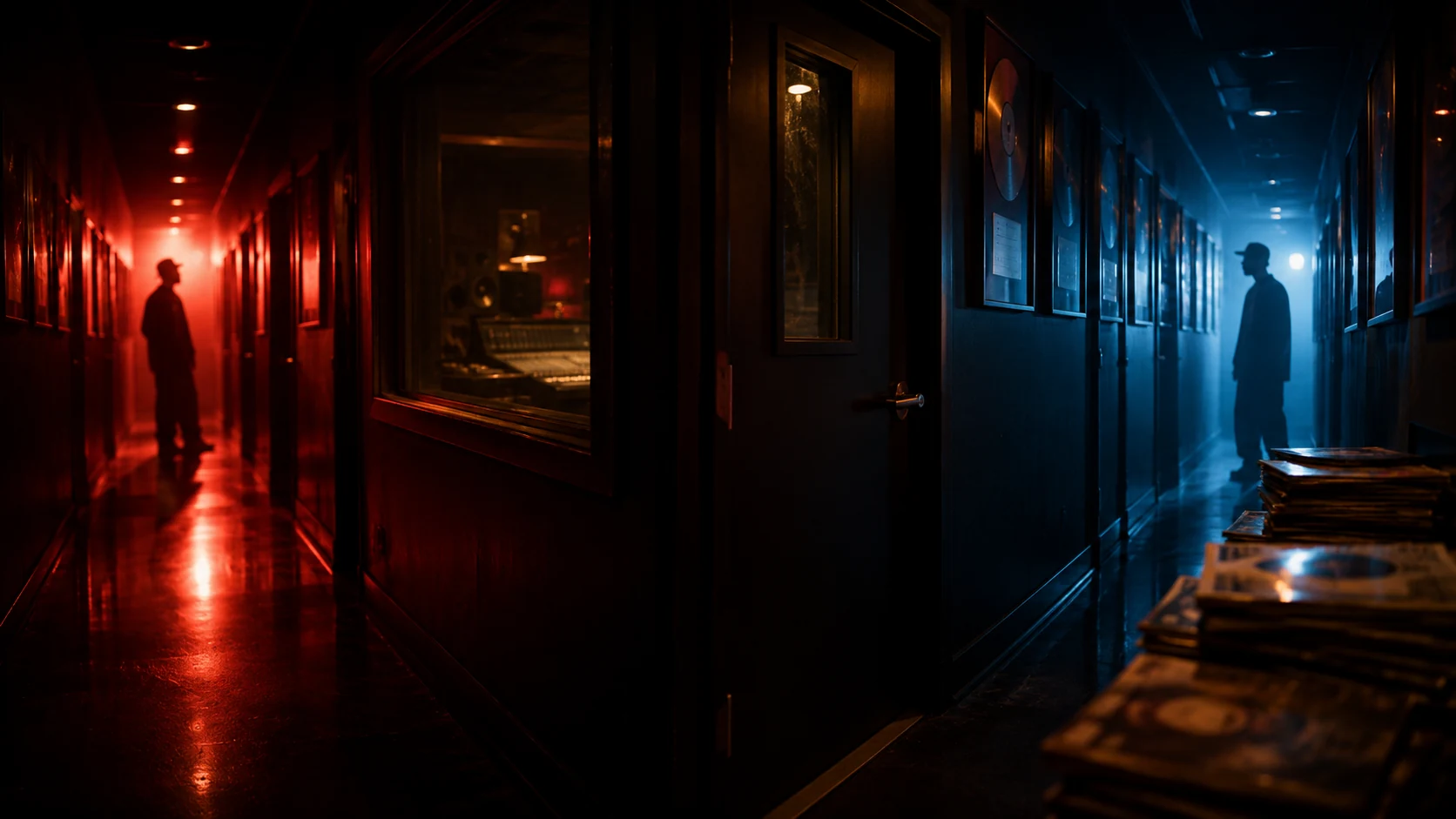
Bad Boy, Death Row, and 90s rap rivalries turned hip-hop competition into mass entertainment. What started as regional pride, label branding, lyrical shots, street tension, magazine headlines, award-show moments, and superstar mythology became one of the decade’s loudest and most tragic pop-culture stories. Biggie and 2Pac were brilliant artists before they were symbols. Bad Boy and Death Row were powerful labels before they became shorthand. And the larger 90s hip-hop and rap story deserves more than recycled gossip, because the music was too good and the consequences were too real.
The Bad Boy and Death Row rivalry became one of the defining 90s rap stories because it combined two powerful labels, two superstar artists, East Coast and West Coast pride, MTV visibility, magazine coverage, radio pressure, diss records, award-show theater, real street tension, and a media machine that loved drama more than context. But the rivalry should not be remembered as cartoon beef. It involved incredible music, complicated people, business incentives, public image, grief, and consequences that changed hip-hop forever.
The Rivalry Story Did Not Start as a Movie Trailer. It Got Turned Into One.
The Music Was Real. The Hype Machine Was Too.
The rivalry era was music, business, media, ego, grief, regional pride, and audience appetite all feeding the same fire.
The Bad Boy and Death Row rivalry is one of those 90s stories that has been told so many times it almost stops sounding real. It gets reduced to a few names, a few images, a few quotes, a few magazine covers, a few songs, and a whole lot of people talking like they were personally in the room when they were actually watching MTV in sweatpants. Very 90s. Very human. Very messy.
But if you strip away the cheap retellings, the story becomes bigger and sadder and more interesting. It is not just “East Coast versus West Coast.” That phrase became the bumper sticker version, the one the media could sell quickly. The real story involved two labels building power at the same time, two coasts fighting for cultural gravity, two superstar artists being turned into symbols, and an entertainment industry discovering that rap conflict could be packaged like a pay-per-view event.
Bad Boy Records represented a New York comeback story with glossy ambition. It had street credibility, radio instincts, R&B polish, club energy, and a founder who understood image, hooks, remix culture, and television visibility. Death Row Records represented West Coast dominance at its loudest: Dr. Dre and The Chronic, Snoop Dogg’s G-Funk cool, lowrider bass, harder public image, and a label presence that felt less like a company and more like a storm system.
The two labels did not invent rap competition. Hip-hop had battled from the beginning. Crews competed. MCs threw shots. DJs battled. Neighborhood pride mattered. Regional pride mattered. But the 90s changed the scale. MTV could turn a song into a national image. Magazines could turn tension into cover stories. Radio could keep a record in circulation until every listener had an opinion. Award shows could become theaters of regional tension. Suddenly, rap beef had distribution.
That is the part that made this rivalry era different. It was not just artists competing. It was an entire ecosystem learning how profitable conflict could be. Fans picked sides. Labels leaned into identity. Journalists chased drama. Television flattened nuance. Radio fed repetition. And because this was the 90s, everyone acted shocked that the machine they kept feeding was getting louder.
This post is not here to cosplay a tabloid. Nobody needs another lazy “who said what” drama recap with all the nuance of a middle-school hallway. The better rewind is this: how did brilliant music, label ambition, regional pride, media amplification, and real human tension become one of the most famous and painful chapters in 90s Music?
The rivalry was a media product
Real tensions existed, but the way the story reached millions of people was shaped by television, magazines, radio, label marketing, and fans hungry for meaning. The media did not create every conflict, but it absolutely helped turn conflict into entertainment.
That distinction matters. Without it, the story becomes cartoon history, and cartoon history is how we end up with adults explaining rap like they learned it from a bumper sticker.
The music came first
Before the mythology swallowed the decade, the records were incredible. Ready to Die, The Chronic, Doggystyle, All Eyez on Me, Bad Boy remixes, Death Row singles, soundtrack cuts, radio edits, and album tracks shaped how the 90s sounded.
The tragedy is that the story often became bigger than the art, even though the art is why anyone cared in the first place.
Calling It “Beef” Makes It Sound Smaller Than It Was
Rap beef can be part of hip-hop. Competition sharpens artists. Diss records can be exciting. Rivalry can be creative fuel. But the Bad Boy and Death Row era became something bigger and darker than regular competition.
In hip-hop, rivalry is not automatically a problem. The culture was built on competition: who had the best verse, the best DJ, the best crew, the best block, the best stage presence, the best punchline, the best record. Battle energy is part of hip-hop’s DNA. That is not the same thing as what happened when the 90s industry discovered that real tension, regional pride, and superstar vulnerability could be sold like an action movie.
The Bad Boy and Death Row story had layers. There was artistic competition. There was label competition. There was regional pride. There were personal relationships, personal fallout, and public perception. There was a hungry press. There were fans who wanted simple teams. There were radio stations that benefited from the drama. There were magazines that needed covers. There were award shows looking for moments. There were executives who understood controversy as fuel.
And then there was the emotional reality of two artists — Biggie Smalls and 2Pac — being turned into symbols while they were still young men moving through fame, pressure, fear, pride, loyalty, money, public scrutiny, and personal pain. The world wanted archetypes: East Coast king, West Coast outlaw, polished mogul, dangerous label boss. Real people are more complicated than that. The 90s did not always care.
That is why “beef” is too small a word. Beef sounds like a feud you can rank, score, and turn into a trivia question. This was a machine. It pulled in artists, labels, fans, DJs, journalists, magazines, television, police narratives, award shows, gossip, grief, marketing, and regional identity. Some people pushed it. Some people profited from it. Some people got trapped inside it.
The better way to understand the rivalry era is as a feedback loop. A song creates tension. A magazine covers the tension. Fans argue about the cover. Radio repeats the song. Television asks loaded questions. Labels lean into the identities. Artists respond. The response creates more coverage. More coverage creates more pressure. More pressure creates more dramatic responses. And around it goes, because the 90s media machine had all the restraint of a mall food court Mountain Dew refill.
The records mattered
The music was not background noise to the drama. It was the reason anyone cared in the first place.
Labels needed identity
Bad Boy and Death Row both built strong brands, and rivalry made those brands feel even louder.
Drama sold copies
Magazines, television, and radio found out that rap tension could move attention fast.
People picked sides
Regional pride and artist loyalty turned music discussion into identity for a lot of listeners.
Bad Boy Made New York Sound Expensive Again
Bad Boy was not just a label. It was a strategy: street rap with pop instincts, R&B hooks, shiny videos, remix culture, radio understanding, and a New York confidence that could move from the corner to the club without changing clothes.
Street, Club, Radio, Video, Repeat
Bad Boy understood that the same artist could live on mixtapes, radio, MTV, clubs, and bedroom stereos — if the record had the right bounce.
Bad Boy’s rise mattered because New York was in a complicated place in the early 90s. The city was still rap’s birthplace and lyrical capital, but the West Coast had seized massive mainstream attention through G-Funk, gangsta rap, and Death Row’s run. New York did not disappear, obviously — anyone who says that was not listening — but the national spotlight had shifted.
Bad Boy helped bring that spotlight back with a different formula. The label did not sound like dusty underground purism. It did not sound like it was afraid of radio. It had street language, but it also had hooks. It had heavyweight rap presence, but it also knew how to make a video feel like an event. It understood that hip-hop was moving deeper into mainstream entertainment, and it was not going to apologize for wanting the big room.
Sean “Puffy” Combs was central to that approach. His strength was not pretending the industry did not matter. It was understanding that image, remixing, R&B connections, fashion, radio, clubs, and television visibility could all work together. Bad Boy was built for the full 90s media environment: music videos, magazine spreads, radio edits, club rotations, award shows, and CD sales.
And then there was Biggie. Bad Boy’s whole rise is impossible to understand without the gravitational pull of Christopher Wallace. Biggie could be funny, threatening, vulnerable, filthy, stylish, casual, technical, and cinematic. He had the voice, the breath control, the storytelling, the internal rhyme, the charisma, and that weird ability to sound like he was both joking and warning you at the same time.
Ready to Die gave Bad Boy an artistic foundation strong enough to hold the brand. That album was not just a commercial move. It was dark, funny, bleak, hungry, crude, vulnerable, and full of narrative detail. It gave New York a new superstar at exactly the moment the city needed one. It also gave the media a face for the East Coast comeback story, whether that was fair to Biggie or not.
Bad Boy’s genius was making hard records feel accessible without making them feel toothless. The label could move between street rap, party records, R&B remixes, radio singles, and shiny videos. That later fed directly into the late-90s glossy moment covered in the shiny suit era of late-90s rap, but the foundation was already there: big hooks, big visuals, big personality, big confidence.
The lyrical anchor
Bad Boy’s brand could shine because Biggie gave it weight. His writing made the label feel bigger than image.
The media strategist
Combs understood hooks, videos, remixes, branding, and how hip-hop could move through the full entertainment machine.
The comeback frame
Bad Boy became part of the story of New York reasserting itself in a decade where the West Coast had taken massive attention.
Death Row Made the West Coast Feel Unstoppable
Death Row’s early run was one of the most dominant label moments in 90s rap: Dre, Snoop, G-Funk, huge singles, dangerous image, polished production, lowrider bass, MTV rotation, and a public presence that felt impossible to ignore.
G-Funk, Muscle, Myth, and Massive Records
Death Row’s power came from sound first: Dre’s production, Snoop’s voice, West Coast atmosphere, and records that made cars feel like arenas.
Death Row’s rise did not feel subtle because subtle was not the product. The label arrived with enormous sound, enormous image, and enormous confidence. Dre’s production gave West Coast rap a cinematic polish that could shake cars and still sound clean on radio. Snoop’s voice made that world feel effortless. The label’s public image added edge, danger, and mythology around records that were already strong enough to dominate without the extra smoke.
The Chronic was the earthquake. It did not just restart Dre’s career after N.W.A.; it helped define what West Coast rap would sound like in the early 90s. It introduced a wider audience to Snoop. It made G-Funk feel like a national weather system. It turned production into atmosphere: synths, bass, funk, space, and a slow bounce that made everything feel larger than the room.
Doggystyle turned that momentum into a superstar moment. Snoop sounded like he had been famous before fame found him. His laid-back delivery made Death Row’s image smoother, funnier, more relaxed, and more marketable without sanding off the danger. That contrast mattered. Snoop could make a tense song feel like a party and a party song feel like trouble.
Death Row’s public identity was part music label, part movement, part warning sign, part myth machine. Suge Knight’s public persona became inseparable from the label’s reputation. Dre’s sound gave it credibility. Snoop gave it charm. The roster and affiliates gave it depth. MTV and magazines gave it national visibility. Fans gave it loyalty. Critics gave it panic. Adults gave it free promotion by being loudly terrified.
Then 2Pac entered the Death Row chapter, and everything intensified. Pac was not just another star. He was a lightning rod: political, wounded, furious, charismatic, funny, reckless, brilliant, contradictory, and already surrounded by public narrative before Death Row. Once he joined that ecosystem, the label’s mythology became even larger and more volatile.
That is why Death Row sits at the center of so many 90s rap conversations: West Coast hip-hop, G-Funk, gangsta rap, MTV, censorship, radio crossover, 2Pac’s mythology, and the rivalry era. The label’s records were huge. The image was huge. The consequences were huge. The story was huge enough that it eventually became dangerous to everyone inside it.
The architecture
Dre’s production made Death Row sound expensive, dangerous, smooth, and cinematic. The label’s image needed that musical foundation.
The charisma
Snoop made G-Funk feel relaxed and accessible without making it harmless. He gave the label charm inside the chaos.
The acceleration
Pac’s arrival turned the label’s mythology into something bigger, louder, more emotional, and far harder to control.
“East Coast vs West Coast” Was the Easy Headline. It Was Also Too Simple.
The East/West framing was powerful because it was simple. It gave fans teams. It gave magazines covers. It gave television a clean graphic. But hip-hop in the 90s was much bigger than two coasts throwing rocks at each other.
The Map Was Bigger Than the Headline
The rivalry story flattened a whole decade of regional creativity into a coast-versus-coast slogan because nuance was apparently too heavy for TV.
“East Coast versus West Coast” worked as a headline because it was clean. New York versus Los Angeles. Bad Boy versus Death Row. Biggie versus 2Pac. Puffy versus Suge. Timbs versus lowriders. Cold city versus sunny menace. It was simple, dramatic, visual, and easy to sell to people who wanted hip-hop explained in the time it took to microwave a Hot Pocket.
The problem is that the actual rap map was much bigger. The South was rising. Houston had Scarface and Geto Boys. Atlanta was building toward a takeover. New Orleans, Memphis, and Miami all had their own languages. The Bay Area had its own identity, slang, funk, and independent hustle. The Midwest was not silent. New York itself was not one sound: Bad Boy, Wu-Tang, Nas, Mobb Deep, Jay-Z, Boot Camp Clik, underground scenes, radio records, street rap, and backpack energy were all moving at once.
But the rivalry story narrowed the camera. It made the decade look like one fight between two logos and two artists. That did a disservice to almost everyone. It made Biggie and Pac carry more symbolic weight than any young artist should carry. It made regional pride feel like mandatory hostility. It made fans treat music taste like a border dispute. It made the media’s version of hip-hop smaller than hip-hop actually was.
This matters because the broader East Coast hip-hop in the 90s story was incredibly rich even outside Bad Boy. Nas was building cinematic street poetry. Wu-Tang was turning Staten Island into a whole mythology. Mobb Deep made Queensbridge sound cold enough to freeze your headphones. Jay-Z was emerging with hustler sophistication. The East was not just Bad Boy.
The same goes for the West. West Coast hip-hop in the 90s was not just Death Row. It included Ice Cube, Cypress Hill, DJ Quik, Too $hort, E-40, Spice 1, The Pharcyde, Souls of Mischief, Freestyle Fellowship, MC Eiht, and more. The West had gangsta rap, G-Funk, alternative hip-hop, Bay Area slang, underground lyricism, funk, party records, and political anger. Death Row was huge, but it was not the whole coast.
So yes, the East/West frame mattered. Fans felt it. Artists responded to it. Radio and magazines amplified it. But as history, it needs an asterisk the size of a Tower Records sign: the coasts were not monoliths, the labels were not the whole culture, and the music was far bigger than the fight.
Not just Bad Boy
New York had Wu-Tang, Nas, Mobb Deep, Jay-Z, underground scenes, street rap, and radio records all moving at once.
Not just Death Row
California had G-Funk, gangsta rap, Bay Area funk, alternative hip-hop, underground scenes, and multiple regional identities.
Already rising
Southern hip-hop in the 90s was building its own future while coastal media treated it like a side room.
The headline won
East versus West was simple, dramatic, and easy to sell. That did not make it complete.
Biggie Was More Than the East Coast Symbol He Got Turned Into
Biggie became the face of Bad Boy and a symbol of New York rap’s return, but that framing can shrink what made him special. He was not just “the East Coast side.” He was one of the greatest writers, voices, and storytellers of the decade.
Biggie’s role in the rivalry story is complicated because the media turned him into a symbol while his music was doing something much more interesting. He represented New York in the public imagination, sure. But his records were not just civic pride posters. They were full of contradiction: humor and depression, arrogance and insecurity, violence and vulnerability, luxury dreams and survival memory.
Ready to Die is still the center of the story because it introduced Biggie as a fully formed narrator. He could make ugly details sound cinematic. He could switch tone without losing control. He could be funny in one breath and bleak in the next. He had a voice that felt instantly massive, like the record had more gravity when he entered. That is not label branding. That is artistry.
Bad Boy’s polish sometimes makes people underrate Biggie’s technical ability, which is ridiculous. The man could rap. The flow was elastic. The breath control was nasty. The writing was visual. The internal rhymes tucked themselves inside conversational delivery so smoothly that casual listeners caught the personality first and the craft later. That is one of the reasons he crossed over without feeling watered down.
The rivalry narrative made Biggie carry New York like a championship belt, but his actual music was more human than that. He rapped about hunger, paranoia, sex, money, violence, jokes, self-destruction, family, depression, revenge fantasies, and success. He could sound like the funniest guy in the room and the saddest guy in the room within the same album. That range is why the deeper story belongs in Biggie Smalls and East Coast 90s Rap.
The tragedy is that the rivalry frame flattened him. Instead of being discussed primarily as an artist, he became one side of a national drama. That is how media mythology works. It takes a person with range and turns them into a chess piece. The audience gets a cleaner story. The artist loses dimensions.
Biggie’s legacy deserves better than being reduced to conflict. His records helped restore New York’s mainstream rap power. His voice gave Bad Boy artistic muscle. His storytelling influenced a generation. His humor still hits. His technical control still sounds effortless. And his life was cut short before anyone got to see what a full career would have become. That is not just a rivalry footnote. That is one of the great losses in 90s music.
2Pac Became a Symbol So Big It Almost Swallowed the Person
2Pac’s role in the rivalry era is impossible to discuss casually. He was not just the West Coast side of a headline. He was political, wounded, charismatic, furious, vulnerable, funny, reckless, poetic, and trapped inside a public image that kept getting louder.
2Pac’s story is one of the most difficult in 90s rap because he contained so many contradictions at once. He could be tender and aggressive, reflective and impulsive, political and chaotic, playful and furious, deeply compassionate and brutally combative. That made him magnetic. It also made him easy for the media to simplify badly.
Before Death Row became the loudest chapter, Pac already had a complicated public life. He had political roots, film roles, legal trouble, public controversy, major records, and a growing image as someone who seemed to carry every pressure around him directly into the microphone. His music could sound like confession, argument, prayer, threat, diary, speech, and headline all at the same time.
When Pac joined Death Row, the temperature changed. His charisma, anger, and public narrative fused with the label’s already powerful mythology. The result was explosive. Records moved faster. Images got stronger. Interviews got more intense. Fans leaned in. Media leaned in harder. And the line between art, persona, pain, loyalty, and performance became harder to separate.
Pac’s Death Row period gave the rivalry era some of its most famous moments, but it also made the machinery around him more dangerous. The public wanted him to be everything at once: outlaw, poet, activist, villain, prophet, superstar, fighter, victim, aggressor, symbol. That is an impossible job description. The 90s handed it to him anyway and then acted surprised when the story became too heavy.
This is why the deeper Pac story needs its own careful space in Tupac and the 90s Rap Mythology. The rivalry era is part of his story, but it is not the whole story. Reducing him to the conflict misses the vulnerability, the political consciousness, the contradictions, the acting career, the poetry, the family history, the tenderness, the paranoia, and the way fame turned his life into public property.
The saddest part is how much of Pac’s story became easier to sell after it became tragedy. Once he was gone, the myth froze. The arguments hardened. The images became permanent. The songs sounded prophetic whether or not they were meant that way. Fans mourned. Media replayed. The industry kept moving. That is the kind of 90s darkness nostalgia should not polish too much.
Pac was contradiction
His power came from the fact that he did not fit neatly into one lane. He could make political records, party records, revenge records, grief records, tender records, and public explosions.
The myth got too big
The rivalry era turned Pac into a symbol while he was still living inside the pressure. That is part of why the story still feels so heavy.
The 90s Media Machine Loved the Fire, Then Acted Shocked by the Smoke
Magazines, MTV, radio, award shows, interviews, and gossip all helped turn rap rivalry into mass entertainment. They did not invent every tension, but they amplified the tension until it became the story.
The Story Needed Cameras to Become Myth
Without MTV, radio, magazines, interviews, and award-show moments, the rivalry would not have traveled the same way.
The 90s media machine had a special gift for acting innocent while feeding drama with both hands. It could run a provocative cover, ask artists loaded questions, replay tense moments, frame everything as coast-versus-coast, and then wonder why the temperature kept rising. This is the same decade that gave daytime talk shows a throne, so subtlety was not exactly the national pastime.
Hip-hop magazines were incredibly important in the 90s. They gave rap serious coverage, documented scenes, highlighted lyricism, reviewed albums, broke new artists, and treated the culture as worthy of attention when mainstream outlets often still sounded confused. But magazines also needed sales, and conflict sold. A cover could elevate an artist, but it could also harden a narrative.
MTV mattered because television made everything visual. A video could define an artist’s world. An interview could become a moment. A news segment could turn rumor into atmosphere. A performance could feel like a statement. Once rap was on television regularly, the culture had a bigger stage, but the stage came with lighting, editing, framing, and an appetite for drama.
Radio mattered because repetition turns songs into public facts. Diss records, response records, and rivalry-adjacent singles did not just live on albums. They moved through stations, mix shows, requests, clubs, cars, and edited versions that made half the song sound like it was being attacked by a censor button. The more people heard the records, the more they felt invited into the argument.
Award shows mattered because they put regional pride in the same room with cameras rolling. The 1995 Source Awards became one of the most remembered examples because it felt like the whole East/West conversation had been dragged into a public theater. Moments from that night were replayed, quoted, mythologized, and folded into the rivalry story until they became almost symbolic shorthand.
The problem is that media loves symbols because symbols are easier than people. Biggie became New York. Pac became West Coast defiance. Puffy became shiny ambition. Suge became Death Row menace. The Source, Vibe, MTV, radio, and gossip all became part of the storytelling system. Everyone had a role. Roles are useful for drama. They are terrible for truth.
That is why the media angle belongs right next to Hip-Hop on MTV in the 90s and 90s Rap Radio Crossover. The rivalry did not become massive only because of private tension. It became massive because the decade had built a machine that could turn private tension into a public storyline and sell it back to everyone with commercials.
Television Made the Rivalry Visible. Radio Made It Daily Life.
The rivalry era spread because it had channels. MTV gave the story images. Radio gave the songs repetition. Clubs gave records energy. Cars gave them volume. School hallways gave them arguments. The whole thing moved because the 90s had built the perfect delivery system.
MTV changed the rivalry because it made rap feel bigger than sound. Bad Boy videos looked expensive, stylish, colorful, and ambitious. Death Row videos looked cinematic, sunny, dangerous, relaxed, and larger than life. The images made the labels feel like different worlds. That mattered because fans were not just choosing songs. They were absorbing entire visual identities.
Bad Boy’s videos helped sell a version of New York that was polished but still street-connected. There were suits, clubs, cars, city lights, dancers, cameos, and a sense that hip-hop could enter luxury spaces without asking permission. That image would grow even stronger later in the decade, but the foundation was already there.
Death Row’s videos sold a different mythology: lowriders, palm trees, backyard energy, studio rooms, crews, blue skies, smoke, bass, and West Coast cool. The sound and the image matched. You could see the bounce. You could see the cars. You could see the weather. New York looked like pressure. California looked like sunshine with consequences.
Radio did something else. It made the rivalry ordinary. Not ordinary as in boring — ordinary as in part of the day. You heard the songs in cars, on mix shows, in edited form, at parties, in stores, through cheap speakers, on boom boxes, and from somebody’s room down the hall. The drama lived next to regular life: homework, jobs, rides, mall trips, late-night phone calls, and trying to fix the Discman skip protection like that feature ever truly saved us.
This is why the rivalry era also belongs to 90s hip-hop movie soundtracks. Rap was moving through films, trailers, compilation albums, and soundtrack singles. Songs could become part of a movie mood, then move to radio, then move to CD binders, then move to parties. The delivery system was everywhere.
By the mid-90s, rap no longer needed permission to be central. It was not sneaking into pop culture. It was rearranging the furniture. The rivalry era proved how powerful that had become — and how dangerous it could get when the same system that amplified music also amplified conflict.
Before Social Media, Magazine Covers Could Move the Whole Room
In the 90s, magazines were not side content. They were cultural infrastructure. Covers, ratings, interviews, photos, rumors, and long features shaped how fans understood rap.
We Read the Covers Like Dispatches From the Front
Before every argument lived online, magazines, radio shows, and TV interviews told fans what the story was supposed to mean.
To understand the rivalry era, you have to remember what magazines meant before social media. A magazine cover could sit on a bedroom floor, a coffee table, a locker shelf, a barber shop counter, a dorm room desk, or the passenger seat of a car and become part of the conversation. You did not scroll past it. You stared at it. You read it. You passed it around. You argued about it.
Hip-hop magazines gave fans access to artists in a way television could not. Interviews were longer. Photos had mood. Reviews had authority. Cover stories felt like events. A five-mic rating could become mythology. A provocative quote could travel for months. A headline could frame an artist’s whole era. The magazine rack was basically a physical algorithm, except it smelled like paper and nobody was pretending it cared about your wellness.
The Source, Vibe, Rap Pages, XXL later in the decade, and other outlets all played roles in shaping the conversation. They documented culture that mainstream media often misunderstood. That matters. But they also operated inside an attention economy. Rivalry, controversy, and tension made people buy issues. Even thoughtful coverage existed next to a commercial need for drama.
This is not about blaming magazines for everything. That would be too easy and not especially accurate. The artists had agency. The labels had strategies. Fans had appetites. Radio and television had power. But magazines helped create the official memory. They preserved the images and quotes that later generations would use to understand the era.
That is why the magazine era feels so different from today’s internet chaos. Information moved slower, but it had weight. A cover could define a month. A quote could linger. A rumor could travel without being instantly fact-checked, debunked, remixed, memed, and turned into twelve reaction videos by noon. The slowness made the mythology thicker.
The Worst Thing About the Rivalry Story Is How Much Great Music It Overshadows
The rivalry became so famous that it sometimes blocks the records themselves. That is backwards. The music is why the story mattered. Bad Boy and Death Row both produced records that shaped the decade before, during, and after the drama.
Bad Boy records that shaped the era
- The Notorious B.I.G. — Ready to Die
The artistic foundation: dark, funny, vulnerable, violent, stylish, and one of the defining 90s rap albums. - The Notorious B.I.G. — “Juicy”
A crossover life-story anthem that made triumph sound warm without losing the memory of struggle. - The Notorious B.I.G. — “Big Poppa”
Club cool, radio smoothness, and Biggie’s charisma in full control. - Junior M.A.F.I.A. — “Get Money”
Bad Boy orbit swagger with Lil’ Kim’s star power announcing itself loudly. - Bad Boy remixes
The label’s remix strategy helped bridge rap, R&B, radio, clubs, and glossy late-90s crossover energy.
Death Row records that shaped the era
- Dr. Dre — The Chronic
The production blueprint that made West Coast rap smoother, bigger, and impossible to ignore. - Snoop Doggy Dogg — Doggystyle
The superstar debut that made G-Funk feel like the sound of 1993 and 1994. - 2Pac — All Eyez on Me
The massive Death Row blockbuster: charismatic, excessive, emotional, furious, and impossible to separate from the mythology. - Tha Dogg Pound — Dogg Food
A key Death Row crew record that extended the label’s sound and image. - Soundtrack cuts and features
Death Row’s reach extended through movies, radio, guest verses, and label-family appearances.
The rivalry story can make it seem like the music existed only to score the drama. That is backward. The music came first, and the music still outlasts the drama. Ready to Die is not important because of a coast-versus-coast storyline. It is important because Biggie’s writing, voice, sequencing, humor, fear, and detail make it one of the strongest albums of the decade.
The Chronic is not important because of rivalry mythology. It is important because Dre rebuilt the sound of mainstream rap production and introduced a G-Funk universe that changed the decade. Doggystyle is not important because of tabloid energy. It is important because Snoop’s flow, Dre’s production, hooks, skits, humor, and confidence captured a full cultural moment.
All Eyez on Me is not important only because of Pac’s Death Row myth. It is important because it is massive, charismatic, messy, emotional, excessive, catchy, defiant, and loaded with performances that show Pac turning pressure into sound. It is not a simple album because Pac was not a simple artist.
This is why the rivalry era belongs inside the best 90s hip-hop albums conversation and the 50 essential 90s hip-hop songs conversation. The records were not just news items. They were art objects, CD-binder staples, radio memories, party records, car-test records, and personal soundtracks.
The music also shows how different the two labels were. Bad Boy often made tension feel expensive, club-ready, and radio-smart. Death Row made tension feel cinematic, bass-heavy, sunny, and dangerous. Both could be commercial. Both could be hard. Both had style. Both understood image. But they did not sound interchangeable, and that difference helped fuel the public imagination.
90s Rap Rivalries Were Bigger Than One Story
Bad Boy and Death Row became the headline, but the 90s had plenty of other rivalries, diss records, competitive moments, and lyrical clashes. Some stayed mostly on wax. Some were creative. Some got personal. Some aged better than others.
One problem with the Bad Boy/Death Row story is that it can make all 90s rap rivalry seem like one tragic coast-versus-coast narrative. But rivalry in hip-hop was much wider and often much more lyrical. The culture had always valued competition. Who had the best verse? Who had the sharper diss? Who controlled the crowd? Who could respond fastest? Who embarrassed who on a remix? This was part of the sport.
Ice Cube’s post-N.W.A. conflicts, Dr. Dre’s break from former affiliations, Westside Connection’s shots, Common’s response, LL Cool J and Canibus later in the decade, underground battles, mixtape tensions, regional pride, and countless smaller conflicts all show how rivalry worked as a creative engine. Sometimes it made artists sharper. Sometimes it made fans pay closer attention. Sometimes it produced records that still get discussed because the bars were actually good.
The difference is that most rivalries did not become mass tragedy. They stayed closer to music, ego, status, and lyrical competition. That is why it is important not to treat all rap beef like it inevitably leads somewhere terrible. That framing is lazy and unfair. Hip-hop competition can be artistic. It can be funny. It can be theatrical. It can be a pressure test.
The Bad Boy and Death Row story became different because it mixed record competition with real-world pressure, media amplification, personal trauma, label branding, street narratives, and superstar mythology. Once those elements fused, it became harder to keep the conflict in the music. That is the dangerous line.
The broader rivalry culture also connects to 90s rap duos and groups, 90s hip-hop groups, and the way crews helped define identity. A lot of 90s rap was crew-based. Loyalty mattered. Affiliations mattered. Guest verses mattered. Who stood with who mattered. Fans read those signals like a secret code because apparently we all had more patience before smartphones ruined our attention spans.
Competition sharpened rap
Some rivalry was just MC culture doing what MC culture does: compete, respond, flex, and test reputations.
Affiliation mattered
Labels, groups, crews, neighborhoods, and guest features all helped fans understand who was aligned with who.
Some stories got bigger
The more famous the artists, the more likely the media was to frame competition as conflict.
Not all beef is equal
There is a big difference between lyrical competition and conflict that starts absorbing real lives.
Fans Did Not Just Listen. They Picked Sides Like It Was a Team Sport.
The rivalry era turned music taste into identity for a lot of listeners. People argued in school hallways, barber shops, dorm rooms, parking lots, record stores, and cars like their zip code had personally signed a record deal.
The Rivalry Rode Around in Cars and Backpacks
This was not just magazine drama. It lived in daily arguments, borrowed CDs, mixtapes, car stereos, and cafeteria debates with terrible fries.
Fan identity was a huge part of the rivalry era. People did not just say they liked Biggie or Pac. They declared allegiance. They argued about labels, coasts, videos, albums, verses, interviews, and rumors. They acted like liking one artist required disrespecting the other, which is one of the dumbest things music fans do and one of the most common. We contain multitudes, but apparently not when a cafeteria table debate is on the line.
Part of this was regional pride. If you were from New York or loved New York rap, Bad Boy’s rise could feel like a correction after years of West Coast dominance. If you were from California or loved West Coast rap, Death Row’s run could feel like proof that the center had shifted. If you were from somewhere else, you were often watching the coasts fight for a crown while your own region was building something that would eventually kick the door open.
The rivalry gave fans simple identities: East or West, Bad Boy or Death Row, Biggie or Pac. The simplicity was attractive because the music itself was complicated. Biggie and Pac were both great. Bad Boy and Death Row both had incredible records. East Coast and West Coast scenes were both deep. But simple arguments are easier to have loudly, and the 90s loved loud.
The pre-streaming environment made this feel even more intense. Your collection said something about you. CDs were physical. Tapes were physical. Posters were physical. Magazine covers were physical. You carried your taste around. Someone could flip through your binder and judge your entire personality in thirty seconds, which is honestly not that different from playlists now, except with more scratched plastic.
That physicality made fandom feel more committed. Buying an album was a decision. Borrowing one was a transaction. Recording one onto tape was labor. Reading liner notes was research. Watching a video premiere was an event. When fans picked sides, they did it with objects in their hands, not just comments under a post. The drama felt like it lived in your room.
The Rivalry Had a Look, Because the 90s Turned Everything Into an Image
Bad Boy and Death Row did not just sound different. They looked different. The visual language helped fans understand the labels before anyone said a word.
Bad Boy’s image moved toward polish: clubs, suits, sunglasses, New York nights, luxury signals, R&B glamour, shiny videos, expensive rooms, and a feeling that rap could own mainstream spaces instead of sneaking into them. It was street-connected, but it also understood aspiration. It wanted the corner and the VIP section.
Death Row’s image moved differently: lowriders, West Coast sun, studio rooms, crews, smoke, street presence, athletic gear, denim, flannels, and a sense of danger that was both musical and visual. It looked less like a party with bottle service and more like a backyard, a studio, a car, and a warning sign all at once.
These images mattered because MTV and magazines made style part of the music. Fans did not just hear the records. They saw the clothes, cars, jewelry, rooms, neighborhoods, body language, and camera angles. That is why the rivalry connects naturally to 90s hip-hop fashion. Style was not decoration. It was language.
The image differences also helped the media frame the labels as opposites. Bad Boy looked glossy and ambitious. Death Row looked dangerous and dominant. Those were simplified images, but they were powerful. They helped sell the story. They helped fans choose sides. They helped turn labels into characters.
And of course, regular people tried to borrow pieces of those looks with whatever they had available: mall jackets, oversized shirts, sunglasses worn indoors by people who absolutely should not have done that, boots, jerseys, chains, caps, and outfits that made perfect sense in a music video and questionable sense in algebra class. The 90s were brave. Not always wise. But brave.
The Story Got Too Big, and Real People Paid for It
This is where the tone has to change. The rivalry era is fascinating as culture, but it is not just entertainment history. 2Pac and Biggie were both killed. The losses were real. The grief was real. The consequences were real.
This Is Not Just Nostalgia
The music still matters. The mythology still fascinates. But the losses at the center of the story should never be treated like entertainment trivia.
There is no honest way to talk about the rivalry era without talking about consequences. 2Pac was killed in 1996. Biggie was killed in 1997. Both were young. Both had already changed music. Both were turned into symbols before they had the chance to become older artists with longer careers, second acts, reinventions, embarrassments, comebacks, bad albums, great albums, weird interviews, and all the normal human mess that longevity allows.
The deaths changed hip-hop permanently. They turned the rivalry from a dramatic media story into a cultural wound. They froze the artists in time. They made every lyric sound heavier. They made interviews feel haunted. They made fans replay everything looking for signs, blame, warnings, and meaning. They created a mythology that still refuses to settle down.
The danger is that mythology can become too clean. It can turn people into symbols and symbols into merch. It can make tragedy feel like a plot point. It can make fans argue forever about details while forgetting the basic human fact: two artists were gone, families were grieving, friends were grieving, communities were grieving, and the music world had lost futures it never got to hear.
The industry kept moving because industries keep moving. Records sold. Tributes aired. Magazines published memorials. Fans mourned. Labels adjusted. Radio kept playing the songs. The story became history almost instantly, which is a strange and ugly thing about pop culture. It can grieve and monetize in the same breath.
Looking back now means holding the whole thing with some care. Yes, the rivalry era shaped 90s rap. Yes, the records are still incredible. Yes, the media dynamics are fascinating. Yes, the style, videos, albums, and personalities still define the decade. But there is a line between remembering and glamorizing. The story should feel heavy because it is heavy.
The Rivalry Changed Rap, Media, Fandom, and How We Talk About Conflict
The Bad Boy and Death Row era left a complicated legacy: incredible music, tragic losses, cautionary lessons, media guilt, fan obsession, regional pride, label branding, and a blueprint for how conflict could become entertainment.
The rivalry changed rap by making label identity feel enormous. Bad Boy and Death Row were not just companies. They became worlds. Fans understood the sound, image, artists, style, and attitude of each label. Later rap labels, crews, and movements learned from that. Branding mattered. Visual identity mattered. Roster chemistry mattered. The label could be a character.
It changed media by proving how profitable rap conflict could be. Interviews, covers, TV segments, award-show moments, and radio conversations could turn tension into content. That lesson did not disappear. If anything, later eras made it faster, uglier, and more constant. The internet did not invent drama farming. It just gave it a gym membership and unlimited caffeine.
It changed fandom by showing how quickly listeners could turn music preference into identity. Biggie versus Pac. Bad Boy versus Death Row. East versus West. Fans argued like the choice said something moral about them. That still happens. Different artists, different platforms, same human need to turn taste into a flag.
It changed how hip-hop talked about violence, image, and responsibility. The rivalry era did not end rap conflict, obviously. But it became a permanent cautionary reference. When later beefs got too hot, people brought up the 90s. Sometimes sincerely. Sometimes lazily. But the lesson stayed: music can be competition, but the machine around it can make competition dangerous.
It also changed how Biggie and 2Pac were remembered. Their catalogs are still alive, but their lives became frozen inside tragedy. Every new generation discovers the records and the story at the same time, which can distort both. Pac becomes prophecy. Biggie becomes legend. The rivalry becomes destiny. But history was not destiny while it was happening. It was people making decisions inside pressure.
The honest legacy is not “the East fought the West.” That is too small. The honest legacy is that 90s rap became powerful enough to dominate mainstream attention, and the culture around it was not always mature enough to handle that power. The music was brilliant. The business was hungry. The media was reckless. The fans were invested. The artists were human. The result changed everything.
That is why this story belongs in the same chain as Gangsta Rap in the 90s, Hip-Hop on MTV in the 90s, 90s Rap Radio Crossover, and the bigger 90s Hip-Hop and Rap story. The rivalry was not separate from the decade. It was one of the clearest examples of the decade’s gifts and failures: incredible art, massive attention, bad incentives, unforgettable style, and consequences everyone should have taken more seriously.
Where to Go Next
Bad Boy, Death Row, and 90s Rap Rivalries FAQ
What was the Bad Boy and Death Row rivalry?
The Bad Boy and Death Row rivalry was one of the most famous 90s rap conflicts, involving label competition, East Coast and West Coast pride, Biggie, 2Pac, Puffy, Suge Knight, MTV, magazines, radio, diss records, public image, and real-world consequences. It became much bigger than normal hip-hop competition because the media and fans amplified it into a national story.
Was the rivalry really East Coast versus West Coast?
The East Coast versus West Coast frame was powerful, but it was too simple. Bad Boy and Death Row became symbols for that conflict, but 90s hip-hop was much bigger than two coasts. New York, California, the South, the Bay Area, the Midwest, and underground scenes all had their own sounds and stories.
Why did the media matter so much?
The media mattered because magazines, MTV, radio, award shows, and interviews helped turn rap tension into mass entertainment. They did not create every conflict, but they amplified drama, framed the story, and made the rivalry feel larger than life.
How did Biggie fit into the rivalry?
Biggie became the face of Bad Boy and a symbol of New York rap’s return, but he was much more than one side of a rivalry. His voice, storytelling, humor, flow, darkness, and charisma made him one of the defining rappers of the 90s.
How did 2Pac fit into the rivalry?
2Pac became central to the rivalry during his Death Row era, but his story is much bigger than that. He was political, vulnerable, furious, charismatic, contradictory, and deeply tied to 90s rap mythology. Reducing him to the rivalry misses the complexity of his music and public life.
What music came out of the Bad Boy and Death Row era?
The era included major records like Biggie’s Ready to Die, Dr. Dre’s The Chronic, Snoop Dogg’s Doggystyle, 2Pac’s All Eyez on Me, Bad Boy remixes, Death Row singles, soundtrack cuts, and songs that shaped 90s radio, MTV, clubs, and CD binders.
Why should the rivalry be handled carefully?
The rivalry should be handled carefully because it involved real people, real grief, and real consequences. Biggie and 2Pac were both killed, and their deaths changed hip-hop permanently. The story can be studied as music history and media history, but it should not be treated like empty entertainment trivia.
What should I read next?
Start with Tupac and the 90s Rap Mythology, then go to Biggie Smalls and East Coast 90s Rap, Gangsta Rap in the 90s, and the main 90s Hip-Hop and Rap page.