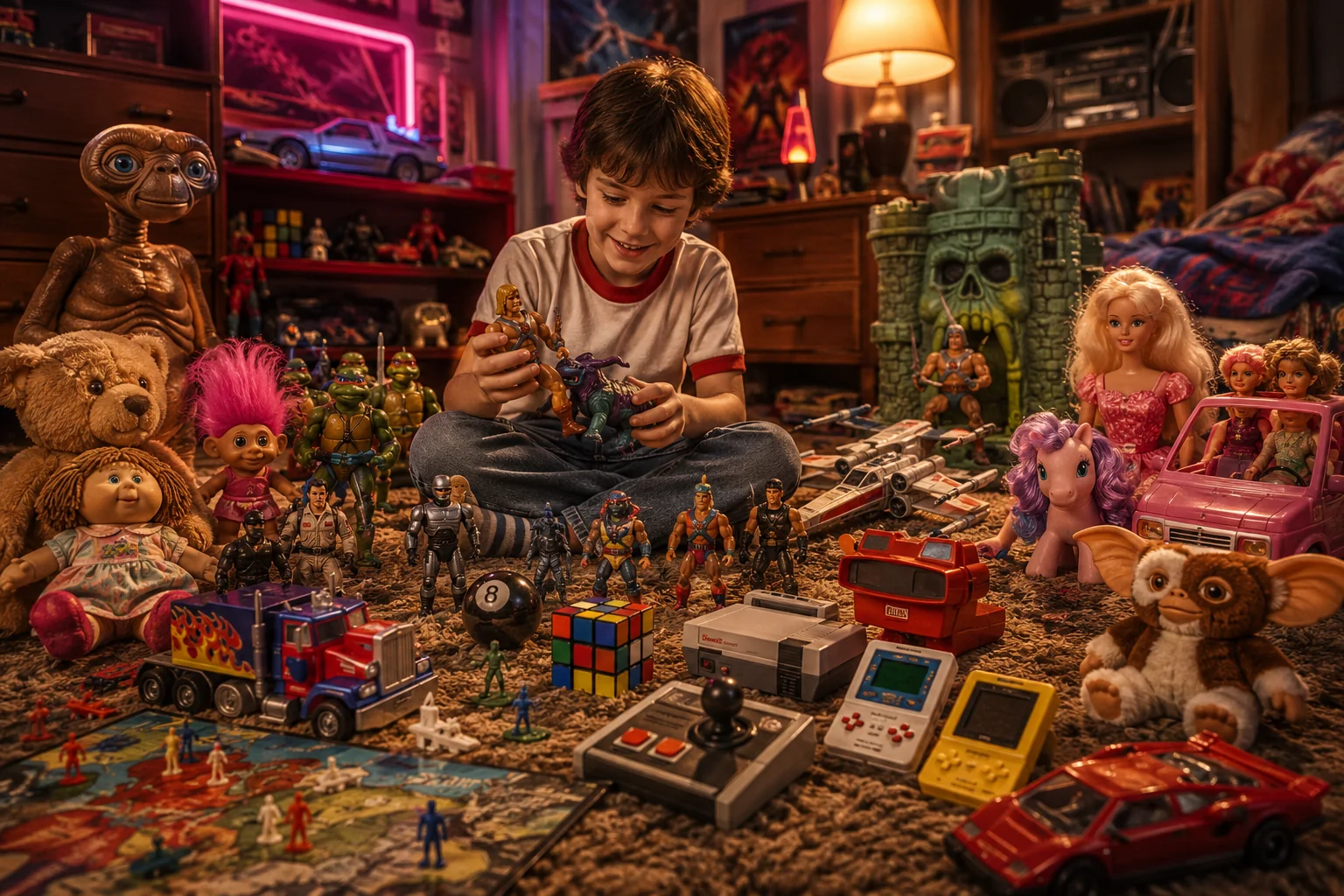
50 Most Iconic Toys of the 80s: The Toys That Defined a Decade
The 80s did not invent toys, but the decade absolutely figured out how to turn them into full-scale cultural events. A toy was no longer just something sitting in a box. It had a cartoon, a breakfast-cereal commercial, a theme song, a vehicle, a villain, a mail-away offer, and at least three accessories designed to disappear under the couch.
We learned about new toys during Saturday-morning cartoons, circled them in Christmas catalogs, studied them through store windows, and negotiated with parents using legal arguments that would not hold up in any recognized court. Some toys became neighborhood status symbols. Others became schoolyard currency. A few created shopping frenzies that made the evening news.
This ranking celebrates the toys that most clearly defined childhood during the decade. Some debuted in the 80s. A few arrived earlier but reached their cultural peak while Gen X was taking over family-room floors. The order is subjective, but the memories are real—and somewhere, one of these is probably still buried in a box marked DO NOT THROW AWAY. This countdown is the big rewind; the wider 80s toys collection keeps going through the decade’s action figures, dolls, games, electronic gadgets, commercials, and year-by-year favorites.
What were the most iconic toys of the 80s?
The most iconic 80s toys included Rubik’s Cube, Cabbage Patch Kids, Transformers, He-Man and the Masters of the Universe, G.I. Joe, the Nintendo Entertainment System, My Little Pony, Teddy Ruxpin, Care Bears, and Teenage Mutant Ninja Turtles. These toys became bigger than the toy aisle through cartoons, commercials, holiday shortages, collecting, and the kind of playground obsession that could dominate an entire school year.
Before the countdown
Why toys from the 80s still hit different
The decade produced an unusual collision of television, retail, licensing, new electronics, and demographic power. Kids had more channels delivering more advertising, toy companies built sprawling character universes, and the local toy aisle became a weekly preview of everything we had not yet convinced our parents to buy.
Cartoons became 22-minute toy demonstrations
Characters no longer lived only on packaging. They arrived every afternoon with voices, enemies, vehicles, and problems that could conveniently be solved with items available at retail.
Every line wanted a complete universe
A hero led to villains. Villains led to vehicles. Vehicles led to headquarters. Headquarters led to parents asking where any of this was supposed to fit.
Electronics escaped the arcade
Talking toys, handheld games, programmable vehicles, light-up systems, and home consoles made batteries almost as important as the toys themselves.
Christmas shopping became a spectator sport
Scarcity, television hype, catalogs, and national news coverage turned a few toys into holiday missions. The full story lives in our guide to the hottest Christmas toys of the 80s.
The list below spans action figures, dolls, plush characters, puzzles, electronic games, outdoor toys, vehicles, construction sets, and collectible weirdness. For the complete category view, start at the 80s Toys hub.
How this list was built
What made the best toys of the 80s truly iconic?
Sales alone do not settle it. Some toys sold in enormous numbers and then faded from collective memory. Others were available for only a few years but left a permanent mark because the design, commercial, cartoon, packaging, or holiday frenzy became inseparable from the decade. This ranking weighs the whole footprint.
Could somebody who has not touched the toy in 35 years still identify it immediately?
Did it change how children built, collected, competed, role-played, or used the television?
Did the toy escape the bedroom and enter cartoons, commercials, school conversation, news coverage, movies, or adult culture?
Does the toy feel specifically connected to 80s childhood rather than merely being available during the decade?
Did the idea influence later products, survive through revivals, or build a collector audience that remains active?
Did it create the rituals we still remember: catalog circling, cartridge blowing, accessory losing, trading, begging, and floor occupation?
The result is not a laboratory measurement. It is an informed editorial ranking designed to answer the broad search question while also showing why each toy mattered. It deliberately avoids stuffing the top positions with several versions of the same franchise. A line gets one representative entry so the list can reflect the full variety of 80s play.
It also separates three ideas that are often blended together. The most iconic toys are ranked here by decade-wide cultural impact. The hottest Christmas toys of the 80s are judged by holiday demand, scarcity, and wish-list panic. The annual guides rank the top toys of each individual year. Keeping those intents distinct gives every page a clear job and gives readers a better answer.
The machinery behind the memories
How popular 80s toys built the modern toy craze
The decade’s toy culture was created by more than clever plastic. Cable television expanded, syndicated cartoons filled weekday afternoons, VCRs let families replay favorite characters, shopping malls and big toy stores made selection visible, and national advertising could turn a product into a school-wide obsession before many local stores had enough inventory.
Character lines also became broader and more organized. Instead of selling one figure, companies sold heroes, villains, secondary characters, vehicles, headquarters, animals, role-play weapons, carrying cases, mail-away exclusives, and replacement reasons for the thing that had broken. The toy was often the entrance fee to a much larger world.
Packaging became part of that world. Card backs displayed figures a child did not own. Catalog inserts mapped out vehicles that would never fit in the bedroom. File cards, adoption papers, instruction booklets, collector checklists, and mini-comics gave toys histories before play even started. The box was no longer something to tear through; it was a preview of the next six purchases.
At the same time, electronics were becoming smaller and cheaper. Speech chips, LCD screens, infrared sensors, cassette mechanisms, motors, lights, and programmable controls moved from laboratories and arcades into children’s hands. That is why a decade that began with Rubik’s Cube could end with Nintendo, Lazer Tag, talking plush animals, and pocket-size electronic games without feeling inconsistent. The 80s toy aisle contained both pure mechanical simplicity and the first rough draft of digital childhood.
RANKED 50–41
50–41: The deep cuts that still unlock a memory
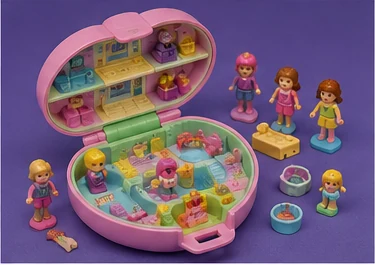
Late-80s pocket-size obsession
Polly Pocket
Polly Pocket arrived right at the end of the decade, but the idea was so perfectly 80s that it belongs here. The original Bluebird compacts looked like makeup cases from the outside and opened into miniature worlds packed with rooms, furniture, and dolls small enough to disappear into a couch cushion forever. That was part of the thrill. You were carrying an entire house, restaurant, or fantasy scene in your pocket like some kind of tiny plastic landlord.
The line would become much bigger in the 90s, but its late-80s debut introduced one of the most durable toy ideas of the era: make everything smaller, make it collectible, and make kids believe they could take a whole play world anywhere.
Keep the rewind going with the top toys of 1989 and 80s dolls, plush toys, and pet-toy chaos.
Why it mattered
The compact format made the playset itself part of the fantasy. Closing the case did not end the game; it turned the whole world into something private and portable. That distinction helped Polly Pocket stand apart from ordinary miniature dolls and anticipated the 90s obsession with toys that folded, transformed, and traveled.
The Gen X memory
The figures were so small that losing one felt less like misplacing a toy and more like an unsolved disappearance. The compact usually survived. The person who lived inside it was last seen near the sofa in 1989.
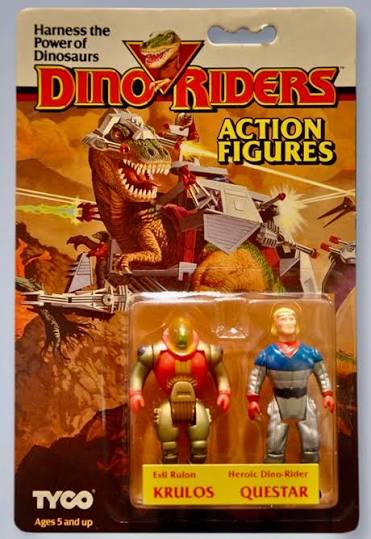
Dinosaurs with lasers—because the 80s
Dino-Riders
Dino-Riders did not waste time trying to be reasonable. The line took detailed dinosaur figures, strapped futuristic armor and weapons onto them, and dropped tiny warriors into the saddles. It was the sort of concept that could only have escaped from an 80s toy-company meeting where somebody shouted, “What if dinosaurs—but also space war?” and everyone immediately approved the budget.
The larger dinosaurs were the stars. A motorized Tyrannosaurus rex stomping across the carpet with armor on its back made ordinary action figures look underprepared. The line did not dominate for a full decade, but it delivered one of the purest examples of 80s excess: history, science fiction, batteries, weapons, and absolutely no concern for subtlety.
Keep the rewind going with the top toys of 1988 and the decade’s 80s action figures.
Why it mattered
Dino-Riders combined two proven childhood fascinations without pretending they naturally belonged together. The dinosaurs were substantial display pieces, while the armor, riders, and weapons converted them into an action system. That made the line attractive to dinosaur kids, action-figure kids, and anyone who believed a prehistoric animal needed missiles.
The Gen X memory
The larger beasts looked enormous next to ordinary figures, so a single dinosaur could dominate an entire carpet battle. The fantasy was never historically accurate, but nobody buying a laser-equipped Tyrannosaurus was demanding restraint.
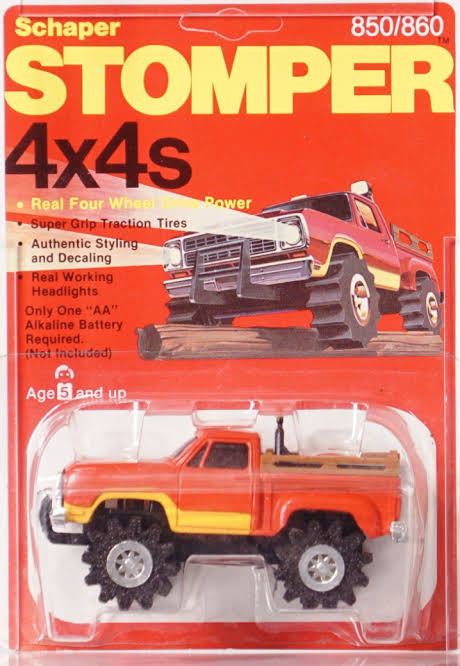
Battery-powered carpet off-roading
Stomper 4x4s
Stomper 4x4s were small battery-powered trucks with oversized tires and enough traction to turn blankets, couch cushions, and piles of dirty clothes into a rugged off-road course. They were loud, stubborn, and surprisingly capable until the battery weakened and the mighty truck began crawling like it had just finished a double shift.
The genius was that the toy supplied the motion while the bedroom supplied the terrain. You did not need a giant playset. You needed a couple of books, a pillow ramp, and permission to raid the linen closet. Stompers made miniature vehicles feel mechanical and alive, and they helped establish the 80s appetite for small toys with one big electronic trick.
Keep the rewind going with the top toys of 1980 and 80s electronic toys and gadgets.
Why it mattered
Stompers made motorized play affordable and small enough for a bedroom. Their soft tires and low gearing gave them a physical personality that ordinary die-cast cars lacked. They did not merely roll where a child pushed them; they kept moving, climbing, getting stuck, and forcing the course to be rebuilt.
The Gen X memory
A fresh battery made a Stomper feel unstoppable. A dying battery turned it into the saddest truck in the county. Blankets became mountains, books became ramps, and the edge of the stairs became a decision nobody had properly researched.
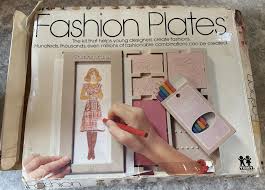
The original mix-and-match design studio
Fashion Plates
Fashion Plates let kids build outfits by combining textured plastic plates for tops, bottoms, hairstyles, and accessories, then rubbing a crayon across paper to reveal the design. It was low-tech, endlessly reusable, and quietly brilliant. One box could produce hundreds of combinations, including plenty that looked like a department-store mannequin had dressed during a power outage.
The toy fit the decade perfectly because 80s fashion already behaved like a mix-and-match experiment. Puffy sleeves, belts, boots, bright colors, giant collars—nothing was too much. Fashion Plates turned that visual chaos into a design system and gave kids the feeling that they were running a tiny fashion studio from the bedroom floor.
Keep digging through forgotten toys of the 80s.
Why it mattered
The toy offered structure without limiting creativity. The plates provided professional-looking outlines and textures, while the combinations let kids experiment with proportion, color, and style. It was less intimidating than drawing from scratch and more open-ended than a coloring book.
The Gen X memory
The finished designs were often treated like real fashion collections, complete with names and imagined customers. The rubbing crayon also had a talent for wandering off the paper and permanently joining the texture of the dining-room table.
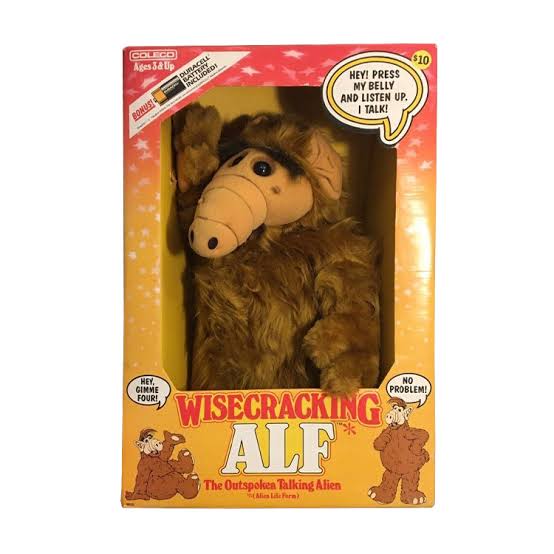
The alien who invaded the couch
ALF Plush and Talking Toys
ALF was not designed like a traditional cuddly character. He looked like a cross between an aardvark, a carpet sample, and an uncle who had been asked to leave Thanksgiving early. Naturally, children wanted plush versions of him. The television hit produced stuffed ALFs, talking dolls, puppets, and enough merchandise to make the sarcastic alien feel like another member of the household.
ALF toys captured how quickly an 80s television character could leap from prime time into bedrooms and toy boxes. They were less about elaborate play systems and more about owning a piece of the show. Put a plush ALF on the bed and suddenly the room had its own wisecracking resident—one who, thankfully, could not actually raid the refrigerator or terrorize the family cat.
Keep the rewind going with the top toys of 1987 and 80s dolls, plush toys, and pet-toy chaos.
Why it mattered
ALF merchandise showed how rapidly prime-time television could create demand outside the traditional children’s schedule. The character was sarcastic, visually odd, and aimed at the whole family, yet toy makers translated him into plush companions and talking products that children immediately understood.
The Gen X memory
An ALF doll on the bed made the room feel like the set of the show. He looked less like a polished toy mascot and more like something that had wandered in from the garage, which was exactly why he belonged.
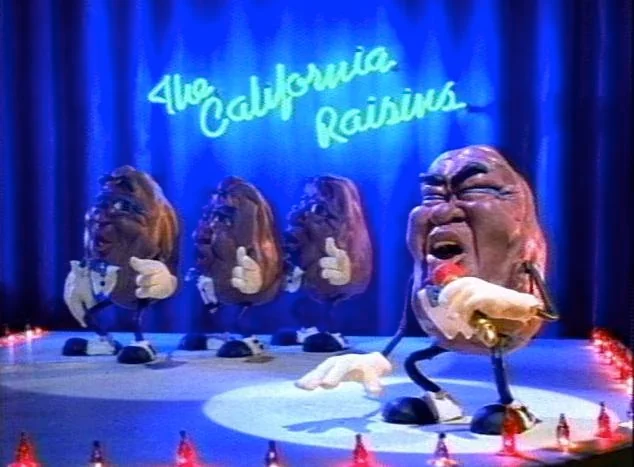
Claymation celebrities in miniature
California Raisins Figures
The California Raisins began as animated advertising characters and somehow became legitimate pop-culture stars. By the late 80s, small PVC figures of the sunglass-wearing raisins were everywhere: fast-food promotions, shelves, desks, pencil cups, and any flat surface adults had not yet protected.
They were not complicated toys. They did not transform, talk, or fire missiles. Their power came from collectibility and personality. Each figure had a different pose, instrument, or attitude, and completing a group felt far more important than it logically should have. The Raisins proved that the decade could turn almost anything—even dried fruit—into a character line kids wanted to collect.
The shelf story makes even more sense beside the top toys of 1987 and the California Raisins commercial that made them stars.
Why it mattered
The figures were an early lesson in promotional collecting. They were inexpensive, visually distinct, and often acquired through restaurants or premiums rather than the normal toy aisle. That changed the hunt: completing the group might require family meals, trades, and adults willing to participate in raisin-related logistics.
The Gen X memory
They ended up everywhere adults displayed small objects—on televisions, kitchen windowsills, dashboards, and office desks. Nobody consciously decided to build a California Raisins collection. One day there were simply seven of them watching the room.
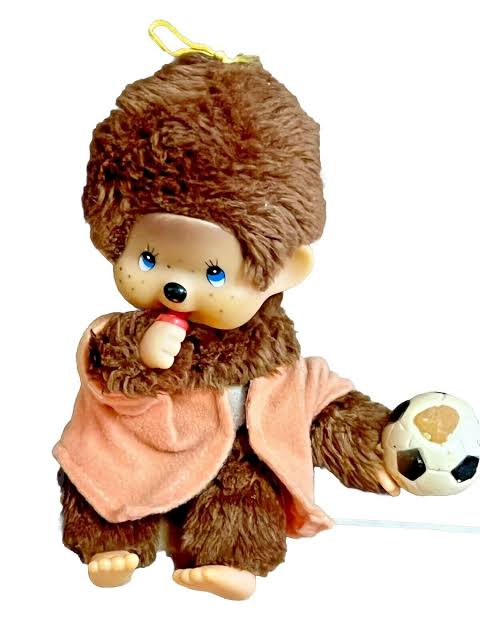
Thumb-sucking plush weirdness
Monchhichi
Monchhichi dolls had soft monkey-like bodies, plastic faces, and hands shaped so the thumb could fit into the mouth. They were cute, slightly strange, and instantly recognizable—the three ingredients needed for a successful 80s character toy.
The dolls had already appeared overseas before becoming a bigger American presence around the start of the decade, helped by television and the era’s endless hunger for lovable character merchandise. Monchhichi was the kind of toy that lived on a bed rather than in a battle scene. It offered comfort, collectibility, and just enough oddness to feel special. Every decade has plush animals; the 80s preferred theirs with molded faces and a built-in habit.
Keep the rewind going with the top toys of 1980 and 80s dolls, plush toys, and pet-toy chaos.
Why it mattered
Monchhichi occupied the middle ground between baby doll, plush animal, and character collectible. The fixed thumb-sucking pose created an instantly readable personality, while different outfits and sizes gave the line enough variety to encourage collecting.
The Gen X memory
The vinyl face stayed cool while the body remained soft, a texture combination unique enough to be remembered decades later. It was adorable to some kids and just unsettling enough to fascinate everyone else.
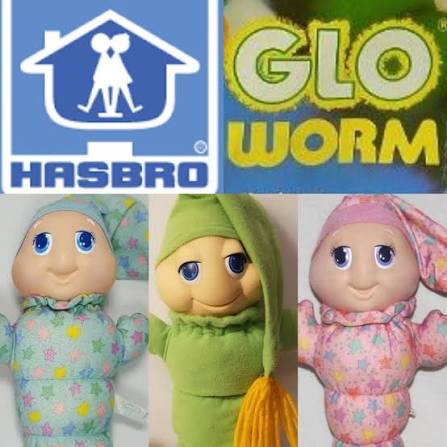
A night-light you could hug
Glo Worm
Glo Worm was a soft-bodied bedtime toy with a vinyl face and a head that lit up when squeezed. That was the entire pitch, and it was enough. In a decade filled with noisy electronic toys and heavily armed action figures, Glo Worm succeeded by making the dark a little less creepy.
The toy became a nursery and bedroom staple because it combined a stuffed companion with the reassuring glow of a night-light. It was simple, memorable, and practical—at least until the light faded and an adult had to locate fresh batteries after bedtime. Glo Worm also helped lead the way for a whole family of glowing bug characters, proving that even bedtime comfort could become a collectible toy line.
Keep the rewind going with the top toys of 1982 and 80s dolls, plush toys, and pet-toy chaos.
Why it mattered
Glo Worm solved a real childhood problem with a memorable character design. It softened the function of a night-light by putting the glow inside something a child could hold. That practical purpose helped the toy outlast many more complicated electronic novelties.
The Gen X memory
The glow was comforting right up until the batteries weakened and the face became dim enough to look haunted. Then an adult had to perform emergency surgery through the back of the pajamas.
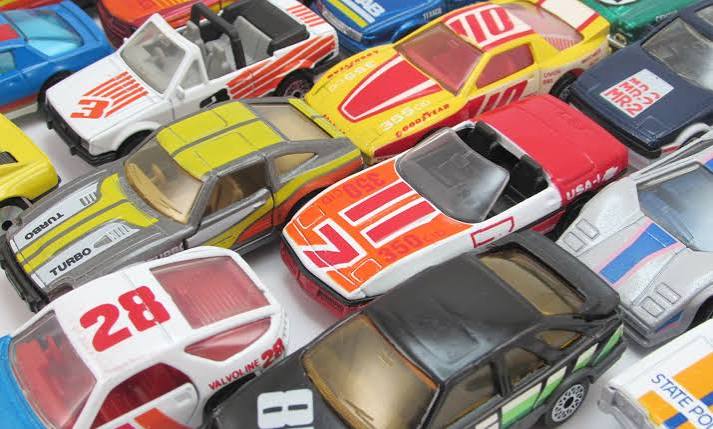
Tiny traffic, giant collections
Matchbox Cars
Matchbox cars were decades old by the 80s, but they remained essential equipment for any kid building a carpet city. Their appeal was scale, realism, and quantity. One car was a toy. Twenty cars were an economy. Add masking-tape roads, a cardboard garage, and a pileup caused by somebody’s little brother, and the living room had a functioning transportation department.
The 80s brought new models, brighter packaging, and constant competition in the die-cast aisle. Matchbox remained the slightly more grounded cousin to flashier fantasy vehicles. These were the cars adults actually drove—or close enough for a kid who mainly identified vehicles by color. They survived the decade because small metal cars never needed batteries, cartoons, or instructions to create an afternoon of play.
Keep digging through the complete 80s toys collection.
Why it mattered
Matchbox offered recognizable vehicles at a scale that rewarded accumulation. Police cars, delivery vans, construction equipment, family sedans, and sports cars could all inhabit the same invented town. The collection became more useful as it became less organized.
The Gen X memory
The carrying case was always too small, the favorite car had chipped paint, and at least one vehicle had a wheel that no longer understood its assignment. None of that prevented a six-hour traffic scenario from developing across the carpet.
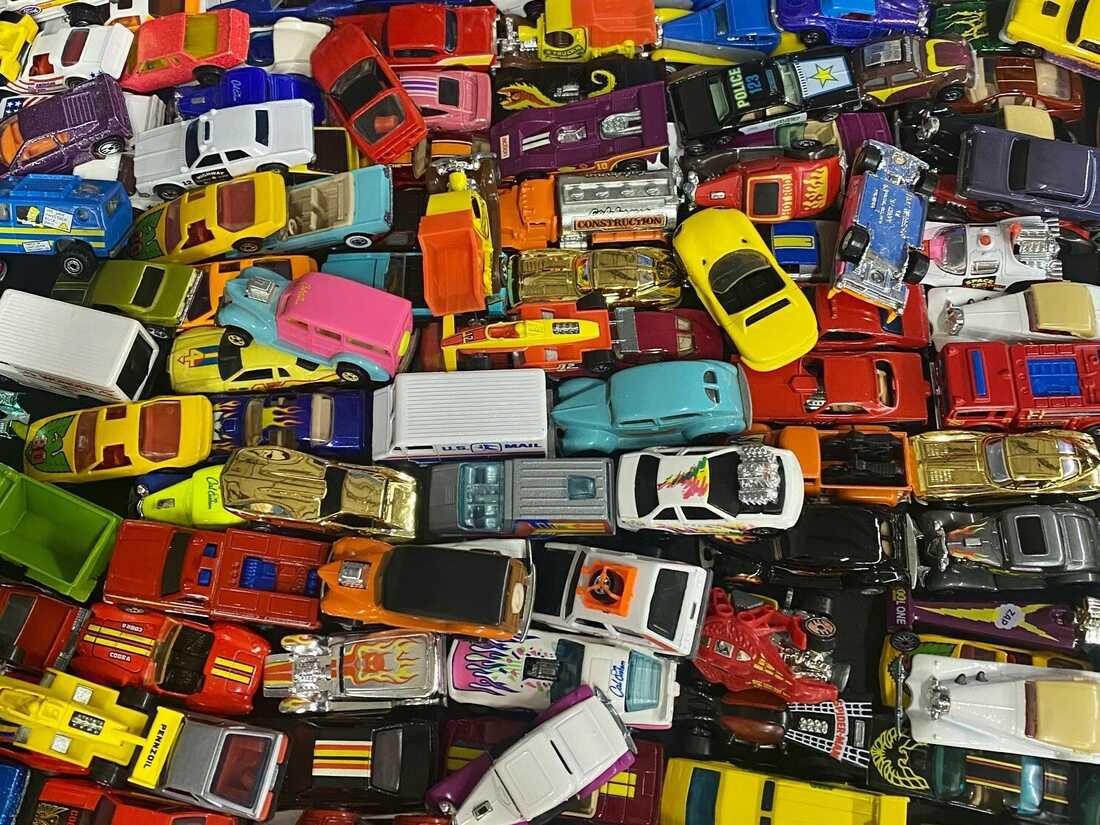
Orange track and impossible speed
Hot Wheels
Hot Wheels entered the 80s with more than a decade of momentum and continued doing what it did best: making tiny cars feel faster, cooler, and more dangerous than anything in the driveway. The bright orange track could run down stairs, across furniture, through loops, and directly into whichever adult had already said not to set it up there.
The cars were inexpensive enough to collect but distinct enough to inspire favorites. Some kids organized them carefully. Others launched them off ramps to determine which one could survive impact with a baseboard. Hot Wheels mattered because it transformed the floor into a test track and made every new car feel like an upgrade to an already enormous personal garage.
Keep digging through the complete 80s toys collection.
Why it mattered
Hot Wheels turned die-cast cars into performance toys. The fantasy was not simply ownership; it was speed, stunts, loops, crashes, and the possibility that the next length of orange track might finally produce the perfect run.
The Gen X memory
Track connectors vanished, loops leaned, and the car that worked best was rarely the one that looked fastest. Every staircase became a potential test facility until an adult remembered that the staircase was also part of the house.
RANKED 40–31
40–31: The toys that took over bedrooms, sidewalks, and toy boxes
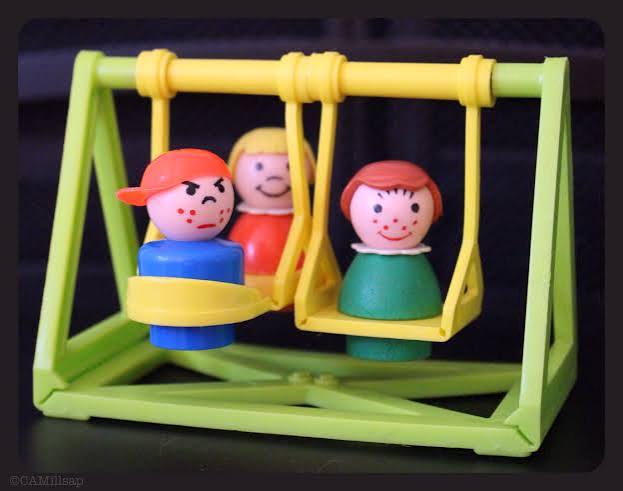
A whole town on the family-room floor
Fisher-Price Little People
The classic Fisher-Price Little People playsets were already established before the 80s, but they remained a major part of childhood throughout the decade. The farm, school, garage, airport, house, and parking ramp created an interconnected plastic society where every figure had several jobs and safety regulations were mostly ignored.
The sets worked because they encouraged open-ended play without needing a licensed story. A child could build a town, invent families, create emergencies, and send the same round-headed citizen from the farm to the airport in under three minutes. The pieces were sturdy, the playsets invited repetition, and the little figures had the emotional range of wooden pegs—which made them perfect actors for whatever drama the day required.
Keep digging through the complete 80s toys collection.
Why it mattered
Little People playsets gave younger children a coherent social world before licensed character universes became dominant. Farms, schools, garages, homes, and airports could be combined into a town governed entirely by imagination and the number of pieces still present.
The Gen X memory
The figures were routinely reassigned. The pilot became a farmer, the farmer ran the school, and the dog was somehow responsible for the parking garage. The town had no continuity, but it had excellent employment.
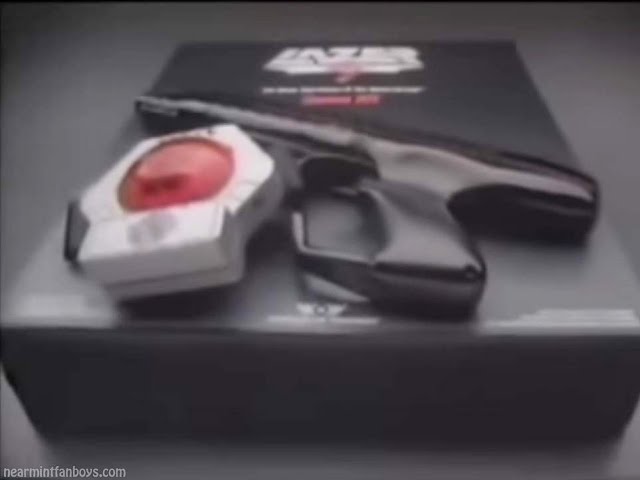
The neighborhood became a sci-fi battlefield
Lazer Tag
Lazer Tag made ordinary neighborhood games feel like futuristic combat. The gear used infrared signals, light-up sensors, and bulky plastic weapons to create the illusion that kids had been recruited into a high-tech arena. It was not subtle. That was the point.
The commercials made the system look like a neon-soaked competition staged in the future. The real version usually involved kids hiding behind lawn furniture and arguing over whether a hit registered. Even so, the gear delivered something new: outdoor play with electronic feedback. Lazer Tag represented a major 80s shift, when batteries began escaping the bedroom and following kids into the yard.
Keep the rewind going with the top toys of 1986 and 80s electronic toys and gadgets.
Why it mattered
Lazer Tag brought electronic scoring into active outdoor play. It borrowed the language and design of science fiction, then turned yards, basements, and cul-de-sacs into temporary arenas. The system pointed toward a future in which physical toys and digital feedback would increasingly overlap.
The Gen X memory
Arguments about whether the sensor registered were as important as the game itself. Someone always hid the target, someone fired from too close, and someone’s mother eventually stepped outside to clarify the Geneva Conventions.
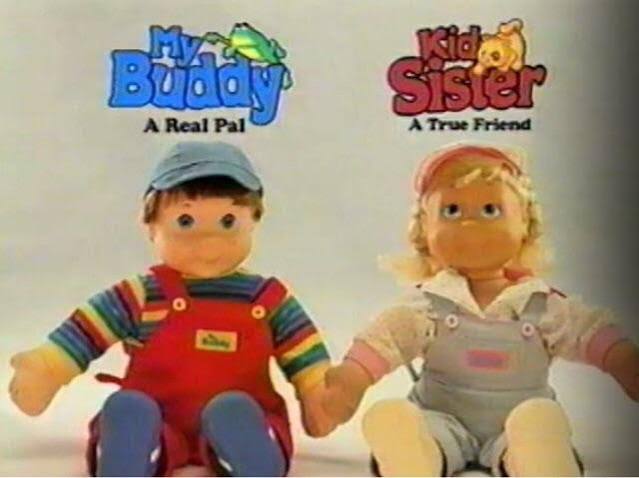
The doll marketed like a sidekick
My Buddy and Kid Sister
My Buddy was a large soft-bodied doll promoted as a constant companion for boys—an unusual mainstream strategy at the time. The commercials leaned hard into friendship, showing the doll riding bikes, going outside, and joining everyday adventures. Kid Sister expanded the idea with a companion doll marketed toward girls.
The dolls became memorable partly because the advertising jingle lodged itself in a generation’s brain and partly because the toy challenged the era’s rigidly divided aisles. My Buddy was not an action figure or a plush animal. It was a full-size pal meant to be dragged through childhood. Years later, the resemblance to a certain horror-movie doll gave the toy an entirely different cultural afterlife, but in the 80s it was sold with complete sincerity.
Keep the rewind going with the top toys of 1985 and 80s dolls, plush toys, and pet-toy chaos.
Why it mattered
The line broadened the way dolls were marketed, particularly by presenting a large companion doll to boys through rough-and-tumble everyday play. That approach was significant in an aisle culture that normally separated toys by gender with the subtlety of a concrete wall.
The Gen X memory
My Buddy was big enough to occupy a seat, wear borrowed clothes, and startle anyone entering a dark room. The jingle promised constant friendship. The doll’s fixed smile promised absolutely nothing.
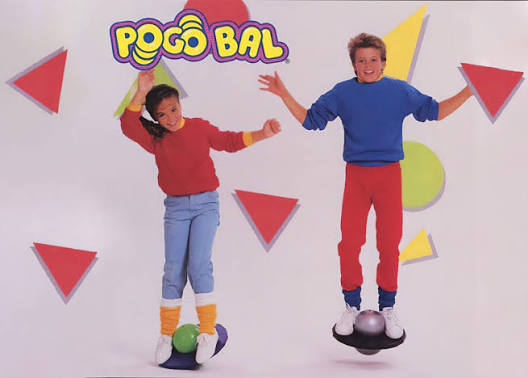
Balance, bouncing, and driveway injuries
Pogo Ball
The Pogo Ball looked like somebody had shoved a playground ball through a plastic flying saucer and called it exercise. Kids stood on the platform, squeezed the ball with their feet, and bounced while trying not to launch themselves into a shrub.
It belonged to the same late-80s movement that made toys look like fitness equipment. The appeal was immediate because the challenge was visible: stay upright longer than your friend. It was portable, competitive, and just dangerous enough to remain interesting. Adults saw coordination. Kids saw a chance to bounce down the sidewalk until gravity settled the argument.
Keep the rewind going with the top toys of 1987 and 80s backyard toys, bikes, and blasters.
Why it mattered
The Pogo Ball turned balance into a toy and exercise into competition. It required no elaborate rules, yet progress was obvious: a child either stayed on longer or hit the driveway sooner. That made it ideal for the decade’s fitness-heavy culture.
The Gen X memory
The first few attempts involved grabbing a fence. The next few involved confidence. The final attempt usually involved somebody asking for ice.
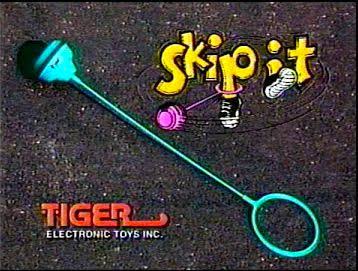
A personal ankle-level obstacle course
Skip-It
Skip-It wrapped around one ankle while a weighted ball swung in a circle, forcing the other foot to jump over the bar. It was simple, repetitive, and weirdly addictive. Once the rhythm clicked, the toy made a kid feel coordinated. Once the rhythm failed, the plastic bar delivered an immediate performance review to the ankle.
The toy became a playground and driveway favorite because it required almost no setup and turned solo play into a score-chasing challenge. Later versions added counters, but the core thrill was always the same: spin, jump, repeat, and pretend the bruises were not part of the design.
Keep the rewind going with the top toys of 1988 and 80s backyard toys, bikes, and blasters.
Why it mattered
Skip-It updated the jump-rope idea for solo play. The circular motion created rhythm, visible skill, and a natural scoring challenge without requiring another person to turn the rope. It was easy to demonstrate in a commercial and difficult to resist on a playground.
The Gen X memory
Once the rhythm started, it felt effortless. Once it broke, the toy wrapped around the ankle and reminded everyone that plastic had no empathy.
The squishy ball every desk needed
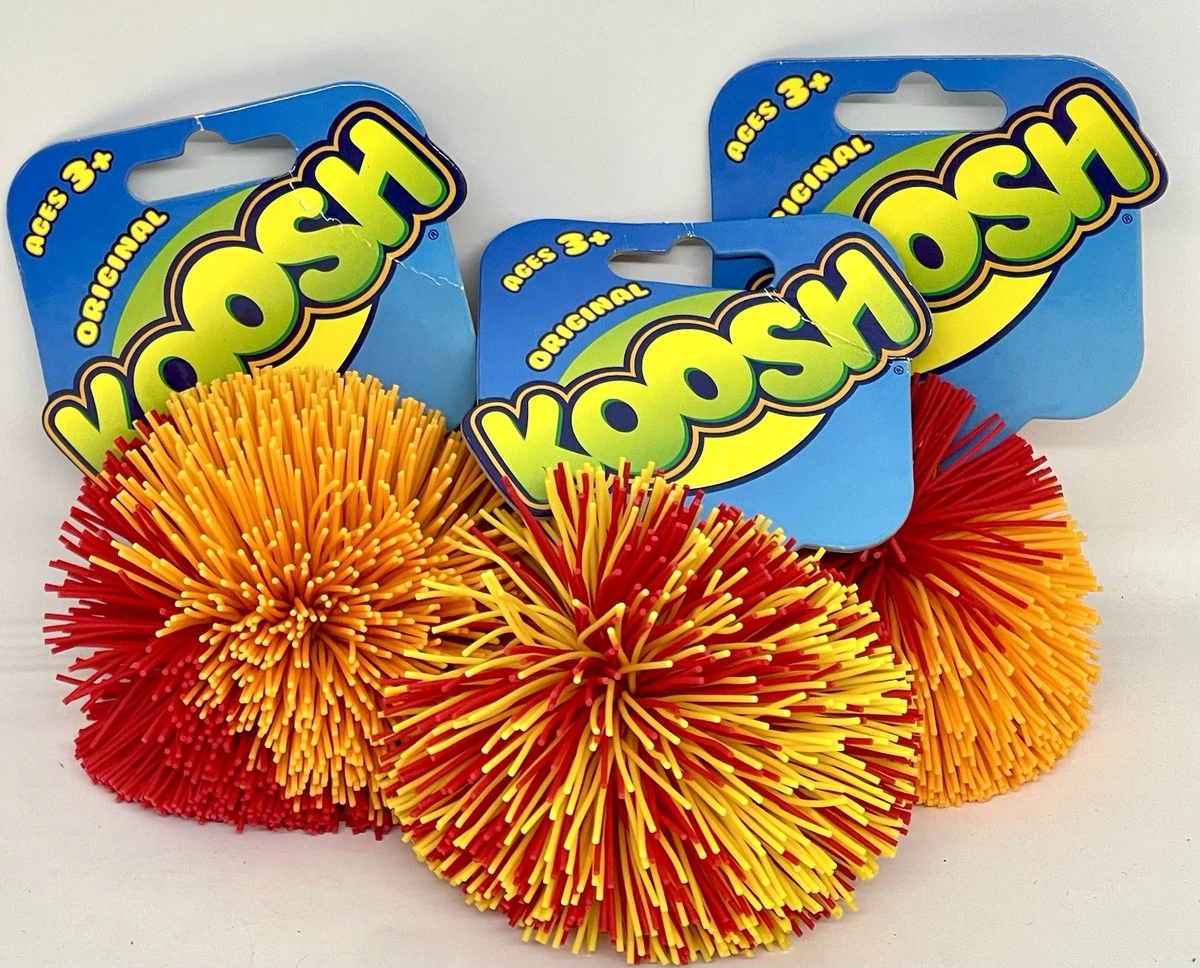
Koosh Ball
The Koosh Ball was a rubbery bundle of strands surrounding a soft center. It was easy to catch, oddly satisfying to squeeze, and impossible to describe without making it sound like something discovered in a laboratory drain.
That strange texture was exactly why it took off. Koosh worked as a backyard ball, an indoor tossing toy, a desk object, and an early version of what would now be called a fidget toy. It was colorful, safe enough for living rooms, and immediately recognizable. In a decade that loved hard plastic, buttons, and weapons, the Koosh Ball became iconic by being soft, simple, and fun to whip at a sibling.
Keep the rewind going with the top toys of 1987 and 80s backyard toys, bikes, and blasters.
Why it mattered
The Koosh Ball’s design made it easier to catch than a conventional ball, which opened play to younger children and indoor spaces. Its tactile appeal also gave it a second life as something to squeeze, stretch, display, and absentmindedly handle.
The Gen X memory
Every Koosh Ball eventually collected lint, hair, and one mystery substance nobody wanted to identify. It remained fun anyway, which may be the strongest possible endorsement of an 80s toy.
Rubber monsters hiding in crates
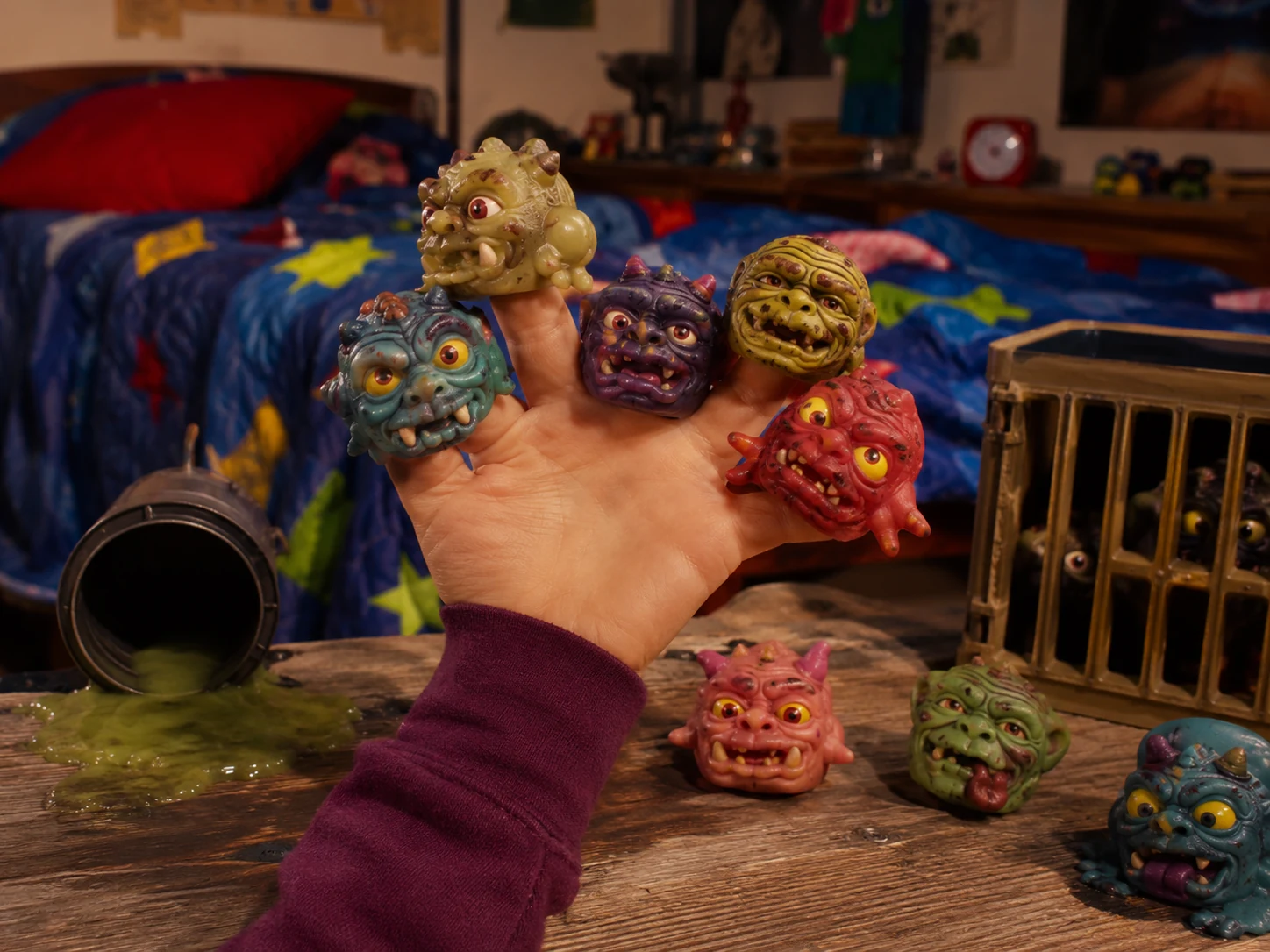
Boglins
Boglins were rubber hand puppets sold in plastic crates, as though the toy company wanted parents to believe they were purchasing a contained biological threat. Their movable eyes and expressive faces let kids create surprisingly convincing monster performances. They were gross, funny, and exactly the kind of thing adults hoped would stay in the bedroom.
The line stood out during the late-80s gross-out boom because the creatures felt tactile and alive. A Boglin was not merely displayed; it was worn, squeezed, animated, and used to interrupt conversations. The crate packaging made the purchase feel like an adoption from a questionable laboratory. For many kids, that was better than a box.
Keep the rewind going with the top toys of 1987 and forgotten toys of the 80s.
Why it mattered
Boglins used puppetry rather than articulation to create personality. The child supplied every expression and movement, making the creature feel more responsive than a normal figure. The crate packaging added narrative before the toy had even been removed.
The Gen X memory
A Boglin could interrupt dinner from below the table, appear beside somebody’s face in the car, or conduct a complete argument with an adult who regretted purchasing it.
Foam sports equipment from a nightmare
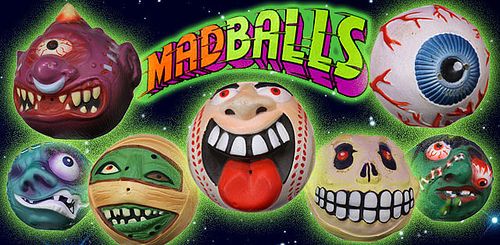
Madballs
Madballs were foam balls sculpted and painted as grotesque characters—eyeballs, monsters, skulls, and other things normally discouraged from gym class. They were throwable collectibles, which meant they could sit on a shelf one minute and ricochet off a bedroom wall the next.
The line fit the mid-80s taste for slime, monsters, and comedy that made parents sigh. Each ball had a name and personality, encouraging kids to choose favorites and collect more. Madballs proved that a familiar toy could become brand-new once it was covered in veins, teeth, and enough detail to make an adult ask why it had to look like that.
Keep the rewind going with the top toys of 1985 and forgotten toys of the 80s.
Why it mattered
Madballs merged character collecting with active play and the decade’s appetite for grotesque humor. The sculpting was detailed enough to reward close inspection, while the foam construction still permitted throwing them across a room.
The Gen X memory
They were displayed like monsters and used like sports equipment. That meant a carefully chosen favorite might spend the morning on a shelf and the afternoon bouncing off a garage door.
The plush toy with breakaway handcuffs
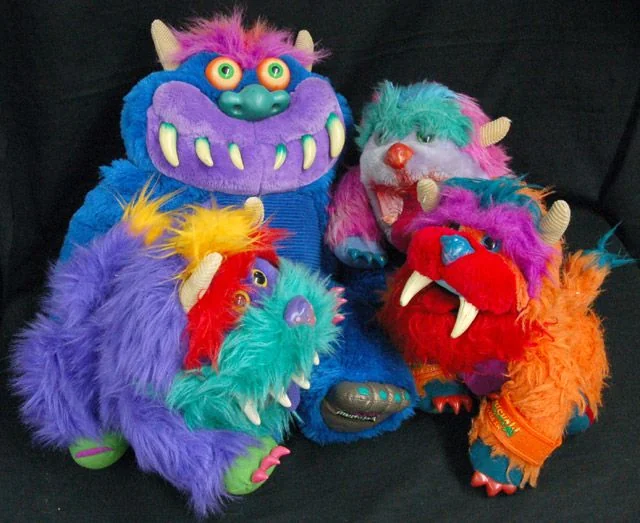
My Pet Monster
My Pet Monster was a large blue plush creature with horns, fangs, a bright plastic face, and orange breakaway handcuffs. It was designed to look scary but still be huggable, a combination the 80s toy industry pursued with unusual confidence.
The handcuffs made the toy. Kids could wear them, chain the monster to something, snap the plastic apart, and repeat until the mechanism wore down or an adult confiscated it. My Pet Monster worked as a bedtime companion, wrestling opponent, and living-room prop. It was the decade’s monster obsession softened just enough to sell in the plush aisle.
Keep the rewind going with the top toys of 1986 and 80s dolls, plush toys, and pet-toy chaos.
Why it mattered
My Pet Monster made a large plush toy feel interactive through its size, aggressive design, and breakaway restraints. It offered the comforting scale of a bedtime companion but the visual language of a creature feature.
The Gen X memory
The orange handcuffs were borrowed for every game except the one advertised. They restrained siblings, bicycles, bedposts, and occasionally the monster.
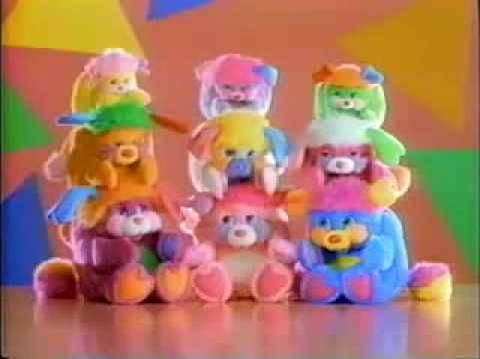
Plush animals that folded into themselves
Popples
Popples were colorful plush characters with pouches that allowed them to curl into a ball. The transformation was simple, but it gave the toys an identity beyond being soft. They could become creatures, balls, pillows, or whatever category made sense in the moment.
The line expanded through television, character personalities, and a flood of bright colors. Popples reflected a broader 80s trend: every toy needed a gimmick, and every gimmick deserved a cartoon. They were cheerful, portable, and easy to recognize. More importantly, they made cleaning the room slightly more entertaining because the toy could technically pack itself.
Keep the rewind going with the top toys of 1986 and 80s dolls, plush toys, and pet-toy chaos.
Why it mattered
The fold-into-a-ball feature made Popples easy to demonstrate and gave children a repeatable transformation. That small mechanic separated them from the crowded plush market and tied directly into the decade’s fascination with toys that changed form.
The Gen X memory
Folding one neatly required more technique than the commercial suggested. Most Popples spent part of their lives looking like a stuffed animal trying unsuccessfully to climb into its own pocket.
RANKED 30–21
30–21: When cartoons, electronics, and plastic worlds collided
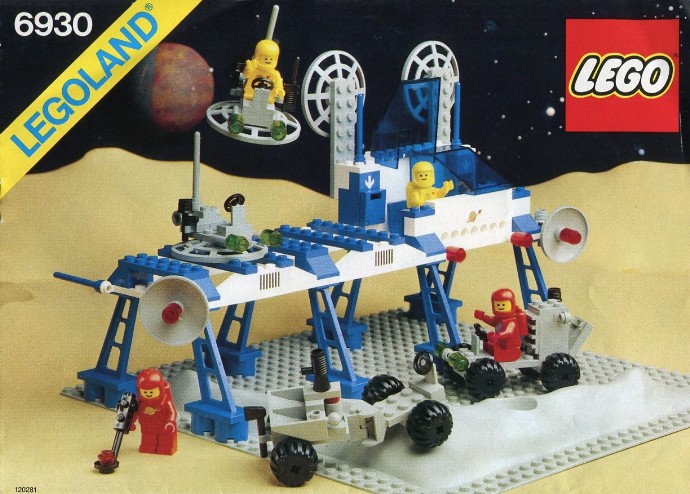
The decade’s greatest plastic construction zones
LEGO Space, Castle, and Pirates
LEGO was not born in the 80s, but the decade produced themes that defined how an entire generation built. Space sets created fleets of angular ships and moon bases. Castle sets filled bedrooms with knights, horses, and gray walls. Pirates arrived near the decade’s end with ships, islands, and minifigure faces that finally showed more emotion than polite neutrality.
The magic was not just assembling the picture on the box. It was dismantling the set two weeks later and creating something structurally unsound but completely original. LEGO offered rules, then invited kids to ignore them. It survived every major fad because the same bricks could become a spaceship, fortress, car, or painful surprise waiting in the carpet.
Keep digging through the complete 80s toys collection.
Why it mattered
Themed LEGO systems gave builders recognizable worlds without forcing them to keep the official design intact. Minifigures added character and narrative, while compatible bricks made every purchase useful to older sets. The result was a toy collection that grew in possibility rather than merely quantity.
The Gen X memory
Instructions were followed once. After that, the castle became a spaceship, the spaceship acquired wheels, and a pirate captain governed the moon base.
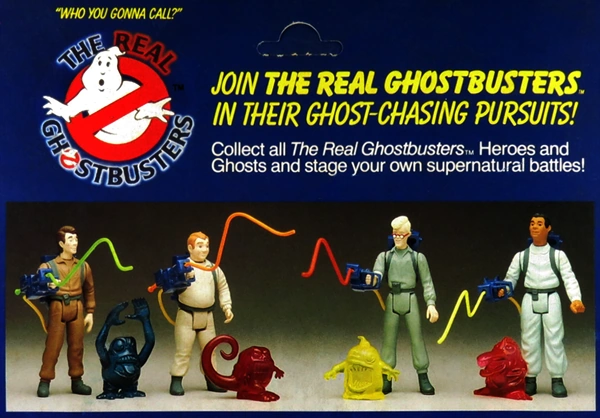
Proton packs, ghosts, and slime
The Real Ghostbusters Toys
The Real Ghostbusters line turned the movie’s supernatural world into one of the decade’s most entertaining toy systems. There were figures with wild action features, rubber ghosts, vehicles, playsets, and role-play gear that let kids strap on a proton pack and chase invisible threats through the house.
The cartoon gave the line a brighter, kid-friendly identity, while the toys leaned into slime and surprise. Ghosts popped out of bodies, jaws stretched, eyes bulged, and adults learned that translucent plastic slime should never be placed near carpet. The line captured the 80s formula at full strength: hit movie, animated series, memorable characters, action figures, vehicles, and a messy substance sold separately.
Keep the rewind going with the top toys of 1986 and the decade’s 80s action figures.
Why it mattered
The line translated supernatural comedy into action features children could understand immediately. Figures stretched, spun, screamed, or revealed ghosts, while vehicles and role-play equipment made the hunt physical. The monsters were funny enough to avoid becoming genuinely frightening.
The Gen X memory
The firehouse became headquarters for every unrelated figure in the collection. Slime became permanently associated with carpet fibers, and proton packs proved that household furniture was full of paranormal activity.
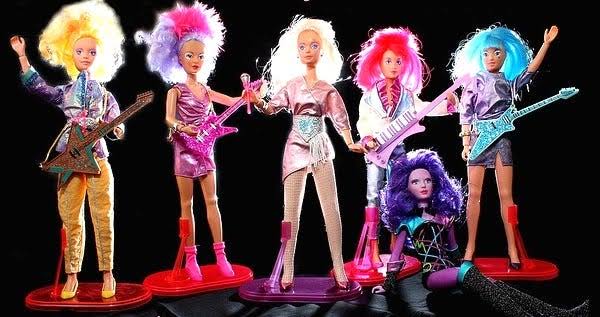
Fashion dolls turned the volume all the way up
Jem and the Holograms Dolls
Jem dolls brought rock-star fantasy into the fashion-doll aisle with bright hair, stage clothes, instruments, and a television series built around music, glamour, and secret identity drama. The line looked like the decade sounded: neon, loud, heavily accessorized, and absolutely unwilling to blend into the background.
The dolls competed in a crowded market by offering more than fashion. They came with bands, rivals, technology, and a storyline. Jem let kids stage concerts, feuds, costume changes, and complicated management disputes before dinner. The line did not outlast every competitor, but few toys represented 80s visual style more completely.
Keep the rewind going with the top toys of 1985 and 80s dolls, plush toys, and pet-toy chaos.
Why it mattered
Jem expanded fashion-doll play through music, performance, rivalry, and technology. The dolls were taller than Barbie and visually aggressive, making them immediately distinct. Instruments and stage identities gave children more story options than ordinary wardrobe changes.
The Gen X memory
Concerts were staged with cassette players providing the soundtrack. The audience consisted of dolls, action figures, stuffed animals, and one sibling ordered to sit down and stop ruining the show.
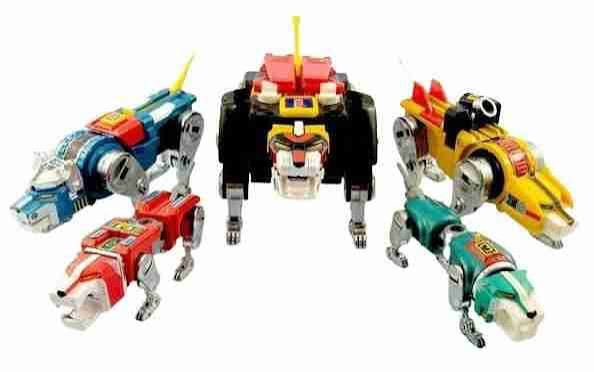
Five lions, one enormous robot
Voltron
Voltron toys delivered one of the decade’s most powerful playground concepts: several separate vehicles or robotic lions could combine into one towering hero. Owning the full set felt like possessing both a team and a final boss.
The lion version became the icon. Each lion had its own color and personality, but the real payoff was assembly—the legs, arms, body, and head locking together into a robot that looked ready to defend the universe or fall over because one joint had loosened. Voltron helped normalize Japanese robot design for American kids and made “combines into something bigger” one of the strongest toy promises of the 80s.
Keep the rewind going with the top toys of 1984 and the decade’s 80s action figures.
Why it mattered
Voltron made completion part of the play pattern. Each lion worked independently, but the full team unlocked the ultimate form. That structure made every missing component feel urgent and gave the combined robot a ceremonial quality.
The Gen X memory
Assembly took patience, and the completed robot was usually too heavy or awkward for the battle imagined. It still stood above the other toys like management.
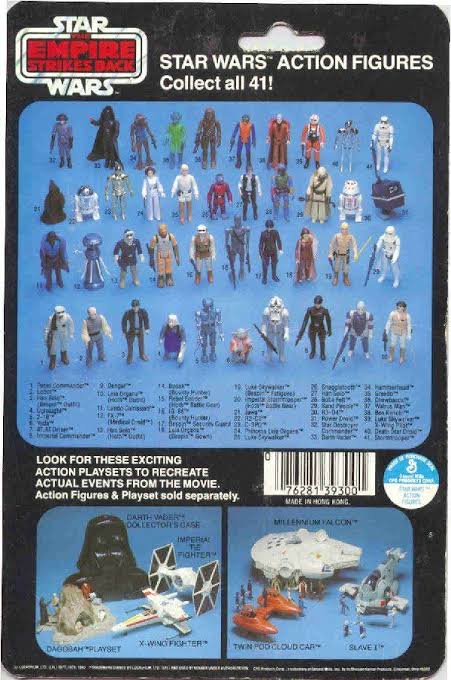
The original galaxy kept expanding
Star Wars Action Figures
Kenner’s Star Wars figures began in the late 70s, but the line reached deeper into childhood during the early 80s with The Empire Strikes Back and Return of the Jedi. New characters, creatures, vehicles, and playsets kept arriving, turning a small collection into an intergalactic inventory problem.
The figures established the 3.75-inch scale that would shape several later toy lines. They were small enough for large vehicles and affordable enough that a kid might reasonably hope to build an army. Star Wars also taught a generation that even a character with eight seconds of screen time might deserve a figure—and that the tiny plastic weapon would disappear before the weekend ended.
Keep the rewind going with the top toys of 1980 and the decade’s 80s action figures.
Why it mattered
The continuing Star Wars line demonstrated the strength of scale, vehicles, and character depth. Even minor aliens and background figures could become meaningful because children already understood the universe. The figures established expectations later lines would follow.
The Gen X memory
A figure without its tiny blaster remained playable but carried the quiet shame of incomplete equipment. The cardboard carrying case was supposed to organize the galaxy. It mostly documented casualties.
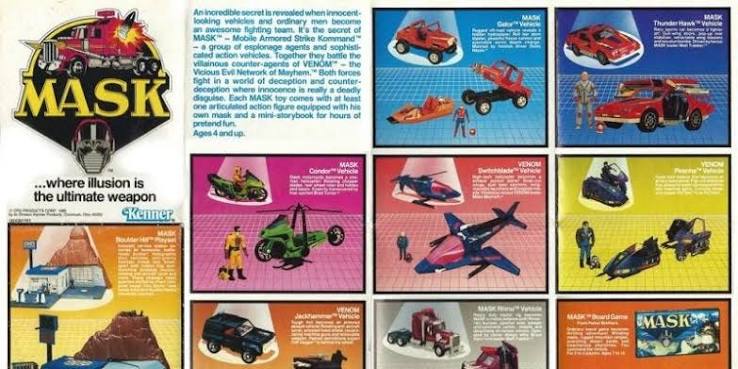
Vehicles with secret identities
M.A.S.K.
M.A.S.K. combined small action figures, transforming vehicles, removable masks, and a cartoon into one deeply efficient toy line. A sports car could become a flying machine. A motorcycle could split into attack vehicles. A semi truck could become a mobile command center. Even ordinary transportation was apparently hiding weapons.
The vehicles were the stars because the transformations felt mechanical without becoming impossible. Kids could reveal the hidden features quickly and then spend the rest of the afternoon arguing over whether the good guys or bad guys had the better equipment. M.A.S.K. lived in the sweet spot between G.I. Joe, Transformers, and spy fantasy, which made it one of the most distinct lines in an overcrowded action aisle.
Keep the rewind going with the top toys of 1985 and the decade’s 80s action figures.
Why it mattered
M.A.S.K. made transformation quicker and more accessible than many robot toys while pairing each vehicle with a driver and special mask. The line delivered surprise through hidden features and allowed ordinary-looking machines to reveal a second purpose.
The Gen X memory
The transformation was demonstrated to every visitor whether they asked or not. The best vehicles were repeatedly opened and closed until a hinge developed the emotional exhaustion of a middle manager.
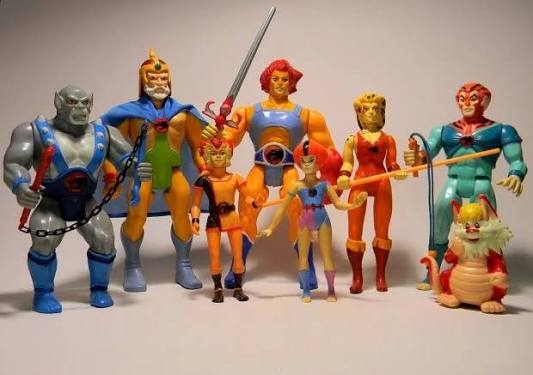
Cat warriors with serious shoulder muscles
ThunderCats Action Figures
ThunderCats figures translated the animated heroes of Third Earth into thick, muscular action figures with dramatic weapons and bold designs. Lion-O, Mumm-Ra, Panthro, Cheetara, and the rest looked like fantasy warriors engineered for maximum shelf presence.
The Sword of Omens became the line’s defining object, especially when role-play versions let kids hold it in the air and announce danger to neighbors who had not requested an update. The figures, vehicles, and Cats’ Lair playset extended a cartoon world that felt more mythic than many competitors. ThunderCats may have arrived during peak action-figure congestion, but the characters were too visually loud to disappear.
Keep the rewind going with the top toys of 1985 and the decade’s 80s action figures.
Why it mattered
ThunderCats blended fantasy, science fiction, ancient mythology, and superhero design. The figures were large enough to feel substantial, while the cartoon supplied a serious world that made the toys seem more dramatic than ordinary action figures.
The Gen X memory
Every stick, cardboard tube, and wrapping-paper roll could become the Sword of Omens. Raising it overhead was mandatory; checking the ceiling fan was apparently optional.
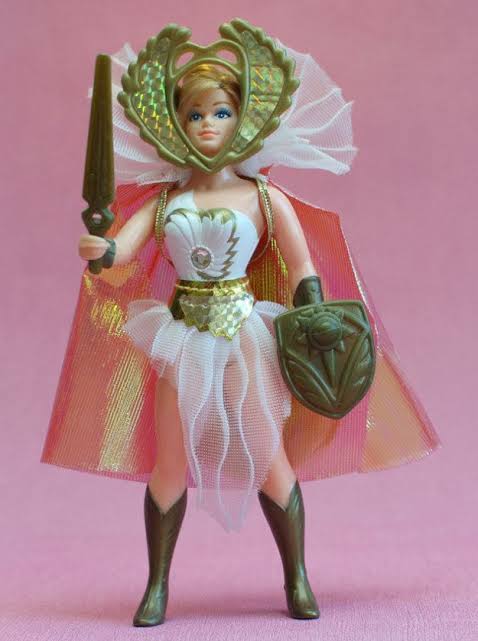
Etheria brought fantasy power to the doll aisle
She-Ra: Princess of Power
She-Ra and the Princess of Power line expanded the world of Masters of the Universe into Etheria with heroic women, villains, magical creatures, castles, and elaborate costumes. The figures blended action play with fashion-doll details, creating a line that could stage battles without giving up capes, combable hair, or winged horses.
She-Ra mattered because she was not presented as a side character waiting to be rescued. She led the rebellion, carried the sword, and had her own universe of toys. The line also gave siblings and friends a way to merge collections, sending Eternia and Etheria into crossover adventures the cartoons never had the budget to attempt.
Keep the rewind going with the top toys of 1985 and 80s dolls, plush toys, and pet-toy chaos.
Why it mattered
Princess of Power created an action-fantasy system centered on women while retaining visual details familiar to fashion-doll buyers. The figures could ride creatures, defend castles, use weapons, and participate in the broader Masters of the Universe mythology.
The Gen X memory
Collections crossed over constantly. She-Ra visited Castle Grayskull, He-Man showed up in Etheria, and Skeletor developed complicated real-estate ambitions involving every available playset.
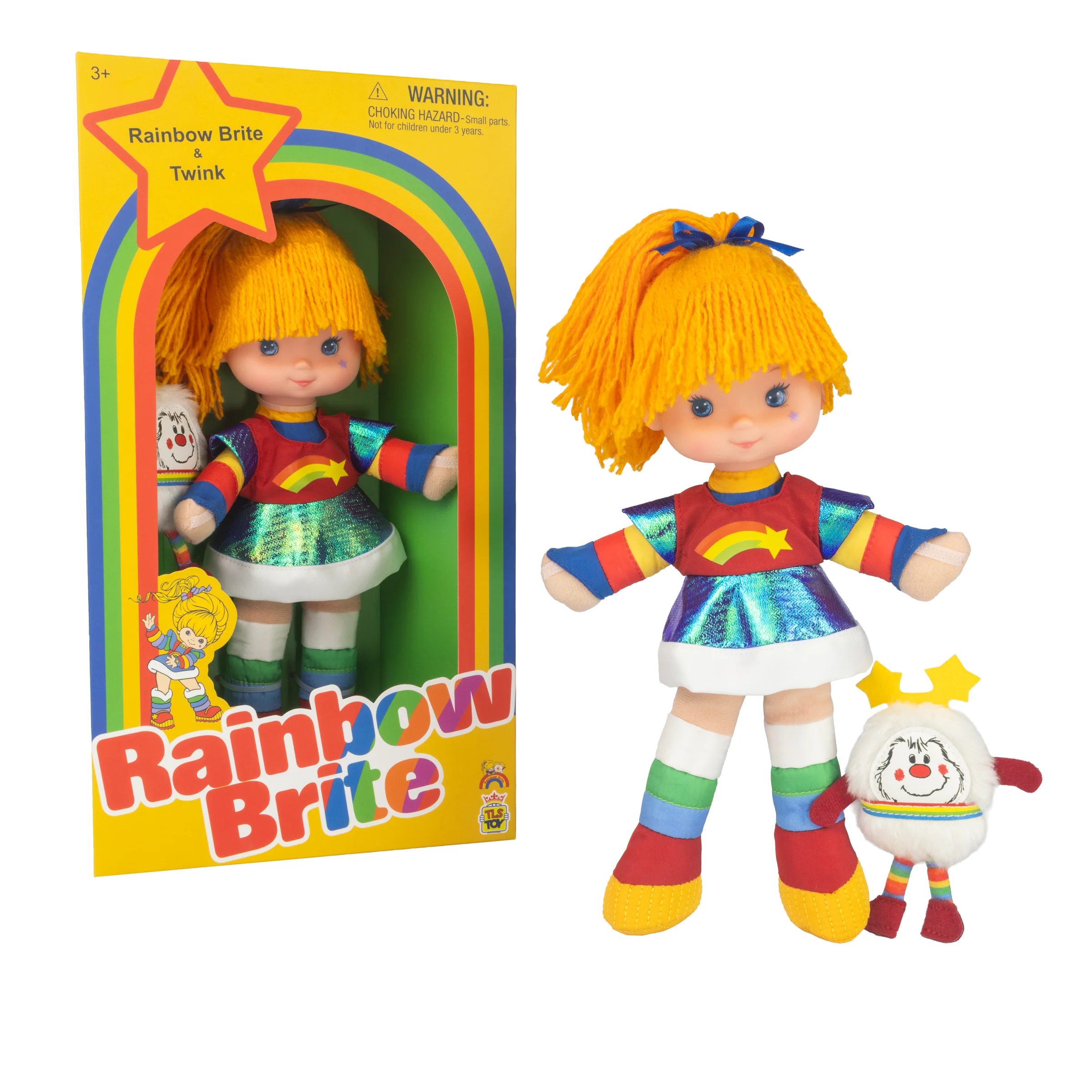
Color-coded fantasy before breakfast
Rainbow Brite
Rainbow Brite brought bright hair, color-themed friends, sprites, dolls, plush toys, and animated adventures into one cheerful franchise. In a decade already committed to neon, the character somehow found room to make the palette even louder.
The toys invited collecting because every character carried a different color identity. Rainbow Brite also worked as both a doll and a fantasy hero, which helped the line move beyond ordinary dress-up play. The entire world looked like it had been designed with a fresh box of markers, and that visual clarity made the characters instantly readable from the far end of a toy aisle.
Keep the rewind going with the top toys of 1983 and 80s dolls, plush toys, and pet-toy chaos.
Why it mattered
Rainbow Brite used a clear color system to make a large cast immediately understandable. Dolls, sprites, horses, and villains supported both collecting and story play, while animated specials gave the world stakes beyond simply being cheerful.
The Gen X memory
The colors were so bright they seemed capable of improving television reception. A complete group looked less like a toy collection and more like a rainbow had opened a regional office.
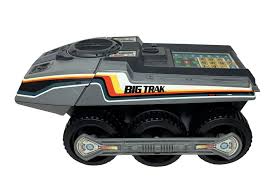
A programmable tank for the living room
Big Trak
Big Trak was a six-wheeled electronic vehicle with a keypad that allowed kids to program a sequence of movements. Enter the commands correctly and it rolled across the floor, turned, fired its light beam, and made the future feel very close. Enter them incorrectly and it drove into a wall while the family watched.
The toy made basic programming tangible before most homes had a computer. Kids had to think in steps, estimate distance, and troubleshoot mistakes, though nobody used the word troubleshooting when the vehicle was trapped under a chair. Big Trak was bulky, expensive, and unforgettable—the kind of electronic centerpiece that looked like it had arrived from a science-fiction movie.
Keep the rewind going with the top toys of 1980 and 80s electronic toys and gadgets.
Why it mattered
Big Trak introduced sequencing and logical planning through physical movement. Children saw immediately whether the programmed instructions worked, which made abstract commands concrete. It was educational without looking like school equipment.
The Gen X memory
The family-room mission usually began with careful calculations and ended with the vehicle nudging a table leg while everyone insisted the floor was uneven.
RANKED 20–11
20–11: The decade-defining heavy hitters
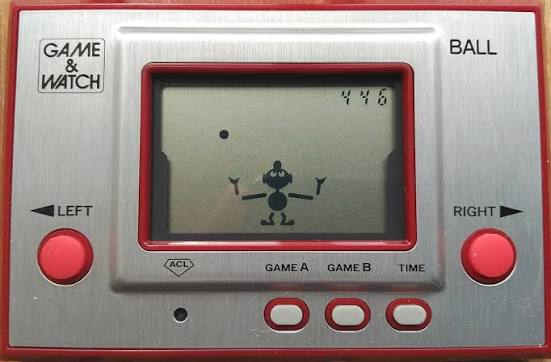
A video game that fit in your hand
Nintendo Game & Watch
Nintendo’s Game & Watch devices offered one game on a small LCD screen, usually controlled with simple buttons and a cross-shaped directional pad. By modern standards, the action was limited. In the early 80s, carrying a video game in your pocket felt like technology stolen from the future.
The fixed graphics required imagination: characters appeared in predetermined positions, movement was basic, and the sound effects were a series of electronic chirps. None of that mattered. Game & Watch helped establish handheld gaming and introduced design ideas Nintendo would continue using for decades. It also gave kids something to play in cars, waiting rooms, and any place adults expected silence.
Keep the rewind going with the top toys of 1980 and 80s video-game toys.
Why it mattered
Game & Watch proved that electronic play could be personal and portable. The devices refined compact controls, including the directional pad, and established Nintendo as a company capable of creating memorable play from strict technical limits.
The Gen X memory
There was no new game to download and no cartridge to change. The one game had to last, which meant scores became personal records and every electronic beep became familiar enough to hear in your sleep.
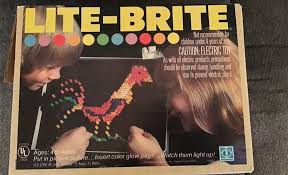
Black paper, glowing pegs, missing pieces
Lite-Brite
Lite-Brite had been around long before the 80s, but it remained a childhood fixture. Push colored plastic pegs through black paper and the light behind them transformed a simple pattern into glowing artwork. It was part craft, part night-light, and part test of whether a child could finish anything without losing eleven pieces.
The included templates produced recognizable pictures, but freehand designs were where the toy became personal. Every creation looked better in a dark room, and every cleanup revealed pegs in places no peg should logically reach. Lite-Brite survived because the payoff was immediate: a handful of plastic dots became light.
Keep the rewind going with the top toys of 1980 and 80s board games and family-room toys.
Why it mattered
Lite-Brite converted a basic pattern-following activity into a light display. The contrast between black paper and illuminated pegs made even simple designs feel impressive, giving children an immediate visual reward for patient work.
The Gen X memory
The black paper tore, the template shifted, and the exact shade needed for the picture ran out. The final result still looked fantastic once the room lights went off.
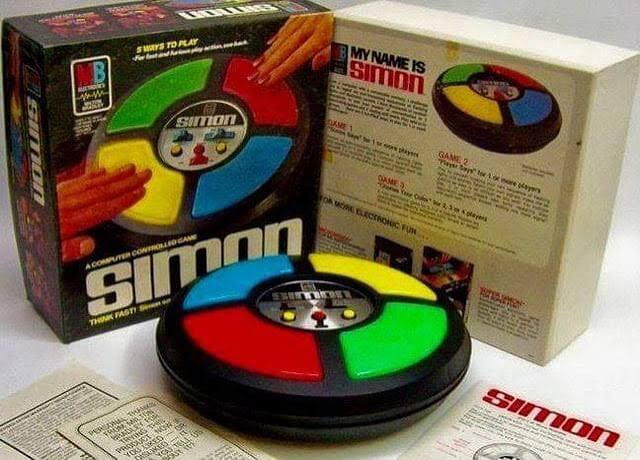
Four lights judging your memory
Simon
Simon was a circular electronic memory game with four colored buttons that lit up and played tones in an increasingly long sequence. Repeat the pattern and the machine rewarded you by making the next round harder. Miss one button and it delivered a failure sound with all the warmth of a game-show buzzer.
Although introduced before the decade began, Simon felt completely at home in the 80s. It was electronic, social, easy to understand, and capable of making an entire room watch one person slowly collapse under pressure. The game had no characters or storyline. It had lights, sounds, and the confidence to imply that your memory was the problem.
Keep the rewind going with the top toys of 1980 and 80s electronic toys and gadgets.
Why it mattered
Simon reduced electronic play to sound, color, sequence, and memory. The rules could be learned in seconds, which made it useful for solo play, family competition, and public humiliation when a short pattern somehow vanished from the brain.
The Gen X memory
Everyone believed the machine had sped up unfairly. Simon offered no appeal process.
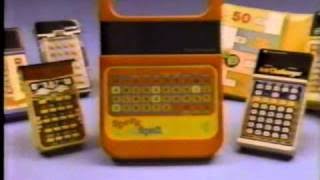
A red plastic teacher with no patience
Speak & Spell
Speak & Spell combined a keyboard, electronic voice, spelling games, and a bright red plastic case into one of the most recognizable educational toys ever made. The synthesized voice sounded strange but understandable, which made the device feel advanced and slightly robotic.
Parents saw learning. Kids saw buttons, sounds, and the chance to type words the machine had not requested. It became a classroom and home staple and helped normalize talking electronics years before voice assistants began listening from kitchen counters. Speak & Spell was educational without hiding the technology, and that visible electronic identity made it feel more like a gadget than homework.
Keep the rewind going with the top toys of 1980 and 80s electronic toys and gadgets.
Why it mattered
Speak & Spell was a landmark consumer use of speech synthesis and helped make electronic learning toys feel modern rather than remedial. Its visual design was direct, durable, and unmistakably technological.
The Gen X memory
The voice pronounced words with machine confidence, even when it sounded like a robot calling from inside a metal trash can. Children repeated the voice as often as they repeated the spelling.
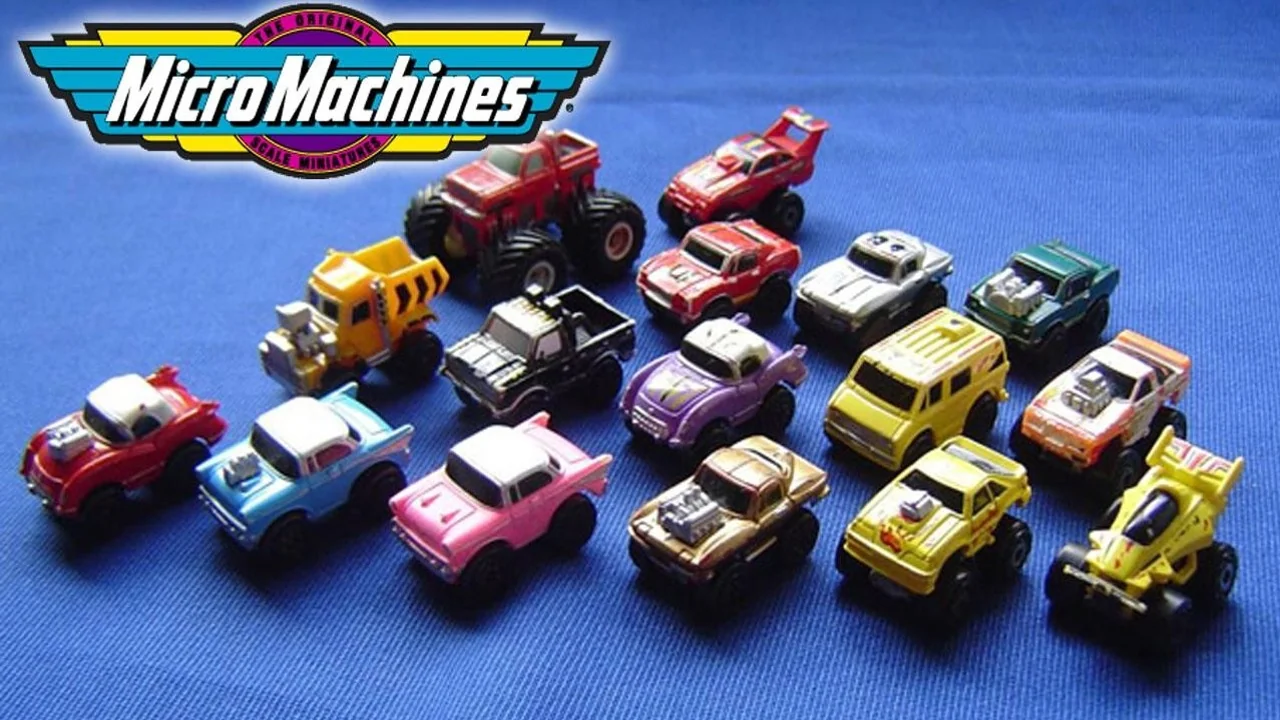
Smaller cars, bigger commercials
Micro Machines
Micro Machines shrank vehicles down even further than standard die-cast cars and sold them in themed collections, playsets, and fold-out environments. The tiny scale meant a child could build an enormous fleet without technically taking over the entire room—though the playsets soon handled that.
The unforgettable fast-talking commercials matched the product’s energy. Everything about Micro Machines moved quickly: the pitch, the cars, the collecting, and the moment one vanished into a heating vent. The line expanded into military vehicles, city sets, science fiction licenses, and almost anything else that could be miniaturized. It turned “smaller” into the main feature rather than a compromise.
Keep the rewind going with the top toys of 1986 and the complete 80s toys collection.
Why it mattered
Micro Machines used scale as a collecting engine. Small vehicles allowed larger assortments, compact playsets, and elaborate displays without the cost or space of full-size die-cast collections. Licensing later made the format nearly limitless.
The Gen X memory
The commercial spokesman spoke faster than any adult in real life. The toys disappeared faster than he did.
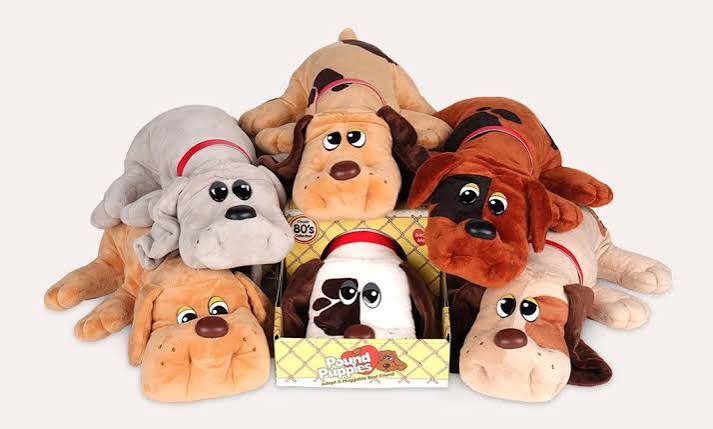
Adoptable plush dogs without the mess
Pound Puppies
Pound Puppies were soft, droopy-faced dogs sold with an adoption theme that made choosing one feel more meaningful than grabbing a generic stuffed animal. Each puppy looked like it needed a home, and 80s kids were apparently willing to rescue entire shelves.
The line expanded into different sizes, characters, playsets, and animation. Like Cabbage Patch Kids, it used adoption language to give mass-produced toys a personal identity. The puppies were cuddly, easy to collect, and completely free of vet bills. That emotional pitch turned them into a major mid-decade hit and a frequent occupant of beds, car seats, and childhood photographs.
Keep the rewind going with the top toys of 1984 and 80s dolls, plush toys, and pet-toy chaos.
Why it mattered
The adoption concept gave plush collecting an emotional structure. Different breeds, colors, sizes, and expressions encouraged children to see each puppy as an individual rather than another copy of the same product.
The Gen X memory
One puppy quickly became a family. Beds filled, carrying cases appeared, and adults learned that rescuing a stuffed dog did not reduce demand for the next stuffed dog.
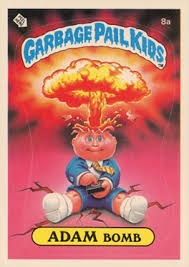
Trading cards adults wished would disappear
Garbage Pail Kids
Garbage Pail Kids cards parodied the sweet, adoptable doll craze with grotesque children suffering absurd disasters. The artwork was detailed, disgusting, funny, and practically engineered to be banned by somebody’s teacher.
The cards created playground economies. Kids traded duplicates, argued over favorites, memorized names, and treated a fresh wax pack like a major financial event. They were inexpensive enough to buy regularly and outrageous enough to make ownership feel mildly rebellious. Garbage Pail Kids were not traditional toys, but they defined how 80s kids collected, traded, and annoyed adults—and that earns them a place near the top.
Keep the rewind going with the top toys of 1985 and forgotten toys of the 80s.
Why it mattered
Garbage Pail Kids combined parody, detailed illustration, scarcity, and low purchase price into an ideal trading product. The cards belonged to children in a way many adult-approved collectibles did not, partly because adults disliked them so intensely.
The Gen X memory
The checklist became a mission, doubles became currency, and the waxy stick of gum became a dental threat nobody needed but everybody recognized.
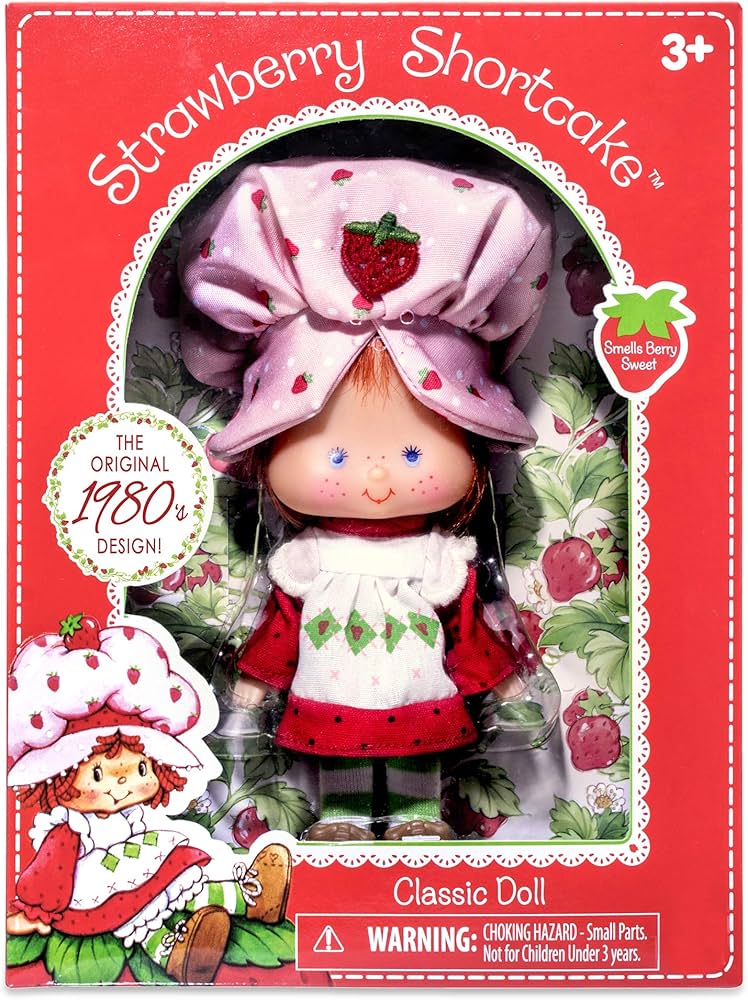
A toy box that smelled like dessert
Strawberry Shortcake Dolls
Strawberry Shortcake dolls combined character design, bright colors, miniature worlds, and scented plastic. Each character had a food-themed name, matching outfit, pet, and fragrance. Opening the toy box could smell like an aggressive bakery.
The dolls became a major early-80s property supported by animated specials, accessories, and playsets. They showed how a toy line could build a complete identity around sensory details. The smell was not a minor bonus; it was part of the memory. Decades later, many former owners can still recall that artificial strawberry scent faster than they can remember where they put their keys.
Keep the rewind going with the top toys of 1980 and 80s dolls, plush toys, and pet-toy chaos.
Why it mattered
The line built a character system around scent, food themes, pets, and color-coded design. Smell made the toys memorable in a way visual branding alone could not, and the sensory identity remained powerful long after the dolls left shelves.
The Gen X memory
A closed toy box could announce the collection before the lid opened. The artificial fruit scent outlasted clothing, accessories, and possibly several household appliances.
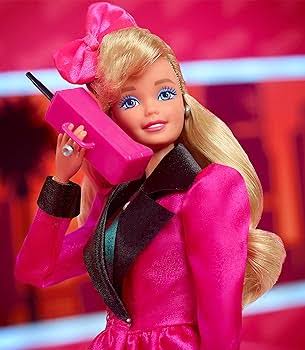
Dream houses, careers, and spectacular hair
Barbie in the 80s
Barbie entered the 80s as an established icon and adapted to the decade with glamorous fashions, careers, vehicles, dream houses, workout looks, rock-band energy, and hair that appeared to require its own zip code. The line absorbed every major style shift without losing its basic play pattern.
Barbie mattered in the 80s because the ecosystem was enormous. A doll could lead to clothes, furniture, pets, cars, friends, houses, and storage cases that never held everything. The toy encouraged storytelling as much as fashion. One afternoon Barbie was a professional. The next she was in a convertible heading to a mansion with no visible source of income. That was the dream.
Keep digging through 80s dolls, plush toys, and pet-toy chaos.
Why it mattered
Barbie’s ability to absorb current fashion, careers, music, fitness, and luxury kept the line culturally relevant while newer competitors came and went. The scale of the accessory world also made Barbie one of the decade’s most flexible storytelling systems.
The Gen X memory
The Dreamhouse was never large enough, the shoes never stayed paired, and the hair eventually reflected every styling decision made since Christmas morning.
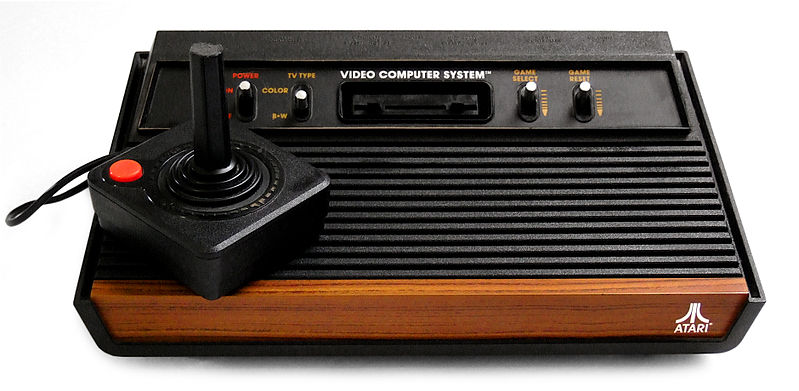
The first console kingdom in the family room
Atari 2600
The Atari 2600 launched before the 80s, but its cultural peak made it one of the decade’s defining play systems. Wood-grain hardware, joystick controllers, cartridges, and simple graphics transformed the television into an arcade—or at least a blockier approximation of one.
Games like Space Invaders, Asteroids, Adventure, and Pitfall! made the console a shared family-room obsession. The graphics demanded imagination, the joysticks demanded endurance, and some licensed games demanded forgiveness. Even after the video-game crash damaged the industry, Atari’s impact remained. It taught a generation that the television was not just for watching; it could be controlled.
Keep the rewind going with the top toys of 1980 and 80s video-game toys.
Why it mattered
Atari brought cartridge-based video games into ordinary homes and established the rituals later consoles inherited: choosing a game, passing controllers, chasing scores, reading box art, and blaming the hardware for a loss.
The Gen X memory
The joystick left a square impression in the hand, the graphics required imagination, and resetting the machine was considered a legitimate troubleshooting method.
RANKED The Top 10
The Top 10: The toys that became permanent pieces of 80s culture
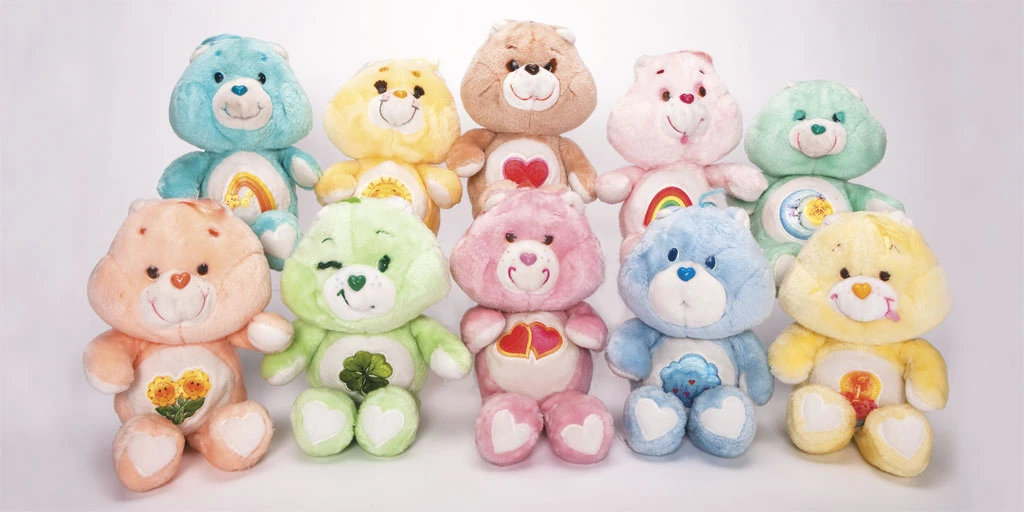
Emotional support with stomach graphics
Care Bears
Care Bears transformed feelings into colorful characters with symbols on their bellies, making each bear easy to identify and impossible for adults to confuse—at least in theory. The plush toys became the center of a larger world involving television specials, movies, villains, clouds, rainbows, and an astonishing amount of emotional labor.
The bears were cuddly, collectible, and tied to a clear personality. Choosing one could feel like choosing a team or announcing a personal brand. The Care Bear Stare gave the characters an action feature without requiring plastic weapons. In an era dominated by battle toys, they proved that kindness could also power a franchise—provided it came in enough colors.
Keep the rewind going with the top toys of 1983 and 80s dolls, plush toys, and pet-toy chaos.
Why it mattered
Care Bears turned personality traits and emotions into a collectible character system. Children could select a bear that matched a mood or aspiration, while the television stories gave the plush line conflict, mythology, and recognizable villains.
The Gen X memory
The stomach symbol mattered. Choosing the wrong bear for someone could become a personality assessment nobody had agreed to take.
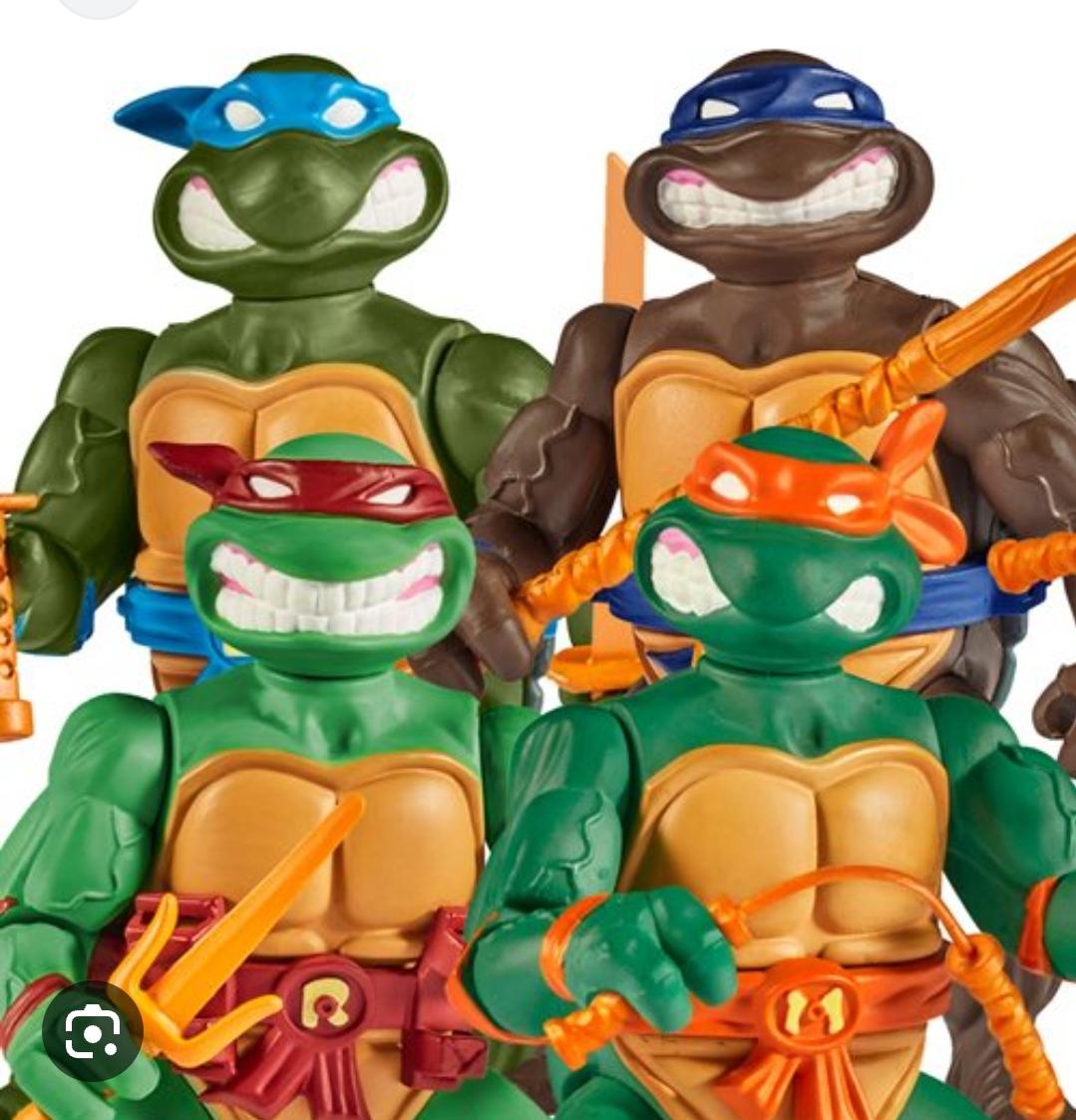
The late-80s action-figure explosion
Teenage Mutant Ninja Turtles
The Teenage Mutant Ninja Turtles toy line hit near the end of the decade and immediately looked built to take over the next one. Four color-coded mutant turtles, a rat sensei, an army of bizarre villains, vehicles, playsets, and a cartoon gave kids an entire universe in one loud package.
The figures were chunky, expressive, and packed with accessories that disappeared almost instantly. The characters also solved a playground problem: four heroes meant four kids could each claim a favorite without lengthy negotiations. TMNT arrived late, but the impact was immediate. By the time the 80s ended, the turtles were already climbing toward total lunchbox-and-toy-aisle domination.
Keep the rewind going with the top toys of 1988 and the decade’s 80s action figures.
Why it mattered
TMNT combined martial arts, comedy, monsters, vehicles, pizza, and four clearly differentiated heroes. The toy line could generate endless mutants without breaking its own logic, making expansion feel natural rather than desperate.
The Gen X memory
Weapons vanished almost immediately, but the color-coded masks kept the team understandable. Every friend group identified its Leonardo, Raphael, Michelangelo, and Donatello—usually with more honesty than expected.
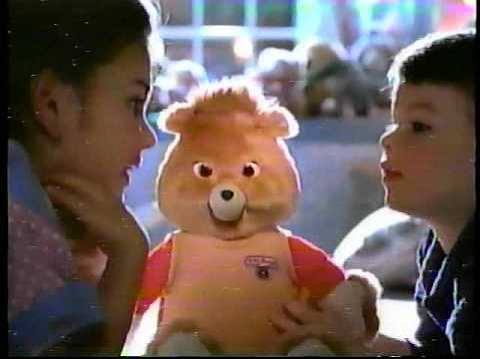
The talking bear who owned story time
Teddy Ruxpin
Teddy Ruxpin was a talking animatronic bear whose mouth and eyes moved while cassette tapes played stories and songs. To an 80s child, it looked like a stuffed animal had become a television host. To adults, it looked like an expensive machine that would eventually need repair.
The synchronized movement made Teddy feel alive in a way ordinary plush toys did not. Story tapes expanded the experience, and companion characters built a larger fantasy world. Teddy Ruxpin represented the decade’s fascination with adding electronics to familiar toys. A bear was good. A bear with motors, tapes, moving facial features, and a continuing content library was the future.
Keep the rewind going with the top toys of 1985 and 80s electronic toys and gadgets.
Why it mattered
Teddy Ruxpin connected hardware, character storytelling, and repeat content. New tapes extended the product after purchase, while synchronized movement created a stronger illusion of personality than a normal talking doll.
The Gen X memory
When the cassette worked, Teddy was magical. When the batteries weakened, story time sounded like a bear opening a portal.
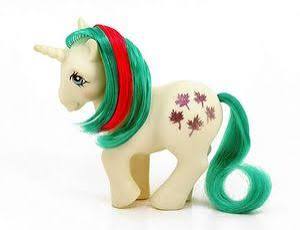
Pastel armies with combable hair
My Little Pony
The original My Little Pony toys turned small colorful horse figures into a massive collecting world. Different colors, symbols, poses, wings, horns, hair, accessories, and playsets made each pony feel distinct while quietly encouraging kids to want another one.
The tactile ritual mattered: combing manes, arranging collections, assigning personalities, and carrying ponies into every available fantasy. Animated specials and television expanded the world, but the toys remained the center. They were durable enough for regular play and decorative enough for careful display. My Little Pony proved that collectibility did not need trading cards or battle statistics. Sometimes it needed pastel plastic, a tiny comb, and more shelf space.
Keep the rewind going with the top toys of 1982 and 80s dolls, plush toys, and pet-toy chaos.
Why it mattered
The original line created a vast collecting language from body color, mane color, pose, symbol, wings, horns, and accessories. Children could identify subtle differences adults barely noticed, which made the collection feel personal and expert-driven.
The Gen X memory
Manes were brushed, braided, tangled, trimmed without authorization, and occasionally restored with the optimism of a small-scale salon.
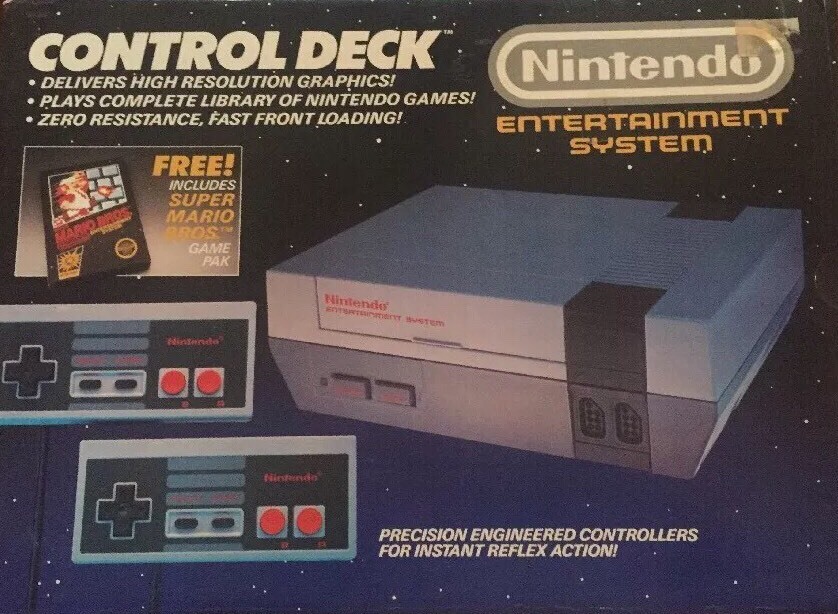
The console that brought video games back
Nintendo Entertainment System
The Nintendo Entertainment System changed the family room. Its gray box, rectangular controllers, and cartridges introduced millions of kids to Super Mario Bros., The Legend of Zelda, Metroid, Duck Hunt, and a growing library that felt more polished and imaginative than the battered games many families remembered from earlier systems.
The NES became more than a toy; it became a social schedule. Kids traded tips at school, watched older siblings clear difficult levels, blew into cartridges despite every future warning, and learned that “one more game” had no fixed meaning. Nintendo restored confidence in home video games and created characters that would survive long after most 80s toy lines disappeared.
Keep the rewind going with the top toys of 1985 and 80s video-game toys.
Why it mattered
Nintendo rebuilt the home-console market through stronger quality control, recognizable characters, consistent hardware, and games designed around longer adventures rather than only high scores. It changed expectations for what playing at home could mean.
The Gen X memory
The controller cord determined seating position, passwords were written on paper, and a difficult level could occupy an entire weekend plus Monday’s school-bus conversation.
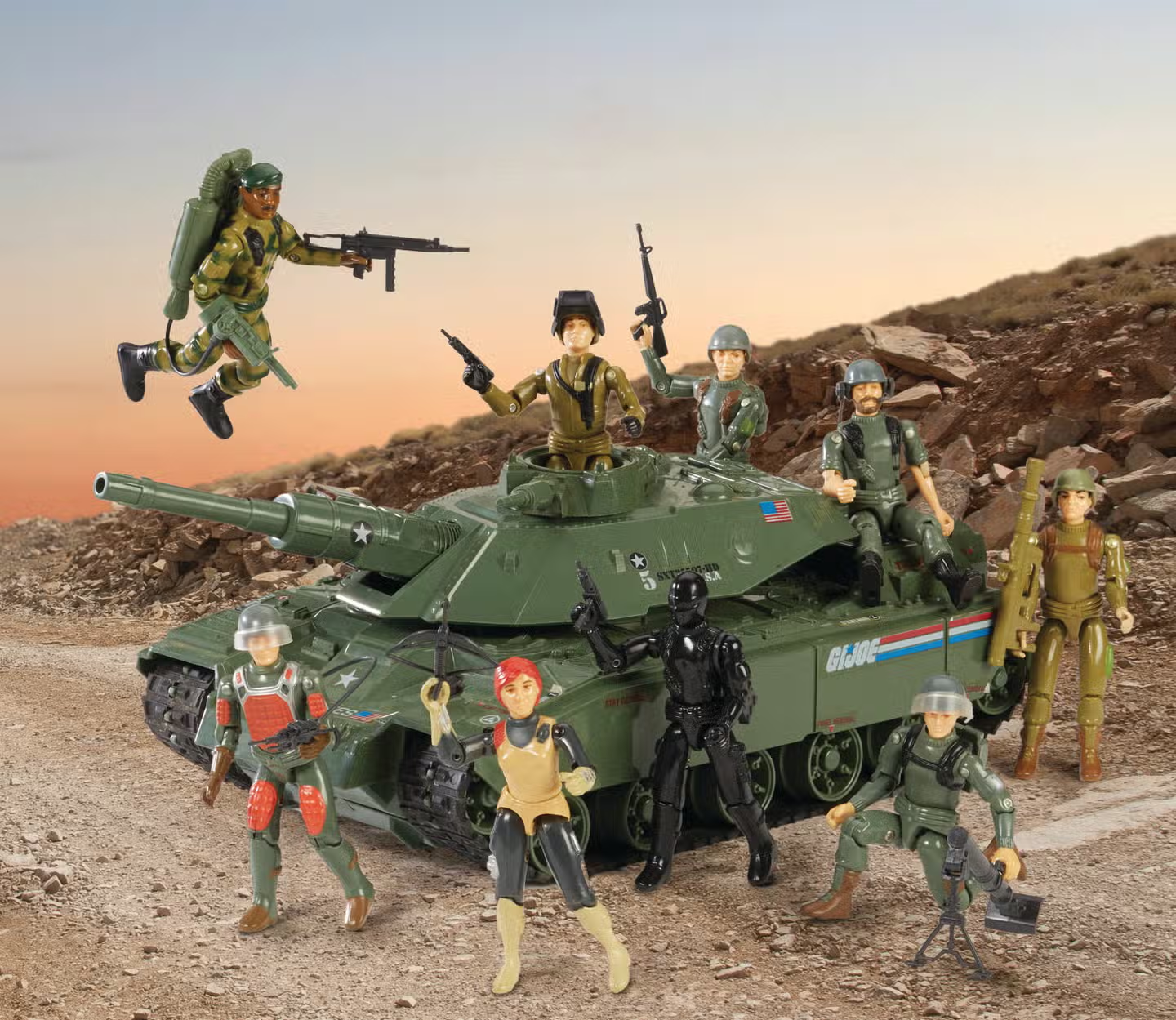
Figures, file cards, and vehicles everywhere
G.I. Joe: A Real American Hero
G.I. Joe toys in the 80s relaunched the brand in a smaller 3.75-inch scale and built one of the deepest toy ecosystems of the decade. The figures had articulation, code names, specialties, personalities, file cards, weapons, and enough vehicles to occupy every square foot of a bedroom.
The conflict between the Joes and Cobra gave kids a ready-made story, while comics and animation supplied endless missions. The vehicles and playsets were especially dangerous to household space. Tanks, jets, bases, and the legendary U.S.S. Flagg turned collecting into infrastructure. G.I. Joe did not merely sell characters. It sold an entire military organization, including personnel records.
Keep the rewind going with the top toys of 1982 and the decade’s 80s action figures.
Why it mattered
The line offered depth at every level: inexpensive individual figures, character biographies, teams, enemies, vehicles, bases, comics, animation, and enormous prestige playsets. The scale let children build armies without making every vehicle impossibly large.
The Gen X memory
File cards were read like personnel records. Weapons were matched carefully until they disappeared. The biggest vehicle belonged to the kid whose house suddenly became headquarters.
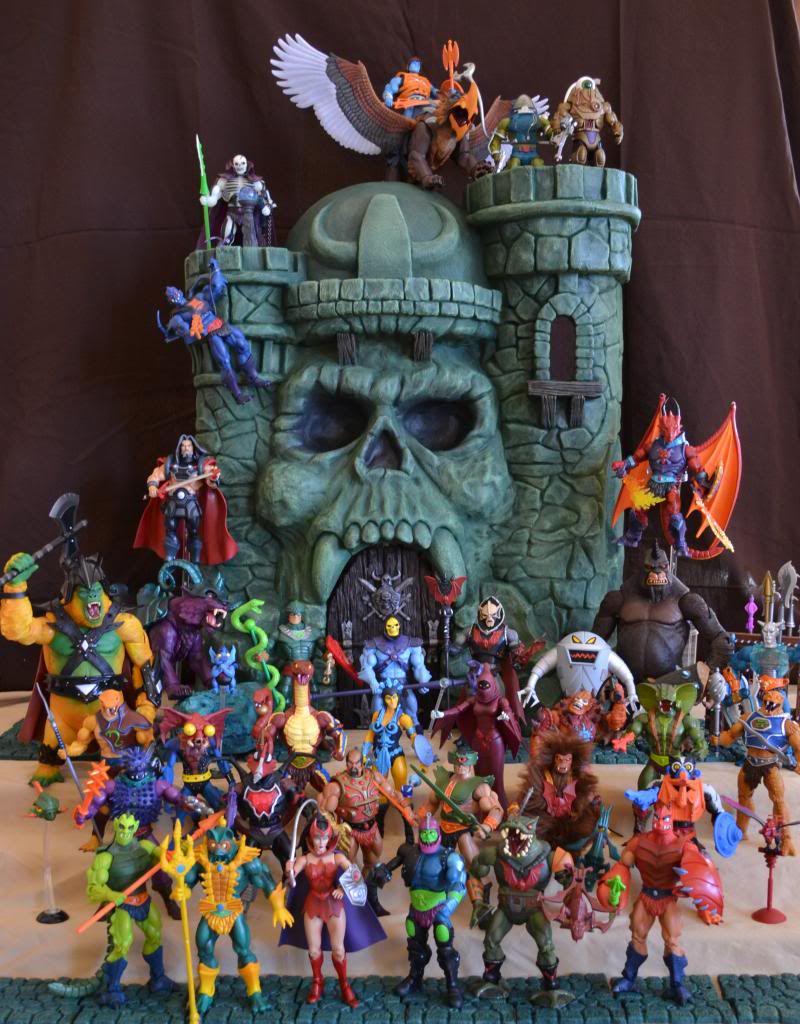
Eternia conquered the toy aisle
He-Man and the Masters of the Universe
He-Man arrived with oversized muscles, a power sword, fantasy villains, vehicles, beasts, and Castle Grayskull—one of the most recognizable playsets ever produced. The figures shared a broad, sturdy build that made them feel powerful even before the spring-loaded action features started punching.
The animated series expanded the characters and gave kids daily reasons to return to the toys. He-Man, Skeletor, Teela, Beast Man, Man-At-Arms, and the rest were easy to understand and visually impossible to ignore. Masters of the Universe fused sword-and-sorcery fantasy with science fiction and toy-commercial logic. Eternia was a place where barbarians, robots, monsters, vehicles, magic, and skull-shaped real estate all belonged together.
Keep the rewind going with the top toys of 1982 and the decade’s 80s action figures.
Why it mattered
Masters of the Universe used bold silhouettes, reusable body construction, striking character concepts, and a fantasy world broad enough to include almost anything. The line was immediately readable from across the aisle and easy to expand.
The Gen X memory
Battle damage, spring-loaded waists, removable armor, and Castle Grayskull’s drawbridge turned the floor into Eternia. Skeletor’s voice was supplied by whichever child could make the best nasal threat.
Robots in disguise changed everything
Transformers
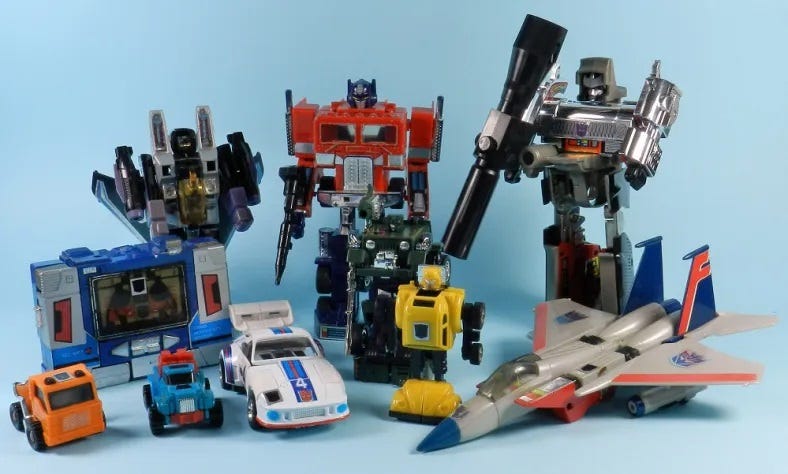
G1 Transformers toys offered the ultimate two-in-one promise: a vehicle, device, or creature that became a robot. The transformation was not just an action feature. It was the whole identity of the toy. Optimus Prime, Megatron, Bumblebee, Soundwave, Starscream, and the Dinobots became characters through cartoons and comics, but the physical conversion remained the magic.
Some transformations were easy. Others felt like a mechanical aptitude test administered without instructions because the instructions had already vanished. The line rewarded collecting, since every new figure expanded both the vehicle fleet and robot army. Transformers represented 80s toy engineering, media tie-ins, and playground mythology operating at maximum power.
Keep the rewind going with the top toys of 1984 and the decade’s 80s action figures.
Why it mattered
Transformers made engineering part of character play. Each figure invited inspection, problem-solving, and repetition before the battle even began. The cartoon then gave emotional meaning to machines that might otherwise have been clever mechanical objects.
The Gen X memory
The first transformation was careful. The hundredth was performed from memory. The moment a plastic tab resisted, every child became a mechanical engineer with no insurance.
The 1983 toy-store frenzy
Cabbage Patch Kids
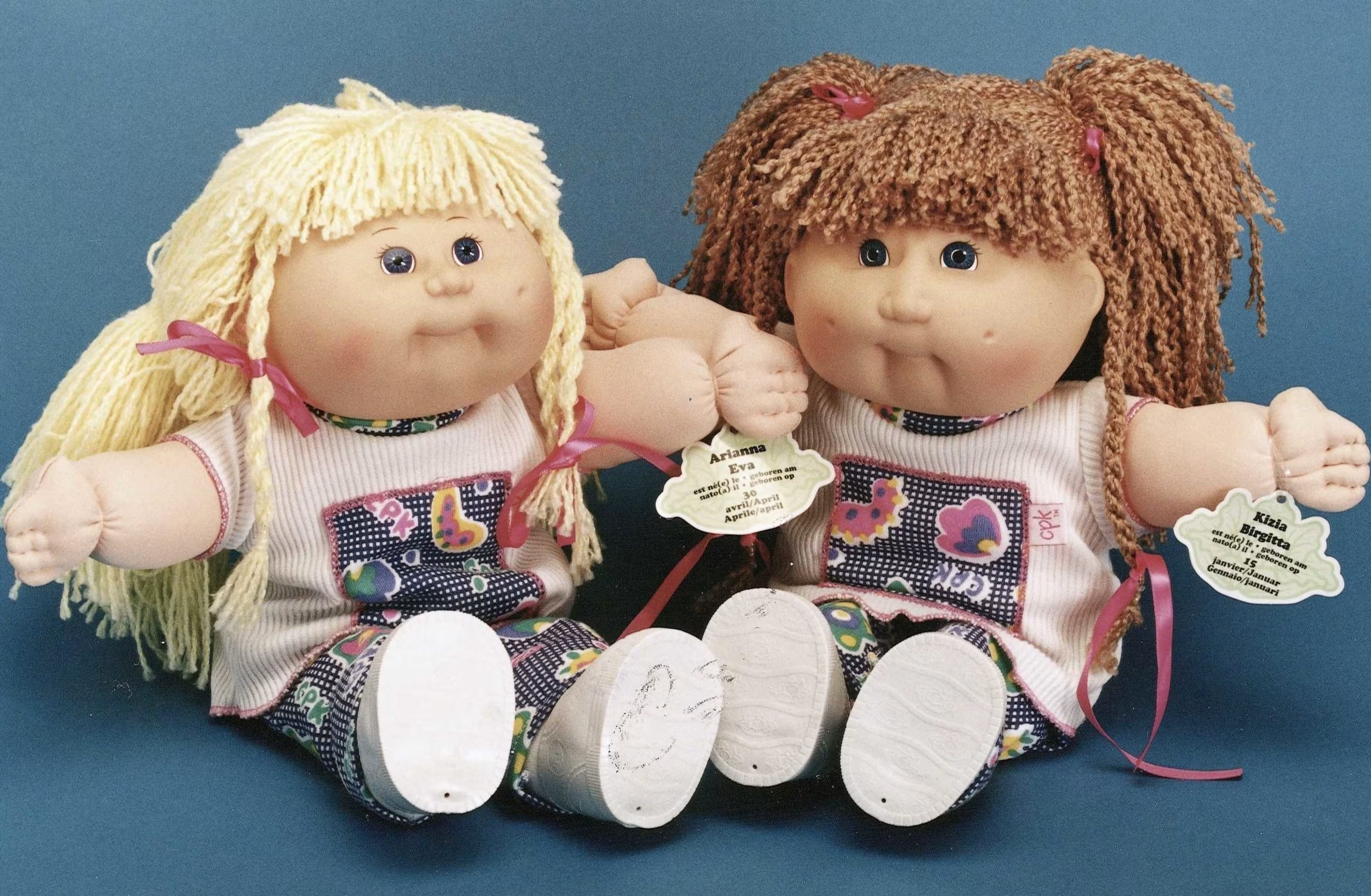
The Cabbage Patch Kids craze became the symbol of 80s toy mania. The dolls had soft bodies, molded heads, individual names, and adoption papers that made each purchase feel personal. When demand exploded during the 1983 holiday season, stores struggled to keep them in stock and news reports turned toy shopping into national theater.
The dolls were not sleek or glamorous. Their appeal was individuality. Different faces, hair, clothes, names, and paperwork created the feeling that a child had found one specific kid rather than purchased one unit from a factory. That emotional hook, combined with scarcity and relentless attention, produced a craze later toy companies would spend decades trying to recreate.
Keep the rewind going with the top toys of 1983 and 80s dolls, plush toys, and pet-toy chaos.
Why it mattered
Cabbage Patch Kids turned variation and paperwork into emotional ownership. Adoption certificates, names, birth details, and different facial combinations gave buyers the impression of choosing a specific child. Scarcity amplified that relationship into a national phenomenon.
The Gen X memory
The doll’s name was announced to relatives as though the family had completed an actual adoption. Nobody was permitted to suggest the name was weird.
The puzzle that conquered the decade
Rubik’s Cube
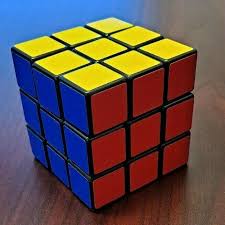
The 1980s Rubik’s Cube craze represents the opening years of the decade more completely than almost any other toy phenomenon. The puzzle arrived internationally in 1980 and seemed to appear everywhere at once: homes, classrooms, offices, store counters, competitions, books, television, and the hands of people insisting they were only a few moves away.
The Cube was colorful, portable, inexpensive, and brutally honest. Anyone could understand the goal. Very few could achieve it without help. That combination made it irresistible. It required no batteries, character license, or cartoon universe, yet became one of the most recognizable objects in pop culture. Millions of kids scrambled the colors, solved one side, declared that close enough, and spent years pretending the stickers had not been moved.
Revisit the 1980s Rubik’s Cube craze for the full story behind the line’s original 1980s impact.
Keep the rewind going with the top toys of 1980 and 80s board games and family-room toys.
Why it mattered
Rubik’s Cube achieved something few toys manage: immediate comprehension, nearly unlimited challenge, visual beauty, portability, and adult crossover. It became a puzzle, competition, desk object, status symbol, teaching tool, and cultural shorthand for intelligence.
The Gen X memory
Most owners solved one face, ruined it trying for the second, and briefly considered moving the stickers. The Cube knew what had happened.
The decade, year by year
Popular 80s toys by year, from 1980 through 1989
Toy crazes did not arrive evenly. The early decade belonged to puzzles, electronic carryovers, and the first wave of giant character brands. The middle years brought action-figure warfare, talking toys, plush empires, and Nintendo. The final stretch pushed miniatures, gross-out toys, backyard electronics, and the franchises that would dominate the early 90s.
 1980Rubik’s Cube, handheld electronics, and early-decade carryovers set the tone.See the top toys of 1980 →
 1981Electronic learning toys and puzzle fever kept batteries and brains busy.See the top toys of 1981 →
 1982He-Man, G.I. Joe, and My Little Pony helped redraw the toy aisle.See the top toys of 1982 →
 1983Cabbage Patch Kids turned Christmas shopping into a contact sport.See the top toys of 1983 →
 1984Transformers arrived while licensed characters and electronic play accelerated.See the top toys of 1984 →
 1985Nintendo, Teddy Ruxpin, Jem, M.A.S.K., and gross-out collectibles crowded wish lists.See the top toys of 1985 →
 1986Micro Machines, Popples, Ghostbusters, and talking toys pushed variety even further.See the top toys of 1986 →
 1987Koosh, Boglins, Lazer Tag, and late-decade gadgets made play stranger and more electronic.See the top toys of 1987 →
 1988Teenage Mutant Ninja Turtles and Dino-Riders closed the decade with maximum action.See the top toys of 1988 →
 1989Polly Pocket and Nintendo accessories pointed directly toward the 90s.See the top toys of 1989 →
How the toy aisle took over
Action figures, dolls, electronic toys, and the 1980s toy universes
Action figures became an arms race
He-Man brought fantasy muscle. G.I. Joe brought vehicles and file cards. Transformers brought engineering. M.A.S.K., ThunderCats, Ghostbusters, and TMNT kept adding new reasons to need another figure.
Dolls and plush toys built emotional worlds
Cabbage Patch Kids had adoption papers. Pound Puppies needed homes. Care Bears represented feelings. My Little Pony turned color, hair, symbols, and fantasy into a collecting system.
Electronics changed what a toy could do
Speak & Spell talked. Big Trak followed commands. Teddy Ruxpin performed stories. Game & Watch traveled. Nintendo took over the television. The toy box was becoming a gadget drawer.
The decade’s game systems deserve their own trip through the cartridge drawer. Continue with the toys and hardware in our guide to 80s video game toys. For the nights when the entire family gathered around cardboard, plastic pieces, and rules nobody read correctly, visit 80s board games and family-room toys.
How we knew what to beg for
How 80s cartoons and toy commercials created legends
80s toy advertising did not politely explain product features. It created urgency. Commercials showed enormous collections, perfectly arranged battle scenes, children shouting with medically concerning levels of excitement, and toy vehicles performing moves that became much less impressive on shag carpet.
Cartoons completed the job. A figure that looked interesting in a store became essential after television gave it a voice, personality, weapon, enemy, and tragic backstory. This relationship was especially powerful for He-Man, G.I. Joe, Transformers, My Little Pony, ThunderCats, M.A.S.K., She-Ra, Jem, Ghostbusters, Care Bears, and TMNT.
Rewatch the sales pitches in our collection of 80s toy commercials and videos, then explore how 80s cartoons that sold us the toys one episode at a time.
Check the attic before the yard sale
Which 80s toys are worth money today?
The toys most likely to attract serious collector interest are usually rare, complete, sealed, region-specific, recalled, short-produced, or unusually well preserved. A common loose figure without its weapon is not automatically a retirement plan because somebody listed one online for $900. Asking prices are wishes. Completed sales are evidence.
Condition and completeness matter enormously. Original boxes, inserts, instructions, mail-away paperwork, unused sticker sheets, weapons, vehicles, and working electronics can separate an ordinary example from a collector-grade piece. For the deeper breakdown, including how to evaluate actual sold prices, see valuable 80s toys worth money today.
Cabbage Patch Kids
Early dolls, uncommon factories, original clothing, paperwork, and condition can matter. The real story begins with the 1983 Cabbage Patch Kids craze.
Action-figure giants
Original weapons, vehicles, playsets, packaging, and rare variants drive interest. Explore He-Man toys, G1 Transformers, and 80s G.I. Joe toys.
Collectible character lines
Variant symbols, hair, accessories, playsets, and packaging affect demand for original My Little Pony toys and many other character collections.
The ones just outside the Top 50
The 80s toy box was much bigger than one ranking
Any list of 50 leaves behind somebody’s favorite. Battle Beasts, Visionaries, Sectaurs, Robo Force, Crystar, GoBots, Zoids, Wuzzles, Charmkins, Poochie, Sylvanian Families, R.O.B., the Power Glove, Waterfuls, Capsela, Sea Wees, Army Ants, Air Raiders, Food Fighters, and dozens of other lines still trigger instant recognition in the right person.
That is the strange power of childhood toys. A line did not need to rule national sales charts to matter. It only needed to arrive at the right birthday, survive one great summer, or become the thing you and a friend built an entire world around. Continue digging through the closet with our guide to the forgotten toys of the 80s.
What survived after the batteries died
Why iconic 1980s toys still matter
The enduring appeal is not only nostalgia. Many of these toys introduced play ideas that remain commercially powerful: transforming objects, collectible character systems, portable worlds, expandable universes, electronic feedback, media-supported storytelling, and products that felt personalized through names, symbols, variants, or paperwork.
They also arrived during the last period when childhood was widely shared but not yet continuously connected. A national commercial could make millions of kids want the same thing, but the play itself still happened locally—on bedroom floors, in backyards, across lunch tables, and during sleepovers. The toy provided common language; every neighborhood supplied its own story.
That helps explain why the physical details remain so vivid. We remember the snap of a transformation, the smell of scented dolls, the resistance of a joystick, the sound of a talking bear slowing down, the painful shape of a brick underfoot, and the tiny weapon that disappeared before the figure had been owned for 24 hours. Memory attached itself to the mechanics.
Modern collectors may focus on condition, rarity, packaging, and market value, but the original value was different. A toy could reorganize an afternoon, determine whose house everyone visited, settle who played which character, and make December feel impossibly far away. That is why an old plastic figure can still trigger a complete scene—the carpet, the television, the friend sitting nearby, and the adult voice from another room saying it was time to clean everything up.
Questions from the toy aisle
Frequently asked questions about 80s toys
What were the most popular toys of the 80s?
The decade’s biggest toy names included Rubik’s Cube, Cabbage Patch Kids, Transformers, He-Man and the Masters of the Universe, G.I. Joe, My Little Pony, Care Bears, Teddy Ruxpin, the Nintendo Entertainment System, and Teenage Mutant Ninja Turtles. Popularity varied by year, but these toys had the broadest cultural impact.
What was the biggest toy craze of the 1980s?
Cabbage Patch Kids created the decade’s most famous holiday shopping frenzy in 1983, while Rubik’s Cube became a worldwide puzzle craze at the start of the decade. Transformers, He-Man, G.I. Joe, and Nintendo produced longer-running franchise obsessions.
What 80s toys are worth money today?
Sealed, complete, rare, and well-preserved examples can be valuable, especially certain action figures, playsets, Transformers, G.I. Joe vehicles, Masters of the Universe pieces, early My Little Pony figures, video-game hardware, and unusual variants. Condition, completeness, authenticity, and actual sold prices matter far more than an optimistic asking price.
Why were so many 80s toys connected to cartoons?
Toy companies and entertainment producers discovered that an animated series could introduce characters, vehicles, villains, and storylines every week. The cartoon created emotional attachment while commercials and store shelves completed the loop.
Were Nintendo and Atari considered toys?
They were electronic game systems, but for millions of 80s kids they filled the same role as other major toys: they dominated wish lists, living-room play, school conversations, and family spending. They belong in any honest account of how children played during the decade.
What makes an 80s toy iconic instead of merely popular?
An iconic toy goes beyond sales. It becomes visually recognizable, sparks shared memories, influences later toys, and remains associated with the decade. Scarcity, advertising, cartoons, playground culture, and a distinctive play feature all help.
Did all of these toys debut in the 1980s?
No. A few classics such as Barbie, Hot Wheels, Matchbox, Lite-Brite, Simon, Speak & Spell, Atari 2600, and Star Wars figures began earlier but remained central to 80s childhood. This ranking measures their importance during the decade, not only their original release date.