Smells Like Gen X • Top Toys of 1988
Top 10 Toys of 1988: Koosh Ball, Nintendo and Turtle Power
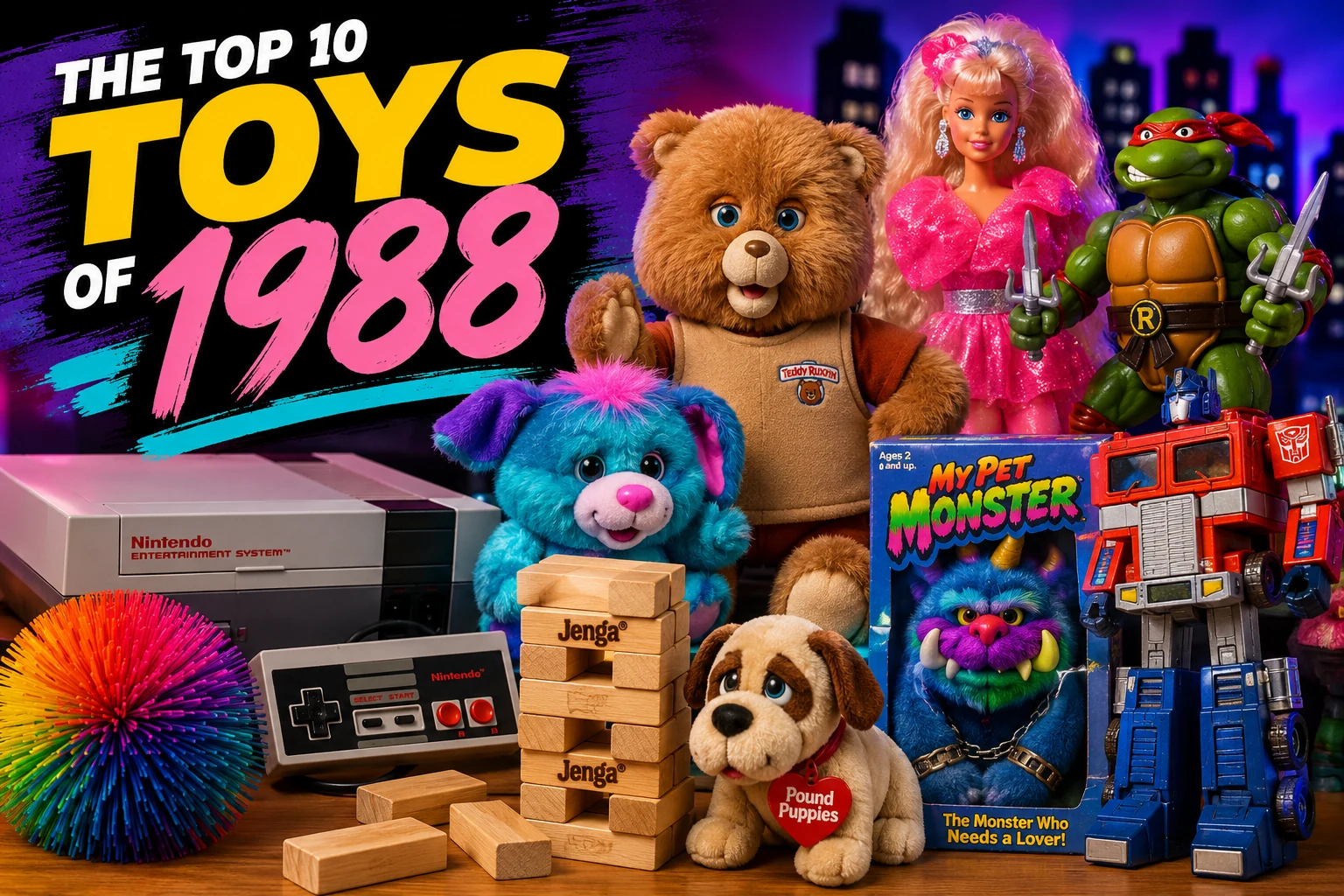
The top toys of 1988 were led by Koosh Ball,
Nintendo Entertainment System,
Teenage Mutant Ninja Turtles, Barbie,
Transformers, My Pet Monster,
Popples, Pound Puppies,
Jenga, and Teddy Ruxpin. This was the year the
late-80s toy aisle became slicker, more licensed, more screen-centered, and even
better at turning one fast commercial into a household budget emergency.
The most popular toys of 1988 show several different versions of
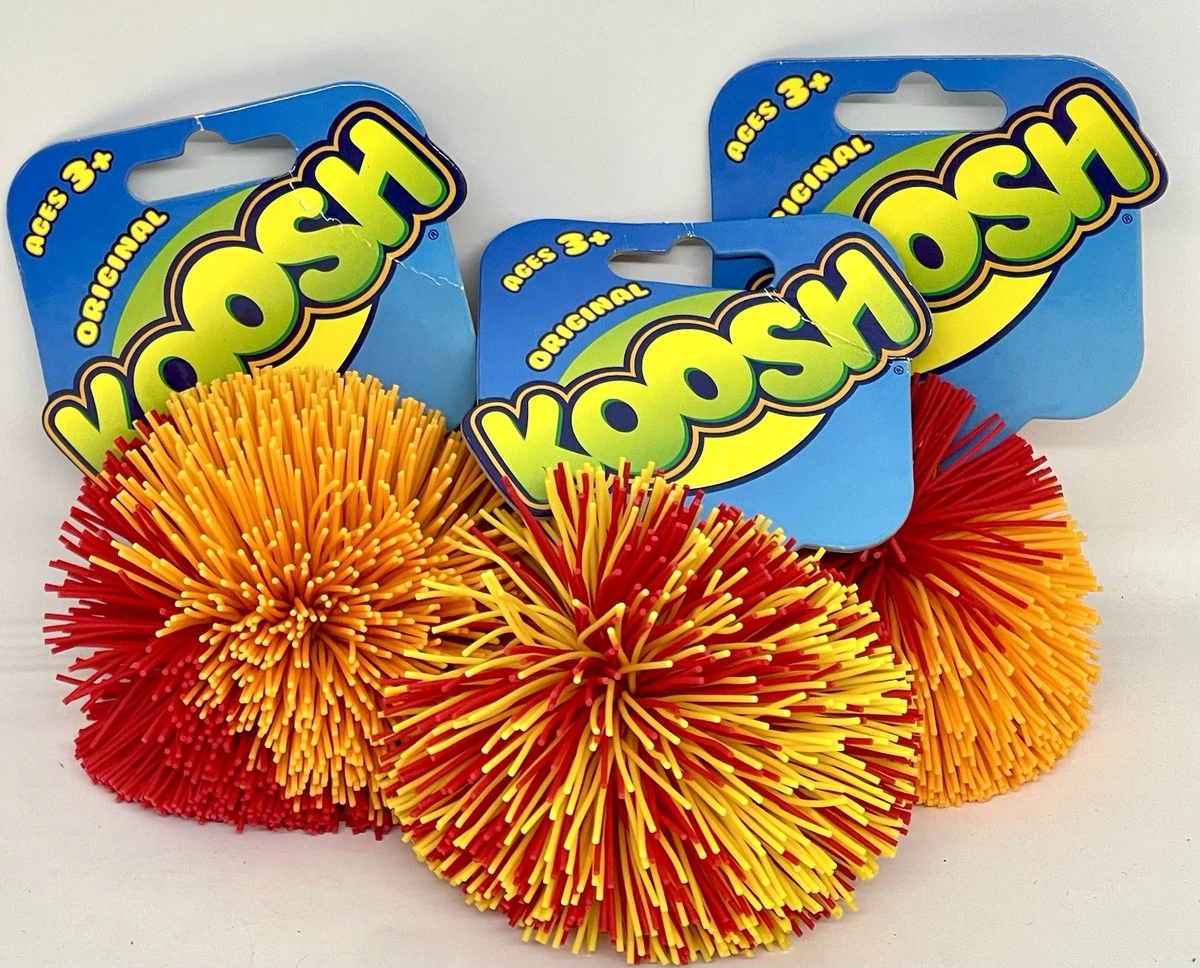
childhood running side by side. Koosh Ball turned pure
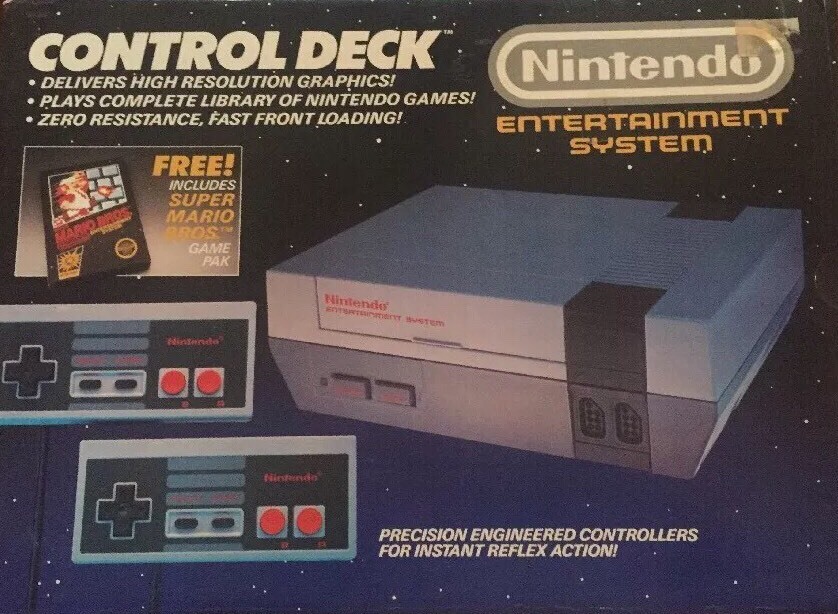
texture into a Christmas hit. The NES became the
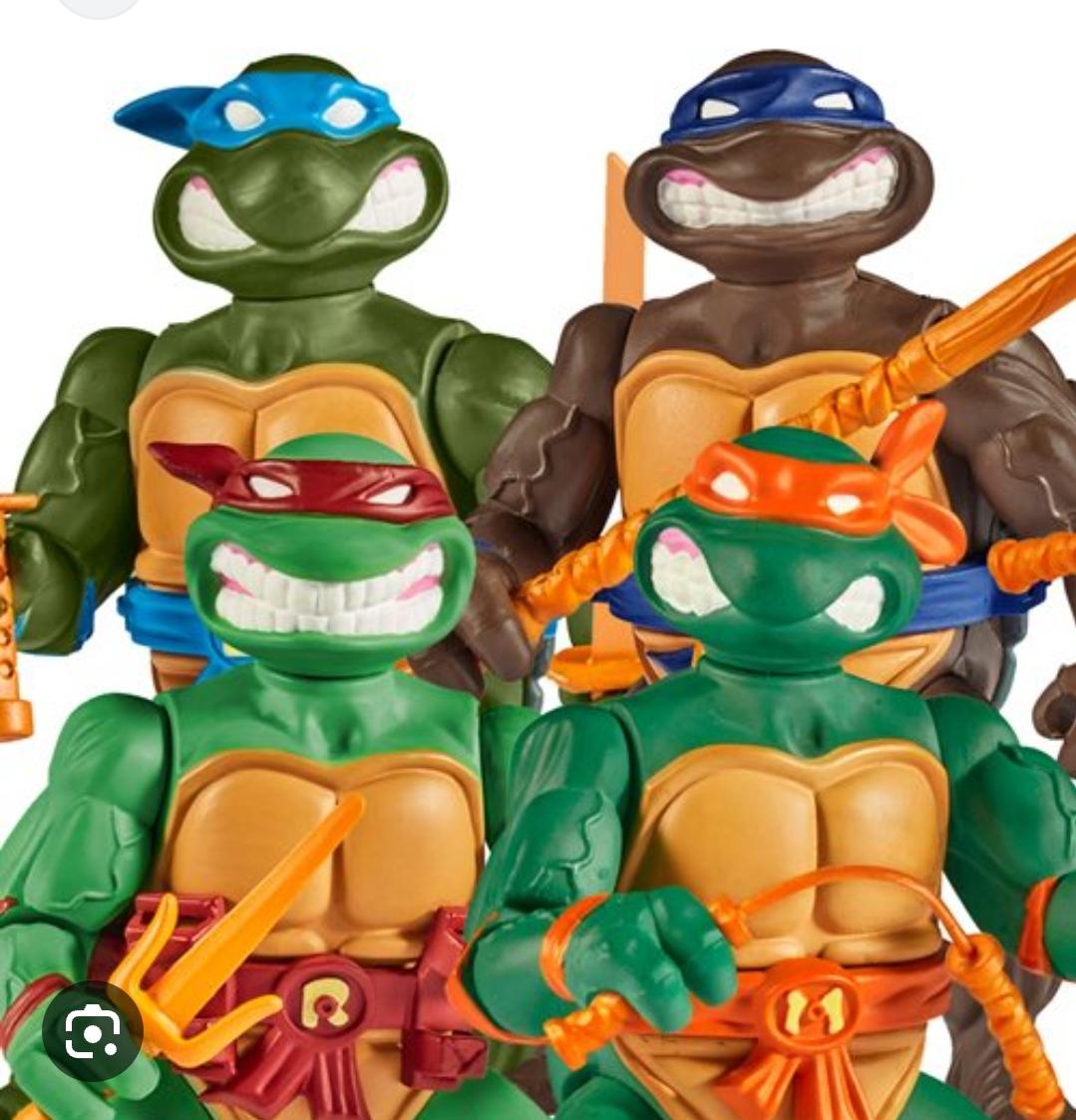
new center of home play. Teenage Mutant Ninja Turtles
converted late-1987 cartoon momentum into an actual action-figure line. Barbie and
Transformers proved established brands could still hold valuable shelf space while
the decade charged toward its finale.
For Gen X, 1988 feels like the toy aisle operating with total confidence.
My Pet Monster, Popples, Pound Puppies, Teddy Ruxpin,
and Barbie each sold a different version of attachment.
Transformers kept machine mythology alive.
Jenga still turned patience into public failure. Koosh Ball needed no story at all.
And Nintendo was quietly becoming more important than almost everything around it.
Editorial Number OneKoosh Ball
Long-Term PowerhouseNintendo Entertainment System
Breakout FranchiseTeenage Mutant Ninja Turtles
Late-80s FormulaScreens, licenses and tactile novelty
Gen X Note: 1988 feels like the 80s toy aisle after somebody buffed the whole thing to a high-gloss finish: Nintendo on the television, Turtles in the figure aisle, Koosh in your hand, Barbie still undefeated, and every commercial behaving like Christmas depended on immediate compliance.
The Short Answer
What Were the Most Popular Toys of 1988?
The most popular toys of 1988 included Koosh Ball,
Nintendo Entertainment System,
Teenage Mutant Ninja Turtles, Barbie,
Transformers, My Pet Monster,
Popples, Pound Puppies,
Jenga, and Teddy Ruxpin. Koosh Ball ranks first
in this editorial countdown because it most cleanly captures the year’s tactile,
instantly demonstrable Christmas-toy energy. The
NES was the larger long-term cultural force,
while the first Playmates TMNT figures made Turtle Power a real toy-aisle presence.
The Ground Rules
How We Ranked the Top Toys of 1988
This is a transparent editorial ranking rather than a fake official sales chart.
No single complete public U.S. source ranks every console, action figure, doll,
plush toy, board game, robot line, and tactile novelty product from 1988 on one
comparable list. The countdown weighs several kinds of evidence and explains the
category differences instead of pretending the toy industry left behind one perfect
spreadsheet.
Holiday demand and year-specific visibility
Christmas-list energy, retail presence, commercial frequency, giftability,
toy-store demonstration value, and surviving year-by-year reconstructions all
matter. Koosh Ball gets the top editorial slot
because it was inexpensive enough to spread, visually distinctive, immediately
tactile, and by 1988 a genuine Christmastime bestseller.
Long-term cultural importance
The Nintendo Entertainment System is the
deeper historical force. It reorganized play around a console, a cartridge library,
future purchases, and control of the living-room television. That gives Nintendo
the long-term crown even when Koosh Ball narrowly wins the year-signature slot.
How well each toy defines 1988
The ranking favors products that express the year’s particular mix of tactile
novelty, console dominance, newly available TMNT figures, polished fashion-doll
play, established robot mythology, weird-cute plush, and family-room games that
still competed with screens.
Release timing and carryover popularity
Koosh Ball first reached stores in late 1987 and became a major holiday success
in 1988. The Playmates TMNT figures arrived in 1988 after the animated miniseries
introduced the television version of the characters at the end of 1987. Other
entries are carryover brands whose continuing visibility still shaped the year.
Why this matters:
“Most popular,” “best-selling,” “hottest Christmas toy,” “new release,” and “most
historically important” are not interchangeable. The order reflects the strongest
overall 1988 case while keeping those differences visible.
The Late-80s Machine Locks In
Why 1988 Changed Toy Culture
Tactile novelty could still defeat complexity.
Koosh Ball proved that a simple object could compete
with consoles and licensed character universes when the physical experience was
immediate enough. Pick it up, squeeze it, throw it, and understand the appeal in
three seconds. That is brutally efficient toy design.
Nintendo normalized platform-based childhood.
The NES made the console only the beginning.
Games, sequels, controllers, magazines, secrets, characters, and cartridge wish
lists turned one major purchase into a continuing household ecosystem.
Turtle Power showed what the next action empire looked like.
The first Playmates TMNT figures combined
color-coded characters, mutation, martial arts, comedy, vehicles, villains, and a
cartoon-supported world. It was not merely another figure line. It was the late-80s
action formula getting faster, stranger, and more playful.
Older brands survived by owning a clear lane.
Barbie owned aspiration and fashion. Transformers owned mechanical character play.
Teddy Ruxpin owned interactive storytelling. Jenga owned social tension.
My Pet Monster, Popples, and Pound Puppies each
carried a distinct version of plush attachment.
From #10 to #1
The Top 10 Toys of 1988 Countdown
#10 — Teddy Ruxpin
Toy TypeAnimatronic talking plush toy
Brand LaneInteractive comfort tech
1988 Rank#10
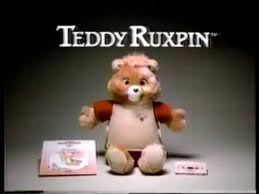
Teddy Ruxpin closes out the 1988 list because by now he represents a very specific kind of mid-80s dream still echoing into the late decade: the dream that technology could feel warm, personal, and narratively alive. Earlier on, Teddy felt like the future wrapped in fur. In 1988, he feels more like the surviving emblem of a phase when interactive toys still carried a certain uncanny wonder.
What keeps him relevant is not just the talking feature itself. It is the emotional structure behind it. Teddy is a plush toy designed to meet the child halfway, to perform relationship instead of simply inviting imagined companionship. That remains a powerful formula even after newer distractions emerge, because it offers something more intimate than a standard stuffed animal and more emotionally accessible than a pure electronic device.
In the context of 1988, Teddy is especially revealing because the market is moving harder toward consoles, sharper licensing, and stronger franchise warfare. He survives in that environment because he still occupies a lane few other toys can fully claim: the storytelling companion. He doesn’t need to be the center of the year to still feel unmistakably important to it.
For Gen X, Teddy Ruxpin in 1988 feels like a holdover from an earlier but still recent future — a reminder that the decade once believed the best machines might also be the cuddliest.
The full 80s electronic toys and gadgets explores Teddy Ruxpin, talking toys, learning machines, battery-powered companions, and technology designed to feel personal.
Fun Fact / Why It Still Matters
Teddy Ruxpin still matters here because he helped define the moment when technology in toys stopped being only impressive and started trying to feel emotionally close.
#9 — Jenga
Toy TypeStacking skill game
Brand LaneSocial tension game
1988 Rank#9
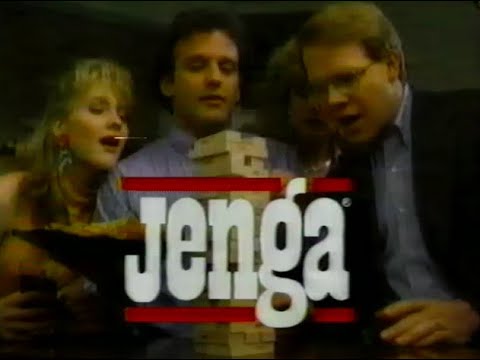
Jenga falls to number nine in 1988 not because it stopped working, but because the rest of the market got heavier around it. That distinction matters. Jenga is still one of the cleanest toy concepts of the entire decade. It remains easy to explain, easy to demo, and instantly capable of turning a room into a mini crisis. But by 1988 it feels slightly less like the story and slightly more like one of the tools still surviving from the previous year’s breakthrough cycle.
What keeps it on the list is that tension ages well. Jenga doesn’t rely on a cartoon, a trendy texture, or a fragile shelf gimmick. It relies on suspense. That means it travels better across age groups and social settings than a lot of more narrowly targeted toys. In a year increasingly shaped by Nintendo and licensed character power, that broad usability still counts for a lot.
It also continues to represent one of the late 80s’ best examples of elegant product design. The toy doesn’t flatter the player. It creates pressure, asks for patience, and turns tiny movements into emotional events. That’s still a fantastic recipe, even if it isn’t the year’s dominant one anymore.
For Gen X, Jenga in 1988 feels like the previous year’s brilliant survivor — not quite the hottest thing on the shelf anymore, but still one of the smartest things anyone put there.
The full 80s board games and family-room toys explores Jenga, living-room competition, skill games, family rituals, and the boxes that turned quiet evenings into arguments.
Fun Fact / Why It Still Matters
Jenga stays in the top 10 because suspense is one of the few toy mechanics that never really goes out of style.
#8 — Pound Puppies
Toy TypePlush toy line
Brand LaneCare-coded plush brand
1988 Rank#8
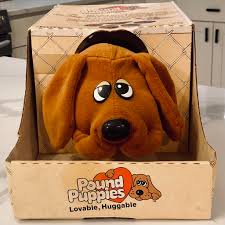
Pound Puppies land at number eight because 1988 is one of the last points where the earlier mid-80s plush-attachment logic still clearly holds space against stronger late-80s franchise dominance. The line no longer feels like a breakout story. It feels like a survivor. That shift changes the energy around it, but it doesn’t erase the brand’s emotional effectiveness.
What continues to work is the line’s emotional framing. Pound Puppies are not merely plush dogs. They still carry a soft rescue fantasy that subtly raises the stakes of ownership. The toy asks the child not just to like it, but to feel a little responsible for it. That remains one of the more successful psychological hooks of the decade because it transforms affection into a tiny act of intervention.
In 1988, that softness also provides a useful contrast to the sharper energy of the year’s top brands. Nintendo is making play more screen-centered. TMNT are bringing mutation and attitude. Transformers stay mechanically and narratively dense. Pound Puppies still sell through direct emotional simplicity.
For Gen X, Pound Puppies in 1988 feel like one of the final strong reminders that the decade never really gave up on the power of making kids feel like a toy needed them back.
The full 80s dolls, plush toys and pet-toy chaos explores Pound Puppies, rescue-style companions, dolls, pets, soft brands, and the decade’s emotional side.
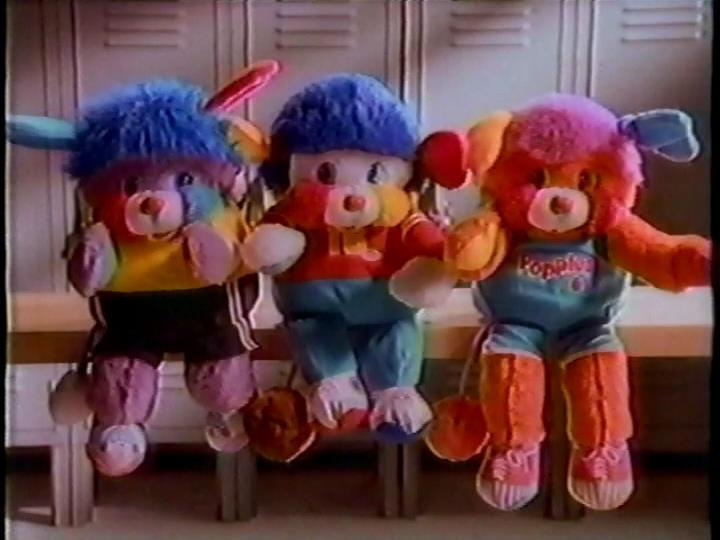
#7 — Popples
Toy TypeTransforming plush toy
Brand LaneGimmick-plush hybrid
1988 Rank#7
Popples take number seven because by 1988 they feel like one of the cleanest expressions of late-80s toy logic: take something lovable, give it a visible trick, and make sure the whole thing is easy to demonstrate in under five seconds. That formula still works here because it satisfies two different shelf demands at once. The toy can be cute, but it can also be shown off.
What makes Popples distinct from earlier plush lines is that they don’t rely purely on affection. Their appeal is partly mechanical, even if the mechanism is simple. They collapse, transform, and reveal. That gives them a more active identity than many plush competitors, which helps explain why they remain viable deeper into the late 80s.
In 1988, they also feel like a bridge product between the softer mid-80s plush era and the more gimmick-first late-80s retail environment. They still carry the color and softness of the earlier years, but the real selling point is the move, the fold, the little surprise. That’s a very transitional kind of strength.
For Gen X, Popples in 1988 feel like a toy line that understood the mid-to-late-80s rulebook perfectly: don’t just be adorable — do something weird.
The full 80s dolls, plush toys and pet-toy chaos explores Popples, transforming plush, colorful companions, dolls, pets, and soft-toy gimmicks.
Fun Fact / Why It Still Matters
Popples stayed relevant because they turned
plush into a visible gimmick, which kept them feeling fresh longer than ordinary stuffed lines.
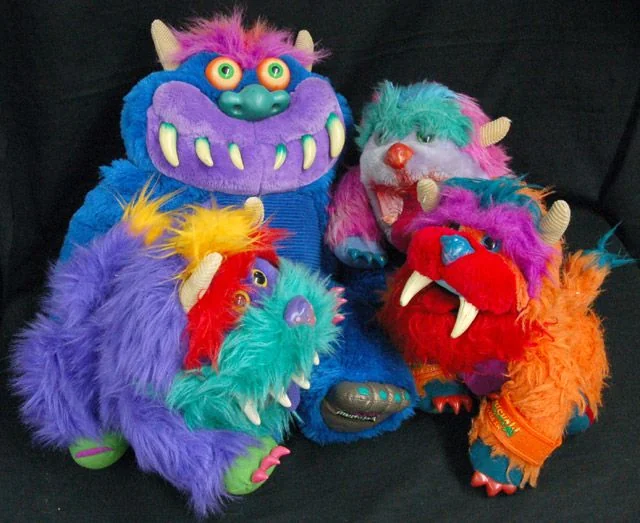
#6 — My Pet Monster
Toy TypeMonster plush character toy
Brand LaneOddball monster plush
1988 Rank#6
My Pet Monster lands at number six because the toy still captures one of the most successful late-80s emotional mixes: grotesque enough to feel rebellious, plush enough to remain lovable, and specific enough to stand out instantly in a room full of polished brands. By 1988, its weirdness no longer feels like a surprise. It feels like proof that weirdness had become a stable commercial strategy.
What makes the toy especially effective is that it doesn’t ask children to choose between affection and attitude. It offers both. That hybrid identity matters because the late 80s are increasingly comfortable with products that blur emotional lanes. Toys don’t have to be simply cute, simply scary, or simply cool. They can be odd combinations that feel more distinctive precisely because they refuse to stay in one category.
In 1988, My Pet Monster also benefits from the broader late-decade appetite for toy personalities that are obvious at a glance. It has silhouette, expression, texture, and a premise that doesn’t need explaining. That kind of immediate character readability is one of the strongest shelf advantages a toy can have.
For Gen X, My Pet Monster in 1988 feel like one of the decade’s best examples of the toy aisle embracing lovable ugliness as a legitimate and highly marketable form of charm.
The full 80s dolls, plush toys and pet-toy chaos explores My Pet Monster, oddball plush, talking companions, transforming characters, dolls, and pet-toy chaos.
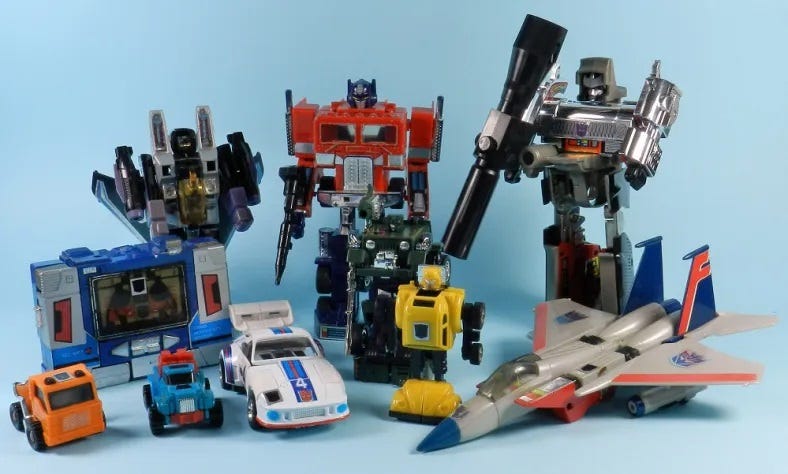
#5 — Transformers
Toy TypeTransforming robot line
Brand LaneEstablished machine universe
1988 Rank#5
Transformers take number five because 1988 is the year the line feels fully mature. The earlier thrill of discovery has been replaced by a different kind of power: institutional brand confidence. At this point, Transformers are not surviving on novelty alone. They’re surviving because they’ve become one of the decade’s most complete toy systems, combining tactile mechanics, character identity, and franchise familiarity in a way very few lines can match.
What makes them especially interesting now is that they represent one of the aisle’s most successful answers to the question of how a gimmick ages. Many toy gimmicks burn out once the first surprise passes. Transformation didn’t. It stayed satisfying because it was physically participatory, repeatable, and attached to a larger world of conflict and allegiance. That’s why the line holds up so well in a late-80s environment that is already starting to privilege stronger licenses and tighter commercial systems.
In 1988, Transformers also benefit from being legible to both existing fans and casual shoppers. You don’t need to be fully invested in the mythology to understand what makes the toys cool. The product itself still communicates a lot. That helps keep the line stable even as the rest of the market shifts.
For Gen X, Transformers in 1988 feel like one of the rare brands that managed to remain mechanically fun and narratively sticky long after the original robot boom had stopped feeling new.
The full Transformers toys in the 80s explores the G1 Autobots, Decepticons, transforming vehicles, cartoons, characters, and robot mythology.
Fun Fact / Why It Still Matters
Transformers stay high because they solved the late-80s toy problem better than most: how to remain fun in the hand and meaningful in the brand at the same time.
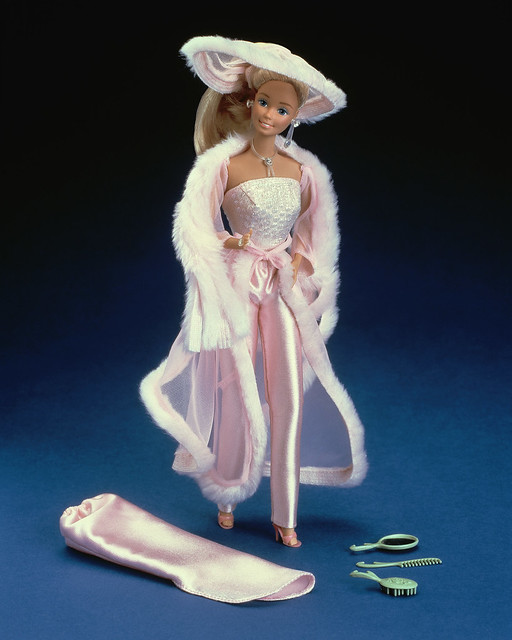
#4 — Barbie
Toy TypeFashion doll line
Brand LaneAspirational evergreen brand
1988 Rank#4
Barbie hits number four because by 1988 she fits the tone of the late decade almost too perfectly. The 80s have become glossier, more image-conscious, more polished, and more comfortable with aspiration as entertainment. Barbie thrives in that atmosphere because she has always been built to absorb those traits and turn them into play.
What’s different about Barbie in 1988 compared with earlier years is that she feels less like a survivor and more like a natural resident of the era’s finished visual language. The decade now fully understands brightness, fashion, glamour, display, and self-presentation as central values, and Barbie is already fluent in all of them. That gives her a kind of effortless compatibility with the moment.
She also remains one of the aisle’s strongest open systems. While many late-80s brands ask children to enter tightly defined universes, Barbie still operates with more fluidity. She can be style, aspiration, role-play, and fantasy projection all at once. That flexibility makes her hard to dislodge even in years dominated by hotter, more heavily talked-about launches.
For Gen X, Barbie in 1988 feels like the brand that didn’t just survive the decade — it was made for what the decade eventually became.
The full 80s dolls, plush toys and pet-toy chaos explores Barbie, fashion dolls, dream houses, accessories, plush brands, pets, and identity-driven play.
Fun Fact / Why It Still Matters
Barbie ranks this high because late-80s culture finally looked exactly like the kind of world Barbie had been ready for all along.
#3 — Teenage Mutant Ninja Turtles
Toy TypeAction figure line
Brand LaneLicensed breakout universe
1988 Rank#3
Teenage Mutant Ninja Turtles take number three because 1988 is where the “early signal” phase ends and the real force of the brand begins to show. In 1987, TMNT felt like a smart early-entry pick because you could sense the future in it. In 1988, that future starts cashing checks. The line now looks much more like a genuine mainstream power instead of an interesting rising property.
What makes TMNT so effective is that it solves several 80s toy problems at once. It has clear character differentiation. It has humor. It has combat. It has mutation weirdness. It has enough absurdity to be memorable and enough structure to become a real collectible system. That combination makes it one of the late decade’s strongest mass-market formulas.
The brand also benefits from feeling contemporary in a very specific way. TMNT are faster, snarkier, and more playfully chaotic than a lot of the older action lines still on the shelf. That gives them a fresher rhythm. They don’t feel like leftovers from the early 80s. They feel like the late 80s making their own noise.
For Gen X, TMNT in 1988 feel like the moment the brand fully steps into the room and everybody else has to make space. The weird little breakthrough has become a real late-decade monster.
The full 80s action figure wars explores Teenage Mutant Ninja Turtles, rival figure lines, vehicles, playsets, cartoon support, and the decade’s plastic arms race.
Fun Fact / Why It Still Matters
TMNT jump this high because 1988 is when the brand stops being a cool anomaly and starts becoming one of the
defining toy universes of the era.
#2 — Nintendo Entertainment System
Toy TypeHome video game console
Brand LaneConsole-dominance era
1988 Rank#2
Nintendo Entertainment System takes number two because by 1988 it no longer feels like a huge new arrival. It feels like the new center of gravity. That distinction matters. The NES has moved beyond being an impressive must-have item and has become a platform that reorganizes how children think about play time, holiday dreaming, and what counts as a major present.
What makes Nintendo so powerful in 1988 is not just demand. It’s architecture. The console shifts desire away from single-object logic and toward an expandable library model. Kids aren’t only asking for a toy. They’re asking for a machine that implies future acquisitions, future games, and an ongoing relationship with software. That makes the NES fundamentally different from most of the shelf around it.
It also changes the emotional geography of the home. A plush toy goes in your room. An action figure joins a collection. Nintendo claims the television and restructures the household around screen-based attention. That’s a very different order of power. And by 1988, that power looks increasingly normalized.
For Gen X, Nintendo in 1988 feels like the moment where the console doesn’t merely coexist with the toy aisle. It starts quietly becoming more important than most of it.
The full 80s video game toys explores the NES, cartridges, consoles, handhelds, electronic gaming, and the software-centered future of Gen X play.
Fun Fact / Why It Still Matters
Nintendo ranks this high because by 1988 it isn’t just a top product — it’s becoming the new shape of play itself.
#1 — Koosh Ball
Toy TypeTactile throwing toy
Brand LaneLate-80s sensory breakout
1988 Rank#1
Koosh Ball gets the number one slot because 1988 is one of those wonderful toy years where the product that best captures the season is not necessarily the most technologically important, the most licensed, or the biggest long-term culture changer. It’s the object that most perfectly condenses the year’s gift logic. Koosh Ball does that brilliantly. It’s tactile, visible, instantly demoable, weird-looking, and impossible to fully understand until you pick it up.
That matters because holiday winners often thrive on immediacy. A console like Nintendo may reshape the decade, but a Koosh Ball can win people over in three seconds. It doesn’t need explanation beyond sensation. In a retail environment, that’s enormous. It allows the toy to feel both novel and obvious at the same time.
Koosh also feels deeply 1988 because it represents a late-80s fascination with products that are simple in concept but strong in experience. The toy isn’t heavy on mythology or hardware. It’s heavy on response. Throw it, squeeze it, watch it move, feel the difference. That sensory logic makes it a perfect year-signature item.
So yes, Nintendo is the bigger long-term force. TMNT may be the hotter expanding franchise. But Koosh Ball takes number one here because the strongest year-specific “what was the toy of 1988?” signal points to it, and because it captures something uniquely late-80s: the power of a product that sells itself the second it lands in your hand.
The full biggest fads of 1988 explores Koosh Ball, tactile novelty, fashion trends, mall culture, music mania, and the year’s quick-hit crazes.
Fun Fact / Why It Still Matters
Koosh Ball wins because it turns
pure tactile delight into a top-tier holiday product, which is one of the most late-80s moves imaginable.
Turtle Power Arrives for Real
1988 Was the Year the Turtles Entered the Toy Aisle
The setup happened in 1987. The figures happened in 1988.
The animated miniseries introduced the television version of the Turtles at the end
of 1987, and the first Playmates action figures followed in 1988. This is the year
Leonardo, Donatello, Raphael, Michelangelo, Splinter, Shredder, April O’Neil, vehicles,
villains, and sewer-powered nonsense became a real toy system.
TMNT worked because the concept was almost impossibly efficient. Four color-coded
heroes made character recognition easy. Martial arts supplied action. Mutation
supplied weirdness. Pizza and jokes kept the line from feeling as serious as older
military or fantasy brands. The cartoon supplied continuing stories, while the figures
supplied a reason to reenact them and then demand a vehicle.
The first wave also pointed toward the kind of toy empire that would dominate the
transition into the 90s: a strong license, instantly readable characters, cartoon
support, collectible allies and villains, accessories, vehicles, and a premise loose
enough to keep generating stranger products. The larger
80s Action Figure Wars guide follows how the Turtles
entered an aisle already crowded with G.I. Joe, He-Man, Transformers, superheroes,
and the remains of earlier figure empires.
The Toy Box Afterlife
Collecting Toys From 1988 Today
Toys from 1988 can attract serious collector interest, but age alone does not create
value. Exact version, condition, completeness, original packaging, working electronics,
authenticity, accessories, rarity, and current buyer demand matter much more than a
dramatic asking price written by someone who found one turtle weapon and declared
retirement.
TMNT figures depend heavily on version and completeness.
First-wave Turtles should be checked for original weapons, belts, soft-head or
hard-head variations, paint wear, card backs, fan-club flyers, punch status,
bubbles, discoloration, replaced accessories, and whether the figure actually
matches the claimed release.
Nintendo collecting is a system-wide question.
NES value depends on console function, controller condition, power supply,
connections, cartridge slot performance, bundled games, manuals, packaging,
cosmetic yellowing, repairs, modifications, regional version, and whether every
piece belongs together.
Plush and electronic companions need close inspection.
My Pet Monster, Popples, Pound Puppies, and Teddy Ruxpin should be checked for
staining, odors, fading, fabric wear, missing cuffs or accessories, replaced parts,
battery corrosion, motor function, books, cassettes, and electronics that still
operate without sounding possessed.
Sold prices matter more than asking prices.
Compare completed sales for the same version, condition, and completeness. The
guide to valuable 80s toys worth money today
explains how to separate real collector demand from nostalgia-priced optimism.
Commercial-Break Pressure
Watch the 1988 Toy Commercial Energy
The 1988 toy aisle was built for television: Nintendo making the living room feel like
an arcade, TMNT turning mutant nonsense into playground currency, Barbie staying
glossy, Transformers still folding into battle mode, Teddy Ruxpin talking through
storytime, and Koosh Ball proving the entire sales pitch could be “look at this weird
thing move.”
The 80s Toy Commercials & Videos
archive is the best next stop for the ad-break side of the year. The
commercials reveal how each toy was sold: console envy, cartoon urgency, mutant
catchphrases, tactile demonstrations, fashion fantasy, robot transformations, talking
plush wonder, and enough exaggerated child reaction to make every package look essential.
The Rest of the Year
Keep Rewinding 1988
The 1988 toy aisle was only one part of the year’s full late-80s overload. This was
also the year George Michael, Whitney Houston, Michael Jackson, Rick Astley,
Guns N’ Roses, Def Leppard, Bon Jovi, and Poison dominated music; Nike launched
“Just Do It”; appointment television still owned the living room; shoulder pads,
scrunchies, teen magazines, and mall culture were fully operational; and the decade
behaved like volume control had become unconstitutional.
These same-year guides put Koosh Ball, Nintendo, TMNT, Barbie, and the rest of the toy
aisle back inside the music, movies, television, fads, advertising, and fashion that
made 1988 feel so polished and completely overbooked.
The Final Call
Why These Toys Define 1988
The top 10 toys of 1988 show the late-80s market operating with total confidence.
Koosh Ball sells sensation.
Nintendo sells an expandable platform.
TMNT sells a cartoon-powered action universe.
Barbie sells aspiration. Transformers sell mechanical character play. The plush lines
sell several different forms of attachment. Jenga sells tension and collapse.
That is what separates 1988 from 1987. The earlier year feels scrappier and more
experimental. This year feels organized. Nintendo is central. Turtle Power is real.
Barbie and Transformers look entrenched. Koosh Ball proves a simple physical object
can still own a season when the sensory hook is strong enough.
For Gen X, 1988 feels like the decade entering its final fully loaded form: bright,
commercial, licensed, tactile, screen-centered, character-heavy, and already leaning
toward the 90s without losing the unmistakable shine of the 80s. The machine was
polished. The batteries were not included. The Christmas list was somehow still too long.
Top Toys of 1988: Frequently Asked Questions
What were the most popular toys of 1988?
The most popular toys of 1988 included Koosh Ball, Nintendo Entertainment System, Teenage Mutant Ninja Turtles, Barbie, Transformers, My Pet Monster, Popples, Pound Puppies, Jenga, and Teddy Ruxpin.
What was the biggest toy of 1988?
Koosh Ball takes the number-one spot in this editorial ranking because it best captures the year’s tactile, instantly demonstrable holiday-toy energy.
What were the hottest Christmas toys of 1988?
The hottest Christmas toys of 1988 included Koosh Ball, Nintendo Entertainment System, Teenage Mutant Ninja Turtles, Barbie, Transformers, My Pet Monster, Popples, Pound Puppies, Jenga, and Teddy Ruxpin.
Why is Koosh Ball ranked above Nintendo?
Koosh Ball gets the narrow year-signature win because it became a Christmastime bestseller in 1988 and perfectly fits the year’s tactile novelty lane. Nintendo was the larger long-term cultural force and the more consequential platform.
When was Koosh Ball introduced?
Koosh Ball reached stores in late 1987 and became a major holiday success in 1988, which is why it belongs so strongly to the 1988 toy story.
How important was Nintendo in 1988?
The Nintendo Entertainment System had become one of the central objects of American childhood, reorganizing demand around consoles, cartridges, game libraries, and control of the household television.
Were Teenage Mutant Ninja Turtles toys released in 1988?
Yes. The first Playmates TMNT action figures followed the late-1987 animated miniseries and arrived in 1988, launching the toy empire that would become enormous over the next several years.
Why are TMNT ranked number three?
The line combined clear character identities, martial arts, mutation, comedy, villains, vehicles, cartoon support, and a collectible system. It was one of the clearest new action-figure forces of the year.
Was Barbie still popular in 1988?
Yes. Barbie fit the polished late-80s mood and remained one of the strongest systems in the doll aisle, supported by fashion, accessories, careers, vehicles, houses, and open-ended role-play.
Were Transformers still popular in 1988?
Yes. Transformers remained a durable toy universe because the conversion feature, Autobots and Decepticons, character identities, vehicles, cartoons, and machine mythology reinforced one another.
Why are My Pet Monster and Popples included?
Both lines represent the late-80s expansion of plush identity. My Pet Monster sold lovable ugliness and attitude, while Popples added a quick transformation gimmick to soft character play.
Why are Pound Puppies and Teddy Ruxpin still on the list?
Strong 80s brands often remained visible for several years after their initial peak. Pound Puppies retained rescue-style emotional appeal, while Teddy Ruxpin continued to occupy the unusual talking-story-companion lane.
Why is Jenga still included in 1988?
Jenga remained popular because its simple rules, cross-generational appeal, suspense, and spectacular collapses worked in almost any family-room setting.
What makes 1988 different from 1987 in toy culture?
1987 feels stranger and more experimental. 1988 feels more polished, licensed, organized around Nintendo and TMNT, and confident in the power of established brands alongside tactile breakout products.
Are toys from 1988 valuable today?
Some can be, but value depends on exact version, condition, completeness, original accessories, packaging, authenticity, working electronics, rarity, and current demand. Compare verified sold prices and use the guide to valuable 80s toys rather than trusting unsold asking prices.
Was there an official top-10 toy chart for 1988?
No single complete public U.S. chart ranks every major toy category for 1988. This page uses a transparent editorial method based on holiday demand, retail visibility, advertising, cultural impact, year-specific relevance, and long-term memory.
Where can I watch commercials for 1988 toys?
Start with the 80s Toy Commercials & Videos archive, which connects the year’s toys to the television advertising and catalog pressure that sold them.
Explore the Top Toys From Every Year of the 80s
Move through the decade year by year to see how the toy aisle shifted from puzzles,
electronic games, and early character brands into action-figure empires, talking plush,
console gaming, transforming robots, tactile novelty, licensed franchises, and the
full commercial chaos of late-80s childhood.