Dolls, Plush & Pet Toy Chaos: The Soft Side of 80s Toy Mania

Dolls, Plush & Pet Toy Chaos: The Soft Side of 80s Toy Mania
80s Toys Deep Dive

Dolls, Plush & Pet Toy Chaos: The Soft Side of 80s Toy Mania

The 80s toy aisle was not just robots, lasers, commandos, and plastic muscle men yelling at castles. The softer side of the decade was every bit as intense: adoption papers, brushable hair, scented dolls, belly badges, rainbow worlds, plush pets, pop-open creatures, talking bears, fashion drama, and toy lines that made bedroom shelves look like a pastel hostage situation.

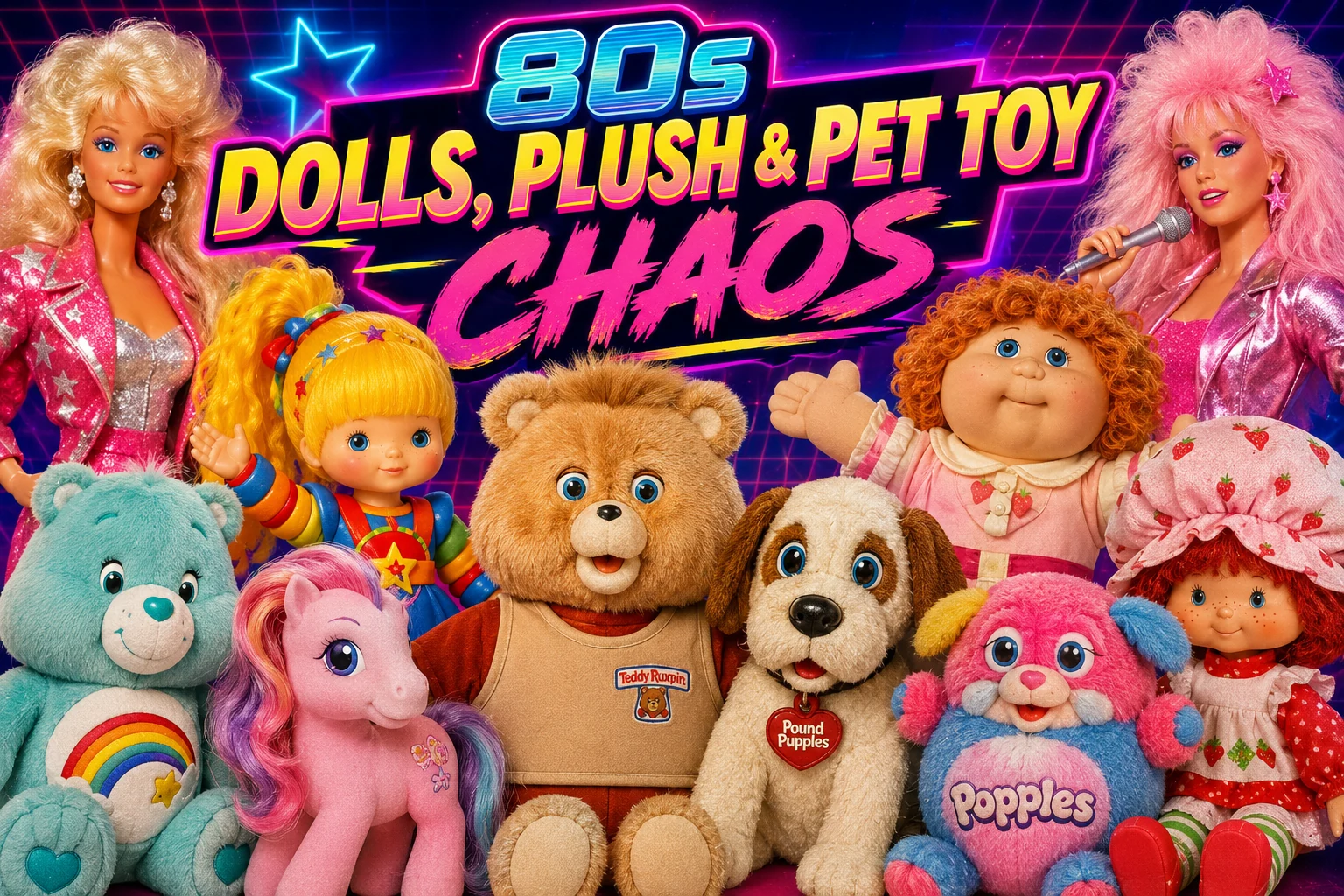
This was the doll, plush, and pet toy explosion: Cabbage Patch Kids turning shopping into a contact sport, Barbie keeping her dream-world empire alive, My Little Pony turning brushable hair into a personality system, Care Bears weaponizing feelings, Strawberry Shortcake making dolls smell like fruit-flavored memory damage, Pound Puppies selling rescue fantasy, Popples folding into chaos, Rainbow Brite bringing color-coded magic, Teddy Ruxpin talking from the shelf, and Jem making dolls feel like MTV had moved into the toy box.

Cabbage Patch Kids
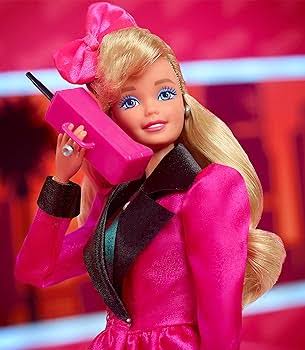
Barbie
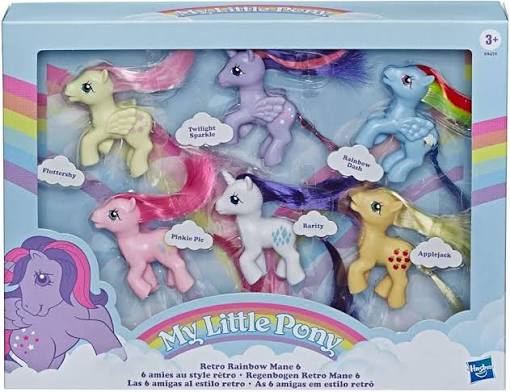
My Little Pony
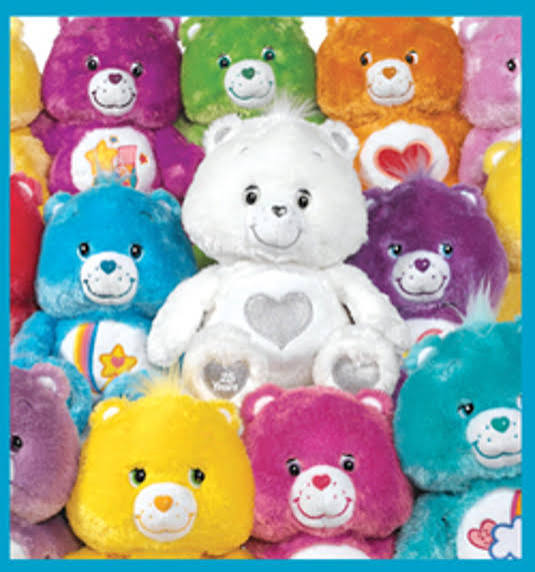
Care Bears
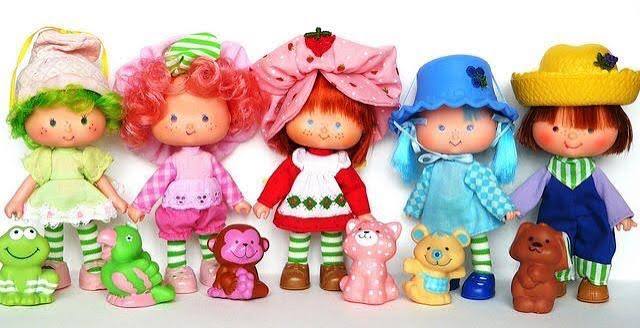
Strawberry Shortcake
Pound Puppies
Popples
Rainbow Brite
Teddy Ruxpin
Jem

The soft aisle was not soft on parents.

These toys did not need blasters to start chaos. They had scarcity, cartoons, commercials, character names, accessories, hair, outfits, pets, adoption gimmicks, and enough emotional marketing to make every birthday list look like a ransom note.

Why Dolls, Plush, and Pet Toys Hit So Hard

They sold identity, not just play.

Action figures sold battles. Electronic toys sold novelty. Video games sold skill. But dolls, plush toys, and pet-themed toy lines sold something more personal. They sold favorites. They sold names. They sold care. They sold taste. They sold the feeling that one character was yours, and once a toy company gets a kid to feel that, the wish list is already halfway written.

That is why the 80s soft toy aisle was so powerful. A pony was not just a pony. It had a symbol, colors, hair, a personality, and a place in a larger herd. A Care Bear was not just a bear. It had a belly badge and an emotional superpower. A Cabbage Patch Kid was not just a doll. It arrived with a name, paperwork, and the feeling that you had adopted someone rather than bought plastic at a store.

The 80s learned that kids did not only want to own toys. They wanted to recognize themselves in them. Favorite colors, favorite characters, favorite pets, favorite outfits, favorite symbols, favorite smells, favorite plush friends. The softer side of the toy aisle knew exactly where the emotional buttons were, and it mashed them like a sibling on a broken Atari joystick.

The bedroom shelf became a collection display.

These toys were not always about action. A lot of the play was arranging, naming, brushing, dressing, rescuing, lining up, sorting, collecting, and turning a bedroom shelf into a tiny museum of kid identity. The shelf mattered. The doll case mattered. The brush mattered. The tiny pet mattered. The outfit mattered. The missing shoe was, naturally, a national tragedy.

The 80s also made these collections feel like worlds. Cartoons, specials, commercials, storybooks, lunchboxes, stickers, fast-food tie-ins, catalogs, and store displays turned soft toys into full pop-culture systems. The toy was the physical piece, but the brand lived everywhere.

That is why these toys still trigger strong memories. They were tied to rooms, routines, sleepovers, birthday parties, Christmas mornings, mall trips, toy-store aisles, school backpacks, and the sacred childhood art of saying “I need this one” while already owning several that looked suspiciously similar to an adult.

The 80s Soft Toy Boom in Three Acts

1980–1982: Scent, Style, and Setup

The early 80s still had plenty of classic doll and plush energy, but the decade was already getting more branded. Strawberry Shortcake showed how scent, color, names, pets, and friends could turn small dolls into a collectible world. Barbie kept evolving with new looks and lifestyles. Plush toys were becoming less generic and more character-driven.

1983–1986: Total Retail Panic

This is the danger zone. Cabbage Patch Kids became a full-blown craze. My Little Pony and Care Bears turned soft, colorful character worlds into bedroom staples. Pound Puppies, Popples, Rainbow Brite, Teddy Ruxpin, and other lines filled the aisle with pets, plush, personalities, gimmicks, and television-ready emotional hooks.

1987–1989: Bigger Worlds, Louder Packaging

By the end of the decade, soft toy lines had to compete with Nintendo, Ninja Turtles, action figures, and electronic toys. That meant brighter packaging, stronger characters, more accessories, more cross-media tie-ins, and toys that mixed categories: talking plush, fashion dolls with music-video energy, pet toys with adoption stories, and collectible worlds that kept expanding.

The Major Dolls, Plush, and Pet Toy Lines

80s Cabbage Patch Kids dolls
Adoption Papers, Weird Faces, and Retail Mayhem

Cabbage Patch Kids

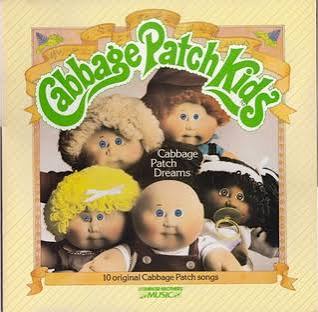
Cabbage Patch Kids were not just dolls. They were an event. They had names, birth certificates, adoption papers, soft bodies, vinyl heads, wildly specific faces, and the power to turn normal shopping trips into survival exercises.

The Hook A doll you did not just buy, but adopted, complete with a name, paperwork, and a built-in sense of personal connection.
The Must-Have Energy Different faces, hair styles, outfits, names, adoption certificates, baby versions, accessories, and the thrill of finding one in stock.
The Lifestyle Christmas-list pressure, parental store hunts, playground status, bedroom caretaking, and the feeling that your doll was weirdly official.

The adoption gimmick was genius.

The Cabbage Patch Kids adoption idea turned a doll into a relationship. That sounds dramatic, but that was the entire magic trick. A normal doll could be loved. A Cabbage Patch Kid came with paperwork, a name, and the sense that you had chosen a specific child from a field of strange little faces. It made the purchase feel personal before play even began.

The names mattered. The certificate mattered. The fact that dolls looked different mattered. Kids could compare them, introduce them, rename them secretly, build little personalities around them, and treat them like members of the household. Adults saw dolls. Kids saw identity, status, and responsibility wrapped in soft fabric.

The scarcity made it bigger.

The Cabbage Patch craze is remembered because it felt chaotic. These dolls became hard-to-get objects of desire, which only made them more powerful. When something is everywhere in commercials but nowhere on shelves, childhood logic turns it into the most important object in the known universe.

That scarcity changed the family dynamic. Parents became hunters. Kids became negotiators. Relatives became intelligence sources. Store shelves became battlegrounds. The toy was soft, but the retail energy around it was pure 80s contact sport.

The lifestyle memory

A Cabbage Patch Kid was not usually a background toy. It had a presence. It sat on beds, rode in toy strollers, appeared in family rooms, and became part of kid caretaking routines. The doll had a name, which meant adults could be forced to remember it. That alone gave it power.

The line also showed how emotional marketing could dominate the decade without lasers, robots, or villains. No blaster required. Just a birth certificate, a soft body, and enough retail panic to traumatize everyone within three aisles of the toy department.

80s Barbie dolls and accessories
Dream Houses, Outfit Changes, and Lifestyle Empire

Barbie

Barbie entered the 80s already iconic, but the decade gave her more lifestyle, more fashion, more pink plastic architecture, more career fantasy, more accessories, and more proof that one doll could contain an entire consumer universe.

The Hook A fashion doll with endless reinvention: careers, outfits, houses, cars, friends, accessories, and a world kids could constantly restage.
The Must-Have Energy Dream houses, convertibles, fashion packs, Ken, friends, career dolls, glam looks, tiny shoes, impossible accessories, and furniture sets.
The Lifestyle Bedroom fashion shows, doll-house layouts, tiny outfit storage, shoe loss, hair brushing, and entire afternoons spent rearranging plastic adulthood.

Barbie was the original lifestyle brand in the toy box.

Barbie’s power in the 80s came from flexibility. She could be glamorous, professional, casual, athletic, fantasy-driven, beach-ready, party-ready, career-ready, or completely redesigned by a child with scissors and a questionable sense of confidence. The toy line did not have one story. It had a thousand possible little lives.

That made Barbie different from more fixed character lines. He-Man had to fight Skeletor. Transformers had to transform. Barbie could move into a house, drive a car, go to work, change outfits, host a party, run a boutique, go camping, become a pop star, or stand around while a kid invented adult life based on what they thought adults did, which was mostly drive convertibles and own tiny furniture.

The accessories were the trap.

Barbie understood expansion better than almost anyone. The doll was only the beginning. The real world was in the clothes, furniture, vehicles, cases, playsets, and houses. A new outfit could change the whole story. A car could change the setting. A Dreamhouse could turn one doll into an entire domestic production.

Tiny accessories created both joy and suffering. Shoes vanished. Brushes disappeared. Plastic food lost its matching plate. One chair from a furniture set might survive forever while the rest vanished into the Bermuda Triangle under the bed. But the missing pieces only proved how much play happened.

The lifestyle memory

Barbie play often had a different rhythm from action toys. It was about setup, arrangement, style, story, and control. Kids built scenes, created routines, changed outfits, made rooms, invented friendships, and staged tiny adult dramas without needing the official plot to tell them what to do.

In the 80s, Barbie remained a toy aisle anchor because she could absorb the decade around her. More color, more fashion, more plastic luxury, more dream-world packaging, more pink. She did not need to be new to feel current. She just kept changing outfits and somehow surviving every trend.

80s My Little Pony toys
Brushable Hair, Symbols, and Pastel Herd Psychology

My Little Pony

My Little Pony turned small colorful horses into a full collection system. Hair, symbols, colors, names, friends, playsets, and cartoon worlds made every pony feel like a specific personality instead of just another plastic animal.

The Hook Collectible ponies with brushable hair, unique symbols, names, colors, and enough visual identity to make favorites feel personal.
The Must-Have Energy Earth ponies, unicorns, pegasi, baby ponies, playsets, brushes, combs, ribbons, castles, stables, and tiny accessories.
The Lifestyle Hair brushing, pony lineups, bedroom herds, symbol recognition, sleepover trades, and debates over which pony was clearly the best.

The symbol did the selling.

My Little Pony’s genius was that every pony looked collectible without needing a complicated explanation. The symbol on the side did a lot of work. It gave the pony identity, theme, and personality at a glance. Add color, mane style, and a name, and suddenly a simple toy horse felt like a character.

That mattered because kids love categories. They could sort ponies by color, by type, by symbol, by favorites, by who belonged in the stable, by who was the leader, by who was the baby, and by whatever private ranking system made complete sense at age seven and absolutely no sense to adults.

Brushable hair made the play slow down.

My Little Pony was not built around speed. It was built around touch and arrangement. Brushing the hair, fixing the mane, setting up a little world, lining up the ponies, making groups, moving them through houses or stables. The play was calm until a missing brush or tangled tail turned the room into a crime scene.

That tactile quality is a huge part of why the toys stayed memorable. The hair was not just decoration. It was part of the ritual. Even when it got frizzy, tangled, or permanently altered by a child with ideas, it made the toy feel handled and loved.

The lifestyle memory

My Little Pony occupied a very specific corner of 80s childhood: colorful, gentle, collectible, and deeply personal. These toys lived on shelves, in carrying cases, on bedroom floors, and sometimes in bathtubs, where their hair would later reveal terrible consequences.

The line also showed how powerful a toy world could be without heavy conflict. There were stories and adventures, but the strongest appeal was the herd itself. More ponies meant more color, more names, more hair, more symbols, and more reasons to keep scanning the toy aisle.

80s Care Bears plush toys
Belly Badges and Emotional Superpowers

Care Bears

Care Bears sold feelings as characters. Each bear had a color, a name, a belly badge, and a personality hook, which made the plush toys feel comforting, collectible, and instantly recognizable across TV, greeting cards, movies, and toy shelves.

The Hook Soft plush bears with color-coded personalities, belly symbols, emotional powers, and a world built around caring, feelings, and friendship.
The Must-Have Energy Cheer Bear, Grumpy Bear, Tenderheart Bear, Funshine Bear, Bedtime Bear, Good Luck Bear, Care Bear Cousins, figures, plush, and cloud vehicles.
The Lifestyle Bedtime plush comfort, favorite-bear identity, cartoon specials, sleepovers, soft toy shelves, and emotional marketing that absolutely worked.

The belly badge was the personality system.

Care Bears were simple enough for very young kids to understand and specific enough to create favorites. The belly badge told you who the bear was. A rainbow, a sun, a moon, a clover, a cloud, a heart. The symbol made the character readable instantly, and that made the toy easy to love.

The emotional branding was direct, almost shameless, and very effective. These were toys designed around feelings, but not in a vague way. Each bear had a lane. Kids could choose the funny one, the sleepy one, the grumpy one, the lucky one, the cheerful one. It turned plush into identity.

The soft toy became a character world.

Care Bears worked because they were more than stuffed animals. The cartoons, specials, books, and merchandise made them part of a world. Care-a-Lot gave them a home. The Cousins expanded the cast. The villains gave the softness something to push against. Even a gentle plush universe needed conflict, because the 80s could not leave anything alone.

For kids, that meant a Care Bear was both a bedtime object and a character. It could sit on the bed, come along on trips, appear in pretend play, or simply exist as the plush representation of a mood. A grumpy kid with Grumpy Bear did not need to explain the brand alignment.

The lifestyle memory

Care Bears are remembered through texture and color as much as story. The plush feel, the bright colors, the belly badges, the sleepy bedtime association, the shelf lineup, the soft commercial energy. They lived in bedrooms in a way that felt less like battle and more like comfort.

They also proved that the 80s toy machine could sell kindness with the same intensity it sold laser guns. The message was softer, but the marketing was still a machine. A very pastel machine, but a machine.

80s Strawberry Shortcake dolls
Scented Dolls and Fruit-Flavored Nostalgia

Strawberry Shortcake

Strawberry Shortcake made scent part of the toy experience. The dolls had names, fruit themes, pets, friends, tiny accessories, and a sweet little world that somehow smelled like childhood locked in a plastic case.

The Hook Small scented dolls with fruit-themed names, outfits, pets, friends, playsets, and a collectible world built around smell and sweetness.
The Must-Have Energy Strawberry Shortcake, Blueberry Muffin, Lemon Meringue, Huckleberry Pie, pets, houses, cases, tiny accessories, and scented hair.
The Lifestyle Doll cases, scent memory, tiny friend groups, accessory loss, bedroom displays, and toys that smelled like a bakery had a branding department.

The scent made the memory permanent.

A lot of toys are remembered visually. Strawberry Shortcake is remembered through smell. That was the magic. The scent turned the toy into something sensory and specific. You did not just recognize the doll. You could smell the world she came from, or at least the extremely artificial version of that world that lived inside 80s plastic.

That made the line stand out in a crowded doll aisle. The fruit themes were easy to understand, the characters looked connected, and the dolls felt like they belonged together. Once a kid had one, the others made sense. The collection had a flavor system, and that is a dangerous thing to hand to a child with a birthday coming.

The tiny scale made the world collectible.

Strawberry Shortcake toys were small enough to feel manageable and specific enough to make every character matter. The pets, accessories, and houses expanded the world without needing giant playsets. The line lived in that sweet spot where a child could carry pieces around, display them, or create a tiny social universe on the floor.

The characters also had strong shelf identity. Names, colors, scents, hats, pets, hair, and outfits all worked together. The 80s soft toy aisle loved this formula because it made each new character feel both different and necessary.

The lifestyle memory

Strawberry Shortcake is the kind of toy line that can unlock memory instantly. The smell, the small size, the outfits, the little pets, the soft colors, the sense that everything belonged to a tiny dessert village. It was gentle, but it was not accidental. It was a fully branded little world.

It also helped set the stage for other character-driven doll lines. Scent, color, naming, pets, and a cozy world. That combination made the toy feel emotionally complete even when half the tiny accessories had vanished by Tuesday.

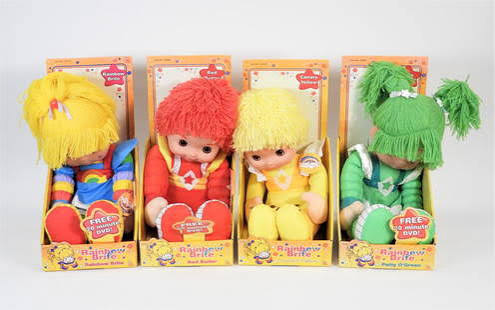
80s Rainbow Brite dolls and toys
Color Kids, Star Sprinkles, and Rainbow Shelf Power

Rainbow Brite

Rainbow Brite was pure 80s color fantasy: a bright heroine, a rainbow world, Color Kids, sprites, horses, villains, dolls, plush, and enough visual punch to make the toy aisle look like someone turned the saturation knob all the way up.

The Hook A colorful fantasy world built around Rainbow Brite, color magic, friends, sprites, horses, villains, and dolls that looked like stickers came to life.
The Must-Have Energy Rainbow Brite, Starlite, Twink, Color Kids, plush sprites, dolls, horses, bright outfits, and rainbow-heavy bedroom decoration energy.
The Lifestyle Color-coded favorites, bright bedding, sticker collections, doll shelves, fantasy play, and a look that could be spotted from across the store.

The color did the heavy lifting.

Rainbow Brite understood shelf presence. The colors were bright, direct, and instantly recognizable. In a toy aisle full of competing boxes, that mattered. The whole brand felt like a rainbow exploded into a cartoon and then landed in the doll section.

The color system also made the world easy to understand. Rainbow Brite had a role. The Color Kids had identities. The sprites and horses gave the world extra texture. Kids could pick favorites, build little scenes, and treat the characters like pieces of a living coloring book.

The cartoon made the toy world feel magical.

The toys had strong visual appeal on their own, but the animated world gave them a reason to exist together. Rainbow Brite was not just a doll with bright clothes. She had a mission, friends, a horse, enemies, and a color-powered universe. That kind of mythology made the toy feel bigger than a single figure.

The villains helped too. A colorful world needs something dull or gloomy to fight against. That contrast made the bright toys feel heroic instead of just decorative.

The lifestyle memory

Rainbow Brite lived in that special 80s zone where toys, cartoons, stickers, bedding, lunchboxes, and bedroom decor all blurred together. The character was not confined to one shelf. She was a look, a palette, a mood, and a signal that subtlety had once again been escorted out of the building.

For many kids, Rainbow Brite represented the optimistic, colorful side of the decade. Not every toy needed a laser cannon. Some needed a rainbow horse and the confidence to wear every color at once.

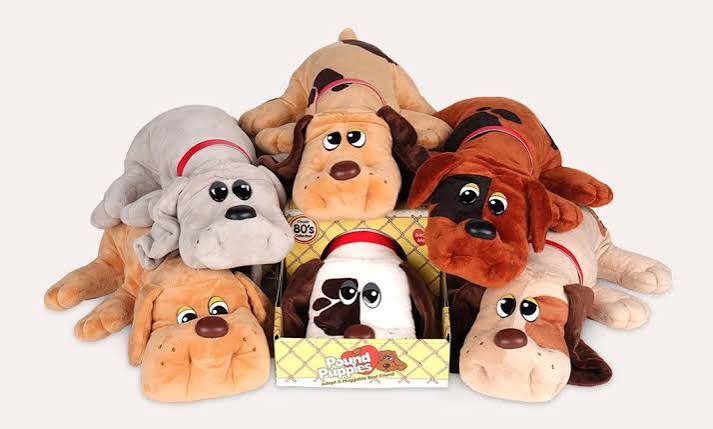
80s Pound Puppies plush toys
Adoptable Plush Pets and Shelter-Shelf Feelings

Pound Puppies

Pound Puppies turned plush dogs into an adoption fantasy. They were floppy, soft, sad-eyed, easy to love, and marketed with the emotional precision of a toy line that knew exactly how to make kids feel responsible for stuffed animals.

The Hook Soft plush puppies with adoption energy, sad eyes, floppy bodies, different looks, and the feeling that you were rescuing a toy pet.
The Must-Have Energy Puppies, kittens, different colors, soft bodies, pet carriers, adoption-style packaging, cartoons, and plush piles on beds.
The Lifestyle Bedtime pets, pretend rescue, naming rituals, travel companions, sleepover plush, and the emotional burden of choosing only one.

The rescue feeling made them work.

Pound Puppies did not need complicated mechanics. The emotional hook was simple: this plush pet needed a home. That is devastatingly effective kid marketing. A toy dog with sad eyes and a soft body does not need a missile launcher. It just needs to look like it might be lonely.

The adoption-style energy made the toy feel personal. Choosing a Pound Puppy felt different from choosing a generic stuffed animal. It had a little story built into it. You were not just buying a plush dog. You were rescuing one from the shelf, which is exactly the kind of emotional trap the 80s toy aisle loved to set.

The softness made them everyday toys.

Pound Puppies were not just display toys. They were bed toys, car toys, couch toys, trip toys, and sleepover toys. Their floppy design made them easy to carry and easy to pile. They could be hugged, dragged around, tucked in, named, renamed, and turned into entire puppy families.

Because they were plush pets, they also crossed age lines. Younger kids could love them immediately. Older kids could pretend they were not still attached to them while absolutely being attached to them.

The lifestyle memory

Pound Puppies hit because they were soft, simple, and emotionally direct. The cartoon and packaging gave them extra visibility, but the toy itself did not need much explanation. It looked like a pet. It felt like a pet. It needed a name. That was enough.

The line also fits perfectly into the 80s adoption-toy trend. Cabbage Patch Kids made adoption a doll event. Pound Puppies made it plush. The decade clearly figured out that if a toy came with the emotional suggestion of needing a home, kids would do the rest.

80s Popples plush toys
Pouch Gimmick, Plush Chaos, and Bedroom Comedy

Popples

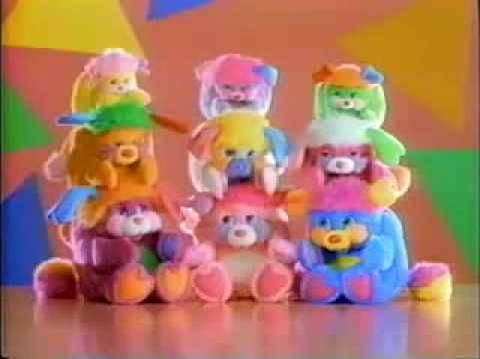
Popples were plush toys with a built-in trick: they could fold into themselves and pop back out. It was simple, weird, tactile, and perfectly 80s because even stuffed animals apparently needed a gimmick.

The Hook Colorful plush creatures that folded into a pouch and popped back out, combining soft toy comfort with a satisfying transformation gimmick.
The Must-Have Energy Bright colors, different characters, plush bodies, the pop-in pop-out feature, cartoon visibility, and toy-shelf weirdness.
The Lifestyle Folding, popping, throwing, hugging, sleepover jokes, couch play, and the strange pride of making a plush ball out of a creature.

The gimmick made them memorable.

Popples are remembered because the core feature was so easy to understand. Push the plush into itself. Make it a ball. Pop it back out. Repeat until an adult regrets being in the room. The toy had no complicated rules, no batteries, no tiny accessory pieces, and no need for a huge backstory.

That simplicity made Popples accessible. They were soft enough to be comforting, strange enough to be funny, and interactive enough to feel more exciting than a regular stuffed animal. The 80s loved toys that did one weird thing very clearly, and Popples absolutely understood the assignment.

The cartoon gave the weirdness a reason.

The animated world helped turn Popples from a gimmick into characters. Bright colors, playful personalities, and cartoon chaos made the toys feel like part of a larger group rather than random plush creatures with built-in pockets. Kids could pick favorites, collect more, and fold them into whatever bedroom nonsense was already underway.

Popples also crossed easily into mixed play. They could be pets, sidekicks, comic relief, soft projectiles, or the weird creatures living in the corner of a larger toy world. The official story was optional. The pouch trick was forever.

The lifestyle memory

Popples belong to the part of 80s childhood that was loud, bright, physical, and slightly ridiculous. They did not ask kids to sit still. They asked kids to squeeze, fold, pop, laugh, and probably launch them across a couch even though nobody in the commercial explicitly recommended that.

They are also a perfect example of how the soft toy aisle was not always gentle. Plush toys could still be chaotic. They just caused damage with fabric instead of plastic missiles.

80s Teddy Ruxpin talking plush toy
Talking Plush, Story Cassettes, and Slightly Haunted Bedtime Energy

Teddy Ruxpin

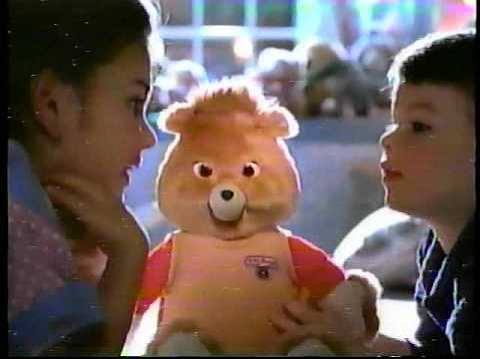
Teddy Ruxpin was where plush toys crossed into electronics. He was soft, story-driven, cassette-powered, and just advanced enough to feel magical while also slightly unnerving when his mouth moved in a dim bedroom.

The Hook A talking animatronic plush bear that used story cassettes to move his mouth and eyes while telling bedtime-style adventures.
The Must-Have Energy The bear, cassette tapes, storybooks, companion characters, bedtime listening, electronic novelty, and premium toy status.
The Lifestyle Quiet bedroom storytelling, family demonstrations, battery anxiety, cassette rituals, and the feeling that your stuffed animal had become sentient.

He made plush feel futuristic.

Teddy Ruxpin was not the kind of toy you tossed into a pile with random stuffed animals. He felt more important. He talked. He had tapes. He had a system. He was part plush toy, part story machine, part electronic showpiece, and part family-room demonstration for visiting relatives.

In the 80s, that mattered. A toy that could move its mouth and tell stories felt like the future had wandered into the bedroom wearing a vest. It did not need fast action. It had novelty, and novelty was a major currency in the decade.

The ritual was part of the toy.

Teddy Ruxpin play was not just hugging a bear. It involved tapes, stories, listening, watching, and waiting for the mouth movements to match the voice. The process made the toy feel special. It was slower than most 80s toy chaos, but it had a premium quality that made kids remember it.

The slight weirdness helped too. Many kids loved him. Some kids found him unsettling. Both reactions made sense. A plush bear staring forward while moving its mouth in a dark room is either magical or a future horror franchise waiting politely on the shelf.

The lifestyle memory

Teddy Ruxpin sits at the intersection of plush comfort and electronic fascination. He was part of the same decade that loved talking toys, cassette players, robots, and anything that made adults say, “How does this even work?” He made storytelling feel packaged and mechanical in a way that was very 80s.

He also proved that soft toys could compete with tech toys by becoming tech toys. Once plush could talk, the quiet stuffed animal shelf was never quite the same.

80s Jem and the Holograms dolls
Fashion Dolls, Music Video Drama, and Mall Glamour

Jem and the Holograms

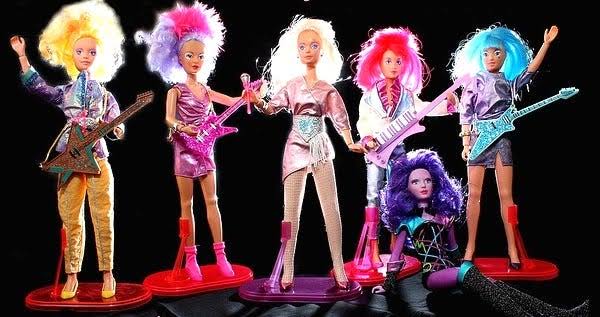
Jem brought 80s fashion doll play into the music-video era. She was style, secret identity, performance, hair, makeup, rivalry, stage drama, and the fantasy of being outrageous before most kids fully understood what outrageous meant.

The Hook A fashion doll line built around pop-star identity, rival bands, songs, outfits, glamour, stage fantasy, and cartoon music-video energy.
The Must-Have Energy Jem, the Holograms, the Misfits, fashion packs, big hair, bold makeup, accessories, microphones, stage play, and neon attitude.
The Lifestyle Bedroom concerts, outfit changes, doll drama, hair styling, pretend fame, and the sense that the toy aisle had discovered MTV.

Jem sold performance, not just fashion.

Fashion dolls were already about clothes and identity, but Jem added a stage. The cartoon gave the dolls music, rivalry, fame, secret identity, and dramatic stakes. That made the play feel bigger than changing outfits. It became performance.

Kids could stage concerts, rivalries, backstage arguments, music-video moments, and glamorous adult situations that were definitely based on a child’s incomplete understanding of the entertainment industry. That was the fun. Jem gave fashion doll play a soundtrack and a spotlight.

The 80s look was the whole point.

Jem looked like the decade turned into a doll line: bright hair, bold clothes, dramatic makeup, shiny fabrics, and a total refusal to whisper. The toy line made sense in a world of MTV, mall culture, pop stars, and neon packaging. It felt current in a way that older doll lines sometimes had to chase.

The rivals mattered too. A fashion doll line becomes more interesting when there is tension. The Misfits gave Jem someone to push against, and that conflict made the dolls feel more like characters than mannequins.

The lifestyle memory

Jem belongs to the part of 80s toy culture where dolls were not just caretaking objects or fashion objects. They were performers. They were aspirational. They were loud. They gave kids a way to play with fame, style, music, friendship, rivalry, and identity.

She also proves that the dolls and plush side of the aisle was just as tied to media as the action figures were. The commercial showed the doll. The cartoon sold the fantasy. The accessories expanded the dream. Truly outrageous, and also extremely marketable.

Catalog and Commercial Chaos

The commercial sold the feeling.

The best 80s doll and plush commercials were not always about action. They were about emotion, identity, friendship, comfort, belonging, glamour, or the urgent belief that this specific toy would improve your entire bedroom ecosystem. Kids in the ads looked happier, better organized, more emotionally fulfilled, and apparently surrounded by parents who bought the entire line.

The commercials made the toy world feel complete. Cabbage Patch Kids were not just dolls. They were adopted. My Little Pony was not just a horse. It was part of a herd. Care Bears were not just plush bears. They had powers and feelings. Pound Puppies were not just stuffed dogs. They needed homes. Jem was not just a doll. She had a band, rivals, outfits, and a microphone.

The ad usually did the same thing every time: show the emotional hook, show the accessories, show a child having the correct reaction, repeat the name, and leave the viewer suddenly convinced their current toy collection was a failure.

The catalog turned desire into paperwork.

Catalog pages were especially dangerous for dolls and plush toys because they showed collections together. Not one pony, but several. Not one outfit, but a wardrobe. Not one plush pet, but a pile. Not one doll, but the doll, the friend, the house, the car, the case, the stroller, the brush, the pet, and the mystery accessory your parents insisted was not necessary because they clearly hated joy.

Kids studied those pages like evidence. They circled favorites, ranked backups, and mentally built shelves before the toys ever arrived. The catalog made the soft toy aisle feel organized and possible, even when the actual budget suggested otherwise.

That waiting period is part of why these toys still feel powerful. You wanted them for weeks. You saw them on TV. You saw them in the catalog. You saw them at the store. You imagined where they would go in your room. By the time the toy arrived, it had already been living in your head rent-free.

The Bedroom Shelf Was the Real Display Case

The soft toy aisle changed bedrooms. These toys were not always thrown into bins the same way action figures were. Many of them sat on beds, shelves, dressers, windowsills, dollhouses, carrying cases, and carefully arranged bedroom landscapes. A kid’s collection became a display of favorites, phases, colors, characters, and tiny obsessions.

That is one reason these lines generated such specific memory. You remember where the plush sat. You remember the doll case. You remember the pony with the wrecked hair. You remember the doll whose shoes vanished. You remember the Care Bear on the bed. You remember the Strawberry Shortcake smell. You remember the Pound Puppy you named something wildly unoriginal and loved anyway.

The bedroom shelf also became social. Friends saw the collection. Sleepover guests judged the lineup. Siblings touched things they were not supposed to touch. Cousins borrowed accessories and never returned them. The toy was personal, but the display was public within the tiny kingdom of childhood.

In that way, dolls, plush toys, and pet toys were just as competitive as action figures. The battlefield was quieter, but it was still there. Instead of who had the biggest vehicle, it was who had the rare doll, the best pony, the full outfit, the most colorful shelf, the plush everyone wanted to hold, or the toy that was impossible to find at Christmas.

Why This Still Owns Gen X Memory

The reason these toys still hit is that they were tied to care, display, identity, and routine. They were bedtime companions, shelf collections, sleepover topics, birthday gifts, Christmas-list obsessions, mall-store temptations, and the center of quiet little worlds kids built for themselves.

They also represent the side of 80s toy culture that was not always about winning or fighting. Sometimes play meant brushing hair. Sometimes it meant naming a plush pet. Sometimes it meant arranging dolls in a house. Sometimes it meant hugging a bear. Sometimes it meant making a pony family. Sometimes it meant forcing an adult to listen while you explained every character’s name and personal history.

That does not make the toys less powerful. It might make them more powerful. The action figure wars were loud, but the soft toy aisle knew how to get personal. It attached itself to beds, shelves, routines, colors, smells, textures, and feelings.

The 80s were brilliant at turning toys into worlds. Dolls, plush toys, and pet toy crazes proved those worlds did not need explosions to take over childhood. Sometimes all they needed was a belly badge, a brush, a birth certificate, a scented hat, a sad-eyed puppy, or a plush creature that folded into a ball for reasons no adult was emotionally prepared to question.

80s Dolls, Plush & Pet Toys FAQ

What were the biggest 80s doll and plush toy crazes?

Some of the biggest 80s doll and plush toy crazes included Cabbage Patch Kids, Barbie, My Little Pony, Care Bears, Strawberry Shortcake, Pound Puppies, Popples, Rainbow Brite, Teddy Ruxpin, and Jem and the Holograms.

Why were Cabbage Patch Kids such a huge deal?

Cabbage Patch Kids combined scarcity, adoption papers, unique names, different faces, and emotional marketing. Kids felt like they were adopting a specific doll, not just buying one, which made the craze feel personal and intense.

Why did My Little Pony and Care Bears work so well?

Both lines used simple but powerful identity systems. My Little Pony used colors, symbols, names, and brushable hair. Care Bears used colors, belly badges, names, and emotional themes. Kids could pick favorites and build collections around personality.

Were 80s plush toys tied to cartoons too?

Yes. Many 80s plush and doll lines were connected to cartoons, specials, commercials, books, and merchandise. TV gave the characters worlds and personalities, while commercials and catalogs helped turn them into must-have toys.

Get More Gen X Rewinds

Want more 80s toys, cartoons, music, movies, fads, and forgotten pop-culture weirdness? Join the rewind and keep the nostalgia machine running.

Get the Rewind

Get the Weekly Gen X Drop

New videos, rewinds, and savage nostalgia — first.

JOIN THE NEWSLETTER WATCH VIDEOS

MORE REWINDS