Video Games Invaded the Toy Box: How 80s Gaming Changed Childhood

Video Games Invaded the Toy Box: How 80s Gaming Changed Childhood
80s Toys Deep Dive

Video Games Invaded the Toy Box: How 80s Gaming Changed Childhood

The 80s toy box did not just fill up with action figures, plush pets, board games, bikes, blasters, dolls, and battery-powered gadgets. It got invaded by cartridges, controllers, joysticks, handheld screens, arcade characters, cheat rumors, game manuals, plastic game cases, rental-store weekends, and the stunning realization that play could happen inside a glowing rectangle.

This was the decade where Atari made the living room feel like an arcade, Intellivision and ColecoVision made the console wars feel expensive before most kids even knew what a console war was, Nintendo turned game cartridges into sacred objects, Game & Watch and LCD handhelds made boredom survivable, Pac-Man escaped the arcade and landed on everything, and Gen X kids learned that a toy did not have to sit on the carpet to completely take over the house.

Atari
Nintendo
Cartridges
Arcade Dreams
Game & Watch
LCD Handhelds
Mario
Zelda
Pac-Man
Toy Stores

The toy aisle learned a terrifying new word: cartridge.

Once video games moved into toy departments, childhood changed fast. Suddenly the most powerful toy in the room was not the one with the biggest playset. It was the one connected to the TV.

Why Video Games Felt Different From Every Other Toy

They made the TV part of the toy box.

Before video games, the television was mostly something kids watched. Cartoons came through it. Commercials came through it. After-school shows came through it. Adults watched the news on it, which seemed like a terrible use of a perfectly good glowing box.

But when video games entered the room, the TV stopped being just a screen and became a play surface. That was a massive shift. Suddenly the family television could become a racetrack, a maze, a battlefield, a dungeon, a boxing ring, a baseball field, a spaceship, or a kingdom.

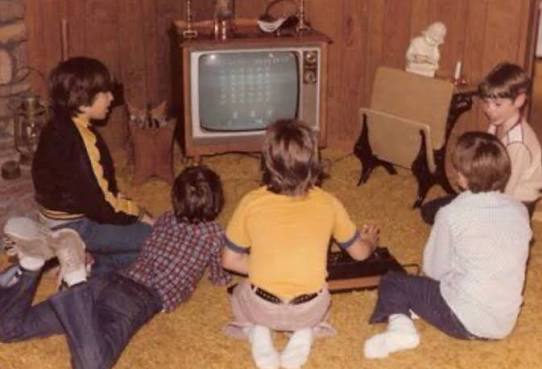
That changed the geography of play. The carpet was still there, but the focus started moving upward. Kids were not just arranging toys on the floor. They were controlling action on the screen. The toy did not have to be held in your hand the whole time. It could be a whole system: console, cartridge, controller, TV, wires, switch box, and a kid sitting too close despite every adult warning.

They turned play into progress.

Traditional toys were often open-ended. You made the story. You decided who won. You could cheat reality with a sound effect and a hand motion. Video games were different. They pushed back. They had levels, scores, lives, timers, enemies, endings, secrets, passwords, and failure screens that did not care about your feelings.

That made gaming addictive in a new way. You were not just playing. You were getting better. You were reaching a new screen, beating a high score, finding a hidden item, surviving one more level, or proving to a sibling that you were clearly the chosen one because you made it past the part with the moving platforms.

The 80s made that loop feel magical. The graphics were simple, but the stakes felt huge. A few pixels could create panic. A small melody could feel heroic. A flashing “Game Over” could ruin an afternoon with almost professional efficiency.

The big change: toys started keeping score.

A board game could have a winner, but a video game remembered your failure instantly. It counted points, tracked lives, timed your reactions, punished hesitation, and made improvement feel measurable. That score-chasing mindset became a huge part of Gen X play, from arcades to handhelds to Nintendo sleepovers.

How Video Games Entered the Toy Box

The system The console became the new big-ticket toy: expensive, shared, hooked to the TV, and powerful enough to dominate the room.
The cartridge The cartridge became the collectible piece: giftable, stackable, borrowable, rentable, and endlessly discussed.
The character Pac-Man, Mario, Link, Donkey Kong, and other game icons started competing with cartoons and action figures for kid attention.
The ritual Plugging in, selecting games, reading manuals, taking turns, copying passwords, and begging for “one more life” became part of the play.

The reason video games fit inside an 80s toys hub is simple: kids experienced them as toys. They were advertised to kids, sold in toy stores, wrapped for birthdays, stacked on Christmas lists, traded with friends, fought over by siblings, and discussed on playgrounds with the same intensity as He-Man, Transformers, Cabbage Patch Kids, My Little Pony, BMX bikes, and board games.

Video games did not arrive as some separate category floating outside childhood. They crashed directly into existing toy culture. A kid might spend the morning setting up action figures on the carpet, the afternoon playing an LCD handheld in the car, the evening trying to beat a Nintendo level, and the weekend renting a game from a video store. It was all play. The only difference was whether the toy needed a controller, a battery, or a power outlet.

That overlap is the heart of the 80s shift. The decade did not replace physical toys with screens overnight. It taught kids to move back and forth between worlds: plastic worlds, plush worlds, board-game worlds, backyard worlds, and screen worlds. The toy box got bigger, weirder, louder, and more electronic.

The 80s Gaming Takeover in Three Acts

1980–1982: Arcades Come Home

The early 80s were loaded with Atari energy, arcade dreams, Pac-Man fever, joystick battles, simple graphics, and the thrill of making the family TV do something other than show adults complaining on the news. Video games felt futuristic, expensive, and slightly miraculous.

1983–1985: Crash, Confusion, and Reset

The middle of the decade got messy. Too many weak games, too much market chaos, and too many disappointed kids created a strange pause in the home video-game story. But handheld games, arcade culture, home computers, and electronic toys kept the screen habit alive while the toy aisle waited for the next big thing.

1986–1989: Nintendo Changes the Room

By the late 80s, Nintendo turned video games into a childhood operating system. Cartridges became status objects, Mario became a household name, Zelda made adventure feel bigger, and gaming moved from “cool gadget” to essential toy-store territory.

The Major Ways Video Games Invaded the Toy Box

Atari video game console and cartridges from the 1980s
Joysticks, Woodgrain, and Living-Room Arcades

The Atari Era

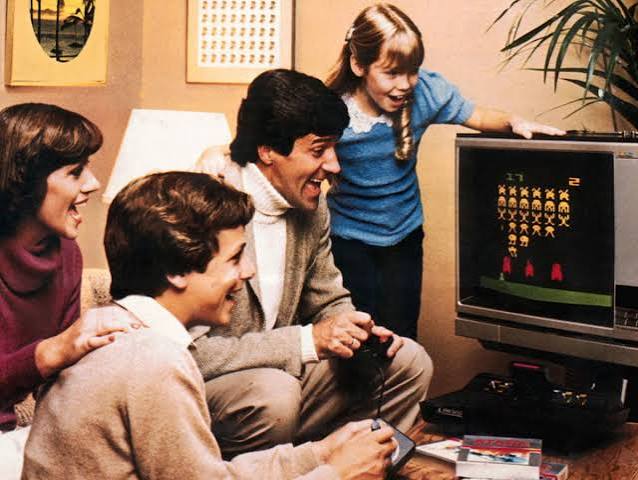
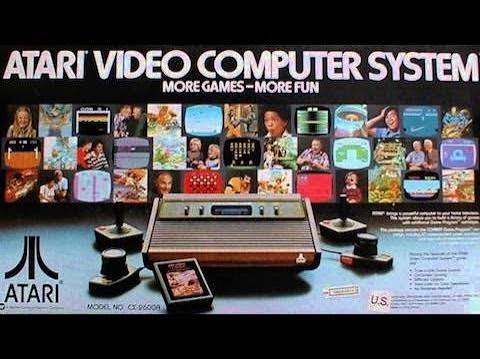
Atari made the idea of home gaming feel real. It turned the television into an arcade-like machine and made cartridges feel like tiny portals. For early-80s kids, that was enough to make the whole living room feel like the future had plugged itself in.

The Hook Bring arcade-style play home with a console, joystick, cartridges, and the shocking ability to control action on the TV.
The Toy Box Shift The “toy” became a system: console, controller, cartridge, TV, instruction booklet, and a spot on the floor close enough to the screen.
The Lifestyle Family-room play, high-score bragging, sibling turns, blown afternoons, and parents asking how long you were going to be on that thing.

Atari made the screen playable.

The Atari era matters because it changed what kids expected from the TV. Instead of just watching cartoons or commercials, kids could control something. The graphics were simple, but that did not matter. The movement was the magic. A block became a spaceship. A dot became a ball. A line became a wall. Childhood imagination did the rest because kids are extremely forgiving when a joystick is involved.

The console also changed the physical toy setup. You did not just pull a toy from a shelf. You connected wires, inserted a cartridge, grabbed a joystick, sat on the floor, and entered a different kind of play. That setup felt important. It felt technical. It made the game seem bigger than the plastic box it came in.

Cartridges became collectible objects.

Atari cartridges were not just games. They were physical treasures. They had labels, boxes, manuals, and the power to make a kid’s collection feel larger. You could stack them, trade them, borrow them, brag about them, and quietly judge someone’s entire household based on which games they owned.

This was one of the first big ways video games behaved like toys. The console was the platform, but the cartridge was the thing kids wanted next. Another cartridge meant another world, another challenge, another reason to keep the system hooked to the TV.

The games were simple, but the imagination was not.

Early home games demanded a lot from kids. Box art looked dramatic. The game itself might be a handful of shapes moving across a plain background. But kids knew how to fill in the gaps. The spaceship was a square. The alien was a blip. The race car was basically a rectangle in distress. Fine. The brain did the graphics upgrade.

That imaginative labor is part of why these games remain so nostalgic. Kids were not just consuming a finished world. They were collaborating with the limitations. The screen suggested the action, and imagination inflated it into a full event.

The lifestyle memory

Atari play is remembered through woodgrain, joysticks, switches, simple sounds, and the feeling that the family room had become a tiny arcade. It was not smooth. It was not always pretty. It was sometimes barely recognizable as the thing on the box. But it was interactive, and that was everything.

The early-80s toy box never fully recovered. Once kids learned the TV could be controlled, ordinary plastic had competition.

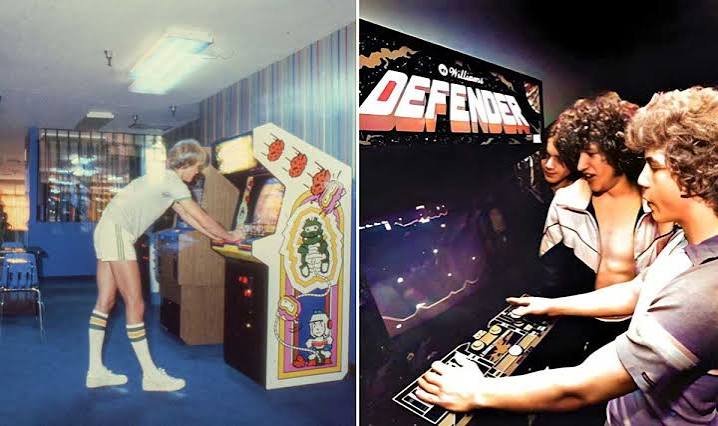
1980s arcade full of classic video game cabinets
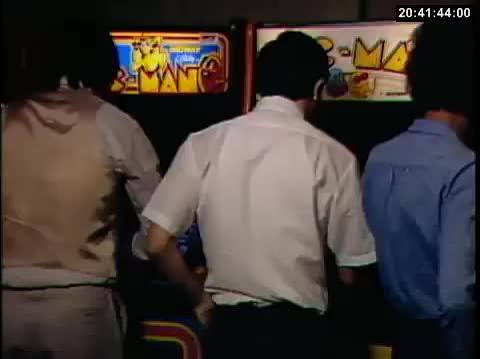
Pac-Man arcade cabinet from the 1980s
Pac-Man Fever, Quarter Dreams, and Pixel Envy

Arcade Culture Came Home

The arcade was a huge part of 80s kid imagination. Even when the home version was weaker, slower, or visually suspicious, the dream was clear: bring the arcade home, save quarters, and play whenever adults were not blocking the TV.

The Hook Arcade characters, high scores, ports, joysticks, cabinet fantasies, and the idea that home games could capture coin-op magic.
The Toy Box Shift Video-game characters started acting like toy characters: recognizable, merchandisable, and powerful outside the screen.
The Lifestyle Arcade trips, pizza-place games, mall stops, birthday parties, quarter begging, and arguing whether the home version was “close enough.”

The arcade gave gaming status.

Arcades made video games feel social, public, and slightly dangerous in the best kid way. The machines were big. The sounds were loud. The screens glowed. Older kids seemed to know what they were doing. High scores were public evidence. A good player could attract attention just by standing at a cabinet and not dying immediately.

That energy followed kids home. Even a watered-down home version carried the aura of the arcade. The box art promised the machine. The cartridge promised access. The living room could not fully recreate the arcade, but it could offer a tiny piece of it without needing quarters.

The arcade was also a kid social network.

Before online play, an arcade was where kids watched each other learn. You could see who was good, who was bluffing, who had quarters, who knew the pattern, who had memorized the first board, and who was just there to lean dramatically against a cabinet like they owned the mall.

That public performance shaped how kids thought about games at home. A high score was not only personal. It was social proof. Beating a level was not only progress. It was a story you could tell. The arcade gave gaming bragging rights before home consoles made those bragging rights portable.

Pac-Man escaped into everything.

Pac-Man is the clearest example of video-game culture spilling into the toy and merch world. He was not just a game character. He was a shape, a logo, a lunchbox presence, a cereal-box idea, a cartoon character, a sticker, a song, a board-game concept, and proof that a bunch of pixels could become a full pop-culture mascot.

That mattered because toy companies paid attention. Video games were not just games anymore. They were character machines. If a pixel character could live on a shirt, a lunchbox, a board game, a cartoon, or a plastic toy, then the screen had become another source of toy-aisle IP.

The lifestyle memory

Arcade culture gave 80s gaming a soundtrack: coin drops, attract-mode loops, joystick clicks, button smashes, and the low roar of kids pretending they were not almost out of money. Home consoles tried to bottle that feeling.

Even when they failed, kids still believed in the dream because the dream was bigger than the graphics. The dream was having the arcade inside the house.

1980s home video game consoles and controllers
Intellivision, ColecoVision, Vectrex, and Console Envy

The Home Console Rivalry Before Nintendo

Before Nintendo became the late-80s default for a lot of kids, the home-console world was already crowded, confusing, and very interesting. Atari was the name everyone knew, but Intellivision, ColecoVision, Vectrex, and home computers all competed for the idea of what living-room gaming could be.

The Hook Better graphics, different controllers, arcade ports, sports games, keypad overlays, and the promise that this system was more advanced.
The Toy Box Shift The console became a household identity choice, like picking a toy universe before anyone called it a platform.
The Lifestyle Neighbor envy, system comparisons, confusing controllers, expensive wish lists, and kids arguing about which home version looked better.

Console choice became playground status.

The early-80s console world had a strange status hierarchy. Some kids had Atari. Some had Intellivision. Some had ColecoVision. Some had access to a home computer. Some had nothing and had to play at a friend’s house like digital peasants. The system you had shaped the games you could talk about, the cartridges you could borrow, and the friends who suddenly found your house interesting.

Intellivision leaned into the idea of being more sophisticated. ColecoVision made arcade-style home play feel more advanced to many kids. Vectrex looked like something from a science lab with its built-in screen and vector graphics. These systems gave the toy aisle and electronics aisle a more complicated personality than simply “video games exist.”

The controllers were part of the memory.

Early systems did not all agree on what a controller should be. Joysticks, discs, keypads, buttons, overlays, weird shapes, stiff cables, and controller designs that felt like adult appliances all competed for kid hands. That tactile weirdness became part of the experience.

Modern gaming standardized a lot of controls, but early-80s kids had to adapt. A game could be confusing before it even started because the controller looked like it was designed by someone who had heard of children but never met one. And yet kids figured it out, because kids will endure almost anything for screen time.

The lifestyle memory

This pre-Nintendo console rivalry gave 80s gaming a sense of mystery. Every system seemed to have different games, different graphics, different controllers, and different neighborhood legends. A kid did not just ask, “Do you have video games?” They asked which system. That question mattered.

The early console rivalry also made gaming feel like a technology race. It was not enough to have a toy. You wanted the better toy, the newer toy, the one with the arcade game your friend would not stop talking about.

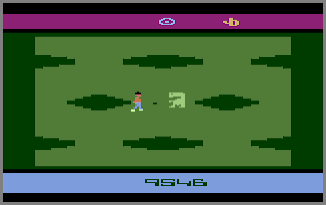
1980s video game crash and discount game shelves
Too Many Games, Too Much Hype, and the Reset Button

The Video Game Crash and the Toy Aisle Reset

The early home-gaming boom did not run cleanly through the whole decade. The market became crowded, quality got uneven, consumer trust got shaky, and home video games hit a rough patch before Nintendo helped rebuild the category for late-80s kids.

The Hook A messy middle chapter where too many low-quality games and too much confusion made home gaming feel less certain.
The Toy Box Shift Video games had to regain trust as toys worth buying, not just expensive boxes that might disappoint.
The Lifestyle Discount bins, confusing shelves, arcade loyalty, handheld distractions, and parents becoming skeptical of expensive game requests.

The middle of the decade got weird.

The video game crash is important to the 80s toy story because it shows that the screen invasion was not a straight line. Early excitement created huge demand, but that demand also produced too many products, too much hype, and a lot of games that did not live up to what the box promised.

For kids, the crash did not necessarily feel like a business event. It felt like confusion. Some games were disappointing. Some systems seemed to fade. Some stores treated video games differently. Some parents became harder to convince. The category did not disappear, but it lost some of its magic for a moment.

Gaming survived through side doors.

Even when the home-console market struggled, kids did not stop caring about games. Arcades still mattered. Handheld electronic games still mattered. Home computers had their own gaming cultures. Tabletop and LCD devices kept screen play alive. Electronic toys kept buttons and beeps in the toy box.

That is why the crash should not be treated like a total pause in kid gaming. It was more like a messy reset. The appetite stayed. The format had to be rebuilt.

Nintendo made video games feel safe again.

Nintendo’s late-80s rise worked partly because it made gaming feel packaged, controlled, branded, and toy-store friendly again. The NES looked less like a risky electronics experiment and more like a new kind of entertainment system kids could understand and parents could buy into.

That reset mattered. It moved gaming back into the center of kid culture and helped turn cartridges into some of the strongest Christmas-list objects of the late decade.

1980s handheld video games and LCD electronic games
LCD Screens, Game & Watch, and Portable Obsession

Handheld Games Made Gaming Portable

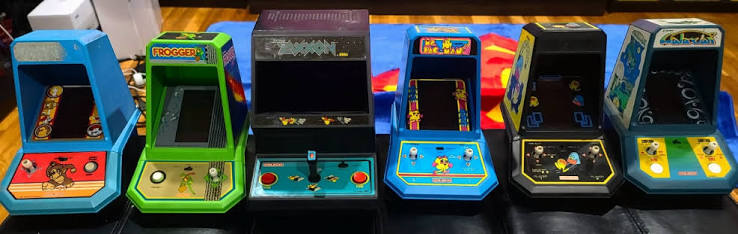
Before phones, before Game Boy took over pockets, and before every kid carried a screen, 80s handheld games made boredom survivable. Small LCD games, Game & Watch-style devices, sports games, arcade-inspired handhelds, and weird little screens made gaming personal.

The Hook A tiny game you could hold, carry, hide, and play without needing the family TV or a stack of quarters.
The Toy Box Shift The screen became pocket-sized, turning video-game play into something that could travel like a regular toy.
The Lifestyle Car rides, waiting rooms, school bags, sleepovers, score chasing, and playing quietly enough that adults might not notice.

They made the screen feel personal.

Handheld games changed the relationship kids had with screens. The TV was shared. The arcade cabinet was public. A handheld game was yours. You could hold it close, angle the screen, chase scores alone, and carry it into the dead zones of childhood where nothing interesting was happening.

That made handheld games feel powerful even when the animation was barely animation. A few black shapes on a tiny LCD screen could become a full game because the device belonged to you. Ownership made the illusion stronger.

Simple games became compulsive.

Many handheld games were repetitive by design: dodge, catch, shoot, jump, block, score, repeat. That simplicity made them perfect boredom weapons. You did not need a giant instruction manual. You needed five minutes and the belief that this next run would be better than the last one.

They also created a new kind of score culture. Kids could compare numbers, brag about personal bests, and claim the button was sticking when they failed. The excuses were analog. The obsession was digital.

They were toys for places where toys were not supposed to work.

A full action-figure war was not exactly easy in a doctor’s office. A board game did not work in the back seat. A bike was useless at grandma’s house. Handheld games solved that problem. They were compact, self-contained, and quiet enough to sometimes avoid adult intervention.

That portability was a major change. It taught kids that gaming could follow them outside the family room. The toy box had become pocket-sized.

The lifestyle memory

Handheld games are remembered through beeps, weak screens, tiny buttons, and the frustration of losing focus for half a second and ruining everything. They were not always glamorous, but they were incredibly useful.

They also paved the way for the late-80s and early-90s handheld explosion. Once kids learned that gaming could fit in their hands, there was no stuffing that pixel genie back into the toy box.

Nintendo Entertainment System from the 1980s
1980s Nintendo controller
Nintendo Power, Gray Boxes, and Total Living-Room Domination

Nintendo Takes Over

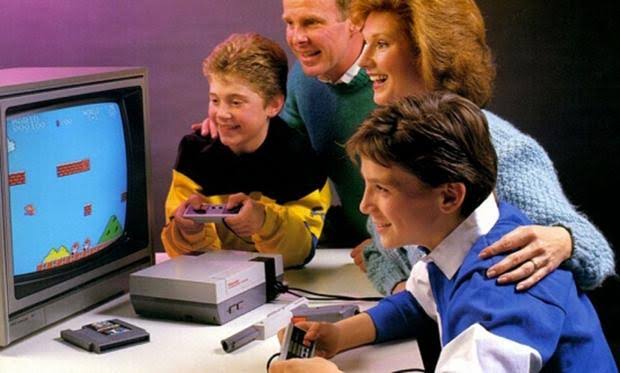
Nintendo did not just revive home gaming for a lot of kids. It made gaming feel organized, branded, collectible, and essential. The NES turned cartridges into playground currency and made video games feel like one of the defining toys of late-80s childhood.

The Hook A home game system with cleaner branding, stronger characters, better-feeling games, controllers, cartridges, and a library kids wanted to build.
The Toy Box Shift The console became a toy-store anchor, while cartridges became the new must-have objects kids asked for by name.
The Lifestyle Sleepovers, weekend rentals, instruction manuals, Nintendo Power tips, schoolyard secrets, and the sacred ritual of blowing into cartridges.

Nintendo made gaming feel like a system of childhood.

Atari introduced a generation to home gaming, but Nintendo made late-80s gaming feel like a full childhood ecosystem. The console, controllers, cartridges, manuals, magazines, maps, passwords, tips, rumors, and characters all worked together. It was not just playing a game. It was entering a culture.

That culture fit perfectly into the toy aisle. Kids could ask for a console, then ask for more games, then ask for accessories, then talk about all of it at school. The wish list changed. A game cartridge could compete with an action figure, a bike, a doll, or a board game because it promised hours of new experience.

The controller replaced the joystick.

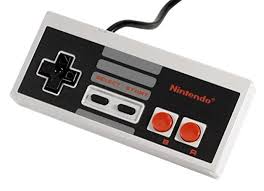
The NES controller felt different. It was flatter, cleaner, more precise, and less like an arcade stick living in the family room. The directional pad changed the feel of play. It made gaming seem more modern and helped Nintendo feel like a new era rather than just another box under the TV.

That matters because toys are tactile. Kids remember the feel of the controller, the buttons, the cartridge click, the reset button, the power light, and the way everyone gathered around the screen. Gaming was digital, but the rituals were deeply physical.

The marketing made it feel bigger than games.

Nintendo’s late-80s power was not only the console. It was the whole machine around it: recognizable characters, strong box art, magazines, commercials, accessories, tips, maps, secrets, and a sense that every cartridge belonged to a growing library. That made gaming feel collectible in a way toys already understood.

A kid did not just want to play Nintendo. They wanted to own more Nintendo. That distinction matters. The console made the screen playable, but the cartridges made the obsession repeatable.

The lifestyle memory

Nintendo became a late-80s childhood center of gravity. It shaped sleepovers, birthday gifts, rental-store trips, Christmas mornings, and weekend plans. Kids who had the system suddenly had a magnet in the house.

It also changed the toy-box hierarchy. The most exciting toy in the room might not be in the toy box at all. It might be plugged into the TV, waiting for someone to press Start.

1980s video game cartridges stacked together
Plastic Squares, Manuals, Rentals, and Shelf Status

Cartridge Culture

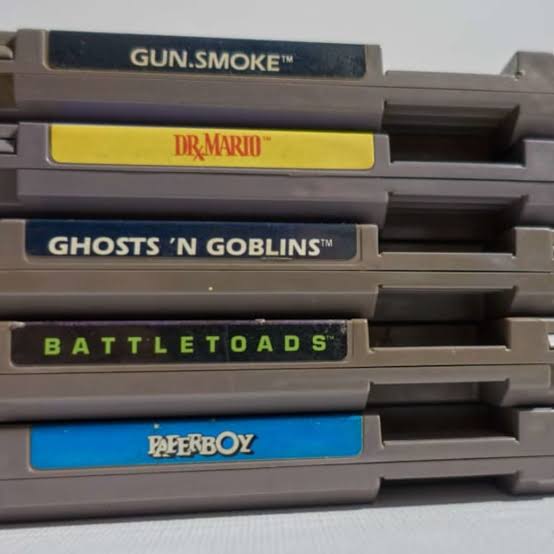
Cartridges were the physical heart of 80s gaming. They were toys, media, collectibles, status symbols, and tiny promises that a whole new world was waiting inside a plastic rectangle.

The Hook Each cartridge meant a new game world, new challenge, new characters, new music, and a new reason to keep the console hooked up.
The Toy Box Shift Collecting games started to feel like collecting toys, except the object unlocked invisible play inside the TV.
The Lifestyle Rental stores, borrowed games, manuals, maps, shelf lineups, label judging, save files, passwords, and cartridge-cleaning superstition.

A cartridge felt like a world you could hold.

This is where video games started acting like toys in a very 80s way. A cartridge was physical, giftable, stackable, borrowable, and collectible. Kids could hold it, carry it, trade it, rent it, and stare at the label like it contained secret knowledge.

But the object itself was only the door. The real value was invisible until it went into the console. That made cartridges feel almost magical. They were little boxes of potential. A new one could change the weekend, dominate a sleepover, or become the only thing anyone talked about at school for a few days.

Rental stores became part of the toy ecosystem.

Game rentals changed everything. Kids did not have to own every cartridge to experience more games. They could rent one for a weekend, try to beat it fast, call a friend for help, and return it with the emotional exhaustion of someone who had lived an entire digital life in forty-eight hours.

The rental case, the sticker, the manual if you were lucky, the pressure of a return date — all of that became part of gaming culture. It also made trying games feel social. Friends recommended rentals. Kids warned each other about bad ones. A strong rental could become a future birthday request.

The manual was part of the magic.

Game manuals mattered because the games themselves often could not explain everything on screen. Manuals gave the world names, rules, maps, backstory, enemy art, item descriptions, and the feeling that there was more going on than the pixels could show. Kids read them in the car on the way home because patience was not a realistic option.

The manual also made the cartridge feel like a real product. It was not just a plastic block. It came with documentation, like a tiny household appliance that happened to contain monsters, plumbers, spaceships, or impossible jumps.

The lifestyle memory

Cartridge culture created rituals: blowing into cartridges, pushing them down just right, reading manuals in the car, copying passwords, drawing maps, stacking games near the TV, and treating the best cartridges like sacred household objects.

That physical ritual is why 80s video games still feel connected to toys. The play was on the screen, but the memories are full of plastic.

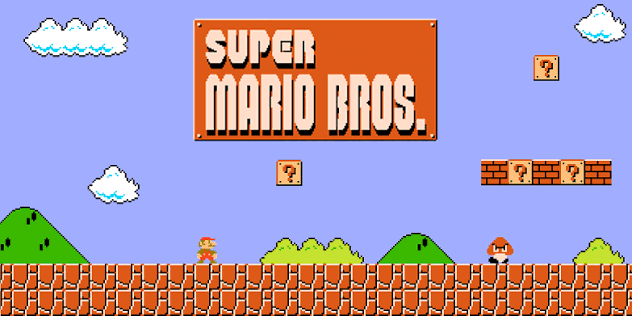
1980s Super Mario video game imagery
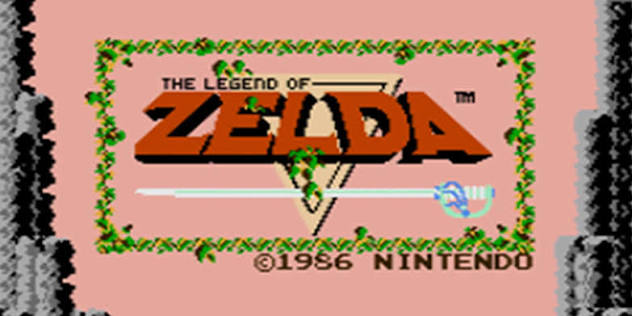
1980s Legend of Zelda video game imagery
Mascots, Worlds, Secrets, and Playground Mythology

Mario, Zelda, and the Rise of Video Game Worlds

Mario and Zelda showed that video games could create characters and worlds that lived in kids’ heads the same way toy lines and cartoons did. They were not just games. They became playground mythology.

The Hook Recognizable characters, worlds, music, secrets, power-ups, maps, bosses, and the feeling that games had lore worth discussing.
The Toy Box Shift Video-game characters started competing with cartoon and action-figure characters for space in kid imagination.
The Lifestyle Secret-sharing, map drawing, sleepover attempts, playground rumors, arguing about where to go next, and humming game music for life.

Mario made the mascot matter.

Mario became one of the clearest signs that video games had crossed into toy-level childhood culture. He was recognizable, repeatable, easy to draw badly, and tied to a game that felt instantly playable. The character gave the game a face, and that face made the whole system feel friendlier.

That mattered in toy terms because mascots sell memory. Kids did not just say they wanted a platform game with jumping mechanics. They wanted Mario. That kind of character attachment made video games feel more like cartoons, comics, and action figures.

Zelda made games feel bigger than a single screen.

Zelda brought a different kind of energy. It made video games feel mysterious, exploratory, and larger than the immediate action. There were secrets, items, maps, dungeons, hints, and the feeling that the world had more going on than the screen was telling you.

For kids, that created conversation. Where do you go? What does this item do? Did someone’s cousin really find a secret? Was that rumor true? Half the game happened on the screen, and half happened in schoolyard discussion, which is exactly how childhood mythology works.

Secrets turned games into shared folklore.

The best 80s game secrets did not stay private. They moved through classrooms, buses, neighborhoods, sleepovers, older siblings, cousins, and kids who claimed their uncle worked somewhere extremely important. Some tips were real. Some were half-remembered. Some were nonsense. All of them made games feel alive.

That rumor culture was part of the toy-box invasion. Action figures had lore from cartoons. Video games had lore from the screen, the manual, and whatever somebody said during recess with total confidence.

The lifestyle memory

Mario and Zelda proved video-game worlds could live beyond play sessions. Kids thought about them, talked about them, drew them, hummed them, dreamed about them, and treated them like places they had visited.

That is when video games became more than electronic distractions. They became worlds, and the 80s toy box was already very familiar with worlds.

1980s video game merchandise and collectibles
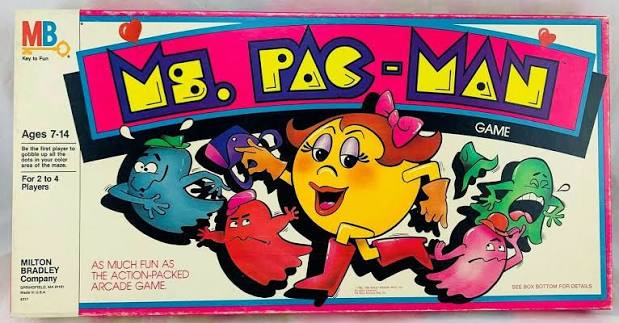
Ms. Pac-Man board game from the 1980s
Lunchboxes, Board Games, Stickers, Figures, and Pixel Spillover

Video Game Merch Made Pixels Physical

Once video-game characters became recognizable, they started escaping the screen. Board games, stickers, lunchboxes, toys, plush, cereal, cartoons, magazines, and school supplies turned digital characters into physical childhood clutter.

The Hook Turn popular game characters into physical objects kids could collect, wear, carry, display, or beg for outside the game itself.
The Toy Box Shift The game character became toy-aisle material, proving pixels could generate real-world merchandise.
The Lifestyle Lunchboxes, stickers, school folders, cartoons, board games, cereal boxes, magazines, and bedrooms slowly filling with game imagery.

Pixels turned into stuff.

The toy box invasion was not only about consoles and cartridges. It was also about video-game imagery spreading into physical culture. Pac-Man, Mario, Donkey Kong, Zelda, and other game icons could show up on products that did not require a console at all.

That mattered because it made video games visible even when nobody was playing. A character on a lunchbox, sticker, shirt, folder, or board game kept the game alive in the everyday world. The screen had created the character, but the toy and merch world made it portable.

Board games borrowed video-game fame.

One of the weirdest and most 80s things was watching video games become board games. A digital experience would get converted into cardboard, dice, paths, cards, or plastic pieces, which sounds backwards but made perfect sense in the toy aisle. If kids recognized the character, the format could change.

That crossover proved how flexible video-game brands had become. They were not trapped in the cartridge. They could be repackaged as almost anything, because the real product was the character and the excitement around the game.

Cartoons closed the loop.

Once video-game characters became cartoons, the toy-commercial loop got even stranger. A kid could play a game, watch a show about the game, see commercials around the show, buy merchandise tied to the character, and then ask for another cartridge. At that point, the screen was not competing with the toy aisle. It was feeding it.

That is why video-game merch matters to the larger toy story. The toy industry had already learned how to turn cartoons into products. Video games gave it a new source of characters.

The lifestyle memory

Video-game merch helped merge screen play with toy culture. A kid might play the game at home, watch a cartoon tied to the character, carry a lunchbox to school, read a magazine for tips, and put stickers on a notebook. That is not just gaming. That is a full childhood ecosystem.

The 80s toy aisle understood ecosystems. Video games simply became another source of them.

1980s video game store aisle with games and consoles
Glass Cases, Demo Stations, and New Toy-Store Gravity

Video Games Changed Toy Stores

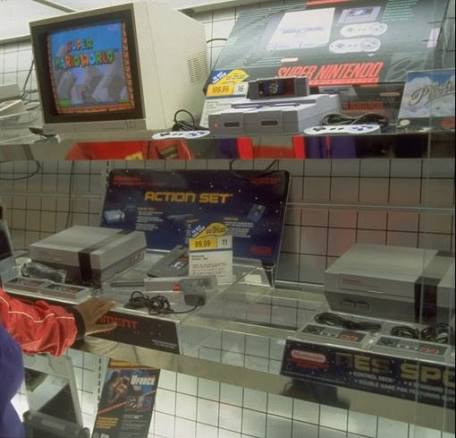
As video games became bigger, toy stores started feeling different. Game systems, cartridges, accessories, locked cases, demo units, and wall displays gave the toy aisle a new center of gravity.

The Hook A new high-value toy category that pulled kids toward consoles, games, controllers, accessories, and display cases.
The Toy Box Shift The toy store had to make room for screen-based play alongside action figures, dolls, board games, bikes, and plush.
The Lifestyle Staring at locked cases, reading box backs, watching demo screens, comparing covers, and asking for games that cost actual adult money.

The display case made games feel serious.

Video games often had a different retail vibe from other toys. They were expensive, small, easy to steal, and treated like important objects. That meant locked cases, clerk assistance, glass displays, and a sense that buying a game was a bigger deal than grabbing a random toy from a shelf.

For kids, that made games feel special. A game behind glass had prestige. A console display felt like a shrine. Even reading the back of a box could become a full activity, because box art and screenshots had to do a lot of imagination work.

Demo units were dangerous.

A working demo could stop a kid cold. Seeing a game move in the store was far more powerful than looking at packaging. It created instant desire. You could try it, watch someone else play it, or simply stand there pretending you were not blocking the aisle while your parents slowly lost patience.

Demo stations made toy stores feel interactive. The toy was not just in a box anymore. It was happening right there. That changed the shopping experience and made video games feel alive before purchase.

The box art had to sell the dream.

Game packaging had a difficult job. It had to make simple graphics feel epic. The box art often showed a more dramatic world than the game could actually display, and kids understood the translation. The picture on the box was the dream. The pixels on the screen were the playable version.

That gap between box art and gameplay was not always disappointing. Sometimes it was part of the magic. The art gave imagination something to build from, just like action-figure packaging could make a small plastic figure feel like part of a larger war.

The lifestyle memory

Toy-store gaming memories are full of staring: staring at shelves, staring at locked cases, staring at box art, staring at screenshots, staring at prices, staring at a demo unit while making the argument that this one game was somehow an educational investment.

Video games made the toy store feel more technical, more expensive, and more future-facing. The toy aisle had been invaded, and everyone knew it.

1980s kids playing video games in a living room
Action Figures on the Floor, Mario on the TV

Screen Play Started Competing With Carpet Play

The 80s did not kill traditional toys. The decade was still packed with action figures, dolls, plush, bikes, blasters, board games, and backyard chaos. But video games created a new rival for attention: the screen.

The Hook Video games offered instant feedback, progression, challenge, music, characters, and a kind of play that felt different from physical toys.
The Toy Box Shift Playtime split between floor worlds and screen worlds, creating a new balance in Gen X bedrooms and family rooms.
The Lifestyle Carpet battles paused for one more level, action figures sitting ignored, and parents telling kids to go play with their “real toys.”

The screen had momentum.

Traditional toys waited for kids to create action. Video games supplied action constantly. Enemies moved. Music played. Timers counted. Scores changed. Levels advanced. That momentum made games hard to walk away from, especially when “one more try” felt like a legally defensible argument.

That did not make physical toys disappear. It changed how playtime worked. Kids could spend an afternoon building an action-figure war, then drop everything because someone got a new cartridge. The toy box was still full, but the screen had gravity.

Video games still behaved like toys.

The important thing is that 80s kids did not always think of games as separate from toys. A console was a toy. A cartridge was a toy. A controller was a toy. The game world was play. It sat in the same Christmas-list universe as He-Man, Barbie, Transformers, Cabbage Patch Kids, BMX bikes, and board games.

That is why video games belong in an 80s toy hub. They were sold to kids, gifted like toys, displayed in toy stores, advertised during kid programming, and discussed with the same playground intensity as action figures and dolls.

The lifestyle memory

The screen-versus-carpet tension is one of the big childhood shifts of the decade. Kids still had bins of figures, shelves of dolls, piles of plush, and closets full of board games. But a console could pull everyone into the same spot.

In the 80s, the toy box did not vanish. It got a power cord.

Timers, Turns, TV Control, and the Family-Room Treaty

Parents Had to Invent Video Game Rules

Video games created new household problems. Who got the TV? How long was too long? Did “pause” count? Could your sibling make you die on purpose? Was the game really almost over? The 80s family room needed laws.

The Hook Games were fun enough to require limits, turns, negotiations, parental enforcement, and sibling-level courtroom drama.
The Toy Box Shift Unlike most toys, video games competed directly with family TV time and household patience.
The Lifestyle Timers, turn-taking, “after this level,” arguing over continues, and parents threatening to unplug the entire future.

The TV made gaming political.

The family TV was a shared resource, which meant video games instantly became a household negotiation. A toy on the floor could be ignored. A console took over the screen. That made every gaming session part entertainment, part diplomacy, part hostage situation.

Parents had to create rules because the old toy rules did not fully apply. You could not simply tell a kid to put away the blocks. Games had levels, lives, bosses, saves, passwords, and emotional momentum. “Just turn it off” sounded easy to adults and absolutely barbaric to children.

Siblings made everything worse.

Multiplayer, turn-taking, and watching someone else play created entire new categories of sibling conflict. Whose turn was it? Did the last death count? Was someone distracting the player? Did the younger sibling get a pity turn? Could the older sibling claim they were “showing you how” while playing for twenty minutes?

Video games generated arguments with precision. They also generated bonding. A sibling who knew a secret level, a friend who could beat a boss, or a cousin who owned a rare game suddenly had social value.

The lifestyle memory

The rules around gaming became part of the nostalgia: one more level, one more life, pause it, don’t touch the controller, I was about to win, mom said it’s my turn, and the eternal lie that you were almost done.

Video games did not just change toys. They changed household negotiations. That is how you know they had real power.

The Cartridge Became the New Action Figure

In the 80s, action figures had names, weapons, vehicles, and worlds. Cartridges had something similar, just in a different form. Each game had a title, a look, a box, a manual, a set of rules, enemies, characters, levels, and a promise that this one would be the game you played all weekend.

That is why cartridges fit so naturally into toy culture. They were collectible. They could be gifted. They could be displayed. They could be borrowed, traded, rented, envied, or discussed endlessly. A kid who owned a great cartridge had leverage at a sleepover. A kid who rented a strange one had news to report.

The physical parts mattered too. Manuals were read like sacred texts. Maps were studied. Passwords were copied onto paper. Box art did the imagination work that graphics could not always handle. The cartridge label became part of the memory. Even the act of inserting the game had ritual energy.

That is the key to understanding why video games invaded the toy box instead of just replacing it. They still had physical culture. The play happened on the screen, but the obsession lived in the hands, on the shelf, in the rental case, and in the schoolyard conversation afterward.

Why This Still Owns Gen X Memory

Video games became one of the biggest childhood shifts of the 80s because they changed where play happened. Toys were no longer only on the floor, in the yard, on the table, or lined up on the shelf. Play could now live inside the TV, inside a cartridge, inside a handheld screen, or inside a tiny electronic device you carried in your jacket pocket.

That shift felt huge because Gen X lived through the transition. These kids still played with action figures, dolls, plush toys, board games, bikes, blasters, and backyard hazards that would make modern parents organize a committee. But they also learned game logic: levels, bosses, scores, passwords, continues, secrets, controller skill, and the quiet panic of one life left.

The 80s did not end traditional toys. It expanded the definition of what a toy could be. A toy could be a figure with a sword. A toy could be a bear with a cassette player. A toy could be a plastic pony with brushable hair. A toy could also be a gray cartridge that opened a whole world on the family TV.

That is why video games belong in the 80s toy story. They did not just sit next to toys. They changed the toy box, the bedroom, the family room, the Christmas list, the rental-store weekend, the playground conversation, and the entire future of childhood.

80s Video Games and Toys FAQ

Why do video games belong in an 80s toys hub?

Video games became part of toy culture in the 80s because consoles, cartridges, handheld games, accessories, and video-game characters were sold, gifted, collected, advertised, displayed, and talked about like toys. For Gen X kids, games lived in the same Christmas-list universe as action figures, dolls, board games, bikes, and electronic gadgets.

What were the biggest video-game systems of the 80s?

Major 80s home gaming systems included Atari consoles, Intellivision, ColecoVision, Vectrex, and later the Nintendo Entertainment System. The NES became especially important in the late 80s because it helped make home gaming feel central to kid culture again.

How did Nintendo change the 80s toy aisle?

Nintendo made video games feel like a full toy ecosystem. The NES, controllers, cartridges, game manuals, accessories, magazines, characters, and playground tips turned gaming into one of the defining late-80s childhood obsessions.

Were handheld games part of the video-game toy boom?

Yes. LCD handhelds, Game & Watch-style devices, electronic sports games, and small portable games helped make screen-based play personal and portable before handheld gaming fully exploded later.

Did video games replace traditional toys in the 80s?

No. Traditional toys were still huge in the 80s, from action figures and dolls to board games, plush toys, bikes, and outdoor toys. But video games changed the balance by making screen-based play one of the strongest competitors for kid attention.

Get More Gen X Rewinds

Want more 80s toys, cartoons, music, movies, fads, and forgotten pop-culture weirdness? Join the rewind and keep the nostalgia machine running.

Get the Rewind

Get the Weekly Gen X Drop

New videos, rewinds, and savage nostalgia — first.

JOIN THE NEWSLETTER WATCH VIDEOS

MORE REWINDS