Smells Like Gen X • Top Toys of 1985
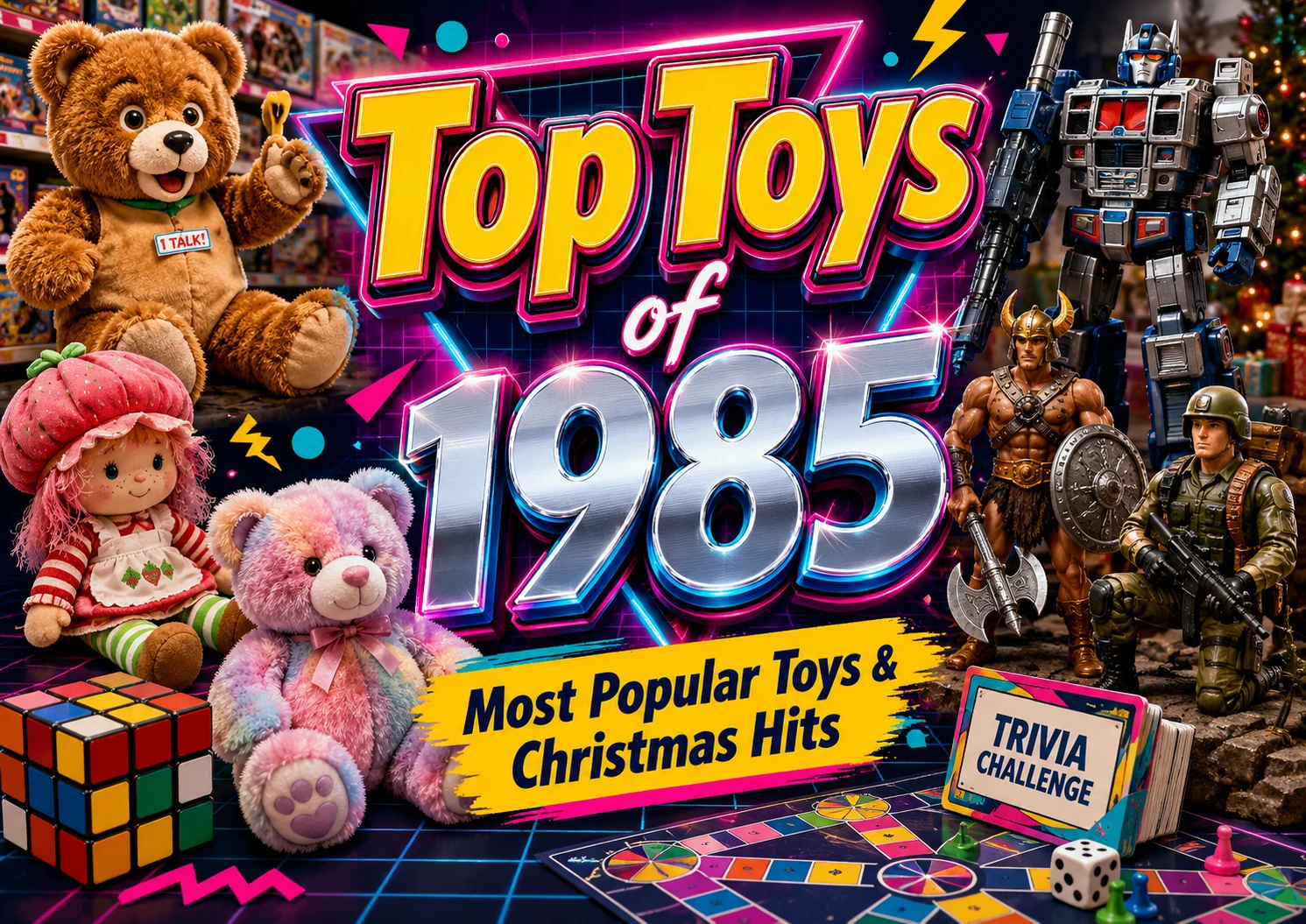
Top 10 Toys of 1985: Teddy Ruxpin and the Year Toys Started Talking Back
The top toys of 1985 were led by Teddy Ruxpin,
Cabbage Patch Kids, Transformers,
He-Man / Masters of the Universe, Care Bears,
Trivial Pursuit, G.I. Joe,
Strawberry Shortcake, Pound Puppies, and
Rubik’s Cube. This was the year the 80s toy aisle learned how to
merge comfort, technology, collectability, and emotional attachment into one
beautifully over-engineered holiday machine.
The most popular toys of 1985 show the decade getting more strategic.
Plush toys started behaving like character brands. Doll lines became even more
identity-driven. Robot franchises kept expanding. Board games still mattered as shared
family culture. And Teddy Ruxpin arrived right on
cue to prove that the next phase of 80s toys might be the toy that talks back.
For Gen X, 1985 feels like one of the first years when the toy aisle became fully aware
of its own power. Cabbage Patch Kids were still huge,
but now they shared space with talking bears, expanding robot universes, plush adoption
culture, established fantasy systems, and games that spilled into grown-up territory.
The aisle was no longer selling only objects. It was selling companions, worlds, teams,
personalities, and the uneasy feeling that one more accessory might finally complete
the collection. It never did.
Number-One ToyTeddy Ruxpin
Defining ShiftTalking plush became the future
Franchise MuscleTransformers, He-Man and G.I. Joe
Soft-Power SurgeCare Bears and Pound Puppies
Gen X Note: 1985 is the year the toy aisle gets weirdly intimate — plush, talking, collectible, and extremely good at making kids feel emotionally responsible for plastic, fabric, cassettes, and several D batteries.
The Short Answer
What Were the Most Popular Toys of 1985?
The most popular toys of 1985 included Teddy Ruxpin,
Cabbage Patch Kids, Transformers,
He-Man / Masters of the Universe, Care Bears,
Trivial Pursuit, G.I. Joe,
Strawberry Shortcake, Pound Puppies, and
Rubik’s Cube. Teddy Ruxpin ranks first here because no other toy
better captures the year’s combination of
electronic novelty, plush comfort, storytime,
character performance, and emotional attachment.
The Ground Rules
How We Ranked the Top Toys of 1985
This is a transparent editorial ranking rather than a made-up official sales chart.
No single complete public U.S. source ranks every doll, action figure, board game,
puzzle, plush toy, and electronic product from 1985 on one comparable list. The
countdown weighs several kinds of evidence and explains the limits instead of
pretending the toy industry left behind one perfect spreadsheet.
Holiday demand and retail visibility
Christmas-list energy, catalog presence, commercial frequency, shelf prominence,
scarcity, and surviving accounts of what families were trying to buy all matter.
That gives Teddy Ruxpin a strong case because
the toy arrived with a demonstration feature that practically sold itself.
Cultural impact during 1985
The ranking favors toys that became part of the year’s larger conversation.
Cabbage Patch Kids remained a major emotional
brand, while Transformers,
He-Man, and
G.I. Joe made the aisle feel like competing
entertainment networks with plastic attached.
How well each toy defines the year
Some toys sold well across several years, but this list asks how clearly each one
expresses 1985 itself. Talking plush, adoption-style attachment, robot mythology,
expanding action systems, and family-room competition all belong to the specific
feel of the year.
Honest limits of the evidence
“Popular,” “best-selling,” “hottest Christmas toy,” and “most influential” are not
identical. Exact totals are often proprietary, category-specific, incomplete, or
reported inconsistently. The order reflects the strongest overall 1985 case, not
false precision.
Why this matters:
The ranking is useful only when the reasoning is visible. This page explains why one
toy appears above another instead of recycling a nostalgia list with no year-specific
argument behind it.
The Aisle Starts Talking Back
Why 1985 Changed Toy Culture
Talking toys made electronics feel emotional.
Teddy Ruxpin moved electronic play away from
beeps, scores, and learning drills. The machinery now performed personality. A
cassette, moving mouth, blinking eyes, and storybook could make a plush bear feel
less like a gadget and more like a companion. That was charming, expensive, and
occasionally unsettling when the batteries started losing the will to live.
Plush became a serious branded system.
Care Bears and Pound Puppies showed that
soft toys could carry identities, missions, symbols,
emotional roles, and collection logic. Plush was no longer background comfort
merchandise. It could anchor cartoons, commercials, accessories, and entire
holiday campaigns.
Franchise worlds kept getting larger.
Transformers,
He-Man, and
G.I. Joe did not ask children to buy one toy.
They offered factions, villains, vehicles, locations, missions, cartoons, and
enough missing pieces to keep birthdays and Christmas lists booked indefinitely.
Game night still competed with the character aisle.
Trivial Pursuit remained a major household event
because it turned knowledge into social performance. Its place in the top ten
shows that 1985 holiday culture still had room for a box that could make adults
argue over geography while children quietly returned to the toys with lasers.
From #10 to #1
The Top 10 Toys of 1985 Countdown
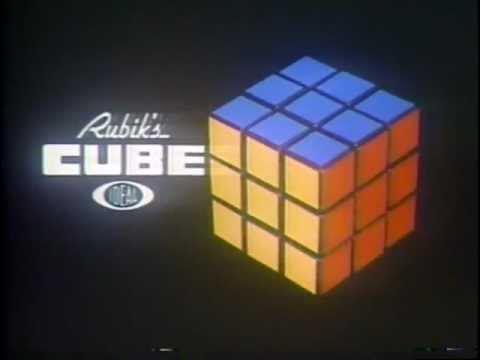
#10 — Rubik’s Cube
Toy TypePuzzle toy
Brand LaneLingering challenge icon
1985 Rank#10
Rubik’s Cube closes out the 1985 list because by this point it has become less of a hot-ticket sensation and more of a decade fixture. That may sound like a gentle demotion, but it actually says something powerful about its staying power. Most crazes burn hot and then disappear into novelty-shop memory. The Cube survives because it has already crossed over from “must-have toy” into “recognized cultural object.” It no longer needs to dominate the aisle to still matter.
What makes it interesting in 1985 is the contrast it creates with the rest of the year’s lineup. The market is increasingly emotional, character-driven, and media-conscious. Toys are being sold through relationships, fantasy worlds, talking features, and plush comfort cues. Rubik’s Cube offers almost none of that. It is stubbornly abstract. It does not smile at you, speak to you, or invite you into a universe. It simply sits there and dares you to solve it. That makes it one of the most severe objects in a very cuddly year.
It also still functions as a kind of social badge. A talking bear may be adorable, a plush dog may be lovable, and a doll may be deeply desired, but the Cube still carries the aura of intelligence, persistence, and a certain brand of cool frustration. That aura lingers well beyond the height of the craze, which helps explain why it stays visible even after the decade has moved into more elaborate forms of toy seduction.
For Gen X, Rubik’s Cube in 1985 feels like a survivor from an earlier toy mood — one that believed a product could conquer the culture simply by being brilliantly difficult. That it still makes the list says a lot about how completely it had embedded itself.
The full Rubik’s Cube 1980s craze explores the puzzle’s climb from global obsession to permanent pop-culture icon.
Fun Fact / Why It Still Matters
Rubik’s Cube lingered because it became more than a toy hit — it became one of the decade’s default symbols of
cleverness and frustration.
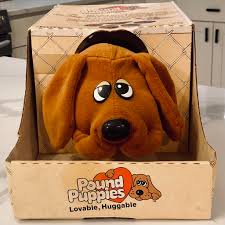
#9 — Pound Puppies
Toy TypePlush toy line
Brand LaneSoft adoption fantasy
1985 Rank#9
Pound Puppies land at number nine because 1985 is one of the clearest years where the 80s realize emotional responsibility can be monetized just as effectively as fantasy or action. These were not just stuffed animals. They were designed to feel rescue-adjacent, lovable, and slightly dependent on the child who brought them home. That framing matters. It transforms the purchase from “cute plush toy” into “soft-hearted act of care,” which is a much stronger emotional engine.
What makes Pound Puppies so revealing in the context of 1985 is that they fit perfectly into the decade’s growing obsession with toy identity and toy paperwork logic, even when not literally overloaded with documentation. They still belong to the same broader emotional trend as the year’s other big soft-power products: toys that feel individualized, bondable, and just human enough to trigger attachment. The aisle is becoming less about random possession and more about perceived relationship.
They also help show how deeply the market had opened itself to plush as a serious commercial lane. Plush was no longer merely background comfort merchandise. By the mid-80s, it had become one of the decade’s most lucrative emotional forms. Pound Puppies matter because they feel like a perfect example of the 80s learning how to sell sentiment with enough branding discipline to turn it into a major category.
For Gen X, Pound Puppies in 1985 feel like one of the decade’s most effective “you are now emotionally involved with this object” products. They were cute, yes. But the real trick was making kids feel like cute wasn’t enough — they had to take them home.
The full 80s dolls, plush toys and pet-toy chaos explores the decade’s larger world of adoption stories, soft companions, and branded emotional attachment.
Fun Fact / Why It Still Matters
Pound Puppies hit because they made plush feel a little bit like responsibility, and responsibility is a powerful sales tool when it’s adorable.
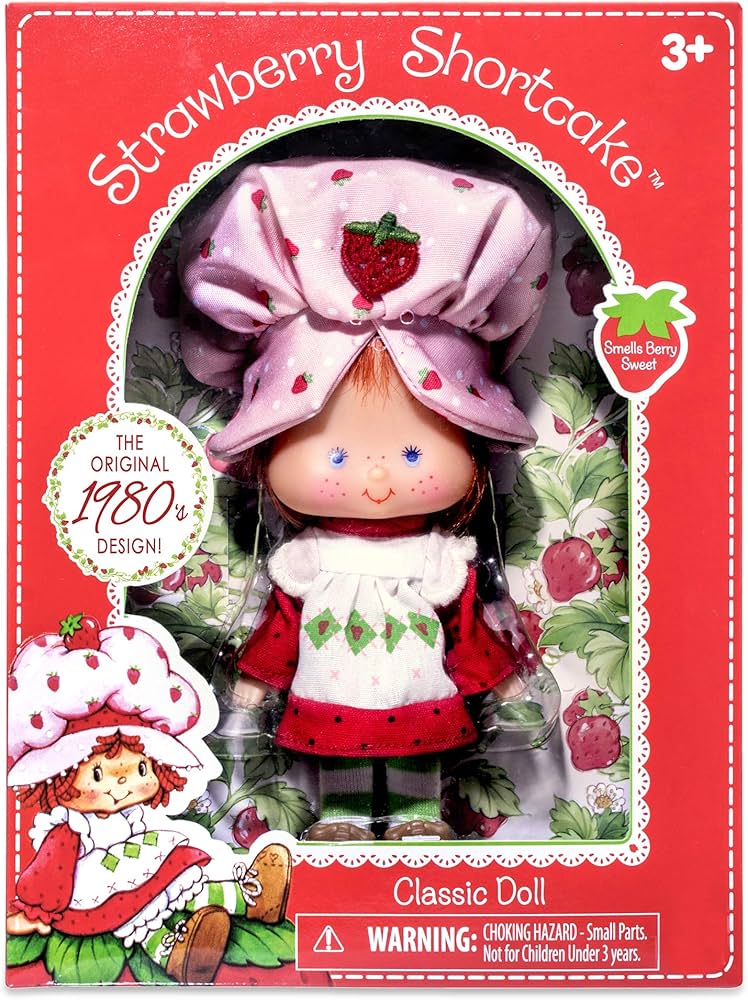
#8 — Strawberry Shortcake
Toy TypeScented doll line
Brand LaneEstablished doll-world brand
1985 Rank#8
Strawberry Shortcake remains in the 1985 top 10 because the line has entered one of the most interesting phases a toy brand can reach: mature familiarity. It is no longer the disruptive sensation of the early-decade shelf. It is now something closer to an institution. That might make it less headline-grabbing than newer talking toys or robot wars, but it also makes it durable in a way many hotter launches never achieve.
By 1985, the brand’s strength lies in emotional continuity. It offers a world that still feels coherent, gentle, and unmistakably itself even as the larger market gets louder and more competitive. In a year where many toys are trying to impress through feature escalation or franchise aggression, Strawberry Shortcake still sells through atmosphere. Its colors, names, softness, and sensory memory remain persuasive because they make the brand feel complete rather than merely current.
That completeness is what gives it staying power. It is not scrambling to reinvent itself every season. It already knows exactly what emotional niche it occupies. That makes it valuable in a holiday environment crowded with products demanding attention in increasingly dramatic ways. Strawberry Shortcake offers something a lot of larger brands cannot: dependable sweetness without panic.
For Gen X, Strawberry Shortcake in 1985 feels like a survivor that didn’t need to get louder to remain relevant. It just needed to keep being itself, and in a decade built on exaggerated identity, that consistency counted for plenty.
The full 80s dolls, plush toys and pet-toy chaos explores the scented dolls, soft brands, pets, and miniature worlds that shaped the gentler side of the aisle.
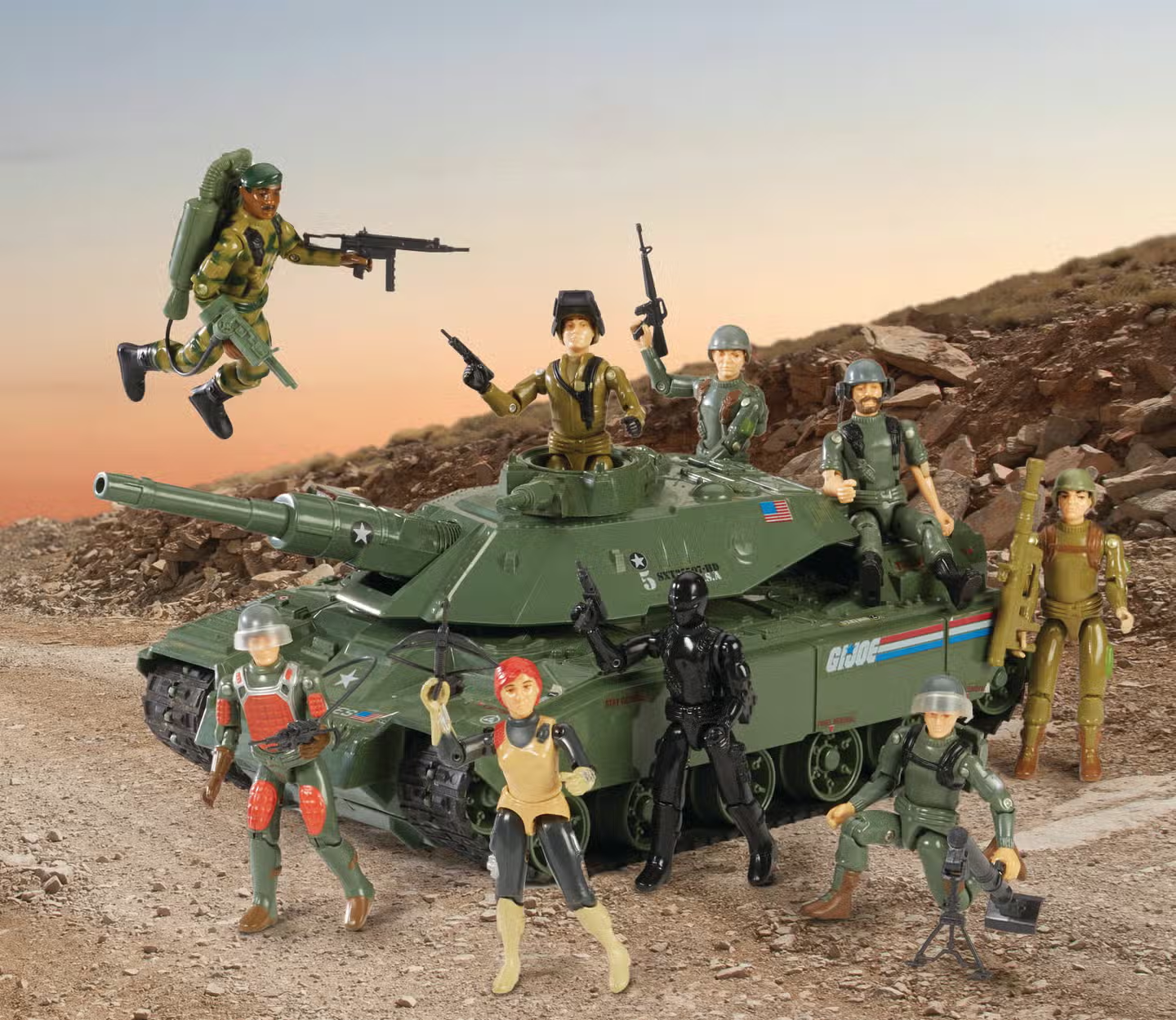
#7 — G.I. Joe
Toy TypeAction figure line
Brand LaneMilitary-system collectability
1985 Rank#7
G.I. Joe takes number seven because by 1985 the line has become one of the cleanest examples of how the 80s learned to sell structured expansion. In earlier years, G.I. Joe was important for helping modernize the action-figure category. In 1985, the key story is how naturally it operates as an ecosystem. The line does not just invite ownership. It invites logistics. It encourages kids to think in terms of units, specialties, alignments, and strategic buildup.
That system quality becomes even more impressive in a year crowded with sentimental plush, talking toys, and fantasy universes. G.I. Joe still matters because it scratches a different kind of itch. It is procedural. It makes play feel organized and mission-oriented. That separates it from softer attachment brands and even from flashier fantasy lines. The toys imply action that can be planned, not just imagined.
The brand also represents one of the decade’s strongest retail lessons: once kids start seeing a line as a framework instead of a single purchase, the line becomes much harder to exit. G.I. Joe excels at that. A figure suggests equipment. Equipment suggests allies. Allies suggest vehicles. The line’s commercial intelligence sits right inside the play pattern.
For Gen X, G.I. Joe in 1985 feels like one of the 80s at their most tactically persuasive. It wasn’t merely telling you to buy a cool toy. It was quietly telling you that your collection wasn’t really complete yet.
The full G.I. Joe toys in the 80s explores the figures, file cards, Cobra forces, vehicles, missions, and escalating hardware behind A Real American Hero.
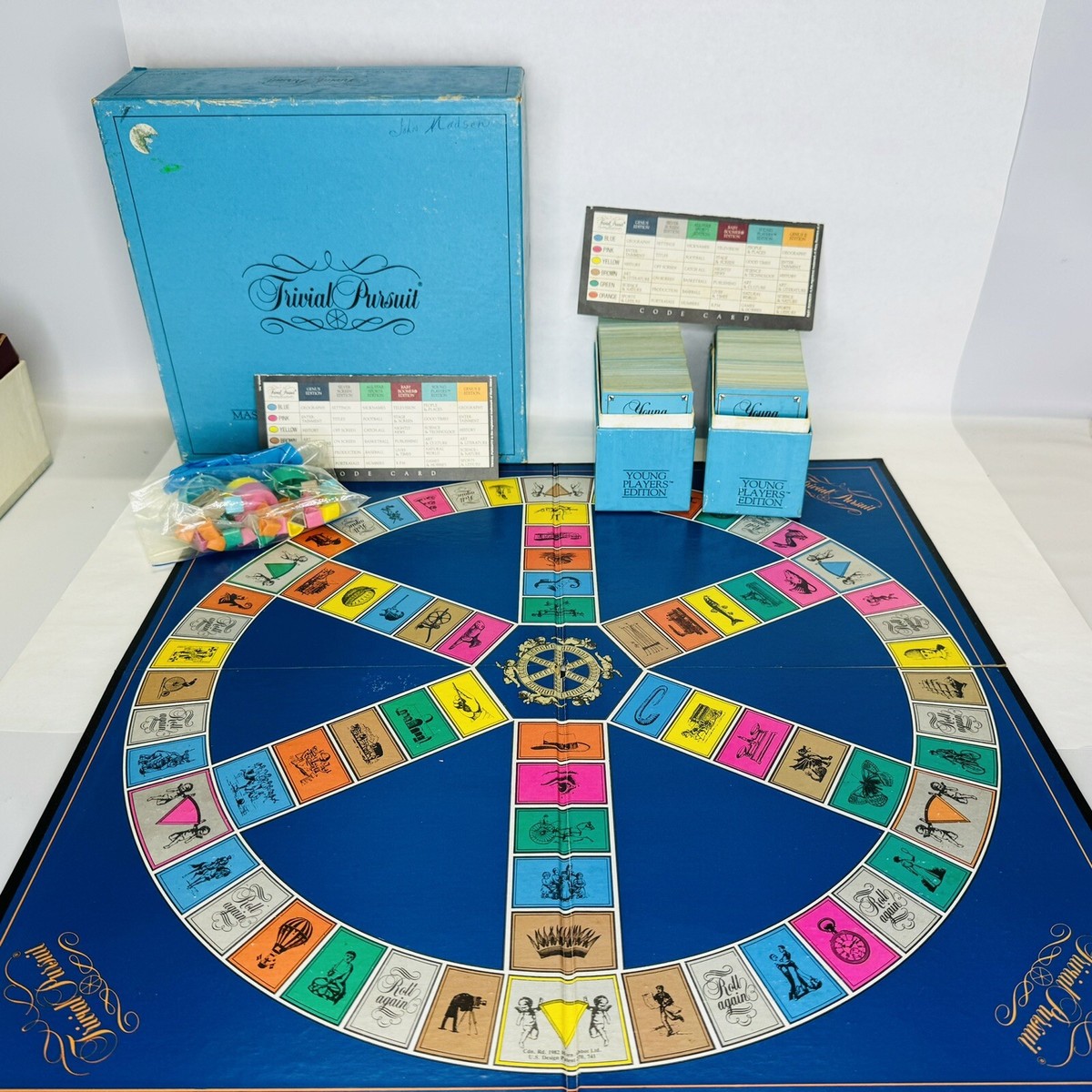
#6 — Trivial Pursuit
Toy TypeBoard game
Brand LaneCross-generational game craze
1985 Rank#6
Trivial Pursuit lands at number six because 1985 shows the game was not just a one-season curiosity. It had enough cultural momentum to remain part of the wider holiday toy map, which is no small feat for a board game in a decade obsessed with plush, fantasy figures, and electronics. The reason it lasts is simple: it turns social life into a display of memory, ego, taste, and competitive intelligence.
What makes the game especially important in 1985 is that it broadens the emotional range of the toy market. Not every must-have item had to be cute, loud, or character-based. Trivial Pursuit sold a different fantasy — the fantasy of being smart in front of other people. That’s a very 80s kind of prestige object. It could sit in family rooms, party environments, and adult spaces while still belonging to the same holiday spending logic as the year’s plush and figure brands.
It also reveals how thoroughly the decade had merged toys, games, and lifestyle culture. By the mid-80s, the line between “children’s holiday item” and “household entertainment event” was getting blurrier. Trivial Pursuit thrived in that blur because it made game-night culture feel fashionable and knowledge feel like an attractive social weapon.
For Gen X, Trivial Pursuit in 1985 feels like one of the products that turned winter gatherings into performance spaces. It didn’t just entertain. It sorted people, exposed gaps, rewarded obscure recall, and made the room feel a little more competitive. That kind of energy sticks.
The full 80s board games and family-room toys explores the games that turned living rooms into argument arenas and holiday gatherings into scorekeeping operations.
Fun Fact / Why It Still Matters
Trivial Pursuit stayed hot because it made knowing random things feel like a glamorous and mildly dangerous skill.
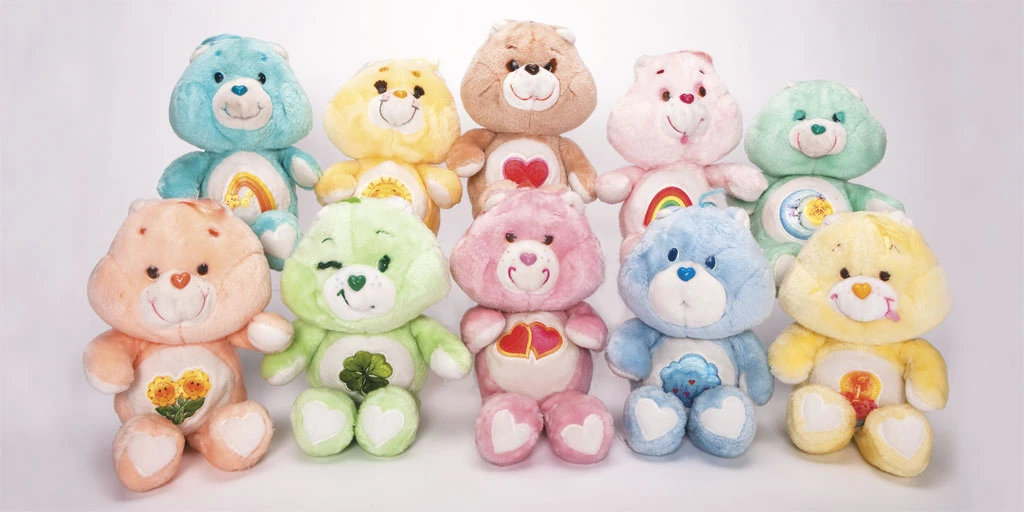
#5 — Care Bears
Toy TypePlush character line
Brand LaneSoft symbolic franchise
1985 Rank#5
Care Bears stay high in 1985 because the brand had by now proven one of the most important truths of the decade: softness can be every bit as systematized and commercially ruthless as action. The bears were adorable, yes, but their real genius lay in how clearly they transformed emotion into branding. Each character carried a ready-made identity signal. That made the line collectable, giftable, and easy to personalize without losing coherence.
In 1985, that symbolic structure becomes even more valuable because the market is leaning harder into products that feel individualized and emotionally meaningful. Care Bears fit that shift perfectly. They are accessible to very young kids, easy for adults to understand instantly, and versatile enough to hold ground even as talking toys and robot franchises grab headlines.
They also represent a fascinating mid-80s convergence: plush that behaves like a franchise. This is not random stuffed-animal popularity. It is controlled emotional coding. The line makes affection feel organized, which is one of the reasons it remains so sticky across multiple seasons. Children can choose favorites without feeling like they are leaving the brand behind, and adults can shop the line without confusion.
For Gen X, Care Bears in 1985 feel like one of the decade’s cleanest examples of how sentiment got industrialized. They were comforting, sure. But they were also a brilliantly disciplined product system hiding inside a pastel smile.
The full 80s dolls, plush toys and pet-toy chaos explores the color-coded feelings, collectible characters, and soft-power brands that dominated the decade.
Fun Fact / Why It Still Matters
Care Bears stayed powerful because they turned feelings into a tidy, collectible language that both kids and adults could navigate instantly.
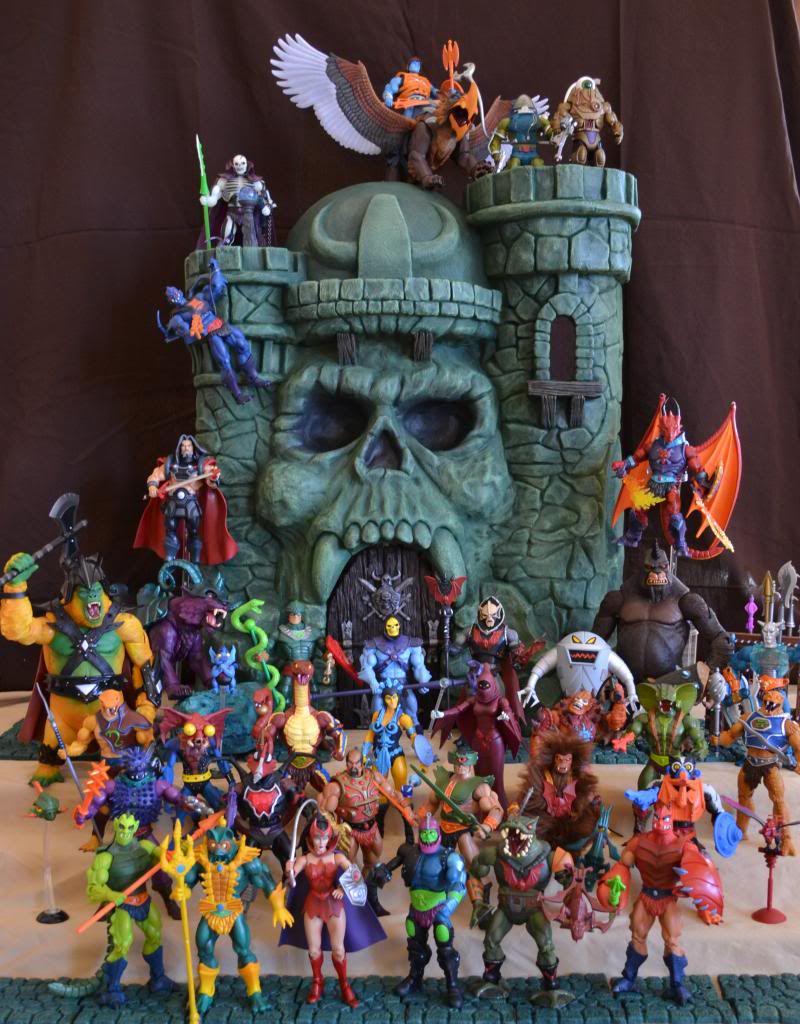
#4 — He-Man / Masters of the Universe
Toy TypeAction figure line
Brand LaneFantasy-action empire
1985 Rank#4
He-Man / Masters of the Universe take number four because 1985 is one of the years where the line looks most like a complete fantasy infrastructure. Earlier on, the big story was how loud, muscular, and visually over-the-top the brand felt compared with other action toys. By 1985, the more important point is how thoroughly it has established its own internal logic. This is no longer just a line of striking figures. It is a realm with expectations, tones, villains, heroes, and a very specific kind of plastic mythology.
That maturity matters because the mid-80s shelf is becoming increasingly professional about world maintenance. Kids aren’t simply buying cool objects anymore; they’re entering ongoing systems. He-Man is one of the strongest examples of that shift because it translates grand fantasy into a toy architecture that feels immediate and tactile. It gives children not only characters, but a whole emotional environment to operate inside.
The line also remains powerful because of its commitment to spectacle. Even in a year featuring robot wars and talking plush, He-Man still feels like pure excess in the best possible way. The figures are exaggerated, the conflicts feel huge, and the whole brand operates like a declaration that subtlety is for other decades.
For Gen X, He-Man in 1985 feels like fantasy merchandising running at full power. It didn’t just ask for attention. It assumed it deserved a kingdom’s worth of it.
The full He-Man and Masters of the Universe toys explores the full story of Eternia, Castle Grayskull, figures, vehicles, cartoons, villains, and fantasy-action excess.
Fun Fact / Why It Still Matters
He-Man stayed near the top because it offered one of the decade’s richest and most theatrically oversized play worlds.
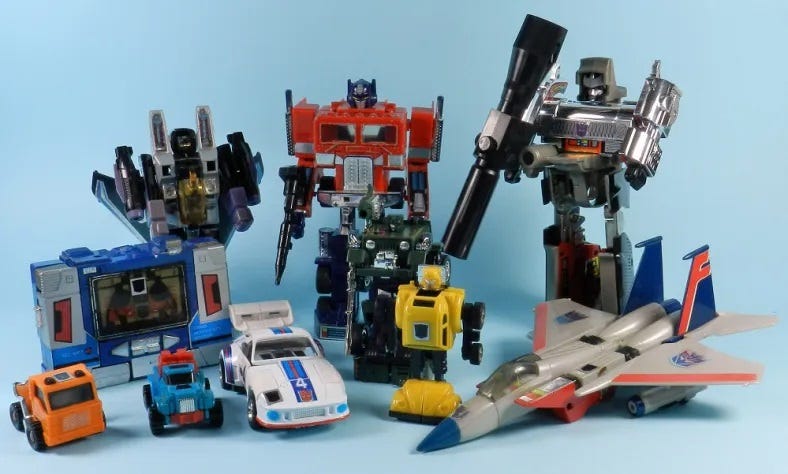
#3 — Transformers
Toy TypeTransforming robot line
Brand LaneMachine-character franchise
1985 Rank#3
Transformers reach number three because 1985 is the year the line starts to feel less like an exciting robot gimmick and more like a durable franchise with serious staying power. In 1984, the transformation mechanic itself was a huge part of the shock. By 1985, that thrill is still important, but the larger story is how successfully the brand has converted mechanical cleverness into ongoing loyalty.
The line’s power comes from combining several strong toy logics at once. It has transformation, which means the product experience itself remains satisfying. It has character identity, which keeps kids emotionally invested. And it has faction-based structure, which turns individual purchases into participation in a larger conflict. That layered appeal is a big reason the line holds up so well inside a very crowded marketplace.
Transformers also benefit from fitting the decade’s broader technological imagination. They turn hardware into personality and machine form into narrative possibility. That is a very mid-80s fantasy. The future is no longer just screens and electronics in the house; it is also the fantasy that the machines around you might secretly contain identity, allegiance, and dramatic purpose.
For Gen X, Transformers in 1985 feel like a toy line that figured out how to make change itself addictive. Every fold, click, and reveal reinforces the sense that the object in your hand is more than it first appeared to be — which is one of the strongest hooks any toy line can hope for.
The full Transformers toys in the 80s explores the G1 Autobots, Decepticons, transforming vehicles, cartoons, characters, and robot mythology.
Fun Fact / Why It Still Matters
Transformers stayed huge because they didn’t just give kids characters — they gave them a repeatable act of transformation that never stopped feeling cool.
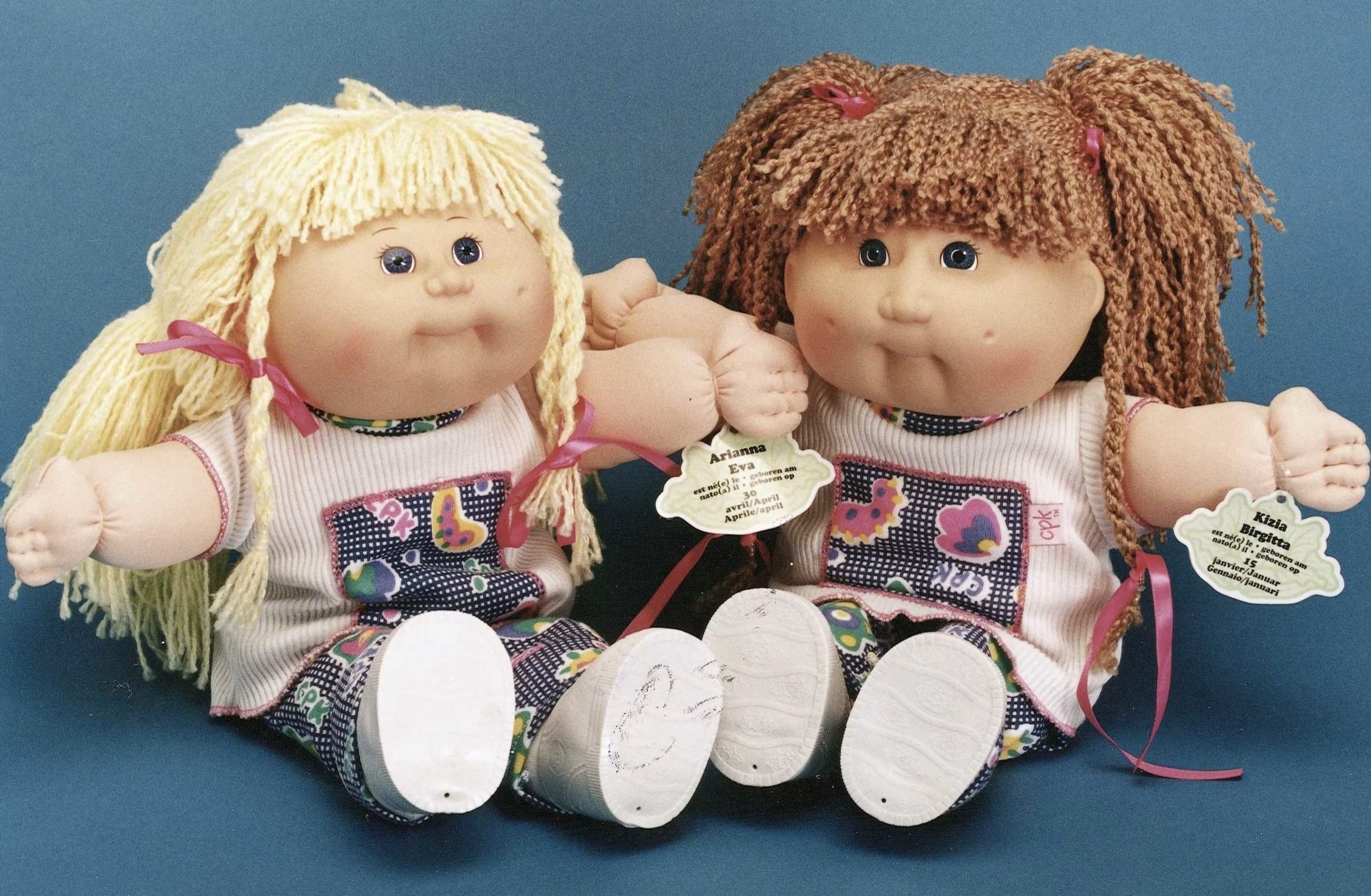
#2 — Cabbage Patch Kids
Toy TypeAdoptable doll line
Brand LaneIdentity-heavy doll phenomenon
1985 Rank#2
Cabbage Patch Kids take number two because by 1985 they have become something more durable and in some ways more impressive than a riot-triggering holiday craze. They are now an empire. The explosive hysteria of 1983 and the sustained dominance of 1984 have settled into a different kind of power: the power of a brand that still feels emotionally special even after everybody already knows its name.
What keeps the line so high is that its central trick remains incredibly effective. These are not sold as generic dolls. They arrive carrying identity cues, uniqueness, and the suggestion of personal bond. That structure continues to work because it gives the child something more than ownership. It gives them a story about why this particular doll matters. And once the emotional frame is built that way, the line becomes very hard to reduce to ordinary product logic.
By 1985, Cabbage Patch Kids also represent the industry’s broader move toward documentation, certification, and toy individuality. The line helps define an era in which brands increasingly wanted products to feel almost administratively real. That may sound strange, but it was one of the most powerful emotional techniques of the period. The more specific the toy felt, the more invested the child could become.
For Gen X, Cabbage Patch Kids in 1985 feel like a phenomenon that had matured without actually losing its emotional leverage. They were no longer shocking. They were established. And established power can be even harder to challenge than panic.
The full Cabbage Patch Kids and the 1983 toy craze explores the adoption papers, shortages, store chaos, emotional branding, and staying power behind the phenomenon.
Fun Fact / Why It Still Matters
Cabbage Patch Kids stayed near the top because the brand had moved beyond craze status and become one of the decade’s most
effective emotional systems.
#1 — Teddy Ruxpin
Toy TypeAnimatronic talking plush toy
Brand LaneHigh-tech emotional companion
1985 Rank#1
Teddy Ruxpin takes the number one spot because 1985 is the perfect year for a toy that combines plush comfort, character attachment, electronics, and performance. Teddy doesn’t just sit there. He talks. He tells stories. His face moves. He takes one of the decade’s strongest emotional lanes — the cuddly companion toy — and fuses it with one of its strongest aspirational lanes: home technology that feels magical instead of intimidating.
That fusion is what makes the toy so defining. Earlier in the decade, electronic toys had often sold themselves through challenge, learning, or gadget novelty. Teddy Ruxpin moves the technology into a different emotional register. The machine is no longer there just to test you or impress you. It is there to comfort you, entertain you, and simulate relationship. That is a huge shift, and it says a lot about where the toy market was heading by the mid-80s.
The toy also fits the year because 1985 is increasingly about emotionally engineered products. Kids are being sold personality, intimacy, and the sense that toys can be companions instead of merely objects. Teddy Ruxpin delivers that promise with much more theatrical force than a static plush line ever could. The talking feature turns the bond into an event. You don’t just imagine the personality. The toy performs it for you.
For Gen X, Teddy Ruxpin in 1985 feels like one of the clearest moments where the future and childhood collided in a way that was both exciting and a little eerie. A bear that reads to you is charming. A bear that appears to be alive because of cassette-driven mechanics is something more than charming. It’s unforgettable.
The full 80s electronic toys and gadgets explores the talking toys, learning machines, battery-powered companions, and home technology that made the future feel personal.
The Toy Box Afterlife
Collecting Toys From 1985 Today
Toys from 1985 can attract serious collector interest, but age alone does not make an
item rare or valuable. Exact version, condition, completeness, packaging, working
electronics, original accessories, authenticity, and actual buyer demand matter much
more than an optimistic price tag written by somebody who found a dusty box in an attic.
Electronic toys need functional testing.
Teddy Ruxpin should be checked for battery-compartment corrosion, motor noise,
cassette playback, eye and mouth movement, speaker condition, wiring, replacement
parts, and whether the books and tapes match the toy. “Untested” often means the
seller has made peace with not knowing.
Dolls and plush need close condition checks.
Cabbage Patch Kids can vary by manufacturer, head mold, factory, signature,
clothing, papers, box, and body condition. Care Bears, Pound Puppies, and
Strawberry Shortcake pieces should be checked for odors, staining, fading,
fabric damage, hair wear, missing outfits, and replaced accessories.
Action figures depend on small original parts.
He-Man and G.I. Joe figures may be missing weapons, armor, file cards, rubber
bands, stands, stickers, vehicle pieces, or edition-specific accessories.
Transformers require checks for broken hinges, loose joints, stress marks,
yellowing, chrome wear, missing weapons, and incomplete transformation mechanisms.
Sold prices matter more than headline listings.
Compare completed sales for the same version, condition, and completeness. The
guide to valuable 80s toys worth money today
explains how to separate real demand from a seller putting a fantasy number on a
box and waiting for nostalgia to do the negotiating.
The Rest of the Year
Keep Rewinding 1985
The toy aisle was only one part of 1985. This was also the year Madonna, Simple Minds,
Tears for Fears, a-ha, Whitney Houston, Huey Lewis, and USA for Africa dominated radio;
Back to the Future, Rambo: First Blood Part II,
Rocky IV, and The Breakfast Club owned the multiplex; network TV
still controlled the living room; and fads such as Garbage Pail Kids, Hulkamania,
friendship pins, slogan fashion, big hair, and New Coke made the year feel gloriously
overbooked.
These same-year guides put Teddy Ruxpin, Cabbage Patch Kids, Transformers, Care Bears,
and the rest of the 1985 toy aisle back inside the music, movies, television, fashion,
advertising, and mall culture that made them hit so hard.
Commercial-Break Pressure
Watch the 1985 Toy Commercial Energy
The 1985 toy aisle was built for television: Teddy Ruxpin turning a talking bear into
the future, Cabbage Patch Kids continuing the adoption-emotion machine, Transformers
and He-Man keeping the franchise war hot, G.I. Joe selling mission-based escalation,
and plush lines such as Care Bears and Pound Puppies making children feel responsible
for fabric.
The 80s Toy Commercials & Videos
archive is the best next stop for the video side of this page. It includes
classic ads connected to Teddy Ruxpin, Cabbage Patch Kids, Transformers, He-Man,
G.I. Joe, Care Bears, Pound Puppies, Strawberry Shortcake, and more of the products
that treated a thirty-second commercial like a federal Christmas directive.
The commercials reveal how the toys were sold: soft voices, glowing screens, giant
child reactions, cartoon-driven urgency, storytime wonder, and just enough emotional
manipulation to make a wish list feel legally binding.
The Final Call
Why These Toys Define 1985
The top 10 toys of 1985 show the 80s toy aisle entering a more emotionally sophisticated
phase. The franchises are still there. The fantasy worlds are still there. The robot
lines are still there. But the market is now increasingly interested in companionship,
personality, plush attachment, and products designed to feel individualized enough to
demand care rather than simple ownership.
That is what separates 1985 from 1984. The earlier year feels like open franchise
warfare. This one feels more psychologically refined.
Teddy Ruxpin turns technology into storytime
intimacy. Cabbage Patch Kids prove their staying
power as an emotional empire. Transformers,
He-Man, and
G.I. Joe remain major systems. Care Bears and Pound
Puppies expand the soft-power lane. Trivial Pursuit keeps game-night culture in the
same holiday conversation.
For Gen X, 1985 is one of the years when the toy aisle starts feeling not merely
commercial, but almost eerily aware of how children bond with objects. It is still fun,
colorful, and gloriously excessive. It is also learning how to talk back, ask for care,
build a continuing content library, and stay in your head long after the batteries,
cassettes, weapons, paperwork, and one impossible Rubik’s Cube corner have disappeared.
Top Toys of 1985: Frequently Asked Questions
What were the most popular toys of 1985?
The most popular toys of 1985 included Teddy Ruxpin, Cabbage Patch Kids, Transformers, He-Man / Masters of the Universe, Care Bears, Trivial Pursuit, G.I. Joe, Strawberry Shortcake, Pound Puppies, and Rubik’s Cube.
What was the biggest toy of 1985?
Teddy Ruxpin takes the number-one spot in this ranking because it best captures the year’s mix of talking-toy technology, plush comfort, storytelling, character performance, and emotional attachment.
What were the hottest Christmas toys of 1985?
The hottest Christmas toys of 1985 included Teddy Ruxpin, Cabbage Patch Kids, Transformers, He-Man, Care Bears, Trivial Pursuit, G.I. Joe, Strawberry Shortcake, Pound Puppies, and Rubik’s Cube.
Why is Teddy Ruxpin ranked number one?
Teddy Ruxpin represents the clearest new direction in 1985: electronics designed to feel warm, personal, story-driven, and alive. The synchronized mouth and eye movement made the toy’s technology part of its personality.
Was Teddy Ruxpin released in 1985?
Teddy Ruxpin became a defining U.S. toy sensation in 1985, and the talking animatronic bear quickly became one of the most memorable electronic plush toys of the decade.
Were Cabbage Patch Kids still popular in 1985?
Yes. Cabbage Patch Kids had moved beyond the initial shopping frenzy and become a durable doll empire built around names, adoption papers, variation, and emotional attachment.
Were Transformers popular in 1985?
Yes. Transformers entered 1985 with tremendous momentum. The transformation feature, Autobots and Decepticons, cartoon stories, characters, and expanding product line made the franchise one of the year’s strongest toy systems.
Was He-Man still popular in 1985?
Yes. He-Man / Masters of the Universe remained one of the decade’s largest fantasy-action worlds, supported by figures, villains, creatures, vehicles, playsets, cartoons, and the unmistakable architecture of Eternia.
Was G.I. Joe popular in 1985?
Yes. G.I. Joe was growing into one of the decade’s defining action-figure systems, with a deep character roster, file cards, Cobra, cartoons, vehicles, missions, and major playsets.
Why are Care Bears and Pound Puppies both included?
Because 1985 was a major year for branded plush attachment. Care Bears organized feelings into characters and symbols, while Pound Puppies turned stuffed animals into an adoption-style rescue fantasy.
Why is Trivial Pursuit included in a toy countdown?
Trivial Pursuit remained much bigger than an ordinary board-game success. It was a major holiday gift, a social craze, and one of the products that defined family-room entertainment in the mid-80s.
Why does Rubik’s Cube still appear in 1985?
By 1985, Rubik’s Cube had moved beyond peak fad status and become a permanent symbol of 80s puzzle culture, cleverness, frustration, and the belief that one more turn would definitely fix everything.
What makes 1985 different from 1984 in toy culture?
1984 feels like open franchise warfare. 1985 keeps those brand battles but leans harder into talking toys, plush attachment, adoption-style emotion, and products designed to simulate companionship.
Are toys from 1985 valuable today?
Some can be, but value depends on the exact version, condition, completeness, original accessories, packaging, authenticity, working electronics, rarity, and current demand. Compare verified sold prices and use the guide to valuable 80s toys rather than relying on unsold asking prices.
Was there an official top-10 toy chart for 1985?
No single complete public U.S. chart ranks every major toy category for 1985. This page uses a transparent editorial method based on holiday demand, retail visibility, advertising, cultural impact, year-specific relevance, and long-term memory.
Where can I watch commercials for 1985 toys?
Start with the 80s Toy Commercials & Videos archive. It includes vintage ads connected to Teddy Ruxpin, Cabbage Patch Kids, Transformers, He-Man, G.I. Joe, Care Bears, Pound Puppies, Strawberry Shortcake, and more.
Explore the Top Toys From Every Year of the 80s
Move through the decade year by year to see how the toy aisle shifted from puzzles,
electronic games, and early character brands into action-figure empires, talking plush,
home gaming, transforming robots, and the full commercial chaos of late-80s childhood.