Huge 80s TV Hits Nobody Talks About Anymore

Huge 80s TV Hits Nobody Talks About Anymore
Some eighties hits packed the living room and then slipped out of the conversation. The Nielsen charts remember. So do the diner waitresses, hotel guests and private detectives.
By Gizmo
SMALLER AFTERLIVES.
Inside This Article
Jump to the good stuff. Choose a show, or start at the beginning.
- Alice: the diner was still packed
- Too Close for Comfort: Ted Knight in a sweatshirt, losing patience
- House Calls: a top-ten hit that slipped out of the conversation
- One Day at a Time: the eighties were part of the story
- Trapper John, M.D.: the other major eighties hospital
- Archie Bunker’s Place: the bar after the living room
- Falcon Crest: the vineyard had teeth
- Simon & Simon: brothers first, detectives second
- Kate & Allie: two grown women, three kids, actual conversation
- Hotel: everybody had a reservation and a problem
- Scarecrow and Mrs. King: espionage with a family schedule
- Riptide: the helicopter was not subtle
- AfterMASH: a hit season can still become a warning
- Real People: the country was already supplying its own cast
- TV’s Bloopers & Practical Jokes: the stars were allowed to mess up
- Amen: the deacon was not the voice of reason
- 227: the front steps were excellent television real estate
- Dear John: the people left after the breakup
Remember flipping through the TV Guide, finding a familiar face, and deciding there were worse ways to spend an evening? That’s how a lot of network hits earned their keep. Not every show needed a spaceship, a killer theme song or somebody getting shot in the season finale. Sometimes you just needed Ted Knight losing his temper, Linda Lavin trying to survive another shift, or two brothers bickering their way through a case. America watched. A lot of America. Then the greatest-hits specials came along and seemed to forget half the schedule.
Here’s the funny part: some of these supposedly forgotten shows weren’t merely doing okay. House Calls finished in the top ten. Too Close for Comfort tied for sixth. Hotel made ninth. Simon & Simon reached fifth. Those are the sort of numbers that would have sent a network executive dancing down the hallway. Yet mention some of these titles now and watch the face across the table slowly light up: “Wait a minute. I remember that!”
We’re not talking about Manimal, Automan, or the magnificent little oddities that were here and gone before everybody learned the cast names. Those are another kind of nostalgia. These shows had real audiences, familiar time slots and sometimes several seasons to become part of a family’s weekly routine. Their disappearance from the conversation is what makes the rediscovery so much fun.
This is a different drawer from the one containing Manimal, Automan, and the other forgotten 80s television experiments. Those stories concern brief runs and unusual discoveries. Here the surprise is that plenty of people were already watching. The numbers were there. The permanent place in the greatest-hits montage was not.
The selection concentrates on eighteen network successes whose 1980s audience footprint deserves another look. It is not a ranking of artistic merit, and it does not claim to measure present-day popularity. Some are excellent. Some are dependable. A couple demonstrate that an impressive first season and a long future are entirely different things. All belong in the larger 1980s television story, alongside the glamorous survivors that generally get the microphone.
How big were these forgotten hits?
Let’s settle the “were they really that big?” question before we get to the good stuff. During the 1980–81 season, several of these shows were already doing serious business. In 1983–84, Simon & Simon was fifth, Falcon Crest seventh, Kate & Allie eighth and Hotel ninth. That’s not a quirky niche lineup. That’s what people were actually watching when the evening news ended and the family started arguing over the remote.
A quick note on the numbers: these are original U.S. season rankings, not modern streaming totals or an estimate of how many individual people sat in front of a set. Ties stay ties. The point isn’t to drag everybody through a Nielsen seminar. It’s to remember just how big some of these titles were when they were new.
A hit didn’t have to beat The Cosby Show to matter. A steady top-twenty series was serious network business, and a top-ten finish could make even a short run feel enormous. Keep the figures in the back of your mind as you browse the next eighteen names. One or two may make you wonder how they ever managed to slip off the pop-culture map.
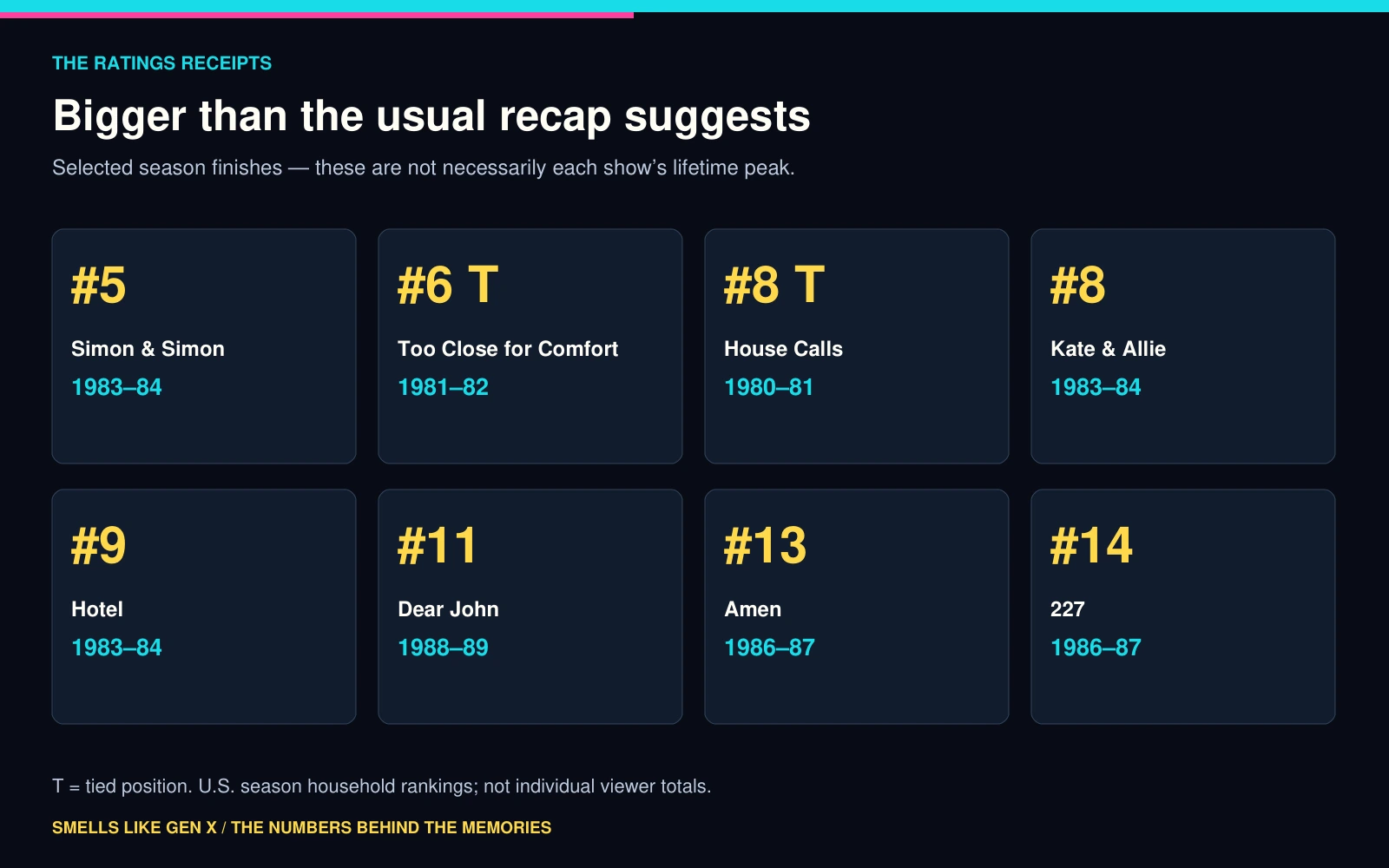
Eighteen successes hiding in plain sight
Alice: the diner was still packed
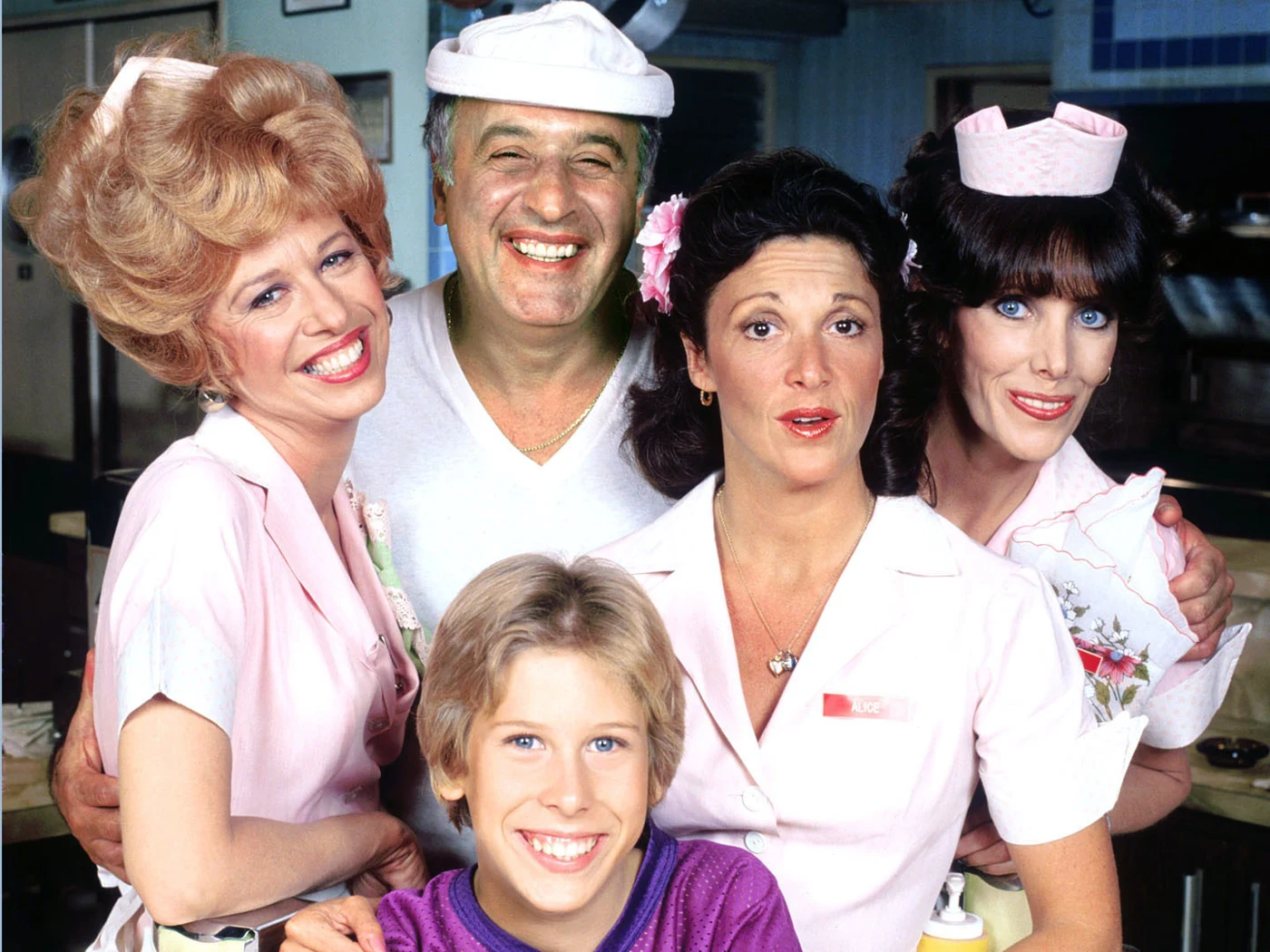
Before anybody was busy arguing about what counted as prestige television, there was Mel’s Diner. Coffee, a counter, a boss with a short fuse, and three waitresses who had heard just about enough. It wasn’t fancy. That was half the charm. You could practically smell the coffee through the set, and you knew exactly which member of the staff was about to tell Mel where he could put his latest brilliant idea. Somehow this little Arizona diner was an honest-to-goodness network powerhouse. Try finding it in one of those slick eighties greatest-hits montages now.
Linda Lavin’s Alice was a single mother working a job she needed while hanging on to a singing dream. That gave the laughs something to push against. Vic Tayback’s Mel could turn a routine shift into a full-contact argument. Beth Howland’s Vera was good for the kind of minor disaster that grows legs before lunch. And Polly Holliday’s Flo? She could put an entire customer in his place before the eggs hit the grill. Belle and Jolene would eventually take their turns behind the counter, but it was always the human friction that made the place worth revisiting.
The series began in 1976, which can make it disappear between decade labels. It belongs to seventies sitcom history, so the eighties recap often strolls past. Yet Alice finished seventh in 1980–81 and fifth in 1981–82. The first half of the new decade contained a great deal of Mel shouting at people who were not especially inclined to obey him.
In a CBS interview about the role, Lavin discussed Alice’s significance to working mothers. The connection makes sense. A waitress supporting a child while hoping for something better was not an abstract television issue. She was a recognizable person. The jokes did not remove that reality; they made an evening with it bearable.
Some episodes lean hard on familiar sitcom machinery, and the departures and arrivals behind the counter change the chemistry. Flo’s enormous comic presence is not interchangeable with the later characters. But reducing the whole show to one catchphrase misses how much Lavin held together. The early-eighties Alice story is a reminder that a television classic can be less shiny than its neighbors and still leave a very large mark.
The older the show gets, the more I appreciate Alice herself. She had bills, a kid, and ambitions that weren’t magically fixed by the end of an episode. She also had coworkers who could drive her crazy and show up for her when it counted. It wasn’t glamorous television, and it didn’t need to be. A good comedy can happen over a cup of coffee and a bad shift. Mel’s Diner proved it to an enormous audience, one sarcastic order at a time.
Too Close for Comfort: Ted Knight in a sweatshirt, losing patience
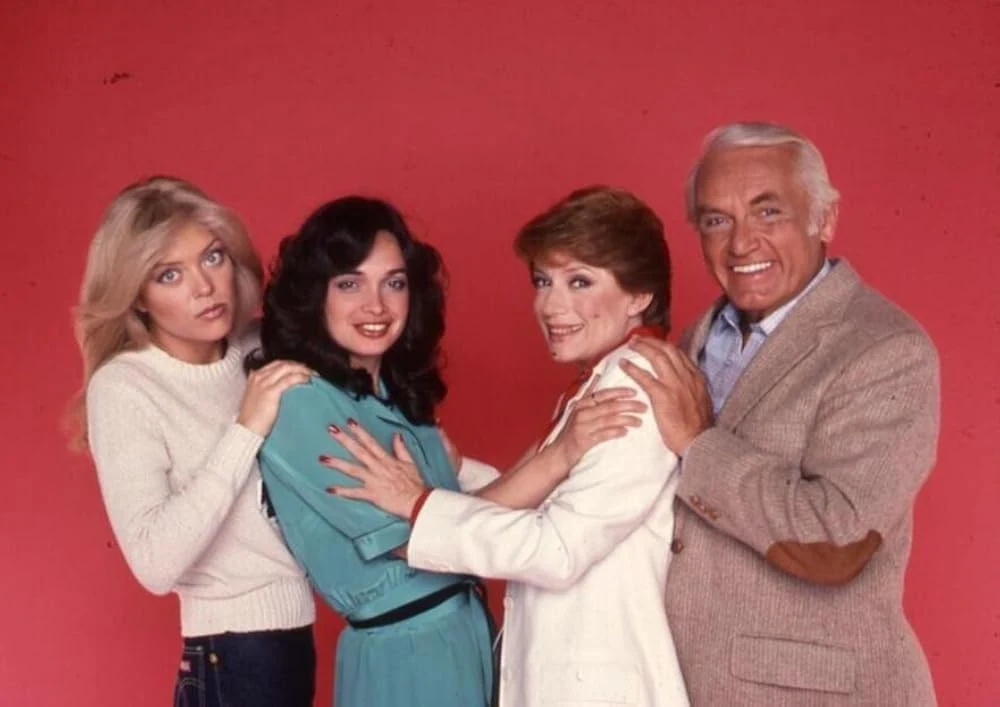
Ted Knight went from working at a news desk to working at home, and somehow his blood pressure didn’t improve. In Too Close for Comfort, Henry Rush had a cartoonist’s job, a nice place in San Francisco and a family that seemed to regard his peace of mind as a challenge to be overcome. His grown daughters lived downstairs. Monroe was usually somewhere he shouldn’t be. Henry spent a surprising portion of the eighties looking as if he had just received a personal insult from the universe. Knight made every twitch and offended stare count.
Deborah Van Valkenburgh and Lydia Cornell played Jackie and Sara, daughters who were perfectly capable of running their lives without their father conducting inspections. Nancy Dussault’s Muriel knew that Henry’s latest crisis would probably pass if everybody let him finish complaining. Then Jim J. Bullock’s Monroe would walk in and all bets were off. The setup sounds small, but that’s the secret of a lot of good family sitcoms: one ordinary boundary, repeatedly crossed by people who know exactly which buttons to press.
Knight’s performance was gloriously fussy. Henry’s dignity seemed to be something he had assembled that morning and was desperately trying to keep straight. His college sweatshirts and work-at-home routine made him a distinctly different figure from pompous newsman Ted Baxter, but the actor’s mastery of affront remained intact. A conversation with the daughters or Jim J. Bullock’s Monroe could make Henry look as though civilization had failed a basic maintenance inspection.
The ratings are the part that tends to produce disbelief. Too Close for Comfort tied for sixth in 1981–82, level with The Dukes of Hazzard. It was not a tiny sitcom encountered only by viewers with eccentric local stations. At its network peak, it sat near the front of the national lineup.
Its later life complicates the memory. The series moved from ABC into first-run syndication and eventually changed its arrangement and title to The Ted Knight Show. Somebody recalling the earlier family setup and somebody remembering the later version may feel they watched slightly different programs. In a sense, they did. Television was happy to renovate a functioning property and leave viewers to sort out the paperwork.
The series’ eighties history belongs beside the decade’s family sitcoms, not in a box labeled “probably imagined.” Henry Rush was very real. So was the audience.
Some of the misunderstandings are as old as the sitcom itself, and a modern rewatch can be a little rough on Henry’s urge to supervise his daughters. But Knight knew how to make a man losing an argument entertaining. That alone doesn’t explain a sixth-place tie in the ratings, though it certainly helps. This wasn’t some lost little oddity buried at eleven on Saturday morning. For a while, a nation of viewers was dropping by Henry Rush’s house to watch him become absolutely exasperated.
House Calls: a top-ten hit that slipped out of the conversation
Here’s a good way to start an eighties TV argument: remind somebody that House Calls was a top-ten hit. Chances are they’ll remember Three’s Company before they remember this one, even though the shows were tied in the 1980–81 ratings. That’s television memory for you. Wayne Rogers walked hospital corridors looking comfortably at home, Lynn Redgrave gave him somebody smart enough to stop him in his tracks, and a whole lot of people watched. Then the show somehow slipped into that strange place where a title sounds familiar but nobody can quite summon the opening credits.
Rogers played Dr. Charley Michaels, a surgeon who knew how to be charming and occasionally relied on that charm a little too much. Redgrave was Ann Anderson, the hospital administrator who wasn’t required to be impressed. They made a workplace argument feel like a sporting event, with the audience waiting for one of them to take a perfectly good point and make it personal. The medical setting gave them a reason to meet every week; the pleasure was watching two performers refuse to let the other have the last word.
Rogers had already played Trapper John on MASH*, but this was not a return to the 4077th in a clean shirt. The contemporary hospital setting changed the emotional weight, and Redgrave’s presence made the central partnership distinctive. She brought crisp resistance to the kind of charming doctor who might otherwise be allowed to float through a scene on confidence alone. The show was livelier when both people had a defensible position, rather than one simply waiting to recognize the other’s appeal.
Redgrave left during the run; Sharon Gless joined as Jane Jeffries. That change matters to the remembered identity of the program, but it is not necessary to reduce the entire series to a behind-the-scenes dispute. The people who tuned in were watching a workplace comedy with recognizable performers. They did not need a production history in hand to enjoy an argument in a corridor.
The series lasted three seasons, from late 1979 into 1982. Its fifty-seven episodes represent a respectable amount of television, but a smaller library than the enormous sitcom packages that later occupied daily rerun schedules. A program may have been very visible on its original night without acquiring the volume of repeat exposure that turns characters into permanent household guests.
Its run was short compared with the monster rerun libraries of other sitcoms. That may help explain why it isn’t part of everybody’s daily TV vocabulary anymore. But don’t confuse fewer reruns with fewer people having watched it when it was new. House Calls earned its place on the schedule, and the original Rogers–Redgrave pairing is worth seeking out if you want to see what all those viewers were enjoying.
One Day at a Time: the eighties were part of the story
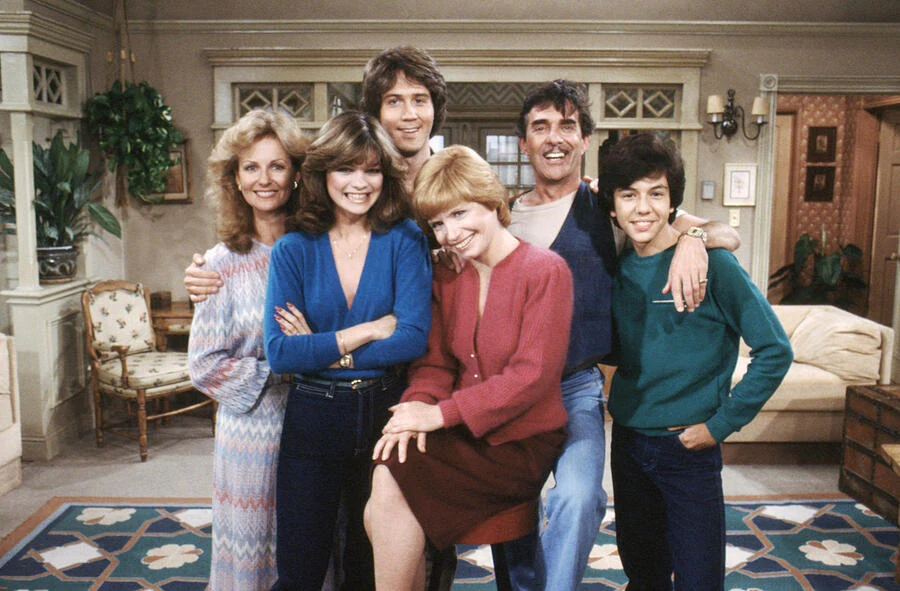
If your memory files One Day at a Time under “seventies show,” it’s time to open a second drawer. Bonnie Franklin’s Ann Romano was still dealing with daughters, jobs, relationships and Schneider’s endless supply of unsolicited expertise well into the eighties. The girls weren’t little anymore, and nobody in that apartment had the luxury of keeping the same problems forever. That was part of the point. Life moved on, the jokes came with it, and a show that had already been around for years was still landing near the top of the ratings.
Franklin played Ann with the kind of exhausted determination anyone who’s ever had to keep a household together can recognize. Valerie Bertinelli’s Barbara and Mackenzie Phillips’s Julie wanted adult lives, which didn’t mean they had suddenly developed adult judgment on demand. Pat Harrington Jr.’s Schneider could walk through a door and make himself the authority on a problem he had learned about three seconds earlier. You could laugh at him while noticing that he did care about the people whose business he kept invading.
The series reached tenth place in 1981–82. This was no exhausted leftover being tolerated until a newer family arrived. The show was still attracting a major audience while its people moved into marriages, jobs, adult partnerships, and less tidy versions of the independence promised in the opening years.
There is an interesting change in how the material lands with age. A younger viewer might concentrate on what Barbara was allowed to do or on Schneider’s latest interruption. An adult notices how often Ann must negotiate without enough money, privacy, patience, or certainty. Franklin could make her formidable without pretending she was invulnerable. That combination keeps the domestic arguments from becoming merely a parade of lessons delivered to teenagers.
The show ended in 1984 after nine seasons. Its roots sit comfortably in seventies television, while the early-eighties continuation shows what happened when those arguments about family independence had to keep living beyond the original premise. Nobody got to remain frozen at the age that best suited the rerun memory.
The later years don’t have exactly the same energy as the early ones. How could they? People got older, moved into relationships and changed the balance of the apartment. But that makes the eighties stretch part of the story, not an embarrassing appendix. For a series about a mother determined to build a life on her own terms, letting the children grow up was never going to be neat. It was going to be television. Lots of us kept watching.
Trapper John, M.D.: the other major eighties hospital
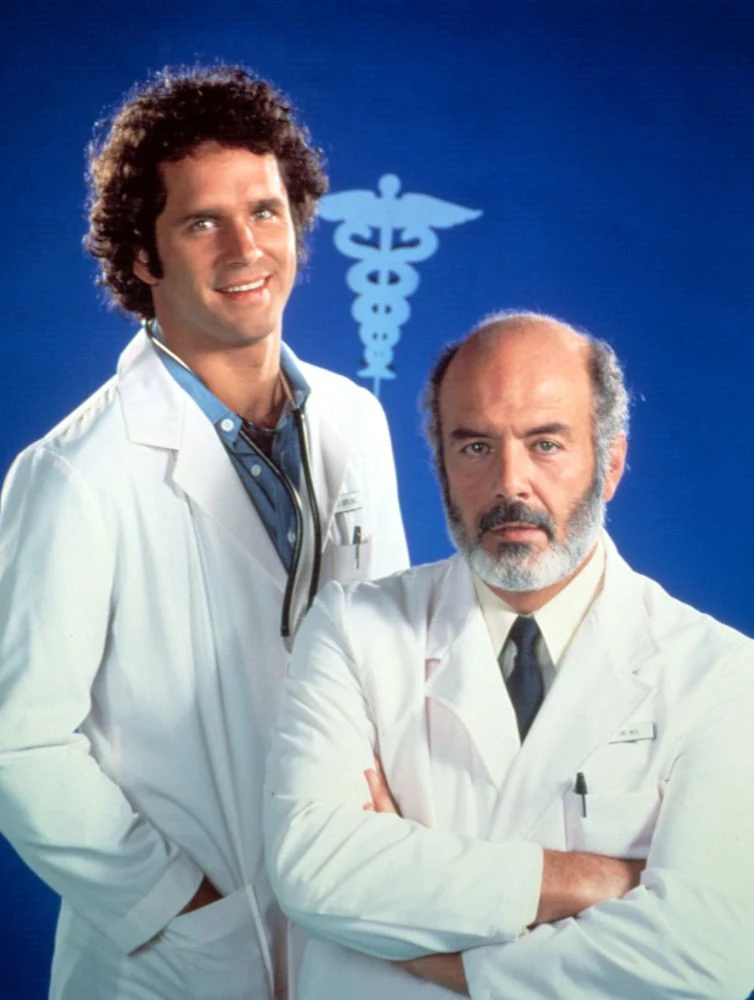
Gonzo living in a motor home outside the hospital is the kind of television detail that takes me straight back. Nobody needs to explain the show’s entire family tree when you’ve got a young doctor who thinks the parking lot is a perfectly respectable address. Trapper John, M.D. had a famous name on the door, a new hospital to explore and a medical partnership built around two men who rarely arrived at the same conclusion by the same route. It was one of those shows that seemed to be everywhere for years and now hardly gets invited into the conversation.
Pernell Roberts made Trapper a senior surgeon who had earned his authority the old-fashioned way, by surviving a lot of difficult days. Gregory Harrison’s Gonzo Gates had talent, charm and a very different opinion about how to live his life. Together they could make a hospital case feel like a genuine disagreement instead of a speech followed by a lesson. The name connected viewers to MASH, but the people in these rooms had their own rhythm. It wasn’t the 4077th transported to San Francisco with better walls.
The partnership between Trapper and Gonzo provided movement between authority and impatience. Hospital administrators, colleagues, and patients constantly offered reasons for the two men to disagree about methods while remaining aligned about care. Charles Siebert’s Stanley Riverside added a more career-conscious presence, and the wider staff gave the hospital a life beyond its central pair. This was a workplace with people who rubbed against one another, not a collection of immaculate instruments waiting to be used.
Trapper John, M.D. tied for fifteenth in 1981–82. It lasted seven seasons, beginning in 1979, and generated 151 episodes. Those figures make its smaller place in contemporary medical-drama conversation rather striking. A viewer who knows the histories of St. Elsewhere, ER, and Grey’s Anatomy can still be missing a very large hospital that operated between them.
The Television Academy’s account of co-creator Don Brinkley’s career places the series within a long professional life in television. That perspective is useful: not every popular drama needs to have revolutionized the medium to deserve a place in its history. Sometimes it did its work very effectively for years. For the wider family of hospital stories, the eighties medical-drama overview gives this once-busy institution some appropriate neighbors.
If the patient-of-the-week formula feels familiar now, remember that this was a big part of the appeal then. You could miss a week and still know where you were when you came back. Roberts and Harrison handled the heavy lifting, the supporting doctors complicated things, and the hospital remained open for seven seasons. That is a whole lot of prime-time medicine to have quietly misplaced.
Archie Bunker’s Place: the bar after the living room
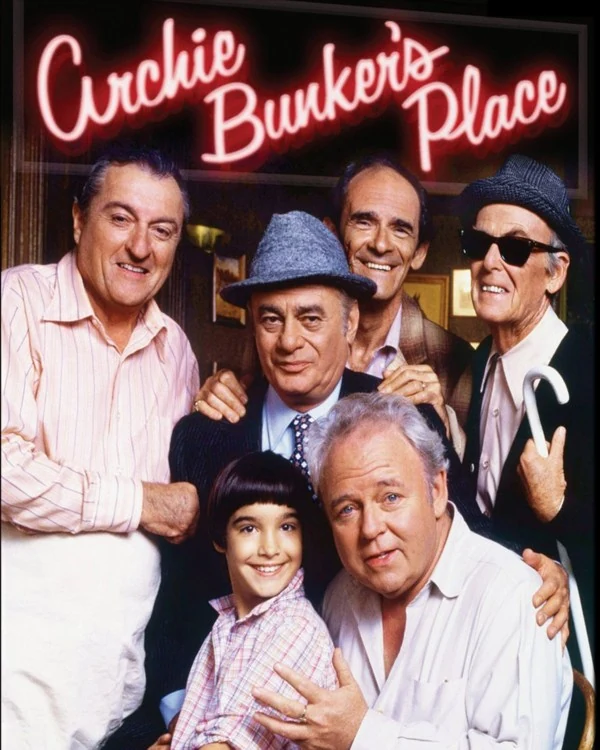
You could change Archie’s address, change the furniture and move the arguments into a bar, but you couldn’t exactly ask Carroll O’Connor to stop being Archie Bunker. Nor would most viewers have wanted him to. Archie Bunker’s Place kept that wonderfully combustible personality in business after All in the Family ended. The surprise, looking back, isn’t that the new show wasn’t as famous as the original. It’s how many people stayed for the next chapter while the family and the world around Archie changed.
O’Connor still had the knack for making Archie’s certainty collapse under the weight of his own words. Martin Balsam’s Murray could challenge him without simply repeating the old battles. Danielle Brisebois’s Stephanie gave the character somebody to look after, even when his idea of looking after somebody sounded suspiciously like issuing orders. The bar was another stage for the old noise, but it wasn’t a perfect replacement for what Edith had brought to the living room. Once she was gone, something in the air changed.
The great shadow over the continuation was Edith. Jean Stapleton appeared in the first season but did not remain a regular, and Edith’s death became the subject of the 1980 story “Archie Alone.” The episode asks for a different kind of attention from the audience that simply wants the famous chair, the familiar quarrel, and a reassuring return to the old arrangement. O’Connor’s grief does not need the character to become eloquent. The difficulty of expressing it is part of the performance.
That loss is one reason the series should not be remembered only as the same sitcom moved into another room. Its central man has aged, his household has changed, and the possibility of restoring everything that made the original situation comfortable has been removed. The bar supplies new conversations, but it cannot supply Edith. The absence becomes part of the room even when the episode is not explicitly about it.
It is a useful companion to the decade’s television spinoffs: a program may inherit a giant character without inheriting the exact mixture that first made the character great. What remains can still be funny, moving, commercially successful, and worth discussing on its own terms.
The show had its uneven stretches. A familiar face isn’t an automatic guarantee of familiar magic. Still, Archie Alone remains the sort of television that sneaks up on you years later: an impossible man, suddenly unable to shout his way around grief. That was O’Connor’s gift. He could make you laugh at Archie and feel for him, often while Archie was still doing his best to make feeling for him a terrible idea.
Falcon Crest: the vineyard had teeth
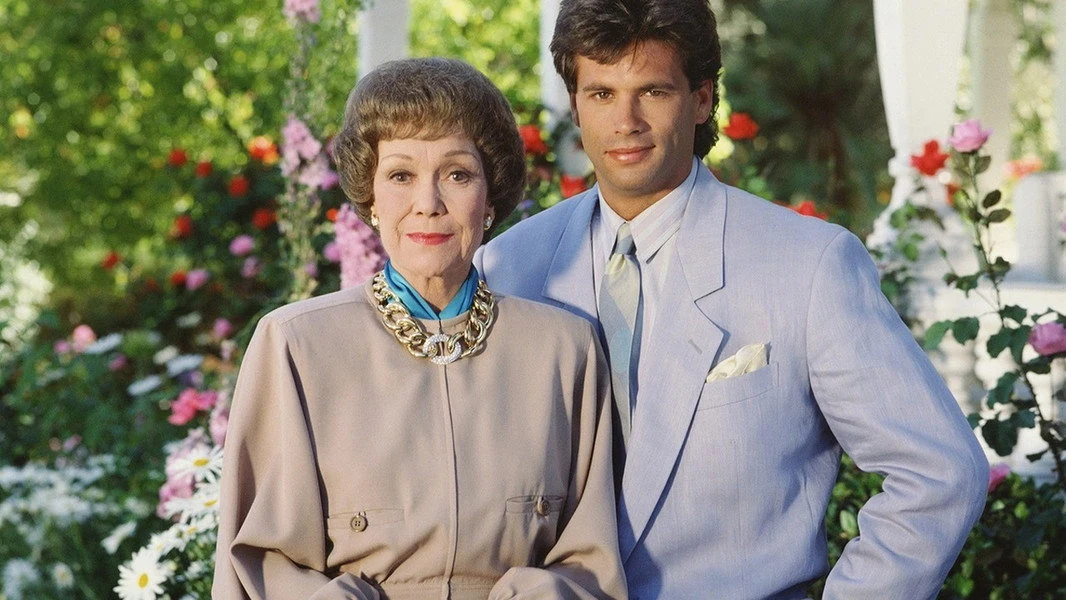
Jane Wyman’s Angela Channing could make a vineyard feel less like a place to take a tour and more like somewhere you might need legal representation before accepting a glass of wine. Falcon Crest looked beautiful, all hills and houses and expensive family arguments. But everybody on that property seemed to want something, and Angela usually wanted it first. If Dallas was giving us oil money on Fridays, CBS was happy to follow it with another wealthy family that couldn’t manage a peaceful supper.
Wyman’s cool authority was the show’s secret weapon. Robert Foxworth’s Chase Gioberti pushed back. Susan Sullivan’s Maggie gave the battles a more human center. Lorenzo Lamas’s Lance and David Selby’s Richard could add trouble before somebody had finished announcing the previous trouble. The family relationships were tangled, but the motives were easy to recognize: land, pride, inheritance, and the irresistible possibility of making a relative regret getting out of bed.
The series was created by Earl Hamner Jr., whose association with The Waltons makes the transition especially entertaining to contemplate. The Television Academy’s series history describes the development of a wine-industry family drama into a more overt prime-time soap. The family remained important. Its members simply became considerably less likely to settle matters with a gentle closing narration.
It finished seventh in 1983–84, directly behind Magnum, P.I. in the season table. Its Friday position after Dallas made the two dramas an imposing CBS combination. Oil and wine: a perfectly balanced evening, provided nobody insisted that family members be trustworthy.
Over time the intrigues and changing cast arrangements became more complicated, and the later program did not always retain the clarity of its strongest family conflicts. That is part of the honest account. The show eventually continued into 1990, but the heart of its public identity belongs to the eighties. The Falcon Crest deep dive and the broader prime-time soap story have room for the vineyard beside Southfork and the Carrington mansion. Angela would probably consider any other seating arrangement insulting.
The plots eventually became as complicated as the family tree, and not every later twist deserved the grand music announcing it. But those early and middle years can still be a lot of fun. Angela didn’t need to throw a drink or fall into a pond to own a room. She could simply look at you as if the vineyard had already been transferred into her name. With that kind of presence, it’s no wonder the ratings were enormous.
Simon & Simon: brothers first, detectives second
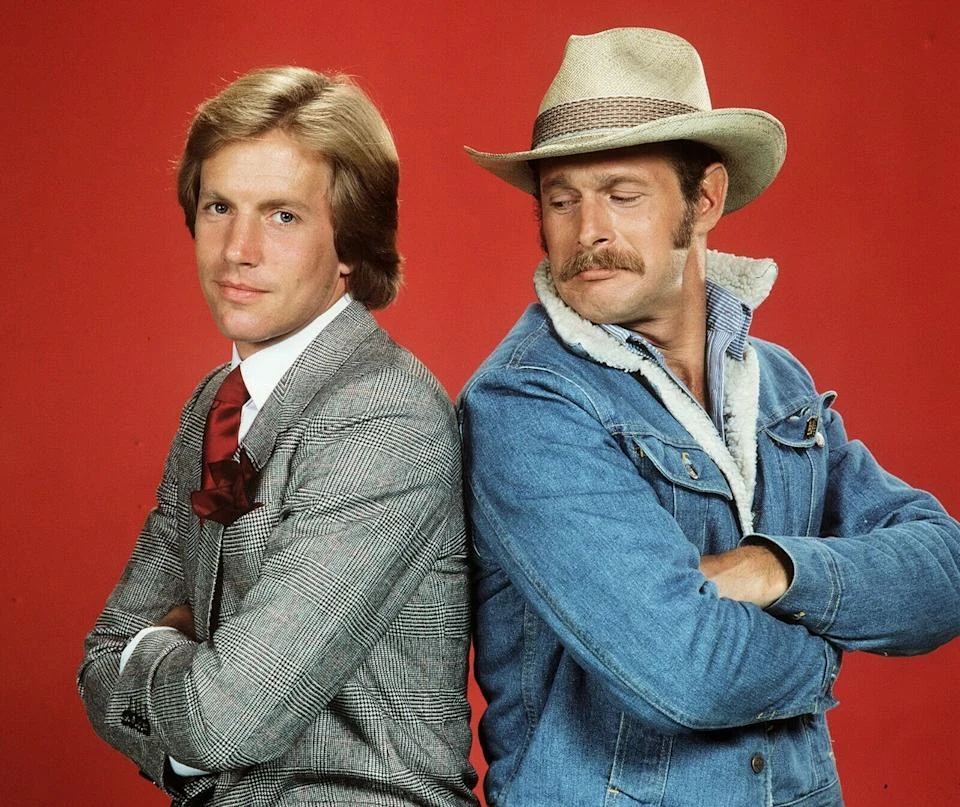
Rick Simon looked like the brother who’d show up with a plan that involved rolling up his sleeves. A.J. looked like the brother who’d ask whether the plan was legal, insured or even halfway sensible. Gerald McRaney and Jameson Parker made that difference feel like a lifetime’s worth of family history. You didn’t need an elaborate mystery to enjoy them arguing. Just give Rick a chance to improvise, let A.J. object, and watch the case get underway anyway. This was a genuine top-five television hit, not an obscure detective show that somehow wandered into the eighties.
The cases took the brothers around San Diego, but the partnership was what you came back for. McRaney gave Rick a little roughness and a lot of resourcefulness; Parker’s A.J. was polished enough to look exasperated before his brother had actually finished speaking. Mary Carver as their mother gave the whole arrangement another layer. These men weren’t just coworkers assigned a desk. They were brothers who’d been collecting grievances and favors long before we showed up to watch.
McRaney’s Rick brought rough edges, physical confidence, and the suggestion of an unruly private history. Parker’s A.J. was more polished, but making him merely the sensible brother misses the irritation and pride that made their disagreements work. They knew each other’s habits too well to be easily impressed. An ordinary argument carried years of implied evidence, most of it probably inadmissible in any courtroom.
The show took advantage of the coast, the casual clothes, and the practical business of getting into trouble, but its warmth came from the partnership. Their mother, played by Mary Carver, helped establish that the brothers had a family life beyond the next client. Tim Reid’s Downtown Brown became an important police connection. The world felt inhabited by people who expected these two men to appear again, not merely by guest villains waiting to be caught.
Why does the show occupy less space in the usual eighties conversation than its numbers suggest? It lacks a single gimmick that can stand in for the entire experience. There is no talking car, no instantly identifying sports car, and no one costume that does all the remembering for you. The brothers’ story is about the pleasure of spending time with a working partnership. That is quieter than a stunt, and often more rewarding.
Maybe that’s why the show is harder to capture in a quick nostalgia montage. There isn’t a talking car or a leather jacket that tells the entire story in half a second. You have to spend a little time with Rick and A.J. to remember how funny they could be together. In the eighties, millions of households were happy to do exactly that. There’s no reason we can’t give them another hour.
Kate & Allie: two grown women, three kids, actual conversation

Two divorced mothers sharing a New York home doesn’t sound like the network television event of the century. Then Jane Curtin and Susan Saint James start talking, and you remember that the whole point of a sitcom is people who are interesting together. Kate & Allie didn’t need an expensive car or a weekly villain. It had kids, bills, former husbands, work, and the thousand little negotiations that come with living under the same roof. In 1984, it turned that ordinary material into a top-ten debut.
Saint James’s Kate approached the world with a slightly looser grip on the rules. Curtin’s Allie could make one raised eyebrow carry a week’s worth of worry. Their friendship was the center, not a decorative reason to collect a new boyfriend every few episodes. They argued, supported one another and sometimes got on each other’s nerves because that’s what people who know each other actually do. The children weren’t strangers to the arrangement, either; everybody had to make room for someone else’s life.
The first run arrived in March 1984 and helped the series finish eighth in the 1983–84 season. That short initial exposure is important context for the number: it demonstrates a striking reception, not that the program had already spent a full television year at that level. The success continued long enough to make the show a regular part of CBS comedy, rather than a brief ratings curiosity.
The Television Academy’s history follows the show’s development and the changes that weakened its original arrangement. Allie’s remarriage is a revealing case of a sitcom giving a character something reasonable while making its own weekly reason for existing harder to maintain. There is no rule that a person must remain unhappy for television to work. There is, however, a practical problem when the new happiness leaves the old household feeling less necessary.
That late uncertainty should not obscure the strength of the central performances. Jane Curtin’s archive interview includes her account of working on the series and winning two Emmys for it. This was accomplished popular comedy, with women whose lives did not require a husband to become interesting. The full Kate & Allie feature has more room for the details, but the important point here is simple: this supposedly quiet little show was a genuine top-ten arrival.
I like that Kate & Allie doesn’t seem desperate to prove it was important. The best scenes just let two excellent actresses work. It could become less sure of itself as the households changed, but the early chemistry still feels fresh. If you remember the show as something your mother watched while you drifted through the room, try sitting down for an episode now. You may discover the grown-ups were getting some of the better jokes.
Hotel: everybody had a reservation and a problem
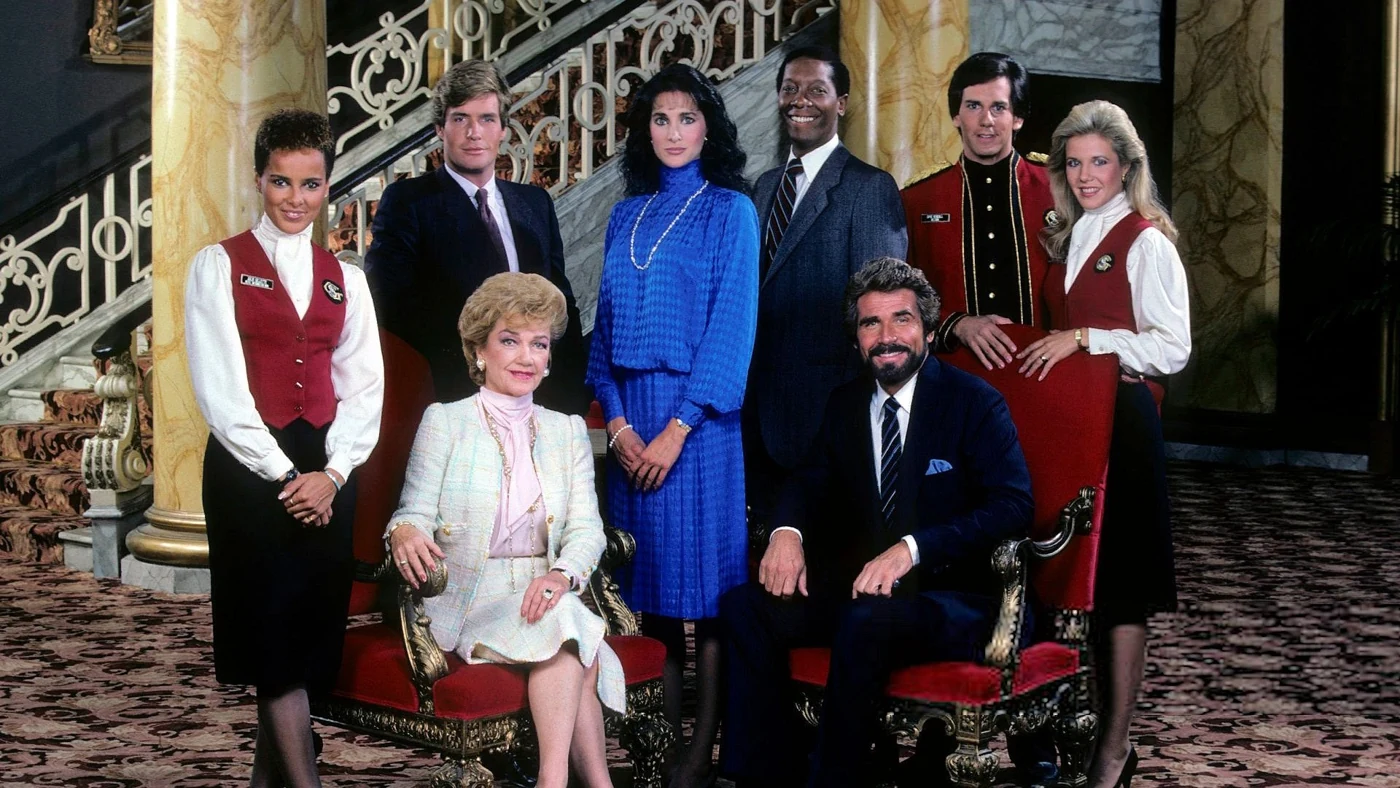
At the St. Gregory Hotel, a guest checked in with luggage and, more often than not, a personal disaster waiting behind it. James Brolin and Connie Sellecca made hospitality look much more demanding than handing somebody a room key. Hotel had an elegant lobby, a steady staff and a revolving door of visitors who apparently couldn’t schedule an emotional crisis anywhere else. It was polished, sometimes wildly convenient television. It was also a top-ten hit, which is a pretty good reason to stop treating it like a vaguely remembered cousin of The Love Boat.
Brolin’s Peter McDermott ran the place with reassuring competence. Sellecca’s Christine could keep the moving parts from flying apart. Anne Baxter brought the sort of authority that makes you suspect the hotel itself had been trained to stand up straighter when she entered. The guest stars carried new trouble through the front doors each week, and the regulars supplied an attractive, familiar world to receive it. After a while, checking into the St. Gregory seemed less like a vacation and more like registering for a life lesson.
The format, developed for television by John Furia Jr. and Barry Oringer from Arthur Hailey’s novel, was wonderfully accommodating. A new group of visitors meant new relationships, secrets, mistakes, reconciliations, and recognizable guest performers. Viewers did not have to learn an entirely new series to enjoy a fresh story. They already knew the people who would help carry the bags and, as a courtesy, some of the emotional baggage.
The season table puts Hotel ninth in 1983–84. That is a bigger result than its current reputation as “that other glossy drama” suggests. It occupied a useful middle ground between the continuing family wars of a prime-time soap and the guest-driven reassurance associated with The Love Boat. A regular workplace gave the hour continuity; the visitors kept opening doors into different lives.
The glamour was doing real work. The lobby, the suits, the sense of discreet service, and Brolin and Sellecca’s presence offered a place viewers might enjoy visiting even when the visitors themselves were being difficult. It was a version of luxury built for television: an expensive setting where somebody else still had to solve the problem. The room rate apparently included access to an unusually sympathetic management team.
Its five-season run ended in 1988, leaving a considerable body of work that rarely receives the retrospective attention given to more aggressively distinctive eighties dramas. The workplace side of television is usually discussed through comedy, but Hotel offers a useful dramatic variation: the staff remain, the visitors change, and every arrival gives the regulars another chance to reveal who they are.
Was it predictable? Quite often. Could a guest’s entire existence be repaired between check-in and checkout? Television certainly believed so. But the appeal is easy to understand. For an hour, you got to stay somewhere fancy while other people did the difficult emotional work. A big audience accepted the invitation for five seasons. That is a much more interesting legacy than “remember that hotel show?”
Scarecrow and Mrs. King: espionage with a family schedule

Amanda King had school pickups, groceries and a mother who didn’t need another reason to ask questions. Then an intelligence agent wandered into her life and apparently decided that ordinary suburban obligations were compatible with espionage. Scarecrow and Mrs. King got an enormous amount of mileage out of that collision. Kate Jackson and Bruce Boxleitner didn’t just solve spy plots; they made you wonder how Amanda was ever going to explain another strange afternoon at home. This was spy television with a family calendar attached.
Jackson gave Amanda common sense and curiosity instead of turning her into a secret genius who instantly knew everything about the agency. Boxleitner’s Lee Stetson brought the trained-agent confidence, but his expertise didn’t always cover the people Amanda understood instinctively. Their relationship developed because each had something the other lacked. Beverly Garland’s Dotty, meanwhile, kept the home front gloriously inconvenient. The world-saving operation still had to fit around dinner, or at least produce a believable excuse for missing it.
The attraction between the leads mattered, but so did the comedy of unequal expertise. Lee understood the operation. Amanda understood people, practical consequences, and why an explanation that satisfied a briefing room might fail completely in a kitchen. Jackson made her intelligent without simply turning her into an instant expert at every improbable assignment. Boxleitner’s confidence worked best when her presence forced him to reconsider it.
The series finished twentieth in 1983–84, then remained a recognizable CBS success across a four-season run. This is a different scale from the one-season experiments often called forgotten television. Amanda and Lee had time to develop a relationship, and their audience had time to care about the consequences of that development.
There is a characteristic viewing pleasure in watching two lives coexist when they clearly should not fit. The danger at work and the obligations at home are not equivalent, but both demand Amanda’s attention. One setting cannot simply be discarded whenever the other becomes more exciting. That tension gave the show a flavor of its own among eighties detective and adventure programs.
The Scarecrow and Mrs. King story deserves to be remembered through that combination of personality and circumstance. Amanda did not have to abandon the recognizable parts of her life to become worth watching. In a decade that sometimes treated competence as a very expensive car, that was a welcome alternative.
The villains often mattered less than the chance to see Amanda and Lee bounce off each other. That’s not a weakness when the partnership is this enjoyable. Some spy schemes are pretty gentle by today’s standards, but the character comedy works. I can think of worse company for a rerun evening than a competent mother and a supposedly sophisticated agent discovering, again, that she may have understood the situation first.
Riptide: the helicopter was not subtle
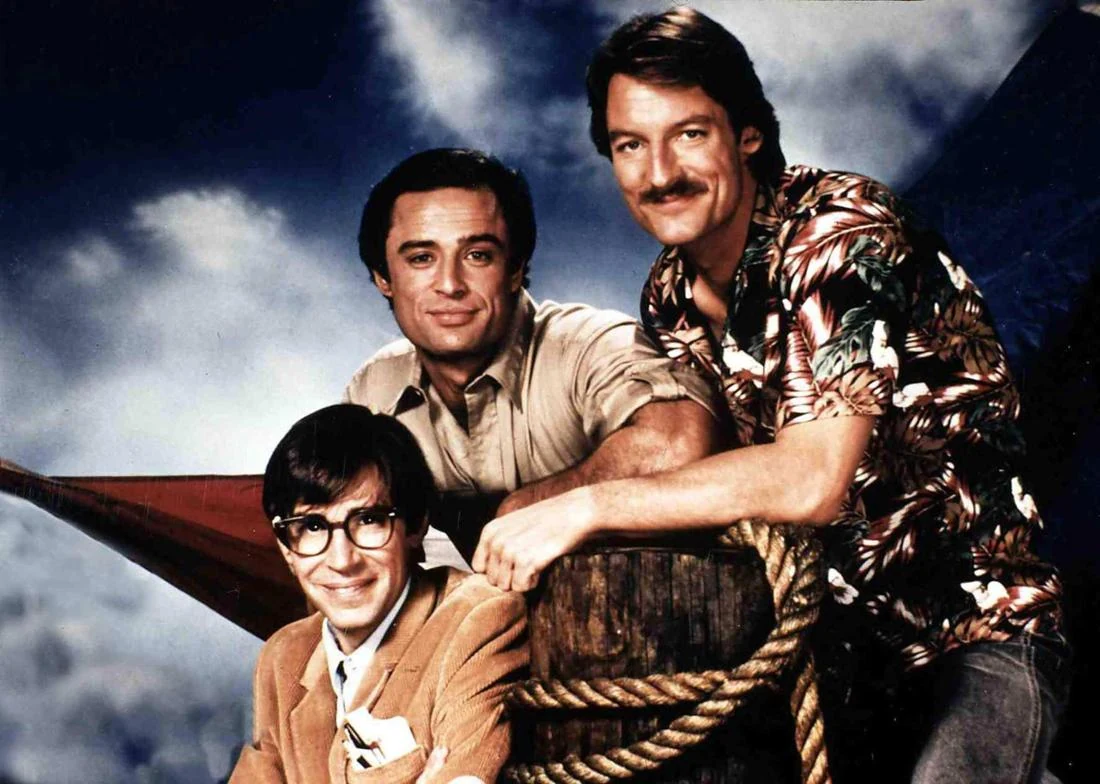
Forget the mystery for a moment. Riptide had a pink helicopter called the Screaming Mimi. That’s the kind of decision that tells you exactly what decade you’re watching. The aircraft looked as if somebody had dared the production designer to be less subtle, and the answer had been a very enthusiastic no. But it wasn’t just a helicopter show. Perry King, Joe Penny and Thom Bray gave NBC a trio of private eyes whose friendships could survive trouble, bad planning and equipment that looked like it belonged in a traveling carnival.
Cody and Nick had the good looks and the action-show confidence; Murray “Boz” Bozinsky had the computer skills that rescued them from problems those looks couldn’t solve. Their base of operations felt less like a sleek detective agency than a bunch of friends who had found a way to turn an appealing lifestyle into a business. Cases came and went, but you knew the personalities you were returning to. The boat, the technology and that unavoidable helicopter supplied the extra color.
Stephen J. Cannell and Frank Lupo created the series, which arrived on NBC in January 1984. It finished eighteenth for 1983–84. That position is an important reminder that the opening year was successful; the show’s comparatively short three-season life should not be mistaken for a failure to attract attention in the first place.
The central trio also makes the program more interesting than a quick inventory of boats and helicopters suggests. Cody and Nick supply the handsome, physically capable adventure side, while Murray’s technical knowledge repeatedly becomes essential. The danger in that arrangement is obvious: the computer expert can be treated as the funny accessory the tougher men tolerate. At its better moments, the series gives his contribution enough value to complicate that easy hierarchy.
The friendships make the setting welcoming. There is a slightly ramshackle, improvised quality to this version of the private-eye business, as if the men have assembled a professional life out of talents, equipment, and their reluctance to work a more conventional job. Their surroundings promise that the next case might become an adventure before anybody finishes discussing the fee. It is not a career counselor’s dream. It is very good material for Tuesday night.
The Riptide feature fits naturally beside the decade’s action television. It is worth remembering that the machines were attached to a trio of people, and that those people briefly occupied a much larger part of the schedule than the show’s modern profile suggests.
Nobody needs to argue that Riptide reinvented detective television. It didn’t. The cases could be thin and the hardware sometimes had more personality than the bad guys. But there was warmth in the trio, and plenty of kids remembered the machine long after forgetting the week’s crime. The ratings tell us the grown-ups were watching too. The Screaming Mimi didn’t fly into prime time by accident.
AfterMASH: a hit season can still become a warning
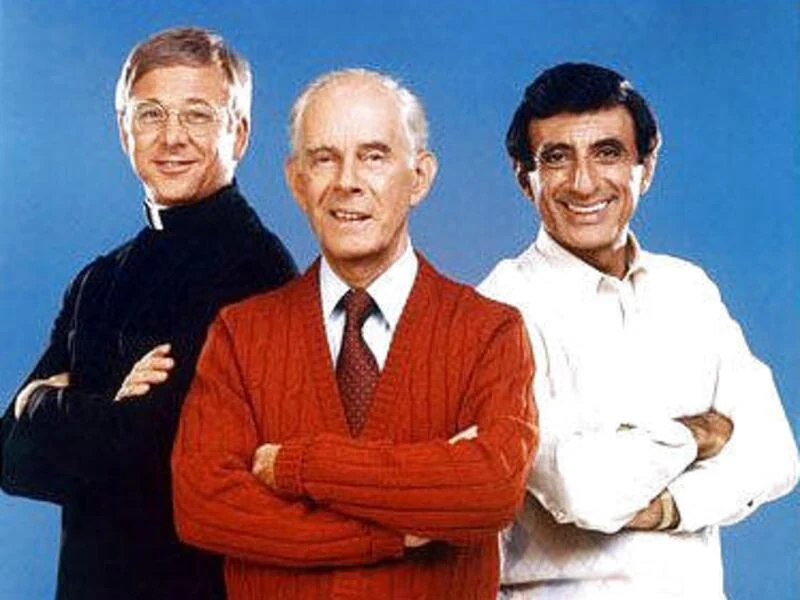
If you ask somebody to name a failed television spinoff, there’s a decent chance AfterMASH comes up before the coffee is poured. Fair enough. The original MASH was a nearly impossible act to follow. But here’s the little surprise the shorthand usually leaves out: AfterMASH finished fifteenth in its first season. People absolutely did show up to see what happened to Colonel Potter, Klinger and Father Mulcahy after the war. The problem wasn’t getting everyone into the building. It was keeping them there.
Harry Morgan, Jamie Farr and William Christopher brought familiar warmth into a veterans’ hospital in Missouri. Potter had earned an audience’s trust; Klinger and Mulcahy had given the old show some of its heart. The new setting was reasonable. Life doesn’t end when the war does, and these people would have had stories worth telling afterward. What was missing was the peculiar chemistry of the 4077th: all those competing personalities, the danger outside, and the jokes being made because sometimes laughing was the only thing left.
Those are different problems. A character’s future may be plausible without being the best basis for a weekly comedy. Potter’s decency, Klinger’s resilience, and Mulcahy’s compassion had already been tested in a world that kept contradicting the institution around them. Moving them into a new workplace did not automatically supply an equally sharp source of tension. A famous ensemble’s ingredients are not like pantry supplies: combining several of the same ones does not guarantee the same dinner.
The first season nevertheless attracted a substantial audience. Some viewers wanted more time with the characters; some were curious about what followed a television institution. The numbers demonstrate the scale of that attention without explaining each person’s motive. It would be a mistake to turn a ratings result into a claim that every viewer loved the new series, just as it would be a mistake to pretend nobody showed up.
Larry Gelbart participated in the continuation and later criticized its direction. The Television Academy’s AfterMASH archive includes his discussion of the program and his doubts about treating its subject as comedy. That is a more useful piece of perspective than the easy joke that everybody involved should somehow have known better before making an episode.
For the relationship between familiar characters and new circumstances, the eighties spinoff overview provides the wider comparison. For the original’s specific atmosphere, revisit what made MAS*H matter. The distance between those two television experiences explains more than a punch line about a bad idea ever will.
I don’t think the idea deserves the easy laugh it gets. An old friend finding his way in a new job can be a perfectly good television story. This particular series had real performers and real audience curiosity, then ran out of momentum. That makes it a disappointment, not a figment of somebody’s imagination. Fifteenth place is a pretty big crowd for a show now mostly remembered as a punch line.
Real People: the country was already supplying its own cast
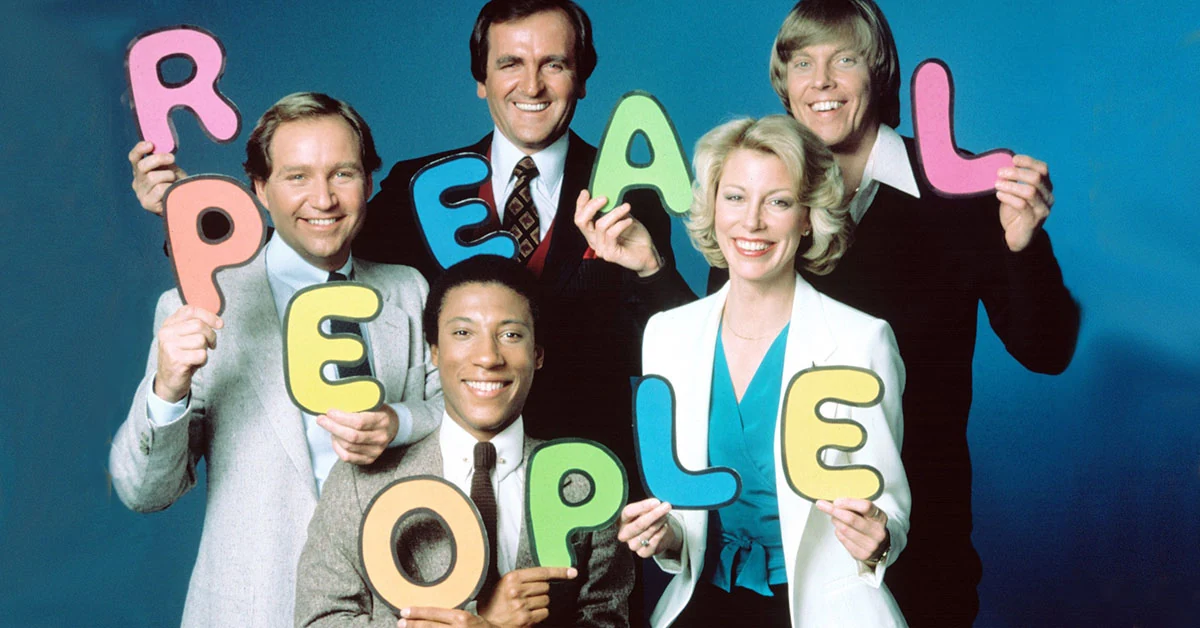
Before “reality television” became a phrase capable of making a normal person change the channel, Real People had a wonderfully direct idea: go out into America and see what the neighbors are up to. Some of them were doing amazing things. Some were wonderfully odd. Some probably wished they’d checked what the television crew was planning before agreeing to be on camera. NBC put those visits together with a cheerful gang of hosts, and viewers kept showing up. This wasn’t some fringe public-access curiosity. It was a major prime-time success.
Sarah Purcell, John Barbour, Skip Stephenson, Byron Allen and Bill Rafferty helped make the studio feel like a place where the next surprising clip might be worth a laugh or a raised eyebrow. Then the show would introduce someone with a hobby, an invention, a job or a local tradition that was unlike anything on the usual network schedule. You didn’t need to learn a fictional family tree. You just needed a little curiosity about the strange and remarkable lives happening beyond your own town.
The program reached twelfth place in 1980–81. That made it a major NBC performer during a period when the network did not have the comedy dominance it would develop later in the decade. A non-fiction entertainment hour was doing substantial work before the familiar Thursday-night success story had fully taken shape.
Producer George Schlatter’s own Real People archive uses the phrase “theater of reality.” It is a useful description of the attraction. The people on screen were not playing the same roles each week, but the way the program selected, filmed, introduced, and reacted to them turned ordinary existence into a performance. Authenticity did not mean the absence of presentation. A television camera was still deciding where to stand.
The best material offered the small surprise of discovering what another person’s life contained. The weaker material leaned on the easy laugh or on the idea that being unusual was sufficient entertainment in itself. That distinction matters when revisiting the format. Curiosity can be generous; it can also become a studio audience enjoying somebody from a comfortable distance. The show’s tone moved along that boundary.
The Real People history belongs in the conversation about how the eighties actually entertained itself. The decade was not entirely a procession of detectives, wealthy families, and household misunderstandings. Sometimes the main attraction was a stranger doing something remarkable, amusing, or inexplicable while a familiar host helped the audience decide what to make of it.
Of course, ordinary people become less ordinary when a camera crew turns up and the editors start making choices. Not every segment treated its subjects with equal generosity. But the broad appeal is easy to understand. Television went looking for its cast outside Hollywood and found one. If you remember the hosts but can’t name a single specific story, that may be part of why the program is harder to replay in nostalgia than a sitcom with the same gang every week.
TV’s Bloopers & Practical Jokes: the stars were allowed to mess up
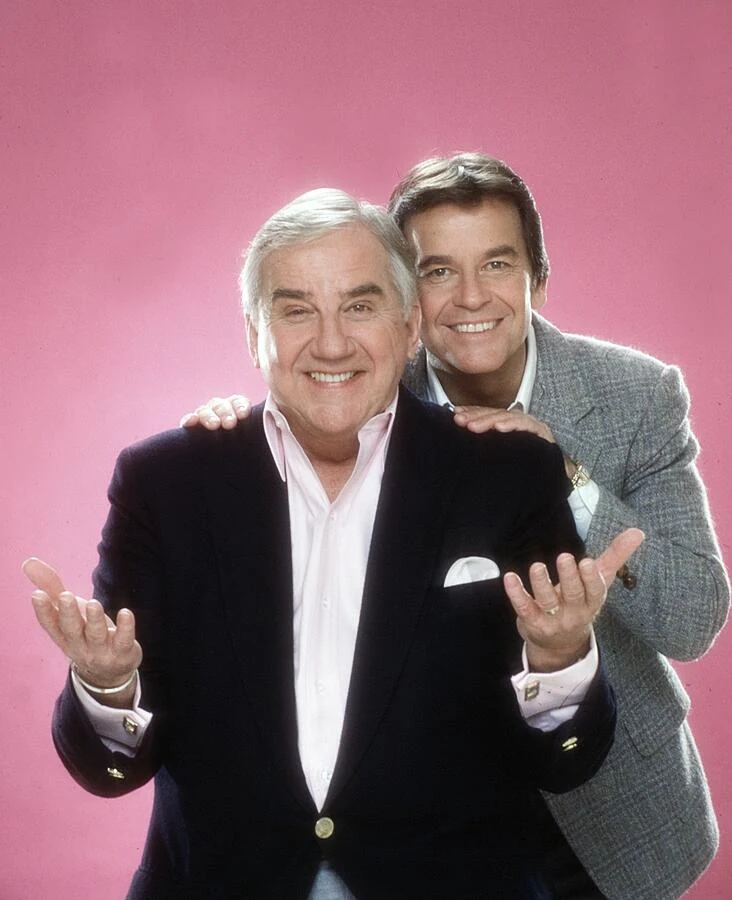
There was something irresistible about watching a big television star forget a line and completely lose it. The camera kept rolling, somebody else started laughing, and suddenly the famous people looked like the rest of us on a bad day at work. TV’s Bloopers & Practical Jokes understood that simple pleasure. Dick Clark and Ed McMahon weren’t pretending to reinvent television. They were inviting viewers behind the polished surface to see the wheels wobble, and plenty of households were delighted to watch.
Clark knew how to move a show along without making it feel rushed. McMahon could turn a helpless burst of laughter into an event. The bloopers had that wonderful peek-behind-the-curtain quality: the person who looked so composed on Tuesday night might have needed six tries to get through an ordinary sentence. The practical jokes were a different business, with famous targets being led into elaborate situations while the rest of us waited for the reveal. Sometimes the trick was sweet; sometimes the poor victim had to do an awful lot of work for somebody else’s amusement.
The series finished fourteenth in 1983–84. That puts it ahead of a number of dramas more likely to appear in an earnest account of the season. It also demonstrates that television’s appetite for turning itself into additional television was well established long before a platform could automatically serve the viewer another behind-the-scenes clip.
The practical jokes added a different pleasure: a performer believed a situation was genuine, the situation became increasingly absurd, and the audience waited for the revelation. That could be funny, and the victim’s relief sometimes became the best part of the sequence. It could also be uncomfortable. The difference between an affectionate trick and a tiresome exercise in making somebody look foolish has never been settled merely by pointing a camera at it.
Outtakes have a more durable charm. They puncture the perfection of the finished performance without necessarily damaging respect for the person giving it. An actor who begins laughing at the wrong moment becomes easier to like, not less professional in the viewer’s imagination. There is a particular generosity in allowing audiences to see that entertainment is made by people who occasionally lose control of the sentence they have been paid to say.
The program’s various later forms and specials extend beyond this article’s eighties focus. What matters here is the original success of that combination: recognizable hosts, access to mistakes from familiar productions, and the promise of a shared laugh at television’s expense. It occupied prime time on its own merits, rather than surviving as a supplement available only after the real show ended.
Outtakes have aged better than a lot of those practical jokes. It’s still funny to watch an actor crack up because the scene has gone sideways. It’s a reminder that television was made by people, not by mysterious beings who only existed when the theme music played. The show was a ratings success in its own right. Sometimes the biggest laugh of the night was watching another show fail spectacularly to make it through a take.
Amen: the deacon was not the voice of reason
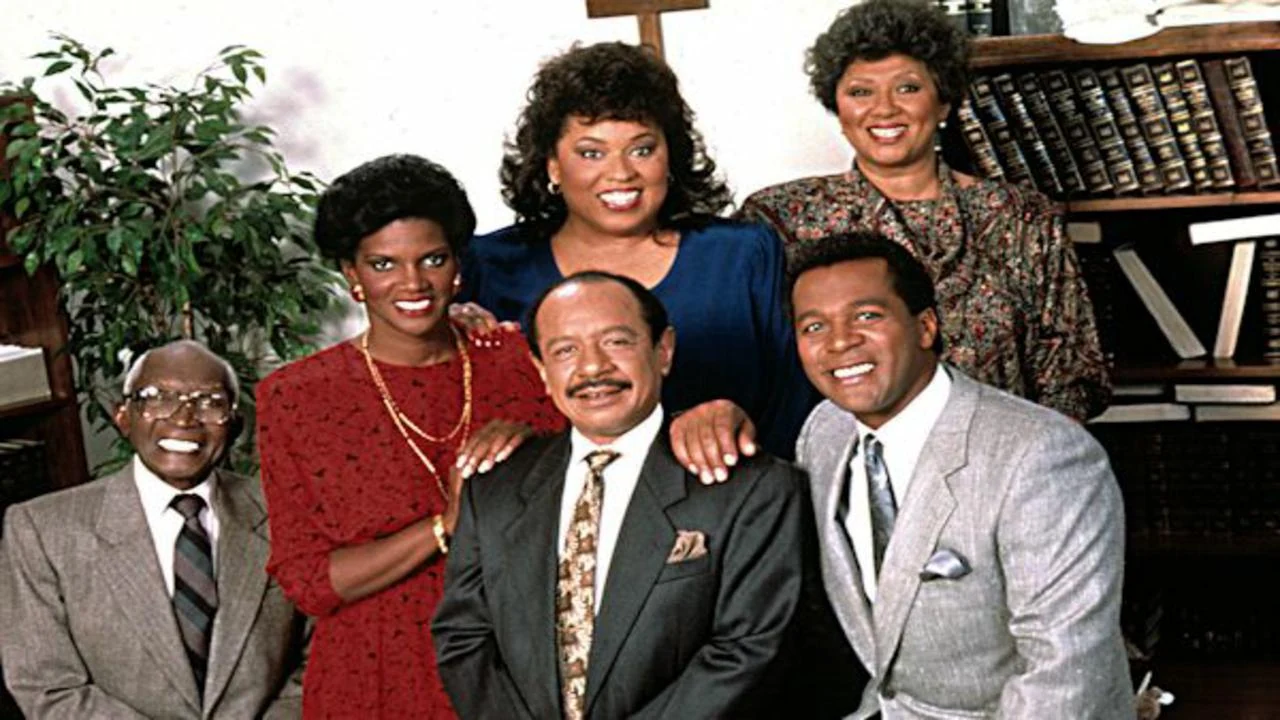
Sherman Hemsley moved from George Jefferson’s apartment to a Philadelphia church, and the resulting peace and quiet lasted approximately no time at all. In Amen, Deacon Ernest Frye could turn a perfectly ordinary disagreement into a matter of personal authority before anyone had finished the opening prayer. Hemsley knew how to play a man convinced that his own judgment was a public service. Put that man in a church full of people with opinions and you had a very dependable Saturday-night comedy.
Clifton Davis’s Reverend Gregory supplied the calm that Frye kept putting to the test. Anna Maria Horsford’s Thelma had her own ambitions and her own reasons to be tired of her father’s interference. The rest of the congregation brought enough personality that a scene didn’t have to wait for the star’s next big entrance to feel alive. The comedy worked best when the church sounded like a community full of people who cared about it and drove one another up the wall anyway.
Ed. Weinberger created the series, which began in 1986. Its first season finished thirteenth in the 1986–87 ratings. That was a substantial result, and it placed Amen immediately ahead of another Black-led Saturday comedy, 227. Neither program should have to disappear because other NBC comedies now occupy more of the period’s retrospective space.
Hemsley’s gift for offended authority was still a tremendous resource. Frye often behaved as though the fact that he cared about the church entitled him to determine exactly how it should operate. The comedy arrived in the distance between his stated concern and the personal influence he enjoyed exercising. A congregation with other strong personalities was an excellent place to test how far that confidence should be allowed to travel.
Thelma also gave the show an emotional center beyond her father’s schemes. Horsford invested her hopes and disappointments with a sincerity that prevented her from becoming only the person waiting for the next romantic joke. Davis’s Reverend Gregory had to be a credible minister and a member of a comedy ensemble, a balance that required charm without reducing every church scene to a wink.
Its run continued into the nineties, but its arrival belongs firmly to the eighties sitcom landscape. The Amen feature takes the longer view. Here its early success is enough to correct the impression that Hemsley simply vanished from major prime-time comedy after moving out of the Jefferson apartment.
Hemsley could make righteous indignation funny in practically any setting, but this was more than George Jefferson in a choir robe. Frye had responsibilities, habits and a daughter who wasn’t going to remain a supporting opinion forever. The early ratings were terrific. If Amen doesn’t get its fair share of eighties attention today, that says more about our selective memory than about how many people were actually watching.
227: the front steps were excellent television real estate
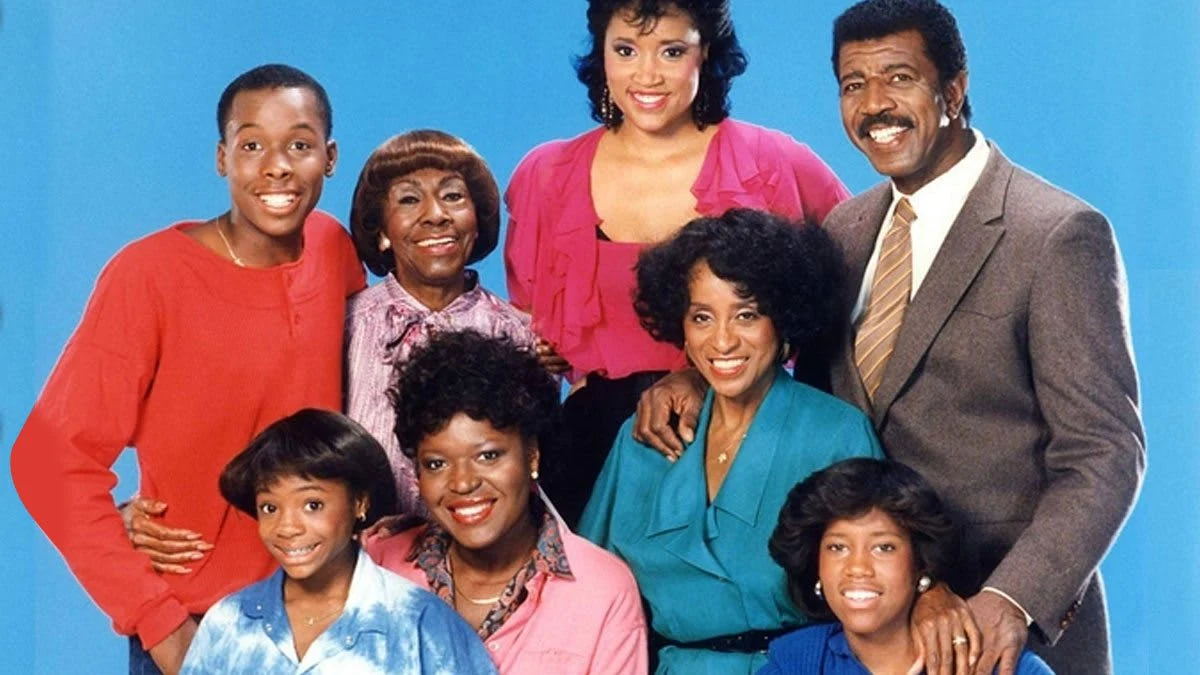
There are neighborhoods where somebody can step outside for five minutes and come home with enough gossip to last the rest of the week. The front steps at 227 belonged to one of them. Marla Gibbs’s Mary Jenkins didn’t need a fancy premise. She needed neighbors, a good view of the sidewalk and a reason to say exactly what was on her mind. The building gave NBC a whole little world of people who knew one another’s business and considered that knowledge a community resource.
Gibbs was the rock of the show, sharp without being heartless. Hal Williams’s Lester knew how to share a look with his wife that said more than the next line could. Regina King’s Brenda brought younger problems into the house. Pearl and Rose added their own brand of neighborhood commentary. And Jackée Harry’s Sandra? She could enter a room as if a photographer had been hired to record the occasion. Every one of them had a different rhythm, and the jokes were better because of it.
Created by C. J. Banks and Bill Boulware and developed by Jack Elinson from Christine Houston’s play, the series premiered on NBC in 1985. It reached fourteenth place in 1986–87. That number gives a useful sense of its standing beside the network’s more frequently celebrated comedy lineup. The building was not tucked away in an obscure corner of the schedule.
Gibbs supplied an exceptionally strong anchor. Mary could be firm without becoming a machine for handing down the correct answer, and the friction between her expectations and the people around her created opportunities for both comedy and affection. Her exchanges with Lester had the shorthand of a marriage; the younger characters faced their own pressures rather than simply illustrating what the adults already knew.
Harry’s Sandra was a spectacular contrast, with a voice, physical confidence, and sense of her own desirability that altered the temperature whenever she entered. Her 1987 supporting-actress Emmy is part of the program’s actual record, not a later attempt to confer prestige on a neglected favorite. The broad performance worked because the rest of the ensemble provided a world substantial enough to react to it.
The 227 deep dive gives the building its full address in television history. For this list, the ratings and performances establish why it belongs: it was both a substantial success and a program with more life than a brief mention in somebody else’s career summary can contain.
The setting might have been modest by prime-time standards, but the performances weren’t. You could watch Mary and Sandra trade looks and know a pretty good scene was coming before anybody said a word. The show kept changing, as successful sitcoms do, but its best years understood the pleasure of a neighborhood that felt lived in. Millions of viewers apparently understood it too. That front stoop earned its place in eighties television history.
Dear John: the people left after the breakup
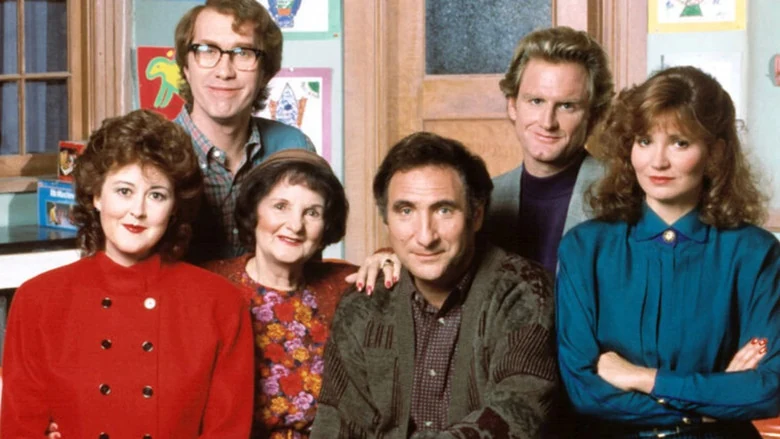
Imagine getting dumped, joining a support group and discovering that the group might be more exhausting than the marriage you’re trying to recover from. That was the unfortunate new reality for John Lacey. Dear John gave Judd Hirsch a comedy about a man who desperately wanted to pull himself together while the people around him kept offering evidence that nobody else had it together either. It was awkward, a little bruised and frequently very funny. For a show about a lonely guy, it attracted an impressive amount of company.
Hirsch played John with the kind of tired, intelligent expression that tells you he’s already considered leaving the meeting and decided it’s too late to get away unnoticed. Jere Burns’s Kirk could inflate his own importance until there was barely room left for the other chairs. Jane Carr’s Louise tried to keep the group running while a parade of complicated personalities wandered across the floor. The jokes weren’t only about being single. They were about the stories people tell to make a painful situation feel less embarrassing.
Jane Carr’s Louise led the group, while the surrounding ensemble made the meetings a place where damaged self-esteem could encounter several competing methods of making matters worse. The program was not solely a collection of jokes about divorce. Its central arrangement allowed people to reveal the difference between who they claimed to be and what another person might notice after five minutes in the room.
The show finished eleventh in 1988–89. That is a larger arrival than its modern visibility suggests, although the favorable place in NBC’s comedy environment belongs in the account as well. A good position helps an audience discover a series. It does not automatically turn the people in that series into permanent cultural companions.
Hirsch’s grounded performance made the broader personalities usable. John did not need to win every exchange. Often his function was to recognize how strange the exchange had become and keep trying to behave like an adult. Burns, meanwhile, had the comic advantage of playing a man whose internal assessment of himself bore very little relationship to the evidence available to everyone else. Putting the two together gave even a modest scene some friction.
The series continued beyond the eighties, but the initial success is the part relevant here. It is an especially good final example because nothing about the premise requires an enormous production spectacle or a famous fictional universe. A roomful of people attempting to start again was sufficient to attract a significant network audience.
Dear John arrived late enough in the decade to miss some of the usual eighties nostalgia packages, and later sitcoms stole a lot of its cultural oxygen. But Judd Hirsch didn’t suddenly forget how to carry a series after Taxi. Give him somebody impossible to deal with and one wounded look could be the whole joke. It’s worth remembering a comedy that found a large audience by letting people be uncomfortable together.

Why a large audience does not guarantee a large afterlife
The simple explanation is that television memory is a lousy archivist. It keeps the Ferrari, the talking car and the big finale. It sometimes misplaces the quieter show that millions of people watched every week without making a national fuss about it. A catchy image travels better than the moment when two terrific actors exchange a look across a kitchen table. That doesn’t mean the kitchen-table show wasn’t a hit. It means a thirty-second nostalgia montage has limited attention and a very selective memory.
Think about how these shows arrived in the first place. You didn’t always plan to witness television history. You finished dinner, saw what was on, and stayed because the people were funny or interesting or familiar. The next week you did it again. That sort of success doesn’t necessarily leave behind one iconic clip. What it leaves is the strange pleasure of hearing a title twenty or thirty years later and remembering exactly where you used to sit.
Reruns matter too, although they should not become a convenient explanation invented separately for every title. Programs circulate differently over time. Some become part of a daily habit for a new audience; others surface intermittently, depend on a particular station, or remain easier to recall than to locate. A short original library and a huge one do not offer the same practical possibilities. That helps explain the kinds of differences involved without pretending to know the licensing history of every series here.
Critical reputation creates another filter. Television histories reasonably concentrate on shows that changed the medium, generated exceptional work, or produced a major cultural controversy. But a history built only from breakthroughs omits much of what audiences actually chose to watch. People did not spend every evening selecting a future landmark. They spent evenings selecting something enjoyable, familiar, attractive, funny, or simply on at the right time.
That is why the contrast between AfterMASH and Simon & Simon is so useful. One had a high-profile first season and a much weaker subsequent reputation. The other sustained a popular relationship over years without becoming a standard symbol of the decade. Their later standing cannot be explained by a single rule about quality or success. Their original numbers are evidence about audience behavior, not a verdict on the fairness of history.
The arrival of newer television also changes what survives in conversation. A performer may become associated with another role; a genre may acquire a more celebrated example; a network’s history may be retold around the period when it most clearly dominated. The 1990s television collection shows how quickly a new set of landmarks appears. That does not make the previous evening’s successes imaginary. It simply gives the memory more material to sort.
There is also no obligation to defend every old hit as secretly brilliant. Hotel can be polished and predictable. Too Close for Comfort can depend heavily on Ted Knight rescuing a situation. Riptide can offer more personality than mystery. A grown-up return to these shows becomes more interesting when affection and judgment are allowed to occupy the same chair.
Where to begin a return visit
If you’ve got a free evening and feel like finding out whether your memory has been kind, start with Kate & Allie or Alice. The stars can carry a scene without any help from an explosion or a cliffhanger. The jokes come from people who know one another well enough to make a five-word remark sting. You’ll probably recognize a lot more of their lives now than you did when you first saw them.
For a little adventure, go with Simon & Simon or Scarecrow and Mrs. King. Don’t worry about which bad guy stole which document. Settle in with the leads and let the chemistry do its thing. If you want something stranger, find an episode of Real People and remember when TV could surprise you by showing you somebody from another town rather than somebody trying to win an argument in a manufactured house.
For a different view of the decade’s community comedies, put 227 and Amen together. They share an era and a place in NBC’s popular entertainment, but their settings create different kinds of authority and resistance. A household and its neighbors are not the same arrangement as a church and its deacon. The performers make that difference worth watching rather than merely worth describing.
For the stranger sensation of finding a huge program that your memory had almost misplaced, choose House Calls, Hotel, or Real People. Each demonstrates a form of television that attracted a broad audience without necessarily becoming the preferred exhibit in a museum of the eighties. They also remind you that “forgotten” is often a personal word. Somebody else may remember the opening moments perfectly.
None of these recommendations promises that a series is currently available on a particular service. Catalogs change, and a title appearing in a search result does not establish that a complete, correctly ordered run is accessible in your region. The recommendations concern the television itself. Find a legitimate edition, and let the program make its case instead of asking a clip montage to make it in advance.
For more context, the 1980s nostalgia collection connects these programs to the rest of the decade. The 1970s television hub explains many of the formats and performers the early eighties inherited, while our appointment television history follows the habit into another era. The interesting story is in the connections, not in pretending every decade began with a clean studio and an entirely new cast.
Frequently asked questions
Were these shows really big hits?
Yes, within the specific seasons cited. The selection includes top-ten performers such as House Calls, Too Close for Comfort, Simon & Simon, Falcon Crest, Kate & Allie, and Hotel, alongside substantial top-twenty successes. A high season rank establishes contemporary popularity; it does not mean every episode was acclaimed or that the show’s audience remained constant throughout its run.
Why include shows that began in the 1970s?
Because the early-eighties schedule did. Alice, One Day at a Time, House Calls, Trapper John, M.D., and Archie Bunker’s Place were active programs with significant audiences in the new decade. Ignoring them because their first episodes aired earlier would produce a tidier account and a less accurate picture of what people watched.
How is this different from a list of obscure eighties shows?
An obscure series may have run briefly or attracted a devoted but small audience. The programs here earned substantial places in season ratings. AfterMASH is a particularly useful example: its short life and negative reputation do not erase a top-fifteen first season. Our separate forgotten-shows feature concentrates on the other kind of rediscovery.
Are household ratings the same as viewer totals?
No. A household rating is a percentage of television households, not a count of individual people. Audience estimates, shares, and household ratings describe different things. The ranks here identify positions within particular season tables, and tied positions are treated as ties rather than silently converted into consecutive places.
Does a show’s lower profile now prove it was overrated?
No. Later visibility depends on many factors, including circulation, changing tastes, memorable imagery, and which performers or programs become the favored representatives of an era. Some once-popular series are less accomplished than their reputations suggested; others are better than their modern obscurity implies. Watching them is more useful than treating either their old rank or their present visibility as the final verdict.
Sources and further reading
- Nielsen season tables reproduced from Tim Brooks and Earle Marsh’s The Complete Directory to Prime Time Network and Cable TV Shows: 1981–82, 1983–84, and 1986–87.
- Classic TV Database: 1980–81 season and 1988–89 season.
- Television Academy: Kate & Allie history and interviews, Jane Curtin interview, Falcon Crest history and Earl Hamner interviews, AfterMASH creator recollections, and Jackée Harry’s awards.
- CBS: Linda Lavin on Alice and working mothers.
- George Schlatter: Real People production archive.
- Epguides broadcast and cast records: Alice, One Day at a Time, Too Close for Comfort, House Calls, Trapper John, M.D., Archie Bunker’s Place, Falcon Crest, Simon & Simon, Kate & Allie, Hotel, Scarecrow and Mrs. King, Riptide, AfterMASH, Amen, and 227.
- Additional broadcast and format references: Dear John, Real People — Television Academy, and TV’s Bloopers & Practical Jokes.
- Paley Center original broadcast credits: 227 premiere, Amen pilot, and Hotel: Imperfect Union.