Alice in the Early 80s: Mel's Diner and the Sitcom Carryover
Same counter, a few new faces, and Alice still saving a little of herself for the next chance to sing.
The regulars, the late shifts and the morning Boss Hogg walked in.
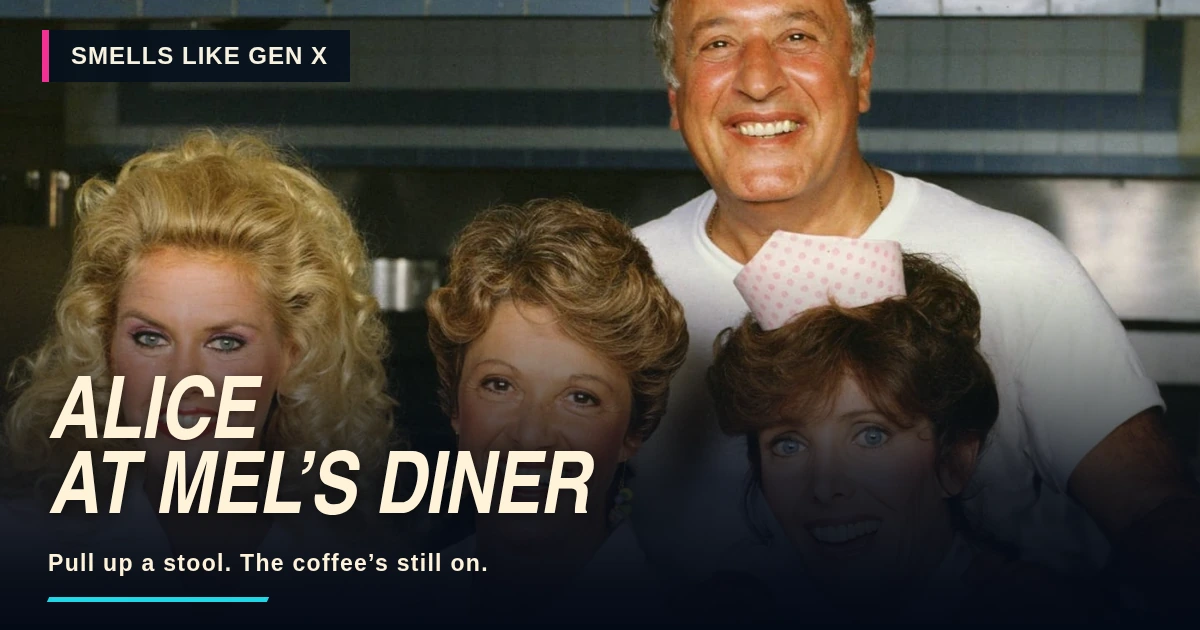
There’s Mel in his cap, Alice with a pot of coffee, and somebody at the counter who’s been there long enough to give the cook a hard time and still come back tomorrow. I can picture the room long before I can name the episode. Give me the sound of the room for a few seconds and I can almost guess who’s going to have to carry the next plate.
The thing I remember about Alice is how welcome it felt to go someplace where everybody was still at work. If you’d had dinner already, there was something pleasantly low-stakes about watching somebody else figure out how to get a meal to the right person. Of course Mel could find a way to put the whole diner in jeopardy by the second commercial. The regulars would be back to see what happened.
The CBS show started in 1976. We’ve got Alice’s early years in our ’70s workplace sitcoms guide, and there’s a good look at the diner in the 1978 TV rankings. I want to go back for the part of the run when the women working beside Linda Lavin changed, Tommy was getting older, and Alice still lit up at the chance to sing someplace beyond the diner.
Inside This Article
- That counter looked like somewhere you could actually eat
- Alice had a good singing voice and rent due
- Flo, Belle and Jolene belong to different shifts
- Mel’s plan usually became everybody’s problem
- Vera could make me laugh by taking the question seriously
- Tommy was getting older while we were dropping in
- The day Boss Hogg came in for a little business
- The last shift
- A few last questions at the counter
That counter looked like somewhere you could actually eat
Mel’s Diner was a place I knew how to look at. There was a spot to sit, a kitchen near enough that the cook could put in his opinion, and people with their backs to the room who would turn around as soon as there was something to hear. You could get a general sense of how the day was going from the way somebody put a coffee cup down.
The diner belonged to the people who spent their shifts there. Linda Lavin’s Alice could get through a busy hour and still have enough attention left over to wonder what had happened to a friend. Beth Howland’s Vera could give the most ordinary thing she’d heard a whole extra life on the way to repeating it. Vic Tayback’s Mel could let a perfectly reasonable question sound like a fresh source of paperwork.
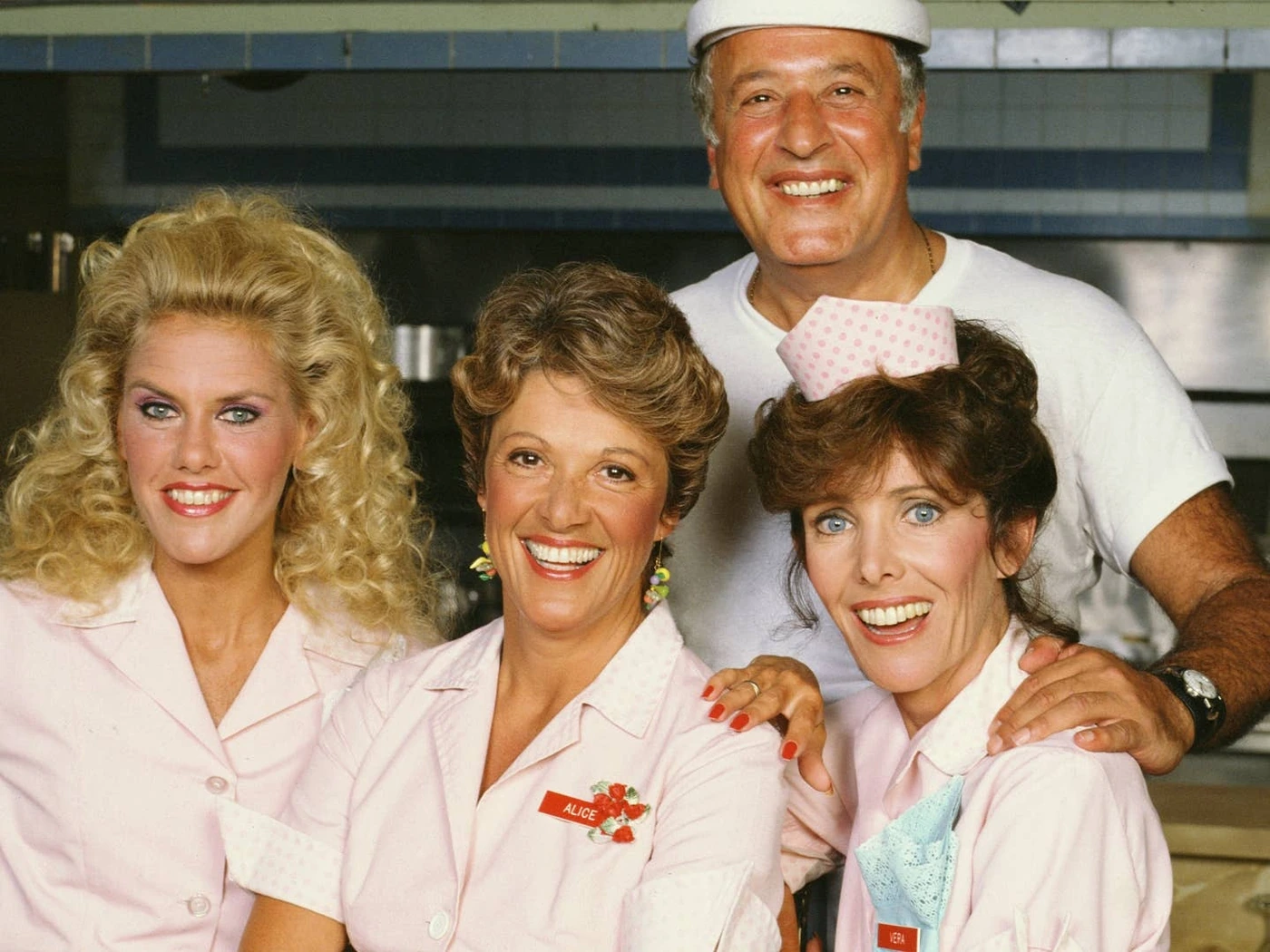
What I recognize now is the tone of a place where people have been working together long enough to talk around the customers. Somebody with a good story has to get through the end of an order first. Somebody else remembers which version of the story they heard last week. All of that feels more familiar to me now than it did when I could put it on and take the room for granted.
There’s also a nice consistency to the view. Think how many times a sitcom could redecorate its idea of life before you began to miss the old place. Mel’s gave you that same reassuring feeling of a diner that looks exactly the way you remembered it. Then it could spend twenty minutes showing you how much trouble fit between the counter and the kitchen.
Alice had a good singing voice and rent due
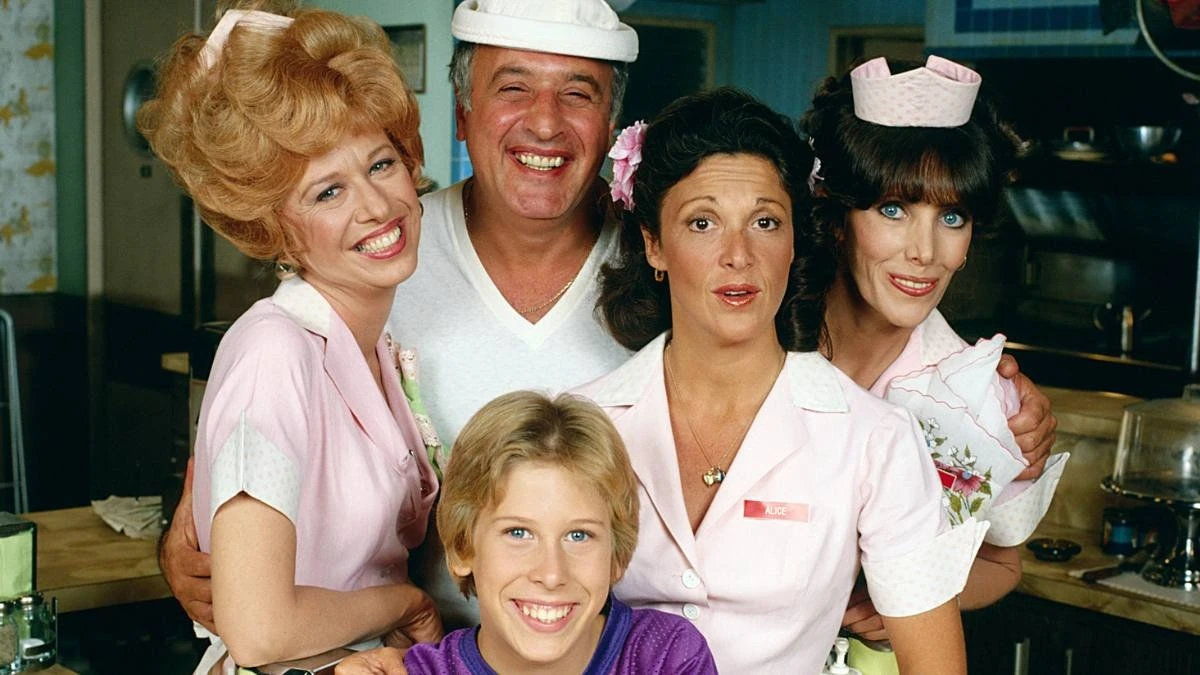
Alice Hyatt was a widowed mother raising Tommy. The job came with a paycheck and an apron. Singing was the thing she wanted to do when there was room for it. Lavin could let you hear the difference between the voice Alice used to get through work and the one she used when she had a chance to do something she cared about.
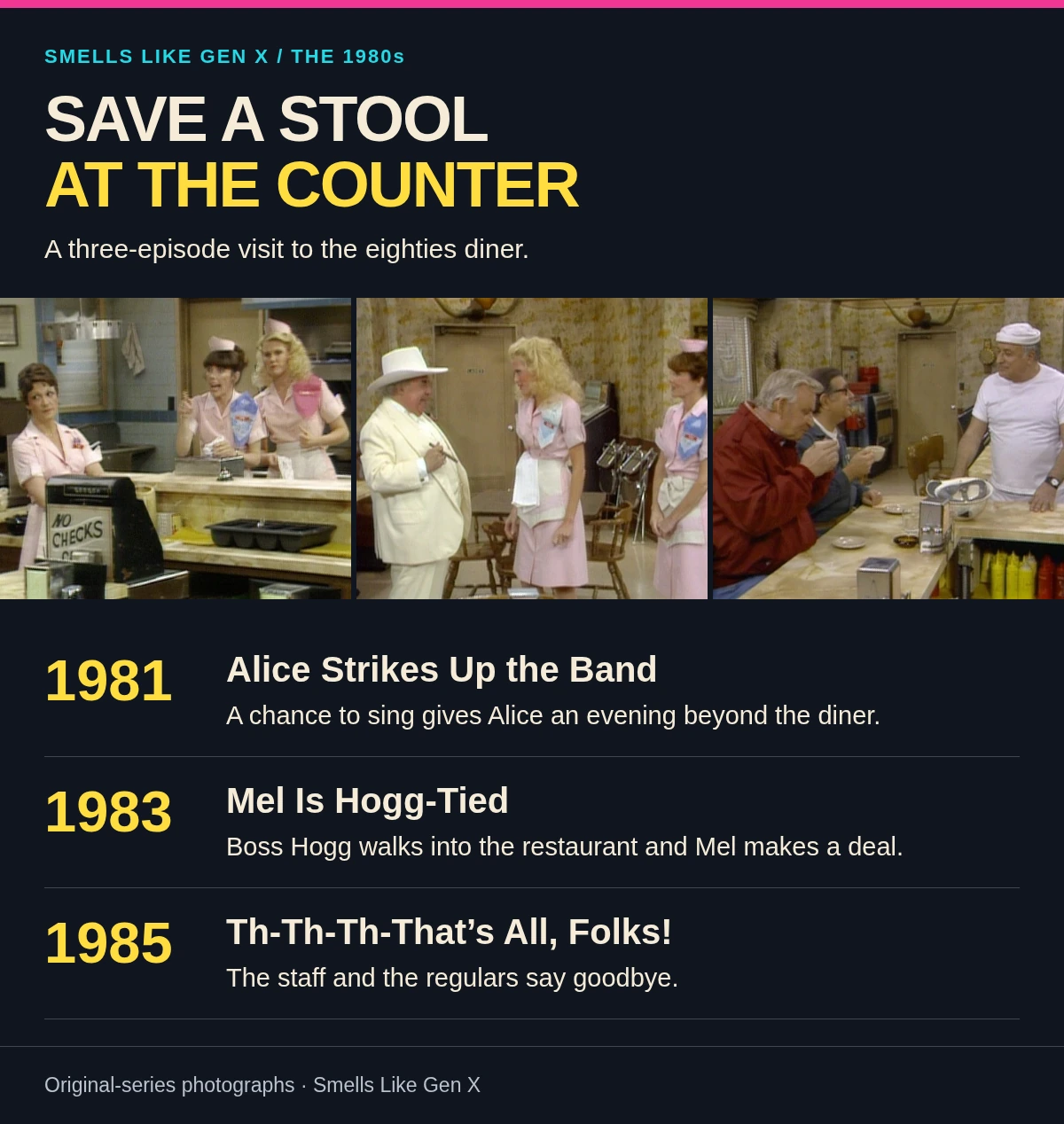
In “Alice Strikes Up the Band,” she fills in as a singer and gets the chance to think about going on the road. That’s the kind of plot I appreciate a little more once I’ve had to work out what a great opportunity would actually do to the rest of my week. The people offering it have a very clear idea of what they want. You’re the one who has to know what happens at home if you take it.
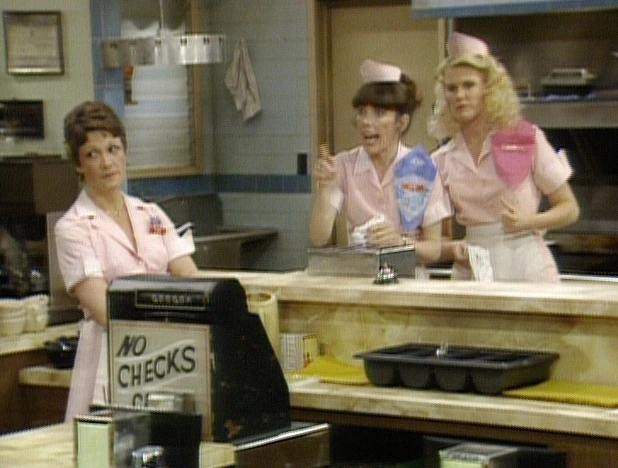
One of the things I like about Lavin is how plainly she can show Alice enjoying a possibility. Alice can have a nice evening singing and still have to think through what the next month would look like. There’s a lot of affection for her in letting her have that good night in the first place. If you only remember the apron, it’s worth going back for the scene where she gets to take it off and get up in front of people.
The theme gives you a little of that every time the show starts. Lavin sang it herself. It sounds like somebody gearing up to try again, and then the first thing Alice gets to do is see what’s happening at work. That’s a combination I can get behind.
Flo, Belle and Jolene belong to different shifts
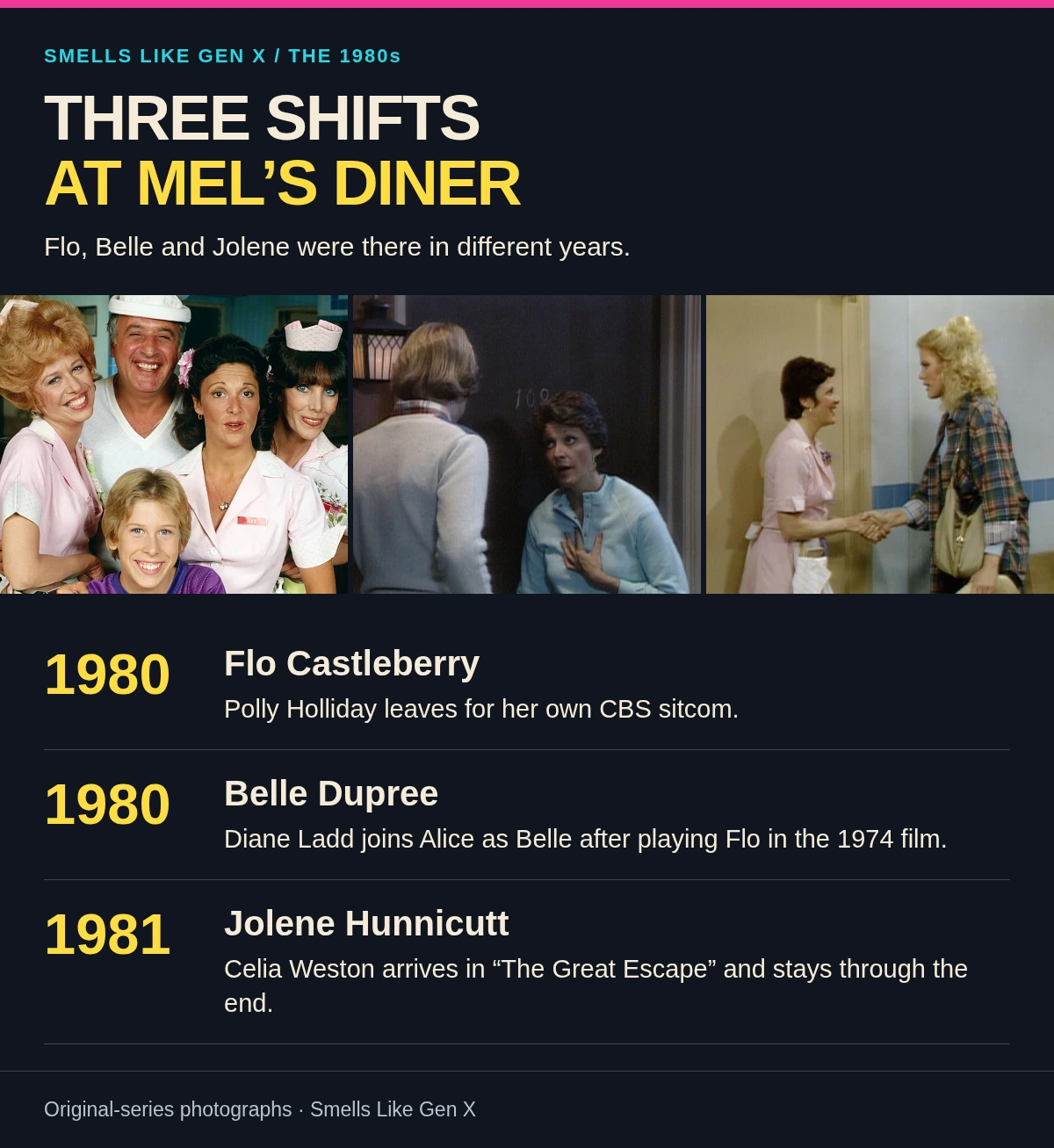
I can hear Polly Holliday’s Flo without having an episode in front of me. That’s one reason it’s easy to remember her as though she’d been behind the counter for the whole run. She left in 1980 for Flo, her own CBS sitcom. I can still enjoy remembering her in the diner, and I’m glad the episodes that followed had a couple of other women to let loose on Mel.
Diane Ladd played Belle Dupree, who had a singing ambition of her own. Here’s the casting detail that gets mixed up in my head if I leave it too long. Ladd had played Flo in the 1974 film Alice Doesn’t Live Here Anymore. On the television show she came in as Belle. Put on “Alice Locks Belle Out” or the Vegas two-parter and you can spend a bit of time with the character she actually played on CBS. That’s a separate memory worth keeping.
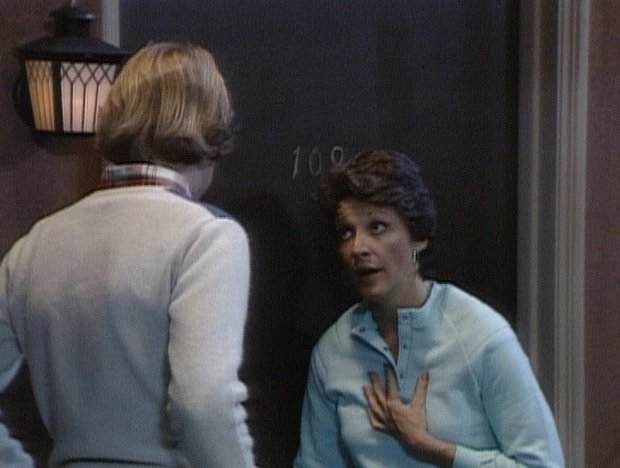
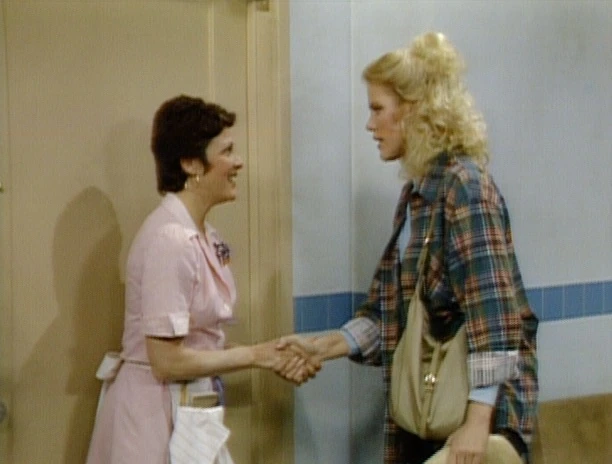
Celia Weston’s Jolene Hunnicutt arrives in 1981 in “The Great Escape.” She’s a trucker who has had enough of the job she’s doing. The diner gives her somewhere to land. If you can picture her in a waitress uniform and can’t remember how she got there, put on that introduction. The episode leaves room for you to meet her before everyone gets used to having her around.
I like that the cast change works the way a real change at work feels. For a while everybody has a lot to say about how the last person did things. Pretty soon the new person has supplied something you wouldn’t have heard from anyone else. By the time you get to the later seasons you can spend a whole episode thinking about Jolene without having to take attendance at the old diner.
Mel’s plan usually became everybody’s problem
Vic Tayback played Mel in the film and the series. He had the voice for a man who could get a job done on the grill and make it sound as though he’d be doing an enormous favor if he agreed to do it again tomorrow. I like the look on his face when he thinks he’s got a way to make some money that nobody else has managed to see.
“Bet a Million, Mel” is a reliable example. The man has a hot tip on a horse and the diner could wind up paying for his enthusiasm. Alice, Vera and Jolene have to figure out how to keep him from putting their place of work on the line. The stakes feel familiar if you’ve ever had an employer announce a big idea and watched everybody else calculate what it might cost them.
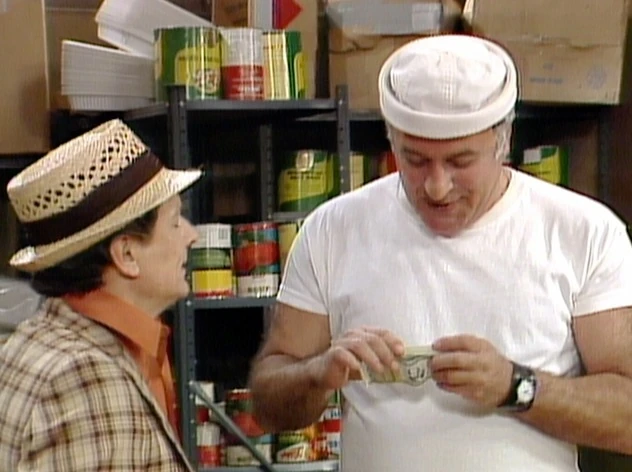
He gets himself into a similar mess in the Vegas story. It starts with a business and ends up with several employees having a very personal reason to find out what happened to it. I remember how much room the show had to let somebody groan at Mel while still hoping he’d manage to come out okay. The staff depended on the place he ran, and he depended on them to keep the place running. It could be hard for him to hear the second half out loud.
There’s a lot of affection in the way the regulars keep coming back. If you’ve ever loved a place where you complained about the coffee, you know the feeling. The next day you’d drink it again and find something else to talk about.
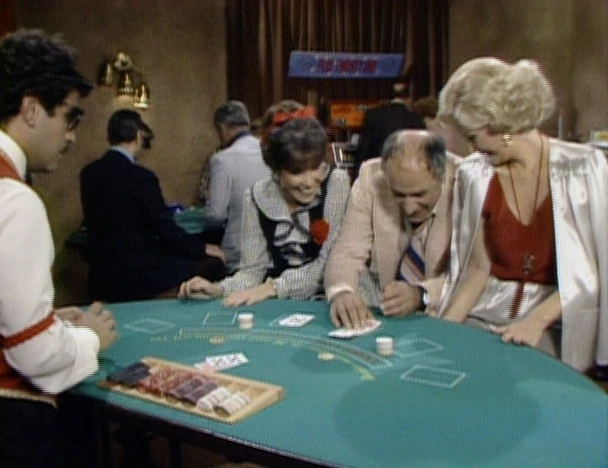
Vera could make me laugh by taking the question seriously
Beth Howland’s Vera has a way of pausing before she says what she thinks happened. Everybody around her is ready to move to the next thing. She’s still working on the one they’re talking about. Then she gives you an answer that makes complete sense as soon as you have her version of the information in your head. That little extra second is what I like to watch.
“Vera’s Wedding” is one of the later episodes worth finding when you want to spend more time with her. Elliot, played by Charles Levin, has become part of her life, and the things going on around the ceremony give her a whole different set of people to be nervous around. I’m glad you can get an episode where the future she’s thinking about is the part that matters. I always felt she’d have had plenty to tell somebody about the day once she got through it.
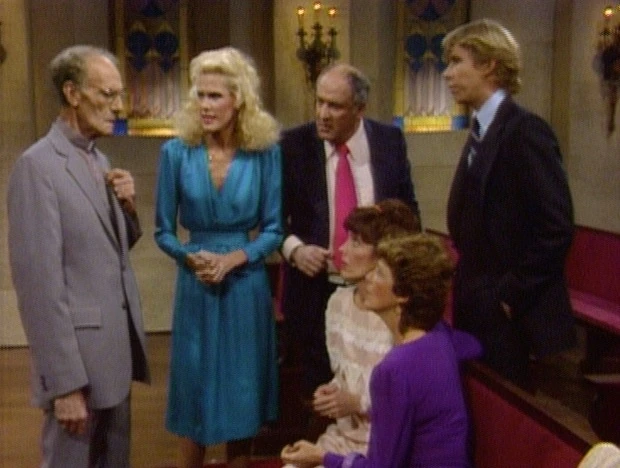
Or try “Alice Faces the Music.” Alice, Vera and Jolene wind up competing on a local game show. You’ve already watched them get through a lot of shifts together. Give them a reason to want something for themselves in the same room and you find out how well they can keep their usual ways of getting along in working order.
My favorite Vera moments often come in smaller doses. Somebody wants her to take a message, keep a piece of information to herself or understand why they need something done quickly. She’s the reason I still enjoy watching everybody try to get a simple thing through the diner in one piece.
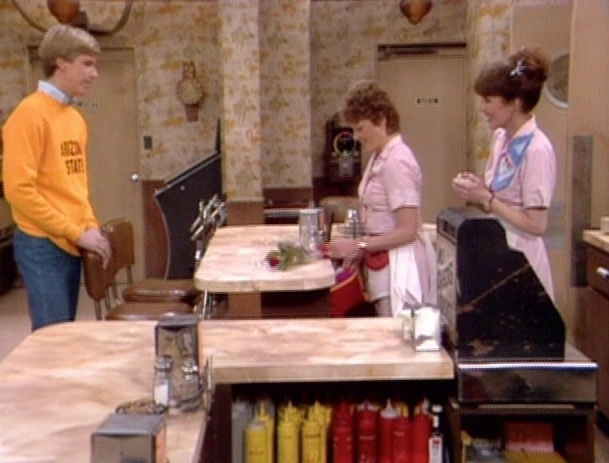
Tommy was getting older while we were dropping in
Philip McKeon played Tommy for the regular series. His life moves forward while you’re watching his mother take one shift after another. A rerun can put younger Tommy and older Tommy on the same afternoon. The thing that always makes it look like time has passed is how much there is for him to do without Alice in the room.
I appreciate the way a job and a family can share the same half hour. When Alice is considering a chance to sing, you already have a reason to think about the person she’ll be going home to. When Tommy has something going on, you can picture how he might have to wait for the end of the shift to talk to her. That feels like a family I recognize. Sometimes the two people who need a minute together have to get through several other things first.
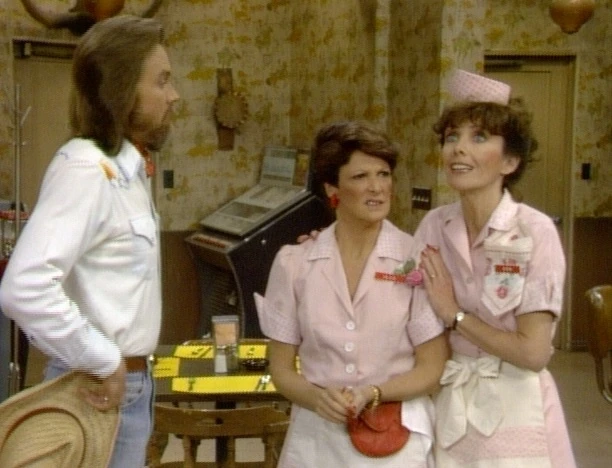
A lot of sitcom kids were mainly there to bring home trouble from school. I like watching the later Tommy simply because he changes the way Alice sounds when she talks about home. She can be proud of him, worried about him and in need of him to do one simple thing while she’s at work. That’s plenty for one kitchen conversation.
If you’re going back by season, look at the amount of time the two of them have together when they’re just talking. People tend to remember the catchphrase and the cook. I like remembering that the woman walking into the diner every day also had a home where the conversation could pick up when she got back.
The day Boss Hogg came in for a little business
“Mel Is Hogg-Tied” opened the eighth season in 1983. Sorrell Booke turns up as Boss Hogg and gets Mel to sign away the diner for a dollar. That sentence alone is enough to bring back the feeling of finding a guest from one show sitting in the room on another. If you watched The Dukes of Hazzard, you could recognize the white suit and have an excellent idea of how Mel’s afternoon was going to go.
I like that the big danger in this crossover makes sense in both places. In Hazzard County you’d want to know what Boss was going to get out of the deal. In the diner you’d want to know where you were supposed to show up for work if he got his way. It can be the same joke and put a different look on everybody’s face.
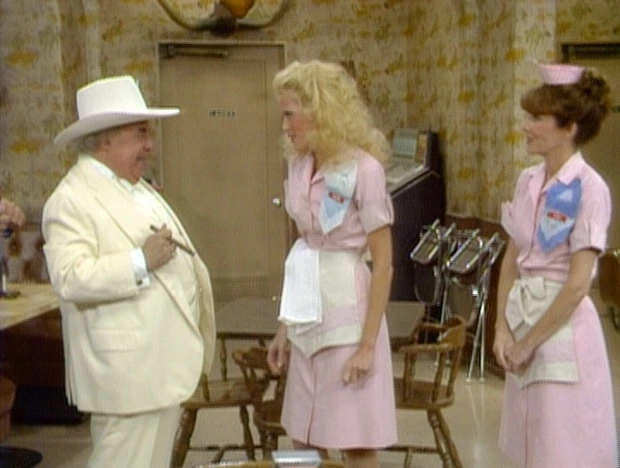
Watch Tayback when Mel has to deal with the consequences of an idea he probably liked very much at the time. The staff knows him well enough to recognize the look. As a kid I enjoyed the idea that the man from the show with the orange car had found his way into the diner. Now I enjoy the possibility of the women having to spend the next morning making the coffee as though none of it had happened.
If you’re picking one later episode to put on with somebody who only remembers Flo, this is a good one. There’s a familiar guest, a recognizable bad deal and a whole staff with a reason to care what happens to the place.
The last shift
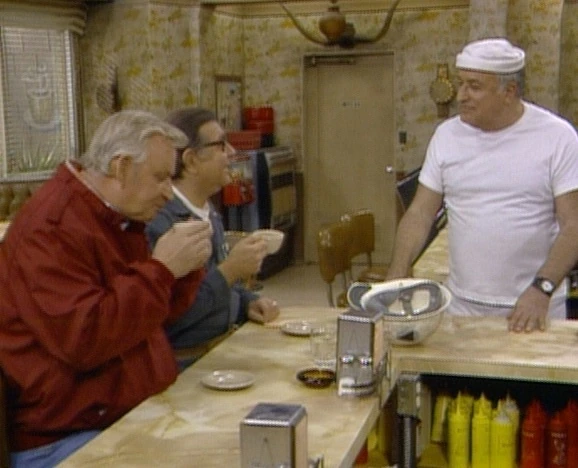
The final episode, “Th-Th-Th-That’s All, Folks!,” aired March 19, 1985. Mel sells the diner to a developer, and the employees and customers look back on what the place meant to them. I’m glad the show made time for the people who came in for a meal as well as the people who were there to make one. If a diner has done its job for a while, both groups have memories of the same counter.
There’s a funny feeling that comes with learning a place you know is about to close. You start paying attention to what you usually look past. Who’s in the same seat? What do you always order? Is there anything you’ll miss hearing as much as you’ll miss the food? Mel’s had supplied years of little answers by the time the show needed to ask those questions.
The 1982 TV rankings put Alice back in the period when the diner was still a regular stop for a lot of households. My rewatch would start with “Alice Strikes Up the Band,” move on to “Bet a Million, Mel” and save the last shift for after you’ve had time to remember the people. Of course, I’d probably watch the one with Boss Hogg in between.
The part I’m always happy to get back to is an ordinary minute before the trouble arrives. A few people are at the counter. The coffee needs another pour. It’s the kind of place where you can sit a while and be sure somebody is going to come in with something to tell you.
A few last questions at the counter
When did Alice end?
The original CBS sitcom ran from 1976 to 1985. Its final episode aired on March 19, 1985.
Who replaced Flo at Mel’s Diner?
Diane Ladd played Belle Dupree after Polly Holliday left. Celia Weston joined as Jolene Hunnicutt in 1981. Ladd had played Flo in the 1974 film.
Who sang the opening theme?
Linda Lavin, who played Alice Hyatt, sang the television theme.
Did Boss Hogg really turn up on Alice?
Yes. Sorrell Booke played Boss Hogg in “Mel Is Hogg-Tied,” the opening episode of Alice’s eighth season.