Dallas Returned to #1
J.R. Ewing and the Ewing family reclaimed the top spot with the season’s strongest Nielsen rating.

According to the Nielsen rankings for the 1983–84 television season, Dallas was America’s most-watched show with a 25.7 rating. 60 Minutes finished second, followed by Dynasty, The A-Team and Simon & Simon.
It was a remarkably clean top ten with no ranking ties: prime-time soaps, action spectacle, detective chemistry, modern family comedy, police realism and one hard-news institution all shared the same national dial.
 Now Broadcasting
Dallas ranked number one in the 1983–84 Nielsen season with a 25.7 rating. 60 Minutes ranked second at 24.2, Dynasty ranked third at 24.1, The A-Team ranked fourth at 24.0 and Simon & Simon completed the top five with a 23.8 rating.
Magnum, P.I., Falcon Crest, Kate & Allie, Hotel and Cagney & Lacey completed a top ten that captured network television in full mid-80s polish.
CBS placed seven programs in the top ten and controlled the first two positions. ABC supplied two glossy hits, while NBC broke through with the action phenomenon that turned Mr. T and a black van into instant 80s icons.
The biggest programs now arrived as complete identity packages: recognizable visual worlds, signature characters, powerful theme music, memorable vehicles and a mood viewers understood before the opening credits finished.
J.R. Ewing and the Ewing family reclaimed the top spot with the season’s strongest Nielsen rating.
Seven of the ten highest-rated series aired on CBS, including both of the top two programs.
Dallas, Dynasty, Falcon Crest and Hotel turned wealth, lighting and image into part of the entertainment.
Kate & Allie and Cagney & Lacey brought friendship, work and modern family life into the national top ten.
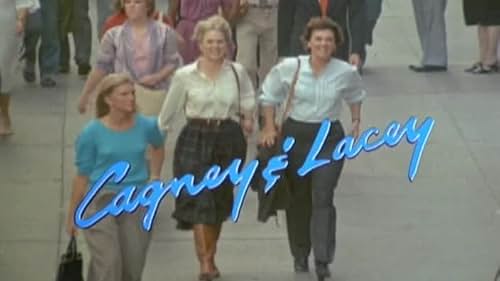
Cagney & Lacey cracking the top 10 in 1984 is one of the most interesting entries on the list because it represents a very different kind of hit than the glossier shows around it. This was not fantasy television, not shoulder-pad melodrama, and not pure action-adventure wish fulfillment. It was a police drama built around two women with very different lives and priorities, and it treated those differences as a strength instead of a problem. Christine Cagney was more openly career-driven and independent, while Mary Beth Lacey balanced detective work with marriage, children, and the constant pressure of trying to be present in every part of her life at once.
In the context of 1984, the series stands out because it brought realism and social texture into a top 10 otherwise full of polished fantasy. The cases mattered, but so did the workplace politics, the sexism, the emotional fatigue, and the friendship between the leads. That combination made it feel more adult than a lot of its competition. It did not need exotic settings or giant stunts to be compelling. It had sharp writing, strong performances, and a point of view.
That gives the 1984 lineup some needed grit. It reminds readers that 1984 television was not just about excess and image. It also had room for shows rooted in working life, emotional realism, and the complexity of women navigating systems not built with them in mind. That makes Cagney & Lacey one of the most important entries on the whole page.
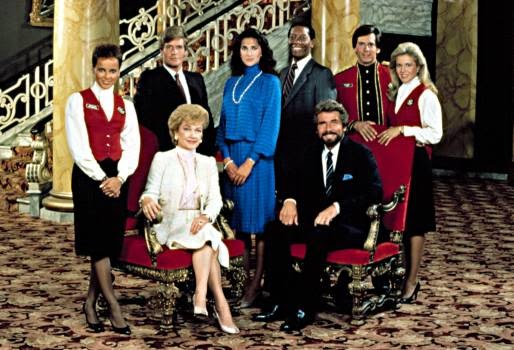
Hotel is one of the purest examples of 1984 television packaging. A luxury hotel was already halfway to being a TV fantasy before the first guest even checked in. Add a glossy prime-time format, weekly crises, relationship drama, and rotating guest stars, and suddenly the St. Gregory becomes a machine for delivering elegant chaos right into America’s living rooms.
What makes the show especially revealing in 1984 is that it represents how far the network formula had evolved. You no longer needed just a family, a workplace, or a detective agency. You needed a space that could constantly refresh itself while still feeling glamorous and familiar. A hotel solved that problem beautifully. The setting promised luxury and transience at the same time: every week, new people, new secrets, new scandals, same polished lobby.
For Gen X viewers, Hotel feels like peak aspirational television. It took a service environment and turned it into a place of fantasy, melodrama, and high-gloss storytelling. That is very 1984: not just life, but life with better lighting, better furniture, and far more photogenic emotional collapse.
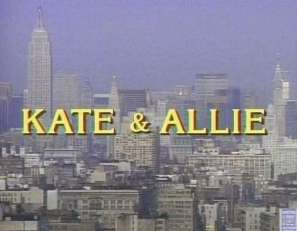
Kate & Allie brings something refreshingly different to the 1984 list: a hit built on friendship, modern family structure, and urban domestic life instead of status warfare or stunt-heavy spectacle. The sitcom centered on two divorced mothers who decide to share a home and raise their children together, which immediately gave the show a different emotional texture than the standard family-sitcom setup.
What helped the show break through so quickly was the contrast between the leads. Kate and Allie did not respond to life the same way, and that difference made the friendship feel active rather than decorative. The series could be warm, funny, and observant without becoming syrupy. In a year when television was getting more image-conscious and more aggressively branded, Kate & Allie stood out by making emotional intelligence and female friendship part of its core appeal.
That gives the 1984 lineup a different kind of depth. It reminds readers that mainstream TV could still make room for smaller-scale stories about adaptation, compromise, and chosen family. The series did not need giant twists to feel current. It just needed to understand that the shape of home life had changed and that viewers were ready to see that reflected on screen.

Falcon Crest staying high in 1984 is one more sign that the prime-time soap boom was not just a passing fad. Set in California wine country, the show took inheritance fights, family feuds, romantic betrayal, and property warfare and wrapped them in a setting that looked expensive, cultivated, and a little dangerous beneath the surface.
What made the series useful to the networks was that it served viewers who wanted serialized conflict but maybe preferred their power struggles with a different visual texture. The vineyards, the estates, the old family tensions, and the sense of legacy under threat all gave it a slightly more old-world tone than some of the other soaps. It was still built on ambition and manipulation, of course, but it knew how to stage those impulses in a distinct world.
Falcon Crest helps show that by 1984, the audience appetite for serialized family drama had diversified. One mega-soap was no longer enough. The genre had become a full ecosystem, and viewers could choose which flavor of well-dressed hostility they wanted each week.
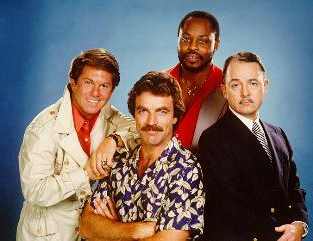
Magnum, P.I. in 1984 feels like one of the best examples of a show that understood the difference between style and emptiness. Yes, it had the Hawaii setting, the Ferrari, the mustache, the private-eye premise, and Tom Selleck looking like he had personally negotiated a contract with the concept of cool. But the series was more than a vibe machine.
Thomas Magnum was not just slick. He was charming, funny, capable, occasionally reckless, and grounded by relationships that made the show feel lived-in rather than decorative. Higgins, T.C., and Rick gave Magnum a world to play off, which made the series feel more like a place than a premise. That helped it survive past novelty. The tropical fantasy got people in the door, but the character chemistry kept them around.
In the 1984 TV landscape, that balance mattered. Plenty of hits were learning how to brand themselves. Magnum, P.I. was one of the few that turned branding into character. The Hawaiian shirts and convertible energy were memorable, but the show’s warmth is what gave it staying power.
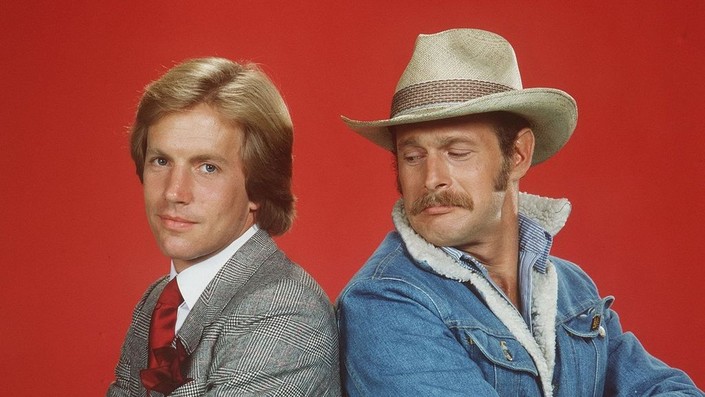
Simon & Simon rising into the top five is one of the best reminders that 1984 television still had room for shows built on pure likability. The premise was straightforward: two very different brothers run a detective agency in San Diego. One is more polished and conventional, the other more rough-edged and instinctive. The cases gave the show structure, but the real hook was the contrast between Rick and A.J. Simon and the way their sibling dynamic made even routine plots feel easy to settle into.
This was not a series trying to overwhelm viewers with spectacle. It lived in that sweet spot between procedural and family dynamic. The investigations gave each episode a clear structure, but the brotherly friction, loyalty, and occasional exasperation gave it personality. That combination made it easy to watch and even easier to keep watching, which is exactly what a fifth-place show needs.
In 1984, Simon & Simon helped define the CBS side of the era. While ABC often leaned harder into glamour and NBC pushed some of the flashier action, CBS kept proving that viewers would still reward shows built on chemistry, consistency, and storytelling that felt approachable instead of overdesigned.
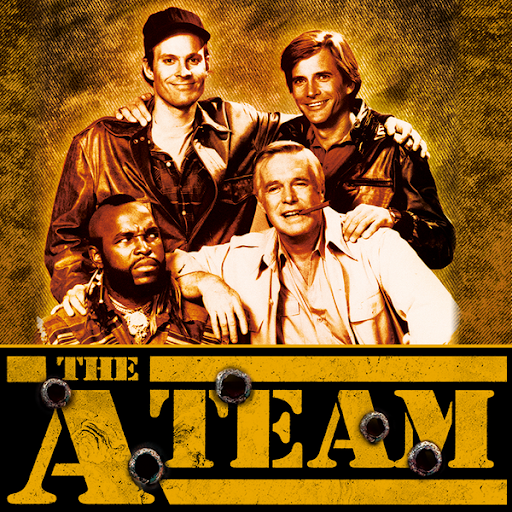
If 1983 introduced The A-Team as a sensation, 1984 confirmed it as a genuine television power. This was action programming stripped down to its most enjoyable ingredients: a righteous mission, a colorful crew, cartoonishly satisfying villains, impossible escape mechanics, and a black van so iconic it might as well have had billing above the title.
What makes the 1984 version of The A-Team stand out is how quickly it became a complete package. It was not just a show anymore. It was a style, a fantasy, a set of catchphrases, and a brand kids could absorb instantly. Mr. T alone gave the series a level of cultural visibility most action shows would kill for, while George Peppard gave the team enough old-school command presence to keep the whole thing feeling like more than pure gimmick.
In a broader sense, The A-Team marks the point where network action got even more toyetic. It did not just want viewers. It wanted fandom, imitation, instant recognition, and the same kind of kid-culture spillover that was already powering the 1984 toy aisle. In 1984, that was a very smart strategy.
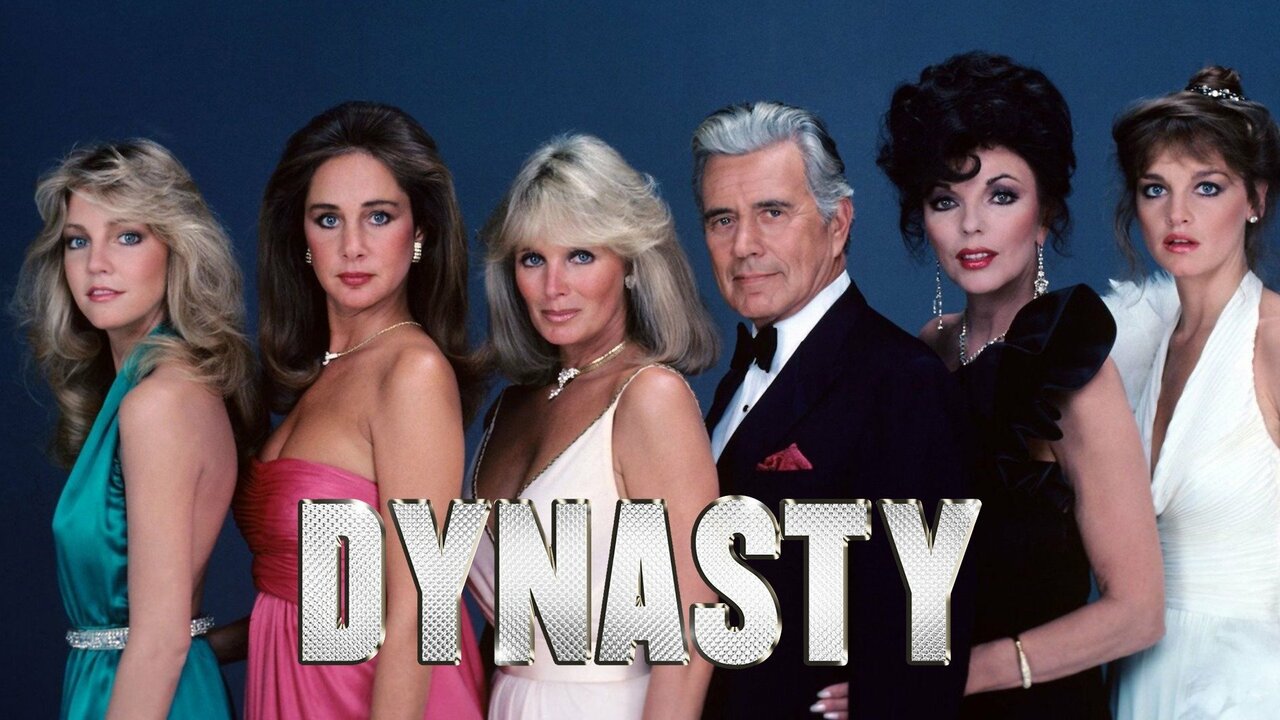
Dynasty at #3 is 1984 television doing what 1984 television did best: selling power as spectacle. The Carrington world was not just rich. It was aggressively, theatrically rich. Mansions, gowns, jewels, boardroom feuds, romantic betrayals, and facial expressions that seemed specifically designed to be discussed the next morning — the show understood that image was half the battle and maybe more than half.
What makes the show especially revealing in 1984 is that by 1984, Dynasty had become one of the defining visual signatures of the decade. The arguments, betrayals, and alliances mattered, but so did the presentation of those things. Power on Dynasty was always theatrical. It had to be seen to be believed, and the series understood that better than almost anything else on television at the time.
For Gen X viewers, Dynasty is one of those titles that instantly evokes a texture: glossy sets, expensive hair, icy confrontations, and the sense that every room contained a betrayal with excellent lighting. It sat in the same high-gloss cultural weather system as 1984 fashion and style fads, which makes it one of the defining TV brands of the year even before you get to the ratings.

The second-biggest show of 1984 being 60 Minutes is one of the strongest reminders that prime time once had a much broader definition of “must-see TV.” In the middle of all the shoulder pads, private investigators, luxury hotels, and action teams, a hard-news institution was still commanding one of the largest audiences in the country.
What kept the show so strong was that it made seriousness feel urgent rather than dutiful. The interviews, investigations, and reporting had editorial weight, but they were also packaged with confidence and pace. You did not have to be a policy wonk to feel that something important was happening on screen. That ability to convert real journalism into compelling television is what made 60 Minutes more than a respected program. It made it a ratings machine.
In the 1984 lineup, 60 Minutes also serves as a useful counterweight to the rest of the list. While many of the other hits sold fantasy, this one sold credibility. And somehow, in the middle of one of the glossiest periods in TV history, credibility was still good enough for #2.
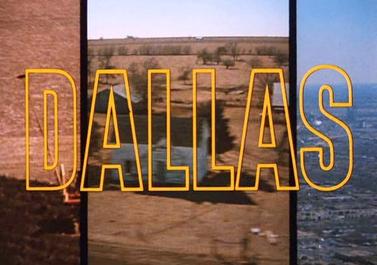
Dallas being #1 in 1984 feels like the final confirmation that the show was not just a phenomenon of one or two seasons. It had become the standard against which every other prime-time soap was measured. Set around the wealthy Ewing family at Southfork, the series turned oil money, family politics, marriage implosions, and business warfare into a weekly ritual for millions of viewers.
What makes the 1984 version of Dallas especially interesting is how secure its brand already was. It did not need to introduce itself anymore. Viewers knew the world, knew the stakes, and definitely knew J.R. Larry Hagman’s performance remained central because J.R. was the kind of character television only gets once in a while: vile, magnetic, strategic, funny, and always worth watching. The series understood how to use him not just as a villain, but as an ongoing engine of tension.
In the context of 1984, Dallas also represents the staying power of serialized prime-time drama done at the highest level. Other shows were chasing the glamour lane, and some were doing it very well. But Dallas still had the crown because it never lost its sense of momentum. In a medium built on “come back next week,” it stayed one of the best at making that promise irresistible.
The top TV shows of 1984 capture network television at full polish. Dallas had J.R. and Southfork. Dynasty had gowns, chandeliers and boardroom warfare. The A-Team had Mr. T, the van and action engineered for immediate kid-culture spillover.
Yet the ranking was not only escapism. 60 Minutes remained second. Cagney & Lacey brought grounded police drama into the top ten. Kate & Allie made female friendship and changing family life part of mainstream prime time.
For Gen X, these programs turned the living room into a nightly mood board: glamorous, competent, dramatic, funny, serious and completely unashamed of mass appeal.
Television shared the year with Prince, Tina Turner, Ghostbusters, Transformers, Cabbage Patch chaos, Madonna style and the moment mid-80s culture became impossible to mistake for anything else.
The chart-toppers from the year Prince, Tina Turner, Van Halen, Madonna and movie soundtracks took over.
Watch the Countdown → MusicThe Billboard year-end hits that made MTV-era radio sound enormous, polished and completely unstoppable.
Explore the Songs → MoviesGhostbusters, Beverly Hills Cop, Gremlins and peak multiplex chaos.
Explore the Movies → ToysTransformers, Cabbage Patch Kids, He-Man, G.I. Joe, Care Bears and toy-aisle escalation.
Explore the Toys → FadsMadonna style, Trapper Keepers, sticker books, parachute pants and the full mid-80s visual takeover.
Explore the Fads → The Full DecadeMusic, movies, toys, television and the rest of the decade’s Gen X pop-culture overload.
Enter the 80s →Move through the decade one Nielsen season at a time, from the network-heavy opening of 1980 to the changing television landscape at the end of 1989.
Clear answers about the 1983–84 Nielsen season, the complete top five, Dallas returning to number one and CBS’s dominance.
Dallas ranked number one during the 1983–84 Nielsen television season with a 25.7 rating.
The top five were Dallas, 60 Minutes, Dynasty, The A-Team and Simon & Simon.
Yes. 60 Minutes ranked second with a 24.2 Nielsen rating, ahead of every entertainment series except Dallas.
Yes. The A-Team ranked fourth during the 1983–84 season with a 24.0 Nielsen rating.
Network television popularity was measured by season rather than by January-through-December calendar year. The season ending in 1984 is therefore the standard reference.
CBS placed seven programs inside the top ten, including Dallas, 60 Minutes, Simon & Simon, Magnum, P.I., Falcon Crest, Kate & Allie and Cagney & Lacey.
New articles, countdowns, videos and whatever other corner of the Gen X television schedule gets unlocked next.