Too Close for Comfort in the 80s: The Sitcom You Forgot Was a Hit
The girls got the apartment downstairs. Henry still had to hear what was happening down there.
Muriel already knows what he’s about to do. There’s a decent chance Monroe is involved.
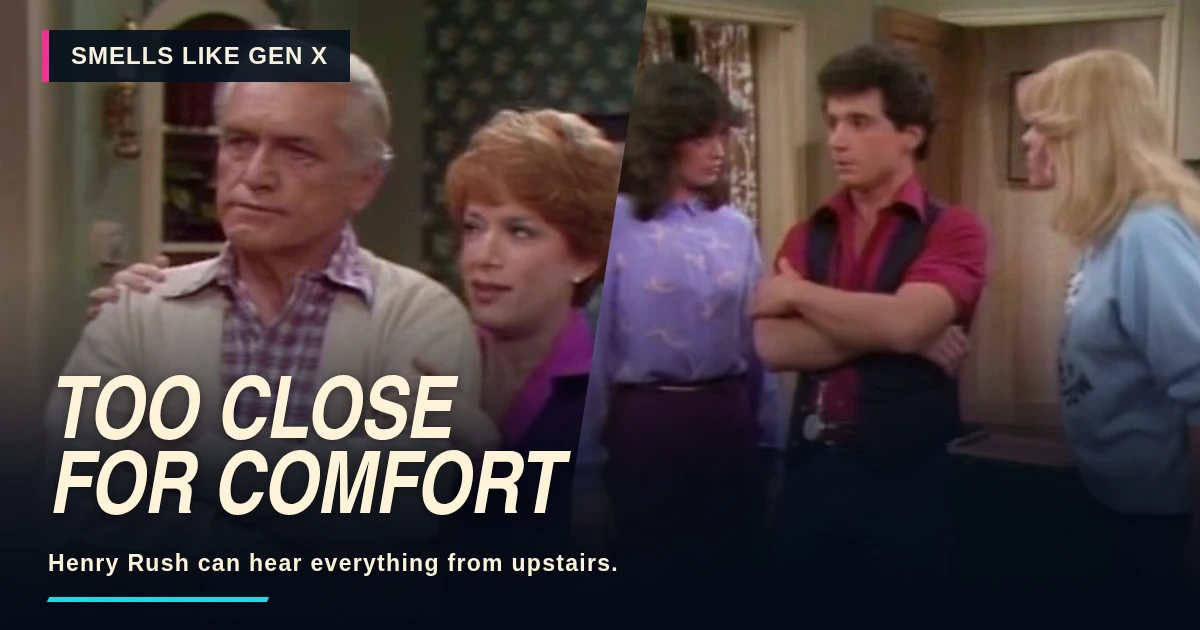
The house is red, the daughters live downstairs, and Henry Rush has somehow convinced himself he’ll be able to tell two grown people how to live because he owns the place. That’s a good setup for Ted Knight. He can walk into the room planning to settle something and have you laughing at the amount of work it’s going to take him to hear the answer.
Too Close for Comfort is one of those shows I can go years without thinking about. Then I see Knight with the Cosmic Cow puppet, hear Monroe trying to explain how he got involved, and it comes back in a hurry. I can remember the sound of Henry getting annoyed before I can place most of the plots. There was a fair chance the person who’d annoyed him would be around for dinner.
Here’s the part that still surprises me. The show tied for sixth in the 1981–82 Nielsen season. Sixth. I can spend an evening remembering famous shows from that year and somehow leave out the man who had a cartoon cow and two daughters within easy yelling distance. He had plenty of company on a lot of sets that season.
Inside This Article
- Two floors and about four inches of privacy
- Henry was funnier when he thought he was being reasonable
- Muriel knew when to let him finish
- Jackie and Sara wanted their own day
- The best minute was the one when Monroe came in
- By 1982 there was a baby in the house again
- The show kept turning up after ABC
- Which one I’d put on
- Who lived where?
Two floors and about four inches of privacy
The Rushes lived in a two-family house in San Francisco. Henry and Muriel were upstairs. Their grown daughters, Jackie and Sara, moved into the downstairs apartment. Imagine having your own place and still being able to find out what your dad thinks of something before you’ve closed the door. Every family has a different idea of how much independence that arrangement buys you.
The layout is what makes it such a comfortable half hour to drop into. A person wants to get away from a conversation and has a perfectly good place to go. Everybody else knows exactly where it is. I like the scenes where somebody turns up in a different room and you can feel how little time they’ve had to make a decision about the last one. The two apartments are separate enough to have their own doors and close enough to have the same problem.
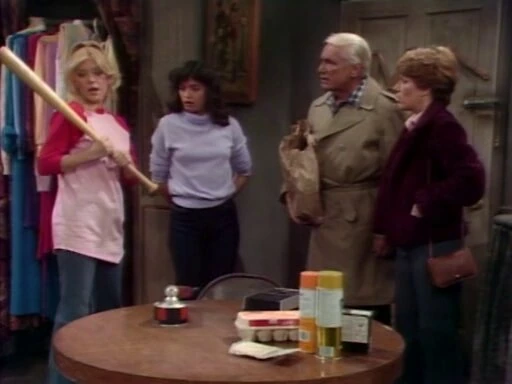
The outside of the house is a nice bit of memory, too. It’s a real San Francisco building on Buena Vista Avenue East. You don’t have to know the address for the picture to do its work. It looks like someplace a person could own, have a family in, and make entirely too many plans about what was going to happen under the roof.
Go back to “Tenants Anyone?” from the first season if you want to see the girls test the arrangement. An argument gets them out of the downstairs place and into a less appealing apartment. There’s an easy little recognition in that. You want a space of your own, and you still have to decide how much you can afford to pay to keep somebody else’s opinions on the other side of town.
Henry was funnier when he thought he was being reasonable
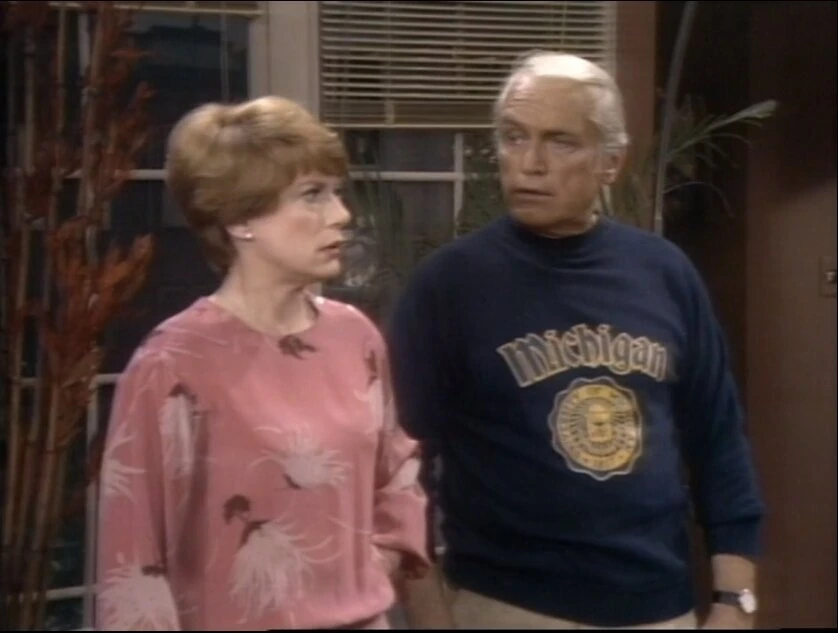
I knew Ted Knight from Ted Baxter. That made it especially enjoyable to see him as the guy who expected to get something done around his own house. You can go back to The Mary Tyler Moore Show and hear the confidence in the news anchor. At home as Henry, he can bring a similar certainty to an entirely different set of people, several of whom have had time to get to know him well.
Henry’s a cartoonist. He has a comic strip called Cosmic Cow and a hand puppet to go with it. There’s something funny right away about a man who wants to be taken seriously while he’s talking to a cow on his hand. Knight could do the voice and still give you the feeling Henry had an actual opinion about how the conversation was going.
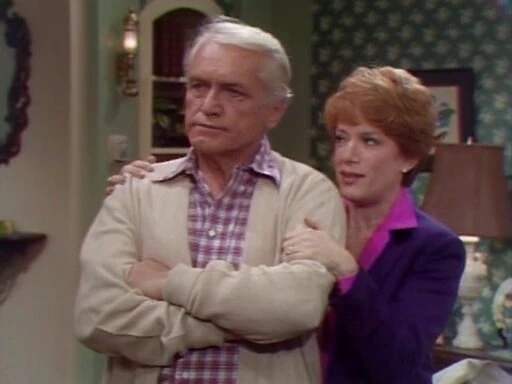
“Cosmic Cow vs. the Oval Office” takes that part of the show out of the house. Henry runs into trouble over a cartoon satirizing the president and loses his job. I like the premise because it reminds me that the cow was the thing he did for a living. You can make a living doing something other people find ridiculous and still have to worry about the exact same call everybody else is afraid of getting.
Knight could turn a little disappointment into a moment you wanted to stay with. Henry makes plenty of noise. Watch him in the second after somebody tells him he can’t get what he wants. You can see him decide how much of the disappointment he’s going to let the rest of the room have. Sometimes the next thing out of his mouth is funny because you had that one second to see it coming.
Muriel knew when to let him finish
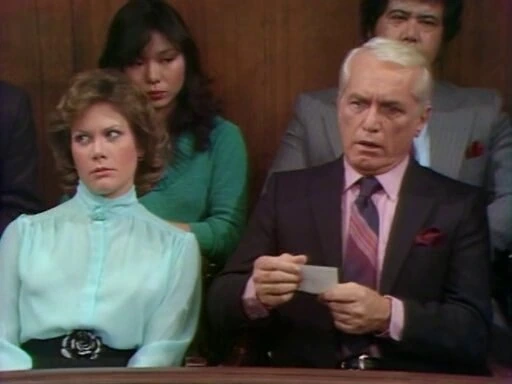
Nancy Dussault’s Muriel was the person I’d have wanted in the room for a family argument. She could hear what Henry was worried about without agreeing that everybody had to do what he said. She also had her own job as a photographer, which gave her an excellent reason to know what a day looked like after she’d left the house.
In “Que Sara, Sara,” a disagreement about Sara’s job sends Muriel downstairs. Monroe ends up upstairs with Henry. It’s a small change in where two people are sleeping, and suddenly the old arrangement has a whole different appeal. I like the little frustration in a story where everybody’s still close enough to hear from the person they’ve decided they need some space from.
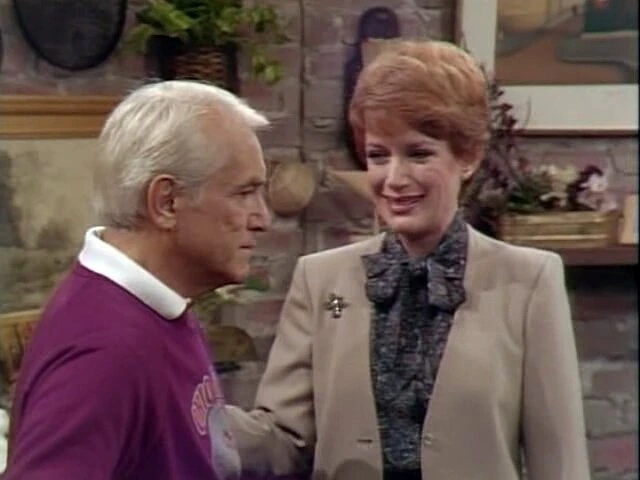
The marriage was a good part of why I wanted to spend time there. Henry and Muriel have been together long enough to know which arguments will pass and which ones are worth getting into. Dussault can let a moment sit and make you wait to hear what Muriel thinks of it. By then Henry’s probably finished telling her what he thinks she ought to think.
There’s room for affection in that. Two people can enjoy the life they’ve put together and get very tired of the way the other one handles a single afternoon. Muriel makes the evening feel familiar because she’s had time to do both.
Jackie and Sara wanted their own day
Deborah Van Valkenburgh played Jackie, who worked in a bank. Lydia Cornell played Sara, the younger daughter. They both had the advantage of being old enough to get out and do something all day, and the disadvantage of coming home to a man who had probably spent some part of his day thinking about whether they ought to do it.
There’s a difference between getting along with your sister and telling your dad something that will go much easier if your sister is in the room. I like watching the two of them decide how much they’re willing to share. They can want the same freedom and have entirely different opinions about what the other one is doing with it. It makes the apartment feel lived in before a date or a new job gives them anything to bring upstairs.
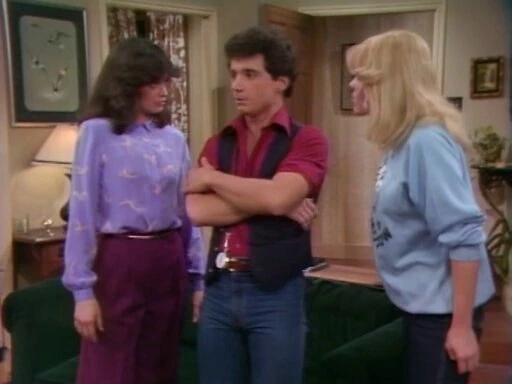
Sara’s job is a good source of that kind of trouble. Once she wants something for herself, Henry can turn one question about it into a conversation for the rest of the family. It’s fun watching Cornell hold onto the idea that she’d still like to do the thing after everybody has had a chance to make it sound like a major event.
Jackie has a different way of dealing with him. There’s a pleasure in hearing a daughter use the tone of somebody who’s already spent a whole day at a job and can’t quite believe this is the part she has to explain now. Those are the little things I want to remember. The apartment is funny because they can both love the people upstairs and have a good reason to stay where they are for a while.
The best minute was the one when Monroe came in
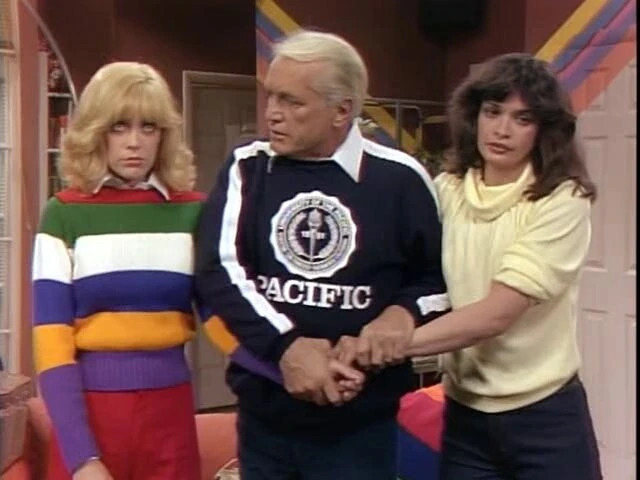
Jim J. Bullock’s Monroe Ficus brought his own weather with him. I can picture Henry doing something that requires quiet. I can also picture the expression he’d have the instant he understood that Monroe was here and this was going to be a conversation. Half the laugh is the sense that one person in the room would gladly skip what the other person was genuinely looking forward to saying.
“The Remaking of Monroe,” from December 1981, sends him to assertiveness training. The fun of putting that on is knowing the sort of person Henry expects to meet when Monroe walks in. Somebody you think you have figured out has spent the afternoon getting better at telling you what he wants. It takes the rest of the room a while to catch up.
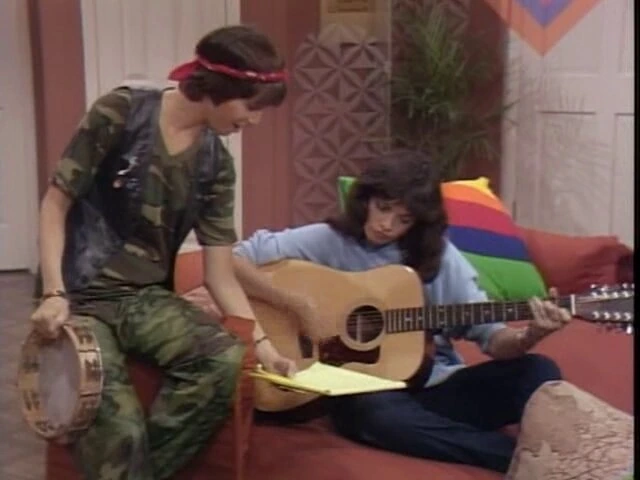
There’s more to the character than getting on Henry’s nerves. Monroe could want to help, and the help could give him something to be proud of before it turned into extra work for everybody. Bullock had the timing to let you enjoy how sincerely he meant a thing. You could feel sorry for Henry and still be rooting for the person who’d made the mistake of thinking he’d appreciate it.
I’d put one of those Monroe episodes on for somebody who only remembers Ted Knight. You already know the reaction the show is going to get from Henry. Watch how long Bullock can hold off on giving him a reason for it. The wait is a good part of the joke.

By 1982 there was a baby in the house again
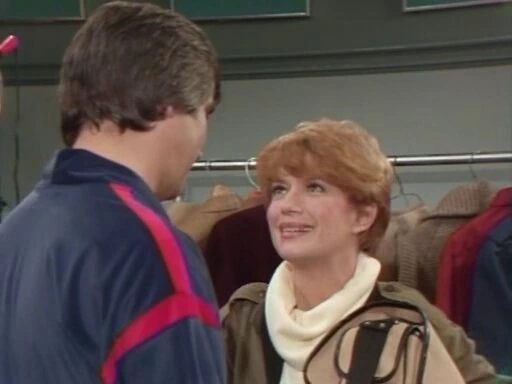
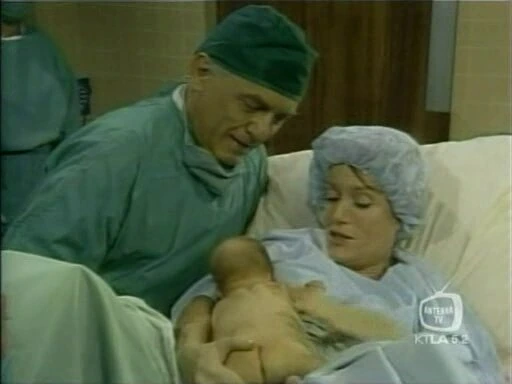
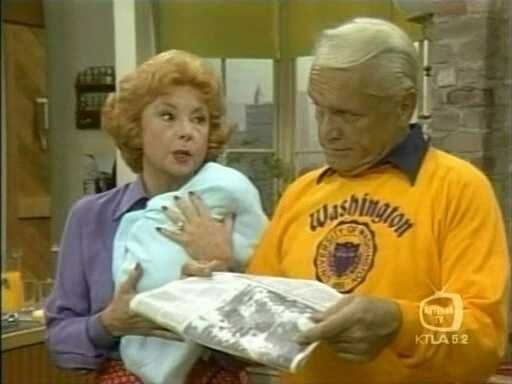
“Break Out the Pampers,” the two-part start of the third season, brings Andrew into the family. I like a title that gets you back to what a new baby actually means in a house, which is that somebody’s going to have to get up and do something fairly soon. The grown daughters had made the lower floor their own. Now there was a new reason for everybody to notice how the upstairs household was getting through the day.
It’s a funny time to be Henry. He’s already spent a lot of effort trying to find out how much influence he has over the decisions of his adult children. A baby brings him back to the years when one of his kids really does need somebody to come in every time he’s had enough. That’s a lot of practice at being a parent to hold in your head while you’re trying to remember where somebody left something.
The early ABC years have a particular feel when you look at the rest of that 1982 television season. There’s plenty of big, brightly lit comedy and several programs capable of filling a whole evening. Too Close for Comfort could put a family argument in a room upstairs and let a pretty good chunk of the country watch the person downstairs get drawn into it.
As I remember those years, half-hour sitcoms could make you feel like you knew the front door of a house you’d never seen. The red place was part of that feeling. I’m still surprised when I see the rating again. I’m less surprised once I’ve spent another evening there.
The show kept turning up after ABC
ABC carried the first three seasons. New episodes continued in first-run syndication in 1984, which meant a local station could fit them into a different part of the day or week. That helps explain why two people who watched the show might remember it coming on at different times. There were the original ABC years, the local-station run and the reruns that could arrive in any order.
The last season changed the arrangement further. Henry and Muriel move to Marin County, he works for a local newspaper, and the series is known as The Ted Knight Show. “Henry’s Change of Life” is a useful title to look for if you remember the later setup and wonder when it happened. Some episode guides date the end of the run differently depending on whether they’re following production or the syndicated airing of the last installments. The house I’m going back for is the one from the original ABC years.
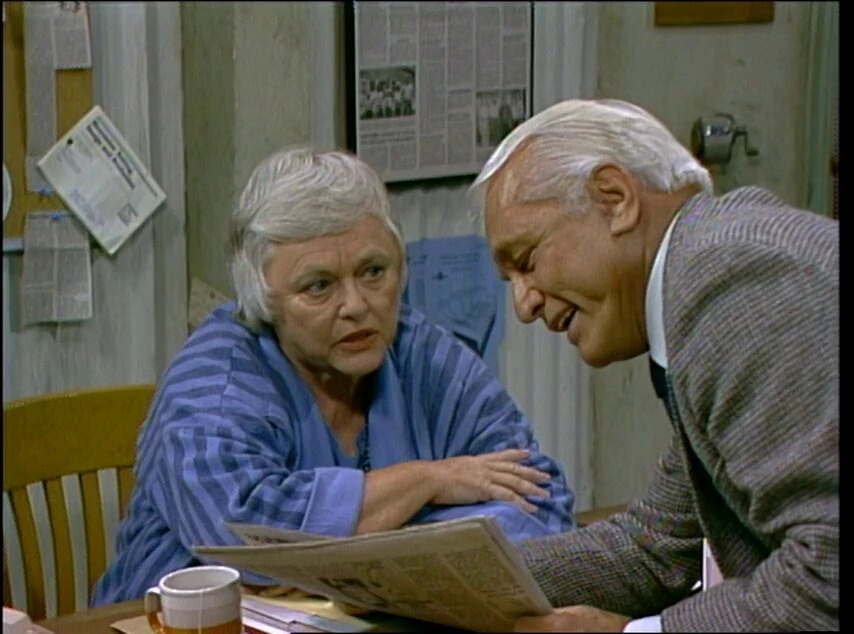
I like having the later episodes around because they make that earliest memory easier to place. Put on one with the newspaper and you know the old arrangement has already had its day. Go back to the two floors and you can find out how much of the comedy the house was still giving them.

Which one I’d put on
Start with “Que Sara, Sara.” It gets you right into the family’s problem of having enough room to be mad at somebody while remaining within walking distance. Then put on “The Remaking of Monroe,” because there’s a lot of fun in letting Henry hear a new version of a person he thought he understood. Try “Cosmic Cow vs. the Oval Office” when you want to see what that puppet is doing there in the first place.
Some nights I want a show that needs several hours of my attention. Then there’s the night I want to watch Ted Knight learn that his own front door can let in more trouble than he had time to account for. I’m glad I can still find the house.
Who lived where?
Who played Henry and Muriel Rush?
Ted Knight played Henry, a cartoonist, and Nancy Dussault played Muriel, a photographer. They lived upstairs in the San Francisco house.
Who were the daughters and Monroe?
Deborah Van Valkenburgh played Jackie Rush, Lydia Cornell played Sara Rush, and Jim J. Bullock played Monroe Ficus.
Was Too Close for Comfort a hit?
Yes. It tied for sixth in the 1981–82 season Nielsen rankings.
Why do some episodes say The Ted Knight Show?
That name was used in the later syndicated run, when Henry and Muriel moved to Marin County and Henry worked on a newspaper.