One Day at a Time in the Early 80s: The Sitcom Bridge Between Decades
Barbara had plans of her own, Alex needed somewhere to land, and Schneider still knew when to show up at the door.
The family changed. The building still had Schneider.

There goes Schneider again. He’s supposed to be fixing something in the building, he’s got the tool belt to prove it, and he’s managed to turn up just as the people in the apartment were getting to the part of the conversation they wanted to have in private. Pat Harrington Jr. could make you glad to see him at the exact moment Ann Romano wished he’d go fix something downstairs.
I remember that apartment a little like I remember the home of somebody I grew up with. The early visits belong to Ann and two teenage daughters getting used to the idea that it’s the three of them now. Then you catch one in a rerun and Barbara’s getting married, there’s a boy named Alex at the door, or somebody’s trying to decide where they’re going to live. You’ve been coming around long enough to know what each change is going to cost somebody.
Our ’70s One Day at a Time feature takes you back to when Ann, Julie and Barbara made a new home in Indianapolis. I’m picking them up as the original CBS series moves into the eighties. The best thing about the later episodes is hearing the people in that apartment figure out how to be family once everybody has a different place to be.
Inside This Article
- I understand Ann a little better now
- Barbara got to make her own arrangements
- Julie could still make the room turn around
- Alex turned up needing a place to land
- Schneider didn’t have to knock to announce himself
- Ann and Sam had to find a place for the spoons
- A familiar address in a changing TV week
- Two ways to say goodbye
- A few details from the apartment
I understand Ann a little better now
Bonnie Franklin was good at making Ann look like a person who had just been presented with one more decision. She could be proud of somebody, angry with them and still remember what time they needed to be somewhere. As a kid, I probably paid more attention to how the girls were going to get what they wanted. These days I’m listening to how long Ann’s been waiting to finish a sentence.
That’s one of the things that stays with me as the daughters get older. Ann gets to have work and relationships of her own. It’s possible for her to want something and still have to think about who’s going to walk through the door with a problem before she can get to it. The show gives her a recognizable way of being tired, and a recognizable pleasure when she has a chance to find out what she wants for herself.
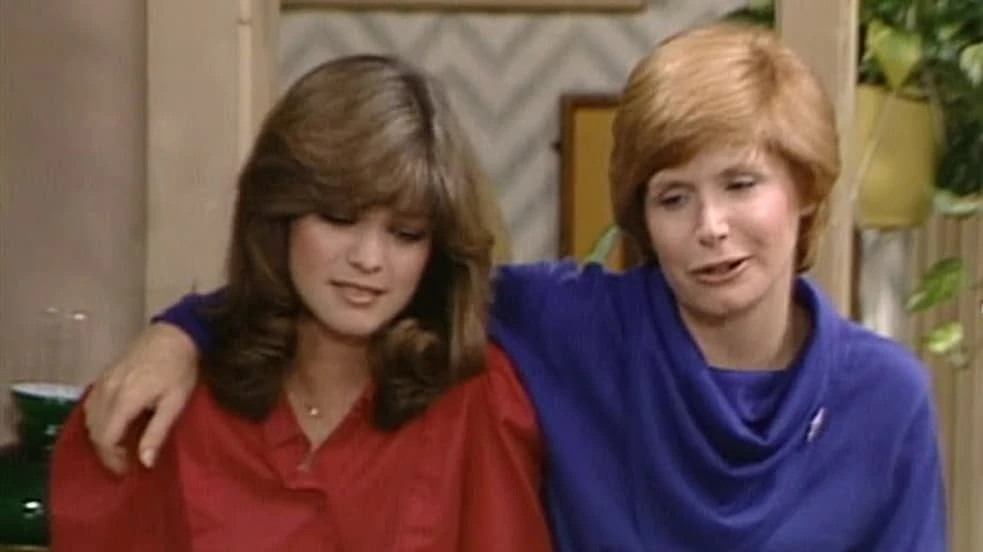
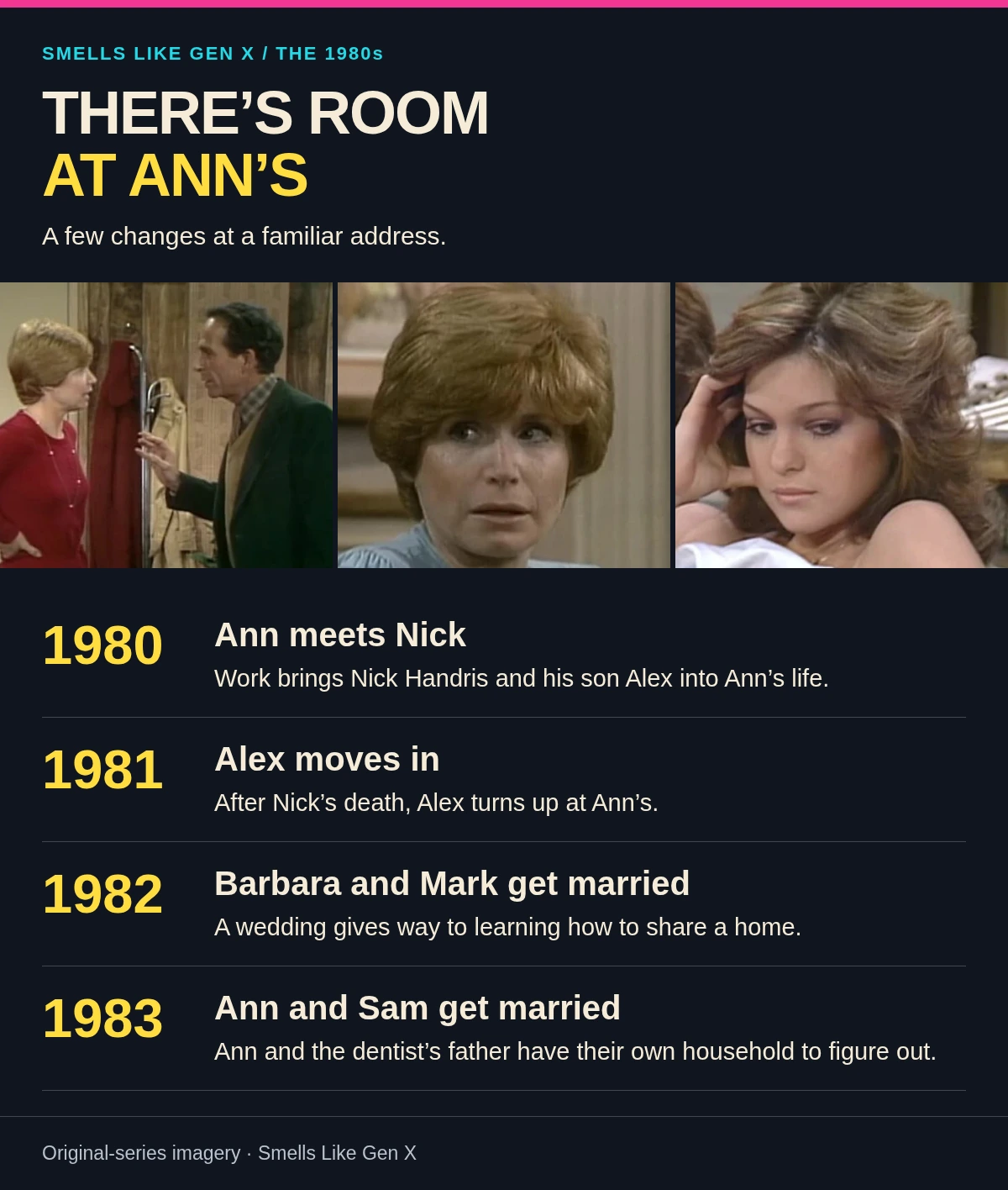
The November 1980 two-parter “Ann Meets Nick” brings Ron Rifkin’s Nick Handris into her life. In the longer run of the show, I like seeing what a relationship can add to a household that already has its own rhythm. A new person has to get to know Ann. Everybody else gets a new reason to find out how much they think they know about her.
Franklin could let Ann look as though she was doing the math on all of that. Then she’d laugh, or get a little angry, and you remembered she was a person living through the day with everybody else. If you’re only going back to see one member of the original cast, I’d give her a couple of episodes. Listen to what happens to a conversation when Ann finally says the thing she meant to say the first time.
Barbara got to make her own arrangements
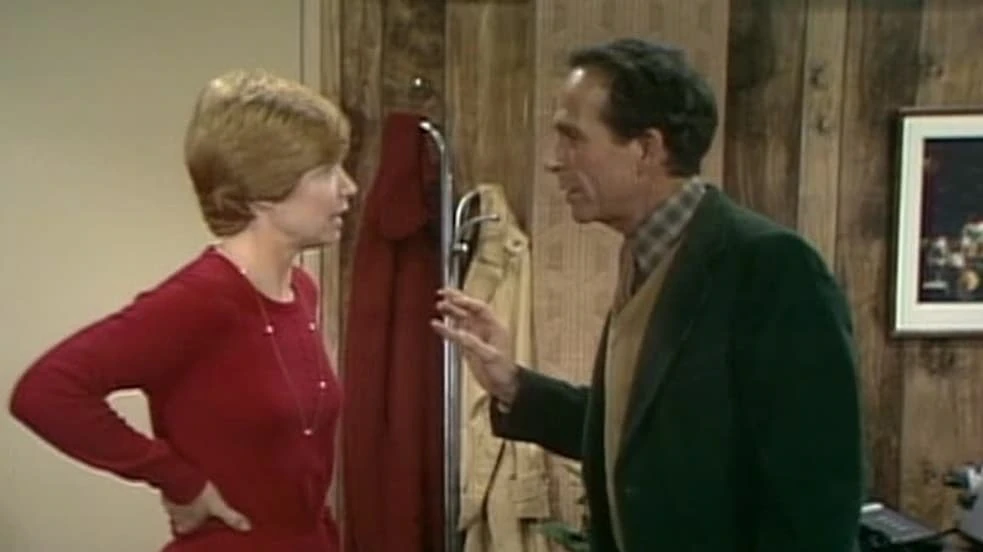
Valerie Bertinelli’s Barbara was the one I expected to look as though she’d thought things through. That makes it fun to catch her on a day when a plan is giving her all the problems thinking it through was supposed to prevent. The later years let her have some of those days for herself. She has her own relationships, and the big decisions keep giving her something new to bring home.
Boyd Gaines plays Mark Royer. At the beginning of the 1982–83 season, “The Perfect Wedding” takes two episodes to get Barbara and Mark to the wedding. The title alone gives me the feeling of being asked to help with something that’s already too far along to stop. Everybody wants the thing to be nice. Everybody has a slightly different picture of what nice is going to require.

It’s the stretch afterward that makes me especially glad the show stayed on long enough to get there. “Honeymoon’s Over” gives Barbara trouble adjusting to life at Mark’s rooming house. You can understand why that would be a jolt. You get a big day with the whole family looking at you and then a day in a place where you have to learn how people use the kitchen. Both are part of the decision you made.
As a rewatch, those episodes are nice company for anyone who knows what it feels like to keep coming back to an old home while you’re still working out how to run a new one. You can see why a wedding makes a good occasion for a sitcom. You can also see why the afternoon when the wedding is over can be even more fun to spend with a character.
Julie could still make the room turn around
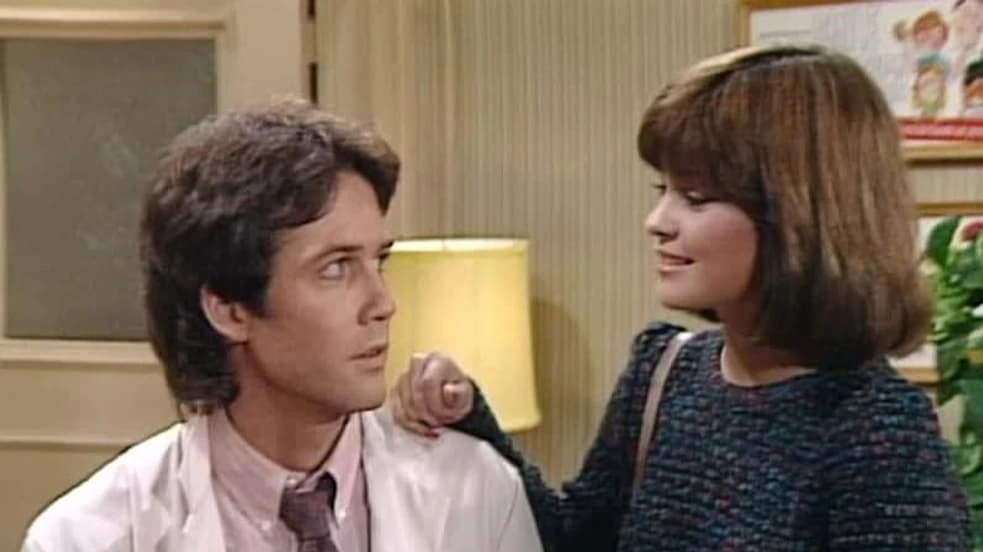
Mackenzie Phillips’s Julie has an energy you can recognize before anybody’s told you why she’s there. She can make the people around her wonder where she’s been, what she’s about to tell them, and whether she wants help or just wants to get to the end of the story. I’ve always liked that Ann and Barbara knew her well enough to have different answers to those questions.
The marriage to Max, played by Michael Lembeck, goes back to the fifth season. Julie’s appearances change in the years that follow, which is one reason the later episodes can look a little scrambled in memory. “Julie Shows Up,” in the fall of 1981, is a good title for the feeling of looking up and finding out the old energy is back in the apartment. She arrives after leaving Max, and everybody gets to find out what she’s willing to tell them.
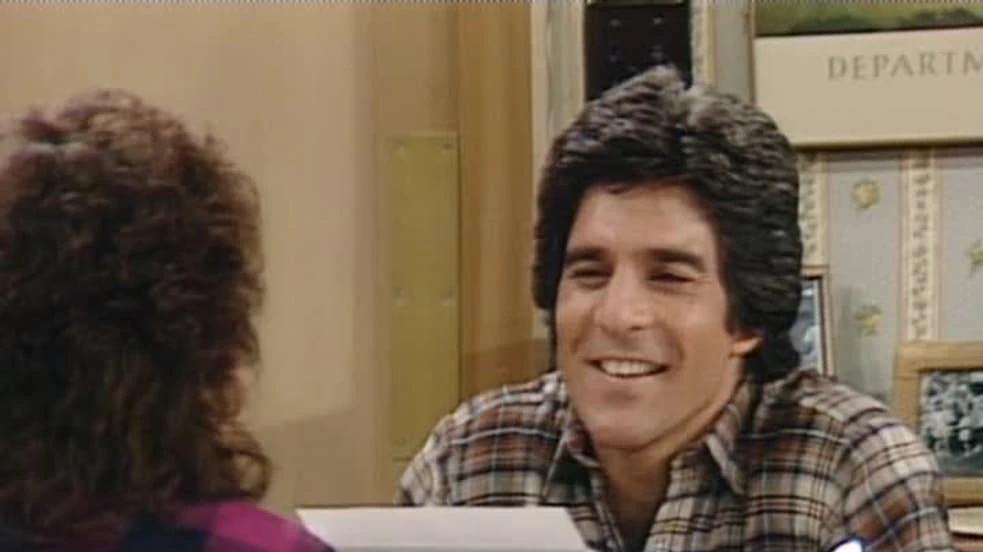
The family grows again in “Miracle of Birth,” a two-parter from 1982 in which Julie has a baby. I like remembering that Julie and Barbara both end up with concerns of their own. They can spend years being the girls everybody asks Ann about and then walk into a room with families and work and questions Ann can only help them answer. You can feel the time passing in the kinds of calls they make home.
Julie’s story gets harder in the last season. If you remember Max being around late in the run, “Dear Max” helps put that memory in place. By then the family has been through enough for an ordinary afternoon to have a fair amount of history in it. A person can walk into the apartment and the way everybody says hello gives you something to go on.
Alex turned up needing a place to land
Glenn Scarpelli’s Alex Handris is Nick’s son. In “Alex Moves In,” the opener for the 1981–82 season, he comes back to Indianapolis after Nick dies in a car crash. He wants to live with Ann and Barbara. That’s a big thing to put in front of a household that’s already changed more than anybody expected when the series began.
What gets me about the setup is the moment somebody realizes they may need to make a decision for longer than tonight. It’s one thing to have a kid standing there who needs somebody to listen. Think about what happens when he starts asking how long he can stay and you have to decide what it will mean to give him an answer. Ann has some experience with a household changing shape. That doesn’t give her a spare life she can step into while she decides.
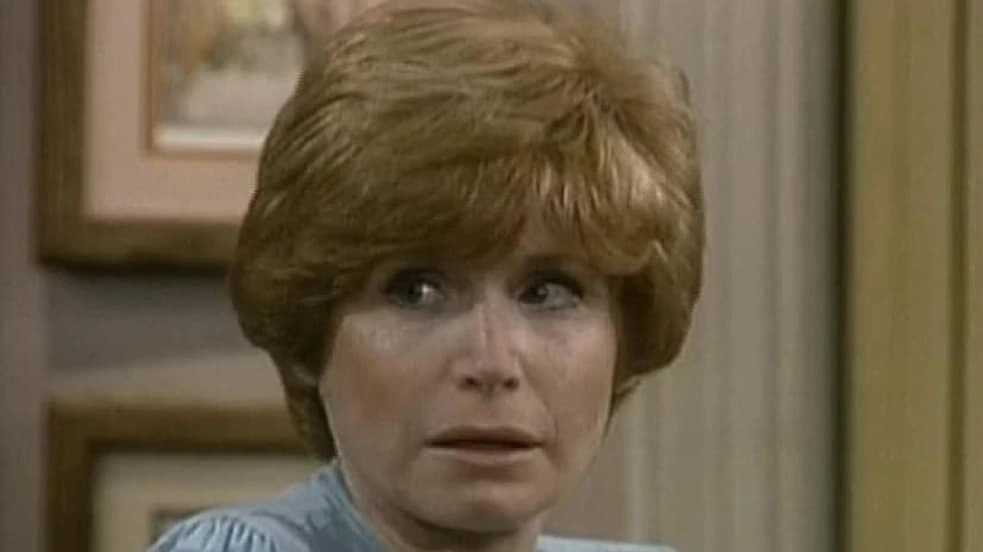
The nice part of Alex staying around is getting to see him have a day that belongs to him. “Alex’s First Love” comes later in the seventh season. A kid who’s had reason to be worried about where he lives gets an ordinary crush to think about. I enjoy seeing a series remember that something huge can happen to somebody and they can still have another problem on Tuesday.
Alex helps put the early-eighties years in order if you’re watching reruns. The superintendent is still there. Ann’s still likely to ask a question you’d rather answer later. The people in the room have another reason to show what they do when somebody needs a place to go.

Schneider didn’t have to knock to announce himself
That tool belt. The mustache. The way he said a name when he was enjoying the fact that someone was going to have to listen to him. Pat Harrington Jr. made the building superintendent somebody you could identify from a little piece of a scene. If you looked away long enough to miss the entrance, you could catch up just by hearing the next person’s reaction.
Schneider had the advantage of arriving from outside the immediate family argument. He could take an interest in what everybody was doing and leave you pretty sure he’d be back to see how it came out. You can probably think of a person you’ve known who lived close enough to be family on the days when you needed something fixed and had enough opinions to make it clear they intended to stay for a little while afterward.
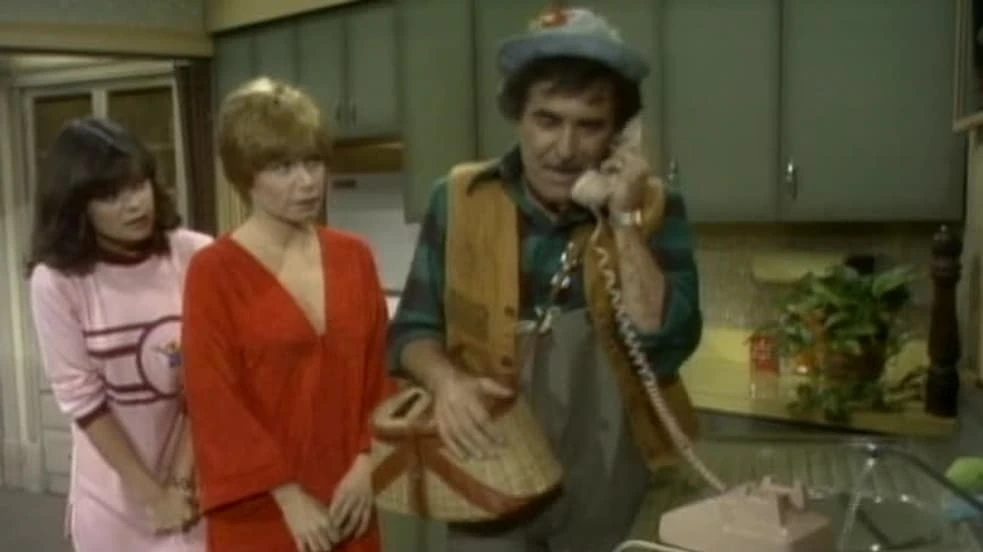
I enjoy the moments when he winds up being the right person to have around. He’s got his way of getting into things, and there’s often a reason to be glad he got there. A sitcom can run a long time on a person who knows exactly how to turn an errand into a visit. It can do more when the people he’s visiting have started to count on him.
Harrington won the supporting comedy actor Emmy in 1984. I can see why an audience stuck with him long enough for him to get that chance. He had a way of keeping a little of the old apartment around as people began to think about where they wanted to go next.

Ann and Sam had to find a place for the spoons
Howard Hesseman’s Sam Royer belongs to the later years. He’s Mark’s father, which gives the family a whole new set of connections to explain once he and Ann are together. I like putting those episodes alongside the first season in my head. The woman we watched figure out a new place for herself now has a very clear idea of where she likes things to be.
“Sam’s Apartment,” from the ninth season, gives the couple an argument over the way they arrange ordinary things. There’s something funny and a little comforting about the spoons being worth a disagreement after all the years of big decisions. It’s easy to be gracious about the theoretical idea of sharing a household. It’s another thing to reach where you always reach and come up with nothing.
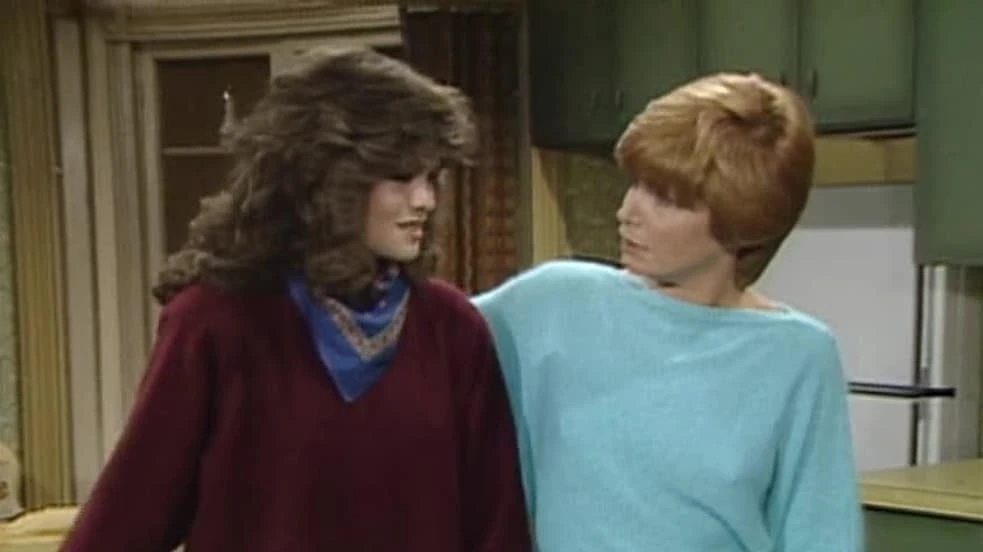
If you remember Hesseman from WKRP in Cincinnati, it’s fun to see him turn up in a different room with a different part of an evening to negotiate. The show has let Ann know what she thinks by now. It can let a relationship be a little inconvenient without making you lose interest in what’s good about it.
That’s the sort of eighties episode I’d pair with a seventies rerun. First you see a woman deciding how she wants to live in an unfamiliar place. Later you get to see how much of that arrangement has become part of her everyday life. It’s a small thing when you put it down on paper. Anybody who’s moved a spoon drawer in a house full of other people knows it can take a while to settle.
A familiar address in a changing TV week
I like putting the family beside our 1982 TV lineup. Plenty of the decade’s new sounds are already there. You can leave an evening with the Dukes or an oil family in Texas and come back to a show where the most interesting thing on the set is the way somebody answers their mother. The apartment had earned enough of a place in the week for its problems to sound familiar.
There are other early-eighties families I like to watch alongside it. On The Jeffersons the people in the building know their way into an argument. Here, the superintendent has been dropping in since the girls were young. One of the things television did well in that period was let people keep showing up long enough for the audience to believe they’d be missed if they stopped.
It also helped that you could hear the old opening years into the new decade and know what kind of room you were headed for. There might be a new kid to get to know, somebody getting married or a job that would take Ann away. The tune got you in the door and let the people inside tell you what had changed.
Two ways to say goodbye
“Off We Go,” on May 21, 1984, is the episode to find when you want to say goodbye to Ann and the rest of the family together. Ann’s new opportunity takes her to London. A lot of the original pleasure of the show comes back in that idea. A woman has found something she wants to do and the people who love her have to work out what it feels like to let her do it.
The last original episode CBS aired was “Another Man’s Shoes,” on May 28. It follows Schneider in Florida in a proposed spin-off setup. That’s why two different memories of the ending can both make sense. One person remembers saying goodbye to the family. Another remembers seeing the superintendent once more after the household’s story had wound down.
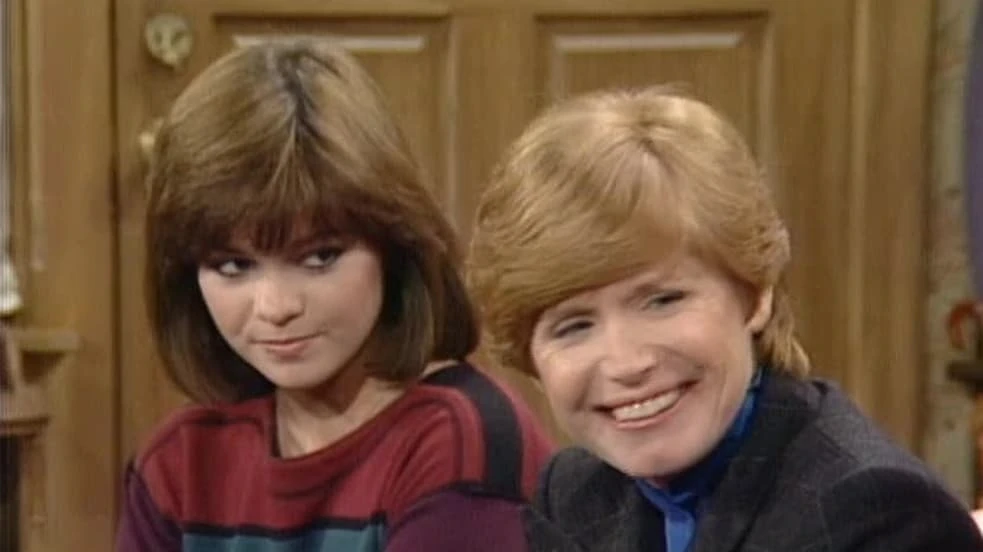
I’d put on “Alex Moves In,” the two parts of “The Perfect Wedding,” and “Off We Go” for a little trip through the later years. Give yourself another evening for Schneider if you’re curious about the final broadcast. I tend to want to leave the apartment with Ann. She has somewhere to be, and there’s a good chance she’ll have to finish the conversation on the way to the door.

A few details from the apartment
When did the original One Day at a Time run?
The Bonnie Franklin series ran on CBS from December 1975 to May 1984. The later reimagining is a separate series.
Who was Alex Handris?
Glenn Scarpelli played Alex, Nick Handris’s son. Alex moves in with Ann and Barbara at the beginning of the 1981–82 season.
Who married Barbara?
Boyd Gaines played Mark Royer. Barbara and Mark marry in the two-part “The Perfect Wedding” at the beginning of the 1982–83 season.
Which episode ended the series?
“Off We Go” is the family’s farewell. “Another Man’s Shoes,” a Schneider story, was the final original broadcast a week later, on May 28, 1984.
Sources & Further Reading
- Sony Pictures — the original One Day at a Time
- Television Academy Interviews — the original series and cast
- TV Guide — the 1981–82 season and Alex’s arrival
- Television Academy — original Emmy awards and nominations
- The Paley Center — Another Man’s Shoes and its original broadcast
- Episode guide — original U.S. titles and air dates