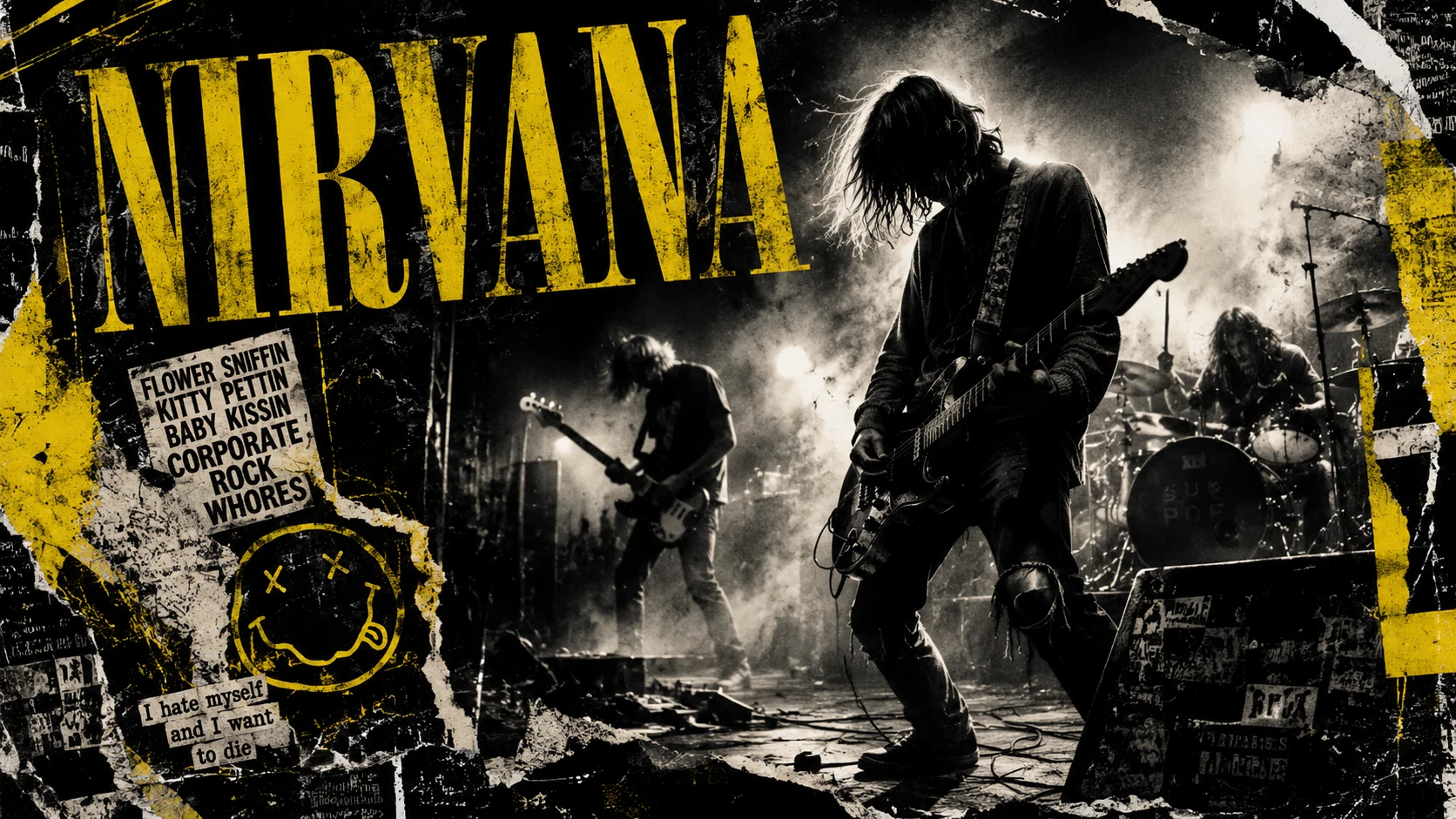
How Nirvana Changed 90s Music Forever
Nirvana did not invent grunge. They did something more dangerous: they changed the size of the room. Before Nevermind, alternative rock was still mostly treated like a side door. After “Smells Like Teen Spirit,” that side door was suddenly the main entrance, and everyone in the old rock building looked overdressed.
This is how Nirvana changed 90s music: not just through one song, one album, or one tragic mythology, but through MTV, MTV and modern rock radio, flannel, CD binders, school parking lots, record labels, the fall of hair metal, and a generation that was very tired of being sold shiny nonsense.
How Did Nirvana Change 90s Music?
Nirvana changed 90s music by pushing grunge and alternative rock into the mainstream, making polished 80s-style rock feel outdated, and turning a raw underground sound into the defining guitar-rock movement of the decade. Nevermind and “Smells Like Teen Spirit” did not create grunge, but they made it impossible for MTV, radio, record labels, and pop culture to ignore.
Nirvana’s impact reached far beyond the band itself. They helped open the door for Pearl Jam, Soundgarden, Alice in Chains, and the wider Seattle grunge scene. They also changed the look and mood of mainstream rock: less gloss, more thrift-store realism, more emotional mess, more suspicion of fame, and a whole lot less interest in pretending everything was fine.
Need the Bigger Grunge Map?
This is the Nirvana deep dive. For the full visual command center, jump to the 90s Alternative & Grunge Hub. For the big editorial story of the whole movement, go to the 90s Alternative & Grunge pillar post.
The Underground Roots Before the Breakthrough
The Nirvana story gets flattened when it starts with Nevermind. That album is the explosion, but the fuse was longer. Before the mainstream treated grunge like a new product category, the sound had been forming through punk, metal, indie rock, college radio, regional scenes, local clubs, small labels, zines, cheap recordings, and bands that were not expecting to become the soundtrack to a corporate youth-culture scramble.
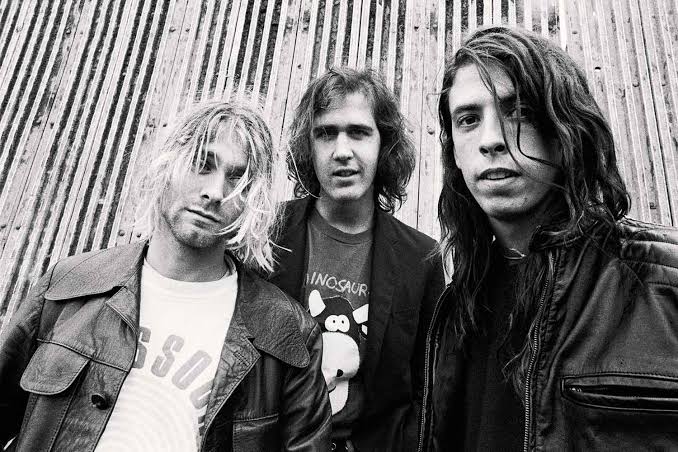
Nirvana came from that world. The band’s early sound carried the weight of punk’s impatience, metal’s sludge, underground rock’s rough edges, and a very Northwest kind of isolation. It was not glamorous. It was not designed for mall windows. It came from smaller rooms where the audience was close enough to see the sweat, the gear was imperfect, and the whole thing felt less like entertainment product and more like pressure release.
That underground context matters because it explains why the band’s success felt so strange. Nirvana did not enter the mainstream looking like they had been training for it. They looked and sounded like the kind of band mainstream rock normally borrowed from without inviting to the party. When they broke through, it did not feel like a normal hit-band arrival. It felt like the side room suddenly swallowed the building.
The wider Seattle grunge scene was full of bands, relationships, labels, venues, and mythmaking before Nirvana became the name everyone knew. That is why Nirvana should be treated as the spark, not the entire fire. They made the mainstream look, but they were part of a larger ecosystem that included Soundgarden, Alice in Chains, Pearl Jam, Mudhoney, Melvins, Screaming Trees, Mother Love Bone, and a lot of less commercial noise that made the scene more interesting than the simplified version.
Before Nirvana: Rock Was Ready to Crack
To understand why Nirvana hit so hard, you have to remember what mainstream rock looked like before the explosion. The late 80s had plenty of great music, but the dominant rock image had become big, glossy, expensive, and extremely aware of the camera. Hair metal, arena rock, power ballads, leather, smoke machines, and guitar poses were everywhere. Some of it ruled. Some of it aged like milk left in a Trans Am.
By the early 90s, the old rock costume felt tired. The audience had shifted. The culture had shifted. Hip-hop was rising with its own authority. Pop was changing. College radio and underground guitar bands had been building momentum. The same kids who had grown up on MTV were now old enough to side-eye the machine that had raised them. There was room for something less polished and more suspicious.
Nirvana arrived at exactly the right wrong time. They were not clean. They were not aspirational in the old rock-star sense. They did not seem like they wanted to sell you a lifestyle, which of course made the lifestyle easier to sell because the 90s were hilarious like that. They sounded like a band from the outside, even when they were suddenly inside every living room with cable.
By 1991, a lot of mainstream rock looked too polished for a generation that trusted sarcasm more than spectacle.
Alternative already had roots. Not invented overnightCollege rock, punk, indie, post-punk, and underground scenes had been building the pressure long before the mainstream noticed.
MTV needed new energy. The visual resetThe channel was hungry for a new look, and Nirvana gave it something raw, strange, cheap-looking, and unforgettable.
Gen X was ready for distrust. The mood changedNirvana sounded like the moment a generation stopped buying the sales pitch and started reading the fine print.
Why 1991 Was the Perfect Year for Nirvana to Explode
Nirvana’s breakthrough is often treated like a lightning strike, but the air was already charged. By 1991, the culture was sitting in a very specific kind of fatigue. The bright 80s were still visible in the rearview mirror, but the mood had changed. The economy felt different. The Cold War backdrop was fading. Youth culture was getting more ironic. The media machine was still glossy, but the audience had learned to distrust gloss. Nirvana arrived when a lot of people were ready for something that sounded less like aspiration and more like friction.
That is why the jump from 1990 Songs to 1991 Songs matters. You can feel the decade turning. Pop was still huge, rock was still splintered, hip-hop was becoming more central, and alternative was pushing from the edges. Nirvana did not appear in a vacuum. They landed in the middle of a format war, a fashion shift, a generational mood swing, and a record industry that was about to discover it loved authenticity as long as authenticity could be shrink-wrapped.
The genius and accident of Nirvana is that they fit the moment without seeming designed for the moment. They sounded like the opposite of a marketing plan, which immediately made them the most marketable thing in rock. That contradiction did not weaken their impact. It defined it. The more the mainstream tried to absorb them, the more uncomfortable the whole thing became, and that discomfort was part of what made the band feel so real.
A lot of young listeners wanted music that sounded skeptical, raw, and allergic to corporate cheerfulness.
Radio and MTV needed new energy, and Nirvana gave them something too big to ignore but too strange to fully control.
The image was different. Anti-glossNirvana made old rock-star polish feel like a costume, which is a hard thing to unsee once it happens.
The songs traveled. Hooks under damageThe band’s rawness got attention, but the melodies are why the songs crossed over and stayed.
Nevermind Changed the Size of Alternative Rock
Nevermind is one of those albums that gets discussed so much it almost becomes furniture. But it still matters because it was the moment alternative rock stopped being a side category and became the main plot. It did not invent the sound. It amplified it. Suddenly, underground guitar music was not just something for record-store people, college-radio listeners, and kids with older siblings who knew better. It was on MTV. It was on radio. It was in malls. It was in school hallways. It was in cars. It was everywhere.
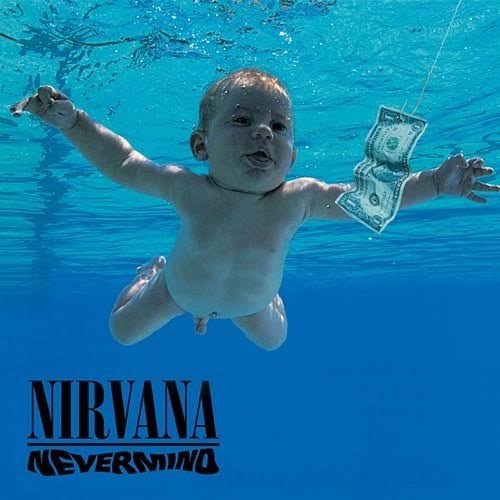
What made Nevermind work was not only volume. It was accessibility under distortion. “Smells Like Teen Spirit” had a chorus that could level a room. “Come as You Are” was eerie and simple. “Lithium” had emotional whiplash built into the structure. “In Bloom” mocked the exact mainstream misunderstanding that helped make the band huge. “Breed,” “Drain You,” “Polly,” and “Something in the Way” showed that Nirvana could move from punk rush to quiet dread without sounding like a different band.
The album’s production also mattered. It was polished enough to travel but still rough enough to feel like it had not showered. That balance helped Nevermind cross over. A more abrasive version might have stayed underground. A glossier version might have lost the nerve. The album sat in the dangerous middle: catchy enough for mass culture, damaged enough to make mass culture uncomfortable.
That is why Nevermind remains central to the best 90s grunge albums and the best 90s alternative albums. It changed the economics of alternative rock, but it also changed the expectations. Record labels went looking for the next Seattle band, the next messy guitar act, the next flannel miracle. Most of those searches were awkward. Some were embarrassing. But the shift was real. 25 essential grunge songs 50 essential 90s alternative songs
The Production Tension: Raw Band, Big Sound
One of the reasons Nevermind traveled so far is that it sat in a strange middle zone. It was raw enough to feel like a break from mainstream gloss, but clean enough to hit radio with force. That balance is crucial. A dirtier version might have stayed cult. A shinier version might have sounded fake. The album landed in the exact uncomfortable place where underground energy became legible to the mainstream without losing all of its bite.
This is where the production story matters. The guitars were thick, the drums hit hard, the vocals were clear enough to carry hooks, and the choruses exploded in a way that made the songs feel huge even when the band’s image rejected hugeness. Nevermind sounded bigger than an underground record, but it did not sound like the old rock machine. That is why it could sit on MTV and still feel like it was vandalizing MTV from the inside.
The tension between raw identity and commercial sound became part of Nirvana’s entire legacy. Some listeners heard the album as a breakthrough. Some heard it as too polished compared to the underground roots. The band itself seemed uneasy with how well the record worked as a product. That uneasiness later fed into In Utero, where the sound became more abrasive, more exposed, and less willing to make the listener comfortable.
The record hit with enough force to compete on mainstream radio without sanding away the band’s unstable energy.
The melodies were strong enough to survive distortion, sarcasm and confusion — which is why casual listeners could still grab onto the songs.
The sound was accessible but uneasy. The perfect contradictionNevermind was polished enough to break through and uncomfortable enough to make that breakthrough feel complicated.
The follow-up pushed back. In Utero’s roleIn Utero makes more sense when you hear it as a reaction against becoming too easy to package.
“Smells Like Teen Spirit” Was the Detonation
“Smells Like Teen Spirit” is the obvious tipping point because it did what very few songs do: it made a whole room change temperature. The riff was simple enough to feel immediate, the quiet-loud structure gave it a built-in explosion, the chorus sounded massive even when the words felt half-buried, and the mood was perfectly early 90s: bored, angry, funny, confused, and suspicious of anyone asking for a clear mission statement.
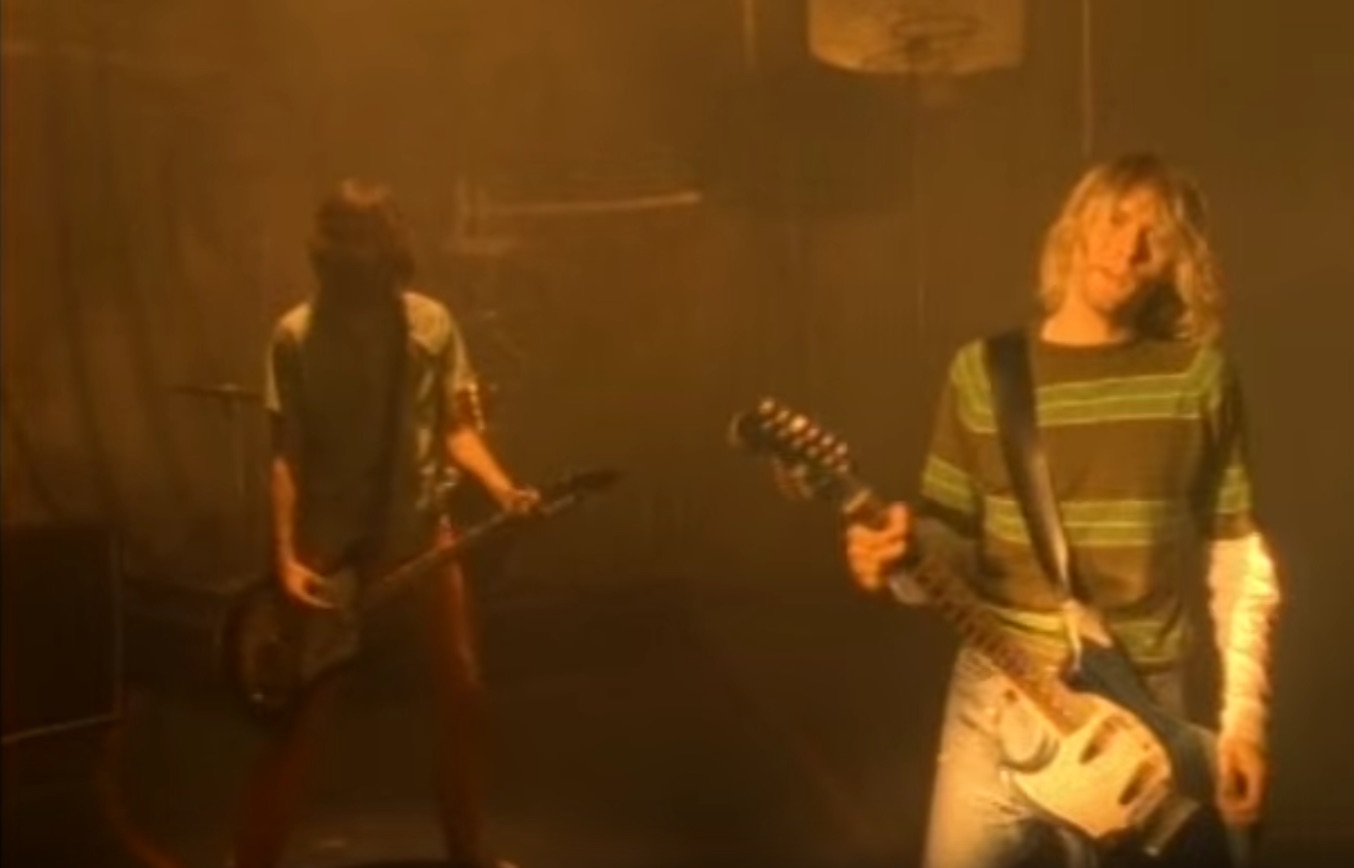
The song also arrived with a video that became inseparable from the moment. A grimy school gym. Cheerleaders. Smoke. Bad lighting. A crowd that looked less like a music-video audience and more like a controlled accident. It was a perfect MTV alternative takeover image because it made the old glossy rock video language look absurd almost immediately.
The strange thing about “Teen Spirit” is that it became an anthem while resisting the normal behavior of an anthem. It did not offer a clean slogan. It did not explain itself. It felt like a joke inside a protest inside a party inside a headache. That ambiguity made it more powerful, not less. People could project themselves onto it. Teenagers could feel seen by it. Adults could worry about it. Record labels could misunderstand it at scale.
Why the Song Worked So Well
It had the perfect crossover equation: punk energy, pop structure, a riff you could recognize in half a second, a video that looked like the decade had been left unsupervised, and a singer whose voice sounded like it was both mocking the spotlight and being swallowed by it.
The song also gave radio a problem it could not avoid. It was too huge not to play, too weird to fit the old frame, and too emotionally charged to treat like a novelty. Once it broke through, the rest of the decade had to make room. 90s alternative videos on MTV essential grunge songs
Nirvana Song by Song: Why the Hits Actually Mattered
Nirvana’s impact was not only about “Smells Like Teen Spirit,” even though that song gets treated like the entire story wearing a flannel shirt. The band’s major songs each opened a different door into why Nirvana worked. Some were explosive. Some were eerie. Some were sarcastic. Some were ugly-pretty. Some were quiet enough to prove that the band’s real power was not volume — it was emotional pressure.
The cultural blast. It made Nirvana unavoidable and turned grunge into a mainstream event. The song’s power came from its riff, dynamics, video, and refusal to explain itself neatly.
“Come as You Are”The hypnotic crossover. It showed Nirvana could be eerie and restrained without losing tension. The song helped make the band feel less like a one-song explosion and more like a complete mood.
“Lithium”The emotional switchblade. Its quiet-loud structure, unstable calm and explosive release made it one of the clearest examples of how Nirvana could make inner chaos sound catchy.
“In Bloom”The sarcastic anthem. It mocked the kind of listener who might love the melody and miss the point, which made its success feel like a joke the band and audience were both trapped inside.
“Heart-Shaped Box”The post-breakthrough statement. Darker, stranger and more unsettling, it showed Nirvana could remain massive while pushing away from easy Nevermind repeat logic.
“All Apologies”The exhausted beauty. It became one of the band’s most haunting songs because it sounded resigned, melodic and bruised in a way that made the mythology around Nirvana feel even heavier.
“Something in the Way”The quiet dread. It proved Nirvana did not need an explosion to sound heavy. The song’s minimalism became part of the band’s emotional range and long-term cultural afterlife.
“Where Did You Sleep Last Night”The Unplugged gut punch. It showed how Nirvana could inhabit older material and make it feel like a closing scene. Quiet, raw and devastating without needing distortion.
This is why Nirvana belongs in any serious conversation about 90s alternative rock songs that defined the decade. The band’s songs did not all do the same job. They created a vocabulary: explosion, dread, sarcasm, melody, discomfort, exhaustion, and release.
MTV and Radio Turned Nirvana Into a Cultural Event
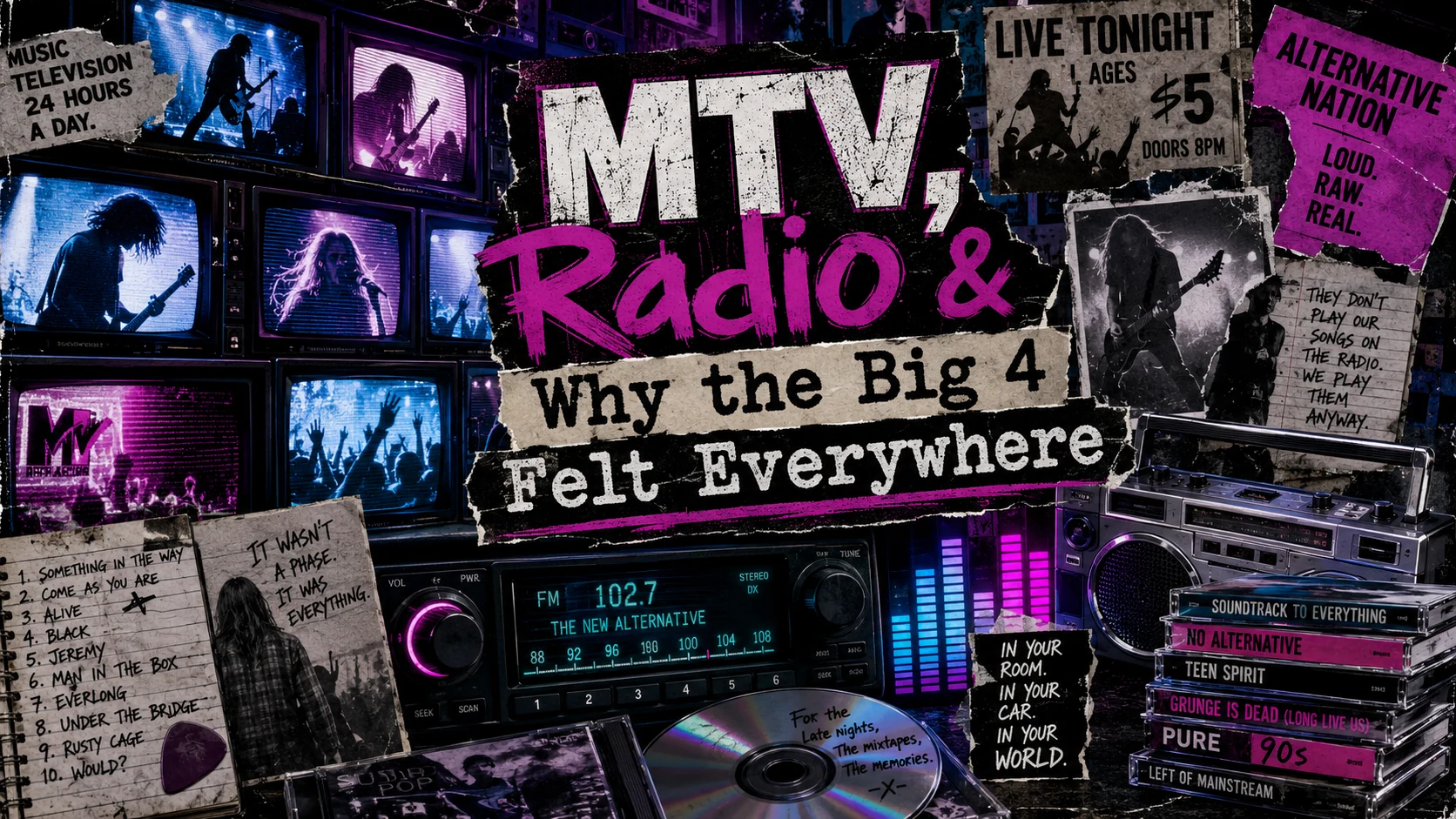
Nirvana’s songs mattered, but distribution made the explosion bigger. MTV was still powerful enough to turn a video into shared reality, and modern rock radio was becoming the place where alternative could gather instead of floating around the edges. Nirvana hit both systems at the right time. The band did not just get played. They became a signal that the system itself had changed.
On MTV, Nirvana made low-gloss imagery feel cooler than expensive polish. The band looked like it had wandered into the video shoot accidentally and decided to destroy the room while there. That mattered. Rock had been full of stylized rebellion for years, but Nirvana’s version felt less like a costume and more like a refusal to perform correctly.
On radio, Nirvana helped make alternative a mainstream format rather than a niche. Modern rock radio could build a whole world around Nirvana, Pearl Jam, Soundgarden, Alice in Chains, R.E.M., Smashing Pumpkins, Stone Temple Pilots, Beck, and the next wave of guitar bands. The dial changed because the audience changed, and Nirvana became proof that the audience was bigger than the industry had admitted.
Nirvana Opened the Door for the Big 4 of Grunge
Nirvana’s breakthrough changed the context around every other major grunge band. The Big 4 of Grunge — Nirvana, Pearl Jam, Soundgarden, and Alice in Chains — did not all sound the same, and they did not all need Nirvana to matter. But Nirvana made the mainstream pay attention fast enough that the whole Seattle-linked movement became impossible to ignore.
Pearl Jam brought emotional scale. Soundgarden brought heavy weirdness. Alice in Chains brought haunted darkness. Nirvana brought the rupture. That balance is why the Big 4 framing still works. Nirvana did not represent every part of grunge, but they were the band that turned the entire conversation into front-page culture.
That had benefits and consequences. More people heard the music. More bands got signed. More underground sounds found an audience. But the scene also got flattened, packaged, and misunderstood. Suddenly every band with distortion and thrift-store clothes risked being treated as part of the same marketing bucket. The industry wanted a repeatable formula. The problem was that Nirvana’s power came from not feeling like a formula.
Did Nirvana Really Kill Hair Metal?
Nirvana did not single-handedly kill hair metal, because music history is rarely that clean. But they absolutely helped make the old glossy rock image feel outdated. The shift was already happening: audiences were changing, radio was changing, hip-hop was rising, metal was fragmenting, and pop culture was getting less patient with 80s excess. Nirvana became the symbol of that shift because they arrived with the right sound at the exact moment the old costume started looking ridiculous.
That is why How Grunge Killed Hair Metal is really a story about mood. Hair metal often sold fantasy: parties, swagger, excess, desire, escape. Nirvana sold discomfort, irony, boredom, anger, and emotional static. It was not always happier, but it felt more believable to a lot of people in the early 90s.
The biggest change was not just musical. It was visual. The rock star stopped looking like an untouchable cartoon and started looking like someone who might be in your English class, your older sibling’s band, or asleep on a couch at a house where nobody knew who paid the rent. That shift hit hard because it made the old rock hierarchy feel fake.
How Nirvana Showed Up in Real 90s Life
Nirvana’s impact was not just something that happened on charts. It showed up in daily life. It was the CD passed between friends, the dubbed tape, the poster on the wall, the shirt in the hallway, the video on MTV, the song on the radio when someone’s older sibling drove you somewhere, the argument about whether they were overrated, and the weird feeling that the most popular rock band in the world did not seem to want the job.
In the CD binder era, owning Nevermind was almost baseline. It was one of those albums that seemed to exist in every collection, whether pristine, scratched, borrowed, stolen, or mysteriously missing the booklet. But In Utero often said something more specific. It was sharper, less comfortable, and harder to turn into background music. If Nevermind was the door opening, In Utero was someone asking why everyone was still standing in the doorway.
The fashion side gets mocked because it became so visible, but grunge fashion mattered because it changed what cool looked like. Cool got less aspirational and more anti-presentational. Oversized sweaters, flannel, ripped jeans, thrift-store layers, old cardigans, scuffed shoes, and hair that looked like it had lost an argument with gravity all became part of the language. Some of it was organic. Some of it was sold back immediately by malls that had absolutely no shame.
Nirvana albums were not just streamed background noise. They were physical objects people carried, scratched, loaned, argued over, and used as personality evidence.
The MTV block Shared memoryThe videos made Nirvana visual: gym chaos, deadpan performance, strange symbolism, cheap-looking rooms, and a mood that felt like anti-advertising.
The school hallway Quiet signalingA Nirvana shirt was a signal. Not always deep, not always original, but definitely readable from across the cafeteria.
The car stereo Distortion in motionNirvana sounded right through imperfect speakers, especially in cars where the bass was either missing or trying to destroy the dashboard.
Nirvana and the Look of Not Trying
The fashion story around Nirvana gets silly fast if you reduce it to “flannel happened.” The deeper point is that Nirvana changed what mainstream cool was allowed to look like. Before the grunge explosion, a lot of rock fashion was aspirational: look rich, look dangerous, look untouchable, look like you had a lighting budget following you around. Nirvana made the opposite feel credible. Look tired. Look thrifted. Look uncomfortable. Look like you were not performing for the camera, even when the camera would not leave.
That shift mattered because it changed the relationship between music and image. Nirvana did not make people stop caring about style. They made a different style legible: oversized sweaters, old jeans, worn cardigans, cheap T-shirts, damaged hair, flannel layers, scuffed shoes, and clothes that looked like they had lived several lives before yours. It was not a uniform at first. Then everyone copied it, and suddenly it absolutely was a uniform. Culture is annoying that way.
The funniest part is how quickly anti-fashion became fashion. Malls, magazines, labels, and advertisers learned to sell “not trying” with suspicious effort. That contradiction is central to Nirvana’s 90s legacy. The band helped expose how fake mainstream cool could feel, and then mainstream cool immediately tried to wear the exposure like a jacket.
The lifestyle extended beyond clothes. Nirvana changed bedrooms, lockers, dorm rooms, CD shelves, posters, notebook doodles, and the way people signaled taste without giving a speech. A Nirvana shirt was not subtle, but it was efficient. It said you recognized the crack in the old rock image. It said you were probably not here for spandex optimism. It said you had at least one CD that looked like it had been through a minor domestic incident.
The Songwriting Was Sharper Than the Myth
The mythology around Nirvana can sometimes bury the most important part: the songs were strong. Not polished in the old way. Not complicated in a prog-rock way. But strong. Cobain had a gift for melody that could survive distortion, sarcasm, and emotional wreckage. That is why Nirvana crossed over. Noise alone does not do that. Hooks do.
Nirvana’s songs often worked through contrast. Soft/loud. Pretty/ugly. Funny/devastating. Simple/confusing. The words could feel fragmented, but the emotional shape was clear. You might not know exactly what a lyric meant, but you knew what the song did to the room. That mattered more.
This is also why Nirvana remains central to 90s alternative rock songs that defined the decade. They made underground feeling legible to a mass audience without making it completely safe. That is a hard balance to hit, and a lot of bands that followed only got half of it.
The songs often held back just long enough to make the explosion feel inevitable.
Pop melody under damage The secret weaponThe distortion got attention, but the melodies are why the songs stayed.
Ambiguous lyrics Projection fuelThe words left enough space for listeners to pour themselves into the songs, which is exactly what the 90s required.
In Utero Was the Anti-Victory Lap
After Nevermind, Nirvana could have made the expected follow-up: bigger choruses, cleaner production, easier singles, and a smoother path through the machine. Instead, In Utero sounded like a band trying to make fame uncomfortable again. It was rawer, sharper, uglier, funnier, sadder, and much less interested in being welcomed into polite company.
That matters because In Utero helped protect Nirvana’s legacy from becoming too simple. If Nevermind was the moment everything opened, In Utero was the reminder that the band was not built to be a clean product. “Heart-Shaped Box,” “Rape Me,” “Dumb,” “Pennyroyal Tea,” “All Apologies,” and the rest of the album pushed back against the idea that Nirvana could be easily digested.
The album also captured one of the central contradictions of the 90s: mainstream culture wanted authenticity, but once authenticity became profitable, it started to look like another costume. In Utero lives inside that contradiction. It is a major-label album that sounds suspicious of major-label success. It is a commercial release that seems irritated by being consumed. Very healthy. Extremely 90s.
Nirvana Album by Album: The Short Catalog That Hit Like a Brick
Nirvana’s catalog is not huge, which is part of why it feels so concentrated. There are no decades of stylistic detours to wander through, no late-career bloat, no “actually the third reunion album is underrated” rabbit hole. The story is short, intense, and easy to trace: Bleach is the raw underground beginning, Nevermind is the mainstream rupture, In Utero is the damaged pushback, and MTV Unplugged in New York is the ghostly afterimage that changed how people understood the songs.
Bleach: The Raw Before Picture

Bleach matters because it shows Nirvana before the world decided they were a generation’s reluctant mouthpiece. It is heavier, rougher, sludgier, and more tied to the underground than the version of the band most casual listeners know. It does not have the crossover polish of Nevermind, but it has the attitude and weight. You can hear the band forming its language: distortion, sarcasm, pressure, and melody trying to break through the walls.
The album is important because it keeps the later story honest. Nirvana did not begin as a shiny breakthrough machine. They came from smaller rooms, cheaper gear, local scenes, and the kind of music that does not ask permission to be pretty. Bleach reminds you that the mainstream explosion did not create the band’s identity; it amplified it.
Nevermind: The Door Getting Kicked Open
Nevermind is the album that changed the size of everything. It took the band’s underground instincts and put them into a form that could travel through radio, MTV, malls, bedrooms, and CD binders. It had distortion, but it also had hooks. It had sarcasm, but it also had singalong choruses. It felt messy, but it was built well enough to become unavoidable.
What makes Nevermind fascinating is that it is not as chaotic as its reputation. The energy is wild, but the songwriting is direct. The songs move. The choruses land. The sequencing works. The album is accessible without being comfortable, which is exactly why it became the bridge between underground guitar music and the mainstream 90s.
In Utero: The Sound of Fighting the Machine From Inside It
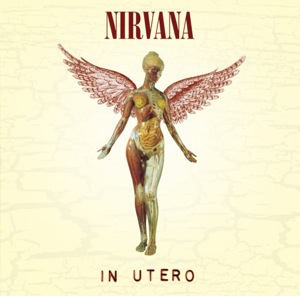
In Utero is the album that makes Nirvana’s story more than a breakthrough narrative. It is rawer, uglier, more confrontational, and more complicated than Nevermind. It sounds like a band trying to make success less comfortable, which is a very strange but very Nirvana thing to do. The album is not a rejection of melody, but it is a rejection of easy consumption.
That is why In Utero matters so much. It keeps Nirvana from becoming only the band that broke grunge. It shows the discomfort after the breakthrough: the pressure, the irritation, the awareness of being packaged, and the refusal to become an easier version of themselves.
MTV Unplugged in New York: The Quiet That Felt Heavy
Nirvana’s Unplugged performance is essential because it revealed the songs without the usual armor. It was not “soft Nirvana” in a cozy sense. It was exposed Nirvana. The performance felt intimate, strange, and heavy in a completely different way. It also introduced a lot of listeners to the idea that the band’s emotional power was not dependent on distortion.
In the wider grunge story, Unplugged helped prove that the movement had depth beyond loud guitars. It belongs beside the essential moments in MTV Unplugged and the softer side of grunge, and it remains one of the most important documents of the entire 90s alternative era. best 90s grunge albums MTV Unplugged and the softer side of grunge
MTV Unplugged Changed How People Heard Nirvana
Nirvana’s MTV Unplugged performance mattered because it proved the band’s power was not only distortion. Stripped down, the songs did not become lightweight. They became more exposed. The performance had a funereal calm that made it feel different from the loud mythology around the band. It showed that Nirvana could be fragile, strange, funny, and devastating without leaning on volume.
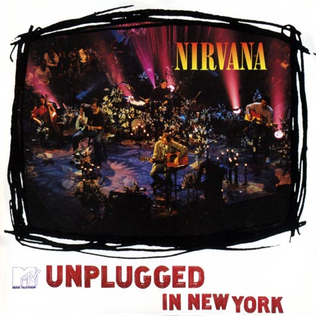
This is why Nirvana belongs at the center of MTV Unplugged and the softer side of grunge. The performance did not soften the band into adult-contemporary safety. It made the darkness clearer. The covers, the staging, the song choices, and the mood all helped turn the performance into one of the defining 90s music moments.
Unplugged also widened the way people understood grunge. It was not just noise. It was songwriting, mood, atmosphere, restraint, and the ability to make quiet feel heavy. That lesson carries through the wider grunge story, especially with bands like Alice in Chains, whose own Unplugged performance would become another haunted landmark.
Nirvana and the 90s Music Timeline
Nirvana’s impact sits inside a fast-moving stretch of the decade. The shift from 1990 to 1994 is especially important because it shows how quickly alternative went from edge to center, and how quickly the industry tried to turn that shift into a repeatable machine.
Bleach shows Nirvana as a raw underground band before the mainstream storm. The pieces are there, but the room is still small. Seattle grunge scene.
Nevermind and “Smells Like Teen Spirit” turn grunge into a mass-cultural event. See the wider radio picture on 1991 Songs. Big 4 of Grunge.
Nirvana is no longer just a band; they are a symbol, whether they want the job or not. Follow the bigger decade shift with 1992 Songs. MTV Alternative Rock Takeover.
In Utero arrives as a raw, difficult, brilliant pushback against being too easily consumed. Keep rewinding with 1993 Songs. best 90s grunge albums.
Nirvana’s story turns tragic, and the mythology around the band becomes inseparable from the music. See the broader year on 1994 Songs. MTV Unplugged.
The Industry Aftershock: Everyone Wanted the Next Nirvana
One of the biggest ways Nirvana changed 90s music was by changing what record labels chased. After Nevermind, alternative was no longer a niche lane. It was a gold rush. Labels looked for loud guitar bands, Seattle bands, almost-Seattle bands, bands that looked uncomfortable in photos, bands that wore thrift-store clothes, bands that seemed like they might not enjoy interviews, and bands that could be sold as authentic even if the word “authentic” was already starting to smell like a marketing meeting.
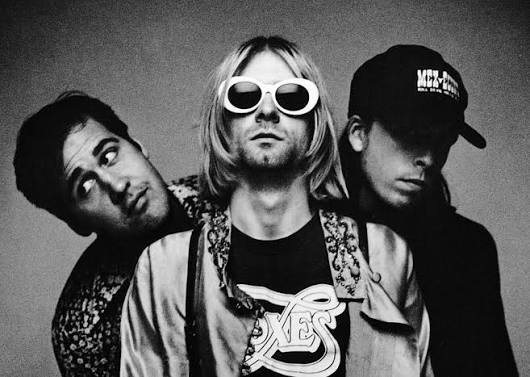
This had good and bad effects. The good: a lot of music that might have stayed underground suddenly had a bigger path to listeners. The door opened for heavier, weirder, less polished sounds. The bad: the industry immediately tried to turn a volatile cultural moment into a repeatable product. That meant awkward signings, lazy comparisons, forced grunge branding, and a lot of people learning that “the next Nirvana” was not a thing you could manufacture on a quarterly schedule.
The post-Nirvana scramble also helped shape the rest of the decade. Some bands found real audiences. Some got swallowed by hype. Some got shoved into the wrong category. Some were part of the shift toward post-grunge, where the rough edges of grunge were often smoothed into a more radio-ready form. Nirvana did not create all of that directly, but their success changed the incentives. Once the incentives change, the sound of the decade changes with them. post-grunge and radio rock 90s alternative one-hit wonders
What Nirvana Did Not Do
Nirvana changed 90s music, but they did not do every legendary thing people sometimes pin on them. They did not invent grunge. They did not single-handedly kill hair metal. They did not make every alternative band possible from scratch. They did not represent every part of Seattle music. And they definitely did not set out to become a clean generational brand, even if the world kept trying to turn them into one.
This matters because exaggerating Nirvana’s role actually makes the story less interesting. The better version is more complicated. Nirvana were part of a larger ecosystem: punk, indie rock, college radio, underground scenes, Seattle bands, Sub Pop mythology, MTV, changing youth culture, and a mainstream rock audience ready for something else. The band became the spark because their songs, timing, image, and contradictions all hit at once.
That is why Nirvana works best as the doorway, not the whole house. Once you walk through, you still need the Big 4 of Grunge, the Seattle grunge scene, the grunge songbook, the albums, women of 90s alternative rock, and the entire messy world of 90s alternative and grunge. 90s Alternative & Grunge Hub 50 Essential 90s Alternative Songs
The Backlash and the Problem With Being Too Influential
Nirvana’s influence created a problem: everyone wanted the next Nirvana. Labels chased Seattle. Bands got compared unfairly. Anything with distortion and emotional discomfort risked being shoved under the grunge umbrella. The industry wanted a formula, but the thing that made Nirvana work was not formula. It was tension, timing, songwriting, personality, discomfort, and a very specific kind of accidental mass appeal.
The backlash came from multiple directions. Some underground listeners felt the scene had been sold out. Some mainstream listeners thought the music was too bleak or too noisy. Some critics turned grunge into a fashion story. Some labels signed bands they barely understood. And the band itself seemed trapped inside the attention it had generated.
That is the darker side of changing everything. Once Nirvana made alternative profitable, the machine moved in. Some great music came from that opening. Some very questionable trend-chasing came from it too. But the door stayed open. The rest of the 90s alternative ecosystem — from women of 90s alternative rock to Britpop, industrial rock, and post-grunge — moved through a world Nirvana helped make larger.
Nirvana’s Legacy: Why It Still Hits
Nirvana still matters because the band captured a feeling that has not really expired: distrust of polish, discomfort with fame, emotional overload, boredom that is actually anger, and the sense that the official version of culture is probably lying. That is not just a 90s feeling. The packaging changes, but the suspicion stays.
The band’s catalog is also small enough to remain intense. There is not a sprawling, uneven decades-long discography to wander through. Nirvana’s story is compressed, which gives it force. The albums, videos, interviews, live performances, and tragedy all sit close together. That makes the memory feel concentrated.
But the most important legacy is musical. Nirvana helped prove that raw music could be huge without becoming fully domesticated. They made alternative rock commercially powerful, changed what record labels chased, shifted MTV’s visual language, helped redefine rock fashion, and gave Gen X one of its most lasting soundtracks. They did not do it alone, but they were the spark people still point to when explaining why the decade changed.
After 1994: The Decade Nirvana Left Behind
After 1994, Nirvana’s absence became part of the shape of 90s music. The band was gone, but the world they helped open kept expanding. Alternative did not disappear. It mutated. Pearl Jam continued on its own path. Soundgarden and Alice in Chains carried different kinds of heaviness. Modern rock radio grew into a whole ecosystem. Post-grunge smoothed parts of the sound into something more radio-friendly. MTV kept feeding the machine with videos, Unplugged performances, and whatever counted as alternative that week.
You can hear the aftershock in the second half of the decade. By 1995, alternative was no longer a surprise; it was infrastructure. By 1996 and 1997, the field had widened into post-grunge, Britpop, ska-punk, industrial crossover, singer-songwriter alt-rock, and bands that would have been unthinkable as mainstream rock stars a decade earlier. Nirvana did not create every lane, but their breakthrough helped normalize the idea that the center could move.
That may be Nirvana’s biggest long-term effect. They made the mainstream less stable. They proved that an underground sound could crash through without asking permission. They made labels chase the margins. They made MTV look different. They made rock stardom look less heroic and more damaged. And they left behind a decade that spent years trying to figure out what to do with the door they kicked open.
Keep Rewinding the Nirvana Blast Radius
Nirvana are the rupture, but the story keeps spreading: the hub, the Big 4, Seattle, the albums, MTV, Unplugged, fashion, hair metal’s collapse and the post-grunge cleanup.
FAQ: How Nirvana Changed 90s Music
How did Nirvana change 90s music?
Nirvana changed 90s music by bringing grunge and alternative rock into the mainstream, making polished 80s-style rock feel outdated, and proving that raw, emotionally messy guitar music could dominate MTV, radio, album sales and youth culture.
Did Nirvana invent grunge?
No. Nirvana did not invent grunge. The Seattle scene and underground guitar music existed before Nirvana became famous. What Nirvana did was make grunge impossible for mainstream culture to ignore.
Why was Nevermind so important?
Nevermind was important because it turned alternative rock from a side lane into the center of mainstream rock culture. It had enough hooks for mass radio and enough rawness to feel like a rejection of the old polished rock image.
What song made Nirvana famous?
“Smells Like Teen Spirit” made Nirvana famous and became the cultural tipping point for grunge. The song and video helped define the early 90s alternative rock explosion.
Did Nirvana kill hair metal?
Nirvana did not kill hair metal alone, but they became the clearest symbol of the shift away from glossy 80s rock toward grunge, alternative rock, rawer fashion and a less polished rock image.
Why did Gen X connect with Nirvana?
Gen X connected with Nirvana because the band sounded skeptical, raw, bored, angry and emotionally overloaded. Their music matched a generation that did not fully trust polish, corporate messaging or old-school rock-star fantasy.
How did MTV help Nirvana?
MTV helped Nirvana by putting “Smells Like Teen Spirit” and other videos into heavy visual rotation during a period when music videos could still turn a band into a shared cultural event almost overnight.
What was Nirvana’s role in the Big 4 of Grunge?
Nirvana was the cultural detonation point of the Big 4 of Grunge. Pearl Jam, Soundgarden and Alice in Chains each had their own major impact, but Nirvana made the mainstream grunge explosion happen faster and louder.
What are the essential Nirvana albums?
The essential Nirvana albums are Nevermind, In Utero, and Bleach. MTV Unplugged in New York is also essential because it shows the band’s quieter, more exposed side.
What are the essential Nirvana songs?
Essential Nirvana songs include “Smells Like Teen Spirit,” “Come as You Are,” “Lithium,” “In Bloom,” “Heart-Shaped Box,” “All Apologies,” “About a Girl,” “Something in the Way,” and “Where Did You Sleep Last Night.”
Why does Nirvana still matter?
Nirvana still matters because they changed mainstream rock’s sound, image and attitude. They made alternative music culturally central and helped define the emotional language of 90s rock.
What made Nirvana different from other grunge bands?
Nirvana mixed punk energy, pop hooks, sarcasm, emotional damage and anti-rock-star discomfort in a way that crossed over faster than anyone expected. Pearl Jam, Soundgarden and Alice in Chains all had their own strengths, but Nirvana became the sudden cultural rupture.
Was Nirvana punk or grunge?
Nirvana was both punk-influenced and grunge. Their roots and attitude were strongly tied to punk and underground rock, while their mainstream breakthrough placed them at the center of the grunge movement.
Why did Smells Like Teen Spirit become so huge?
“Smells Like Teen Spirit” became huge because it had a simple explosive riff, quiet-loud dynamics, a massive chorus, an unforgettable MTV video and a mood that perfectly matched early-90s youth culture.
Was In Utero a response to Nevermind?
Yes, in many ways In Utero felt like a rawer and more uncomfortable response to the huge success of Nevermind. It pushed back against being too easily polished, packaged or consumed.
How did Nirvana affect fashion?
Nirvana helped make thrift-store clothing, flannel, oversized sweaters, ripped jeans and anti-fashion part of mainstream 90s style. The irony is that a look built on not caring was quickly sold back by the fashion industry.
How did Nirvana influence post-grunge?
Nirvana’s success changed what labels and radio wanted from rock bands. Post-grunge took some of grunge’s sounds and moods and smoothed them into a more radio-friendly format later in the decade.
What is the best Nirvana album for beginners?
Nevermind is the best starting point for beginners because it contains the band’s biggest breakthrough songs and captures the moment Nirvana changed mainstream rock. After that, listen to In Utero, Bleach and MTV Unplugged in New York.
Why did Nirvana become bigger than other underground bands?
Nirvana became bigger because they combined underground credibility with songs that had massive hooks. Their timing, MTV presence, quiet-loud dynamics, image, and emotional ambiguity made them easier to spread than many rougher underground bands.
How did Nirvana change MTV?
Nirvana helped MTV move away from glossy 80s rock imagery toward a rougher, stranger, more alternative visual language. Their videos made low-gloss, grimy, emotionally charged imagery feel like the new center of rock culture.
What did Nirvana change about rock stardom?
Nirvana made rock stardom look uncomfortable, conflicted, sarcastic and anti-glamorous. That changed the old idea that a rock star had to look untouchable, polished or aspirational.
Why is Nirvana associated with Gen X?
Nirvana is associated with Gen X because their music captured a mood of skepticism, alienation, irony, boredom and emotional overload that fit the generation’s cultural reputation in the early 90s.
What happened to alternative music after Nirvana?
After Nirvana, alternative music became a mainstream force. The rest of the 90s saw modern rock radio, post-grunge, Britpop, industrial crossover, ska-punk, and singer-songwriter alternative all moving through a door Nirvana helped open.