Industrial Rock in the 90s Nine Inch Nails, Ministry and the Dark Side of Alternative
Industrial rock in the 90s was the machine-noise shadow beneath the alternative explosion: distorted guitars welded to electronic beats, samples, loops, synths and processed vocals until rock music sounded like a factory alarm having an emotional breakdown.
Nine Inch Nails, Ministry, Filter, Stabbing Westward, Gravity Kills, KMFDM, White Zombie and Marilyn Manson pushed that sound through MTV, modern-rock radio, movie soundtracks and mall-goth culture. It was heavy, synthetic, cinematic, confrontational and unmistakably Gen X.
HIGH
VOLTAGE
The machines learned power chords.
Industrial rock took alienation out of the rain and locked it inside steel, static, drum loops and fluorescent light. The hooks were still human. Everything surrounding them sounded like the building had become part of the band.
What Was Industrial Rock in the 90s?
Industrial rock in the 90s combined distorted guitars with electronic beats, synths, samples, loops, processed vocals and metal aggression. Nine Inch Nails drove the mainstream crossover, while Ministry, Filter, Stabbing Westward, Gravity Kills, KMFDM, White Zombie and Marilyn Manson carried different versions of the sound into radio, MTV, soundtracks and alternative culture.
The genre mattered because it gave 90s alternative and grunge a colder, more synthetic kind of darkness. Grunge made alienation feel bruised and human; industrial rock made it feel programmed, amplified and trapped behind chain-link fencing.
The best starting records are Nine Inch Nails’ The Downward Spiral, Ministry’s Psalm 69, Filter’s Short Bus, KMFDM’s Nihil, White Zombie’s Astro-Creep: 2000 and Marilyn Manson’s Antichrist Superstar. The 90s alternative music guide connects this darker lane to grunge, MTV, essential songs, soundtracks and the rest of the decade.
The Essential 90s Industrial Rock Bands and Main Players
Industrial rock had underground roots, metal collisions, electronic-club DNA and mainstream crossover moments. Here are the main 90s names before the full rewind starts throwing sparks.
Why Industrial Rock Hit So Hard in the 90s
Industrial rock hit because the 90s were unusually open to dark, weird, genre-bent music. Alternative radio could play a grunge song, a Britpop anthem, a ska-punk track, a soundtrack cut and then something that sounded like a robot having a breakdown. Somehow, this was normal. Honestly, we did not appreciate the chaos enough.
MTV mattered too. Industrial rock had images built into it: static, wires, rust, shadows, distorted bodies, weird rooms, machine textures and religious panic. The same decade that let surreal alternative clips into the mainstream through the MTV alternative rock takeover was perfectly built for industrial videos that looked like they had been recovered from a cursed tape deck.
Movie soundtracks also helped. Dark 90s films needed music that sounded cinematic, tense and dangerous, and industrial rock was basically built for that job. Between MTV, soundtracks, radio and mall culture, industrial music found ways to sneak into the mainstream without ever feeling fully safe.
There was also a very specific Gen X timing to it. The early internet was creeping in, cable TV was already rewiring everyone’s attention span, video games were getting darker and more cinematic, and the decade had a weird obsession with broken systems. Industrial rock sounded like that shift before most people had language for it. It was analog anxiety turning digital.
Eight Essential 90s Industrial Rock Records
You do not need a degree in obscure European noise projects to understand the 90s industrial crossover. Start with the records that actually carried the sound into bedrooms, cars, MTV, soundtrack racks and the section of the mall where everything smelled vaguely like incense and vinyl plastic.
Industrial Rock in the 90s: The 15-Part Rewind
The diagnostic readout before the bands, records, soundtracks, MTV nightmares, mall-goth crossover and late-decade system failure get the full treatment.
The Full Industrial Rock Story
This is where the machinery gets loud: the bands, records, MTV moments, soundtrack detours, mall-goth crossover and reasons this lane still feels like one of the most distinct parts of the 90s alternative map.
Industrial Rock Was the Machine Under the 90s Alternative Floorboards
Not just guitars. Not just synths. More like a haunted factory learned power chords.
The 90s alternative boom was not one clean sound. It was a busted CD binder full of contradictions: grunge, Britpop, ska-punk, post-grunge, slacker rock, women-led alt-rock, college-radio leftovers, soundtrack one-offs and then this darker mechanical thing crawling out of the vents. That thing was industrial rock.
Industrial rock in the 90s took the cold machinery of industrial music and smashed it into guitars, drums, distortion, samples, screaming, dance-floor pulse, metal aggression and late-night MTV unease. It sounded less like a band in a garage and more like someone trapped a rock song inside a broken elevator with a bad attitude.
Nine Inch Nails were the center of the crossover, but they were not the whole story. Ministry helped drag industrial aggression into heavier territory. KMFDM brought the club/metal/slogan-machine energy. Filter gave it a radio-friendly burn mark. Stabbing Westward and Gravity Kills carried the sound onto modern rock radio. White Zombie added horror-movie junkyard groove. Marilyn Manson turned industrial shock rock into a full-blown mid-90s panic engine.
This was the dark side of the wider 90s alternative and grunge explosion. While Seattle gave the decade rain-soaked catharsis and Britpop gave it swagger, industrial rock gave it cables, metal, latex, static, bad lighting and the feeling that your stereo might be judging you.
And for Gen X kids, especially the ones with black T-shirts, dubbed tapes, chipped nail polish, oversized headphones and bedrooms lit by one red bulb from Spencer Gifts, industrial rock felt like a secret frequency that somehow escaped into the mainstream.
Industrial rock also had roots that went deeper than the 90s mall version. Before the crossover, industrial music had already spent years exploring noise, repetition, electronics, tape manipulation, performance-art discomfort and anti-pop structure. The 90s did not invent the machinery. It put bigger guitars on it, gave it MTV lighting and accidentally made it something you could buy next to a Pearl Jam CD.
That crossover tension is what makes the genre interesting. Industrial rock was never fully underground after the early 90s, but it also never felt fully domesticated inside the larger 90s alternative map. Even when the hooks got bigger, the sound still carried a sense of contamination — like some part of the song had been assembled from broken machines, bad news and late-night cable static.
- Core sound: Distorted guitars, electronic beats, samples, synth textures, machine rhythms, metal aggression and alternative-rock hooks.
- Main crossover acts: Nine Inch Nails, Ministry, Filter, Stabbing Westward, Gravity Kills, KMFDM, White Zombie and Marilyn Manson.
- Peak era: Roughly 1992–1998, when industrial sounds crossed into MTV, radio, soundtracks and mall-goth culture.
- Why it mattered: It proved 90s alternative could be synthetic, heavy, danceable, cinematic and deeply uncomfortable all at once.
Nine Inch Nails Made Industrial Rock Feel Personal
The machine had a pulse, and unfortunately it knew all your worst thoughts.
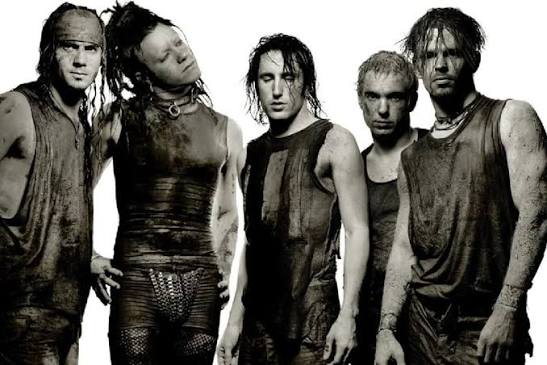
Nine Inch Nails were the band that made industrial rock feel intimate enough for headphones and huge enough for arenas. That combination is still wild. The music could sound mechanical, synthetic and brutal, but the core emotion was human damage rendered in chrome, rust and distortion.
Pretty Hate Machine arrived before the 90s fully became the 90s, but it became a blueprint for what would follow: synth-pop bones, industrial texture, dance-floor pulse, rage, isolation and hooks sharp enough to cut through the smoke machine. It was dark, but not shapeless. You could move to it. You could also stare at a wall and reconsider your entire personality. Multitasking.
Then came Broken, which sounded like the previous record had been thrown down a stairwell and plugged into heavier amps. It made Nine Inch Nails more aggressive, more guitar-forward and more terrifying to anyone who thought industrial meant only keyboards and black eyeliner.
But The Downward Spiral is the 1994 event. That record did not simply cross over; it invaded the nervous system and became part of 90s music history. “March of the Pigs,” “Closer,” “Hurt,” “Piggy,” “Mr. Self Destruct” — these songs made industrial rock feel like a collapse happening in real time inside the broader alternative explosion. It belongs beside 1994’s biggest alternative memories because the album turned underground discomfort into unavoidable culture.
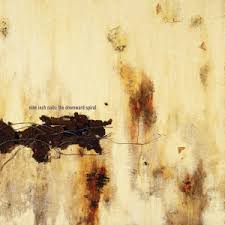
The genius was contrast. Nine Inch Nails could be ugly, noisy and confrontational, then suddenly melodic and fragile. That emotional whiplash made the machinery more effective. It was not cold for the sake of cold. It was cold because the human part sounded trapped inside it.
MTV made that feeling visible. Videos like “Closer” did not look like ordinary rock clips. They looked like cursed museum footage from a basement you were not supposed to enter. That kind of visual identity sits right inside the story of 90s alternative videos on MTV, where the decade briefly let genuinely strange images into heavy rotation.
By the end of the decade, Nine Inch Nails were not just an industrial act. They were one of the defining alternative forces of the era, proof that electronic production, damaged confession, metal weight and pop instincts could share the same haunted room.
Trent Reznor’s biggest trick was making the machinery feel confessional. A lot of industrial music before Nine Inch Nails could feel confrontational from the outside, like the band was attacking culture, politics, religion or the listener. Nine Inch Nails made the attack feel internal. The machines were not only out there. They were inside the narrator’s head.
That is why the songs worked beyond genre fans. “Head Like a Hole” had a chantable rebellion. “Wish” had the physical hit of heavy music. “Closer” had the kind of dangerous groove that made everyone pay attention even when they pretended to be offended. “Hurt” stripped the machinery down until the emotional wreckage was impossible to dodge. That range turned Nine Inch Nails into a bridge between underground industrial, alternative rock, metal, electronic music and wounded 90s introspection.
The live presence mattered too. Industrial rock could risk feeling too programmed, but Nine Inch Nails performances made the sound physical. Instruments got attacked. Bodies moved like the songs were malfunctioning in real time. It made the electronic side feel less sterile and the rock side feel less ordinary.
- Key 90s releases: Pretty Hate Machine, Broken, The Downward Spiral, The Fragile.
- Signature tracks: “Head Like a Hole,” “Wish,” “March of the Pigs,” “Closer,” “Hurt,” “The Perfect Drug.”
- What they added: Emotional vulnerability inside industrial machinery, plus hooks that made discomfort weirdly singable.
- 90s impact: They made industrial rock mainstream without sanding off the danger.
Ministry Brought the Heavy Machinery
Less bedroom collapse, more welding sparks flying directly into your speakers.
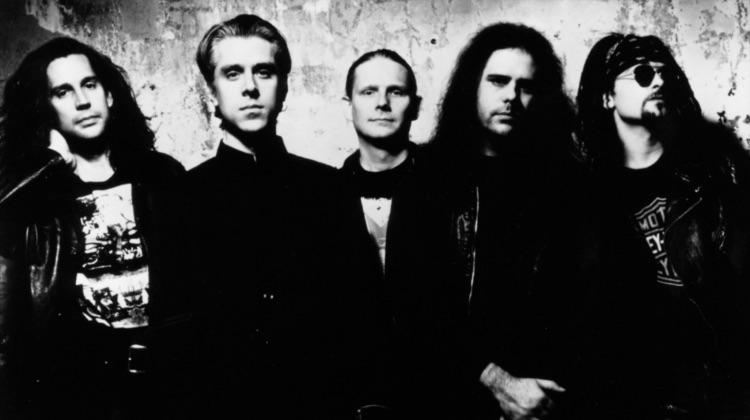
If Nine Inch Nails made industrial rock personal, Ministry made it feel like an entire factory line had achieved sentience and chosen violence. Ministry’s 90s output was harsher, faster, heavier and much less interested in letting the listener feel emotionally safe. Good. Comfort was not the assignment.
The key record for the crossover is Psalm 69, a 1992 slab of industrial metal that sounded like speed, politics, samples, guitars and mechanical rage being welded together under unsafe workplace conditions. “N.W.O.,” “Just One Fix” and “Jesus Built My Hotrod” helped define how industrial could collide with metal without losing its electronic bite.

Ministry mattered because they gave the 90s industrial lane its muscle. They were uglier than most alternative radio, too mechanical for straight metal purists, too metal for the dance floor, and too loud for any reasonable apartment lease. Which, naturally, made them perfect for the decade.
Their sound also connected to a bigger 90s anxiety: media overload, political rot, religious hypocrisy, addiction, war imagery, bad institutions and the general feeling that modern life had become one long sample loop of collapse. Ministry did not decorate that feeling. They sandblasted it.
While they were never as cleanly mainstream as Nine Inch Nails, Ministry shaped the heavy end of industrial rock. You can hear their influence in every 90s band that decided guitars were not enough unless they sounded like metal scraping against a train.
Ministry were not built for polite crossover, which is why their place in the 90s alternative universe still feels so sharp. They were built for impact. The fact that they crossed into the wider alternative conversation at all tells you how open and weird the 90s really were.
Ministry’s path also shows how strange industrial’s evolution was. The band did not begin as the heavy beast most 90s listeners discovered. Their earlier work leaned more synth-pop and electronic before Al Jourgensen steered the project toward harsher industrial metal. By the 90s, that transformation felt complete: everything was faster, uglier, more political and more physically punishing.
Where Nine Inch Nails often turned inward, Ministry often sounded like an external attack: systems failing, leaders lying, media feeding, bodies breaking, people numbing out while the machines kept running. The samples did not feel decorative. They felt like evidence in a case against modern life.
That is why Psalm 69 remains such a key record for the era. It is not polished in the radio-friendly sense, but it is immediate. The riffs are blunt. The beats are relentless. The samples jab at you. It helped define the heavy industrial sound that later bands would smooth out, simplify or borrow from.
- Key 90s releases: Psalm 69, Filth Pig, Dark Side of the Spoon.
- Signature tracks: “N.W.O.,” “Just One Fix,” “Jesus Built My Hotrod,” “Reload.”
- What they added: Industrial metal aggression, sample chaos, political bite and machine-shop heaviness.
- 90s impact: They made industrial rock heavier, meaner and more dangerous around the edges.
Filter Turned Industrial Burn Marks Into Radio Hooks
Because sometimes the machine needs a chorus big enough for modern rock radio.
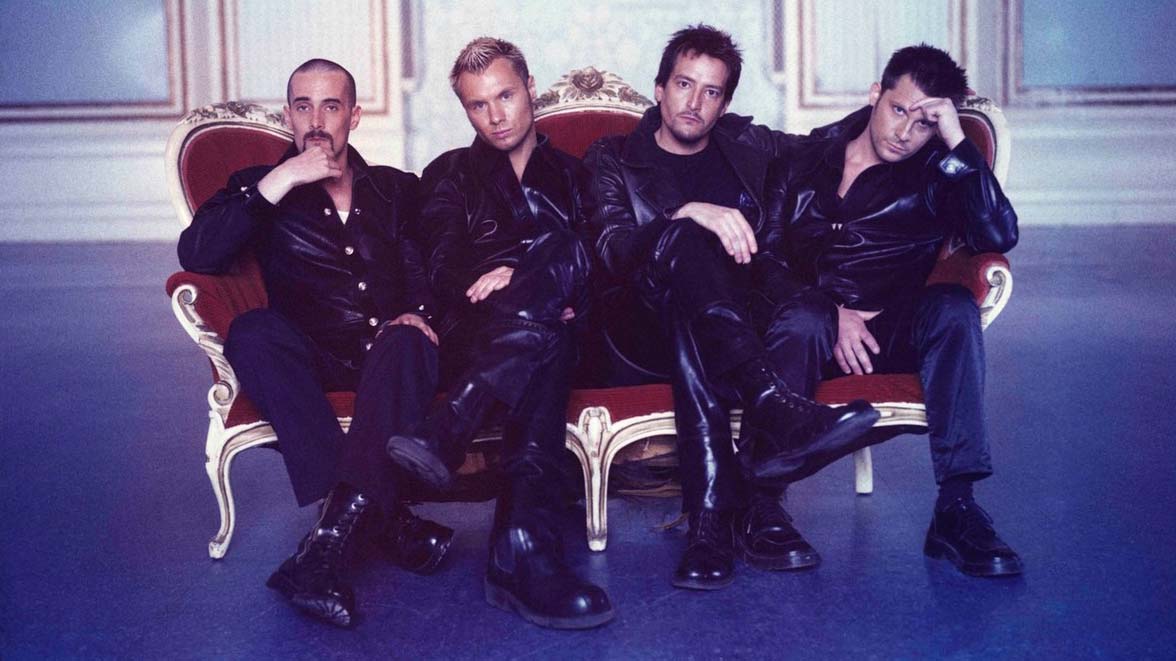
Filter are one of the clearest examples of how industrial rock moved into mainstream alternative radio. Richard Patrick had been connected to the Nine Inch Nails world, but Filter quickly carved out its own lane: less claustrophobic art-damage, more direct guitar grind, big choruses and radio-ready tension.
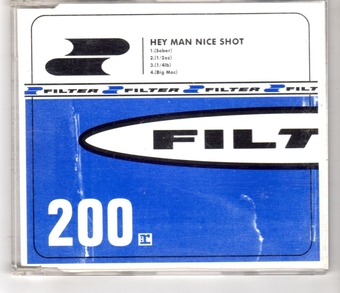
“Hey Man Nice Shot” was the detonator. It had industrial texture, a stalking bassline, controlled menace and then that huge release. The song felt dangerous but accessible, which was exactly the sweet spot modern rock radio loved in the mid-90s. It could sit near grunge, metal, industrial and alternative without fully belonging to any one of them.
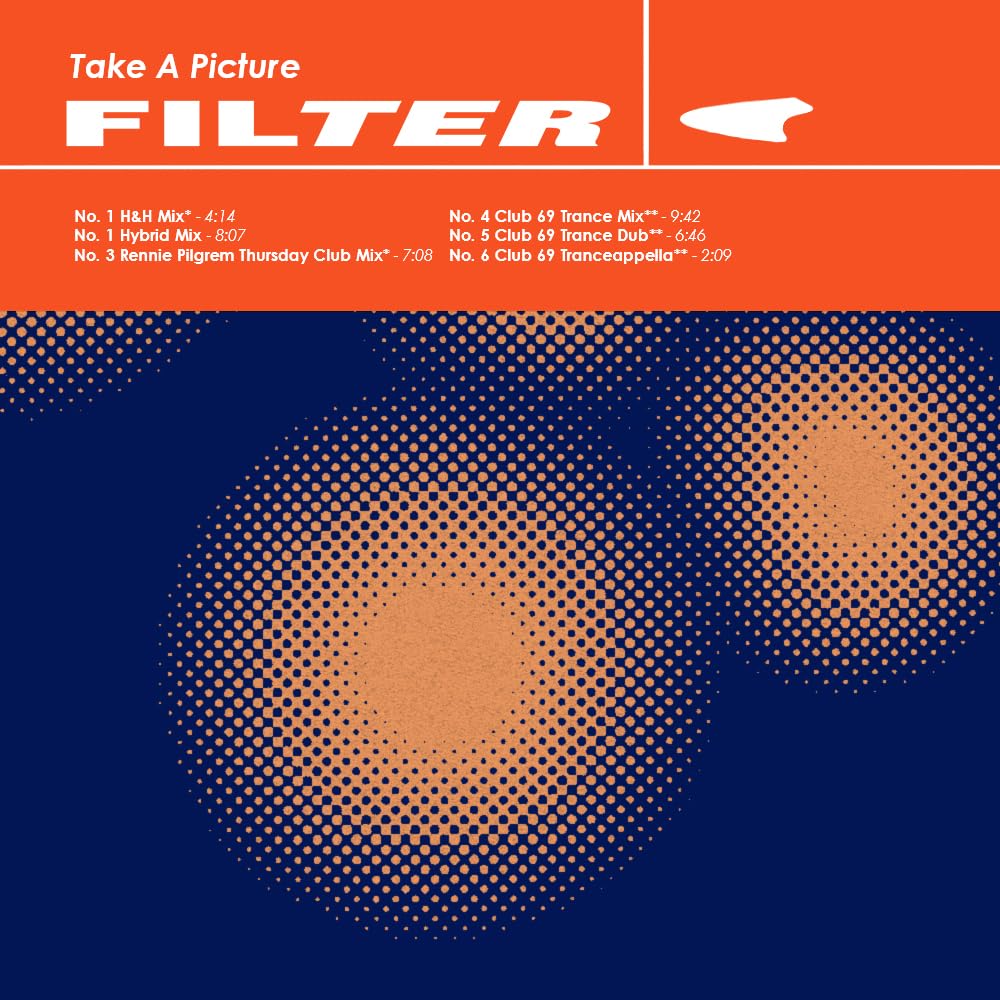
Short Bus gave Filter a gritty, blown-out identity, but Title of Record showed another side with “Take a Picture,” a much smoother, more atmospheric song that still carried the emotional unease of the band’s earlier work. That range helped Filter avoid becoming just a one-riff industrial-adjacent footnote.
Filter mattered because they translated industrial aesthetics for listeners who might not have gone all the way into Ministry or Skinny Puppy territory. The beats were less alien, the choruses were bigger, the guitars sat comfortably inside alternative radio and the darkness came packaged in a more accessible shape.
That does not mean they were watered down. It means they understood the bridge. Industrial rock needed acts that could carry the sound into cars, gyms, dorm rooms and radio countdowns without requiring everyone to own a black trench coat and three import EPs.
Filter were part of the proof that industrial rock was not just underground texture anymore. It had become part of the mainstream 90s music language.
Filter’s importance is easy to underestimate because they made the translation look simple. “Hey Man Nice Shot” did not require listeners to understand industrial history. It just hit. The song’s slow build and explosive release made perfect sense in the same era that loved quiet-loud grunge dynamics, but the texture felt more metallic and controlled.
That radio readability was a strength. Filter carried industrial influence into spaces where more extreme acts would not fit as easily. They sounded dark but not impenetrable, heavy but not fully metal, synthetic but still rooted in big rock dynamics. They were one of the reasons industrial-adjacent production became normal on modern rock radio across 90s music.
The later success of “Take a Picture” also complicates the band in a useful way. It proved that industrial-affiliated artists did not have to stay locked in aggression. The same unease could be turned atmospheric, melodic and strange in a completely different way.
- Key 90s releases: Short Bus, Title of Record.
- Signature tracks: “Hey Man Nice Shot,” “Dose,” “Take a Picture,” “Welcome to the Fold.”
- What they added: Radio hooks, alt-rock muscle and a cleaner bridge between industrial grit and mainstream alternative.
- 90s impact: They made industrial-adjacent rock feel playable on regular modern rock radio.
Stabbing Westward Made Industrial Rock Dramatic Enough for the Back Row
Angst, electronics, guitars and feelings big enough to fog up a mall entrance.
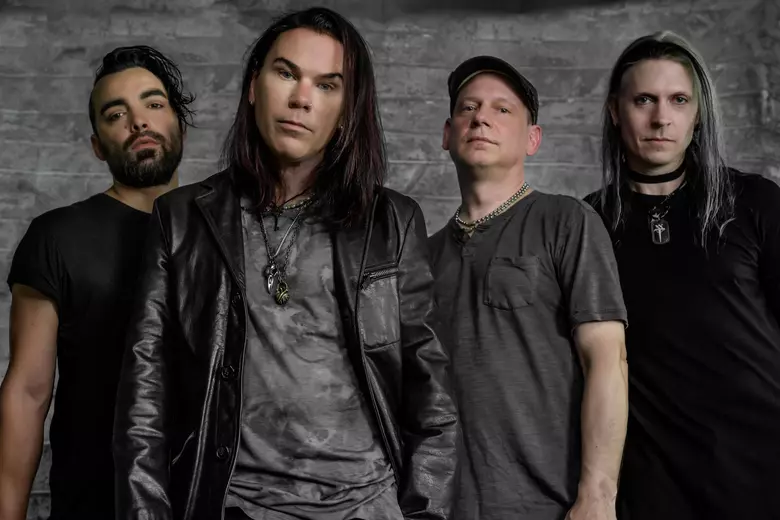
Stabbing Westward were industrial rock’s melodramatic radio wing, and that is not an insult. The 90s had room for bands that sounded like heartbreak being processed through a rack of effects while someone stared intensely into a cracked mirror.
Their big mid-90s moment came with Wither Blister Burn & Peel, especially “What Do I Have to Do?” and “Shame.” Those songs had the industrial-rock ingredients — electronic pulse, heavy guitars, processed atmosphere — but the emotional delivery was huge and direct. Less cryptic machinery, more open-wound chorus.
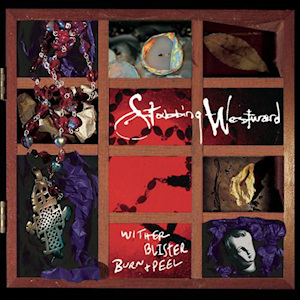
That made Stabbing Westward perfect for a certain kind of 90s listener: the one who wanted the darkness and texture of industrial, but also wanted songs that could be screamed in a car after a terrible phone call. Remember phone calls? They could ruin your entire night and there was no texting your way out of it.
The band also fit the era’s soundtrack and television energy. Their music sounded cinematic in that mid-90s way — intense, glossy, dark, slightly futuristic and ready to play over a scene where someone in leather walks through blue lighting with unresolved issues.
Critics did not always give bands like Stabbing Westward the same respect as the genre’s heavier or more experimental acts, but they mattered to the crossover. They made industrial rock emotionally legible to a broader alternative audience.
Industrial rock was not only cold machinery. Sometimes it was melodrama in a black shirt, and Stabbing Westward wore that lane extremely well.
Stabbing Westward’s best songs understood one very 90s truth: sometimes subtlety is overrated and the chorus should sound like the end of the world because someone did not call you back. That melodrama made them easy to mock, but it also made them useful. Industrial rock could be cold; Stabbing Westward made it bleed loudly.
The band leaned into tension and release. Verses pulsed, guitars churned, electronics created atmosphere, and then the chorus opened up into something built for radio catharsis. It was industrial rock filtered through emotional theater, and for a lot of listeners, that was the point.
This also helped the genre reach people who were not collecting import singles or reading liner notes like sacred texts. Stabbing Westward made the sound accessible through feeling first. The machines were there, but the heartbreak drove.
- Key 90s releases: Ungod, Wither Blister Burn & Peel, Darkest Days.
- Signature tracks: “What Do I Have to Do?,” “Shame,” “Save Yourself.”
- What they added: Big emotional choruses, glossy darkness and industrial textures built for radio drama.
- 90s impact: They helped make industrial rock feel like part of the everyday alternative-radio rotation.
Gravity Kills Made the Sound Sleek, Wired and Ready for Rotation
Industrial rock with a pulse clean enough for radio and jagged enough for the black-light aisle.
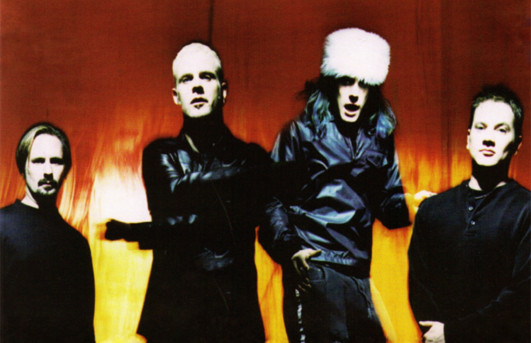
Gravity Kills were another crucial piece of the 90s industrial crossover. They did not have the same mythic weight as Nine Inch Nails or the same brutal legacy as Ministry, but they absolutely captured the mid-90s moment when industrial textures were becoming radio-friendly.
“Guilty” is the defining track: electronic pulse, tense vocal, heavy guitar impact, club-adjacent motion and a chorus that worked on alternative radio without losing the dark synthetic feel. It was exactly the kind of song that made sense in 1996, when the line between rock club, soundtrack cue, modern rock station and late-night MTV block was wonderfully blurry.
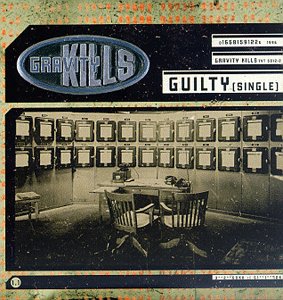
The self-titled debut had that sleek industrial-rock polish: shiny enough for mainstream ears, dark enough to feel dangerous, repetitive enough to be hypnotic and heavy enough to avoid being mistaken for pure electronic music. It lived in that sweet spot where the 90s loved to park anything with guitars and machines.
Gravity Kills also helped show that industrial rock had become a style other bands could inhabit, not just an underground lineage. By the mid-90s, the vocabulary was recognizable: clipped beats, processed vocals, distorted guitars, chrome-black visuals, tense verses, explosive choruses.
For some listeners, that made industrial rock more accessible. For others, it made the sound feel codified. Both are true. Every scene eventually develops a uniform, and industrial rock’s uniform involved more cables and less laundry.
But Gravity Kills belong in this alternative story because they captured the sound at its most radio-ready: sleek, synthetic, heavy and built for the era when alternative could still let something this dark sound mainstream.
Gravity Kills captured a very specific middle point: industrial enough to feel synthetic, rock enough for the radio, clubby enough to move and polished enough to land in the mid-90s mainstream. That balance made them perfect for an era that loved dark electronic textures but still wanted guitars to show up and smash the furniture.
“Guilty” worked because it was direct. No maze, no secret handshake. It gave listeners the industrial flavor immediately: pulse, repetition, tension, processed sound and a chorus with enough impact to stick. It was not trying to be the deepest cut in the genre. It was trying to hit the switch.
That kind of act is important in any crossover moment. Scenes do not spread only through their geniuses and extremists. They spread through bands that make the vocabulary easier to hear, easier to remember and easier to slot into everyday listening.
- Key 90s releases: Gravity Kills, Perversion.
- Signature tracks: “Guilty,” “Enough,” “Blame.”
- What they added: Sleek electronic-rock crossover, club pulse and modern-rock accessibility.
- 90s impact: They embodied the mid-90s moment when industrial sounds became radio vocabulary.
KMFDM Kept the Club-Industrial Engine Running
Slogans, riffs, beats and enough attitude to wallpaper a record store bathroom.
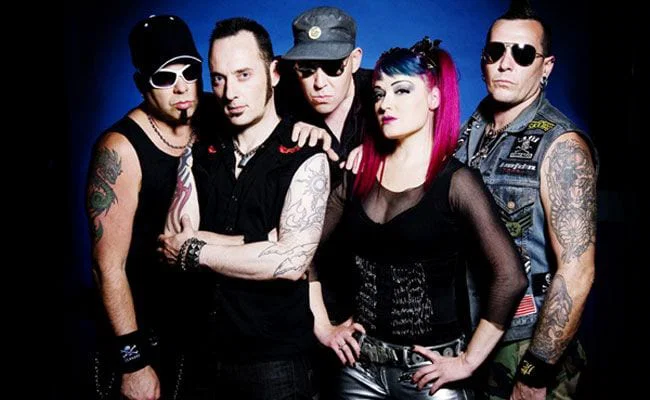
KMFDM sat closer to the industrial-dance and electronic-body-music lineage than the guitar-centered American crossover acts, but they still helped shape the wider 90s music crossover and were absolutely part of the industrial ecosystem. They brought slogans, beats, riffs, irony, aggression and that unmistakable sense that the entire band might be a propaganda poster with a drum machine.
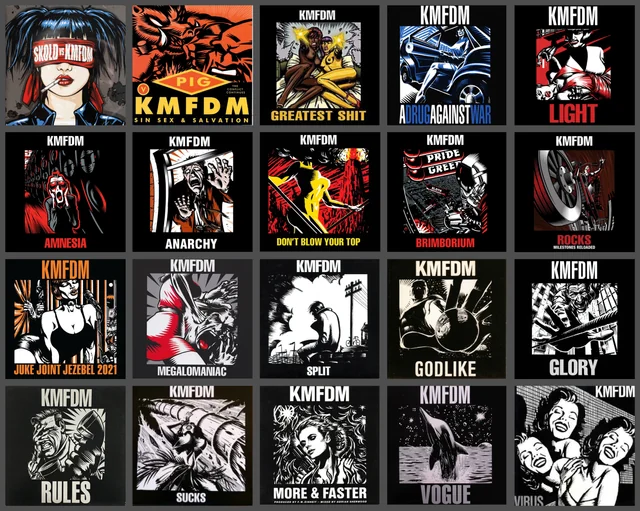
Their 90s albums — including Naïve, Angst, Nihil and Xtort — gave industrial listeners a harder, club-ready version of the sound. The guitars hit, but the machine stayed in control. This was not grunge with electronics sprinkled on top. It was industrial culture speaking its own language.
“A Drug Against War,” “Juke Joint Jezebel,” “Light,” “Megalomaniac” — KMFDM songs had chant-like hooks and rhythmic force. They worked in clubs, on headphones and in the bedrooms of kids who had discovered that album art could be a personality.
KMFDM also mattered visually. Industrial music was always partly about graphic identity, and KMFDM’s bold artwork, typography and slogans gave the band a recognizable visual world. In the 90s, that mattered. CD covers, posters, stickers and T-shirts were how scenes traveled before everything became an algorithmic blur.
Their role in industrial rock is less about pure mainstream crossover and more about keeping the industrial side of the hybrid honest. They reminded everyone that the machinery did not begin with radio hits. There was a deeper club, noise and electronic tradition behind the guitars.
If Nine Inch Nails were the emotional doorway and Ministry were the heavy machinery, KMFDM were the slogan-blasting industrial engine that kept the floor moving.
KMFDM’s importance is that they kept the industrial side from being swallowed completely by rock. The riffs were there, but so were the beats, loops, slogans, electronics and dance-floor pressure. Their music did not sound like a rock band discovering machines. It sounded like the machines had invited guitars over and told them to behave.
Their visual identity also mattered more than people sometimes admit. In the CD era, artwork was not disposable. You stared at covers, unfolded booklets, read credits and turned band logos into personal flags. KMFDM’s bold graphic style made the band instantly recognizable and helped industrial culture feel like a whole visual system.
They also brought humor and self-awareness into a scene that could otherwise disappear into pure doom. KMFDM could be aggressive, political, absurd, slogan-heavy and knowingly ridiculous. That mix kept the sound from becoming one long serious trench coat convention.
- Key 90s releases: Naïve, Angst, Nihil, Xtort, Symbols, Adios.
- Signature tracks: “A Drug Against War,” “Light,” “Juke Joint Jezebel,” “Megalomaniac.”
- What they added: Industrial dance pulse, slogans, graphic identity and club-floor aggression.
- 90s impact: They linked the mainstream industrial-rock moment back to deeper industrial culture.
White Zombie Turned Industrial Groove Into Horror-Movie Junkyard Rock
Less chrome dungeon, more monster truck at a drive-in from hell.
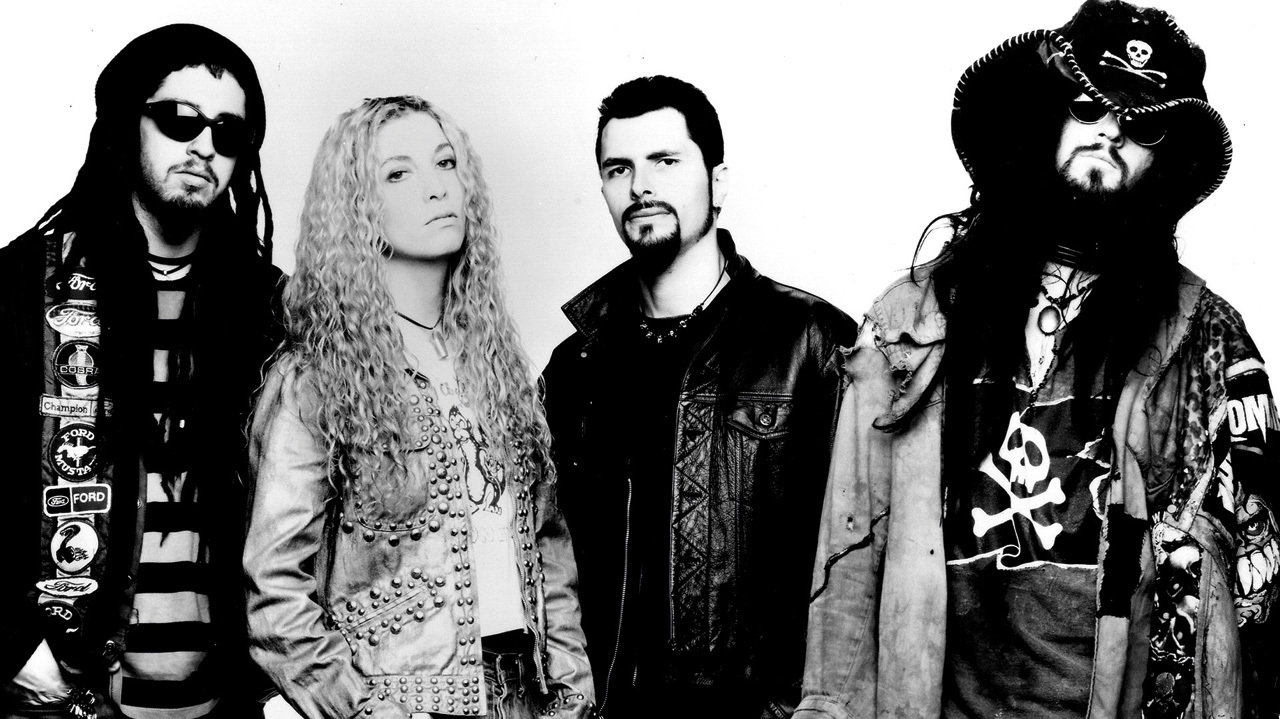
White Zombie were not industrial rock in the strictest purist sense, which is exactly why they belong near the edges of this story. Their 90s sound blended metal, groove, samples, horror movies, trash culture, psychedelic sleaze and machine-like rhythm into something that absolutely lived in the same alternative-industrial neighborhood.
La Sexorcisto: Devil Music Volume One and Astro-Creep: 2000 turned White Zombie into one of the decade’s great heavy crossover acts. “Thunder Kiss ’65,” “Black Sunshine,” “More Human than Human” and “Electric Head” felt like B-movie clips, hot-rod posters and industrial grooves being thrown into a blender with a stack of monster magazines.
The band’s use of samples and repetitive rhythms gave the music a mechanical charge, while the guitars stayed huge and nasty. It was heavy, but it moved. That movement separated White Zombie from a lot of straight metal acts and helped them fit into 90s alternative culture, where genre borders were already being violated on a weekly basis.
Visually, White Zombie were pure MTV-era weirdness: horror imagery, saturated color, retro trash, grindhouse attitude and a carnival of ugly-cool style. They were made for the same visual decade that let strange alternative clips become part of everyday rotation through the MTV alternative rock takeover.
Their importance is partly that they made heavy music fun without making it safe. White Zombie were dark, loud and weird, but they also had groove and camp. They did not mope. They revved the engine.
Industrial rock’s 90s story needs that edge because not every band in the orbit sounded cold and urban. Some sounded like a haunted drag race behind a closed video store.
White Zombie’s place in this 90s alternative story is about overlap. They were not coming from the same industrial tradition as KMFDM or Ministry, but the 90s did not care about clean borders. Their songs used samples, repetition and groove in ways that felt connected to industrial rock’s mechanical energy, while the band’s horror-trash aesthetic made them perfect for MTV’s darker alternative moment.
Rob Zombie understood image as well as sound. The music came wrapped in monsters, hot rods, exploitation-film references, garish colors and drive-in sleaze. It was heavy music presented like a cable-access nightmare carnival, which is to say: extremely 90s, in the best possible way.
White Zombie also made heavy crossover music feel fun without making it soft. Their grooves were physical. The samples were goofy and creepy. The guitars were huge. The whole thing moved like a haunted machine with flames painted on the side.
- Key 90s releases: La Sexorcisto, Astro-Creep: 2000.
- Signature tracks: “Thunder Kiss ’65,” “Black Sunshine,” “More Human than Human,” “Electric Head Pt. 2.”
- What they added: Horror-trash visuals, groove metal, samples and B-movie energy.
- 90s impact: They helped make industrial-adjacent heavy music MTV-friendly without making it normal.
Marilyn Manson Turned Industrial Shock Rock Into a Moral Panic Machine
The 90s loved a villain, and this one arrived wearing the whole argument.
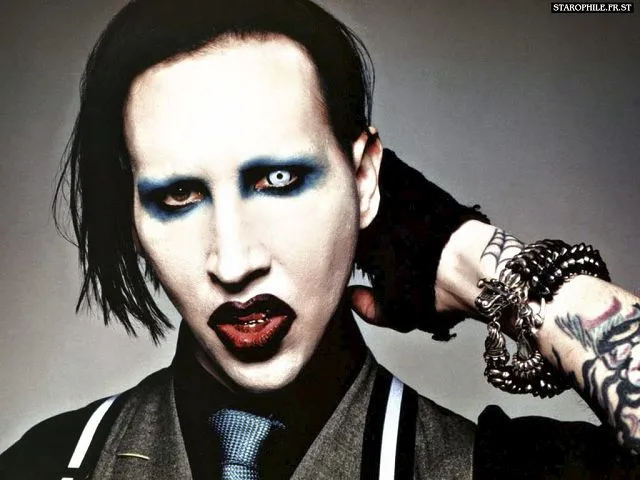
Marilyn Manson became one of the most visible and controversial industrial-adjacent acts of the 90s. Musically, the band pulled from industrial rock, glam, metal, goth, shock rock and alternative theater. Culturally, they became a lightning rod for every adult fear that had been quietly building around dark alternative youth culture.
Portrait of an American Family introduced the grotesque carnival. Antichrist Superstar turned the band into a national argument. Mechanical Animals shifted toward glam and alienation, proving that the project was not only one flavor of shock. Across those records, the music mixed processed guitars, industrial textures, theatrical vocals and a carefully constructed sense of transgression.
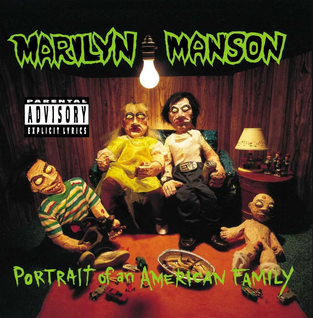
The big 90s tracks — “Sweet Dreams,” “The Beautiful People,” “Tourniquet,” “The Dope Show” — were built for MTV and outrage at the same time. That was the trick. The songs had hooks and spectacle, but the presentation made them feel dangerous to people who wanted rock music to stay inside familiar rebellion lanes.
For Gen X teens and younger listeners, Manson could represent alienation, theater, provocation, identity play and the thrill of annoying authority figures just by owning a CD. For parents, pundits and school administrators, it could look like civilization was ending because someone wore too much makeup. The 90s were very dramatic for a decade that also gave us slap bracelets.
Manson’s place in industrial rock is complicated because the cultural spectacle often overwhelmed the music. Later history and controversies add even more baggage. But if we are talking about the 90s industrial crossover, the band’s impact is impossible to ignore.
Marilyn Manson turned industrial shock rock into mainstream conflict. The sound, image and reaction all became part of the same machine.
The key to understanding Marilyn Manson’s 90s impact is that the band operated as sound, image and controversy all at once. You could not separate the songs from the videos, the interviews, the costumes, the rumors, the parental panic or the feeling that every adult authority figure had suddenly discovered a new thing to be loudly wrong about.
That spectacle made the band massive, but it also made the music easy to flatten into shock value. The 90s records had more going on than simple provocation: industrial rhythms, glam references, metal crunch, goth atmosphere, pop hooks and a theatrical sense of character. Antichrist Superstar was abrasive and apocalyptic; Mechanical Animals was shinier, colder and more alienated in a different costume.
The cultural backlash also reveals how visible industrial-adjacent alternative had become. This was not obscure underground panic anymore. This was mainstream TV, school hallways, magazine covers and parents trying to decode album art like national security documents.
- Key 90s releases: Portrait of an American Family, Antichrist Superstar, Mechanical Animals.
- Signature tracks: “Sweet Dreams,” “The Beautiful People,” “Tourniquet,” “The Dope Show.”
- What they added: Shock-rock theater, industrial-glam visuals, controversy and a massive cultural reaction.
- 90s impact: They made industrial-adjacent rock one of the decade’s loudest parent-panic targets.
Movie Soundtracks Helped Industrial Rock Escape the Basement
Nothing said 90s like a dark soundtrack CD with one song you bought the whole thing for.
Industrial rock did not spread only through albums and radio; 90s movie soundtracks did a lot of the dirty work. It spread through movie soundtracks, which were basically the secret transportation system of 90s alternative. A soundtrack could put grunge, industrial, goth, metal, hip-hop and weird one-off collaborations on the same disc and somehow make the whole thing feel like a lifestyle choice.
That is why industrial and industrial-adjacent songs fit so naturally into films like The Crow, Natural Born Killers, Lost Highway, Mortal Kombat, Spawn and other dark, stylish, aggressive 90s releases. The music sounded cinematic because it already felt built from atmosphere, dread, rhythm and impact.
The Crow soundtrack is especially important to this lane because it helped define the goth-industrial-alt mood for a generation of listeners who wanted sadness, leather, rain and guitar noise in one jewel case. That broader story connects directly to 90s movie soundtracks that made alternative rock feel bigger.
Soundtracks also made industrial safer to discover. You might not have walked into a record store looking for Ministry or KMFDM yet, but you might buy a soundtrack because you liked the movie, the cover looked cool, or your friend insisted it was essential. Suddenly you were one track away from a whole new lane of noise.
This is how a lot of 90s music spread: sideways. Not always through clean genre entry points, but through soundtracks, compilations, mixtapes, late-night videos, used CDs and one friend who knew way too much about remixes.
Industrial rock thrived in that sideways 90s music culture because it sounded like atmosphere. It could make a scene feel dangerous before anyone said a word.
The soundtrack route mattered because it flattened genre boundaries in the best way. A kid might buy The Crow for one song and end up discovering an entire gloomy ecosystem. Another might grab Spawn and suddenly hear rock and electronic acts smashed together in ways regular radio would never risk for three hours straight.
Industrial songs worked on soundtracks because they were already architectural. They created space. They could make a city feel more dangerous, a club scene feel more diseased, a chase feel more synthetic or a lonely character feel like the entire world had become machinery. That gave the genre a huge advantage in a decade obsessed with stylish darkness.
Soundtracks also let industrial-adjacent tracks reach listeners who would never have started with the albums. That sideways discovery was pure 90s. You did not always follow a neat recommendation path. Sometimes you found your next favorite band because a movie had a cool cover and the record store listening station actually worked.
- Key soundtrack lane: The Crow, Natural Born Killers, Lost Highway, Mortal Kombat, Spawn.
- Why it worked: Industrial music already sounded cinematic: tense, dark, rhythmic, metallic and dramatic.
- What it added: A discovery path for listeners who met industrial through movies before albums.
- 90s impact: Soundtracks helped industrial rock feel like part of the decade’s visual identity.
MTV Made Industrial Rock Look Dangerous
Static, wires, flicker, bodies, rust, religious panic, weird rooms and absolutely no beach parties.
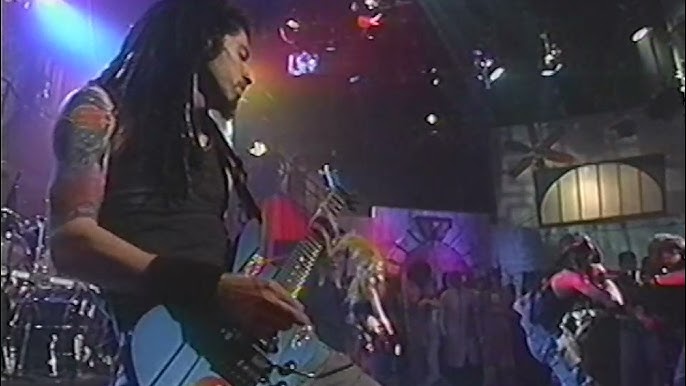
Industrial rock was perfect for MTV because it had a visual language before it even crossed over: machinery, shadows, metal, wire, medical imagery, religious fragments, surveillance, decay, fetish-club textures, blown-out film, bad dreams and performance clips that looked like they were shot in buildings nobody should be entering without a tetanus shot.
That mattered because MTV in the 90s did not just play songs. It created memory. A track could become unforgettable because the video gave it a visual scar. Nine Inch Nails understood this better than almost anyone. “Closer” is still one of the defining examples of how a video could make industrial rock feel like forbidden art-school nightmare fuel.
White Zombie videos made heavy industrial-adjacent rock feel like grindhouse cartoons. Manson clips turned shock-rock theater into living-room controversy. Filter and Gravity Kills fit the era’s darker modern-rock look: sleek, tense, processed and ready for late-night rotation.
The bigger point is that industrial rock looked different from other 90s alternative clips. Grunge videos often leaned into performance, decay and emotional rawness. Britpop liked style, character and attitude. Industrial videos made the entire world look corrupted by signal interference.
That visual lane helped industrial rock feel bigger than a sound. It became a look, a mood, a warning label and a reason some kid’s parents suddenly became very interested in what was on MTV after midnight.
Industrial rock belongs inside the larger story of 90s alternative videos that could only have happened on MTV because no other platform could make this much weirdness feel so widely shared.
The video language also made industrial rock feel adult in a forbidden way. These clips were not selling beach parties, romance fantasies or cartoon rebellion. They looked medical, religious, decayed, erotic, mechanical and damaged. Even when you did not fully understand the imagery, you understood that it was not supposed to be background noise while folding laundry.
That is why MTV was so important. Industrial rock’s sound could be challenging, but the videos gave viewers an entry point. You might not know what genre you were hearing, but you remembered the images: the flicker, the rust, the bodies, the wires, the unnatural rooms, the sense that the clip had been edited by someone who had not slept since Tuesday.
Industrial videos also helped set the template for later dark visual culture: horror editing, glitch textures, surveillance vibes, religious distortion, medical unease and warehouse performance clips. A lot of modern rock and metal visuals still owe rent to this era.
- Visual language: Static, rust, wire, religious imagery, medical dread, dark rooms, mechanical bodies and corrupted film textures.
- Key MTV acts: Nine Inch Nails, White Zombie, Marilyn Manson, Filter, Gravity Kills.
- Why it mattered: The videos gave industrial rock a visual identity as powerful as the sound.
- 90s impact: MTV turned industrial aesthetics into mainstream alternative memory.
Industrial Rock and the Mall-Goth Crossover
The underground went to the food court and came back with a chain wallet.
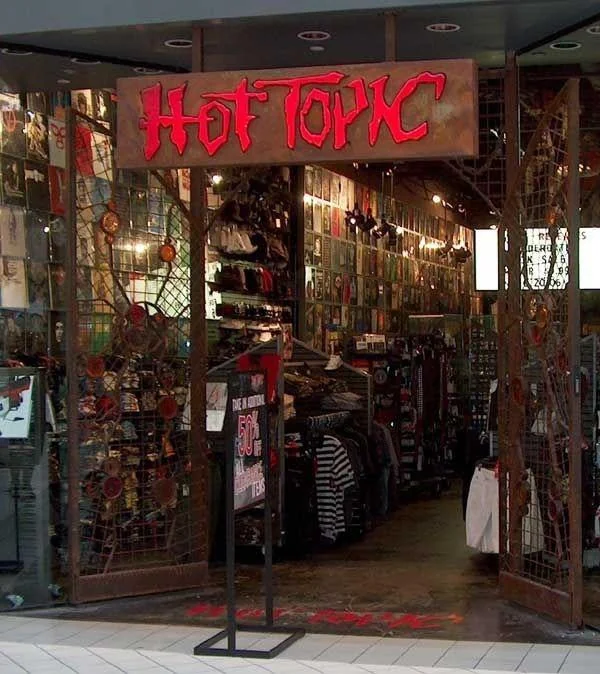
By the mid-to-late 90s, industrial rock had crossed into mall-goth culture, which is one of those phrases that sounds insulting until you remember how much actual discovery happened at malls. Record stores, poster racks, T-shirt walls, incense shops, chain wallets, black nail polish, questionable boots, oversized pants, band stickers — the mall was a weird little distribution network for alternative identity.
Industrial rock was perfect for that ecosystem because it came with sound and style. You could hear it, wear it, tape it to your wall and use it to signal that you were not spiritually aligned with the people buying khakis across the hall. That mattered in the 90s, when your bedroom and your clothes did more public-facing identity work than your profile ever could.
This was not pure underground industrial culture. It was the crossover version: Nine Inch Nails shirts in regular schools, Manson CDs causing parent arguments, soundtrack discoveries, Hot Topic racks, late-night MTV clips and kids learning the difference between industrial, goth, metal and alternative by making terrible genre arguments near a Sam Goody.
Was some of it commercialized? Of course. Everything that works gets sold back to teenagers under fluorescent lights. But that does not make the feelings fake. For a lot of kids, industrial rock gave shape to alienation, anger, anxiety and theatrical self-invention.
The mall-goth crossover also helped industrial aesthetics survive beyond radio. Even when the mainstream moved on, the look, mood and vocabulary stuck around. Black-and-red graphics, machinery fonts, cyber-goth textures, rusted metal, glitchy visuals — industrial left a stain.
And honestly, for a decade allegedly built on authenticity, the 90s were extremely good at turning alienation into retail. Industrial rock just had better lighting.
It is easy to laugh at the mall-goth crossover because, yes, some of it was absurd. But absurd does not mean meaningless. For a lot of suburban kids, the mall was the closest thing to a cultural portal. You could walk past the food court and suddenly find band shirts, import CDs, posters, stickers, bootleg-looking patches and someone behind a counter who either judged you or changed your life.
Industrial rock fit that space because it came with atmosphere. The music sounded like alienation, and the fashion gave alienation a uniform. Black shirts, silver jewelry, boots, chains, dark lipstick, band logos, bad dye jobs — some of it was cringe, some of it was sincere, and most of it was both. That is adolescence. Congratulations, nobody escaped clean.
The retail version also created arguments about authenticity, which is another extremely 90s hobby. Was it still underground if it was sold at the mall? Was it still dangerous if parents could identify the logo? Those questions mattered less to the kids who needed the sound. The feeling got through, even under fluorescent lights.
- Culture lane: Record stores, T-shirts, posters, soundtracks, late-night MTV, Hot Topic, chain wallets and black nail polish.
- Why it worked: Industrial rock gave alienated kids both a sound and a visual identity.
- Crossover tension: Underground industrial roots met mainstream teenage retail culture.
- 90s impact: It made industrial aesthetics visible far beyond clubs and record-store obsessives.
Industrial Rock vs. Grunge: Same Decade, Different Damage
One sounded like rain on flannel. The other sounded like the building eating itself.
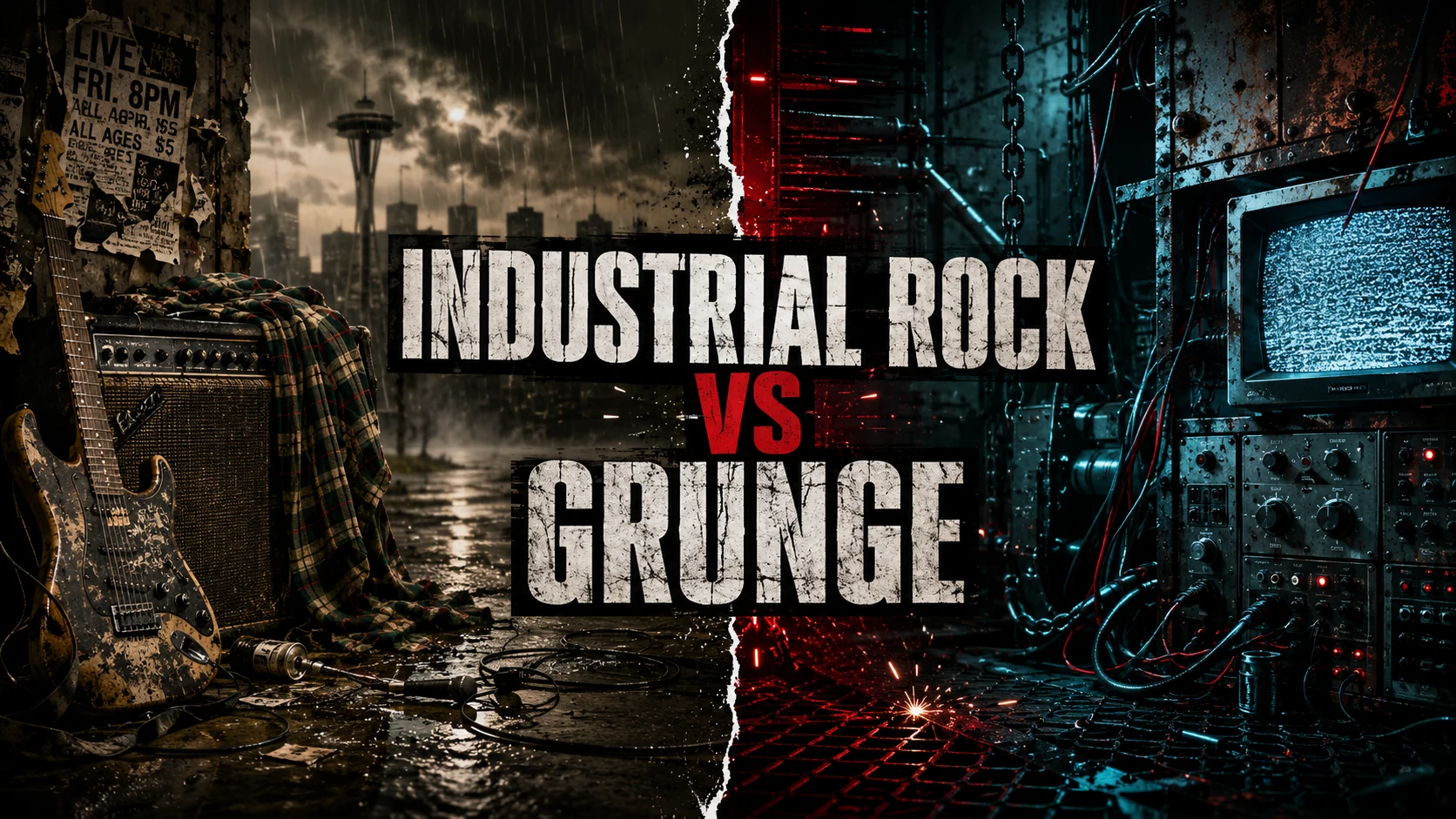
Industrial rock and grunge shared the same broader alternative moment, but they expressed damage differently. Grunge often sounded organic, even when it was heavy: drums, amps, rooms, voices cracking, guitars grinding, emotional weather rolling through the Pacific Northwest.
Industrial rock sounded constructed. Programmed drums, samples, loops, synths, processed vocals, guitars that felt welded into place. It was not trying to sound like four people sweating in a rehearsal room. It sounded like the rehearsal room had been replaced by a hostile machine.
That difference mattered. Grunge often made alienation feel human and communal. Industrial made alienation feel modern, technological, urban, mediated and inescapable. Same ache, different architecture.
There was overlap, of course. Soundgarden’s heavy, weird, metallic side could sit near industrial intensity, especially for listeners who liked their alternative darker and more physical. That is why the heavy edge of Soundgarden’s grunge story feels adjacent to this lane even though the bands came from different traditions.
The wider alternative ecosystem made space for both. A 90s listener could love Nirvana, Nine Inch Nails, Pearl Jam, Ministry, Alice in Chains, Filter and The Crow soundtrack without needing the borders to behave. Genre purity was for record-store clerks and arguments nobody won.
Industrial rock did not replace grunge. It showed that the same decade could process disillusionment through mud, rain and feedback — or through metal, wire and corrupted signal.
The emotional difference is easiest to hear in the rhythm. Grunge usually breathed like a band, especially on the heavier edge of Soundgarden’s weird side of grunge: push, pull, drag, explode. Industrial rock often locked into repetition: loops, sequences, programmed drums, mechanical tension. That repetition created a different kind of intensity. It did not always swing. Sometimes it trapped you.
The production difference mattered too. Grunge distortion could feel like a room getting louder. Industrial distortion could feel like sound being processed, damaged, sampled, chopped, compressed and rebuilt. One felt analog and bodily; the other felt engineered and infected.
That is why the two sounds could coexist without cancelling each other out. They were answering similar 90s feelings with different tools. Grunge gave the decade a human scream. Industrial gave it the sound of the system answering back.
- Grunge damage: Organic, guitar-heavy, emotionally raw, room-sounding and human-scaled.
- Industrial damage: Synthetic, mechanical, sample-driven, wired, urban and processed.
- Shared audience: Alternative listeners who wanted heavier, darker and more intense music.
- Why it matters: Together they show how wide the 90s alternative map really was.
Why Industrial Rock’s Mainstream Moment Faded
The machine got copied, polished, overused and eventually replaced by a louder machine.
Industrial rock’s mainstream window did not last forever. By the late 90s and early 2000s, the alternative landscape was shifting fast. Nu-metal, pop-punk, teen pop, electronic music, post-grunge, rap-rock and more polished modern rock all pushed into the space industrial had occupied.
Part of the issue was repetition. Once the industrial-rock vocabulary became recognizable — programmed beats, distorted guitar stabs, processed vocals, black-and-red artwork, tense verses, explosive chorus — it became easier to imitate. And nothing kills danger faster than a formula with retail support.
The other issue was that the biggest industrial acts were hard to replicate. Nine Inch Nails had a level of songwriting, production detail and emotional architecture that copycats could not fake. Ministry had history and extremity. KMFDM had their own industrial identity. White Zombie had groove and horror charisma. Manson had spectacle. The bands that followed could borrow textures, but not always depth.
The culture changed too. The late 90s became brighter, shinier and more aggressively commercial in some lanes, while heavy music moved toward nu-metal’s baggy-pants catharsis. Industrial aesthetics did not disappear, but they became less central to radio.
Still, faded does not mean failed. Industrial rock’s mainstream moment left permanent residue. You hear it in later rock production, electronic-metal hybrids, soundtrack scoring, goth/alternative fashion, video-game music, horror aesthetics and any band that thinks a guitar riff is better when it sounds like machinery is collapsing behind it.
Industrial rock’s peak was brief, but its place in 90s music still feels permanent, but it was one of the most visually and sonically distinct lanes in the entire 90s alternative explosion.
There is also a simple cultural-cycle problem: once a sound becomes a look, the look can outrun the sound. By the late 90s, industrial textures were everywhere enough to become shorthand. A few drum loops, a processed vocal, some black packaging and suddenly everyone thought they had built a machine. They had not. They had built a Halloween decoration with a guitar cable.
The genre’s best acts survived because they had more than texture. Nine Inch Nails had songwriting and production depth. Ministry had extremity and history. KMFDM had identity. White Zombie had groove and visual imagination. Filter had hooks. The thinner copycats had surfaces.
Industrial rock also got absorbed into other forms. Nu-metal borrowed the aggression and some electronic touches. Video games and movie trailers borrowed the metallic pulse. Alternative fashion kept the black-and-red machinery look alive. The center faded, but the parts got recycled everywhere.
- Mainstream decline: Late-90s and early-2000s shifts toward nu-metal, pop-punk, teen pop, post-grunge and rap-rock.
- Problem: Industrial textures became easier to imitate and easier to flatten.
- What lasted: Production style, visual language, electronic-rock hybrids and soundtrack aesthetics.
- Legacy: The sound faded from the center, but its fingerprints stayed everywhere.
Why 90s Industrial Rock Still Matters
Because the decade was not just flannel. It was also static, chrome and bad fluorescent lighting.
90s industrial rock still matters because it proved alternative music could be synthetic without being fake, heavy without being traditional metal, danceable without being cheerful and emotional without sounding natural. That was a huge expansion of what mainstream rock could absorb.
It also gave the decade one of its strongest visual identities. Industrial rock did not just sound dark. It looked dark: static, wires, metal, rust, black-and-red packaging, glitchy video, religious fragments, ruined rooms, surveillance mood and album art that looked like it had been recovered from evidence storage.
The sound also captured a very 90s fear: that modern life was becoming too mediated, too mechanical, too controlled, too artificial, too loud and too broken. Before everyone carried the internet in their pocket, industrial rock already sounded like technology had gotten inside the nervous system and started rearranging furniture.
For Gen X listeners, it also marks a specific kind of discovery. The soundtrack CD. The late-night video. The friend’s dubbed tape. The record-store employee who judged your purchase. The black T-shirt you wore until the print cracked. The first time “Closer” or “Just One Fix” or “Hey Man Nice Shot” made regular rock suddenly sound too clean.
Industrial rock was never the whole alternative story, but it made the story more dangerous, cinematic and weird. It turned the 90s into more than a guitar decade. It made it a machine decade too.
And honestly, the machine had some bangers.
The best 90s industrial rock still works because it does not sound like normal nostalgia. It does not simply take you back to a school dance or a summer car ride. It takes you back to darker bedrooms, late-night TV, thick CD booklets, soundtrack racks, black shirts washed into gray and the moment alternative music realized technology could be part of the wound.
It also predicted a lot. The fear of being watched, processed, controlled, marketed to, mediated and turned into data feels even less fictional now. Industrial rock’s paranoia aged better than expected. The machines did not go away. They got smaller, friendlier-looking and much more annoying.
That is why this lane belongs in the 90s alternative canon. It was not the biggest piece of the decade, but it was one of the most distinct. Industrial rock gave the 90s a sound for modern dread before modern dread became a subscription service.
- Big legacy: Industrial made mainstream alternative heavier, darker, more electronic and more cinematic.
- Best remembered for: Nine Inch Nails, Ministry, Filter, Manson, White Zombie, soundtracks, MTV visuals and mall-goth crossover.
- Why Gen X remembers it: It felt like forbidden music somehow available at the mall.
- Final verdict: Industrial rock was the dark mechanical wing of the 90s alternative takeover.
Explore More 90s Industrial and Alternative Music
Industrial rock is the dark mechanical wing of the 90s alternative story. Keep going.
Questions About Industrial Rock in the 90s
What was industrial rock in the 90s?
Industrial rock in the 90s mixed distorted guitars, electronic beats, samples, synth textures, machine rhythms and alternative-rock hooks. It crossed into MTV, radio and soundtracks through acts like Nine Inch Nails, Ministry, Filter, Stabbing Westward, Gravity Kills, KMFDM, White Zombie and Marilyn Manson.
Who were the biggest 90s industrial rock artists?
The biggest 90s industrial rock and industrial-adjacent artists included Nine Inch Nails, Ministry, Filter, Stabbing Westward, Gravity Kills, KMFDM, White Zombie and Marilyn Manson.
Was Nine Inch Nails industrial rock?
Yes. Nine Inch Nails were one of the defining industrial rock acts of the 90s, blending electronic production, distorted guitars, samples, emotional songwriting and alternative-rock hooks.
How did industrial rock fit into 90s alternative?
Industrial rock gave 90s alternative a darker, more mechanical lane. While grunge sounded organic and emotionally raw, industrial rock sounded synthetic, heavy, cinematic and wired into MTV, movie soundtracks and mall-goth culture.
Why did industrial rock become popular in the 90s?
Industrial rock became popular in the 90s because alternative culture was unusually open to darker sounds, MTV made its visual style unforgettable, and movie soundtracks helped introduce industrial artists to broader audiences.