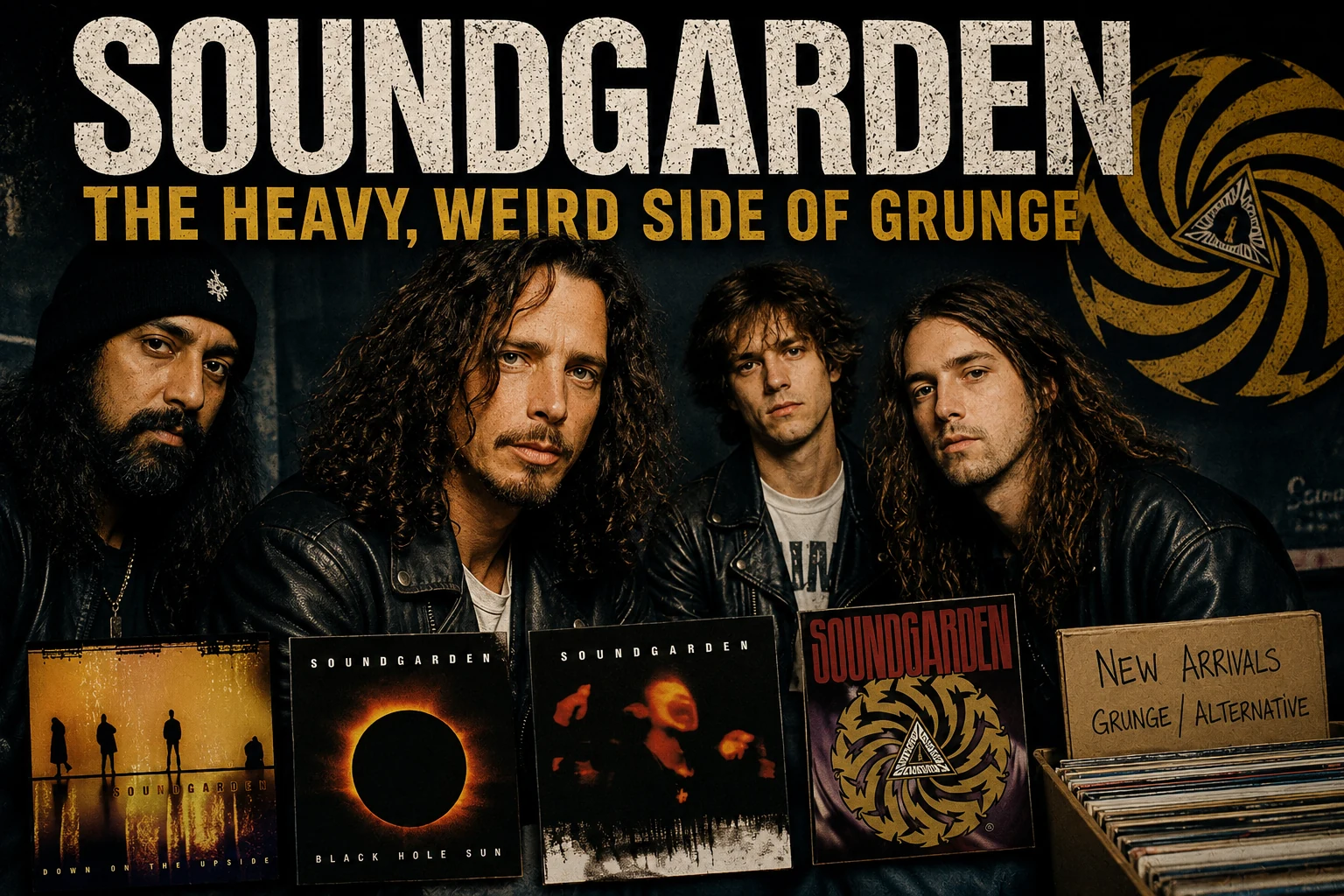
Soundgarden: The Heavy, Weird Side of Grunge
Soundgarden were the grunge band that sounded like someone threw Black Sabbath, Led Zeppelin, punk rock, art-metal, bad dreams, and a broken compass into the same damp Seattle basement and told Chris Cornell to sing over the smoke until the walls gave up.
If Nirvana were the detonation and Pearl Jam were the catharsis, Soundgarden were the heavy, weird, brain-melting corner of the Big 4 of Grunge. They were too metal for the indie kids, too strange for the metal kids, too smart for radio’s comfort zone, and somehow still ended up with one of the biggest MTV songs of the decade.
Why Were Soundgarden the Heavy, Weird Side of Grunge?
Soundgarden were the heavy, weird side of grunge because they fused punk attitude, Sabbath-sized riffs, odd time signatures, psychedelic dread, metal power, and Chris Cornell’s impossible voice into something that never fit cleanly inside one genre. They were one of the earliest and most important Seattle grunge bands, but they did not sound like a simple template for the movement. They sounded like the template had been left too close to an amplifier and started mutating.
Their 90s run made them essential: Badmotorfinger proved they could turn complexity into brute force, Superunknown made their darkness mainstream without making it safe, and Down on the Upside showed the band stretching away from easy alt-metal expectations into stranger, moodier territory.
- Chris Cornell gave Soundgarden one of the most powerful voices in 90s rock — not just loud, but spectral, bluesy, wounded, and terrifying when necessary.
- Kim Thayil made guitar riffs feel crooked, massive, and slightly cursed, like classic rock had been dragged through a Pacific Northwest machine shop.
- Matt Cameron gave the band a drummer who could make odd rhythms feel physical instead of academic.
- Ben Shepherd completed the classic lineup and helped push the band into its strangest, heaviest 90s stretch.
- “Black Hole Sun” made them MTV-famous, but the deeper Soundgarden story is far heavier, weirder, and less interested in being easily digested.
Need the Bigger Grunge Map?
This is the Soundgarden deep dive. For the full visual command center, jump to the 90s Alternative & Grunge Hub. For the big editorial story of the whole movement, go to the 90s Alternative & Grunge pillar post.
Soundgarden Were Never the Easy Grunge Band
Soundgarden were not built for clean explanations. That is part of why they mattered. If you tried to describe them to someone in 1994, you ended up sounding like a record-store employee who had too much coffee and no interest in helping anyone quickly. “They’re grunge, but also metal, but not hair metal, and there’s Sabbath in there, but also punk, but also weird time signatures, and Chris Cornell sings like a cathedral caught fire.”
Helpful? Not really. Accurate? Weirdly, yes.
The easiest mistake is to treat Soundgarden as just the heavy member of the grunge class photo. They were heavy, sure. But heavy was not the whole trick. The trick was that their heaviness moved strangely. Their riffs did not always land where your body expected. Their songs could feel both primitive and brainy. Their choruses could open up into something huge, then the next section would feel like a machine tripping over a nightmare.
That made Soundgarden different from the other major Seattle bands. Pearl Jam made grunge communal and emotionally huge. Alice in Chains made it haunted, metallic, and harmonically doomed. Nirvana made it explode into the mainstream with punk-pop damage. Soundgarden made it feel ancient, odd, heavy, psychedelic, sarcastic, and deeply unstable in the best possible way.
Soundgarden had riffs big enough to flatten the room, but they rarely used heaviness in a predictable way.
Too weird for simple metal. The crookednessThe band loved odd shapes, shifting rhythms, strange textures, and songs that refused to march in a straight line.
Soundgarden could be funny, surreal, political, apocalyptic, and emotionally brutal without turning into lecture rock.
By Superunknown, the band’s strangest instincts were suddenly sitting in the middle of mainstream rock culture.
Before the Mainstream: Soundgarden’s Seattle Roots
Soundgarden were not latecomers to the Seattle story. They were one of the bands that helped make the story possible before the rest of the world learned how to pronounce “Sub Pop” with confidence at parties.
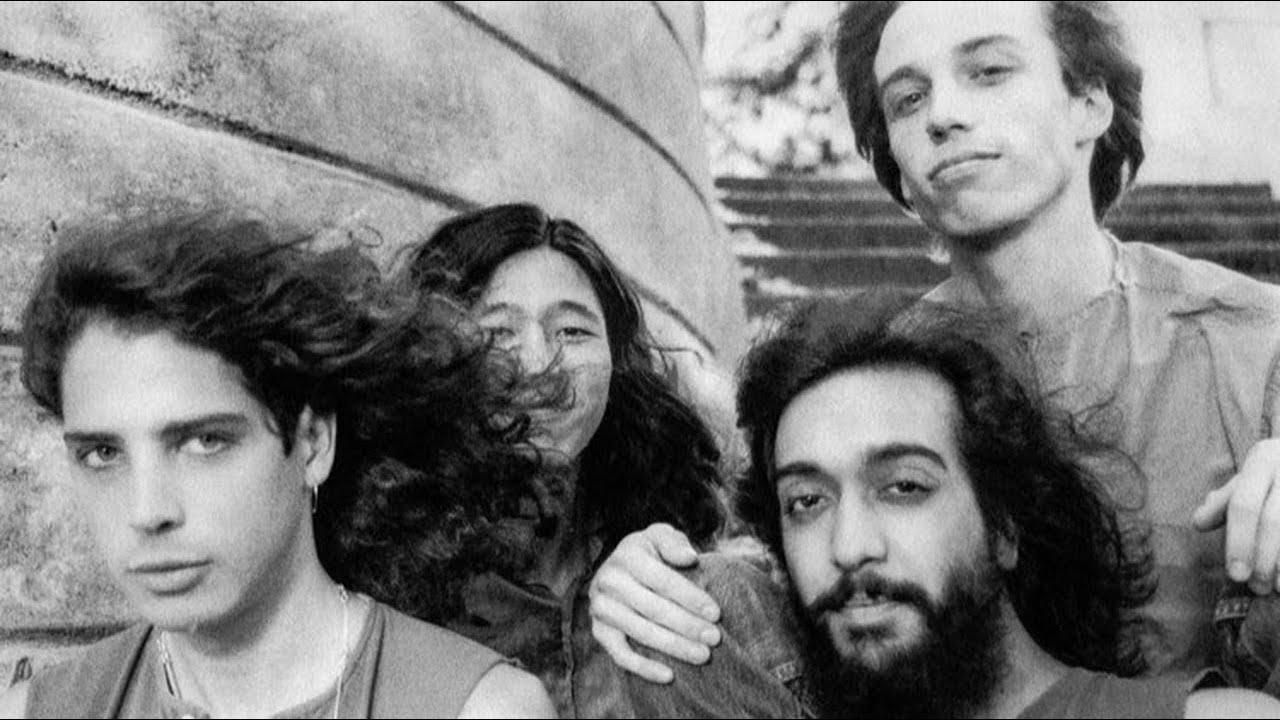
In the 80s, Soundgarden were already building a sound that clashed with the dominant rock image around them. The decade was full of synth-pop shine, hair metal flash, glossy videos, and rock stars who looked like they needed both a lighting rig and a can of industrial hairspray to enter a room. Soundgarden had no interest in that costume. They sounded jagged, heavy, and ferocious, with a punk ethos sitting inside a brutal metal landscape.
That early identity matters because Soundgarden did not become weird after success. They were weird before success. Early releases like Screaming Life, Ultramega OK, and Louder Than Love were the sound of a band figuring out how much ugliness, humor, heaviness, and intelligence they could stuff into rock music before the seams split.
By the time the grunge explosion arrived, Soundgarden already had the underground weight, the touring scars, and the musical personality. They were not chasing a movement. They were one of the reasons the movement had a foundation.
The sound was already raw, heavy, and strange before the word grunge became a mainstream shortcut.
The band’s early full-length identity mixed underground credibility with a sound too heavy to stay neatly indie.
Soundgarden brought their odd, heavy Seattle identity into a bigger system before the rest of the grunge wave fully broke open.
The Classic Lineup: Cornell, Thayil, Cameron and Shepherd
Soundgarden’s classic 90s lineup worked because each member made the band stranger and stronger. This was not just a singer with a backing band, even though Chris Cornell’s voice was powerful enough to make weather systems feel underqualified. Soundgarden’s identity came from the collision of four distinct forces.
Cornell brought the voice, the songwriting gravity, the bluesy terror, the surreal imagery, and the ability to turn a line into something that sounded both personal and apocalyptic. Kim Thayil brought riffs that did not behave like standard rock riffs. His guitar playing was heavy, yes, but it also had drag, curl, scrape, and warp. It sounded like metal after it had been fed through a busted carnival ride.
Matt Cameron gave the band architecture. That matters more than people sometimes notice. Soundgarden could use odd meters and strange rhythmic shapes without sounding like a math assignment because Cameron made the weird parts move. Ben Shepherd brought a bass presence that added grit, tension, and a more volatile personality to the band’s 90s peak.
Together, they made music that could be enormous without becoming obvious. That is why Soundgarden’s heaviness still feels different from so many bands that followed. The copycats could borrow the distortion. They could not borrow the crooked machinery underneath it.
A singer who could sound bluesy, wounded, furious, spectral, sarcastic, and volcanic without losing control of the song.
A riff architect whose playing made heavy rock feel strange, jagged, hypnotic, and slightly hazardous.
A drummer who made odd meters, shifting grooves, and heavy rock impact feel natural instead of showy.
The bassist who completed the classic lineup and helped give the band’s 90s records more bite, volatility, and low-end menace.
Chris Cornell: The Voice That Made Heavy Music Feel Haunted
Chris Cornell’s voice is one of the reasons Soundgarden could get away with being so strange. A lesser singer might have made the band’s odd structures feel too remote or too punishing. Cornell made them feel human, even when the songs sounded like they were being broadcast from a collapsing planet.

His range gets talked about because, well, obviously. The man could climb notes like he had discovered a trapdoor in the sky. But the real power was not just range. It was character. Cornell could sound defiant without sounding simple, tormented without sounding theatrical, and beautiful without smoothing over the darkness.
On “Outshined,” he turned self-loathing into a line people still quote because it captured an entire 90s mood: looking okay on the outside and feeling like a weather disaster underneath. On “Black Hole Sun,” he made dreamlike dread sound almost soothing until you realized the song had been smiling at you from inside a nightmare. On “Fell on Black Days,” he delivered depression not as a melodramatic pose, but as a slow realization that something inside the light had changed.
Cornell’s voice made Soundgarden heavier because it gave the heaviness a soul. It made them weirder because he could sell the surrealism. It made them mainstream because, even at their strangest, there was a human signal cutting through the noise.
Kim Thayil’s Guitar Made Grunge Sound Crooked
Kim Thayil’s guitar playing is one of the most important reasons Soundgarden never sounded like a standard hard rock band in flannel. His riffs did not simply stomp forward. They lurched, circled, bent, dragged, and hit from odd angles. A lot of players can make a guitar sound heavy. Thayil made heavy sound suspicious.

That mattered because Soundgarden’s music needed a guitar language that could hold contradiction. The songs were sometimes metal, sometimes psychedelic, sometimes punk, sometimes bluesy, sometimes absurd, sometimes apocalyptic, and sometimes all of that before the first chorus had even finished putting on boots.
Thayil’s playing gave Soundgarden a texture that separated them from the bands that later tried to imitate grunge by simply turning the gain knob and looking unhappy in photos. He made riffs feel like architecture. Not clean architecture. More like a building where the stairs go sideways and the basement hums at night. But architecture all the same.
That is why Soundgarden’s heaviness still has personality. It is not just thickness. It is shape. The riffs in “Rusty Cage,” “Outshined,” “Jesus Christ Pose,” “Spoonman,” “4th of July,” and “Pretty Noose” all hit differently because Thayil was not interested in making guitar parts that behaved politely.
Odd Time Signatures Without the Math-Rock Homework
Soundgarden used odd time signatures and unusual rhythmic shapes in a way that felt physical instead of academic. That is a huge distinction. Nobody wanted to stop a grunge song halfway through to take a quiz. This was not music for people who wanted to clap on the wrong beat and then explain why at parties.
The band’s weird timing worked because it served the feeling. A riff might drag slightly against expectation. A section might lurch instead of swing. A groove might feel like it was walking with one boot missing. But the song still moved. That is why Soundgarden could be complicated without losing the listener.
Their rhythms made the heaviness feel unstable. That instability was part of the emotional effect. Soundgarden did not just sound angry or dark. They sounded disoriented, like the floor had shifted under the amplifier. For a decade built on distrust, boredom, anxiety, and a general suspicion that the adults had duct-taped reality together, that felt weirdly appropriate.
This also explains why Soundgarden’s influence is hard to copy. You can imitate a vocal tone badly. You can imitate a flannel shirt instantly. You can imitate a heavy riff with enough distortion and poor life choices. But making odd structures feel natural while still hitting like a truck? That takes an actual band.
Soundgarden could be rhythmically odd without becoming stiff or self-congratulatory.
The band’s heaviness often came from imbalance — the feeling that the groove was powerful but slightly unstable.
The weirdness served the mood. No calculator rockThe songs were not complicated just to show off. The odd shapes made the dread feel more real.
Matt Cameron and the rhythm section made the impossible feel like a groove instead of a worksheet.
How Soundgarden Felt in Real 90s Life
Soundgarden were not always the band you started with. They were often the band you grew into. Nirvana grabbed you by the collar immediately. Pearl Jam gave you songs you could feel in a crowd. Soundgarden sometimes sat there in the CD rack looking heavier, darker, and slightly above your emotional reading level until one day the lightbulb finally went off and you thought, “Oh. This band is ridiculous.”
That was part of their lifestyle footprint in the 90s. Soundgarden were the band on the wall of the kid who had already moved past entry-level alternative. They were in the CD binder next to Dirt, Nevermind, Ten, Siamese Dream, maybe some Metallica, maybe some Tool, maybe something bought from the used bin because the cover looked angry enough. It was not always the cleanest collection, but it had range, and probably smelled faintly like car upholstery and stale Doritos.
A Soundgarden shirt had a different energy than a Nirvana shirt. Nirvana shirts became the universal symbol fast. Pearl Jam shirts felt communal. Soundgarden shirts felt like a warning that the person wearing it might explain a riff to you, but in a way that somehow made you respect them. They signaled heavier taste. Not necessarily better taste, because let’s not get precious, but definitely deeper-in-the-rabbit-hole taste.
This is why Soundgarden’s nostalgia is different. They were not just a band you heard on MTV. They were a band you discovered in layers. “Black Hole Sun” was the front door. Superunknown was the house. Badmotorfinger was the basement where the walls moved. Louder Than Love was the room where someone had clearly been doing unsafe things with amplifiers.
Soundgarden belonged to the era of scratched discs, cracked jewel cases, missing liner notes, and album art studied like sacred texts during boring afternoons.
“Rusty Cage,” “Outshined,” and “Spoonman” sounded best through speakers that were not emotionally or mechanically prepared for them.
Soundgarden hit differently when you caught them after dark, when the house was quiet and MTV still felt like a secret portal.
The Record Store, the Used Bin, and the Soundgarden Kid
In real 90s life, Soundgarden also lived in record-store culture. They were perfect for the kid flipping through CDs with no money, pretending every purchase was a major artistic decision because, honestly, it was. Buying one album meant not buying three others. There was no infinite scroll. There was commitment, regret, and occasionally a very scratched used copy that skipped during the exact song you bought it for.
Soundgarden rewarded that commitment. You could not fully understand them from one single. You had to sit with the albums, stare at the cover art, read the liner notes, and let the weird songs become favorites. That kind of listening shaped how people bonded with bands. It was slower, more personal, and full of tiny rituals that streaming will never fully recreate, no matter how many algorithmic playlists it coughs up while pretending to know your soul.
There was also a social code to it. If someone had Superunknown, they liked Soundgarden. If someone had Badmotorfinger, they were probably deeper in. If they had Ultramega OK or Screaming Life, they were either genuinely ahead of you or about to become very annoying in a record-store conversation. Either way, the hierarchy was real.
That is what made Soundgarden such a great Gen X band. They rewarded attention. They made you work a little. Not in a pretentious “you must understand my art” way, but in a “there is more here than the hit single, genius” way. And that was perfect for a generation that built identity through mixtapes, T-shirts, posters, radio timing, and whether you knew which album had the real heavy stuff.
Badmotorfinger: The Heavy Breakthrough Before the Flood
Badmotorfinger arrived in 1991, the same year the entire rock landscape started mutating in public. Nirvana had Nevermind. Pearl Jam had Ten. Soundgarden had Badmotorfinger, the album that made their heavy, weird identity impossible to ignore.
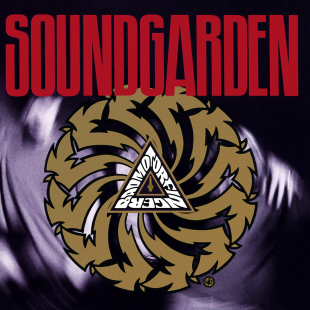
This was the first Soundgarden album with Ben Shepherd in the lineup, and it sounds like a band locking into a more dangerous version of itself. The songs are heavy, but not blunt. They are precise, but not sterile. The whole record feels like a huge machine built out of rust, smoke, theological sarcasm, broken mirrors, and riffs that were absolutely not interested in taking the scenic route.
“Rusty Cage” kicks the door open with a riff that feels both propulsive and jagged. “Outshined” turns inner collapse into one of the band’s most quotable statements. “Jesus Christ Pose” is aggressive, controversial, and built like a dare. “Slaves & Bulldozers” stretches into a heavy trance. “Searching With My Good Eye Closed” sounds like a psychedelic field trip that took a wrong turn into a quarry.
What makes Badmotorfinger important is that it did not soften Soundgarden for the mainstream. It made their weirdness more focused. The band was still too heavy, too crooked, too funny, too dark, too metal, too arty, and too unwilling to behave. But the songs were stronger. The identity was clearer. The machine had teeth now.
In the larger story of 90s alternative and grunge, Badmotorfinger is the record that proves grunge was never just punky slacker rock. It could be technical, heavy, menacing, and muscular without becoming old-school metal cosplay.
Badmotorfinger brought a density and complexity that separated Soundgarden from simpler alternative-rock narratives.
The songs had hooks, but they also had odd structures, surreal imagery, and a refusal to flatten themselves for radio.
The classic lineup gave Soundgarden a sharper identity, letting the band’s heaviness feel controlled without becoming tame.
Alongside Nevermind and Ten, it helped make 1991 one of the most important years in 90s rock.
The Badmotorfinger Songs That Made Soundgarden Sound Dangerous
Badmotorfinger works because the songs do not all attack from the same angle. Some are direct. Some are hypnotic. Some feel like heavy machinery having a religious argument. That variety is why the album still feels alive instead of frozen inside 1991 nostalgia.
One of Soundgarden’s great openers, “Rusty Cage” turns escape into a riff. It moves forward with violent determination, but the rhythm and guitar shape keep it from feeling ordinary. It is a road song for people whose road is probably on fire.
“Outshined”“Outshined” is the Soundgarden song that made self-loathing sound massive. It is heavy, memorable, and emotionally exact in that very 90s way: looking fine enough on the outside, feeling like a collapsed shopping mall inside.
“Jesus Christ Pose”Fast, confrontational, and impossible to mistake for background rock, “Jesus Christ Pose” is Soundgarden at their most aggressive and anti-iconic. It sounds like the band attacking the very idea of rock-star martyr poses with a circular saw.
“Slaves & Bulldozers”A heavy, stretching, blues-doom monster, “Slaves & Bulldozers” shows how Soundgarden could slow down and somehow become more threatening. Cornell does not just sing it; he stalks through it.
“Searching With My Good Eye Closed”Part psychedelic drift, part heavy ritual, this track is one of the clearest examples of Soundgarden’s ability to be weird without becoming weightless. It floats, but the floor is still cracking.
“New Damage”The closer feels like the album’s final warning label. Heavy, dark, and enormous, it leaves the record sounding less finished than unleashed.
Superunknown: When Soundgarden’s Weirdness Went Mainstream
Superunknown is the album where Soundgarden became massive without becoming simple. That is the miracle. The band did not suddenly turn into a clean radio-rock machine. They expanded. The songs got bigger, darker, more varied, more melodic, more psychedelic, and somehow even more unsettling.
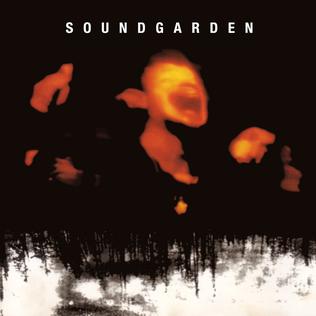
A lot of bands break through by trimming off the strangest parts. Soundgarden broke through by making the strange parts more vivid. Superunknown has radio singles, yes, but it also has dread, doom, odd shapes, surreal lyrics, psychedelic shadows, and songs that sound like they were recorded inside a dream that had been left too close to a furnace.
The album made Soundgarden unavoidable. “Black Hole Sun” became an MTV landmark. “Spoonman” brought percussive weirdness to mainstream rock. “Fell on Black Days” made depression feel like weather. “The Day I Tried to Live” turned existential exhaustion into one of the band’s greatest songs. “4th of July” may be one of the heaviest things to come out of the entire grunge era.
In the bigger 90s grunge album conversation, Superunknown is crucial because it proves that mainstream success did not have to mean creative surrender. Soundgarden got bigger and darker at the same time. Normal bands are not supposed to do that. Soundgarden apparently did not read the manual, which is good, because the manual was probably written by someone trying to sell leather pants in 1988.
Superunknown brought Soundgarden to their biggest audience and placed their strangest instincts right in the middle of 90s rock culture.
The album’s biggest songs are full of dread, depression, surreal imagery, and emotional disorientation.
It was varied. The rangeThe record moves from radio hooks to doom slabs, psychedelic haze, hard-rock attack, and deep album-track weirdness.
Superunknown still sounds strange because it was never just chasing a 1994 commercial moment.
Superunknown Was the Album That Lived Everywhere
Superunknown had a strange kind of reach. It could live in a metal kid’s collection, an alternative kid’s collection, a casual MTV viewer’s collection, and the CD case of someone who only bought six albums that year but somehow got this one right. It was mainstream enough to be everywhere and weird enough to make everywhere feel slightly off.
That album also fit the way people actually listened in the 90s. You did not just hear a single once and move on. You lived with the whole record because that is what the format demanded. You put the CD in, listened while cleaning your room, doing homework badly, driving nowhere, sitting in somebody’s basement, or staring at the ceiling like the ceiling owed you money.
Superunknown rewarded that kind of listening. “Black Hole Sun” got the attention, but the album tracks made the obsession. “4th of July” was not casual background music. “Like Suicide” was not playlist filler. “Limo Wreck” was not there to brighten your day unless your day needed to feel like a bridge collapse in slow motion. The record had depth, and depth mattered when an album was something you owned, carried, loaned, and occasionally had to demand back from someone who “forgot” they had it.
That is why Soundgarden’s biggest album still feels like a lifestyle object as much as a record. It belonged to bedrooms with overloaded power strips, black-light posters, cheap stereo systems, thrift-store lamps, taped-up magazine pages, and piles of CDs that made no sense until they absolutely did.
The Superunknown Songs That Defined Soundgarden
Superunknown is loaded, but the major songs each show a different version of Soundgarden’s power. The album did not succeed because one track carried everything. It succeeded because the band suddenly had a whole gallery of nightmares, anthems, and heavy mood pieces that somehow belonged together.
The surreal MTV gateway drug. It is melodic, strange, apocalyptic, and weirdly beautiful, which is why it crossed over so hard. It let casual listeners enter Soundgarden through a dream, then realize the dream was melting.
“Spoonman”One of the band’s oddest mainstream hits, “Spoonman” turns street-percussion inspiration, hard rock, and rhythmic strangeness into something radio could play without fully understanding what had just happened.
“Fell on Black Days”Soundgarden’s depression song without the cheap melodrama. It captures the moment when darkness does not arrive as a thunderclap. It just shows up, sits down, and makes itself comfortable.
“The Day I Tried to Live”A heavy, wounded, strangely uplifting song about effort, failure, and trying anyway. It is one of Cornell’s great performances because it turns exhaustion into motion.
“My Wave”Groovier and more direct than some of the album’s darker corners, “My Wave” shows Soundgarden could be inviting without giving up their edge or their personality.
“4th of July”Possibly Soundgarden’s heaviest mood piece. It is slow, crushing, and apocalyptic in a way that makes most radio-friendly grunge sound like it brought a lunchbox to a funeral pyre.
This is why Soundgarden deserve a central place in any list of essential grunge songs. Their biggest tracks are not interchangeable. They hit different emotional zones: dread, absurdity, collapse, defiance, heaviness, and the special 90s feeling of watching the sky do something suspicious.
“Black Hole Sun”: The Weirdest Song to Become Everyone’s Favorite Nightmare
“Black Hole Sun” is one of those songs that became so famous it almost hides how strange it is. Familiarity makes it seem inevitable, like of course a surreal, apocalyptic, slow-burning, dreamlike Soundgarden song would become a giant MTV hit. Sure. Completely normal. Nothing weird about America deciding that melting suburban faces were the vibe.
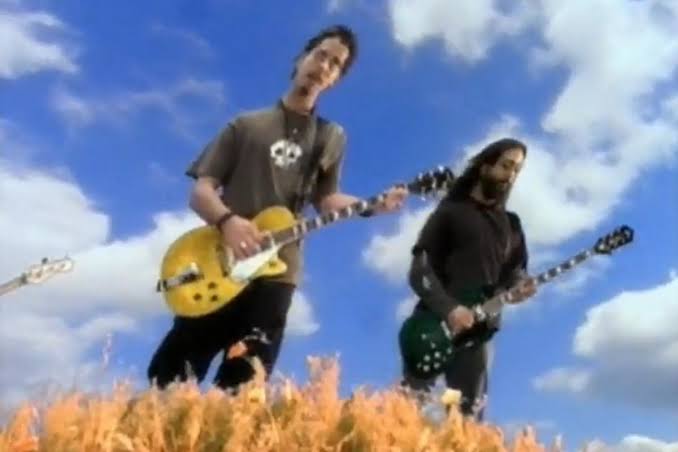
The song is not heavy in the same way “Rusty Cage” or “4th of July” is heavy. Its weight comes from atmosphere. The melody is almost hypnotic, the guitar tones shimmer and rot at the same time, and Cornell sings it like he is narrating a disaster from inside a dream. The result is beautiful and deeply wrong, which is a very Soundgarden combination.
The video pushed that weirdness into mainstream memory. It gave the song a visual language: suburban grotesque, unnatural smiles, distorted faces, apocalypse disguised as bright daylight. MTV did not just promote “Black Hole Sun.” It made the song feel like a shared hallucination.
That is why “Black Hole Sun” belongs with the biggest MTV alternative rock takeover moments of the decade. It was not just a hit. It was proof that 90s mainstream rock could make room for something deeply odd, as long as the melody was strong enough to sneak the nightmare past security.
MTV and Modern Rock Radio Made Soundgarden Impossible to Ignore
Soundgarden’s relationship with the mainstream was different from Nirvana’s and Pearl Jam’s. They did not feel like instant youth-culture shorthand in the same way. They were more difficult, more metallic, less emotionally direct, and less easy to flatten into a slogan. But once Superunknown hit, MTV and modern rock radio had to deal with them.
That mattered because Soundgarden expanded what mainstream alternative could sound like. They were not jangly college rock. They were not punk-pop explosion. They were not soft-loud confession. They were heavy, dark, weird, and technical enough to confuse the old category lines. Their success made room for alternative rock that did not have to be charming, cute, or conveniently formatted.
On MTV and modern rock radio, Soundgarden gave programmers songs that were both accessible and strange. “Black Hole Sun” could sit next to more melodic alternative tracks. “Spoonman” could bring rhythmic weirdness into rotation. “Fell on Black Days” could turn mood into a radio presence. “The Day I Tried to Live” could be heavy and reflective without becoming a power ballad in disguise.
On MTV, Soundgarden’s visual identity helped them stand apart. They did not look like a glossy band playing dress-up with angst. They looked like they had crawled out of a rehearsal room, discovered the mainstream staring at them, and decided to remain deeply suspicious.
Late-Night MTV, Weird Videos, and the Soundgarden Atmosphere
Soundgarden made sense on late-night MTV in a way that is hard to explain if you did not live through the era of channel surfing, static, and waiting for a video like your future depended on it. You did not control the feed. You surrendered to it. If “Black Hole Sun” or “Spoonman” came on, you stopped whatever you were doing because you might not see it again for hours, and the VCR was probably blinking 12:00 like a tiny monument to family failure.
The band’s videos worked because they matched the atmosphere of the songs. They were not just performance clips. They felt strange, grimy, distorted, symbolic, and uncomfortable. Soundgarden understood that grunge visuals did not need to be glamorous. They needed to feel like the room had changed shape.
That gave the band a different kind of lifestyle presence. Nirvana had the school-gym detonation. Pearl Jam had the live-performance intensity. Soundgarden had dread, surrealism, and images that felt like they had crawled out of a fever dream and onto basic cable. For Gen X viewers trained by MTV to read music visually, that mattered.
It also made Soundgarden feel older than the room. Not old-fashioned, but ancient in some weird heavy-rock way. Their videos and songs had a sense of rot, ritual, heat, and collapse that did not feel like regular 90s youth culture. They sounded like a band that knew the party was fake and the basement was more interesting anyway.
Down on the Upside: The Sound of a Band Pulling Away From Its Own Peak
After Superunknown, the easy move would have been obvious: make another massive album with another “Black Hole Sun,” another “Spoonman,” another clean path through MTV and radio. Soundgarden, being Soundgarden, did not seem especially interested in easy moves.
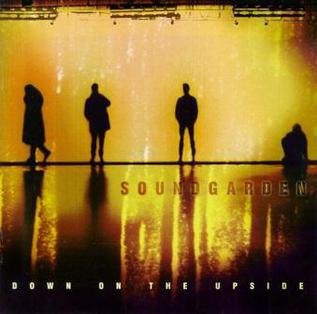
Down on the Upside is the sound of the band stretching, fraying, experimenting, and stepping away from the most obvious version of their success. It is less monolithic than Badmotorfinger, less perfectly world-conquering than Superunknown, and more internally restless than either. That makes it fascinating.
“Pretty Noose” has a crooked glamour to it. “Burden in My Hand” leans into desert-blues atmosphere. “Blow Up the Outside World” is one of the band’s great late-90s statements, turning defeat and defiance into something huge without sounding triumphant. “Ty Cobb” is ragged and nasty. “Tighter & Tighter” and “Zero Chance” sink into moodier territory.
The album also feels like a band testing how far it had traveled. The Soundgarden of Down on the Upside is still heavy, but the heaviness is less about impact alone and more about texture, fatigue, tension, and contradiction. It is the record that makes the most sense once you stop asking it to be Superunknown 2: The Spreadsheet Demands It.
The album refuses to simply repeat the Superunknown formula, which makes it more complicated and more interesting.
Soundgarden moved further into mood, texture, acoustic shadows, and hard-edged experimentation.
The heaviness is not always blunt force. Sometimes it is exhaustion, bitterness, tension, or atmosphere.
Late-90s pressure. The end of the first runThe album feels like a band pushing outward while the original grunge moment was already changing shape.
Soundgarden’s Place in the Big 4 of Grunge
Soundgarden’s role in the Big 4 of Grunge is essential because they prove the category was wider than people remember. If grunge only meant punky slacker sarcasm, Soundgarden would not fit. If grunge only meant emotional arena catharsis, Soundgarden would not fit. If grunge only meant haunted harmonies and addiction shadows, Soundgarden would not fit.
But grunge was never that narrow. It was a collision of Seattle context, underground roots, heavy guitars, punk suspicion, social discomfort, thrift-store anti-gloss, and a mainstream suddenly hungry for music that did not feel polished to death. Soundgarden belonged because they were there early, they helped shape the sound, and they carried one of the movement’s most original musical identities.
Nirvana made the mainstream crack open with punk-pop damage, sarcasm, and sudden cultural detonation.
Pearl Jam The catharsisPearl Jam made grunge emotionally communal, arena-sized, and deeply connected to fan culture.
Alice in Chains The darknessAlice in Chains brought doom, addiction shadows, metallic heaviness, and ghostly harmonies.
Soundgarden brought the Sabbath-sized riffs, odd structures, psychedelic dread, and art-metal intelligence.
That is why Soundgarden should never be treated as a secondary Big 4 member just because “Black Hole Sun” became the song casual listeners remember most. They were one of the reasons grunge had depth, range, and danger beyond a fashion silhouette.
Soundgarden and the Death of Hair Metal’s Comfort Zone
If Nirvana made old rock polish look ridiculous overnight, Soundgarden made a different point: heavy rock did not need to be cartoonish to be powerful. This was important. By the end of the 80s, a lot of mainstream hard rock had become trapped in its own visual language: hair, leather, swagger, party mythology, and videos that looked like the lighting budget had developed self-esteem issues.
Soundgarden did not offer a cleaner fantasy. They offered heaviness without glamour. Their songs were muscular but not macho in the same old way. Their riffs were huge, but the band did not sound like it was trying to sell you backstage access and a dragon-print vest.
That is part of how grunge killed hair metal: not by deleting heaviness, but by changing what heaviness could mean. Soundgarden kept the volume and the danger but removed the glossy fantasy. The result was rock that felt smarter, darker, more suspicious, and much less interested in pretending the party had no hangover.
The Gen X Connection: Why Soundgarden Hit Different
Soundgarden were not the easiest grunge band for every Gen X kid to enter. Pearl Jam had the emotional doorway. Nirvana had the immediate cultural detonation. Alice in Chains had the dark, metallic ache. Soundgarden required a different kind of listener — the kid who liked heavy music but wanted it stranger, the kid who wanted riffs but also wanted the floor to tilt, the kid who thought mainstream rock had gotten too shiny and underground rock could use a bigger hammer.
That is why Soundgarden felt like a discovery even after they became famous. You could know “Black Hole Sun” from MTV and still have entire caves of Soundgarden left to explore. Badmotorfinger was a different beast from the big single. Louder Than Love was a different beast from that. Down on the Upside was a different beast again. The band rewarded people who went deeper.
For Gen X, that mattered because music discovery was physical and tribal. You did not just hear everything instantly. You found albums through older siblings, record stores, friends with better collections, radio blocks, MTV lateness, dubbed tapes, CD binders, and the kind of kid who wore a Soundgarden shirt and looked like he knew three facts you were not emotionally ready for.
Soundgarden gave the decade a version of heaviness that was not dumbed down. It was music for people who wanted to feel the weight without being treated like idiots. Very Gen X. Very suspicious. Very likely to be played too loud through speakers that were absolutely not built for it.
Best Soundgarden Starter Albums and Songs
Starting with Soundgarden depends on what kind of damage you are looking for. There is the heavy entry point, the mainstream entry point, the weird entry point, and the “I am ready to live inside the machinery” entry point. Choose wisely. Or do what most of us did and just buy whatever CD was available, then pretend that was the plan.
- Superunknown — The best starting point for most people: huge, dark, varied, and packed with defining songs.
- Badmotorfinger — The heavier, sharper, more jagged 1991 monster.
- Down on the Upside — The moodier, more experimental late-90s record.
- Louder Than Love — The bridge from underground oddity to bigger hard-rock force.
- Ultramega OK — The early underground weirdness before the classic 90s version fully locks in.
- “Black Hole Sun”
- “Spoonman”
- “Fell on Black Days”
- “The Day I Tried to Live”
- “Rusty Cage”
- “Outshined”
- “Jesus Christ Pose”
- “4th of July”
- “Pretty Noose”
- “Blow Up the Outside World”
Soundgarden and the 90s Grunge Timeline
Soundgarden’s 90s story is not just about a breakthrough album. It is about an early Seattle band that helped define the movement before the mainstream noticed, then somehow carried one of grunge’s weirdest sounds into the center of rock culture.
Soundgarden forms in Seattle, with Chris Cornell and Kim Thayil becoming central forces in the band’s early identity.
Screaming Life helps establish the band’s underground identity before grunge becomes a mainstream word people can misuse confidently.
Ultramega OK captures the band’s early heaviness, humor, weirdness, and indie-rock credibility.
Louder Than Love expands Soundgarden’s reach and helps position them as one of Seattle’s major heavy alternative bands.
Badmotorfinger arrives during the year grunge breaks wide open. Keep the broader year in view with 1991 Songs.
Superunknown makes Soundgarden mainstream without making them simple. “Black Hole Sun,” “Spoonman,” and “Fell on Black Days” become defining 90s tracks. Rewind the wider year with 1994 Songs.
Down on the Upside pushes the band into moodier, more experimental territory as the original grunge era starts changing shape. See the broader year with 1996 Songs.
Soundgarden’s first run ends, leaving behind one of the strangest and most influential catalogs in 90s alternative rock.
Keep Rewinding the 90s Alternative and Grunge Story
Soundgarden are the heavy, weird corner of the grunge map, but the full 90s alternative story needs the other bands, albums, songs, MTV moments, radio shifts, fashion fallout, and Seattle mythology around them.
Keep Rewinding the Heavy, Weird Side of Grunge
Soundgarden are the basement door. Keep going through the rest of the 90s alternative map: the hub, the Big 4, the Seattle story, the albums, the songs, MTV, Unplugged, hair metal’s crash and the post-grunge cleanup.
FAQ: Soundgarden and 90s Grunge
Why is Soundgarden called the heavy, weird side of grunge?
Soundgarden are the heavy, weird side of grunge because they combined Sabbath-sized riffs, punk attitude, odd time signatures, psychedelic dread, metal force, and Chris Cornell’s huge voice into a sound that did not fit neatly into alternative rock or metal.
Was Soundgarden really grunge?
Yes. Soundgarden were one of the key Seattle bands that helped define grunge, even though their sound was heavier, more metallic, and more rhythmically unusual than many other bands associated with the movement.
How was Soundgarden different from Nirvana?
Nirvana were more punk, immediate, sarcastic, and explosive, while Soundgarden were heavier, stranger, more metallic, and more technically complex. Nirvana cracked open the mainstream; Soundgarden showed how dark and musically weird grunge could become inside it.
How was Soundgarden different from Pearl Jam?
Pearl Jam leaned toward emotional catharsis, live community, and arena-sized classic-rock feeling. Soundgarden were more jagged, heavy, psychedelic, and rhythmically strange, with a darker art-metal edge.
How was Soundgarden different from Alice in Chains?
Alice in Chains were darker in a haunted, harmony-heavy, doom-metal way. Soundgarden were also dark, but their heaviness was more psychedelic, riff-driven, and structurally strange, with more odd-time movement and surreal imagery.
What is Soundgarden’s best album?
Superunknown is usually the best starting point because it combines the band’s mainstream peak with their darkness, range, and weirdness. Badmotorfinger is the heavier essential album, while Down on the Upside is the moodier late-90s record.
Why is Badmotorfinger important?
Badmotorfinger is important because it sharpened Soundgarden’s classic lineup and delivered some of their defining heavy songs, including “Rusty Cage,” “Outshined,” “Jesus Christ Pose,” and “Slaves & Bulldozers.” It also helped show that grunge could be complex, metallic, and aggressive.
Why is Superunknown important?
Superunknown is important because it made Soundgarden a mainstream force without removing their weirdness. The album includes “Black Hole Sun,” “Spoonman,” “Fell on Black Days,” “The Day I Tried to Live,” and “4th of July,” showing the band’s range from radio hits to deep darkness.
Why did Black Hole Sun become so famous?
“Black Hole Sun” became famous because it combined a haunting melody, surreal lyrics, dark atmosphere, and an unforgettable MTV video. It was strange enough to feel dangerous but melodic enough to become one of the biggest alternative-rock songs of the decade.
What are Soundgarden’s most important songs?
Soundgarden’s most important songs include “Black Hole Sun,” “Spoonman,” “Fell on Black Days,” “The Day I Tried to Live,” “Rusty Cage,” “Outshined,” “Jesus Christ Pose,” “4th of July,” “Pretty Noose,” and “Blow Up the Outside World.”
What made Chris Cornell’s voice special?
Chris Cornell’s voice was special because it combined huge range, bluesy power, emotional depth, and a dark, haunting quality. He could make heavy songs feel human and surreal songs feel emotionally direct.
What made Kim Thayil’s guitar playing important?
Kim Thayil’s guitar playing was important because he gave Soundgarden a riff style that was heavy, jagged, psychedelic, and rhythmically unusual. His parts helped separate the band from standard hard rock and later grunge imitators.
Did Soundgarden use odd time signatures?
Yes. Soundgarden frequently used unusual rhythmic patterns and odd time signatures, but they made those choices feel physical and powerful rather than academic. The weird rhythms helped give their songs a lurching, unstable heaviness.
Did Soundgarden help kill hair metal?
Soundgarden were part of the broader grunge and alternative-rock shift that made glossy hair metal feel outdated. They did not remove heaviness from rock; they changed what heaviness could look and feel like in the 90s.
How did Soundgarden fit into real 90s music culture?
Soundgarden fit into 90s music culture as the deeper, heavier, weirder band many fans discovered after entering grunge through more immediate songs. They lived in CD binders, record-store conversations, late-night MTV blocks, car stereos, and the collections of listeners who wanted something darker and more complicated.
Why did Soundgarden feel like a record-store band?
Soundgarden felt like a record-store band because their albums rewarded deeper listening. “Black Hole Sun” was the mainstream doorway, but records like Badmotorfinger, Louder Than Love, and Superunknown made fans dig through the catalog, compare albums, and treat the band like more than a singles act.
What Soundgarden album should beginners start with?
Beginners should usually start with Superunknown, then move backward to Badmotorfinger. That path shows Soundgarden’s mainstream breakthrough first, then reveals the heavier and stranger core that made them essential.
Why did Gen X connect with Soundgarden?
Gen X connected with Soundgarden because the band offered heaviness without gloss, intelligence without polish, and darkness without easy answers. They felt like music for people who wanted something heavier and stranger than mainstream rock’s old fantasy machine.
Why is Down on the Upside underrated?
Down on the Upside is underrated because it does not simply repeat Superunknown. It is moodier, more experimental, and more internally restless, showing Soundgarden pulling away from the most obvious version of their success.
What is Soundgarden’s place in the Big 4 of Grunge?
Soundgarden’s place in the Big 4 is as the heavy, weird, art-metal side of grunge. They brought odd structures, huge riffs, psychedelic darkness, and Chris Cornell’s voice to a movement often oversimplified as flannel and distortion.
Keep the Heavy Weirdness Coming
Get more 70s, 80s, and 90s nostalgia, music rabbit holes, TV memories, toy chaos, and Gen X cultural therapy from Smells Like Gen X.