
25 90s Grunge Songs That Still Hit Hard
The best 90s grunge songs still hit because they were never just loud guitars, flannel shirts and rainy Seattle mythology. They carried alienation, addiction, grief, family damage, class frustration, black humor and the uneasy feeling that the glossy rock machine had finally cracked.
This ranked list moves from Nirvana’s “Smells Like Teen Spirit,” Pearl Jam’s “Alive,” Alice in Chains’ “Would?” and Soundgarden’s “Black Hole Sun” into Stone Temple Pilots, Temple of the Dog, Screaming Trees, Hole, L7, Mudhoney, Candlebox and Mad Season. Together, they show why 90s alternative and grunge still feels less like nostalgia and more like emotional weather.
What Are the Grunge Songs That Still Hit Hardest?
The five essential starting points are Nirvana’s “Smells Like Teen Spirit,” Pearl Jam’s “Alive,” Alice in Chains’ “Would?,” Soundgarden’s “Black Hole Sun” and Nirvana’s “Come As You Are.” Those tracks cover grunge’s main emotional lanes: cultural detonation, arena-sized survival, metallic dread, psychedelic nightmare and quiet menace.
The complete top 25 reaches beyond the Big 4 into Stone Temple Pilots, Temple of the Dog, Screaming Trees, Hole, L7, Mudhoney, Candlebox and Mad Season. The 90s alternative music guide connects these songs to the albums, bands, MTV moments and scenes surrounding them.
What Makes a Grunge Song Still Hit Hard?
“Hits hard” does not always mean fastest, loudest or most distorted. Sometimes it means the riff still punches through the wall. Sometimes it means the vocal still sounds like a bruise talking. Sometimes it means a song can quietly wreck the room without ever raising its voice.
This list centers on the 90s grunge explosion, especially Nirvana, Pearl Jam, Soundgarden and Alice in Chains, but it also makes room for the songs that orbited the scene: Stone Temple Pilots, Temple of the Dog, Screaming Trees, Mudhoney, L7, Candlebox and Mad Season. That is how a lot of Gen X actually heard grunge — not as a perfectly labeled museum shelf, but as a messy stack of CDs, soundtracks, radio requests and MTV clips.
For the tighter core playlist, keep 25 Essential Grunge Songs nearby. For the album version of the rabbit hole, head into Best 90s Grunge Albums after this.
Why These Grunge Songs Still Hit Harder Than Nostalgia
Grunge still works because the best songs were never just fashion signals, even though, yes, half of us dressed like we lost a fight with a laundry basket. The flannel became the uniform, the videos became the memory, and the CD booklets became sacred objects, but the songs underneath were dealing with heavier stuff: alienation, addiction, grief, class frustration, family damage, war trauma, boredom, rage and the strange feeling of being young in a world that already felt used up.
That is why these tracks do not feel like museum pieces. They still have impact because they were built from contradictions, which is basically the Gen X operating system with worse posture. Grunge could be sarcastic and sincere, ugly and melodic, underground and unavoidable, wounded and funny, loud enough to shake the room and quiet enough to make everything worse.
The best 90s grunge songs also remind us that the scene was never as simple as four bands and a shirt, no matter how badly every VH1 special tried to turn it into that. The Big 4 matter, obviously, but the harder truth is that grunge was a weather system: Seattle bands, Sub Pop noise, punk roots, metal weight, MTV acceleration, soundtrack moments, side projects, grief songs, outsiders, almost-grunge bands and post-grunge echoes all crashing into the same decade.
The 25 Grunge Songs at a Glance
The fast version for anyone who wants the scratched-CD spine labels before the full essays, MTV memories and emotional damage.
The 25 90s Grunge Songs That Still Hit Hard
From Seattle detonations and Big 4 gut punches to soundtrack staples, post-scene bruisers and songs that still sound like rain hitting a cracked windshield, these are the grunge tracks that never really softened.
1991
Nirvana — “Smells Like Teen Spirit”
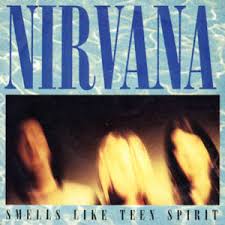
There is no clean way to talk about 90s grunge without starting here. “Smells Like Teen Spirit” was the song that made everything before it feel like it had been caught wearing too much hairspray under fluorescent lighting. It did not just break Nirvana. It broke the old rock order wide open.
The track still hits because it never sounds like a careful anthem. It sounds like a gymnasium riot, a basement band, a bored generation and a perfect pop hook all crashing into the same amplifier. That opening riff remains one of the fastest shortcuts back to 1991 anyone ever built.
The deeper damage
“Smells Like Teen Spirit” still hits because it carries the feeling of a prank that accidentally became a revolution. It is catchy enough to be shouted by an arena, but it never feels comfortable inside the arena. That tension is the whole trick: Nirvana gave the mainstream a hook it could not resist and then filled it with boredom, disgust and a kind of cracked teenage comedy that did not sound like anything on rock radio was supposed to sound.
Album and scene context
On Nevermind, this was not just the lead single; it was the opening blast that made the rest of the album feel like contraband suddenly being sold at the mall. Seattle had already been making noise, and underground rock had already been mutating for years, but this was the moment those currents got forced into every living room with a cable box.
The sound that still works
The quiet-loud structure became so copied that it turned into a cliché, but the original still has teeth. The verses mumble and prowl, the pre-chorus tightens the room, and the chorus detonates like every bored kid finally found the same outlet at once. It is simple, but it is not lazy. It is built like a trapdoor.
Why it belongs here
A grunge list without this song is just someone trying too hard to be interesting — especially after Nirvana changed 90s music this completely. It belongs here because it changed what rock success looked like in the 90s, and because it still sounds like the exact second the decade stopped asking permission.
Nirvana’s blast radius still sits at the center of how Nirvana changed 90s music.
1991
Pearl Jam — “Alive”
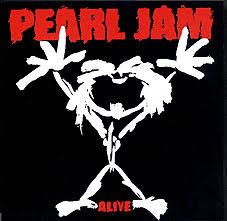
“Alive” gave grunge a different kind of power. Nirvana sounded like refusal. Pearl Jam sounded like survival with a giant chorus attached. The song was wounded, dramatic and huge without turning into the kind of empty arena rock the 90s were trying to bury.
Eddie Vedder’s voice made the song feel mythic almost immediately. The guitars had classic-rock muscle, but the emotional weight was pure early-90s alternative: family damage, identity confusion, intensity, sincerity and absolutely no interest in smiling for the brochure.
The deeper damage
“Alive” hits from a different angle than Nirvana’s chaos. It is not trying to collapse the room. It is trying to survive inside it. Pearl Jam took trauma, confusion and family mythology and turned it into something huge enough for crowds to sing back, which is why the song feels both private and public at the same time.
Album and scene context
On Ten, this song helped introduce Pearl Jam as the grunge band that could carry emotional weight with classic-rock scale. The guitars reached for the rafters, but the feeling underneath was wounded and human. That combination made Pearl Jam accessible to rock fans who still wanted solos and choruses, while giving Gen X listeners something much more bruised than old arena rock swagger.
The sound that still works
The riff has a patient, coiled power, and Eddie Vedder’s voice turns the chorus into a release valve. The song never rushes. It rises, steadies itself and then opens up. That is why it still lands: it gives the listener time to feel the weight before the big moment arrives.
Why it belongs here
“Alive” belongs because it proved grunge could be communal without being fake. It could be serious, massive and emotional without dressing itself up like 80s rock victory music. It made survival sound complicated.
That emotional lane is exactly why Pearl Jam became the other side of grunge.
1992
Alice in Chains — “Would?”
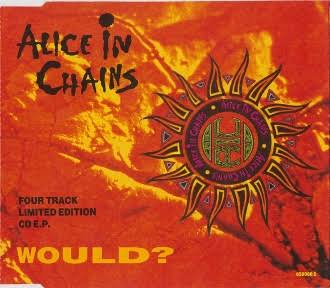
“Would?” feels like a room with no windows. Alice in Chains had a way of making heaviness sound hypnotic instead of merely loud, and this song is one of their clearest statements: slow-burn dread, metallic weight and harmonies that sound like ghosts agreeing with each other.
The bassline creeps in like bad news. Layne Staley and Jerry Cantrell’s voices turn the chorus into something mournful and massive. The song is dark, but not in the cartoon sense. It feels lived-in, exhausted and completely serious.
The deeper damage
“Would?” feels less like a song and more like a shadow crossing the floor. Alice in Chains were always the darkest corner of the Big 4, and this track captures that perfectly: grief, guilt, addiction, heaviness and melody all tangled into something hypnotic.
Album and scene context
The song came tied to the Singles era, but it never feels like a scene accessory. It carries the weight of Andrew Wood’s death and the larger Seattle story, while also showing exactly why Alice in Chains could never be reduced to standard grunge shorthand. They had metal in the bones and tragedy in the harmonies.
The sound that still works
The bassline creeps rather than charges, giving the whole track a predatory calm. Then Layne Staley and Jerry Cantrell’s voices lock together in that unmistakable haunted blend. It is heavy, but the heaviness is emotional as much as sonic.
Why it belongs here
It belongs because grunge was not only rebellion and flannel mythology. Sometimes it was dread with perfect harmonies. “Would?” still hits because it sounds like the consequences have already arrived.
This is the darkest sound of 90s grunge doing exactly what it was built to do.
1994
Soundgarden — “Black Hole Sun”
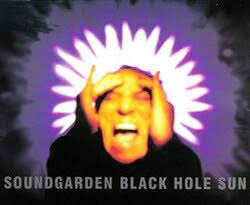
“Black Hole Sun” is what happens when grunge looks directly at the sky and decides the sky is probably lying. Soundgarden made a song that was beautiful, heavy, surreal and deeply unsettling without needing to stomp around like a standard riff monster.
Chris Cornell’s vocal turns the chorus into something enormous and eerie. The guitars glow instead of simply grind, and the whole track feels like a warm day going rotten in slow motion. It is grunge, but with psychedelic shadows crawling under the wallpaper.
The deeper damage
“Black Hole Sun” is the prettiest nightmare in grunge. Soundgarden made a song that glows on the surface and rots underneath, which is why it still feels unsettling even after decades of airplay. It is not angry in the obvious way. It is warped, patient and deeply wrong in the sunlight.
Album and scene context
Superunknown pushed Soundgarden beyond the idea of grunge as just dirty guitars and regional gloom. The band had always been heavier and more technically strange than the stereotype, and this song proved they could turn that weirdness into a massive mainstream hit without smoothing it into nothing.
The sound that still works
Chris Cornell’s vocal is the center of gravity, but the arrangement is just as important. The guitars bend and shimmer, the rhythm drags like heatstroke, and the chorus opens with the grandeur of a storm cloud pretending to be a lullaby.
Why it belongs here
It belongs because it expanded grunge’s visual and musical vocabulary. Not every song that hit hard needed to punch. Some could slowly melt the whole neighborhood.
It belongs in the same strange weather system as the heavy, weird side of Soundgarden.
1991
Nirvana — “Come As You Are”
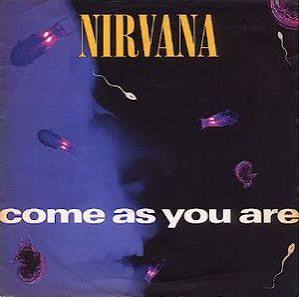
“Come As You Are” was the proof that Nirvana did not need to detonate every time to feel dangerous. Where “Teen Spirit” kicked the door in, this one drifted through the hallway with wet shoes, a hypnotic riff and a grin nobody entirely trusted.
The song’s power is in the tension between invitation and suspicion. It sounds welcoming on the surface, but everything underneath feels warped. Kurt Cobain’s vocal is casual and haunted at the same time, which was basically the whole Nirvana trick in miniature.
The deeper damage
“Come As You Are” is quieter than the explosion that introduced Nevermind, but that is part of why it still hits. It feels like an invitation and a warning at the same time, friendly on the surface but uneasy in the corners. That contradiction is pure Nirvana.
Album and scene context
After “Teen Spirit,” this song showed that Nirvana were not just a one-blast cultural accident. They had mood, restraint and hooks that could sound simple while carrying a lot of emotional static. It also helped cement the watery, haunted side of the grunge mainstream.
The sound that still works
The guitar riff sounds like it is moving underwater, and the whole track has a cold, hypnotic sway. Kurt Cobain’s voice does not push too hard; it pulls you in by sounding half-detached and half-wounded.
Why it belongs here
It belongs because grunge needed songs like this too — not just riots, but fog. “Come As You Are” still hits because it feels welcoming and suspicious in equal measure, which is basically the 90s with a chorus pedal.
It is another reason the story of how Nirvana changed 90s music was bigger than one song.
1991
Pearl Jam — “Jeremy”
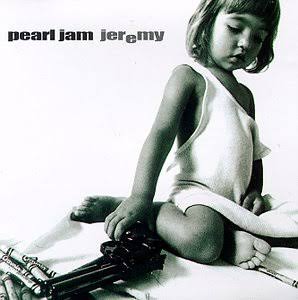
“Jeremy” was Pearl Jam turning a real-world horror into a song that felt impossible to shrug off. It was not a party anthem, not a standard single, and not background music for a good mood. It demanded attention and then made that attention uncomfortable.
Musically, it builds with patience: bass, atmosphere, rising tension and Vedder’s voice moving from narration to anguish. Pearl Jam were never afraid of emotional scale, and “Jeremy” showed how heavy that scale could get without relying only on volume.
The deeper damage
“Jeremy” is one of Pearl Jam’s most devastating early statements because it takes alienation out of the abstract and gives it a face, a classroom and a consequence. The song is dramatic, but it earns that drama by refusing to treat pain like decoration.
Album and scene context
On Ten, “Jeremy” helped make Pearl Jam the band that could turn personal and social trauma into huge alternative radio moments. It also arrived during a decade when MTV could still make a song feel like a national conversation, for better and worse.
The sound that still works
The bassline gives the song a brooding pulse, while Vedder’s vocal moves from observation to full emotional eruption. The chorus does not feel like release so much as impact. It lands hard because the story underneath it is not trying to be cool.
Why it belongs here
It belongs because grunge did not just soundtrack boredom; it documented damage. “Jeremy” still hits because it remembers what adults, schools and systems preferred not to see.
That seriousness is a huge part of Pearl Jam’s other side of grunge.
1990
Alice in Chains — “Man in the Box”
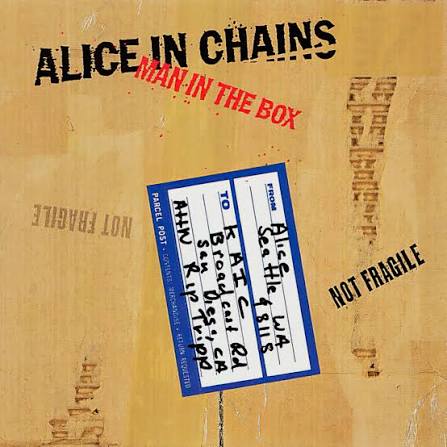
“Man in the Box” arrived before the grunge dam fully burst, which makes it feel like a warning flare. Alice in Chains were already bringing something heavier and more metallic than the stereotype people would later slap on Seattle.
The riff is simple and crushing, but Layne Staley’s vocal is the main event. He sounds trapped, furious and enormous, turning the chorus into one of the most instantly recognizable vocal moments in 90s rock.
The deeper damage
“Man in the Box” is where Alice in Chains made captivity sound muscular. The song is full of pressure: social, spiritual, physical, psychological. It does not explain everything, which makes it feel even heavier. You get the sense that something is trapped, and the song is the sound of it pushing against the lid.
Album and scene context
From Facelift, this track predates the full mainstream grunge explosion and proves Alice in Chains were already carving their own lane. They were connected to Seattle, but their sound leaned harder into metal, sludge and vocal drama than most of the scene around them.
The sound that still works
The talk-box guitar effect gives the riff a strangled, mechanical quality, while Layne Staley’s vocal tears through the chorus like a warning flare. It is one of the most instantly recognizable grunge-era sounds, and it still feels physically heavy.
Why it belongs here
It belongs because it helped announce the darker, more metallic branch of grunge before the whole world had a name for what was happening. It still hits like rust, smoke and bad news.
It is one of the clearest entry points into Alice in Chains and the darkest sound of 90s grunge.
1991
Soundgarden — “Outshined”
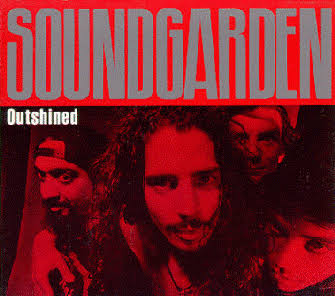
“Outshined” is Soundgarden at full heavy-weird power: a riff that lumbers like machinery, a groove that refuses to hurry and Chris Cornell turning self-loathing into something almost heroic. It is one of the great grunge songs about feeling terrible while sounding unstoppable.
The track’s famous mood swing between power and insecurity is pure 90s. This was not chest-beating rock confidence. It was muscle with a cracked mirror in front of it, which made it feel far more honest than standard hard-rock swagger.
The deeper damage
“Outshined” is Soundgarden turning insecurity into a wrecking ball. The famous mood swing in the lyric is funny, self-aware and painfully accurate, which is why the song still feels so human underneath all that muscle.
Album and scene context
On Badmotorfinger, Soundgarden were operating at a level of heaviness and technical power that set them apart from the simpler grunge stereotype. This song helped bridge metal, alternative and Seattle grit before the mainstream fully caught up.
The sound that still works
The riff is enormous, but it has a strange swing to it. Cornell’s vocal moves from low menace to full-throttle wail, and the band sounds like a machine built out of anxiety and concrete.
Why it belongs here
It belongs because grunge was not always anti-rock-star minimalism. Sometimes it was huge, heavy and vocally impossible, while still feeling emotionally cracked. “Outshined” is that lane at full blast.
This is the heavy, weird side of Soundgarden before the whole world caught up.
1992
Stone Temple Pilots — “Plush”
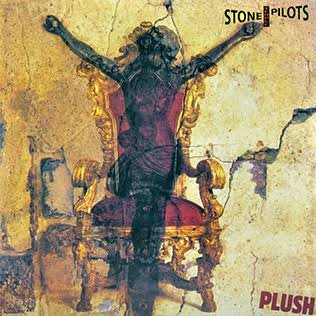
“Plush” sat in the grunge-era blast zone and became unavoidable. Stone Temple Pilots were argued over constantly — authenticity police, scene debates, comparison shoppers, the whole exhausting 90s filing-cabinet routine — but the song itself was hard to deny.
Scott Weiland’s vocal gave the track a smoky drama, while the guitars brought enough weight to sit comfortably beside Seattle’s biggest names. It was moody, memorable and built for rock radio without sounding like leftover 80s machinery.
The deeper damage
“Plush” still hits because it lives in the gray area between grunge, post-grunge and straight-up rock radio dominance. Stone Temple Pilots were argued over endlessly inside the wider 90s alternative and grunge blast zone, but the song itself does not care. It just slinks into the room and makes its case.
Album and scene context
Released in the early grunge boom, “Plush” put STP inside a conversation they were never fully allowed to escape. The band was not from Seattle, and that mattered to purists, but to millions of listeners, the mood, guitars and vocal presence fit the era perfectly.
The sound that still works
Scott Weiland’s voice gives the song its velvet unease. The guitars are thick but not chaotic, the melody is memorable, and the whole thing feels like smoke moving through a dark room.
Why it belongs here
It belongs because the 90s grunge era was bigger than the strict Seattle borders people like to draw later. “Plush” is one of the songs that shows how fast the sound spread, mutated and took over radio.
It also points straight toward the best 90s grunge albums conversation.
1991
Temple of the Dog — “Hunger Strike”
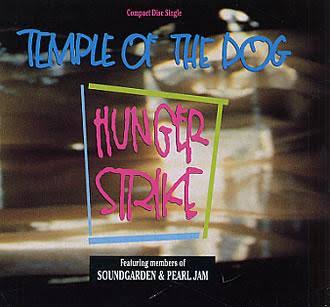
“Hunger Strike” feels like grunge mythology before the mythology hardened into posters and documentaries. Temple of the Dog connected key pieces of the Seattle scene through grief, friendship and timing, and the song became bigger once everyone realized who was standing in the room together.
Chris Cornell and Eddie Vedder’s voices make the track feel like a handoff between eras. Cornell brings the soaring ache; Vedder enters with that deep, earthy weight that would soon become one of the decade’s defining sounds.
The deeper damage
“Hunger Strike” is grunge as elegy. Before the movement became a marketing category, this song captured the grief and community sitting underneath the Seattle story. It is beautiful, mournful and strangely grand without becoming glossy.
Album and scene context
Temple of the Dog formed in memory of Andrew Wood, and that context gives the song a weight no amount of retroactive genre debate can erase. It also places Chris Cornell and Eddie Vedder together at a crucial hinge point, right before Pearl Jam became enormous.
The sound that still works
Cornell’s voice carries the ache, while Vedder’s entrance feels like history accidentally announcing itself. The song builds slowly, letting the emotion gather instead of forcing it. That patience is why it still feels powerful.
Why it belongs here
It belongs because grunge was built from friendship, loss, local scenes and shared damage long before the mall found the flannel. “Hunger Strike” still hits because it sounds like the human cost behind the myth.
It sits naturally beside the Big 4 of Grunge story even though Temple of the Dog was its own thing.
1993
Nirvana — “Heart-Shaped Box”

“Heart-Shaped Box” is Nirvana after the explosion, which makes it heavier in a different way. The band was no longer discovering what fame could do. They were living inside the machine and making songs that sounded like they wanted to corrode it from within.
The track moves between fragile, sickly verses and a chorus that opens like a wound. It is melodic, yes, but the beauty is warped. Nirvana always had pop instincts, but on “Heart-Shaped Box,” those instincts are covered in rust and bad dreams.
The deeper damage
“Heart-Shaped Box” is Nirvana at their most grotesque and beautiful. It is full of bodily imagery, obsession, illness, devotion and disgust, all wrapped in a chorus that feels strangely majestic. It is not the sound of a band repeating Nevermind. It is the sound of a band dragging success somewhere darker.
Album and scene context
On In Utero, Nirvana pushed back against polish and expectation. This song was still big enough for MTV and radio, but it carried more abrasion, more discomfort and more surreal menace than a label would probably request on purpose.
The sound that still works
The verses crawl with sickly calm, then the chorus bursts open with that wounded, rising vocal. The guitar tone feels scraped rather than shiny. Even the quiet parts sound like they are bruised.
Why it belongs here
It belongs because it proved Nirvana’s defining power was not just one cultural explosion. They could still make a hit that felt hostile to hit-making, which is a very grunge little magic trick.
It deepens the same argument behind how Nirvana changed 90s music.
1992
Alice in Chains — “Rooster”
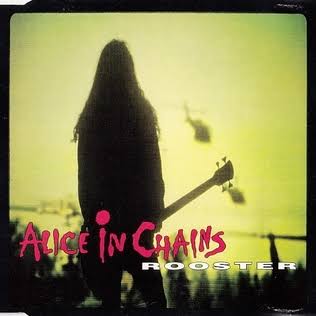
“Rooster” is Alice in Chains taking personal and family trauma and stretching it into a slow, heavy monument. It does not rush because it does not need to. The song knows the weight it is carrying.
Jerry Cantrell wrote from a deeply personal place, and Layne Staley’s vocal performance turns that history into something universal without making it vague. The chorus rises with a strange kind of defiance, like survival after too much damage.
The deeper damage
“Rooster” is Alice in Chains turning family history and war trauma into a slow, crushing grunge epic. It is not fast, and it is not trying to be catchy in the cheap sense. It hits because it takes its time and lets the weight settle.
Album and scene context
The song’s connection to Jerry Cantrell’s father and Vietnam gives it a narrative specificity that sets it apart from more generalized 90s angst. On Dirt, an album already loaded with darkness, “Rooster” provides a different kind of pain: generational, historical and personal.
The sound that still works
The slow build is everything. The verses are restrained and haunted, then the chorus opens into a massive, defiant roar. Layne Staley’s voice makes the pain feel mythic without losing the human story underneath.
Why it belongs here
It belongs because grunge could carry more than teenage alienation. “Rooster” still hits because it connects private family wounds to the larger machinery of war, memory and survival.
It is another reason Alice in Chains owns the darkest corner of 90s grunge.
1991
Pearl Jam — “Black”
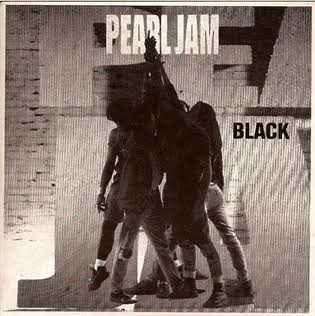
“Black” was never just another Ten track to fans. It became one of Pearl Jam’s emotional centers: a song so huge in feeling that it did not need a traditional single push to become essential.
The song is built on loss without turning into melodrama. Vedder’s vocal moves from restraint to full collapse, while the band gives him enough room to make the ending feel like someone trying to keep standing after the floor disappears.
The deeper damage
“Black” may not be the hardest song in volume, but emotionally it is a demolition job. Pearl Jam made heartbreak sound enormous without turning it into glossy balladry. It is raw, patient and almost embarrassingly sincere in the best possible way.
Album and scene context
On Ten, “Black” showed Pearl Jam’s softer side before the unplugged mythology fully took hold. It also proved that grunge-adjacent emotional intensity could live in restraint, not just distortion.
The sound that still works
The guitars shimmer rather than crush, giving Vedder’s vocal room to carry the ache. The ending is the part everyone remembers because it feels less like a conclusion and more like someone refusing to fully let go.
Why it belongs here
It belongs because grunge was not only anger. It was also grief, longing and the kind of sadness you pretended not to have while absolutely putting this song on a mixtape.
It is prime evidence for Pearl Jam and the other side of grunge.
1991
Soundgarden — “Rusty Cage”
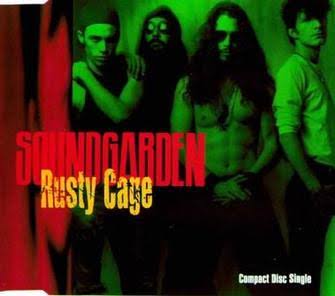
“Rusty Cage” sounds like Soundgarden trying to break out of a machine by becoming part of it. The riff is jagged, driving and tense, with a weird rhythmic snap that made the band feel far more crooked than standard hard rock.
Chris Cornell sings it with full-force urgency, but the song’s real secret is its structure. It does not simply bash forward. It twists, accelerates, shifts and turns heavy rock into something nervier and more unpredictable.
The deeper damage
“Rusty Cage” is Soundgarden in machine-shop mode: sharp edges, odd angles, bad weather and forward motion. It does not glide. It grinds. That mechanical tension is exactly why it still hits.
Album and scene context
On Badmotorfinger, Soundgarden were proving that Seattle heaviness could be strange and technically restless. “Rusty Cage” showed how grunge could pull from metal without becoming predictable, and from punk without losing scale.
The sound that still works
The riff feels like it is being hammered into place, and the rhythm keeps the listener slightly off balance. Cornell’s vocal rides above it like someone yelling over industrial equipment during an emotional emergency.
Why it belongs here
It belongs because it captures the muscular, weird, hard-edged side of grunge before the mainstream simplified the whole movement into shirts and sadness.
That crooked heaviness is all over Soundgarden’s heavy, weird side of grunge.
1992
Screaming Trees — “Nearly Lost You”
“Nearly Lost You” is one of those grunge-era songs that instantly changes the air in the room. Screaming Trees had a different flavor from the Big 4: more psychedelic, more rootsy, more gravel-road haunted-house than city-of-rain mythology.
Mark Lanegan’s voice gives the song its weather. He sounds ancient and exhausted in the best possible way, turning a compact rock song into something deeper and dustier than its runtime suggests.
The deeper damage
“Nearly Lost You” is one of the great grunge-era songs that feels both battered and strangely graceful. Screaming Trees brought a psychedelic, rootsy, weather-beaten quality to the scene, and this track is the clearest mainstream doorway into that world.
Album and scene context
The song’s placement on the Singles soundtrack helped give Screaming Trees a larger audience, but they were not a sudden trend-band. They had been around for years, carrying a different strain of Northwest rock that was less metallic than Alice in Chains and less explosive than Nirvana, but deeply atmospheric.
The sound that still works
Mark Lanegan’s voice is the secret weapon: rough, deep, lived-in and full of smoke. The guitars swirl and push, but the vocal makes the song feel like it has already survived several bad nights.
Why it belongs here
It belongs because grunge was not just the Big 4. “Nearly Lost You” still hits as a reminder that the scene had older roots, stranger branches and voices that sounded like weather reports from the end of the road.
It deserves a seat near the 25 essential grunge songs conversation.
1994
Stone Temple Pilots — “Interstate Love Song”

“Interstate Love Song” is not grunge in the strict Seattle-basement sense, but it absolutely belongs to the broader 90s grunge-adjacent world. Stone Temple Pilots took radio-ready craft, country-rock shading and alternative-era moodiness and made one of the decade’s most durable songs.
The song moves with deceptive ease. The riff has a rolling quality, Weiland’s vocal is both stylish and worn down, and the whole track feels like a long drive with consequences waiting at the next exit.
The deeper damage
“Interstate Love Song” is smoother than most of the songs here, but that smoothness is deceptive. Under the radio-ready melody is a song about distance, deception and emotional drift. Stone Temple Pilots made the pain go down easy, which is dangerous work.
Album and scene context
By the time Purple arrived, STP had already survived the authenticity arguments in the wider 90s alternative and grunge timeline and started proving they could evolve. This song moved beyond simple grunge comparisons and showed the band’s melodic confidence, classic-rock instincts and 90s moodiness all working together.
The sound that still works
The opening has a dusty, almost country-rock bend before the band locks into one of the most effortless choruses of the decade. Weiland’s vocal is controlled, stylish and wounded without overplaying the drama.
Why it belongs here
It belongs because the grunge era did not stay raw forever. It absorbed melody, polish and road-song melancholy. “Interstate Love Song” still hits because it is secretly sadder than it first sounds.
It belongs beside the best 90s grunge albums discussion because Purple helped widen the lane.
1991
Pearl Jam — “Even Flow”
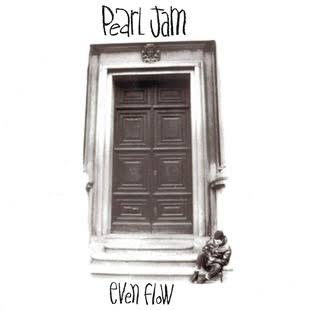
“Even Flow” is Pearl Jam at their most kinetic: big riff, rolling drums, Vedder surfing the vocal line like the words are trying to outrun him. It brought motion to Ten, giving the album a harder-driving side next to the emotional monuments.
The song’s subject matter had social weight, but the track never turns into a lecture. It moves too fast, hits too hard and feels too alive for that. Pearl Jam made empathy sound like forward momentum.
The deeper damage
“Even Flow” is Pearl Jam’s restless street-level anthem. It moves fast, but the story underneath is heavy: homelessness, instability, invisibility and the way people slip through the cracks while everyone else keeps walking.
Album and scene context
On Ten, this track gave Pearl Jam a burst of physical momentum. It also helped define the band’s early identity: socially aware, riff-heavy, emotionally intense and built for live performance.
The sound that still works
The guitar riff rolls with almost funky looseness, while the rhythm section keeps everything charging forward. Vedder’s delivery is urgent and hard to pin down, which matches the subject matter perfectly.
Why it belongs here
It belongs because grunge did not only stare inward. Sometimes it looked outward at the people mainstream culture preferred to blur past. “Even Flow” still hits because the empathy is wired into the motion.
That live-wire sincerity is core to Pearl Jam’s other side of grunge.
1991
Nirvana — “Lithium”
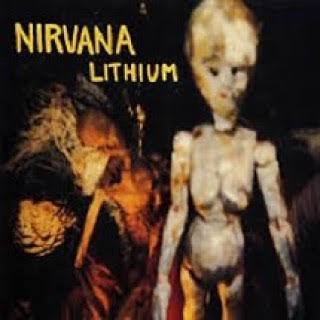
“Lithium” is one of Nirvana’s best examples of emotional instability turned into perfect structure. The verses feel controlled, almost calm, and then the chorus erupts like the song has been pretending to be fine for too long.
That quiet-loud dynamic became one of the decade’s most copied tricks, but Nirvana made it feel less like a formula and more like a nervous condition. The song is catchy because the tension is real.
The deeper damage
“Lithium” is one of Nirvana’s best portraits of emotional instability because it refuses to sit still. It is calm, then explosive, funny, then terrifying, devotional, then completely unglued. The song understands mood swings better than most people explaining them.
Album and scene context
On Nevermind, “Lithium” gave the album one of its most complex emotional centers. It was catchy enough for radio, but the subject matter and structure kept it from feeling like just another single after “Teen Spirit” and “Come As You Are.”
The sound that still works
The quiet parts are almost gentle, but they feel unstable from the first note. When the chorus hits, it sounds like the floor giving way. Dave Grohl’s drums help turn that emotional snap into a physical event.
Why it belongs here
It belongs because grunge often lived in contradiction: peace and panic, jokes and despair, hooks and self-destruction. “Lithium” still hits because it does not simplify any of it.
It is another essential chapter in how Nirvana changed 90s music.
1992
Alice in Chains — “Them Bones”
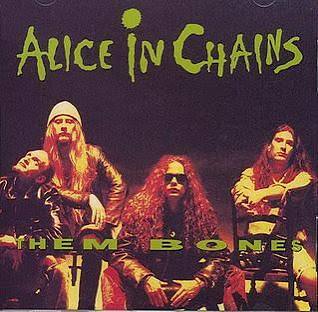
“Them Bones” is barely over before it has already done permanent damage. As an opener, it announces Dirt with a riff that feels like falling down stairs in a haunted factory, then adds one of Layne Staley’s most piercing vocal blasts.
The song is about mortality, but it does not sit around philosophizing. It kicks the door open, screams into the void and leaves the room smoking. Efficient little nightmare.
The deeper damage
“Them Bones” is panic with a stopwatch. Alice in Chains did not ease listeners into this one; they kicked the door open with a scream and a riff that feels like the walls narrowing by the second.
Album and scene context
As the opener to Dirt, it announces one of the darkest major rock albums of the decade with zero small talk. The song sets the tone: mortality, addiction, dread and heaviness presented with terrifying precision.
The sound that still works
The odd meter keeps the track slightly crooked, while the guitars hit like concrete slabs. Layne Staley’s vocal is pure alarm, and the harmonies make even the melodic moments feel haunted.
Why it belongs here
It belongs because it captures Alice in Chains at full impact: short, brutal, strange and unforgettable. Some grunge songs brood. This one lunges.
It is pure Alice in Chains darkness, sharpened into two and a half minutes.
1991
Soundgarden — “Jesus Christ Pose”
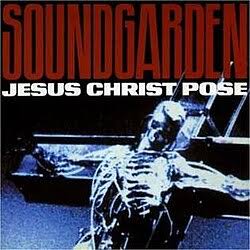
“Jesus Christ Pose” is Soundgarden refusing to make heaviness friendly. The riff is jagged, the rhythm is relentless and Cornell’s vocal sounds like it is being fired out of a cannon aimed directly at rock-star vanity.
The song is aggressive in a way that feels intelligent rather than blunt. It attacks image, ego and martyr poses while sounding like it might knock over the entire stage. Very considerate, really.
The deeper damage
“Jesus Christ Pose” is Soundgarden refusing to make heaviness polite. The song feels like a confrontation with rock-star martyrdom, image, ego and the performance of suffering — all delivered with the force of a band trying to drill through the floor.
Album and scene context
On Badmotorfinger, this track showed Soundgarden’s most aggressive and complicated side. It was too odd to be simple metal, too heavy to be standard alternative and too intense to be background music.
The sound that still works
The rhythm is relentless, almost ritualistic, while Kim Thayil’s guitar work twists around the groove like barbed wire. Cornell’s vocal is not just high; it is accusatory, physical and nearly unhinged.
Why it belongs here
It belongs because grunge had a confrontational edge that was never meant to be comfortable. “Jesus Christ Pose” still hits because it sounds like a band taking a flamethrower to the idea of rock sainthood.
This is Soundgarden’s heavy, weird side with the warning label peeled off.
1994
Hole — “Violet”
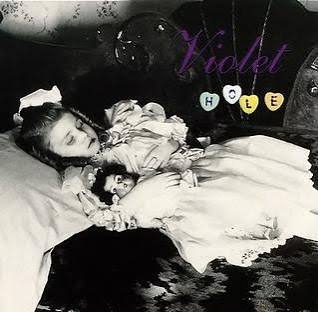
“Violet” is not polite enough for the cleaned-up nostalgia version of the 90s, which is exactly why it still matters. Hole made rage sound ragged, wounded and glamorous in the most threatening possible way.
Courtney Love’s vocal performance moves between sweetness and attack, like the song is daring you to decide which version is real. The answer, inconveniently, is both. The guitars surge with a messy force that fits the emotional stakes perfectly.
The deeper damage
“Violet” is Hole at full emotional detonation. It is bitter, explosive, wounded and glamorous in the most dangerous sense of the word. Courtney Love turns betrayal and exposure into a song that does not ask for sympathy; it demands witness.
Album and scene context
On Live Through This, Hole made one of the decade’s essential alternative records — the kind of album that belongs beside the best 90s grunge albums, and “Violet” is the opening warning shot. It sits beside grunge without sounding like a Seattle imitation, bringing feminist rage, punk bite and celebrity-age paranoia into the same room.
The sound that still works
The verses simmer, the chorus tears open, and the guitars sound like they are being played with a grudge. Love’s voice cracks and snarls in ways that feel central to the song rather than flaws to be corrected.
Why it belongs here
It belongs because grunge and its neighboring scenes were not just male pain in flannel. “Violet” still hits because it gives female rage the volume, mess and danger it deserved all along.
It connects directly to the larger story of women of 90s alternative rock.
1992
L7 — “Pretend We’re Dead”
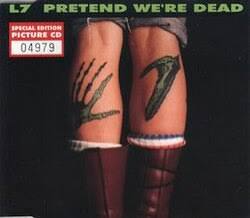
“Pretend We’re Dead” has one of the great grunge-era sneers. L7 brought punk attitude, heavy guitars and deadpan disgust into a song catchy enough to break through without losing its middle finger.
The title alone feels like a 90s mood board: boredom, burnout, sarcasm and survival disguised as not caring. The song is fun, but it is not harmless. It has teeth under the grin.
The deeper damage
“Pretend We’re Dead” is deceptively fun for a song that sounds like it wants to roll its eyes at the entire system. L7 brought punk sneer, grunge crunch and deadpan humor into a track that made apathy sound like a weapon.
Album and scene context
L7 were not Seattle grunge in the narrow sense, but they absolutely belonged to the louder, dirtier alternative moment that grunge helped break open. Their presence matters because the decade’s heavy guitar explosion was bigger than one city and far more female than lazy retrospectives sometimes admit.
The sound that still works
The riff is simple, thick and instantly memorable. The vocal delivery is flat in exactly the right way, making the song feel bored, annoyed and fully aware of how dumb everything is.
Why it belongs here
It belongs because grunge culture had room for sarcasm, sludge and feminist punk attitude. “Pretend We’re Dead” still hits because it sounds like giving up and fighting back at the same time.
1988
Mudhoney — “Touch Me I’m Sick”
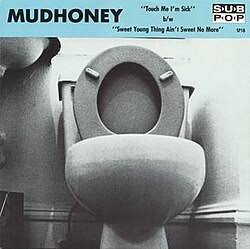
“Touch Me I’m Sick” predates the mainstream 90s explosion, but leaving it out of a grunge list would be like telling the origin story and skipping the toxic waste spill. Mudhoney captured the scuzz, humor and garage-sludge attitude that helped make the Seattle underground feel dangerous before the major labels arrived.
The song is nasty in the best way: loose, sarcastic, distorted and allergic to polish. It does not sound like it wants a career plan. It sounds like it wants to leave stains.
The deeper damage
“Touch Me I’m Sick” is the pre-breakthrough grunge grenade. It is nasty, funny, noisy and completely uninterested in good manners. Mudhoney gave the movement one of its most important early statements before the mainstream knew what to do with any of this.
Album and scene context
This is the Sub Pop basement version of grunge before the gold rush. It captures the punk, garage and sludge roots of the sound before major labels, fashion spreads and radio programmers tried to make it tidy.
The sound that still works
The guitar tone is filthy, the performance is loose, and Mark Arm sounds like he is both mocking and becoming the diseased character at the center of the song. It is not polished because polish would ruin the joke.
Why it belongs here
It belongs because grunge did not start at the moment America noticed it. “Touch Me I’m Sick” still hits because it is the scene before the souvenir stand opened.
It belongs near the beginning of the rise and fall of the Seattle grunge scene.
1993
Candlebox — “Far Behind”
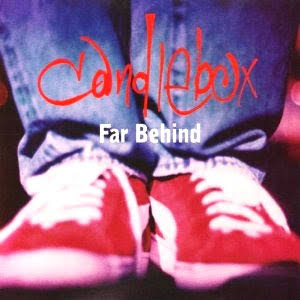
“Far Behind” sits in the complicated aftershock zone: not one of the sacred early-scene grunge artifacts, but absolutely part of the radio landscape grunge made possible. Candlebox arrived as the door had already been kicked open, and this song walked right through it.
The track is built on grief and lift. It starts with restraint, then grows into the kind of big emotional chorus mid-90s rock radio loved. It was earnest, dramatic and very much of the moment.
The deeper damage
“Far Behind” is the grunge-era grief anthem that refuses to stay small. Candlebox were often filed as post-grunge or grunge-adjacent, but this song hit hard because it carried real mourning in a form radio could not ignore.
Album and scene context
The song was written in the aftermath of Andrew Wood’s death, tying it emotionally to the larger Seattle story even if Candlebox occupied a different lane from the Big 4. That connection gives the song more depth than the casual radio-memory version suggests.
The sound that still works
It builds patiently from reflective verses into a chorus that feels like grief finally finding its lungs. The guitar work is cleaner than the sludgier Seattle bands, but the emotional weight is unmistakable.
Why it belongs here
It belongs because the grunge era left a long trail of loss, and not all of its hardest-hitting songs sounded raw in the same way. “Far Behind” still hits because it makes absence feel enormous.
1995
Mad Season — “River of Deceit”

“River of Deceit” does not hit hard by swinging a hammer. It hits hard by sitting next to you in the dark and saying the quiet part out loud. Mad Season pulled musicians from the Seattle orbit into something bluesier, slower and more openly wounded.
Layne Staley’s vocal is devastating because it sounds stripped of armor. The song has space around it, and that space makes everything feel more exposed. No big grunge stomp required. Just ache, patience and the sound of someone trying to survive himself.
The deeper damage
“River of Deceit” is not loud in the usual grunge sense, but it may be one of the heaviest songs here. Mad Season turned addiction, regret and fragile self-awareness into something quiet, spacious and devastating.
Album and scene context
Mad Season brought together musicians from Pearl Jam, Alice in Chains and Screaming Trees orbiting the same wounded Seattle universe. The song sits outside the normal grunge-hit machinery, but it feels deeply connected to the scene’s emotional aftermath.
The sound that still works
Layne Staley’s vocal is restrained, almost resigned, which makes it hurt more. The music moves slowly, with bluesy space and a sense of late-night clarity that feels earned and painful.
Why it belongs here
It belongs because grunge was not only the explosion; it was also the aftermath. “River of Deceit” still hits because it sounds like someone telling the truth after the room has finally gone quiet.
It is impossible to hear without thinking of Alice in Chains and the darkest sound of 90s grunge.
Why These Grunge Songs Changed 90s Rock
Grunge got turned into a costume pretty fast: flannel, boots, rainy alleys, sad guy with guitar, repeat until the mall figures it out. But the songs are why the movement survived the marketing machine. The best tracks still carry tension, grief, humor, disgust and melody in combinations that never fully became safe.
That is why the story keeps pulling people back. The Nirvana songs still feel like an explosion. The Pearl Jam songs still feel like survival. Soundgarden still sounds like heavy music got lost in a psychedelic storm. Alice in Chains still sounds like the basement has another basement under it.
Why Gen X Remembers Grunge as More Than a Playlist
The weird thing about grunge nostalgia is that it is not only about the songs. It is about where the songs lived. They lived in busted car speakers, on MTV after dinner, in the background while someone tried to tape a video without catching commercials, in bedrooms with posters curling off the wall, and in CD binders that weighed roughly as much as a small appliance.
These songs were not consumed in some clean algorithmic vacuum, which is why the larger 90s music memory still hits differently. They got passed around, dubbed badly, argued over, overplayed, misheard, quoted in yearbooks, blasted during drives to nowhere and used as emotional subtitles by kids who did not have better tools. You did not “curate a vibe.” You hit play and hoped the disc did not skip when the car hit a pothole.
That is why the best grunge songs still hit. They are attached to a whole analog ecosystem of boredom, sarcasm, bad coffee, thrift-store clothes, late-night radio, mall loitering and the stubborn belief that not caring too much was somehow a personality. Was it healthy? Absolutely not. Did it have a killer soundtrack? Unfortunately, yes.
Explore More 90s Grunge and Alternative
If this list put you back in front of a CD tower, a radio countdown or an MTV video you absolutely watched too many times, keep going.
Questions About 90s Grunge Songs
What are the 90s grunge songs that still hit hardest?
The 90s grunge songs that still hit hardest include Nirvana’s “Smells Like Teen Spirit,” Pearl Jam’s “Alive,” Alice in Chains’ “Would?,” Soundgarden’s “Black Hole Sun,” Nirvana’s “Come As You Are,” Pearl Jam’s “Jeremy,” Alice in Chains’ “Man in the Box,” Soundgarden’s “Outshined,” Stone Temple Pilots’ “Plush” and Temple of the Dog’s “Hunger Strike.”
Is this list only Seattle grunge?
No. The list centers on Seattle grunge and The Big 4 of Grunge, but it also includes grunge-adjacent songs from Stone Temple Pilots, Candlebox, L7 and Mad Season because those tracks shaped how 90s listeners experienced grunge on MTV, radio and CD collections.
What makes a grunge song still hit hard?
A grunge song still hits hard when the riff, vocal, emotional weight, atmosphere or cultural memory remains powerful decades later. It does not always mean the loudest track. Sometimes the slowest or most haunted songs hit the hardest.
Where should I go next for more grunge?
Keep going with 25 Essential Grunge Songs, Best 90s Grunge Albums, How Nirvana Changed 90s Music, Pearl Jam and the Other Side of Grunge, Soundgarden: The Heavy, Weird Side of Grunge and Alice in Chains and the Darkest Sound of 90s Grunge.