50 Essential 90s Alternative Songs
The 90s alternative explosion was not one tidy sound. It was grunge blowing up MTV, Britpop swaggering across the ocean, ska-punk throwing horns into the pit, slacker bands making weirdness catchy, industrial rock scaring the mall, and modern rock radio briefly acting like it had taste. Briefly. Let’s not make this more heroic than necessary.
These are the 50 essential 90s alternative songs that tell the story of the decade: the songs that changed radio, haunted MTV, filled CD binders, made school dances weird, made parents nervous, made record stores feel important, and gave Gen X a soundtrack that still sounds like someone kicked over the fake plant in the corporate lobby.
Quick Answer: What Are the Essential 90s Alternative Songs?
The essential 90s alternative songs start with Nirvana’s “Smells Like Teen Spirit,” Pearl Jam’s “Alive,” Soundgarden’s “Black Hole Sun,” Alice in Chains’ “Man in the Box,” Radiohead’s “Creep,” Beck’s “Loser,” Weezer’s “Buddy Holly,” Oasis’ “Wonderwall,” Alanis Morissette’s “You Oughta Know,” No Doubt’s “Just a Girl,” Sublime’s “Santeria,” Green Day’s “Basket Case” and the rest of the loud, weird, moody, sarcastic, glorious mess below.
This list plugs straight into the wider 90s Alternative & Grunge hub, including Seattle grunge, modern rock radio, Britpop, ska-punk, slacker alternative, post-grunge, industrial crossover, pop-punk and the MTV-era oddballs that made the decade feel less like a playlist and more like a very emotionally unstable thrift-store mixtape.
Listen While You Rewind
Hit play and let the playlist run while you work through the countdown. It is the same 90s alternative rewind in audio form: grunge, Britpop, slacker weirdness, ska-punk, modern rock radio and the songs that made MTV feel dangerous for a while.
How This List Was Built
This is not just a “songs I remembered while standing in line at Target” list, although let’s be honest, that method has produced worse content on the internet. The goal here is to capture the songs that best explain 90s alternative rock as a decade-wide movement: cultural impact, radio presence, MTV memory, genre importance, staying power, and how strongly each song still smells like flannel, CD plastic, car upholstery and existential sarcasm.
That means the list makes room for the full 90s Alternative & Grunge mess, Britpop, post-grunge radio rock, ska-punk, slacker alternative, Radiohead’s anxious art-rock turn, pop-punk, industrial crossover and the strange one-hit moments that only the 90s could have launched into regular rotation without asking too many questions.
Quick List: 50 Essential 90s Alternative Songs
Need the fast version before we get into the full rewind? Here it is, #1 first, because making people scroll through 49 entries to reach Nirvana would be the kind of behavior that got people grounded in 1993.
The 50 Essential 90s Alternative Songs
Here is the full countdown, with enough context to make your old Discman nod respectfully before skipping because you hit a pothole.
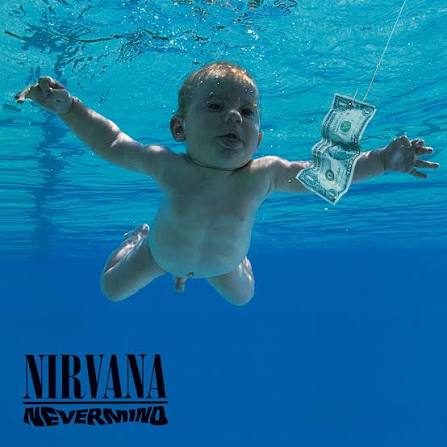
1991
Nirvana — “Smells Like Teen Spirit”
There is no clever way around it: “Smells Like Teen Spirit” is the song that kicked the door in, yelled at the furniture and made the whole industry pretend it had always loved noisy, messy guitar bands from the Pacific Northwest. It did not invent alternative rock, and it did not invent grunge, but it made the mainstream notice both at once. Suddenly the polished 80s leftovers looked very nervous, which was honestly a public service. The riff was huge, the chorus was explosive, the video was a pep rally from hell, and Kurt Cobain sounded like boredom had finally become combustible. If you are building a list of essential 90s alternative songs, this is not just a song on the list. It is the moment the list becomes possible.
The deeper reason “Smells Like Teen Spirit” still matters is that it made alternative feel less like a taste preference and more like a cultural interruption. Before it, plenty of bands were louder, stranger, smarter or more underground. After it, every label office in America suddenly started looking for the next band with dirty guitars and a frontman who seemed actively suspicious of fame.
The song also captured a specific Gen X pressure point: the feeling that the old systems were fake, the new systems were not much better, and nobody had bothered to explain why everyone was supposed to be excited. It was sarcastic, angry, catchy, bored and explosive all at once. That combination became the decade’s new operating system.
Keep rewinding: Nirvana changed 90s music 90s Alternative & Grunge hub 90s alternative videos on MTV
1991
Pearl Jam — “Alive”
“Alive” gave Pearl Jam their first gigantic statement: emotional, muscular and built like it was already too big for the club. Eddie Vedder’s voice did not sound like a rock-star pose. It sounded like a guy trying to survive the story he was telling. Mike McCready’s guitar solo gave the whole thing classic-rock size without turning it into 70s cosplay, and the band found a way to make heavy grief feel communal. Nirvana made the revolution feel chaotic and sarcastic; Pearl Jam made it feel human, wounded and ready to fill arenas without fully trusting the arena part. For Gen X kids with headphones, “Alive” was not background music. It was a full-body weather system.
“Alive” is essential because it shows the other side of the grunge explosion. Nirvana’s breakthrough often gets framed as the sarcastic detonation, but Pearl Jam gave the era emotional weight that was more earnest, more physical and more rooted in classic rock’s sense of build and release. The song feels huge, but it never feels empty.
That balance mattered. Pearl Jam helped prove that 90s alternative could reach arena size without becoming 80s rock in different clothes. Vedder’s voice made vulnerability sound durable, and the band’s playing gave that vulnerability muscle. This was not a pose. It was survival with a guitar solo.
Keep rewinding: Pearl Jam and the rise of grunge best 90s grunge albums 90s Alternative & Grunge Hub
1994
Soundgarden — “Black Hole Sun”
“Black Hole Sun” is what happened when Soundgarden took grunge heaviness, fed it through psychedelic dread and somehow made one of the most unforgettable songs of the decade. Chris Cornell’s voice was absurd in the best way: powerful, haunted and able to make apocalypse sound weirdly beautiful. The song moved slower than a lot of 90s radio rock, but it felt massive because the mood was so specific. Then the video arrived and burned itself into the back of everyone’s brain with melting suburban smiles and nightmare sunshine. This was not just Seattle heaviness. It was the ugly dream underneath the glossy surface, and it still feels like the 90s staring into a very bad screen saver.
“Black Hole Sun” is one of the decade’s great examples of a band getting huge without becoming obvious. Soundgarden were heavy enough to scare off lightweight radio rock, but this song moved with a hypnotic, almost dreamlike pull. It was not a simple headbanger. It was a slow-motion disaster with harmonies.
Chris Cornell’s vocal performance is the reason it feels enormous instead of merely strange. He sings like the sky is collapsing but wants to make it sound gorgeous on the way down. That is what separates “Black Hole Sun” from ordinary mid-90s darkness. It is not just gloomy. It is surreal, cinematic and sun-bleached in the creepiest possible way.
Keep rewinding: Soundgarden’s darker side of grunge best 90s alternative albums 90s alternative videos on MTV
1990
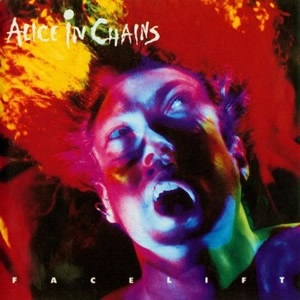
Alice in Chains — “Man in the Box”
“Man in the Box” sounded like a warning from the basement before the rest of the decade fully understood how dark grunge was going to get. Layne Staley’s voice had that impossible mix of power and decay, while Jerry Cantrell’s guitar gave the song a heavy, grinding shape that leaned closer to metal than jangle-friendly alternative radio. The chorus did not just soar; it sounded like it was clawing at the ceiling. Alice in Chains were part of the Seattle explosion, but they never felt interchangeable with anyone else. They were more claustrophobic, more haunted, more dangerous. “Man in the Box” remains essential because it made 90s alternative heavier without losing its eerie emotional pull.
“Man in the Box” matters because it drew a hard line between grunge as fashion and grunge as dread. Alice in Chains were not just another Seattle band with distortion. Their sound was heavier, more metallic and more haunted, with Layne Staley and Jerry Cantrell’s harmonies giving the song a ghostly, trapped quality.
The riff is simple enough to feel primitive, but the mood is anything but simple. It is oppressive, grinding and strangely hypnotic. At a time when alternative radio was opening up to louder sounds, Alice in Chains helped push the door toward something darker than radio usually allowed.
Keep rewinding: Alice in Chains and the darkest side of grunge 25 essential grunge songs 90s Alternative & Grunge hub
1992/1993
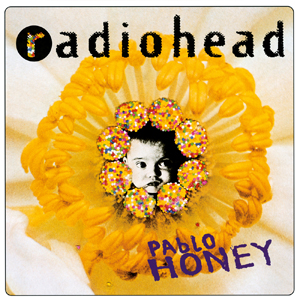
Radiohead — “Creep”
“Creep” is the song Radiohead spent years trying to outrun, which is exactly why it belongs near the top of any essential 90s alternative songs list. It is simple, direct and almost embarrassingly effective. Thom Yorke sounds wounded, disgusted and exposed, while Jonny Greenwood’s guitar stabs before the chorus like the band is trying to ruin its own prettiness. That tension made the song more than another sad-guy anthem. It captured alienation without dressing it up, and that made it dangerous for the band because everyone immediately tried to turn it into their entire identity. Radiohead would get stranger, smarter and colder, but “Creep” was the first bruise everyone recognized.
“Creep” gets reduced sometimes because Radiohead became so much more ambitious later, but that is unfair to the song. It connected because it was brutally direct. No puzzle box, no concept-album architecture, no late-90s technological dread yet. Just humiliation, desire, self-loathing and a chorus built like a confession thrown through a window.
The genius is that the band already sounds uncomfortable with beauty. Jonny Greenwood’s guitar blasts before the chorus feel like sabotage, as if the song gets too pretty and someone has to damage it on principle. That tension is why “Creep” still matters, even after Radiohead spent decades proving they were not just “the ‘Creep’ band.”
Keep rewinding: Radiohead and the end of 90s alternative 90s alternative rock songs that still sound modern the 90s Alternative & Grunge hub
1997
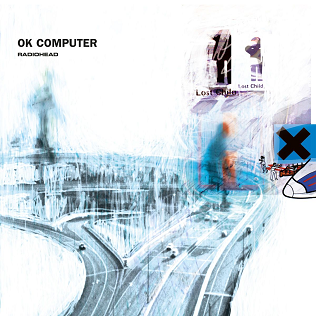
Radiohead — “Paranoid Android”
“Paranoid Android” is where 90s alternative stopped pretending it was only about guitars, flannel, sarcasm and emotional damage. It was still about those things, obviously, but now the damage had sections. Radiohead built a multi-part, shifting, anxious monster that somehow became one of the decade’s defining statements. The song is beautiful, bitter, funny, furious and structurally unreasonable in a way that feels like the late 90s realizing the future was coming in too fast. It turned alternative rock into something more cinematic and unstable. By the time it was over, the old format-rock version of alternative sounded like it had left the room to make a phone call and never came back.
“Paranoid Android” is essential because it redefined what a major 90s alternative song could ask from listeners. It did not behave like a normal single. It shifted sections, moods and textures, moving from sneer to beauty to meltdown without bothering to smooth out the transitions for anyone’s convenience.
That ambition was the point. By 1997, alternative had become familiar enough that it needed to be made strange again. Radiohead did that by stretching guitar rock into something cinematic, fragmented and deeply uneasy about the future. “Paranoid Android” is not just a song. It is a late-90s nervous breakdown with excellent sequencing.
Keep rewinding: Radiohead and the end of 90s alternative best 90s alternative albums Top 10 songs of 1997
1994
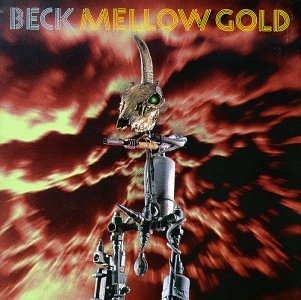
Beck — “Loser”
“Loser” sounded like someone dumped folk, hip-hop, junk-store surrealism, boredom and cable-access weirdness into a blender, forgot the lid and called it a single. Which, naturally, made it perfect for 90s alternative. Beck did not sound like he was trying to become a star. He sounded like a guy who had found fame accidentally while digging through a thrift-store bin full of broken samples. The chorus became a slacker slogan, but the song is stranger than its hook. It is funny, groovy, detached and oddly magnetic. “Loser” helped define the decade’s anti-cool instinct: the idea that trying too hard was suspicious, but making something weird and catchy by accident was apparently acceptable.
“Loser” works because it refuses to stand in one place. It is part folk-blues mutter, part hip-hop rhythm, part junk-shop surrealism and part anti-anthem. The hook became a slogan, but the song around it is much stranger than the casual listener sometimes remembers.
That mattered in the mid-90s because alternative was not only about emotional intensity. It was also about anti-cool, collage culture and the sense that meaning could be assembled from scraps. Beck captured a world of samples, jokes, deadpan delivery and cultural leftovers before everyone started calling that aesthetic content.
Keep rewinding: Weezer, Beck and slacker alternative 90s alternative one-hit wonders 25 forgotten 90s alternative songs
1994
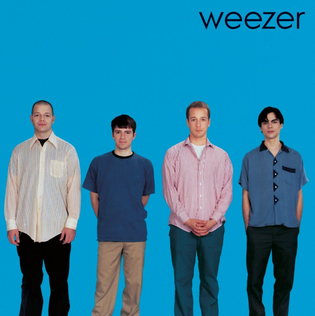
Weezer — “Buddy Holly”
“Buddy Holly” made awkwardness feel like power chords and thick glasses were somehow a lifestyle brand before anyone had ruined the word “brand.” Weezer’s Blue Album already had big hooks, but this song turned geeky romantic panic into a perfect 90s alternative single. The Spike Jonze video dropped the band into Happy Days and then Windows 95 shoved it into living rooms and computer labs, because the decade loved nothing more than mixing nostalgia with new technology and pretending that was normal. The song is funny, huge and completely sincere beneath the joke. It proved alternative did not have to be tortured all the time. Sometimes it could just be anxious, catchy and aggressively cardigan-adjacent.
“Buddy Holly” is essential because it gave 90s alternative a different emotional angle. Not rage, not doom, not swagger. Awkward devotion. Rivers Cuomo wrote the kind of big, crunchy hook that sounded simple until you realized how carefully built it was. The guitars are huge, the melody is sticky, and the whole thing feels both ironic and completely sincere.
That combination made Weezer stand out. The Blue Album was full of insecurity, humor, romance and loneliness wrapped in guitar tones thick enough to survive impact. “Buddy Holly” turned that formula into a cultural object, helped by a video that was so 90s it came pre-installed on a major operating system. That is not normal. That is history with a loading screen.
Keep rewinding: Weezer, Beck and slacker alternative 90s alternative videos on MTV 90s music
1995
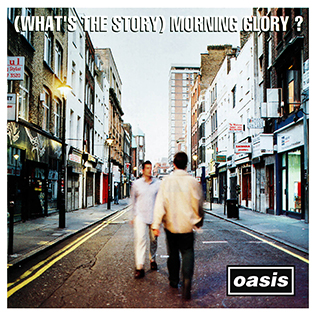
Oasis — “Wonderwall”
“Wonderwall” became so overplayed that it now lives in that strange cultural zone where everyone makes fun of it and everyone still knows the whole thing. That is usually a sign the song won. Oasis brought Britpop swagger into the American alternative conversation with a chorus big enough to survive decades of dorm-room acoustic abuse. Underneath the jokes, “Wonderwall” mattered because it helped make British guitar rock feel globally unavoidable again. It was not grunge, it was not slacker, and it was definitely not shy. It was a massive, romantic, slightly ridiculous singalong from a band that acted like humility was a medical condition. Very 90s. Very effective.
“Wonderwall” matters because it crossed borders, formats and levels of taste in a way few 90s alternative-adjacent songs did. Oasis were not grunge, not American modern rock, not slacker, not punk. They were proudly British, aggressively confident and built around the idea that a massive chorus could solve at least some problems.
The song’s long afterlife can make it easy to forget how effective it was in the moment. It brought Britpop into American consciousness at a scale Blur and Pulp rarely matched here, and it gave the 90s one of its most durable singalongs. Mock it all you want. You still know it.
Keep rewinding: Britpop in the 90s 90s music 90s alternative songs you forgot were huge
1997
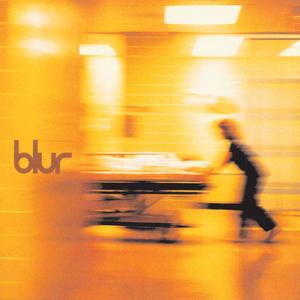
Blur — “Song 2”
“Song 2” is barely over two minutes long and still somehow managed to become permanent cultural furniture. Blur were often smarter, sharper and more British than American rock radio knew what to do with, but “Song 2” punched through because it was simple, loud and impossible to ignore. The irony is that it functioned partly like a send-up of American alt-rock bigness, but America heard the “woo-hoo,” saw the guitars fly around and decided, “Great, we’ll take it.” That is the 90s in one convenient misunderstanding. The song remains essential because it captured the weird moment when Britpop, alternative radio and sports-arena adrenaline all collided in under 130 seconds.
“Song 2” is funny because it is both a blast of pure energy and a sly comment on that kind of energy. Blur had already built a much more complicated career in the UK, but in America this short, loud, goofy monster became their most recognizable hit by far. That mismatch is part of its charm.
It landed in 1997, when alternative was splintering into post-grunge, Britpop, electronic experiments and pop-punk momentum. “Song 2” cut through all of it by refusing to waste time. It is not deep in the usual sense, but it is perfect at what it does: two minutes of impact, then gone before anyone can overthink it.
Keep rewinding: Britpop in the 90s Top 10 songs of 1997 90s alternative videos on MTV
1995
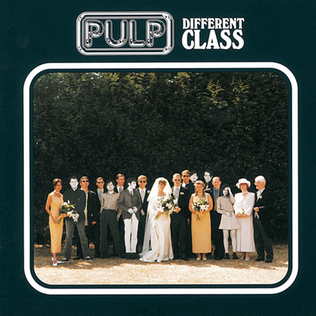
Pulp — “Common People”
“Common People” is Britpop with teeth. While some 90s guitar songs were busy being vague about feelings, Jarvis Cocker turned class tourism into one of the sharpest, funniest, angriest songs of the decade. It starts almost conversational, then builds until the whole thing feels like a dance-floor lecture from the smartest person in the room who is also absolutely done with your nonsense. Pulp’s genius was making social critique feel glamorous, bitter and explosive at the same time. “Common People” belongs on an essential alternative list because the 90s were not just about distortion pedals and sad bedrooms. They were also about culture, class, pose, irony and people learning that sarcasm could have a beat.
“Common People” is essential because it reminds you that alternative music was not only about sound. It was also about perspective. Jarvis Cocker turned a story about class tourism into a full-scale indictment, and he did it with wit, venom and a build that keeps getting more thrilling as the song goes on.
The genius is that the track works even if you miss the social critique at first. It is catchy, dramatic and theatrical enough to pull listeners in. Then the lyrics start landing and the song becomes much sharper. Pulp proved that Britpop could be glamorous without being empty and angry without losing its sense of humor.
Keep rewinding: Oasis, Blur, Pulp and Britpop 90s alternative songs that still sound modern 90s music
1995
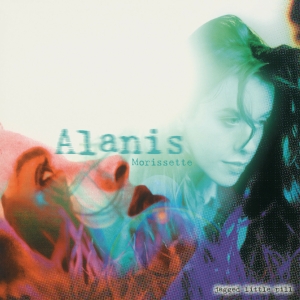
Alanis Morissette — “You Oughta Know”
“You Oughta Know” kicked open a different door in 90s alternative: rage that was specific, female, messy, funny, wounded and not interested in making anyone comfortable. Alanis Morissette did not sound like she was asking permission to be mad. She sounded like the breakup had become a public hearing and everyone was now required to sit through testimony. The song’s mix of pop hooks, rock aggression and lyrical venom made it a massive crossover moment, but its real power was emotional permission. It let a lot of listeners hear anger that was not softened for radio politeness. The 90s had plenty of angst. Alanis made it sound like receipts were involved.
“You Oughta Know” is essential because it changed the emotional temperature of mid-90s radio. Alternative had plenty of male angst, but Alanis Morissette brought a rage that was detailed, messy, funny, wounded and confrontational. She did not soften the edges to make the room more comfortable.
The song also blurred format lines. It was pop enough to become massive, rock enough to crash alternative playlists and raw enough to feel like someone had opened a private diary with a flamethrower. Its success helped create more room for women in the decade’s guitar-driven mainstream, even if the industry still managed to be weird about it because of course it did.
Keep rewinding: women of 90s alternative rock 90s alternative songs you forgot were huge 90s music
1994
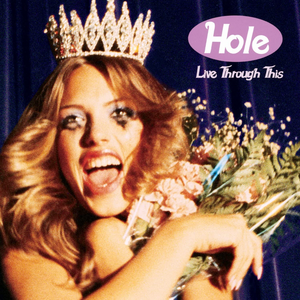
Hole — “Doll Parts”
“Doll Parts” is raw without needing to flex about being raw. Courtney Love delivers the song like someone trying to hold herself together in public while daring anyone to comment on the cracks. Hole’s best work lived in that uncomfortable space where beauty, rage, insecurity and performance all fought over the microphone. “Doll Parts” is quieter than some of the decade’s bigger guitar attacks, but it is not weaker. It is devastating because it is direct, vulnerable and sharp enough to draw blood without raising its voice much. The song remains essential because it captured a messy emotional truth that 90s alternative needed: not every wound came with a heroic chorus.
“Doll Parts” is one of the most important quieter moments in 90s alternative because it does not confuse volume with intensity. Courtney Love’s vocal makes the song feel exposed and theatrical at the same time, like the performance is both shield and wound. That tension is the whole point.
Hole’s place in the decade matters because they brought messiness without asking to be made likable. “Doll Parts” is beautiful, uncomfortable and full of self-awareness. It gave alternative radio a song about wanting, insecurity and objectification that did not resolve itself into a neat empowerment poster. Thank god.
Keep rewinding: Hole, Garbage, Liz Phair and messy alt-rock best 90s alternative albums 90s Alternative & Grunge Hub
1995
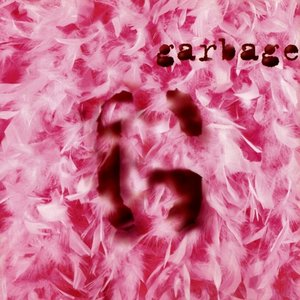
Garbage — “Stupid Girl”
“Stupid Girl” sounded sleek, bitter and dangerous in a way that set Garbage apart from both grunge rubble and standard guitar-radio churn. Shirley Manson delivered cool contempt like it was an art form, while the production turned alternative rock into something glossy, industrial-adjacent and full of sharp little edges. Garbage understood that the mid-90s were not only about being raw. They were about sounding modern, suspicious and emotionally armored. “Stupid Girl” still feels fresh because it knew how to use studio polish without sanding away personality. It is a perfect example of 90s alternative becoming stylish without becoming toothless, which is a harder trick than people admit.
“Stupid Girl” is essential because it represents the mid-90s moment when alternative got more studio-savvy without losing its bite. Garbage used loops, guitars, dark pop hooks and a polished industrial-adjacent mood to make something that sounded modern instead of merely raw.
Shirley Manson’s delivery is the center of it. She sounds cool, contemptuous and in control, which gave the song a different charge than a lot of guitar-radio material around it. This was alternative as style, menace and precision. Not everything needed to sound like it was recorded in a damp basement to be credible.
Keep rewinding: women of 90s alternative rock 90s alternative videos on MTV 90s alternative songs that still sound modern
1994
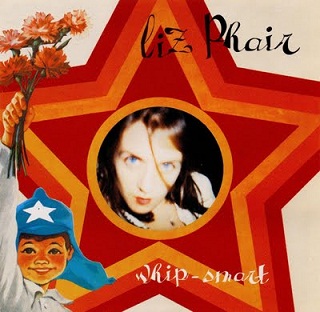
Liz Phair — “Supernova”
“Supernova” took Liz Phair’s sharp, conversational indie-rock voice and pushed it into something bright enough for alternative radio without losing the smirk. The song is playful, direct and self-aware, turning attraction into a guitar-driven burst that felt looser and smarter than a lot of mid-90s rock posturing. Phair’s importance to the decade is bigger than any one single, but “Supernova” matters because it brought her deadpan confidence into wider view. She did not sound like she was trying to join the boys’ club. She sounded like she had already inspected it and found the carpet questionable. That made her one of the decade’s most necessary voices.
“Supernova” is not Liz Phair’s entire importance, but it is one of her most accessible 90s moments. The song takes her conversational sharpness and pushes it through a bigger, brighter guitar hook. It feels playful and direct, but it still carries the intelligence and self-possession that made her stand apart.
Phair mattered because she changed who got to sound candid in indie and alternative spaces. “Supernova” has desire, humor and swagger, but it does not feel packaged for someone else’s approval. That made it a vital counterweight to the decade’s more male-dominated guitar narratives.
Keep rewinding: Liz Phair and messy 90s alt-rock 25 forgotten 90s alternative songs 90s Alternative & Grunge Hub
1994
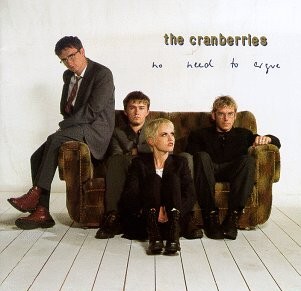
The Cranberries — “Zombie”
“Zombie” was not casual alternative radio wallpaper. It was heavy, mournful and built around Dolores O’Riordan’s voice, which could move from fragile to piercing in a way that sounded unlike anyone else on the dial. The Cranberries often get remembered for melodic beauty, but “Zombie” showed how forceful they could be when the subject demanded it. The guitars are blunt, the chorus is massive, and the emotion is not decorative. It is political grief pushed through a 90s rock amplifier. The song remains essential because it proved alternative’s emotional range could include more than private sadness. Sometimes the pain was public, historical and too large for a neat radio package.
“Zombie” is essential because it widened the emotional and political scope of 90s alternative radio. It was not a personal breakup song or a vague mood piece. It was grief and anger tied to real-world violence, delivered with a force that made the track impossible to treat as background.
The guitars are heavier than casual Cranberries listeners might expect, but the real force is O’Riordan. Her vocal phrasing is unmistakable, and the chorus feels like a wound refusing to close quietly. In a decade full of angst, “Zombie” stood out because its pain was public, historical and uncomfortably direct.
Keep rewinding: women of 90s alternative rock 90s alternative songs that still sound modern 90s music
1994
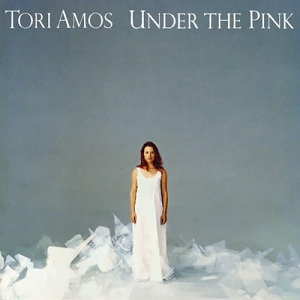
Tori Amos — “Cornflake Girl”
“Cornflake Girl” is a reminder that 90s alternative was never only about guitars. Tori Amos brought piano, mythology, sexuality, trauma, intelligence and theatrical strangeness into a space that desperately needed more than another dude staring at his shoes near a distortion pedal. The song is catchy, weird, elegant and slightly haunted, with a rhythm and vocal approach that make it feel like it belongs to its own private universe. Amos did not fit neatly into any radio category, which is exactly why she mattered. “Cornflake Girl” belongs here because the best 90s alternative songs were not always alternative rock in the narrow sense. They were songs that made the mainstream feel less predictable.
“Cornflake Girl” is essential because it shows how wide the 90s alternative umbrella really was. Tori Amos did not need to sound like a guitar band to belong to the era’s alternative spirit. Her songs challenged mainstream pop structure, gender expectations and emotional politeness in ways that fit the decade’s appetite for voices outside the obvious lane.
The song is catchy but slippery, bright but unsettling, personal but coded. That made Amos feel like an artist building her own language while everyone else was trying to get on modern rock radio. “Cornflake Girl” gave the decade another kind of rebellion: intimate, theatrical and impossible to reduce to a riff.
Keep rewinding: Tori Amos and emotional 90s alternative 90s alternative songs you forgot were huge 90s music
1994
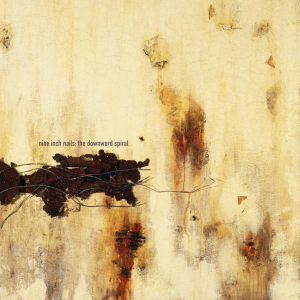
Nine Inch Nails — “Closer”
“Closer” did not politely enter 90s alternative. It crawled in through a vent, covered in machinery, desire and bad decisions. Trent Reznor turned industrial rock into something that could cross into mainstream awareness without losing its corrosion. The beat was hypnotic, the atmosphere was filthy, and the video felt like something MTV was daring itself to air. “Closer” matters because it expanded what alternative could contain: not just guitar angst, but electronic menace, body horror, obsession, control and nightclub darkness. It was not comfortable, and that was the point. The decade needed songs that sounded like the inside of the machine, and Nine Inch Nails brought the wrench.
“Closer” is essential because it changed what could sit next to guitar-based alternative on the same cultural shelf. Trent Reznor’s sound was mechanical, erotic, damaged and precise, using rhythm and texture as weapons. It did not sound like a band in a room. It sounded like the room had been wired incorrectly on purpose.
The song’s impact was not just shock value, although the 90s certainly noticed that part. It brought industrial aesthetics, electronic menace and psychological discomfort into a broader conversation. Alternative was supposed to mean outside the obvious, and “Closer” took that seriously enough to make everyone nervous.
Keep rewinding: 90s alternative videos on MTV 90s Alternative & Grunge Hub best 90s alternative albums
1995
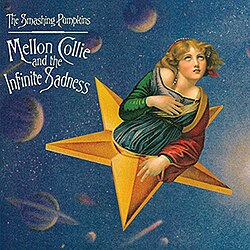
The Smashing Pumpkins — “1979”
“1979” is one of the great 90s songs about teenage memory, even if you were not actually a teenager in 1979. That is the trick. The Smashing Pumpkins made suburban boredom feel mythic: convenience stores, car rides, night streets, kids drifting around because nobody had invented group chats to ruin the mystery yet. The song is softer than the band’s heavier side, but it is not lightweight. It glows with distance. Billy Corgan sounds less like he is raging against the world and more like he is watching youth disappear in real time. “1979” still works because every generation eventually has a night that looks cooler in memory than it probably was.
“1979” is essential because it captures nostalgia while the people in the song are still young enough not to know it is nostalgia yet. That is a very specific trick. The guitars shimmer, the beat glides, and Billy Corgan sounds less angry than reflective, as if he is watching youth turn into memory while it is still happening.
In the larger 90s alternative story, this song shows how the Smashing Pumpkins could step away from distortion overload and still sound enormous. It gave the decade one of its best songs about motion, boredom, adolescence and the strange romance of going nowhere with your friends.
Keep rewinding: 90s alternative rock songs that still sound modern best 90s alternative albums 90s alternative videos on MTV
1993
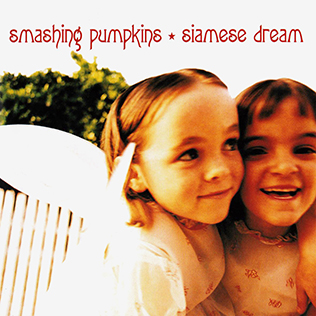
The Smashing Pumpkins — “Today”
“Today” is the Smashing Pumpkins at their most deceptively bright. The guitar tone is gorgeous, the hook is huge, and the whole thing sounds like sunshine until you pay attention to the emotional weather underneath. That contrast is exactly why the song became one of the defining alternative singles of the early 90s. The Pumpkins were not grunge, not classic indie, not metal, not shoegaze, not exactly anything. They built their own ornate, wounded version of alt-rock, and “Today” was the perfect radio doorway into it. The ice-cream-truck video only made the contradiction more 90s: colorful surface, existential mess underneath. Basically the decade in a striped shirt.
“Today” is essential because it demonstrates the Smashing Pumpkins’ gift for contradiction. The guitars are lush and glorious, the melody is immediate, and yet the emotional undertow is far darker than the surface suggests. That contrast made the song one of the band’s defining early-90s statements.
The Pumpkins never fit neatly with grunge, even though they benefited from the same alternative boom. Their sound was more ornate, more layered and more self-consciously dramatic. “Today” gave that approach a perfect single: accessible enough for MTV, heavy enough for guitar kids and complicated enough to reward anyone listening past the hook.
Keep rewinding: best 90s alternative albums 90s alternative videos on MTV 90s Alternative & Grunge Hub
1991
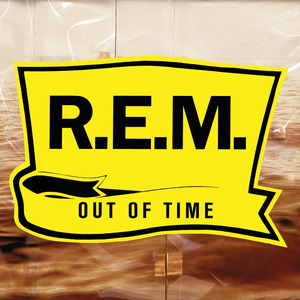
R.E.M. — “Losing My Religion”
“Losing My Religion” is one of the songs that helped alternative become mainstream before the grunge explosion fully detonated. R.E.M. had already spent the 80s building the college-rock road that a lot of 90s bands would drive on, but this song carried that legacy into a much wider audience. It is strange for a huge hit: mandolin-driven, anxious, cryptic and not exactly engineered for fist-pumping. Michael Stipe sounds like he is circling a feeling he does not want to name, which was basically premium-grade alternative fuel. The song matters because it proved there was room on mainstream radio for oddness that did not announce itself with distortion first.
“Losing My Religion” is essential because it connects the college-rock 80s to the alternative 90s. R.E.M. had already built enormous influence before the decade began, but this song pushed their cryptic, jangly, artful sensibility into a much larger spotlight.
The track’s weirdness is easy to underestimate now because it became so familiar. A mandolin-driven song full of obsession, uncertainty and elliptical phrasing was not an obvious blockbuster. But that is exactly why it mattered. It showed that mainstream audiences could handle songs that did not explain themselves like a customer service pamphlet.
Keep rewinding: 90s music the 90s Alternative & Grunge hub 90s alternative songs that still sound modern
1992
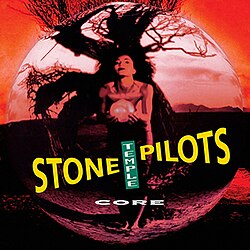
Stone Temple Pilots — “Plush”
“Plush” sits in that complicated space where grunge, alternative and future radio rock all start rubbing shoulders. Stone Temple Pilots caught heat early for sounding too close to certain Seattle bands, but “Plush” has its own weird, smoky pull. Scott Weiland’s vocal is slippery and theatrical, the riff is instantly recognizable, and the chorus feels built for every rock station that needed something heavy enough for alternative listeners but polished enough for wide rotation. STP would evolve a lot after this, but “Plush” remains essential because it marks the point where the underground explosion began turning into a long-term radio language. You can hear the 90s changing shape inside it.
“Plush” is essential because it sits right at the messy intersection of grunge, alternative and mainstream rock. Stone Temple Pilots were often criticized early on for sounding too close to the Seattle wave, but the song’s staying power proves there was more happening than imitation.
Scott Weiland’s vocal style gave the track a slippery, theatrical quality, and the band’s riff-based heaviness made it perfect for radio that wanted alternative texture without losing rock familiarity. “Plush” shows how quickly the sound of the early-90s explosion began turning into a broader, longer-lasting radio language.
Keep rewinding: post-grunge and radio rock 90s alternative songs you forgot were huge the 90s Alternative & Grunge hub
1994
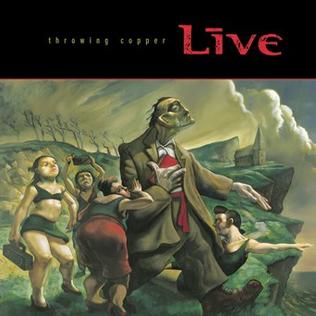
Live — “Lightning Crashes”
“Lightning Crashes” is huge in a very mid-90s way: spiritual, dramatic, earnest and absolutely not afraid to stare directly into the Meaning of Life while wearing a plain shirt. Live were part of the moment when alternative rock started becoming widescreen radio rock, and this song was their cathedral-sized entry. It builds slowly, then opens up into the kind of chorus that made modern rock stations feel briefly profound between commercials. Depending on your tolerance for earnestness, it is either moving or a lot. But essential? Absolutely. The 90s were not only irony and distortion. They also had room for songs that looked mortality in the face and turned the volume up.
“Lightning Crashes” is essential because it shows the earnest side of the alternative mainstream at full scale. Live were not hiding behind irony here. The song stares at birth, death and transformation with the kind of seriousness that would have been unbearable if the build did not work so well.
And the build absolutely works. The song’s gradual rise gave modern rock radio one of its biggest emotional climaxes, a slow-burn structure that rewarded patience in a format increasingly addicted to quick hooks. It is dramatic, sincere and very easy to parody, but that does not erase its impact.
Keep rewinding: post-grunge when alternative became radio rock 90s alternative songs you forgot were huge 90s music
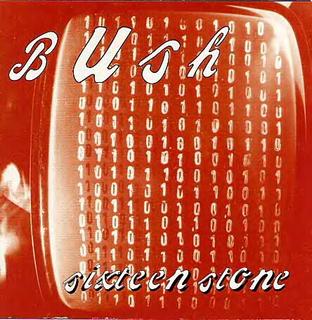
1995
Bush — “Glycerine”
“Glycerine” is stripped down enough that you can hear exactly why Bush connected so hard with mid-90s alternative audiences. No big arrangement tricks, no clever genre pivot, just ache, atmosphere and Gavin Rossdale sounding like he had been left alone in a room with feelings and a guitar. Bush caught plenty of criticism for arriving after grunge had already gone mainstream, but “Glycerine” works because it does not over-explain itself. It is moody, intimate and built for a radio era that loved songs you could stare out a car window to. That may not be a technical genre description, but every Gen X listener knows exactly what it means.
“Glycerine” is essential because it strips Bush’s sound down to ache and atmosphere. Instead of leaning on full-band heaviness, the song depends on mood, space and Gavin Rossdale’s wounded delivery. That made it stand apart from the louder singles of the post-grunge wave.
The song also shows why Bush connected so hard in the mid-90s. They took the emotional residue of grunge and translated it into something cleaner, more romantic and more radio-ready. Critics could argue about authenticity all day. Listeners had already memorized the chorus.
Keep rewinding: post-grunge and 90s radio rock the 90s Alternative & Grunge hub 90s Alternative & Grunge Hub
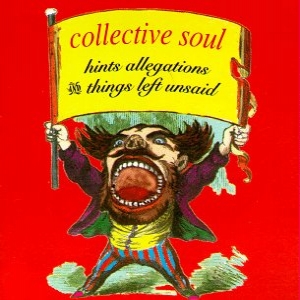
1993
Collective Soul — “Shine”
“Shine” is one of those songs that feels permanently installed in the 90s radio ceiling. Collective Soul built it around a massive riff, a simple hook and just enough spiritual glow to make it feel bigger than standard guitar-rock churn. It is not grunge in the Seattle sense, and it is not quite post-grunge as a fully formed radio category yet, but it helped create the space where that sound would thrive. The song was everywhere because it was easy to grab onto without being flimsy. It sounded heavy enough for alternative radio, warm enough for mainstream rock and simple enough to follow you into every grocery store speaker system for the next thirty years.
“Shine” is essential because it helped define the early post-grunge radio space before the category became fully obvious. The riff is big, the hook is simple and the mood lands somewhere between rock anthem and vague uplift, which turned out to be an extremely effective mid-90s formula.
Collective Soul did not sound like Seattle, but they benefited from a radio environment that had been opened up by Seattle’s success. “Shine” shows how alternative’s guitar language spread across regions and styles, becoming less tied to a single scene and more connected to modern rock’s expanding appetite.
Keep rewinding: post-grunge radio rock 90s alternative one-hit wonders the 90s Alternative & Grunge hub
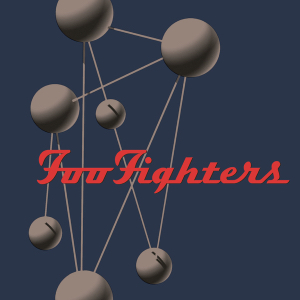
1997
Foo Fighters — “Everlong”
“Everlong” is one of the rare late-90s alternative songs that has somehow never worn out its welcome. Dave Grohl turned longing into motion: that rushing guitar pattern, that huge chorus, that feeling of wanting one perfect moment to last longer than real life ever allows. Coming from the former drummer of Nirvana, the song also carried emotional weight without needing to announce it. Foo Fighters were not just a post-Nirvana footnote; “Everlong” made that obvious. It is romantic without being soft, powerful without being macho and polished without losing urgency. If a song can survive decades of overuse and still hit, that is not nostalgia doing charity work. That is the song.
“Everlong” is essential because it feels immediate every time it starts. The rushing guitar pattern creates motion before the vocal even arrives, and the chorus opens up like the feeling you keep trying to explain but cannot without sounding ridiculous. That is usually a sign the song has already won.
The track also mattered because it helped Foo Fighters step out from under the shadow of Nirvana in a real way. It was not just a survivor’s second act. It was a modern rock classic on its own terms: romantic, urgent, loud, vulnerable and weirdly timeless.
Keep rewinding: 90s alternative rock songs that still sound modern Top 10 songs of 1997 90s music
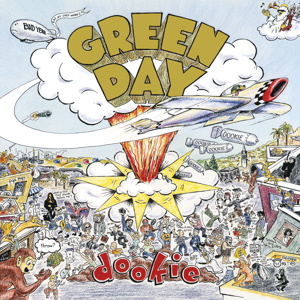
1994
Green Day — “Basket Case”
“Basket Case” took anxiety, sped it up, made it funny, made it catchy and launched pop-punk into the middle of 90s alternative culture. Green Day were not trying to sound wise or mysterious. They sounded caffeinated, bored, paranoid and completely aware that growing up was a scam with better paperwork. “Basket Case” connected because the panic felt real, but the song refused to mope. It bounced off the walls instead. That was a different kind of Gen X energy: not brooding in a dark room, but pacing around it with a guitar and questionable impulse control. The song became a modern rock staple because it made anxiety feel like momentum.
“Basket Case” is essential because it made neurotic self-awareness sound fast, funny and explosive. Green Day’s version of anxiety did not brood in a corner; it bounced off the walls, made a joke and then worried the joke meant something. That energy connected instantly.
The song helped pop-punk become a major part of 90s alternative culture. It was not trying to sound profound, but its plainspoken panic was sharper than it got credit for. Billie Joe Armstrong captured the feeling of being young, restless and convinced your brain was running on a bad power strip.
Keep rewinding: 90s Alternative & Grunge Hub the 90s Alternative & Grunge hub 90s alternative videos on MTV
1994
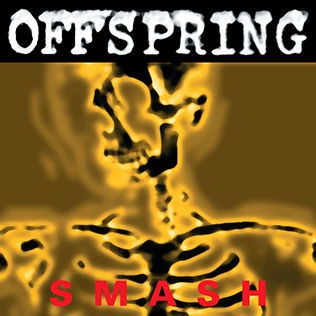
The Offspring — “Self Esteem”
“Self Esteem” is practically a case study in 90s bad decisions set to a punk-adjacent hook. The Offspring did not make dysfunction sound glamorous. They made it sound dumb, funny, humiliating and weirdly relatable, which is much closer to how dysfunction usually works. Dexter Holland’s delivery is half confession, half self-own, and the song’s lumbering verses into explosive choruses made it perfect for modern rock radio. It captured a version of 90s alternative that was less poetic and more blunt: people doing things they knew were terrible for them and then somehow being surprised by the results. Very educational. No notes.
“Self Esteem” is essential because it is emotionally ugly in a way that feels honest rather than dramatic. The narrator is aware he is making terrible choices, but awareness does not magically turn into self-respect. The song understands that, which is why it hits harder than its jokey surface suggests.
Musically, it gave alternative radio a heavier, punkier, more blunt form of self-destruction. The Offspring were part of the 90s moment when punk-derived bands moved from underground scenes into mainstream rotation, bringing sarcasm, speed and bad decisions with them.
Keep rewinding: the 90s Alternative & Grunge hub 90s Alternative & Grunge Hub 90s alternative songs you forgot were huge
1995
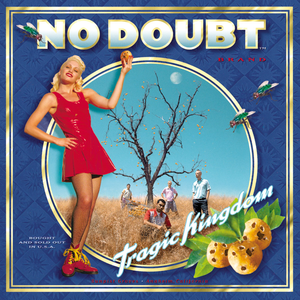
No Doubt — “Just a Girl”
“Just a Girl” turned frustration into one of the sharpest, brightest crossover moments of 90s alternative. No Doubt brought ska, pop, punk energy and Orange County color into a scene that could sometimes get a little too committed to looking like laundry day. Gwen Stefani’s vocal sold the sarcasm perfectly: playful on the surface, furious underneath. The song is catchy enough to invite everyone in, then pointed enough to make sure they hear the complaint. That balance is why it still works. “Just a Girl” gave 90s alternative a different kind of energy: not gloomy, not detached, not grunge-adjacent, but loud, clever and fed up.
“Just a Girl” is essential because it gave the alternative era a different kind of anger. Gwen Stefani’s performance is playful and pointed at the same time, turning everyday sexism into something catchy enough to sneak into every radio format that would let it through.
No Doubt also helped expand the sound of alternative at a moment when ska, punk, pop and new wave influences were colliding. “Just a Girl” was not grunge-adjacent gloom or post-grunge heaviness. It was bright, kinetic and fed up, which made it stand out immediately.
Keep rewinding: ska-punk and the bright side of 90s alternative 90s alternative videos on MTV 90s music
1996
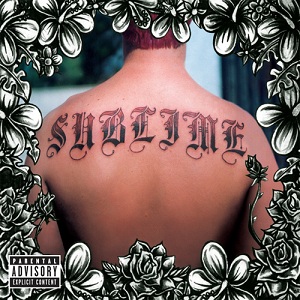
Sublime — “Santeria”
“Santeria” is breezy until you remember the lyrics are not exactly a beach postcard. That contradiction is central to Sublime’s appeal: sunny grooves, reggae and ska influence, punk looseness and stories full of trouble. The song became one of the defining late-90s alternative radio staples because it sounded relaxed without being harmless. Bradley Nowell’s voice carried melody and rough edges at the same time, and the band’s blend felt completely different from the Seattle and Britpop narratives dominating other parts of the decade. “Santeria” belongs here because 90s alternative was not one sound. It was a messy radio neighborhood, and Sublime had a very specific house on the block.
“Santeria” is essential because it captures Sublime’s strange balance of ease and darkness. The groove is relaxed, almost beachy, but the story underneath is full of jealousy, violence and bad choices. That tension made the band’s crossover hits feel less simple than their laid-back surfaces suggested.
Sublime also represent an important branch of 90s alternative that did not come from Seattle, Britain or the college-rock pipeline. Their sound was rooted in Southern California’s messy blend of punk, reggae, ska and street-level storytelling. “Santeria” turned that mixture into one of the decade’s most enduring radio staples.
Keep rewinding: ska-punk and 90s alternative 90s alternative songs you forgot were huge 90s music
1997
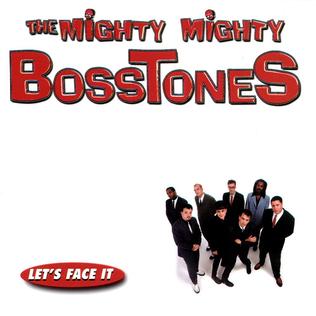
The Mighty Mighty Bosstones — “The Impression That I Get”
“The Impression That I Get” is the sound of 90s alternative briefly deciding horns were not only allowed but mandatory. The Mighty Mighty Bosstones had been grinding long before mainstream radio caught up, but this song gave ska-punk its most recognizable crossover moment. It was bright, fast, catchy and packed with the kind of bounce that made every alt-rock playlist suddenly look less depressed. Underneath the energy, the lyric is about resilience and not knowing how you would handle real hardship until it hits. Very Gen X: danceable, anxious and pretending not to be too earnest. The song remains essential because it captures the brief, glorious moment when checkerboard culture stormed the mall.
“The Impression That I Get” is essential because it captures ska-punk’s brief mainstream takeover without turning it into a novelty. The song is upbeat, horn-driven and instantly memorable, but the lyric is about wondering whether you could survive real hardship. That gives the bounce a little weight.
The Mighty Mighty Bosstones had been around long before this hit, which matters because the song was not some manufactured trend-chaser. It was the mainstream catching up to a band and sound that had already been doing the work. Alternative radio briefly made room for that, and the result was glorious.
Keep rewinding: ska-punk’s bright side Top 10 songs of 1997 90s alternative one-hit wonders
1995
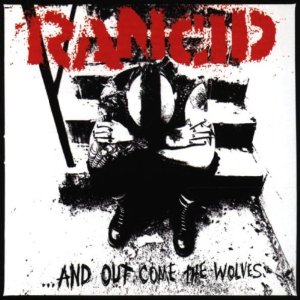
Rancid — “Time Bomb”
“Time Bomb” brought Rancid’s punk roots, ska rhythm and street-story energy into the alternative mainstream without making it feel overly cleaned up. It is fast, melodic, rough around the edges and packed with character. Rancid were never the glossy version of 90s punk crossover, which is part of why this song mattered. It sounded like a scene with real history had briefly broken through the radio wall. The groove was accessible, but the attitude still had scuffed shoes. “Time Bomb” earns its spot because 90s alternative was at its best when it let subcultures leak into the mainstream without fully sanding off the fingerprints.
“Time Bomb” is essential because it shows how punk-adjacent music moved into the 90s alternative conversation without always turning into pop-punk polish. Rancid’s roots were rougher, more street-level and more connected to older punk traditions.
The song’s ska bounce made it accessible, but the delivery stayed ragged enough to keep its identity. That combination let it cut through on modern rock radio while still sounding like it came from somewhere specific. In a decade full of crossover, “Time Bomb” crossed over with its boots still dirty.
Keep rewinding: ska-punk in 90s alternative 25 forgotten 90s alternative songs 90s Alternative & Grunge Hub
1993
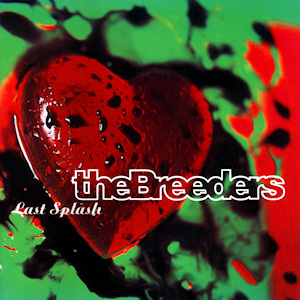
The Breeders — “Cannonball”
“Cannonball” is proof that a song does not need to behave normally to become essential. The Breeders built it out of a wobbly bassline, loose energy, strange vocal turns and a sense that the whole thing might fall apart but was too cool to care. Kim Deal already had alt-rock credibility from Pixies history, but “Cannonball” gave The Breeders their own perfect 90s moment. It was catchy without being obvious, weird without being alienating and casual in a way that felt almost impossible to fake. The song made alternative radio feel less predictable, which was the entire point before the playlists started getting laminated.
“Cannonball” is essential because it makes weirdness feel natural. The song starts in a way that seems almost deliberately off-center, then locks into one of the decade’s most recognizable grooves. It is catchy without being polished and cool without trying to sell you coolness, which is the only kind that works.
Kim Deal’s presence mattered too. Coming from Pixies history into The Breeders, she helped connect 80s college/indie influence with the broader 90s alternative moment. “Cannonball” proved that the mainstream could briefly embrace something loose, strange and proudly non-slick.
Keep rewinding: 25 forgotten 90s alternative songs 90s alternative videos on MTV 90s Alternative & Grunge Hub
1994
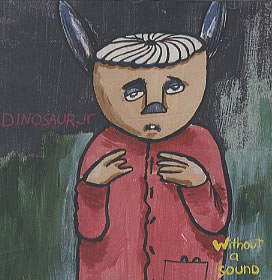
Dinosaur Jr. — “Feel the Pain”
“Feel the Pain” brought Dinosaur Jr.’s fuzzed-out guitar legacy into the mid-90s alternative conversation with a song that sounded exhausted, melodic and beautifully fried. J Mascis had been making guitar noise feel emotionally useful long before a lot of mainstream listeners knew what to call alternative, and this track gave that sound one of its most accessible windows. The video, with its ridiculous golf-course chaos, only made the whole thing more 90s. The song is essential because it connects underground guitar history to the broader decade. Not every important 90s alternative band was born when MTV noticed flannel. Some had already been making glorious racket for years.
“Feel the Pain” is essential because it connects the 90s mainstream alternative boom to the underground guitar world that helped make it possible. Dinosaur Jr. had been shaping noisy, melodic indie rock before many casual listeners knew what alternative was supposed to mean.
J Mascis’ guitar tone is the emotional engine: weary, fuzzy, expressive and somehow both lazy-sounding and deeply skilled. The song gave that sound one of its most accessible 90s radio moments without stripping away its personality.
Keep rewinding: Weezer, Beck and slacker alternative 25 forgotten 90s alternative songs 90s alternative rock songs that still sound modern
1990
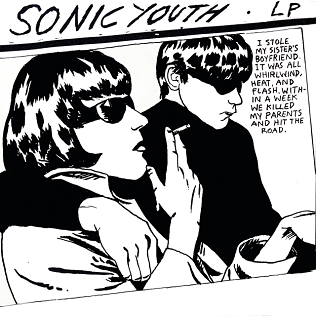
Sonic Youth — “Kool Thing”
“Kool Thing” is a reminder that the alternative explosion did not appear out of nowhere in 1991 wearing a flannel shirt and a suspicious expression. Sonic Youth were already crucial to the underground conversation, and this song brought their noise-rock cool into the new decade with attitude intact. Kim Gordon’s delivery is detached, sharp and completely unimpressed, while the guitars refuse to behave like radio-friendly furniture. “Kool Thing” mattered because it carried art-rock, punk, feminism, downtown noise and indie credibility into a decade about to commercialize all kinds of underground signals. It is not the biggest song here, but remove bands like Sonic Youth from the story and the 90s make a lot less sense.
“Kool Thing” is essential because the 90s alternative explosion makes less sense without Sonic Youth. They were not a mainstream band suddenly getting weird; they were an underground institution whose influence helped create the conditions for weirdness to reach wider audiences.
Kim Gordon’s performance is cool, confrontational and detached in a way that still feels modern. The guitars are jagged and restless, refusing the smooth path at every opportunity. “Kool Thing” did not become the biggest hit of the decade, but its importance goes deeper than chart position.
Keep rewinding: 90s Alternative & Grunge Hub the 90s Alternative & Grunge hub 90s alternative videos on MTV
1994
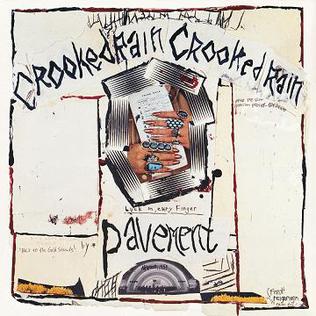
Pavement — “Cut Your Hair”
“Cut Your Hair” is Pavement turning indie-rock suspicion into a catchy little hand grenade. The song sounds loose, offhand and weirdly sunny, but it is also a jab at image, ambition and the music business turning scenes into products. In other words, extremely 90s. Stephen Malkmus delivered sarcasm like he had better things to do, which became part of Pavement’s entire gravitational field. The song mattered because it gave indie slackness a moment of broader visibility without making Pavement feel like they were trying to win the room. They entered, shrugged, made a classic, and left everyone else to decide whether caring was embarrassing.
“Cut Your Hair” is essential because it captures indie rock’s complicated relationship with success. Pavement sounded like they were making fun of the music business while accidentally writing one of their most accessible songs. That tension is the joke and the point.
Stephen Malkmus’ delivery helped define a slacker-adjacent vocal attitude: sharp, loose, sarcastic and allergic to obvious drama. The song gave mainstream listeners a glimpse of indie culture’s suspicion toward image-making, even as the song itself became part of that image.
Keep rewinding: Weezer, Beck and slacker alternative 25 forgotten 90s alternative songs 90s alternative one-hit wonders
1996
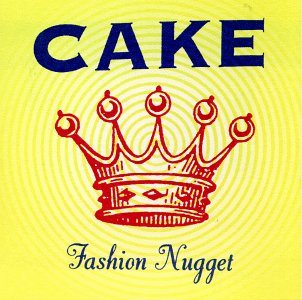
Cake — “The Distance”
“The Distance” is one of those songs that should not have been as big as it was, which is exactly why it belongs here. Cake mixed dry talk-singing, a weirdly satisfying guitar tone, trumpet punctuation and a lyric about endurance that felt both heroic and ridiculous. John McCrea sounded like he was narrating a race he did not emotionally approve of, and the band’s groove made the whole thing impossible to shake. The song gave 90s alternative another flavor: detached, funny, rhythmic and allergic to melodrama. It was not grunge, not punk, not Britpop, not radio rock. It was Cake, which apparently was enough of a genre for the decade to make room.
“The Distance” is essential because it broadened what modern rock could sound like. Cake did not lean on grunge weight, punk speed or Britpop drama. They used groove, dryness, trumpet accents and John McCrea’s flattened delivery to create something instantly recognizable.
The song’s endurance comes from its strange balance of absurdity and motivation. It is funny, but it also genuinely moves. That makes it perfect 90s alternative: ironic enough to protect itself, catchy enough to survive, and odd enough that nobody else could have made it the same way.
Keep rewinding: slacker alternative 90s alternative songs you forgot were huge the 90s Alternative & Grunge hub
1996
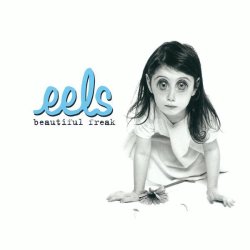
Eels — “Novocaine for the Soul”
“Novocaine for the Soul” made sadness sound strange, catchy and slightly out of phase with reality. Eels took bleakness and wrapped it in a melody that was pretty enough to get through the door before the emotional numbness introduced itself. Mark Oliver Everett’s voice had that 90s deadpan quality, but the song was not merely ironic. It was funny because it was wounded, and wounded because it was funny. That was a very specific 90s alternative survival strategy. The track remains essential because it captured the decade’s quieter oddball side: not every important song screamed. Some just stood there with a crooked smile and made numbness sound melodic.
“Novocaine for the Soul” is essential because it captures the decade’s quieter oddball sadness. Eels did not need to scream to sound broken. The song floats along with a melody that feels almost comforting until the numbness underneath starts doing the talking.
Mark Oliver Everett’s voice gives the track its deadpan ache. He sounds detached, but not empty. That distinction matters. A lot of 90s alternative used irony as armor, and this song is one of the best examples of irony failing just enough to let the real feeling leak through.
Keep rewinding: slacker alternative 25 forgotten 90s alternative songs 90s alternative rock songs that still sound modern
1995
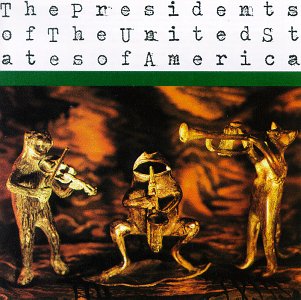
The Presidents of the United States of America — “Lump”
“Lump” is pure 90s alternative nonsense, and that is a compliment. The Presidents of the United States of America turned minimalist instruments, surreal lyrics and bouncing weirdness into a hit that sounded like it had escaped from a garage after eating too much cereal. It is catchy, dumb-smart, loud, funny and deeply uninterested in rock-star seriousness. The decade needed songs like this because alternative could not survive on despair alone. Sometimes you needed a band that sounded like three guys found a riff, a joke and a sugar rush and decided that was plenty. “Lump” is essential because the 90s were also ridiculous, and we should be honest about that.
“Lump” is essential because it represents the goofy, surreal side of 90s alternative that often gets overshadowed by heavier stories. The band’s stripped-down instrument setup, strange lyrics and bouncing energy made the song feel like a garage-rock cartoon with real hooks.
That silliness mattered. Alternative culture was not only pain and seriousness. It was also absurdity, cheap humor, weird videos and songs that seemed to exist because someone said, “Why not?” The Presidents gave the decade permission to be ridiculous without becoming disposable.
Keep rewinding: slacker alternative 90s alternative one-hit wonders 90s alternative videos on MTV
1996
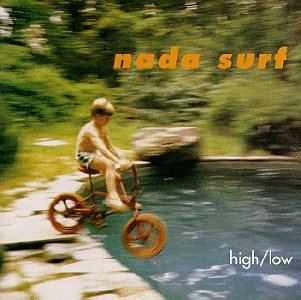
Nada Surf — “Popular”
“Popular” turned teen social rules into a spoken-word alt-rock survival manual, which made it both funny and slightly terrifying. Nada Surf used a detached, instructional tone to mock the entire high-school popularity machine, then slammed into a chorus that made the satire hit harder. It is one of the smartest one-hit moments of the decade because it understood how absurd teen status systems were while also knowing how real they felt when you were trapped inside them. The song became a 90s artifact because it sounded like MTV, hallway judgment, irony and social anxiety all sharing the same locker. And yes, everyone had opinions. That was the problem.
“Popular” is essential because it nails the artificial cruelty of teenage status systems. The spoken-word verses feel like an instructional video from hell, while the chorus turns the satire into a release valve. It is funny because it is recognizable, and uncomfortable for the same reason.
The song also shows how 90s alternative could use structure and concept in clever ways without becoming precious. Nada Surf did not just write a catchy chorus. They built a whole social critique around the fake language of advice, popularity and self-improvement.
Keep rewinding: slacker alternative 90s alternative one-hit wonders 90s alternative videos on MTV
1996
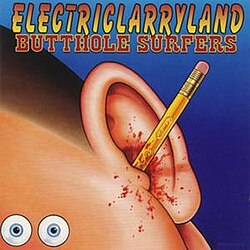
Butthole Surfers — “Pepper”
“Pepper” is one of the strangest songs to become a genuine 90s alternative radio hit, which is saying something because the decade was not exactly short on weird. Butthole Surfers had a long, chaotic underground history, and then somehow this deadpan, Beck-adjacent, spoken-groove oddity drifted into the mainstream. The song feels casual until you realize how dark and strange the stories are. It is funny, unsettling and weirdly hypnotic, like someone reading local disaster reports over a lazy summer beat. “Pepper” matters because 90s modern rock briefly had room for this kind of mutated outsider hit. That window did not stay open forever, so we should appreciate the draft.
“Pepper” is essential because it is one of the clearest examples of how weird modern rock radio could get in the 90s. Butthole Surfers had a long history of chaotic underground music, yet this track slid into mainstream rotation with a lazy groove and a very dark sense of humor.
The song’s spoken delivery and surreal narrative made it feel Beck-adjacent to casual listeners, but the darkness underneath was very much its own thing. It is catchy, unsettling and oddly casual about disaster, which made it perfect for a decade that kept turning weird subcultures into radio moments.
Keep rewinding: 90s alternative one-hit wonders 90s alternative songs you forgot were huge the 90s Alternative & Grunge hub
1992
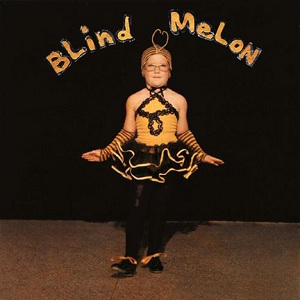
Blind Melon — “No Rain”
“No Rain” is brighter than most songs on this list, but that brightness is exactly what makes the melancholy sneakier. Blind Melon gave 90s alternative one of its most recognizable videos with the Bee Girl, but the song itself is more than the costume. It is loose, warm and quietly sad, with Shannon Hoon sounding like he is trying to smile his way through a foggy day. The track became unavoidable because it offered relief from the decade’s heavier moods without pretending everything was fine. It is essential because alternative was not only rage, dread and sarcasm. Sometimes it was a sunny song about not being okay, which is a very efficient emotional trap.
“No Rain” is essential because it offered a different kind of alternative sadness. It was not heavy, sarcastic or aggressive. It sounded warm and open, but the lyric carried loneliness and disconnection underneath the sunshine.
That contrast made it a huge crossover song. Blind Melon gave the decade a track that felt like relief from the darker radio mood without pretending life was magically better. The Bee Girl video made the song even more memorable by turning outsider longing into an image everyone could understand.
Keep rewinding: 90s alternative one-hit wonders 90s alternative videos on MTV 90s alternative songs you forgot were huge
1997
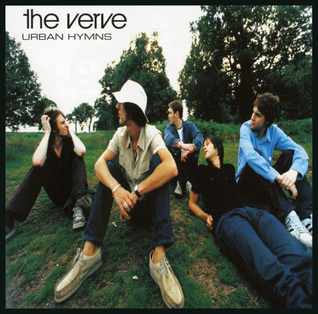
The Verve — “Bitter Sweet Symphony”
“Bitter Sweet Symphony” is late-90s grandeur in walking form. The Verve turned a massive orchestral loop, Richard Ashcroft’s resigned vocal and a sense of stubborn forward motion into one of the decade’s most enduring alternative crossover songs. It sounds expensive and defeated at the same time, which is a tricky emotional balance unless you have ever been young, broke and convinced your life deserved a dramatic tracking shot. The song also became impossible to separate from 90s film and television memory, where it helped soundtrack the era’s big feelings. It belongs here because it captures the exact moment alternative started sounding widescreen, cinematic and exhausted by the world it was walking through.
“Bitter Sweet Symphony” is essential because it made resignation sound enormous. The orchestral sweep gives the song grandeur, while Richard Ashcroft’s vocal keeps it grounded in frustration and forward motion. It feels like giving up and refusing to stop at the same time.
The song also belongs to the late-90s moment when alternative and Britpop began feeling more cinematic, more polished and more aware of their own emotional scale. It was not scrappy. It was widescreen. And somehow, despite all that size, it still sounded tired in exactly the right way.
Keep rewinding: Britpop in the 90s Top 10 songs of 1997 best 90s alternative movie soundtrack songs
1998
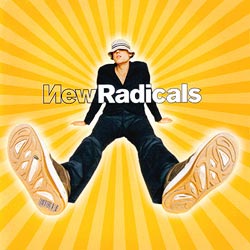
New Radicals — “You Get What You Give”
“You Get What You Give” arrived near the end of the decade with a weird mix of optimism, exhaustion, anti-corporate side-eye and giant pop-rock hooks. New Radicals made one of the most durable one-hit wonders of the 90s by sounding like they believed in something, but only after checking the fine print and insulting a few celebrities on the way out. The song feels tied to malls, music stores, teen movies and that brief late-90s moment when everything looked bright but felt spiritually fluorescent. It is essential because it caught the decade right before the handoff: still hopeful, still cynical, already smelling the plastic future.
“You Get What You Give” is essential because it bottles the strange emotional cocktail of the late 90s: hopeful, cynical, anti-corporate, poppy, sarcastic and weirdly sincere. It sounds bright, but not empty. It believes in something, but it also distrusts the people selling the brochure.
As a one-hit wonder, it has become shorthand for a whole moment. The song feels like malls, teen movies, record-store endcaps and the final stretch before the 2000s changed the lighting. It is catchy enough to be comforting and sharp enough to keep from becoming pure cheese.
Keep rewinding: 90s alternative one-hit wonders 90s alternative songs you forgot were huge 90s alternative rock songs that still sound modern
1996
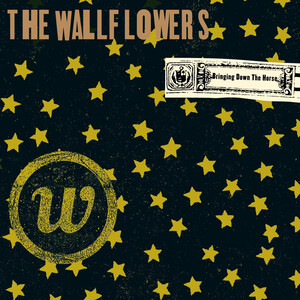
The Wallflowers — “One Headlight”
“One Headlight” is one of the great night-driving songs of 90s alternative, even if it came from the rootsier side of the world. The Wallflowers did not sound like grunge, ska, Britpop or slacker weirdness. They sounded like late-night radio, headlights on wet streets and emotional damage that had learned to speak calmly. Jakob Dylan’s voice gave the song restraint, while the chorus made it quietly massive. It became a modern rock staple because it fit the decade’s appetite for melancholy without trying to compete in the angst Olympics. Not every essential 90s alternative song had to be noisy. Some just had to follow you home.
“One Headlight” is essential because it shows the roots-rock edge of 90s alternative radio. Not everything in the format needed distortion, irony or a weird video concept. Some songs worked because they had restraint, atmosphere and a chorus that felt like a long road opening in the dark.
Jakob Dylan’s vocal is understated, which helps the song avoid melodrama. The band gives it just enough lift to become an anthem without turning it into a victory lap. In a decade full of louder emotional gestures, “One Headlight” won by being steady and quietly haunted.
Keep rewinding: the 90s Alternative & Grunge hub 90s alternative songs you forgot were huge 90s music
1994
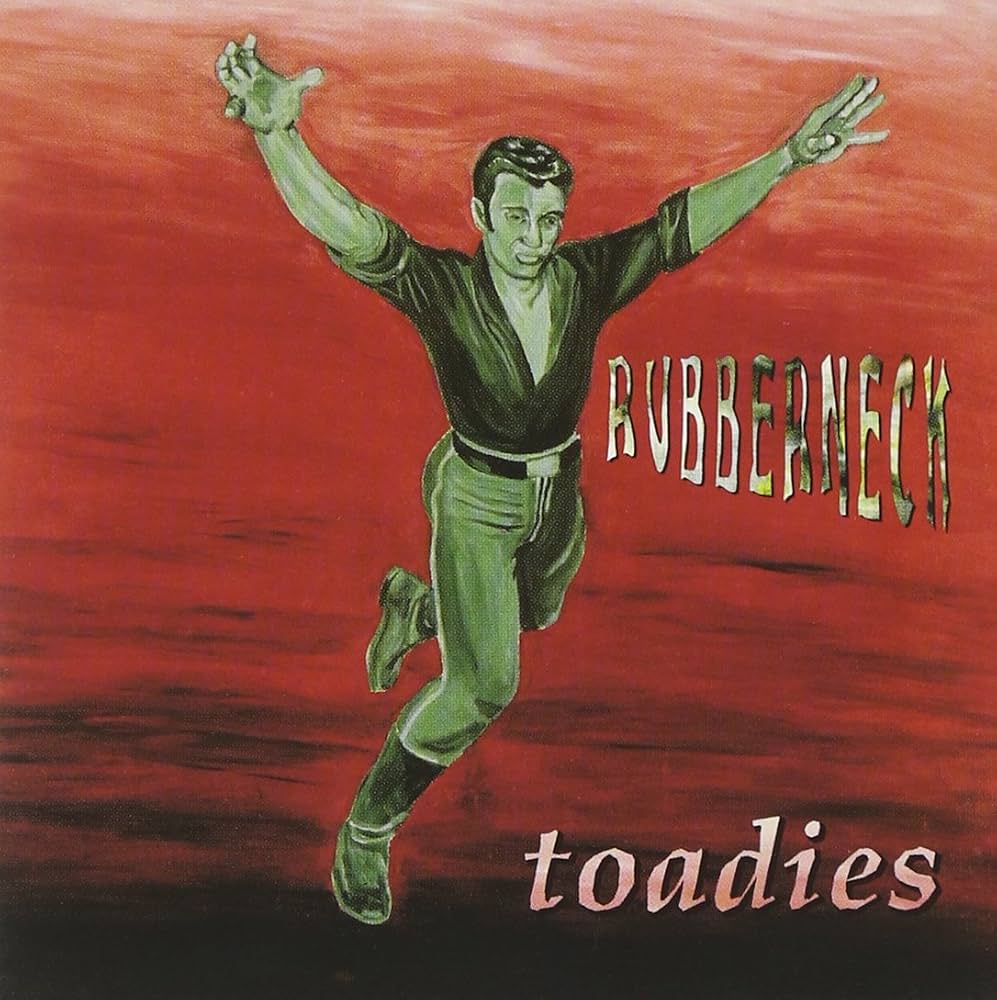
Toadies — “Possum Kingdom”
“Possum Kingdom” is one of the creepiest songs modern rock radio ever let become a staple. The Toadies built it around a sinister riff, a strange stop-start pulse and lyrics that feel like you have wandered into a story you should definitely leave. The song is catchy, but not friendly. It is dark in a way that does not need gothic decoration or obvious horror staging. It just lurks. That made it perfect for the 90s, when alternative radio could still make room for songs that sounded genuinely off. “Possum Kingdom” remains essential because it proved a hit could be unsettling without explaining itself to the committee.
“Possum Kingdom” is essential because it made menace catchy without explaining itself. The Toadies built the song around a riff and structure that keep the listener slightly off balance, while the lyric feels like a dark local legend being told by someone with questionable motives.
That ambiguity is the power. The song does not overstate its creepiness. It just lets the mood spread. Modern rock radio in the 90s had room for tracks like this: strange, regional, unsettling and impossible to file neatly. That room would shrink later, which makes this one feel even more valuable.
Keep rewinding: 90s alternative songs you forgot were huge 25 forgotten 90s alternative songs the 90s Alternative & Grunge hub
1996
Local H — “Bound for the Floor”
“Bound for the Floor” turned the phrase “you just don’t get it” into one of the most useful complaints of the decade. Local H sounded bigger than a two-piece had any right to sound, with Scott Lucas’s modified guitar setup filling the room and the song’s blunt frustration doing the rest. It is heavy, sarcastic and weirdly satisfying, the kind of track that feels built for anyone tired of being underestimated, overexplained to or stuck in some dumb situation with fluorescent lighting. “Bound for the Floor” is essential because it captures the less glamorous side of 90s alternative: boredom, irritation, volume and the discovery that “copacetic” is a word you can yell.
“Bound for the Floor” is essential because it captures the working-class, underdog, irritated side of 90s alternative. Local H did not sound glamorous. They sounded loud, boxed-in and annoyed, which made them extremely useful to anyone who felt the same way.
The song’s two-piece setup also matters. Scott Lucas’ modified guitar rig helped fill the sonic space in a way that made the band sound bigger than expected, while the chorus turned frustration into a chant. It is blunt, heavy and smarter than people sometimes remember.
Keep rewinding: slacker alternative 90s alternative one-hit wonders 25 forgotten 90s alternative songs
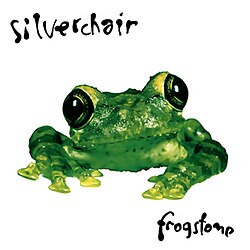
1994
Silverchair — “Tomorrow”
“Tomorrow” made Silverchair sound impossibly huge for a band that was still ridiculously young, which was part of the fascination. The song arrived during the grunge/post-grunge overlap and gave alternative radio another heavy, moody guitar track with a chorus built to travel. You can hear the influence of the early-90s explosion all over it, but the song also points toward the way that sound would spread internationally and become a broader radio language. “Tomorrow” matters because it shows how quickly alternative’s underground shockwaves became global teenage currency. One minute Seattle changed the dial; the next, kids across the world were turning that sound into their own amplifier smoke.
“Tomorrow” is essential because it captures the speed of the 90s alternative ripple effect. Grunge and modern rock had exploded out of specific scenes, but within a few years the sound had become a global teenage language. Silverchair were young enough that their success felt almost surreal.
The song itself is heavy, moody and direct, with a chorus built for rock radio. Critics could debate influence and originality, but the cultural point remains: alternative was no longer underground, local or even strictly American. It had become exportable teenage electricity.
Keep rewinding: post-grunge and radio rock 90s alternative songs you forgot were huge 90s Alternative & Grunge Hub
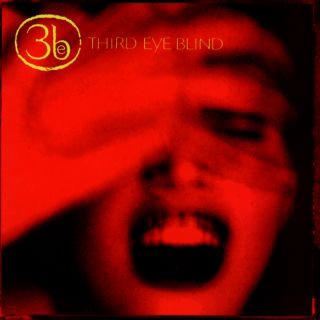
1997
Third Eye Blind — “Semi-Charmed Life”
“Semi-Charmed Life” is a shiny late-90s alt-rock sugar rush with darkness hiding in plain sight, which is exactly why it became one of the decade’s strangest crossover staples. The chorus is bright, the rhythm bounces, the whole thing sounds like summer radio — and then the subject matter reminds you that 90s pop culture loved smuggling heavy topics through catchy songs like nobody would notice. Third Eye Blind landed in the post-grunge/alternative-radio era where hooks got cleaner and production got brighter, but this song still had bite beneath the polish. It is essential because it captures the late-90s contradiction: everything sounded more upbeat while the lyrics quietly set the couch on fire.
“Semi-Charmed Life” is essential because it represents the polished late-90s alternative-radio shift. The guitars are cleaner, the hook is huge, and the production is bright enough to pass as pure fun if you are not listening too closely.
That contrast is the whole reason the song matters. Under the upbeat surface, it deals with addiction, chaos and collapse, making it one of the decade’s best examples of dark subject matter packaged as a sunny radio hit. The late 90s loved that trick, and this song executed it almost too well.
Keep rewinding: post-grunge and radio rock Top 10 songs of 1997 90s alternative songs you forgot were huge
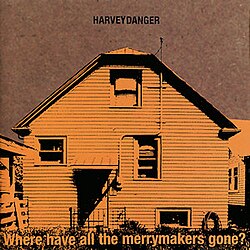
1997
Harvey Danger — “Flagpole Sitta”
“Flagpole Sitta” is the perfect closer because it sounds like the 90s alternative boom realizing it has become self-aware, overcaffeinated and deeply annoyed. Harvey Danger turned paranoia, media saturation, scene fatigue and smartass frustration into a hook that refused to leave. The song is funny, frantic and sharper than its novelty reputation sometimes suggests. It belongs on this list because late-90s alternative was not only about grand artistic statements. It was also about burnout, irony and the feeling that everyone had opinions, nobody was well, and the whole culture had become a feedback loop. In other words, welcome to the future. Please take a number.
“Flagpole Sitta” is essential because it feels like the 90s alternative boom becoming self-aware near closing time. The song is frantic, funny and overloaded with cultural noise, like someone trying to stay sane inside a feedback loop of scenes, media, trend-chasing and bad ideas.
It is also much sharper than its one-hit reputation sometimes suggests. The lyrics are packed with anxiety, irony and social observation, while the chorus gives all that agitation a perfect release. As a closer for this list, it works because it points toward burnout: the moment alternative had become big enough to critique itself from inside the house.
Keep rewinding: 90s alternative one-hit wonders Top 10 songs of 1997 90s alternative rock songs that still sound modern
Why These 90s Alternative Songs Still Hit
These songs still work because 90s alternative was built on tension. It wanted to be anti-mainstream and then accidentally became the mainstream. It mocked rock-star poses and then created new rock stars. It hated polish and then made some extremely polished records. It acted like it did not care, while caring so hard it basically needed hydration.
That contradiction is why the music lasted. The best 90s alternative songs were catchy enough for radio but weird enough to feel like something had slipped through. Some were massive cultural detonations, like Nirvana and Pearl Jam. Some were darker, like Soundgarden, Alice in Chains and Nine Inch Nails. Some were funny or awkward, like Beck, Weezer, Pavement, Cake and The Presidents. Some were emotionally direct, like Alanis, Hole, The Cranberries and Tori Amos. Some just sounded like summer, bad choices and a dashboard full of cassette clutter.
The decade also had visual memory baked into it. A lot of these tracks are impossible to separate from their videos, which is why the broader story of 90s alternative videos on MTV matters so much. Bee Girl. “Buddy Holly.” “Black Hole Sun.” “Just.” “No Rain.” “Paranoid Android.” “Smells Like Teen Spirit.” MTV did not just show the songs. It made them feel like scenes from the same chaotic movie, even when the movie made absolutely no sense.
Keep the 90s Alternative Rewind Going
If this list made you want to dig deeper, good. That is the correct response. The 90s alternative story is bigger than one countdown, and the rabbit holes are where the real damage lives.
FAQ: 90s Alternative Songs
What are the most essential 90s alternative songs?
The most essential 90s alternative songs include “Smells Like Teen Spirit,” “Alive,” “Black Hole Sun,” “Man in the Box,” “Creep,” “Loser,” “Buddy Holly,” “Wonderwall,” “You Oughta Know,” “Just a Girl,” “Santeria,” “Basket Case,” “1979” and “Everlong.”
What makes a song 90s alternative?
A 90s alternative song usually came from the modern rock, college rock, grunge, Britpop, industrial, ska-punk, pop-punk, indie or post-grunge world and felt different from traditional pop, classic rock or hair-metal leftovers.
Is grunge part of 90s alternative?
Yes. Grunge was one of the biggest and most influential parts of 90s alternative. Nirvana, Pearl Jam, Soundgarden and Alice in Chains helped turn alternative rock into mainstream culture.
Why is “Smells Like Teen Spirit” usually ranked #1?
“Smells Like Teen Spirit” is usually ranked #1 because it became the breakthrough moment that pushed grunge and alternative rock into the mainstream, changed MTV and reset early-90s rock radio almost overnight.
Were Britpop and ska-punk part of 90s alternative?
Yes. 90s alternative was wide enough to include Britpop bands like Oasis, Blur and Pulp, plus ska-punk and ska-influenced bands like No Doubt, Sublime, Rancid and The Mighty Mighty Bosstones.
What 90s alternative songs still sound modern?
“Everlong,” “Paranoid Android,” “Stupid Girl,” “1979,” “Bitter Sweet Symphony,” “You Get What You Give,” “No Surprises” and “Semi-Charmed Life” still sound surprisingly modern because they were built on strong production, sharp songwriting or ideas that outlasted the decade.