30 Best 90s Alternative Albums That Defined the Decade

30 Best 90s Alternative Albums That Defined the Decade
Smells Like Gen X • 90s Music

30 Best 90s Alternative Albums

The 90s did not have one alternative sound. It had grunge blowing out the speakers, Britpop acting cooler than everyone, industrial rock making parents nervous, ska-punk bouncing off the walls, alt-pop sharpening its hooks, slacker bands pretending not to care and modern rock radio trying to hold the whole beautiful mess together.

These are the best 90s alternative albums that defined the decade — not just the biggest sellers, not just the critic picks, and not just the same grunge records everyone already argues about. This is the full CD-binder version of the decade.

Quick Answer: What Are the Best 90s Alternative Albums?

The best 90s alternative albums include Nirvana’s Nevermind, Radiohead’s OK Computer, Pearl Jam’s Ten, Alanis Morissette’s Jagged Little Pill, The Smashing Pumpkins’ Siamese Dream, Nine Inch Nails’ The Downward Spiral, Soundgarden’s Superunknown, Alice in Chains’ Dirt, Green Day’s Dookie, No Doubt’s Tragic Kingdom, Weezer’s Blue Album and Beck’s Odelay.

But the decade goes deeper than the obvious monsters. A real 90s alternative and grunge rewind also needs Britpop, alt-pop, industrial, ska-punk, post-grunge, college-rock elders and cult records that sounded too strange to be fully appreciated the first time.

Need the Bigger Map?

This album list is the CD-binder shelf. For the big story, jump into the 90s Alternative & Grunge pillar post. For the cleaner visual command center, use the 90s Alternative & Grunge Hub.

What Counts as a 90s Alternative Album?

For this list, “90s alternative” means the broad world that sat outside traditional classic rock and mainstream pop while still crashing into MTV, CD collections, college radio, modern rock stations and suburban bedrooms with bad posters. That includes grunge albums, but it does not stop there.

The decade also gave us Britpop, industrial rock, slacker alternative, ska-punk, post-grunge radio albums, female-led alt-rock classics and cult records that did not dominate the charts but quietly outlived half the bigger names.

This is not just a grunge list with a new haircut. It is the full 90s alternative album shelf: scratched jewel cases, sticker residue and all.

30 Best 90s Alternative Albums That Defined the Decade

From obvious giants to cult classics that aged like stolen flannel, these are the records that made 90s alternative feel bigger than one scene, one city or one radio format.
1
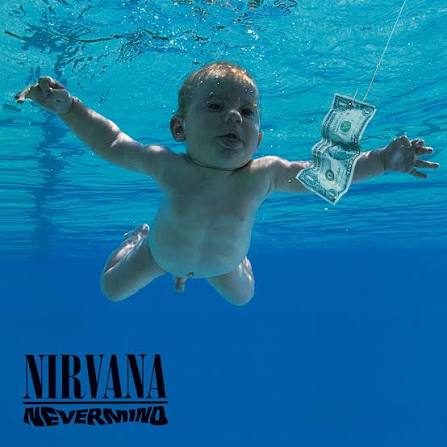
Nirvana Nevermind album cover

1991

Nirvana — Nevermind

Grunge explosionCulture shiftAlt-rock goes nuclear

There is no honest version of a best 90s alternative albums list that does not start with Nevermind. Plenty of albums were stranger, heavier, prettier or more complicated, but this is the record that kicked the door off the hinges and made the mainstream realize the kids were not waiting for permission anymore. It turned alternative from a thing you found through college radio, older siblings and weird record-store clerks into the center of the decade’s rock conversation.

The wild part is that Nevermind still works as an album, not just as a cultural event. The songs are melodic, ugly, funny, furious and strangely vulnerable. Kurt Cobain wrote hooks that could survive the noise, and the band made everything feel like it might collapse while somehow staying brutally direct. That tension is why it did not just sell a lot of flannel by accident. It changed what rock was allowed to sound like on the radio.

The deeper story

Before Nevermind, alternative was already alive, loud and important. It just was not the thing the whole industry was suddenly chasing. R.E.M., Pixies, Sonic Youth, Jane’s Addiction, Hüsker Dü and countless college-radio bands had already built the road. Nirvana were the semi-truck that came flying down it with no brakes. That matters because Nevermind was not magic from nowhere. It was the moment years of underground pressure finally cracked the surface.

The album’s real trick is that the songs are almost absurdly melodic underneath the chaos. “Smells Like Teen Spirit” became the bomb, but “Lithium,” “In Bloom,” “Come as You Are” and “Drain You” are all hook machines disguised as damage. Cobain understood pop structure better than the people who wanted him to be only a noise prophet. The melodies made the anger portable. You could scream along before you fully understood what you were screaming about.

Why it still matters

Nevermind also changed the way the music business treated youth culture. Suddenly, major labels were looking for bands that looked like they had slept on a floor, MTV wanted weirdness it could package, and every mall store tried to sell rebellion back to kids in neatly folded stacks. That tension — the underground becoming a product — is one of the central stories of 90s alternative and grunge.

The reason the album still survives all the myth, overplay and dorm-room poster fatigue is simple: the songs hold up. Strip away the legend, the documentaries, the T-shirts, the baby-in-the-pool image and the endless arguments, and you still have a record that hits fast, hard and weirdly emotionally clean. It remains the most obvious pick because sometimes the obvious pick is obvious for a reason.

Key Songs “Smells Like Teen Spirit,” “Come as You Are,” “Lithium,” “In Bloom”
Why It Defined the Decade It made 90s alternative impossible to ignore and turned underground discomfort into mainstream language.
Gen X Memory This is the moment the mall, MTV, school hallways and every garage band in America suddenly got louder.
Still sounds like a beautiful accident that accidentally became the decade’s instruction manual.

Keep rewinding: How Nirvana Changed 90s Music 90s Alternative & Grunge 25 Essential Grunge Songs The Big 4 of Grunge Seattle grunge
2
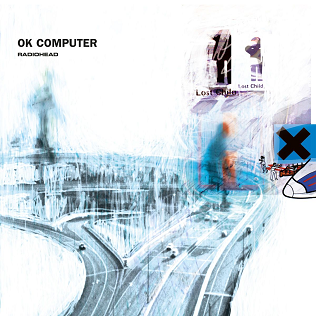
Radiohead OK Computer album cover

1997

Radiohead — OK Computer

Future panicArt-rock leapEnd-of-decade dread

If Nevermind blew open the front half of the decade, OK Computer made the back half feel like the lights were flickering for a reason. Radiohead did not simply make a bigger version of The Bends. They made an anxious, cinematic, coldly beautiful album about technology, alienation, travel, exhaustion and the weird feeling that the future had arrived without asking if anyone was emotionally prepared.

What makes OK Computer such a massive 90s alternative album is that it pushed the genre out of the standard guitar-rock room. It still had guitars, but they sounded bent, haunted and suspicious of themselves. The album made alternative feel less like a scene and more like a condition. By the end of the decade, it was clear that the next version of rock was not just going to be louder. It was going to be stranger.

The deeper story

By 1997, the first wave of 90s alternative had already gone through the machine. Grunge had become a fashion rack. Post-grunge was filling radio playlists. Britpop had strutted across the Atlantic. MTV had turned alternative weirdness into a visual grammar. Then Radiohead made OK Computer, and it felt like someone had looked at the whole decade and said, “Cool, but what if the next problem is everything?”

The album is not just a collection of songs; it is a mood system. “Paranoid Android” fractures into sections like a panic attack with a guitar solo. “Karma Police” feels calm until the walls start moving. “No Surprises” is beautiful in the way a locked office building at midnight can be beautiful. “Exit Music” is a slow-motion escape attempt. Everything sounds connected by dread, fluorescent light and the feeling that modern life had become a trap with excellent engineering.

Why it still matters

OK Computer matters because it showed that alternative could grow older without becoming boring radio rock. Radiohead did not reject guitars; they made guitars feel unstable. They did not reject melody; they made melody feel haunted. That is why the album sits naturally beside the bigger Radiohead end-of-90s alternative story: it is the sound of the movement mutating before the 2000s arrived.

It also gave later bands permission to be ambitious without simply chasing classic-rock grandeur. The album’s influence runs through art rock, indie rock, electronic-leaning rock and every anxious band that realized distortion was not the only way to sound broken. For Gen X listeners, it was the moment the decade stopped being only about rebellion and started sounding like burnout, surveillance and airport carpeting.

Key Songs “Paranoid Android,” “Karma Police,” “No Surprises,” “Exit Music (For a Film)”
Why It Defined the Decade It closed the original 90s alternative era by pointing toward something colder, artier and more unstable.
Gen X Memory This is the CD you put on when the party was over and the room suddenly felt like a computer lab with feelings.
Still sounds less dated than half the future it was nervous about.

Keep rewinding: Radiohead and the end of 90s alternative 50 Essential 90s Alternative Songs 90s alternative songs that defined the decade MTV alternative takeover
3
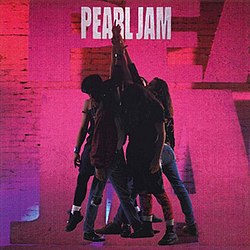
Pearl Jam Ten album cover

1991

Pearl Jam — Ten

Seattle anthem machineBig emotionsArena grunge

Ten gave 90s alternative something different from Nirvana’s jagged blast. Pearl Jam made grunge feel huge, human and emotionally open without sanding away the pain. Eddie Vedder’s voice had that instant mythic quality, but the songs were not just vehicles for vocal drama. They were built like anthems from the start, with riffs, solos and choruses that could fill arenas while still carrying the weight of personal damage.

The album mattered because it proved alternative could become massive without losing every bit of its seriousness. “Alive,” “Even Flow,” “Jeremy” and “Black” were not small songs pretending to be underground. They were big, wounded, undeniable rock songs that happened to arrive at the exact moment the old rock order was cracking. Ten helped make 90s alternative feel like a movement instead of a one-band explosion.

The deeper story

Ten arrived in the same explosive window as Nevermind, but it spoke a different emotional language. Nirvana sounded like refusal. Pearl Jam sounded like confession blown up to arena size. The band came out of the wreckage and evolution of the Seattle scene with players who understood both hard rock power and punk-adjacent seriousness, and Eddie Vedder gave the songs a voice that sounded like it was carrying family history, survivor guilt and several weather systems.

What made Ten so huge was its sense of scale. “Alive” is not just a single; it is a personal origin myth turned into a mass singalong. “Jeremy” turned alienation and tragedy into one of the decade’s defining MTV statements. “Black” became the kind of deep emotional cut that somehow every listener treated as their own private wound. Pearl Jam made big rock feel morally serious again, which is not easy when big rock had spent the late 80s spraying itself with Aqua Net.

Why it still matters

The album helped prove that grunge was not one personality type. Pearl Jam did not have Nirvana’s sarcasm, Soundgarden’s heavy weirdness or Alice in Chains’ doomed darkness. They had empathy, weight and an almost classic-rock sense of uplift filtered through 90s pain. That is why Ten links so naturally to the other side of grunge: Pearl Jam.

It also created the version of 90s alternative that could last on tour for decades. The band’s later anti-commercial stance, Ticketmaster fight and fan-first identity all grew out of the tension created by this album’s massive success. Ten made Pearl Jam unavoidable, then Pearl Jam spent years trying to decide what being unavoidable should mean.

Key Songs “Alive,” “Even Flow,” “Jeremy,” “Black”
Why It Defined the Decade It turned grunge into a stadium-sized emotional language without making it feel empty.
Gen X Memory This was every parking lot, every school bus radio, every bedroom stereo and every kid trying to sing like Vedder with disastrous throat consequences.
Still sounds enormous because it was never pretending to be small.

Keep rewinding: Pearl Jam and the other side of grunge Best 90s Grunge Albums 90s Alternative & Grunge MTV Unplugged
4
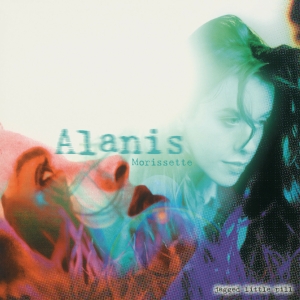
Alanis Morissette Jagged Little Pill album cover

1995

Alanis Morissette — Jagged Little Pill

Alt-pop detonationAnger goes mainstreamMid-90s takeover

Jagged Little Pill was not grunge, but it absolutely belonged to the alternative era. It took confession, anger, sarcasm, pop hooks and rock-radio bite and turned them into one of the defining albums of the decade. Alanis Morissette sounded like someone had handed her a microphone at the exact moment she stopped being polite, and the result was a record that felt both massively commercial and emotionally unfiltered.

The album’s power is how many different versions of 90s feeling it captured: rage, confusion, irony, self-help exhaustion, romantic wreckage, spiritual searching and the very specific mid-90s habit of trying to process trauma through a chorus. It also blew open space for women’s voices on mainstream alternative radio in a way that made the decade broader, messier and better.

The deeper story

Jagged Little Pill is one of those albums that became so huge people sometimes forget how disruptive it sounded in the moment. Alanis Morissette did not fit neatly into grunge, singer-songwriter pop or classic alternative rock. That was the point. She brought conversational lyrics, jagged phrasing, therapy-era self-examination and explosive choruses into a record that sounded like someone reading a diary entry directly into a Marshall stack.

“You Oughta Know” was the lightning strike, but the album’s dominance came from range. “Hand in My Pocket” captured mid-90s contradiction in one shrug. “You Learn” turned mistakes into a self-help mantra without becoming completely insufferable. “Ironic” became a debate nobody asked for but everyone joined. The whole album felt like a woman taking up space on radio in a way that was messy, angry, funny, spiritual and absolutely not designed to be quiet.

Why it still matters

The record is essential because it expanded what alternative could look and sound like at the mainstream level. Alongside Hole, Garbage, Liz Phair, Tori Amos, The Cranberries, Belly and others, Alanis helped make the women of 90s alternative rock impossible to treat as a side note.

It also captured the emotional language of the decade: self-aware but not healed, sarcastic but sincere, wounded but funny enough to survive. That is why the album still works beyond nostalgia. It is not polished perfection. It is a record full of contradictions, and the 90s were basically contradictions in Doc Martens.

Key Songs “You Oughta Know,” “Hand in My Pocket,” “Ironic,” “You Learn”
Why It Defined the Decade It made female anger, vulnerability and sarcasm unavoidable on mainstream 90s radio.
Gen X Memory This was the album in the car, the dorm room, the bedroom and every awkward emotional conversation nobody was ready to have.
Still hits because resentment with hooks is apparently a renewable resource.

Keep rewinding: Women of 90s Alternative Rock 50 Essential 90s Alternative Songs 90s Music
5
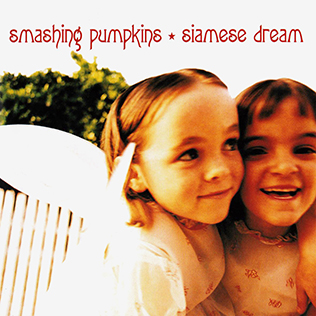
The Smashing Pumpkins Siamese Dream album cover

1993

The Smashing Pumpkins — Siamese Dream

Guitar overloadDreamy damageAlt-rock grandeur

Siamese Dream is what happens when insecurity, perfectionism, huge guitars and dream logic all get locked in a studio together until the walls start glowing. The Smashing Pumpkins were not really grunge, not exactly shoegaze, not metal, not classic rock revival and not simple alt-pop. They were a whole mood: wounded, grand, dramatic and deeply committed to making guitars sound like weather systems.

The album’s best songs balance crushing volume with strange beauty. “Cherub Rock” sneers at the machine while using it beautifully. “Today” sounds bright until you listen too closely. “Disarm” strips everything down and still feels massive. Siamese Dream defined a version of 90s alternative that was emotional, ambitious and almost embarrassingly intense, which is another way of saying extremely 90s.

The deeper story

Siamese Dream is the sound of Billy Corgan trying to build a cathedral out of guitar overdubs and unresolved issues. The album famously carries a sense of pressure: band tension, perfectionism, emotional intensity and the feeling that every song needed to sound enormous enough to justify the pain that created it. That pressure is all over the record, but instead of crushing it, it turns the album into something glowing and unstable.

The Smashing Pumpkins were never easy to categorize, which is why they mattered. They had some of grunge’s darkness, some of shoegaze’s haze, some of metal’s size and some of classic rock’s ambition, but they filtered it all through a very specific wounded grandeur. “Cherub Rock” rages at the scene. “Today” disguises despair as sunlight. “Disarm” goes acoustic and somehow feels just as dramatic as the loud songs. It is emotional maximalism, and it is very committed to the bit.

Why it still matters

The album became a blueprint for alternative rock that wanted to be bigger than punk minimalism but stranger than old-school arena rock. It opened space for bands to be ambitious, layered and melodramatic without sounding like 70s leftovers. That matters in the larger 90s alternative songs conversation because Pumpkins singles did not just sit beside grunge; they expanded the sonic palette.

Siamese Dream also holds up because the production still feels alive. The guitars are thick but not muddy, the melodies are sharp but not overly clean, and the mood is specific enough that you can recognize it within seconds. It is not subtle. It was never trying to be. Sometimes the best 90s albums are the ones that make subtlety leave the room and think about what it did.

Key Songs “Today,” “Cherub Rock,” “Disarm,” “Rocket”
Why It Defined the Decade It made alternative rock feel huge, lush and emotionally overclocked.
Gen X Memory This is the album for staring at a ceiling fan and pretending you were not being personally attacked by a guitar tone.
Still sounds like a very pretty nervous breakdown with excellent production.

Keep rewinding: 50 Essential 90s Alternative Songs 90s Alternative & Grunge 90s Music 90s alternative videos on MTV
6
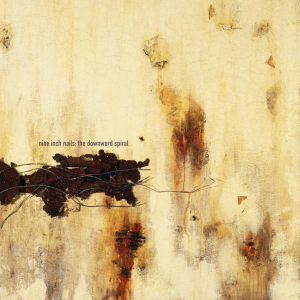
Nine Inch Nails The Downward Spiral album cover

1994

Nine Inch Nails — The Downward Spiral

Industrial darknessMTV nightmareBeautiful collapse

The Downward Spiral brought industrial rock into the center of 90s alternative’s darkest room. Trent Reznor made an album that felt mechanical, sexual, furious, broken and meticulously arranged, which is a ridiculous combination until you hear how completely it works. It was not just heavy. It was designed like a collapse you could dance to if you had made a series of questionable choices.

The album also mattered because MTV and modern rock radio somehow made space for something genuinely unsettling. “Closer” became a hit even though it sounded like a warning label. “Hurt” became one of the decade’s most devastating closers. The Downward Spiral expanded the alternative map beyond guitars and flannel into machines, decay, control and self-destruction.

The deeper story

The Downward Spiral is not just an industrial rock album that crossed over. It is a carefully built descent, which sounds pretentious until you actually listen to how the thing moves. Trent Reznor arranged noise, electronics, guitars, whispers, screams and silence like architectural pieces in a building designed to make you uncomfortable. The album has hooks, but they are usually wrapped in rust, lust, control and self-destruction.

The genius of the record is that it became mainstream without becoming normal. “Closer” was too explicit, too mechanical and too unsettling to make sense as a massive MTV moment, and yet there it was. “March of the Pigs” sounded like a machine having a tantrum. “Hurt” stripped everything down to damage and left the listener sitting in it. For a decade supposedly built on guitar bands, this album proved alternative could be programmed, sequenced and still feel brutally human.

Why it still matters

The record is central to the industrial rock in the 90s story because it brought the sound out of clubs, basements and darker corners into the mainstream without sanding away the danger. It made the machinery part of the emotion. The coldness was not decoration; it was the point.

It also predicted a lot of where alternative would go: hybrid production, darker electronic textures, genre collapse and the idea that the studio could be as much of an instrument as the guitar. For Gen X, it was the album that made alienation sound expensive, terrifying and weirdly danceable. Again, not healthy. But effective.

Key Songs “Closer,” “Hurt,” “March of the Pigs,” “Piggy”
Why It Defined the Decade It made industrial rock central to the decade’s alternative identity instead of a side-room for goth kids and bad lighting.
Gen X Memory This was the CD that made parents suddenly interested in reading lyrics, which is never a good sign.
Still sounds dangerous because the production has not lost its teeth.

Keep rewinding: Industrial Rock in the 90s 90s Alternative & Grunge 50 Essential 90s Alternative Songs 90s alternative videos on MTV
7
Soundgarden Superunknown album cover

1994

Soundgarden — Superunknown

Heavy psych-grungeDark hooksSeattle weirdness

Superunknown is the grunge blockbuster that never felt simple. Soundgarden were heavier, stranger and more musically twisted than a lot of the bands that got filed beside them. They had Sabbath weight, psychedelic color, odd time signatures, Chris Cornell’s impossible voice and a talent for making darkness sound strangely beautiful. This album turned all of that into something huge without making it safe.

“Black Hole Sun” became the eerie MTV landmark, but the album is much deeper than one surreal video. “Fell on Black Days” is dread with a melody. “Spoonman” is groove and oddball percussion. “The Day I Tried to Live” is a full-body existential malfunction. Superunknown defined the heavy, weird, widescreen side of 90s alternative.

The deeper story

Superunknown is Soundgarden at the exact point where their heavy, strange instincts met mainstream opportunity and somehow neither side blinked. The band had metal roots, punk history, psychedelic instincts and a singer who could make impossible notes sound like natural weather. Instead of simplifying themselves for radio, they made the weirdness big enough for radio to catch up.

“Black Hole Sun” became the album’s cultural landmark because the song and video felt like a suburban nightmare melting in real time. But the album’s range is what makes it essential. “Fell on Black Days” is depression without easy drama. “Spoonman” is rhythmically odd and still instantly memorable. “The Day I Tried to Live” turns existential exhaustion into a chorus. Soundgarden made complexity feel like a rock-radio feature, not a bug.

Why it still matters

In the broader grunge story, Superunknown is the album that makes it impossible to reduce Seattle to sad flannel and power chords. Soundgarden were too heavy, too musically restless and too strange for that. That is why the album belongs at the heart of Soundgarden’s heavy, weird side of grunge.

It still holds up because it does not sound like a band chasing a trend. It sounds like a band fully becoming itself at the exact moment the world was finally willing to listen. That is rare. Usually the world shows up late and asks the band to simplify. Soundgarden answered with odd meters and doom sunshine.

Key Songs “Black Hole Sun,” “Spoonman,” “Fell on Black Days,” “The Day I Tried to Live”
Why It Defined the Decade It proved grunge could be technically strange, heavy and massively accessible at the same time.
Gen X Memory This was the album that made sunny days feel suspicious.
Still sounds like a thunderstorm learned progressive rock and got depressed.

Keep rewinding: Soundgarden’s heavy, weird side Best 90s Grunge Albums 90s Alternative & Grunge 90s grunge songs that still hit hard
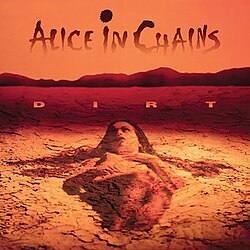
8
Alice in Chains Dirt album cover

1992

Alice in Chains — Dirt

Darkest grungeHarmonic dreadHeavy addiction diary

Dirt is not an easy album, and that is the point. Alice in Chains took the heavy end of grunge and dragged it into addiction, dread, trauma and doomed beauty. Layne Staley and Jerry Cantrell’s harmonies gave the band an instantly recognizable sound: bleak, haunted and weirdly gorgeous even when the songs were crawling through wreckage.

The album matters because it showed how dark 90s alternative could get without becoming cartoonish. “Would?” is hypnotic and heavy. “Rooster” is personal history turned into a battlefield dirge. “Down in a Hole” hurts in slow motion. Dirt is one of the decade’s defining albums because it refused to clean up the damage for easy consumption.

The deeper story

Dirt is one of the darkest mainstream rock albums of the 90s, and it did not need horror-movie theatrics to get there. Alice in Chains made addiction, trauma, war memory, guilt and spiritual exhaustion feel heavy in the literal sense. The riffs are thick, the tempos often drag like a body being pulled, and the harmonies between Layne Staley and Jerry Cantrell turn pain into something almost beautiful, which somehow makes it worse.

The album’s power is that it never feels like it is observing darkness from a safe distance. “Them Bones” opens like a trapdoor. “Down in a Hole” is devastating because it sounds resigned rather than explosive. “Rooster” stretches family trauma into a slow, haunted anthem. “Would?” closes with one of the band’s defining statements, tied forever to both grunge history and the memory of Andrew Wood.

Why it still matters

Dirt is essential because it gave 90s alternative its heaviest emotional gravity. It was not just metal influence meeting grunge. It was a band turning internal collapse into a sound so specific nobody else could fake it convincingly. That is why it sits at the center of Alice in Chains’ darkest sound of grunge.

The record has also aged with tragic clarity because the real-life context became impossible to separate from the songs. But even without that shadow, the album is a masterpiece of mood, riff and harmony. It is not casual listening. It is the album equivalent of entering a basement and realizing the light switch does not work.

Key Songs “Would?,” “Rooster,” “Them Bones,” “Down in a Hole”
Why It Defined the Decade It gave grunge its darkest, heaviest emotional center.
Gen X Memory This was not background music. This was the album you put on when things were already bad and somehow wanted better harmonies.
Still sounds like warning signs written in distortion.

Keep rewinding: Alice in Chains and grunge darkness Best 90s Grunge Albums 90s Alternative & Grunge 90s grunge songs that still hit hard
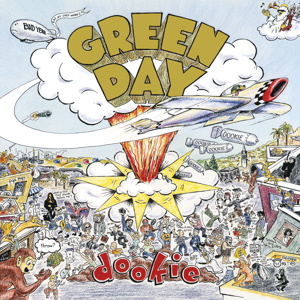
9
Green Day Dookie album cover

1994

Green Day — Dookie

Pop-punk breakoutSnotty hooksTeenage boredom

Dookie made pop-punk feel like a national language for bored, anxious, under-stimulated kids who had no interest in pretending they were fine. Green Day took short, fast, bratty songs and packed them with hooks so strong that even people who claimed to hate punk ended up knowing every chorus. It was polished enough to explode, but still sounded like it had gum stuck to its shoe.

The album changed the alternative landscape because it widened the decade’s emotional vocabulary. Not everything had to be brooding or cosmic. Sometimes the 90s were about panic attacks, boredom, bad habits, cheap jokes and the feeling that adulthood looked like a scam. Dookie made that sound huge, funny and weirdly liberating.

The deeper story

Dookie changed the decade by making punk energy feel ridiculously accessible without completely defanging it. Green Day were not inventing pop-punk, and longtime punk people were very ready to explain that loudly. But the album’s impact is undeniable because it translated boredom, anxiety, masturbation jokes, panic and suburban drift into songs that were short, sharp and impossible to keep off the radio.

“Longview” made doing nothing sound like a lifestyle and a warning. “Basket Case” turned anxiety into one of the decade’s most shouted choruses. “When I Come Around” slowed the attack just enough to become a generational shrug. The album worked because Billie Joe Armstrong’s hooks were airtight, Mike Dirnt’s bass gave the songs bounce, and Tré Cool played like the drums had personally insulted him.

Why it still matters

In the broader alternative picture, Dookie matters because it reminded the decade that punk speed and pop melody could coexist without filing paperwork. It opened mainstream doors for a wave of pop-punk and skate-punk that would define the late 90s and early 2000s, while still fitting naturally beside essential 90s alternative songs.

It also captured youth boredom better than almost any album of its era. Not glamorous rebellion. Not poetic despair. Just being restless, gross, funny, anxious and convinced that every adult system was probably a scam. That feeling has aged depressingly well.

Key Songs “Basket Case,” “Longview,” “When I Come Around,” “Welcome to Paradise”
Why It Defined the Decade It turned pop-punk into a mainstream 90s force without losing its obnoxious charm.
Gen X Memory This was the album that made every kid with three chords think, dangerously, “I could do that.”
Still works because boredom has not gone out of style. Unfortunately.

Keep rewinding: 50 Essential 90s Alternative Songs 90s Music 90s Alternative & Grunge 90s alternative songs that defined the decade
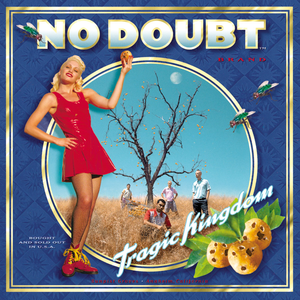
10
No Doubt Tragic Kingdom album cover

1995

No Doubt — Tragic Kingdom

Ska-pop explosionBreakup anthemsOrange County takeover

Tragic Kingdom brought ska, new wave, pop, punk energy and breakup drama into one bright, restless package. No Doubt sounded completely different from the gloomy middle of 90s alternative radio, and that contrast helped them take over. The album bounced, snapped and spun around heartbreak instead of just sinking into it.

Gwen Stefani’s presence was obviously huge, but the record works because the band behind her had serious movement. “Spiderwebs” and “Sunday Morning” have rhythmic life. “Just a Girl” became an anthem because its sarcasm came with a hook sharp enough to draw blood. “Don’t Speak” turned private band drama into a global slow-burn. Tragic Kingdom made alternative brighter without making it shallow.

The deeper story

Tragic Kingdom was the sound of No Doubt turning years of Orange County ska, new wave obsession, band drama and relentless performing into a record that could not be ignored. It did not sound like the dark center of mid-90s alternative, which was exactly why it exploded. The album had color, rhythm, movement and theatricality at a time when a lot of rock radio was busy staring at the floor.

The singles tell only part of the story. “Just a Girl” became the feminist sarcasm anthem. “Spiderwebs” bounced with anxious irritation. “Don’t Speak” turned an internal breakup into a global slow dance for people pretending not to care. “Sunday Morning” and the deeper cuts show how much actual band muscle was underneath the pop crossover. No Doubt were bright, but they were not lightweight.

Why it still matters

The album matters because it pulled ska-pop and female-fronted alternative into the mainstream at a gigantic scale. It connects directly to the brighter side of 90s ska-punk and alternative, but it also stands as its own pop-rock machine. The record made movement, style and hooks feel like a counterattack against the decade’s gloom.

It still works because the songs are built to last. The fashion, videos and Gwen Stefani iconography are part of the memory, but the album is not just image. It is a breakup record, a band record and a radio-dominating alternative record all at once. Also, it made being annoyed sound extremely catchy, which is a public service.

Key Songs “Just a Girl,” “Spiderwebs,” “Don’t Speak,” “Sunday Morning”
Why It Defined the Decade It brought ska-pop and female-fronted alt-rock into the center of the decade’s mainstream.
Gen X Memory This was the album that made checkerboard energy, red lipstick and emotional chaos feel radio-ready.
Still sounds like heartbreak wearing loud pants.

Keep rewinding: Ska-punk and 90s alternative 50 Essential 90s Alternative Songs 90s Music Women of 90s Alternative Rock
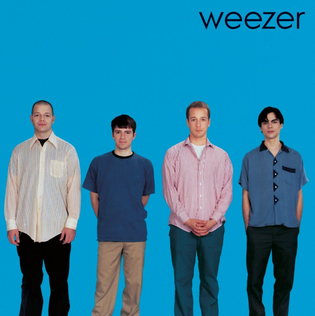
11
Weezer Blue Album cover

1994

Weezer — Weezer (The Blue Album)

Nerd-rock classicPower-pop crunchAwkward genius

The Blue Album made awkwardness sound huge. Weezer took crunchy guitars, power-pop melodies, nerdy references and emotional discomfort and made an album that felt like it had been built in a garage by people who had very strong feelings about both KISS and not making eye contact. It was funny, sad, catchy and weirdly precise.

The album mattered because it created a different alternative archetype. You did not have to be dangerous, mysterious or tortured in a leather-jacket way. You could be uncomfortable, obsessive and still write a chorus that flattened the room. “Buddy Holly” had the MTV gimmick, “Say It Ain’t So” had the emotional gut punch, and “Undone” made sweater destruction a cultural act.

The deeper story

Weezer’s Blue Album arrived like a corrective to the idea that alternative had to be cool in an obvious way. Rivers Cuomo did not sound dangerous, glamorous or mythic. He sounded awkward, precise, funny and emotionally over-invested in things that seemed small until the chorus hit. That was the breakthrough. The album made uncoolness not just acceptable, but powerful.

Ric Ocasek’s production is a huge part of why the record still sounds so sharp. The guitars are massive but cleanly framed, the vocals are dry enough to keep the jokes from turning cartoonish, and the songs have a power-pop architecture under the distortion. “Buddy Holly” had the Spike Jonze/Happy Days video moment, but “Say It Ain’t So” gave the album its emotional depth and “Undone” gave it the perfect sweater-thread metaphor for Gen X unraveling.

Why it still matters

The Blue Album sits at the core of Weezer, Beck and the rise of slacker alternative because it made irony, awkwardness and melody into a whole lane of 90s guitar music. It was not slacker because the songwriting was lazy. It was slacker because the persona refused to act heroic.

The record influenced waves of emo, indie rock, power-pop and nerd-rock because it gave listeners a different way to identify with alternative music. You did not need to be the dangerous kid. You could be the kid with a garage amp, a weird inner life and a devastating chorus you were pretending was a joke.

Key Songs “Buddy Holly,” “Say It Ain’t So,” “Undone,” “My Name Is Jonas”
Why It Defined the Decade It turned nerdy power-pop into one of the defining sounds of mid-90s alternative.
Gen X Memory This is the album for anyone who felt uncool and then got suspicious when uncool became marketable.
Still sounds like the best possible version of being socially defective with amps.

Keep rewinding: Weezer, Beck and slacker alternative 50 Essential 90s Alternative Songs 90s Alternative & Grunge Weezer, Beck and slacker alternative
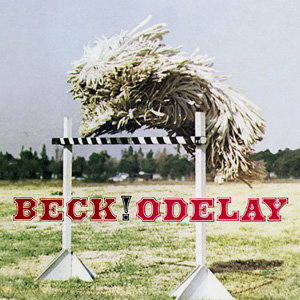
12
Beck Odelay album cover

1996

Beck — Odelay

Sample collageSlacker geniusGenre blender

Odelay made Beck feel less like the “Loser” guy and more like one of the decade’s great musical junk-shop architects. The album is built from samples, folk fragments, hip-hop rhythm, funk, noise, absurdist lyrics and slacker confidence, but somehow it never feels like a mess. It feels like the mess learned choreography.

This record defined a major part of 90s alternative because it rejected the idea that rock had to be a band in a room playing the expected instruments in the expected way. Beck made collage feel natural. He made irony groove. He made nonsense sound emotionally accurate. Odelay is one of the reasons the decade still feels inventive instead of just distorted.

The deeper story

Odelay is one of the reasons 90s alternative still feels creatively wide open. Beck could have been trapped forever as the guy who made “Loser,” a song so era-defining it almost became a cage. Instead, he teamed with the Dust Brothers and built an album that sounded like hip-hop production, folk junk, funk grooves, weird samples, garage noise and surreal wordplay had been left alone in a thrift store overnight.

The record works because the chaos is disciplined. “Where It’s At” feels effortless, but it is built with serious rhythmic intelligence. “Devils Haircut” turns nonsense and menace into a groove. “The New Pollution” is retro and futuristic at the same time. Beck made collage feel like a personality, not a gimmick, and that was a huge shift for alternative rock’s possibilities.

Why it still matters

Odelay belongs high on this list because it made genre borders look silly. In a decade supposedly dominated by guitars, Beck showed that samples, beats and absurdity could define alternative just as much as distortion. That is why it still sits naturally next to 90s alternative songs that still sound modern.

The album also captured the decade’s junk-culture brilliance: old records, thrift-store clothes, cable-TV fragments, hip-hop rhythms, slacker jokes and real songwriting hiding inside the collage. It sounds like someone rummaging through the cultural trash and somehow building a radio tower out of it.

Key Songs “Where It’s At,” “Devils Haircut,” “The New Pollution,” “Jack-Ass”
Why It Defined the Decade It expanded alternative into sample-based, genre-jumbling weirdness without losing the hooks.
Gen X Memory This was the album that made thrift-store culture sound like it had a beat machine and a genius grant.
Still sounds like someone dumped the 20th century into a blender and somehow made a party record.

Keep rewinding: Weezer, Beck and slacker alternative 90s Alternative Songs That Still Sound Modern 90s Music Weezer, Beck and slacker alternative
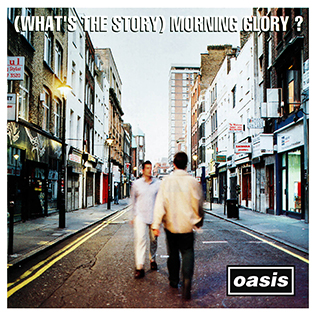
13
Oasis What's the Story Morning Glory album cover
Oasis What’s the Story Morning Glory album cover

1995

Oasis — (What’s the Story) Morning Glory?

Britpop monsterPub anthemsGallagher chaos

(What’s the Story) Morning Glory? was Britpop at its most unavoidable. Oasis did not sound tortured in the Seattle sense. They sounded enormous, cocky, sentimental, combative and weirdly communal. The album turned big choruses and classic-rock swagger into a 90s alternative phenomenon, especially for anyone who wanted guitars without the American gloom.

The songs became part of the decade’s wallpaper in the best and worst ways. “Wonderwall” became so overplayed that it almost hid how effective the album was. “Don’t Look Back in Anger” is built for mass singing. “Champagne Supernova” drifts into nonsense and still feels meaningful because the melody insists on it. This album made Britpop feel global.

The deeper story

Oasis were not subtle, and thank God, because subtlety would have ruined (What’s the Story) Morning Glory?. This album is big feelings, big choruses, big brotherly tension and big “we are the greatest band in the world” energy whether anyone asked or not. At a time when American alternative often sounded wounded or suspicious, Oasis sounded like they had kicked open the pub door and ordered confidence by the pint.

The album’s strength is that beneath the arrogance, the songs are built for mass emotional use. “Wonderwall” became overplayed into parody, but it became overplayed because the melody was undeniable. “Don’t Look Back in Anger” is communal uplift with a piano intro built for instant recognition. “Champagne Supernova” makes very little literal sense and still feels profound after enough volume and poor decisions.

Why it still matters

In the wider 90s alternative story, this album is the Britpop monster. It helped make Oasis, Blur and Pulp part of the same decade-long conversation as Seattle, MTV and modern rock radio. British guitar music was not a side quest. It was one of the main events.

The record still holds up because it understands scale. It is not trying to be intimate. It is trying to make thousands of people sing together like their lives briefly make sense. That can be ridiculous, but it can also be powerful. Oasis lived permanently at that intersection, wearing sunglasses.

Key Songs “Wonderwall,” “Don’t Look Back in Anger,” “Champagne Supernova,” “Some Might Say”
Why It Defined the Decade It made British guitar rock a central part of the 90s alternative conversation.
Gen X Memory This was the album that turned every acoustic guitar within a ten-mile radius into a public safety threat.
Still huge, still arrogant, still somehow wearing sunglasses indoors.

Keep rewinding: Britpop in the 90s 50 Essential 90s Alternative Songs 90s Music Britpop in the 90s
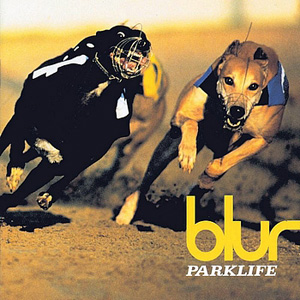
14
Blur Parklife album cover

1994

Blur — Parklife

Britpop blueprintSharp character sketchesVery British chaos

Parklife is Blur turning British life, class anxiety, nightlife, sarcasm and pop history into a bright, restless album that helped define Britpop. It is less universal-singalong than Oasis and more observational, more clever and more willing to poke at the culture around it. The album feels like walking through a city full of characters you are not sure you want to know.

For American listeners, Blur might be remembered more through “Song 2,” but Parklife is the bigger album statement. It showed that 90s alternative did not have to come from the same emotional or geographic place. While American bands were processing alienation through distortion, Blur were turning social detail into hooks. Different mess, same decade.

The deeper story

Parklife is Blur building a whole world out of British characters, social observation, class anxiety, nightlife, boredom and pop history. Where Oasis went for universal pub anthems, Blur made an album that feels like channel-surfing through a country having a nervous laugh at itself. It is funny, stylish and much sharper than its bright surfaces suggest.

“Girls & Boys” turns club culture into a hooky, sarcastic scene report. “Parklife” is almost music-hall character comedy dropped into the Britpop era. “End of a Century” catches domestic boredom with painful accuracy. The album is restless because the world it is describing is restless. Damon Albarn is not just singing songs; he is sketching people, places and habits with a raised eyebrow.

Why it still matters

Parklife matters because it helped define Britpop as more than guitar swagger. It gave the movement wit, social detail and a specifically British sense of absurdity. For American Gen X listeners who mostly knew Blur through later hits, this album explains why the band mattered long before “Song 2” became a sports-arena detonation.

It also broadens the alternative album conversation beyond angst. The 90s were not only about pain; they were also about observation, irony, class, style and the weird little rituals people use to survive everyday life. Parklife made those rituals sound catchy and slightly ridiculous, which is usually the honest version.

Key Songs “Girls & Boys,” “Parklife,” “End of a Century,” “This Is a Low”
Why It Defined the Decade It gave Britpop one of its defining album-length statements.
Gen X Memory This was the album for people who wanted their 90s guitar music with jokes, class tension and better tailoring.
Still sounds like a pub argument with excellent arrangements.

Keep rewinding: Britpop in the 90s 90s Music 50 Essential 90s Alternative Songs Britpop in the 90s
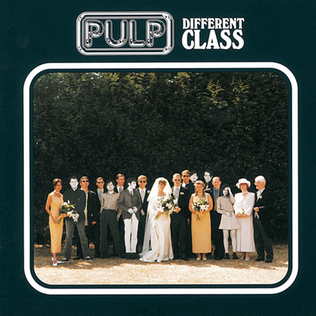
15
Pulp Different Class album cover

1995

Pulp — Different Class

Britpop biteClass warfareJarvis forever

Different Class is Britpop with sharper teeth. Pulp made songs that were funny, bitter, sexy, sad and politically aware without turning into lectures. Jarvis Cocker did not sing like a standard rock frontman. He observed, judged, narrated and occasionally sounded like he had cornered you at a party to explain exactly why everyone there was doomed.

“Common People” is the obvious centerpiece, and it deserves every bit of its reputation. But the album is full of characters, scenes and class tension. Different Class matters because it made alternative music feel literary without becoming homework. It was smart, catchy and mean in ways that have aged extremely well, possibly because people remain ridiculous.

The deeper story

Different Class is the Britpop album with the sharpest tongue. Pulp had been around long enough to understand failure, class, desire and humiliation from the inside, and that history gave the record a perspective the younger swagger bands could not fake. Jarvis Cocker did not just perform cool. He narrated the room, judged the room and somehow made the room dance anyway.

“Common People” is the centerpiece because it turns class tourism into one of the decade’s greatest choruses. But the album has range beyond that anthem. “Disco 2000” makes nostalgia feel premature and painful. “Mis-Shapes” turns outsider identity into a rallying cry. “Sorted for E’s & Wizz” captures rave-era disillusion without sounding like a scolding newspaper column.

Why it still matters

This album is essential because it proves alternative music could be smart, funny, sexual, political and emotionally messy without losing its pop instincts. In the Britpop in the 90s story, Pulp are the band that made cleverness feel dangerous instead of decorative.

Different Class still holds up because the targets are still alive: status performance, fake authenticity, romantic delusion, class cosplay and people acting like a party will solve a life. The 90s ended. Human foolishness, tragically, continued.

Key Songs “Common People,” “Disco 2000,” “Mis-Shapes,” “Sorted for E’s & Wizz”
Why It Defined the Decade It gave Britpop its smartest, most cutting social album.
Gen X Memory This was the album that made being clever seem cooler than being cool, which was nice for about seven people in every school.
Still sounds like someone dancing while sharpening a knife.

Keep rewinding: Britpop in the 90s 50 Essential 90s Alternative Songs 90s Alternative Songs That Still Sound Modern Britpop in the 90s
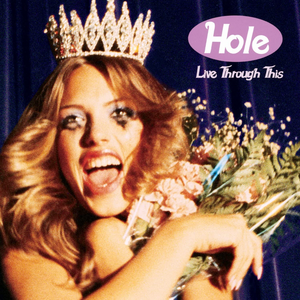
16
Hole Live Through This album cover

1994

Hole — Live Through This

Raw survivalAlt-rock furyMessy brilliance

Live Through This is one of the decade’s most intense alternative albums because it feels both controlled and barely contained. Hole made a record full of beauty, rage, vulnerability and image warfare, and Courtney Love delivered it with a voice that could sound wounded one second and ready to burn down the set the next.

The album matters because it pushed female anger and survival into a guitar-rock space that was still too often filtered through male mythology. “Doll Parts” is devastating. “Violet” is explosive. “Miss World” turns performance and self-destruction into a hook. Live Through This is messy because life was messy. That is not a flaw. That is the voltage.

The deeper story

Live Through This is one of the decade’s most loaded albums, surrounded by myth, timing, tragedy and endless bad-faith arguments. But the record itself does not need the noise around it to justify its place. Hole made a fierce, melodic, ugly-beautiful album about survival, image, femininity, rage and self-destruction, and the songs are strong enough to cut through the gossip.

“Violet” opens like a threat. “Doll Parts” turns vulnerability into something almost unbearable. “Miss World” takes beauty-pageant language and twists it into a self-harm mirror. The album is full of contradictions: polished and raw, wounded and aggressive, theatrical and painfully direct. Courtney Love’s voice is not pretty in the traditional sense, which is exactly why it carries the material so well.

Why it still matters

The album is central to the story of women of 90s alternative rock because it refused to make female pain neat or palatable. It also challenged the era’s male-dominated grunge mythology by bringing body image, sexual politics, fame and survival into the same guitar-rock space.

Live Through This still hits because it feels alive in an uncomfortable way. It does not sound like a curated brand of rebellion. It sounds like somebody trying to survive the fire while also maybe setting part of it. That is not tidy, but neither was the decade.

Key Songs “Doll Parts,” “Violet,” “Miss World,” “Softer, Softest”
Why It Defined the Decade It made survival, rage and feminine messiness central to 90s alternative rock.
Gen X Memory This was the album that made pretty sound dangerous and dangerous sound necessary.
Still raw enough to make polished nostalgia look embarrassed.

Keep rewinding: Women of 90s Alternative Rock 50 Essential 90s Alternative Songs 90s Alternative & Grunge
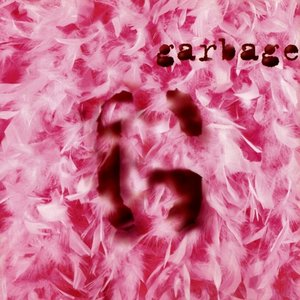
17
Garbage self-titled album cover

1995

Garbage — Garbage

Studio coolAlt-pop noirShirley Manson reign

Garbage sounded like a band and a machine had made a stylish bad decision together. The album blended guitars, electronics, loops, noir-pop attitude and Shirley Manson’s icy charisma into something that felt sleek without feeling fake. In a decade full of rawness, Garbage proved that polished could still be dangerous.

The debut matters because it helped define a more produced, modern version of alternative rock. “Only Happy When It Rains” turned misery into a smirk. “Stupid Girl” had bite and groove. “Vow” introduced the whole thing like a threat with a good haircut. This album still feels current because it was never relying on one narrow 90s guitar sound.

The deeper story

Garbage’s debut arrived with a sound that felt assembled from rock, pop, electronic production, noir attitude and studio intelligence. That could have turned sterile fast, but the album has personality in every corner. Butch Vig’s production background mattered, obviously, but Shirley Manson’s presence gave the whole thing its center: cool, wounded, sarcastic and completely in control even when singing about being a mess.

“Only Happy When It Rains” became the mission statement because it turned misery into a joke without denying the misery. “Stupid Girl” had groove and bite. “Queer” sounded like dangerous fog. “Vow” introduced the band with a kind of controlled menace. Garbage made alternative sound sleek at a time when sleekness could be treated with suspicion, and they made it work by keeping the edges sharp.

Why it still matters

This album matters because it anticipated where alternative would go as the decade moved toward more electronic textures and studio-built sounds. It was not a rejection of rock. It was rock updated with loops, samples, programming and a better wardrobe. That is why it still belongs beside alternative songs that still sound modern.

It also gave 90s alternative one of its strongest female-fronted debuts. Manson did not play the wounded girl, the punk mascot or the pop sweetheart. She played something colder, smarter and more complicated. The album still feels fresh because it never relied on sounding raw to prove it had feelings.

Key Songs “Stupid Girl,” “Only Happy When It Rains,” “Queer,” “Vow”
Why It Defined the Decade It made alternative sound stylish, electronic, sarcastic and radio-ready without losing edge.
Gen X Memory This was the album for people who wanted their angst with eyeliner, samples and better lighting.
Still sounds expensive, mean and emotionally unwell in a very efficient way.

Keep rewinding: Women of 90s Alternative Rock 50 Essential 90s Alternative Songs 90s Alternative Songs That Still Sound Modern
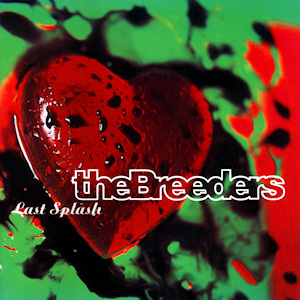
18
The Breeders Last Splash album cover

1993

The Breeders — Last Splash

Alt-rock oddballCannonball bounceKim Deal magic

Last Splash is proof that 90s alternative did not need to be emotionally tidy or sonically obvious to connect. The Breeders made an album that was loose, strange, catchy and full of sideways charm. “Cannonball” became the unforgettable hit, but the whole record has that off-kilter quality that makes it feel handmade in the best possible way.

Kim Deal’s presence is key. The songs do not posture. They wander, snap, drift, grin and then suddenly hit you with a perfect hook. Last Splash defined the artier, weirder, less macho side of 90s alternative — the side that made the decade feel like you could stumble into a great song without it announcing itself with fireworks.

The deeper story

Last Splash is one of the great crooked pop albums of the 90s. The Breeders did not sound like they were trying to make a clean alt-rock statement. They sounded like they were following their own strange instincts, and somehow those instincts produced “Cannonball,” one of the most instantly recognizable songs of the decade. That bass slide alone deserves a pension.

But the album is much more than “Cannonball.” “Divine Hammer” is sweet and compact. “No Aloha” is fractured and magnetic. “Do You Love Me Now?” carries emotional weight without getting overly polished. Kim Deal’s gift was making songs feel casual without making them careless. Last Splash has a loose charm that most bands could not manufacture if they were trapped in a factory labeled Loose Charm.

Why it still matters

The album matters because it represents the artier, less macho, more sideways side of 90s alternative. The Breeders made space for weird hooks, odd structures and a sense of cool that did not need to announce itself. It connects naturally to the deeper-cut energy of forgotten 90s alternative songs.

It also reminds you that the decade’s best alternative music did not always sound like it was trying to be important. Sometimes it sounded like a few people following a weird idea until it became a hit by accident. That kind of accident is usually more interesting than the planned kind.

Key Songs “Cannonball,” “Divine Hammer,” “No Aloha,” “Do You Love Me Now?”
Why It Defined the Decade It turned oddball guitar pop into one of the decade’s coolest alternative success stories.
Gen X Memory This was the album that made weird basslines and casual vocals feel cooler than overthinking everything.
Still sounds like it knows the best party is happening in the other room.

Keep rewinding: 25 Forgotten 90s Alternative Songs 90s Alternative & Grunge 50 Essential 90s Alternative Songs 25 forgotten 90s alternative songs
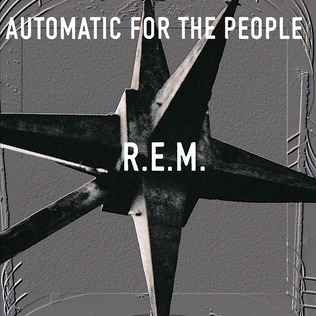
19
R.E.M. Automatic for the People album cover

1992

R.E.M. — Automatic for the People

College-rock eldersQuiet masterpieceAlt-mainstream bridge

Automatic for the People is not loud, but it is absolutely part of the 90s alternative story. R.E.M. helped build the road that later alternative bands drove down, and this album showed how gracefully college-rock credibility could age into something deeper, slower and more emotionally direct. It is a quiet record, but not a small one.

The album gave the decade some of its most enduring reflective songs. “Everybody Hurts” became a comfort anthem, even if overexposure made people forget how effective it is. “Man on the Moon” has mystery and warmth. “Nightswimming” is pure memory ache. Automatic for the People mattered because alternative was not just youth rebellion. Sometimes it was growing older and realizing the feelings had gotten worse.

The deeper story

R.E.M. were already alternative elders by the time Automatic for the People arrived, which is hilarious because they were not old so much as they had simply survived long enough to watch the underground become the mainstream. Instead of trying to compete with the loud new bands, they made a quieter, deeper album that proved influence could age gracefully.

The record is full of mortality, memory and tenderness. “Drive” is slow and hypnotic. “Everybody Hurts” became so universal that overuse almost dulled it, but the song’s direct compassion remains powerful. “Man on the Moon” turns Andy Kaufman and belief into something warm and mysterious. “Nightswimming” is one of the decade’s great songs about memory, regret and the ache of looking backward too soon.

Why it still matters

Automatic for the People matters because it connects the 80s college-rock foundation to the 90s alternative explosion. Without R.E.M., the mainstream door does not open the same way for many of the bands that followed. This album shows what happens when the bridge-builders are still making vital work after the bridge is crowded.

It also gives the list emotional range. The 90s were not all rage, irony and distortion. Sometimes the decade was quiet, reflective and terrified of aging before it had even figured out adulthood. In other words, extremely Gen X.

Key Songs “Man on the Moon,” “Everybody Hurts,” “Drive,” “Nightswimming”
Why It Defined the Decade It connected college rock’s past to 90s alternative’s mainstream moment.
Gen X Memory This was the album for staring out windows dramatically even when nothing dramatic was happening outside.
Still sounds like melancholy with better songwriting than your coping skills deserved.

Keep rewinding: 90s Music 50 Essential 90s Alternative Songs 90s Alternative & Grunge 50 essential 90s alternative songs
20
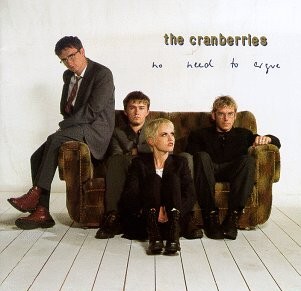
The Cranberries No Need to Argue album cover

1994

The Cranberries — No Need to Argue

Irish alt-rockVoice of the decadeBeauty and protest

No Need to Argue gave 90s alternative one of its most unmistakable voices. Dolores O’Riordan could sound fragile, fierce, ancient and completely modern inside the same phrase. The Cranberries had plenty of melodic beauty, but “Zombie” made it clear that beauty could carry protest, grief and fury without turning into background prettiness.

The album sits in a different emotional space than the American grunge and Britpop records around it. It is gentler in places, but not weaker. It has atmosphere, ache and sudden force. That range made The Cranberries essential to the decade’s broader alternative identity, especially for listeners who wanted songs that felt personal and political without wearing the same old uniform.

The deeper story

No Need to Argue brought The Cranberries fully into the center of the 90s alternative conversation, and Dolores O’Riordan’s voice is the reason the album could never be mistaken for anything else. She had a tone that could be delicate, keening, forceful and ancient-sounding in the span of a single line. That kind of identity is rare, and it gave the band a place no one else occupied.

“Zombie” is the unavoidable centerpiece, a protest song that became a global alternative anthem because the vocal refused to stay contained. But the album also has softer, more intimate moments like “Ode to My Family,” which show the band’s melodic warmth. That contrast matters. The Cranberries could be pretty, but they were never merely pretty. They carried grief, memory and political weight inside accessible songs.

Why it still matters

The album is essential because it widened the emotional and geographic map of 90s alternative. It was not Seattle, not California, not Britpop in the laddish sense, and not American post-grunge. It was Irish, haunted, melodic and deeply specific. That specificity made it universal.

It also belongs in the conversation around women who changed 90s alternative, because O’Riordan’s voice was not just technically distinct. It carried history. The album still resonates because some voices do not become nostalgic. They remain present.

Key Songs “Zombie,” “Ode to My Family,” “I Can’t Be with You,” “Ridiculous Thoughts”
Why It Defined the Decade It gave alternative rock a voice and emotional texture nobody else had.
Gen X Memory This was the album that made every chorus feel like it had been echoing through old stone walls before it hit the radio.
Still sounds haunting because Dolores O’Riordan did not come with an expiration date.

Keep rewinding: 50 Essential 90s Alternative Songs Women of 90s Alternative Rock 90s Music
21
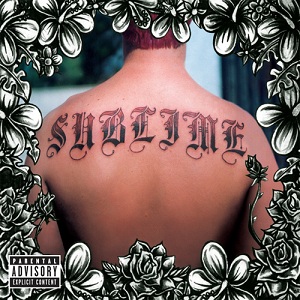
Sublime self-titled album cover

1996

Sublime — Sublime

Ska-punk hazeSoCal burnoutGenre crash

Sublime is messy, catchy, sunburned, tragic and impossible to separate from the late-90s alternative landscape. The album blended ska, punk, reggae, hip-hop, dub, beach-town burnout and bad decisions into a sound that felt casual until you realized how many hooks were hiding in it. It was not clean, and it was not supposed to be.

The album’s afterlife is complicated because the band’s story is complicated, but the songs became part of the decade’s DNA. “Santeria” and “What I Got” were everywhere. “Wrong Way” was uncomfortable and unforgettable. Sublime helped define the SoCal side of 90s alternative — less flannel, more heat shimmer, still plenty of damage.

The deeper story

Sublime is complicated, messy and culturally massive. The album came out into the shadow of Bradley Nowell’s death, which made its rise feel both celebratory and tragic. Musically, it fused ska, punk, reggae, dub, hip-hop, acoustic beach drift and street-corner storytelling into a sound that became inseparable from late-90s alternative culture.

The album’s looseness is part of its power. “What I Got” feels casual until you realize everyone knows it. “Santeria” is melodic, regretful and sunburned. “Wrong Way” is catchy and uncomfortable. “Doin’ Time” turns a Gershwin interpolation into a humid alternative radio staple. The record sounds like Southern California with the beautiful parts and the damaged parts left in the same frame.

Why it still matters

Sublime matters because it made the ska-punk/reggae-rock side of alternative unavoidable. It connects to ska-punk’s bright side, but it also has a darker, more burned-out quality than the horn-heavy party version. This was not just checkered belts and bounce. It was escape, addiction, humor, sadness and heat.

The album’s legacy is messy because the culture around it could be messy, too. But the songs remain part of the 90s because they captured a place and mood that no Seattle band, Britpop band or industrial act could have touched. It is alternative as beach-town damage, and the hooks still float.

Key Songs “Santeria,” “What I Got,” “Wrong Way,” “Doin’ Time”
Why It Defined the Decade It made ska-punk, reggae-rock and SoCal alternative unavoidable in the late 90s.
Gen X Memory This was the album playing from a car with windows down, questionable upholstery and someone insisting they were fine.
Still sounds like summer with consequences.

Keep rewinding: Ska-punk and 90s alternative 50 Essential 90s Alternative Songs 90s Music ska-punk in 90s alternative
22
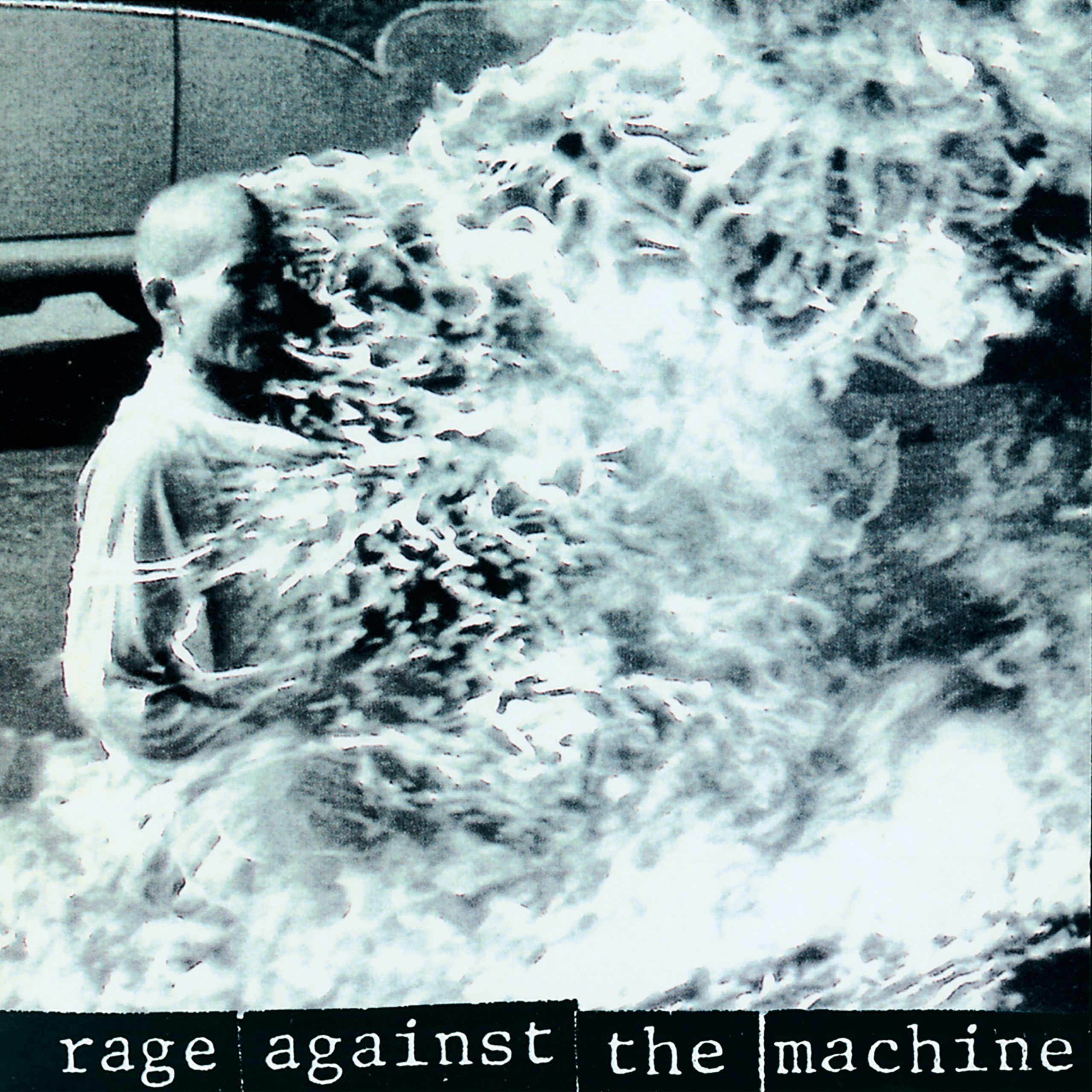
Rage Against the Machine self-titled album cover

1992

Rage Against the Machine — Rage Against the Machine

Rap-metal eruptionPolitical fireGuitar as weapon

Rage Against the Machine did not politely enter the 90s alternative conversation. It kicked in the door, broke the frame and started yelling about the system while Tom Morello made a guitar sound like it had learned electronics out of spite. The album fused rap, metal, funk and political fury into something that felt completely new to a lot of mainstream rock listeners.

Its importance is bigger than genre labels. Rage showed that alternative could be confrontational not just emotionally, but politically. The songs were built on groove and force, with Zack de la Rocha’s vocals hitting like protest chants sharpened into verses. This album made a lot of other angry rock suddenly sound like it was mad about parking.

The deeper story

Rage Against the Machine’s debut did not sound like a band asking to be added to alternative radio. It sounded like a manifesto with a rhythm section. The album fused rap delivery, metal riffs, funk groove and radical politics into a form that felt explosive because every piece had a job. Zack de la Rocha brought the fury and language. Tom Morello made the guitar sound like technology, machinery, sirens and sometimes pure sabotage.

The album’s impact came from precision as much as rage. “Bombtrack” introduces the mission. “Killing in the Name” became the obvious detonation, a protest song with one of the most famous release valves in 90s rock. “Bullet in the Head” and “Know Your Enemy” showed that the band could sustain the attack beyond one slogan. Rage were heavy, but they were also rhythmically locked in, which made the politics move.

Why it still matters

The album matters because it expanded alternative’s idea of anger. A lot of 90s rock was mad in personal, emotional or existential ways. Rage were mad at systems, power, policing, propaganda and capitalism, and they made that rage physically compelling. That made them distinct inside the broader 90s alternative world.

It still holds up because the sound remains urgent and the targets did not exactly retire. The album can make other angry records seem like they were mostly upset about vibes. Rage made anger organized, grooving and impossible to ignore.

Key Songs “Killing in the Name,” “Bombtrack,” “Bullet in the Head,” “Know Your Enemy”
Why It Defined the Decade It expanded 90s alternative into political rap-metal without losing groove or urgency.
Gen X Memory This was the album that made suburban bedrooms briefly feel like revolutionary headquarters, posters and all.
Still sounds furious because, inconveniently, the world kept providing material.

Keep rewinding: 90s Alternative & Grunge 90s Music 90s alternative songs that defined the decade industrial rock in the 90s
23
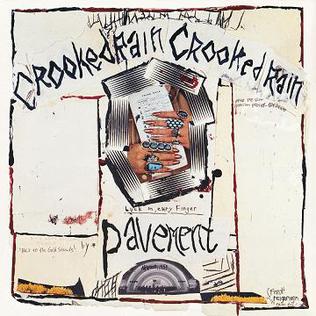
Pavement Crooked Rain Crooked Rain album cover

1994

Pavement — Crooked Rain, Crooked Rain

Indie slackAnti-anthem anthemCollege-radio royalty

Crooked Rain, Crooked Rain is Pavement sounding almost accessible, which is a funny thing to say about an album that still feels like it is shrugging at the idea of accessibility. It has melody, wit, guitar looseness and enough indie-rock attitude to make polished ambition seem vaguely embarrassing. “Cut Your Hair” became the entry point, but the album runs deeper than the joke.

Pavement mattered because they gave 90s alternative its anti-rock-star conscience. They were smart, crooked, casual and suspicious of bigness. While other bands were making generational statements, Pavement sounded like they had misplaced the statement and found a better riff instead. That looseness became hugely influential, especially for the indie side of the decade.

The deeper story

Crooked Rain, Crooked Rain is Pavement’s almost-mainstream album, which means it still sounds like the band is allergic to standing up straight. The record is melodic, loose, funny and full of sideways choices. It has enough hooks to invite people in, but enough slacker-indie weirdness to keep the wrong people from getting too comfortable.

“Cut Your Hair” became the closest thing to a hit, partly because it turned music-industry image games into a deadpan singalong. “Gold Soundz” is one of the decade’s most beloved indie songs for good reason: it feels casual and profound without trying to prove either. “Range Life” pokes at the alternative moment itself, which is a very Pavement thing to do while standing inside that same moment.

Why it still matters

The album is essential because it represents the indie conscience of 90s alternative. Not every important record was built for MTV saturation. Some were built for college radio, mixtapes, used-CD recommendations and people who had strong opinions about selling out before they had anything to sell. It is central to slacker alternative.

It still works because the songs are better constructed than their casual surface suggests. Pavement often sounded like they were shrugging, but the shrug had architecture. That is the trick: make brilliance look like it forgot its keys.

Key Songs “Cut Your Hair,” “Gold Soundz,” “Range Life,” “Silence Kit”
Why It Defined the Decade It defined the slacker-indie side of 90s alternative without playing by mainstream rules.
Gen X Memory This was the album for people who said they did not care and then absolutely cared which pressing someone owned.
Still sounds like genius pretending it forgot to study.

Keep rewinding: Weezer, Beck and slacker alternative 25 Forgotten 90s Alternative Songs 90s Alternative & Grunge slacker alternative
24
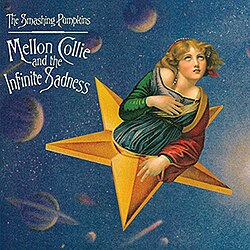
The Smashing Pumpkins Mellon Collie and the Infinite Sadness album cover

1995

The Smashing Pumpkins — Mellon Collie and the Infinite Sadness

Double-album ambitionAlt-rock maximalismZero chill

Mellon Collie and the Infinite Sadness is ridiculously ambitious in a way that only the mid-90s could have allowed. A sprawling double album from an alternative band became a mainstream event, which tells you how much the decade had shifted. The Smashing Pumpkins went bigger, moodier and more theatrical, moving from lullabies to rage spirals to orchestral drama like restraint had been legally banned.

The album matters because it captured 90s alternative at its most maximal. “1979” became a perfect memory song. “Bullet with Butterfly Wings” turned frustration into a slogan. “Tonight, Tonight” made the band feel cinematic. It is messy because double albums are messy. But the mess is part of the point. The decade was big enough for this kind of overreach, and somehow the overreach became iconic.

The deeper story

Mellon Collie and the Infinite Sadness is the sound of a band deciding that one disc was not enough for its feelings, which is possibly the most mid-90s thing ever done legally. The album is sprawling, uneven, beautiful, ridiculous, heavy, delicate and completely unwilling to be modest. That overreach is exactly why it belongs here.

The singles alone cover a ridiculous amount of ground. “Bullet with Butterfly Wings” turns frustration into a slogan. “1979” captures teenage drift better than almost any song of the decade. “Tonight, Tonight” goes full orchestral moon-launch drama. “Zero” is pure leather-jacket sneer. The album can move from lullaby to apocalypse in minutes, which is not subtle but is definitely effective.

Why it still matters

This record matters because it shows alternative at peak commercial ambition. The fact that a double album this dramatic could become a mainstream event says a lot about how much room the 90s briefly gave its biggest rock bands. It was a moment when alternative could be weird, massive and overstuffed and still feel central.

It also captures adolescence as scale problem: every feeling too large, every night important, every disappointment cosmic. That is why “1979” still resonates so hard. Under all the grandeur, Mellon Collie understands the small sadness of driving around with nowhere to go.

Key Songs “1979,” “Tonight, Tonight,” “Bullet with Butterfly Wings,” “Zero”
Why It Defined the Decade It showed how massive and theatrical alternative rock could become at its commercial peak.
Gen X Memory This was the album for anyone whose feelings required two discs and a dramatic title.
Still sounds like ambition wearing eyeliner and refusing to pick a lane.

Keep rewinding: 50 Essential 90s Alternative Songs 90s Alternative & Grunge 90s Music 50 essential 90s alternative songs
25
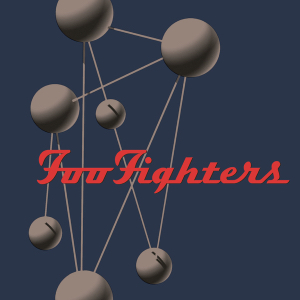
Foo Fighters The Colour and the Shape album cover

1997

Foo Fighters — The Colour and the Shape

Post-grunge rebirthDave Grohl ascendsRadio-rock muscle

The Colour and the Shape turned Foo Fighters from a post-Nirvana question mark into a real band with its own identity. Dave Grohl did not try to recreate grunge mythology. He built a louder, cleaner, more melodic version of alternative rock that could survive the late-90s radio shift while still carrying emotional weight.

The album’s key is range. “Monkey Wrench” has frantic punch. “My Hero” became a big-hearted anthem. “Everlong” is one of the decade’s most durable songs because it feels urgent, romantic and haunted without tipping into cornball territory. This is where post-grunge and alternative radio rock found one of their best possible versions.

The deeper story

The Colour and the Shape is where Foo Fighters stopped feeling like a Dave Grohl survival project and became one of the defining bands of the post-grunge era. That context matters. Grohl had to build something new while standing in the shadow of one of the biggest and most tragic stories in 90s rock. The album succeeds because it does not try to recreate Nirvana. It finds a different emotional engine.

The record is full of tension between melody and blast. “Monkey Wrench” is frantic and hooky. “My Hero” is earnest without fully collapsing into cheese. “Everlong” is the masterpiece, a song that captures urgency, longing and emotional lift with almost unfair efficiency. It sounds romantic, desperate and aerodynamic all at once, which is why it never really left the culture.

Why it still matters

The album helped define the better side of post-grunge and radio rock. It showed that the next phase after grunge did not have to be a pale imitation. It could be more melodic, cleaner and built for longevity while still carrying real feeling.

It also set up the Foo Fighters as a long-haul rock band, which almost nobody could have predicted in the early 90s. The album has enough 90s DNA to belong to the decade and enough songwriting strength to keep working long after the format changed. That is harder than it sounds. Ask all the bands that did not make it out of the jewel case era.

Key Songs “Everlong,” “Monkey Wrench,” “My Hero,” “Walking After You”
Why It Defined the Decade It helped define the late-90s transition from grunge aftermath to long-haul alternative radio rock.
Gen X Memory This was the album that made people realize Dave Grohl was not just surviving the 90s. He was building the next room.
Still works because “Everlong” refuses to age like a normal song.

Keep rewinding: Post-grunge and radio rock 50 Essential 90s Alternative Songs 90s Alternative & Grunge post-grunge and radio rock
26
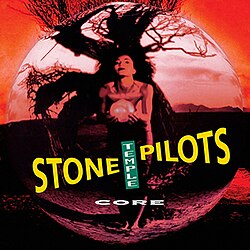
Stone Temple Pilots Core album cover

1992

Stone Temple Pilots — Core

Grunge-adjacent powerMTV heavy rotationBig riffs

Core has always had a complicated place in the 90s alternative story, partly because Stone Temple Pilots were instantly accused of being too close to the Seattle sound. Time has been kinder than the initial arguments. The album has massive riffs, Scott Weiland’s magnetic presence and songs that were built for MTV and rock radio whether critics wanted to admit it or not.

What makes Core important is how it helped spread the grunge-adjacent sound beyond the original Seattle mythology. “Plush” became unavoidable because it had the vocal drama and guitar weight radio wanted. The album also pointed toward the post-grunge wave that would follow, where mood, melody and heavy guitars became the default language of modern rock.

The deeper story

Core was controversial partly because Stone Temple Pilots arrived just as the industry was trying to bottle the Seattle sound and sell it by the pallet. Critics were quick to call them derivative, and there is no pretending the timing did them favors. But decades later, the album’s strengths are easier to hear without the authenticity police yelling over the speakers.

“Plush” is a massive song, full stop. Scott Weiland’s vocal presence gave the band drama and identity, while the DeLeo brothers brought riffs and arrangements that were sturdier than the early criticism suggested. “Sex Type Thing” has menace, “Wicked Garden” has drive, and “Creep” gave the album a softer, moodier radio side. Core knew exactly how to hit the early-90s modern rock nerve.

Why it still matters

The album matters because it helped spread grunge-adjacent rock beyond the original Seattle scene. Whether people loved or hated the idea, this was part of how alternative became a national radio language. It sits right on the bridge between grunge and post-grunge radio rock.

It also proved STP had more staying power than their early dismissals allowed. The band would evolve quickly, but Core remains the sound of that first impact: heavy, moody, dramatic and absolutely everywhere. Sometimes the backlash becomes dated faster than the album.

Key Songs “Plush,” “Creep,” “Sex Type Thing,” “Wicked Garden”
Why It Defined the Decade It helped turn grunge’s sound into a broader national rock-radio movement.
Gen X Memory This was the CD that seemed to be in every car, every locker and every used bin for the next decade.
Still stronger than the old authenticity arguments made it seem.

Keep rewinding: Post-grunge and radio rock Best 90s Grunge Albums 50 Essential 90s Alternative Songs post-grunge and radio rock
27
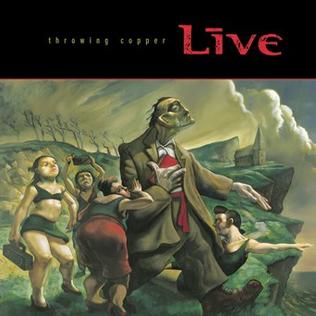
Live Throwing Copper album cover

1994

Live — Throwing Copper

Post-grunge intensitySpiritual angstRadio dominance

Throwing Copper is one of the major albums in the moment when alternative started becoming modern rock radio’s default setting. Live had huge emotional intensity, spiritual imagery, big choruses and a sound that felt serious in the way mid-90s radio often rewarded. The album was everywhere, even if later nostalgia sometimes underrates how dominant it was.

“Lightning Crashes” became the massive cultural memory, but “I Alone,” “All Over You” and “Selling the Drama” show the full radio power of the record. It is earnest to a degree that later listeners sometimes mock, but that earnestness was part of the decade. Not everything was irony and flannel sarcasm. Some bands stared directly into the big feelings and refused to blink.

The deeper story

Throwing Copper was one of the major albums in the moment when alternative became modern rock’s default emotional setting. Live had a seriousness that was easy to parody later, but in the mid-90s it connected because the songs felt huge and sincere at a time when sincerity had not yet been fully internet-poisoned. The band leaned into spiritual imagery, life-and-death stakes and choruses that sounded built to echo.

“Lightning Crashes” became the album’s defining song, but the record had a deep radio run. “Selling the Drama,” “I Alone” and “All Over You” helped make Live one of the era’s dominant modern rock acts. The album is polished enough for mass reach but still carries enough intensity to belong to the alternative moment. It is earnest, yes. But the 90s were more earnest than people now pretend.

Why it still matters

The album matters because it shows how alternative’s emotional language moved into the mainstream after the first grunge explosion. It is a key piece of alternative becoming radio rock, especially the version that wanted big feelings, spiritual tension and cathartic choruses.

It still deserves discussion because it was genuinely massive and because its influence is baked into the sound of mid-90s modern rock. Not every defining album has to be cool now. Some defined the decade by being everywhere when the decade was happening, which is kind of the job.

Key Songs “Lightning Crashes,” “I Alone,” “All Over You,” “Selling the Drama”
Why It Defined the Decade It made emotional post-grunge one of the central sounds of mid-90s modern rock.
Gen X Memory This was the album for people who wanted their radio rock intense, spiritual and slightly overdramatic in a candlelit way.
Still sounds like it believes every chorus is a life event.

Keep rewinding: Post-grunge and radio rock 50 Essential 90s Alternative Songs 90s Alternative & Grunge post-grunge and radio rock
28
Bush Sixteen Stone album cover

1994

Bush — Sixteen Stone

Post-grunge polishBritish grunge echoRadio-ready angst

Sixteen Stone is one of the clearest examples of grunge’s sound becoming a radio-ready international language. Bush were not Seattle, and everyone knew it, but the album hit because it translated distortion, moodiness and wounded vocals into songs that were direct enough for constant airplay. It was polished angst with just enough grit to pass through the decade’s filter.

The singles are the story: “Glycerine,” “Machinehead,” “Comedown,” “Everything Zen.” That run made Bush a defining band of modern rock radio whether people want to admit it or not. The album may not have invented the sound, but it shows how quickly 90s alternative became a global style that could be adapted, packaged and still connect.

The deeper story

Sixteen Stone is one of the clearest examples of alternative becoming a repeatable radio formula, but that does not mean the songs did not work. Bush took the mood, distortion and vocal weight associated with grunge and streamlined it into a British-made modern rock album that American radio devoured. Was it derivative? Sure. Was it effective? Also sure. The 90s were complicated like that.

The singles were relentless. “Everything Zen” introduced the band with cryptic cool. “Comedown” had that long, moody drift. “Machinehead” hit harder and cleaner. “Glycerine” became the stripped-down emotional centerpiece. Gavin Rossdale’s vocals and the band’s polished guitar sound made the album feel accessible without losing the rainy-window vibe rock radio wanted.

Why it still matters

The album matters because it captures the moment alternative was no longer just a movement but a market. That can sound cynical, but it is historically important. Sixteen Stone helped define what post-grunge radio would sound like for years: melodic, moody, guitar-heavy and emotionally direct enough to reach a massive audience.

It also belongs in the “songs you forgot were huge” part of the decade because these tracks were inescapable. Maybe too inescapable. But if you are telling the story of 90s alternative albums honestly, the records that dominated the actual airwaves have to be in the room, even if they show up wearing wet hair and dramatic lighting.

Key Songs “Glycerine,” “Machinehead,” “Comedown,” “Everything Zen”
Why It Defined the Decade It turned the grunge aftershock into sleek, dominant radio rock.
Gen X Memory This was the album that made every chorus sound like it was standing in the rain for dramatic effect.
Still captures the exact moment alternative became polished enough to take over every station.

Keep rewinding: Post-grunge and radio rock 90s Alternative Songs You Forgot Were Huge 50 Essential 90s Alternative Songs post-grunge and radio rock
29
Failure Fantastic Planet album cover

1996

Failure — Fantastic Planet

Cult classicSpace-grungeAged beautifully

Fantastic Planet is the kind of album that makes people angry at history for not doing a better job the first time. Failure made a heavy, spacey, melodic, emotionally damaged record that did not fully fit the commercial categories around it. It was too sleek and strange to be basic post-grunge, too heavy to be dream-pop and too good to stay buried forever.

The album’s reputation has grown because it aged beautifully. The production feels spacious and modern, the songs have weight without bloat, and the addiction imagery gives the whole thing a sense of drifting danger. “Stuck on You” is the gateway, but the album works as a full atmosphere. It is one of the great 90s alternative records that more people discovered late than on time.

The deeper story

Fantastic Planet is the album that makes you question the timeline. Failure made a record in 1996 that sounds like it should have been more widely recognized then, and also like it was designed to be discovered years later by people wondering why some “forgotten” bands aged better than the famous ones. It is heavy, sleek, sad, spacious and weirdly futuristic.

The album’s sequencing and atmosphere are a big part of its power. It feels like a complete world, not just a set of singles. “Stuck on You” gives the album its most accessible entry point, but songs like “Saturday Saviour,” “The Nurse Who Loved Me” and “Heliotropic” show the deeper mood: addiction, distance, orbit, numbness and guitar tones that seem to hang in the air after the song ends.

Why it still matters

This is one of the key cult albums in the 90s alternative universe. It connects directly to forgotten 90s alternative songs because Failure were never as commercially big as they should have been, but the listeners who found them tended to hold on hard.

The album still matters because it predicted a heavier, more atmospheric strain of alternative rock that later bands would draw from. It does not feel trapped in 1996. It feels like 1996 accidentally opened a hatch into somewhere colder and more interesting.

Key Songs “Stuck on You,” “Saturday Saviour,” “The Nurse Who Loved Me,” “Heliotropic”
Why It Defined the Decade It became one of the decade’s most respected cult alternative albums because it sounded built for after the decade ended.
Gen X Memory This was the album your cooler friend insisted was better than the stuff on the radio, and annoyingly, they were right.
Still sounds like post-grunge got stranded in orbit and came back smarter.

Keep rewinding: 25 Forgotten 90s Alternative Songs 90s alternative songs that defined the decade 90s Alternative & Grunge 25 forgotten 90s alternative songs
30
Hum You'd Prefer an Astronaut album cover
Hum You’d Prefer an Astronaut album cover

1995

Hum — You’d Prefer an Astronaut

Space fuzzHidden giantGuitar atmosphere

You’d Prefer an Astronaut is not the biggest 90s alternative album on this list, but it is one of the most important for understanding how deep the decade went beyond the obvious hits. Hum built a massive, dreamy, distorted sound that felt like shoegaze, grunge and science fiction had all decided to split rent. “Stars” gave the band a real modern rock moment, but the album has much more to offer.

The record still matters because it represents the hidden architecture of 90s alternative: the bands that did not become household names but quietly influenced the way heavy, atmospheric guitar music would evolve. It is loud without being blunt, dreamy without being weak and emotional without making speeches. That combination makes it feel more current now than some records that were much bigger at the time.

The deeper story

You’d Prefer an Astronaut is the album for anyone who knows 90s alternative was deeper than the same dozen songs. Hum had a real hit with “Stars,” but the album around it is the bigger discovery: a huge, fuzzy, space-obsessed guitar record that feels both heavy and weightless. It is the sound of distortion floating instead of stomping.

The album sits in a strange and beautiful pocket between shoegaze, grunge, post-hardcore atmosphere and modern rock radio. “Stars” is the entry point because it has the perfect balance of dreamy vocal detachment and massive guitar impact, but the rest of the record stretches that mood into a full environment. It feels like someone built a planet out of pedals and melancholy.

Why it still matters

Hum matter because they represent the hidden depth of the 90s alternative map. Not every important band became a household name. Some became a password among people who cared enough to dig. That is why this album belongs near 90s alternative songs that still sound modern and the deeper modern rock conversation.

It still works because it did not chase the most obvious trends of its moment. It took the decade’s love of big guitars and pointed them upward instead of inward. The result is one of the great “how was this not bigger?” albums of the 90s, which is basically a full genre at this point.

Key Songs “Stars,” “The Pod,” “I’d Like Your Hair Long,” “Little Dipper”
Why It Defined the Decade It preserved the deep-cut, space-rock side of 90s alternative that still keeps getting rediscovered.
Gen X Memory This was the album for people who wanted their guitar walls to come with stars, static and mild existential dread.
Still sounds like the best song on the radio was only the doorway.

Keep rewinding: 25 Forgotten 90s Alternative Songs 90s alternative songs that defined the decade Modern rock radio in the 90s 25 forgotten 90s alternative songs

FAQ: Best 90s Alternative Albums

What are the best 90s alternative albums?

Some of the best 90s alternative albums include Nirvana’s Nevermind, Radiohead’s OK Computer, Pearl Jam’s Ten, Alanis Morissette’s Jagged Little Pill, The Smashing Pumpkins’ Siamese Dream, Nine Inch Nails’ The Downward Spiral, Soundgarden’s Superunknown, Alice in Chains’ Dirt, Green Day’s Dookie, No Doubt’s Tragic Kingdom, Weezer’s Blue Album and Beck’s Odelay.

What counts as a 90s alternative album?

A 90s alternative album can include grunge, Britpop, industrial rock, alt-pop, slacker rock, ska-punk, post-grunge, college rock, indie rock and modern rock radio albums that helped define the decade outside traditional mainstream pop and classic rock formats.

Is this the same as a best 90s grunge albums list?

No. A best 90s grunge albums list focuses mainly on Seattle and grunge-adjacent records. This broader list includes grunge, but also covers Radiohead, Alanis Morissette, No Doubt, Nine Inch Nails, Weezer, Beck, Oasis, Blur, Pulp, Garbage, The Breeders, R.E.M., Sublime and more.

Why are some huge albums ranked lower than expected?

This list balances popularity, influence, replay value, decade-defining impact and how well each album represents the wider 90s alternative world. Some albums were massive radio records, while others shaped the deeper sound of the decade.

What 90s alternative album should I start with?

Start with Nevermind for the cultural explosion, OK Computer for the late-decade future shock, Ten for arena-sized grunge, Jagged Little Pill for alt-pop anger, The Blue Album for nerdy power-pop and Odelay for the weird sample-heavy side of 90s alternative.

Get the Weekly Gen X Drop

New videos, rewinds, and savage nostalgia — first.

SUBSCRIBE WATCH VIDEOS

MORE REWINDS