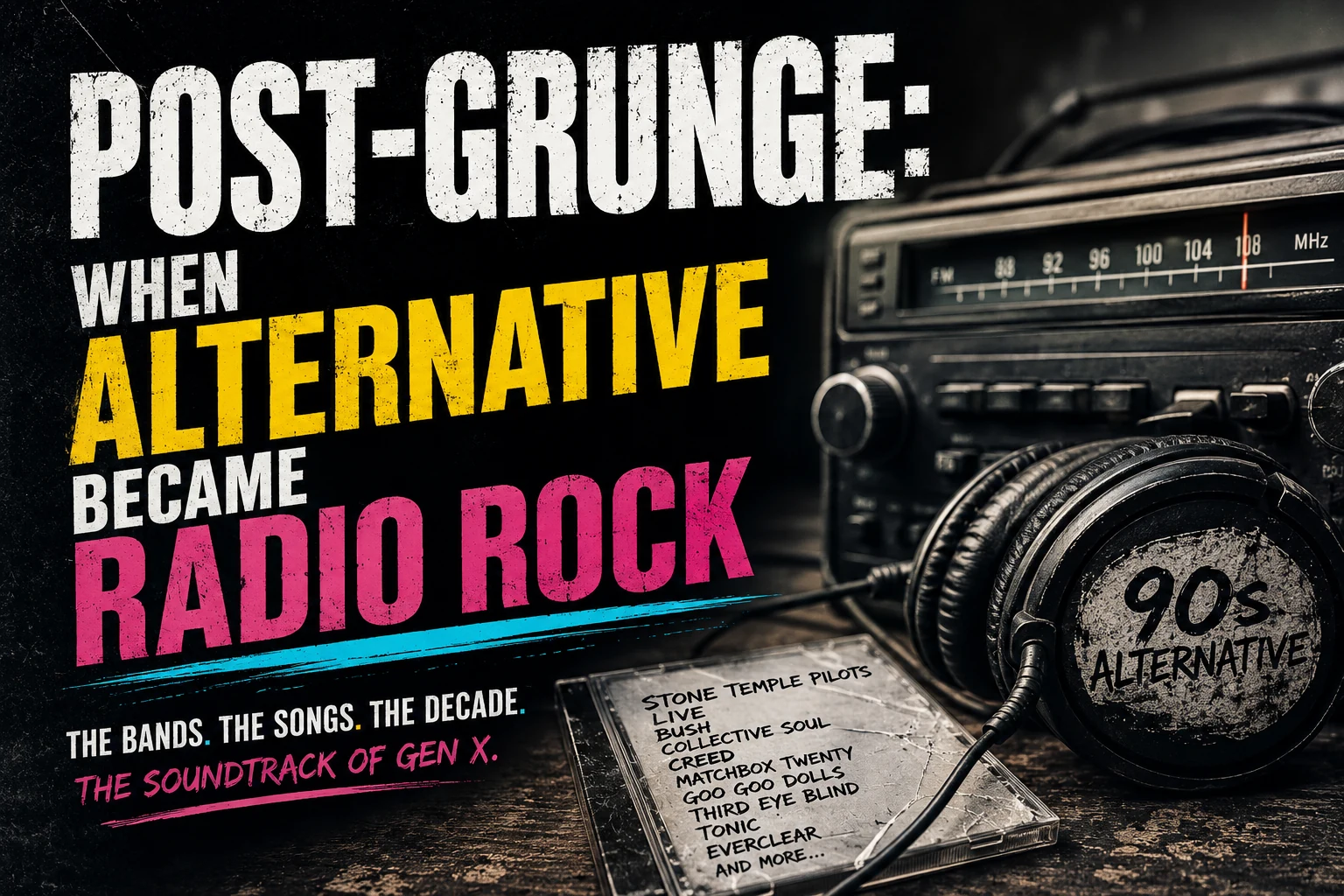
Post-Grunge: When Alternative Became Radio Rock
Grunge kicked the door open. Post-grunge walked in afterward, cleaned some of the mud off the boots, turned the weirdness down just enough for radio, and somehow made raspy dudes processing feelings over mid-tempo guitars the official background noise of the late 90s.
After 90s alternative and grunge blew apart the old rock template, MTV and modern rock radio needed more bands, more hooks, more guitar angst and more songs that could sit between Seattle gloom, MTV buzz, mall record stores and every scratched CD living in a giant zip-up binder. That is where post-grunge took over, right in the messy middle of the bigger 90s music takeover.
This was the sound after the explosion.
Post-grunge was not one single scene. It was what happened when grunge, alternative rock, MTV, modern rock radio, major labels, soundtrack culture and Gen X emotional damage all got shoved into the same car with a busted cassette adapter.
Quick Answer: What Was Post-Grunge?
Post-grunge was the radio-friendly wave of 90s alternative rock that followed the grunge explosion. It took pieces of grunge — distorted guitars, serious moods, emotional vocals, darker lyrics and anti-glam attitude — and reshaped them into a bigger, cleaner, more accessible MTV and modern rock radio sound.
The biggest post-grunge and post-grunge-adjacent bands included Stone Temple Pilots, Live, Bush, Collective Soul, Candlebox, Silverchair, Better Than Ezra, Seven Mary Three, Tonic, Everclear, Creed, Matchbox Twenty, Goo Goo Dolls and Third Eye Blind. Some of it ruled. Some of it got overproduced. Some of it became formula. Welcome to the 90s, where authenticity eventually got a barcode.
Post-grunge makes the most sense as the next chapter after grunge killed hair metal, Seattle grunge rose and fell, and MTV turned alternative rock into shared Gen X culture.
Need the Bigger 90s Alternative Map?
This page covers what happened after the first blast wave. For the full visual command center, jump to the 90s Alternative & Grunge Hub. For the big editorial story of the whole movement, go to the 90s Alternative & Grunge pillar post.
Grunge Broke the Door Open. Radio Built the Format.
The early 90s rock reset happened fast. One minute, glossy hair metal was still acting like the party would never end. The next minute, everything smelled like thrift stores, distortion pedals, rain, deadpan sarcasm and feelings nobody had been properly trained to identify.
Nirvana made mainstream rock feel unstable again. Pearl Jam made it earnest and huge. Soundgarden dragged in metal, psychedelia and weird time signatures. Alice in Chains made darkness sound heavy, melodic and permanent. If you want the blast radius, start with the Big 4 of Grunge, then rewind through how Nirvana changed 90s music, Pearl Jam’s more human side of grunge, Soundgarden’s heavy weirdness, Alice in Chains’ darker sound and the 90s grunge songs that still hit hard.
But once labels, radio stations and MTV realized alternative rock was not just some flannel weather event, the machine did what the machine always does: it tried to repeat the feeling. Not exactly. The original stuff was too strange, too regional, too emotional, too loud in the wrong places and too tied to personalities nobody could safely manufacture.
So the industry kept the parts that could travel: heavy guitars, wounded vocals, darker lyrics, serious videos, anti-glam visuals and choruses that made people feel like their personal problems had suddenly been mixed for FM radio.
Modern rock stations needed songs that sounded alternative enough for the new decade, but structured enough to play all day without terrifying someone on their lunch break.
What MTV wanted Moody but watchableMTV needed videos with angst, attitude and atmosphere — but also bands that could become recognizable faces in between Buzz Bin, Alternative Nation and the next weird late-night clip.
What labels wanted The next repeatable thingThe old rock fantasy had cracked. Labels needed guitar bands that felt serious, sold CDs, toured hard and looked like they had never willingly owned a sequined jacket.
What Gen X got Car-stereo therapyPost-grunge became the sound of driving nowhere, working a shift, sitting in parking lots, pretending not to care and absolutely caring way too much.
The Major Post-Grunge Bands That Took Over 90s Radio
Post-grunge was not one tidy little sound. It had heavier bands, smoother bands, teenage bands, radio-middle-lane bands, crossover bands and a few acts that critics tried to dismiss while everyone else kept buying the CDs. The whole thing was messy, which is usually how you know it was real.
Stone Temple Pilots: Grunge-Era Weight With Radio Instincts
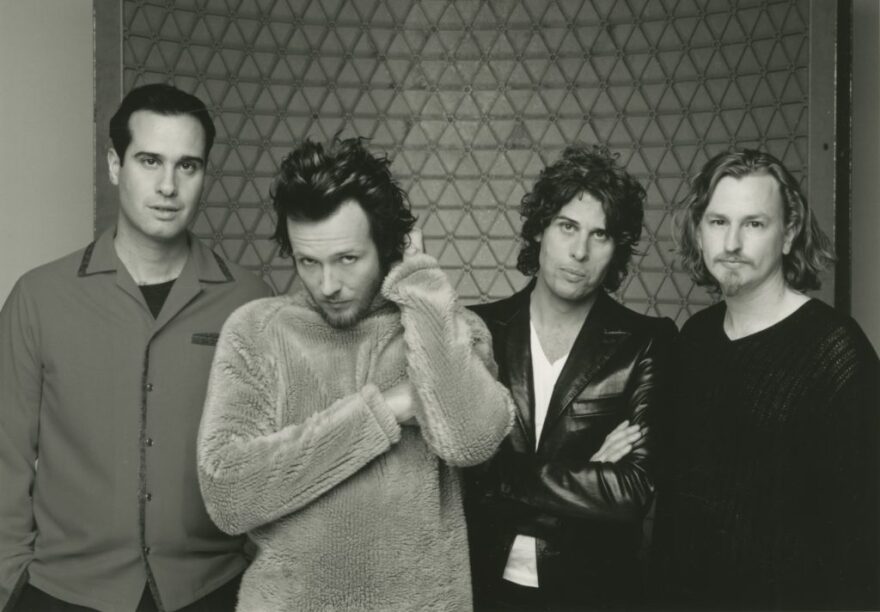
Stone Temple Pilots sit right on the fault line between grunge and post-grunge. When Core arrived in 1992, critics were quick to shove them into the grunge-copycat drawer and slam it shut. That was always too easy. Yes, the early sound had thick guitars, heavy grooves and Scott Weiland singing in a lower, darker register that made the comparisons unavoidable. But STP were never just Seattle cosplay.
They were more glam, more psychedelic, more arena-ready and more shapeshifting than they were often given credit for at the time. “Plush” became the early calling card because it had the darker mood of grunge but the chorus muscle of mainstream rock. It sounded wounded, slick, heavy and huge all at once.
Then Purple made the picture more interesting. “Interstate Love Song” and “Vasoline” proved STP could write compact, strange, deeply memorable rock songs with swagger and hooks. “Interstate Love Song” especially became one of those songs that sounded good everywhere: modern rock radio, a used car with bad speakers, a gas station in 1995, or your friend’s bedroom while everyone pretended not to be impressed.
STP mattered because they helped show how alternative heaviness could become radio-flexible without turning completely bland. They had riffs, danger, personality, hooks and actual charisma. Post-grunge would borrow a lot from that balance, sometimes well and sometimes like a photocopy of a photocopy. Best 90s Alternative Albums MTV Alternative Rock Takeover
Live: Spiritual Angst, Giant Choruses and Throwing Copper Everywhere
Live were one of the biggest bands of the mid-90s serious-rock moment. Their 1994 album Throwing Copper became a monster, and for a while it felt like every radio station had legally agreed to play “I Alone,” “All Over You,” “Selling the Drama” or “Lightning Crashes” once every 11 minutes.
Live had a different kind of intensity than the Seattle bands. They were less sludgy, more spiritual, more searching, more dramatic. Ed Kowalczyk sang like every line had the weight of a breakup, a religious vision and an argument with your own reflection happening at the same time.
That made Live easy to parody later, because the 90s had no shortage of extremely serious men singing extremely serious things under extremely serious lighting. But in the moment, Live worked. Throwing Copper was not just a singles machine. It was a full CD-era experience. You bought it, kept it in the binder, learned the hits through radio repetition and then found album tracks that made the whole thing feel bigger, stranger and more intense than the singles alone.
Live helped define post-grunge because they made emotional rock feel massive without needing glam-rock flash or metal theatrics. They were earnest in a decade that pretended not to be earnest. That alone was risky. 90s Alternative Songs That Defined the Decade 50 Essential 90s Alternative Songs
Bush: Glossy Grunge Vibes, Big Hooks and Sixteen Stone
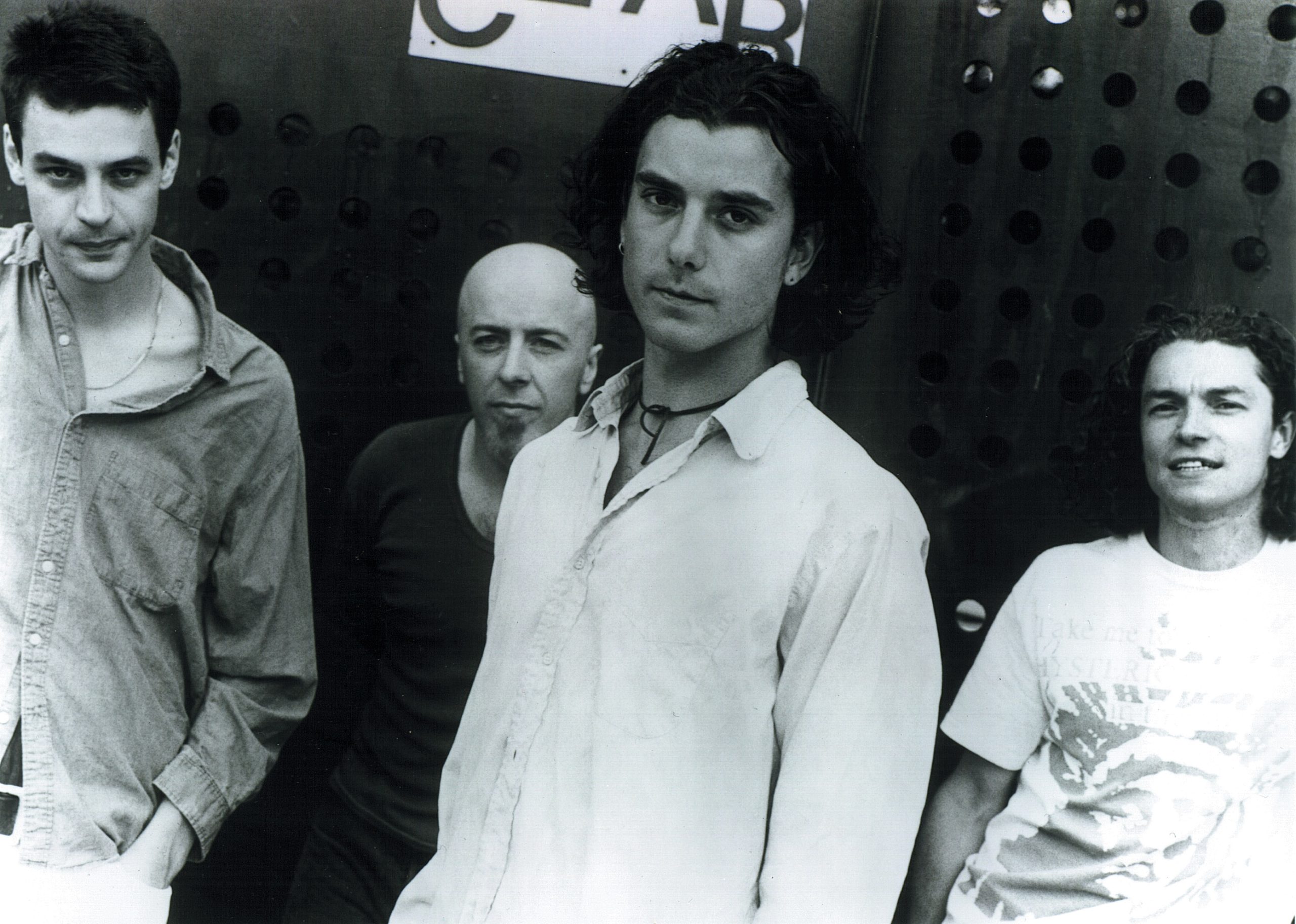
Bush arrived with Sixteen Stone and immediately became one of the most unavoidable alternative rock bands of the decade. “Everything Zen,” “Little Things,” “Comedown,” “Glycerine” and “Machinehead” were everywhere: MTV, radio, bedrooms, cars, malls, probably the air vents at Sam Goody.
Critics hammered Bush for sounding too obviously influenced by American grunge, especially Nirvana. And sure, the influence was not exactly hiding in witness protection. But Sixteen Stone worked because it delivered exactly what 1994 and 1995 rock radio wanted: crunchy guitars, dramatic vocals, simple but effective riffs, huge choruses and a frontman who looked like MTV had grown him in a lab under blacklight.
Gavin Rossdale’s voice and image gave Bush a slicker, more glamorous version of post-grunge angst. The songs had enough grit to pass the modern rock test, but enough polish to become massive. “Glycerine” especially turned vulnerability into a lighter-waving 90s moment, even though half the audience was probably holding a Mountain Dew instead.
Bush mattered because they showed how far the sound had traveled. Grunge was no longer a local scene or a regional mood. It had become a global language, and Bush translated it into something sleek, moody and very, very playable. MTV Alternative Rock Takeover post-grunge and radio rock
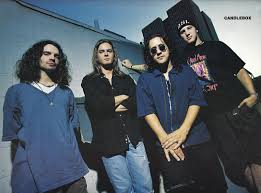
Collective Soul and Candlebox: Big Feelings, Bigger Choruses
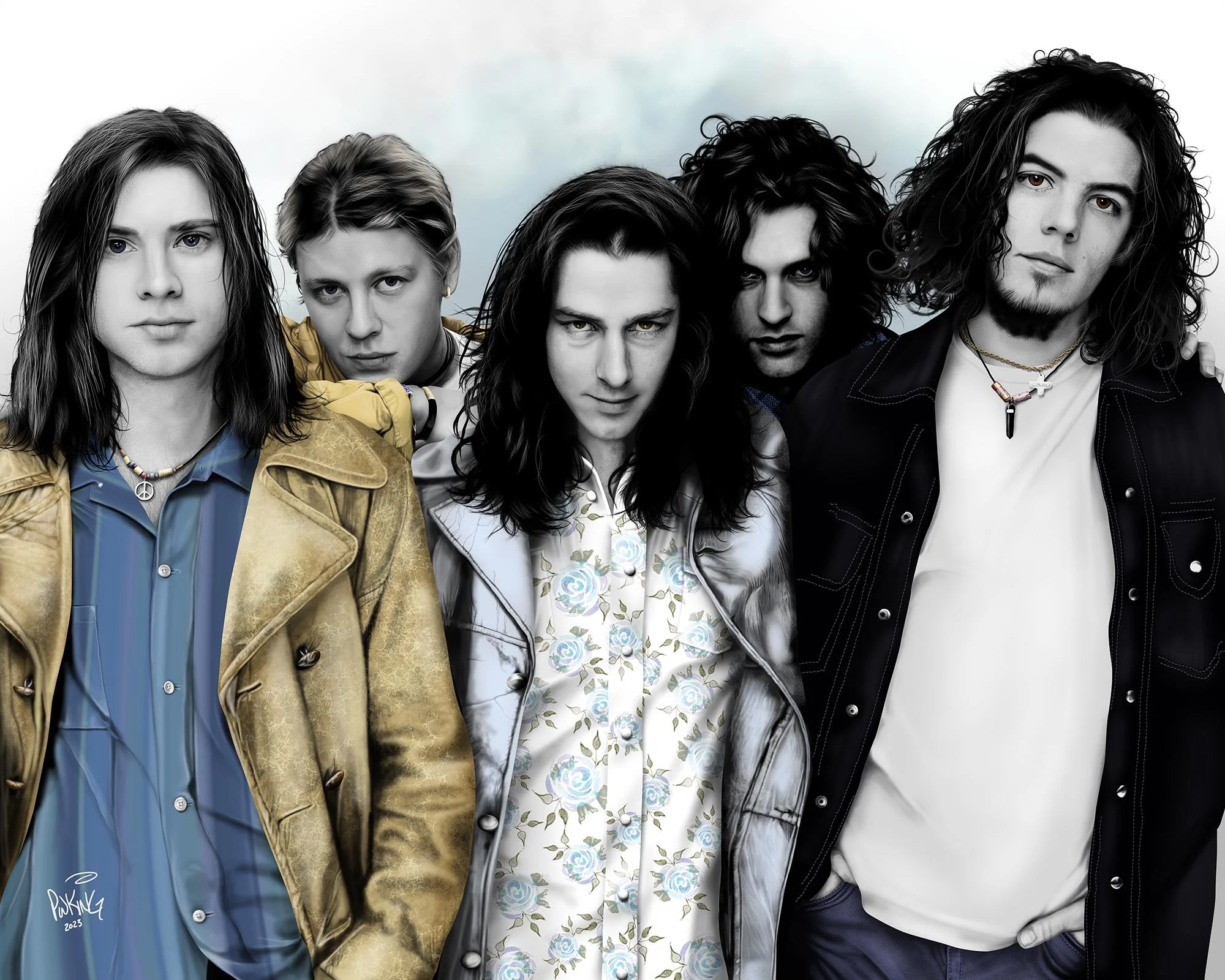
Not every post-grunge band sounded like it crawled out of a damp rehearsal room. Some of the biggest acts leaned into melody, classic-rock instincts and a cleaner kind of heaviness. That smoother side mattered because it helped post-grunge escape the Seattle shadow and become part of broader 90s radio rock.
Collective Soul were one of the clearest examples. “Shine” was absolutely everywhere, with that giant riff and the kind of chorus that could turn a normal drive into a steering-wheel performance. But Collective Soul were not pure grunge. They had more Southern rock, classic rock and power-pop DNA in the mix. Their songs were cleaner, brighter and more direct.
“December,” “Gel” and “The World I Know” helped create a version of alternative rock that could sit comfortably on modern rock radio, mainstream rock radio and adult-leaning playlists without changing clothes. They were alternative enough for the decade, but not so dark or strange that your uncle with a Tom Petty tape in the car started complaining.
Candlebox lived closer to the grunge moment, especially because they came from Seattle and arrived at exactly the right time to get dragged into that conversation. Their 1993 debut was huge, powered by “Far Behind,” “You” and “Cover Me.” “Far Behind” was not a footnote if you lived through it. That song practically rented space on rock radio.
Candlebox had heavier guitars, dramatic vocals and direct emotional punch, but they also had the huge choruses and radio-ready production that made them a major part of post-grunge’s rise. Grief, longing and big release — packaged for the CD era, but still real enough to hit. 25 Forgotten 90s Alternative Songs 90s Alternative Songs That Defined the Decade
Silverchair: Frogstomp and the Teenage Distortion Boom
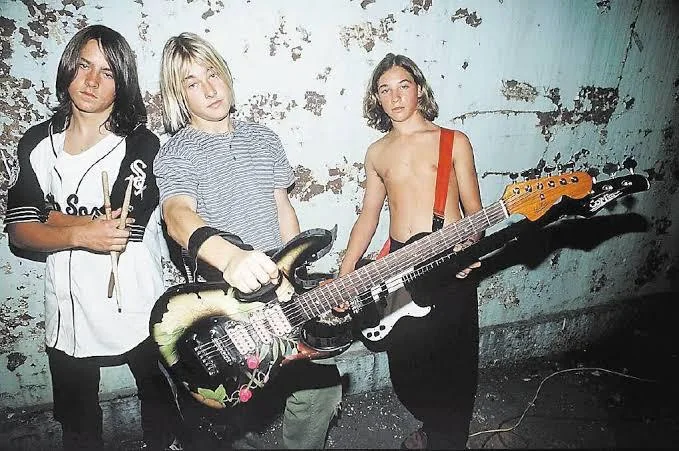
Silverchair made a lot of adults suddenly feel ancient. When Frogstomp arrived in 1995, the band members were still teenagers, and the whole thing sounded like grunge had been absorbed through bedroom walls, blasted across the planet and fired back through a wall of distortion.
“Tomorrow” became the breakout hit because it was exactly the kind of song mid-90s rock radio could not resist: quiet-loud dynamics, heavy guitars, alienated vocals and a chorus that could punch through cheap car speakers. Silverchair’s early sound was clearly shaped by the grunge explosion, but that was the point. This was no longer just a Seattle thing. This was a language young bands everywhere had learned almost overnight.
The interesting thing is that Silverchair did not stay frozen in that first moment. Later albums moved into more ambitious, ornate and experimental territory. That growth matters because it shows how misleading the post-grunge tag can be when it traps a band in one year forever.
Still, in the 1995 moment, Frogstomp felt like proof that grunge had become global teenage shorthand: loud, bored, suspicious of adults and absolutely not dressed for picture day. 25 Forgotten 90s Alternative Songs Best 90s Alternative Albums
Better Than Ezra, Tonic, Seven Mary Three and Everclear
One of the biggest misunderstandings about post-grunge is that people remember only the caricature: the clenched-jaw vocal, the warehouse video, the mid-tempo guitar mood and the sense that everyone had just read one page of Nietzsche at a rest stop.
But a lot of 90s radio rock lived in the middle lane, where alternative, roots rock, college rock, power pop and mainstream rock overlapped. Better Than Ezra, Tonic, Seven Mary Three and Everclear filled that space. They were not always trying to be grunge. They were part of the broader modern rock ecosystem that grunge made possible.
Better Than Ezra’s “Good” sounded casual but stuck around forever. It had jangle, melancholy and radio polish, the perfect song for feeling fine and not fine at the same time. Tonic’s “If You Could Only See” was late-90s romantic damage with a big guitar hook and a chorus designed for shouting alone in a car while pretending you were just commuting.
Seven Mary Three’s “Cumbersome” brought heavier, bar-band grit into the modern rock lane, while Everclear turned family damage, suburban weirdness and bright guitar hooks into songs that were catchier than their subject matter had any right to be. “Santa Monica” alone could probably unlock 47 different Gen X driving memories. 90s Alternative One-Hit Wonders 90s Music
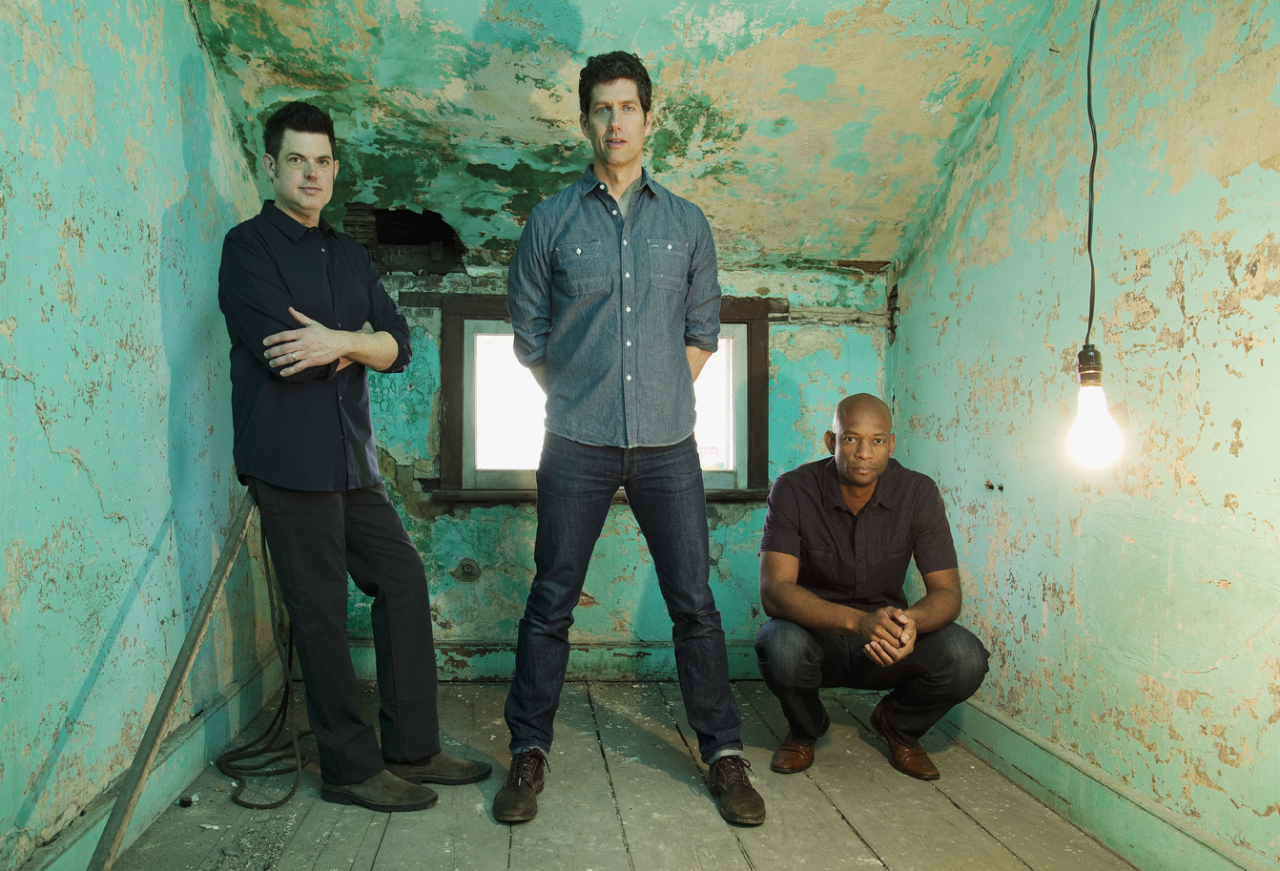
“Good” captured that 90s feeling of shrugging through disappointment while secretly remembering every detail.
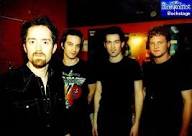
“If You Could Only See” turned relationship pain into a polished late-90s rock-radio staple.
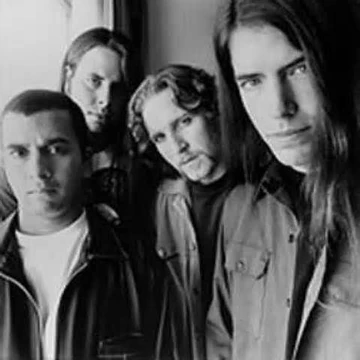
“Cumbersome” gave post-grunge one of its most durable, instantly recognizable radio bruisers.
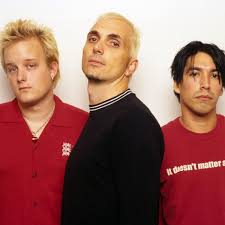
Art Alexakis made childhood damage, escape fantasies and bright guitar pop feel like one giant 90s therapy bill.
Creed, Matchbox Twenty, Goo Goo Dolls and Third Eye Blind
By the late 90s, post-grunge had started changing shape again. The rougher edges got smoother. The songs moved closer to adult alternative, pop-rock and massive crossover radio. The guitars were still there, but the emotional packaging was cleaner. The videos looked more expensive. The flannel had been washed, folded and sold back at the mall for $39.99.
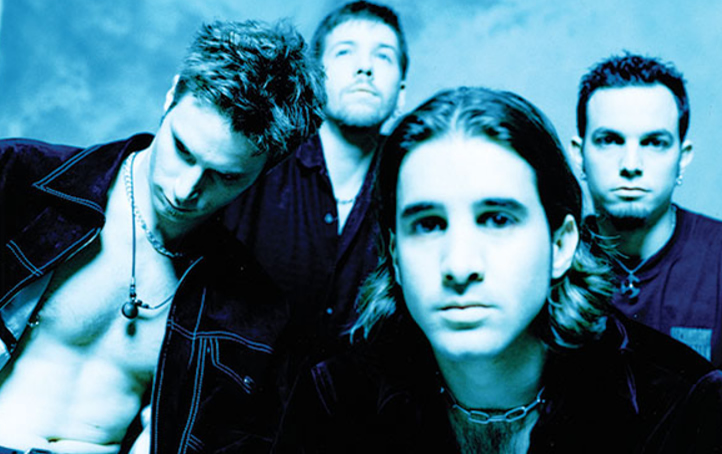
They pushed post-grunge into massive spiritual-release territory, whether you loved it, mocked it or secretly knew every chorus.

Rob Thomas turned messy relationships, anxiety and late-90s identity static into durable radio songs with sharp pop-rock instincts.
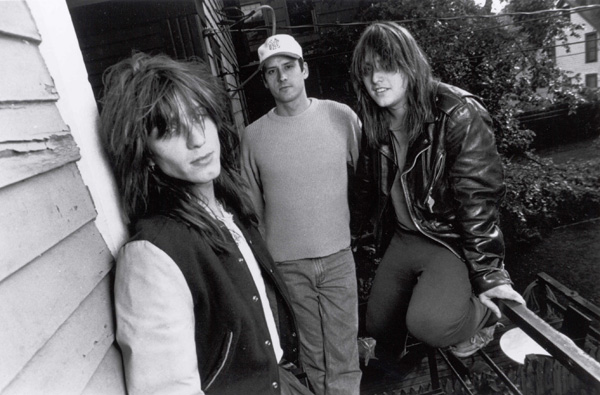
“Name” and “Iris” turned scrappier roots into huge emotional crossover songs that never really left radio.
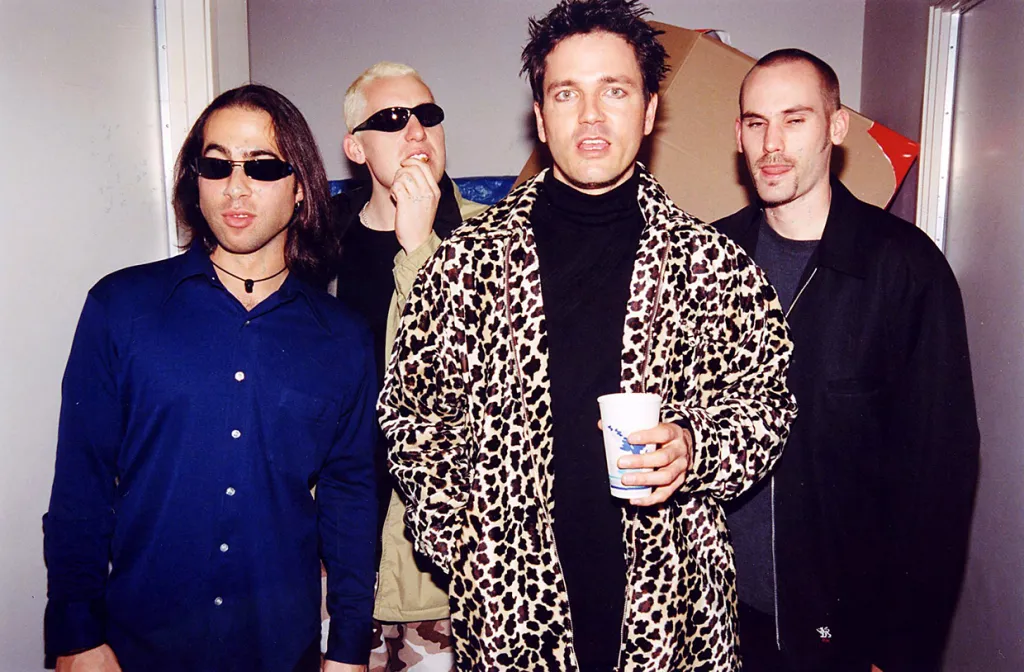
They made glossy late-90s alternative sound sunny on the surface and much more complicated once you actually listened.
Creed became the biggest and most controversial symbol of that shift. My Own Prison started in a heavier post-grunge lane, with dark guitar tones and spiritual struggle. Then Human Clay turned Creed into one of the biggest rock bands in the world. “Higher,” “With Arms Wide Open” and “What If” were unavoidable.
Creed are easy to dunk on because the vocals became a cultural punchline and the sincerity was so massive it needed zoning permits. But they hit something real. They took the post-grunge template — heavy guitars, emotional release, big choruses, wounded seriousness — and pushed it into stadium-sized territory.
Matchbox Twenty worked differently. Yourself or Someone Like You did not sound grunge in any direct way, but it came out of the same radio ecosystem. “Push,” “3AM,” “Real World” and “Back 2 Good” turned emotional restlessness into clean, durable pop-rock. Rob Thomas was not doing the Seattle growl thing. He was writing sharper, more conversational songs about messy relationships, anxiety and late-90s identity static.
The Goo Goo Dolls made the move from scrappier rock roots into huge emotional crossover songs. “Name” and “Iris” became soundtrack staples, radio fixtures and eventually wedding songs, which is how you know the 90s got fully absorbed into adult life and there was no escape.
Third Eye Blind brought a brighter, sharper, more pop-literate version of alternative radio. “Semi-Charmed Life” sounded like sunshine until you listened even slightly harder. “Jumper” and “How’s It Going to Be” proved the band could write massive emotional singles without sounding like grunge copycats. 90s Movie Soundtracks and Alternative Rock 90s Alternative Songs That Defined the Decade
What Post-Grunge Kept From Grunge — and What It Sanded Down
Post-grunge gets judged harshly because it came after a movement that felt raw, unstable and culturally explosive. That is fair to a point. When a sound moves from basement energy to radio format, something changes. The edges get trimmed. The danger gets supervised. The chorus arrives exactly where the program director wants it.
But post-grunge did not come from nowhere. It kept plenty from grunge and 90s alternative rock. It kept the emotional seriousness. It kept the guitar weight. It kept the idea that rock did not have to be party music. It kept the sense that boredom, depression, failed relationships, family damage and general existential static were all valid subjects for mainstream songs.
Distorted guitars, darker moods, anti-glam attitude, emotional vocals, serious lyrics and the idea that rock could be vulnerable without turning into glossy power-ballad syrup.
What post-grunge sanded down The dangerous partsThe weirdness, punk bite, regional personality and unpredictable risk that made early grunge so electric. The songs got cleaner. The videos got safer. The formula got obvious.
What worked Hooks, albums, memoryA lot of post-grunge songs still hit because hooks are hooks. “Interstate Love Song,” “Lightning Crashes,” “Glycerine,” “Far Behind,” “Shine” and “Santa Monica” did not disappear for a reason.
Too many bands chased the same raspy vocal, mid-tempo guitar mood and big emotional chorus until the whole thing started sounding like one very tired guy in cargo shorts.
Post-grunge was both real and manufactured.
That is the complicated part. Some of it came from genuine bands writing genuine songs. Some of it came from labels realizing there was money in making rock sound wounded but still manageable. Both things can be true, because the 90s were allergic to clean answers.
This is why post-grunge is more interesting than the lazy punchline version. It was both a continuation and a simplification. It gave rock radio some huge songs, but it also showed how quickly rebellion can become a playlist category. Which, honestly, is about as Gen X as it gets: watch something honest break through, then watch corporate America put it on a rack next to cargo shorts.
Why Gen X Still Has These Songs Burned Into Memory
Post-grunge was not just a music style. It was a lifestyle background hum. It was the sound coming out of a friend’s car while you were sitting in a parking lot with no plan. It was the CD your roommate played too much. It was the song on the radio during a drive to a job you hated but needed because gas was not free and neither were questionable vending-machine dinners.
These songs lived in the everyday places of 90s life. They were playing at the mall while someone bought incense and a chain wallet. They were on in the record store while you flipped through used CDs, pretending you were not going to buy the same three albums everyone else owned. They were on the radio while you waited for your friend to come outside because texting did not exist and apparently honking was a communication platform.
They also fit the emotional temperature of Gen X adulthood and late adolescence. This was a generation raised on latchkey afternoons, divorce culture, basic cable, sarcasm, economic uncertainty, analog boredom and the general feeling that institutions were probably lying but whatever, you still had to go to work.
Post-grunge did not always have the danger of the first grunge wave, but it understood the mood: tired, skeptical, bruised, funny in self-defense and allergic to fake cheer. That is why the songs stuck, and why so many 25 forgotten 90s alternative songs still come roaring back the second the first guitar tone hits. Even if you roll your eyes at a few of them now, your brain still knows exactly where the chorus goes.
1992–1993: The Opening
Grunge and alternative rock fully crash the mainstream. Stone Temple Pilots and Candlebox show how the sound can stretch beyond the original Seattle narrative and hit radio hard.
1994–1995: The Format Takes Shape
Modern rock radio now has a steady supply of heavy, emotional, accessible guitar bands. The sound becomes less like a scene and more like the default setting.
1996–1997: The Middle Lane Expands
Alternative radio stretches wider, pulling in pop-rock, rootsy guitars, power-pop hooks and emotionally messy songs that were easier to play everywhere. You can hear that shift all over the top songs of 1996 and the top songs of 1997, when modern rock and pop radio started sharing the same crowded hallway.
1998–1999: The Crossover Peak
Guitar-based emotional rock becomes fully mainstream. Alternative has won so hard that it starts splitting into adult alternative, pop-rock, nu metal and whatever TRL was about to do to everyone’s attention span. By the top songs of 1999, the late-90s crossover machine is basically parked on everyone’s lawn.
The Legacy of Post-Grunge
The legacy of post-grunge is messy because the sound became so successful that it eventually ate itself. Once every label wanted a band with heavy guitars, wounded vocals and radio-ready choruses, the formula got obvious. By the early 2000s, the style had hardened into something much more predictable, and that is where a lot of the backlash came from.
But the 90s version deserves more credit than it gets. At its best, post-grunge captured the strange transition between the raw alternative breakthrough and the more polished rock world that followed. It gave mainstream radio a serious guitar sound after hair metal ran out of hairspray. It kept rock emotionally open. It helped bands from outside the original grunge scene find huge audiences.
It also connects directly to the bigger story of the rise and fall of the Seattle grunge scene. Once that first wave became too big to contain, the industry needed the next thing. Post-grunge was the next thing, even when it was borrowing yesterday’s jacket and trying not to look obvious about it.
So yes, make the jokes. The genre earned some of them. But give it credit too. Post-grunge was the sound of 90s alternative becoming part of ordinary life: the car, the job, the mall, the dorm, the breakup, the bad haircut, the CD binder, the radio station you swore you hated but never actually changed.
Keep Rewinding the Radio Rock Aftermath
Post-grunge only makes sense when the rest of the 90s alternative machine is still humming: the hub, the original grunge explosion, MTV, the albums, the one-hit wonders, the forgotten songs and the late-decade crossover cleanup.
FAQ: Post-Grunge and 90s Radio Rock
What is post-grunge?
Post-grunge is the wave of 90s alternative rock that followed the mainstream success of grunge. It kept distorted guitars, darker moods and emotional vocals, but usually used cleaner production, bigger choruses and more radio-friendly songwriting.
When was post-grunge popular?
Post-grunge became especially popular in the mid-to-late 90s, after Nirvana, Pearl Jam, Soundgarden and Alice in Chains helped push grunge and alternative rock into the mainstream.
Who were the biggest post-grunge bands of the 90s?
Major 90s post-grunge and post-grunge-adjacent bands included Stone Temple Pilots, Live, Bush, Collective Soul, Candlebox, Silverchair, Better Than Ezra, Seven Mary Three, Tonic, Everclear, Creed, Matchbox Twenty, Third Eye Blind and Goo Goo Dolls.
Is Stone Temple Pilots grunge or post-grunge?
Stone Temple Pilots are often connected to both. Their early work arrived during the grunge explosion and shared some of that era’s heavy sound, but they also helped shape the more radio-ready rock approach that became central to post-grunge.
How is post-grunge different from grunge?
Grunge was rooted in underground, punk, metal and indie scenes, especially around Seattle. Post-grunge came after grunge became mainstream and usually sounded more polished, melodic and structured for radio.
Why did people criticize post-grunge?
Post-grunge was criticized because some of it sounded formulaic compared with the rawer first wave of grunge. As the sound became more commercial, many bands leaned on similar vocal styles, mid-tempo guitars and emotional choruses.
Why does post-grunge still matter?
Post-grunge matters because it shows what happened after alternative rock became mainstream. It shaped late-90s radio rock, influenced the early 2000s and created songs tied deeply to Gen X memory, MTV, CD culture and modern rock radio.
Keep the Rewind Going
Post-grunge makes more sense when you hear what came before it, what MTV did to it, and how the whole 90s alternative machine kept mutating.
And because the 90s refused to stay in one mood for more than five minutes, the next turn in the rewind gets brighter, brassier and a whole lot more checkerboard: ska-punk and the bright side of 90s alternative.