25 90s Alternative One-Hit Wonders That Took Over Radio

25 90s Alternative One-Hit Wonders That Took Over Radio
Smells Like Gen X • 90s Music

25 90s Alternative One-Hit Wonders

The 90s alternative boom was not only built by the forever bands. It was also built by songs that blasted out of modern rock radio, took over MTV, showed up on every mixtape and then left their bands standing there like, “Cool, now what?”

These are the 90s alternative one-hit wonders that became bigger than the bands behind them — the grunge-adjacent flukes, slacker-rock smirks, ska-punk explosions, post-grunge strays and weird little radio miracles that still unlock a whole decade in about four seconds.

And because the phrase “one-hit wonder” can be a little unfair, every song gets the extra rewind: what else the band released, what happened after the hit, and whether the label is actually deserved or just lazy nostalgia in a flannel shirt.

Quick Answer: What Are the Best 90s Alternative One-Hit Wonders?

The best 90s alternative one-hit wonders include Spacehog’s “In the Meantime,” Harvey Danger’s “Flagpole Sitta,” Marcy Playground’s “Sex and Candy,” New Radicals’ “You Get What You Give,” Primitive Radio Gods’ “Standing Outside a Broken Phone Booth with Money in My Hand,” Toadies’ “Possum Kingdom,” Local H’s “Bound for the Floor,” Butthole Surfers’ “Pepper,” Nada Surf’s “Popular,” The Verve Pipe’s “The Freshmen,” Seven Mary Three’s “Cumbersome” and Semisonic’s “Closing Time.”

But this list is not about pretending these bands had no fans, no albums or no other good songs. Plenty of them had loyal followings, deeper cuts, follow-up singles, rock-radio moments or major careers outside the one famous hit. This is about the songs that became permanent Gen X memory grenades — the ones that still send you straight back to 90s modern rock radio, MTV countdowns and the CD wallet that lived under the passenger seat.

Need the Bigger Map?

This page is the radio-fluke shelf. For the full visual command center, jump to the 90s Alternative & Grunge Hub. For the big editorial story, go to the 90s Alternative & Grunge pillar post.

The Rule: What Counts as a 90s Alternative One-Hit Wonder?

For this rewind, “one-hit wonder” means the band had one giant mainstream 90s alternative moment that dwarfed everything else in casual memory. Not necessarily one song ever released. Not necessarily one song loved by actual fans. And definitely not “this band has no catalog,” because that is how music nerds start sharpening Discman batteries into weapons.

Some of these acts had other rock-chart singles, cult albums, college-radio love, regional followings, international hits or songs your friend with the import CD would absolutely lecture you about. Great. We salute that person and their giant headphones. But for the casual 90s listener, one song became the permanent calling card.

This is the Gen X radio-memory rule: if the song made the band feel massive for one glorious moment and then became the thing everyone remembers first, it belongs in the conversation.

And because this is 90s alternative, the edges get messy. Some songs lean slacker rock. Some lean post-grunge. Some lean ska-punk. Some are basically pop-rock wearing thrift-store pants. That was the decade. Genres were crowded into one giant CD changer and nobody labeled the slots correctly.

25 90s Alternative One-Hit Wonders That Took Over Radio

Some were massive. Some were weird. Some were probably playing in the background while someone in cargo shorts explained how Napster worked. Together, they are a perfect time capsule of the decade when one song could make a band feel unavoidable, then vanish into the used-CD bin before anyone found the jewel case booklet.

1

1995 / 1996

Spacehog — “In the Meantime”
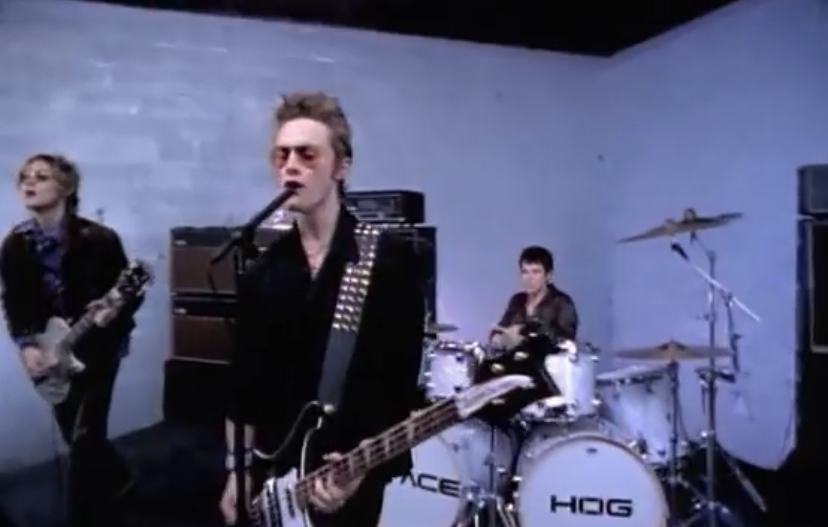
Glam-alt swagger Huge chorus Perfect radio fluke
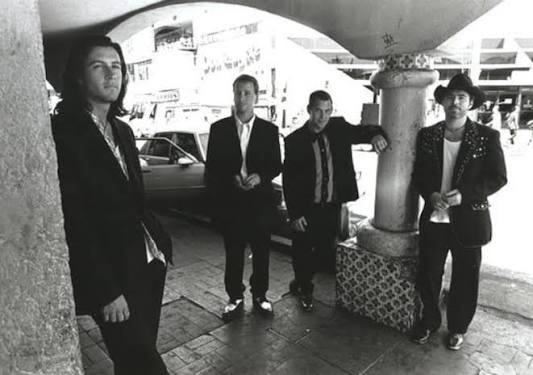
Spacehog band photo
Spacehog band photo

“In the Meantime” is what happens when 90s alternative borrows glam-rock eyeliner, puts on platform boots it definitely found at a thrift store and somehow writes one of the most instantly recognizable choruses of the decade. Spacehog did not sound like the Seattle bands, the ska-punk bands or the post-grunge bands. They sounded like they had landed from a much weirder, shinier planet and accidentally wandered onto modern rock radio.

The song’s bassline alone deserves a trophy shaped like a busted CD tower. Then the chorus arrives, all cosmic yearning and dramatic lift, and suddenly this odd little glam-alt single feels enormous. It was stylish, strange and catchy enough to work in a car, a mall, a dorm room or one of those MTV blocks where everything seemed cooler than your actual life.

Why it became the one

Spacehog had more songs, but “In the Meantime” became the entire identity for casual listeners because it hit a very specific sweet spot: weird enough to feel alternative, polished enough to break through and theatrical enough to stand apart from every gravel-voiced dude trying to sound tortured beside a chain-link fence.

It also aged beautifully because it never chased the obvious 90s uniform. No sad flannel cosplay required. The song had hooks, drama, bass, falsetto and the confidence of a band that knew it was being ridiculous but decided ridiculous was more fun than another beige rock single.

Career after the hit

Spacehog’s debut album Resident Alien was the big moment, and “In the Meantime” was the rocket strapped to it. The band followed with other singles from that era, including “Cruel to Be Kind,” but nothing came close to the same mainstream gravity. Their sound always had more glam-rock strut than standard alternative-radio gloom, which made them memorable but also hard to file next to the post-grunge wave coming right behind them.

After the debut, Spacehog kept going with The Chinese Album in 1998 and later releases like The Hogyssey and As It Is on Earth. They remained a band with a stronger catalog than the casual one-hit label suggests, but for most listeners, the minute that bassline starts, the whole story snaps back to one song and one shiny, weird little burst of 90s glam-alt magic.

Is the one-hit label fair?

The label is fair for mainstream memory, but not for catalog depth. Spacehog had albums, personality and a style that was bigger than one chorus — the problem is that one chorus was basically a neon billboard.

Signature Moment That floating, glammy chorus that still feels bigger than the room.
Why It Hit It mixed alt-rock crunch with Bowie-ish space-glam drama at exactly the right moment.
Gen X Memory Hearing it once and immediately pretending you understood the entire vibe.
Still sounds like a glittery UFO crashed into a modern rock station and left the engine running.

Keep rewinding: 50 Essential 90s Alternative Songs 25 Forgotten 90s Alternative Songs Weezer, Beck and Slacker Alternative Britpop in the 90s

2

1997 / 1998

Harvey Danger — “Flagpole Sitta”
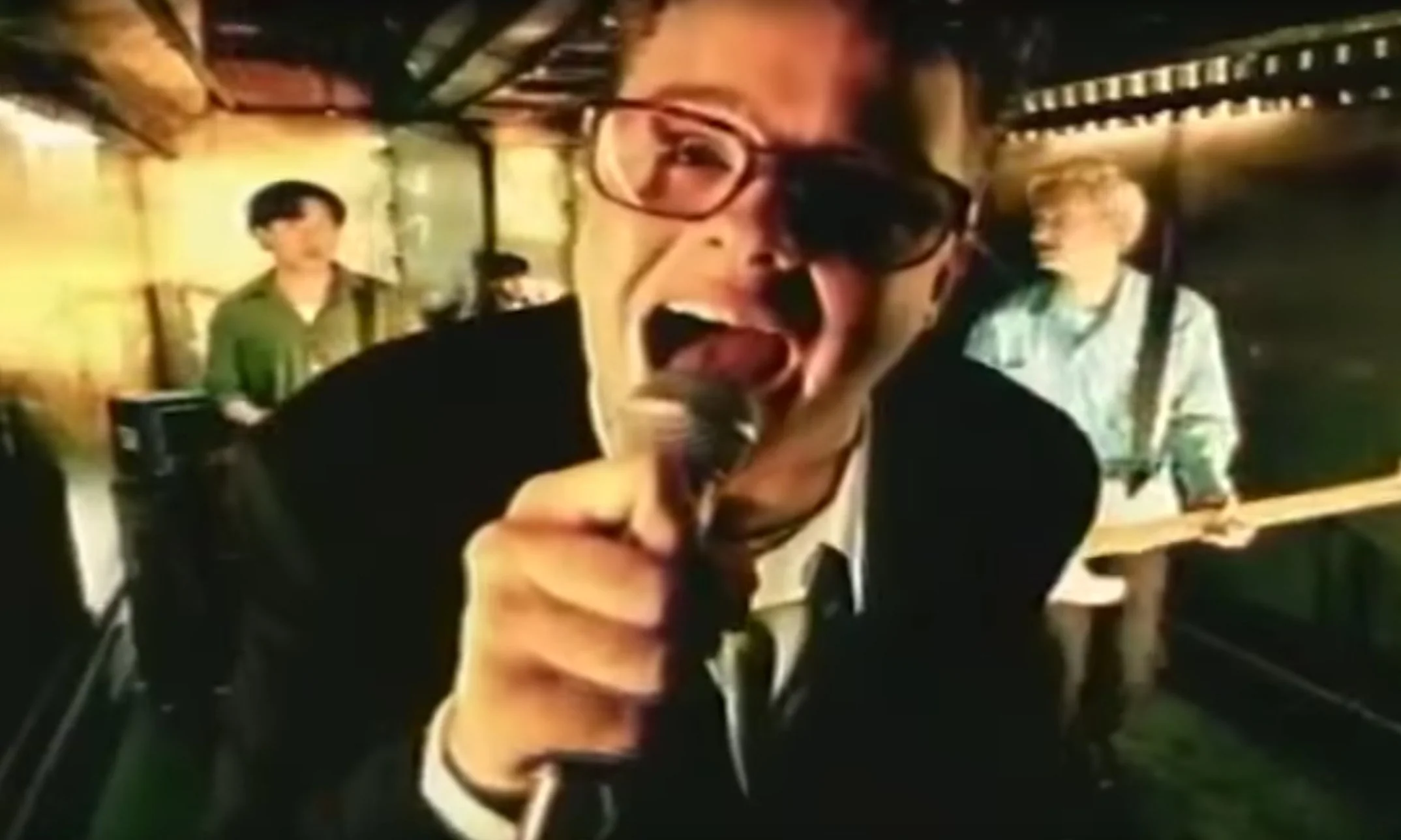
Alt-rock sarcasm Nervous energy Late-90s burnout
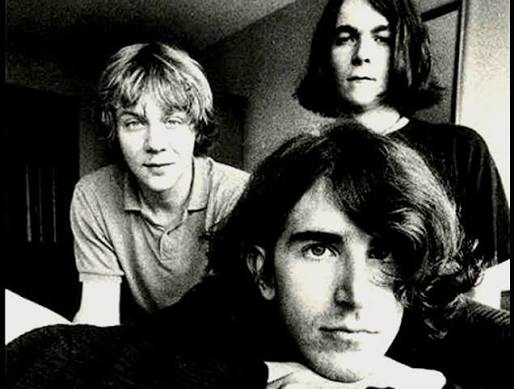
Harvey Danger band photo

“Flagpole Sitta” is the sound of a generation realizing it had been marketed rebellion, irony, therapy language, pop culture overload and maybe three different kinds of anxiety — all before lunch. Harvey Danger packed the whole mess into one frantic, sarcastic, ridiculously quotable song that felt like it was grinning while actively falling apart.

The magic is how fast it moves without feeling dumb. The lyrics are sharp, the delivery is half-sneer and half-meltdown, and the hook is the kind of thing you could yell from a car window while pretending you were not emotionally compromised. Late-90s alternative had plenty of mope. This one had panic with punchlines.

Why it became the one

Harvey Danger were smarter than the novelty box people sometimes shove them into, but “Flagpole Sitta” became so loud in the culture that it swallowed the rest of the conversation. It was too good at summarizing the late-90s feeling: overstimulated, suspicious, self-aware and still somehow ready to shout along.

The song also became one of those soundtrack-ready alternative hits that worked anywhere: teen comedies, college radio, bar jukeboxes, burned CDs, and the part of your brain that still thinks sarcasm counts as a survival plan.

Career after the hit

The band’s debut, Where Have All the Merrymakers Gone?, had more bite than casual listeners realized, with songs like “Carlotta Valdez” and “Private Helicopter” showing off the group’s sharper indie-rock instincts. But the single became so huge that Harvey Danger got flattened into the “Flagpole Sitta” band almost immediately, which is both the blessing and curse of writing a song that sums up a whole mood too well.

They followed with King James Version in 2000, a smarter and more overlooked record than its sales suggested, then returned with Little by Little... in 2005. That album drew attention partly because the band released it online for free, years before that became a normal indie move instead of something that sounded like a suspicious LimeWire side quest. Harvey Danger eventually called it quits, but their catalog has a cult afterlife that the one-hit label does not fully explain.

Is the one-hit label fair?

Technically messy, emotionally accurate. The band had real albums and real fans; the mainstream had one song it refused to let go of.

Signature Moment The chorus that turns paranoia into a group activity.
Why It Hit It nailed late-90s sarcasm and burnout without sounding like homework.
Gen X Memory Shouting it like a diagnosis while having absolutely no plan for adulthood.
Still one of the greatest “we are not okay, but make it catchy” songs of the decade.

Keep rewinding: 25 Forgotten 90s Alternative Songs MTV Alternative Rock Takeover 90s Alternative Videos on MTV

3

1997

Marcy Playground — “Sex and Candy”
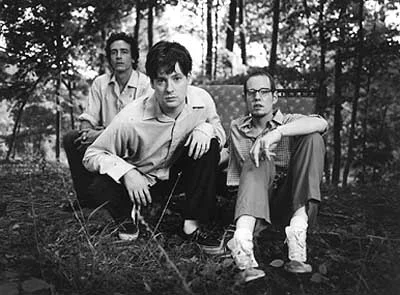
Sleepy alt-rock Weirdly hypnotic Radio oddball
Marcy Playground band photo

“Sex and Candy” barely sounds like it is trying, which is exactly why it worked. While other bands were sprinting toward big choruses, Marcy Playground made a song that drifted into the room, said something strange, smelled faintly like incense and old carpet, then refused to leave your head for the next twenty-five years.

The whole thing feels half-awake: the lazy groove, the muted delivery, the oddly specific imagery, the chorus that seems too simple until it becomes impossible to forget. It was alternative radio at its most hypnotically weird — not heavy, not dramatic, not polished into obvious pop, just bizarrely sticky.

Why it became the one

Marcy Playground had other songs, but “Sex and Candy” became the kind of hit that defines a band forever because nothing else sounded quite like it. It did not need to shout. It just sat there, weird and calm, while everyone else in the decade fought for volume.

That gave it a strange staying power. It feels like a memory from a basement party where nobody was entirely sure who lived there. Somehow that mood became a major radio moment, because the 90s were generous to songs that sounded like they had been found under a couch.

Career after the hit

The self-titled debut album also included songs like “Saint Joe on the School Bus” and “Sherry Fraser,” which showed the band could do more than one woozy slow-burn single. But “Sex and Candy” was so massive that everything else felt like it was orbiting a very sleepy planet. It became the band’s permanent shorthand, for better and worse.

Marcy Playground followed with Shapeshifter in 1999 and kept releasing albums in the 2000s, with John Wozniak remaining the central creative voice. The later records had fans, but the mainstream had already made its decision: this was the band of the hypnotic, low-lit, weirdly sensual hit that sounded like it came from a basement sofa with secrets.

Is the one-hit label fair?

Fair for the radio audience, unfair for the band’s continued work. They made more records, but the public memory lives in that one slow groove.

Signature Moment The deadpan chorus that somehow became unavoidable.
Why It Hit It was strange, slow, simple and unlike almost anything else on the radio.
Gen X Memory A song that sounded like the couch at your friend’s apartment had its own soundtrack.
Proof that sometimes the decade’s biggest hooks came wrapped in a shrug.

Keep rewinding: 25 Forgotten 90s Alternative Songs 50 Essential 90s Alternative Songs Best 90s Alternative Albums slacker alternative

4

1998 / 1999

New Radicals — “You Get What You Give”
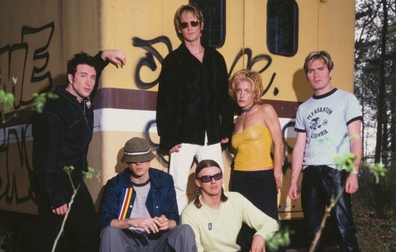
Alt-pop anthem Late-90s optimism One-album wonder
New Radicals band photo

“You Get What You Give” is one of the great late-90s pop-rock miracles: bright, cynical, hopeful, overstuffed and somehow still emotionally clean. New Radicals sounded like they had swallowed the entire decade — corporate exhaustion, mall culture, fake celebrity, youthful idealism, all of it — and spit it back out as a giant piano-driven anthem.

It is almost too polished for the alternative conversation and too strange for normal pop, which is exactly where a lot of late-90s radio lived. The song feels like sunlight through a dirty windshield. It is upbeat, but not naive. It believes in something, but it also knows everything is probably rigged. Very 1998. Very “we still had hope, but also cargo pants.”

Why it became the one

New Radicals became a one-hit wonder in the cleanest possible way: one album, one massive song, and then a disappearing act that made the song feel even more frozen in amber. There was no long, confusing decline for casual listeners to process. Just the hit, the vibe and the exit.

That helped turn “You Get What You Give” into more than a single. It became a little time capsule of late-90s alt-pop ambition — big chorus, big feelings, big attitude and one of the most “wait, did he just say that?” endings on radio.

Career after the hit

The band released one studio album, Maybe You’ve Been Brainwashed Too, and followed the big single with “Someday We’ll Know,” a song that later found its own afterlife through covers and soundtrack-adjacent memory. But frontman Gregg Alexander stepped away from the band before New Radicals could become a normal album-tour-album machine.

Alexander’s post-New Radicals life is part of why this entry is fascinating. Instead of chasing another hit under the same name, he moved into songwriting and production, with work tied to later pop successes and film music. The band briefly reappeared in the public eye for special performances, but the 90s version remains beautifully self-contained: one album, one giant song, one exit before the machine could sand the weird edges off.

Is the one-hit label fair?

This is probably the cleanest one-hit-wonder case here: one album, one massive song, and a frontman who chose the writer/producer path instead of milking the moment.

Signature Moment The huge chorus that feels like leaving a terrible job in slow motion.
Why It Hit It turned late-90s cynicism and optimism into one polished, shoutable anthem.
Gen X Memory Hearing it in a car and briefly believing maybe everything was not completely doomed.
Still sounds like motivational graffiti on the wall of a dying mall.

Keep rewinding: 90s Alternative Songs That Defined the Decade 90s Music 90s Alternative & Grunge 50 Essential 90s Alternative Songs

5

1996

Primitive Radio Gods — “Standing Outside a Broken Phone Booth with Money in My Hand”
Sampled blues haze Weird radio magic Title marathon
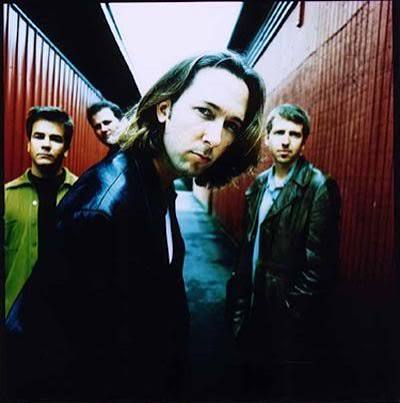
Primitive Radio Gods band photo

The title alone feels like it needed its own fold-out map. “Standing Outside a Broken Phone Booth with Money in My Hand” was one of those mid-90s songs that sounded like it slipped onto radio from a dream, a movie soundtrack or a payphone that knew too much.

Built around a ghostly blues sample and a hazy alternative groove, the song did not behave like a normal hit. It floated. It mumbled. It glowed in the dark. It sounded like someone walking through a city at 2 a.m. with a pocket full of quarters and no good decisions left. Naturally, 90s radio said, “Yes, this belongs between guitar bands.”

Why it became the one

Primitive Radio Gods landed in that brief 90s window when alternative radio had room for songs that were not obvious rock singles. This one had a beat, a sample, a mood and a title long enough to make radio DJs earn their checks. It was strange enough to be memorable and mellow enough to play constantly.

For casual listeners, the band and the song became inseparable because the hit felt like its own little universe. You did not necessarily need to know where it came from. You just recognized the atmosphere instantly.

Career after the hit

The song came from Rocket, the Primitive Radio Gods album that most listeners discovered only because this single kicked the door open first. The band/project, led by Chris O’Connor, was always more studio-minded and atmospheric than a traditional alt-rock gang charging across MTV with guitar poses.

After the hit, Primitive Radio Gods kept releasing music, including later albums that leaned into the project’s moody, sample-friendly, left-of-center instincts. But no later track had the same perfect mid-90s mystery. That is the trouble with writing a song that sounds like a transmission from a broken payphone: you can keep making music, but the ghost signal is what everyone remembers.

Is the one-hit label fair?

Very fair for mainstream radio memory. The project continued, but the hit was so singular that it became the whole myth.

Signature Moment The haunting sample drifting over a groove that feels half-lost.
Why It Hit It turned mood, sampling and late-night loneliness into alternative radio gold.
Gen X Memory A payphone song from a decade when payphones were somehow still plot devices.
Still sounds like a cigarette machine, a broken streetlight and a bad idea had a theme song.

Keep rewinding: MTV Alternative Rock Takeover 25 Forgotten 90s Alternative Songs 90s Alternative Videos on MTV 25 Forgotten 90s Alternative Songs

6

1994 / 1995

Toadies — “Possum Kingdom”
Creepy alt-rock Southern menace Dark radio staple
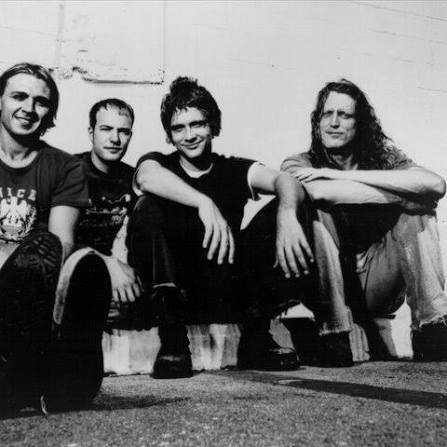
Toadies band photo
Toadies band photo

“Possum Kingdom” is creepy in a way that does not need to explain itself. The Toadies made a song that sounds like a bad story being told near a lake after midnight by someone you should not have trusted in the first place. It has muscle, tension, menace and one of those choruses that sneaks up wearing work boots.

This was the darker side of 90s alternative radio: not gothic, not metal, not grunge exactly, but absolutely not safe. The guitar line coils around the song, the vocals feel increasingly unhinged, and the whole thing has the atmosphere of a campfire tale that took a very wrong turn.

Why it became the one

Toadies fans will correctly point out that Rubberneck had more than one great song. But “Possum Kingdom” became the cultural shorthand because it had the perfect combination of danger, mystery and radio muscle. It was not just catchy. It was unsettling.

The song also stood apart from the wave of softer, post-grunge radio singles that followed. It had bite. It had a story. It had the sense that the narrator might not be legally allowed near the lake anymore. That kind of thing sticks.

Career after the hit

Rubberneck was deeper than the one big hit, with songs like “Away,” “Tyler,” “I Come from the Water” and “Backslider” helping define the Toadies’ Texas-flavored, sharp-edged alt-rock sound. But label delays and the long wait for a follow-up complicated their momentum, which is one of the classic 90s major-label cautionary tales.

The band eventually released Hell Below/Stars Above, broke apart, reformed and returned with later albums including No Deliverance, Feeler and more. Their live reputation stayed strong, especially for fans who always knew Rubberneck was more than the lake song. Still, for casual listeners, “Possum Kingdom” remains the dark doorway into the whole Toadies world.

Is the one-hit label fair?

Only fair if you mean mainstream crossover. Toadies had a real catalog and a long afterlife, but “Possum Kingdom” became the shadow monster that ate the spotlight.

Signature Moment The chorus that turns a creepy invitation into a rock-radio hook.
Why It Hit It brought menace, tension and a Southern gothic edge to alternative playlists.
Gen X Memory Instantly making any lake feel like it needed better lighting and a background check.
Still sounds like a warning sign somebody ignored because the riff was good.

Keep rewinding: Post-Grunge and Radio Rock 50 Essential 90s Alternative Songs 90s Alternative & Grunge MTV Alternative Rock Takeover

7

1996

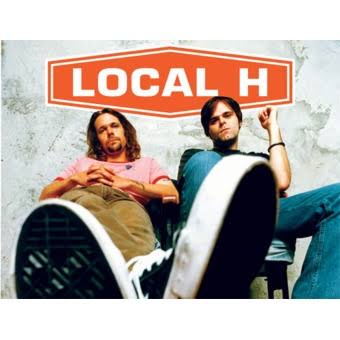
Local H — “Bound for the Floor”

Slacker crunch Two-man blast Cynical anthem
Local H band photo
Local H band photo

“Bound for the Floor” gave the decade one of its most perfectly bored insults: “You just don’t get it.” That line alone could have been printed on half the notebooks in 1996. Local H turned slacker irritation into a distorted, compact, weirdly satisfying blast that sounded like it had no patience for anyone, including itself.

The song is simple in the best way. Big riff. Deadpan hook. Enough fuzz to make the room feel smaller. It captured the 90s feeling of being annoyed, underwhelmed and somehow still very committed to turning the amp up.

Why it became the one

Local H had a long career and a devoted following, but “Bound for the Floor” became the big mainstream memory because it distilled the band’s whole appeal into one perfect alt-rock punch. It was sarcastic without being cute, heavy without being macho and catchy without acting like it cared.

It also hit during the prime of mid-90s modern rock radio, when two or three chords, a good sneer and the right fuzz pedal could feel like a complete worldview. Sometimes that was enough. Honestly, sometimes it was more than enough.

Career after the hit

The song came from As Good as Dead, the album that also gave longtime fans tracks like “Eddie Vedder,” “Fritz’s Corner” and “High-Fiving MF.” Local H followed with Pack Up the Cats in 1998, a record many fans argue deserved a much bigger commercial fate than it got.

Unlike a lot of bands trapped by one radio moment, Local H never really disappeared. Scott Lucas kept the project moving through lineup changes and later albums like Here Comes the Zoo, Whatever Happened to P.J. Soles?, 12 Angry Months, Hey, Killer and Lifers. For the faithful, the hit is just the doorway. For casual listeners, it is still the perfect fuzzed-out shrug.

Is the one-hit label fair?

Mainstream one-hit wonder, cult-band absolutely not. Local H is the kind of band where the hit is famous and the fans are ready with homework.

Signature Moment “You just don’t get it” becoming a full personality.
Why It Hit It turned slacker frustration into one of the decade’s cleanest alt-rock hooks.
Gen X Memory The soundtrack to being bored in a place you still had to stay for three more hours.
Still the national anthem of shrugging aggressively.

Keep rewinding: Weezer, Beck and Slacker Alternative 25 Forgotten 90s Alternative Songs MTV Alternative Rock Takeover 25 Forgotten 90s Alternative Songs

8

1996

Butthole Surfers — “Pepper”

Alt-weirdo crossover Deadpan groove MTV oddity
Butthole Surfers band photo

The fact that a band named Butthole Surfers had a major radio hit is already a perfect 90s sentence. “Pepper” took a long-running underground freak-show reputation and translated it into a strangely calm, deadpan, groove-driven single that regular people could sing along to before realizing what rabbit hole they had wandered near.

It was not the band at their weirdest. Not even close. But that was part of why it worked. “Pepper” kept enough strangeness to feel dangerous while smoothing the edges just enough for MTV and modern rock radio. It sounded like Beck’s cooler, more suspicious cousin had found a dusty drum loop and a stack of bad stories.

Why it became the one

Butthole Surfers were not a one-song band in any underground sense. They were already infamous, influential and deeply strange. But for casual 90s listeners, “Pepper” was the one moment where that world crossed into everyday radio life.

The song’s talk-sung delivery, creepy little character sketches and laid-back rhythm made it feel accessible without becoming normal. That balance is why it stuck. It let mainstream listeners sample the weirdness without needing a tetanus shot.

Career after the hit

Before “Pepper,” Butthole Surfers had already built one of the strangest résumés in American underground rock, with albums like Locust Abortion Technician, Hairway to Steven and Independent Worm Saloon. They were influential, chaotic and absolutely not designed for polite commercial expectations.

Then Electriclarryland happened, and “Pepper” gave them a surprise mainstream crossover. The follow-up era was complicated, with projects delayed or reshaped and later album Weird Revolution arriving in 2001. But the band’s legacy was never just “Pepper.” It was the fact that one of America’s weirdest underground bands briefly got handed the radio keys and somehow did not crash immediately.

Is the one-hit label fair?

Only if you ignore the underground. Commercially, yes; historically, absolutely not. They were weird legends before most listeners knew how to pronounce the band name in front of their parents.

Signature Moment The deadpan verses that sound like a crime scene report with a groove.
Why It Hit It turned underground weirdness into a surprisingly smooth alternative radio single.
Gen X Memory Finding out the band name and realizing radio had briefly lost all adult supervision.
Still proof that the 90s let some truly bizarre things through the front door.

Keep rewinding: 90s Alternative Videos on MTV 50 Essential 90s Alternative Songs 90s Alternative & Grunge slacker alternative

9

1996 / 1997

The Verve Pipe — “The Freshmen”
Heavy guilt Acoustic alt-rock Serious radio moment
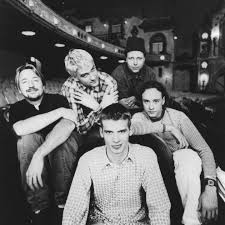
The Verve Pipe band photo

“The Freshmen” was the kind of 90s hit that made everyone in the car suddenly look out different windows. The Verve Pipe delivered a somber, guilt-soaked alternative ballad that felt like it came with consequences, and modern rock radio played it constantly because apparently we all needed a little emotional litigation between fun songs.

The song is heavy without being loud. Its power comes from regret, memory and a chorus that sounds like someone trying to explain a bad past while knowing the explanation will never be enough. In a decade full of irony, “The Freshmen” was almost aggressively earnest.

Why it became the one

The Verve Pipe had more material, but “The Freshmen” became the defining song because it was enormous in mood. It did not feel like a casual single. It felt like a confession overheard at exactly the wrong time.

That seriousness gave it weight, and the chorus made it unavoidable. The song fit perfectly into the mid-90s appetite for acoustic-leaning alternative tracks that could still feel intense enough to sit beside heavier bands.

Career after the hit

The song came from Villains, the major-label album that also included “Photograph” and other radio-facing moments. But “The Freshmen” became so emotionally dominant that it made the band feel defined by one serious, tragic, dorm-room monologue of a single.

The Verve Pipe followed with a self-titled album in 1999 and continued releasing music afterward, including adult-alternative records and even family-oriented albums. That later turn makes their story more interesting than the one-hit shorthand suggests. They did not vanish; they just never escaped the gravity of their most famous confession.

Is the one-hit label fair?

Mostly fair for casual listeners, but incomplete. They had other releases and a long-running identity; “The Freshmen” just carried the kind of emotional weight that flattens everything around it.

Signature Moment The chorus landing like a memory nobody wants to unpack.
Why It Hit It mixed confession, melody and guilt into a radio-ready gut punch.
Gen X Memory That one serious song that made the room act like it had just read a diary.
Still sounds like a dramatic college admissions essay with better harmonies.

Keep rewinding: Post-Grunge and Radio Rock 25 Forgotten 90s Alternative Songs 90s Music

10

1996

Nada Surf — “Popular”

Teen satire Spoken-word weirdness Alt-school anthem
Nada Surf band photo

“Popular” sounded like someone turned a high-school advice pamphlet into a sarcastic alternative rock song, and somehow that was exactly what 1996 needed. Nada Surf’s breakout hit was funny, awkward, catchy and weirdly savage — a perfect snapshot of the decade’s obsession with teen hierarchy, irony and emotional damage disguised as humor.

The spoken-word verses made it stand out immediately. It did not sound like another grunge copy or another pop-punk sprint. It sounded like a guidance counselor had been replaced by a snarky record-store employee with a distortion pedal.

Why it became the one

Nada Surf built a strong catalog after “Popular,” but casual listeners often froze them in this one brilliant, sarcastic moment. That is the danger of writing a novelty-adjacent hit that is better than a novelty. People remember the bit and forget the band kept growing.

Still, “Popular” deserves its spot because it captured the social weirdness of the decade with a grin sharp enough to draw blood. It was a teen movie compressed into a song, minus the happy ending and plus better guitars.

Career after the hit

After High/Low, Nada Surf followed with The Proximity Effect, but their bigger artistic resurrection came with Let Go in 2002. That record, along with songs like “Inside of Love,” helped reframe the band as thoughtful indie-pop lifers instead of a 90s novelty footnote.

They kept building from there with albums like The Weight Is a Gift, Lucky, The Stars Are Indifferent to Astronomy and beyond. Of all the bands here, Nada Surf may be one of the best examples of a group unfairly pinned to a one-hit label by casual memory while quietly making one of the more respected post-90s catalogs.

Is the one-hit label fair?

A very unfair label if you actually followed the band. “Popular” is the mainstream hit, but Nada Surf became much more than the high-school satire song.

Signature Moment The fake advice-manual verses that made popularity sound like a hostage situation.
Why It Hit It turned high-school satire into a crunchy, unforgettable alt-rock hook.
Gen X Memory Every hallway, locker and cafeteria power struggle suddenly had theme music.
Still the best song ever built from social advice nobody should follow.

Keep rewinding: 90s Alternative Videos on MTV Weezer, Beck and Slacker Alternative 25 Forgotten 90s Alternative Songs MTV Alternative Rock Takeover

11

1995

Seven Mary Three — “Cumbersome”

Post-grunge boom Radio growl Mid-90s staple
Seven Mary Three band photo

“Cumbersome” is pure mid-90s rock-radio muscle: gravelly vocals, heavy-enough guitars, relationship damage and a chorus that sounded custom-built for driving nowhere with the windows down. Seven Mary Three arrived during the moment when alternative was hardening into post-grunge radio rock, and this song fit the lane perfectly.

It was not weird like the early alternative explosion. It was not glamorous. It was not trying to reinvent anything. It just hit the sweet spot between wounded and loud, which made it unavoidable for a while. Sometimes that is all a song needs to carve itself into the decade.

Why it became the one

Seven Mary Three had other singles, but “Cumbersome” is the one casual listeners still remember because it concentrated the whole mid-90s post-grunge radio formula into one big, growling hook. It sounded like it belonged between Stone Temple Pilots, Live and every band that owned at least one brownish album cover.

The song also marks a shift in the alternative timeline. By this point, the underground weirdness of the early decade was becoming a mainstream rock format. “Cumbersome” is not the beginning of that story, but it is definitely wearing the jacket.

Career after the hit

The band’s breakthrough album American Standard also produced songs like “Water’s Edge” and “My My,” so the strict one-hit label gets a little wobbly if you were listening to rock radio closely. But “Cumbersome” was the giant, the song that became the band’s permanent shorthand in the broader 90s memory bank.

Seven Mary Three kept recording with albums like RockCrown, Orange Ave., The Economy of Sound and later releases. Their post-hit career moved further away from the moment when post-grunge was commercially exploding, but they remained a working band with a catalog. The mainstream just kept coming back to the growl.

Is the one-hit label fair?

Chart lawyers can argue, but the casual-memory label fits. They had other rock-radio moments, yet “Cumbersome” towers over the whole story.

Signature Moment The chorus that sounds like it was mixed specifically for car speakers.
Why It Hit It gave post-grunge radio exactly the heavy, emotional, singable thing it wanted.
Gen X Memory A song that instantly smells like gas stations, dashboard dust and overplayed CDs.
Still the sound of alternative becoming radio rock and pretending it was fine.

Keep rewinding: Post-Grunge: When Alternative Became Radio Rock Best 90s Alternative Albums 50 Essential 90s Alternative Songs MTV Alternative Rock Takeover

12

1996

The Refreshments — “Banditos”

Desert alt-rock Smart-aleck hook Road-trip energy
The Refreshments band photo

“Banditos” sounds like 90s alternative taking a road trip through the Southwest with a fake ID, a gas-station burrito and no clear plan. The Refreshments made a sly, funny, desert-dusted single that stood out because it did not sound like the usual gloom parade.

The song has swagger, humor and enough narrative weirdness to feel like a short film you caught halfway through on cable. It is not trying to be profound. It is trying to get away with something. That is a valid artistic mission, especially when the chorus is this sticky.

Why it became the one

The Refreshments had personality to spare, but “Banditos” became the mainstream calling card because it had an immediately recognizable point of view. It was clever without being smug, rootsy without sounding old and alternative without needing the standard costume.

It also gave 90s radio something lighter and more sun-baked than the usual angst rotation. Not happy exactly. More like “we may be making terrible decisions, but at least the sky looks cool.”

Career after the hit

Their debut album Fizzy Fuzzy Big & Buzzy had more regional-rock charm than one song could hold, with tracks like “Down Together” helping build the band’s cult following. But “Banditos” had the hook, the attitude and the quotable grin, so it became the song most people remembered.

The Refreshments followed with The Bottle & Fresh Horses in 1997 before splitting. Frontman Roger Clyne carried the Southwestern rock spirit forward with Roger Clyne & The Peacemakers, while the original band’s legacy also got a weird little TV-afterlife boost through their connection to the King of the Hill theme. Not bad for a band whose biggest hit sounded like a getaway plan.

Is the one-hit label fair?

Fair for national mainstream memory, unfair if you lived in the Southwest or followed Roger Clyne after the breakup.

Signature Moment The “everybody knows” hook that feels like a getaway plan written on a napkin.
Why It Hit It brought wit, desert swagger and road-trip storytelling to alternative radio.
Gen X Memory The song you heard while thinking, “This would be a bad idea, but probably a good story.”
Still sounds like trouble with excellent timing.

Keep rewinding: 25 Forgotten 90s Alternative Songs 25 Forgotten 90s Alternative Songs MTV Alternative Rock Takeover 90s movie soundtracks

13

1995

Folk Implosion — “Natural One”

Soundtrack hit Lo-fi groove Indie crossover
Folk Implosion band photo

“Natural One” is one of those songs that feels like it should have stayed in a basement, a soundtrack or a late-night college-radio slot — and then somehow became a real alternative hit. Folk Implosion made a track that was minimal, cool, shadowy and hypnotic, with a bassline that did half the talking.

It did not sound like traditional rock ambition. It sounded like a mood someone had accidentally left plugged in. That made it perfect for a decade when alternative radio could still make room for songs that sounded like they had wandered in from the margins and refused to explain themselves.

Why it became the one

Lou Barlow and company were part of a much deeper indie universe, but “Natural One” became the mainstream memory because it crossed over without losing its underground cool. It felt small and huge at the same time — intimate enough for headphones, memorable enough for radio.

The song also showed how important soundtracks were to the decade’s alternative ecosystem. A single placement could launch a song into the wider world, especially when it had the kind of groove that made listeners ask, “Wait, what is this?”

Career after the hit

Folk Implosion existed alongside Lou Barlow’s other indie-world work, including Sebadoh and his long connection to Dinosaur Jr. That makes “Natural One” a strange kind of one-hit wonder: commercially, yes; indie credibility, absolutely not lacking. The hit came from the Kids soundtrack, which helped push a shadowy lo-fi track into a much larger audience.

Afterward, Folk Implosion released albums including Dare to Be Surprised, One Part Lullaby and later projects that kept the collaboration alive in different forms. But no later Folk Implosion song had the same accidental-crossover electricity. “Natural One” remains the moment indie murk got briefly piped into the mainstream.

Is the one-hit label fair?

Commercially fair, indie-history unfair. The project had deeper roots than the hit, especially because Lou Barlow was already part of a much bigger underground story.

Signature Moment The low-key groove that somehow feels cooler than everyone in the room.
Why It Hit It turned lo-fi indie atmosphere into a surprisingly durable alternative single.
Gen X Memory A song that made you feel like you had discovered something, even after radio discovered it too.
Still sounds like an indie record store after midnight.

Keep rewinding: Best 90s Alternative Movie Soundtrack Songs 25 Forgotten 90s Alternative Songs 90s Alternative & Grunge 90s alternative videos on MTV

14

1995 / 1996

Deep Blue Something — “Breakfast at Tiffany’s”
Alt-pop earworm Movie-title hook Massive singalong
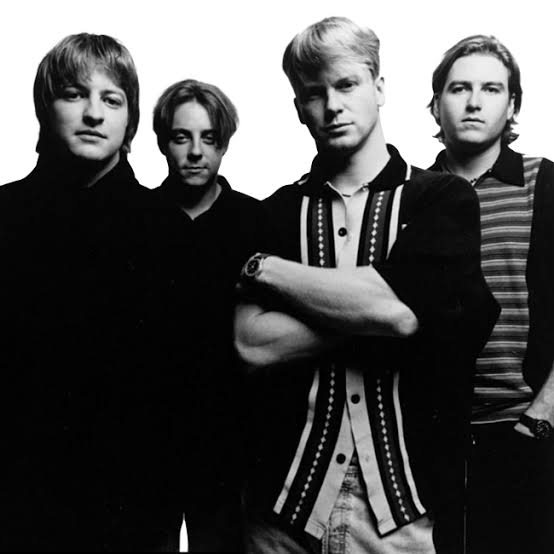
Deep Blue Something band photo

“Breakfast at Tiffany’s” is the kind of song people either defend with their whole chest or pretend they never liked. That means it did its job. Deep Blue Something made a bright, jangly, slightly ridiculous alt-pop single that wedged itself into the mid-90s like a movie reference nobody could escape.

It was not the coolest song on alternative radio. Let’s be adults. But it was insanely effective. The chorus was simple, the hook was obvious, and the whole thing had the easygoing charm of a song that knew it would outlive half the cooler bands on the playlist through sheer karaoke durability.

Why it became the one

Deep Blue Something became permanently tied to “Breakfast at Tiffany’s” because the song was built like a memory shortcut. Even if you did not know the band, the title, chorus and breezy delivery were impossible to miss.

It also sits in that mid-90s lane where alternative and pop blurred into radio-friendly guitar songs that annoyed purists and delighted everyone with a functioning car stereo. Not everything had to sound like existential collapse. Sometimes the hook just wins.

Career after the hit

The song appeared on Home, the album that became Deep Blue Something’s defining release. The band had other singles, including “Josey,” and later released Byzantium, but their biggest hit was too clean, too catchy and too culturally easy to separate from them.

After the initial run, the band members pursued other work and eventually returned to playing together in different stretches. Their story is not a dramatic flameout so much as a normal band life overshadowed by one absurdly durable song. “Breakfast at Tiffany’s” became the thing everyone remembered because it had no interest in leaving anyone’s brain.

Is the one-hit label fair?

Very fair in popular memory. The band had more music, but the movie-title chorus built a permanent little apartment in the 90s nostalgia district.

Signature Moment The chorus that turned one movie title into a forever earworm.
Why It Hit It was bright, easy, catchy and nearly impossible to remove from your brain.
Gen X Memory Hearing it at the grocery store years later and realizing resistance was pointless.
Still the song equivalent of finding an old Gap receipt in a CD case.

Keep rewinding: 25 Forgotten 90s Alternative Songs 90s Music MTV Alternative Rock Takeover 90s movie soundtracks

15

1997

Chumbawamba — “Tubthumping”

Pub-shout anthem Alt-pop chaos Unkillable hook
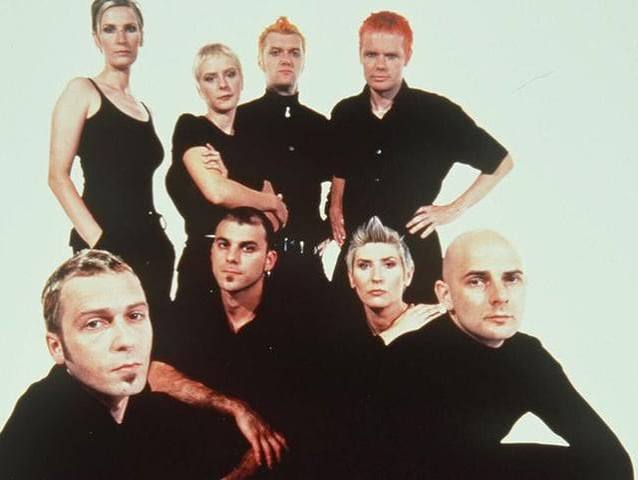
Chumbawamba band photo

“Tubthumping” is not alternative in the flannel-and-feedback sense, but it absolutely belongs to the late-90s alt-crossover circus. Chumbawamba delivered a shout-along anthem so indestructible it felt engineered in a lab by people who had studied soccer chants, bar fights and motivational posters.

It was ridiculous. It was political if you dug deeper. It was everywhere. And yes, it became a one-song cultural monument so large that casual listeners barely knew what to do with the band beyond it. That is one-hit-wonder mythology in its purest form: one chorus, infinite replay, no escape.

Why it became the one

Chumbawamba had a long history before “Tubthumping,” but the hit was such a massive pop-cultural event that it bulldozed everything else in mainstream memory. The song was built to survive repetition, bad speakers and terrible decisions.

It also arrived at a moment when alternative radio, pop radio and MTV were all cross-pollinating like nobody had read the warning label. A weird, chanty, anarchic singalong could sit next to guitar bands and somehow make perfect sense.

Career after the hit

Before the hit, Chumbawamba had years of politically charged music behind them, far removed from the way many casual listeners first encountered them. Tubthumper was the crossover moment, and “Amnesia” followed as another single, but nothing could realistically compete with a chorus that had already colonized sporting events, parties and every public space with speakers.

The group kept making music afterward, often returning to more overt political and folk-influenced territory, before eventually calling it a day in the 2010s. Their career is a reminder that one-hit wonder status can be wildly misleading: sometimes the public only knows the chant, while the band has a whole history of being far stranger and sharper than the hit suggests.

Is the one-hit label fair?

Commercially yes, historically no. Chumbawamba had a long political and musical life before the world got knocked down and got up again.

Signature Moment The chorus that refused to stay down, because subtlety had been asked to leave.
Why It Hit It was loud, communal, instantly memorable and basically impossible to defeat.
Gen X Memory Every party, every sports montage and every person yelling along like it was cardio.
Still gets knocked down, gets up again, and makes everyone deal with it.

Keep rewinding: Ska-Punk and the Bright Side of 90s Alternative 90s Alternative Videos on MTV 90s Music ska-punk in 90s alternative

16

1998

Semisonic — “Closing Time”

Last-call anthem Alt-pop classic Forever chorus
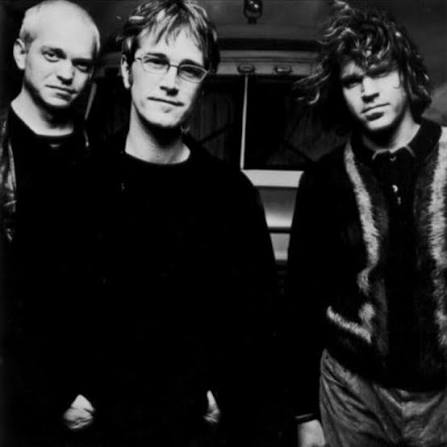
Semisonic band photo

“Closing Time” is one of the most unavoidable late-90s songs ever made. Semisonic created a bar-closing, life-changing, graduation-slideshow-ready anthem that somehow became sentimental, overplayed, beloved, mocked and immortal all at once.

The genius is that it works on multiple levels without making a big deal about it. On the surface, it is last call. Underneath, it is transition, endings, beginnings and the terrifying realization that time keeps moving even if your haircut says otherwise. The chorus is so clean it feels like it was born knowing it would be played over montages forever.

Why it became the one

Semisonic had real songwriting depth, but “Closing Time” became the giant because it was too universal to stay contained. It could mean leaving a bar, leaving school, leaving a relationship, leaving your twenties or leaving behind the illusion that you had any idea what came next.

That flexibility made it a monster. It belongs to everyone, which is both the dream and the curse of a massive one-hit wonder. Write a chorus this big and the world may never let you be known for anything else.

Career after the hit

The album Feeling Strangely Fine also gave Semisonic other important songs, including “Singing in My Sleep” and “Secret Smile,” and anyone who followed the band knew Dan Wilson was not a one-song writer. The public, however, heard “Closing Time” everywhere and basically laminated the band’s name to it.

After Semisonic’s initial run, Wilson became a major songwriter and collaborator outside the band, working in a lane far bigger than most one-hit-wonder conversations would suggest. Semisonic later returned with new music, giving longtime fans a reminder that the band had always been about craft, melody and emotional precision — not just last call and bar lights.

Is the one-hit label fair?

Very debatable. The hit is enormous, but Semisonic had other singles and Dan Wilson’s songwriting career makes the one-hit label feel hilariously underpowered.

Signature Moment The chorus that turned last call into a life metaphor with a bar tab.
Why It Hit It was simple, emotional, flexible and built for every ending imaginable.
Gen X Memory Hearing it everywhere and somehow still singing it even while complaining.
Still the official song of leaving somewhere you probably should have left earlier.

Keep rewinding: 25 Forgotten 90s Alternative Songs MTV Alternative Rock Takeover 50 Essential 90s Alternative Songs 90s movie soundtracks

17

1998

Fastball — “The Way”

Road-story pop Alt-radio polish Memory-lane hook
Fastball band photo
Fastball band photo

“The Way” is one of those songs that sounds breezy until you actually listen to the story and realize the sunshine has teeth. Fastball wrapped mystery, escape and melancholy in a polished alt-pop package that felt perfect for late-90s radio: catchy enough for mass play, strange enough to keep alternative credibility within shouting distance.

This one comes with an asterisk because Fastball had other recognizable moments, especially for people paying attention. But in the big casual-memory sweep of the decade, “The Way” is the song that towers over everything else — the one that still opens a portal straight to 1998.

Why it became the one

“The Way” had the perfect late-90s formula: a memorable keyboard line, a story with mystery, a chorus that felt instantly familiar and production smooth enough to travel between alternative, adult pop and car radio without changing clothes.

It also benefited from being darker than it first appeared. The song sounds like motion, but the story underneath gives it weight. That tension helped it stick around longer than plenty of songs that were trying much harder to sound important.

Career after the hit

Fastball is one of the least strict one-hit entries here because All the Pain Money Can Buy also produced “Fire Escape” and “Out of My Head,” with the latter becoming a genuine pop-radio memory for a lot of listeners. So yes, the one-hit label is shaky. But “The Way” remains the band’s biggest cultural signature.

The band continued with albums like The Harsh Light of Day, Keep Your Wig On, Step Into Light and more, settling into the kind of long-running power-pop/rock career that never needed to be defined by one late-90s smash. Still, if someone says Fastball at a party, the keyboard line from “The Way” starts playing in everyone’s head before anyone can be reasonable.

Is the one-hit label fair?

Not strict at all. Fastball had other real hits and a continuing career. This is here because mainstream nostalgia still treats “The Way” as the towering 90s moment.

Signature Moment The bright hook wrapped around a story that is not nearly as cheerful as it sounds.
Why It Hit It blended pop polish, road-movie mystery and alternative radio timing perfectly.
Gen X Memory Sounding great in the car until you realized the lyrics were not exactly a vacation brochure.
Still proof that late-90s radio could make melancholy sound suspiciously sunny.

Keep rewinding: 90s Alternative Songs That Defined the Decade 25 Forgotten 90s Alternative Songs 90s Music

18

1998

The Flys — “Got You Where I Want You”
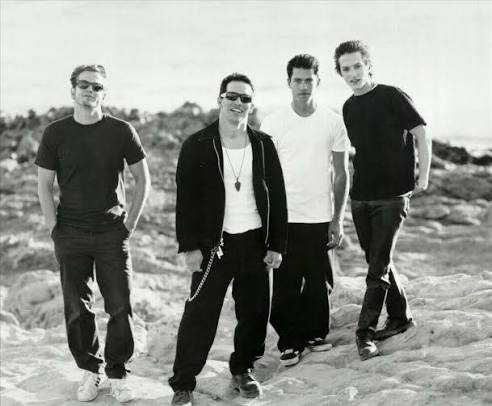
Late-90s cool Movie-soundtrack feel Slick alt-rock
The Flys band photo
The Flys band photo

“Got You Where I Want You” is late-90s alternative wearing sunglasses indoors. The Flys made a sleek, slightly sinister, effortlessly cool single that felt like it belonged in a movie trailer, a teen drama or the moment someone leaned against a wall and somehow made it a personality.

It does not hit with brute force. It glides. The groove is smooth, the chorus is sharp and the whole thing has that polished alternative sound that dominated the back half of the decade, when modern rock radio had learned how to look expensive without fully admitting it.

Why it became the one

The Flys became tied to this song because it had such a clear atmosphere. “Got You Where I Want You” felt cinematic, confident and just dangerous enough for radio. It sounded less like a band begging for attention and more like a scene already in progress.

That kind of cool can be hard to follow up. For casual listeners, the song became the whole snapshot: black T-shirts, late-90s production, soundtrack swagger and a chorus that knew exactly how good it looked.

Career after the hit

The song came from Holiday Man, and The Flys did have more music in the late-90s/early-2000s orbit, including the follow-up album Outta My Way. But “Got You Where I Want You” had the perfect mixture of radio gloss and soundtrack cool, which made it the band’s lasting identity for most listeners.

After their major moment, The Flys never turned into a long-running mainstream alternative force. Their hit remains a snapshot of the glossy end of the decade, when alternative rock could sound sleek, cinematic and just a little predatory, like it had been asked to pose next to a sports car it did not own.

Is the one-hit label fair?

Fair for mainstream memory. The band released more, but this is the song that still gets recognized before the name does.

Signature Moment The chorus sliding in like it owns the hallway.
Why It Hit It had sleek production, instant mood and just enough menace to feel memorable.
Gen X Memory A song that made every late-90s soundtrack feel slightly cooler than real life.
Still sounds like it should be playing while someone makes a very dramatic entrance.

Keep rewinding: Best 90s Alternative Movie Soundtrack Songs 90s Alternative Videos on MTV MTV Alternative Rock Takeover post-grunge and radio rock

19

1996 / 1997

Eels — “Novocaine for the Soul”

Sad-pop weirdness Alt-radio oddball Melancholy hook
Eels band photo
Eels band photo

“Novocaine for the Soul” is the kind of song that sounds playful until you notice it is quietly miserable. Eels gave 90s alternative radio a strange, melodic, emotionally sideways single that felt both catchy and detached, like depression had discovered a toy keyboard and a decent chorus.

The song’s charm is in its contradictions. It is light but sad, funny but wounded, odd but accessible. That combination fit perfectly into the alternative decade, when a song could be bleak as long as it had enough bounce to keep people from changing the station.

Why it became the one

Eels built a rich catalog, but for casual 90s listeners, “Novocaine for the Soul” became the mainstream entry point. It had enough novelty in the sound to stand out, enough melody to stick and enough emotional weirdness to avoid becoming disposable.

It is also one of those songs that feels more representative of the decade with time. Not because it was the biggest, but because it understood the 90s trick: make the sadness clever enough to hum.

Career after the hit

Eels were never really a one-hit act in the artistic sense. Mark Oliver Everett turned Eels into one of the most distinctive long-running projects of the post-90s indie/alternative world, following Beautiful Freak with emotionally heavy records like Electro-Shock Blues and Daisies of the Galaxy.

The catalog kept expanding with albums like Souljacker, Shootenanny!, Blinking Lights and Other Revelations, Hombre Lobo and many more. “Novocaine for the Soul” was the radio doorway, but Eels became a career act built on grief, black humor, melody and strange little survival mechanisms.

Is the one-hit label fair?

Commercially maybe; creatively no chance. Eels are a deep-catalog act whose biggest 90s radio moment just happened to be extremely sticky.

Signature Moment The chorus making emotional numbness sound oddly charming.
Why It Hit It balanced quirky production, melancholy and melody without sounding forced.
Gen X Memory Feeling vaguely sad and amused, which was basically the decade’s default setting.
Still sounds like smiling through a tiny existential crisis.

Keep rewinding: Weezer, Beck and Slacker Alternative 25 Forgotten 90s Alternative Songs 90s Alternative Songs That Defined the Decade 25 Forgotten 90s Alternative Songs

20

1996

Superdrag — “Sucked Out”

Power-pop blast Alt-rock crunch Cult favorite
Superdrag band photo

“Sucked Out” is the power-pop side of 90s alternative at full blast: loud guitars, sharp melody, sneering energy and a chorus that feels like it was designed to be shouted by someone who had not slept enough. Superdrag sounded like they loved hooks but did not want to be too polite about it.

The song had enough crunch for modern rock radio and enough melody to keep it from becoming another mid-90s fuzz blur. It was catchy, bitter and efficient — the kind of song that made you wonder why every band did not just write something this direct.

Why it became the one

Superdrag had a devoted fanbase and plenty of strong material, but “Sucked Out” became the mainstream memory because it delivered everything casual listeners needed in under four minutes. Riff, hook, attitude, done. No manual required.

It also landed in the same universe as Weezer, The Rentals and other bands bringing melody back into loud alternative guitar music without returning to glossy 80s rock. The song feels like a bridge between slacker irony and power-pop craft.

Career after the hit

The hit came from Regretfully Yours, an album that had more power-pop muscle than the casual one-song memory lets on. Superdrag followed with Head Trip in Every Key, a bigger and more ambitious record that fans often hold up as proof the band deserved a wider audience.

Later albums like In the Valley of Dying Stars and Last Call for Vitriol kept the cult alive, and the band reunited at points after its initial run. Superdrag’s story is not really a disappearance. It is the story of a band that wrote one perfect radio punch and then spent years being much better than the one-hit box allowed.

Is the one-hit label fair?

Fair only if you stopped at radio. Superdrag is a cult power-pop band first and a one-hit wonder only by mainstream shorthand.

Signature Moment The chorus hitting like a sugar rush through blown speakers.
Why It Hit It fused crunchy guitars, power-pop hooks and alt-rock attitude perfectly.
Gen X Memory That song your cooler friend insisted the whole album proved something.
Still sounds like a perfect three-minute argument for turning the volume up.

Keep rewinding: 25 Forgotten 90s Alternative Songs Weezer, Beck and Slacker Alternative 50 Essential 90s Alternative Songs slacker alternative

21

1995

The Rentals — “Friends of P.”

Moog-pop weirdness Weezer-adjacent Nerdy hook
The Rentals band photo

“Friends of P.” sounded like 90s alternative discovered a stack of old keyboards and decided awkwardness could be a superpower. The Rentals brought Moog-heavy nerd-pop into the modern rock conversation with a song that was catchy, odd and charmingly stiff in all the right ways.

It had the Weezer-adjacent appeal of smart, slightly uncomfortable guitar pop, but with a synthy texture that made it feel different from the usual fuzz-guitar pileup. It was not trying to be cool in the normal way. It was cool because it did not know what to do with its hands.

Why it became the one

The Rentals had built-in curiosity thanks to Matt Sharp’s Weezer connection, but “Friends of P.” worked on its own because it had a clear sound and a sticky hook. It felt like a side quest that somehow made it onto the main radio map.

The song also belongs to the 90s alternative moment when nerdiness, sincerity and irony were all fighting for the same thrift-store sweater. It did not sound like rebellion. It sounded like a very specific kind of awkward confidence.

Career after the hit

The Rentals’ debut, Return of the Rentals, had a distinct Moog-driven identity that separated the project from Weezer even as the connection helped listeners find it. The band followed with Seven More Minutes in 1999, moving further into polished, layered, oddball pop territory.

Matt Sharp revived The Rentals in later years with projects like Lost in Alphaville and Q36, making this another case where the mainstream remembered one song while the artist kept chasing a very specific sound. “Friends of P.” remains the cleanest doorway, but the Rentals’ synth-pop awkwardness had a longer battery life than people assume.

Is the one-hit label fair?

Fair for radio memory, but not for the project. The Rentals had a defined sound and later work that makes them more than just the Weezer-adjacent single.

Signature Moment The synth-driven hook that made awkwardness feel stylish.
Why It Hit It brought Moog-pop charm and Weezer-era nerd energy to alternative radio.
Gen X Memory A song that sounded like your CD collection had joined the AV club.
Still the sound of alternative rock realizing keyboards could be dorky and cool at the same time.

Keep rewinding: Weezer, Beck and Slacker Alternative Best 90s Alternative Albums 90s Music slacker alternative

22

1996 / 1997

Republica — “Ready to Go”

Electro-alt blast Sports-montage energy Late-90s adrenaline
Republica band photo

“Ready to Go” is late-90s adrenaline in song form. Republica smashed together alternative guitars, dance energy and big electronic hooks into a track that sounded like it was built for movie trailers, highlight reels, video games and people making very dramatic exits from rooms.

It did not mope. It did not shuffle. It launched. That alone made it stand out in a decade that often preferred emotional fog. “Ready to Go” had motion, attitude and enough glossy punch to make it feel bigger than the band’s U.S. footprint.

Why it became the one

Republica had more going on globally than casual American listeners usually remember, but in the U.S. alternative crossover memory bank, “Ready to Go” is the big one. It had an instant-use quality: drop it into any scene needing speed, confidence or mildly chaotic enthusiasm.

The song also showed how the back half of the 90s was blending rock and electronic textures more aggressively. Alternative did not have to be guitar-only anymore. It could pulse, flash and sprint.

Career after the hit

Republica’s self-titled debut also included “Drop Dead Gorgeous,” and the band had a bigger footprint in the U.K. than the American one-hit label usually acknowledges. Their sound fit the late-90s collision of alternative, dance-rock and electronic pop, which made them perfect for trailers, commercials and anything that needed instant acceleration.

They followed with Speed Ballads in 1998 and later returned after a long break. But for many U.S. listeners, “Ready to Go” remained the definitive moment: a song so wired for motion that it outlived its chart context through sheer licensing-friendly adrenaline.

Is the one-hit label fair?

Very U.S.-centric. Globally and catalog-wise, the story is bigger; American nostalgia mostly remembers the launch button.

Signature Moment The explosive hook that sounds like someone just kicked open a door.
Why It Hit It fused alt-rock attitude with dance-floor momentum and instant soundtrack appeal.
Gen X Memory A song that made every commercial break feel like extreme sports were about to happen.
Still sounds like drinking three Surge sodas and making eye contact with bad decisions.

Keep rewinding: 90s Alternative Songs That Defined the Decade 90s Alternative Videos on MTV 90s Music Britpop in the 90s

23

1994 / 1995

Edwyn Collins — “A Girl Like You”

Retro-cool groove Alt-pop noir Instant swagger
Edwyn Collins photo
Edwyn Collins photo

“A Girl Like You” sounds like it was recorded in the 90s while wearing a suit from a cooler decade. Edwyn Collins delivered a retro, swaggering, fuzzed-up groove that felt both vintage and completely at home in the alternative era.

The song’s charm is its confidence. It does not plead for attention. It strolls in, drops that guitar line, raises an eyebrow and lets everyone else catch up. In a decade crowded with angst, “A Girl Like You” brought style, swing and a little noir weirdness to the playlist.

Why it became the one

Edwyn Collins had a deeper history, including his earlier work, but for many 90s listeners this was the one song that cut through. It had the rare quality of sounding instantly familiar and totally distinct at the same time.

It also fit the decade’s soundtrack culture beautifully. This was a song made for cool entrances, closing credits and people who wanted their alternative rock with more style than sorrow.

Career after the hit

Calling Edwyn Collins a one-hit wonder is a very American, very casual-listener thing to do. Before “A Girl Like You,” he had already been the voice of Orange Juice, one of the key names in jangly post-punk/indie-pop history. The 90s hit was not a beginning so much as a surprise mainstream crossover from an artist with an established résumé.

After the hit, Collins continued making records and became admired for his resilience as well as his songwriting, especially after serious health struggles in the 2000s and a hard-earned return to music. So yes, “A Girl Like You” is the big radio memory. No, the man was not just a random 90s swagger machine in a good suit.

Is the one-hit label fair?

Commercially in the U.S., maybe. Artistically, no. Collins had a major pre-hit legacy and a long post-hit career.

Signature Moment The guitar groove that walks in like it owns the jukebox.
Why It Hit It mixed retro swagger, alternative cool and a hook that felt instantly classic.
Gen X Memory A song that made the 90s feel like they had discovered a vintage leather jacket.
Still sounds cooler than most of us ever looked in 1995, and that is rude but fair.

Keep rewinding: Best 90s Alternative Movie Soundtrack Songs 25 Forgotten 90s Alternative Songs MTV Alternative Rock Takeover Britpop in the 90s

24

1998

Eve 6 — “Inside Out”

Late-90s wordplay Pop-punk adjacent Big teen-radio hook
Eve 6 band photo
Eve 6 band photo

“Inside Out” gave the late 90s one of its most oddly memorable lyric images and a chorus that sounded built for every car full of teenagers shouting nonsense with absolute conviction. Eve 6 landed in that pop-punk-adjacent, alt-rock-radio zone where clever wordplay, loud guitars and big hooks could still feel fresh.

The song is bratty, catchy and just weird enough to avoid sounding like a generic radio single. It has the energy of someone trying to sound jaded while very obviously caring way too much, which is basically adolescence with a distortion pedal.

Why it became the one

Eve 6 had other recognizable songs, so strict chart lawyers may want to object. Noted. Please place your objection in the complaint box next to the AOL discs. In the larger 90s alternative memory bank, “Inside Out” is still the band’s defining flashpoint.

It hit because it was smart without slowing down, catchy without feeling sterile and dramatic in the very specific late-teen way where every feeling needs a metaphor and maybe a snack.

Career after the hit

The self-titled debut gave Eve 6 their big entrance, but the band’s story did not end there. Horrorscope followed in 2000 with “Promise” and the unavoidable graduation/slow-dance-adjacent “Here’s to the Night,” which means the strict one-hit label is pretty shaky if you lived through turn-of-the-millennium radio.

The band continued through later albums, lineup changes, reunions and a weirdly entertaining second life in internet-era rock discourse. But for the 90s alternative snapshot, “Inside Out” is still the hit that captures them at maximum teen-wordplay velocity: smart-aleck, loud, emotional and absolutely convinced the metaphor is going to land.

Is the one-hit label fair?

Not strict. Eve 6 had other recognizable songs, especially after the 90s. This one belongs because it is the giant late-90s alt-rock calling card.

Signature Moment The chorus that made everyone yell along before fully parsing the words.
Why It Hit It mixed clever phrasing, radio-friendly guitars and late-90s teen melodrama.
Gen X Memory That song you quoted badly but confidently, which was most of high school anyway.
Still the sound of big feelings, bigger hooks and metaphors that should probably be supervised.

Keep rewinding: 25 Forgotten 90s Alternative Songs 90s Alternative Songs That Defined the Decade 90s Music post-grunge and radio rock

25

1995

Whale — “Hobo Humpin’ Slobo Babe”

Alt-weird chaos MTV oddity No clean explanation
Whale band photo
Whale band photo

“Hobo Humpin’ Slobo Babe” is the kind of 90s alternative artifact that makes younger listeners ask if the decade was okay. No, but thank you for checking. Whale delivered a loud, bratty, bizarre single with a title that still looks like someone lost a bet at a record label meeting.

It was weird, catchy, annoying, exciting and aggressively not built for timeless dignity. In other words, it belonged perfectly to the 90s. The song had the chaotic energy of MTV letting the late-night slot choose the playlist while the adults were distracted.

Why it became the one

Whale never became a mainstream household name in the U.S., but this song became a cultish alternative-memory blast because it was impossible to confuse with anything else. The title, the delivery, the noise, the whole attitude — subtlety was not invited.

It also represents the stranger edge of the alternative boom, when labels and video channels were willing to throw genuinely odd songs into circulation just to see what happened. Sometimes what happened was this. History is complicated.

Career after the hit

The Swedish band’s debut album We Care brought together punky attitude, electronic touches and alt-rock noise in a way that felt very mid-90s and very hard to explain to anyone’s parents. The band released more material afterward, including All Disco Dance Must End in Broken Bones, but the U.S. memory mostly froze at the weirdest possible title.

That is part of the charm. Whale sounds less like a band that failed to follow up a hit and more like a band that blasted through the 90s weirdness portal for one brief, noisy moment. “Hobo Humpin’ Slobo Babe” remains the kind of song that proves alternative’s mainstream moment was not nearly as safe as nostalgia sometimes pretends.

Is the one-hit label fair?

Fair for U.S. mainstream memory. The band had more music, but this song’s title and chaos swallowed the oxygen.

Signature Moment The title alone causing responsible adults to question the entire format.
Why It Hit It was loud, strange, bratty and unforgettable in the most 90s way possible.
Gen X Memory Seeing it on MTV and realizing alternative music had absolutely no dress code.
Still sounds like a record-store dare that somehow escaped into broadcast television.

Keep rewinding: 90s Alternative Videos on MTV 25 Forgotten 90s Alternative Songs 90s Alternative & Grunge 90s alternative videos on MTV

The “Wait, Were They Really One-Hit Wonders?” Problem

Every one-hit-wonder list comes with arguments, because music fans are beautiful disasters. Some bands here had other charting songs. Some had cult followings. Some had albums that deserved better. Some were bigger outside the U.S. Some were never really one-hit wonders if you lived near the right radio station or had the right friend with a binder full of burned CDs.

That is why this list uses the big-memory version of the term. These are the songs that became the band’s mainstream shorthand for casual 90s listeners. You may know deeper cuts. You may own the albums. You may have seen them live in a room with sticky floors and one working bathroom. Respect. But when most people hear the band name, this is the song that comes flying back first.

The 90s were messy. The categories should be messy too. That is half the fun and at least 70 percent of the comment section.

Keep Rewinding the One-Hit-Wonder Radio Shelf

The one-hit wonders make more sense when the rest of the room is on: MTV, forgotten songs, slacker rock, post-grunge, Britpop, soundtracks and the big 90s alternative map.

FAQ: 90s Alternative One-Hit Wonders

What was the biggest 90s alternative one-hit wonder?

It depends how strict you want to be, but Spacehog’s “In the Meantime,” Harvey Danger’s “Flagpole Sitta,” Marcy Playground’s “Sex and Candy,” New Radicals’ “You Get What You Give” and Semisonic’s “Closing Time” are among the most memorable 90s alternative one-hit wonders for casual listeners.

Are these all strict one-hit wonders?

No. Some artists had other singles, cult followings, rock-radio airplay, international hits or major post-hit careers. This list focuses on the Gen X mainstream-memory version: one giant 90s alternative song that became the band’s defining cultural moment for casual listeners.

Why include career-after-the-hit sections?

Because many so-called one-hit wonders were not disposable bands. A lot of them released strong follow-up albums, had cult fanbases, moved into songwriting or kept touring and recording long after the radio spotlight moved on.

Why are some pop-rock songs included on a 90s alternative list?

Because 90s alternative was a messy radio universe. Modern rock stations played grunge, ska-punk, slacker rock, post-grunge, Britpop, alt-pop and weird soundtrack songs side by side. A song did not need to be pure grunge to become part of the alternative memory bank.

Which bands on this list are least fair to call one-hit wonders?

Nada Surf, Eels, Butthole Surfers, Edwyn Collins, Semisonic, Fastball, Local H and Chumbawamba are especially shaky one-hit-wonder cases because they had deeper catalogs, important earlier work, other singles or significant careers outside the one famous song.

Where should I go next for more 90s alternative music?

Start with the 90s Alternative & Grunge Hub, then jump to 25 Forgotten 90s Alternative Songs, 50 Essential 90s Alternative Songs, and MTV Alternative Rock Takeover.

Get the Weekly Gen X Drop

New videos, rewinds, and savage nostalgia — first.

SUBSCRIBE WATCH VIDEOS

MORE REWINDS