The Hook
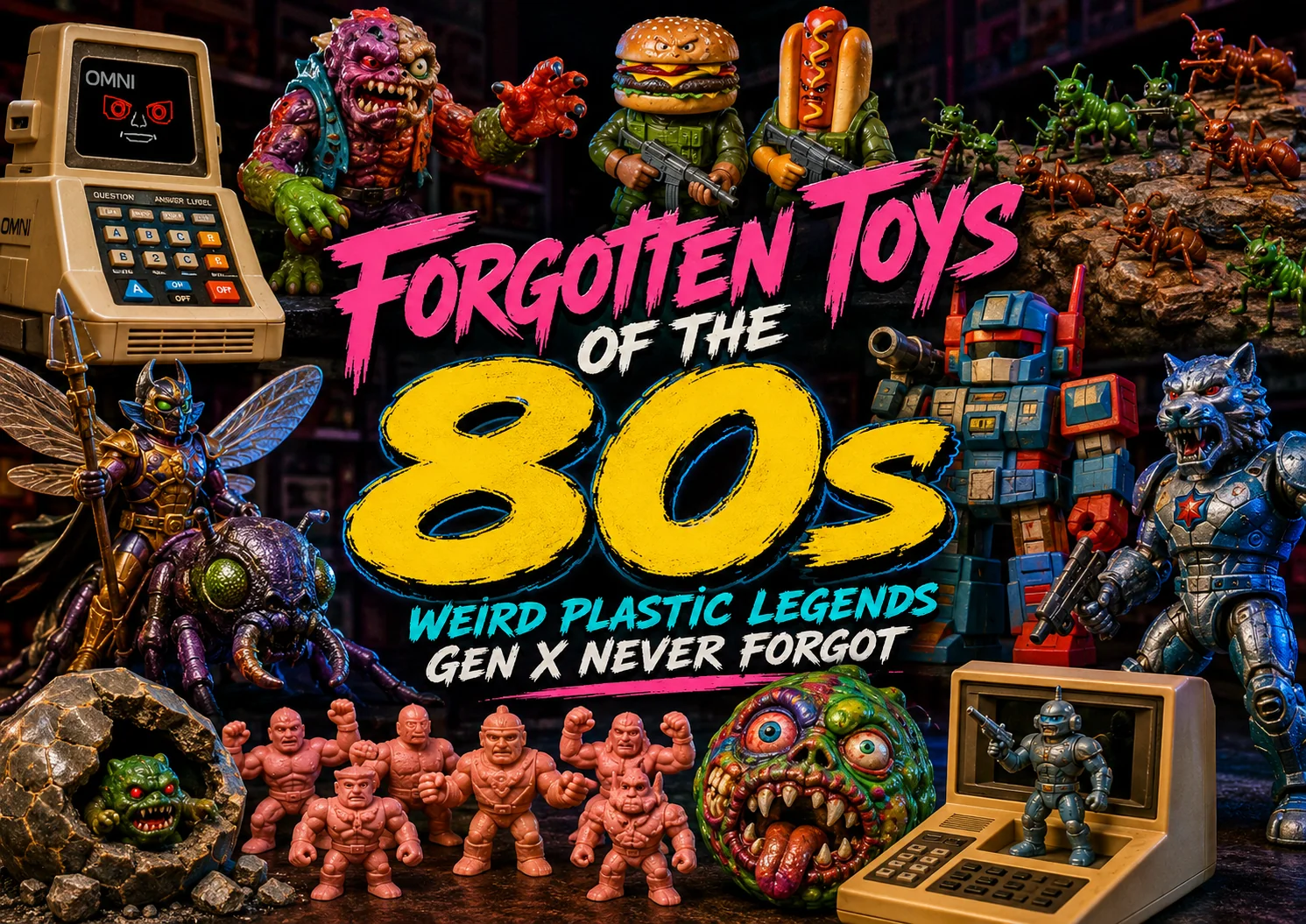
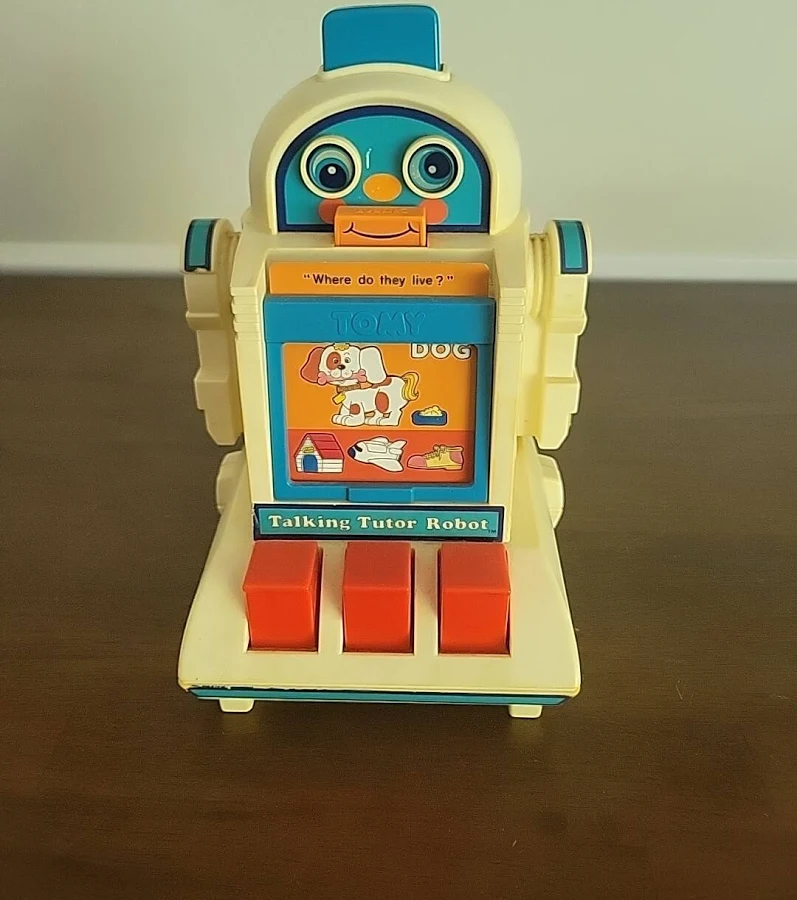
An electronic learning system with cartridges and quiz-style interaction that made education feel like a secret computer mission.
Why It Vanished
Educational electronics moved fast, and flashier handhelds, home computers, and video games made older learning gadgets feel dated quickly.
Why It Sticks
Retro-tech learning toys are cool again, and Omni has the analog-future energy that modern nostalgia collectors love.
It made learning feel like technology.
Omni belongs to that wonderful early-80s moment when anything electronic felt futuristic. It did not need full animation, colorful graphics, a touchscreen, or a character universe. The appeal was the machine itself. It had buttons, cartridges, quiz content, lights, sounds, and the promise that learning had entered the computer age.
For a Gen X kid, that mattered. School worksheets were boring. Flash cards were boring. But an electronic device that asked questions and responded like a tiny desktop oracle felt different. Omni turned studying into a ritual: insert the material, answer the question, wait for feedback, pretend you were operating classified equipment from the future.
The appeal was the cartridge mindset.
Omni also fit the early-80s cartridge mentality. Kids were being trained by video games, educational devices, and home computers to understand that a machine could become something new when you plugged in new content. That idea was powerful. A device was not just one toy. It was a platform.
That made Omni feel more expandable than a normal quiz toy. Different content could turn the same machine into a different experience. Even if the actual play was simple, the idea suggested depth. Kids did not just own a toy; they owned the base unit for a little electronic learning world.
Why it got buried.
The problem was timing. Educational electronics were evolving fast, and the 80s did not slow down for anything. Handheld games got more exciting. Home computers got more common. Video-game consoles made screens feel magical. Talking toys and electronic learning devices kept getting more personality. In that environment, a quiz-style machine could suddenly feel old even if it had felt futuristic five minutes earlier.
Omni also lived in a tricky lane. It was educational enough for parents, but maybe not wild enough for kids choosing between action figures, robots, arcade-inspired toys, and cartoon-backed franchises. It had a smart hook, but it did not have playground myth. Nobody was running across the schoolyard shouting about Omni lore.
Why it still sticks.
Omni has lasting nostalgia power because it sits at the intersection of retro computing, educational toys, analog interaction, and 80s futurism. Modern kids have screens everywhere, but that makes physical interaction more interesting, not less. A modern Omni-style device could be tactile, collectible, cartridge-based, and intentionally retro.
The trick would be not trying to make it a tablet. It should be the opposite of one: chunky, focused, physical, satisfying, a little strange, and built around the joy of plugging in a new module. Give it retro packaging, subject cartridges, sound effects, and a design that looks like a toy computer from 1983, and suddenly Omni feels less like an outdated learning machine and more like a cult object waiting to happen.
Omni belongs in the larger history of 80s electronic toys and gadgets. Its cartridge system, buttons, lights, and quiz-machine personality came from the same moment that made Speak & Spell, Simon, Merlin, handheld games, and home computers feel futuristic.