Backyard Toys, Bikes & Blasters: The 80s Outdoor Toy Chaos

Backyard Toys, Bikes & Blasters: The 80s Outdoor Toy Chaos
80s Toys Deep Dive

Backyard Toys, Bikes & Blasters: The 80s Outdoor Toy Chaos

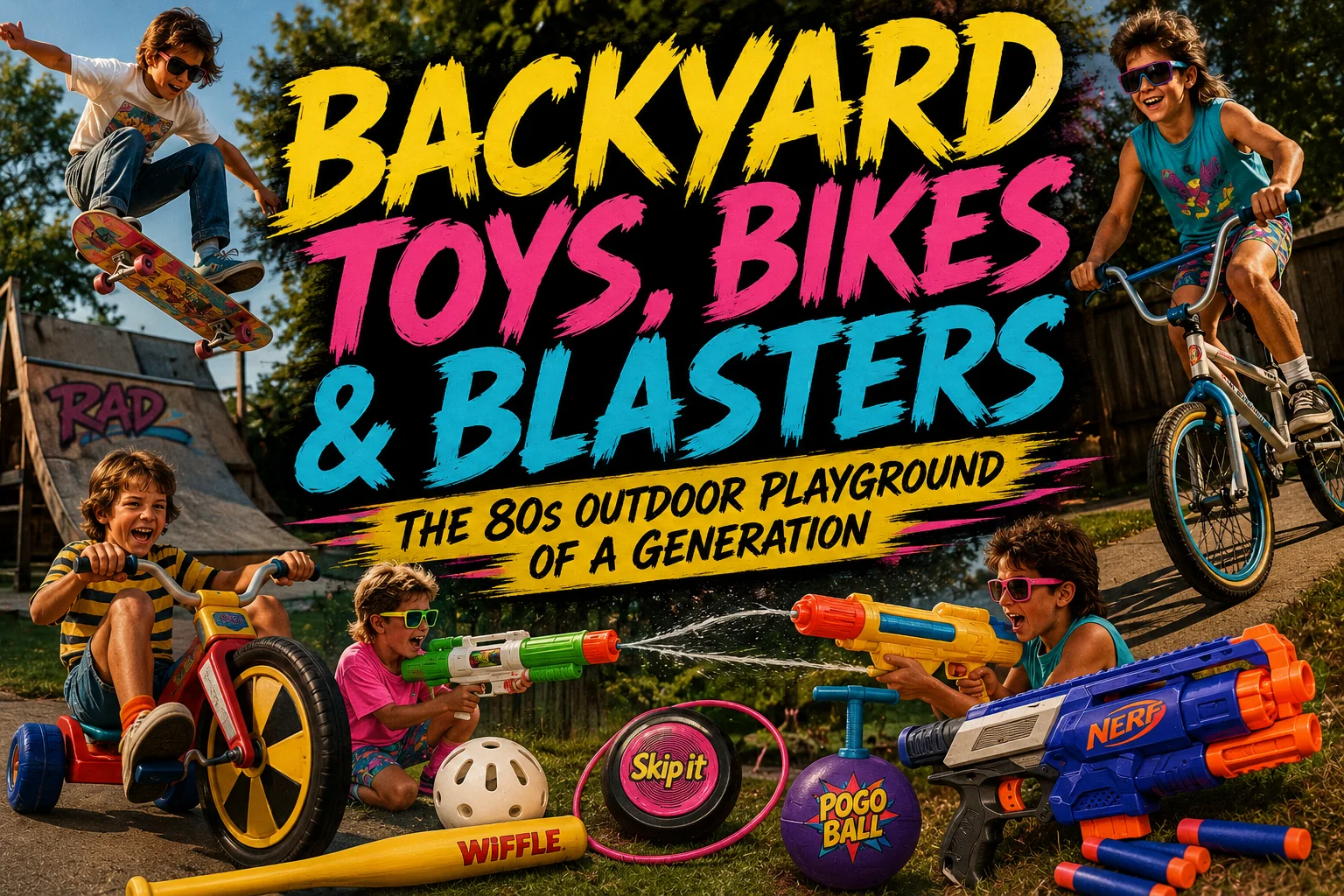
The 80s toy box did not stop at the bedroom door. It spilled into driveways, backyards, sidewalks, cul-de-sacs, patios, pools, parks, and streets where Gen X kids turned outdoor toys into full-contact childhood with barely any protective gear and a dangerous amount of confidence.

This was the world of BMX bikes, Big Wheels, Pogo Balls, Skip-Its, Nerf, water guns, skateboards, plastic bats, Wiffle Ball, lawn games, slip-and-slide chaos, homemade ramps, driveway races, sprinkler battles, and the phrase every parent should have feared more than anything else: “watch this.”

BMX Bikes
Big Wheels
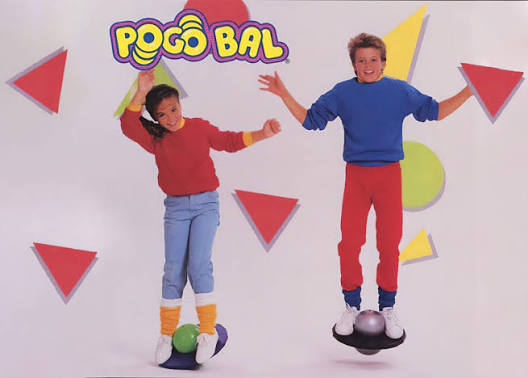
Pogo Ball
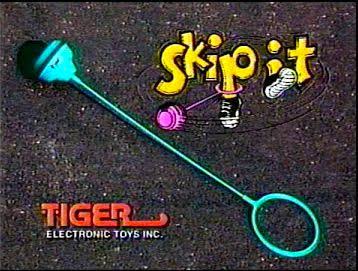
Skip-It
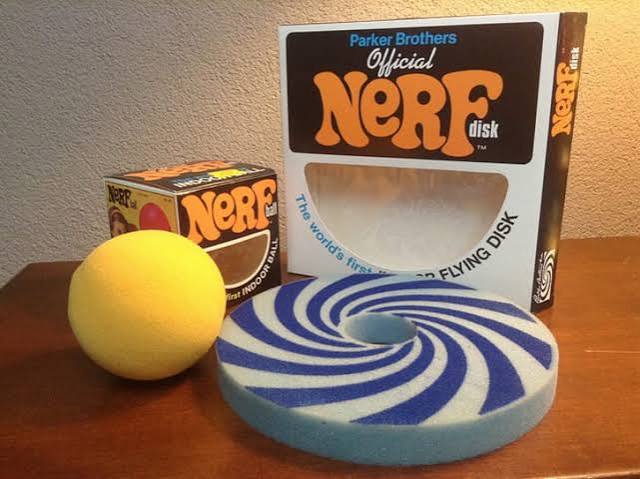
Nerf
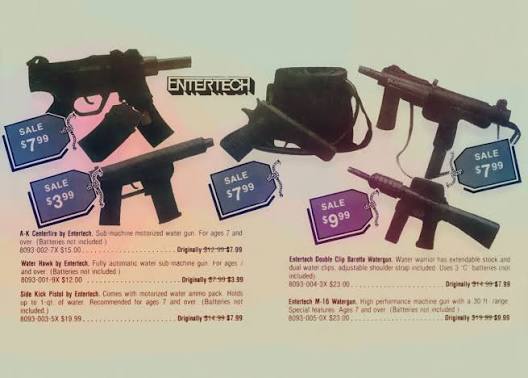
Water Guns
Skateboards
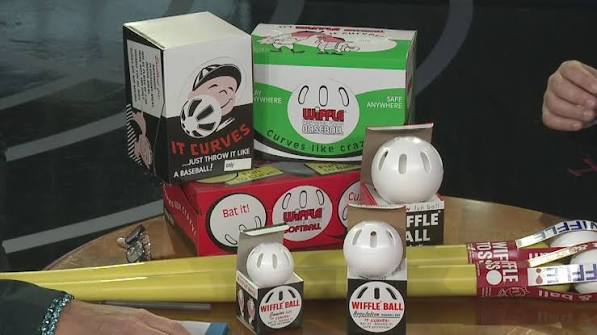
Wiffle Ball
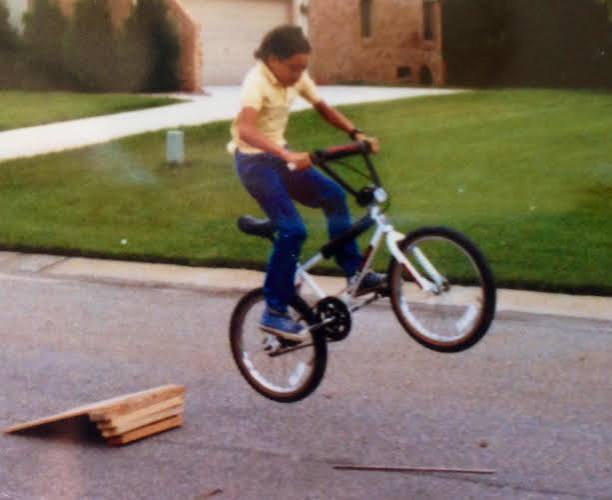
Driveway Ramps
“Watch This”

The backyard was the bonus level.

Before every playdate needed a plan, the 80s gave kids a bike, a ball, a hose, a ramp made from scrap wood, and a vague instruction to be home before dinner.

Why Backyard Toys Mattered in the 80s

They made the neighborhood playable.

A lot of 80s toys lived inside the bedroom: action figures, dolls, board games, electronic gadgets, video-game cartridges, stuffed animals, and whatever was currently wedged under the bed. Backyard toys did something different. They turned the outside world into the playset.

The driveway became a racetrack. The sidewalk became a launch strip. The backyard became a stadium. The street became a bike course. The sprinkler became a water park if your standards were low enough, which, thankfully, they were. A plastic bat, a Nerf ball, a water gun, or a bike could transform a normal afternoon into a full neighborhood event.

That made outdoor toys feel bigger than their boxes. They did not just give kids an object. They gave kids territory.

They ran on freedom, not batteries.

The 80s were not short on battery-powered toys, but outdoor play ran on a different energy. It ran on motion, weather, boredom, neighborhood kids, uneven pavement, and the absolute delusion that a homemade ramp was structurally sound because someone’s older brother said it was fine.

Outdoor toys also created a kind of play that was loud, physical, and hard to contain. There were races, crashes, arguments, dares, backyard rules, driveway tournaments, hose fights, and games that changed every time another kid showed up.

That loose structure is a big part of the nostalgia. Outdoor toys did not always tell kids exactly what to do. They gave them just enough equipment to invent trouble.

The sacred Gen X outdoor toy rule: the worse the idea, the more confident the kid explaining it.

“We’ll jump over the trash can.” “The ramp is totally stable.” “Aim for the sprinkler.” “The street is clear.” “You go first.” Backyard toy culture was built on these statements, plus a remarkable lack of helmets.

How the Driveway Became the 80s Rec Room

The driveway The all-purpose arena: bike races, chalk marks, basketball shots, plastic bat games, skateboard attempts, and questionable stunt planning.
The street The racing strip, neighborhood map, ball field, bike route, and place where someone yelled “car!” every four minutes.
The backyard The stadium, water zone, obstacle course, fort area, sprinkler park, and site of many games with rules invented mid-play.
The garage The toy armory: bikes, bats, balls, skateboards, pumps, water guns, pool toys, broken stuff, and one mysterious can of old paint.

Outdoor toy culture in the 80s was not only about specific products. It was about the places where those products got used. The driveway, sidewalk, backyard, garage, pool, patio, and street all became part of the toy environment. A bike was not just a bike. It was freedom, transportation, status, stunt equipment, and an excuse to disappear into the neighborhood for hours.

That mattered because outdoor toys were social by default. A single kid could ride a bike alone, but the best outdoor play usually escalated when more kids appeared. Someone brought a bat. Someone had a ball. Someone had a water gun. Someone had a skateboard. Someone suggested a ramp. Someone else should have stopped that person immediately.

The result was a kind of play that felt improvised and alive. The rules were local. The boundaries were flexible. The equipment was whatever was in the garage. The game ended when dinner was ready, it got dark, someone got hurt, or an adult finally noticed the plan.

The 80s Outdoor Toy Decade in Three Acts

1980–1982: Bikes, Balls, and Classic Outside Play

The early 80s still had plenty of timeless outdoor play: bikes, plastic bats, Wiffle balls, Frisbees, jump ropes, lawn games, pool toys, and backyard sports that needed very little except space and a willingness to argue over fair territory.

1983–1986: Bigger Stunts, Louder Toys, More Motion

Mid-decade outdoor play got more personality. BMX style, skateboards, ramps, trick attempts, water battles, Nerf play, and active toys gave kids more ways to turn sidewalks and driveways into improvised stunt zones.

1987–1989: Late-80s Playground Chaos

By the late 80s, Skip-It, Pogo Ball-style balance toys, bigger water warfare, action-sport energy, and more branded outdoor play helped make the outside world feel like another toy aisle, just with more pavement.

The Backyard Toys That Kept Gen X Moving

1980s BMX bikes and outdoor neighborhood riding
Freedom, Pegs, Dirt, and Driveway Status

BMX Bikes

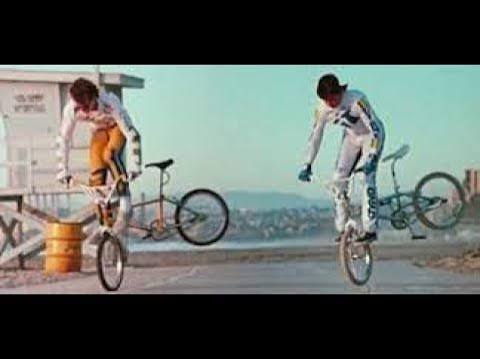
BMX bikes were more than transportation. They were status, freedom, stunt equipment, neighborhood identity, and the fastest way to turn an ordinary street into a racetrack with very questionable safety standards.

The Hook A bike that felt built for speed, tricks, dirt, curb jumps, and being more independent than your age technically supported.
The Argument Who had the best bike, who was fastest, whose ramp idea was dumb, and who was definitely not afraid to jump the curb.
The Lifestyle Neighborhood rides, driveway races, dirt trails, handlebar pads, number plates, scraped knees, and vanishing until dinner.

The bike was the passport.

A BMX bike gave 80s kids a different kind of toy power. It moved them through the neighborhood. It expanded the map. A kid with a bike could visit friends, find games, scout streets, race to the corner, or casually ride past someone’s house three times because subtlety had not been developed yet.

That made the bike feel bigger than almost anything else in the garage. Action figures created imaginary worlds. Bikes unlocked real ones. A few blocks became a kingdom. A cul-de-sac became a track. A vacant lot became a stunt arena.

Style mattered almost as much as speed.

Pads, colors, grips, plates, pegs, tires, decals, and general bike attitude mattered. A bike could be judged before anyone rode it. Kids knew which bikes looked cool, which ones looked like hand-me-downs, and which ones had been modified by someone with more confidence than tools.

The BMX look also connected to the decade’s action-sport energy. Even kids who were not doing real tricks still wanted the style of possibility. The bike implied that something impressive might happen, even if the reality was mostly curb hops and emergency braking.

The lifestyle memory

BMX memories are full of pavement, dirt, sun, chain grease, loose reflectors, squeaky brakes, and the weird pride of staying upright after a bad idea. The bike was not just a toy. It was a moving piece of childhood independence.

It also created the essential 80s outdoor sentence: “Let’s ride.”

1980s Big Wheel ride-on toys on a driveway
Plastic Thunder, Low Seating, and Sidewalk Dominance

Big Wheels

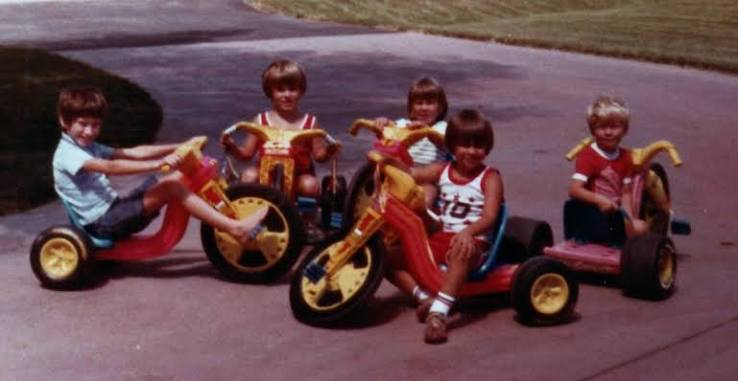
Big Wheels carried early childhood like a plastic muscle car. They were loud, low, dramatic, and perfectly designed for kids who wanted the feeling of speed before they had balance, brakes, or judgment.

The Hook A low plastic ride-on with a giant front wheel, pedal power, driveway attitude, and the sound of hard plastic abusing pavement.
The Argument Who got to ride it, who wore out the wheel, who cut across the lawn, and whether that hill was a good idea.
The Lifestyle Sidewalk racing, driveway loops, plastic wheel noise, spinouts, worn tires, and younger kids feeling like stunt drivers.

They sounded faster than they were.

The Big Wheel’s genius was partly sonic. Hard plastic wheels on pavement made a sound that felt like action. A kid might only be moving at the speed of a determined turtle, but the noise suggested a chase scene.

That made Big Wheels perfect for driveways and sidewalks. They were easy to understand, dramatic to ride, and close enough to the ground that every turn felt like a stunt. Kids did not need a destination. The ride was the entire event.

The worn-out front wheel was a badge of honor.

Big Wheels were physical toys that showed their history. The front wheel wore down. The plastic scraped. The seat got scuffed. The decals faded. The toy looked increasingly exhausted, which only proved it had been loved properly.

That wear was part of outdoor toy culture. A pristine toy was nice, but a beaten-up Big Wheel had stories. It had survived driveways, sidewalks, siblings, weather, and at least one terrible hill decision.

The lifestyle memory

Big Wheels belong to the earliest layer of 80s outdoor memory: before BMX freedom, before skateboards, before real speed. They were the first taste of vehicle identity.

And they made every driveway sound like a tiny demolition derby.

1980s skateboards and driveway sidewalk play
Curb Attempts, Sidewalk Scrapes, and Radical Delusion

Skateboards

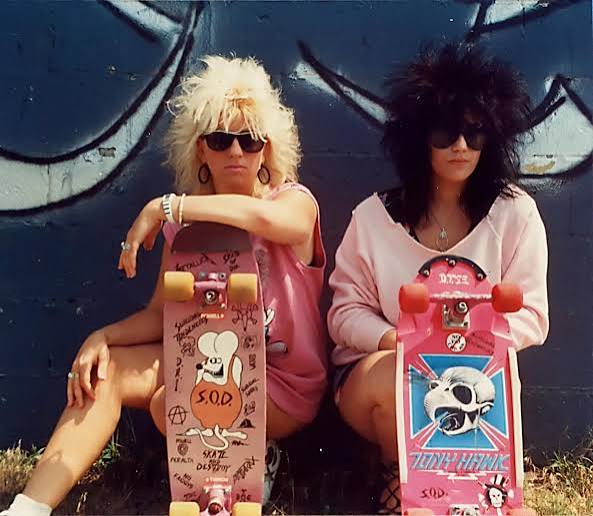
Skateboards gave 80s kids a compact way to injure their pride. They carried style, danger, freedom, and the powerful belief that watching someone else do a trick meant you were basically ready.

The Hook A board, wheels, balance, speed, curb tricks, driveway practice, and the promise of looking cooler than your actual skill level.
The Argument Who got to use the good board, who scratched it, who bailed, and whether standing on it in the garage counted as practice.
The Lifestyle Sidewalk runs, curb attempts, scraped palms, sticker-covered decks, driveway practice, and big talk before small tricks.

The skateboard was attitude on wheels.

Bikes had speed and range. Skateboards had attitude. A skateboard could sit in a corner and still look like trouble. The deck, wheels, stickers, scuffs, and stance all said something, even if the owner’s best trick was not falling immediately.

For 80s kids, skateboards connected backyard play to a larger culture of action sports, music, malls, sidewalks, and visual style. Not everyone could skate well, but almost everyone understood that skateboards looked cool.

The learning curve was public.

Skateboards were merciless because failure happened in full view. A bike crash could be explained. A skateboard slip looked personal. The board shot out, the kid went down, and everyone pretended not to laugh for roughly half a second.

That did not make kids quit. It made them try again, usually with less caution and more witnesses. The skateboard rewarded persistence, balance, and the ability to survive embarrassment.

The lifestyle memory

Skateboard nostalgia is not just about tricks. It is about driveways, curbs, sidewalks, empty parking lots, scratched decks, loud wheels, and the confidence gap between what kids imagined and what gravity allowed.

Gravity won a lot.

1980s Pogo Ball balance toy
1980s Skip-It active toy
Balance Toys, Ankle Hazards, and Playground Repetition

Pogo Ball, Skip-It, and Active Toy Madness

Some 80s outdoor toys did not need a team, a field, or a complicated setup. They needed one kid, one weird plastic object, and a willingness to repeat the same motion until something hurt.

The Hook Balance, rhythm, repetition, counting, jumping, spinning, and the feeling that an active toy could become a personal challenge.
The Argument Who got more skips, who counted wrong, whether a stumble counted, and why the toy attacked your ankle.
The Lifestyle Driveway practice, playground contests, personal records, sore ankles, balance fails, and kids turning repetition into competition.

They turned motion into scorekeeping.

Active toys like Pogo Ball and Skip-It worked because they gave kids a simple loop: try, count, fail, try again. There was no big story, no cartoon mythology, no giant playset. The play was the challenge.

That made them surprisingly sticky. A kid could keep going because the goal kept resetting. One more bounce. One more spin. Beat the last number. Prove that the previous failure was not accurate data.

They were playground status machines.

These toys were especially powerful around other kids. A high count mattered. Balance mattered. Looking smooth mattered. Falling in front of everyone also mattered, but in the less desirable direction.

They fit perfectly into recess, driveways, sidewalks, and backyard hangouts because they were easy to pass around. One toy could create a whole line of kids waiting to prove themselves against physics.

The lifestyle memory

Pogo Ball and Skip-It sit in that strange 80s category of toys that looked simple but produced real obsession. They were colorful, portable, active, and just dangerous enough to feel exciting without officially being dangerous.

Your ankles may remember differently.

1980s Nerf foam sports toys and backyard play
Foam Balls, Indoor Mercy, and Backyard Sports

Nerf and Foam Toy Sports

Nerf gave kids the magic of throwing things without instantly destroying the room. Foam balls, footballs, and sports toys made rough play feel safer, softer, and still somehow capable of causing arguments.

The Hook Soft foam sports toys that could be thrown, kicked, squeezed, caught, dropped, and used in games almost anywhere.
The Argument Whether someone was out, whether the ball hit the lamp, whether indoor play was allowed, and who squeezed it into a weird shape.
The Lifestyle Backyard football, hallway catches, basement games, softer chaos, and parents believing foam meant safety. Adorable.

Foam made throwing things socially acceptable.

One of Nerf’s great powers was plausible deniability. It was soft, so it seemed safe. It was a ball, so it seemed sporty. It was lightweight, so it seemed harmless. This gave kids tremendous room to make poor decisions indoors and outdoors.

Foam toys lowered the stakes but did not remove the chaos. They bounced unpredictably, got squeezed into odd shapes, landed in bushes, knocked over cups, and became part of every improvised sport kids could invent.

Nerf connected indoor and outdoor play.

Unlike a bike or skateboard, a Nerf ball did not care where the game happened. Backyard, basement, hallway, driveway, living room, poolside — anywhere could become a field if the adults were not watching too closely.

That flexibility made foam toys essential. They were not always the star of the toy aisle, but they were constantly useful. If there were kids around, a foam ball could start something.

The lifestyle memory

Nerf nostalgia is about quick games, soft throws, sibling catches, backyard football, and the fake confidence that “it won’t break anything” was a guarantee.

It was not a guarantee.

1980s water guns and backyard summer water battles
Hose Refills, Plastic Pistols, and Summer Warfare

Water Guns and Backyard Battles

Water guns turned summer into a neighborhood arms race. Small plastic pistols, pump toys, squirt bottles, buckets, hoses, and eventually bigger water blasters all fed the same basic mission: soak first, negotiate later.

The Hook Portable water warfare, hose refills, ambushes, sprinkler zones, and the ability to turn heat into battle.
The Argument Who had the better range, who refilled illegally, who sprayed too close, and whether the hose counted as cheating.
The Lifestyle Summer afternoons, backyard alliances, wet sneakers, towel shortages, and parents yelling not to soak the porch.

The hose was the supply depot.

Water-gun play was simple until refills became strategic. Whoever controlled the hose had power. A small water pistol could be enough if you could refill quickly. A bigger blaster looked impressive until it ran dry and the other kids closed in like tiny wet predators.

That refill rhythm gave water battles structure. Attack, retreat, refill, ambush, complain, repeat. It was not just spraying. It was logistics, but with more yelling.

Summer made everything fair game.

Water toys worked because summer loosened the rules. Being wet was the point. Sprinklers, kiddie pools, hoses, buckets, and squirt guns all blurred together into one backyard water system. If it held water, it could become a weapon.

The best water battles were rarely organized. They started small and escalated. One squirt became retaliation. Retaliation became teams. Teams became a hose. The hose became a parental intervention.

The lifestyle memory

Water-gun nostalgia is the smell of hot pavement, hose water, grass, plastic, and sunscreen. It is wet socks, backyard shouting, and the unfairness of someone having better range.

It was summer warfare with a refill limit.

1980s Wiffle ball and backyard driveway sports toys
Plastic Bats, Wiffle Balls, Frisbees, and Lawn Rules

Yard Games and Driveway Sports

Not every outdoor toy was flashy. Some of the most important 80s backyard toys were the simplest: plastic bats, Wiffle balls, Frisbees, kickballs, lawn darts-style games, badminton sets, horseshoes, and whatever equipment could survive a summer.

The Hook Simple equipment that could turn any yard, driveway, street, or empty lot into a game with rules made up locally.
The Argument Foul balls, ghost runners, automatic doubles, imaginary boundaries, close calls, and whether the garage door was in play.
The Lifestyle Backyard baseball, street games, Frisbee throws, cheap equipment, loose rules, and kids adapting sports to whatever space existed.

The rules belonged to the neighborhood.

Backyard sports were rarely official. Every yard had its own field dimensions. Every driveway had its own hazards. Every street had car interruptions. Every group had house rules that made perfect sense locally and absolutely no sense anywhere else.

That was the magic. A plastic bat and ball could create a whole game because kids were experts at adapting. The tree was first base. The fence was a home run. The driveway was foul. The neighbor’s yard was out because nobody wanted to retrieve the ball from that guy.

Simple toys created endless variations.

A Wiffle ball, Frisbee, or kickball could be used in dozens of ways. It could be baseball, dodgeball, catch, target practice, trick throws, driveway home-run derby, or a brand-new game invented because nobody could agree on the old one.

That flexibility kept these toys alive. They were not tied to one play pattern or one brand universe. They were tools for making the outside playable.

The lifestyle memory

Yard-game nostalgia is full of uneven teams, local rules, cheap plastic equipment, grass stains, arguments over invisible lines, and the endless search for the ball that went into the bushes.

Half of childhood was looking for the ball.

Slip, Spray, Splash, and Questionable Lawn Engineering

Pool, Sprinkler, and Summer Water Toys

Summer toys turned ordinary yards into budget water parks. Kiddie pools, sprinklers, Slip ’N Slide-style runs, pool floats, dive toys, beach balls, and hoses gave kids a reason to spend the whole day outside getting sunburned in shifts.

The Hook Water play that made the backyard feel cooler, louder, messier, and dramatically more exciting than sitting inside.
The Argument Who got the best float, who splashed too much, who ruined the slide path, and why the sprinkler kept pointing at the patio.
The Lifestyle Wet grass, hose water, plastic pools, towels everywhere, sunburn, popsicles, and parents yelling not to track water inside.

The backyard water park was mostly imagination.

A sprinkler and a plastic pool did not look like much, but kids could make them feel enormous. The sprinkler became an obstacle course. The pool became headquarters. The hose became a weapon. The slide became a speed challenge that was only safe in theory.

Water toys worked because summer raised the value of anything wet. Even a bad sprinkler pattern could become a game. Run through, jump over, dodge the spray, complain about the cold water, then do it again.

The Slip ’N Slide energy was pure 80s confidence.

The basic idea of launching yourself across a wet strip of plastic on the lawn is both brilliant and deeply suspicious. Kids loved it because it felt fast, physical, and slightly out of control. The better the run, the bigger the bragging rights.

It also produced the usual outdoor toy problems: bumps, awkward landings, lawn debris, sliding too far, not sliding enough, and one kid trying something dramatic because the group needed content.

The lifestyle memory

Summer water toys are remembered through grass stuck to wet feet, towels hanging over chairs, plastic smells, cold hose water, and the sound of screen doors opening and closing all day.

It was not fancy. It was perfect.

1980s driveway ramps and homemade bike stunt setup
Scrap Wood, Curb Jumps, and Bad Engineering

Driveway Ramps and Homemade Stunts

No 80s outdoor toy story is complete without the homemade ramp: a piece of plywood, a cinder block, a loose brick, a curb, or anything that could convince a kid gravity was negotiable.

The Hook Turn bikes, skateboards, Big Wheels, and scooters into stunt vehicles using materials no engineer would approve.
The Argument Who had to go first, whether the ramp moved, how high the jump was, and whether almost landing counted.
The Lifestyle Driveway dares, neighborhood spectators, scraped knees, bent wheels, and the famous last words: “It’ll work.”

The ramp made every toy more dangerous.

Bikes were fun. Skateboards were fun. Big Wheels were fun. Add a ramp and suddenly every toy had a mission. The ramp transformed ordinary play into performance. Kids were no longer just riding. They were attempting something.

That attempt mattered even when it failed. Especially when it failed. The group gathered. Someone judged the angle. Someone gave terrible advice. Someone claimed they had done it before. Then the rider went, and everyone learned something about physics.

Homemade engineering was part of the culture.

The materials were almost always suspicious: plywood, scrap wood, bricks, buckets, curbs, boards from the garage, and objects borrowed without permission. The ramp did not have to be good. It only had to look possible from a child’s perspective.

That improvisation is a huge part of Gen X outdoor toy memory. Kids did not need a manufactured stunt set. They built one from whatever was nearby and then trusted it with their bones.

The lifestyle memory

Driveway-ramp memories are equal parts courage, stupidity, and neighborhood theater. The ramp was not just an object. It was an event generator.

A bad ramp could make a good story. The 80s understood that.

The Rules Were Local, Loose, and Usually Loud

Outdoor play in the 80s had rules, but those rules were usually invented by whoever showed up first and argued the hardest. Every neighborhood had its own version of baseball, tag, bike racing, water fights, driveway basketball, and street games. Boundaries were imaginary but fiercely defended.

The streetlight rule gets remembered for a reason. Outdoor play had a loose schedule. Kids went out, found other kids, made something happen, and came home when called, when hungry, when it got dark, or when someone got hurt enough that the group had to reconsider the activity.

Backyard toys fit perfectly into that rhythm because they were flexible. A bike could become transportation, racing, stunts, or a getaway vehicle. A water gun could become war. A Nerf ball could become football, dodgeball, keep-away, or indoor contraband. A plastic bat could make a whole afternoon out of a patch of grass.

That flexibility is why 80s outdoor toys still feel so powerful. They were not just things. They were invitations to make the neighborhood do something.

Commercials Sold the Stunt Version

The ad always showed the perfect kid.

80s outdoor toy commercials made every toy look faster, smoother, cooler, and more socially transformative than reality. Kids in commercials nailed tricks, raced perfectly, laughed on cue, and used toys in bright, open spaces that looked nothing like your cracked driveway with the oil stain.

That gap was part of the sale. The commercial showed the dream version. Real life supplied the awkward attempt, the scraped elbow, the missing piece, and the neighbor yelling about the ball in their yard.

Outdoor toys created playground status.

A good bike, a new water blaster, a cool skateboard, a fresh Nerf ball, or a popular active toy could change a kid’s status fast. Outdoor toys were visible. Other kids saw them immediately. They could be tried, borrowed, judged, raced, and envied.

That public nature made them different from bedroom toys. A figure collection could impress a friend indoors, but a bike or blaster announced itself to the whole block. Outdoor toys were social currency with wheels, water, foam, or plastic.

Why 80s Backyard Toys Still Hit

Backyard toys still hit because they represent a kind of childhood that was physical, social, improvised, and a little bit feral. The toys were simple, but the play was huge. Bikes, balls, blasters, skateboards, ramps, sprinklers, plastic bats, and foam toys gave kids just enough structure to create their own world outside.

The 80s toy aisle was packed with indoor spectacle, but outdoor toys gave Gen X something different: movement. The best memories are not always about unboxing the toy. They are about riding it until the streetlights came on, throwing it over the fence, losing it in a bush, chasing it down the driveway, or using it in a game nobody could fully explain.

That outdoor play also created independence. Kids learned the neighborhood by bike. They learned local rules by arguing. They learned physics by falling. They learned courage from ramps and humility from skateboards. They learned that hose water tasted terrible and still somehow became part of summer.

Backyard toys did not need cartoons to matter. They had the block, the yard, the driveway, the garage, the street, and a whole generation of kids ready to turn nothing into something.

80s Backyard Toys FAQ

What outdoor toys were popular in the 80s?

Popular 80s outdoor toys and play staples included BMX bikes, Big Wheels, skateboards, Pogo Balls, Skip-Its, Nerf balls and foam sports toys, water guns, plastic bats, Wiffle balls, Frisbees, sprinkler toys, pool toys, lawn games, and driveway sports equipment.

Why were bikes such a big part of 80s childhood?

Bikes gave kids independence, neighborhood mobility, status, and a way to turn streets and driveways into play spaces. For many Gen X kids, a bike was not just a toy. It was transportation, freedom, and a social passport.

Were outdoor toys part of 80s toy culture?

Absolutely. The 80s toy story was not only action figures, dolls, board games, and electronics. Outdoor toys were a major part of how kids played, especially in neighborhoods, yards, driveways, streets, pools, and parks.

What made 80s backyard play different?

80s backyard play was often loose, social, improvised, and lightly supervised. Kids used simple toys to create their own games, rules, races, battles, stunts, and neighborhood traditions.

Why are 80s outdoor toys so nostalgic?

They are nostalgic because they are tied to freedom, summer, scraped knees, neighborhood friends, garage clutter, sidewalk races, sprinkler runs, homemade ramps, and a kind of physical play that felt spontaneous and huge.

Get More Gen X Rewinds

Want more 80s toys, cartoons, music, movies, fads, and forgotten pop-culture weirdness? Join the rewind and keep the nostalgia machine running.

Get the Rewind

Get the Weekly Gen X Drop

New videos, rewinds, and savage nostalgia — first.

JOIN THE NEWSLETTER WATCH VIDEOS

MORE REWINDS